

13 Grandmacore Kitchen Ideas That Make Cooking Feel Like the Slowest, Coziest Kind of Magic
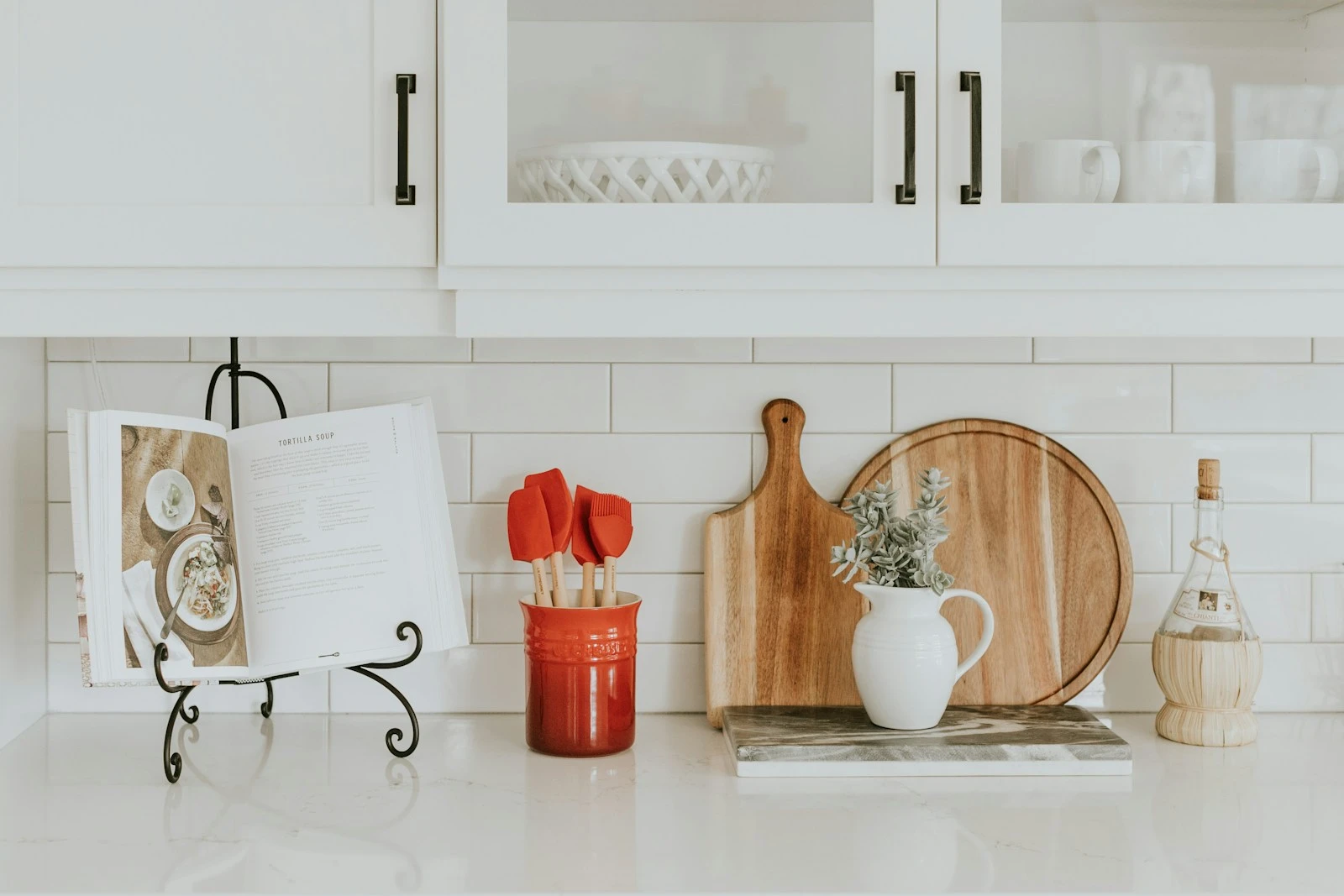
There’s a specific kind of afternoon I keep chasing. Overcast sky. Something bubbling on the stove. A kitchen that smells like butter and herbs and maybe a little bit of vanilla. No podcast playing, no notifications. Just the sound of a wooden spoon against a pot.
My current kitchen doesn’t look like that. It looks like efficiency. White surfaces, open shelving with exposed canned goods, a very sleek faucet I bought because it photographed well. It’s fine. It’s just not that.
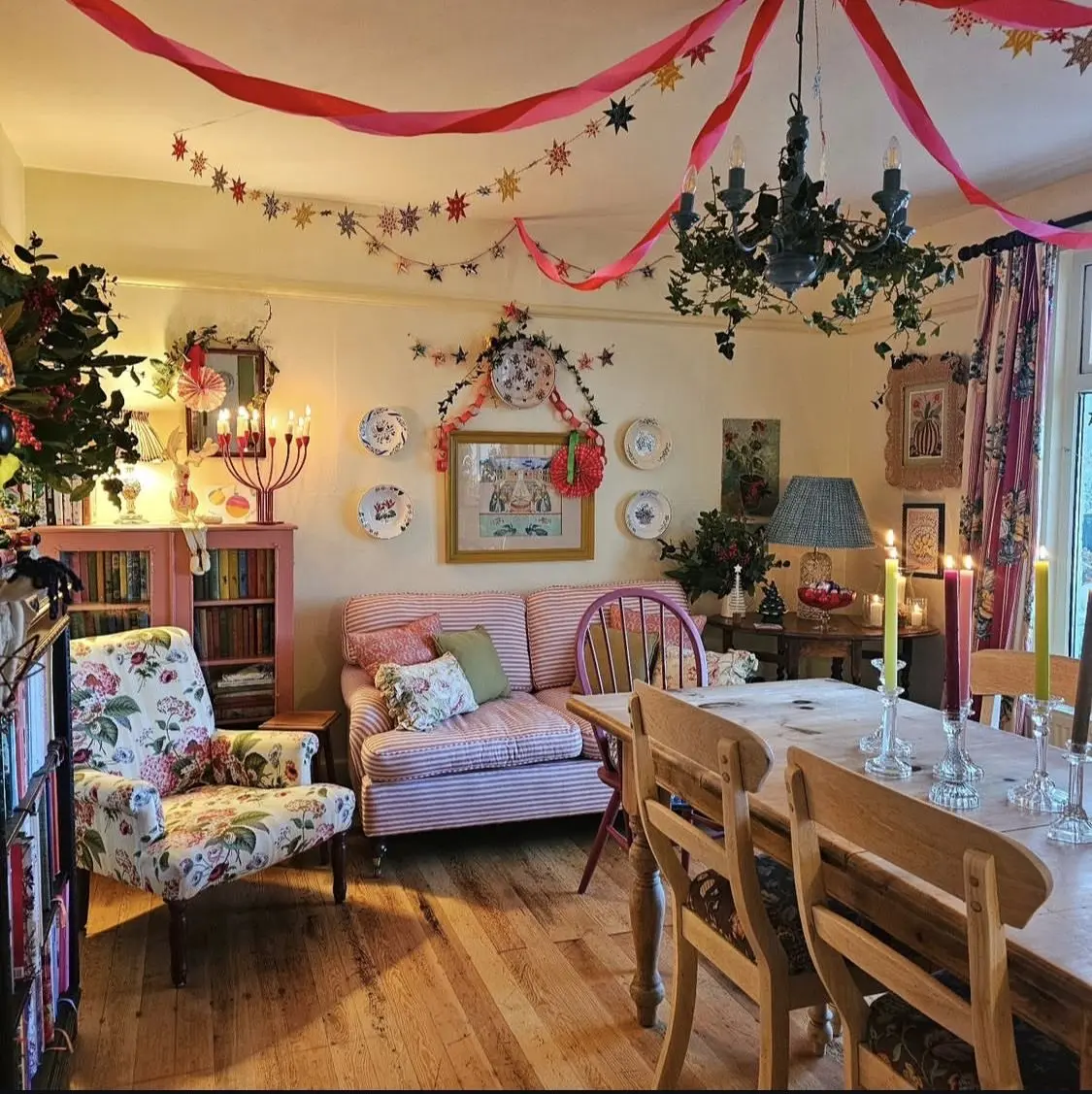
Grandmacore kitchen ideas are basically the antidote to that. The whole aesthetic is about warmth over minimalism — mismatched dishes, embroidered linens, floral everything, things that look like they’ve been in the family for thirty years. Whether you’re decorating from scratch or just want to soften a cold modern kitchen, these ideas are easier (and cheaper) than you’d think.
This post contains affiliate links. If you buy something through these links, I may earn a small commission at no extra cost to you. I only recommend things I’d actually use.
The Dishes Come First (And They Should Not Match)
The number one thing that makes a kitchen feel grandmacore is what’s sitting on the open shelves or in the cupboard you can see into. Matching white plates from a big box store? Modern. Mismatched florals stacked in an imperfect pile? That’s the whole vibe.
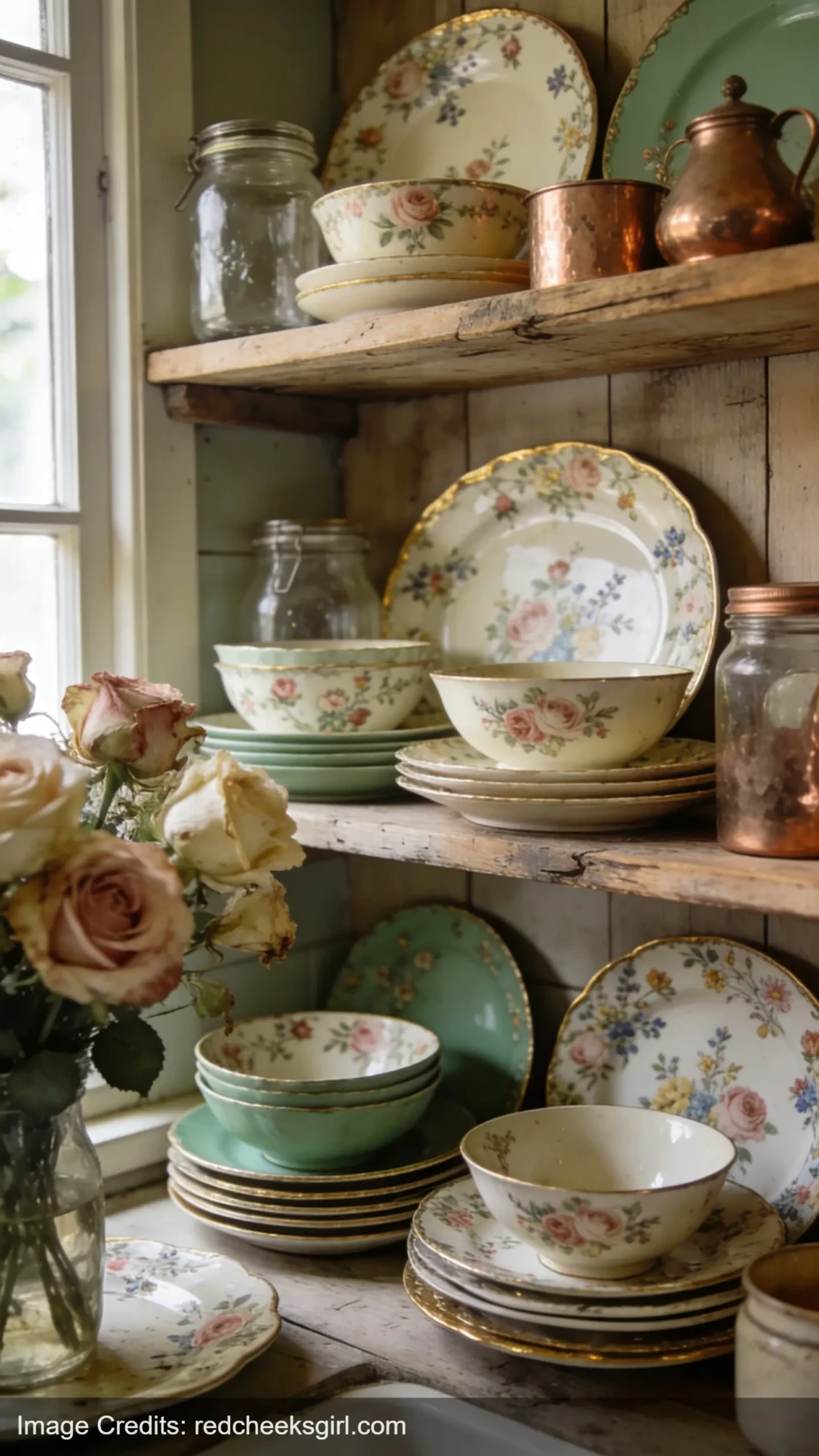
You don’t need to replace everything. Start with one or two vintage-looking floral ceramic plates and stack them in front of what you already have. Thrift stores are genuinely the best source for this — you’ll find old Corelle, hand-painted pottery, blue and white transfer ware, the whole deal. Two dollars a plate, sometimes less.
The mismatch isn’t the problem. It’s the point.
A Tablecloth. An Actual Tablecloth.
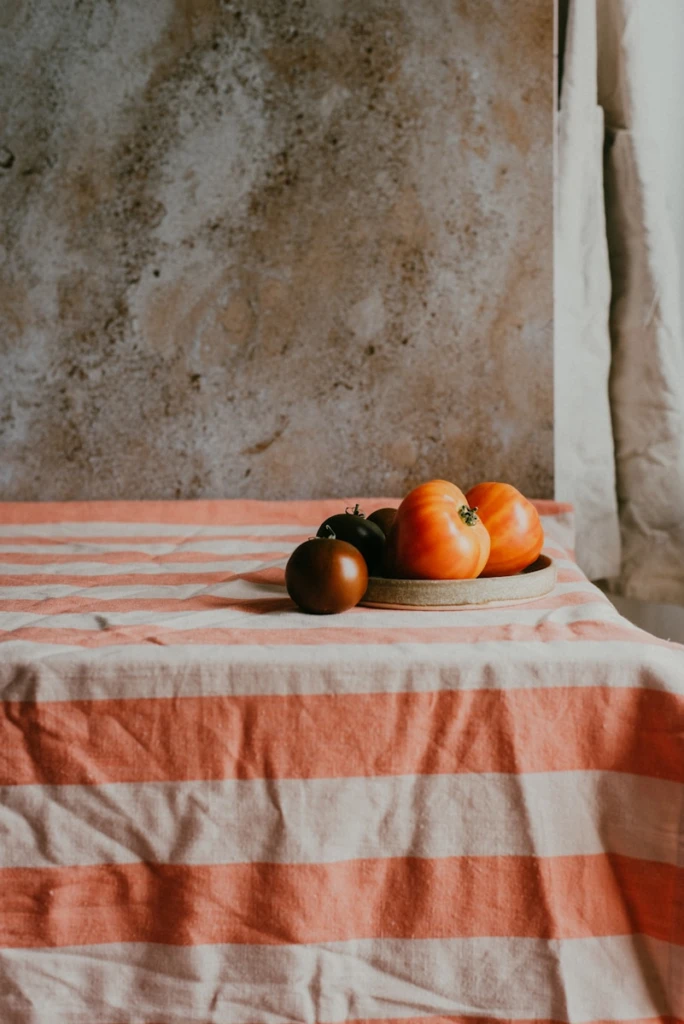
I don’t mean a decorative runner. I mean a tablecloth that goes all the way to the edges, maybe slightly too long, possibly with embroidered flowers or a faded gingham check. The kind that gets washed so many times it goes a little soft and wrinkly no matter how well you fold it.
This single thing transforms a kitchen table from a surface where you open mail into a place you’d actually want to sit and eat a meal slowly.
Look for embroidered cotton tablecloths or anything in yellow, sage, dusty rose, or white with colored stitching. Linen works too. Polyester does not. You’ll feel the difference.
The Bread Box Is Back
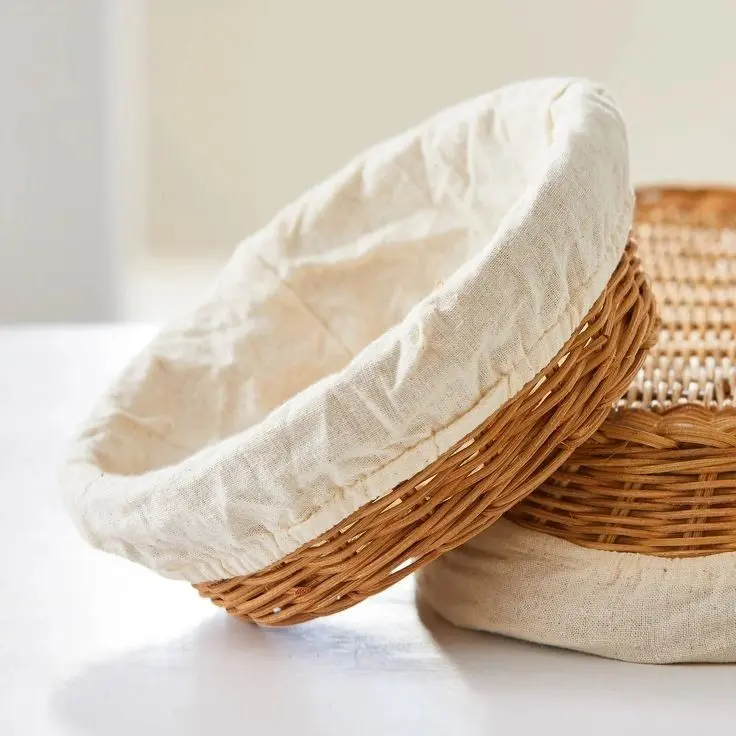
Okay, hear me out. A bread box on the counter is one of the most underrated kitchen moves. It keeps bread fresher than a bag on the counter (genuinely — it regulates moisture better). It looks like something from 1962 in the best way. And it takes up the kind of counter real estate that would otherwise collect a pile of mail and three random lip balms.
Enamel or painted tin ones are the grandmacore-est. White with little painted flowers, cream with a red knob. You can find new ones that look old, or actual old ones on eBay and at estate sales for almost nothing.
A vintage-style enamel bread box is probably $20–40 and it’ll outlive you.
Curtains on the Lower Cabinets (Seriously)
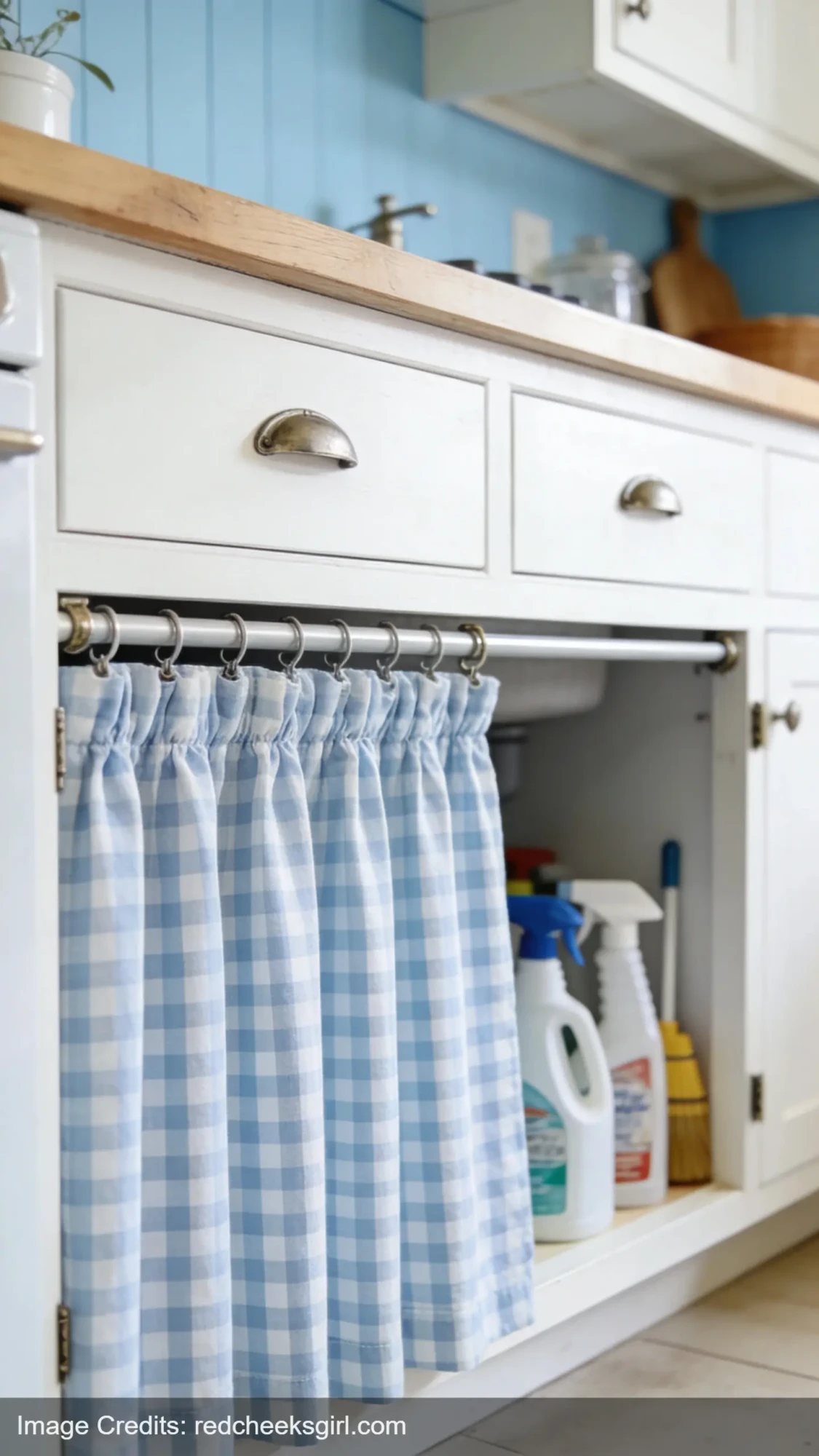
This one feels dramatic but it’s not. Instead of lower cabinet doors — or under the sink, or under a counter with open shelving — you hang a little curtain. Gathered, slightly floppy, in a fabric print that makes the room feel softer.
Old farmhouses and European kitchens have done this forever. A tension rod and about half a yard of fabric is all you need. Floral cotton, ticking stripe, anything in a vintage-adjacent pattern. The ones with tiny red or blue flowers on a cream background are the most classic.
It hides the cleaning supplies under the sink. That alone is worth it.
Copper and Cast Iron on Display
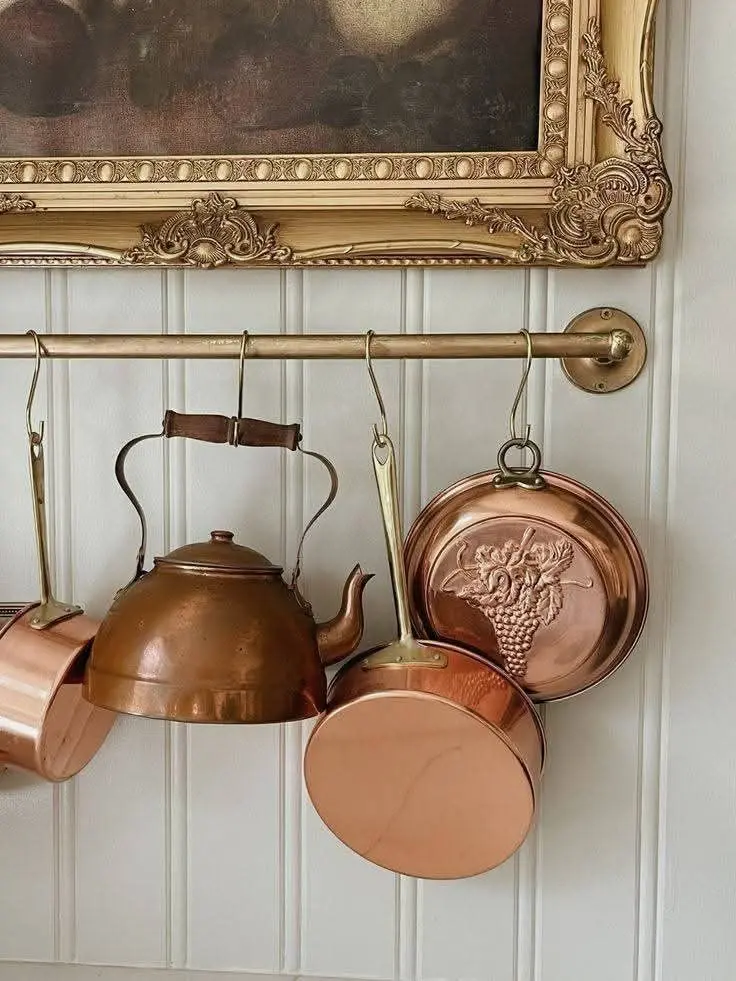
There’s something about a copper pot hanging from a ceiling hook, or a cast iron skillet on the stovetop that’s so seasoned it’s nearly black, that immediately makes a kitchen feel inhabited. Like someone actually cooks here.
I know not everyone has ceiling hooks, but even one copper bowl on a shelf, or a cast iron pan resting on the stove instead of being stored, adds this quality of “a person with experience and opinions about food lives here.”
Cast iron is especially easy to get into — a Lodge cast iron skillet runs about $30, seasons beautifully with use, and will look better in twenty years than it does now. The opposite of every other pan you own.
The Kitchen Towel Situation Needs to Change
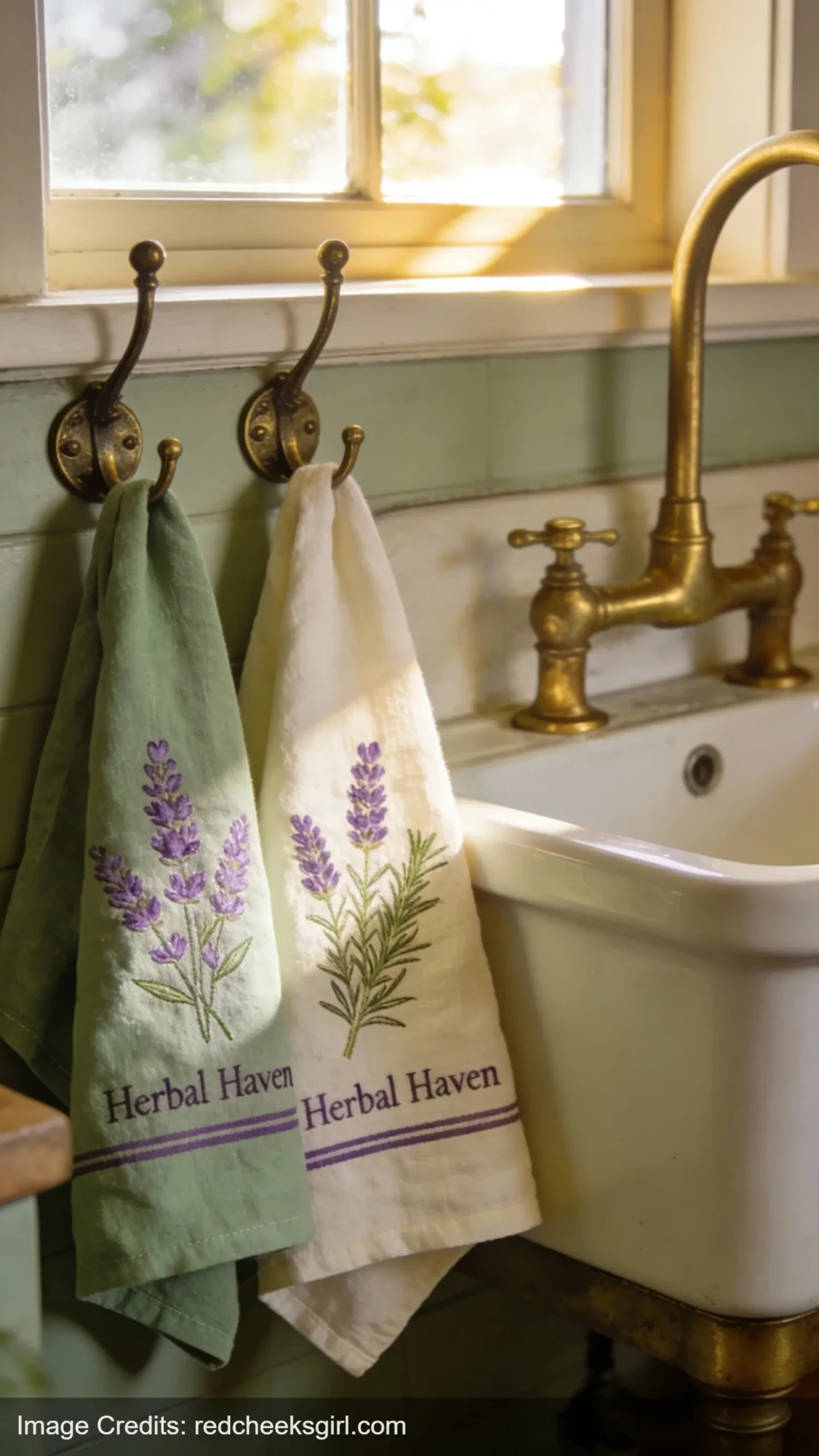
Not dish towels — tea towels. There’s a difference. Tea towels are slightly larger, often linen, and they have things printed on them. Herbs. Roosters. Vegetables. Seasonal motifs. A map of Provence.
Hanging one or two from the oven handle or a little hook by the sink is one of those details that somehow changes the entire register of the room. Costs maybe $8 and takes six seconds to do.
Linen printed tea towels with botanical or farmhouse prints are exactly what you’re looking for. You can also DIY them — plain linen towels plus fabric paint plus a potato stamp, if that’s your thing. (It might be mine, I haven’t decided yet.)
A Plant in a Cracked Pot (Charm Is Part of It)
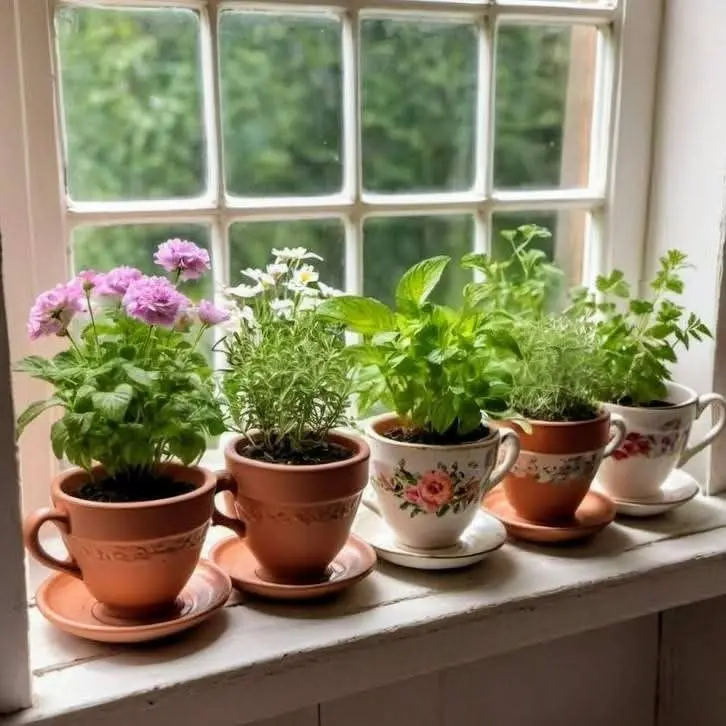
Grandma’s kitchen had at least one plant. Probably more. Probably a leggy pothos on top of the refrigerator, a little herb pot on the windowsill, maybe an African violet in a ceramic planter she’d had since 1978.
You don’t need perfect plants in perfect pots. You need plants that have survived something and pots that look loved. A slightly chipped ceramic planter is more charming than a pristine terracotta. An overgrown rosemary that’s taken the shape of the window is better than a tidy little starter herb kit.
Put basil and parsley in a rustic ceramic herb pot on the windowsill and use them. That’s it. That’s the entire move.
Stack the Cookbooks Visibly
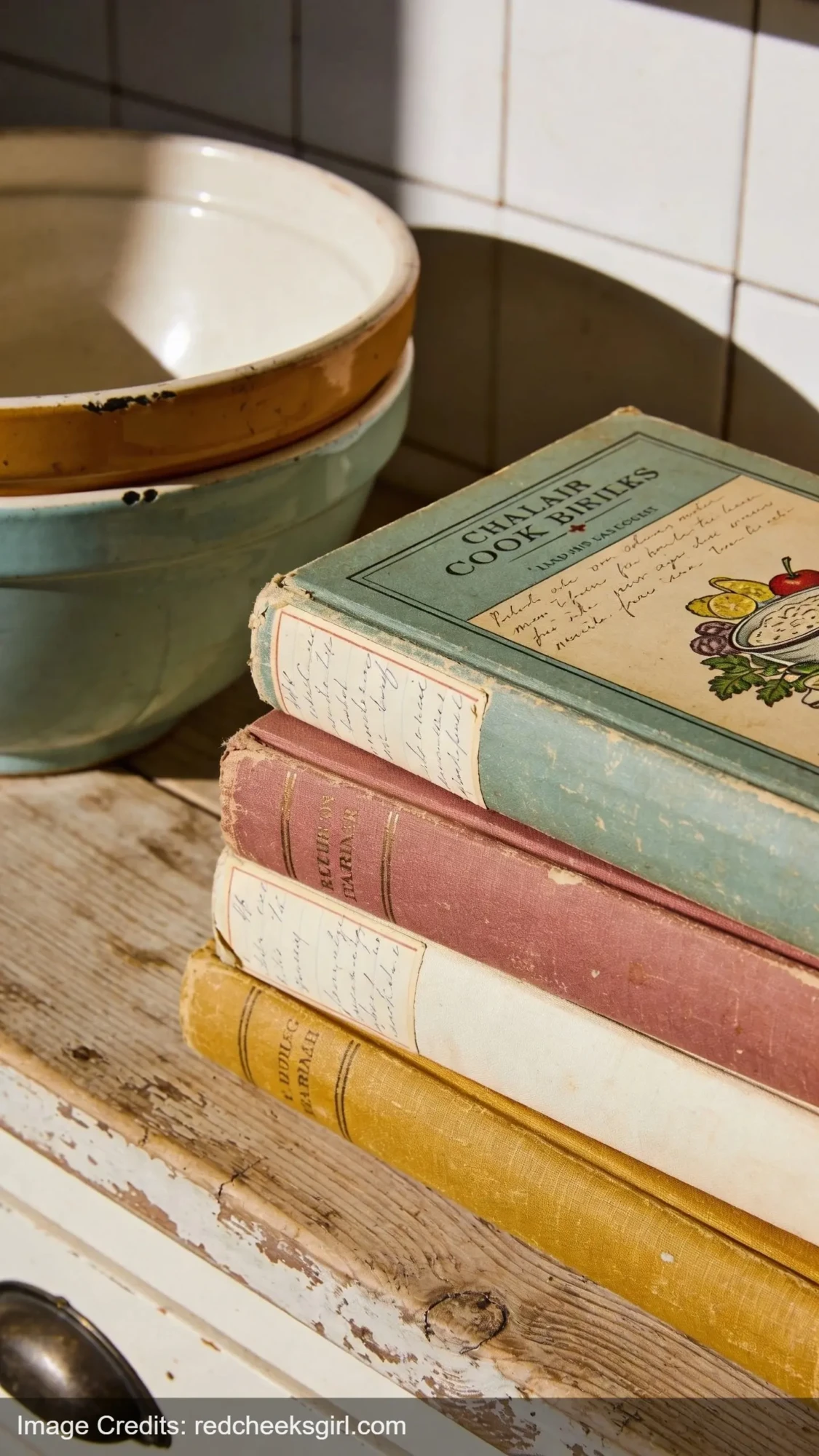
If you have cookbooks shoved in a drawer or on a shelf in another room, bring them to the kitchen. Stack three or four of them on the counter, spines facing out, like they’re being actively consulted (even if the last time you opened one was two years ago).
Old cookbooks with worn covers are perfect for this. The kind that are water-stained on the spine and have handwritten notes in the margins. Thrift stores are full of them — Better Homes and Gardens, Betty Crocker, anything from the 70s or 80s with photographs that look slightly different from real food.
If you want new ones that have the right energy, look for anything with illustration covers — vintage reproductions, regional American cooking, or Italian grandma recipes. Set them next to a little wooden recipe card holder and the counter instantly has a story.
The Jars. So Many Jars.
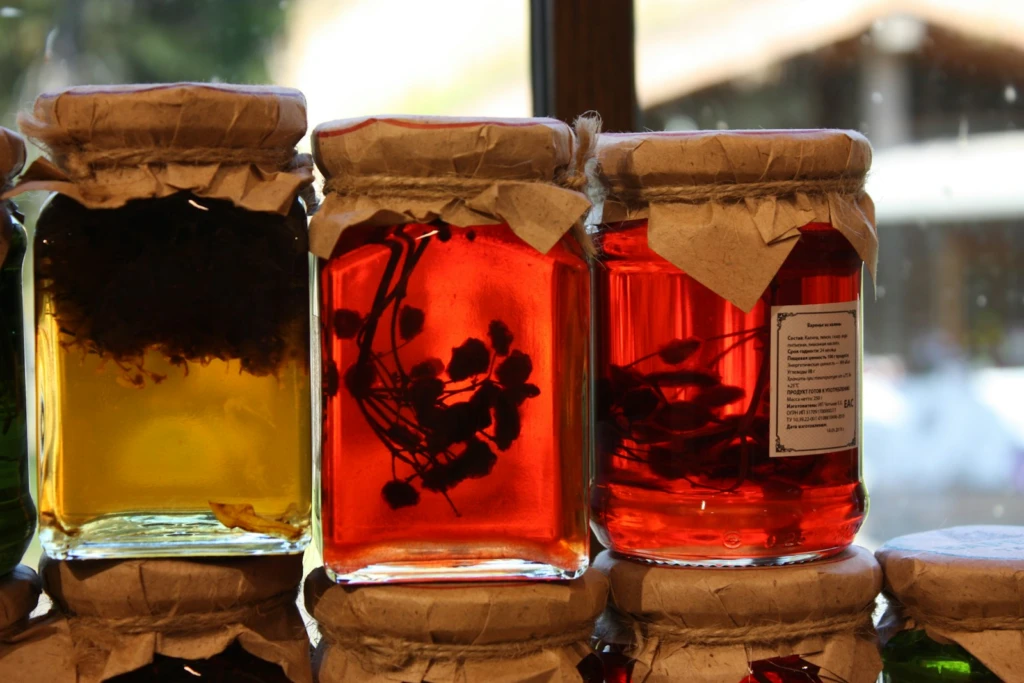
Flour and sugar in bags in a cabinet is fine. Flour and sugar in glass canisters on the counter with hand-lettered labels is an entire personality. Add dried pasta, coffee, loose tea, rice, lentils — decant everything into glass and suddenly the pantry items are decoration.
The grandmacore version uses vintage-looking glass jars with clamp lids, or old mason jars, not matching acrylic canisters with perfect fonts. The slight irregularity matters.
A set of glass clamp jar canisters costs about $30–50 for a set of four or five. Pair with a simple label system (even handwritten masking tape) and it looks like something from a European farmhouse.
This pairs well with the counter styling ideas in this kitchen counter styling guide if you want to think through the whole counter setup.
Wallpaper, or the Cheat Version of It
Grandmacore kitchens have pattern on the walls. Not geometric, not neutral texture — actual pattern. Florals, vines, little fruits, toile. The scale can be small and quiet or large and chaotic and both are correct.
Full wallpaper is a commitment. But there are easier versions: peel-and-stick wallpaper that comes off without destroying your walls, wallpaper on a single backsplash wall behind the stove only, or a painted pattern using stencils.
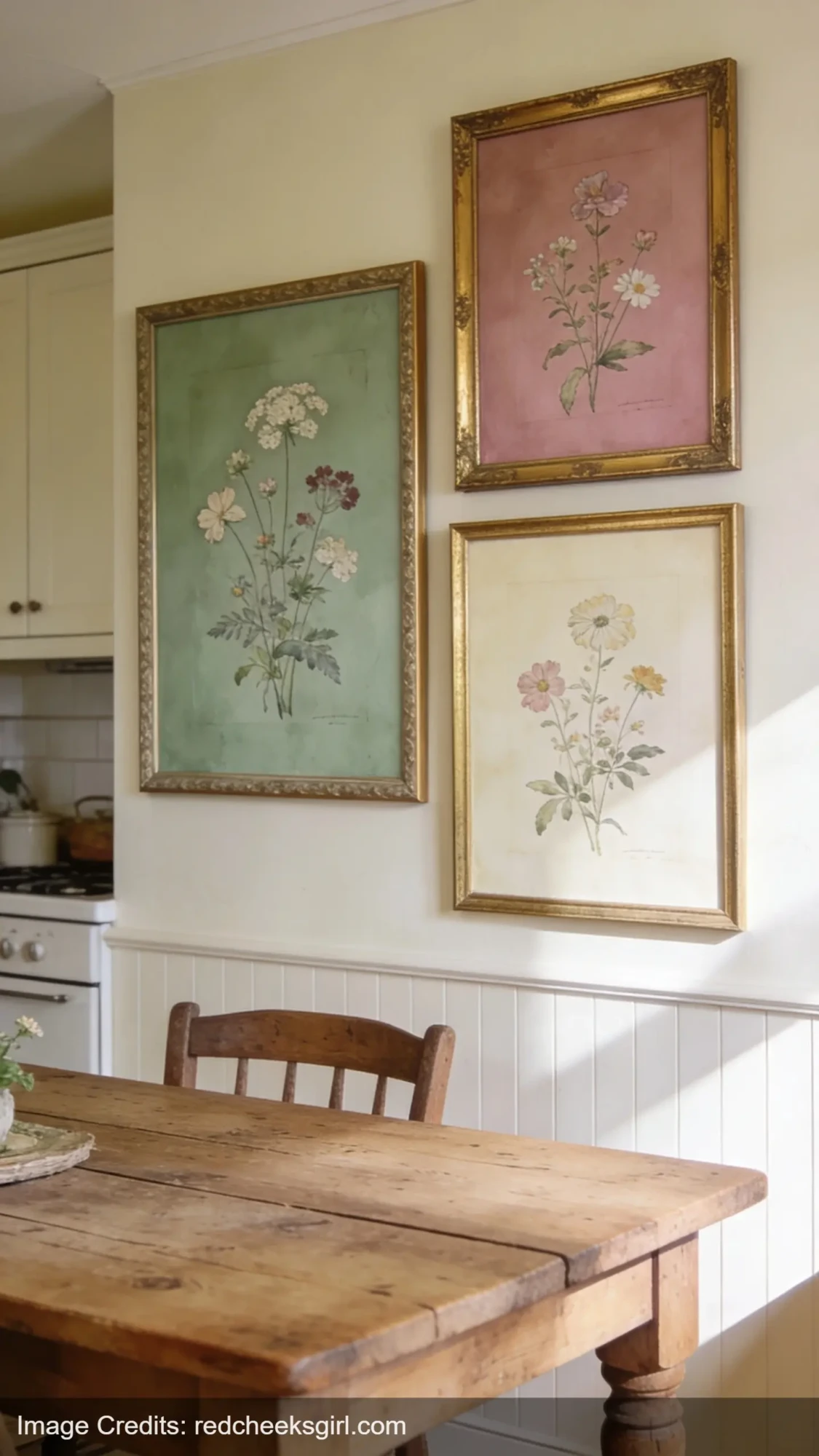
Even adding a botanical print in a simple frame, hung in a cluster of three, approximates the layered-pattern feeling without any of the actual wallpaper commitment.
A Coffee or Tea Corner That Looks Like an Altar
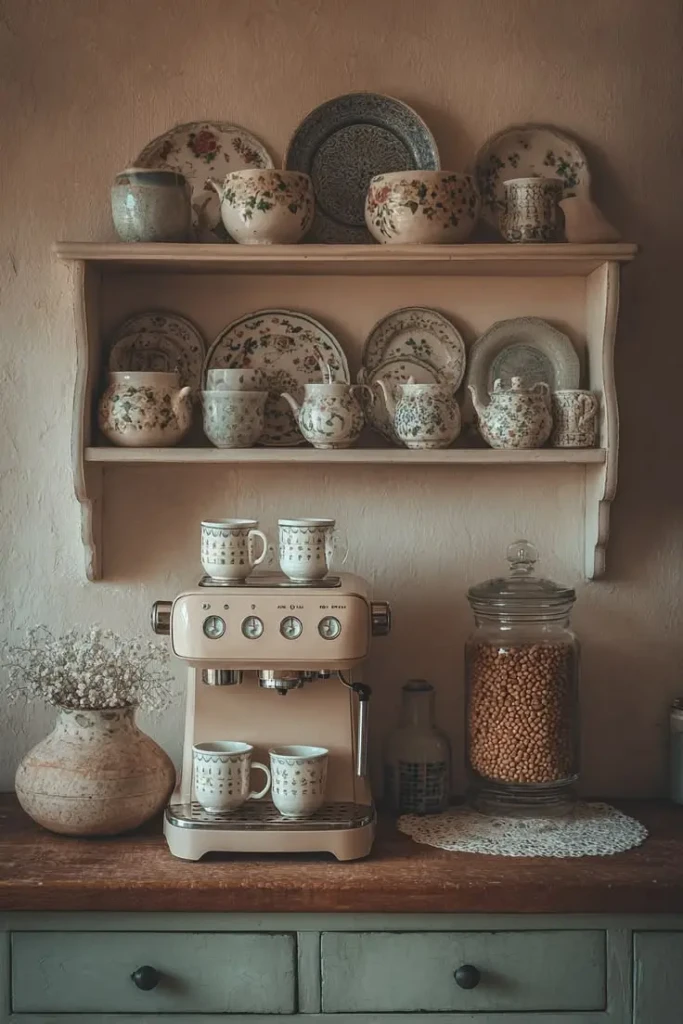
I’m slightly obsessed with dedicated kitchen corners. A little section of counter that’s devoted to exactly one ritual — the morning coffee, the evening tea — does something to the way the kitchen feels. It makes the kitchen feel intentional instead of just functional.
The grandmacore version of this: a small tray, a ceramic mug collection with mismatched patterns, a sugar bowl with a little spoon, a small teapot if that’s your thing, a tin of loose leaf tea. It should look like it’s been there forever.
There’s a whole post with ideas for building this out in the coffee corner at home ideas guide — including how to style the tray part specifically.
Slow Down the Whole Thing with a Rug
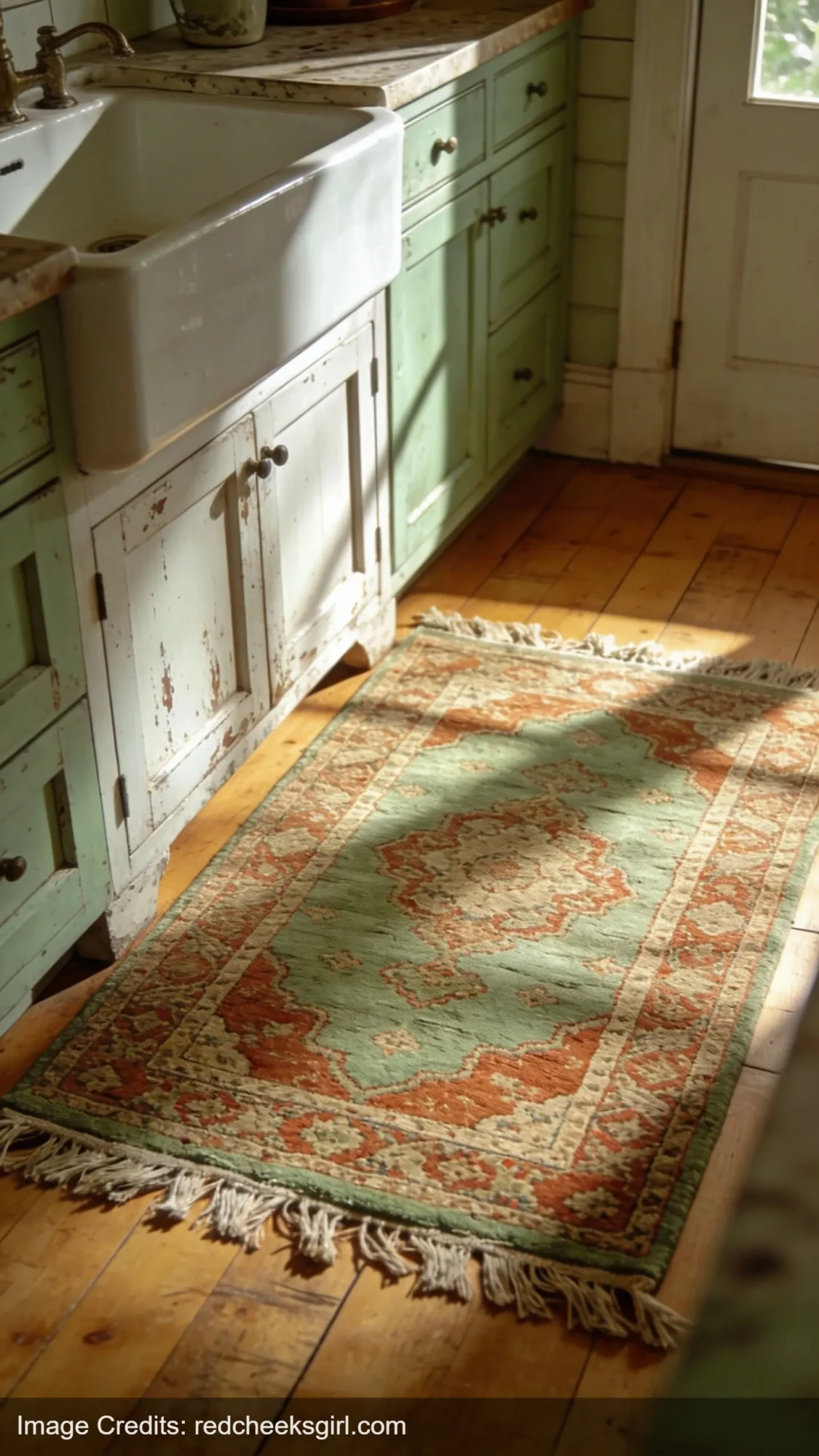
Hard floor kitchens feel a little clinical no matter how you decorate them. A rug — even a small one in front of the sink or the stove — is the fastest way to soften the whole room.
For grandmacore specifically: faded Persian or Turkish-style rugs, braided cotton rugs in vintage colors, or anything with a floral medallion pattern. It doesn’t need to be precious. Kitchen rugs get messy and that’s fine.
A cotton braided kitchen rug in a faded blue, sage, or terracotta runs about $20–40 and makes standing at the sink feel significantly less like a chore.
If you’re pulling the whole room together with this kind of warm, layered aesthetic, the Italian-inspired home decor ideas post has a lot of similar energy that translates well to this look.
Make Something by Hand for the Walls
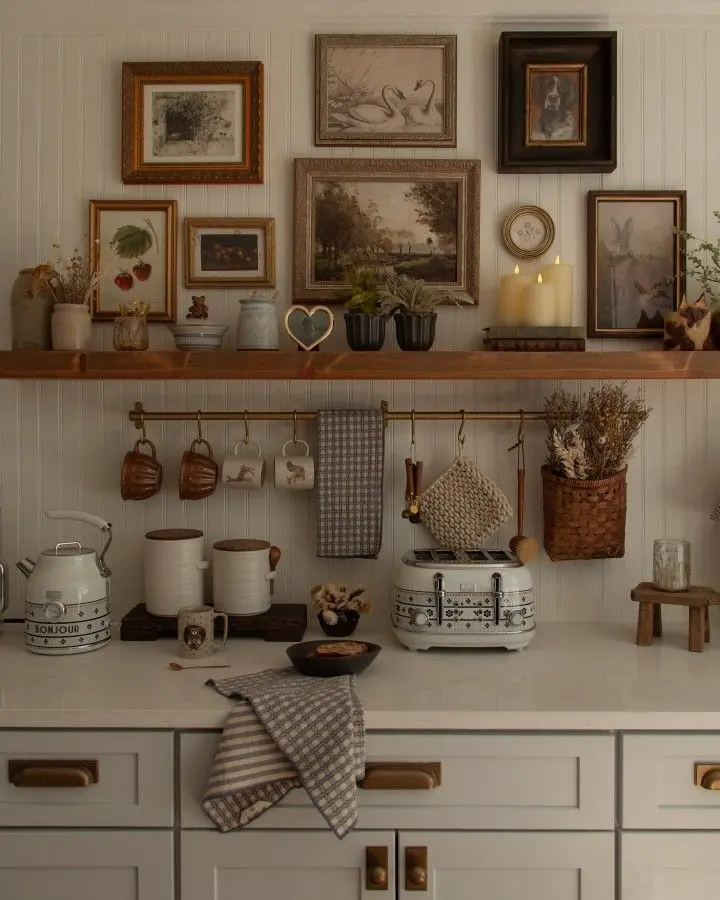
This is optional but I want to mention it because it changes things. A kitchen that has one thing in it that was made by hand — a ceramic dish hanging on the wall, an embroidered sampler, a little painting of fruit — has a different quality than a kitchen that was entirely bought.
It doesn’t need to be yours. It could be something from a craft fair, or an antique shop, or something a family member made decades ago and nobody knew what to do with. The point is the handmadeness of it.
If you want to actually make something for it, air dry clay ideas for home decor has some genuinely accessible projects — wall hangings and little dishes that would work perfectly in a grandmacore kitchen.
FAQ
What exactly is grandmacore? It’s an aesthetic trend centered on nostalgic, cozy domesticity — think floral china, embroidered linens, hand-stitched things, warm lighting, kitchens that look like someone’s been cooking in them for forty years and loves every minute of it. The opposite of cold, minimal, or “designed.”
Do I need to redecorate the whole kitchen? No. Three or four of these ideas together will shift the feeling. Start with the tablecloth, a couple of mismatched plates on display, and something botanical on the windowsill. That’s already it.
Is this aesthetic expensive? Not really. Thrift stores, estate sales, and eBay are your best sources for the most characterful pieces. A lot of the authentically old stuff is cheaper than buying new things made to look old.
How do I make this look intentional and not just cluttered? Color palette helps — if most of the patterns share a color story (cream and blue, or sage and terracotta, or yellow and white), even mismatched things look deliberate. Limit the number of “categories” of stuff out on the counter. And dust things off once in a while.
Does grandmacore work in a modern kitchen? Completely. It might actually work better — the contrast between sleek cabinets and a wildly floral tablecloth or mismatched vintage dishes is part of what makes it interesting instead of trying-too-hard. You’re not renovating, you’re layering.
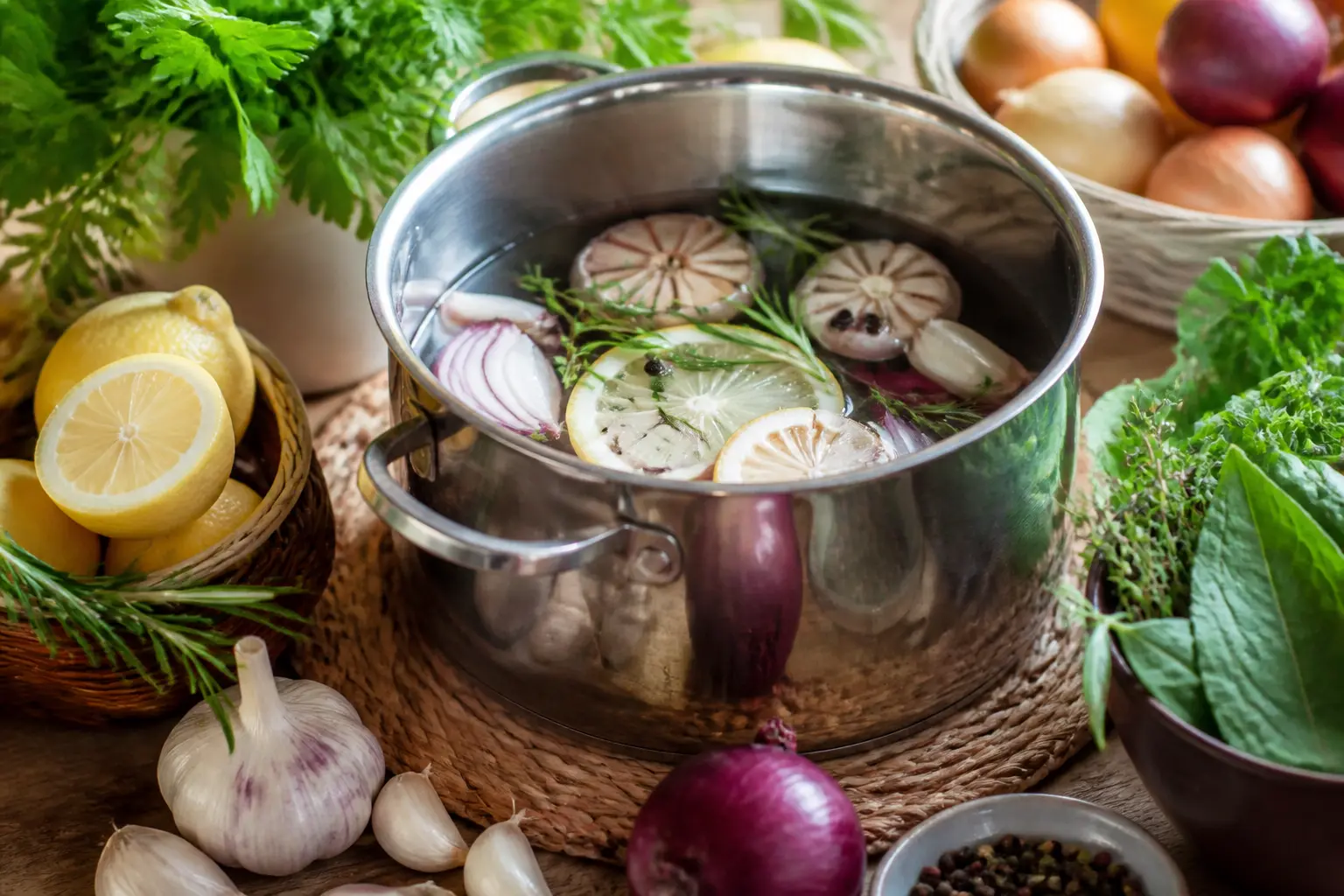
14 simmer pot recipes organized by mood and season. Each one uses real ingredients, exact quantities
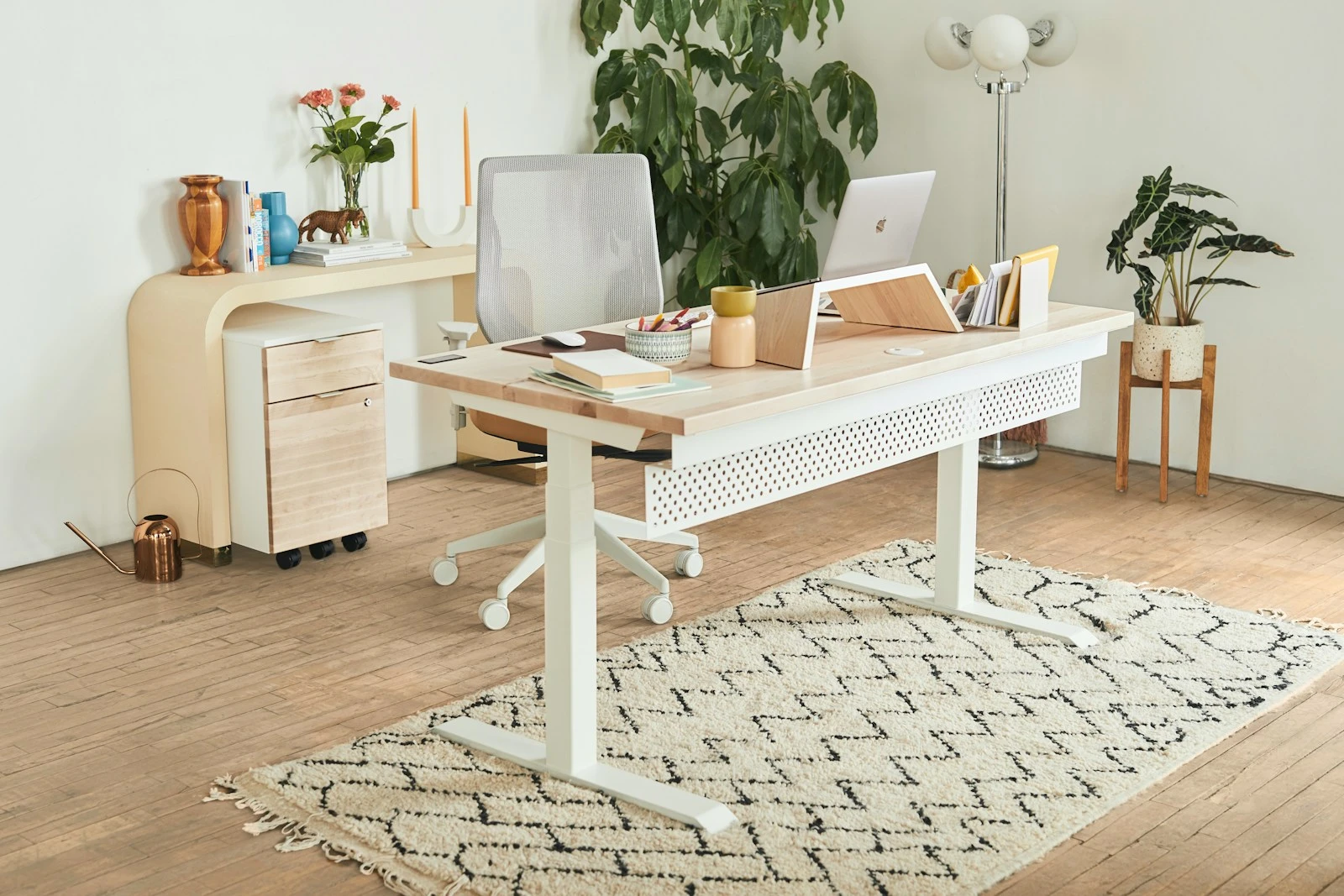
I moved my desk into the sunroom on a Tuesday in February, mostly because I was losing my mind in th
My apartment used to look like a display unit at IKEA. Everything matched. Everything was beige. It
Leave a Reply