

12 Low-Maintenance Front Yard Landscaping Ideas for People Who Love Curb Appeal but Hate Weeding
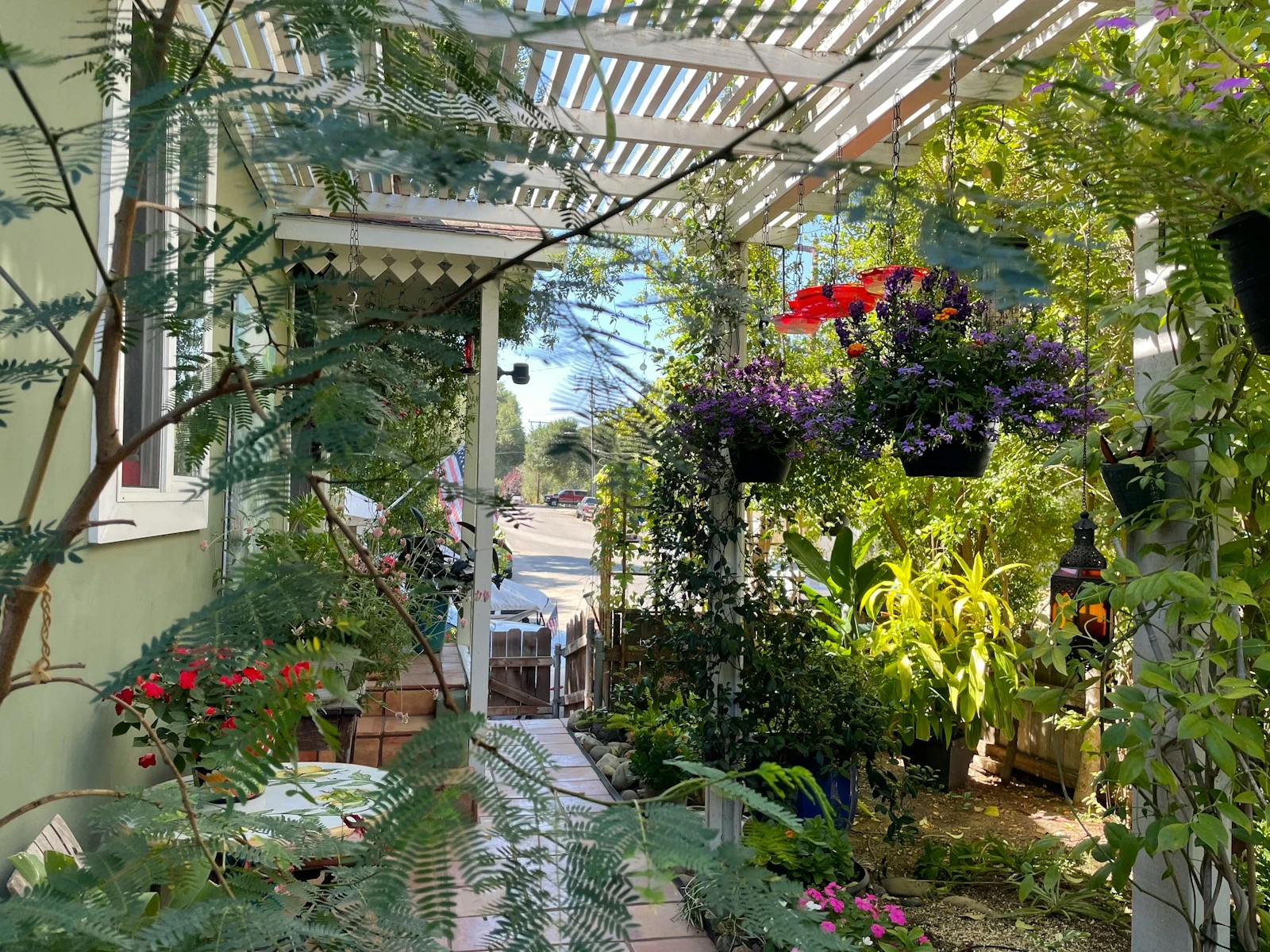
My front yard used to look fine — barely. Scraggly grass that always needed mowing, a flower bed that turned into a weed bed every June, and exactly zero curb appeal. One spring I spent three weekends out there on my hands and knees pulling weeds, and I thought: there has to be a better way to have a nice-looking yard without this being my entire personality.
Turns out there is. These front yard landscaping ideas are built around the same principle — gorgeous from the street, barely any upkeep once you set it up.
This post contains affiliate links. If you buy something through these links, I may earn a small commission at no extra cost to you. I only recommend things I’d actually use.
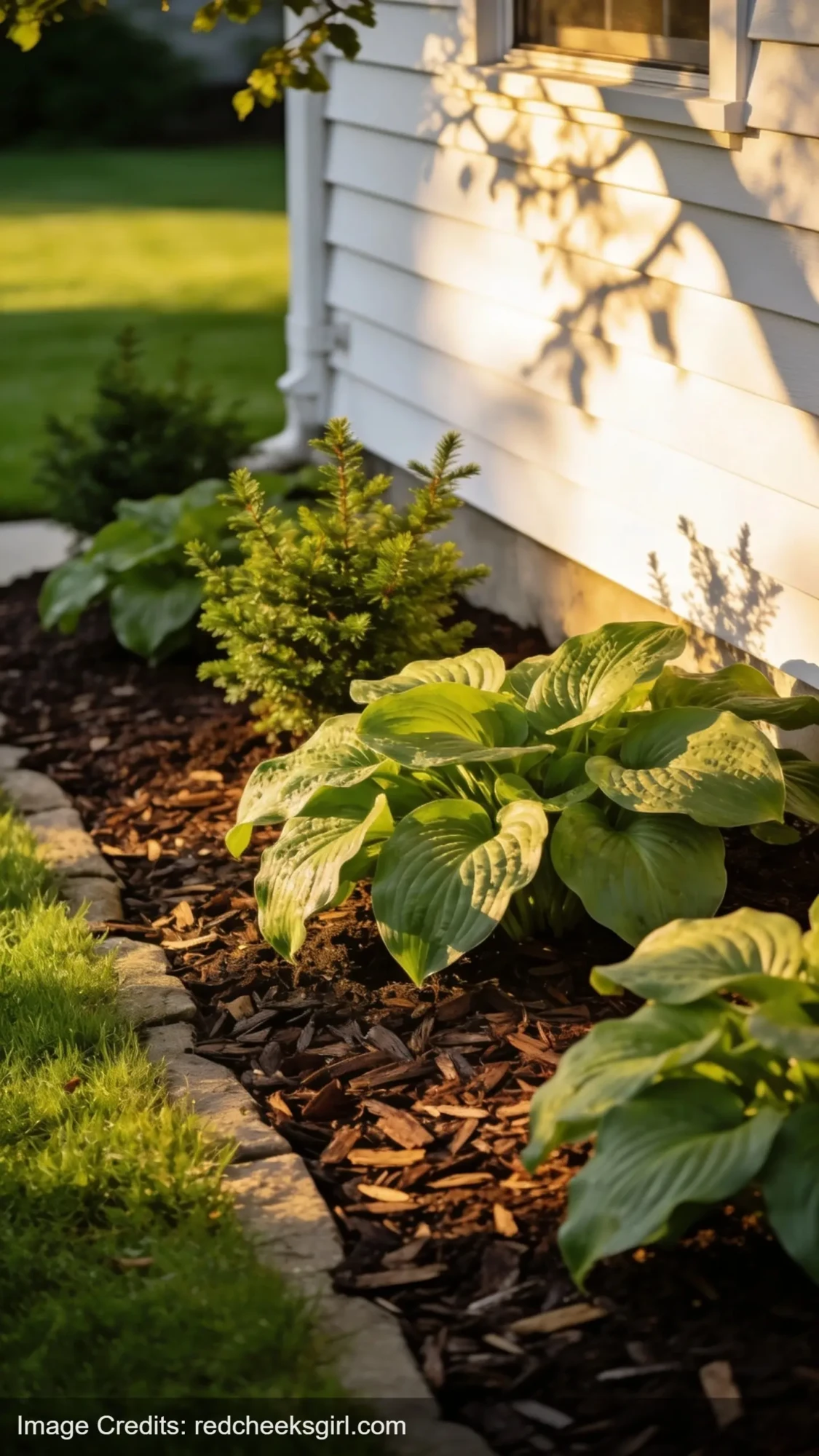
1. Swap Grass for Mulch Beds Around Your Foundation
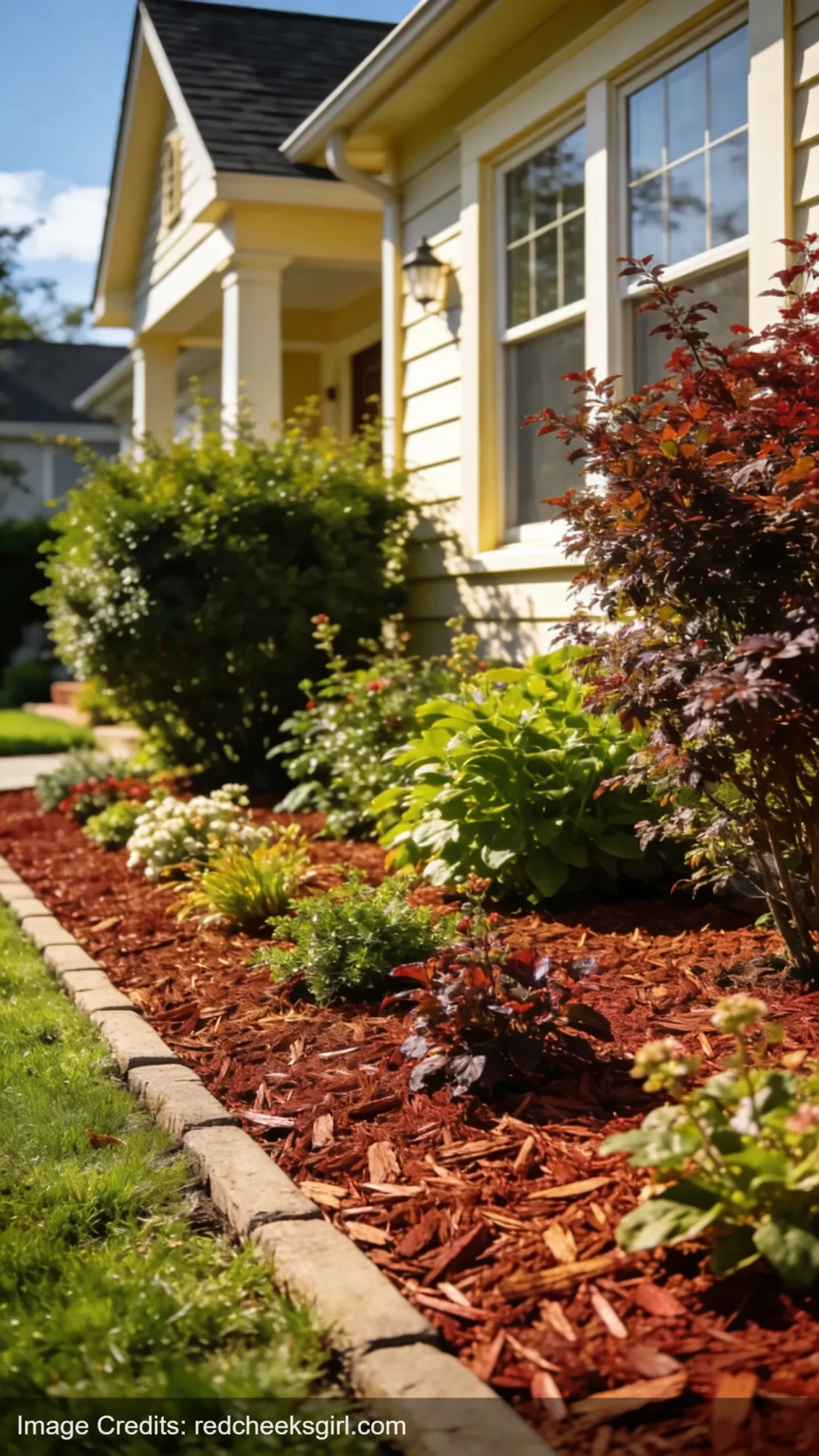
The grass right up against your house is the most annoying grass to maintain — too narrow to mow properly, too close to the siding to edge without losing your mind. Rip it out. Replace it with a wide mulch bed planted with a few low-growing shrubs or ornamental grasses and you’ve immediately made your house look more intentional.
A 2–3 inch layer of bark or wood chip mulch does a lot of the work for you. It blocks sunlight to weed seeds, holds moisture for your plants, and keeps everything looking tidy. Top it up once a year and you’re done.
dark wood chip mulch is the most popular choice and tends to look the sharpest against green plants or light-colored house exteriors.
2. Add a Clean Metal or Stone Edging Border
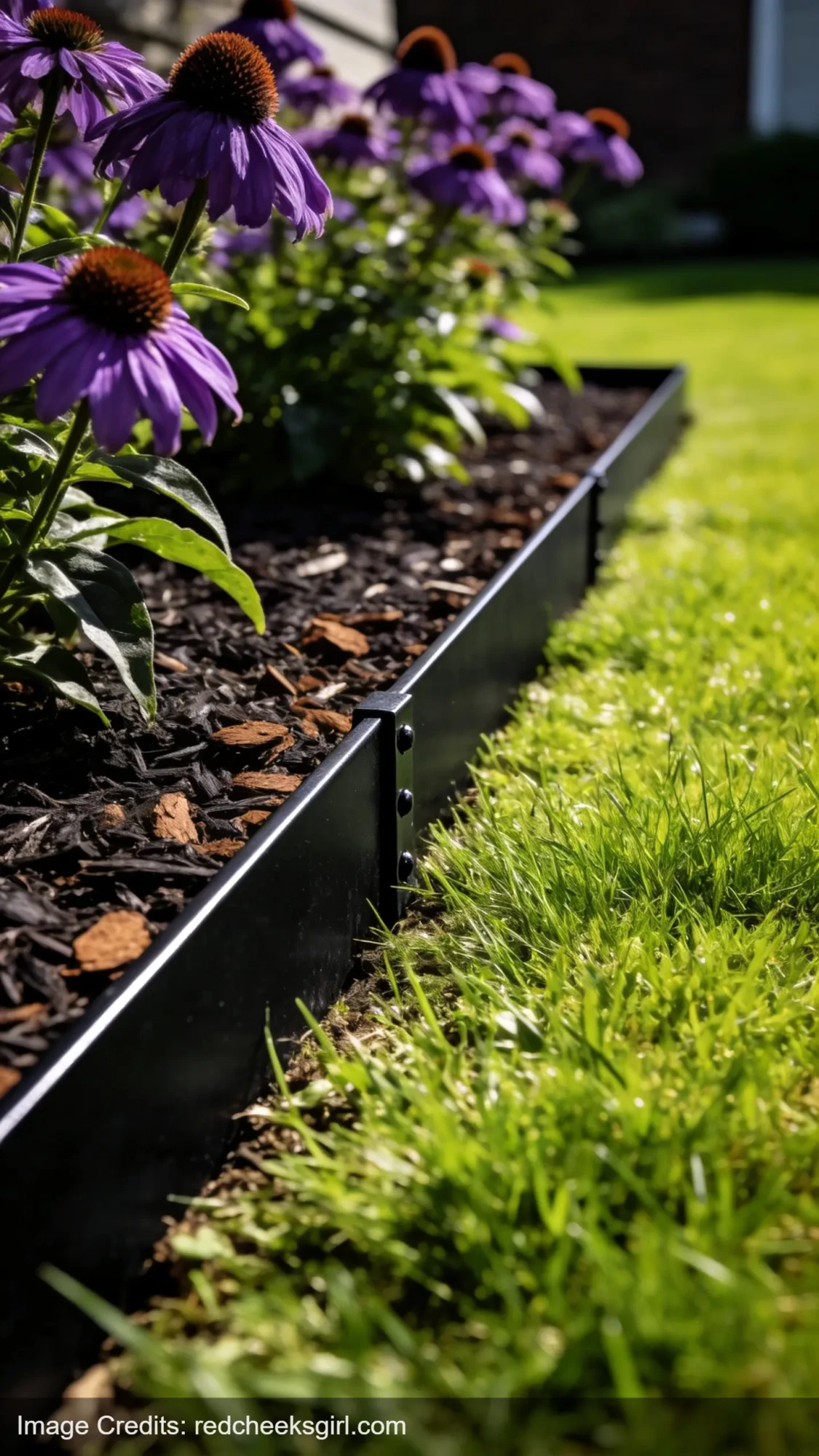
Here’s the thing nobody tells you about weeds: they don’t just come from your beds. They creep in from the lawn. And without a solid barrier, mulch slowly wanders onto your grass and grass slowly wanders into your beds until the whole thing looks like a mess.
landscape edging metal runs along the edge of your bed, holds mulch in place, and gives your front yard that crisp defined look you see in magazine photos. It’s about a $40–60 project and it genuinely changes how the whole yard reads from the street.
I did mine in one afternoon. You just push it into the ground, stake it, done. Lowest effort-to-payoff ratio of anything on this list.
3. Plant Perennials Instead of Annuals
This one changed everything for me. Annuals are the trap — you plant them, they look great for a season, they die, and in spring you’re at the nursery spending money again. Perennials come back every year.
Black-eyed Susans, catmint, coneflowers, hostas, daylilies — once they’re established, you basically ignore them. They fill in, they come back, and after a few seasons they actually get bigger and better. According to Bower & Branch’s guide to low-maintenance landscaping, perennials also naturally crowd out weeds as they spread, which means you get less hand-weeding just by having them.
Mix a few different bloom times and you’ll have something going on all season without doing a thing. perennial flower mix low maintenance
4. Use a Weed Barrier (And Actually Install It Correctly)
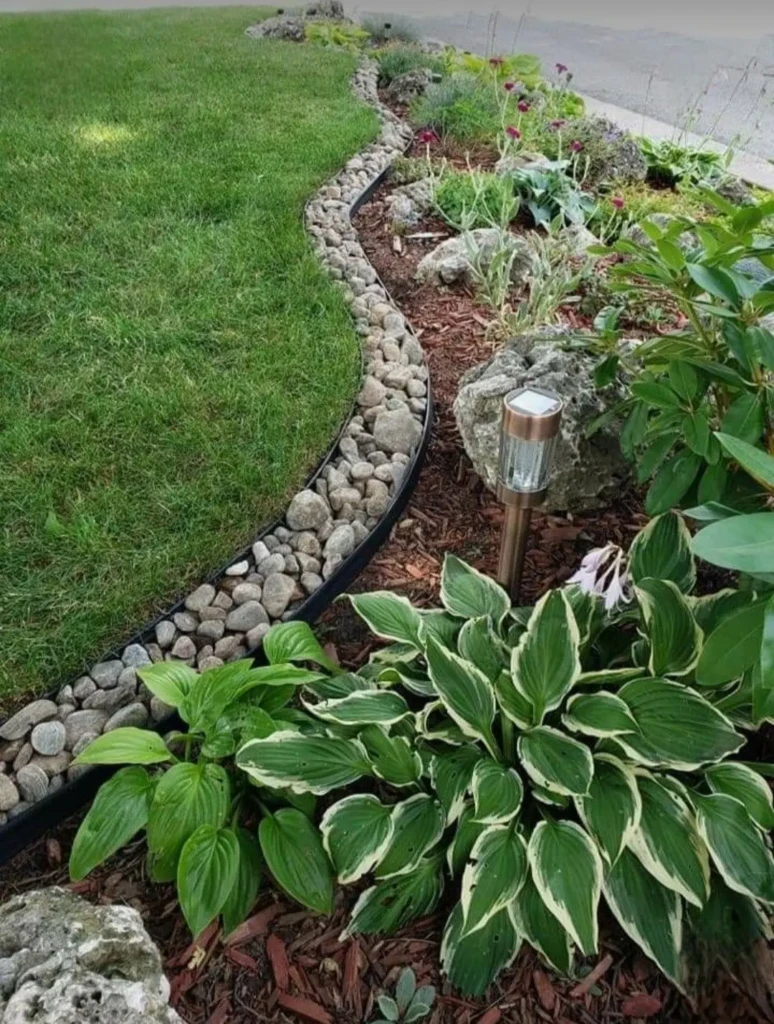
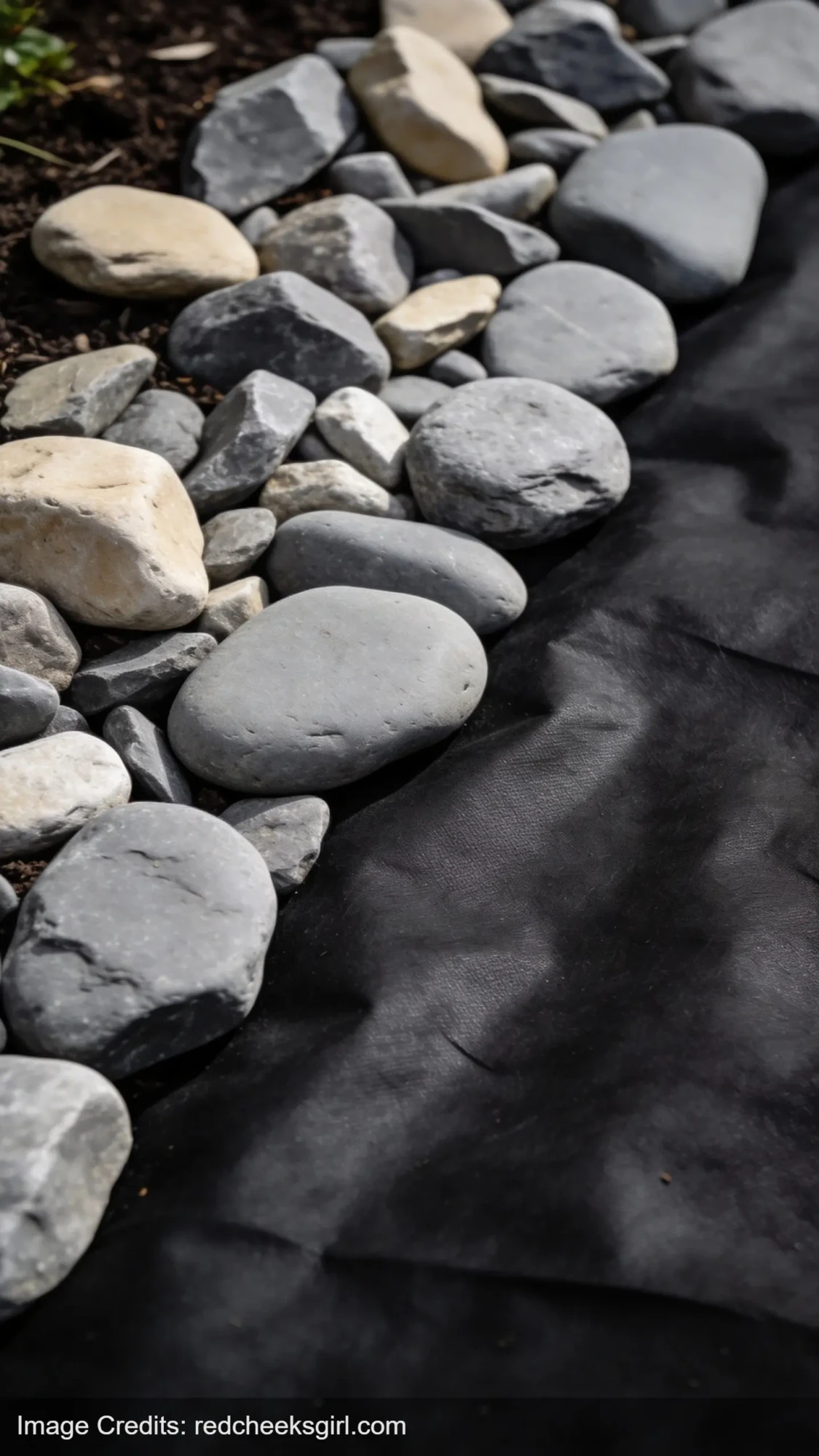
Landscape fabric is the most polarizing topic in gardening. Half the internet says it’s useless, the other half swears by it. The answer is: it works when you use it under gravel or rock, not under mulch.
Under decorative stone or river rock, a quality weed barrier cuts down on maintenance enormously. Under organic mulch, it eventually breaks down and weeds start growing on top of it anyway, which is more annoying than not having it at all.
So: landscape weed barrier fabric under your rock areas. Skip it under mulch beds. That’s the rule.
5. Go Gravel or River Rock in Your Strip by the Street
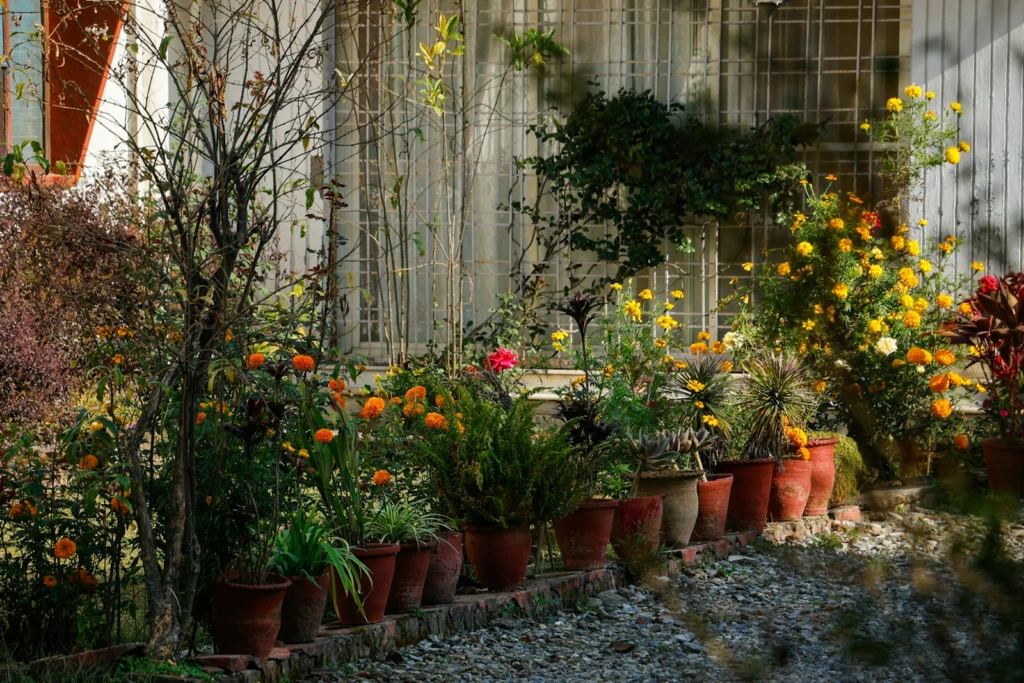
That little strip between the sidewalk and the curb is everyone’s worst landscaping problem. It’s hard to mow, easy to ignore, and always looks sad. River rock with a few ornamental grasses planted through it looks genuinely beautiful and requires almost nothing. Water the grasses until they’re established, then basically walk away.
HGTV’s guide on rock and mulch landscaping specifically calls out that loose gravel and river rock are excellent for areas that need to drain well and don’t need foot traffic — which describes that strip perfectly. river rock landscaping stones
6. Plant Ornamental Grasses
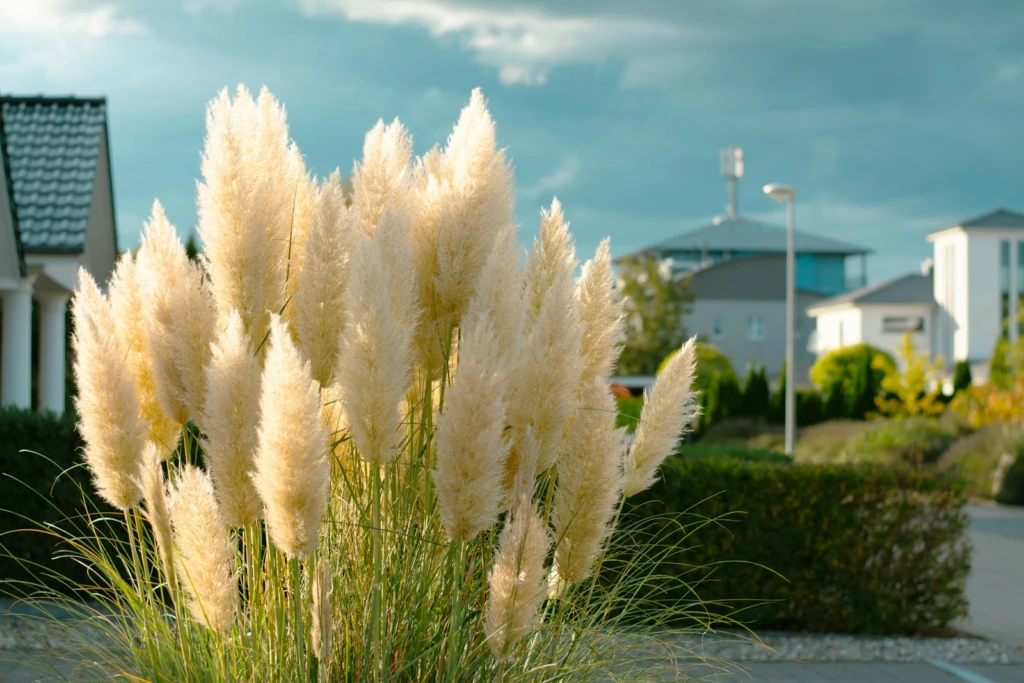
There’s a reason you see ornamental grasses in every single low-maintenance yard. They’re nearly indestructible. They look great in summer, look even better in fall when they go golden, and you cut them back once in late winter. That’s literally it.
Fountain grass, Karl Foerster feather reed grass, and blue oat grass are all safe bets. They add height, movement, and texture to a front yard that might otherwise look too flat. Put three of them in a cluster and it looks like you planned it.
One real thing I learned the hard way: don’t plant them right next to your walkway. They spread. Give them room or they’ll be in your path by year three.
7. Add a Simple Flagstone or Gravel Path
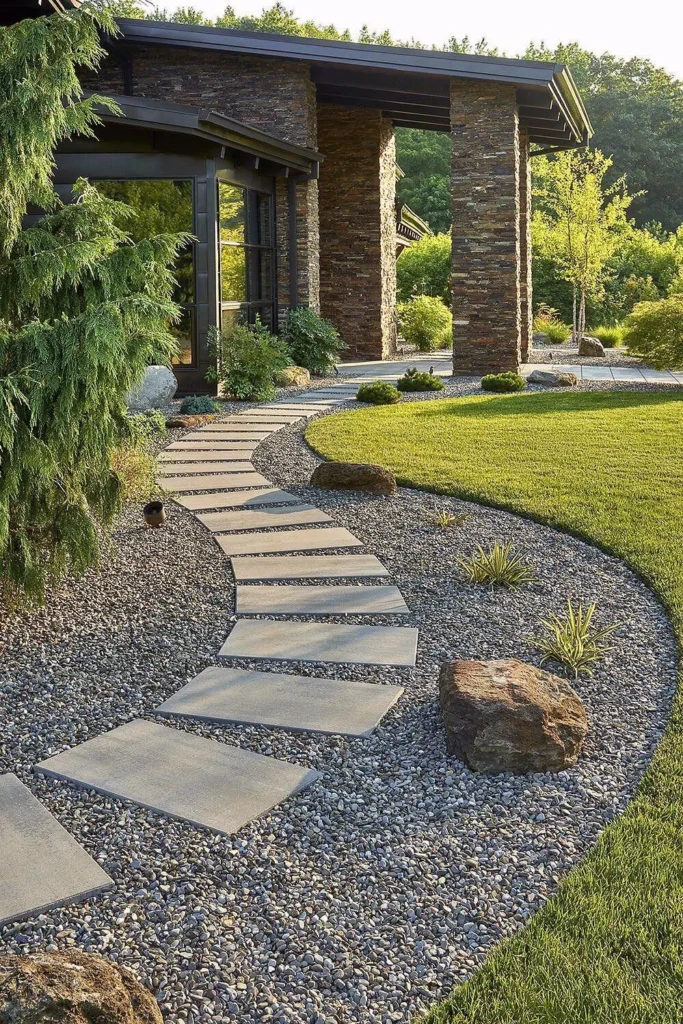
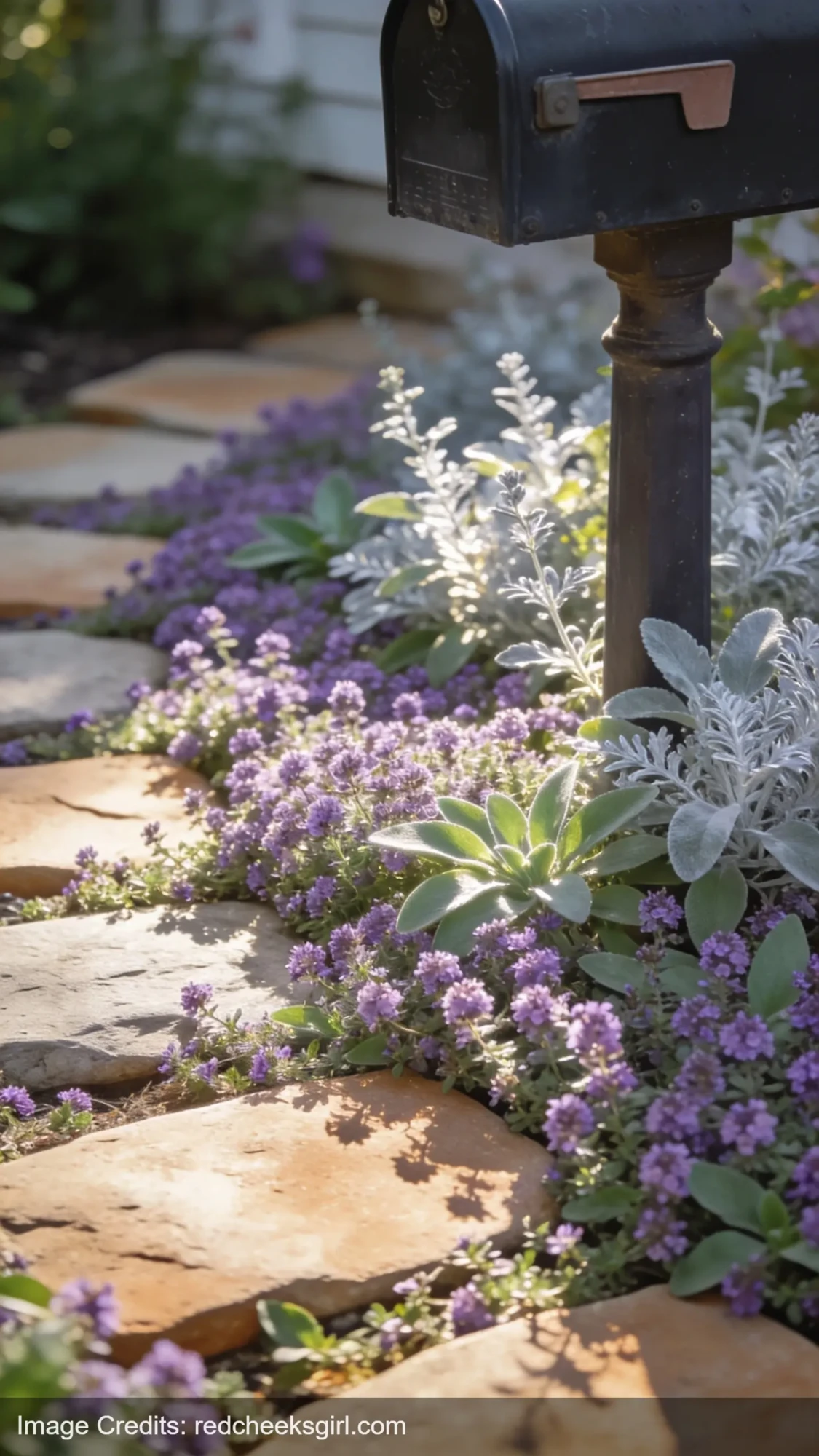
A defined path to your front door does two things: it looks polished, and it stops people from walking through your landscaping. Flagstone laid in a curved line with low ground cover growing between the gaps (creeping thyme is perfect) looks straight out of a cottage garden and the thyme actually gets stronger with foot traffic.
Alternatively, a pea gravel path with edging on both sides takes one afternoon to install and creates a clean, modern look. You can even connect a gravel path to your rock bed and make the whole front yard feel cohesive without a single plant.
8. Use Native Plants for Your Climate Zone
This is the unsexy answer that actually solves the most problems. Native plants evolved for your specific soil, your rainfall patterns, your summer heat. They don’t need babying because they’re already home.
Look up your USDA hardiness zone and search “native plants for zone [X]” at your local nursery. In most of the country, options include wild bergamot, purple coneflower, little bluestem grass, and serviceberry shrubs — all of which look intentional and polished without requiring any special attention.
The other upside: native plants support pollinators. So you get free butterflies as part of the deal.
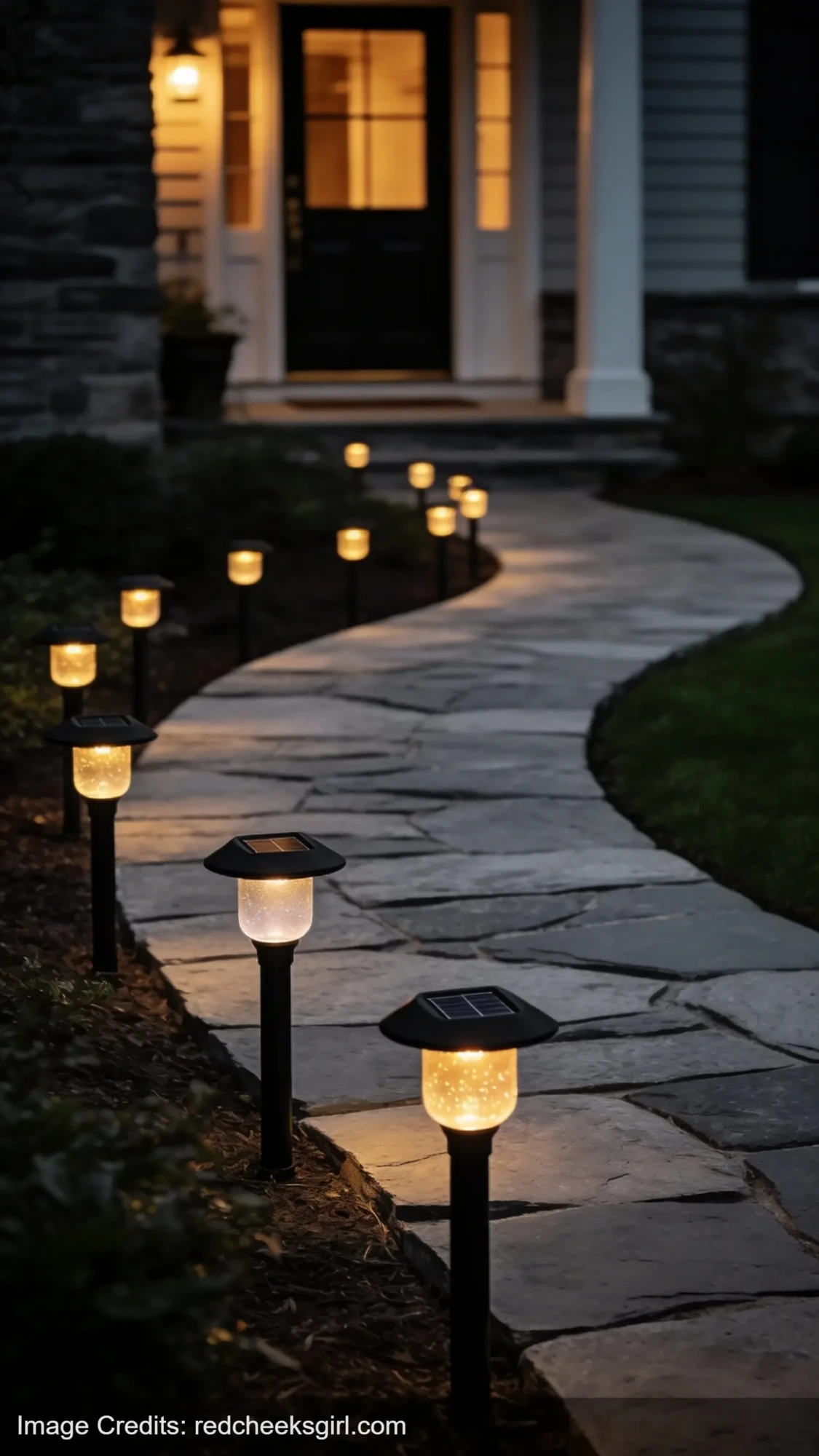
9. Install Outdoor Solar Path Lights
This one’s not about plants but it changes how your whole yard looks. Solar path lights along a walkway or the edge of a bed make your front yard look finished at night, which is honestly when a lot of people see it — pulling into the driveway after work, neighbors walking by after dinner.
The install is zero effort. Push them into the ground. They charge during the day, come on automatically at dusk. No wiring, no electrician, no ongoing cost. solar pathway lights outdoor
10. Try Creeping Ground Cover Instead of Mulch
If you want a softer, more lush look than mulch or gravel gives you, ground cover plants are worth considering. Creeping thyme, vinca minor, and creeping phlox are the three best for low-effort front yards. They spread over time to fill empty space (which means fewer weeds), they don’t need mowing, and some of them flower in spring.
Creeping thyme is especially good because it can take light foot traffic, smells incredible when you brush against it, and stays green most of the year. Plant it in small plugs and let it fill in — it takes one growing season to start spreading.
This is a good option for those small awkward side strips or the area around your mailbox where grass never seems to grow right anyway.
11. Keep Your Shrub Count Low and Choose Slow-Growing Varieties
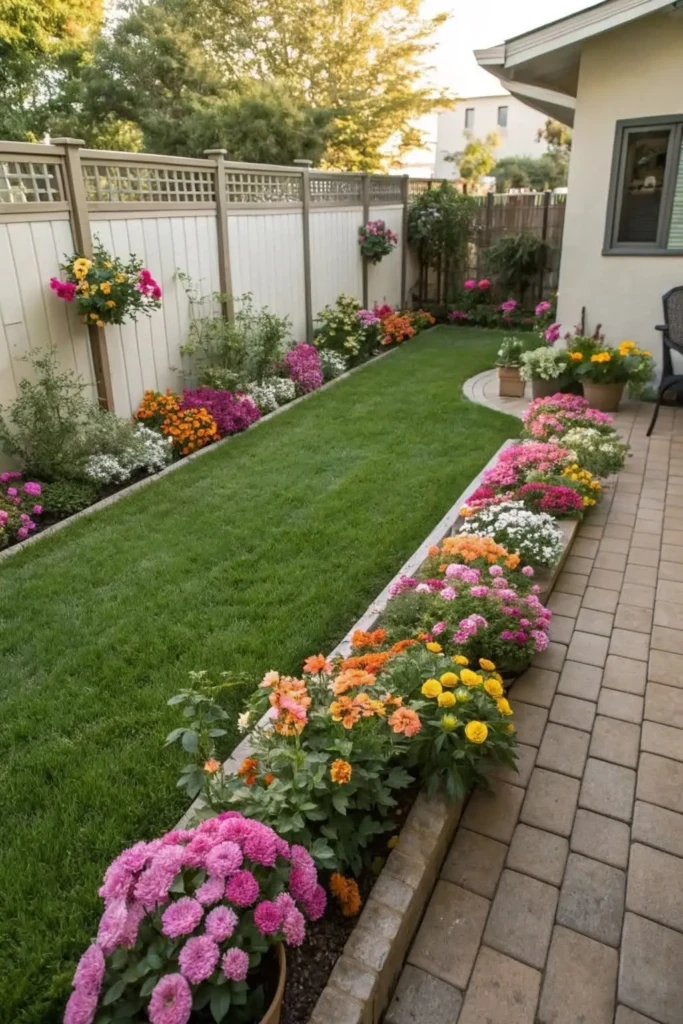
A front yard with five or six well-chosen shrubs can look more intentional than one jammed with twenty different plants. Boxwood, dwarf mugo pine, and inkberry holly are all slow-growing, hold their shape without constant pruning, and look good year-round.
The key word is slow-growing. I made the mistake of planting a burning bush once because it was on sale. Four years later it had taken over the whole left side of my house and I had to rent a truck to get rid of it. Read the mature size on the tag before you buy. If it says “6–10 feet wide at maturity” and your bed is 4 feet deep, that’s not your plant.
12. Refresh the Whole Look With a New Coat of Mulch Every Spring
Sometimes the yard itself is fine. It’s just that the mulch has faded to gray and everything looks dingy. Fresh mulch — even just 2 inches on top of what you already have — makes a front yard look like you just landscaped it last week.
This is genuinely a one-day project that costs maybe $80–100 in bags of mulch for a typical front yard and immediately makes your whole house look more cared-for. It’s worth doing every single spring before the flowers come in, right around the same time you’re doing a bigger home reset — I usually do it around the same weekend I tackle my spring decluttering room by room.
Putting It Together: Where to Start
You don’t have to do all 12. Pick the two or three that match your actual problem.
If your main issue is weeding, start with the mulch + edging combo (ideas 1, 2, and 4). If you want to reduce mowing, look at replacing some grass with perennials or ground cover (ideas 3 and 10). If the yard just looks blah and flat, add ornamental grasses and path lights (6 and 9) — those two changes are noticeable from the street immediately.
Front yard landscaping doesn’t have to be a project you dread. Most of what makes a yard look good is just clean edges, the right plants in the right places, and consistent materials. Once the setup is done, it mostly takes care of itself.
And honestly? Driving up to a house that looks put-together is a better feeling than you’d expect. Even if you’re the one who lives there.
FAQ
What’s the easiest front yard landscaping idea for beginners? Fresh mulch + metal edging. You don’t need to plant anything new. Just edge your existing beds cleanly and top them with a fresh 2–3 inch layer of dark mulch. It costs under $100 for a small front yard and makes an immediate difference.
How do I keep weeds out of my front yard landscaping for good? Dense plantings + mulch is the most effective long-term approach. Weeds need light to germinate. Cover the soil, plant things close enough that they shade the ground, and you’ll cut your weeding dramatically. A weed barrier under rock areas helps too. No method is 100%, but you can get it down to maybe 15 minutes of pulling per week with the right setup.
Are ornamental grasses really low maintenance? Yes — but cut them back hard (to about 4–6 inches) in late winter or early spring before new growth starts. Skip that step and they look messy by summer. That one annual cut is really the only maintenance they need.
What’s the best mulch for a front yard? For looks, dark hardwood or dark brown bark mulch is the most popular and works well against most house colors. For function, shredded wood retains moisture better than whole bark chips. Avoid dyed red mulch — it fades weirdly and looks dated quickly.
How do I make my front yard look expensive on a budget? Clean edging, matching materials (don’t mix river rock in one spot and gravel in another), and a defined path. These three things are what make the difference between “someone tried” and “someone has taste.” You don’t need expensive plants.
Can I do any of these front yard landscaping ideas myself? All of them, yes. Mulch, edging, path lights, and ground cover plants are all weekend DIY projects. Flagstone takes a bit more time but still doable without professional help. The only time I’d call someone is if you’re doing major regrading or installing hardscape over 200 square feet.
For more seasonal home refresh ideas, check out these 45 spring activities to welcome the season — a few of them are perfect for motivating yourself to finally tackle the yard. And if you’re on a bigger outdoor streak, summer home decor ideas has some good Italian-inspired touches that translate well to an outdoor space. If you’re doing a full home reset, the spring decluttering room by room guide makes a good companion to this.

20 practical thanksgiving decor ideas that take the rest of your house from bare to warm with one ch
There’s something magical about bringing Mediterranean warmth into your home when temperatures

29 white painted pumpkin ideas that add colour, motifs, lettering and texture to a plain white base.
Leave a Reply