

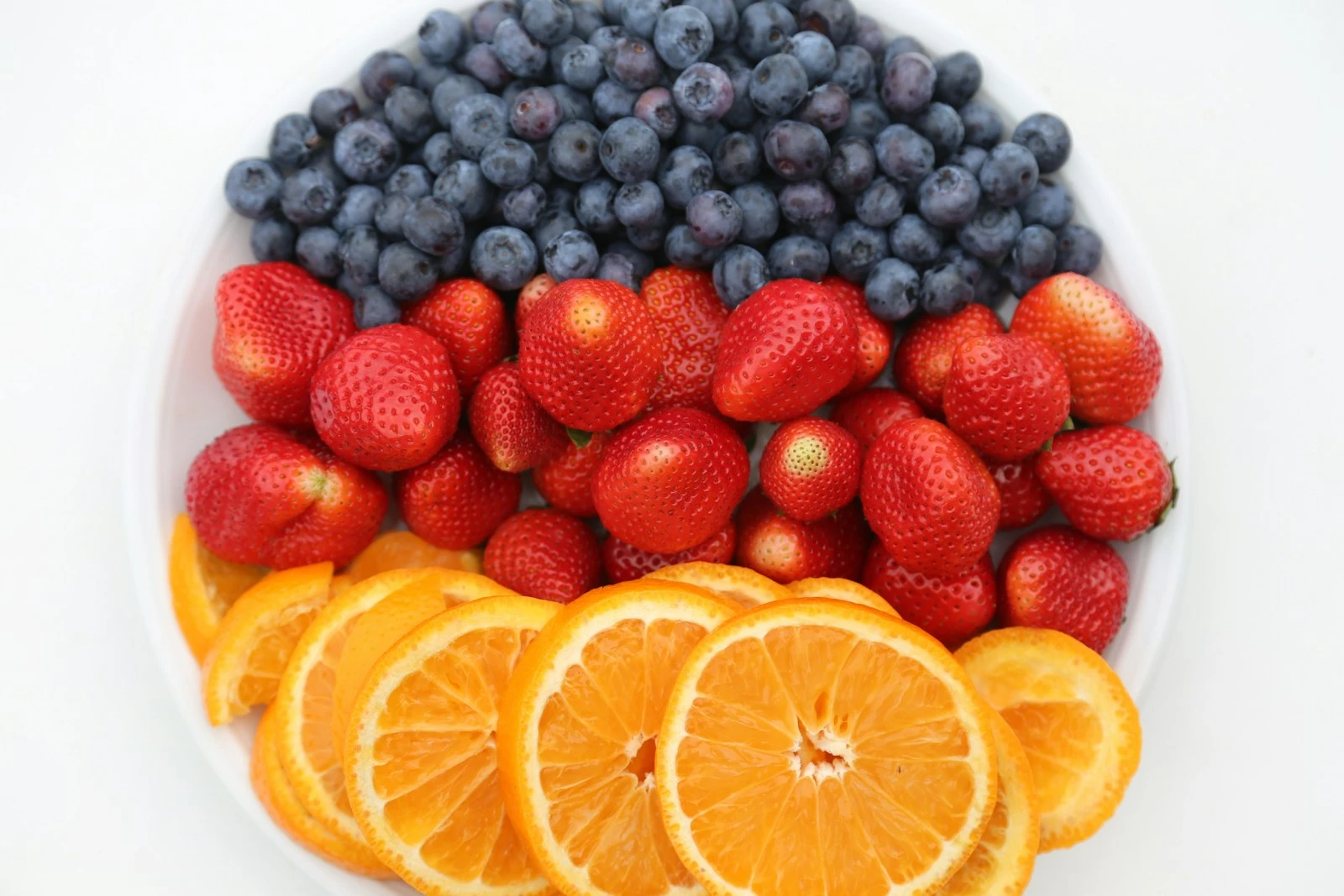
High cortisol levels wreak havoc on the body—causing anxiety, weight gain, poor sleep, and constant fatigue. While stress management and lifestyle changes are essential, what you eat plays a significant role in how your body produces and regulates cortisol.
Certain foods contain compounds that directly influence cortisol production, support adrenal function, or help the body manage stress more effectively. These aren’t gimmicky “superfoods”—they’re everyday ingredients backed by scientific research.
Here are 15 cortisol reducing foods that can help restore hormone balance when incorporated into a regular eating pattern.
Quick disclosure: This post contains affiliate links. If you buy something through these links, a small commission may be earned at no extra cost to you. This is general nutrition information—not medical advice. If you have health conditions, hormone imbalances, or take medications, consult your healthcare provider before making significant dietary changes.
How Cortisol Reducing Foods Work
Foods influence cortisol through several mechanisms:
Blood sugar stabilization: Foods that prevent blood sugar spikes and crashes keep cortisol levels steady. Protein, healthy fats, and complex carbohydrates all contribute to this effect.
Vitamin and mineral support: The adrenal glands require specific nutrients—vitamin C, magnesium, B vitamins—to function properly and regulate cortisol production.
Anti-inflammatory compounds: Chronic inflammation keeps cortisol elevated. Foods rich in antioxidants and omega-3 fatty acids reduce inflammation.
Adaptogenic properties: Some foods contain compounds that help the body adapt to stress and normalize cortisol levels.
Gut health support: The gut-brain axis influences stress hormone production. Foods that support healthy gut bacteria can indirectly lower cortisol.
The key is incorporating these foods consistently as part of a balanced diet—not eating them once and expecting results. For a comprehensive approach, these foods work best within a structured eating plan like this 14-day low cortisol diet meal plan.
1. Dark Chocolate (70% Cacao or Higher)

Dark chocolate contains flavonoids that reduce cortisol and improve mood. A 2009 study published in the Journal of Proteome Research found that eating 40 grams of dark chocolate daily for two weeks significantly reduced cortisol levels in highly stressed individuals.
Why it works: The flavonoids in dark chocolate reduce inflammation and lower stress hormones. Dark chocolate also contains magnesium, which helps regulate cortisol.
How much: 1-2 small squares (20-40g) of 70% cacao or higher chocolate daily. More than this negates the benefits due to sugar content.
How to use: Eat as an afternoon snack with almonds, melt into oatmeal, or have a square after dinner.
2. Fatty Fish (Salmon, Mackerel, Sardines)
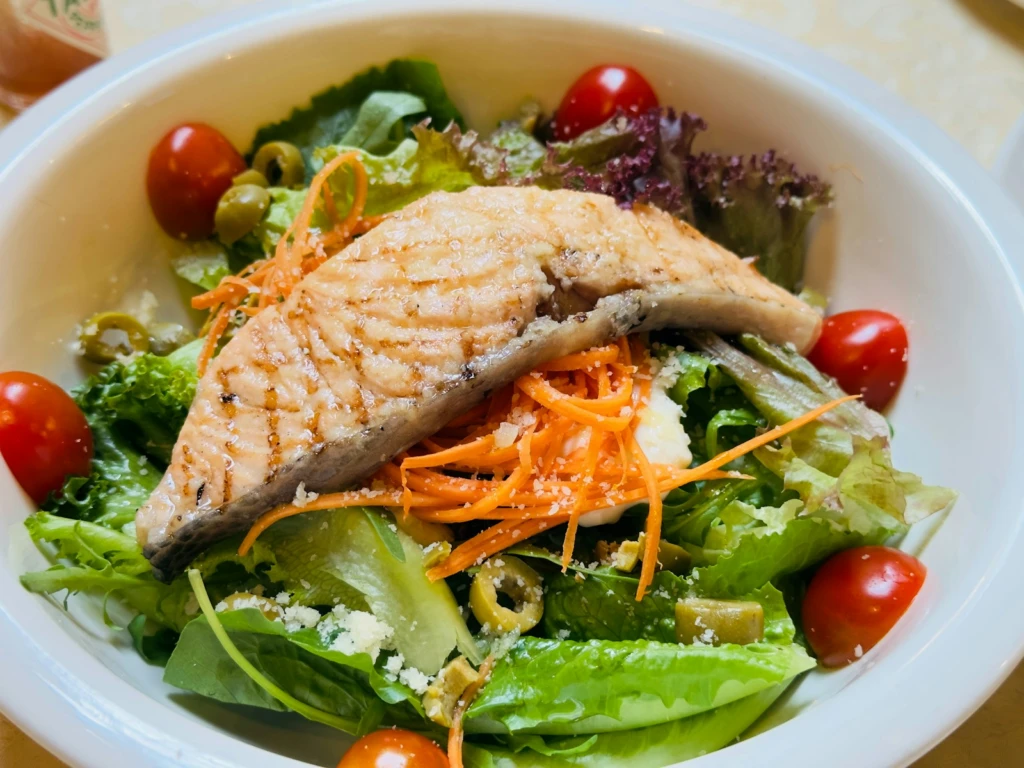
Fatty fish are rich in omega-3 fatty acids (EPA and DHA), which have powerful anti-inflammatory effects and help regulate cortisol production.
Research: A 2003 study in Diabetes & Metabolism found that omega-3 supplementation reduced cortisol levels during mental stress. Multiple studies confirm that regular omega-3 intake lowers inflammation and stress hormone levels.
Why it works: Omega-3s reduce inflammation in the body and brain, which helps normalize cortisol. They also support healthy cell membrane function, allowing stress hormones to be metabolized more efficiently.
How much: 2-3 servings of fatty fish per week (about 3-4 oz per serving).
How to use: Grilled salmon with vegetables, canned sardines on whole grain crackers, baked mackerel with lemon and herbs.
Get: Wild-caught salmon or Omega-3 fish oil supplements if you don’t eat fish
3. Blueberries (and Other Dark Berries)
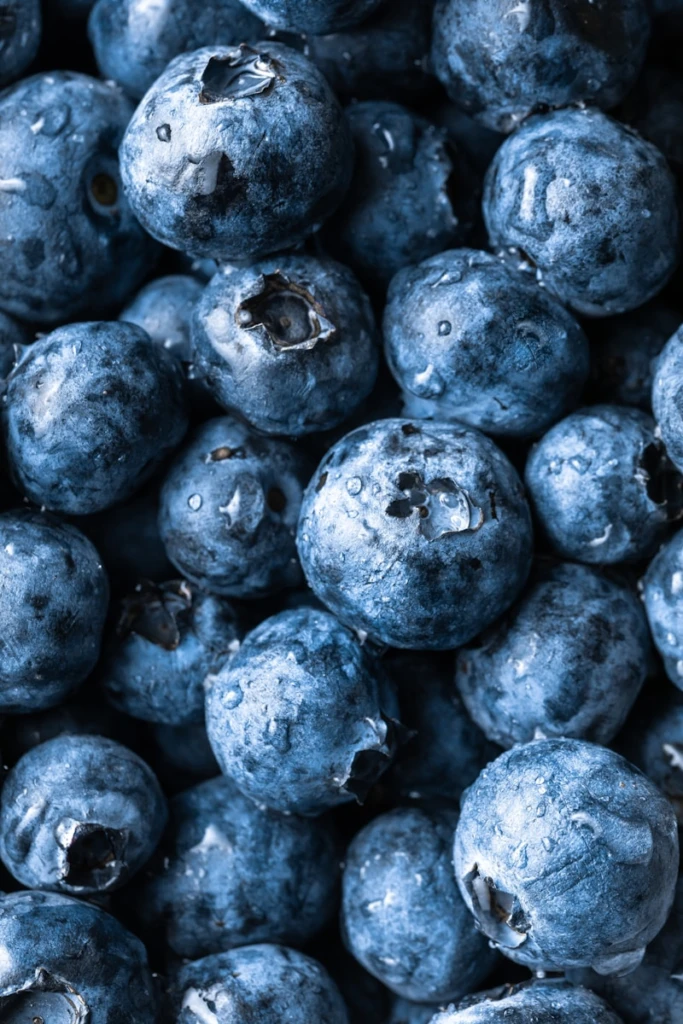
Blueberries are packed with antioxidants—particularly anthocyanins—that reduce oxidative stress and inflammation, both of which contribute to elevated cortisol.
Research: A 2017 study found that participants who consumed blueberries showed reduced cortisol responses to stress compared to those who didn’t.
Why it works: The antioxidants in berries protect cells from stress-induced damage and help regulate the body’s stress response system.
How much: 1/2 to 1 cup of fresh or frozen berries daily.
How to use: Add to yogurt, smoothies, oatmeal, or eat as a snack. Works great in cortisol-lowering breakfast ideas.
Get: Frozen organic blueberries (often more affordable and just as nutritious)
4. Avocados (The Healthy Fat Powerhouse)
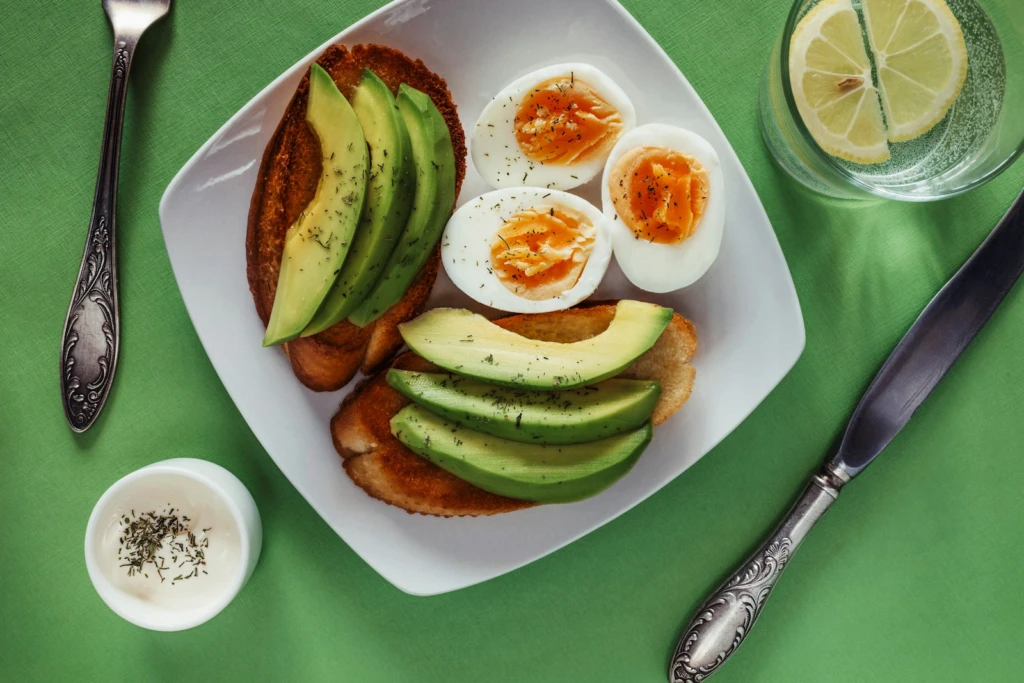
Avocados are rich in monounsaturated fats, potassium, and B vitamins—all of which support adrenal health and help regulate cortisol.
Research: The potassium in avocados helps lower blood pressure and regulate cortisol. The healthy fats support hormone production and keep blood sugar stable.
Why it works: B vitamins support adrenal gland function. Potassium helps regulate the stress response. Healthy fats prevent blood sugar crashes that spike cortisol.
How much: 1/2 to 1 avocado per day.
How to use: Toast, salads, smoothies, guacamole, or sliced on eggs.
Note: Avocados are calorie-dense (about 240 calories per whole avocado), so portion appropriately based on overall calorie needs.
5. Spinach and Leafy Greens (Magnesium Champions)
Spinach, kale, Swiss chard, and other dark leafy greens are excellent sources of magnesium—a mineral essential for cortisol regulation.
Research: Studies show that magnesium deficiency is associated with elevated cortisol and increased stress responses. Adequate magnesium intake helps normalize cortisol levels.
Why it works: Magnesium regulates the HPA axis (the system that controls cortisol production) and helps calm the nervous system.
How much: 1-2 cups of leafy greens daily (raw or cooked).
How to use: Salads, smoothies, sautéed as a side dish, added to eggs or soups.
Get: Organic spinach
6. Bananas (Potassium for Stress Management)
Bananas contain potassium, vitamin B6, and prebiotic fiber—all of which support healthy cortisol regulation.
Research: Potassium helps regulate blood pressure and counteracts the negative effects of stress on the body. B6 supports neurotransmitter production, which influences stress responses.
Why it works: The combination of potassium and B vitamins helps stabilize mood and energy levels. The fiber helps regulate blood sugar, preventing cortisol spikes.
How much: 1 banana per day.
How to use: Snack, smoothies, sliced on oatmeal or toast with nut butter.
7. Walnuts (Omega-3s and Stress Reduction)
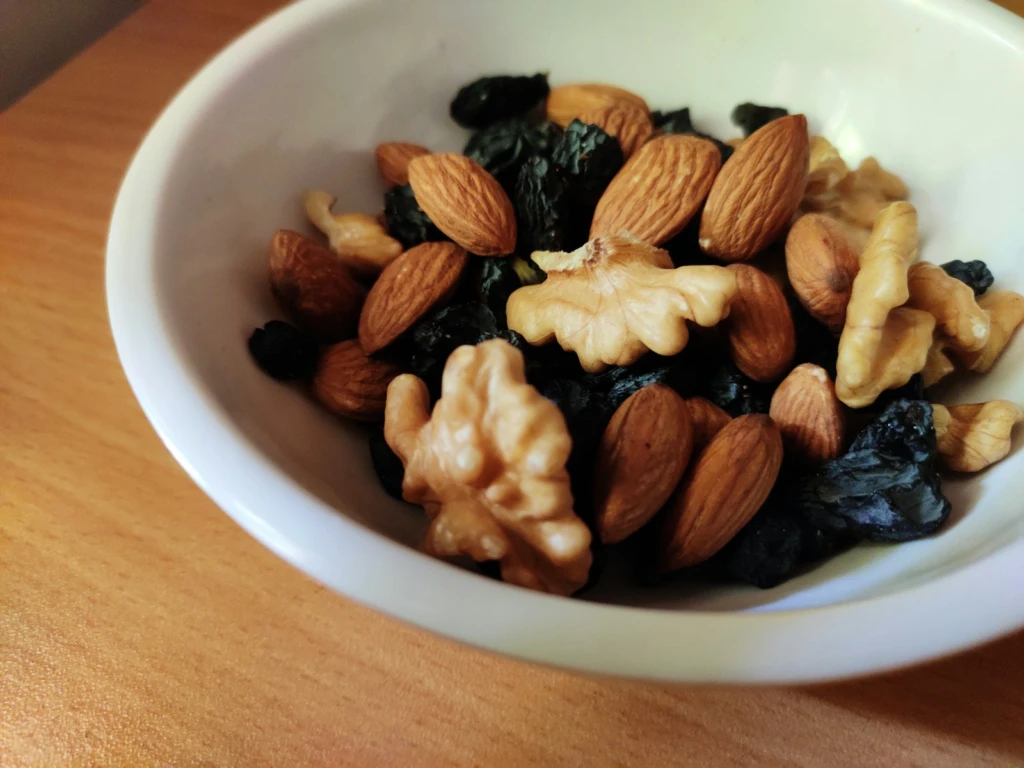
Walnuts are one of the few plant-based sources of omega-3 fatty acids (ALA), which convert to EPA and DHA in the body—though less efficiently than fish sources.
Research: A 2010 study in the Journal of the American College of Nutrition found that walnuts and walnut oil reduced resting blood pressure and blood pressure responses to stress.
Why it works: Omega-3s reduce inflammation. Walnuts also contain melatonin, which supports better sleep—and better sleep naturally lowers cortisol.
How much: A small handful (about 1 oz or 14 walnut halves) daily.
How to use: Snack, add to yogurt, salads, or oatmeal.
Get: Raw walnuts
8. Oranges and Citrus Fruits (Vitamin C for Adrenal Support)
Oranges, grapefruits, lemons, and other citrus fruits are rich in vitamin C—essential for adrenal gland function and cortisol regulation.
Research: A 2001 study in Psychopharmacology found that vitamin C supplementation reduced cortisol levels and blood pressure responses to stress.
Why it works: The adrenal glands require high amounts of vitamin C to produce cortisol. Adequate vitamin C intake ensures they function properly without overproducing stress hormones.
How much: 1-2 servings of citrus daily (1 orange, 1/2 grapefruit, or juice from 1-2 lemons).
How to use: Fresh fruit, fresh-squeezed juice, added to water, used in salad dressings. Also works well in morning cortisol drinks.
9. Sweet Potatoes (Complex Carbs for Blood Sugar Stability)
Sweet potatoes are complex carbohydrates with a low to moderate glycemic index. They provide steady energy without the blood sugar crashes that spike cortisol.
Research: Complex carbohydrates help increase serotonin production, which improves mood and reduces stress. They also prevent the blood sugar fluctuations that trigger cortisol spikes.
Why it works: The fiber in sweet potatoes slows digestion and prevents rapid blood sugar changes. They also contain vitamin C and potassium, both beneficial for stress management.
How much: 1/2 to 1 cup of cooked sweet potato 3-4 times per week.
How to use: Roasted, mashed, in breakfast hash, or as sweet potato fries.
10. Fermented Foods (Gut Health and Cortisol Connection)
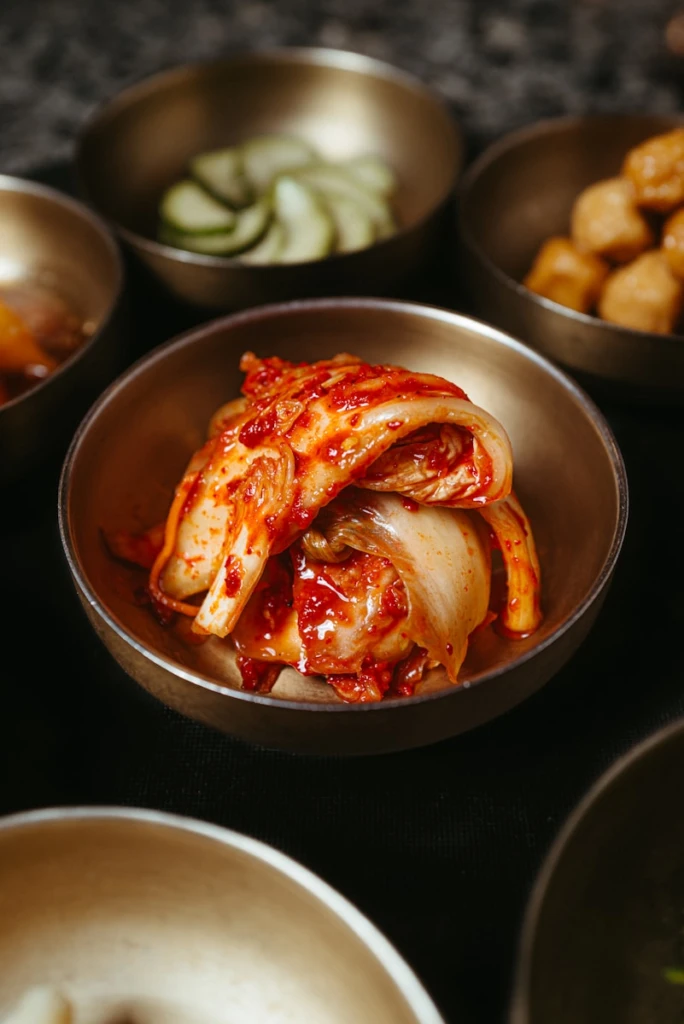
Kimchi, sauerkraut, kefir, and yogurt contain probiotics that support gut health. Emerging research shows a strong connection between gut bacteria and cortisol regulation.
Research: A 2017 study found that probiotics reduced cortisol levels in stressed individuals. The gut-brain axis plays a significant role in stress hormone production.
Why it works: Healthy gut bacteria produce neurotransmitters that influence mood and stress responses. They also reduce inflammation, which helps normalize cortisol.
How much: 1/4 to 1/2 cup of fermented vegetables daily, or 1 cup of yogurt/kefir.
How to use: Sauerkraut or kimchi as a side dish, kefir or yogurt for breakfast or snacks.
Get: Organic sauerkraut
11. Oats (Mood-Boosting Complex Carbs)
Oats are whole grains rich in fiber, B vitamins, and magnesium. They help regulate blood sugar and support serotonin production—both important for cortisol management.
Research: Studies show that consuming complex carbohydrates like oats can reduce cortisol levels and improve mood in stressed individuals.
Why it works: Oats provide slow-releasing energy that prevents blood sugar crashes. They also contain beta-glucan fiber, which supports gut health and reduces inflammation.
How much: 1/2 to 1 cup of cooked oats 3-5 times per week.
How to use: Overnight oats, warm oatmeal with nut butter and berries, added to smoothies.
Get: Organic rolled oats
12. Turkey and Chicken (Tryptophan and Stable Protein)
Poultry contains tryptophan, an amino acid that helps produce serotonin—a neurotransmitter that counteracts stress and anxiety.
Research: Tryptophan-rich foods have been shown to reduce cortisol and improve mood. Adequate protein intake also stabilizes blood sugar, preventing stress-induced cortisol spikes.
Why it works: Tryptophan converts to serotonin and melatonin, both of which help regulate stress and sleep. Protein keeps you full and prevents blood sugar fluctuations.
How much: 3-4 oz of lean poultry 3-5 times per week.
How to use: Grilled chicken breast, turkey meatballs, roasted chicken thighs, turkey burgers.
13. Green Tea (L-Theanine for Calm Focus)

Green tea contains L-theanine, an amino acid that promotes relaxation without drowsiness and helps lower cortisol during stress.
Research: Multiple studies show that L-theanine reduces cortisol responses to stress and promotes alpha brain wave activity associated with relaxation.
Why it works: L-theanine increases GABA, dopamine, and serotonin in the brain—all of which help manage stress. It also works synergistically with the small amount of caffeine in green tea to provide calm, focused energy.
How much: 1-3 cups of green tea daily.
How to use: Hot or iced, morning or early afternoon. For more options, see herbal teas for lowering cortisol.
Get: Organic green tea
14. Eggs (Complete Protein and Choline)
Eggs provide complete protein and are rich in choline—a nutrient that supports brain health and stress management.
Research: Studies show that adequate choline intake is associated with better stress resilience and lower anxiety levels.
Why it works: Eggs provide all essential amino acids needed for neurotransmitter production. The protein stabilizes blood sugar, and the healthy fats support hormone production.
How much: 1-2 eggs daily is safe for most people (despite outdated cholesterol concerns).
How to use: Scrambled, fried, hard-boiled, in omelets. Perfect for cortisol-lowering breakfasts.
15. Pumpkin Seeds (Zinc and Magnesium Powerhouse)
Pumpkin seeds (pepitas) are rich in magnesium, zinc, and healthy fats—all essential for managing cortisol and supporting overall hormone health.
Research: Zinc deficiency is associated with increased stress and elevated cortisol. Adequate zinc intake helps normalize stress hormone levels.
Why it works: Magnesium regulates the stress response. Zinc supports immune function and hormone production. The combination helps the body manage stress more efficiently.
How much: 2 tablespoons (about 1 oz) daily.
How to use: Snack, sprinkled on salads or yogurt, blended into smoothies, added to trail mix.
Get: Raw pumpkin seeds
Foods That Raise Cortisol (What to Avoid)
Just as important as knowing what to eat is understanding what makes cortisol worse.
Refined sugar and high-fructose corn syrup: Cause blood sugar spikes followed by crashes, triggering cortisol release. Found in soda, candy, baked goods, and most processed foods.
Caffeine in excess: One cup of coffee with food is manageable. Multiple cups on an empty stomach significantly elevate cortisol.
Alcohol: Disrupts sleep quality and spikes cortisol at night when it should be lowest.
Trans fats and processed oils: Found in fried foods, packaged snacks, and margarine. Increase inflammation, which keeps cortisol elevated.
White bread and refined grains: Spike blood sugar rapidly, leading to cortisol surges when blood sugar crashes.
Artificial sweeteners: Some studies suggest they may disrupt gut bacteria and affect stress hormone regulation.
The occasional treat won’t destroy hormonal balance, but a diet based primarily on these foods will keep cortisol chronically elevated regardless of how many cortisol reducing foods you add.
How to Build a Cortisol-Reducing Meal
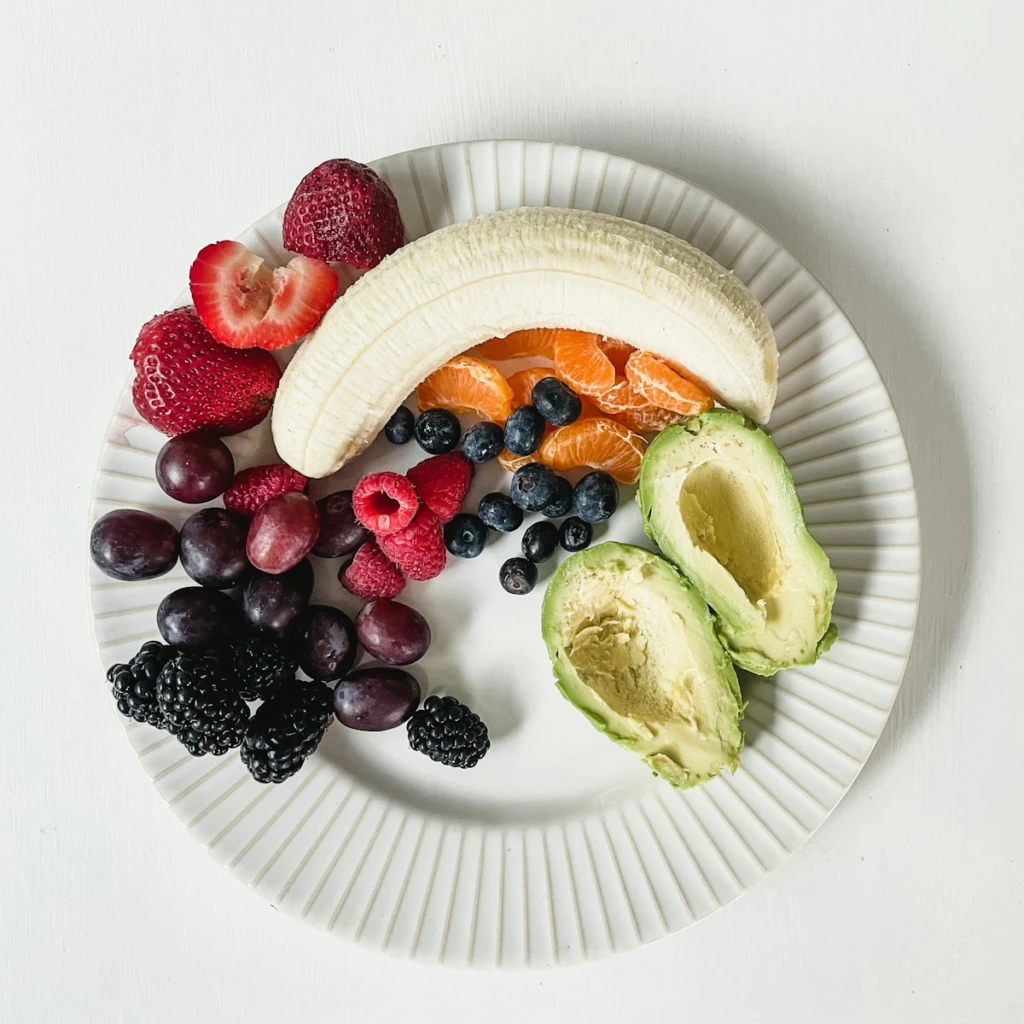
The formula: Protein + Healthy Fat + Complex Carb + Vegetables
Example meals:
Breakfast:
- Scrambled eggs (protein) + avocado (healthy fat) + whole grain toast (complex carb) + spinach (vegetable)
- Greek yogurt (protein) + walnuts (healthy fat) + oats (complex carb) + blueberries (fruit/antioxidants)
Lunch:
- Grilled salmon (protein + healthy fat) + quinoa (complex carb) + roasted sweet potato + steamed broccoli
Dinner:
- Baked chicken (protein) + olive oil dressing (healthy fat) + brown rice (complex carb) + mixed greens salad
Snacks:
- Apple slices with almond butter
- Greek yogurt with pumpkin seeds
- Dark chocolate with walnuts
- Banana with cashew butter
This structure keeps blood sugar stable, provides nutrients needed for adrenal function, and prevents the cortisol spikes caused by poor meal composition.
For complete meal planning that incorporates these foods, follow this low cortisol diet meal plan.
Timing Matters: When to Eat for Optimal Cortisol Regulation
Don’t skip breakfast: Eating within 1-2 hours of waking stabilizes cortisol’s natural morning spike. Skipping breakfast signals starvation, keeping cortisol elevated all morning.
Eat protein at every meal: This is non-negotiable for blood sugar stability. Even snacks should include protein.
Avoid large meals late at night: Eating a big dinner right before bed can spike blood sugar and cortisol when they should be dropping.
Include healthy fats: They slow digestion and prevent rapid blood sugar changes that trigger cortisol.
Regular meal timing: Eating at roughly the same times each day helps regulate cortisol’s natural rhythm. Erratic meal timing confuses the body’s stress response system.
Sample Daily Cortisol-Friendly Eating Pattern
7:00 AM – Breakfast: Oatmeal with walnuts, blueberries, and a drizzle of honey Green tea
10:00 AM – Snack: Hard-boiled egg and an orange
12:30 PM – Lunch: Grilled salmon salad with spinach, avocado, cherry tomatoes, olive oil dressing Side of sweet potato
3:30 PM – Snack: Greek yogurt with pumpkin seeds Small square of dark chocolate
6:30 PM – Dinner: Baked chicken with roasted vegetables (broccoli, carrots, bell peppers) and quinoa
8:30 PM – Evening: Chamomile tea or adrenal cocktail
This pattern provides consistent energy, prevents blood sugar crashes, includes all the key cortisol reducing foods, and supports the body’s natural cortisol rhythm.
Supplements vs. Whole Foods
Whole foods win: The nutrients in whole foods work synergistically in ways that isolated supplements don’t replicate. The fiber, antioxidants, and other compounds all contribute to the cortisol-lowering effect.
When supplements help:
- Omega-3s (if you don’t eat fish regularly)
- Magnesium (many people are deficient)
- Vitamin D (if you live in low-sunlight areas)
- Probiotics (if you don’t consume fermented foods)
What to avoid:
- “Cortisol-blocking” supplements with proprietary blends and vague ingredients
- Products promising to “eliminate stress” or “balance hormones instantly”
- Extremely high doses of vitamins without medical supervision
Focus on getting nutrients from food first. Supplements should fill gaps, not replace a poor diet.
Get quality supplements:
Meal Prep for Cortisol-Reducing Foods
Sunday prep (2 hours):
- Hard-boil a dozen eggs
- Cook a large batch of quinoa or brown rice
- Roast several sweet potatoes
- Prep vegetable trays (spinach salad mix, cut bell peppers, cucumber slices)
- Portion out nuts, seeds, and dark chocolate for snacks
- Make overnight oats for 3-4 days
Twice weekly:
- Grill or bake chicken breasts or salmon fillets
- Wash and portion berries
- Prepare hummus or guacamole
This makes it easy to grab cortisol-friendly meals and snacks throughout the week without daily cooking marathons.
Beyond Food: Complete Cortisol Management
Cortisol reducing foods are powerful, but they work best as part of a comprehensive approach that includes:
Adequate sleep: 7-8 hours consistently. Poor sleep keeps cortisol elevated regardless of diet. See ways to lower cortisol naturally for sleep optimization.
Regular movement: Walking, yoga, strength training—all help regulate cortisol when done consistently without overtraining.
Stress management: Deep breathing, meditation, time in nature, setting boundaries.
Limiting caffeine: Especially on an empty stomach or in large quantities.
Hydration: Dehydration is a physical stressor that raises cortisol.
Social connection: Chronic loneliness elevates cortisol. Regular positive social interaction helps lower it.
Think of diet as one essential component of cortisol management—not the only component.
FAQ
How long does it take for diet changes to lower cortisol?
Some effects are immediate—eating protein with breakfast prevents morning cortisol spikes within hours. Long-term cortisol regulation from consistent dietary changes typically shows measurable results in 2-4 weeks.
Can you eat cortisol-lowering foods and still have high cortisol?
Yes. If you’re chronically sleep-deprived, drinking excessive caffeine, experiencing extreme stress, or have underlying health conditions, diet alone won’t normalize cortisol. It’s one piece of the puzzle.
Do cortisol-reducing foods help with weight loss?
Indirectly, yes. High cortisol promotes abdominal fat storage and increases appetite. Lowering cortisol through diet can make weight management easier, but these aren’t “weight loss foods”—they’re hormone-balancing foods.
Can children eat these cortisol-reducing foods?
Yes. These are all whole, nutritious foods appropriate for children. Focus on variety and balanced meals rather than targeting cortisol specifically.
Are there foods that lower cortisol instantly?
No. Cortisol regulation takes time. However, eating protein with carbohydrates can stabilize blood sugar within an hour, preventing stress-induced cortisol spikes.
Should I avoid carbs to lower cortisol?
No. Complex carbohydrates help produce serotonin, which counteracts stress. The key is choosing whole grains, fruits, and vegetables over refined sugars and white flour.
What if I can’t afford organic versions of these foods?
Conventional versions of these foods still provide cortisol-lowering benefits. Prioritize buying organic for the “Dirty Dozen” (foods highest in pesticides) if budget allows, but don’t skip these foods entirely due to cost concerns.
Starting your day with a protein-packed breakfast can really kick things off on the right foot. Thes

Low calorie veggie breakfast bake with egg whites, zucchini, peppers, tomatoes, spinach, feta. 165 c
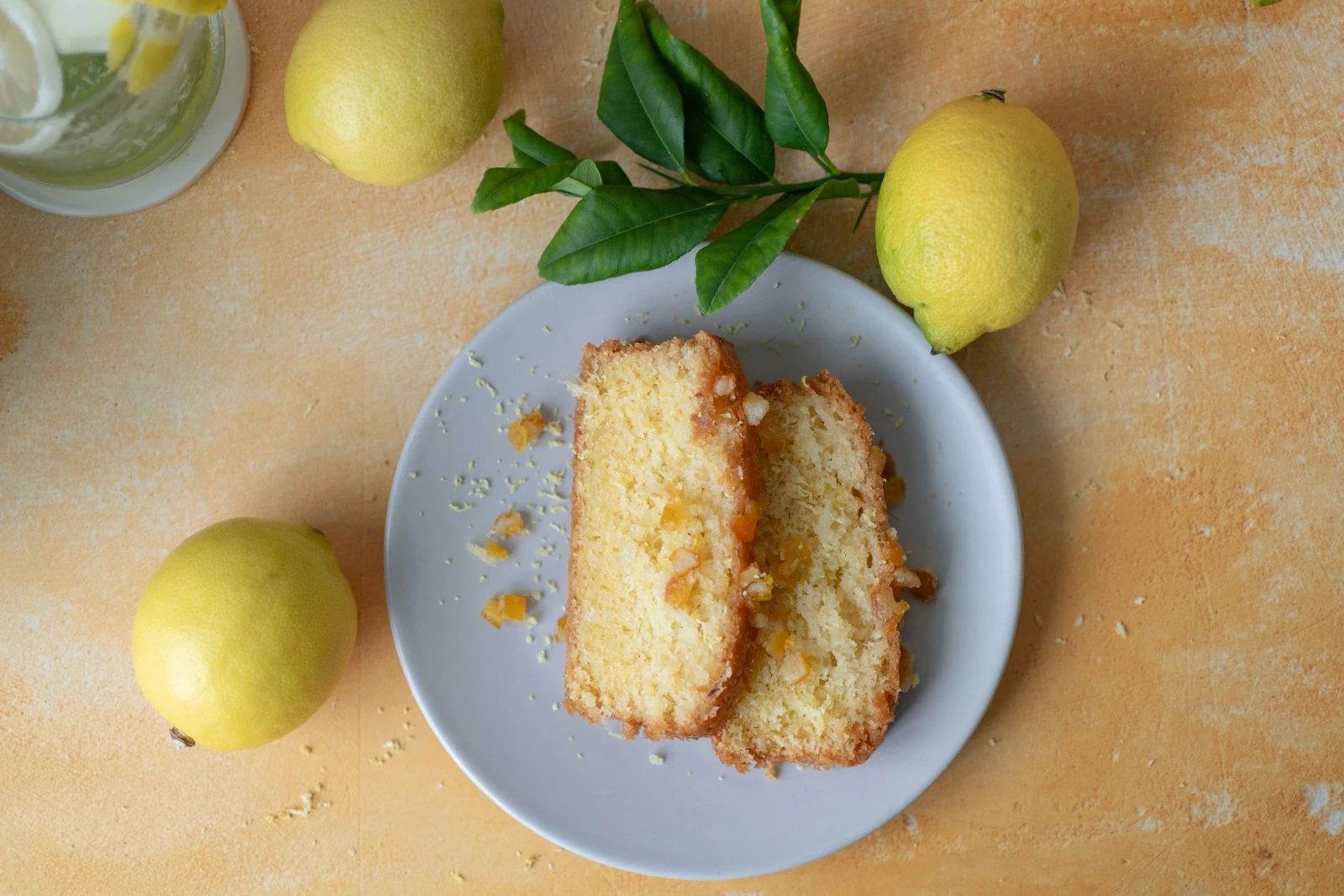
My grandmother never measured anything. She’d squeeze a lemon directly over the bowl, catch wh
Leave a Reply