

7 Quick Gut Health Breakfast Ideas for Busy Mornings When You Still Want to Feel Good
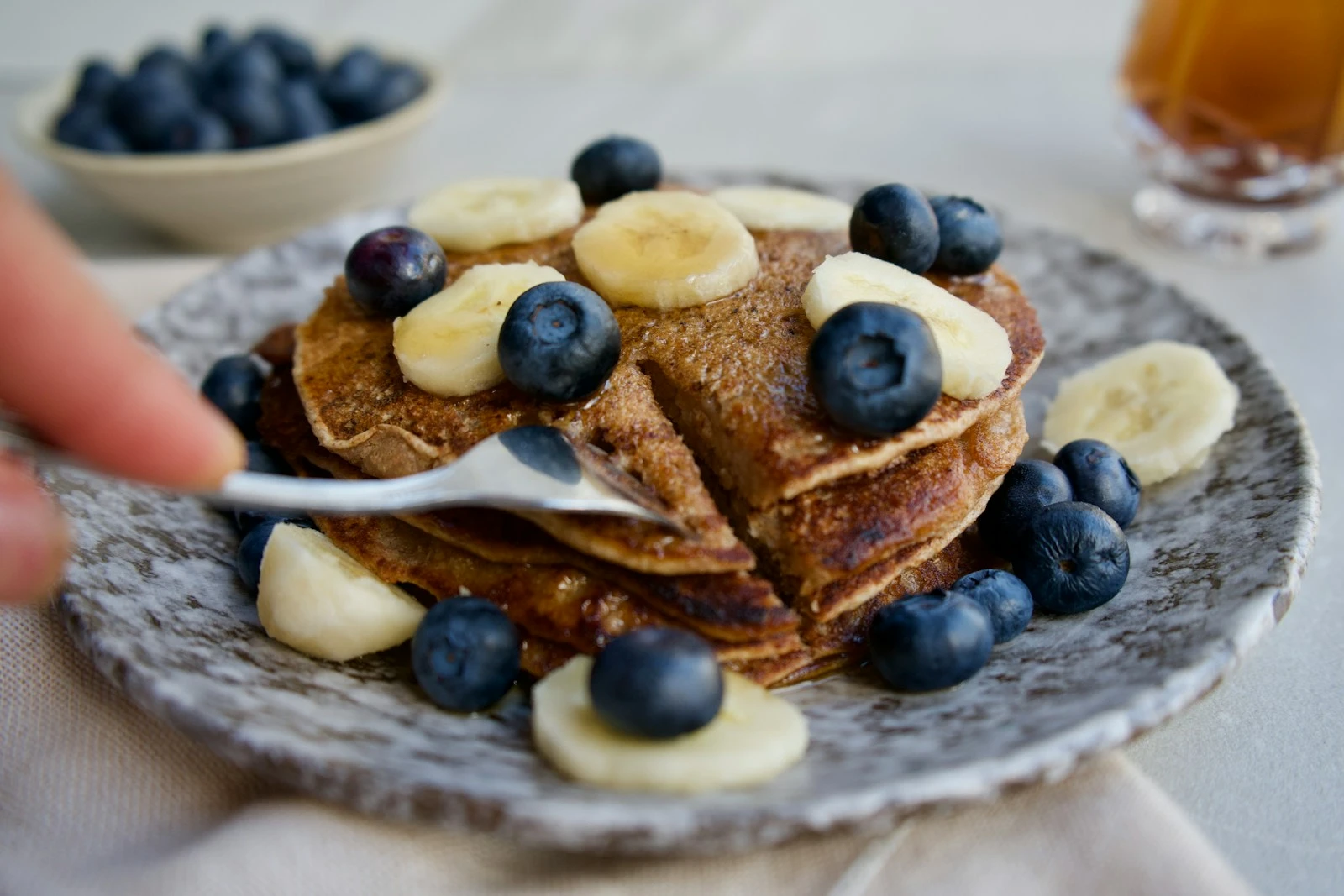
My stomach spent most of last winter being… unhappy. Bloating by noon, that weird heavy feeling after coffee, snacking on stuff I didn’t even want because I was too hungry but also kind of nauseous. Fun times.
The thing that actually helped wasn’t some elaborate wellness protocol. It was changing what I ate in the first 20 minutes of my day. Breakfast, basically. Specifically, breakfast that had fiber and fermented stuff in it. And the criteria was non-negotiable: it had to take under 10 minutes or I wasn’t doing it.
These are the 7 health breakfast ideas for busy mornings that I’ve actually kept doing — not just tried once and forgot about.
1. Overnight Oats with Kefir and Berries (2 Minutes the Night Before)
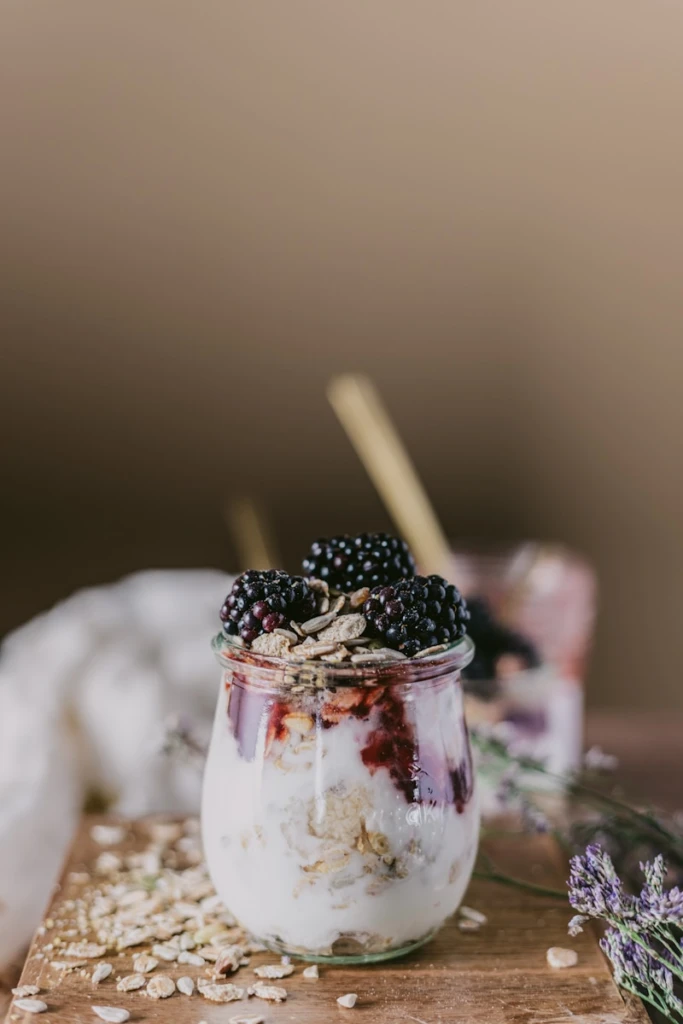
Okay, yes, this one requires you to think the night before. But it’s two minutes, and then morning-you just opens the fridge and eats. It changed my mornings more than I expected.
Kefir is the secret here. It’s basically drinkable yogurt, and it’s packed with more live cultures than regular yogurt. Mixed with oats it gives you fiber and probiotics in one bowl. The berries add a little sweetness and antioxidants, which sounds very wellness-blogger of me but they genuinely make it taste better.
I’ve been making this three or four times a week for months. It’s one of those things that takes less time than scrolling while standing in the kitchen, which is what I was doing before.
Recipe:
Serves 1 | Prep: 2 minutes | Rest: overnight in the fridge
- ½ cup rolled oats
- ½ cup kefir (plain)
- ¼ cup milk of your choice
- 1 tbsp chia seeds
- 1 tsp honey or maple syrup
- ½ cup berries (fresh or frozen)
- Pinch of cinnamon
Mix oats, kefir, milk, chia seeds, and sweetener in a jar or container. Stir well, seal, and refrigerate overnight (or at least 4 hours). In the morning, top with berries and a pinch of cinnamon. Eat cold, straight from the jar.
2. Greek Yogurt Bowl with Flaxseed and Banana
This one takes literally four minutes if you have slow hands. Three if you’re normal.
Greek yogurt is one of the most gut-friendly things you can eat first thing in the morning. It’s high in protein, has live cultures, and it keeps you full for actual hours — not the fake full you get from a granola bar. Add ground flaxseed and you’ve got fiber and omega-3s without any extra effort.
The banana does two things: makes it sweet enough that you don’t feel like you’re eating health food, and provides prebiotics (which feed the good bacteria you’re trying to keep happy with the probiotics in the yogurt). The whole prebiotic-probiotic combo in one bowl isn’t something I made up — it’s actually how the gut stuff is supposed to work.
Recipe:
Serves 1 | Prep: 4 minutes
- ¾ cup full-fat or 2% Greek yogurt
- 1 tbsp ground flaxseed
- 1 banana, sliced
- 1 tsp honey
- Optional: small handful of walnuts or pumpkin seeds
Spoon yogurt into a bowl. Stir in the flaxseed. Slice the banana on top. Drizzle with honey. Add nuts if you have them. Done. No cooking, no waiting.
3. Scrambled Eggs with Fermented Vegetables on the Side
This is the breakfast I make when I want something warm and I have maybe eight minutes. Eggs are fast, protein keeps you full, and serving them alongside a small scoop of sauerkraut or kimchi on the side turns ordinary scrambled eggs into something that actually does something for your gut.
The fermented part is important. You only need a tablespoon or two — you’re not eating a big pile of kimchi at 7am, just a small amount alongside the eggs. But those fermented vegetables have live bacteria that support digestion. And no, it doesn’t make the eggs taste weird. They’re on the side.
If you hate sauerkraut or kimchi, any lacto-fermented vegetable works — fermented pickles (the refrigerated kind, not the vinegar kind on the shelf), fermented beets, whatever you can find.
Recipe:
Serves 1 | Prep + Cook: 8 minutes
- 2 large eggs
- 1 tbsp butter or olive oil
- Salt and pepper to taste
- 2 tbsp sauerkraut or kimchi (straight from the jar, served cold on the side)
- Optional: fresh herbs, a slice of sourdough toast
Crack eggs into a bowl, beat lightly with a fork, season with salt and pepper. Heat butter in a non-stick pan over low-medium heat. Pour in eggs. Stir slowly and consistently, pulling from the edges toward the center, until just set — slightly glossy still. Remove from heat (they’ll keep cooking). Plate and add sauerkraut or kimchi on the side. Done.
4. Chia Seed Pudding (Make 3 Jars at Once)
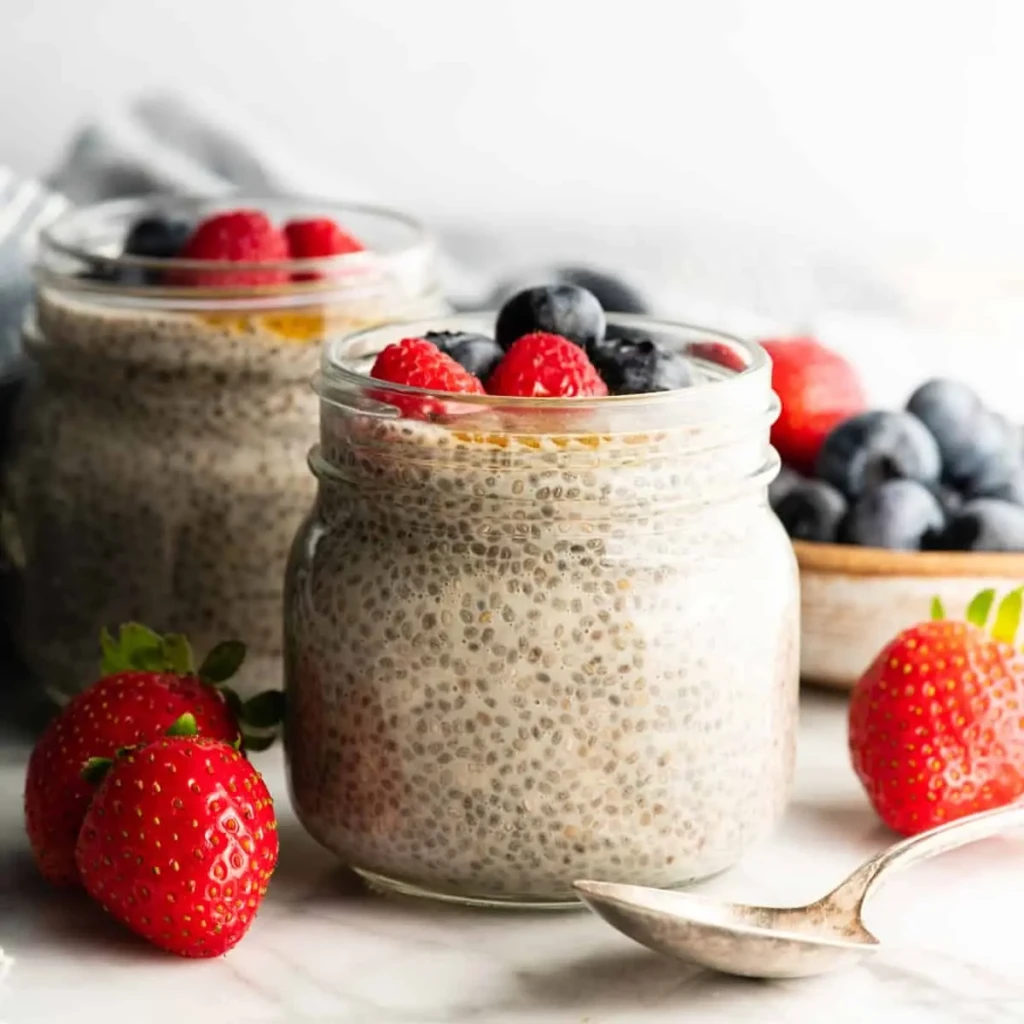
Chia seeds are genuinely one of the best things you can eat for gut health. They absorb liquid and form a gel that’s essentially a prebiotic fiber — meaning it feeds your gut bacteria rather than just passing through. They also have more omega-3s than most people realize.
The batch-prep aspect is what makes this actually work for busy mornings. Make three jars Sunday night, eat them Monday through Wednesday. Each morning is literally just opening a jar. I sometimes eat mine in the car, which isn’t glamorous but is very efficient.
I’ve written a separate chia seed pudding recipe with 15 flavor variations if you want to get more creative with it — but the base recipe below is what I make when I want something simple and reliable.
Recipe:
Serves 3 (make-ahead batch) | Prep: 5 minutes | Set time: 4+ hours or overnight
- 6 tbsp chia seeds
- 1½ cups coconut milk (or any milk)
- 1 cup plain kefir or Greek yogurt
- 2 tsp vanilla extract
- 1–2 tbsp maple syrup or honey
- Toppings per jar: sliced fruit, nut butter, granola, shredded coconut
Mix chia seeds, milk, kefir, vanilla, and sweetener together in a large bowl or measuring cup. Whisk or stir very well — chia seeds clump, so keep stirring for 2 minutes. Divide equally into 3 jars. Refrigerate for at least 4 hours. In the morning, add toppings. Lasts up to 5 days in the fridge.
5. Miso Soup with a Soft-Boiled Egg
This might sound very un-breakfast. I get it. But hear me out.
Miso is fermented soybean paste. It’s been used in Japanese breakfasts for centuries, and it’s one of the most probiotic-rich foods you can eat. A small bowl of miso soup in the morning is warm, savory, oddly comforting, and takes about five minutes.
Paired with a soft-boiled egg — which you can batch-cook at the beginning of the week — this becomes a genuinely satisfying meal that wakes up your digestive system gently. If you’re someone who can’t stomach anything sweet first thing in the morning, this is for you.
The egg takes the longest (7 minutes if starting from room temperature), so if you make eggs ahead on Sunday, weekday mornings are just heating the miso soup.
One important thing: don’t boil the miso. Add it to hot water that’s been taken off the heat, or stir it in at the end. Boiling destroys the live cultures. This is the only step that actually matters.
Recipe:
Serves 1 | Prep + Cook: 7–10 minutes (3 minutes if egg is pre-made)
For the miso soup:
- 1½ cups water
- 1 tbsp white or yellow miso paste
- Optional add-ins: small handful of baby spinach, a few cubes of soft tofu, chopped green onion, dried wakame seaweed (rehydrates in 2 min)
For the egg:
- 1 large egg
Bring water to a boil in a small pot. Remove from heat and let sit 30 seconds. Add any vegetables or tofu and let them soften for 1 minute. Spoon about 2 tbsp of the hot water into a small bowl, whisk in the miso paste until smooth, then pour it back into the pot. Stir and serve.
For the egg: bring a small pot of water to a boil. Gently lower in the cold egg. Cook for exactly 7 minutes for a jammy yolk. Transfer immediately to an ice bath for 1 minute, then peel. Slice in half and place on top of or alongside your soup.
6. Sourdough Toast with Avocado and Kimchi
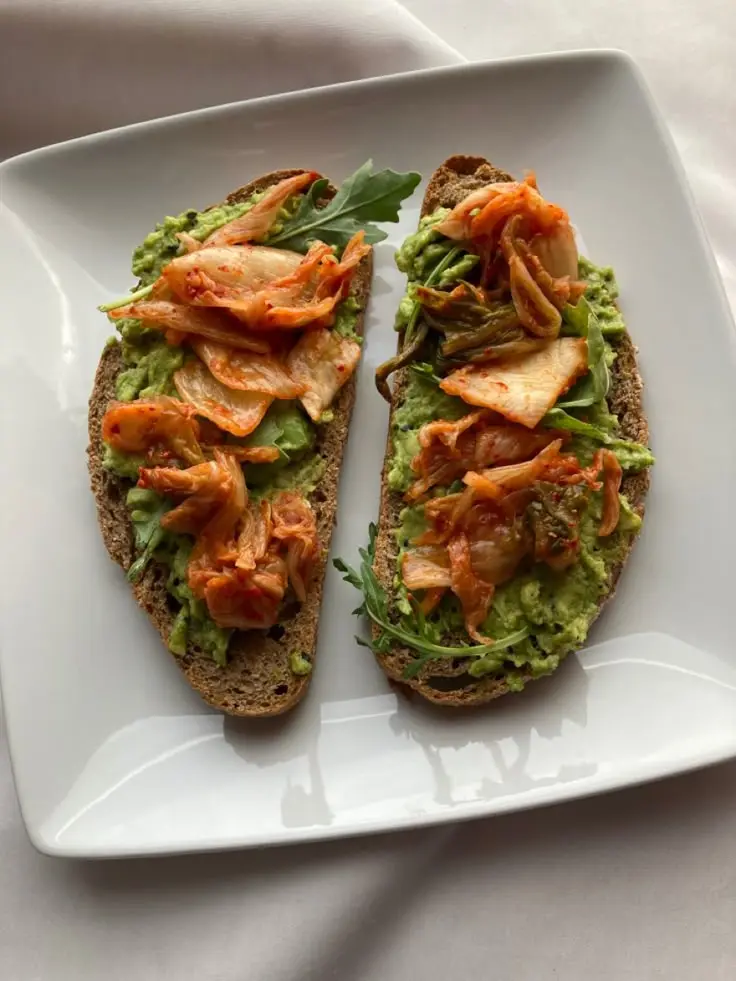
Avocado toast got annoying as a cultural moment, but it actually is a good breakfast. The problem is it’s usually missing the gut health component. Add kimchi and suddenly it has fiber from the avocado, fermented probiotics from the kimchi, and prebiotic benefit from the sourdough itself (real sourdough, not the stuff that just says sourdough on the label but is really just regular bread with coloring).
Sourdough made with actual wild yeast fermentation has a different carbohydrate structure than regular bread — easier to digest, lower glycemic spike, and it contains organic acids from the fermentation process. The real stuff has a noticeably sour smell and a chewy, dense crumb.
This breakfast takes six minutes. That’s a shower-length amount of time.
Recipe:
Serves 1 | Prep + Cook: 6 minutes
- 1–2 slices real sourdough bread
- ½ ripe avocado
- 2–3 tbsp kimchi
- 1 tbsp kimchi brine (from the jar — optional but great)
- Flaky salt, red pepper flakes, a squeeze of lemon
- Optional: a fried or poached egg on top
Toast bread. While it toasts, scoop avocado into a small bowl and mash roughly with a fork — keep it a little chunky. Season with salt and a squeeze of lemon. Spread mashed avocado on toast. Pile kimchi on top. Drizzle a little kimchi brine if you like it spicy and tangy. Add flaky salt and pepper flakes. If you want an egg, fry one in a little olive oil until the whites are set and the edges are crispy.
7. Smoothie with Kefir, Banana, Spinach, and Ginger
Yes, a smoothie. But built differently than the average banana-peanut-butter situation.
The kefir is the gut health anchor here — it’s creamy, slightly tangy, and blends seamlessly so you don’t taste it. Spinach adds prebiotic fiber. Banana adds natural sweetness and more prebiotics. And ginger is one of those ingredients that’s genuinely earned its reputation: it helps with nausea, supports healthy gut motility (basically how food moves through your digestive system), and has anti-inflammatory properties.
The whole thing takes three minutes including rinsing the blender. That’s my hard requirement for smoothies — if cleanup takes longer than making it, I’m not doing it again.
If you’re working on your morning routine more broadly, my piece on morning routines that don’t require waking up at 5am has more on building a morning that doesn’t feel like punishment.
Recipe:
Serves 1 | Prep: 3 minutes
- ¾ cup plain kefir
- ½ cup cold water or coconut water
- 1 ripe banana (frozen makes it creamier)
- 1 big handful of baby spinach (about 1 cup loosely packed)
- ½-inch piece of fresh ginger, peeled (or ¼ tsp ground ginger)
- 1 tsp honey (optional — the banana usually makes it sweet enough)
- 4–5 ice cubes if using a fresh banana
Add all ingredients to a blender. Blend on high for 45–60 seconds until completely smooth. Drink immediately or pour into a to-go cup. Rinse the blender right away while it’s still wet — takes 20 seconds.
A Few Honest Notes
You don’t have to do all seven. Pick one or two that don’t sound annoying to you and do those for two weeks. That’s actually how gut health improvements work — consistency over a couple of weeks, not a single perfect day.
Also worth knowing: if you suddenly add a lot of fiber and fermented foods and you weren’t eating much of either before, there might be a transitional period where things feel a bit… bloated. That’s normal. It passes. Start with one new food at a time if you want to avoid that.
If your stress levels are high, that’s also affecting your gut regardless of what you eat — cortisol genuinely disrupts the gut microbiome. I’ve been reading a lot about this lately and wrote about cortisol-lowering breakfast ideas if that angle is useful to you.
The 7 health breakfast ideas for busy mornings above are genuinely just what I eat most days. None of them require a blender you have to hand-wash or ingredients you need to source from a specialty store. They’re regular stuff. Just arranged in a way that your gut actually appreciates.
FAQ
Do I have to eat fermented food every single morning? No. Even three or four mornings a week makes a difference. The goal is more exposure over time, not perfection every day.
What if I hate the taste of kefir? Start with a flavored one — mango or strawberry kefir is almost indistinguishable from a regular smoothie ingredient. Or mix it with enough banana that the tanginess disappears. Once you get used to it, the plain version is fine.
Is this actually backed by anything or is it just wellness stuff? The connection between diet, fiber, fermented foods, and gut microbiome health is pretty well-established at this point. That said, gut science is still evolving and a lot of the specifics (exact strains, exact amounts) are still being researched. This is general information, not medical advice — if you’re dealing with IBS, SIBO, or any diagnosed gut condition, work with your actual doctor.
How long until I notice a difference? Most people report feeling better within two to four weeks of consistently eating more fiber and fermented foods. Digestion tends to improve before energy does. But everyone’s microbiome is different.
What’s the single easiest one to start with? The Greek yogurt bowl. It takes four minutes, requires zero cooking, and yogurt is already in most people’s fridge.
My stomach spent about three years being angry at me. Not dramatically sick — just tight, bloa

16 make-ahead Thanksgiving punch recipes for a crowd of 20. Apple cider, cranberry, pomegranate, was

Greek yogurt protein casserole with 26g protein per serving. Eggs, yogurt, cottage cheese, turkey sa
Leave a Reply