

14-Day Cortisol-Balancing Meal Plan (That Won’t Make You Eat Like a Rabbit)
High cortisol levels can leave you feeling anxious, exhausted, and weirdly wired all the time. When meals get skipped and nutrition falls by the wayside, cortisol levels go haywire. The body interprets poor eating patterns as survival mode and keeps pumping out stress hormones.
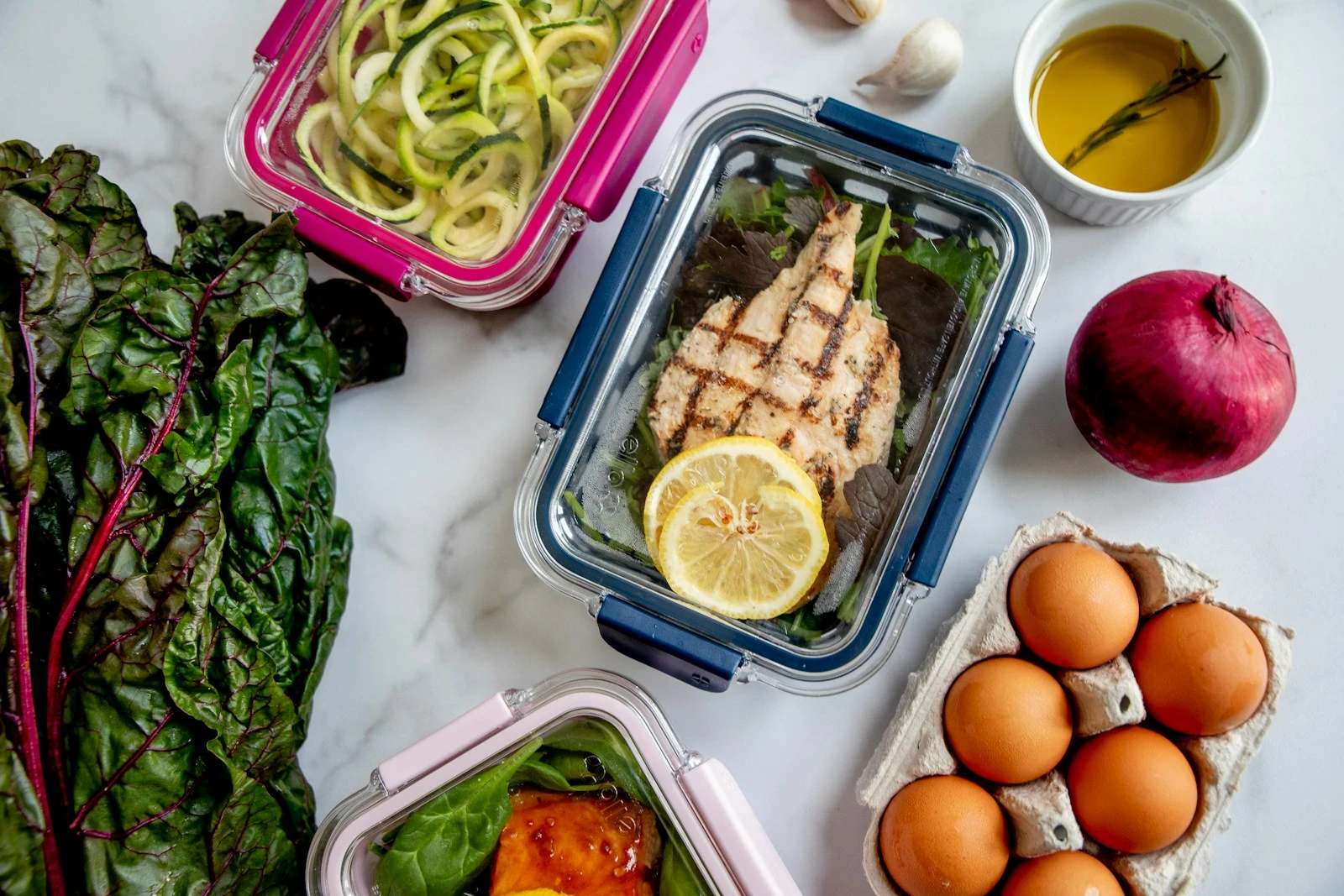
A low cortisol diet isn’t about restriction or eating nothing but lettuce. It’s about eating in a way that keeps blood sugar stable, supports adrenal glands, and doesn’t trigger constant stress responses in the body.
This 14-day meal plan includes recipes that don’t require 47 ingredients or three hours of meal prep—just real food that helps regulate cortisol instead of spiking it constantly.
Affiliate Disclosure
This post contains affiliate links. If you make a purchase through these links, I may earn a small commission at no extra cost to you. I only recommend products I genuinely use and love.
Medical Disclaimer
This article is for informational and educational purposes only and does not constitute medical advice. Always consult with a qualified healthcare provider before making changes to your diet, supplement routine, or health practices, especially if you have a medical condition or take medications.
What a Low Cortisol Diet Actually Means
A cortisol reduction diet meal plan focuses on eating patterns that keep blood sugar stable, support adrenal glands, and minimize stress responses in the body.
The basic principles:
- Eat protein with every meal – Keeps blood sugar steady so cortisol doesn’t spike and crash
- Include healthy fats – Supports hormone production and promotes satiety
- Choose complex carbs over simple sugars – Provides energy without the blood sugar rollercoaster
- Don’t skip meals – Skipping meals signals starvation to the body, which raises cortisol
- Limit caffeine and sugar – Both spike cortisol, especially on an empty stomach
This isn’t a restriction diet. It’s about eating real food in a way that supports normal cortisol levels instead of sabotaging them.
For a complete approach to managing stress hormones, this meal plan works great alongside the strategies in how to lower cortisol naturally.
Foods That Help Lower Cortisol
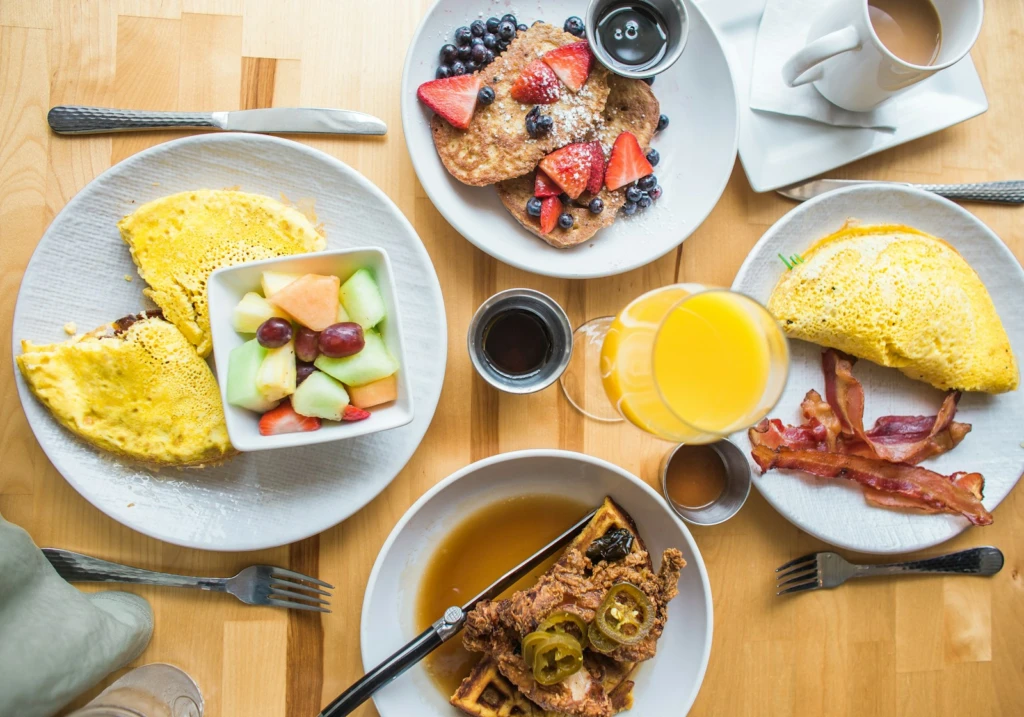
Protein sources:
- Eggs
- Chicken, turkey, fish
- Greek yogurt
- Beans and lentils
- Nuts and seeds
Healthy fats:
- Avocados
- Olive oil
- Nuts (almonds, walnuts, cashews)
- Chia seeds, flax seeds
- Fatty fish (salmon, mackerel)
Complex carbs:
- Sweet potatoes
- Oats
- Quinoa
- Brown rice
- Whole grain bread
Fruits and vegetables:
- Berries (antioxidants help manage stress)
- Leafy greens (magnesium lowers cortisol)
- Citrus fruits (vitamin C supports adrenal health)
- Bananas (potassium helps regulate cortisol)
Bonus foods:
- Dark chocolate (70% cacao or higher—small amounts help reduce cortisol)
- Chamomile and green tea
- Turmeric (anti-inflammatory)
Foods to Limit on a Cortisol Detox Diet
Refined sugar: Spikes blood sugar, which spikes cortisol. Includes candy, soda, pastries, most packaged snacks.
Caffeine: One cup of coffee after breakfast is manageable. Multiple cups on an empty stomach creates cortisol chaos. For better options, check out this morning cortisol drink guide.
Alcohol: Disrupts sleep and spikes cortisol at night when it should be low.
Processed foods: Most contain high amounts of sugar, unhealthy fats, and additives that stress the body.
White bread and pasta: Refined carbs cause blood sugar crashes, which trigger cortisol spikes.
Week 1 Meal Plan
| Day | Breakfast | Snack | Lunch | Snack | Dinner | Evening Drink |
|---|---|---|---|---|---|---|
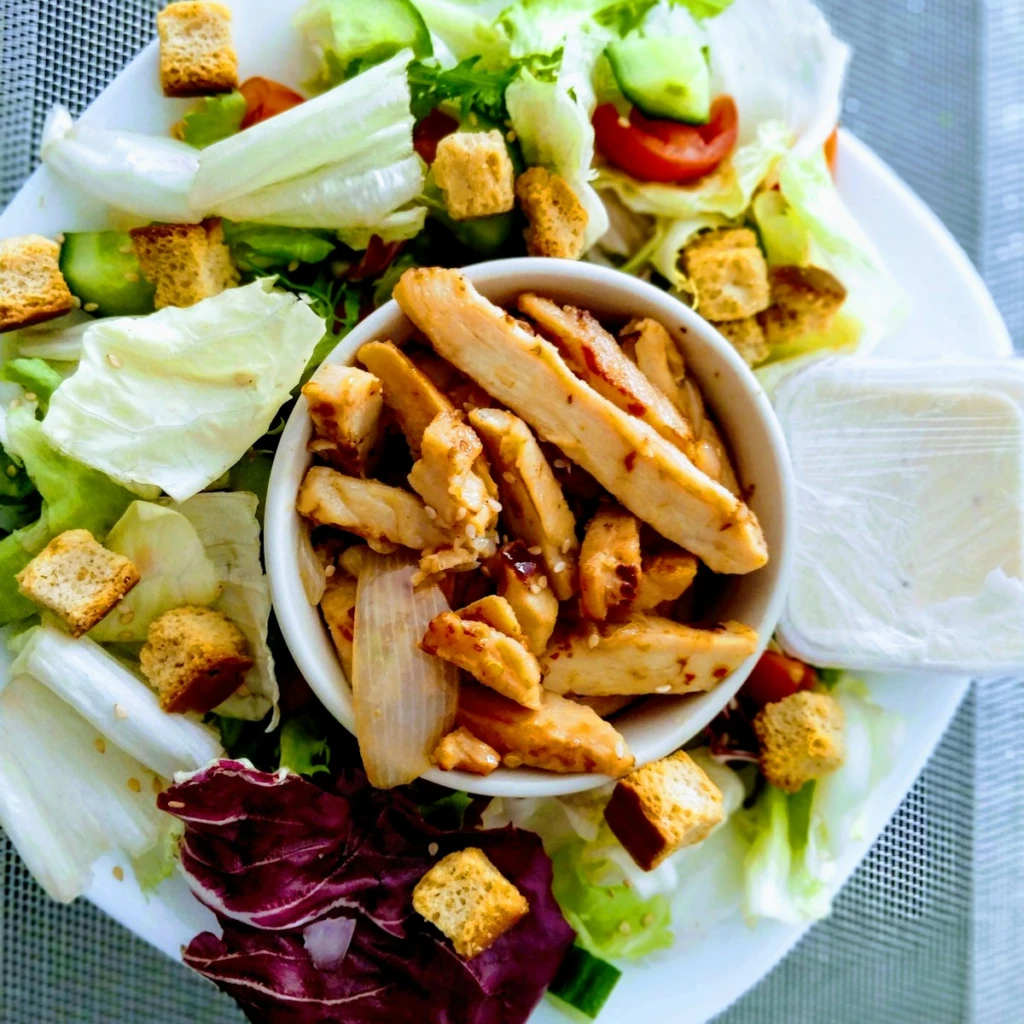
| Monday | Scrambled eggs with spinach and avocado on whole grain toast<br>Cal: 380, P: 22g, C: 28g, F: 20g | Apple slices with almond butter<br>Cal: 180, P: 4g, C: 20g, F: 10g | Grilled chicken salad with mixed greens, cherry tomatoes, cucumber, olive oil dressing<br>Cal: 420, P: 35g, C: 18g, F: 24g | Walnuts and dark chocolate<br>Cal: 200, P: 5g, C: 12g, F: 16g | Baked salmon with roasted sweet potatoes and broccoli<br>Cal: 480, P: 38g, C: 35g, F: 20g | Adrenal cocktail<br>Cal: 90, P: 1g, C: 22g, F: 0g |
| Tuesday | Greek yogurt with berries, chia seeds, and honey<br>Cal: 320, P: 20g, C: 38g, F: 10g | Hard-boiled egg and banana<br>Cal: 180, P: 8g, C: 27g, F: 6g | Turkey and avocado wrap with whole wheat tortilla<br>Cal: 440, P: 28g, C: 36g, F: 22g | Carrot sticks with hummus<br>Cal: 120, P: 4g, C: 14g, F: 6g | Chicken stir-fry with bell peppers, snap peas, and brown rice<br>Cal: 460, P: 35g, C: 42g, F: 16g | Chamomile tea with honey<br>Cal: 25, P: 0g, C: 6g, F: 0g |
| Wednesday | Oatmeal with almond butter, sliced banana, and cinnamon<br>Cal: 380, P: 12g, C: 52g, F: 14g | Cottage cheese with strawberries<br>Cal: 150, P: 14g, C: 18g, F: 3g | Lentil soup with whole grain crackers<br>Cal: 350, P: 18g, C: 48g, F: 8g | Handful of almonds<br>Cal: 160, P: 6g, C: 6g, F: 14g | Grilled turkey burger with roasted Brussels sprouts and sweet potato fries<br>Cal: 490, P: 38g, C: 40g, F: 20g | Magnesium drink<br>Cal: 10, P: 0g, C: 2g, F: 0g |
| Thursday | Avocado toast with fried egg and everything bagel seasoning<br>Cal: 360, P: 16g, C: 30g, F: 20g | Greek yogurt with granola<br>Cal: 200, P: 12g, C: 28g, F: 6g | Quinoa bowl with black beans, roasted veggies, salsa, and avocado<br>Cal: 480, P: 16g, C: 58g, F: 22g | Bell peppers with guacamole<br>Cal: 110, P: 2g, C: 10g, F: 8g | Baked chicken thighs with roasted carrots and cauliflower<br>Cal: 460, P: 36g, C: 22g, F: 26g | Golden milk (turmeric latte)<br>Cal: 120, P: 1g, C: 18g, F: 5g |
| Friday | Smoothie with spinach, banana, protein powder, almond butter<br>Cal: 340, P: 26g, C: 36g, F: 12g | Apple with cashews<br>Cal: 180, P: 4g, C: 22g, F: 10g | Chicken and vegetable soup<br>Cal: 320, P: 28g, C: 26g, F: 10g | Rice cakes with almond butter<br>Cal: 150, P: 4g, C: 18g, F: 8g | Shrimp stir-fry with zucchini noodles and sesame seeds<br>Cal: 380, P: 32g, C: 18g, F: 20g | Tart cherry juice<br>Cal: 70, P: 1g, C: 17g, F: 0g |
| Saturday | Breakfast burrito with scrambled eggs, black beans, salsa, avocado<br>Cal: 420, P: 22g, C: 42g, F: 18g | Trail mix (nuts, seeds, dried fruit)<br>Cal: 180, P: 5g, C: 16g, F: 12g | Tuna salad on mixed greens with olive oil dressing<br>Cal: 360, P: 30g, C: 12g, F: 22g | Cucumber with hummus<br>Cal: 100, P: 3g, C: 12g, F: 5g | Baked cod with quinoa and roasted asparagus<br>Cal: 420, P: 36g, C: 38g, F: 14g | Chamomile tea<br>Cal: 0, P: 0g, C: 0g, F: 0g |
| Sunday | Chia pudding with almond milk, berries, and sliced almonds<br>Cal: 310, P: 10g, C: 34g, F: 16g | Hard-boiled egg and orange<br>Cal: 150, P: 8g, C: 20g, F: 5g | Leftover baked cod with side salad<br>Cal: 380, P: 34g, C: 18g, F: 20g | Greek yogurt with honey<br>Cal: 150, P: 14g, C: 20g, F: 2g | Slow cooker chicken with sweet potatoes, carrots, onions<br>Cal: 450, P: 38g, C: 36g, F: 16g | Adrenal cocktail (low-sugar)<br>Cal: 50, P: 1g, C: 12g, F: 0g |
Week 1 Daily Averages: Calories: 1,750-1,850 | Protein: 110-130g | Carbs: 180-210g | Fat: 65-80g
Week 2 Meal Plan
| Day | Breakfast | Snack | Lunch | Snack | Dinner | Evening Drink |
|---|---|---|---|---|---|---|
| Monday | Scrambled eggs with mushrooms, tomatoes, whole grain toast<br>Cal: 360, P: 20g, C: 32g, F: 18g | Banana with almond butter<br>Cal: 200, P: 4g, C: 28g, F: 10g | Turkey and veggie wrap with hummus, spinach, carrots<br>Cal: 420, P: 26g, C: 38g, F: 20g | Walnuts and dark chocolate<br>Cal: 200, P: 5g, C: 12g, F: 16g | Grilled chicken with roasted sweet potatoes and green beans<br>Cal: 470, P: 40g, C: 38g, F: 18g | Magnesium drink<br>Cal: 10, P: 0g, C: 2g, F: 0g |
| Tuesday | Greek yogurt bowl with granola, blueberries, chia seeds<br>Cal: 340, P: 18g, C: 42g, F: 12g | Apple slices with cashew butter<br>Cal: 180, P: 4g, C: 20g, F: 10g | Black bean and quinoa salad with avocado, tomatoes, lime<br>Cal: 460, P: 15g, C: 56g, F: 22g | Bell peppers with guacamole<br>Cal: 110, P: 2g, C: 10g, F: 8g | Baked salmon with brown rice and steamed broccoli<br>Cal: 490, P: 38g, C: 40g, F: 20g | Chamomile tea with honey<br>Cal: 25, P: 0g, C: 6g, F: 0g |
| Wednesday | Oatmeal with peanut butter, banana, cinnamon<br>Cal: 370, P: 14g, C: 50g, F: 14g | Cottage cheese with pineapple<br>Cal: 140, P: 12g, C: 18g, F: 2g | Chicken caesar salad with Greek yogurt dressing<br>Cal: 400, P: 36g, C: 20g, F: 20g | Handful of almonds<br>Cal: 160, P: 6g, C: 6g, F: 14g | Turkey meatballs with zucchini noodles and marinara<br>Cal: 420, P: 34g, C: 28g, F: 20g | Golden milk<br>Cal: 120, P: 1g, C: 18g, F: 5g |
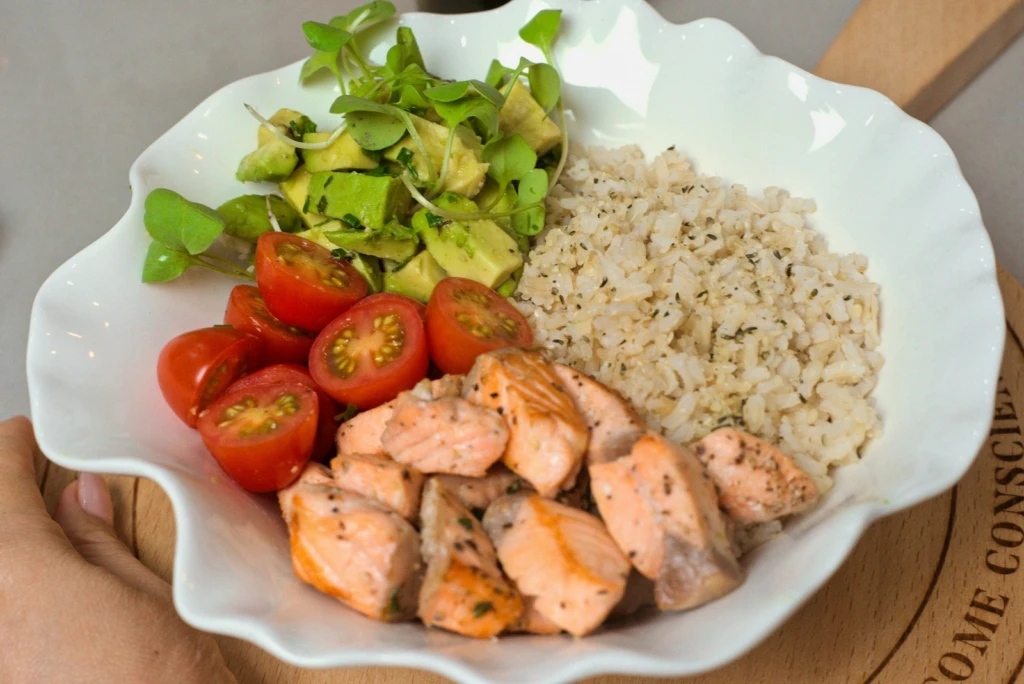
| Thursday | Avocado toast with smoked salmon, cucumber, lemon<br>Cal: 380, P: 22g, C: 28g, F: 22g | Greek yogurt with berries<br>Cal: 160, P: 14g, C: 20g, F: 3g | Lentil and vegetable stew<br>Cal: 340, P: 16g, C: 48g, F: 8g | Rice cakes with almond butter<br>Cal: 150, P: 4g, C: 18g, F: 8g | Grilled shrimp with cauliflower rice and Brussels sprouts<br>Cal: 380, P: 32g, C: 20g, F: 20g | Tart cherry juice<br>Cal: 70, P: 1g, C: 17g, F: 0g |
| Friday | Smoothie with spinach, mango, protein powder, flax seeds<br>Cal: 330, P: 25g, C: 38g, F: 10g | Hard-boiled egg and orange<br>Cal: 150, P: 8g, C: 20g, F: 5g | Chicken and veggie stir-fry with brown rice<br>Cal: 450, P: 34g, C: 42g, F: 16g | Cucumber with hummus<br>Cal: 100, P: 3g, C: 12g, F: 5g | Baked chicken breast with roasted root vegetables<br>Cal: 460, P: 38g, C: 34g, F: 18g | Chamomile tea<br>Cal: 0, P: 0g, C: 0g, F: 0g |
| Saturday | Cottage cheese bowl with peaches, granola, honey<br>Cal: 320, P: 18g, C: 44g, F: 8g | Apple with walnuts<br>Cal: 170, P: 3g, C: 20g, F: 10g | Tuna salad in half an avocado<br>Cal: 340, P: 26g, C: 12g, F: 22g | Dark chocolate and almonds<br>Cal: 180, P: 4g, C: 14g, F: 14g | Slow cooker beef stew with carrots, potatoes, celery<br>Cal: 480, P: 36g, C: 38g, F: 20g | Adrenal cocktail<br>Cal: 90, P: 1g, C: 22g, F: 0g |
| Sunday | Scrambled eggs with salsa, black beans, avocado<br>Cal: 400, P: 22g, C: 32g, F: 22g | Banana with cashew butter<br>Cal: 200, P: 4g, C: 28g, F: 10g | Leftover beef stew<br>Cal: 480, P: 36g, C: 38g, F: 20g | Greek yogurt with chia seeds<br>Cal: 160, P: 14g, C: 18g, F: 5g | Grilled salmon with quinoa and asparagus<br>Cal: 470, P: 38g, C: 38g, F: 18g | Magnesium drink<br>Cal: 10, P: 0g, C: 2g, F: 0g |
Week 2 Daily Averages: Calories: 1,750-1,850 | Protein: 110-130g | Carbs: 180-210g | Fat: 65-80g
Week 1 Shopping List
Proteins:
- Eggs (2 dozen)
- Chicken breasts (1.5 lbs)
- Chicken thighs (1 lb)
- Salmon fillets (4, about 6 oz each)
- Cod fillets (2, about 6 oz each)
- Ground turkey (1 lb)
- Turkey slices (8 oz)
- Shrimp (1 lb)
- Canned tuna (2 cans, 5 oz each)
- Plain Greek yogurt (32 oz)
- Cottage cheese (16 oz)
Produce:
- Spinach (2 bunches or 10 oz bag)
- Mixed salad greens (16 oz)
- Avocados (6-7)
- Sweet potatoes (5 medium)
- Broccoli (2 crowns)
- Brussels sprouts (1 lb)
- Bell peppers (4-5)
- Snap peas (8 oz)
- Zucchini (3 medium)
- Carrots (2 lbs)
- Cauliflower (1 head)
- Cherry tomatoes (1 pint)
- Cucumber (2)
- Strawberries (1 lb)
- Blueberries (1 pint)
- Bananas (6-7)
- Apples (4-5)
- Oranges (2-3)
- Lemons (3-4)
- Fresh garlic (1 head)
- Fresh ginger (1 small piece)
Grains & Legumes:
- Whole grain bread (1 loaf)
- Rolled oats (18 oz container)
- Quinoa (1 lb)
- Brown rice (1 lb)
- Whole wheat tortillas (1 package)
- Whole grain crackers (1 box)
- Dried lentils (1 lb)
- Canned black beans (2 cans, 15 oz each)
Pantry & Refrigerated:
- Almond butter (16 oz jar)
- Peanut butter (16 oz jar)
- Extra virgin olive oil
- Coconut oil
- Chia seeds (12 oz bag)
- Raw honey
- Granola (low-sugar variety)
- Hummus (16 oz)
- Sea salt
- Himalayan pink salt
- Ground cinnamon
- Everything bagel seasoning
- Dark chocolate 70% cacao
- Trail mix
- Raw almonds (8 oz)
- Raw walnuts (8 oz)
- Raw cashews (6 oz)
- Protein powder (vanilla or chocolate)
Beverages:
- Coconut water (32 oz)
- Orange juice, not from concentrate (32 oz)
- Unsweetened almond milk (64 oz)
- Chamomile tea
- Tart cherry juice (32 oz)
- Magnesium glycinate powder
- Turmeric powder
Week 2 Shopping List
Proteins:
- Eggs (2 dozen)
- Chicken breasts (2 lbs)
- Salmon fillets (4, about 6 oz each)
- Ground turkey (1.5 lbs)
- Turkey slices (8 oz)
- Shrimp (1 lb)
- Beef stew meat (1.5 lbs) or chickpeas for vegetarian option
- Canned tuna (1 can, 5 oz)
- Smoked salmon (4 oz)
- Plain Greek yogurt (32 oz)
- Cottage cheese (16 oz)
Produce:
- Spinach (2 bunches or 10 oz bag)
- Mixed salad greens (10 oz)
- Avocados (5-6)
- Sweet potatoes (4 medium)
- Green beans (1 lb)
- Brussels sprouts (1 lb)
- Bell peppers (4)
- Zucchini (4 medium)
- Carrots (2 lbs)
- Cauliflower (1 head)
- Mushrooms (8 oz)
- Cherry tomatoes (1 pint)
- Cucumber (2)
- Celery (1 bunch)
- Asparagus (1 lb)
- Parsnips (1 lb)
- Potatoes (1 lb)
- Onions (3 medium)
- Blueberries (1 pint)
- Peaches (2-3)
- Bananas (6-7)
- Apples (4-5)
- Oranges (2)
- Mangos (2)
- Limes (2-3)
- Lemons (2-3)
- Fresh garlic (1 head)
Grains & Legumes:
- Whole grain bread (1 loaf)
- Rolled oats (18 oz container)
- Quinoa (1 lb)
- Brown rice (1 lb)
- Whole wheat tortillas (1 package)
- Rice cakes (1 package)
- Dried lentils (1 lb)
- Canned black beans (2 cans, 15 oz each)
Pantry & Refrigerated:
- Almond butter (if running low)
- Cashew butter (8 oz jar)
- Extra virgin olive oil
- Flax seeds (12 oz bag)
- Raw honey
- Granola (low-sugar variety)
- Hummus (16 oz)
- Salsa (16 oz)
- Marinara sauce (24 oz)
- Sea salt
- Ground cinnamon
- Sesame seeds
- Dark chocolate 70% cacao
- Raw almonds (8 oz)
- Raw walnuts (8 oz)
- Raw cashews (6 oz)
- Protein powder (vanilla or chocolate)
Beverages:
- Coconut water (32 oz)
- Orange juice, not from concentrate (32 oz)
- Unsweetened almond milk (64 oz)
- Oat milk (32 oz)
- Chamomile tea
- Tart cherry juice (32 oz)
- Magnesium glycinate powder
- Turmeric powder
How to Make This Work: Meal Prep Strategy
Sunday prep session (2-3 hours):
- Cook a large batch of quinoa and brown rice
- Roast multiple trays of vegetables (sweet potatoes, Brussels sprouts, carrots, bell peppers)
- Hard-boil a dozen eggs
- Make overnight oats or chia pudding for 3-4 days
- Prep smoothie ingredients in freezer bags
- Cook a large pot of soup or stew
Simplification tips:
Meals don’t need to be elaborate. Grilled chicken, roasted vegetables, and rice makes a perfectly balanced dinner. The structure of meals matters more than the specific ingredients—protein + healthy fat + complex carb + vegetables covers the essentials.
Eating the same breakfast four days in a row is completely normal. Making a big pot of soup and eating it for lunch all week saves time and effort. Variety at every single meal isn’t necessary.
Flexible substitutions:
Don’t like salmon? Use chicken. Hate quinoa? Use brown rice. For vegetarians, replace meat with beans, lentils, or tofu. The meal structure is what matters—each meal should include protein, healthy fats, and complex carbohydrates.
For more variety specifically at breakfast, check out these cortisol-lowering breakfast ideas for additional options.
What to Expect: Timeline
Days 1-4: The adjustment period. If the previous diet relied heavily on coffee and sugar, the body will notice the change. Potential symptoms include headaches from reducing caffeine, fatigue from sugar withdrawal, or increased hunger as the body adjusts to nutrient-dense foods instead of empty calories.
Days 5-7: Symptoms start to ease. Energy levels begin stabilizing throughout the day.
Days 8-14: This is when the benefits become noticeable:
- Improved sleep quality
- Reduced morning grogginess
- More stable energy (no 3 PM crash)
- Decreased anxiety
- Better appetite regulation between meals
These changes occur because cortisol levels are stabilizing. The eating pattern supports normal hormone function instead of constantly triggering stress responses.
Beyond Food: Supporting Cortisol Balance
A cortisol detox diet provides significant benefits, but nutrition alone can’t overcome chronic stress. Someone sleeping four hours a night, working 12-hour days, and never taking breaks will still experience elevated cortisol regardless of diet.
Complementary strategies for cortisol management:
- Sleep 7-8 hours consistently
- Regular physical activity (walking, yoga, strength training)
- Scheduled breaks during the day
- Avoiding phone use first thing in the morning
- Setting boundaries and saying no when necessary
This meal plan works best as part of a comprehensive approach to stress management, not as the sole intervention.
Dining Out on a Low Cortisol Diet
Restaurant meals are entirely compatible with this plan. The goal is making reasonable choices, not achieving perfection.
Restaurant ordering strategies:
- Choose grilled or baked protein (chicken, fish, steak)
- Request vegetables as a side instead of fries
- Ask for dressing on the side
- Limit alcohol consumption (alcohol spikes cortisol)
- Skip the bread basket if possible
One restaurant meal won’t derail progress. Consistency over time matters more than perfection at every meal.
After 14 Days: Maintaining the Approach
If the meal plan produces positive results, continue following its principles. This isn’t a two-week crash diet—it’s a sustainable eating pattern that supports healthy cortisol levels.
The exact meal plan doesn’t need to be followed indefinitely. Once the structure becomes clear (protein + healthy fat + complex carb + vegetables), creating cortisol-friendly meals becomes intuitive.
The value is in understanding how to eat in a way that doesn’t sabotage stress hormones—a skill that remains useful long-term, not just a temporary fix.
FAQ
Is this meal plan designed for weight loss?
The primary goal is cortisol balance, not weight loss. However, many people experience weight loss because elevated cortisol contributes to weight gain (especially abdominal), so when cortisol normalizes, weight naturally decreases. Focus on normal portions rather than using this as a crash diet.
Can coffee be included in this plan?
One cup of coffee with breakfast is acceptable. Avoid drinking it on an empty stomach or consuming multiple cups throughout the day. For those experiencing high stress, switching to green tea or matcha for a few weeks may provide additional benefits.
What modifications work for vegetarians or vegans?
Replace all meat with beans, lentils, tofu, tempeh, or other plant-based proteins. The critical component is adequate protein at every meal—that’s what keeps cortisol stable. A salad without protein won’t maintain stable cortisol levels.
Is breakfast required immediately upon waking?
Eating within one to two hours of waking is ideal. Completely skipping breakfast signals starvation to the body, which elevates cortisol. For those without immediate appetite, starting with something small like a smoothie or Greek yogurt works well.
Can the entire week be meal-prepped on Sunday?
Some meals prep well: soups, stews, roasted vegetables, cooked grains, and hard-boiled eggs. However, scrambled eggs and avocado toast are best made fresh—they don’t hold up well in the refrigerator.
What if certain foods in the plan are disliked?
Swap them freely. Don’t like salmon? Use chicken. Hate quinoa? Use brown rice. The meal structure is more important than specific ingredients.
How strict does adherence need to be?
Following the plan 80% of the time still produces benefits. One pizza or one cookie won’t destroy cortisol balance. The overall eating pattern matters more than perfection at every meal.
Will this completely eliminate anxiety?
No. Diet helps manage cortisol, but it’s not a cure for anxiety disorders or chronic stress. Serious mental health concerns require therapy and possibly medication—not just dietary changes. This is one tool among many, not a complete solution.
The Bottom Line
A low cortisol diet won’t eliminate all stress from life. Deadlines, responsibilities, and life’s challenges will continue. However, eating in a way that supports stable blood sugar and healthy hormone production means the body doesn’t have to fight itself constantly.
This two-week plan demonstrates how to eat in a pattern that supports cortisol balance rather than sabotaging it. Pick meals that seem manageable, create a grocery list, prep on Sunday, and assess how you feel after one week.
And consider getting more sleep and reducing screen time—those help too.
Related posts:
- Morning cortisol drink recipes to start your day right
- Cortisol-lowering breakfast ideas that actually taste good
- Evening drinks to lower cortisol before bed
Scientific references:
- The relationship between diet and cortisol levels – NCBI
- Foods that help manage stress and cortisol – Healthline
- How blood sugar affects cortisol – Harvard Health
Medical Disclaimer
This article provides general informational and educational content only and is not intended as medical advice. Always consult your physician or registered dietitian before making significant dietary changes, especially if you have medical conditions, take medications, or are pregnant or nursing. Individual results vary, and the author assumes no responsibility for outcomes based on information provided here.
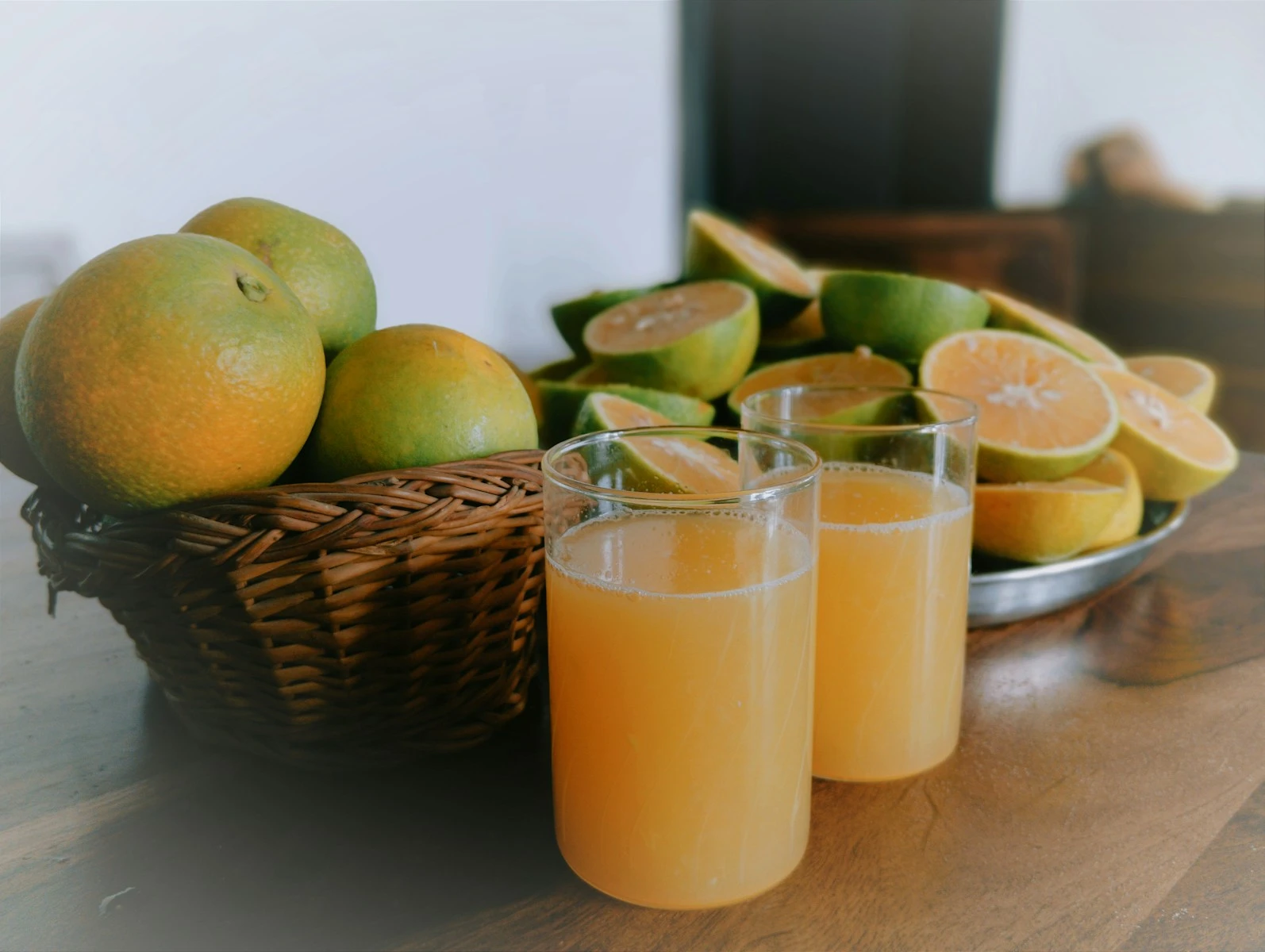
If your social media feed looks anything like mine, you’ve probably seen the “morning co
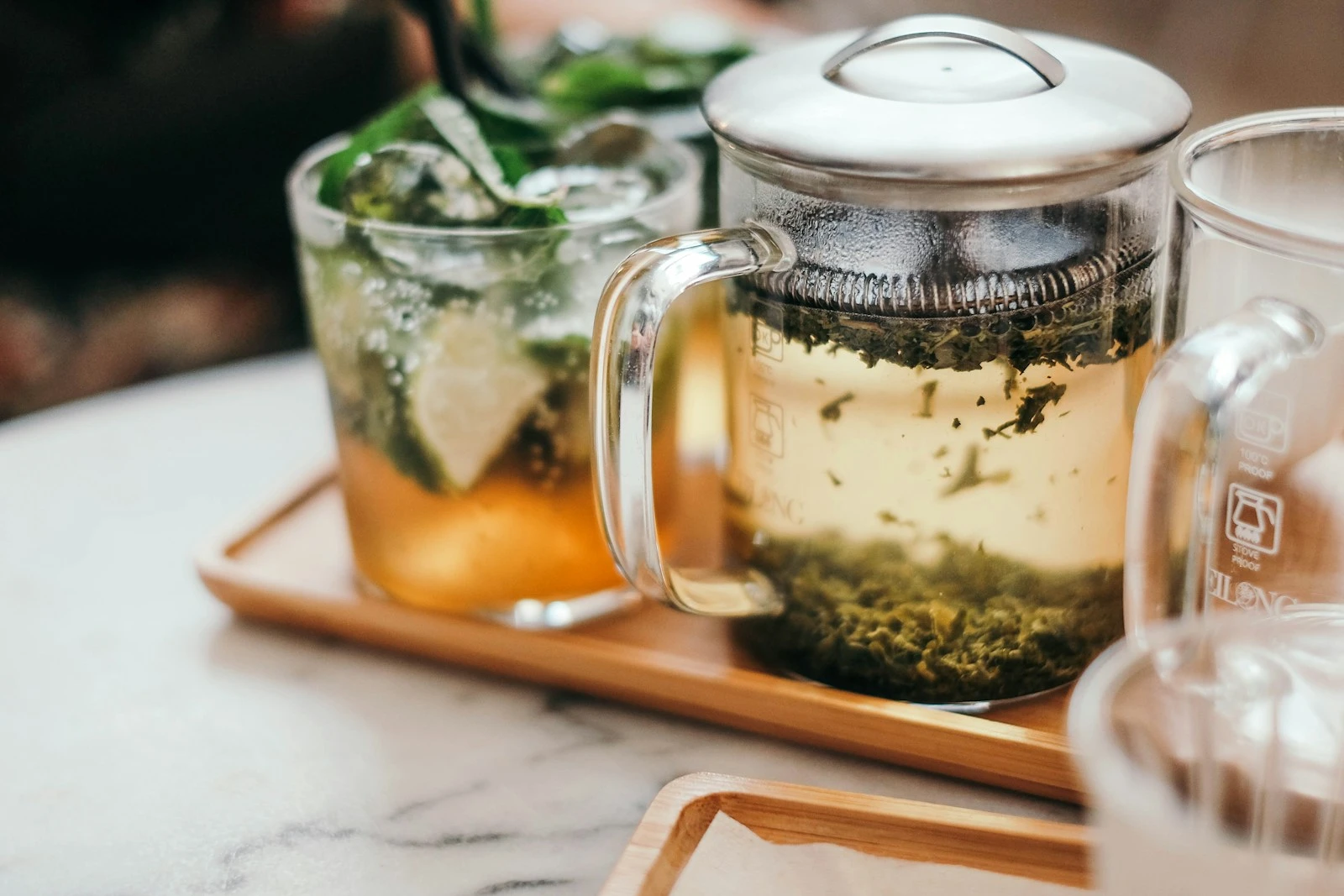
High cortisol levels can leave you feeling wired at night, exhausted during the day, and unable to r

The last time I packed for a beach day, I brought a whole watermelon, three bags of chips, and a con
Leave a Reply