

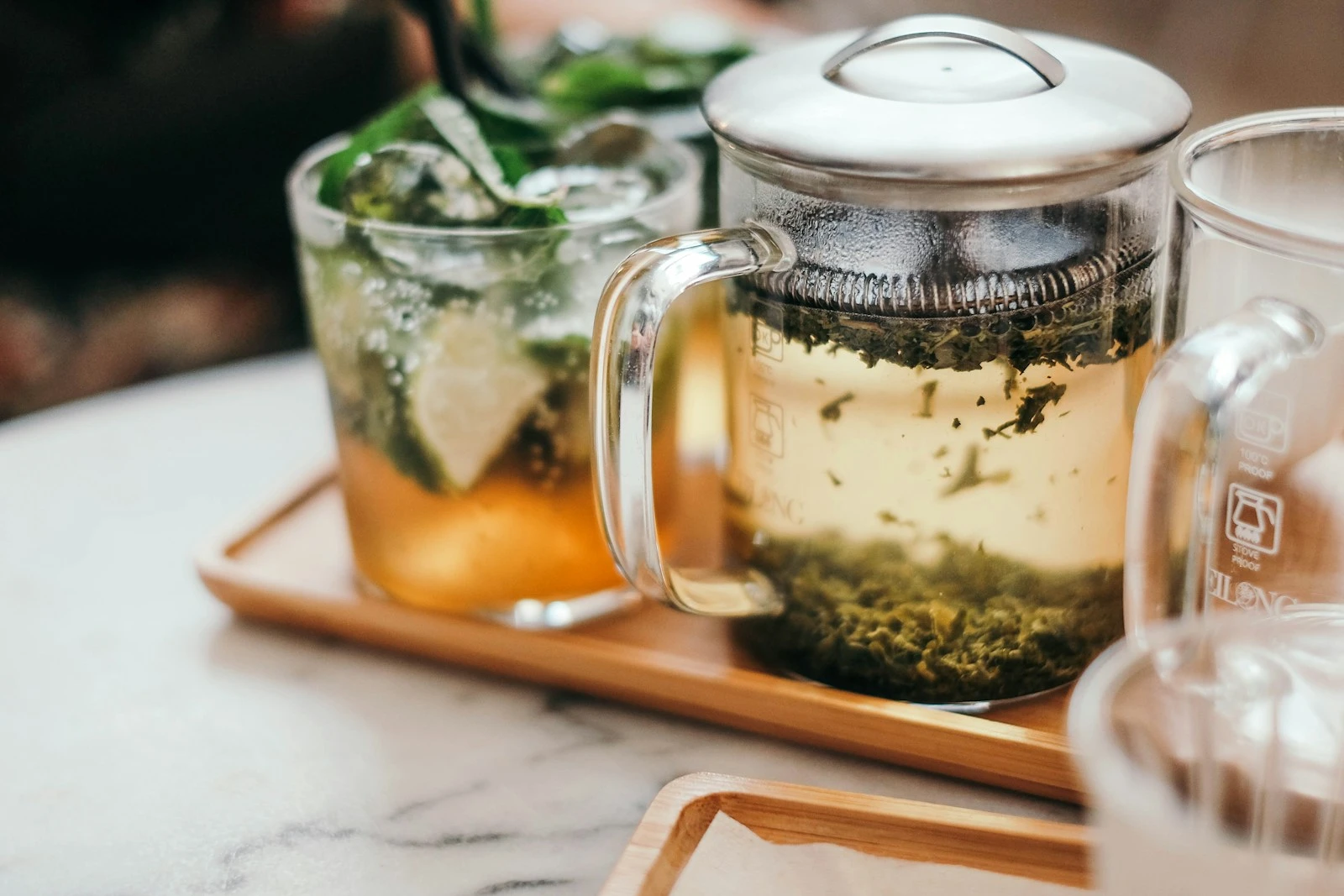
High cortisol levels can leave you feeling wired at night, exhausted during the day, and unable to relax no matter what you try. While there’s no magic cure for chronic stress, certain herbal teas have been scientifically shown to help lower cortisol and calm the nervous system.
These aren’t just warm beverages—they’re functional drinks with compounds that actually affect how your body produces and processes stress hormones. Some work by promoting relaxation, others support adrenal function, and a few directly influence cortisol production.
Here are the 11 most effective herbal teas for lowering cortisol, backed by research and practical enough to fit into daily life.
Quick disclosure: This post contains affiliate links. If you buy something through these links, a small commission may be earned at no extra cost to you. This is general information about herbal teas and stress management—not medical advice. If you have health conditions, take medications, or are pregnant or nursing, consult your doctor before adding herbal teas to your routine.
How Tea for Lowering Cortisol Actually Works
Herbal teas affect cortisol through several mechanisms:
Direct cortisol reduction: Some herbs contain compounds that interact with the HPA axis (hypothalamic-pituitary-adrenal axis), which controls cortisol production. These adaptogens help regulate stress hormone output.
Nervous system calming: Certain teas contain compounds that bind to GABA receptors in the brain—the same receptors targeted by anti-anxiety medications. This promotes relaxation and indirectly lowers cortisol.
Blood sugar stabilization: Some herbal teas help regulate blood sugar, which prevents the cortisol spikes that occur when blood sugar crashes.
Sleep improvement: Better sleep naturally lowers cortisol. Many herbal teas promote deeper, more restful sleep, which gives the body time to reset stress hormone levels.
Inflammation reduction: Chronic inflammation keeps cortisol elevated. Anti-inflammatory herbs help break this cycle.
The key is consistency. Having chamomile tea once won’t transform your cortisol levels. Drinking it regularly as part of an overall stress management approach—combined with strategies from how to lower cortisol naturally—produces measurable results.
When to Drink Cortisol-Lowering Teas
Morning (7-9 AM): Adaptogens like holy basil or rhodiola help regulate cortisol’s natural morning spike without over-suppressing it. Pair with a balanced breakfast from this cortisol-lowering breakfast guide.
Afternoon (2-4 PM): This is when cortisol should naturally decline but often stays elevated due to stress. Ashwagandha or lemon balm tea during this window helps support the natural rhythm.
Evening (7-9 PM): Chamomile, passionflower, and lavender teas promote relaxation and prepare the body for sleep. These work well alongside other evening cortisol-lowering drinks.
Before bed (30-60 minutes): Valerian root or magnolia bark tea for those with severe sleep issues and high nighttime cortisol.
Timing matters because cortisol follows a natural daily rhythm—highest in the morning, lowest at night. Different teas support different parts of this cycle.
1. Chamomile Tea (The Gold Standard for Evening Cortisol)
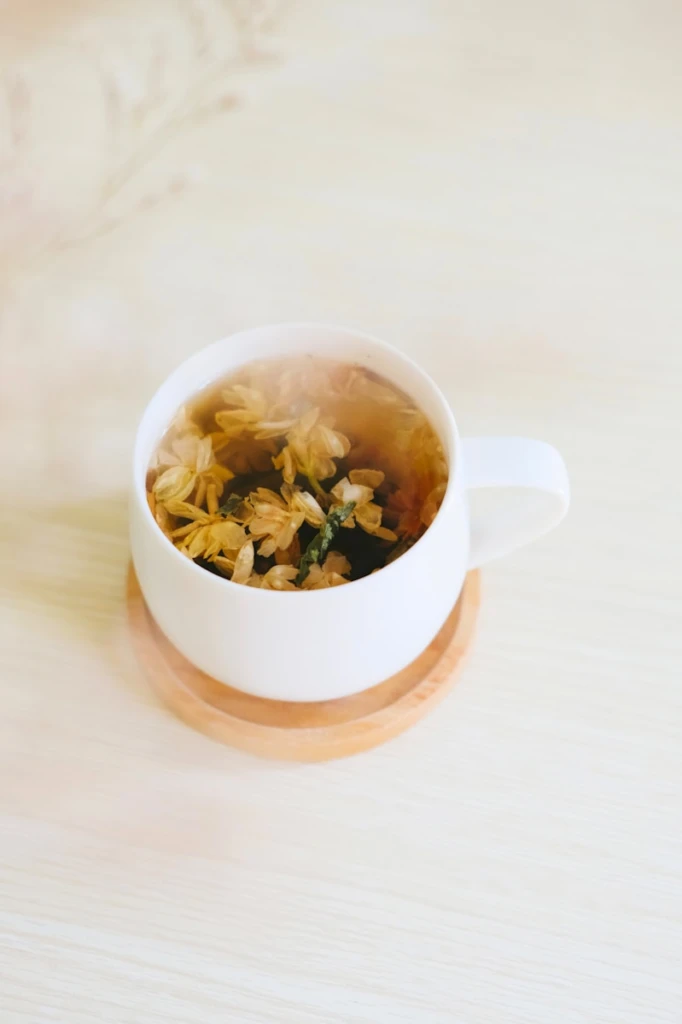
Chamomile is the most researched herbal tea for stress and cortisol reduction. It contains apigenin, a compound that binds to benzodiazepine receptors in the brain, producing mild sedative and anti-anxiety effects.
Research: A 2016 study published in Phytomedicine found that long-term chamomile use significantly reduced moderate to severe generalized anxiety disorder symptoms. Another study showed chamomile extract reduced cortisol levels in participants experiencing chronic stress.
Best for: Evening use, sleep improvement, general anxiety reduction
Taste profile: Mild, slightly sweet, floral with apple-like notes
How to use: Steep 1-2 teaspoons of dried chamomile flowers (or 1 tea bag) in 8 oz hot water for 5-7 minutes. Drink 30-60 minutes before bed.
Tip: Add a teaspoon of raw honey for additional blood sugar stabilization overnight (low blood sugar at night can spike cortisol and wake you up).
2. Ashwagandha Tea (The Cortisol-Lowering Powerhouse)
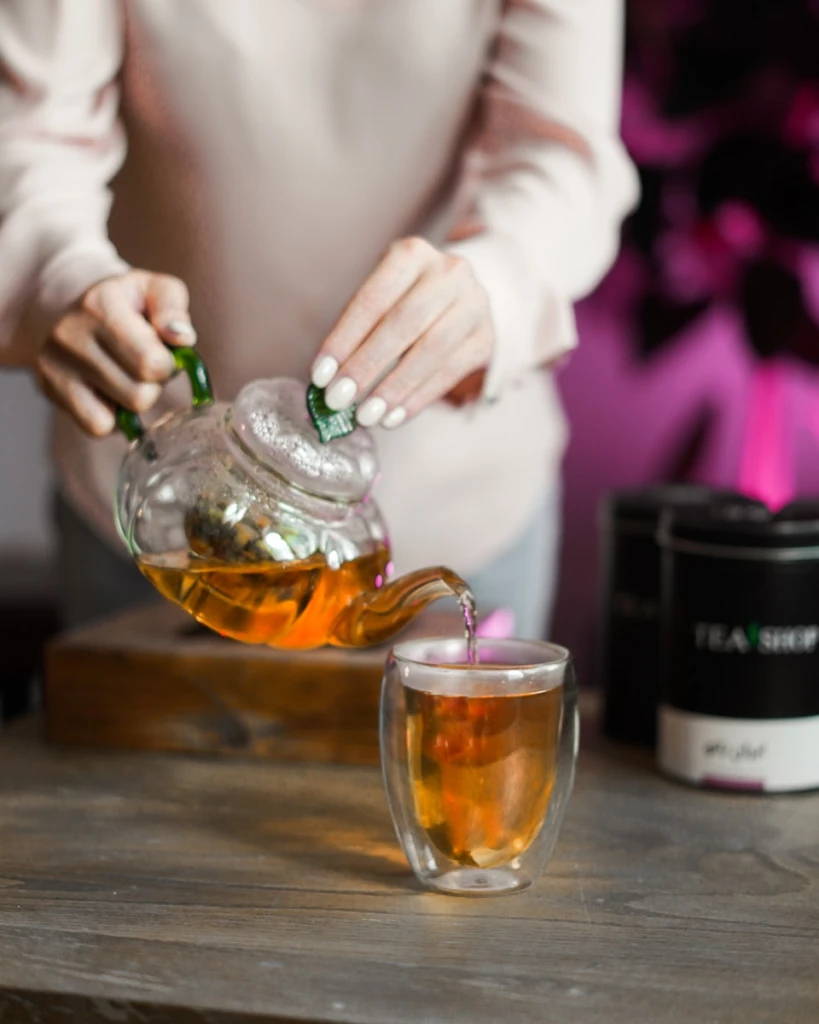
Ashwagandha is an adaptogen, meaning it helps the body adapt to stress and regulate cortisol production. It’s one of the most potent herbs for cortisol reduction.
Research: A 2012 study in the Indian Journal of Psychological Medicine found that ashwagandha supplementation reduced cortisol levels by up to 27.9% in chronically stressed adults. Multiple studies confirm its ability to lower stress, anxiety, and cortisol.
Best for: Chronic stress, adrenal fatigue, long-term cortisol regulation
Taste profile: Earthy, slightly bitter, sometimes described as “horse-like” (not the most pleasant, but effective)
How to use: Steep 1/2 to 1 teaspoon ashwagandha root powder in hot water for 10 minutes. Strain well. Best consumed in the afternoon or early evening. Can be mixed with milk and honey to mask the taste.
Note: Ashwagandha takes 2-4 weeks of consistent use to show effects. This isn’t a one-time fix.
3. Holy Basil Tea (Tulsi – The Adaptogenic Daily Driver)
Holy basil, also called tulsi, is another powerful adaptogen used in Ayurvedic medicine for thousands of years. It helps normalize cortisol levels, supports adrenal function, and protects against stress-induced damage.
Research: Studies show holy basil reduces cortisol and blood glucose levels in stressed individuals. A 2017 review in Evidence-Based Complementary and Alternative Medicine confirmed its adaptogenic properties and ability to enhance stress resilience.
Best for: Daily use, managing ongoing stress, morning or afternoon consumption
Taste profile: Slightly peppery, minty, with subtle clove notes—more complex than regular basil
How to use: Steep 1-2 teaspoons dried holy basil leaves in 8 oz hot water for 5-10 minutes. Can be consumed 1-2 times daily.
Get: Organic tulsi tea
4. Lemon Balm Tea (The Gentle Anxiety Reducer)

Lemon balm is a member of the mint family with mild sedative properties. It reduces anxiety, improves mood, and helps lower cortisol by calming the nervous system.
Research: A 2004 study in Psychosomatic Medicine found that lemon balm significantly reduced stress-induced psychological stress responses and lowered cortisol levels in study participants.
Best for: Daytime anxiety, gentle stress relief without drowsiness, digestive issues related to stress
Taste profile: Light, lemony, refreshing—one of the better-tasting stress-relief teas
How to use: Steep 1-2 teaspoons dried lemon balm in 8 oz hot water for 5-10 minutes. Safe for multiple daily servings.
Get: Lemon balm tea
5. Passionflower Tea (For Sleep and Nighttime Cortisol)
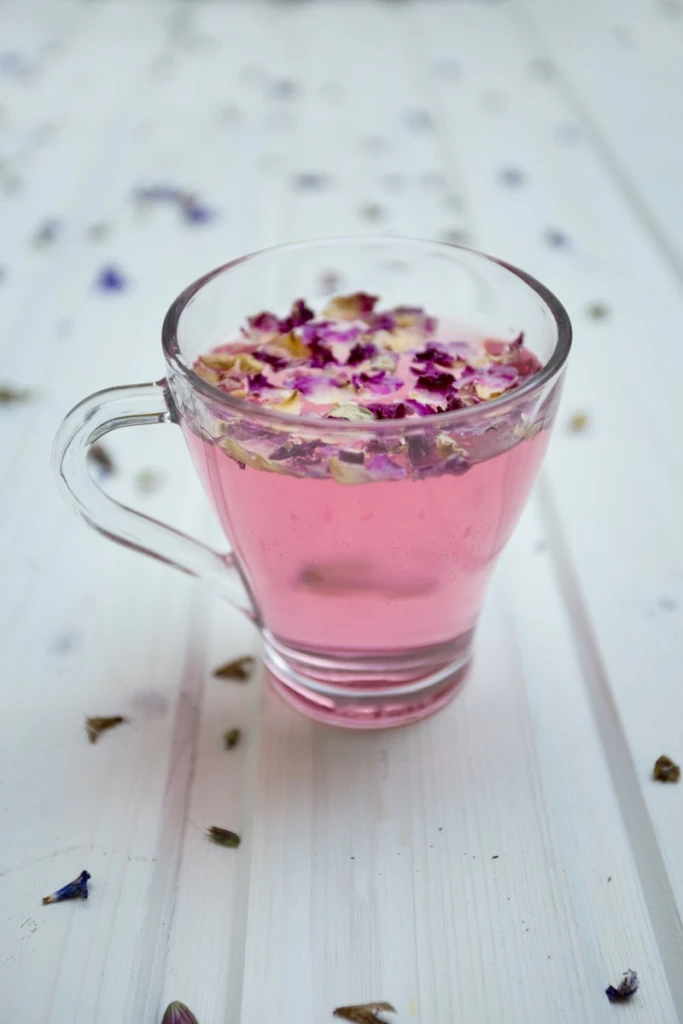
Passionflower increases GABA levels in the brain, which reduces brain activity and promotes relaxation. It’s particularly effective for insomnia caused by high cortisol.
Research: A 2011 study in Phytotherapy Research found that passionflower tea improved sleep quality as effectively as some prescription sleep aids, without the side effects.
Best for: Insomnia, racing thoughts at night, high nighttime cortisol
Taste profile: Mild, slightly grassy, subtle floral notes
How to use: Steep 1-2 teaspoons dried passionflower in 8 oz hot water for 7-10 minutes. Drink 1 hour before bed.
Caution: Can cause drowsiness. Don’t combine with sedative medications without medical supervision.
Get: Passionflower tea
6. Valerian Root Tea (The Heavy Hitter for Severe Sleep Issues)
Valerian root is one of the strongest natural sedatives. It works by increasing GABA availability in the brain and has been used for centuries to treat insomnia and anxiety.
Research: Multiple studies confirm valerian’s effectiveness for improving sleep quality and reducing the time it takes to fall asleep. It also shows cortisol-lowering effects in stressed individuals.
Best for: Severe insomnia, high nighttime cortisol, anxiety-driven sleep problems
Taste profile: Strong, earthy, sometimes described as unpleasant—definitely an acquired taste
How to use: Steep 1 teaspoon dried valerian root in 8 oz hot water for 10-15 minutes. Drink 30-60 minutes before bed. Start with a lower dose to assess tolerance.
Note: Valerian can interact with sedatives, antidepressants, and other medications. Consult your doctor before use.
Get: Valerian root tea
7. Lavender Tea (The Aromatherapy Drink)
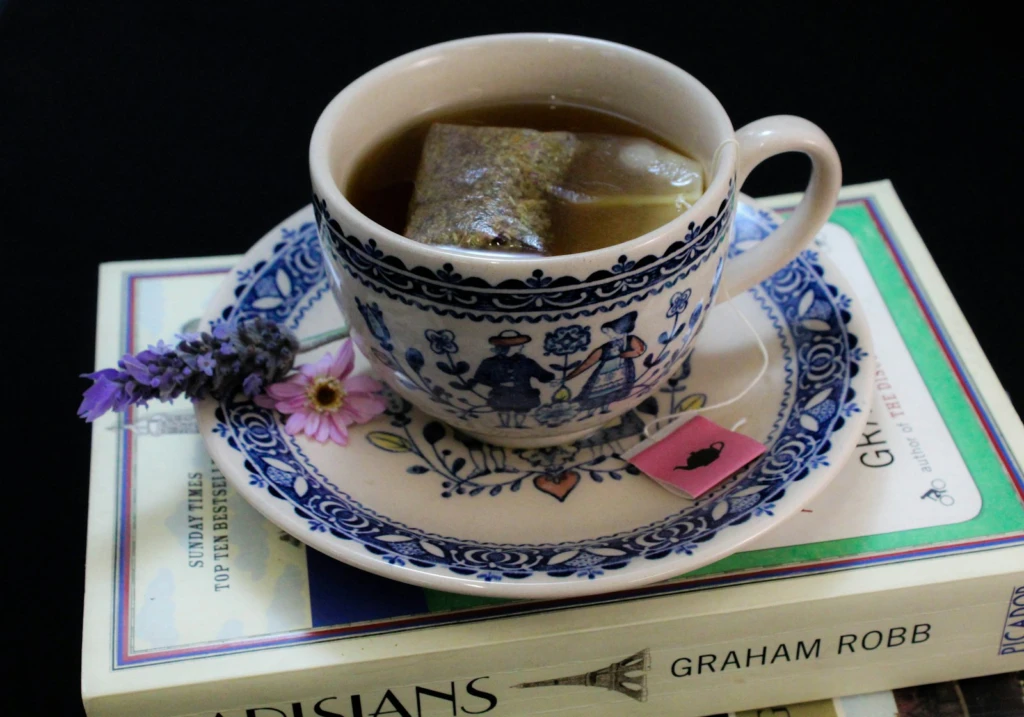
Lavender is known for its calming scent, but drinking lavender tea provides similar benefits. It reduces anxiety, lowers cortisol, and promotes relaxation.
Research: A 2013 study found that lavender aromatherapy reduced cortisol levels in intensive care patients. Drinking lavender tea provides similar compounds through ingestion.
Best for: Evening relaxation, mild anxiety, stress-related headaches
Taste profile: Floral, slightly sweet, aromatic—similar to how it smells
How to use: Steep 1-2 teaspoons dried lavender buds in 8 oz hot water for 5-7 minutes. Don’t over-steep or it becomes bitter.
Get: Culinary lavender for tea
8. Rhodiola Tea (The Energy-Balancing Adaptogen)
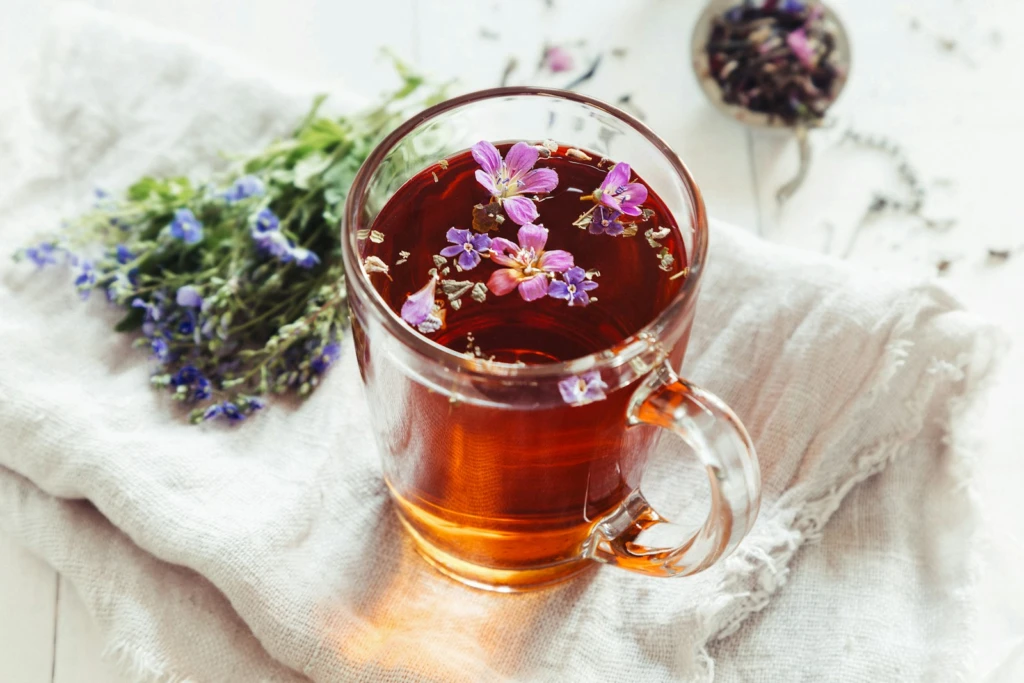
Rhodiola is an adaptogen that helps the body resist physical and mental stress. Unlike sedative teas, rhodiola provides energy while simultaneously lowering cortisol—making it ideal for daytime use.
Research: Studies show rhodiola reduces cortisol and improves stress resilience, mental performance, and fatigue in chronically stressed individuals.
Best for: Morning or afternoon use, fatigue with high cortisol, mental clarity
Taste profile: Slightly bitter, woody, earthy
How to use: Steep 1 teaspoon dried rhodiola root in 8 oz hot water for 10 minutes. Best consumed in the morning or early afternoon (not before bed—it can be too energizing).
Get: Rhodiola root tea
9. Green Tea with L-Theanine (The Calm Focus Tea)
Green tea contains L-theanine, an amino acid that promotes relaxation without drowsiness. It also has a small amount of caffeine, which works synergistically with L-theanine to provide calm, focused energy.
Research: Studies show L-theanine reduces cortisol responses to stress and promotes alpha brain wave activity associated with relaxation. Green tea consumption is linked to lower stress levels.
Best for: Morning or early afternoon, replacing coffee, calm productivity
Taste profile: Vegetal, slightly grassy, can be sweet or astringent depending on brewing
How to use: Steep 1 teaspoon green tea leaves in 170°F (not boiling) water for 2-3 minutes. Over-steeping makes it bitter.
Note: Contains caffeine (about 25-50mg per cup), so avoid in the evening if sensitive to caffeine.
10. Rooibos Tea (The Caffeine-Free Antioxidant)
Rooibos is a South African red tea naturally caffeine-free and rich in antioxidants. While not as potent as adaptogens, it contains aspalathin, a compound that may help regulate cortisol and blood sugar.
Research: Animal studies suggest rooibos tea may help reduce cortisol production and protect against stress-induced oxidative damage.
Best for: Any time of day, gentle stress support, caffeine-sensitive individuals
Taste profile: Naturally sweet, slightly nutty, earthy—no bitterness
How to use: Steep 1-2 teaspoons rooibos in 8 oz boiling water for 5-7 minutes. Can steep longer without becoming bitter.
Get: Organic rooibos tea
11. Magnolia Bark Tea (The Traditional Chinese Medicine Secret)
Magnolia bark has been used in traditional Chinese medicine for centuries to treat anxiety and stress. It contains honokiol and magnolol, compounds that bind to GABA receptors and reduce cortisol.
Research: Studies show magnolia bark extract significantly reduces cortisol levels and anxiety in stressed adults. It’s particularly effective for stress-related sleep issues.
Best for: Evening use, chronic stress, anxiety-driven insomnia
Taste profile: Slightly bitter, woody, with subtle spicy notes
How to use: Steep 1/2 to 1 teaspoon dried magnolia bark in 8 oz hot water for 10-15 minutes. Drink in the evening.
Caution: Can interact with sedatives and other medications. Consult your doctor before use.
Get: Magnolia bark tea
Cortisol Drink Recipes: Tea Blends That Work Better Together
Combining teas creates synergistic effects—different herbs working together to provide better cortisol reduction than any single tea alone.
Evening Calm Blend
- 1 tsp chamomile
- 1/2 tsp passionflower
- 1/2 tsp lavender
- 1 tsp raw honey
Steep for 7 minutes. Drink 1 hour before bed.
Why it works: Chamomile and passionflower both increase GABA, while lavender adds additional calming aromatics. Honey stabilizes blood sugar overnight.
Afternoon Stress-Relief Blend
- 1 tsp holy basil
- 1 tsp lemon balm
- 1/2 tsp dried ginger
- Squeeze of fresh lemon
Steep for 5-7 minutes. Drink mid-afternoon.
Why it works: Holy basil regulates cortisol, lemon balm reduces anxiety, ginger is anti-inflammatory, and lemon provides vitamin C for adrenal support.
Morning Balance Blend
- 1 tsp green tea
- 1/2 tsp rhodiola
- 1/4 tsp cinnamon
- Splash of unsweetened almond milk
Steep for 3 minutes. Drink with breakfast.
Why it works: L-theanine from green tea + rhodiola’s adaptogenic properties provide calm energy. Cinnamon helps regulate blood sugar. Works well as a morning cortisol drink alternative.
Adrenal Support Blend
- 1/2 tsp ashwagandha
- 1 tsp rooibos
- 1/2 tsp holy basil
- 1 tsp honey
- Pinch of black pepper (increases ashwagandha absorption)
Steep for 10 minutes. Drink in late afternoon or early evening.
Why it works: Two adaptogens (ashwagandha and holy basil) regulate the HPA axis. Rooibos adds antioxidants. Black pepper enhances bioavailability.
How to Brew Cortisol-Lowering Tea Properly
Water temperature matters:
- Delicate flowers (chamomile, lavender): 200°F (just under boiling)
- Green tea: 170-180°F (cooler to prevent bitterness)
- Roots and bark (valerian, ashwagandha): Full boiling, 212°F
Steeping time:
- Too short: Won’t extract enough active compounds
- Too long: Can become bitter and unpleasant
- Follow recommended times for each tea (usually 5-10 minutes)
Use filtered water: Chlorine and minerals in tap water can affect taste and potentially interfere with some herbal compounds.
Cover while steeping: Prevents volatile oils from evaporating—especially important for aromatic teas like chamomile and lavender.
Quality matters: Organic, loose-leaf teas generally contain more active compounds than low-quality tea bags. Store in airtight containers away from light and heat.
Tea for Lowering Cortisol vs. Coffee: The Switch
Many people rely on coffee for energy, but it significantly spikes cortisol—especially when consumed on an empty stomach or in large quantities.
Cortisol impact comparison:
- Coffee (black, on empty stomach): Can increase cortisol by 30% or more
- Green tea (with L-theanine): Minimal cortisol increase, often with calming effect
- Herbal teas: Generally neutral or cortisol-lowering
Making the switch:
Week 1: Replace afternoon coffee with green tea or holy basil tea Week 2: Replace morning coffee with green tea + rhodiola blend Week 3: Reduce to one small cup of coffee with breakfast only Week 4: Fully switch to cortisol-friendly teas
Withdrawal headaches are common for the first 3-4 days. They pass. The payoff is stable energy without the cortisol spikes and crashes.
Combining Tea with a Low Cortisol Diet
Herbal teas work best as part of a comprehensive cortisol management approach. They’re not magic bullets—they’re tools.
Most effective when combined with:
- Balanced meals that stabilize blood sugar (see 14-day low cortisol diet meal plan)
- Consistent sleep schedule (7-8 hours)
- Regular movement (walking, yoga, strength training)
- Stress management practices (deep breathing, meditation, time in nature)
- Reducing caffeine and sugar intake
Think of cortisol-lowering teas as part of your toolkit, not the entire solution. Someone drinking chamomile tea every night but sleeping 4 hours, skipping meals, and drinking 6 cups of coffee daily won’t see much improvement.
Safety and Side Effects
Generally safe teas (for most people): Chamomile, lemon balm, rooibos, lavender, holy basil
Use caution with: Valerian root, passionflower, magnolia bark—these can interact with medications and should be discussed with a healthcare provider first
Pregnancy and nursing: Avoid ashwagandha, valerian, passionflower. Chamomile and ginger are generally considered safe in moderate amounts, but always consult your doctor.
Medication interactions:
- Sedatives: Don’t combine with valerian, passionflower, or magnolia bark without medical supervision
- Blood thinners: Some herbs can affect clotting
- Thyroid medications: Ashwagandha may interact
- Immunosuppressants: Holy basil may interfere
Allergies: People allergic to ragweed may react to chamomile. Always start with small amounts when trying new herbs.
Detox Drinks: Myths vs. Reality
The term “detox drinks” gets thrown around constantly, but here’s the truth: Your liver and kidneys handle detoxification. Tea doesn’t “detoxify” your body.
What tea actually does:
- Provides antioxidants that support liver function
- Reduces inflammation
- Helps regulate stress hormones
- Promotes better sleep, which allows the body’s natural detox processes to function optimally
What tea doesn’t do:
- “Flush toxins” from your system
- Magically reverse poor diet and lifestyle
- Replace medical treatment for serious health issues
The herbal teas listed here help lower cortisol through proven biological mechanisms—not through vague “detoxification.” That’s actually more valuable than detox marketing promises.
Sample Weekly Tea Schedule
Monday – Friday:
- Morning (with breakfast): Green tea with rhodiola
- Afternoon (3 PM): Holy basil or lemon balm
- Evening (8 PM): Chamomile with honey
Saturday – Sunday:
- Morning: Green tea or rooibos
- Afternoon: Lemon balm or holy basil
- Evening: Passionflower or lavender blend
As needed:
- High-stress days: Add ashwagandha tea in late afternoon
- Sleep issues: Switch evening tea to valerian or magnolia bark
- Digestive stress: Use lemon balm or chamomile after meals
Rotate teas to prevent tolerance and to benefit from different mechanisms of action.
FAQ
How long does it take for cortisol-lowering tea to work?
Acute effects (feeling calmer, sleepier): 30-60 minutes for most herbal teas. Long-term cortisol regulation (from adaptogens like ashwagandha or holy basil): 2-4 weeks of consistent daily use.
Can you drink too much herbal tea?
Yes. Even beneficial herbs can have side effects in excessive amounts. Stick to 2-4 cups daily of cortisol-lowering teas, and don’t consume more than the recommended amounts of potent herbs like valerian or ashwagandha.
Do tea bags work as well as loose leaf?
Loose-leaf tea generally contains more active compounds and is fresher. Tea bags are convenient and still effective—just choose high-quality organic brands when possible.
Can children drink cortisol-lowering teas?
Chamomile and lemon balm are generally safe for children in small amounts. Avoid giving children potent herbs like valerian, ashwagandha, or passionflower without pediatric guidance.
Should tea be consumed hot or can it be iced?
Both work. Hot tea may be more relaxing and soothing, but iced versions retain the active compounds. For evening use, hot tea is preferable as it signals to the body that it’s time to wind down.
Can tea replace cortisol-lowering medications?
No. If you have diagnosed adrenal disorders, hormone imbalances, or serious health conditions, tea is a complementary approach—not a replacement for medical treatment. Always work with your healthcare provider.
What’s the best tea for someone who hates the taste of herbal tea?
Start with rooibos (naturally sweet) or chamomile with honey. Green tea with a splash of almond milk is also mild. Avoid starting with strong, bitter options like valerian or ashwagandha.
The best tea for lowering cortisol isn’t necessarily the most exotic or expensive one. It’s the one you’ll actually drink consistently.
Chamomile before bed, holy basil in the afternoon, green tea in the morning—these simple patterns, maintained over weeks, produce measurable cortisol reduction. Combined with balanced meals, adequate sleep, and stress management, herbal teas become powerful tools for hormone regulation.
Start with one or two teas that fit your schedule and taste preferences. Give them at least two weeks of consistent use. Adjust based on what works.
And maybe stop drinking four cups of coffee on an empty stomach. That probably helps more than any tea.
Related posts:
- Morning cortisol drink recipes to start your day right
- Cortisol-lowering breakfast ideas that support hormone balance
- Evening drinks to lower cortisol before bed
- 14-day low cortisol diet meal plan
Scientific references:
- Chamomile effects on anxiety and cortisol – NCBI
- Ashwagandha and stress reduction – NCBI
- L-theanine and stress response – PubMed
- Adaptogenic herbs and cortisol regulation – Healthline
Medical Disclaimer
This article provides general informational and educational content only and is not intended as medical advice. Always consult your physician before using herbal teas for cortisol management, especially if you have medical conditions, take medications, or are pregnant or nursing.

8 high protein breakfast casseroles for meal prep. Includes sweet and savory options, low calorie, q

Healthy egg white breakfast casserole with spinach, peppers & feta. 18g protein, 140 calories. Light

Sweet French toast casserole made the night before and baked in the morning. Soft, custardy, cinnamo
Leave a Reply