


Key Takeaways:
• Omega-3 fatty acids have the strongest evidence for cortisol reduction
• Mediterranean diet patterns help lower cortisol and inflammation
• Extreme calorie restriction actually RAISES cortisol
• Ashwagandha is the best-supported supplement (if you want to try one)
• Most “cortisol hacks” are just marketing with a science-y veneer
• Address the actual stress, not just the hormone — diet is support, not a cure
Medical Disclaimer
This article is for informational and educational purposes only and does not constitute medical advice. The information provided is based on scientific research and is not intended to diagnose, treat, cure, or prevent any disease or medical condition. Always consult with a qualified healthcare provider before making changes to your diet, supplement routine, or health practices, especially if you have a medical condition or take medications.
Scroll through Instagram or TikTok for five minutes, and you’ll see it everywhere: cortisol belly advice, cortisol face transformations, fancy cortisol mocktails. Influencers promise that the right foods will magically shrink your waistline and fix your hormones. But can you really lower cortisol through what you eat?
As someone who actually cares about health — not just fitting into smaller jeans — I wanted to understand what works. Which cortisol-reducing foods have real scientific backing? Where does evidence end and marketing begin?
After diving deep into the research, I’m sharing what I found: the good, the surprising, and the stuff that’s mostly hype.
What Is Cortisol and Why Does Balance Matter?
Cortisol gets a bad rap as the “stress hormone,” but it’s not actually the villain. Your adrenal glands produce this hormone for some pretty important reasons:
• Waking you up each morning (cortisol naturally peaks 30-45 minutes after you wake)
• Regulating your metabolism and blood sugar levels
• Controlling inflammation throughout your body
• Helping you respond to stressful situations
The problem isn’t cortisol itself. Issues arise when stress keeps your cortisol chronically elevated — think constant work deadlines, financial worries, poor sleep, or extreme dieting. That’s when you might experience:
• Weight gain, especially around your midsection
• Difficulty falling or staying asleep
• Intense cravings for high-calorie comfort foods
• Stubborn weight that won’t budge despite your efforts
• Increased inflammation markers
Here’s the tricky part: just because high cortisol can contribute to belly fat doesn’t mean every bit of belly fat comes from cortisol. Your genetics, overall diet, exercise habits, sleep quality, age, and other hormones all play significant roles too.
Cortisol-Reducing Foods With Real Scientific Evidence
Let’s cut through the noise. What does research actually show about specific foods and cortisol levels? I’ve broken it down by strength of evidence.
Omega-3 Fatty Acids (Strong Evidence)
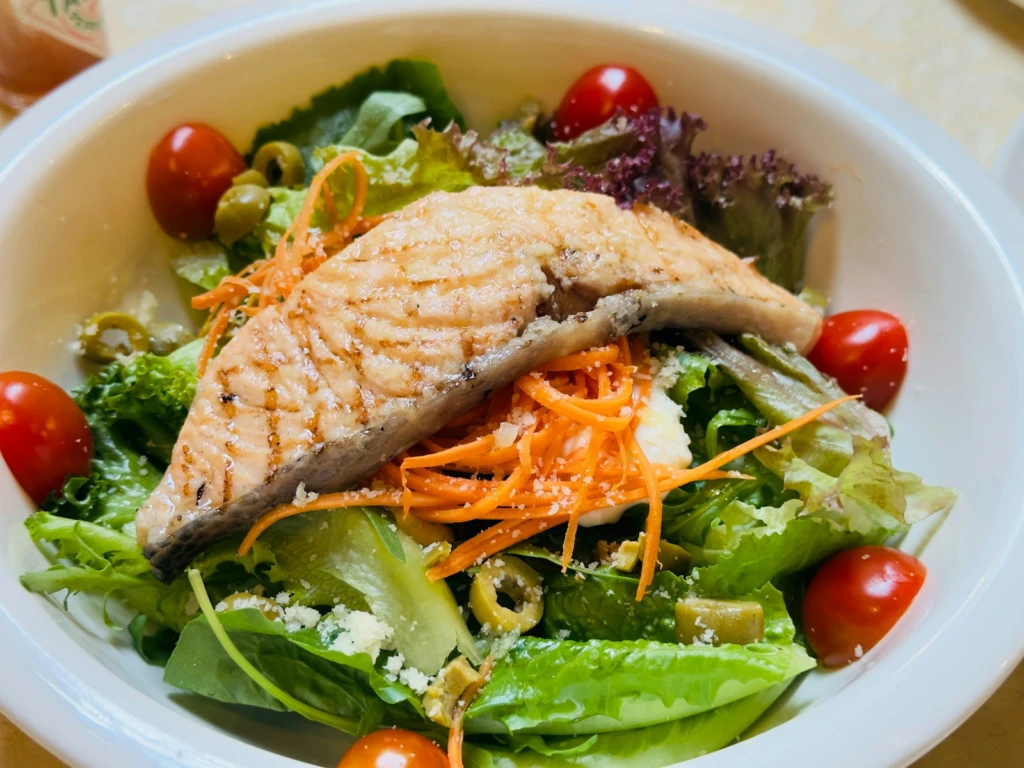
This finding has the most solid backing: a large study of over 2,700 people found that higher omega-3 levels in the blood correlated with lower cortisol and inflammation markers. Fatty fish like salmon, mackerel, and sardines provide these beneficial fats, as do walnuts, flaxseed, and chia seeds.
What this means for you: Including omega-3-rich foods regularly is a smart move — not just for cortisol but for overall inflammation and heart health. Aim for 2-3 servings of fatty fish per week, or add a tablespoon of ground flaxseed to your morning smoothie.
Dark Chocolate and Polyphenols (Moderate Evidence)
Research shows that the flavonoids in dark chocolate (70%+ cacao) may reduce cortisol production and improve your stress response. Green tea, berries, and olive oil also contain polyphenols with anti-inflammatory effects that help modulate stress hormones.
What this means for you: A small amount of high-quality dark chocolate or a cup of green tea can be part of your stress-management strategy. We’re talking about 1-2 squares of chocolate or 1-2 cups of tea — not eating a whole bar and expecting it to cancel out chronic stress.
Mediterranean Diet Pattern (Strong Evidence)
Multiple studies demonstrate that following a Mediterranean diet — abundant vegetables, fruits, whole grains, olive oil, fish, nuts, and legumes — associates with lower cortisol levels and better stress resilience. One 18-month trial found that a “green Mediterranean” diet high in polyphenols (with green tea and walnuts) significantly lowered fasting morning cortisol.
What this means for you: The overall pattern matters more than any single “magic” food. Consistently eating an anti-inflammatory diet rich in whole foods genuinely helps.
Magnesium-Rich Foods (Moderate Evidence)
Magnesium deficiency is extremely common, and this mineral plays a crucial role in regulating your stress response. Spinach, pumpkin seeds, almonds, avocado, and dark chocolate all contain high amounts of magnesium. Some evidence suggests magnesium supplementation can help reduce anxiety and cortisol, though the research isn’t as robust as for omega-3s.
What this means for you: Getting enough magnesium is important, but you don’t need to obsess over it. Simply include magnesium-rich foods regularly in your diet.
Fermented Foods and Gut Health (Emerging Evidence)
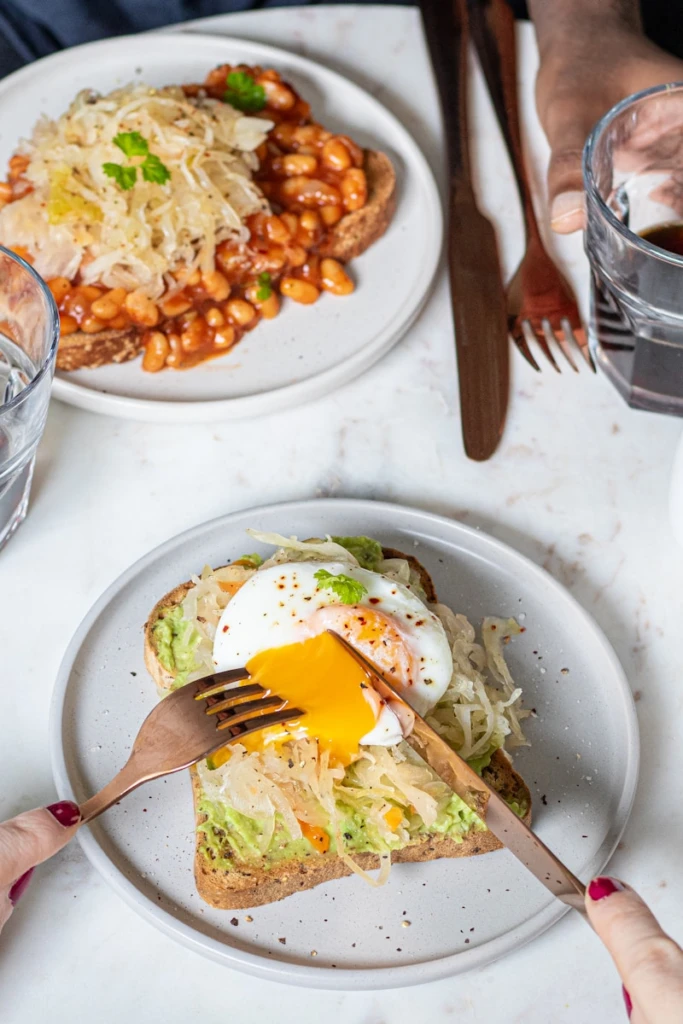
Growing interest surrounds the gut-brain connection. Some studies show that probiotics (found in yogurt, kefir, sauerkraut, kimchi) may help reduce cortisol reactivity to stress. The theory suggests a healthy gut microbiome supports better stress regulation through the gut-brain axis.
What this means for you: Including fermented foods is probably beneficial, but we’re still in early stages of understanding exactly how much they help with cortisol specifically.
The Surprising (And Confusing) Research
The cortisol story gets messy here — and this is where a lot of wellness advice completely falls apart.
Calorie Restriction Actually Raises Cortisol
Multiple studies reveal that severe calorie restriction — the kind of dieting many of us do to lose weight — actually increases cortisol. One study found that women on a 1,200-calorie diet had higher total cortisol output. Even just monitoring calories (without restricting) increased perceived stress.
Here’s the irony: if you’re trying to shrink your “cortisol belly” by drastically cutting calories, you might be worsening your cortisol problem.
What this means for you: Extreme dieting isn’t the answer. Moderate, sustainable changes work better for both your cortisol levels and long-term health.
Sugar Might Actually Lower Cortisol (Short-Term)
Wait, what? This sounds backwards, but here’s the thing: several studies show that consuming sugar or high-calorie “comfort foods” can temporarily suppress cortisol reactivity to stress. Scientists call this the “comfort food hypothesis” — your body literally uses sugar to dampen the stress response.
However — and this is crucial — this effect is short-term. Long-term high sugar intake leads to inflammation, insulin resistance, weight gain, and numerous other problems. That cookie might genuinely make you feel less stressed in the moment, but it’s not a sustainable strategy.
What this means for you: Your body isn’t lying when sugar feels comforting — but that doesn’t make it good for you long-term. This explains why we crave sweets when stressed, though it doesn’t justify eating them constantly.
What About Trendy Cortisol Supplements?
Ashwagandha, rhodiola, L-theanine, maca powder — the supplement industry is capitalizing heavily on cortisol anxiety. Here’s what research actually shows:
Note: While research supports certain supplements for stress management, they can interact with medications and may not be appropriate for everyone. Speak with your doctor before starting any supplement, especially if you’re pregnant, nursing, or have a health condition.
Ashwagandha (Strongest Evidence)
Several randomized controlled trials demonstrate that ashwagandha can reduce cortisol and anxiety symptoms when taken at 250-600mg daily for 8 weeks. This is probably the most legitimate “cortisol supplement” available.
L-theanine, Maca, and Others (Weaker Evidence)
L-theanine (from green tea): Some evidence suggests it helps with stress and anxiety, though the direct cortisol-lowering effect remains less clear. It’s generally safe and might help if you’re sensitive to caffeine.
Maca, turmeric/curcumin, ginger: The evidence is weak or mixed. Some studies show benefits, others don’t. These aren’t useless, but they’re also not miracle workers.
What’s Mostly Just Marketing
Let’s be honest about what’s mostly hype:
“Cortisol Cocktails”
These trendy mocktails with coconut water, sea salt, and lemon juice? They’re basically fancy electrolyte drinks. They won’t hurt you, but there’s no evidence they specifically lower cortisol. If they help you feel calmer, it’s probably the ritual and hydration, not any special cortisol-fighting properties.
Delaying Coffee for 90 Minutes
The theory suggests that since cortisol naturally peaks after waking, adding caffeine makes it worse. However, there’s minimal practical evidence for this. If you feel fine drinking coffee right away, you’re probably okay.
Ultra-Specific “Anti-Cortisol” Breakfast Formulas
Yes, protein and fat at breakfast will stabilize your blood sugar better than a sugary muffin. But those ultra-specific macros (“exactly 25-35g protein, 10-20g fat, 8-12g fiber”) aren’t based on rigorous cortisol research — they’re reasonable nutrition advice dressed up as hormone science.
“Cortisol Face” and “Cortisol Belly”
Yes, Cushing’s syndrome (a rare medical condition with extremely high cortisol) causes facial roundness and abdominal weight gain. But the vast majority of people don’t have Cushing’s. If you have some belly fat or facial puffiness, it’s much more likely due to a combination of genetics, overall diet, stress, sleep, and hormones — not one single hormone you can fix with a smoothie.
Что вам следует сделать на самом деле
After digging through all this research, here’s my honest takeaway:
Diet CAN help with cortisol, but not in the hyper-specific way wellness culture sells it.
Вот что, судя по всему, действительно работает:
Придерживайтесь общей противовоспалительной диеты.
This doesn’t require buying expensive superfoods. Focus on: lots of vegetables and fruits, whole grains, fatty fish 2-3 times weekly, nuts and seeds, olive oil, and limiting ultra-processed foods. This is basically a Mediterranean-style approach.
Don’t Chronically Under-Eat
Severe calorie restriction raises cortisol. If you’re trying to lose weight, aim for a moderate deficit (300-500 calories below maintenance), not a crash diet.
Eat Enough Protein and Don’t Skip Meals
Stable blood sugar helps prevent cortisol spikes. Having protein with your meals (20-30g is a reasonable target) will keep you fuller and prevent the blood sugar roller coaster.
Include Omega-3s Regularly
Salmon, mackerel, sardines, walnuts, flaxseed, chia seeds. This has the strongest evidence.
Don’t Villainize Comfort Foods Entirely
If you’re stressed and a cookie makes you feel better, that’s not “weakness” — it’s biochemistry. But don’t make it your only coping mechanism. Find other ways to manage stress: walking, talking to friends, therapy, exercise, hobbies.
Address the Actual Stress, Not Just the Cortisol
This is the crucial point. Food can support your stress response, but it can’t fix a toxic job, chronic sleep deprivation, relationship problems, or financial stress. Those are the things driving your cortisol up, and no amount of ashwagandha will solve them.
According to research from the University of Alabama, diet alone won’t resolve stress-related cortisol issues — it needs to be part of a broader strategy that includes stress management, sleep, exercise, and addressing the root causes of chronic stress.
The Real Problem With “Cortisol Culture”
Here’s what bothers me most about this trend: it takes the language of health and uses it to sell the same old beauty standards.
“Cortisol belly” and “cortisol face” aren’t medical diagnoses — they’re just new ways to make women feel bad about how they look. The appearance concerns being “solved” by cortisol regulation (flat stomach, sculpted face, no bloating) are exactly the same body ideals that diet culture has always pushed. It’s just been rebranded as “hormone health.”
Wellness culture has gotten remarkably good at co-opting scientific language to sell products. Cortisol is real. Stress is real. But when the “solution” is always a supplement, a meal plan, or a 30-day reset program that costs money, you’re not being empowered — you’re being marketed to.
Instead of obsessing over what cortisol does to your waistline, maybe we should be talking about what chronic stress does to your life, your relationships, your mental health, and your overall wellbeing.
My Bottom Line
After going down this research rabbit hole, I’m convinced of a few things:
Yes, diet matters for stress management and cortisol regulation. But it’s not magical, it’s not hyper-specific, and it’s not a substitute for dealing with the actual sources of stress in your life.
The best “cortisol diet” is simply a generally healthy diet. Anti-inflammatory, rich in omega-3s, with enough protein and calories, and not overly restrictive. You don’t need a special meal plan or a $50 supplement stack.
If you’re genuinely concerned about chronic stress and cortisol, start with the basics: sleep 7-9 hours, move your body, find stress-relief practices that work for you (therapy, meditation, hobbies, social connection), and eat a balanced diet with plenty of whole foods.
And maybe — just maybe — be skeptical when social media promises you can fix complex hormonal issues with a single breakfast formula or a trendy mocktail.
Your body is more complicated than that. And you deserve better than diet culture dressed up in a lab coat.

Ready to transform your life with the Ultimate Glow Up? Let’s dive into a comprehensive guide

Discover 8 surprisingly simple ways to transform any room into a cozy hygge sanctuary that instantly

Spring brings renewal and fresh energy, making it the perfect time to establish self-care practices
Leave a Reply