

Cannoli Recipe: An Italian Dessert With Crisp Shells and Sweet Ricotta Cream
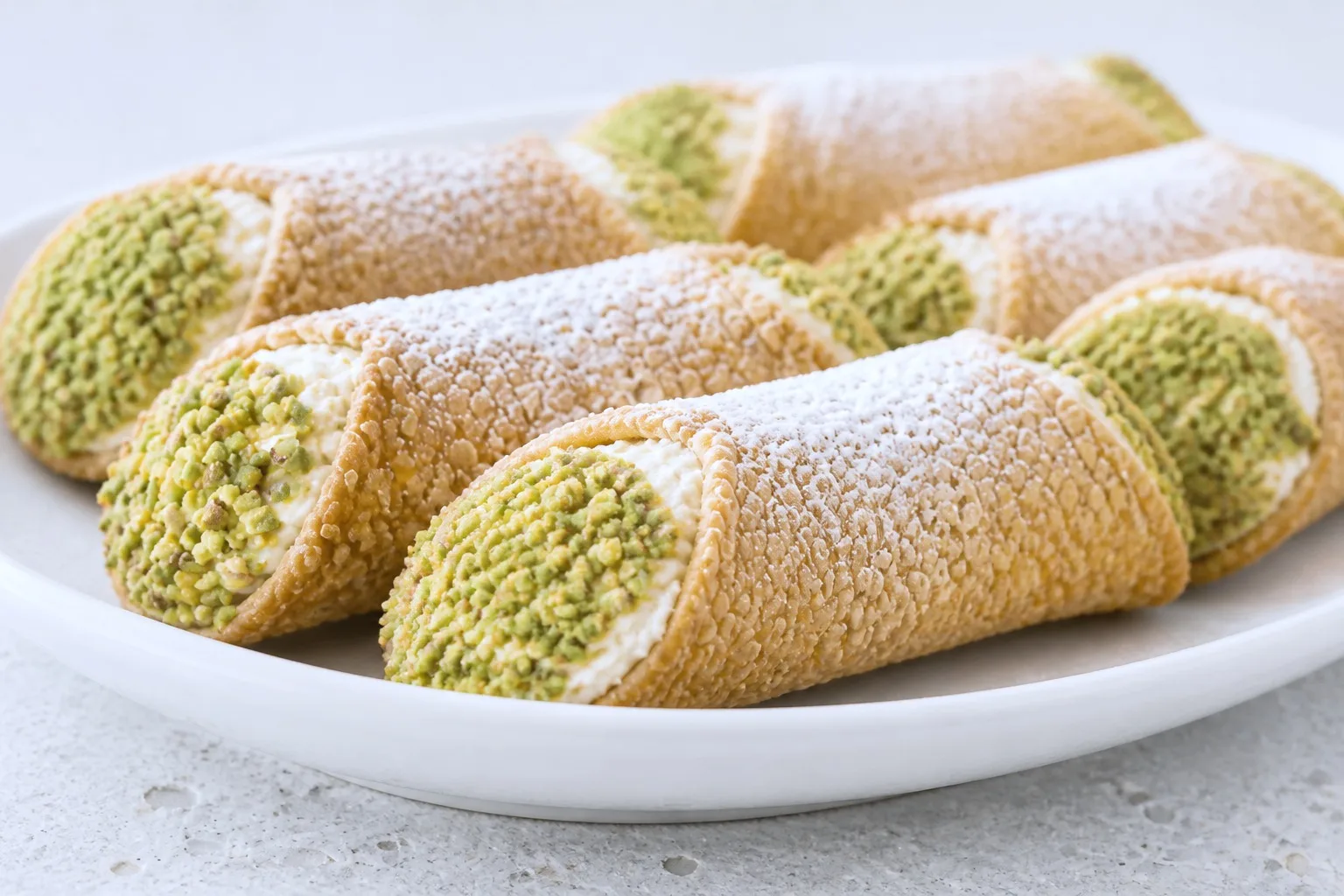
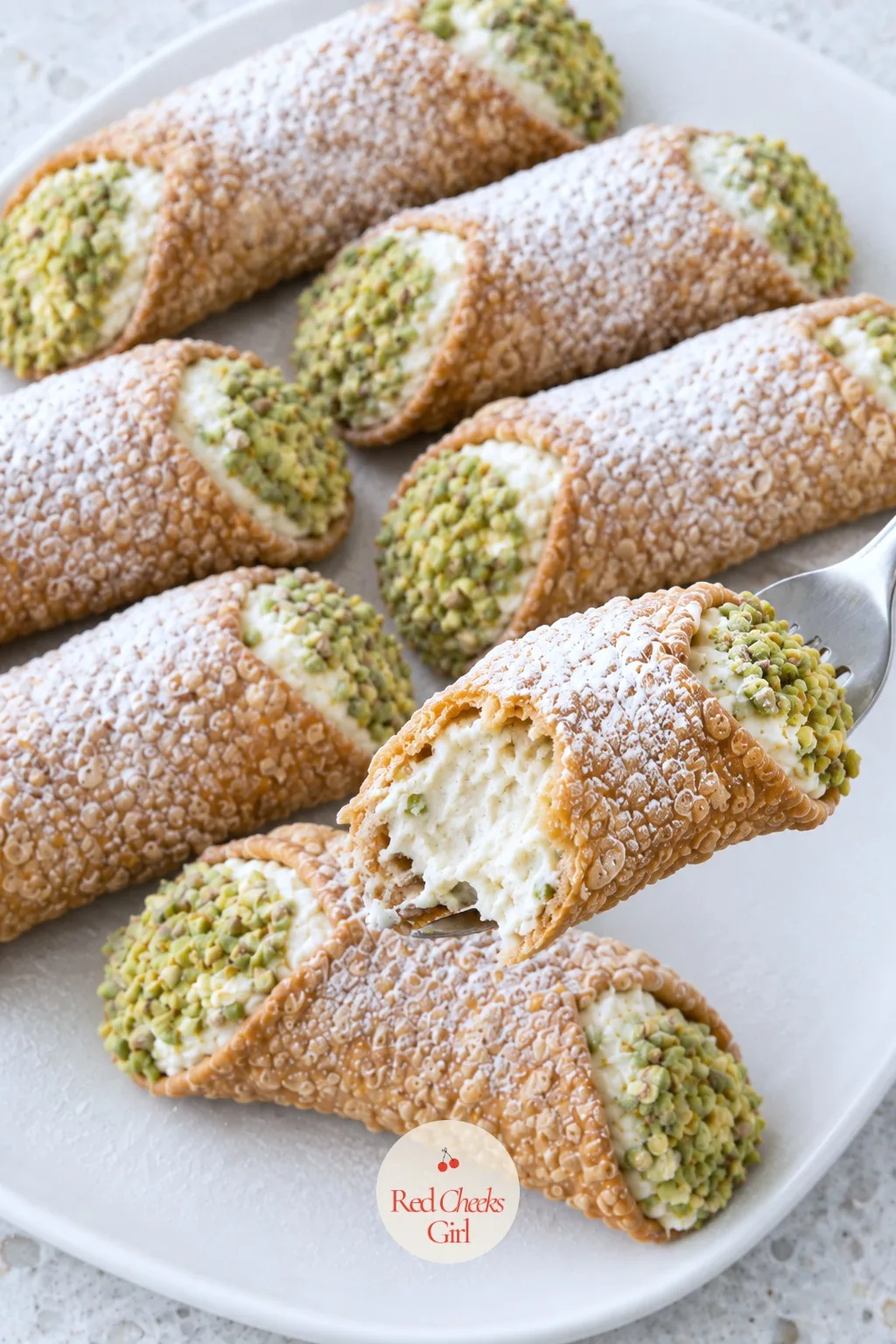
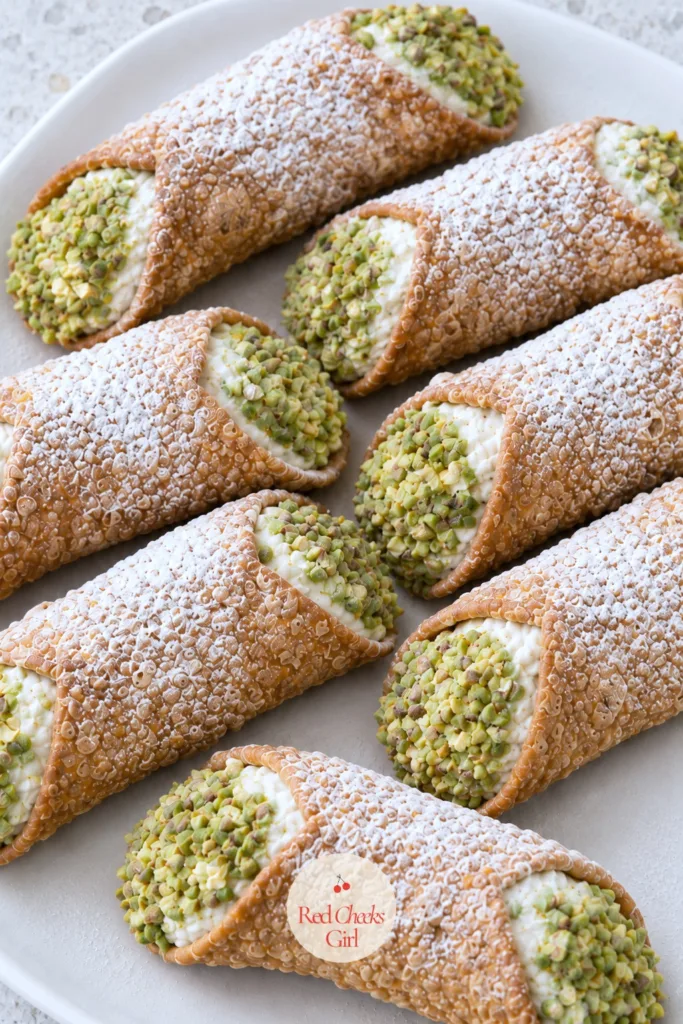
This cannoli recipe keeps the two parts honest: a shell that stays glass-crisp and a ricotta cream sweet enough to matter, bright with orange zest and flecked with mini chocolate chips.
Drain the ricotta the night before, then save the actual filling for the last ten minutes before anyone sits down. The ends get a dip in chopped pistachios, a dusting of powdered sugar, and that is the whole secret.
This post contains affiliate links. If you buy through them, I may earn a small commission at no extra cost to you.
Table of Contents
A Dessert Worth Setting Out a Tray For
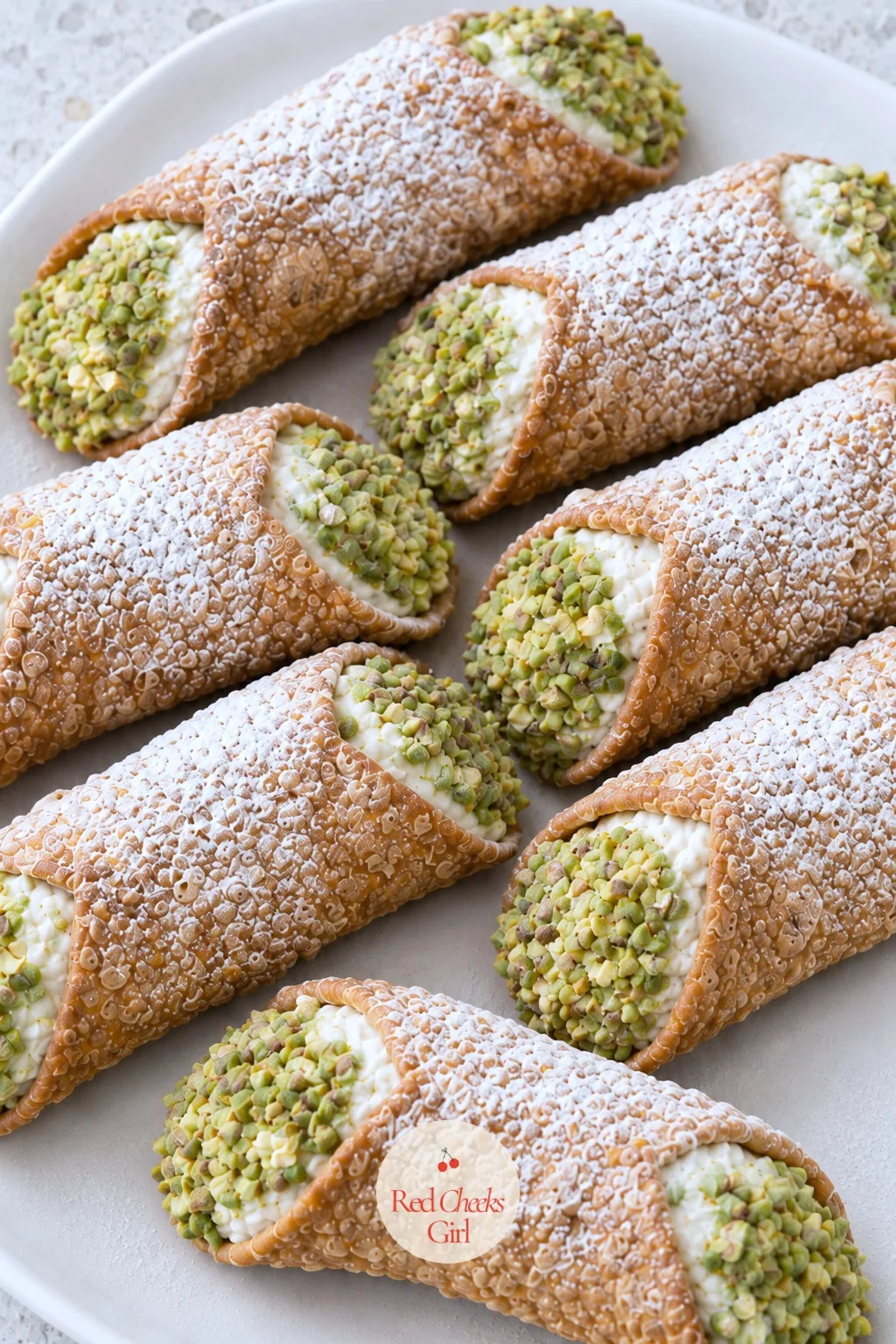
A plate of cannoli looks like effort even when it mostly is not. The shells do the visual work, pale gold and ridged, and nobody at the table stops to ask whether you fried them yourself or bought them at the Italian bakery across town.
What she actually tastes is the filling, and that part is entirely in your hands. Sweetened ricotta with orange zest running through it reads as a grown-up dessert, not a kids’ birthday cake dressed up for adults.
It also solves a real party problem: a dessert that holds its shape on a tray, travels well in its unfilled state, and takes minutes to finish once the last course clears.
If the evening calls for something that looks precise without asking for a stand mixer, Cream Puffs Recipe: A Classic Dessert With Crisp Choux and Vanilla Cream sits in the same category of crisp pastry filled soft and sweet.
Nothing about this needs to be fussy. Buy the shells, drain the cheese the night before, and the only thing left on the day is assembly in front of whoever is watching.
The Ingredients That Make This Cannoli Taste Right
Whole milk ricotta is non-negotiable here. The low-fat tubs carry more water and less flavor, and water is exactly what works against a crisp shell.
Powdered sugar sweetens without the graininess granulated sugar leaves behind in a cold filling. It also helps thicken the ricotta slightly as it sits, which matters more than any extra draining time.
Orange zest is doing the job lemon usually gets credit for: it cuts the richness of the cheese without turning the filling sour, and it smells like a bakery the second you start grating it.
Mini chocolate chips hold their shape inside the piping bag and inside the shell, where chopped chocolate would melt and smear.
Pistachios on the dipped ends add the only crunch that is not the shell itself, and if nuts are not her thing, more mini chips work just as well; 12 Pistachio Cream Dessert Recipes for Nut Lovers and Dessert Tables has more ways to use the rest of the bag.
The shells themselves can come from a box at an Italian deli or a homemade batch rolled thin and fried crisp. Either way, they stay empty until the very last step, which is the part most home cooks skip.
How to Make It
This is the whole process from draining the cheese to the last dusting of sugar. None of it is difficult, but the order matters more than usual: the filling needs its overnight rest, and the shells need to stay empty until the room is ready to eat.
The filling carries dairy and the pistachios bring tree nuts, worth a quick mention if anyone at the table needs to know.
Check the drained ricotta
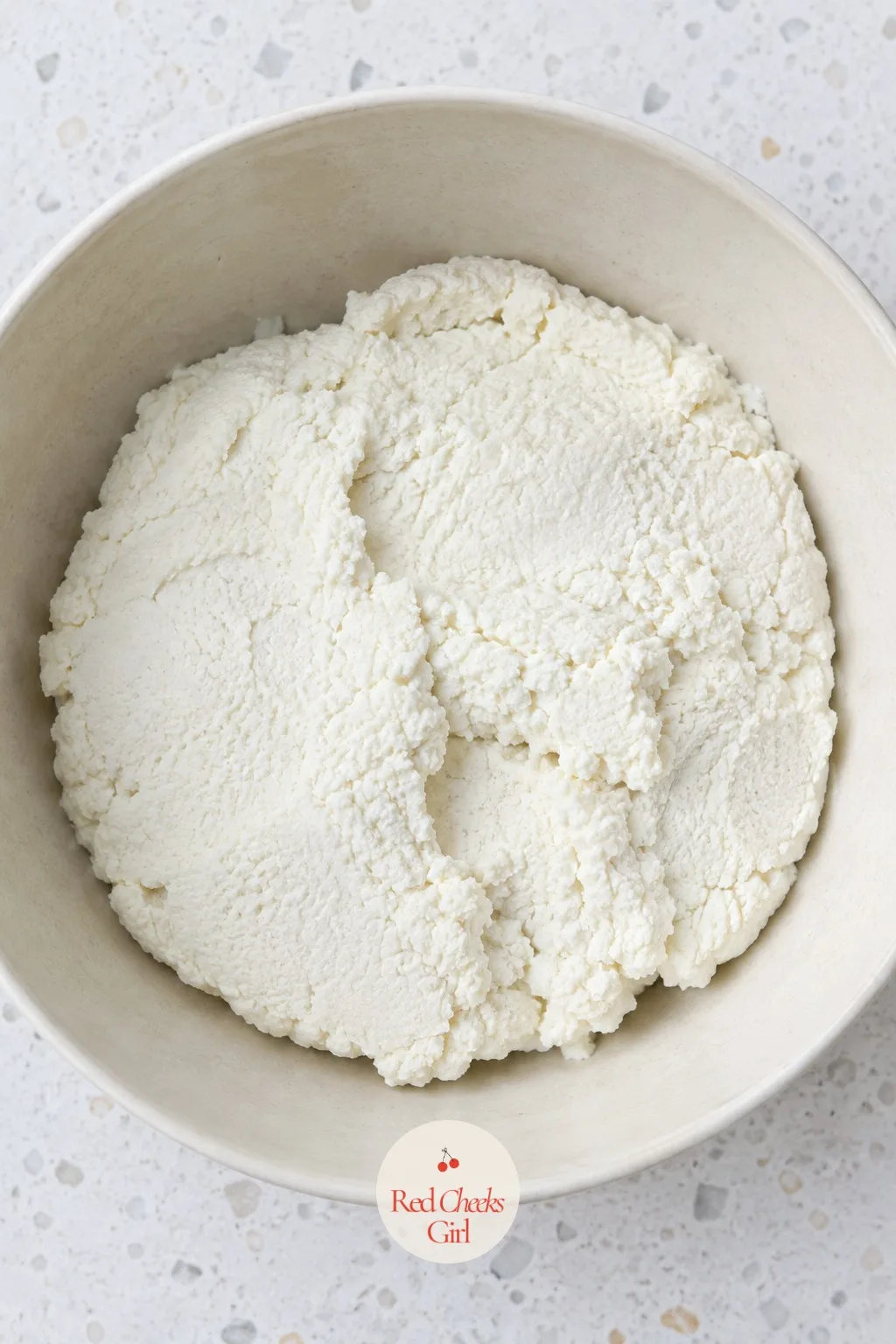
Tip the drained ricotta into the mixing bowl and press it gently with a spoon. It should feel dense and dry, with no watery sheen left on top after the overnight drain.
Sweeten the ricotta
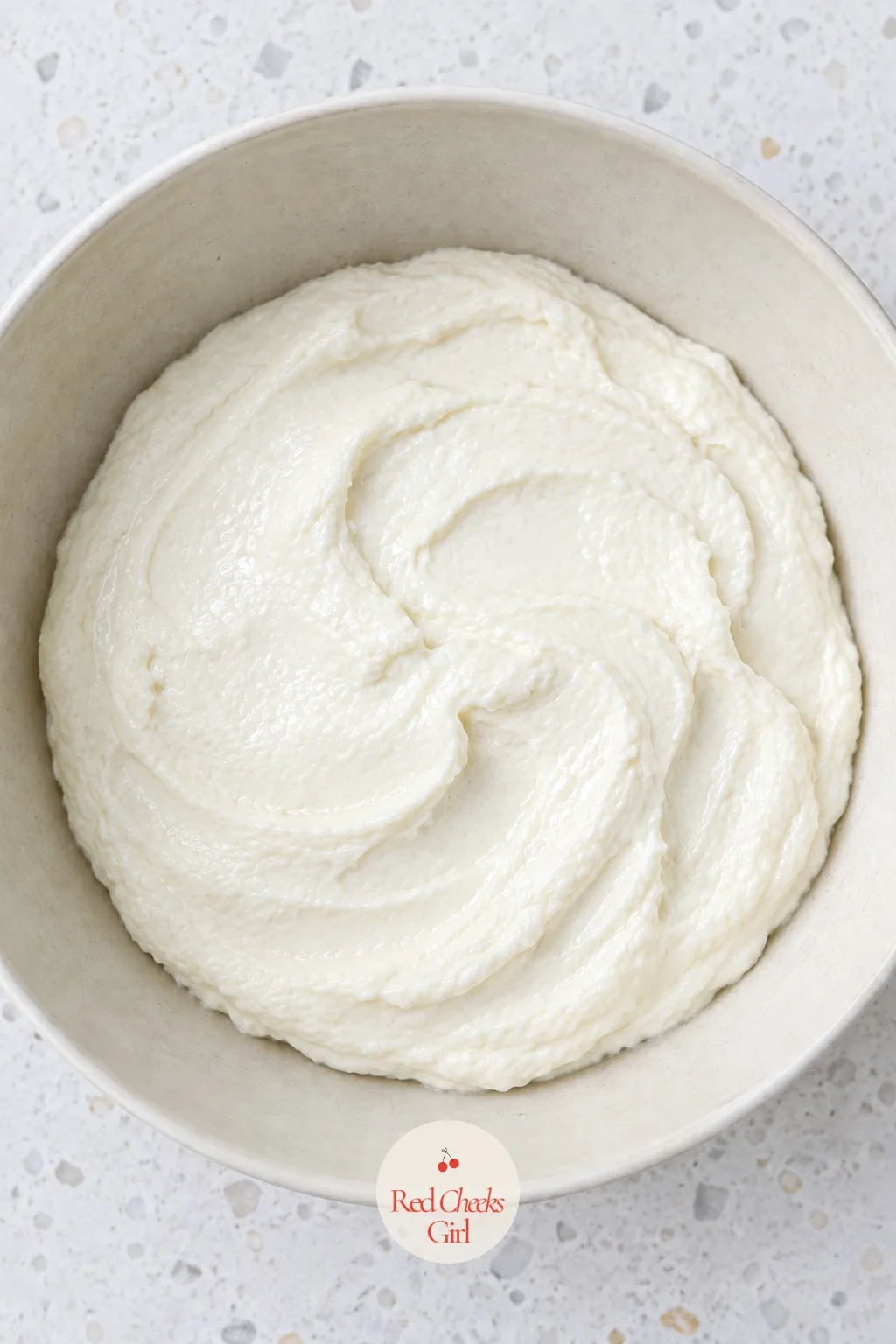
Stir the powdered sugar and salt into the ricotta until the mixture turns smooth and glossy. No streaks of plain white sugar should remain visible anywhere in the bowl.
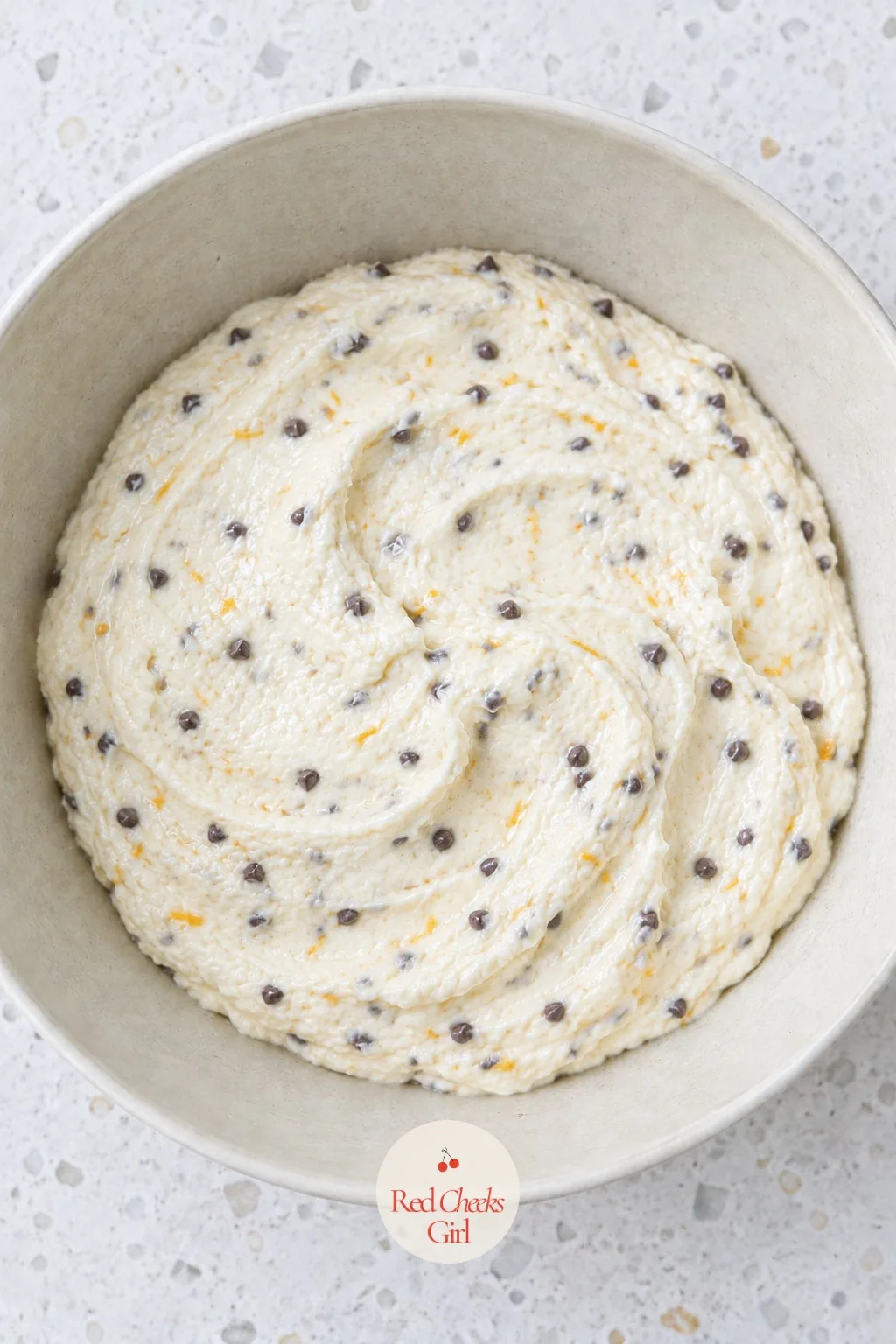
Fold in zest and chocolate chips
Fold the orange zest, vanilla and mini chocolate chips through the sweetened ricotta until evenly scattered. Stop stirring the moment the chips stay suspended instead of sinking.
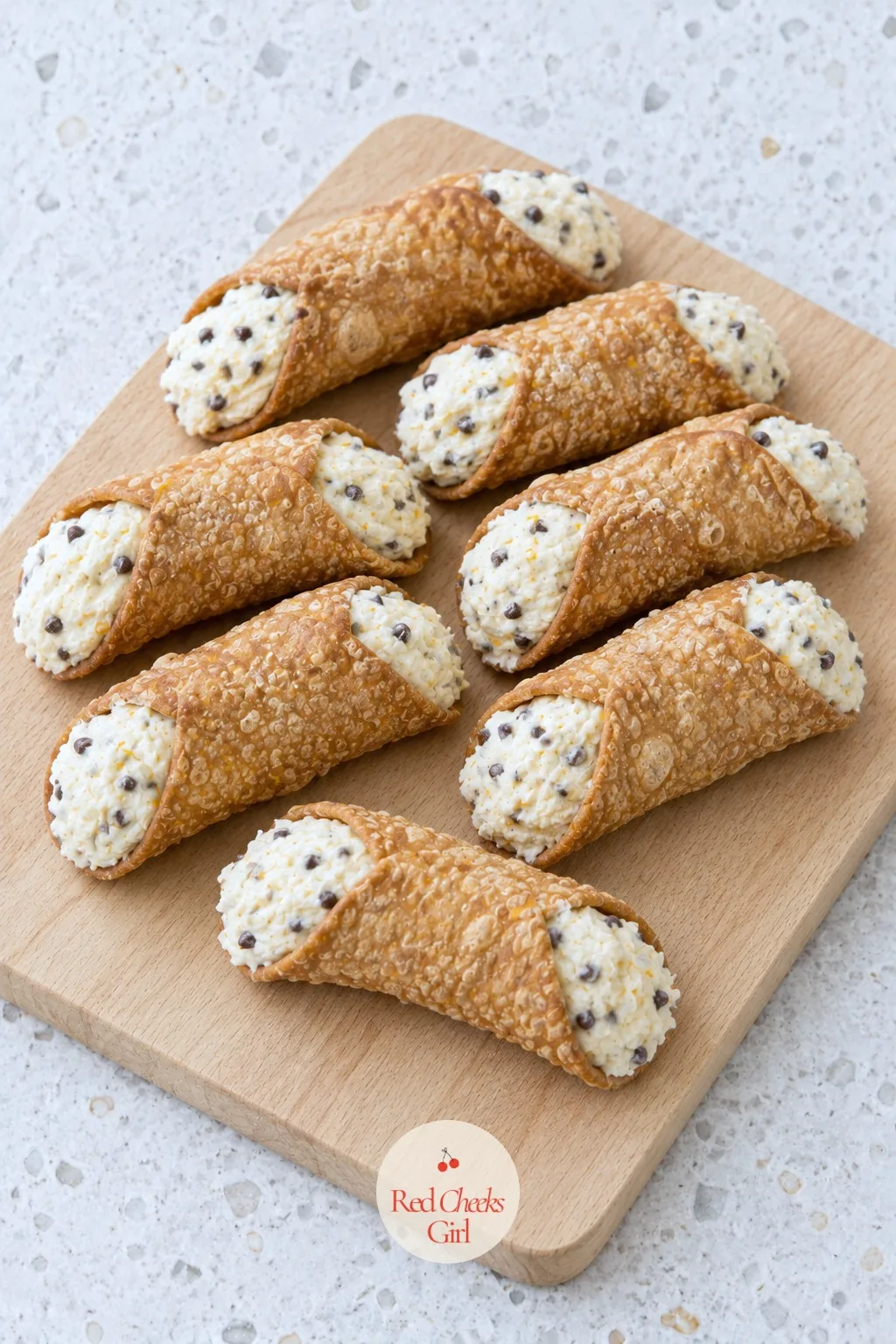
Pipe the shells full
Pipe the chilled filling into both ends of each shell until the cream meets flush in the middle. Line the filled shells up on the board as you go.
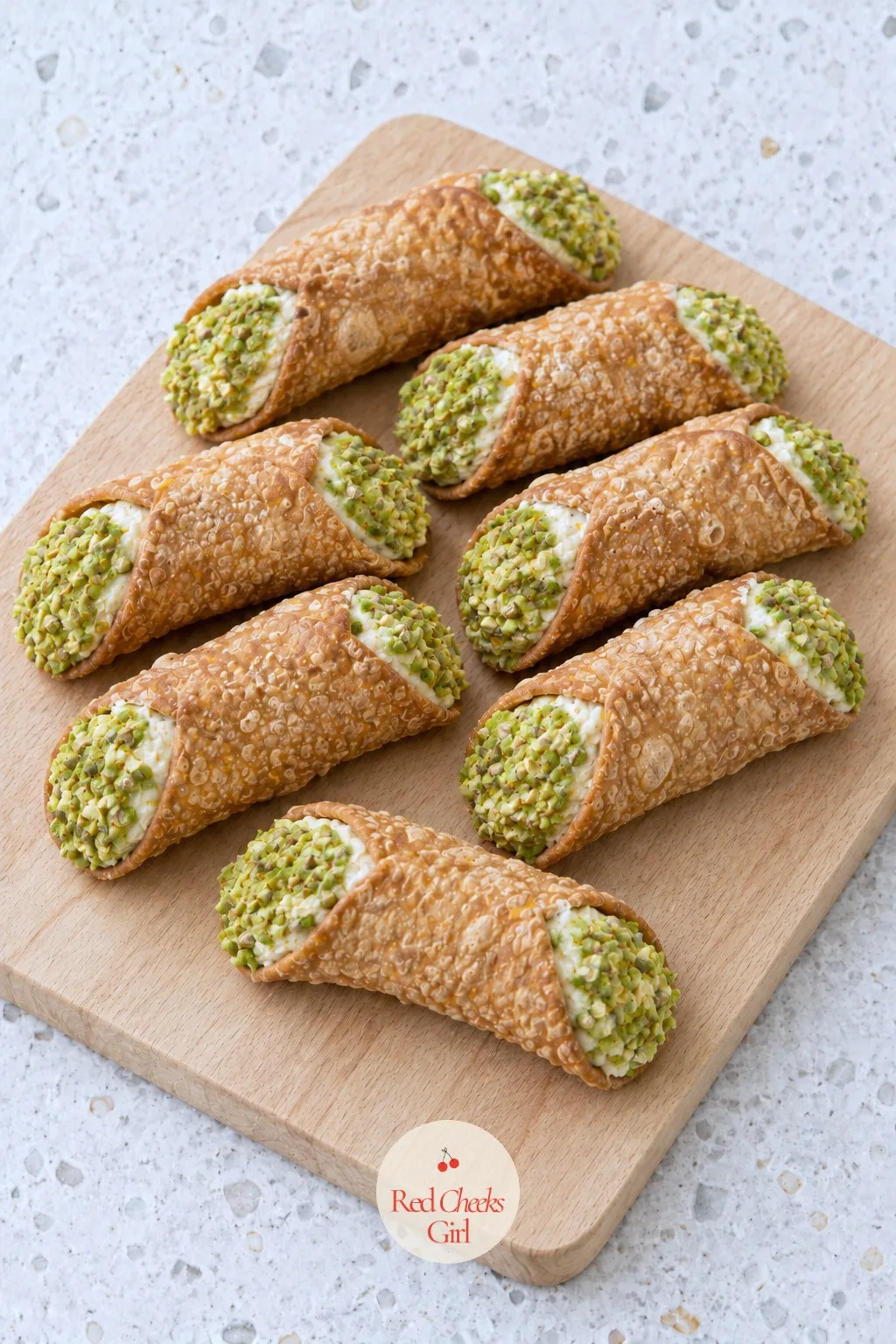
Dip the ends in pistachios
Press each filled end into the chopped pistachios so the green pieces cling to the exposed cream. A few ends can go into extra chocolate chips instead.
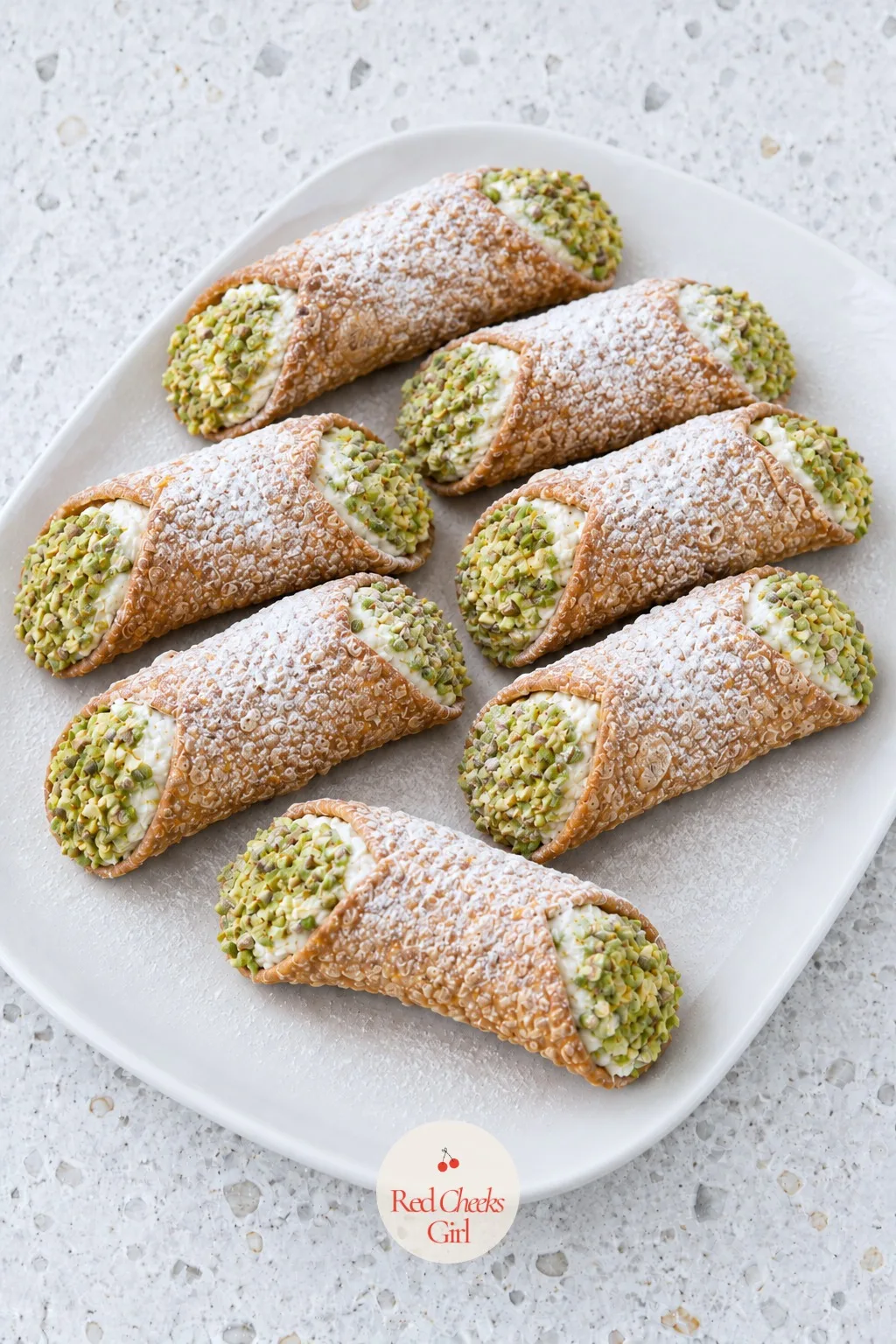
Dust and serve
Arrange the finished cannoli on the platter and dust lightly with powdered sugar right before carrying them to the table. Serve within thirty minutes for the crispest shell.
🛍 Shopping guide
Getting the Crisp Shell and Silky Filling Right
The fastest way to ruin a tray of cannoli is to fill them an hour before guests arrive. Wait until the last ten or fifteen minutes, after the main course plates are cleared, and pipe the filling then.
Skipping the overnight drain is the second mistake, and it shows up as a filling that slumps instead of holding a ridge. A sieve set over a deep bowl in the fridge does the whole job without any attention from you.
If the filling turns out grainy rather than smooth, the cause is almost always the same. Stir just until the sugar disappears and the chips are evenly spread, then stop.
Making the shells from scratch brings one more place to go wrong: the oil. A clip-on candy thermometer in the pot keeps that honest, or skip frying altogether and buy the shells, which is exactly what this recipe assumes you will do.
Keep the shells in their own airtight container until the moment you pipe them, away from the fridge and away from steam. Store-bought shells especially pick up moisture from the air fast, and a soft shell cannot be rescued once it has gone that way.
Swaps and Substitutions
Short on an orange? Lemon zest does the same bright job, just use a little less since lemon reads sharper than orange against the sweetened ricotta.
Trade a quarter of the ricotta for mascarpone if the filling needs to feel richer and silkier at a dinner that calls for it. It changes the texture more than the flavor, softer and a little less tangy.
No pistachios in the pantry? Mini chocolate chips on both the inside and the dipped ends work fine, or crushed amaretti cookies for a different crunch entirely.
If this is heading to a dessert table next to other filled pastries, French Macarons: A Dessert Recipe Step by Step, From Smooth Shells to Ruffled Feet fills the same gap for a guest who wants something smaller and chewier.
Gluten-free cannoli shells exist and work the same way in this recipe, piped and filled at the last minute exactly like the regular version. For a dairy-free table, this particular filling does not translate well since ricotta is the entire point of it; a different dessert is the honest answer there.
What to Serve Cannoli With at a Party
Cannoli wants strong coffee next to it, the kind in small cups that make the sweetness feel earned rather than heavy. An espresso pot on the counter does more for the mood than almost any other single thing on the table.
If the dessert table is doing more than one job, cannoli sits well next to something cold and layered, where the textures trade off rather than compete; Panna Cotta Recipe: An Easy Dessert With a Raspberry Layer, Set in Glasses gives the table a chilled, spoonable option next to the crisp shells.
For a full Italian spread rather than dessert alone, cannoli is the natural finish rather than the centerpiece. 14 Italian Christmas Dinner Recipes for a Big Family Feast has the kind of courses that make a tray of cannoli feel like the inevitable last word, whatever the season.
Want something with a little more warmth next to the coffee: a small glass of Marsala or vin santo, poured in thimble-sized servings, pairs well with the orange and ricotta. Keep it to one pour and plenty of water on the table for anyone driving; this is an adult-only addition, not one for a mixed table.
Cannoli Recipe
Ingredients
- 1 pound whole milk ricotta cheese
- 1 cup powdered sugar plus extra for dusting
- 1 tablespoon finely grated orange zest from 1 large orange
- 1/2 cup mini chocolate chips plus extra for dipping
- 1/2 teaspoon vanilla extract
- 1/8 teaspoon salt
- 12 cannoli shells store-bought or homemade
- 1/3 cup shelled pistachios finely chopped
Instructions
- The night before you plan to serve, set a fine-mesh strainer over a deep bowl and spoon in 1 pound whole milk ricotta cheese. Cover loosely and refrigerate for at least 8 hours, or up to 12 hours, so the excess liquid drains into the bowl below. You know it is ready when the ricotta looks noticeably thicker and the bowl underneath holds a visible pool of liquid, which you discard.
- The next day, tip the drained ricotta into a cream ceramic mixing bowl and discard the strainer liquid for good. Press the back of a spoon gently against the cheese: it should feel dense and hold its shape rather than slump, with no watery sheen on top.
- Add 1 cup powdered sugar and 1/8 teaspoon salt to the ricotta and stir with a spoon until smooth and fully combined, about 1 minute. The mixture should look pale, thick and glossy, with no streaks of plain white sugar left visible.
- Fold in 1 tablespoon orange zest, 1/2 teaspoon vanilla extract and 1/2 cup mini chocolate chips, stirring just until they are evenly distributed through the cream. Stop as soon as the chips are no longer sinking to the bottom; overmixing at this point only makes the filling looser.
- Cover the bowl and chill the filling in the refrigerator for 30 minutes. This short rest firms the cream enough to pipe cleanly, and you will feel the difference the moment you spoon into it: it holds a ridge instead of running flat.
- Scoop the chilled filling into a piping bag fitted with a 1/2 inch open or star tip (a large zip top bag with one corner snipped off works the same way). Twist the top of the bag closed so the cream is pressed toward the tip with no air pockets.
- Pipe the filling into one end of a cannoli shell until it just reaches the middle, then turn the shell around and pipe from the other end to meet in the center. Repeat with the remaining 11 shells, arranging them on a pale wood board as you go; you will see the cream fill each shell flush with both open ends.
- Dip each filled end of the shells into the 1/3 cup chopped pistachios, pressing lightly so the pieces stick to the exposed cream. Alternate a few ends in extra mini chocolate chips instead of pistachios if you want both on the tray.
- Dust the finished cannoli with a light layer of powdered sugar right before carrying them to the table, and serve within 30 minutes. This is the step that explains the whole timeline: filled shells soften fast, so the dusting is the last thing that happens before anyone picks one up.
Good to Know
Frequently Asked Questions
How far ahead can I make cannoli filling?
The filling can be made and refrigerated up to 24 hours ahead, tightly covered. Keep it separate from the shells until serving, since the two only meet at the very last step.
Why is my cannoli filling runny?
Runny filling almost always means the ricotta was not drained long enough or the wrong ricotta was used. Skim or low-fat ricotta carries extra water that a quick drain will not fully remove.
Can I use store-bought cannoli shells?
Yes, store-bought cannoli shells work fine and skip the frying step entirely. Check that they are fresh and crisp before filling, since shells left open on a shelf can go stale.
How long do filled cannoli last?
Filled cannoli taste best within 30 minutes of piping and rarely hold up past two hours in the fridge. The shell softens from contact with the moist filling, so timing matters more than storage.
Can I freeze cannoli shells?
Yes, empty cannoli shells freeze well in an airtight container for up to a month. Thaw at room temperature and fill only once fully dry and crisp again, never while frozen or already filled.
Apple cinnamon rolls with cider glaze combine cooked Honeycrisp apples, soft yeasted dough, and a re

14 New Year's Eve dessert recipes with jewel finishes: citrus trifle, crepe cake, profiterole tower,

14 easy Hanukkah desserts for eight nights of candles: sufganiyot, rugelach, babka, gelt bark, olive
Leave a Reply