

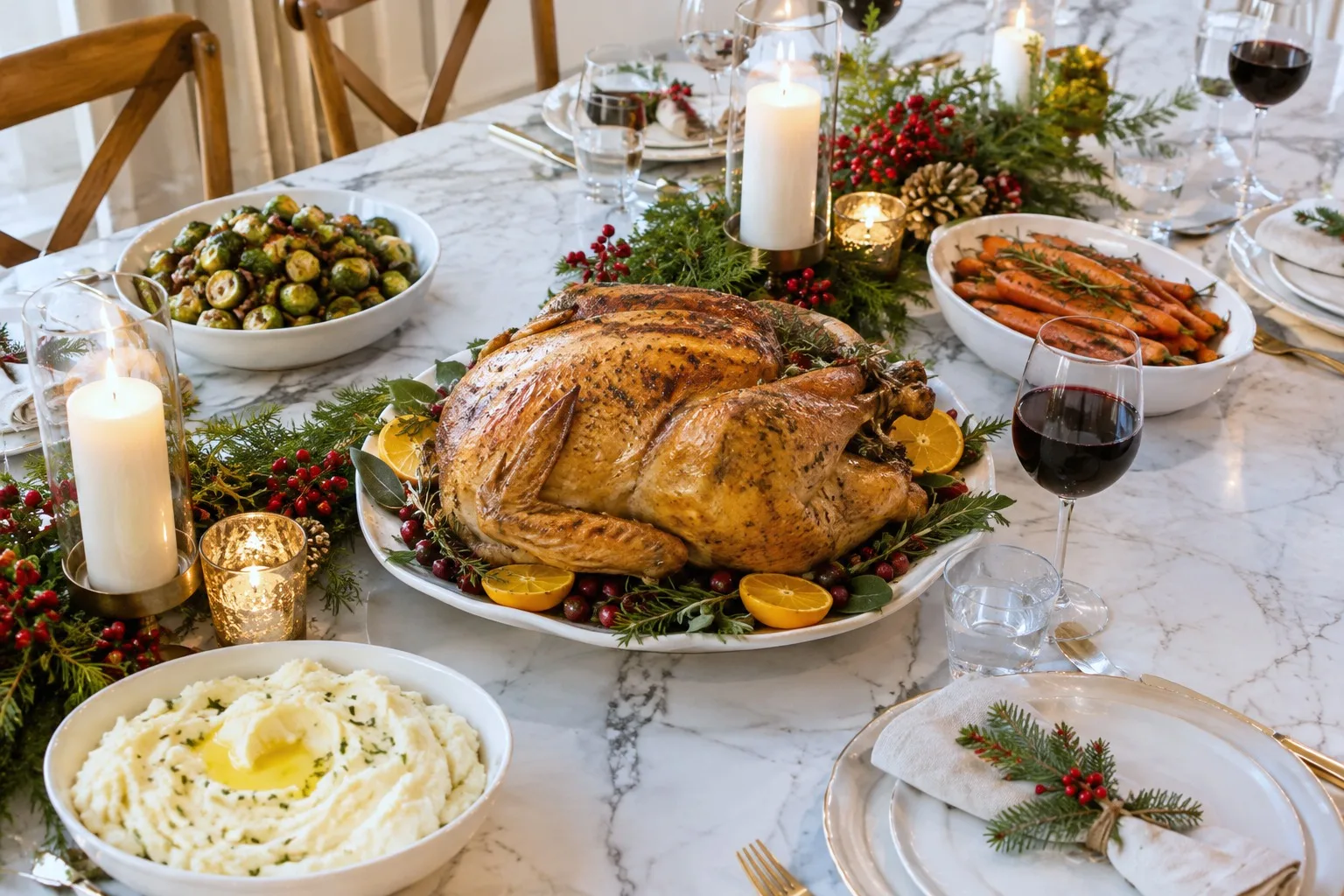
An Italian Christmas dinner does not land on the table all at once. It moves in courses, the way a big family argument moves: antipasto to open things up, then pasta, then the meat and the sides that go with it, then something sweet to make everyone forgive each other.
The fourteen recipes below follow that same shape, Italian American style, built for a table that is feeding a crowd rather than a food magazine.
The list itself runs the other direction: biggest showstopper first, simplest tray last, so start wherever your nerve holds out and work down from there. Shellfish, gluten, dairy and eggs turn up across the menu, so flag them for anyone at the table who needs to know before they reach for the clam sauce.
Wine, marsala and coffee liqueur appear in a few of these for the adults only, pour them with a light hand and keep a jug of something non-alcoholic on the table too.
Set the table before the guests do, 31 Christmas Table Decorations for a Table That Seats More Than It Should has the runners and place settings for a crowd this size.
Pour something without alcohol as well, 8 Christmas Mocktail Recipes for a Festive Night Without the Hangover covers the kids and the designated driver without anyone feeling like an afterthought.
This post contains affiliate links. If you buy through them, I may earn a small commission at no extra cost to you.
Table of Contents
- The Big Christmas Lasagna
- Chicken Cacciatore
- Meatballs in Sunday Gravy
- Linguine with White Clam Sauce
- Shrimp Marinara over Linguine
- Stuffed Artichokes
- Italian Wedding Soup
- Antipasto Platter
- Sauteed Escarole with White Beans and Garlic
- Roasted Rosemary Potatoes
- Garlic Knots
- Panettone Bread Pudding
- Tiramisu (Make Ahead the Night Before)
- Struffoli (Honey Balls)
- Frequently Asked Questions
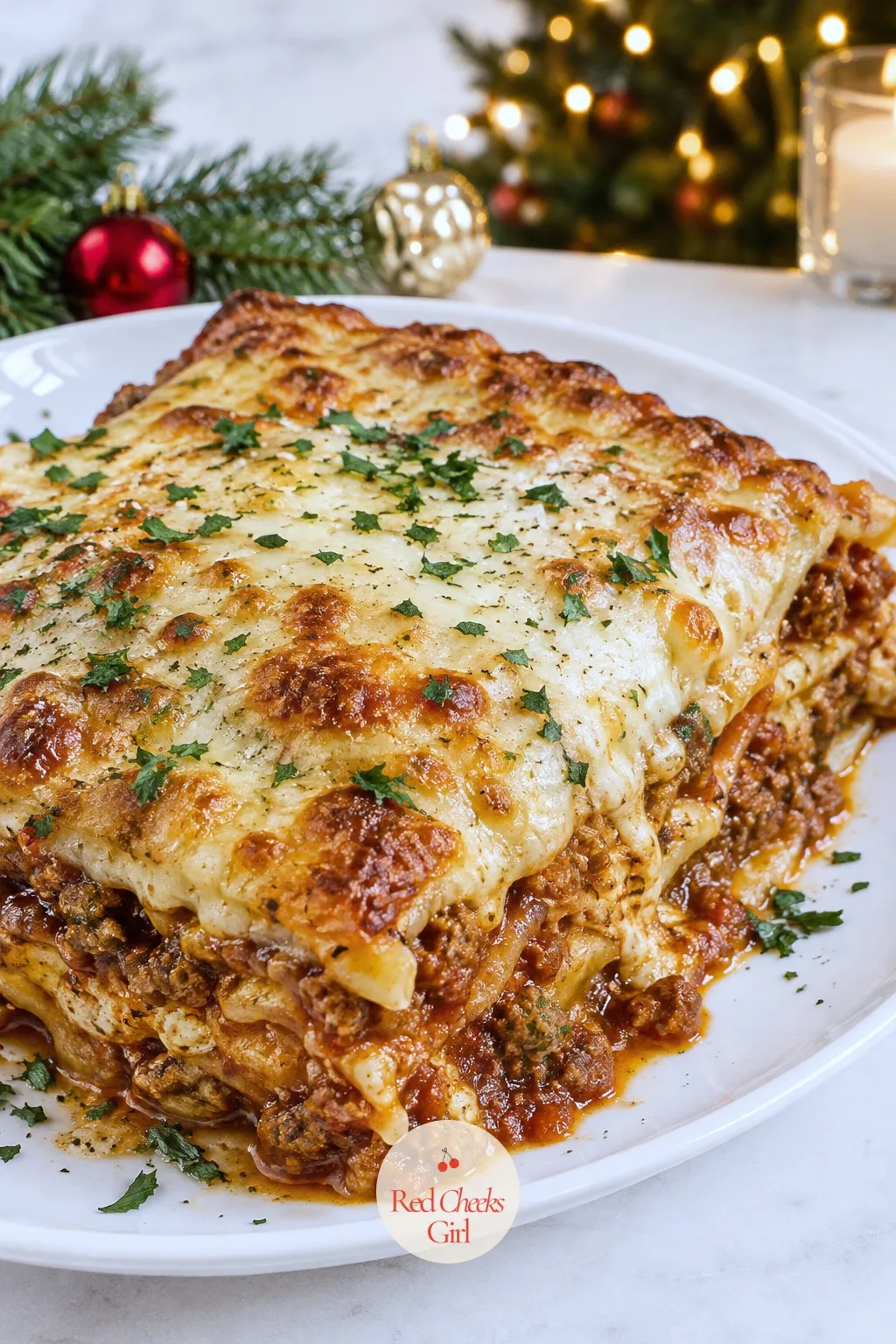
The Big Christmas Lasagna
This is the dish that makes people stop talking when it lands on the table, five layers deep and impossible to rush. It also dirties every pot in the kitchen on the way there, so make peace with that before you start.
Meat sauce and ricotta go in separate, sturdy layers so neither one turns watery under the heat. Fifteen minutes of resting before anyone cuts into it is the difference between neat squares and a puddle; serve it as the primo, right after antipasto, while everyone is still hungry enough to appreciate it.
Ingredients
- 1 pound lasagna noodles
- 2 tablespoons olive oil
- 1 pound ground beef
- 1 pound Italian sausage, casings removed
- 1 medium onion, diced
- 4 cloves garlic, minced
- 2 (28 oz) cans crushed tomatoes
- 1 (6 oz) can tomato paste
- 1 teaspoon dried oregano
- 1 teaspoon dried basil
- 1 teaspoon salt, plus more for pasta water
- 32 oz whole milk ricotta
- 2 large eggs
- 1/2 cup grated Parmesan, plus more for topping
- 4 cups shredded mozzarella
- 1/4 cup chopped fresh parsley
Instructions
- Bring a large pot of salted water to a boil and cook the lasagna noodles 2 minutes short of the package time, they finish cooking in the oven; drain and lay flat on a sheet pan so they do not stick.
- Heat the olive oil in a large pot over medium heat and brown the ground beef and sausage together, breaking it up with a spoon, about 8 minutes, until no pink remains.
- Add the onion and garlic and cook 4 minutes until the onion turns soft and translucent.
- Stir in the crushed tomatoes, tomato paste, oregano, basil and 1 teaspoon salt; simmer uncovered 25 minutes, stirring occasionally, until the sauce thickens enough to coat the back of a spoon.
- Preheat the oven to 375°F.
- In a large bowl, mix the ricotta, eggs, 1/2 cup Parmesan and half the parsley until smooth.
- Spread 1 cup of meat sauce in the bottom of a 9×13 inch baking dish.
- Layer noodles, a third of the ricotta mixture, a third of the remaining meat sauce and a cup of mozzarella; repeat the layers twice more, ending with sauce and the last of the mozzarella on top.
- Cover the dish tightly with foil, tented so it does not touch the cheese, and bake 45 minutes.
- Remove the foil and bake 15 more minutes, until the edges bubble and the cheese turns deep gold in spots.
- Let the lasagna rest 15 minutes before cutting, this keeps the squares from sliding apart on the plate.
- Scatter the remaining parsley over the top and serve straight from the dish.
🛍 Shopping guide
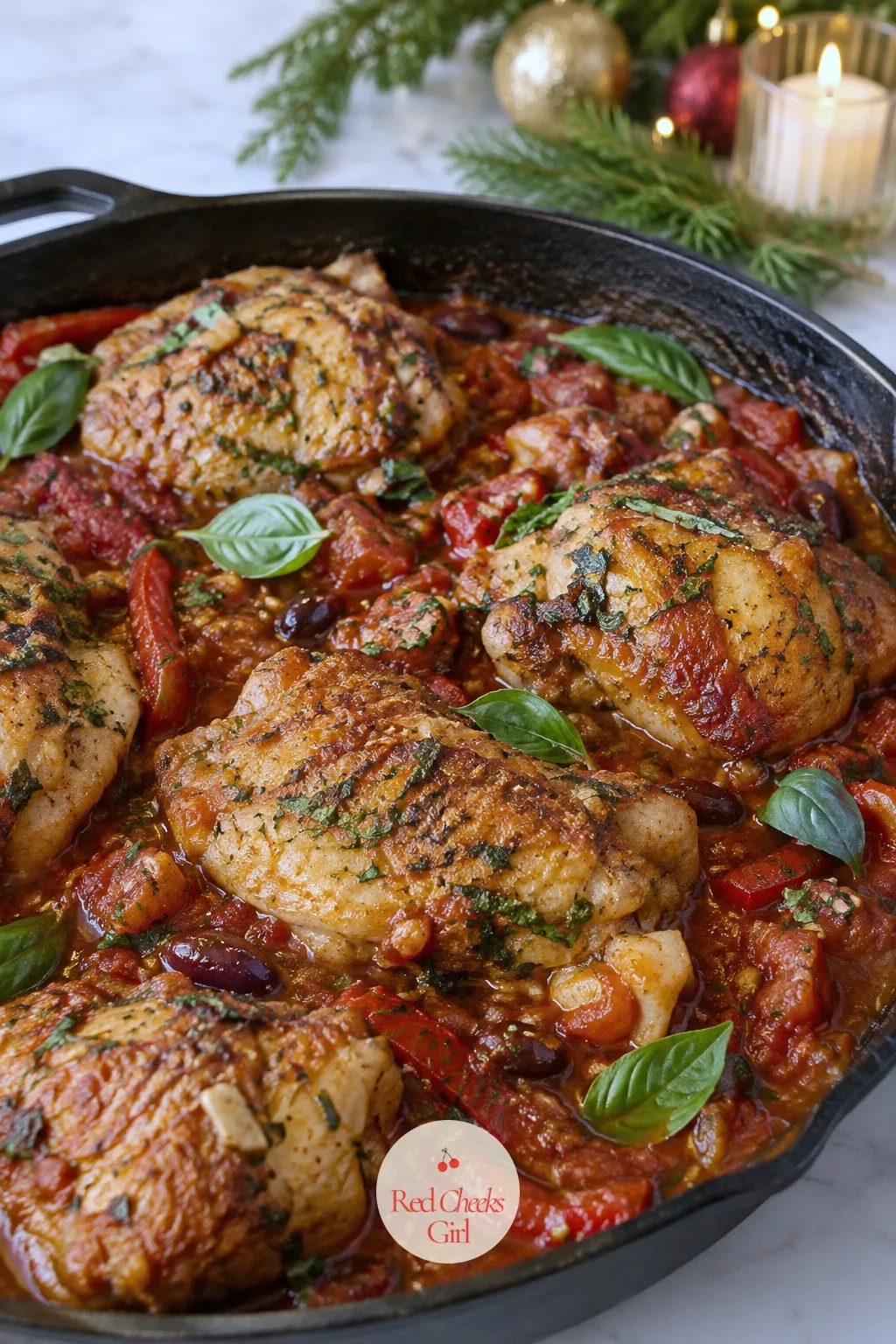
Chicken Cacciatore
Cacciatore sounds like a restaurant word until you remember it just means hunter’s style, chicken braised low and slow with whatever vegetables were in the house.
Browning the chicken skin first, then building the sauce in the same pot, is what gives the gravy its color. Serve it as the secondo with crusty bread for mopping, right after the pasta course clears.
Ingredients
- 3 pounds bone-in, skin-on chicken thighs (about 8 pieces)
- 1 teaspoon salt
- 1/2 teaspoon black pepper
- 3 tablespoons olive oil
- 1 large onion, sliced
- 2 bell peppers, sliced
- 8 oz cremini mushrooms, sliced
- 4 cloves garlic, minced
- 1 cup dry white wine
- 1 (28 oz) can crushed tomatoes
- 1 teaspoon dried oregano
- 1 bay leaf
- 1/4 cup chopped fresh basil
Instructions
- Pat the chicken thighs dry and season both sides with the salt and pepper.
- Heat the olive oil in a large, heavy pot over medium high heat and brown the chicken skin side down, 6 minutes per side, until deep golden; transfer to a plate.
- Add the onion and peppers to the same pot and cook 5 minutes, scraping up the browned bits from the bottom.
- Add the mushrooms and garlic and cook 4 more minutes, until the mushrooms release their liquid and start to shrink.
- Pour in the white wine, scrape the pot again, and let it bubble 2 minutes to cook off the raw alcohol smell.
- Stir in the crushed tomatoes, oregano and bay leaf, then nestle the chicken back into the pot skin side up.
- Cover and simmer over low heat 40 minutes, until the chicken is fork-tender and the thickest piece reads 165°F on a thermometer.
- Remove the bay leaf, taste the sauce, and adjust the salt.
- Scatter the fresh basil over the top just before carrying it to the table.
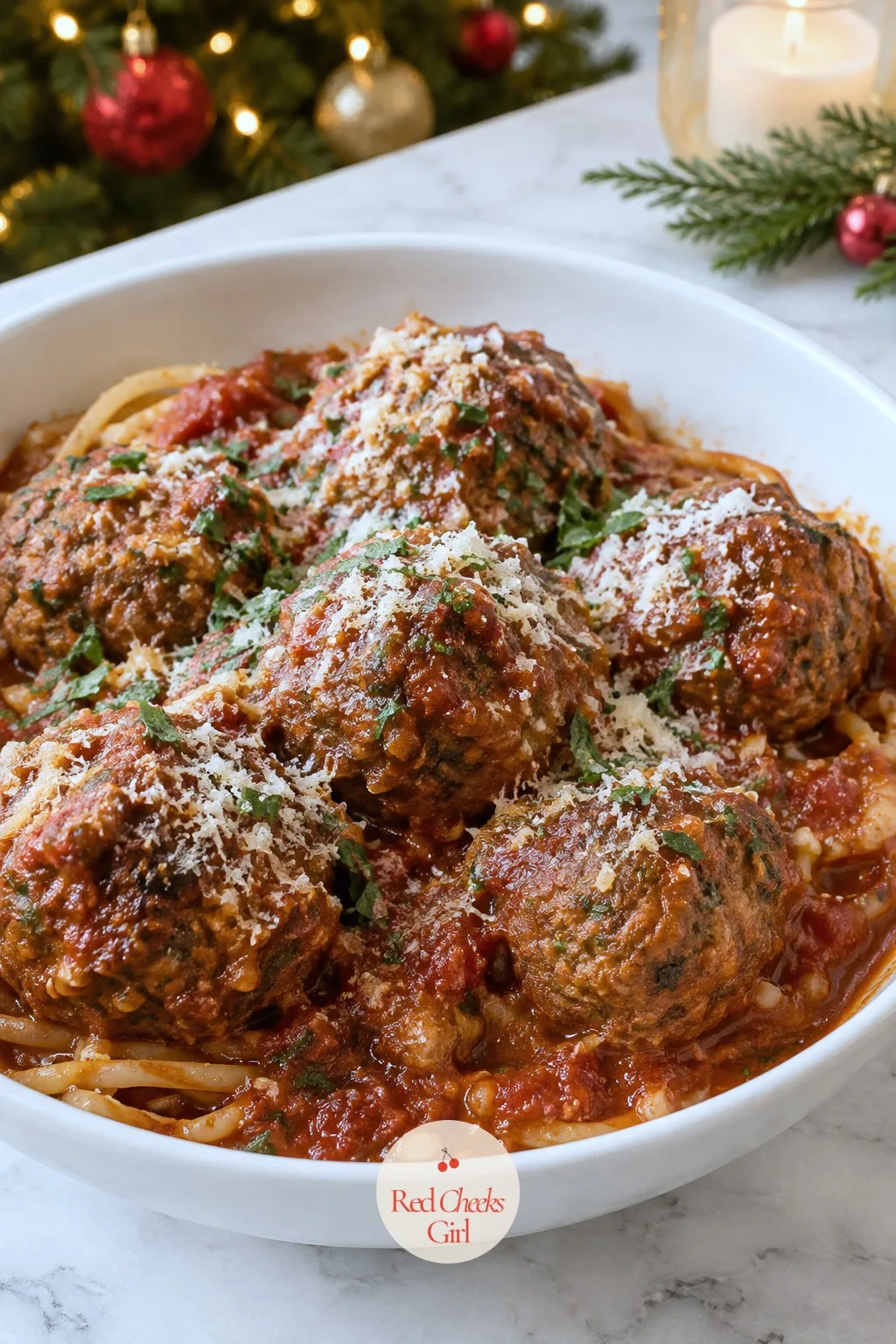
Meatballs in Sunday Gravy
Sunday gravy is the pot that simmers all afternoon while the rest of dinner gets built around it, equal parts sauce and family inheritance.
Soaking the breadcrumbs in milk first is the one step that keeps the meatballs tender instead of dense. Ladle the gravy over a small bowl of pasta as its own course, then serve the meatballs alongside the cacciatore as the heart of the secondo.
Ingredients
- 1 cup fresh breadcrumbs
- 1/2 cup whole milk
- 1 pound ground beef
- 1/2 pound ground pork
- 1/2 pound ground veal (or more ground pork)
- 2 large eggs
- 1/2 cup grated Parmesan
- 1/4 cup chopped fresh parsley
- 3 cloves garlic, minced
- 1 teaspoon salt
- 1/2 teaspoon black pepper
- 1/4 cup olive oil, divided
- 1 small onion, diced
- 1 (28 oz) can crushed tomatoes
- 2 (28 oz) cans tomato puree
- 1 teaspoon dried oregano
- 1 pound mild Italian sausage links (optional)
Instructions
- Soak the breadcrumbs in the milk for 5 minutes until soft, then squeeze out the extra milk with your hands.
- In a large bowl, combine the breadcrumbs, ground beef, pork, veal, eggs, Parmesan, parsley, garlic, salt and pepper; mix gently with your hands until just combined, overworking makes the meatballs tough.
- Roll the mixture into 24 meatballs, about the size of a golf ball, and set them on a tray.
- Heat 2 tablespoons of the olive oil in a large, heavy pot over medium high heat and brown the meatballs in batches, 2 minutes per side, just to color the outside; transfer to a plate, they finish cooking in the gravy.
- If using sausage, brown the links in the same pot, 3 minutes per side, then set aside with the meatballs.
- Add the remaining olive oil and the onion to the pot and cook 4 minutes until soft.
- Stir in the crushed tomatoes, tomato puree and oregano, then bring to a gentle simmer.
- Return the meatballs and sausage to the pot, cover partially, and simmer on low heat 2 hours, stirring every 20 minutes so nothing catches on the bottom.
- The gravy is ready when it coats the back of a spoon and the meatballs are tender all the way through.
- Skim off any excess fat from the surface before serving.
- Ladle a cup of gravy over a small bowl of cooked pasta for the primo, then serve the meatballs and sausage as part of the secondo.
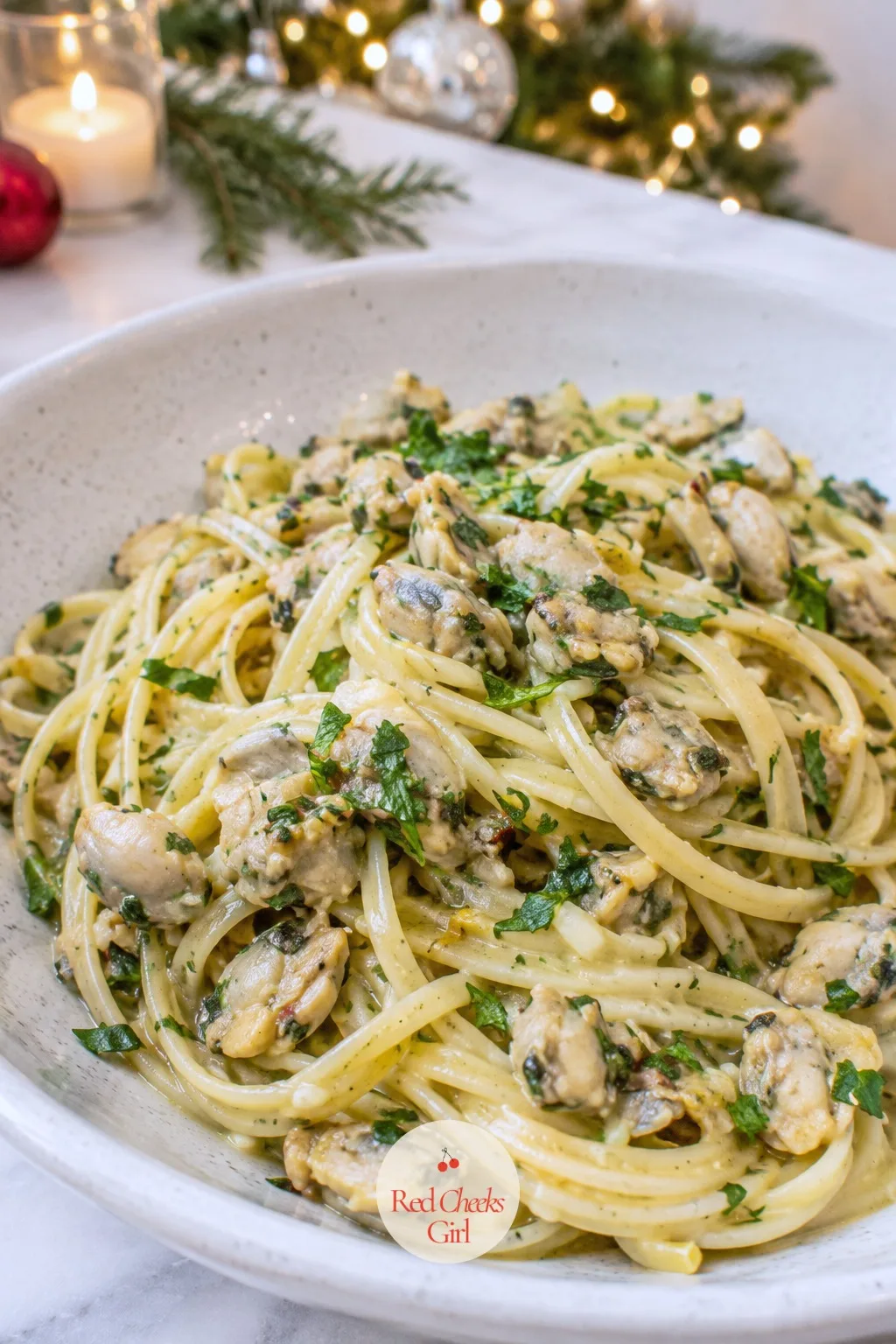
Linguine with White Clam Sauce
This one looks like it belongs in a restaurant with white tablecloths, and it takes less time than it takes to set the table.
Reserve a little pasta water before draining, it pulls the sauce together into something glossy instead of broken. This is the one for Christmas Eve, served as the primo while the seafood courses are still the whole point of the night.
If this whole spread is actually happening the night before, 17 Christmas Eve Dinner Ideas for a Cozy Night Before the Big Day lines up a full menu built around exactly this kind of seafood course.
Ingredients
- 1 pound linguine
- 3 (6.5 oz) cans chopped clams, juice reserved
- 1/4 cup olive oil
- 4 tablespoons unsalted butter
- 6 cloves garlic, minced
- 1/2 teaspoon red pepper flakes
- 1 cup dry white wine
- 1/2 cup chopped fresh parsley
- 1 lemon, juiced
- Salt, to finish
Instructions
- Bring a large pot of salted water to a boil and cook the linguine until just shy of al dente, reserve 1 cup of the pasta water, then drain.
- While the pasta cooks, drain the clams over a bowl and keep the juice separate from the clam meat.
- Heat the olive oil and 2 tablespoons of the butter in a large skillet over medium heat and add the garlic and red pepper flakes, cook 1 minute until fragrant but not browned.
- Pour in the white wine and reserved clam juice, raise the heat and simmer 5 minutes until the liquid reduces by about a third.
- Add the clams and remaining butter and cook just 2 minutes, clams toughen fast once they hit real heat.
- Toss the drained linguine into the skillet along with a splash of the reserved pasta water, tossing until the sauce clings to the strands rather than pooling at the bottom.
- Stir in the parsley and lemon juice, taste, and add salt only if it needs it, the clam juice already carries plenty.
- Serve immediately in warm bowls while the pasta is still steaming.
Shrimp Marinara over Linguine
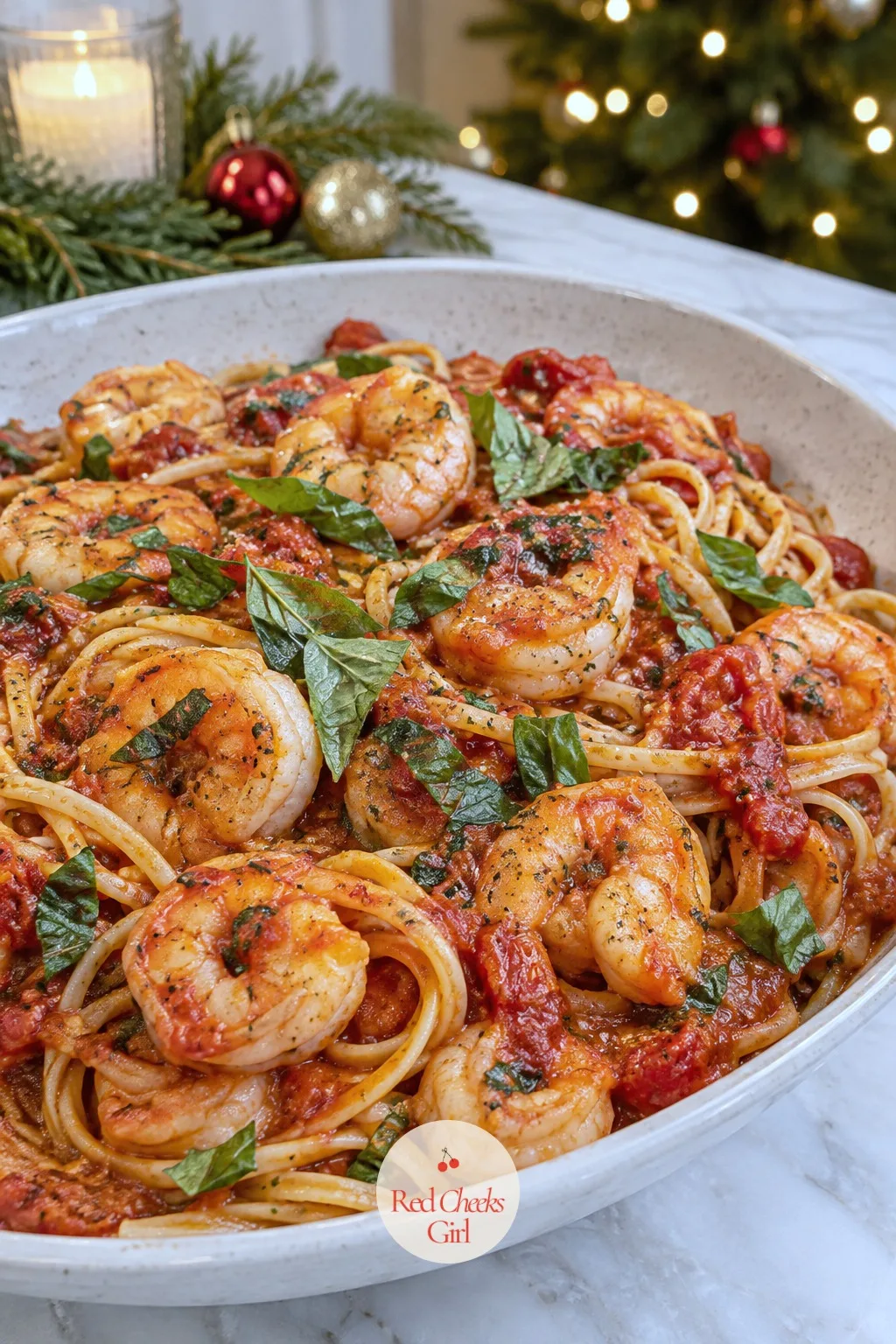
Marinara gets unfairly filed under basic, but built right it is bright and a little sweet, the kind of sauce that makes people ask what you did differently.
Shrimp cook in minutes, so they go in last, off the heat if you are nervous about overcooking them. This one also belongs to Christmas Eve, a second seafood primo if the table wants more than one.
Ingredients
- 1 pound linguine
- 1.5 pounds large shrimp, peeled and deveined
- 1/4 cup olive oil
- 5 cloves garlic, minced
- 1/2 teaspoon red pepper flakes
- 1/2 cup dry white wine
- 1 (28 oz) can crushed tomatoes
- 1 teaspoon dried oregano
- 1/2 teaspoon salt
- 1/4 cup chopped fresh basil
Instructions
- Bring a large pot of salted water to a boil and cook the linguine until al dente, reserve 1/2 cup pasta water, then drain.
- Pat the shrimp dry and season lightly with salt.
- Heat 2 tablespoons of the olive oil in a large skillet over medium high heat and sear the shrimp 1 minute per side, just until they turn pink and curl slightly; remove to a plate, they finish cooking later.
- Add the remaining olive oil to the skillet along with the garlic and red pepper flakes, cook 1 minute until fragrant.
- Pour in the white wine and simmer 2 minutes, scraping up any browned bits.
- Stir in the crushed tomatoes, oregano and salt, and simmer 10 minutes until the sauce thickens enough to coat the back of a spoon.
- Return the shrimp to the skillet along with the drained linguine and a splash of pasta water, tossing just until the shrimp is warmed through and opaque all the way to the center.
- Scatter the basil over the top and serve right away.
Stuffed Artichokes
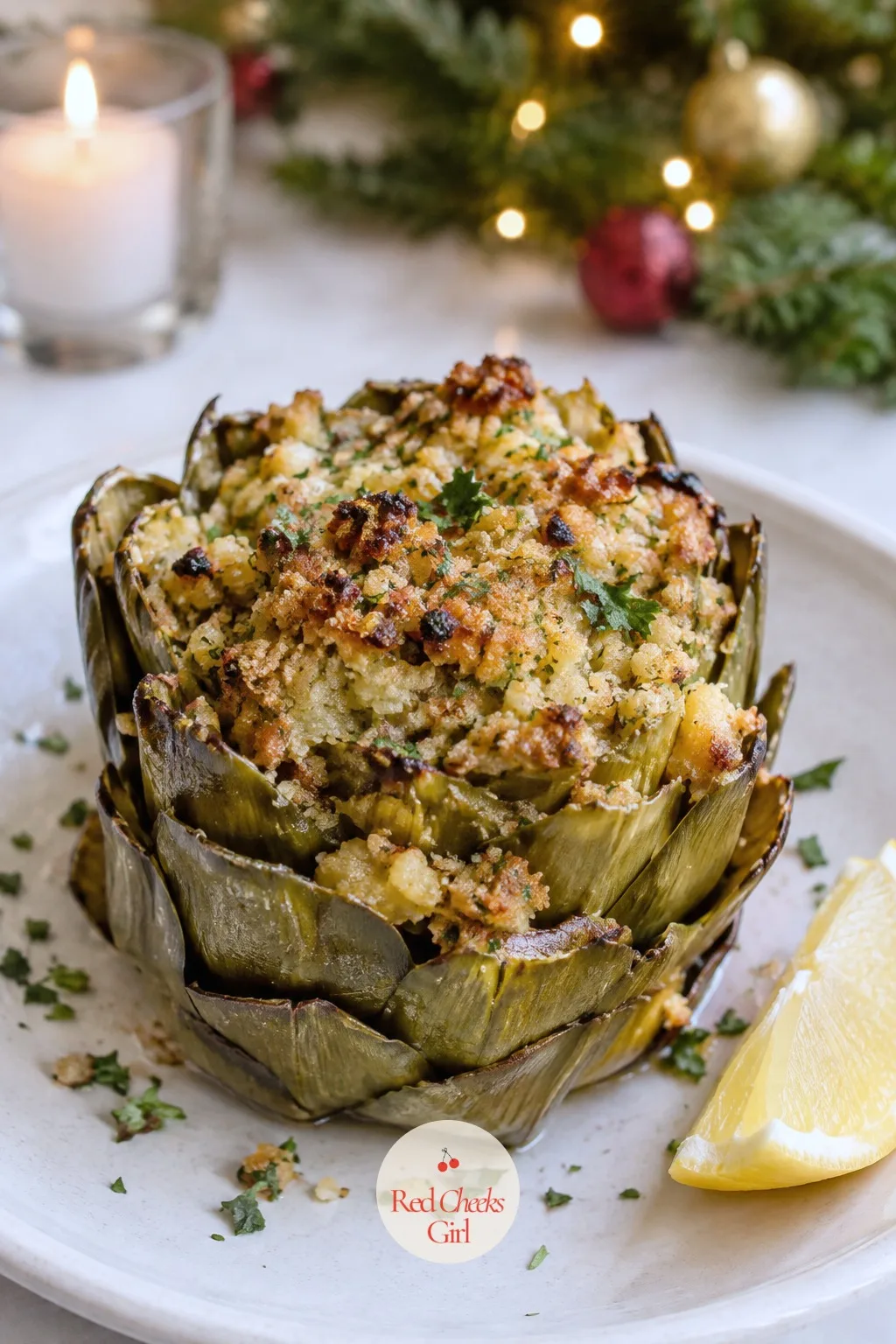
Nobody is neutral about stuffed artichokes, the first time at the table there is usually a tutorial on how to eat one leaf at a time.
Packing the breadcrumb filling between every leaf, not just on top, is what makes each bite worth the work. Serve them as a knife-and-fork antipasto, before the pasta but after the platter has already made the rounds.
Ingredients
- 4 large artichokes
- 1 lemon, halved
- 1.5 cups seasoned breadcrumbs
- 3/4 cup grated Parmesan
- 4 cloves garlic, minced
- 1/4 cup chopped fresh parsley
- 1/3 cup olive oil, divided
- 1/2 teaspoon salt
- 1/4 teaspoon black pepper
- 1 cup chicken or vegetable broth
Instructions
- Trim the stems off the artichokes so they sit flat, snip the thorny tips off each leaf with scissors, and rub every cut surface with the lemon to stop browning.
- Spread the outer leaves gently apart with your fingers to open room for the filling.
- In a bowl, mix the breadcrumbs, Parmesan, garlic, parsley, 1/4 cup of the olive oil, salt and pepper until it looks like damp sand.
- Pack a spoonful of the breadcrumb mixture down between each layer of leaves, working from the outside in, until the filling is used up.
- Stand the artichokes upright in a pot just wide enough to hold them snugly and pour the broth and remaining olive oil into the bottom of the pot.
- Cover and steam over medium low heat 45 minutes, checking the water level once, until a leaf pulls away easily and the base is tender when pierced with a knife.
- Lift the artichokes out carefully, they hold a lot of hot liquid inside.
- Let them rest 5 minutes before serving, with extra lemon wedges on the side.
Italian Wedding Soup
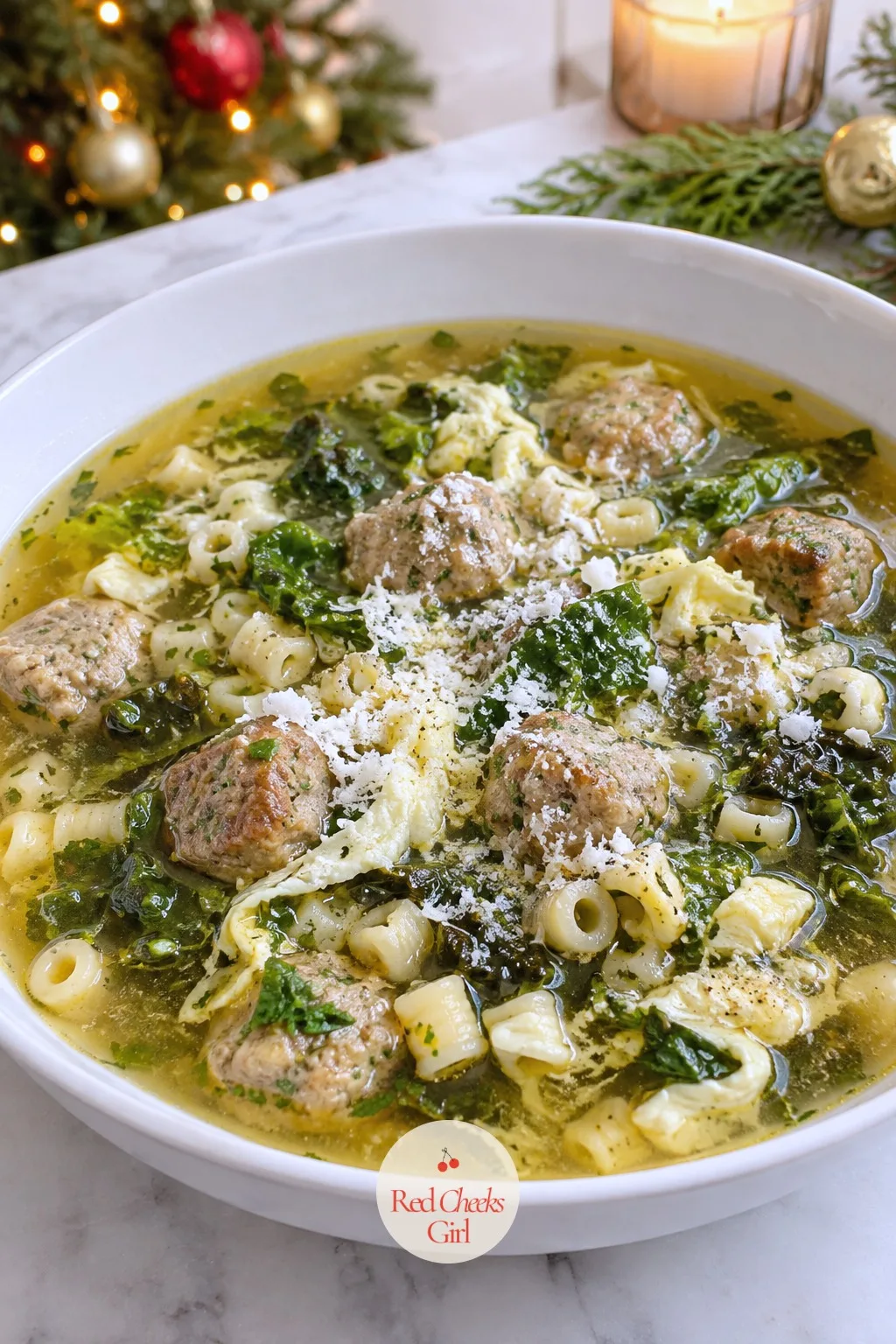
The name has nothing to do with weddings, it is a mistranslation of marriage, as in the greens and the broth marrying into something better than either alone.
Tiny meatballs the size of marbles cook directly in the simmering broth, no separate pan required. Serve this as the primo for anyone who wants something lighter than a full pasta course.
Ingredients
- 1/2 pound ground beef
- 1/2 pound ground pork
- 1/2 cup breadcrumbs
- 1/4 cup grated Parmesan, plus more to serve
- 1 large egg
- 2 cloves garlic, minced
- 2 tablespoons chopped fresh parsley
- 1/2 teaspoon salt, divided
- 10 cups chicken broth
- 1 small onion, diced
- 2 carrots, diced
- 2 celery stalks, diced
- 1 head escarole, chopped
- 1 cup small pasta, such as acini di pepe
- 1 large egg, beaten, for the broth
Instructions
- In a bowl, mix the ground beef, pork, breadcrumbs, Parmesan, 1 egg, garlic, parsley and 1/4 teaspoon of the salt until just combined, then roll into meatballs about the size of a marble, you should get around 40.
- In a large pot, bring the chicken broth to a simmer and add the onion, carrots and celery; cook 8 minutes until the vegetables soften.
- Drop the meatballs into the simmering broth one at a time and cook 6 minutes, until they float and are cooked through.
- Stir in the escarole and the remaining 1/4 teaspoon salt, and simmer 3 minutes until the greens wilt.
- Add the pasta and cook according to the package time, usually 7 to 9 minutes, until tender.
- Drizzle the beaten egg into the simmering soup in a thin stream while stirring gently, so it sets into fine ribbons rather than clumps.
- Taste and adjust the salt.
- Ladle into bowls and pass extra Parmesan at the table.
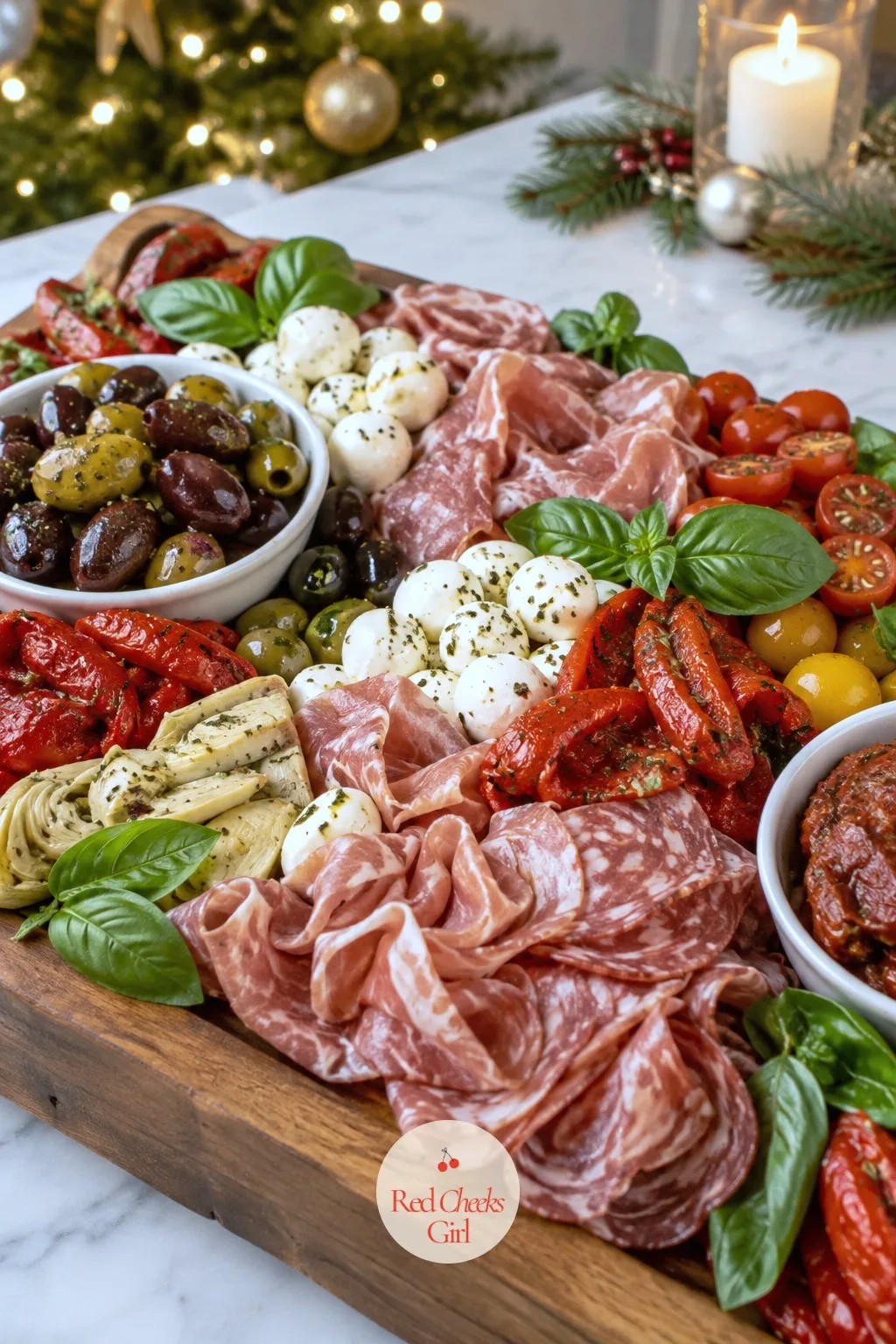
Antipasto Platter
This is the dish that buys you forty-five minutes of peace in the kitchen while everyone else picks at it by the tree.
There is no cooking here, only arranging, so give yourself permission to buy the best versions of everything instead of making any of it. It is the first thing on the table and sets the tone for the whole meal.
If the platter itself needs an upgrade before the cured meats go on it, 20 Christmas Dishes and Hosting Finds Your Holiday Table Has Been Waiting For has the boards and bowls worth owning.
Ingredients
- 8 oz thinly sliced prosciutto
- 8 oz thinly sliced soppressata or salami
- 8 oz fresh mozzarella balls (bocconcini)
- 8 oz provolone, cubed
- 1 cup marinated artichoke hearts
- 1 cup mixed olives
- 1 cup roasted red peppers, sliced
- 1/2 cup sun-dried tomatoes
- 1 pint cherry tomatoes
- 1 baguette or box of crackers
- Fresh basil leaves, for garnish
Instructions
- Pick a large board or platter, the wider the better, this dish is about surface area.
- Fold the prosciutto and soppressata into loose ribbons rather than flat stacks, it looks fuller and pulls apart easier for guests.
- Group the mozzarella, provolone and cherry tomatoes together in small clusters rather than scattering them randomly, clusters read as intentional.
- Spoon the artichoke hearts, olives, roasted peppers and sun-dried tomatoes into the gaps between the meats and cheeses.
- Tuck the sliced baguette or crackers into any remaining open space.
- Tuck a few basil leaves throughout the board right before guests arrive, they wilt fast once out of the fridge.
🛍 Shopping guide
Sauteed Escarole with White Beans and Garlic
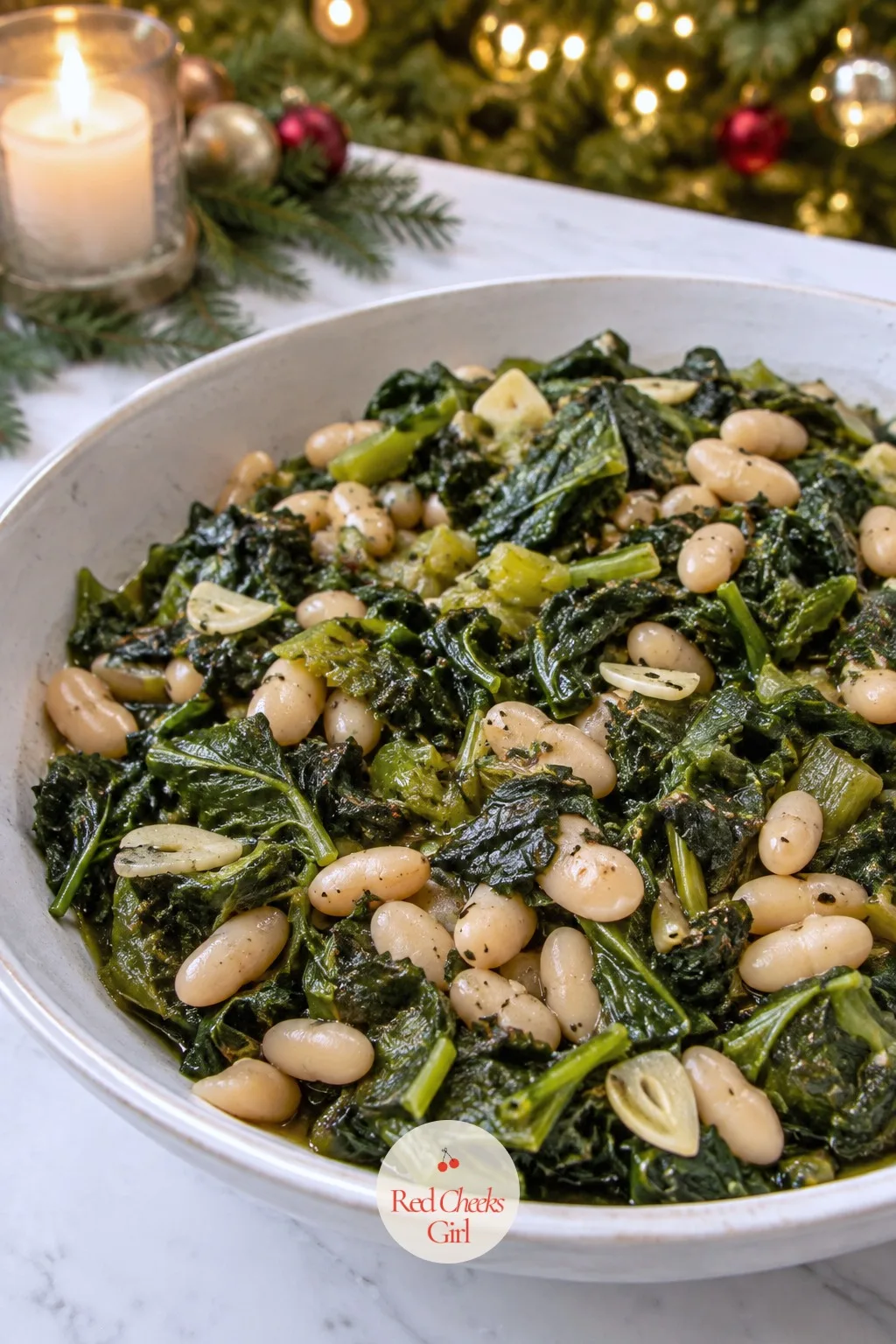
Escarole has a reputation for bitterness it does not fully deserve, a quick saute with garlic and beans turns it mellow and almost creamy.
This is the green that keeps the meal from feeling like all carbs and cheese. Serve it as a contorno alongside the cacciatore or the meatballs, in the same wide bowl if plates are already crowded.
Ingredients
- 2 tablespoons olive oil
- 4 cloves garlic, sliced thin
- 1/4 teaspoon red pepper flakes
- 2 heads escarole, chopped and washed
- 1 (15 oz) can cannellini beans, drained and rinsed
- 1/2 cup chicken or vegetable broth
- Salt, to taste
- Juice of 1/2 lemon
Instructions
- Heat the olive oil in a large, deep skillet over medium heat and add the garlic and red pepper flakes, cook 1 minute until the garlic turns light gold, not brown.
- Add the escarole in handfuls, letting each addition wilt down before adding more, this keeps it from spilling over the pan.
- Pour in the broth, cover, and cook 5 minutes until the escarole is fully tender.
- Stir in the cannellini beans and cook, uncovered, 3 more minutes until warmed through and most of the liquid has reduced.
- Season with salt and the lemon juice, tasting as you go.
- Transfer to a wide, shallow bowl and serve warm, alongside whichever secondo is on the table.
Roasted Rosemary Potatoes
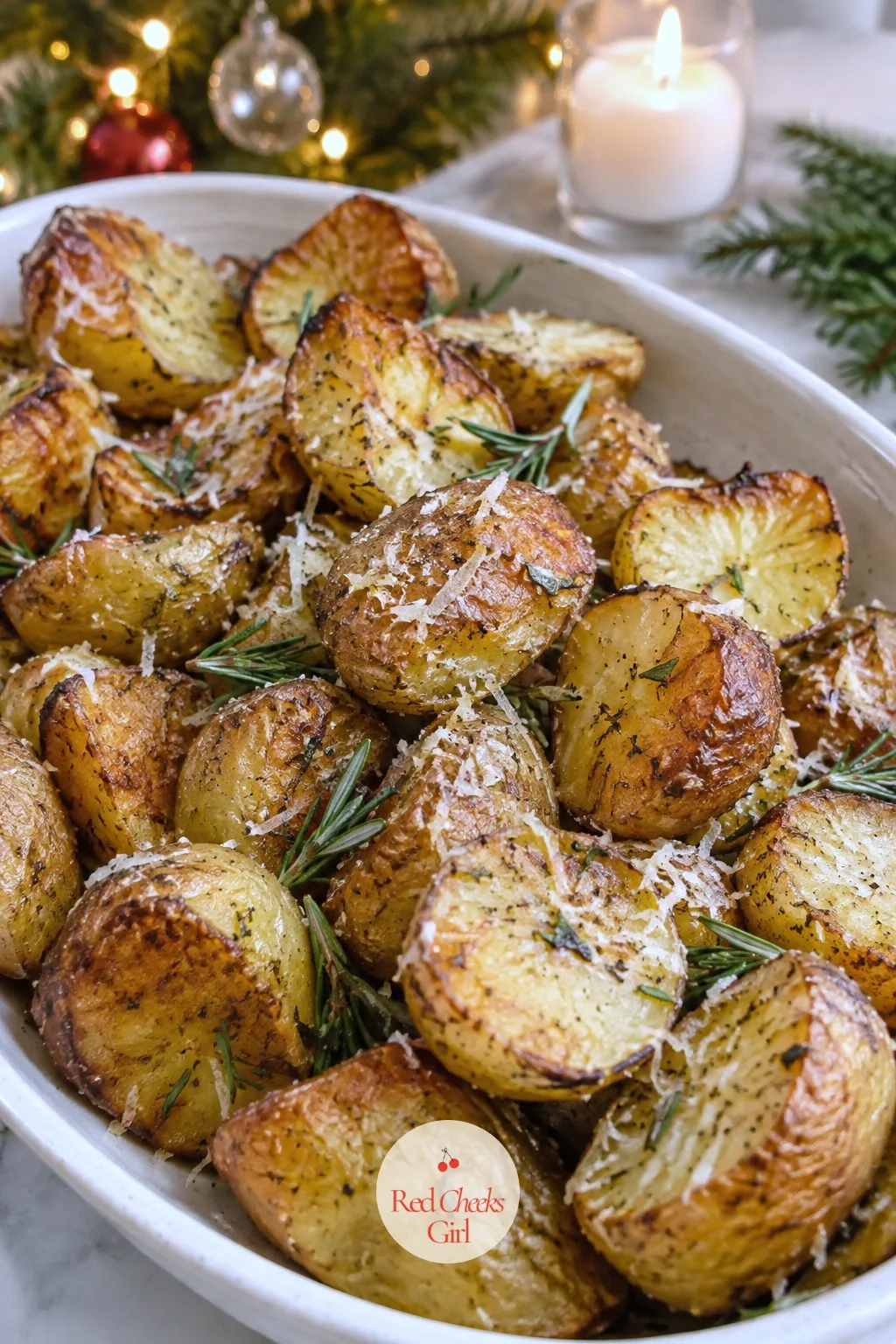
Potatoes do not need to be clever at Christmas, they need to be crisp outside and soft inside, and roasting them hot and undisturbed gets there every time.
Spreading them in a single layer with room to breathe is the whole secret, crowd the pan and they steam instead of roast. Serve as the contorno next to anything braised, the sauce is begging for something to soak it up.
Ingredients
- 3 pounds baby potatoes, halved
- 1/3 cup olive oil
- 4 cloves garlic, minced
- 2 tablespoons chopped fresh rosemary
- 1 teaspoon salt
- 1/2 teaspoon black pepper
- 1/4 cup grated Parmesan (optional)
Instructions
- Preheat the oven to 425°F and line a large sheet pan with parchment.
- Toss the halved potatoes with the olive oil, garlic, rosemary, salt and pepper in a large bowl until every piece is coated.
- Spread the potatoes cut side down in a single layer on the sheet pan, leaving space between each piece.
- Roast 20 minutes without touching the pan, this is what builds the crisp bottom crust.
- Flip each potato and roast 20 to 25 more minutes, until deeply golden and a fork slides in with no resistance.
- Scatter the Parmesan over the hot potatoes in the last 2 minutes of roasting, if using, so it melts into a light crust.
- Transfer to a serving dish and serve immediately, while the edges are still crackling.
Garlic Knots
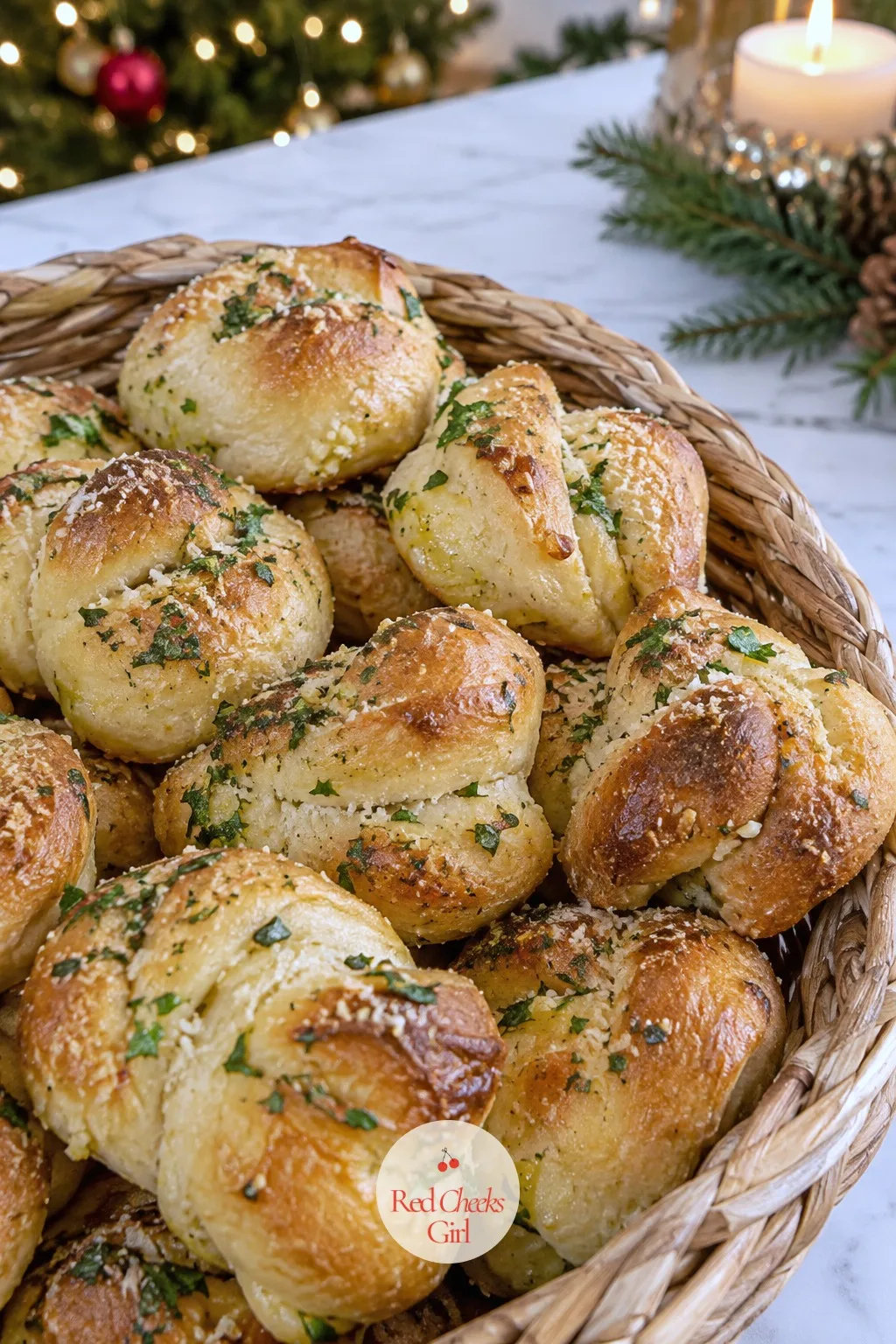
Garlic knots are the bread that disappears before dinner officially starts, pulled apart standing up while the lasagna is still in the oven.
Store-bought pizza dough makes this nearly effortless if homemade dough is one project too many this week. Serve them warm, straight from the oven, alongside the antipasto so there is something to tear while the rest of the meal finishes.
Ingredients
- 1 pound pizza dough (homemade or store-bought), at room temperature
- 1/4 cup unsalted butter, melted
- 4 cloves garlic, minced
- 1/4 cup chopped fresh parsley
- 1/2 cup grated Parmesan
- 1/2 teaspoon salt
- Flour, for dusting
Instructions
- Preheat the oven to 400°F and line a baking sheet with parchment.
- Divide the pizza dough into 15 equal pieces on a lightly floured surface.
- Roll each piece into a rope about 8 inches long, then tie it loosely into a knot, tucking the ends underneath.
- Arrange the knots on the baking sheet with about 2 inches between them.
- Cover loosely with a towel and let rest 30 minutes in a warm spot, until slightly puffed.
- Bake 15 minutes, until golden brown on top and the bottoms sound hollow when tapped.
- While the knots bake, whisk together the melted butter, garlic, parsley, Parmesan and salt in a small bowl.
- As soon as the knots come out of the oven, brush them generously with the garlic butter mixture while they are still hot, hot dough absorbs the butter instead of letting it sit on top.
- Let them sit 2 minutes so the butter sets slightly.
- Pile them into a basket or bowl and serve warm.
🛍 Shopping guide
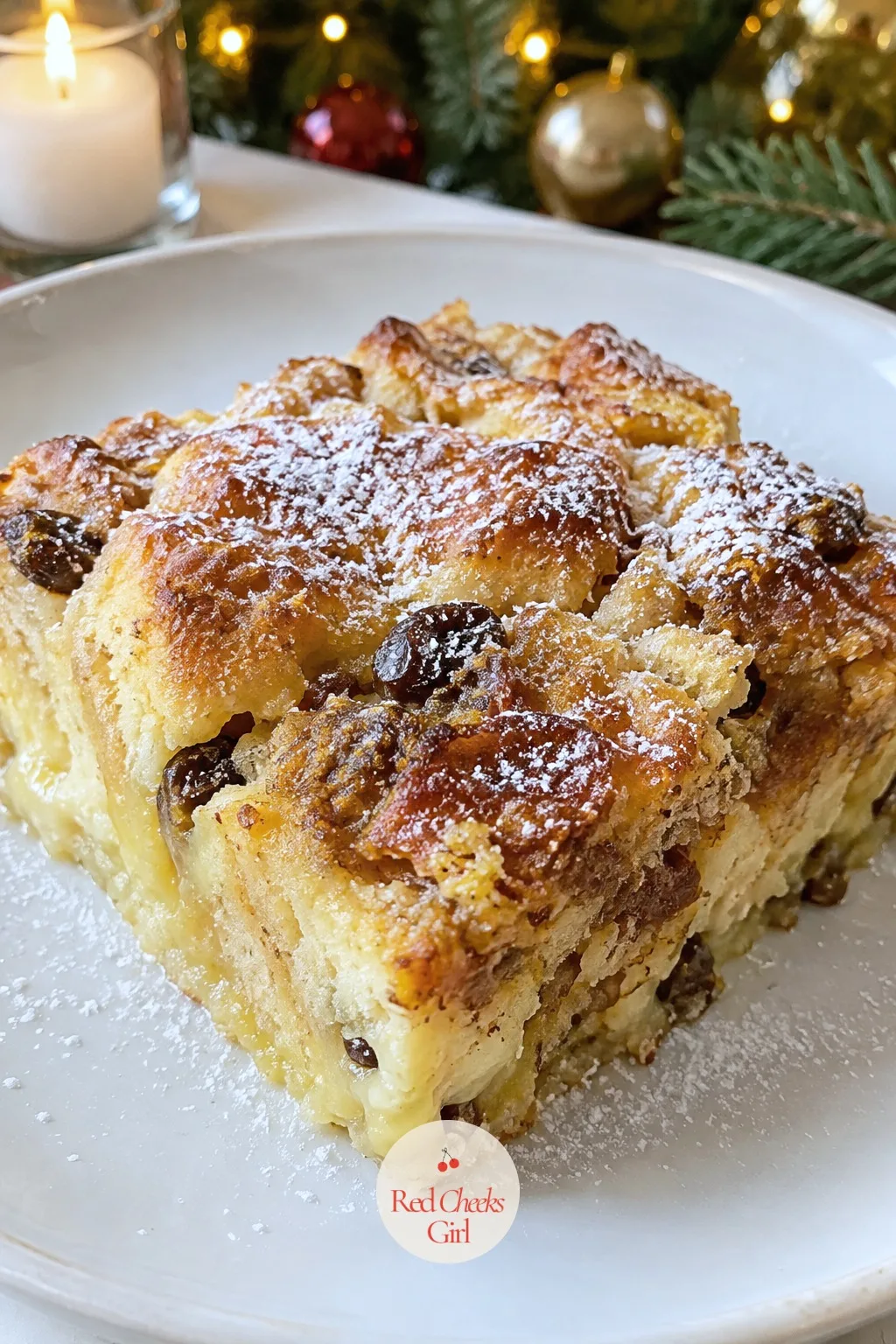
Panettone Bread Pudding
If there is panettone left over from gift exchanges, or an extra one bought on purpose, this is where it earns its keep.
Day-old panettone soaks up the custard better than fresh, so do not worry if it has gone slightly stale by now. Serve this as a second, lighter dolce for anyone who finds tiramisu too rich on its own.
If the dessert table needs more than custard, 20 Italian Christmas Cookies Nonna Makes Every December fills out the tray without any extra cooking tonight.
Ingredients
- 1 pound panettone, torn into large chunks
- 4 large eggs
- 2 cups whole milk
- 1 cup heavy cream
- 2/3 cup granulated sugar
- 1 teaspoon vanilla extract
- 2 tablespoons amaretto (optional)
- 1/4 teaspoon salt
- Powdered sugar, for dusting
Instructions
- Preheat the oven to 350°F and butter a 9×13 inch baking dish.
- Scatter the torn panettone evenly across the baking dish.
- In a large bowl, whisk together the eggs, milk, cream, granulated sugar, vanilla, amaretto if using, and salt until fully combined.
- Pour the custard mixture evenly over the panettone, pressing the pieces down gently with a spoon so they soak it up.
- Let it sit 20 minutes at room temperature, pressing down once or twice more, until the bread looks saturated rather than floating on top.
- Bake 40 to 45 minutes, until the top is puffed and golden and the center no longer jiggles when the dish is nudged.
- Check doneness by inserting a knife near the center, it should come out mostly clean with just a few moist crumbs.
- Let the pudding cool 10 minutes on a rack, it will deflate slightly as it sits, that is normal.
- Dust with powdered sugar just before serving, warm or at room temperature.
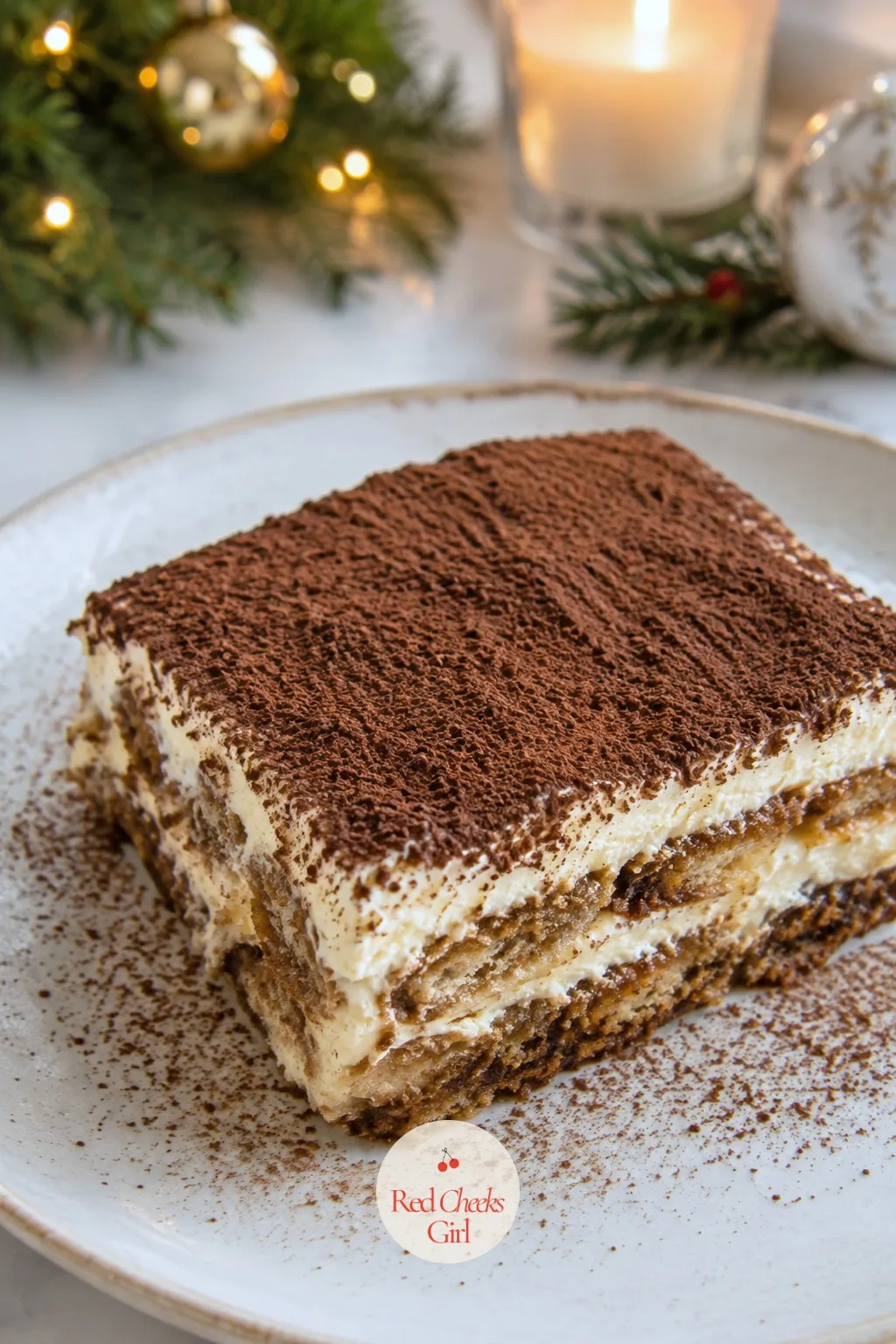
Tiramisu (Make Ahead the Night Before)
Tiramisu is the dessert that actually prefers to wait, the flavors need the overnight chill to settle into each other properly, so this is the one dish you can finish days before the chaos starts.
Cooking the egg yolks gently over simmering water before folding in the mascarpone keeps this version food safe without losing the texture that makes tiramisu what it is.
Cut it the next evening, straight from the fridge, and serve it as the dolce that ends the meal, with coffee alongside.
Ingredients
- 6 large egg yolks
- 3/4 cup granulated sugar, divided
- 1/4 cup water
- 16 oz mascarpone cheese, room temperature
- 1.5 cups heavy cream
- 2 cups strong brewed espresso or coffee, cooled
- 3 tablespoons coffee liqueur or marsala wine (optional)
- 2 (7 oz) packages ladyfingers
- 1/2 cup unsweetened cocoa powder, for dusting
Instructions
- Fill a saucepan with 2 inches of water and bring to a gentle simmer.
- In a heatproof bowl set over the simmering water (not touching it), whisk the egg yolks, 1/2 cup of the sugar and the water constantly for 7 to 8 minutes, until the mixture turns pale, thick and reaches 160°F on a thermometer, this cooks the yolks through for safety.
- Remove the bowl from the heat and whisk 2 more minutes to cool it slightly, then fold in the mascarpone until smooth.
- In a separate bowl, whip the heavy cream with the remaining 1/4 cup sugar to soft peaks.
- Fold the whipped cream into the mascarpone mixture in two additions, keeping it as light and airy as possible.
- Combine the cooled espresso with the coffee liqueur or marsala in a shallow dish.
- Dip each ladyfinger into the espresso mixture for only 1 second per side, they soak up liquid fast and turn to mush if you linger.
- Arrange a layer of dipped ladyfingers in the bottom of a 9×13 inch dish.
- Spread half the mascarpone mixture over the ladyfingers, then repeat with a second layer of dipped ladyfingers and the remaining mascarpone mixture.
- Cover and refrigerate overnight, at least 8 hours, this is what sets the layers so they slice cleanly.
- Dust generously with cocoa powder right before serving.
🛍 Shopping guide
Struffoli (Honey Balls)
Struffoli looks like it took all day and actually takes less effort than the garlic knots, small fried dough balls piled into a glossy mound of honey.
Kids can roll the dough into balls while the adults handle the frying, it is the one dish on this table built for extra hands. Pile it in the center as the final dolce, with coffee and whatever is left of the wine.
Ingredients
- 3 cups all-purpose flour
- 3 large eggs
- 3 tablespoons granulated sugar
- 2 tablespoons unsalted butter, melted
- 1 teaspoon vanilla extract
- 1/4 teaspoon salt
- Vegetable oil, for frying
- 1 cup honey
- Rainbow sprinkles, for topping
- Zest of 1 orange
Instructions
- In a large bowl, whisk together the flour, sugar and salt.
- Add the eggs, melted butter and vanilla, and mix until a soft dough forms; knead it on a lightly floured surface 3 minutes until smooth.
- Roll the dough into ropes about 1/2 inch thick, then cut each rope into pea-sized pieces.
- Roll each piece briefly between your palms into a small ball.
- Heat 2 inches of vegetable oil in a deep pot to 350°F and fry the dough balls in small batches, 2 to 3 minutes, until golden brown all over; drain on paper towels.
- In a large skillet, warm the honey over low heat until it loosens and turns fluid, about 3 minutes, do not let it boil.
- Add the fried dough balls to the skillet and toss gently until every piece is coated in honey.
- Pile the struffoli onto a serving plate in a mound, scatter the sprinkles and orange zest over the top while the honey is still warm so they stick.

Frequently Asked Questions
What wine pairs with an Italian Christmas dinner?
Match the wine to the course rather than the whole meal.
What is the difference between Christmas Eve and Christmas Day menus?
Christmas Eve, La Vigilia, stays meatless and seafood focused, while Christmas Day turns toward heartier food.
What can I serve guests who don’t eat seafood on Christmas Eve?
A simple tomato pasta or roasted vegetables works well as a stand-in.
How many courses does a traditional Italian Christmas dinner have?
A traditional spread runs through several distinct courses rather than one big plate.
What is the most traditional Italian Christmas dessert?
Panettone holds that title across most of Italy. the tall, airy sweet bread studded with candied fruit that shows up on nearly every table in December.
How far in advance can you make tiramisu?
Tiramisu can be made up to two days ahead and actually improves overnight as the layers settle, which is why this version is built the night before serving.
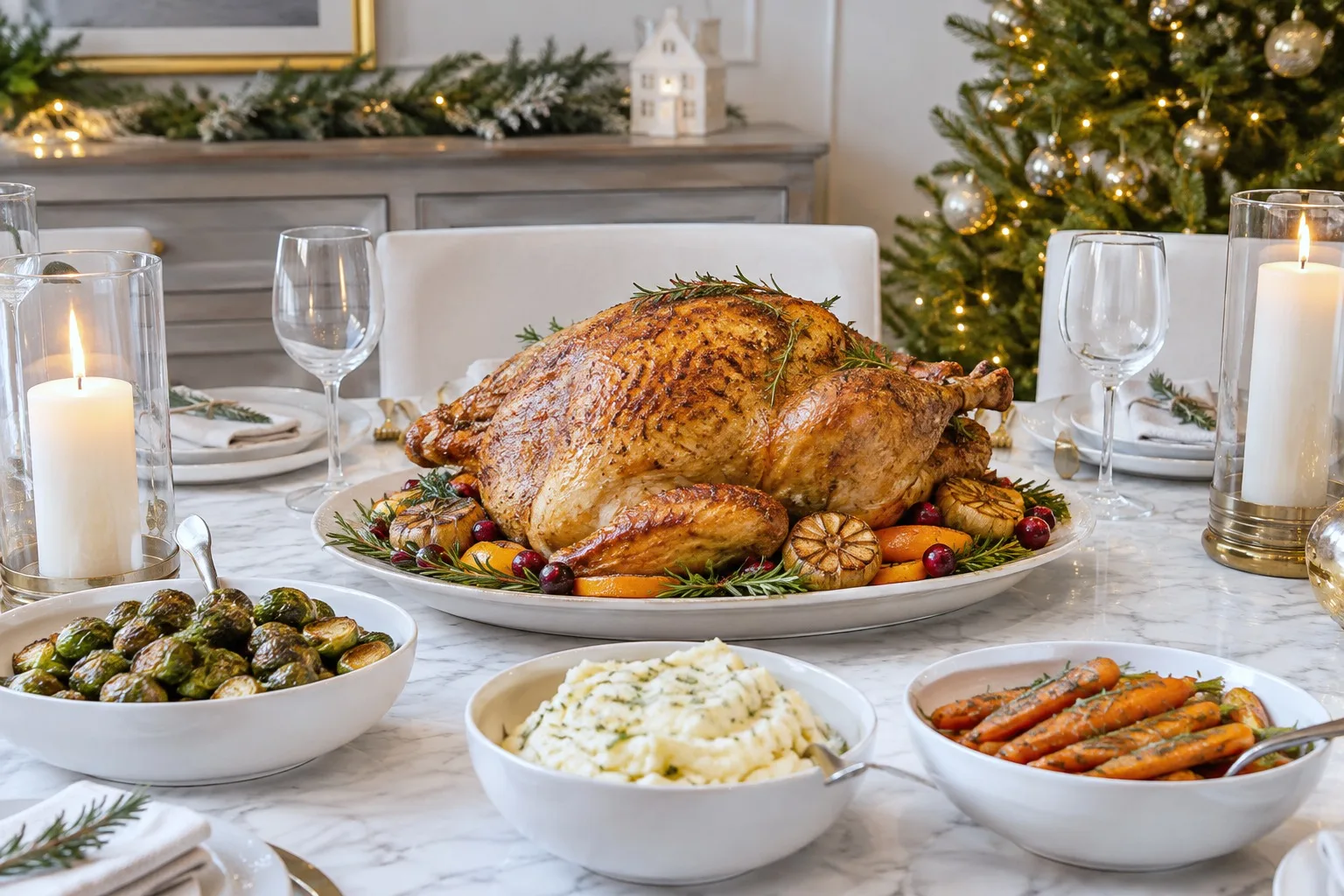
16 Christmas dinner ideas for main dishes, from a pastry-wrapped beef Wellington down to a slow cook
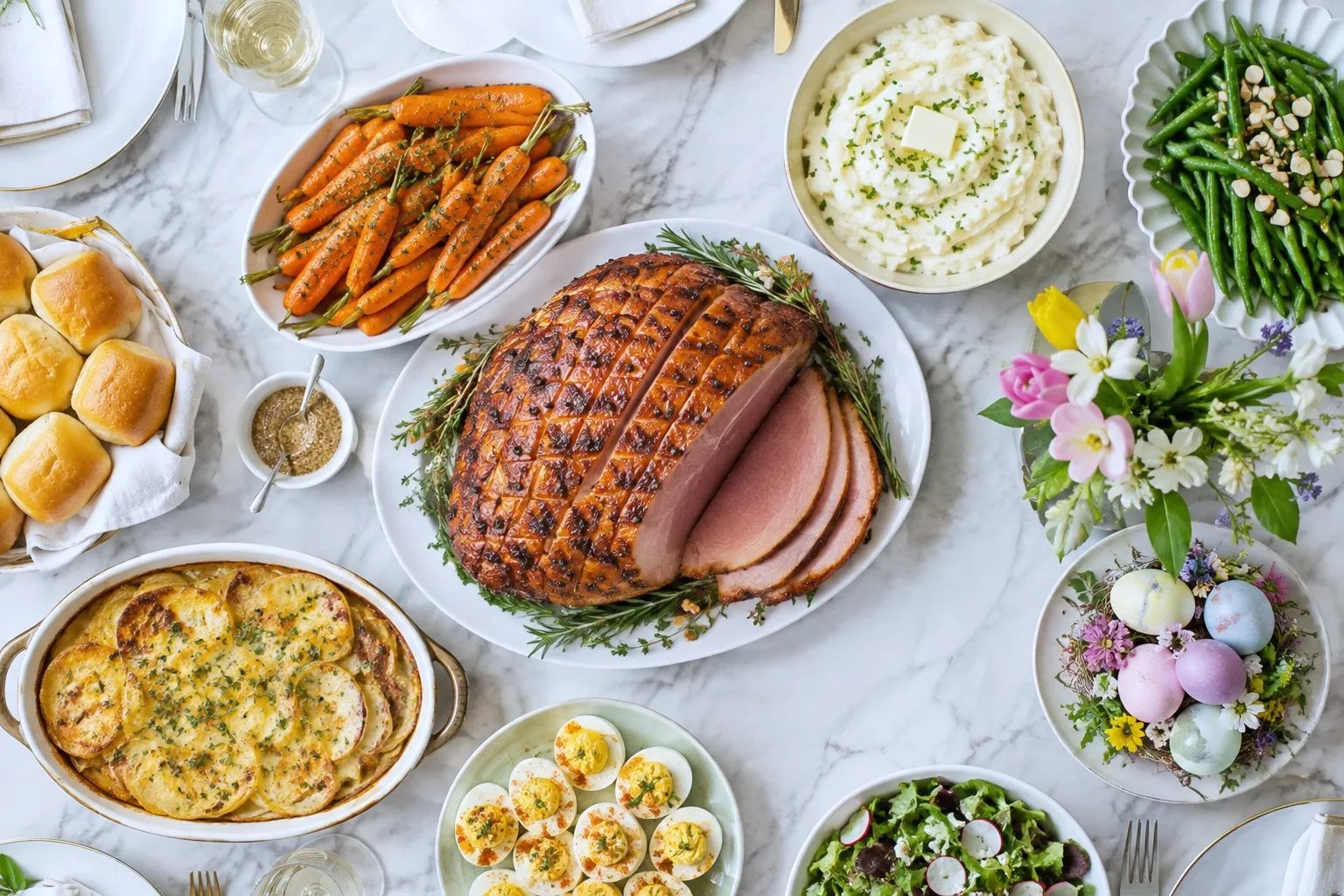
17 Easter dinner recipes from slow cooker ham and herb crusted lamb to deviled eggs, sides and cocon
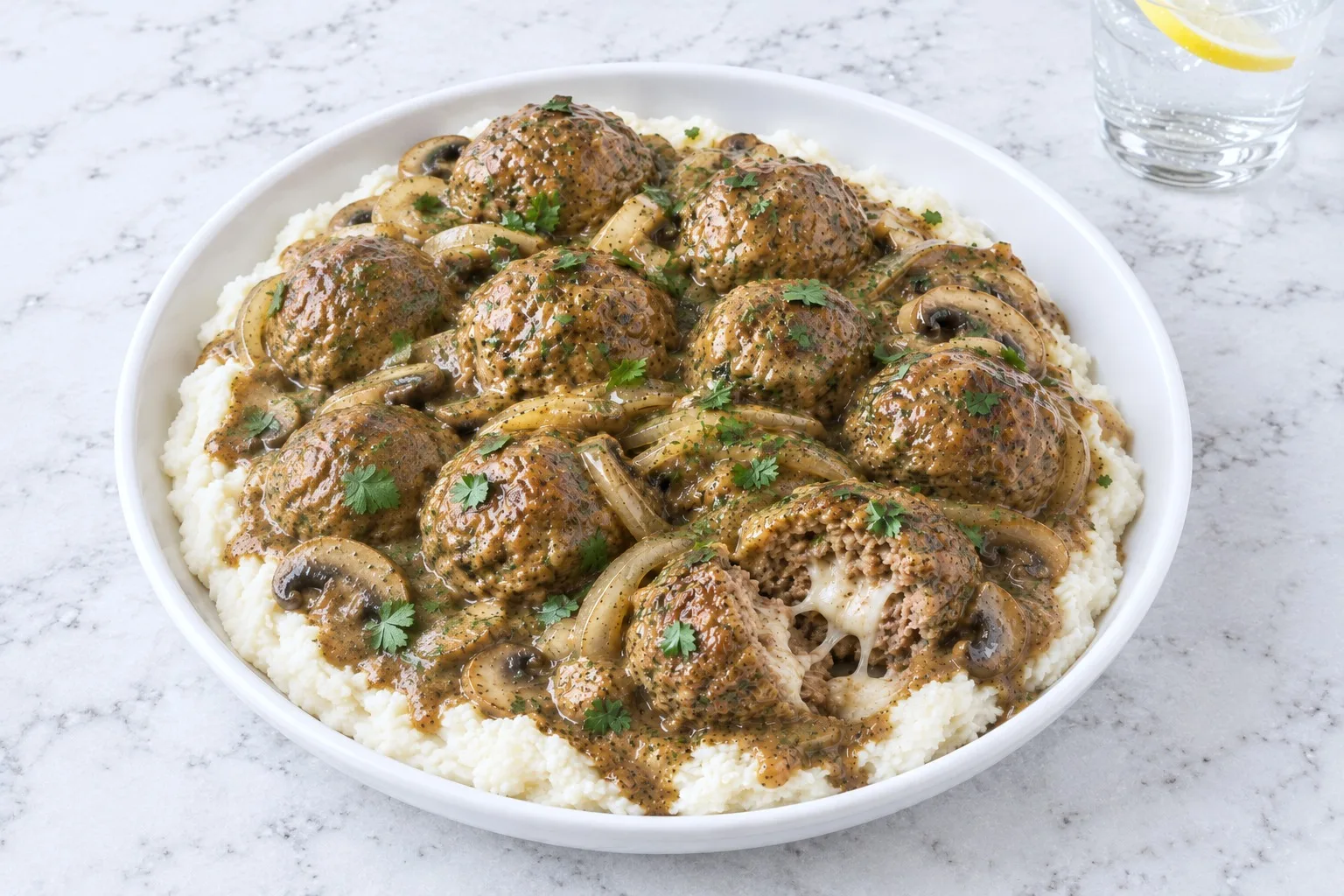
Salisbury steak meatballs simmer in onion and mushroom gravy for a cozy dinner over mashed potatoes,
Leave a Reply