


Chronic stress keeps cortisol levels elevated, leading to anxiety, poor sleep, weight gain, and exhaustion. While diet and sleep are essential for hormone balance, what you do in your free time matters just as much.
The problem is that most stress-relief advice sounds like homework: meditate for 30 minutes, practice gratitude journaling, do deep breathing exercises. These work, but they feel like chores when you’re already overwhelmed.
What if stress relief could actually be enjoyable? Research shows that certain hobbies naturally lower cortisol while providing genuine pleasure and engagement. These aren’t just distractions—they’re activities that measurably reduce stress hormones and improve overall wellbeing.
Here are 12 cortisol-reducing hobbies backed by scientific research that don’t feel like adding another task to your already-full schedule.
Quick disclosure: This post contains affiliate links. If you buy something through these links, a small commission may be earned at no extra cost to you. This is general information about stress management—not medical advice. If you have serious mental health concerns or diagnosed conditions, consult your healthcare provider.
How Cortisol-Reducing Hobbies Work
Hobbies affect cortisol through several mechanisms:
Flow state activation: Activities that fully absorb your attention quiet the stress response and lower cortisol. Your brain can’t simultaneously worry about deadlines and focus on creating something.
Mindfulness without trying: Repetitive, hands-on activities create natural mindfulness—you’re present in the moment without forcing it.
Social connection: Many hobbies involve community, which is one of the most powerful cortisol-lowering interventions.
Sense of accomplishment: Completing projects or improving skills increases dopamine and serotonin, which counteract cortisol.
Physical relaxation: Certain hobbies activate the parasympathetic nervous system (rest-and-digest), which directly lowers cortisol.
Creative expression: Processing emotions through creative outlets reduces the emotional burden that keeps cortisol elevated.
The key is consistency. Doing one of these activities once won’t transform your stress levels, but incorporating them regularly as part of a comprehensive approach—including strategies from how to lower cortisol naturally—produces measurable results.
1. Gardening (The Outdoor Stress-Buster)
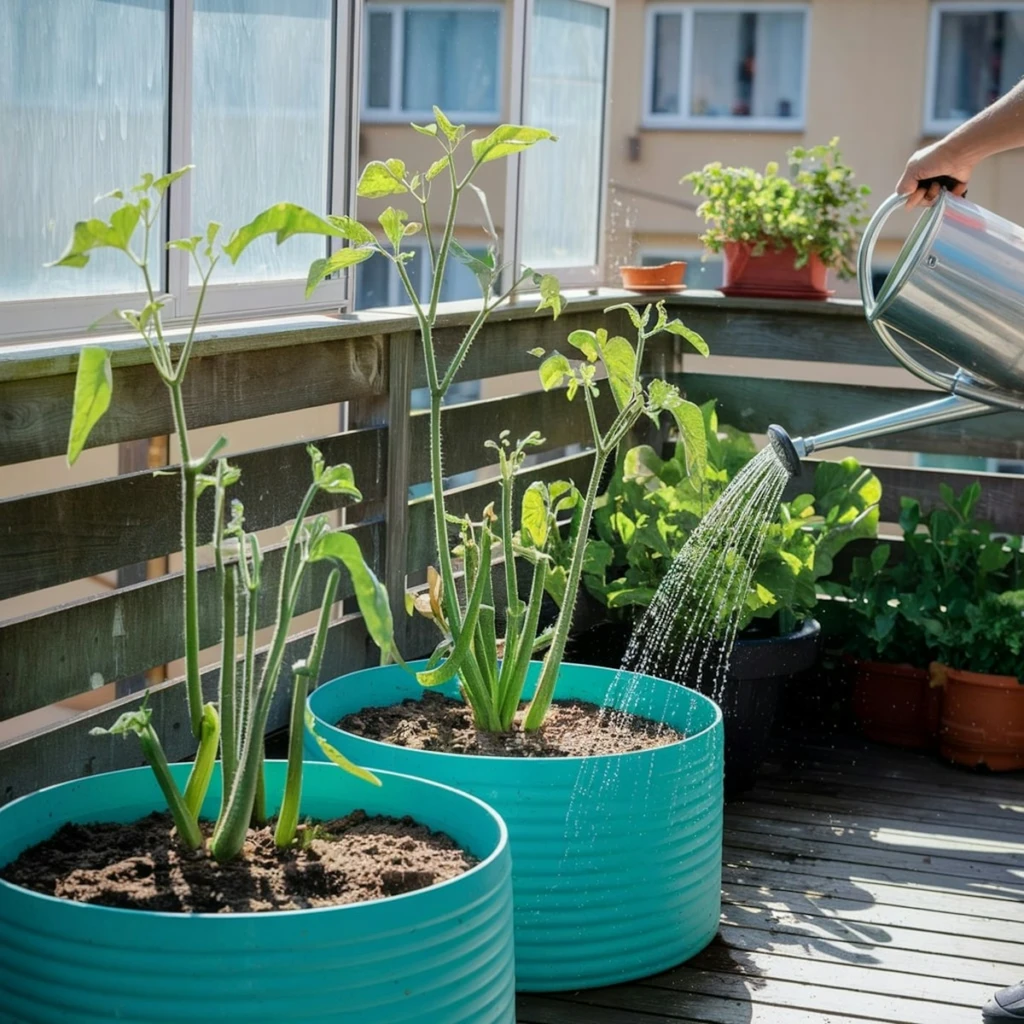
Gardening combines physical activity, time in nature, and hands-on engagement with living things—a trifecta for cortisol reduction.
Research: A 2011 study published in the Journal of Health Psychology found that gardening significantly reduced cortisol levels more effectively than indoor reading. Participants who gardened after a stressful task showed greater cortisol reduction and reported better mood.
Why it works: Physical contact with soil contains Mycobacterium vaccae, bacteria that may increase serotonin production. Sunlight exposure regulates circadian rhythms and vitamin D production, both important for cortisol regulation. The repetitive motions of planting, weeding, and watering create natural mindfulness.
How to start:
- Container gardening on a balcony if you don’t have yard space
- Start with easy plants: herbs (basil, mint), cherry tomatoes, or succulents
- Spend 20-30 minutes 3-4 times per week
Budget: Low to moderate. Seeds and basic supplies cost $20-50 to start.
Get started:
2. Knitting, Crocheting, or Needlework (The Meditative Craft)
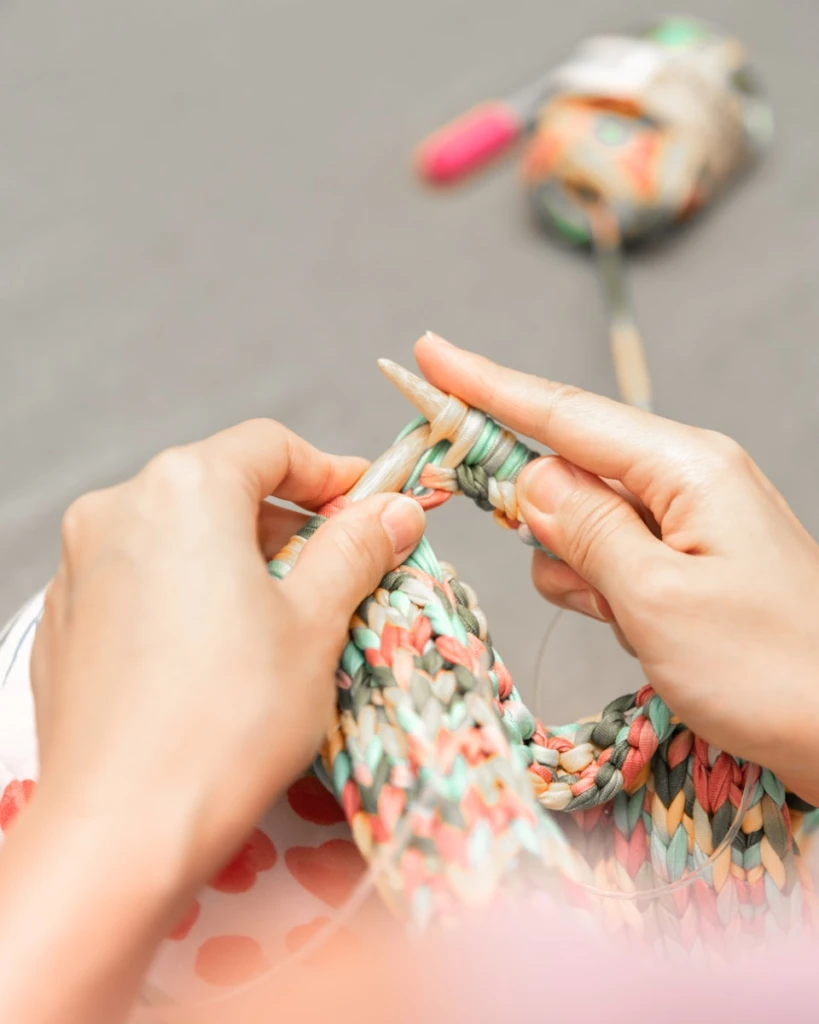
Repetitive handwork like knitting or crocheting creates a meditative state that naturally lowers cortisol and anxiety.
Research: A 2013 study in the British Journal of Occupational Therapy found that knitting significantly reduced stress and increased feelings of calm and happiness. The repetitive motions activate the parasympathetic nervous system, lowering heart rate and cortisol.
Why it works: The rhythmic, repetitive movements create a flow state. Your hands are busy, which occupies the part of your brain that would otherwise spin with anxious thoughts. Completing projects provides tangible evidence of accomplishment.
How to start:
- YouTube tutorials for basic stitches
- Start with simple projects: scarves, dishcloths, or simple beanies
- 20-30 minutes daily or several times per week
Budget: Low. Yarn and needles cost $15-30 to start.
Get started:
3. Reading Fiction (The Mental Escape)

Reading literary fiction—as opposed to work-related material or news—provides cognitive escape that significantly reduces cortisol.
Research: A 2009 study at the University of Sussex found that reading for just 6 minutes reduced stress levels by 68%, lowering heart rate and easing muscle tension more effectively than listening to music or drinking tea.
Why it works: Immersing yourself in a story shifts your brain away from rumination and worry. The narrative engagement activates different neural pathways than those involved in stress responses. Fiction specifically enhances empathy and emotional processing.
How to start:
- Pick a genre you genuinely enjoy, not what you think you “should” read
- Read for 15-30 minutes before bed instead of scrolling
- Join a book club for social connection benefits
Budget: Free (library) to low (buying books).
Genre suggestions:
- Mystery/thriller: engaging without being triggering
- Fantasy/sci-fi: complete mental escape
- Historical fiction: immersive and educational
- Romance: predictable happy endings reduce anxiety
Get started:
- Kindle Paperwhite for reading before bed (blue light filter)
- Join your local library (completely free)
4. Baking or Cooking (The Creative-Practical Hybrid)
Cooking and baking engage multiple senses, require focus, and produce tangible results—all of which reduce stress and cortisol.
Research: Studies on “behavioral activation therapy” show that engaging in goal-directed activities like cooking improves mood and reduces stress. The mindful attention required for following recipes creates a meditative state.
Why it works: Measuring, mixing, and timing require present-moment awareness. The sensory experience (smells, textures, tastes) grounds you in your body. Sharing food with others adds social connection benefits. Completing a recipe provides immediate accomplishment.
How to start:
- Choose recipes with 5-7 ingredients, not 20
- Bake simple items: cookies, muffins, quick breads
- Cook one new recipe per week
Bonus: Pairs perfectly with cortisol-reducing foods and low cortisol diet meal planning.
Budget: Low to moderate. Use ingredients you already buy.
Get started:
5. Coloring or Drawing (The Accessible Art Form)

Adult coloring books and simple drawing exercises reduce cortisol by engaging the creative brain without requiring artistic skill.
Research: A 2017 study in the Art Therapy Journal found that 45 minutes of art-making significantly reduced cortisol levels regardless of artistic experience or talent.
Why it works: Coloring and drawing occupy the analytical left brain, quieting the anxious chatter. Choosing colors and patterns provides gentle decision-making that feels manageable. The repetitive motion of coloring is meditative. No pressure for the result to be “good.”
How to start:
- Adult coloring books (mandalas, nature scenes, geometric patterns)
- Colored pencils or markers
- 15-30 minutes when you need to unwind
Budget: Very low. Coloring books and pencils cost $15-25 total.
Get started:
6. Playing a Musical Instrument (The Flow-State Generator)
Playing music engages multiple brain regions simultaneously, creating a flow state that naturally lowers cortisol and stress.
Research: A 2013 study found that playing a musical instrument reduces cortisol and increases immunoglobulin A (immune function marker). Even beginners showed stress reduction benefits after 30 minutes of practice.
Why it works: Music requires full cognitive engagement—reading notes, coordinating hands, listening critically. This complete absorption quiets stress responses. The rhythmic nature of music entrains breathing and heart rate, activating relaxation responses.
How to start:
- Pick an instrument that appeals to you: ukulele (easy to learn), keyboard, guitar, drums
- Start with 15-20 minute practice sessions
- Use apps or YouTube for free lessons
- Don’t aim for perfection—aim for enjoyment
Budget: Moderate. Entry-level instruments cost $50-150.
Get started:
7. Puzzles and Jigsaw Puzzles (The Meditative Problem-Solving)
Working on puzzles provides focused attention without high stakes, which naturally reduces cortisol and anxiety.
Research: Studies show that puzzles engage the brain in a way that promotes relaxation while improving cognitive function. The combination of focus and low-pressure problem-solving reduces stress hormones.
Why it works: Puzzles require enough attention to quiet rumination but not so much that they create stress. The incremental progress provides frequent small wins. The repetitive searching and fitting is meditative. Completing a puzzle releases dopamine (reward neurotransmitter).
How to start:
- Jigsaw puzzles: 500-1000 pieces for moderate challenge
- Sudoku, crosswords, logic puzzles for 15-20 minutes daily
- Leave a puzzle out so you can work on it in short sessions
Budget: Very low. Puzzles cost $10-20 and can be reused or swapped.
Get started:
8. Walking in Nature (The Simple Powerhouse)

Walking in natural settings—parks, forests, trails—reduces cortisol more effectively than urban walking or indoor exercise.
Research: A 2019 study published in Frontiers in Psychology found that just 20 minutes of nature exposure significantly lowered cortisol levels. Participants who walked in nature showed greater cortisol reduction than those who walked in urban environments.
Why it works: Natural environments reduce mental fatigue and rumination. The irregular terrain requires gentle attention, creating mindfulness without effort. Sunlight exposure regulates circadian rhythms. Fresh air and negative ions (near water or trees) may directly affect stress hormones.
How to start:
- Find a local park, trail, or green space
- Walk for 20-40 minutes 3-5 times per week
- Leave your phone in your pocket or at home
- Notice details: bird sounds, tree patterns, changing seasons
Budget: Free.
Pairs with: Morning cortisol drinks before your walk, or cortisol-lowering breakfast afterward.
9. Photography (The Mindful Observation Practice)
Photography—even casual smartphone photography—encourages present-moment awareness and shifts focus away from stressors.
Research: Studies on attention and mindfulness show that activities requiring visual focus and composition reduce rumination and stress. Photography specifically encourages noticing beauty and details in everyday environments.
Why it works: Looking for interesting shots requires full sensory engagement. Composition decisions occupy the analytical brain. Reviewing and editing photos provides a secondary relaxation activity. Sharing photos creates social connection.
How to start:
- Use your smartphone camera
- Pick a theme: nature, architecture, street scenes, macro details
- Take a 30-minute “photo walk” weekly
- Join online photography communities for feedback and inspiration
Budget: Free (phone camera) to moderate (entry-level camera $300-500).
Get started:
- Smartphone photography editing apps (most are free)
- Beginner DSLR camera if you want to invest
10. Yoga or Gentle Stretching (The Body-Mind Connection)
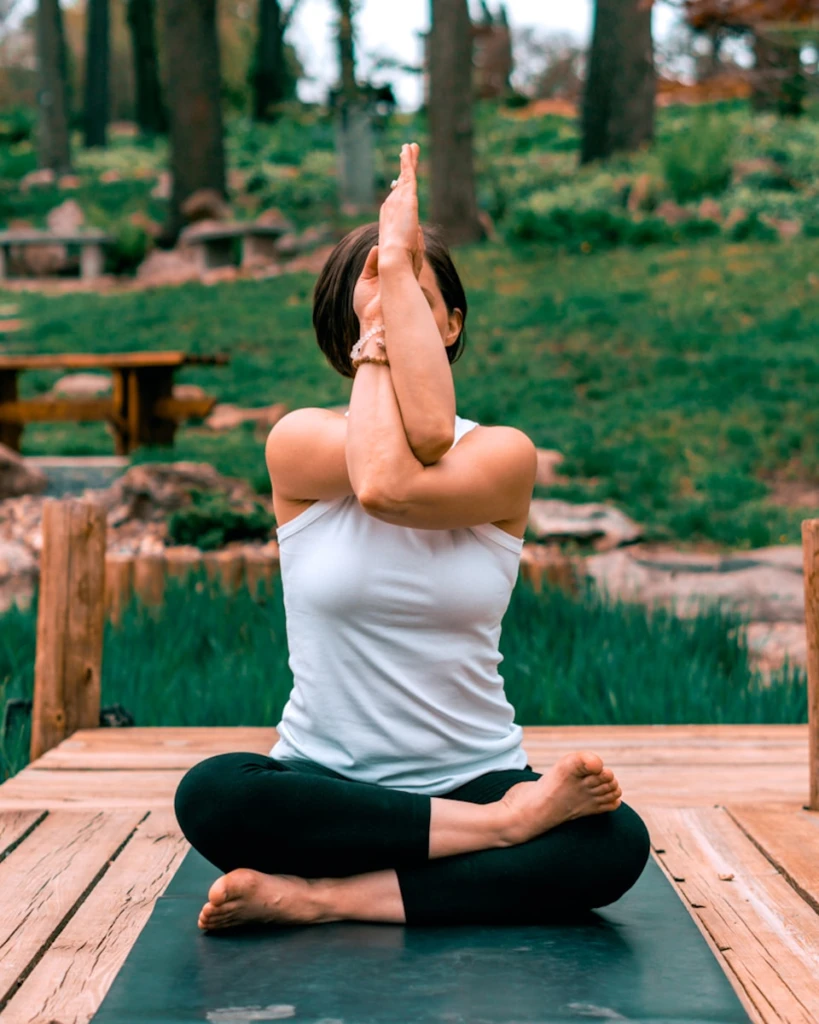
Yoga combines movement, breathing, and mindfulness—all proven to lower cortisol and activate relaxation responses.
Research: A 2017 meta-analysis found that yoga significantly reduces cortisol levels, with effects increasing over time with regular practice. Even gentle, restorative yoga shows benefits.
Why it works: Controlled breathing activates the parasympathetic nervous system. Stretching releases muscle tension where stress accumulates. Mind-body awareness interrupts rumination. The combination of movement and stillness regulates the nervous system.
How to start:
- YouTube yoga videos (free)
- Start with restorative or beginner flows (20-30 minutes)
- Focus on how it feels, not how it looks
- 3-5 times per week for best results
Budget: Free (online videos) to low (yoga mat $20-40).
Get started:
- Yoga mat with alignment marks
- Yoga blocks and strap set
- YouTube channels: Yoga With Adriene, Yin Yoga, Restorative Yoga
11. Journaling or Creative Writing (The Emotional Processing Tool)
Writing—whether journaling, poetry, or creative fiction—helps process emotions and reduces cortisol by externalizing thoughts.
Research: A landmark study by psychologist James Pennebaker found that expressive writing about stressful experiences significantly reduced cortisol and improved immune function. Benefits appeared even with just 15-20 minutes of writing over 3-4 days.
Why it works: Writing externalizes anxious thoughts, making them less overwhelming. Narrative organization of experiences helps the brain process and integrate difficult emotions. Creative writing provides emotional distance while still allowing expression.
How to start:
- Morning pages: 3 pages of stream-of-consciousness writing daily
- Gratitude journaling: 3-5 things you’re grateful for
- Creative writing prompts for fiction or poetry
- 10-20 minutes daily or 3-4 times per week
Budget: Very low. Notebook and pen cost $5-15.
Get started:
12. Board Games or Card Games (The Social Stress-Buster)

Playing games with friends or family combines social connection, laughter, and focused attention—all cortisol-lowering activities.
Research: Studies show that social play and laughter significantly reduce cortisol while increasing oxytocin (bonding hormone) and endorphins (feel-good chemicals).
Why it works: Games require engagement that interrupts rumination. Social interaction provides connection, one of the most powerful stress buffers. Laughter triggers immediate physiological relaxation responses. Friendly competition provides low-stakes excitement.
How to start:
- Weekly game night with friends or family
- Strategy games, cooperative games, or light party games
- 1-2 hours per session
Budget: Low to moderate. Games cost $15-50.
Get started:
- Beginner board games for adults
- Cooperative board games (everyone works together, less competitive stress)
- Classic card games
How to Choose the Right Cortisol-Reducing Hobby
Ask yourself:
Do I prefer solitary or social activities?
- Solitary: reading, gardening, coloring, journaling, puzzles
- Social: board games, cooking with others, group yoga, photography clubs
Do I want physical movement or quiet focus?
- Movement: yoga, nature walks, gardening
- Quiet: knitting, reading, puzzles, coloring
Do I want to create something tangible?
- Yes: baking, knitting, gardening, photography, drawing
- No: reading, walking, yoga, games
What’s my budget?
- Free or very low: walking, journaling, library books, puzzles
- Low: coloring, knitting, baking, yoga mat
- Moderate: musical instrument, camera, board game collection
How much time do I have?
- 15-20 minutes: coloring, journaling, reading, stretching
- 30-60 minutes: baking, gardening, walking, yoga, games
- Flexible: most hobbies can adapt to available time
The best hobby is one you’ll actually do consistently. Pick something that genuinely appeals to you, not what you think you “should” enjoy for stress relief.
Building a Cortisol-Reducing Routine
Weekly schedule example:
Monday: 30-minute nature walk after work Tuesday: 20 minutes knitting or coloring while listening to podcast Wednesday: 45-minute yoga session Thursday: 30 minutes baking or cooking a new recipe Friday: Board game night with friends or partner Saturday: 1-2 hours gardening or photography walk Sunday: Morning journaling + afternoon reading
Pair hobbies with other cortisol-lowering strategies:
- Drink cortisol-lowering herbal tea while reading or knitting
- Follow low cortisol diet principles when baking
- Have an evening cortisol drink after your hobby time
What Doesn’t Work: Fake Stress Relief
Not all “relaxing” activities actually lower cortisol:
Scrolling social media: Increases cortisol due to comparison, information overload, and blue light exposure.
Binge-watching TV: Passive consumption doesn’t engage the brain in stress-reducing ways. Some shows (especially news or intense dramas) may increase cortisol.
Shopping as therapy: Provides short dopamine hit but doesn’t address underlying stress. Financial stress from overspending raises cortisol.
Drinking alcohol: Temporarily feels relaxing but disrupts sleep and spikes cortisol later, especially at night.
Intense competitive sports: Can be healthy in moderation, but high-pressure competition may elevate rather than lower cortisol for some people.
The difference: cortisol-reducing hobbies engage your attention, provide flow states, and activate relaxation responses. Passive or addictive activities don’t.
Beyond Hobbies: Complete Cortisol Management
Hobbies are powerful tools, but they work best as part of a comprehensive stress management approach:
Sleep: 7-8 hours consistently. Poor sleep keeps cortisol elevated regardless of hobbies.
Nutrition: Balanced meals with cortisol-reducing foods support hormone regulation.
Caffeine reduction: Excessive caffeine, especially on an empty stomach, spikes cortisol. Try a morning cortisol drink instead.
Boundaries: Learning to say no and protecting personal time reduces chronic stress.
Social connection: Regular positive interactions with friends and family powerfully lower cortisol.
Professional help: If stress is overwhelming or you suspect anxiety or depression, therapy is essential. Hobbies complement but don’t replace professional treatment.
FAQ
How long does it take for hobbies to lower cortisol?
Immediate effects occur during and shortly after the activity (20-60 minutes). Long-term cortisol regulation from consistent hobby engagement shows measurable results in 3-4 weeks of regular practice.
How often should I do these hobbies to see benefits?
Most research shows benefits with 3-5 sessions per week, 20-60 minutes each. Even 2-3 times weekly provides some benefit. Consistency matters more than duration.
Can hobbies replace therapy or medication for anxiety?
No. Hobbies are valuable complementary tools, but they don’t treat clinical anxiety disorders or depression. If you have diagnosed mental health conditions, use hobbies alongside professional treatment, not instead of it.
What if I don’t have time for hobbies?
Start with 15 minutes, 2-3 times per week. Small, consistent engagement beats occasional long sessions. Consider replacing phone scrolling time with a hobby—most people have more time than they think.
Do I need to be good at a hobby for it to lower cortisol?
No. Research shows cortisol reduction occurs regardless of skill level. The process matters, not the outcome. Perfectionistic pressure actually increases cortisol—focus on enjoyment.
Can children benefit from these hobbies for stress relief?
Yes. Most of these activities are appropriate for children and provide similar cortisol-lowering benefits. Adjust complexity to age level.
What if I try a hobby and don’t enjoy it?
Try something else. Forcing yourself to do an activity you dislike creates stress rather than relieving it. Experiment until you find something genuinely enjoyable.
Cortisol-reducing hobbies aren’t luxuries or frivolous time-wasters. They’re essential tools for managing the chronic stress that keeps cortisol levels elevated.
The best hobby for lowering cortisol is the one you’ll actually do consistently—not the one that sounds most impressive or appears most “wellness-oriented.”
Pick 1-2 activities from this list that genuinely appeal to you. Schedule them into your week like any other important appointment. Give them a few weeks of consistent practice.
And remember: taking time for yourself isn’t selfish. It’s necessary maintenance for a nervous system constantly bombarded with stress.
Related posts:
- Complete guide to how to lower cortisol naturally
- 14-day low cortisol diet meal plan
- Cortisol-reducing foods to add to your diet
- Best herbal teas for lowering cortisol
- Evening drinks to lower cortisol before bed
Scientific references:
- Gardening and cortisol reduction – PubMed
- Art-making and stress hormone reduction – NCBI
- Nature exposure and cortisol levels – Frontiers in Psychology
- Reading and stress reduction – University of Sussex research
Medical Disclaimer
This article provides general informational and educational content only and is not intended as medical advice. Always consult your physician or mental health professional before using hobbies as part of stress management, especially if you have diagnosed anxiety, depression, or other mental health conditions.
Have you ever had one of those days where you just can’t get moving? Trust me, I’ve been

If you're questioning whether you're actually evolving, these 11 subtle signs reveal your personal g
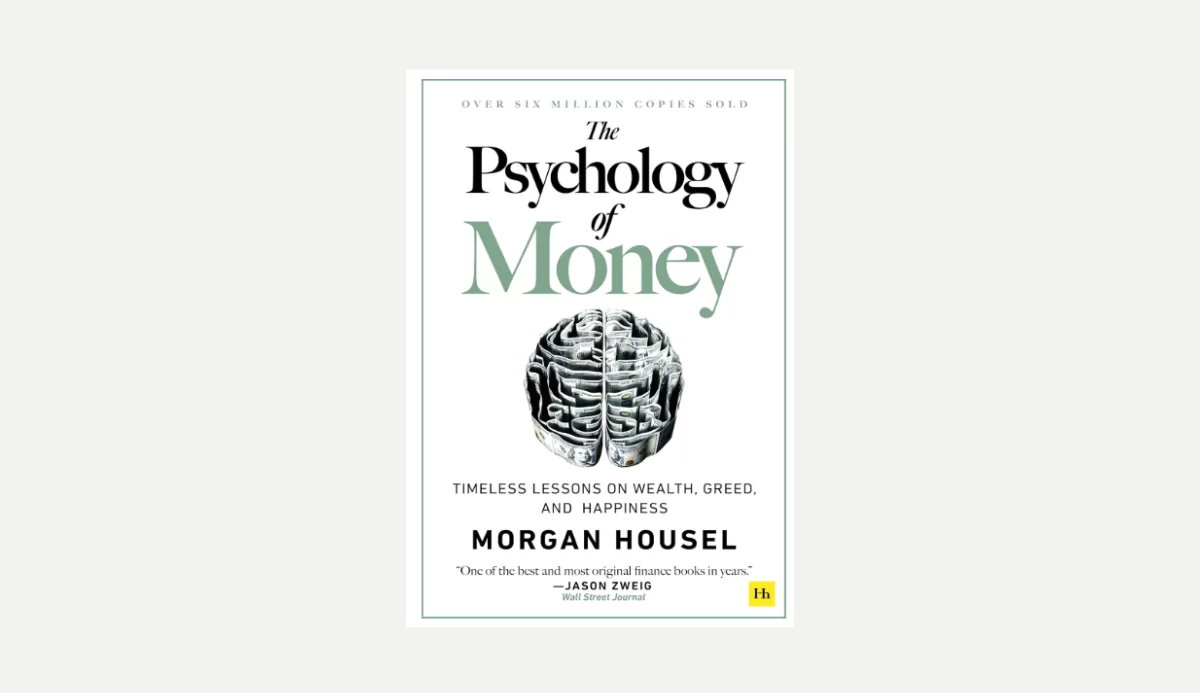
In ‘The Psychology of Money,’ Morgan Housel masterfully breaks down the complex relation
Leave a Reply