

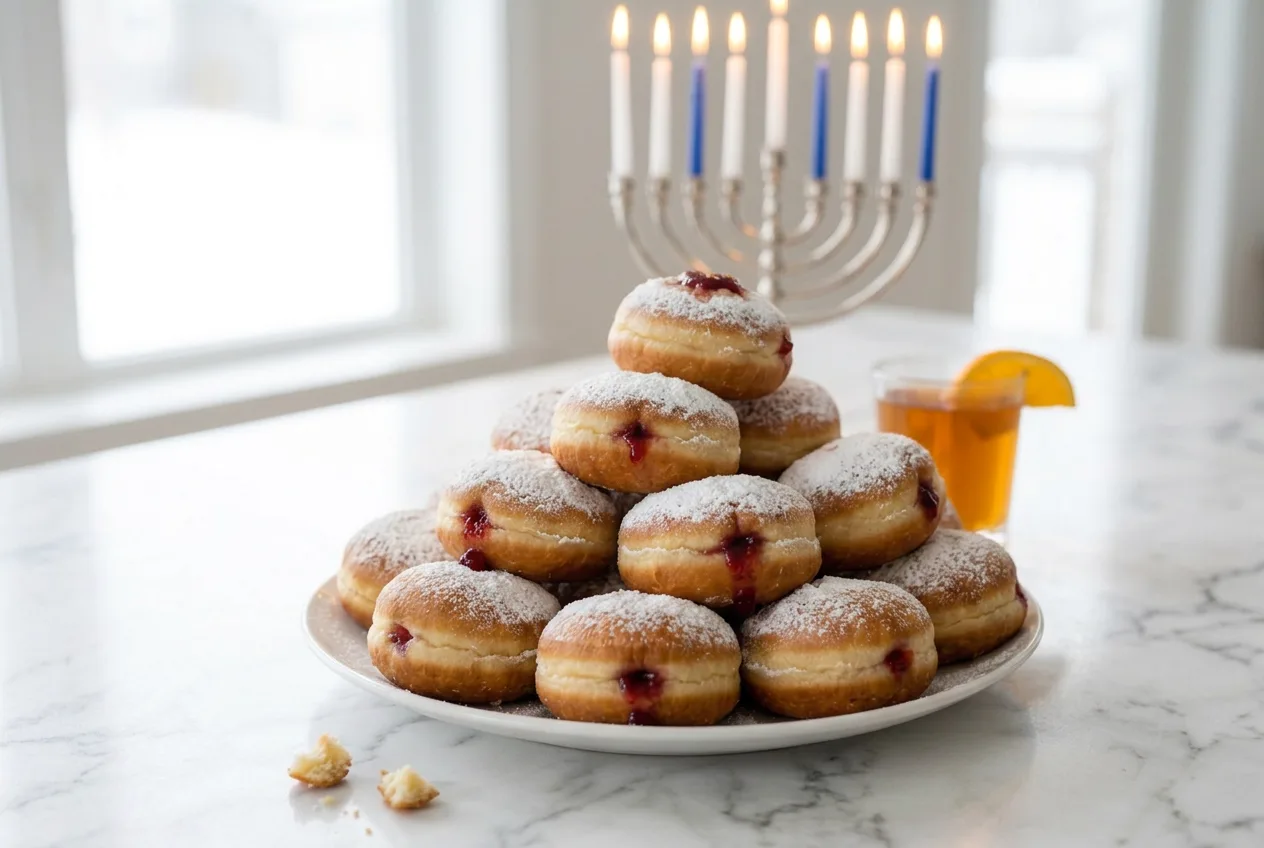
Sufganiyot are the jam doughnuts Israeli bakeries fry by the thousand every December, and there is no reason the good version can’t come out of your own kitchen.
The dough puffs light around a hidden pocket of strawberry jam, then gets a snowfall of powdered sugar right before anyone can grab one off the plate. Make them once with a thermometer in the oil and a piping bag in hand, and the bakery box starts to feel unnecessary.
This post contains affiliate links. If you buy through them, I may earn a small commission at no extra cost to you.
Table of Contents
Why Sufganiyot Belong on Your Hanukkah Table
A box of doughnuts from the grocery store never quite earns the fuss of a Hanukkah table, not when the filling tastes more like sugar paste than fruit.
Frying a batch yourself changes the whole conversation: the kitchen smells like a bakery for an afternoon, and nobody at the party believes you made them from scratch until you show them the piping bag.
That is the whole reason frying, not baking, stays the point of the exercise.
None of that history asks for a stand mixer or a candy thermometer collection. A deep pot, a rolling pin, and an evening with the radio on will get you there, and the first bite, still a little warm, is the only convincing argument you need.

What Goes Into Sufganiyot and Why
Flour and yeast carry the real work here. This is an enriched dough, closer to a soft dinner roll than to a cake doughnut, and the yeast needs real time, not a rushed proof, to build the open, pillowy crumb sufganiyot are known for.
Milk, a whole egg, and an extra yolk make the dough rich enough to taste like a treat even before the jam goes in. Melted butter, or a neutral oil if you want to keep the dough pareve for a kosher table, adds the tenderness that keeps the crumb from turning tough once it hits hot oil.
Any of the three fries clean at 350°F without leaving a heavy taste behind, which matters more than the brand on the bottle.
Strawberry jam is the filling people expect, and smooth, seedless jam is worth seeking out on purpose: halfway through filling a dozen doughnuts.
Powdered sugar is not decoration, not really. Dusted on while the doughnut is still a little warm, it melts just enough at the edges to cling, and it is the one ingredient that photographs like it tastes.
How to Make It
Set aside a full afternoon for this one, most of it spent waiting on the dough rather than working it. Once the frying starts, everything moves fast, so have the jam, the piping bag, and the sugar within reach before the first doughnut hits the oil.
This dough uses wheat flour, egg, and dairy butter, so skip it or swap in the pareve version below if anyone at the table needs to avoid dairy.
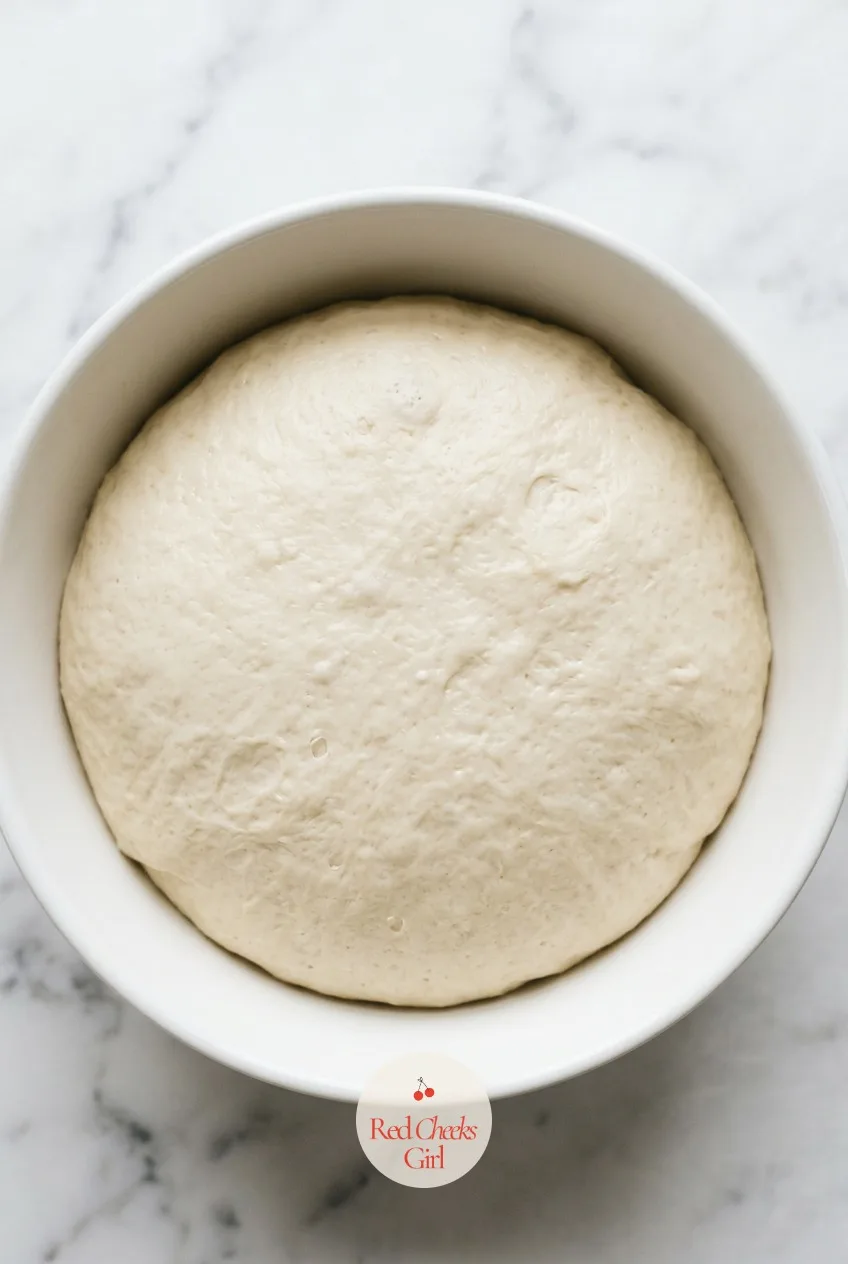
Let the dough rise until doubled
The dough has roughly doubled and feels pillowy rather than stiff. Press two fingers into the surface: if the dent stays, it’s ready to roll.
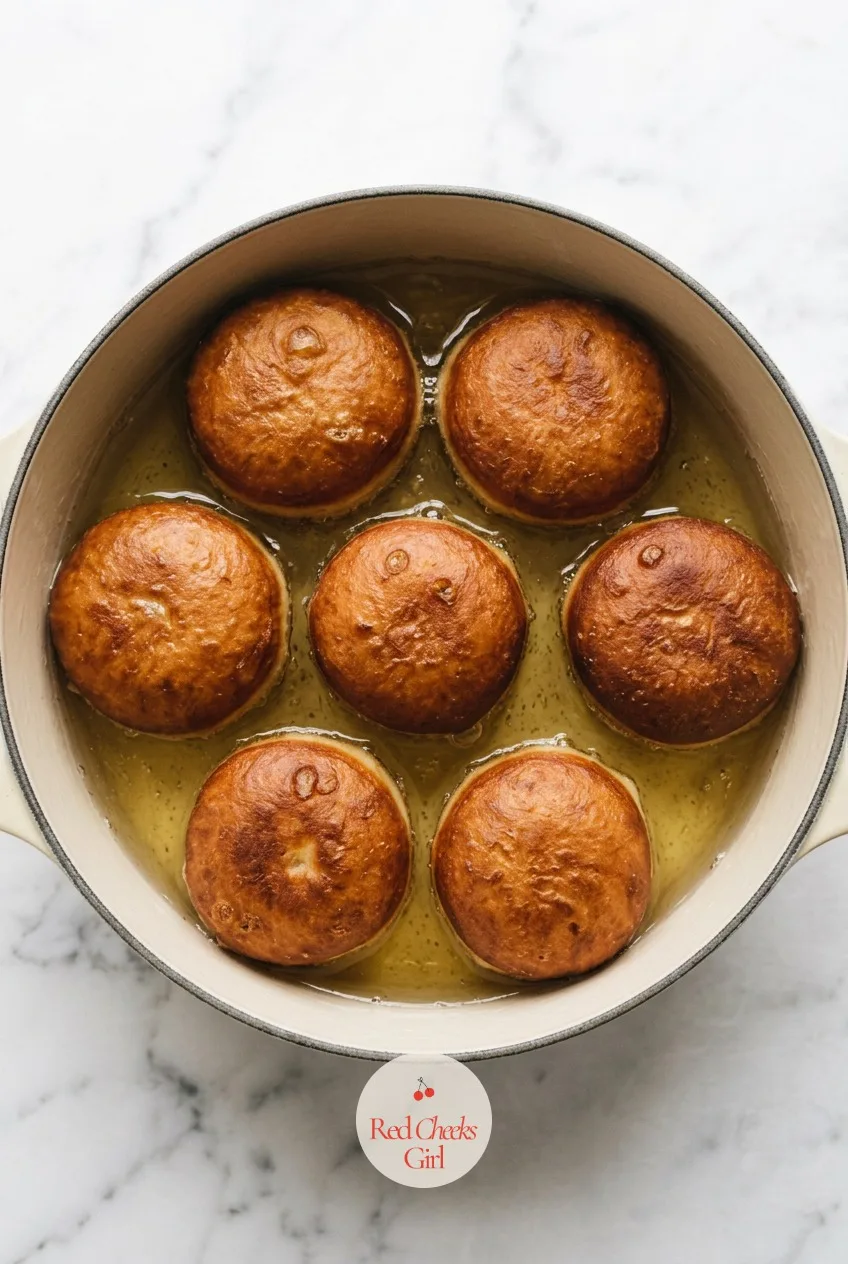
Fry the rounds until deep gold
Each round turns deep golden and puffs visibly as it hits the hot oil. Give them room to float and turn once, so both sides color evenly.
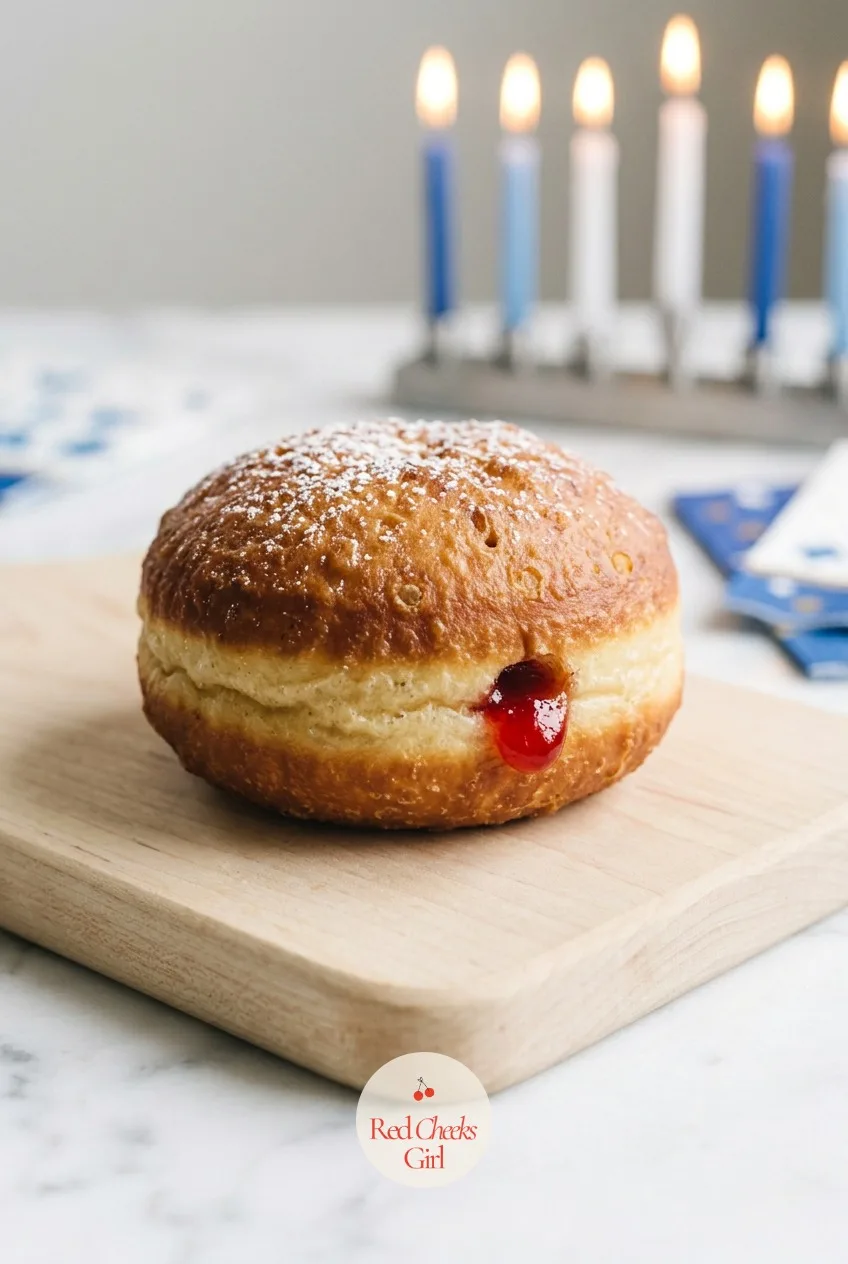
Pipe strawberry jam into each one
A bismarck tip slides into the side of a cooled doughnut and a little jam shows at the opening. That small bead of red is the sign it has enough filling, not too much.

Pile the finished sufganiyot on a platter
A generous dusting of powdered sugar settles over the whole stack, with jam peeking through at a few openings. Serve them within a few hours, while the outside still has some bite.
🛍 Shopping guide
How to Get Sufganiyot Right
Dense, heavy doughnuts almost always trace back to a rushed proof. Frying the dough before it has had enough time to rise leaves the doughnuts heavy and dense, so give both rises their full time rather than eyeballing it after twenty minutes.
Raw centers and greasy exteriors both come down to the same dial: the oil temperature. and if it drops too low the dough just soaks up oil instead of frying. Clip on a thermometer and do not trust your eyes alone.
That one sacrifice saves an entire tray from repeating the same mistake.
Filling too early undoes all of that careful frying. Let the whole batch cool fully before anyone gets near the piping bag.
Crowding the pot cools the oil faster than the burner can recover, which is how one bad batch turns into three.
Swaps and Substitutions for Sufganiyot
Strawberry jam is the classic fill, but nobody will accuse you of cutting corners for reaching past it. for the strawberry, and a jar of good apricot preserves is often cheaper than the fancy jam aisle.
If the table needs to stay pareve, skip the butter and the dairy milk. and the whole batch stays kosher for a meat meal.
No home fryer, no problem, just a different texture. They will not puff quite as dramatically, but the jam still hides just as well inside.
Short on time before the party starts? A good bakery jam doughnut, split and refilled with your own warmed jam through a piping tip, buys you the homemade feel without the hour of rising.
What to Serve With Sufganiyot at a Party
A plate of sufganiyot never wants much company, just something warm to drink alongside it and a place for people to stand while the powdered sugar inevitably lands on someone’s sweater.
For the grown-ups in the room, a Hot Toddy Recipe With Black Tea and Honey for Cold Winter Nights pours easily and holds its heat on a crowded counter better than mulled wine does; pour it into clear glass mugs so the color shows. Drink responsibly, and keep the kettle going for anyone who would rather skip the whisky.
Once the plate empties, keep the room going rather than letting everyone drift to their phones. 14 Hanukkah Games With Free Printables That Are Not Just Dreidel Again gives the table something to do between doughnuts without anyone needing to leave the couch.
If the party is really a weeknight for four, skip the platter entirely and just set the tray on the stove with a stack of small plates. The doughnuts disappear just as fast either way.
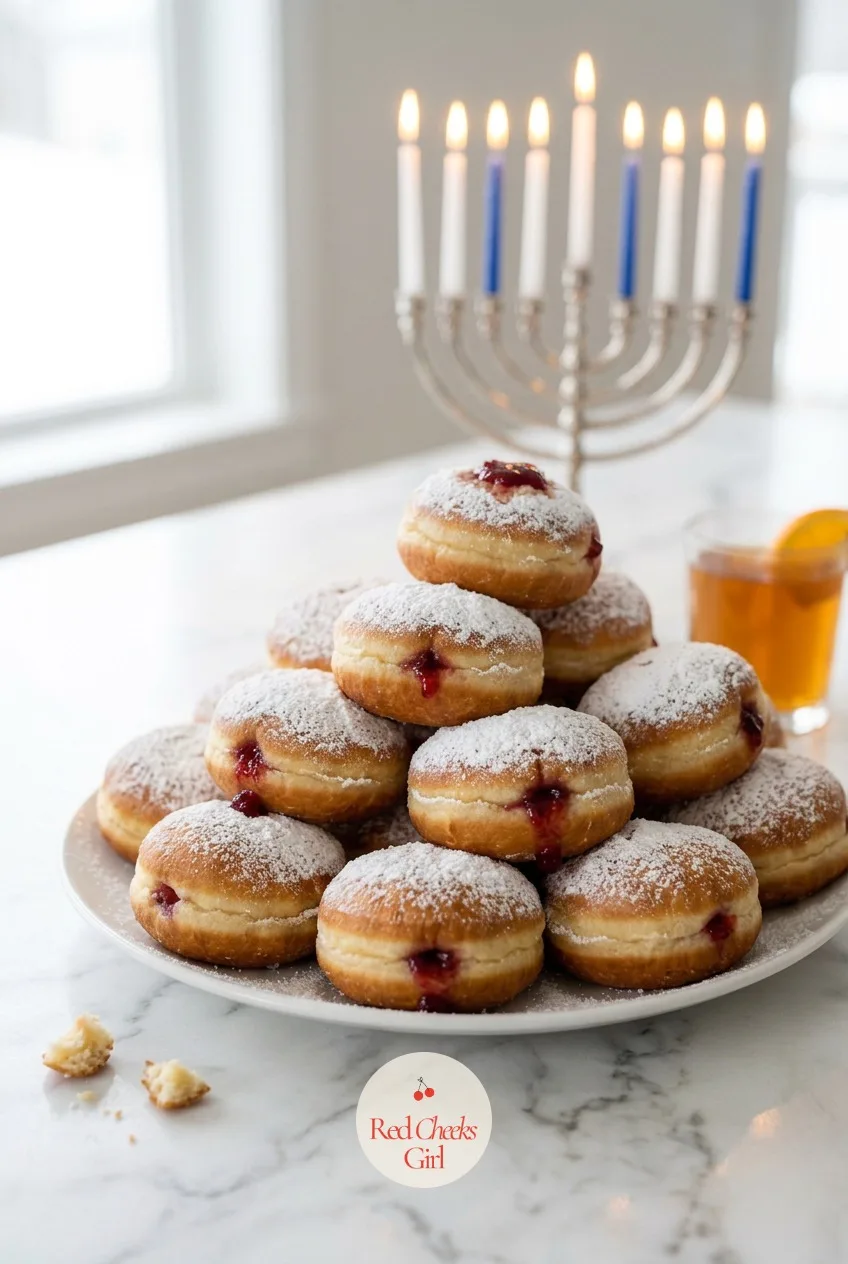

Sufganiyot
Ingredients
- 1 cup whole milk warmed to about 110°F
- 1/4 cup granulated sugar divided
- 2 1/4 teaspoons active dry yeast one standard packet
- 3 1/2 cups all-purpose flour plus more for rolling
- 1 teaspoon salt
- 1 large egg
- 1 large egg yolk
- 3 tablespoons unsalted butter melted and slightly cooled (or neutral oil for a pareve dough)
- 1 teaspoon vanilla extract
- about 6 cups vegetable or canola oil for frying
- 1 cup seedless strawberry jam
- 1 cup powdered sugar for dusting
Instructions
- In a white ceramic mixing bowl, whisk together 1 cup warm milk (about 110°F), 1 tablespoon of the sugar, and the 2 1/4 teaspoons active dry yeast. Let the mixture stand for 5 to 10 minutes, until it looks foamy on top, which is how you know the yeast is alive.
- Add the remaining sugar, 1 large egg, 1 large egg yolk, 3 tablespoons melted butter, 1 teaspoon vanilla extract, and 1 teaspoon salt to the bowl. Stir in 3 1/2 cups flour, about a cup at a time, until a shaggy, sticky dough comes together.
- Turn the dough onto a lightly floured pale wood board and knead by hand for 8 to 10 minutes, or with a stand mixer's dough hook on medium-low for 6 minutes, until it turns smooth, elastic, and only slightly tacky. Add flour a tablespoon at a time, only if the dough sticks heavily to your palms.
- Shape the dough into a ball, return it to the white ceramic mixing bowl, and cover with a clean kitchen towel. Let it rise in a warm spot for 1 to 1 1/2 hours, until it has doubled in size and holds a slight dent when you press two fingers into it.
- Punch the dough down gently to release the air, then turn it out onto the floured pale wood board. Roll it out with a rolling pin to an even 1/2 inch thickness.
- Cut rounds with a 3-inch round cutter, pressing straight down without twisting the cutter. Gather the scraps, re-roll once, and cut more rounds until you have about 14 rounds total.
- Arrange the rounds on a parchment-lined baking sheet, spacing them an inch apart, and cover loosely with a towel. Let them proof for 45 minutes to 1 hour, until visibly puffy; they should feel soft and pillowy, not dense, when you touch one lightly.
- Pour about 3 inches of vegetable oil into the cream enameled Dutch oven and heat over medium heat to 350°F, checking with a deep-fry thermometer clipped to the side of the pot. Hold the oil between 345°F and 355°F for the whole frying stretch.
- Lower 3 to 4 dough rounds into the hot oil at a time, leaving room for them to float freely. Fry for 1 1/2 to 2 minutes per side, turning once with a slotted spoon, until deep golden brown all over and puffed through the middle.
- Lift the doughnuts out with the slotted spoon and set them on a wire rack over paper towels to drain. Let them cool completely at room temperature for at least 20 minutes before filling; a warm center melts the jam and pushes it straight back out.
- Fit a piping bag with a long, narrow bismarck tip and fill it with 1 cup strawberry jam. Insert the tip about an inch into the side of each cooled doughnut and squeeze gently until you feel slight resistance and see a little jam at the opening, about 1 tablespoon per doughnut.
- Spoon 1 cup powdered sugar into a small fine-mesh sieve and dust it generously over each filled doughnut, turning the doughnut to coat the top evenly.
- Pile the finished sufganiyot onto a white ceramic platter and serve them the same day, while the outside still holds a little crispness against the soft middle.
Good to Know
Frequently Asked Questions
What does sufganiyot mean and why is it eaten on Hanukkah?
Sufganiyot comes from the Hebrew word for sponge, describing the dough’s soft, airy texture. The doughnuts are eaten on Hanukkah because frying them in oil recalls the holiday’s oil miracle.
What is the difference between sufganiyot and regular doughnuts?
Sufganiyot are always round, jelly-filled, and deep-fried, while regular doughnuts can be baked or fried, ring-shaped or filled, and come in any flavor of glaze or filling.
How do you pronounce sufganiyot?
Say it soof-gah-nee-yote, with the sound landing near the end of the word. It is simply the plural form of a single doughnut, called a sufganiyah.
Are sufganiyot the same as bimuelos?
No, sufganiyot are jelly-filled fried doughnuts, while bimuelos are a different fried dough, often shaped into small balls and served with syrup or honey instead of jam.
Why is my dough too sticky to roll out?
Sticky sufganiyot dough usually just needs more kneading time, not more flour, since enriched yeast dough is naturally soft and a little tacky before its first rise. Adding too much extra flour instead makes it heavy and dense.
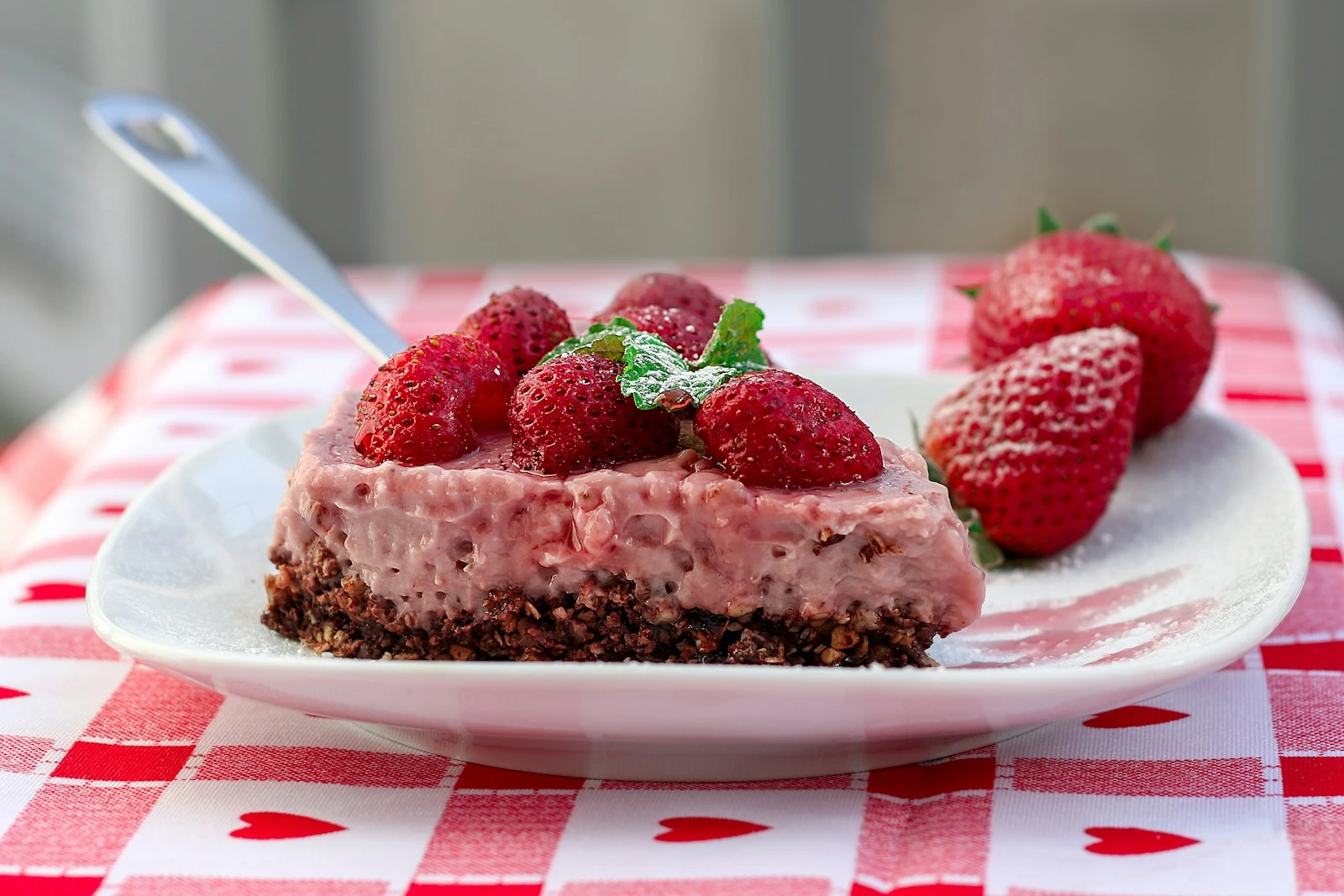
It was 94 degrees last July and I was not turning on the oven. Hard no. My kitchen faces west, the A
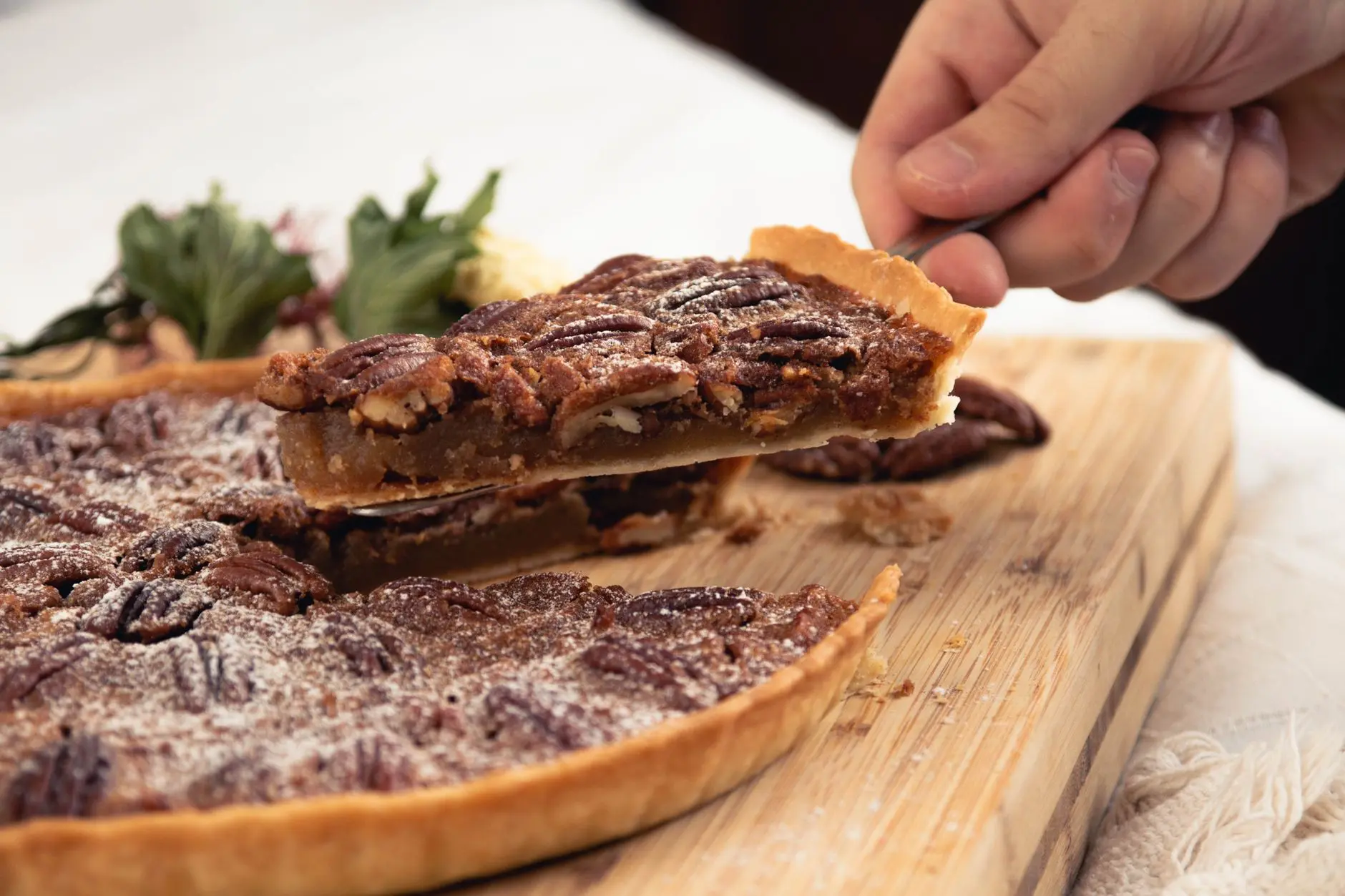
12 no-bake Thanksgiving treats that come together on the counter: pumpkin dip, chocolate bark, caram

14 easy Hanukkah desserts for eight nights of candles: sufganiyot, rugelach, babka, gelt bark, olive
Leave a Reply