

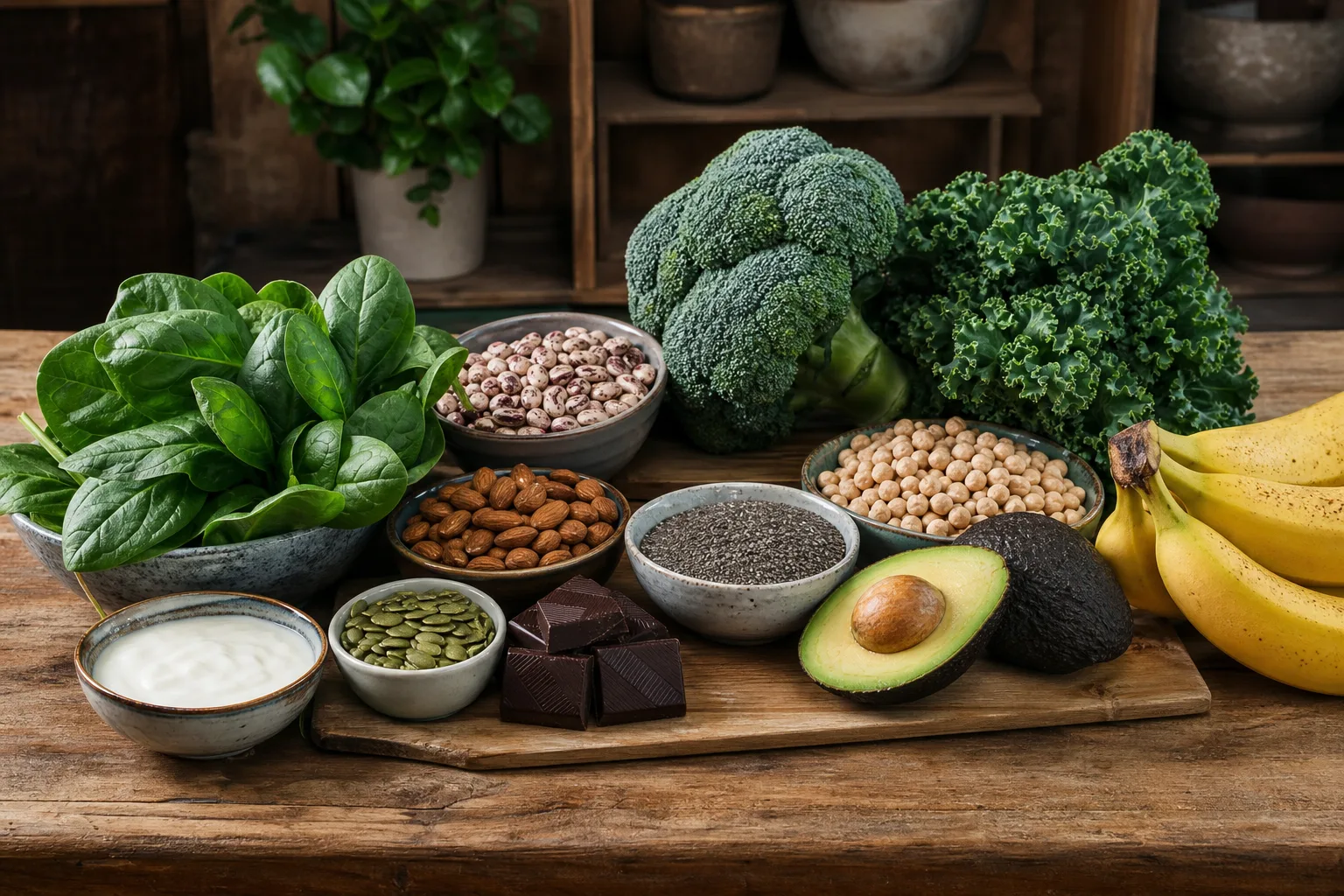
Some weeks the body just feels tight: shoulders up near the ears, sleep thin, everything a little more effort than it should be. Before you reach for another supplement bottle, it is worth looking at what is already sitting in the fridge and the back of the cupboard.
This is a plain, no-fuss list of 22 magnesium rich foods, ordered from the richest sources down to the easy extras you probably already buy without thinking about it. Nothing here needs a recipe: a handful on a plate, a scoop in a bowl, done.
If stress and low energy are part of why you are looking at this, the 15 Cortisol-Lowering Foods to Add to Your Diet cover similar ground from a different angle, and the 11 High Fiber Foods That Lower Cortisol and Calm Your Gut pair well with the beans and grains further down this page.
This post contains affiliate links. If you buy through them, I may earn a small commission at no extra cost to you.
Table of Contents
The Highest Sources: Seeds and Nuts
Seeds and nuts carry more magnesium per small handful than almost anything else you will put on a plate. This is the cheapest, laziest place to start: no cooking, no timer, just a bowl within reach.
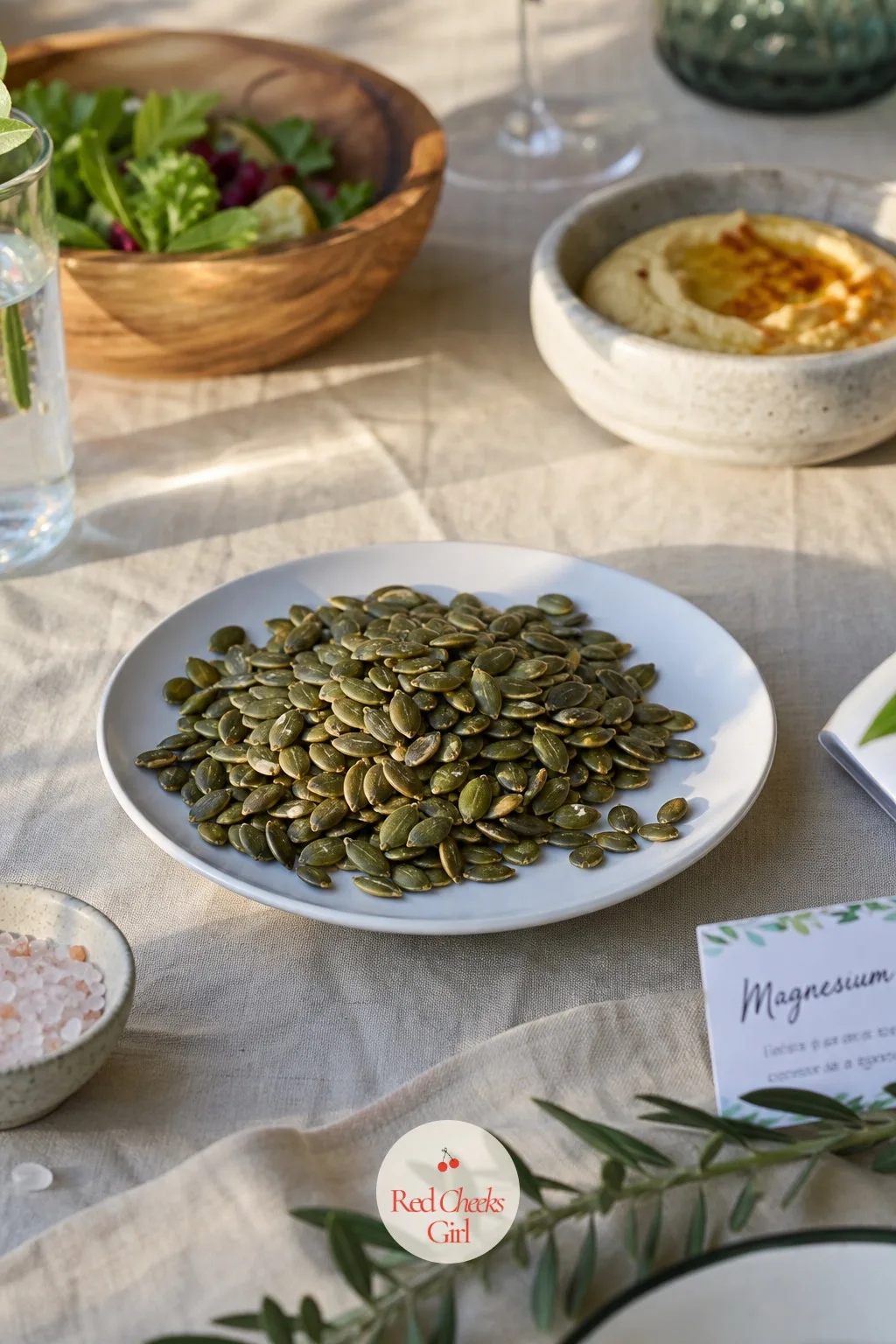
Pumpkin Seeds
Ounce for ounce, pumpkin seeds sit near the very top of any list like this one, and they taste good enough that you will actually finish the bag. Toast them plain in a dry pan for a few minutes until they puff slightly and smell nutty.
Scatter a small handful over soup, a salad, or straight onto a plate of roasted vegetables. If the shells bother you, shelled pepitas give the same result without the chew.
🛍 Shopping guide
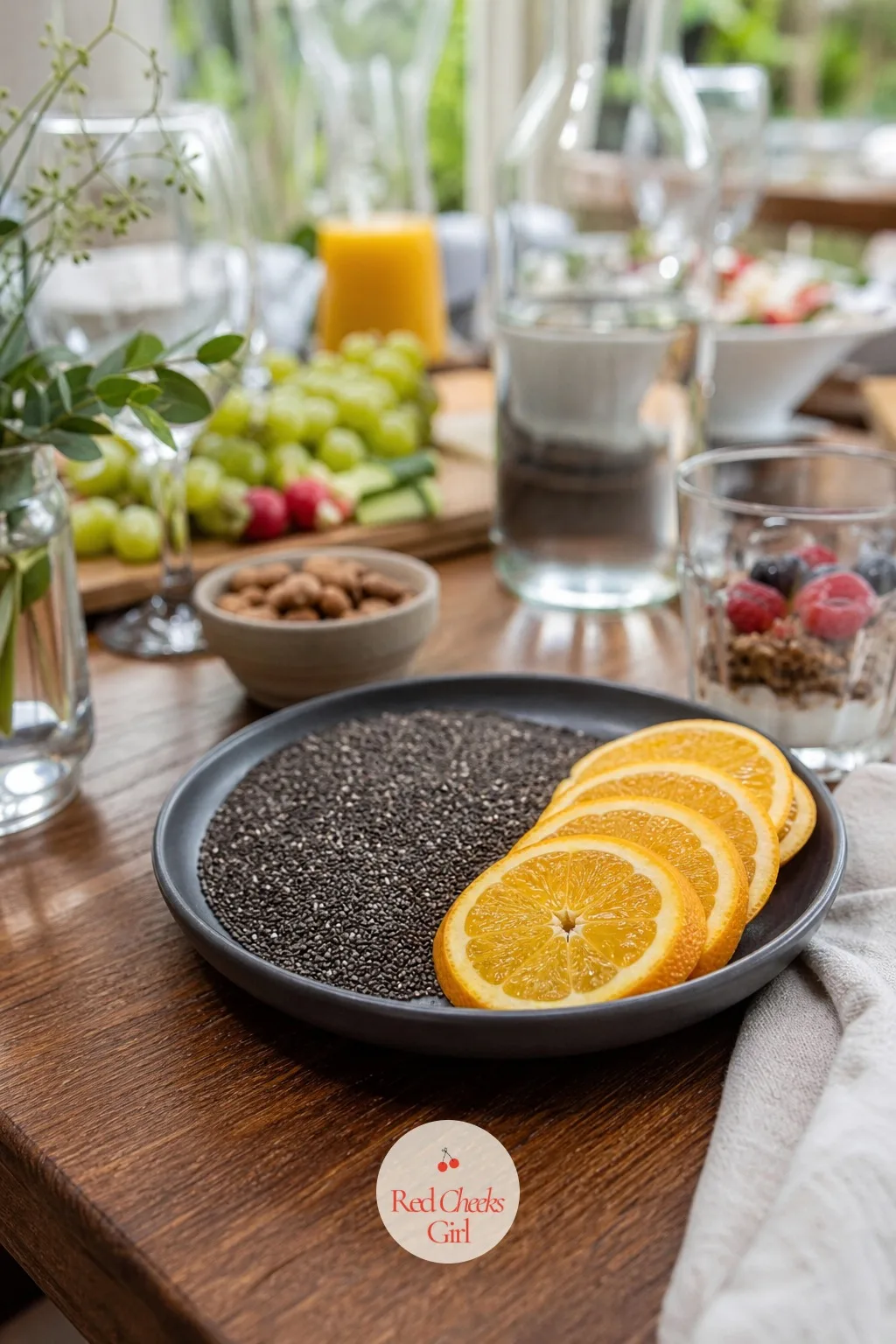
Chia Seeds
Chia seeds are small enough to disappear into almost anything, which makes them easy to add without changing how a dish tastes. Stirred into liquid they swell into a soft pudding within a few hours in the fridge.
Spoon a small amount over yogurt or oatmeal, or whisk into a glass of juice and let it sit. Ground flaxseed works as a near identical swap if chia is not in the cupboard.
🛍 Shopping guide
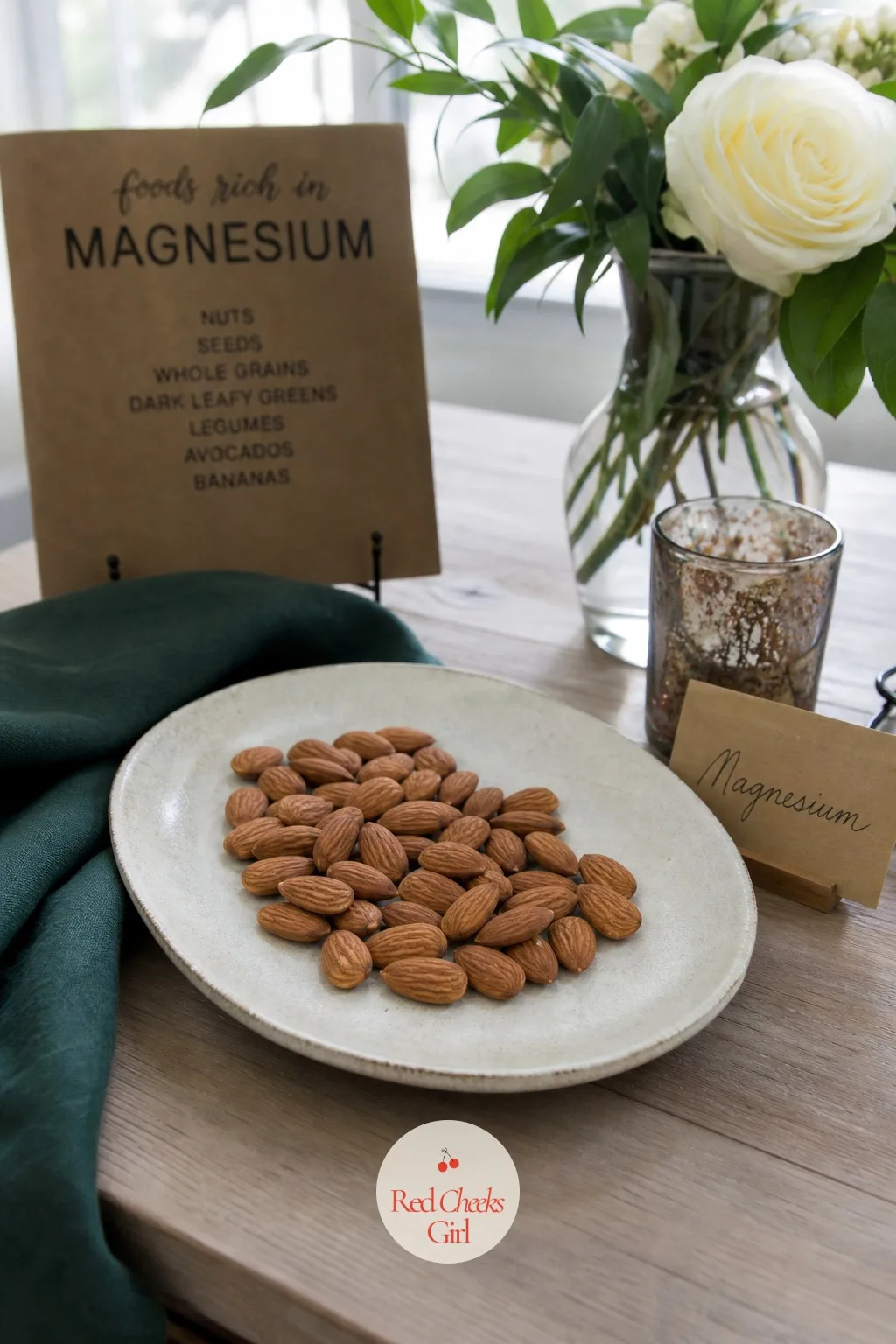
Almonds
Almonds are the nut everyone already has in the house, and that familiarity is exactly the point: nothing new to learn, just more of it on the plate. Raw or lightly roasted, the skins hold most of the flavor.
Lay a small row alongside cheese and fruit, or crush them over a bowl of yogurt for crunch. Cashews slide in just as easily if almonds are not your preference.
🛍 Shopping guide
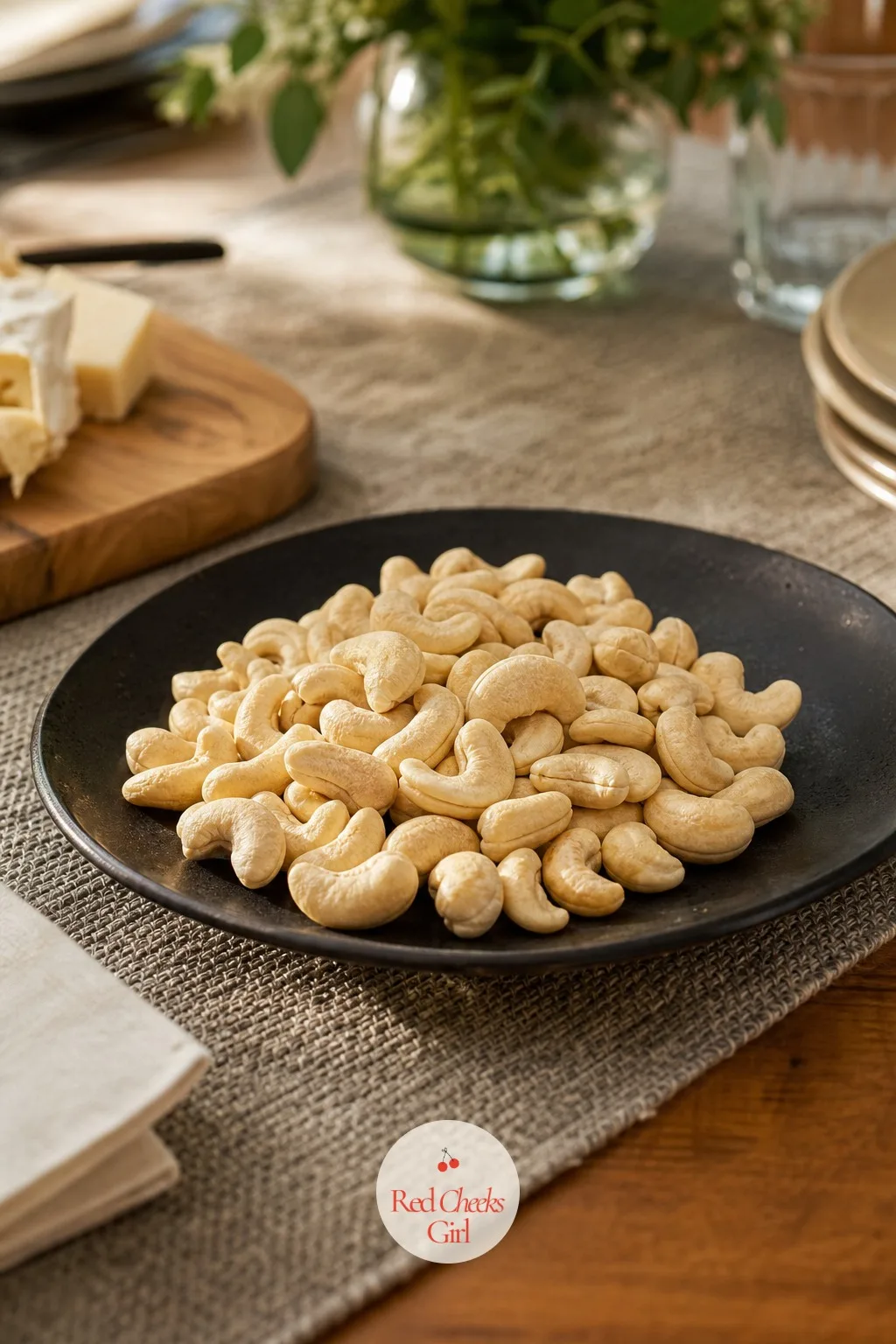
Cashews
Cashews are softer and sweeter than most nuts, which makes them an easy sell to anyone who claims not to like nuts at all. They roast beautifully and need nothing added.
Pile a small handful into a bowl on their own, or scatter whole ones over stir-fried greens just before serving. Macadamias make a creamier, if pricier, substitute.
🛍 Shopping guide
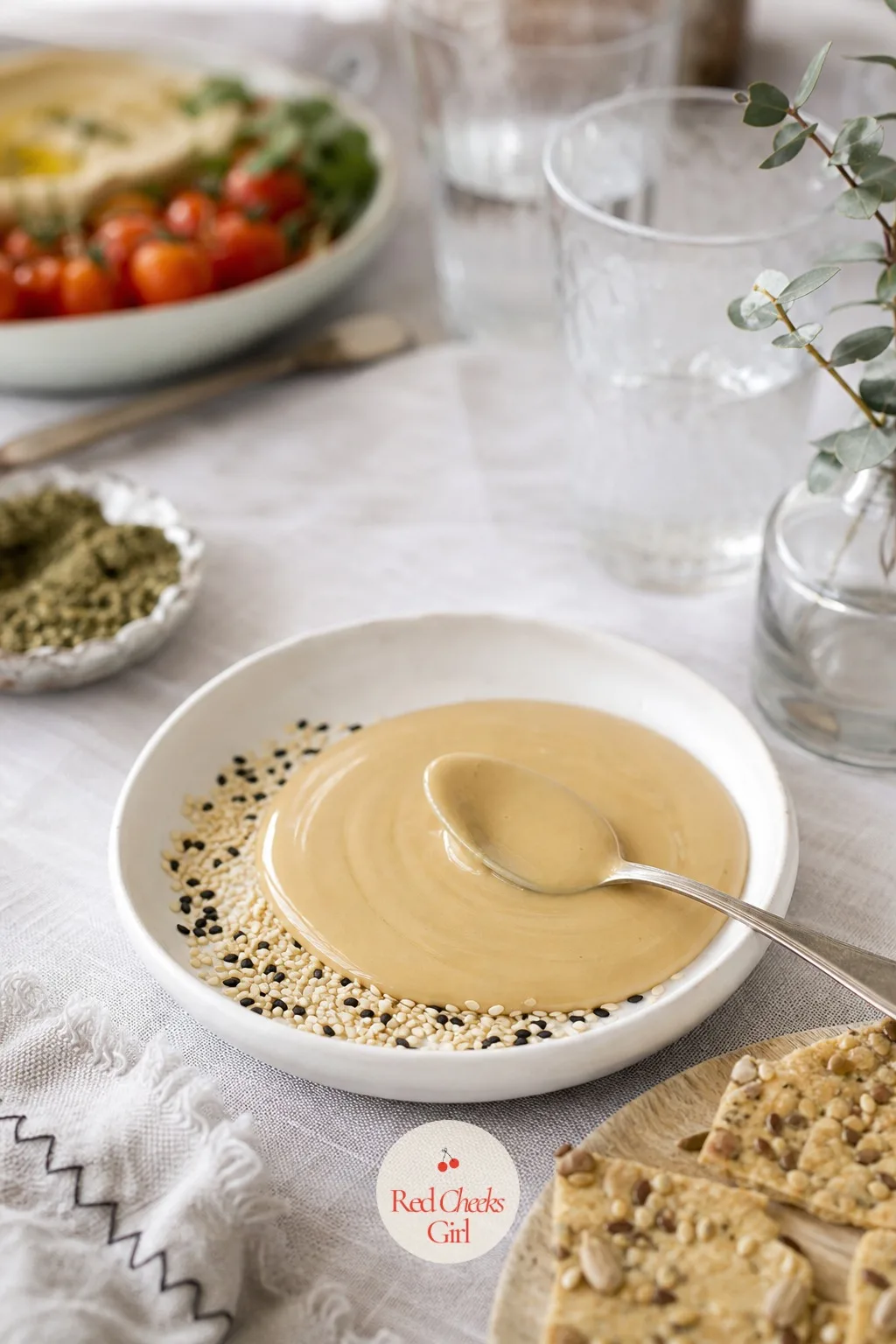
Sesame Seeds and Tahini
Whole sesame seeds are a quiet finisher, but tahini, the paste made from ground sesame, packs the same mineral into something spoonable. Both disappear into a dish without announcing themselves.
Drizzle tahini thinned with a little water and lemon over roasted vegetables, or press whole seeds onto the outside of a baked sweet potato. Sunflower seed butter works if sesame is off the table.
🛍 Shopping guide
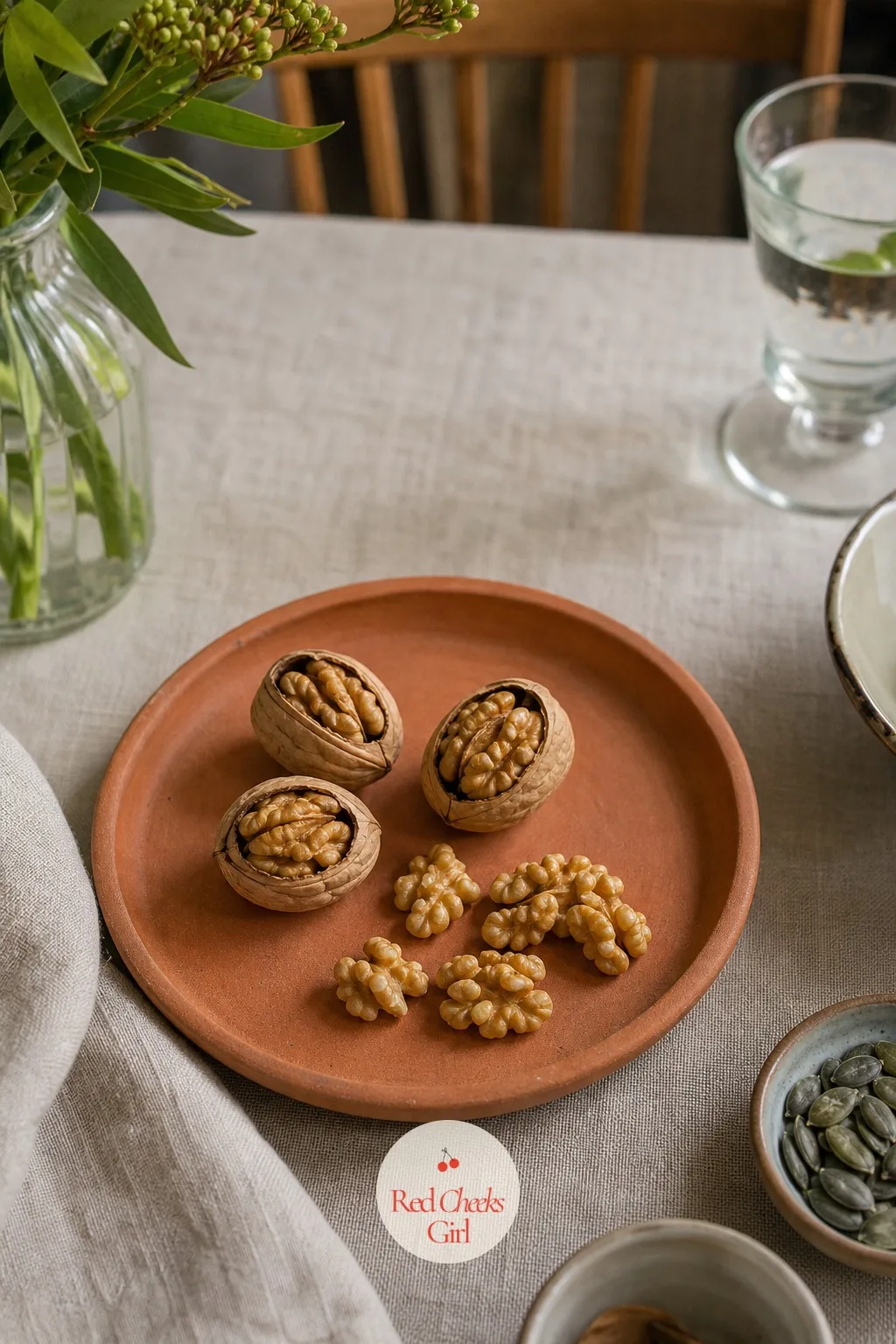
Walnuts
Walnuts have a slight bitterness that cuts through something sweet, which is why they turn up so often next to fruit and cheese. The shape also happens to photograph beautifully split open.
Crack a few over a bowl of fig halves and a soft cheese, or crush into a crumb topping for roasted fruit. Pecans give a milder, sweeter result in the same role.
🛍 Shopping guide
Dark Leafy Greens
Cooking shrinks a mountain of leaves down to a few mouthfuls, which is exactly why cooked greens pack so much more mineral into one plate than the raw version ever could. A quick wilt in a hot pan is all it takes.
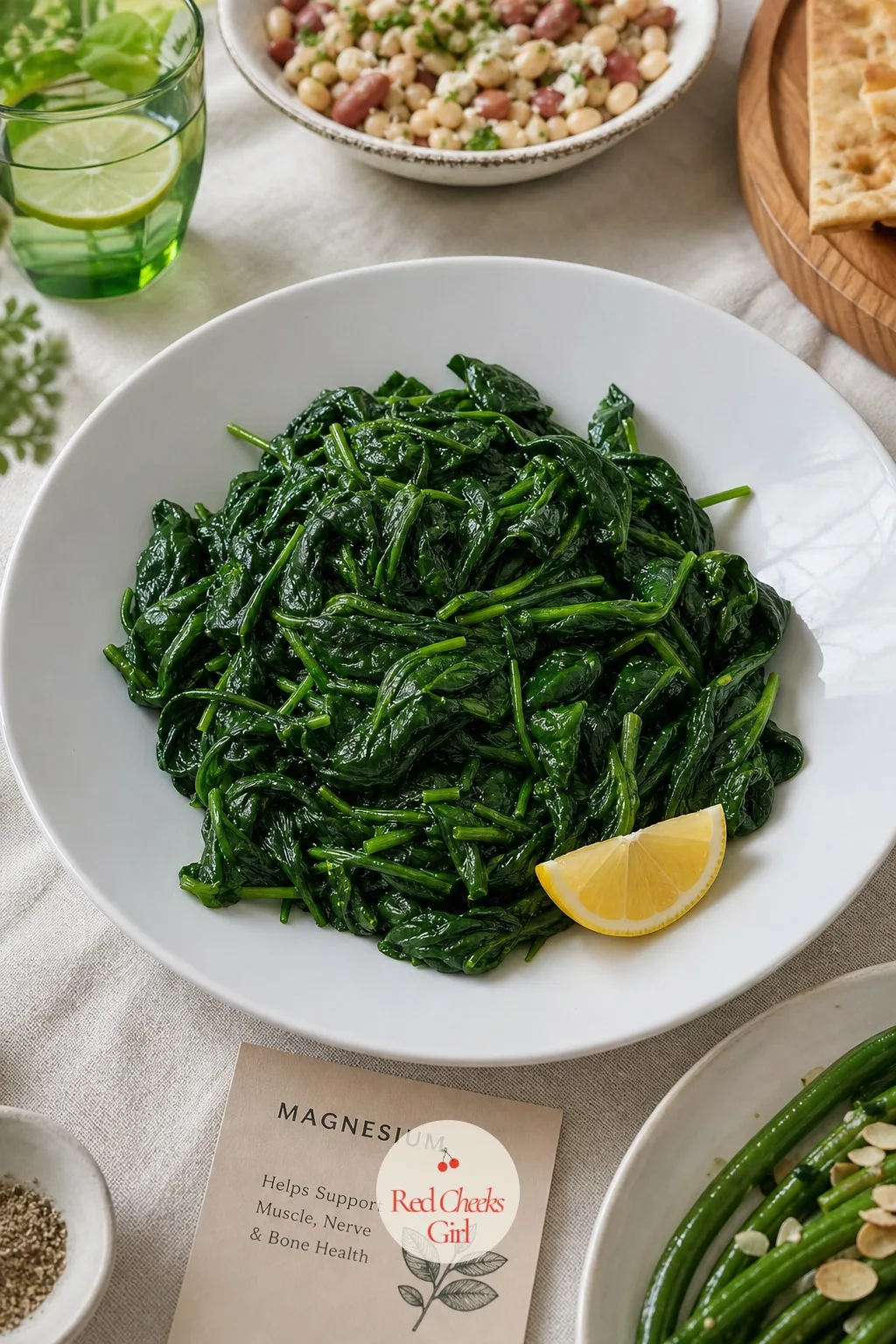
Spinach
A pile of raw spinach looks generous and cooks down to almost nothing, which is actually good news: it means a small bag goes a long way once wilted. The flavor turns mild and faintly sweet once heated.
Wilt it fast in a hot pan with a squeeze of lemon and serve warm as a side, or fold wilted spinach straight into eggs. Baby kale wilts in much the same way if spinach is not available.
🛍 Shopping guide
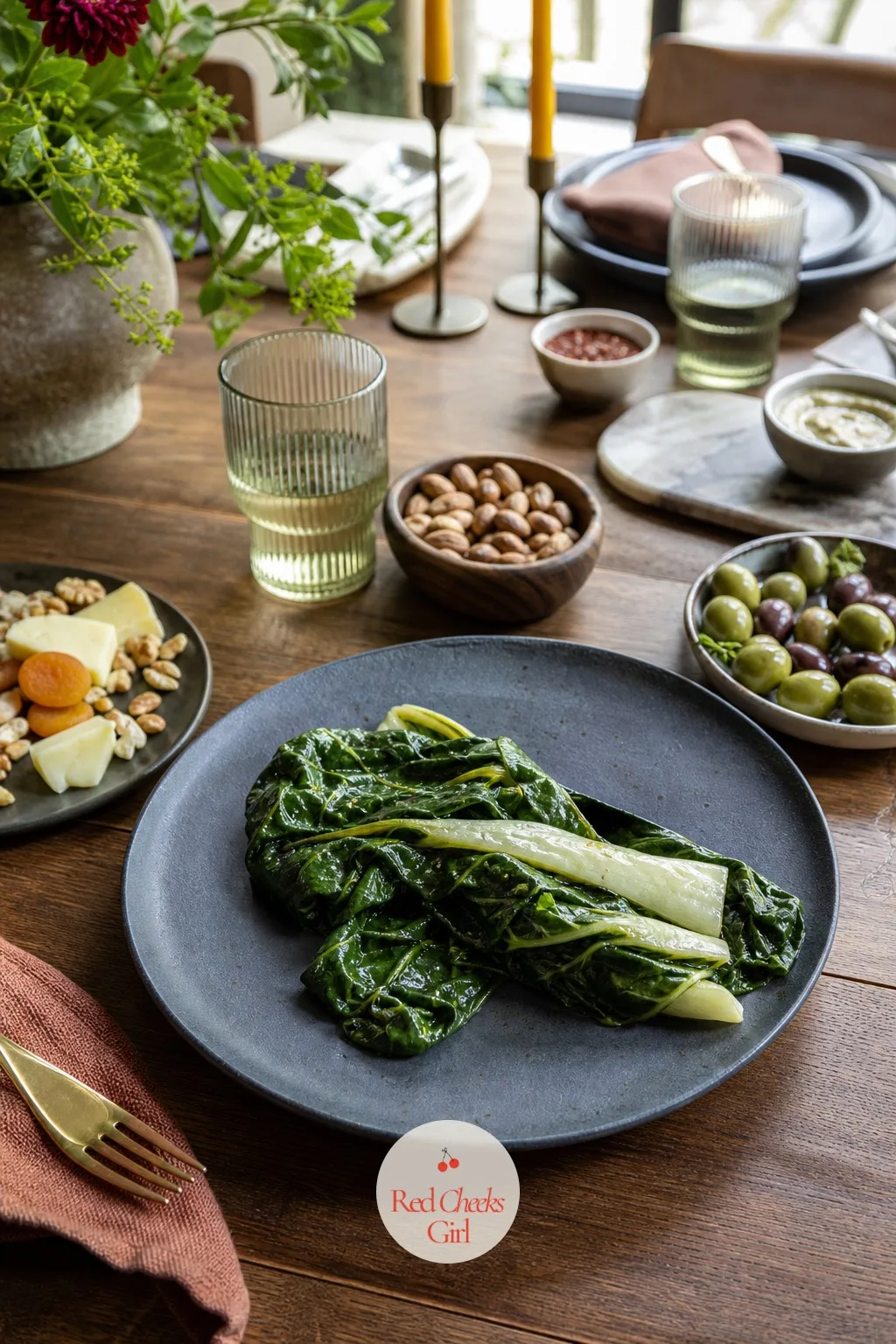
Swiss Chard
Swiss chard looks almost ornamental raw, with its pale ribs running through dark leaves, and that contrast survives cooking too. The stems take slightly longer to soften than the leaves do.
Chop stems and leaves separately, sauté the stems first for a couple of minutes, then add the leaves until just wilted. Collard greens hold up well as a swap, with a slightly firmer bite.
🛍 Shopping guide
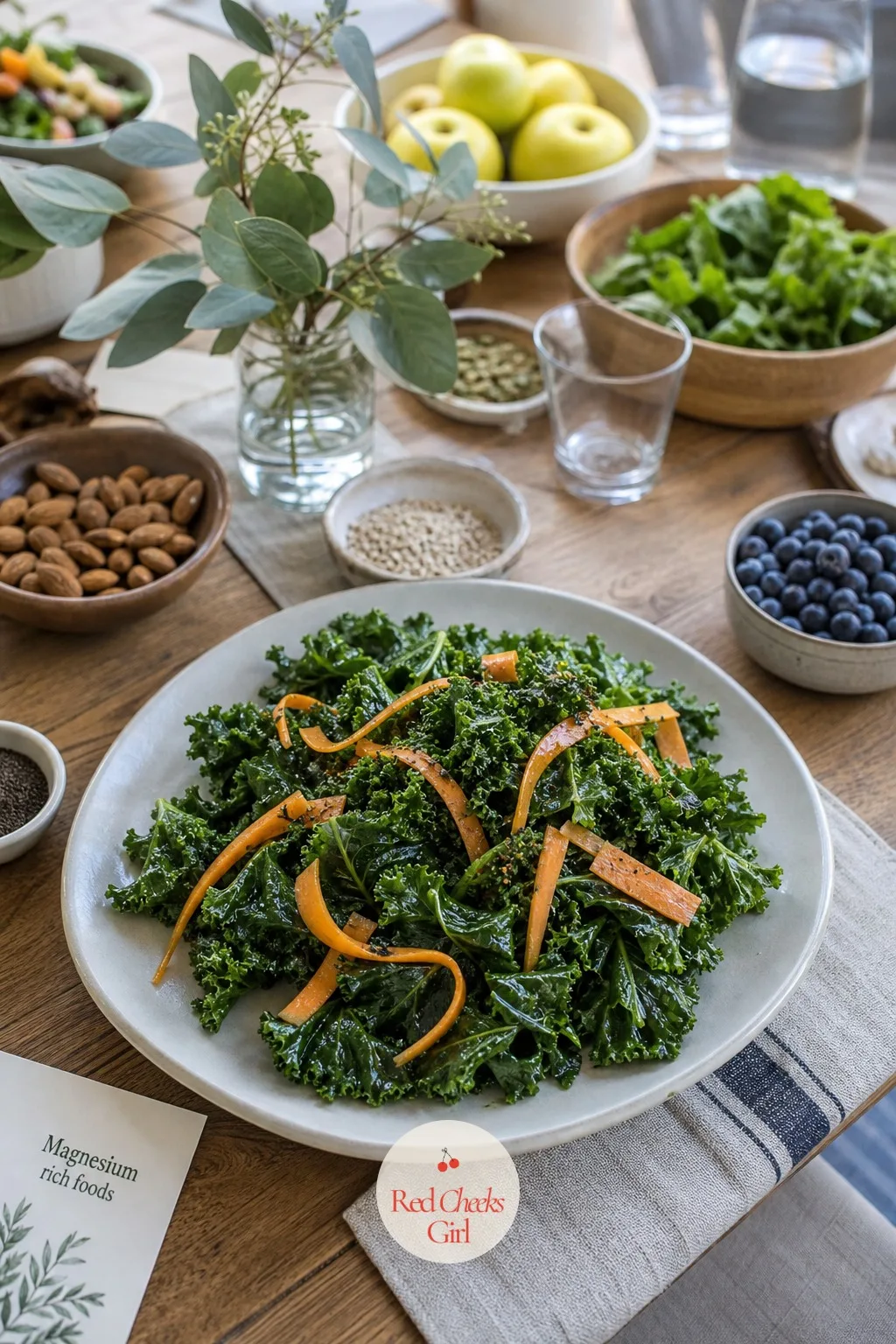
Kale
Kale holds its structure longer than spinach does, which makes it the better choice when you want a green that still has some bite after cooking. Raw, it needs a good massage with oil to soften.
Rub torn leaves with a little olive oil and salt until they darken and soften, then plate with thin ribbons of carrot on top. Collard greens or chard both work the same way.
🛍 Shopping guide
Beans and Legumes
Dried or tinned, beans are the pantry staple that quietly does more work than people give it credit for. They are also the cheapest item on this entire list by a wide margin.
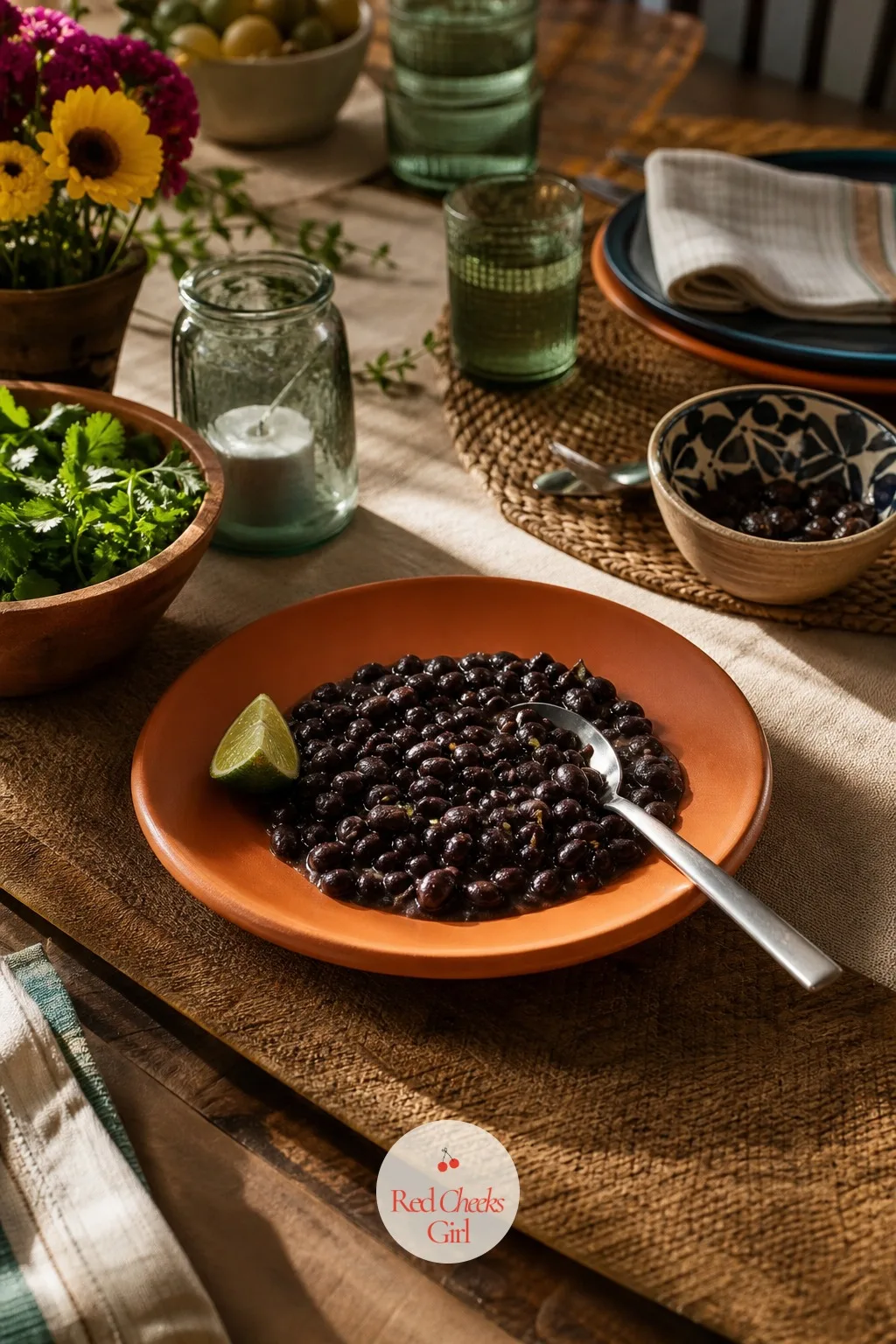
Black Beans
Black beans do a lot of quiet work on a plate: filling, cheap, and happy to sit under almost anything without clashing. Tinned ones need nothing more than a rinse and a warm through.
Spoon warm black beans straight onto a plate with a wedge of lime and a little chopped onion. Kidney beans or pinto beans slot in just as easily if that is what is in the cupboard.
🛍 Shopping guide
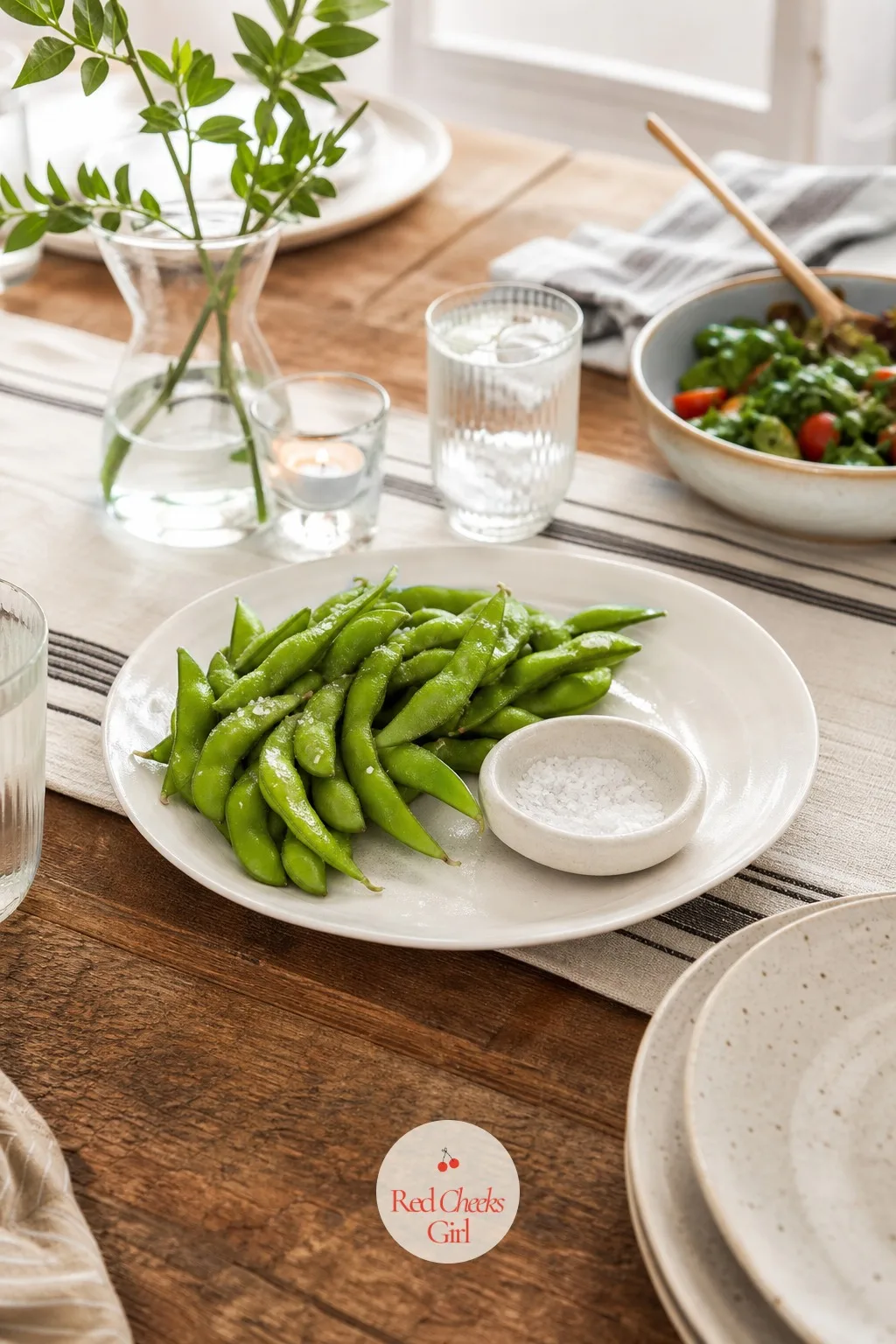
Edamame
Edamame comes with its own built-in entertainment: the pod has to be squeezed open with your fingers before you get to the bean, which slows a snack down nicely. Steamed from frozen, it takes about five minutes.
Steam the pods, sprinkle with flaky salt, and serve warm in a shallow dish for pinching. Shelled edamame works the same way minus the pod theatrics, and is faster to eat.
🛍 Shopping guide
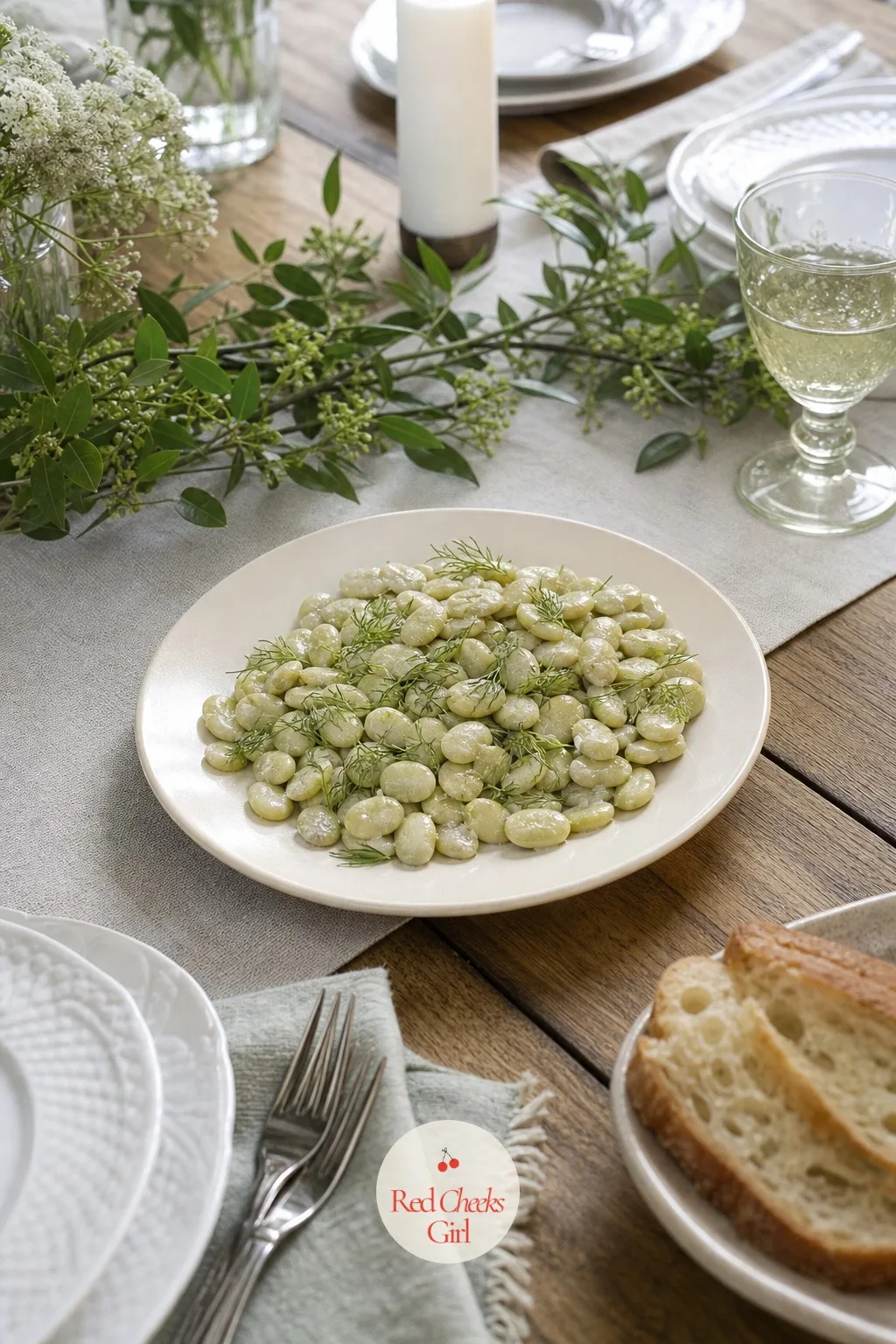
Lima Beans
Lima beans have a soft, slightly buttery texture that makes them feel richer than a bean has any right to, which is partly why they fell out of fashion and are worth bringing back. Tinned ones only need warming.
Warm gently with a little butter and fresh dill, then plate as a simple side. Edamame or baby lima beans frozen whole are an easy stand-in.
🛍 Shopping guide
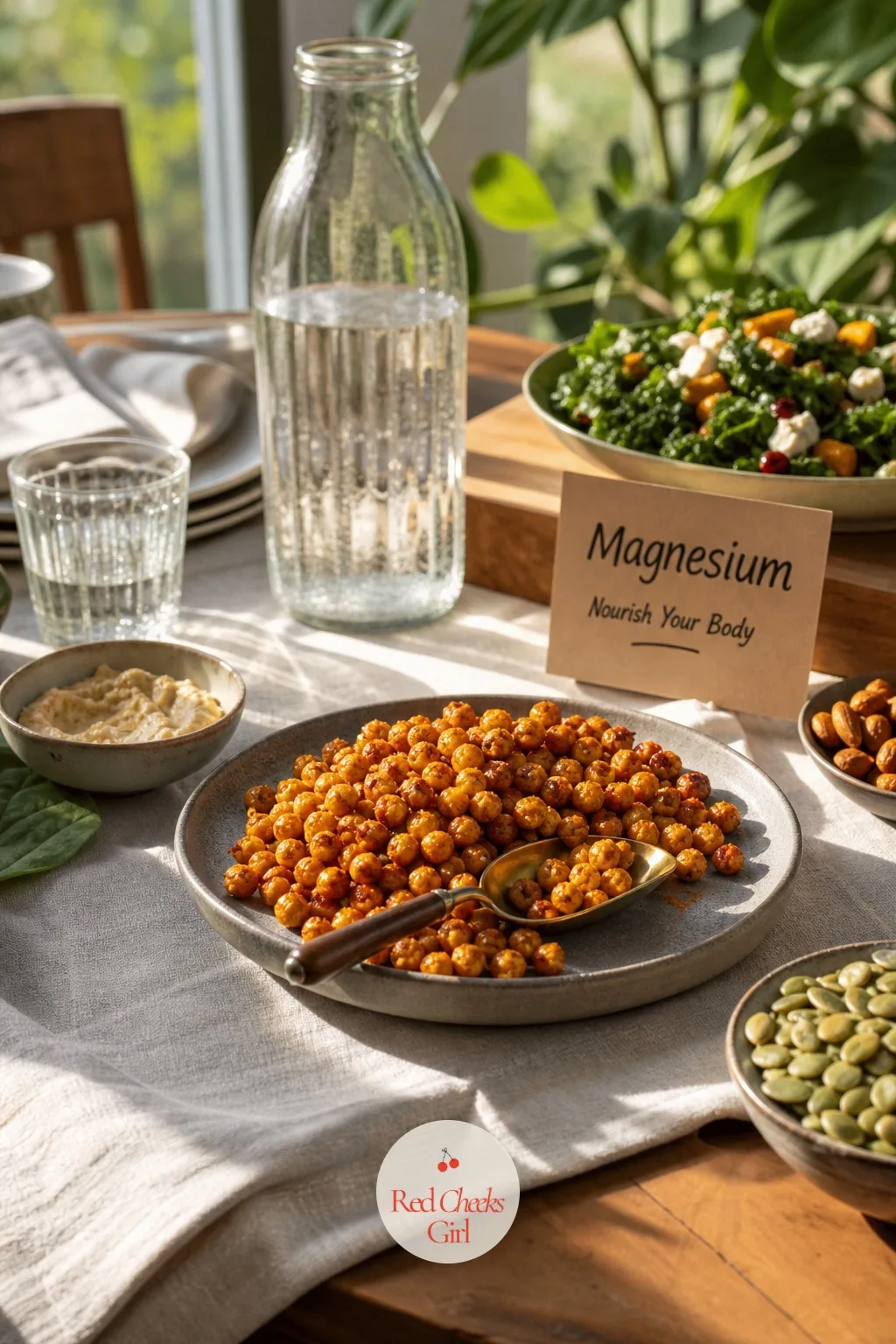
Chickpeas
Chickpeas go two very different directions depending on how you treat them: soft and creamy mashed, or crisp and snackable roasted. Both start from the same tin.
Toss drained chickpeas with oil and a little paprika, roast until crisp, and plate warm as a crunchy side. Dried chickpeas cooked from scratch give a firmer bite if you have the time.
🛍 Shopping guide
Whole Grains
Swapping the white version for the whole one is a small move with a real return, and none of these take longer to cook than the refined version does.
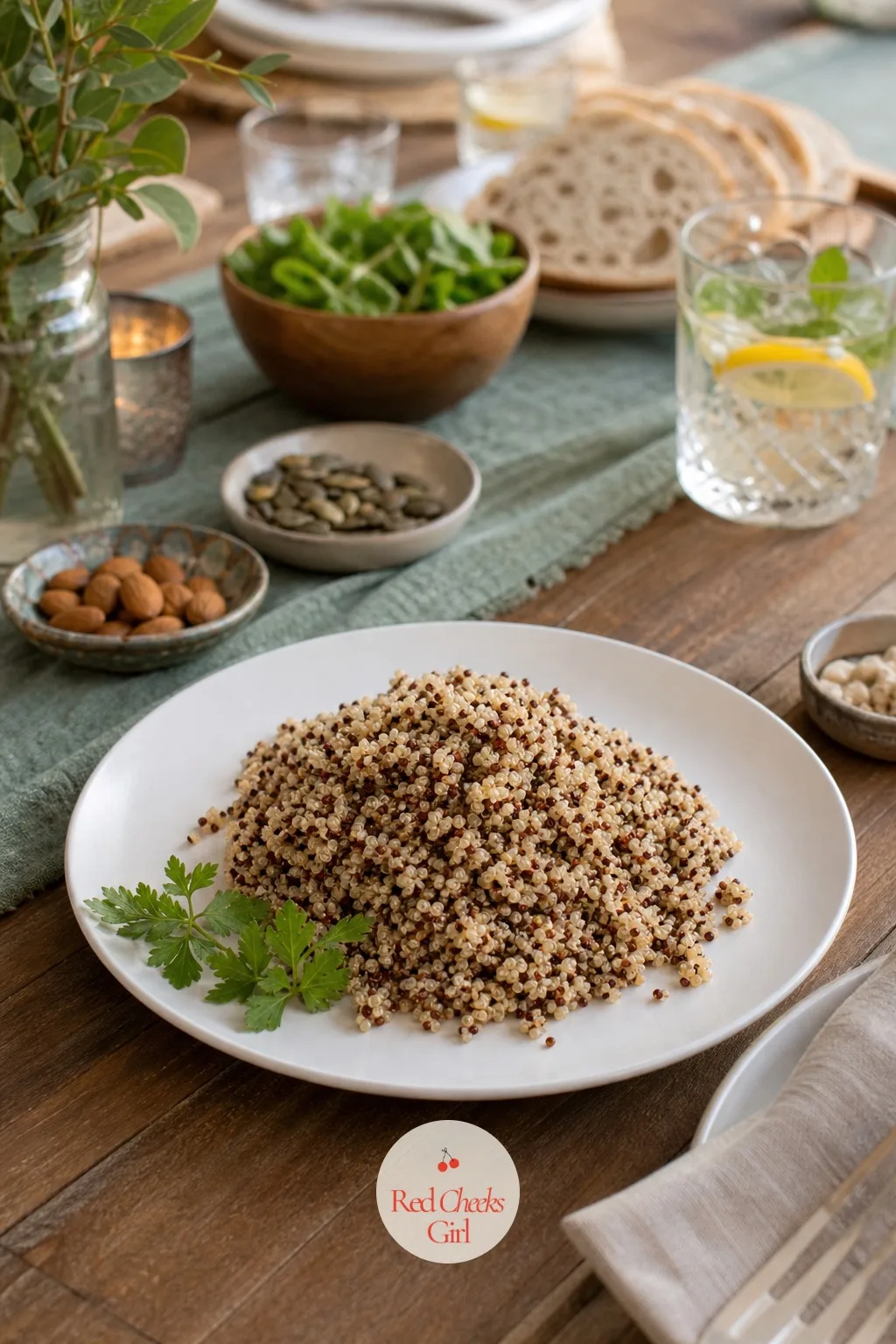
Quinoa
Quinoa cooks faster than rice and carries flavor well, which is why it has earned a permanent spot in a lot of kitchens that otherwise do not bother with grains. The pale curl that appears around each grain means it is done.
Fluff cooked quinoa with a fork and plate with a few fresh herb leaves tucked in. Bulgur wheat cooks in a similar time and works the same way.
🛍 Shopping guide
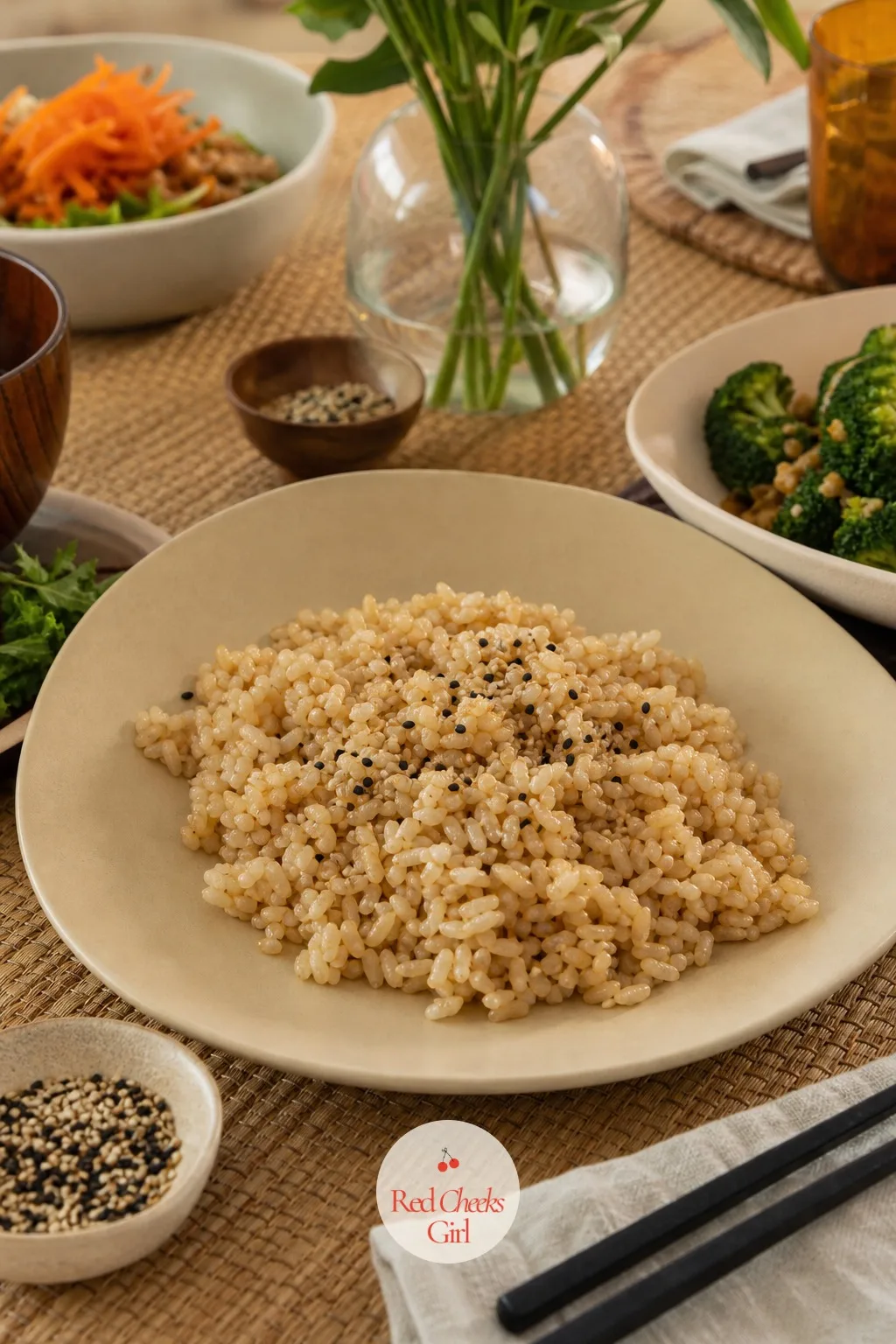
Brown Rice
Brown rice takes a bit longer at the stove than white, but the swap costs nothing extra and changes very little about how a meal tastes. Let it rest a few minutes off the heat before serving.
Scoop warm rice onto a plate and scatter with toasted sesame seeds for a little extra crunch. Wild rice or farro are both reasonable swaps if brown rice is out.
🛍 Shopping guide
Rolled Oats
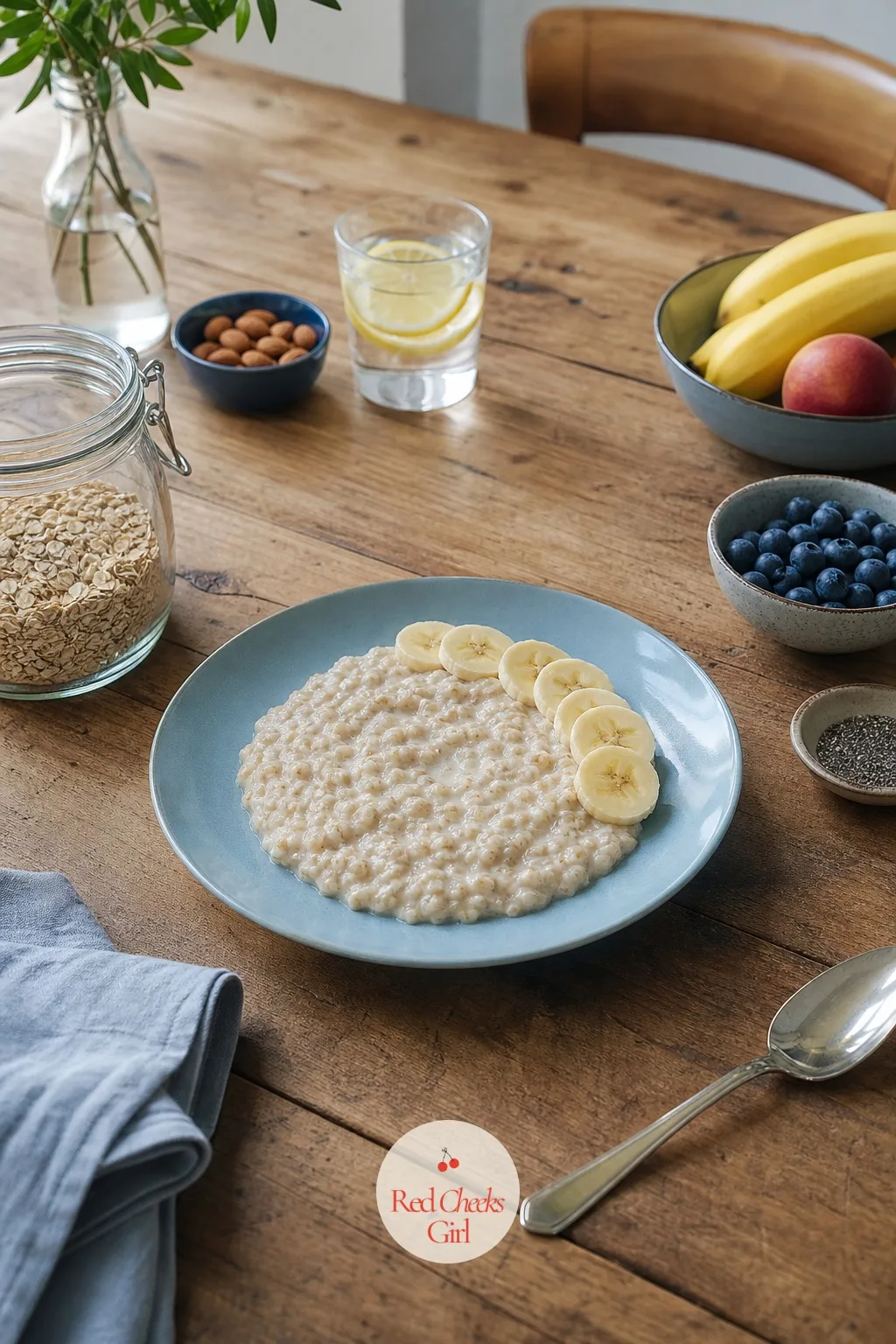
Oats are the grain nobody thinks of as impressive, which is exactly why it is easy to eat a proper serving without feeling like you are trying too hard. A few minutes on the stove is all they need.
Cook oats until thick and plate with a few thin banana slices across the top. Steel-cut oats give a chewier texture if you have more time in the morning.
🛍 Shopping guide
Fruit and a Little Sweetness
Not everything worth eating here feels like a chore. A few of the richest sources on this list are things you would reach for anyway.
Dark Chocolate
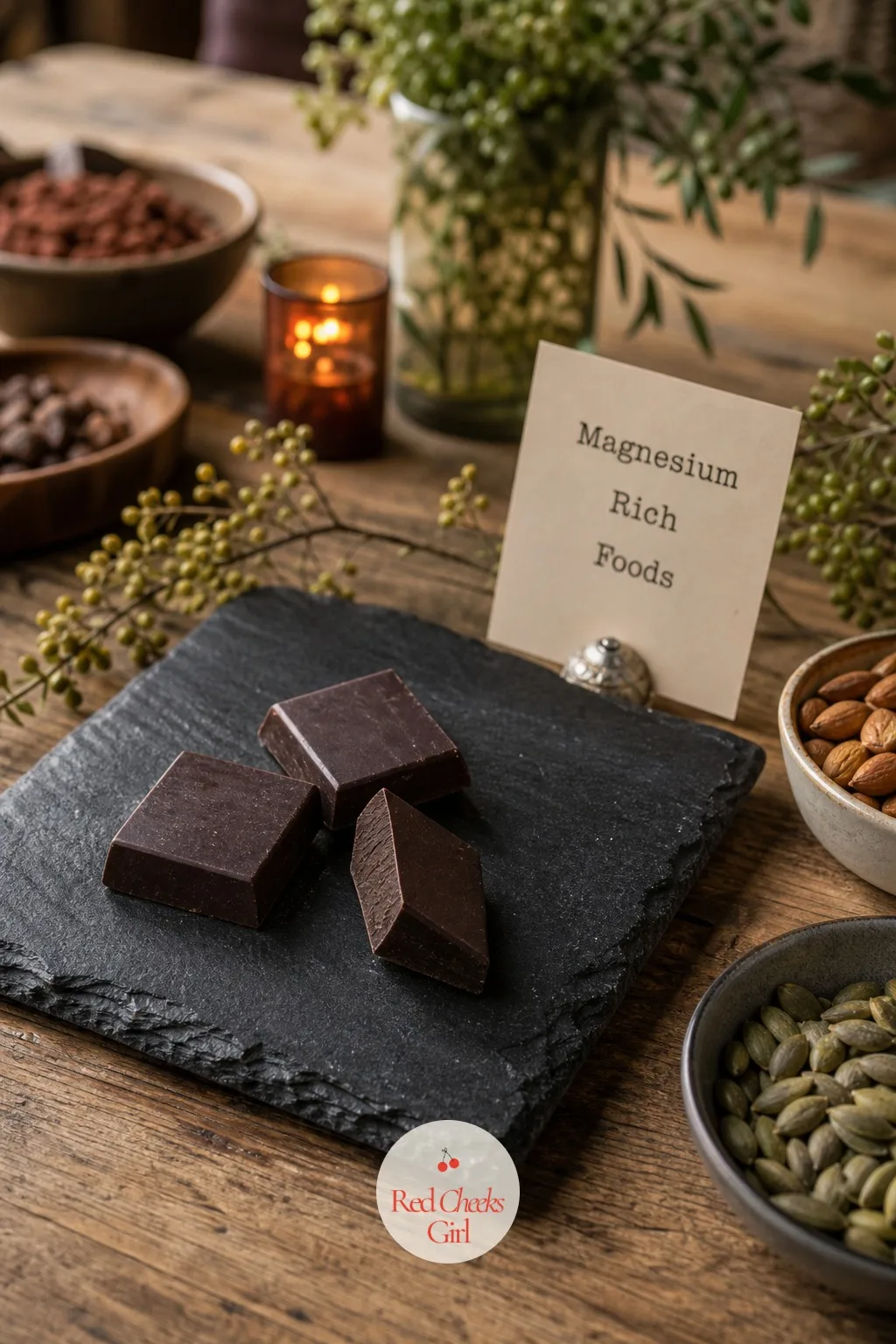
Dark chocolate, the kind with a high cocoa percentage, is the one entry on this list nobody has to be convinced to eat. The darker and less sweet it is, the more it has to offer.
Break a few squares onto a small plate and let them sit at room temperature a minute before eating, the flavor opens up more that way. Cocoa nibs stirred into oatmeal give a similar effect without the sugar.
🛍 Shopping guide
Avocado
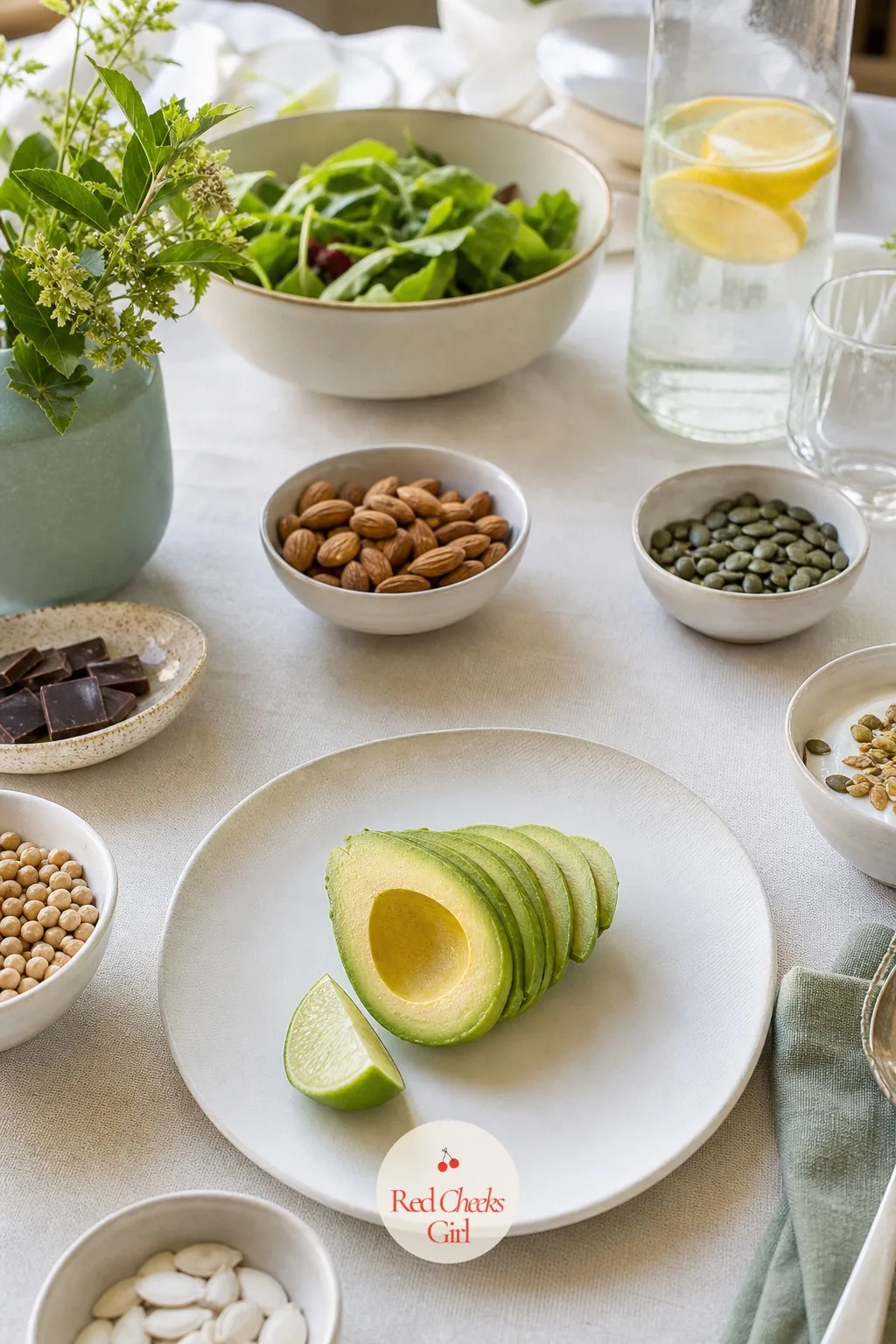
Avocado has gone from obscure to everywhere, and the reason it stuck is simple: it is rich without being heavy, and it dresses up a plain plate instantly. A ripe one gives slightly under gentle pressure.
Slice half an avocado into a loose fan and finish with a squeeze of lime and a little salt. Mashed avocado on toast works just as well if slicing feels fussy.
🛍 Shopping guide
Bananas
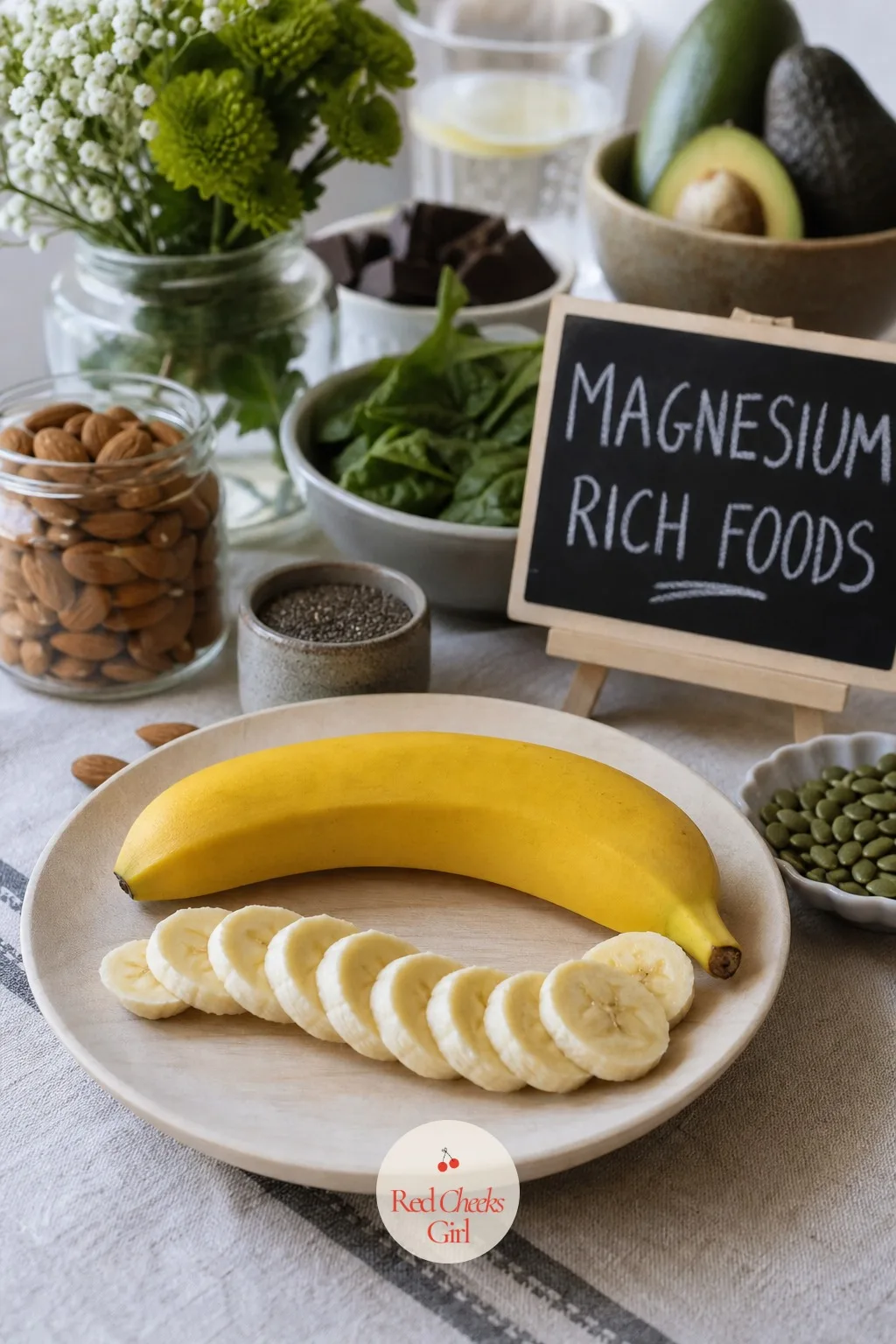
Bananas need nothing from you: no peeling tricks, no ripening window to catch, just pick one up and eat it. Sliced onto a plate they also go further than they look like they will.
Fan sliced banana rounds across a plate with a light drizzle of honey. Frozen banana slices blended smooth are a good swap when you want something colder.
🛍 Shopping guide
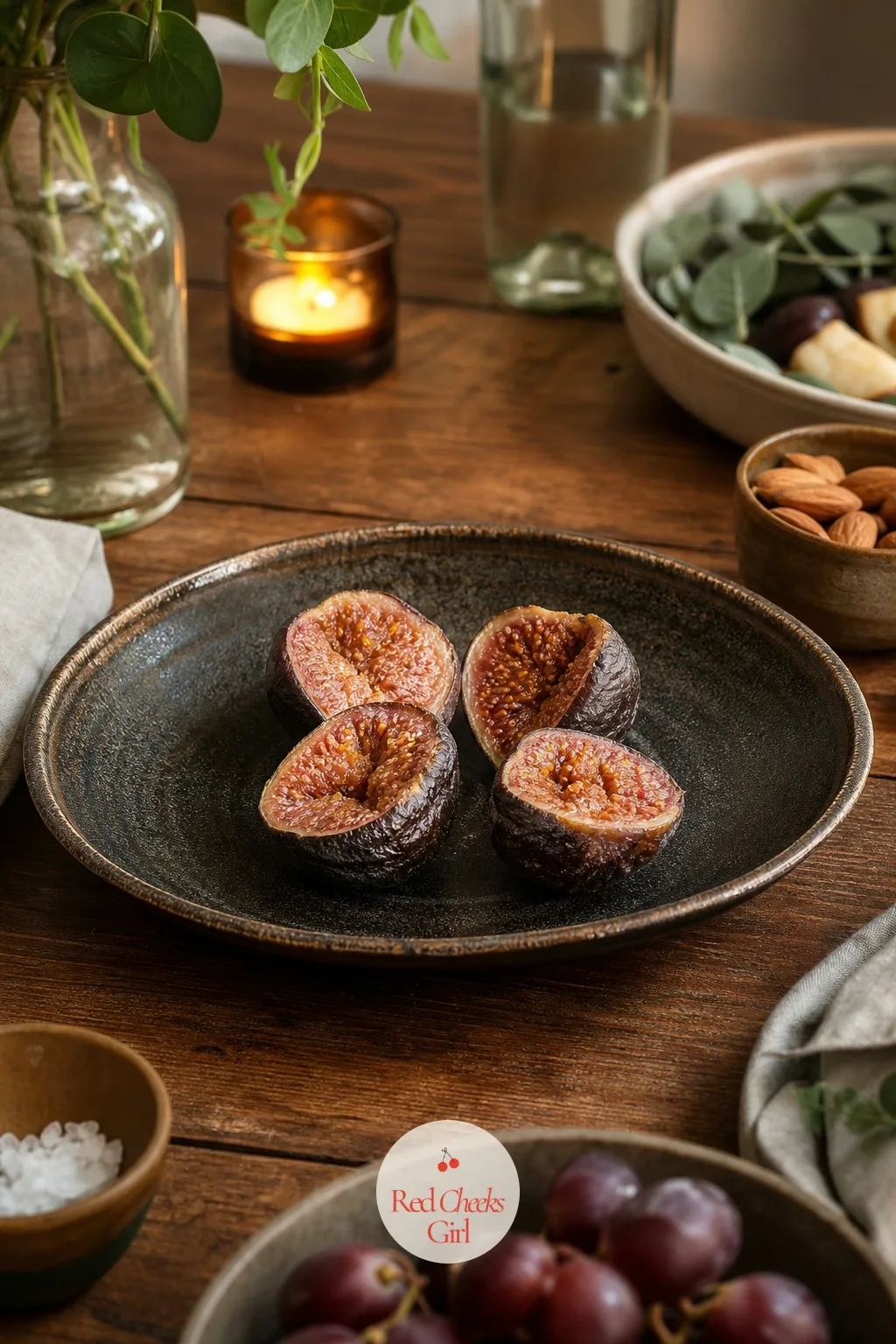
Dried Figs
Dried figs are sweeter and chewier than the fresh version, which makes them feel more like a small treat than a serving of fruit. A little goes a surprisingly long way.
Halve a few figs to show the speckled centers and arrange in a loose cluster with a scatter of crushed walnuts. Dried apricots are a milder-tasting swap.
🛍 Shopping guide
Easy Everyday Extras
These will not carry a meal on their own, but stirred into what you are already eating, they add up faster than you would expect. If you are changing your diet or supplements because of a specific health condition, a short chat with your doctor first is the sensible move.
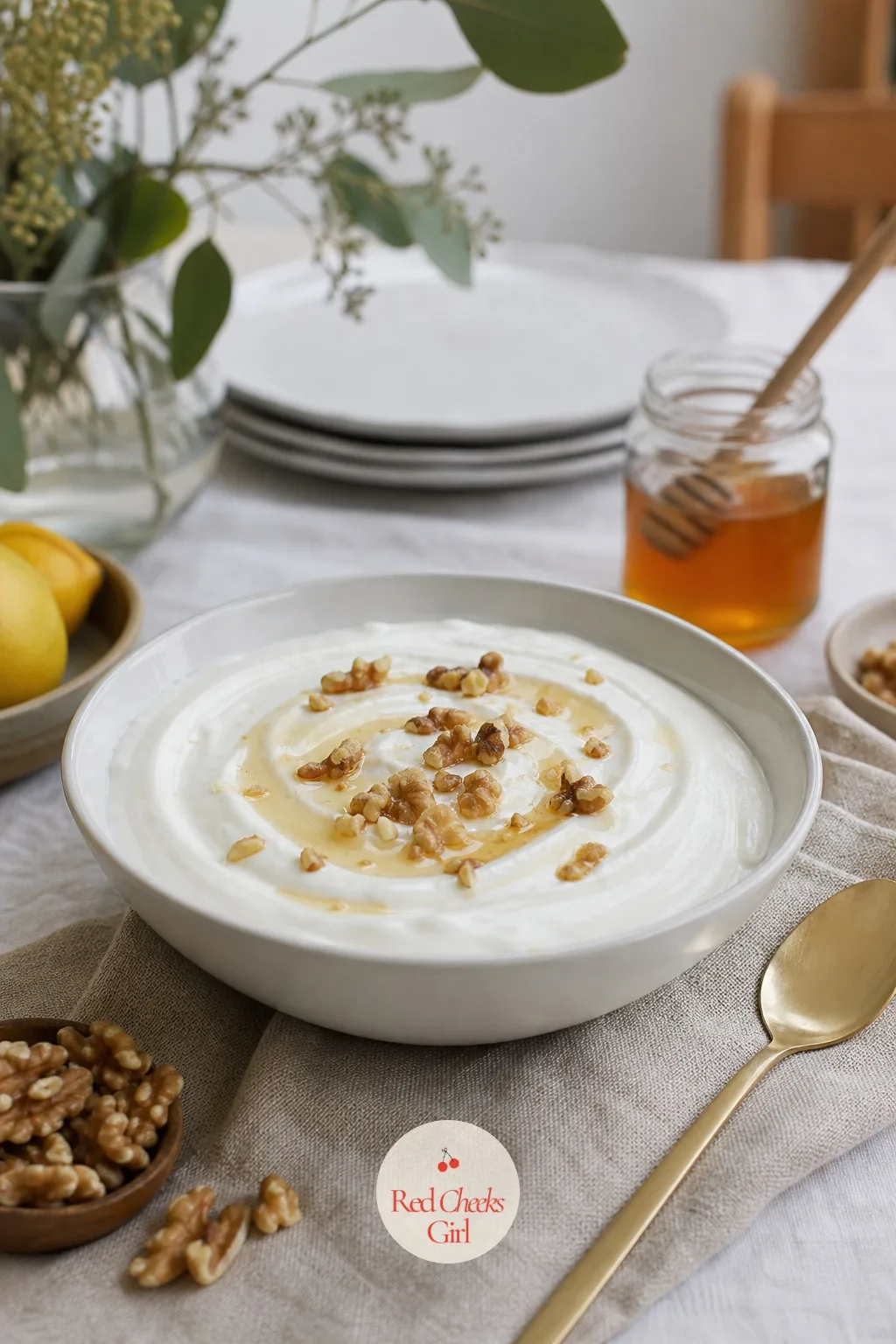
Plain Yogurt
Plain yogurt is the quiet workhorse of the fridge, the thing that turns a handful of nuts and seeds into an actual meal instead of a snack. Full-fat holds its texture best on a plate.
Swirl a thick scoop into a bowl, top with crushed walnuts and a thin drizzle of honey. Kefir poured over granola works as a thinner, tangier alternative.
🛍 Shopping guide
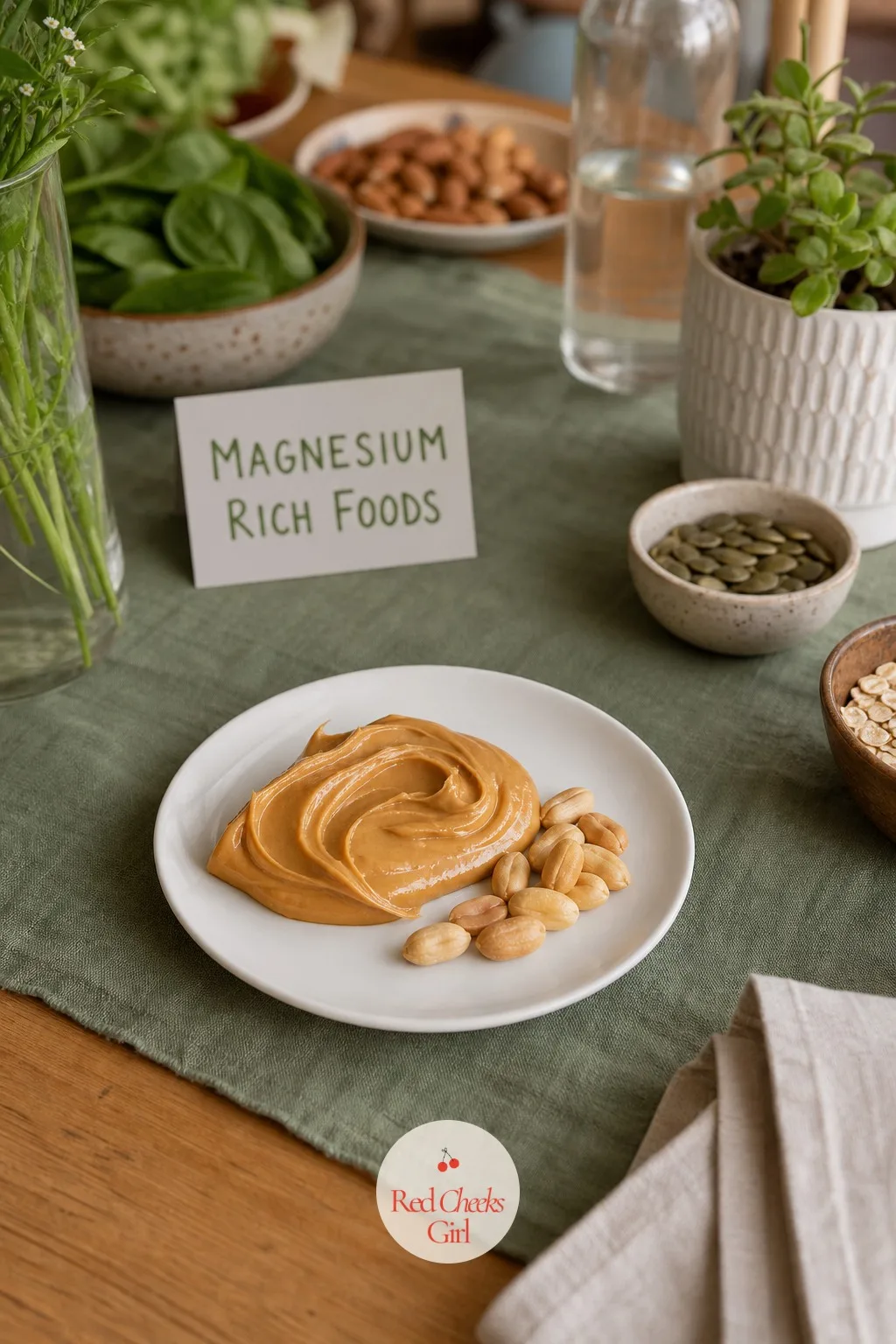
Peanut Butter
Peanut butter is already in most cupboards, which makes it the single easiest addition on this entire list: nothing to prep, nothing to cook, just a spoon. Natural versions with no added sugar give the cleanest flavor.
Swirl a spoonful onto a plate next to sliced banana or apple for dipping. Almond butter gives a milder, slightly sweeter result in the same role.
🛍 Shopping guide
Frequently Asked Questions
What foods are highest in magnesium?
Pumpkin seeds, chia seeds, almonds and cashews carry the most magnesium per ounce, with cooked spinach, Swiss chard and black beans close behind as the richest whole-food sources.
What fruit has the most magnesium?
Avocado and banana are the two fruits most often cited for magnesium content, with dried figs following close behind as a sweeter, more concentrated option.
Does banana have a lot of magnesium?
Banana contributes a modest but steady amount of magnesium, less than seeds or leafy greens but easy to eat daily without any preparation at all.
What are the symptoms of low magnesium?
Fatigue, muscle cramps and poor sleep are commonly mentioned, though these symptoms overlap with many other causes, so a doctor’s opinion matters more than guessing.
Can you get enough magnesium from food alone?
Most healthy adults can meet their needs through food without a supplement, by regularly including seeds, nuts, leafy greens, beans and whole grains across meals.
What is the fastest way to raise magnesium levels?
Consistent meals built around magnesium rich foods work better than any single quick fix, and anyone concerned about low levels should speak with a doctor before changing their diet or supplements.
It’s 90 degrees outside and I’m turning on the crockpot. I know. But here’s the th

11 healthy birthday treats with no sugar as the first ingredient, bright colours, and enough visual

11 no-fridge classroom birthday treats a teacher can prep ahead and hand out in one pass. Every reci
Leave a Reply