

Madeleines Recipe: A Little French Dessert With Brown Butter and Lemon Zest
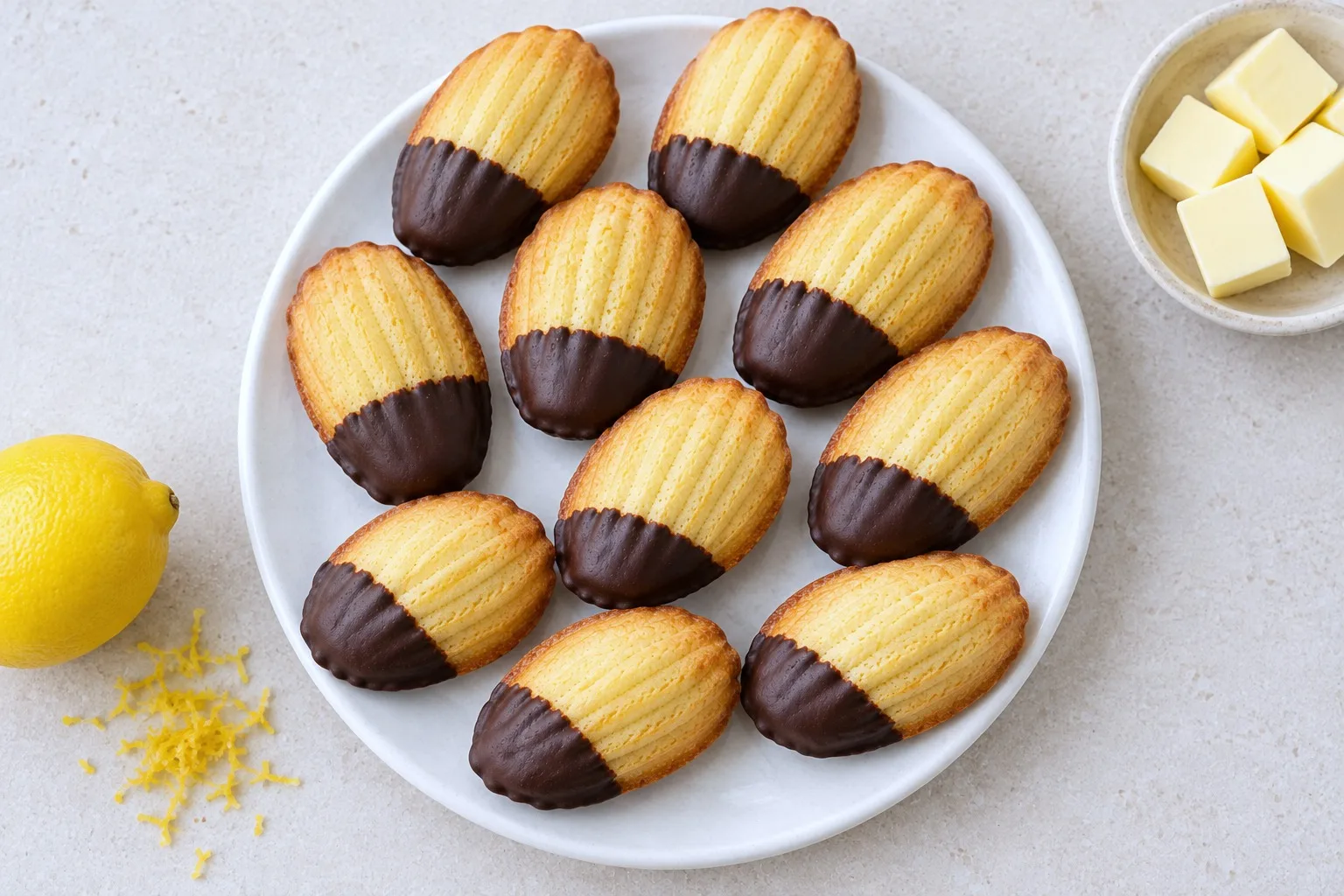
This madeleines recipe turns five pantry staples into the kind of small, shell-shaped cake that makes a plain afternoon feel like an occasion. Brown butter and lemon zest do the flavor work, a short chill in the fridge does the rest. They come out of the oven golden, humped and ready for the first cup of tea.
This post contains affiliate links. If you buy through them, I may earn a small commission at no extra cost to you.
Table of Contents
What Goes Into a Real Madeleine
A madeleine is not a cupcake wearing a costume, and that is exactly the point. The whole cake rests on five ingredients you likely already own: eggs, sugar, butter, flour and a lemon.
If the talk online about a special pan and a precise hump sounds like a lot of fuss for a Tuesday, know that this is one of those small, exact rituals that sits right next to the habits in 12 Habits That Create That Effortless French Girl Vibe: nothing flashy, just done properly.
Eggs and sugar whipped together for a full five minutes do the heavy lifting here. The mixture turns pale and nearly triples in size, and that trapped air is almost the only leavening power this cake has, a small amount of baking powder just helps it along.
Plain melted butter would work, but browned butter is the reason a good madeleine tastes like something more than a basic sponge. Cooking it until it smells nutty and turns the color of light caramel adds a toasted depth that plain butter cannot fake, for about five extra minutes of standing at the stove.
Lemon zest and a splash of vanilla cut through all that richness, and a small pinch of salt sharpens the sugar instead of making anything taste salty. Note for the table: this batter contains eggs, dairy and wheat, and the optional chocolate dip can bring tree nuts or soy depending on the brand.
How to Make It
The order matters more than the ingredient list here. Whip first, fold gently, chill properly, then let a hot oven do the dramatic part. Nothing about this is difficult, it just asks you to not rush the cold.
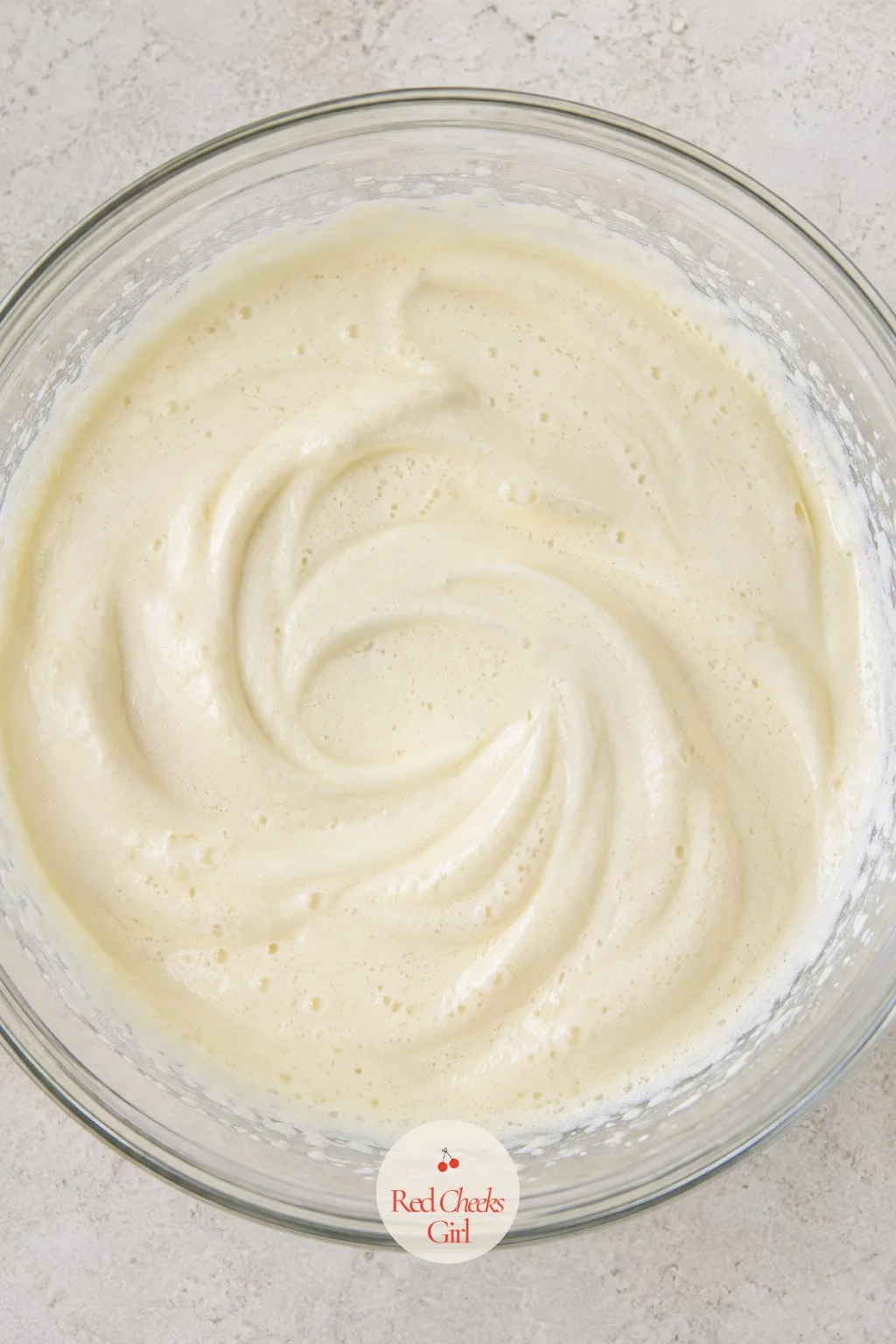
Whip the Eggs and Sugar Pale
Beat the eggs and sugar until the mixture lightens in color and nearly triples in volume. It should look thick and foamy, holding a soft ribbon when the beater lifts away.
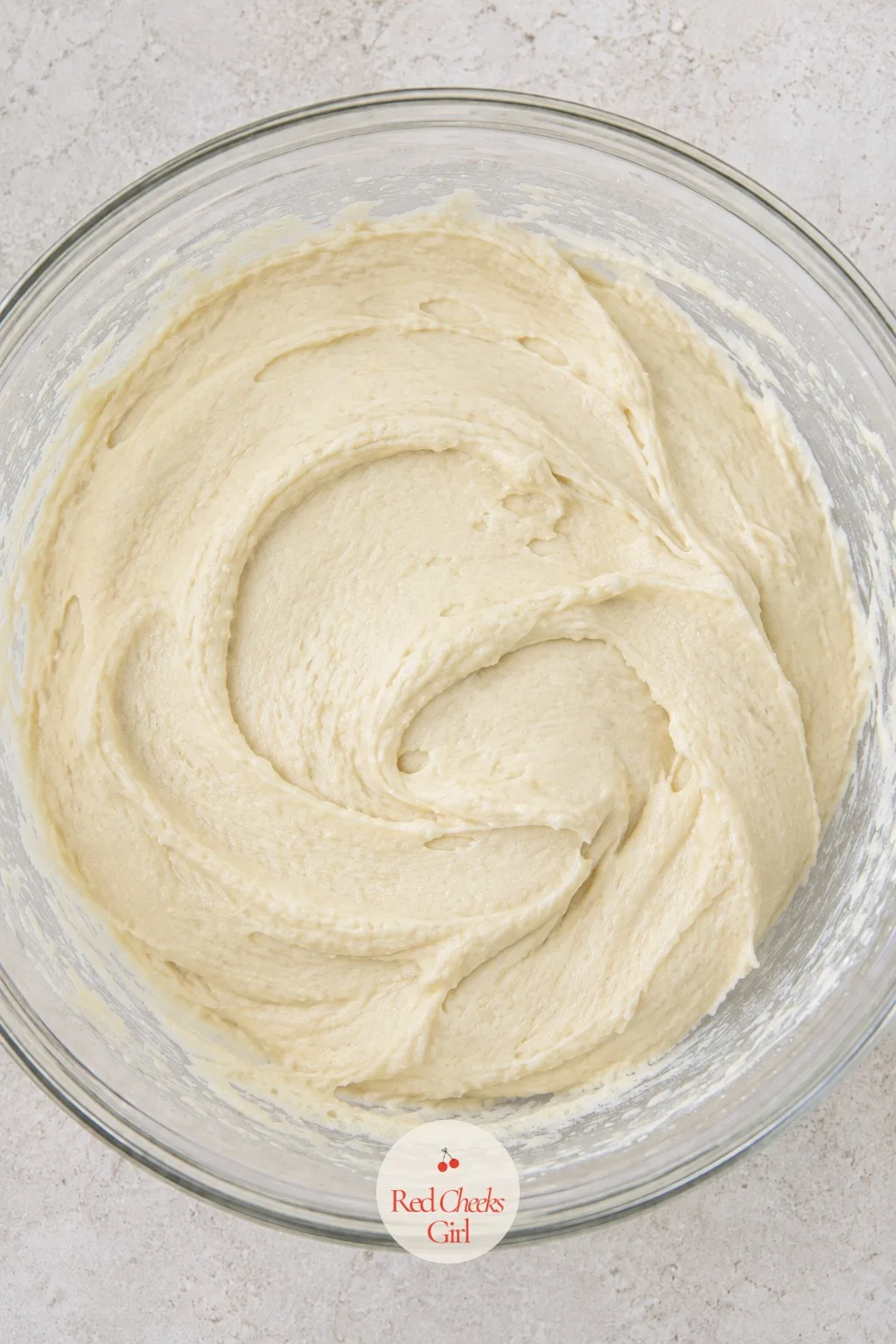
Fold in the Flour
Fold the sifted flour, baking powder and salt into the egg mixture until no dry streaks remain. The batter turns thicker and matte, with no loose flour visible anywhere.
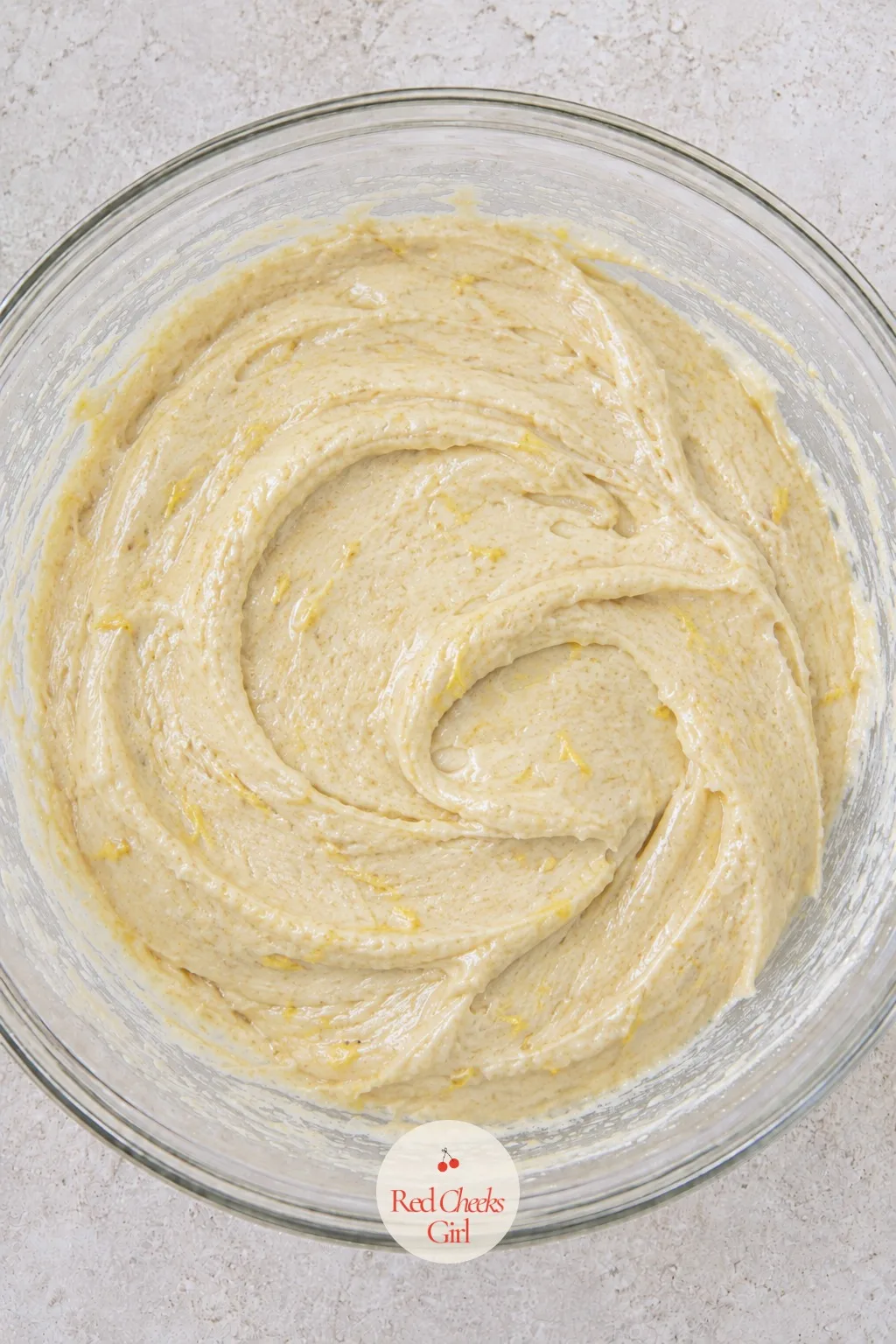
Fold in Brown Butter and Lemon Zest
Fold the cooled brown butter and lemon zest through the batter until it turns glossy and smooth. It should fall off the spatula in a slow, thick ribbon with no butter pooling underneath.
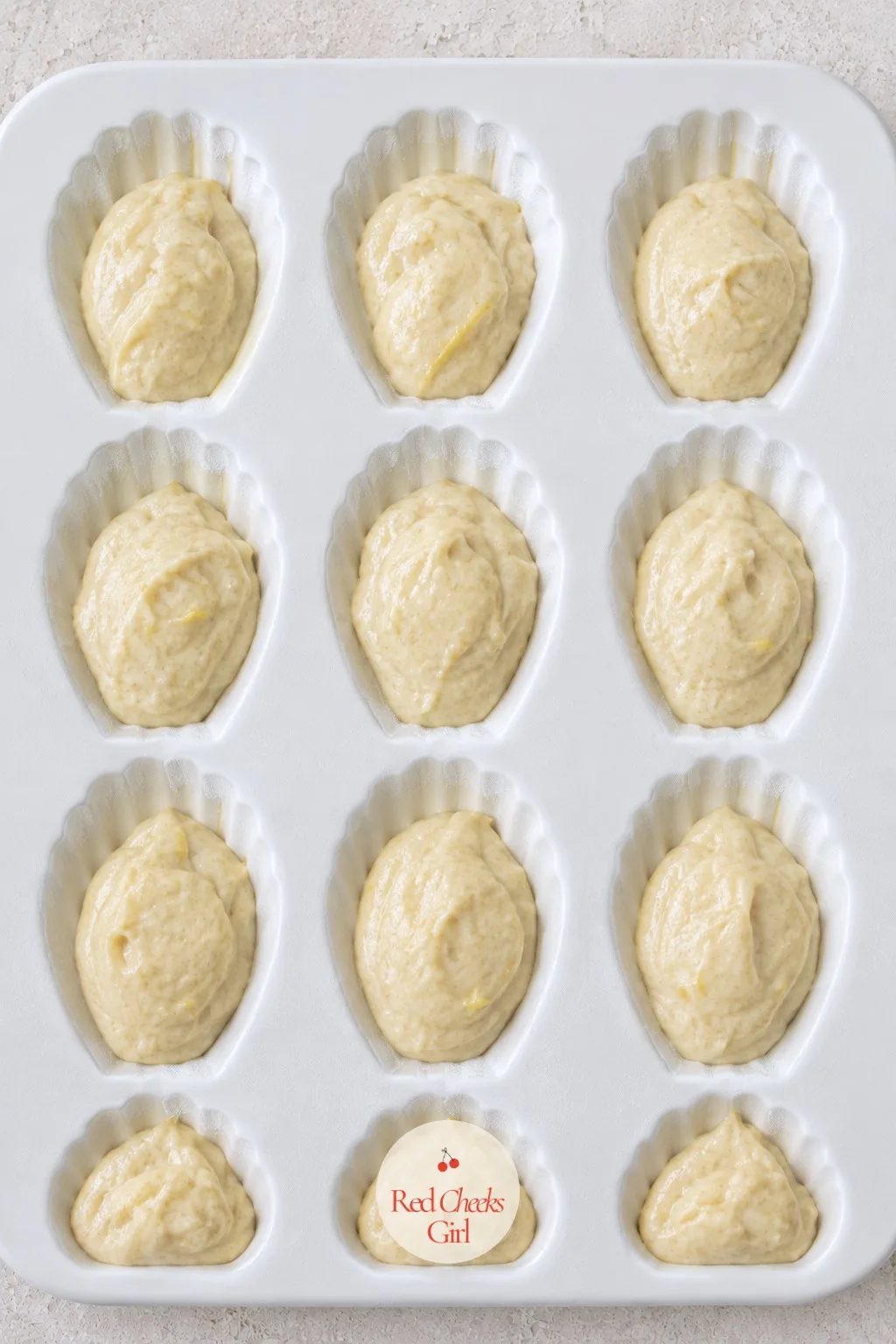
Fill the Shells With Cold Batter
Spoon the chilled batter into the chilled, buttered shells, filling each about three-quarters full. The batter should sit mounded in each cavity, not spread flat.
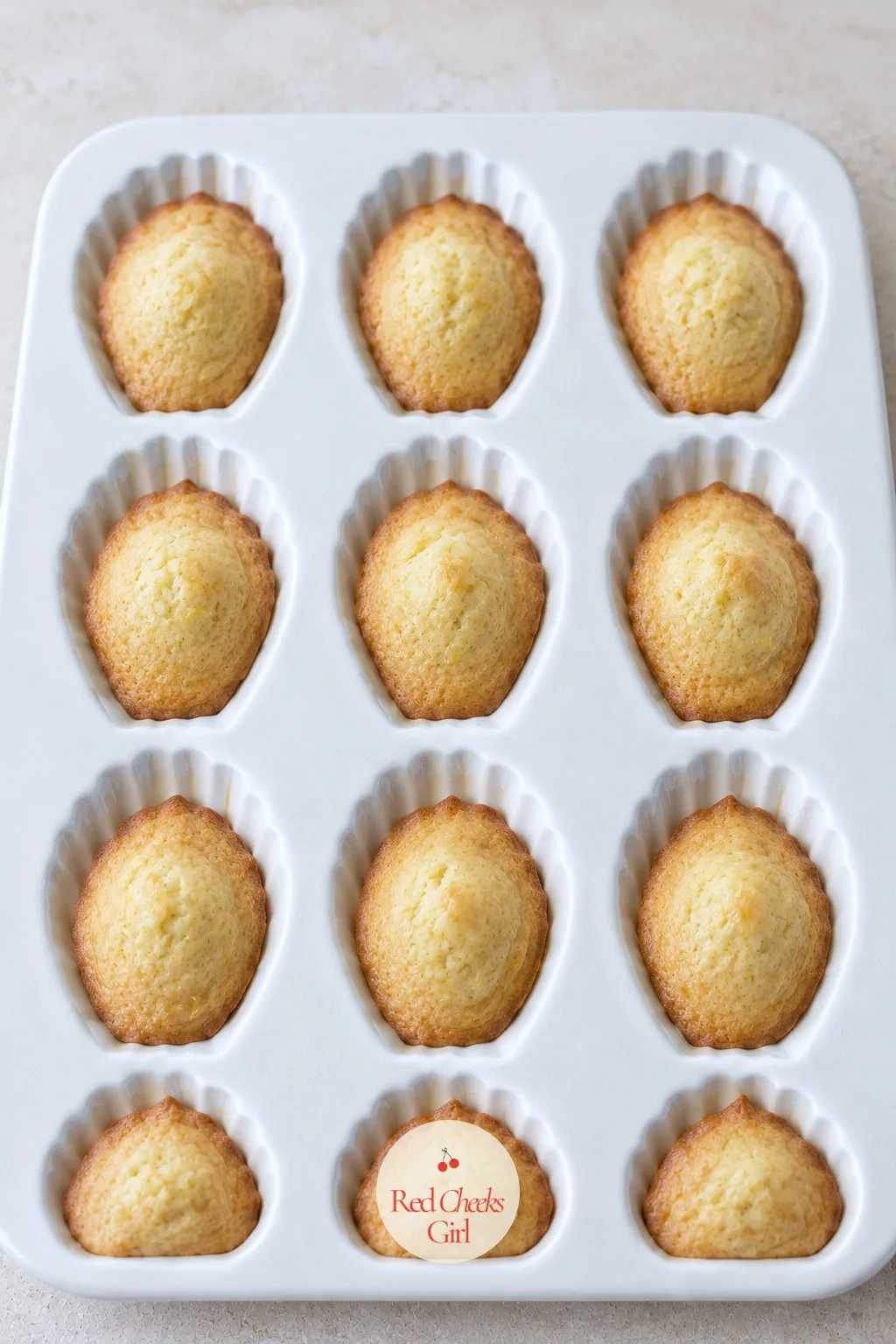
Bake Until the Hump Rises
Bake until each madeleine rises into a rounded hump with lightly golden edges. The centers should look set and spring back gently when pressed.
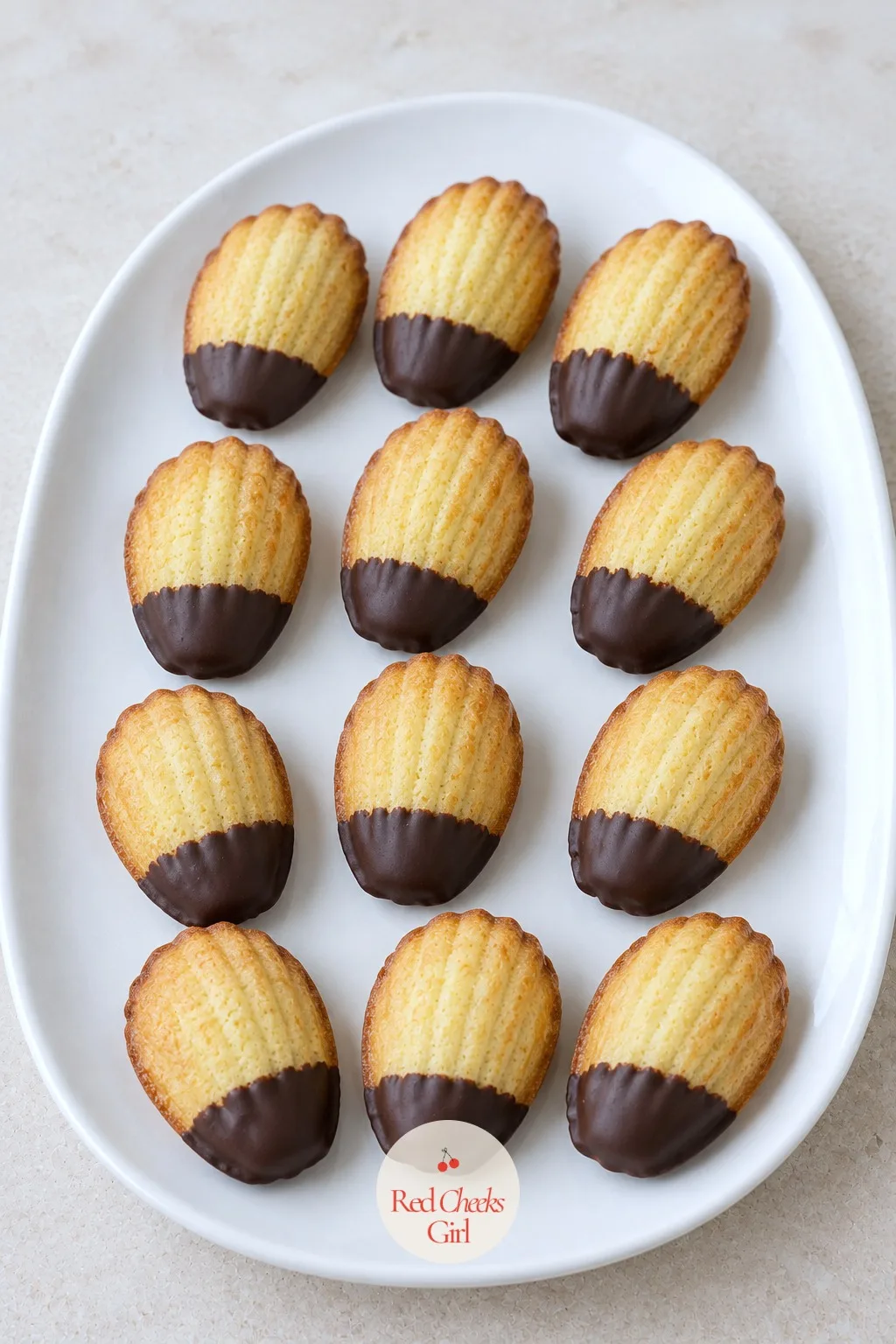
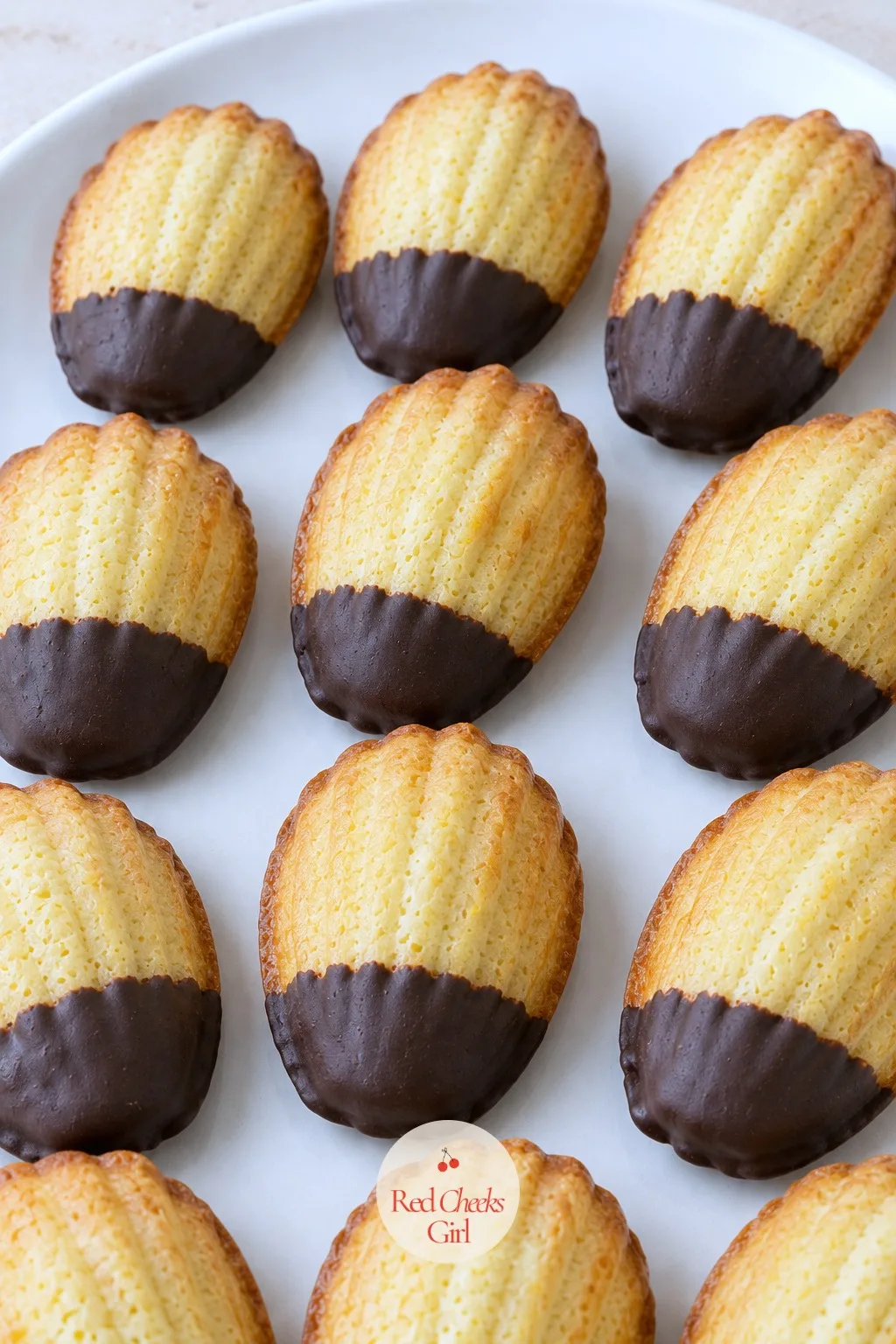
Dip in Dark Chocolate and Serve
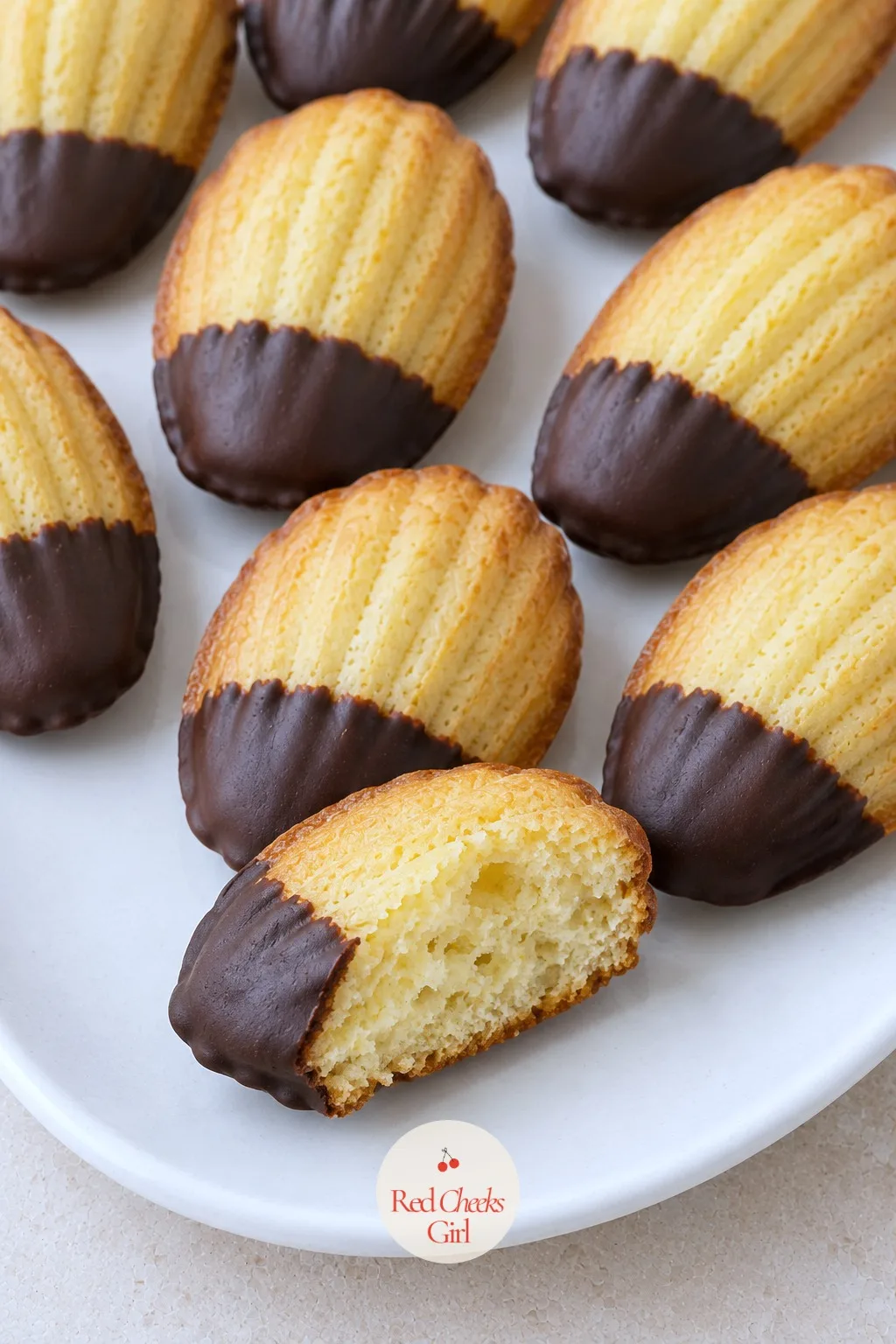
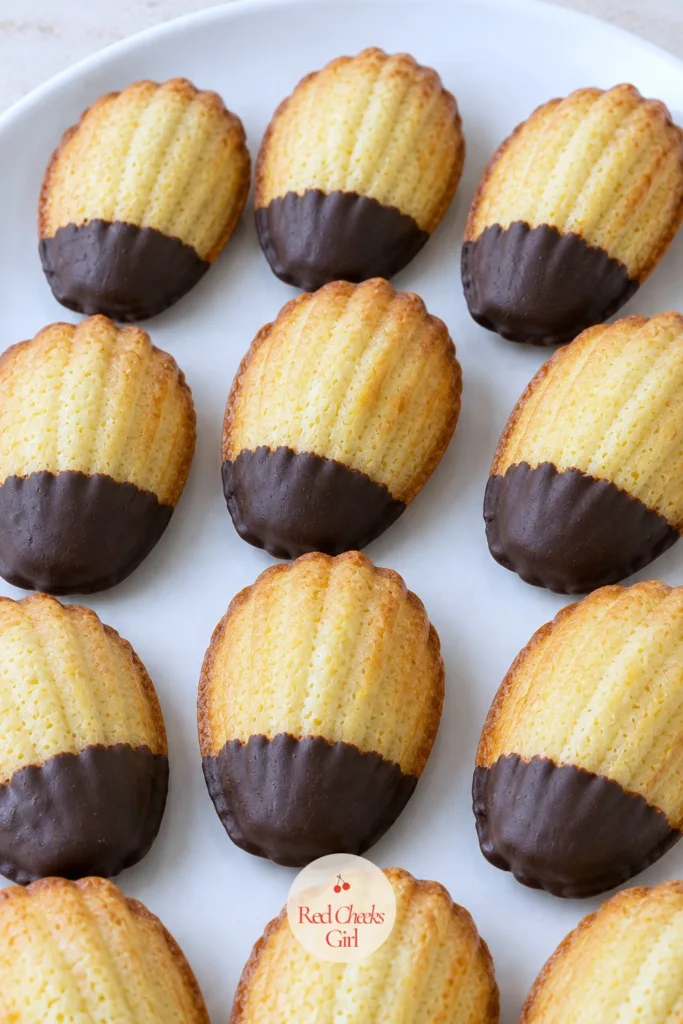
Dip one end of each cooled madeleine in melted dark chocolate and let it set before serving. Arrange them shell-side up so the ridges and the chocolate line both show.
🛍 Shopping guide
Where Madeleines Go Wrong (And How to Fix It)
Flat madeleines are the single most common complaint, and it is rarely the recipe at fault. The main reason madeleines do not develop their classic hump is not chilling the batter properly, so if the fridge rest got rushed, that is the first place to look.
The second culprit is an oven that only looks hot. An oven set to the right temperature but not fully preheated is one of the main causes of flat madeleines, so give it a full 20 minutes before the pan goes in, longer if the oven runs cool, and do not open the door to check once baking starts.
Overmixing the batter makes them tough, so fold the flour in only until the streaks vanish, and fold the butter in the same gentle way. A batter that gets beaten like cake batter will taste it.
Fill each shell to about two thirds, not all the way to the rim: too full means overflow, not enough means a flat, sad little cake instead of a dome. Get the chill, the heat and the fill right together and that hump actually shows up!
Easy Swaps and Substitutions
Short on a lemon, or simply not in the mood for it? Swap the zest for orange zest, or drop it for a half teaspoon of almond extract instead, both play just as well against the brown butter.
If browning butter feels like one step too many on a weeknight, plain melted butter still makes a fine madeleine, the hump will come either way, you will only lose some of the toasted depth. This is the version worth keeping in the back pocket for a quick batch.
Gluten-free bakers can swap in a 1:1 gluten-free flour blend with no other changes to the method, and dairy-free butter alternatives work for the browning step too, though the nutty flavor will be milder. Note that either swap still shares the kitchen with the original eggs.
No chocolate in the house, or would rather not spend on it? Skip the dip and the glaze altogether and finish the cooled madeleines with a light dusting of powdered sugar, it costs almost nothing and still looks finished on a plate.
Short on a full-size pan, or want something that fits a smaller hand at a party? A mini madeleine pan bakes in closer to 6 to 7 minutes and turns the same batter into bite-sized pieces for a dessert table.
What to Serve Madeleines With at a Party
Madeleines were built for dunking, so tea or coffee is never a wrong answer, and a tiered stand does more for them visually than a flat platter ever will. Stack them shell-side up so the ridges catch the light.
For a daytime gathering, set them next to the rest of a proper spread rather than alone. Ideas from 18 Tea Party Food Ideas for Her Birthday Afternoon With the Girls fill out a table around them without competing for attention, since madeleines are rich enough to stay a quiet, pretty supporting act.
For an evening version of the same idea, a glass of something cold and celebratory does the job that coffee does in the morning.
The French 75 Cocktail Recipe for a New Year’s Eve Toast pairs particularly well with the lemon and butter here, for guests of legal drinking age only, and it is worth keeping a non-alcoholic option like sparkling lemonade on the same tray for anyone who is not drinking.
Keep the serving simple: a single platter, a short stack, maybe a small bowl of extra lemon glaze on the side for dipping. Madeleines do not need much dressing up to look like they belong at a proper gathering.
Madeleines Recipe
Ingredients
- 10 tablespoons unsalted butter plus softened butter for the pan
- 2 large eggs at room temperature
- 2/3 cup granulated sugar
- 1 teaspoon vanilla extract
- 1 tablespoon finely grated lemon zest about 1 large lemon
- 1 cup all-purpose flour plus more for the pan
- 1 teaspoon baking powder
- 1/4 teaspoon fine salt
- 4 ounces dark chocolate chopped, optional, for dipping
- 1 cup powdered sugar and 2 tablespoons fresh lemon juice optional, for a lemon glaze instead of chocolate
Instructions
- Melt 10 tablespoons of unsalted butter in a light-colored saucepan over medium heat. Swirl the pan often as it foams, then turns golden and smells nutty, about 6 to 8 minutes. Pour the brown butter into a small bowl right away so it stops cooking, and let it cool for 15 minutes.
- In a large mixing bowl, whisk 2 room-temperature eggs with 2/3 cup granulated sugar using an electric mixer on high speed. Beat for about 5 minutes, until the mixture turns pale yellow, thickens and roughly triples in volume. Whisk in 1 teaspoon vanilla extract.
- Sift 1 cup all-purpose flour, 1 teaspoon baking powder and 1/4 teaspoon salt directly over the egg mixture. Fold gently with a spatula just until no dry streaks remain, the batter will look thick and matte. Stop as soon as the flour disappears, overmixing is what makes madeleines tough instead of tender.
- Pour the cooled brown butter around the edge of the bowl and add 1 tablespoon lemon zest. Fold everything together with the spatula until the batter turns glossy and smooth, with no pooling butter at the bottom. The finished batter should fall off the spatula in a slow, thick ribbon.
- Press a piece of plastic wrap directly onto the surface of the batter and refrigerate for at least 1 hour, up to 24 hours. This rest firms up the butter and chills the batter all the way through, which is what lets it hump instead of spread once it hits the oven.
- Brush softened butter generously into every shell of the madeleine pan, getting into the ridges with a pastry brush. Dust the pan with flour, tap out the excess over the sink, then set the pan in the fridge or freezer while the oven heats.
- Set an oven rack in the upper third of the oven and preheat to 375 degrees F. Give the oven at least 20 minutes to come fully up to temperature. This short, hot bake is what sets the edges fast enough for the center to still push up into a hump.
- Take the chilled batter and the chilled pan out of the fridge. Spoon or pipe about 1 tablespoon of batter into each shell, filling it about three-quarters full and leaving the batter mounded rather than spread flat.
- Bake for 9 to 11 minutes, without opening the oven door, until each madeleine has risen into a rounded hump in the center and the edges have turned light golden brown. Press a finger lightly on the center, it should spring back.
- Let the madeleines sit in the pan for 2 minutes, then turn the pan over onto a wire rack and tap gently to release them, shell-side up. Let them cool completely, about 20 minutes, before dipping or glazing, madeleines warm from the oven will melt chocolate off balance instead of holding it in a clean line.
- For a chocolate dip, melt 4 ounces chopped dark chocolate and dip one end of each cooled madeleine, letting the excess drip off before setting it on parchment paper to firm up, about 10 minutes. For a lemon glaze instead, whisk 1 cup powdered sugar with 2 tablespoons lemon juice until smooth and drizzle it over the shell side. Serve the same day, while the edges are still a little crisp.
Good to Know
Frequently Asked Questions
Is a madeleine a cake or a cookie?
Madeleines are technically a small sponge cake, not a cookie, even though they are sold and eaten cookie-style. The whipped egg batter and butter give them the airy crumb of a cake inside a shell-shaped bite.
What is the difference between madeleines and financiers?
Madeleines use whole eggs whipped with sugar for lift, while financiers use egg whites and ground almonds for a denser, nuttier crumb. Madeleines are shell-shaped; financiers are usually small rectangles.
Why do madeleines stick to the pan even after buttering it?
Madeleines stick when the pan is buttered but not also floured, since butter alone will not release the ridged shell pattern cleanly. Chill the buttered, floured pan before filling, and unmold the cakes within minutes of baking.
Can I use salted butter instead of unsalted?
Salted butter works, but cut the added salt in the batter roughly in half, since brands vary in how much they already contain. Unsalted still gives the most control over the final flavor.
Can I double this madeleines recipe for a crowd?
Yes, doubling works fine, just bake in batches rather than overcrowding the pan’s cavities. Keep the extra batter chilled in the fridge between batches so each one still gets a cold start into the oven.
9 no-bake berry first birthday treats assembled on one worktop. Exact recipes, make-ahead tips and a
20 things to bake and sell that move fast at a bake sale, craft fair or on the porch, each one shown
18 super bowl desserts built to eat standing up: Dubai chocolate strawberry cups, dirt cake, footbal
Leave a Reply