

Seared Scallops: A Special Dinner Recipe With Lemon Butter and a Golden Crust
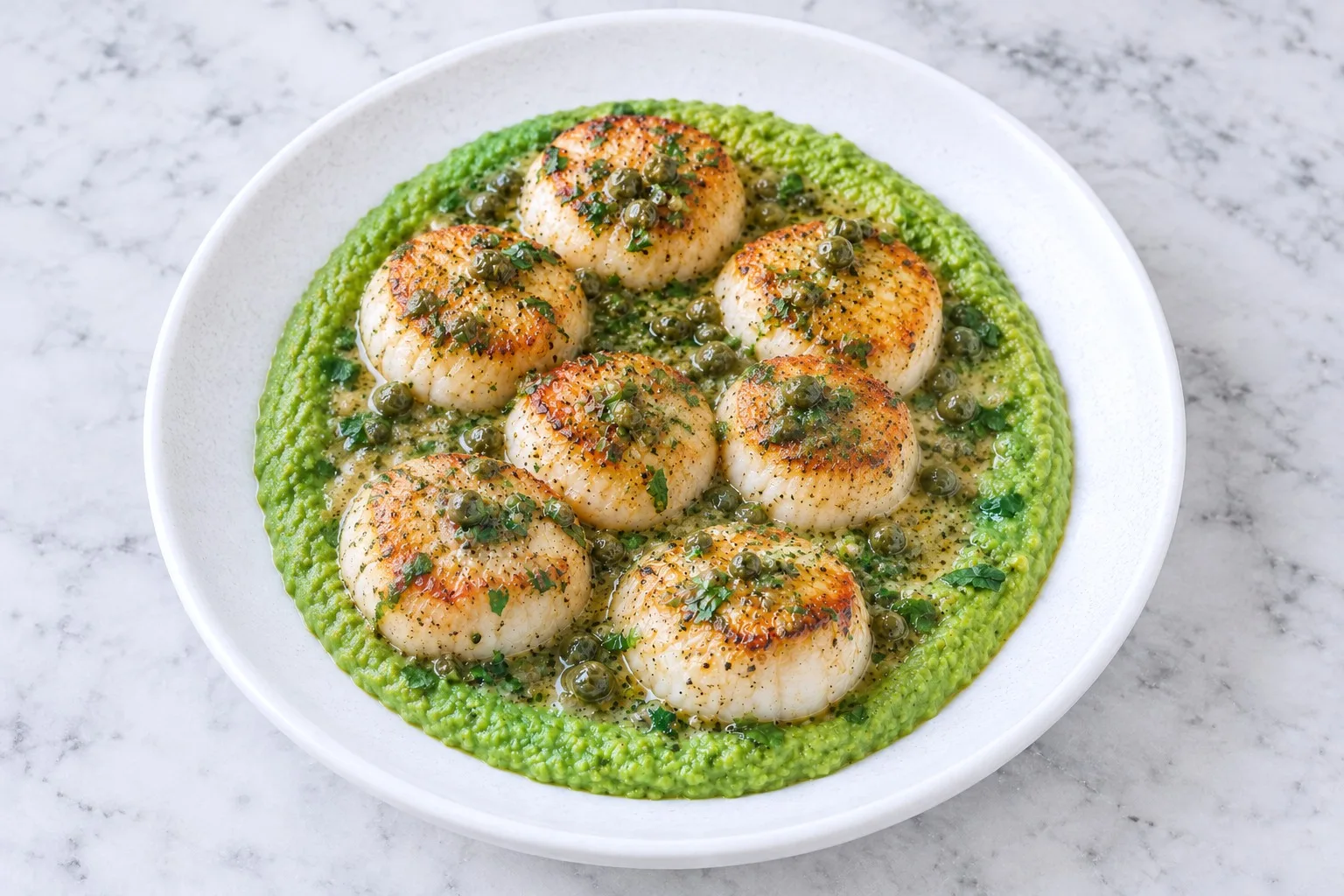
Seared scallops earn their restaurant reputation for one reason only: a deep golden crust that takes exactly two minutes of patience to build.
Ten minutes from cold pan to finished plate, no deep fryer, no reservation, just a very hot skillet and scallops that were properly dry before they ever touched it. This is the dinner that turns a Tuesday into something worth lighting a candle for!
This post contains affiliate links. If you buy through them, I may earn a small commission at no extra cost to you.
Table of Contents
The Scallops (And the Pan) That Actually Matter
Everything here rides on one purchase: dry sea scallops, not wet ones. At the counter,
Large sea scallops, not the small bay kind, are what give you that restaurant-sized crust and a tender center underneath. A good one feels If the fishmonger cannot tell you which kind they sell, assume wet and plan the quick fix in the swaps section below.
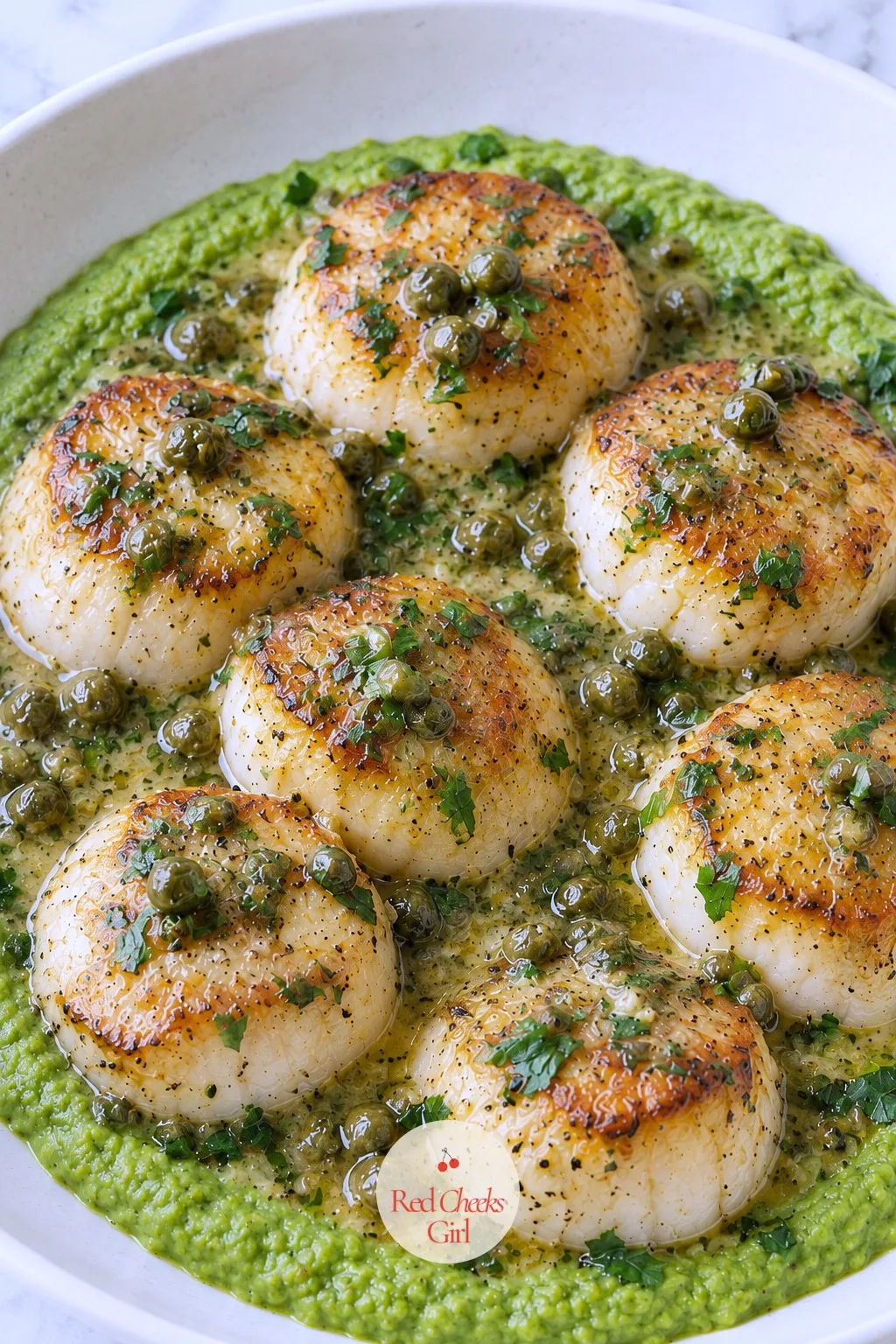
The butter, garlic and thyme bath is not decoration. Once the scallops come off direct heat, basting them in foaming butter finishes the cooking gently and carries garlic and thyme flavor into every bite without scorching either one.
Lemon juice, capers and parsley go in right at the end, off the heat, so they stay bright instead of turning dull and cooked-tasting. Capers bring the salty, briny snap that a rich butter sauce needs to stop tasting heavy.
How to Make It
This is the whole method, start to plate, with nothing skipped. Read it once before you turn on the stove: scallops move fast once they hit the pan, and there is no pausing to reread a step.
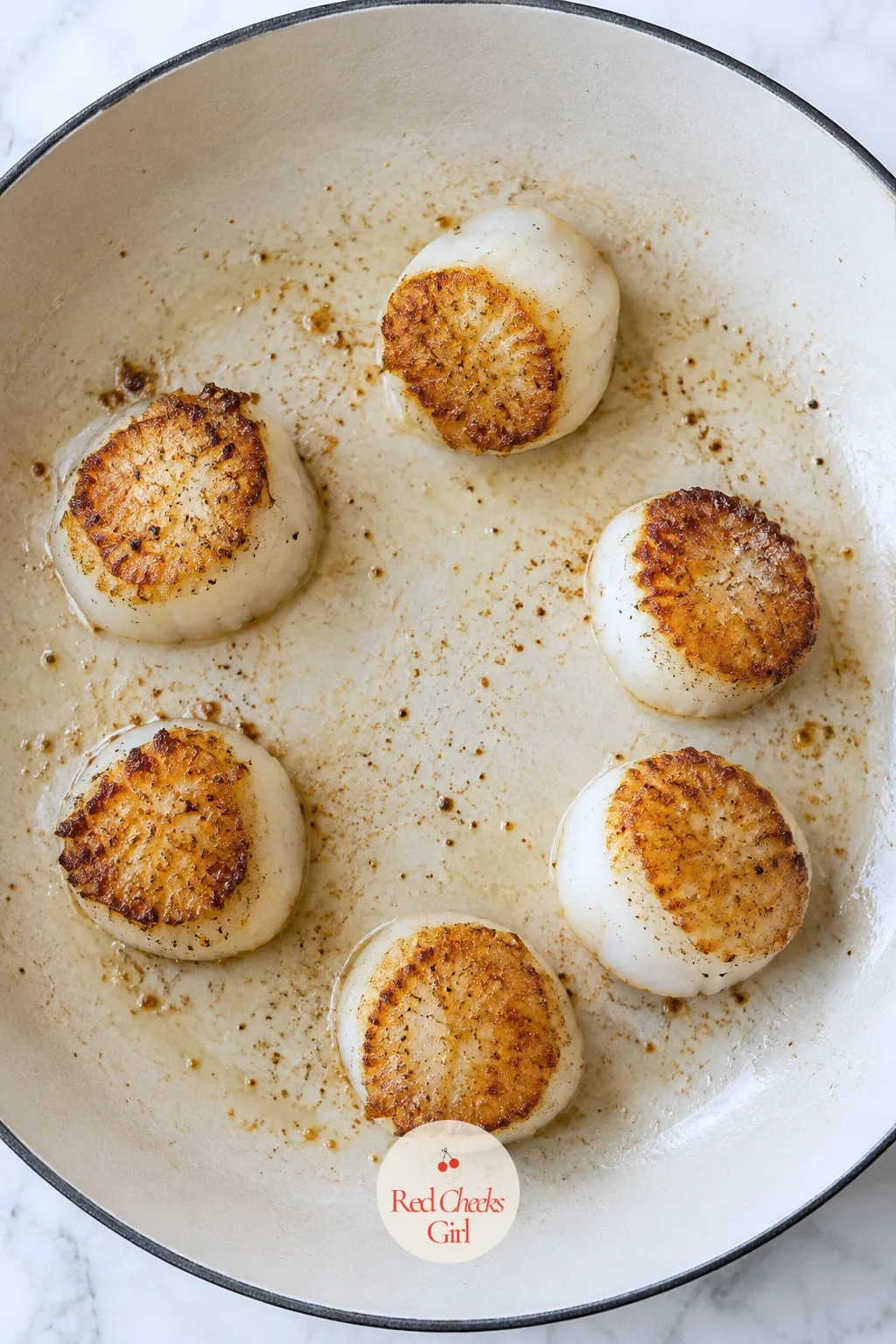
Sear the first side without touching them
Lower the scallops into the hot skillet and step back. Leave them completely alone for the full two minutes so the crust has time to form on the bottom.
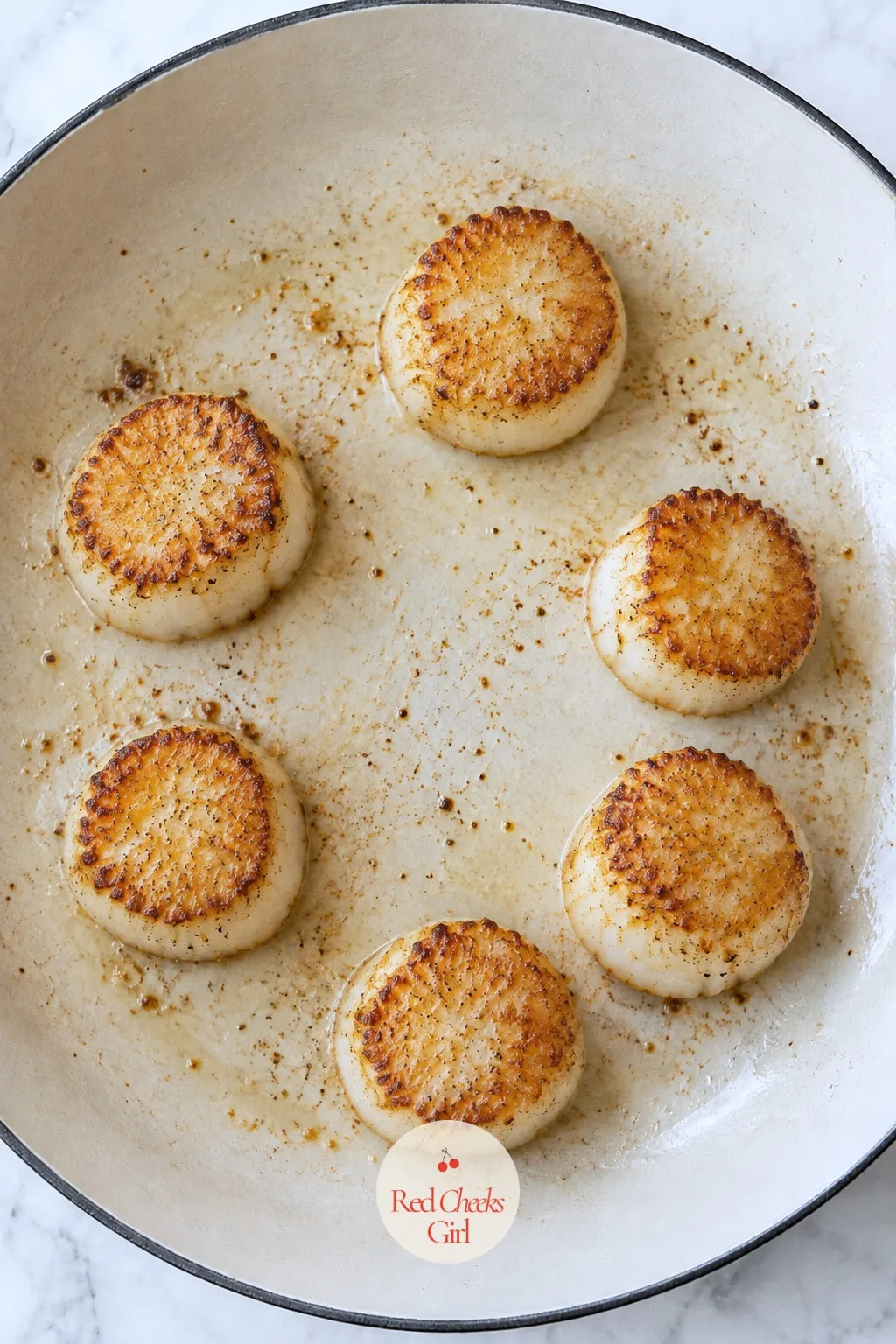
Flip and sear the second side
Turn each scallop with tongs in one motion. The second side needs only a minute or two to match the first, and the edges should look opaque with a faint glow at the very center.
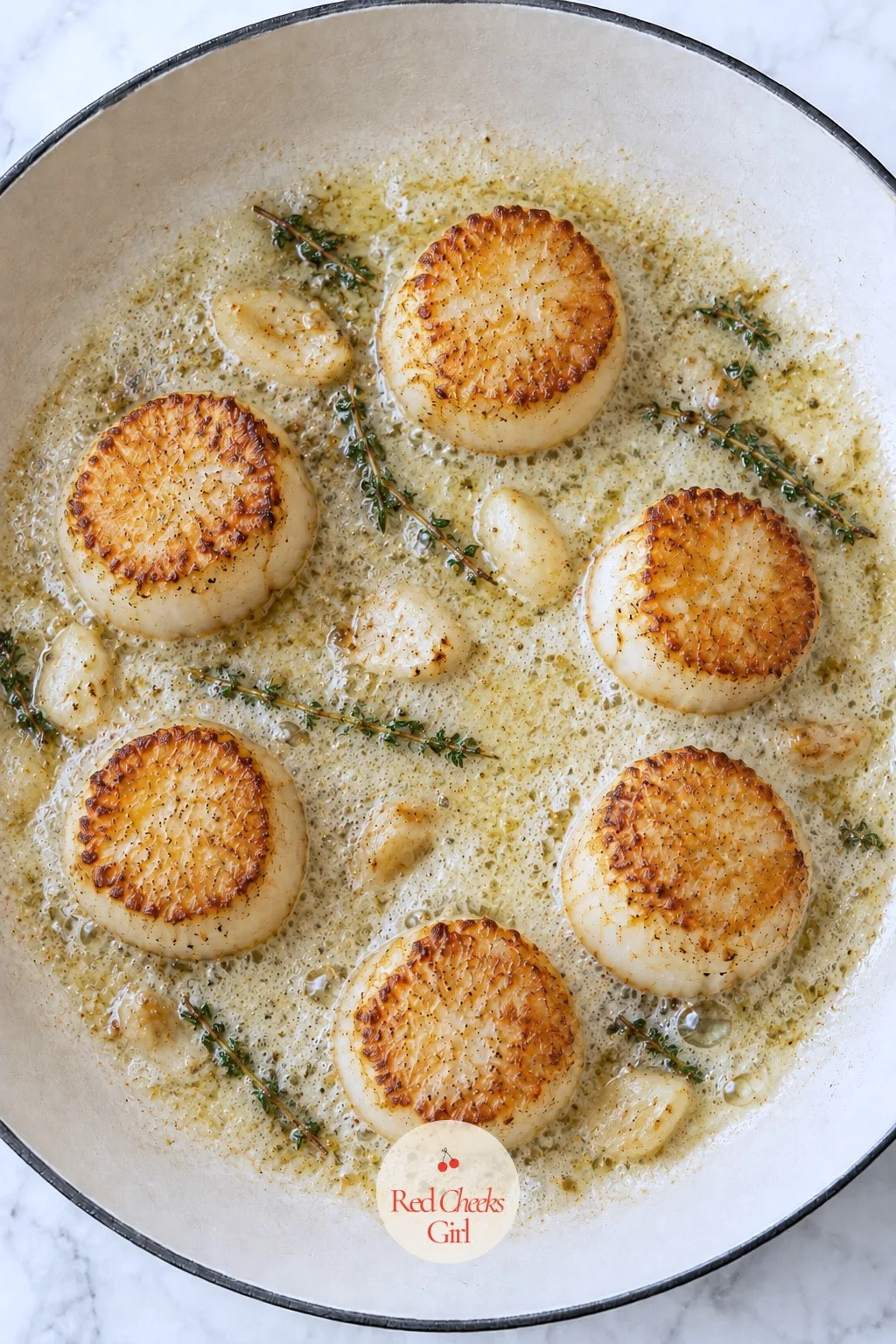
Baste in butter, garlic and thyme
Tilt the pan so the butter pools on one side, then spoon it over the scallops again and again. Thirty seconds is enough for the garlic and thyme to perfume every piece.
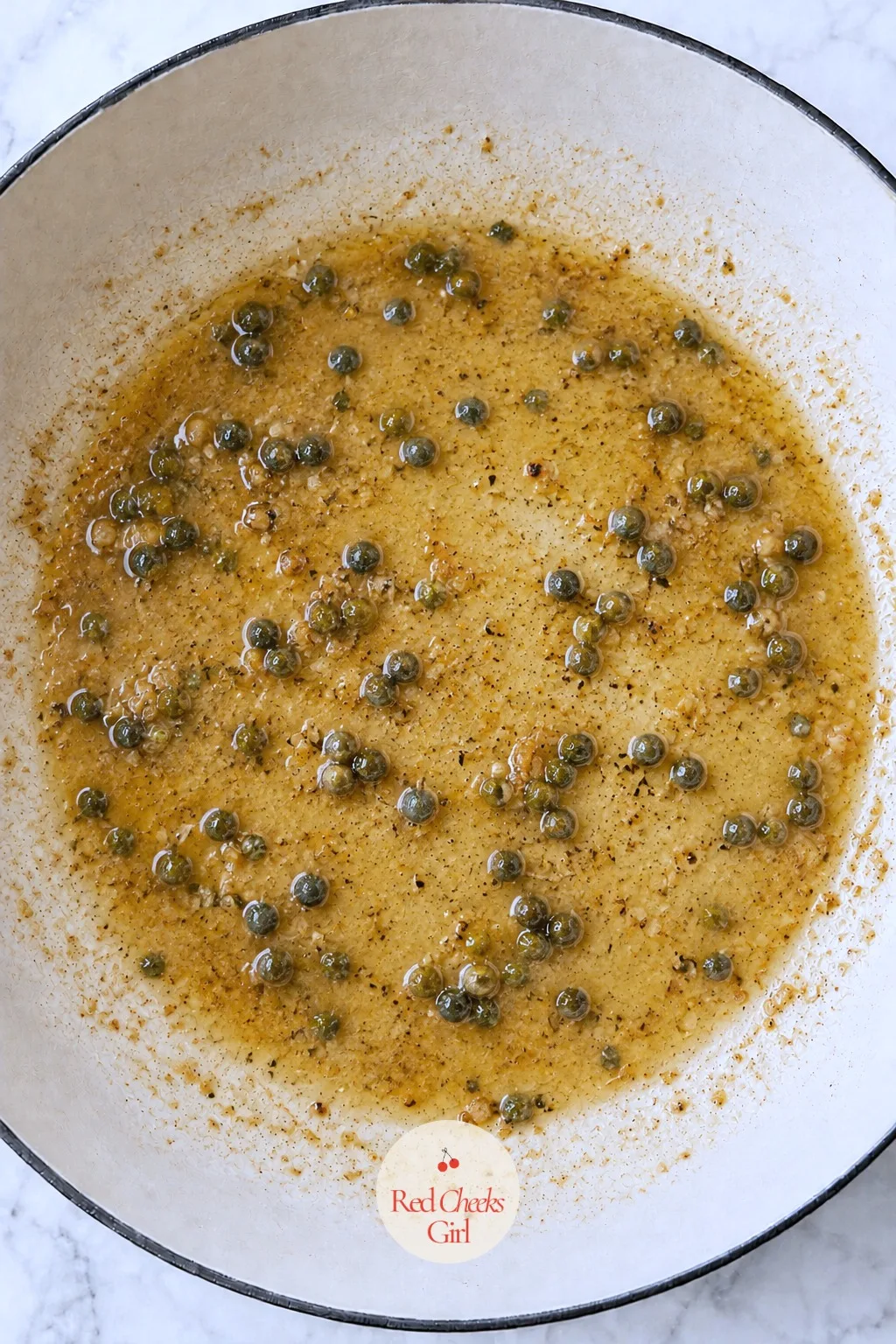
Build the lemon caper sauce
With the scallops resting on a plate, stir the lemon juice and capers into the butter left behind. Scrape the bottom of the pan so nothing browned stays stuck.
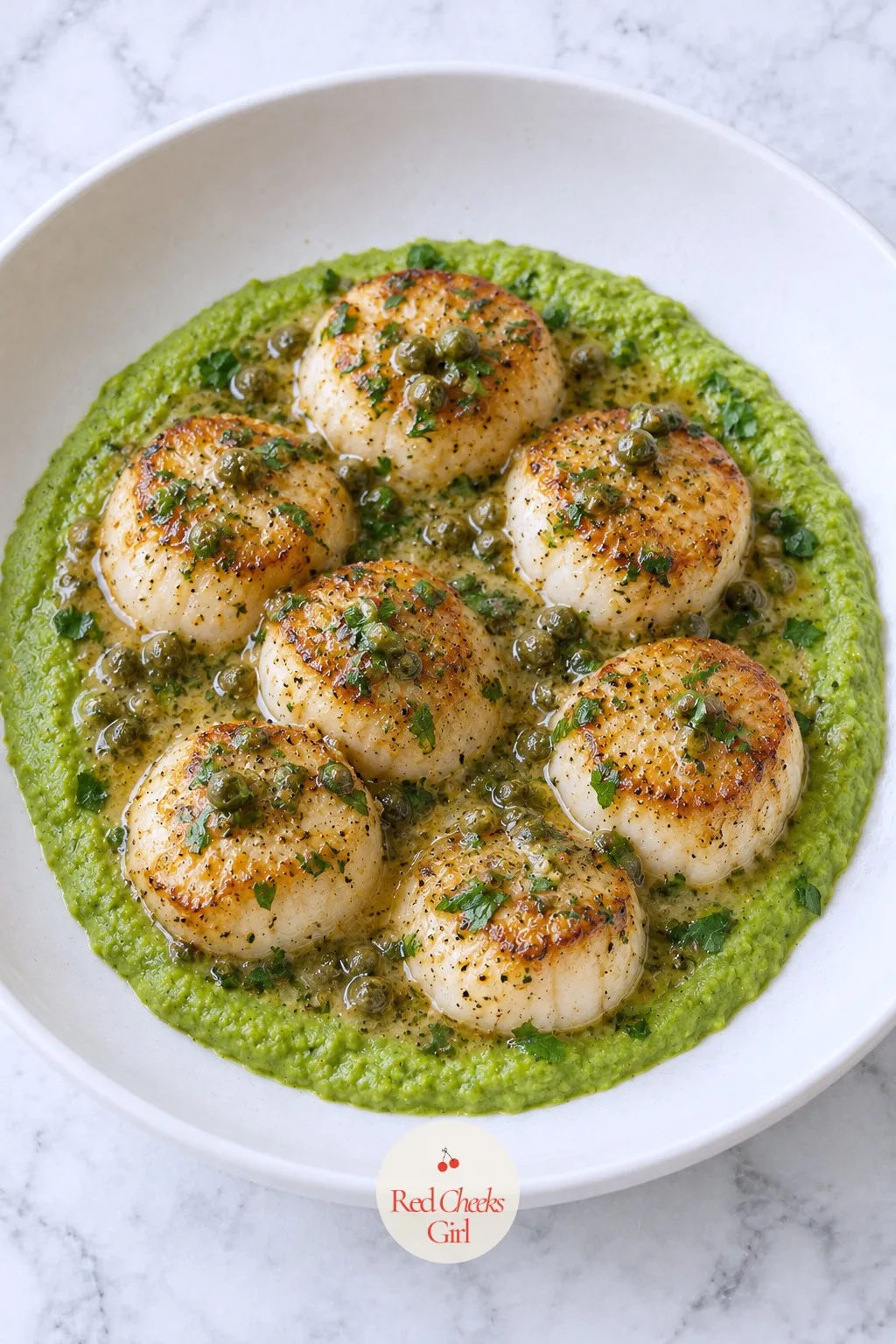
Serve over pea puree with the pan sauce
Spoon a bright swipe of pea puree into the bowl, set the scallops on top, and pour the warm pan sauce over everything. Scatter the parsley last so it stays vivid.
🛍 Shopping guide
Where This Goes Wrong (And the Easy Fixes)
Almost every scallop complaint traces back to one of two things: a wet scallop, or a pan that was not actually hot enough.
That crust is not luck, it is chemistry: That is the whole reason for the paper towel step, and it is worth doing twice if the first pass still feels damp.
Overcooking is the other trap, and it happens fast. Pull the scallops the moment the second side is golden and the center still looks faintly translucent, because they will keep cooking a little during the rest.
Crowding the pan is the quiet mistake nobody warns you about until it is too late. If your skillet cannot hold the scallops with real space between them, sear in two batches instead of one tight layer: steam, not crust, is what fills in that gap.
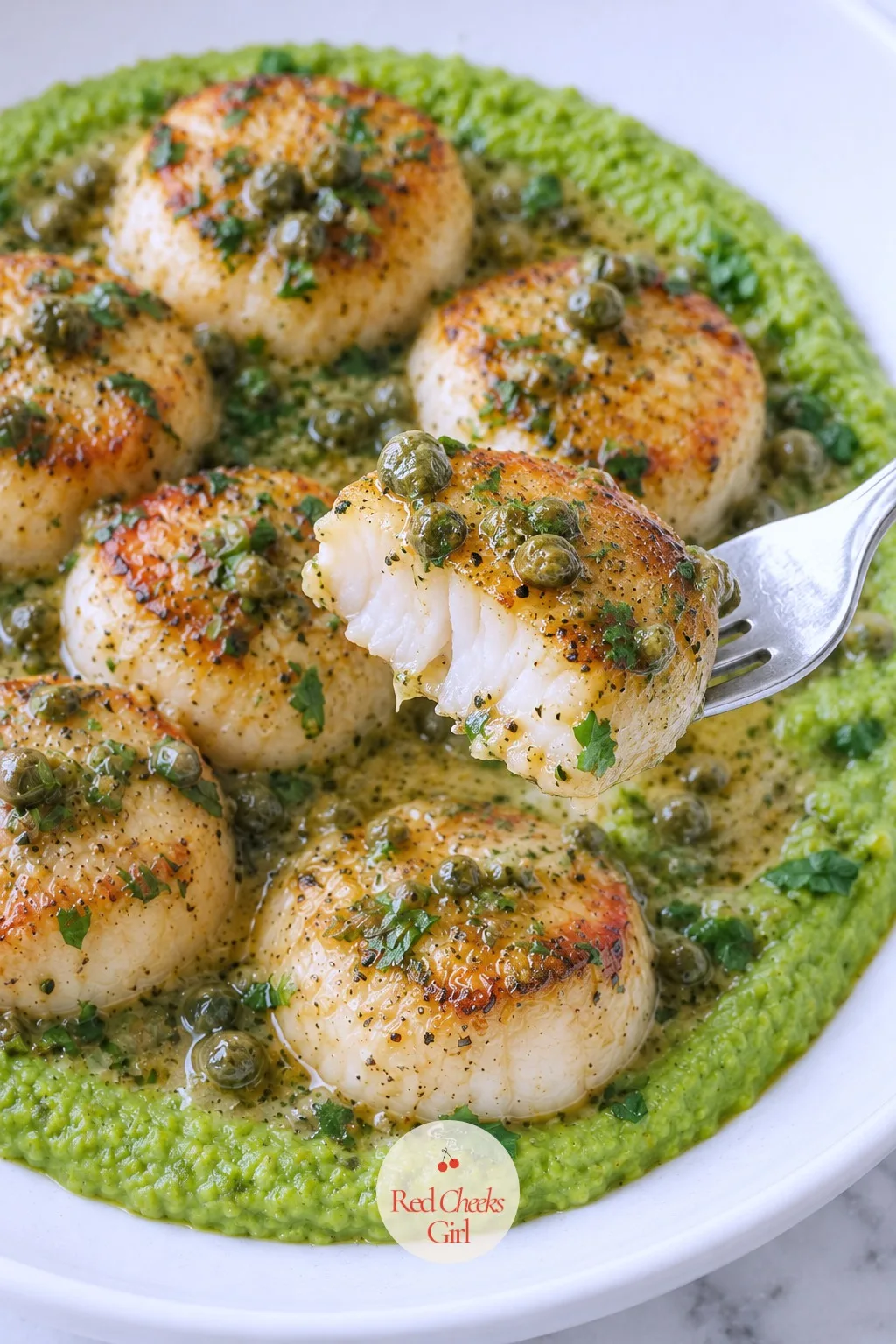
Swaps That Still Taste Like a Treat
Only have wet scallops at the store? Do not panic and do not skip the dish. and proceed exactly as written.
No fresh thyme in the house, or you are not a fan of its flavor: a few leaves of fresh tarragon or a scattering of snipped chives in the butter baste does the same gentle work.
Capers are a love it or skip it ingredient, so leave them out entirely if they are not your thing, the lemon and butter still carry the sauce on their own.
For a starter portion instead of a main, swap in bay scallops and cut the sear time to about 45 seconds a side, since they are much smaller and finish fast. If butter is off the table, olive oil in its place still bastes beautifully, though the sauce will taste leaner and less glossy.
Note for the table: this dish contains shellfish and dairy, both worth mentioning if anyone at dinner has either allergy.
What to Put Around Them at a Party
A bright pea puree underneath the scallops is the move for a plated dinner: it looks composed with almost no extra work, and the sweetness plays straight into the lemon butter sauce. Roasted asparagus on the side keeps things green and simple, or swap in our roasted green beans with parmesan and lemon for a sharper, saltier note.
For a heartier table, spoon the scallops and their pan sauce straight over linguine instead of puree, and let the pasta soak up every bit of butter. If the table wants a second seafood course rather than a starch, our shrimp scampi pasta with garlic, lemon and white wine pulls from the same pantry without repeating itself.
Something is needed to mop the sauce once the scallops are gone, and homemade garlic bread with romano butter is built exactly for that job. Set it out before anyone asks.
If this is the whole evening and not just the plate, our dinner party games to play right at the table keep the conversation going once the forks are down, and for a two-person version of this same night, valentines dinner ideas for two at home builds a whole menu around a dish exactly like this one.
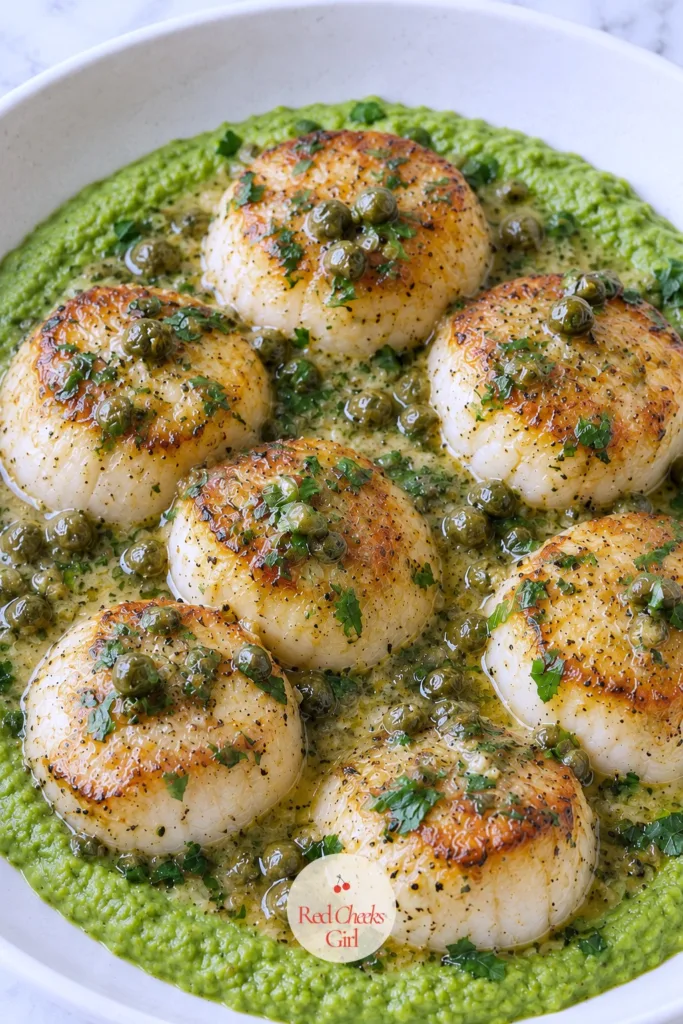
Seared Scallops
Ingredients
- 1 1/2 pounds large dry sea scallops about 12 to 16, side muscle removed
- 3/4 teaspoon kosher salt
- 1/4 teaspoon black pepper plus more to taste
- 1 tablespoon avocado oil or another high smoke point oil
- 3 tablespoons unsalted butter
- 3 cloves garlic smashed
- 4 sprigs fresh thyme
- 1 tablespoon fresh lemon juice about half a lemon
- 2 tablespoons capers drained
- 2 tablespoons chopped fresh parsley
- Lemon wedges for serving
Instructions
- Set 1 1/2 pounds large dry sea scallops on a double layer of paper towels and press firmly with more paper towels until no moisture remains on either side; a wet scallop will not sear, so take an extra minute here if needed.
- Remove the small tough side muscle from each scallop if still attached, then season both flat sides evenly with 3/4 teaspoon kosher salt and 1/4 teaspoon black pepper.
- Set a cream enameled cast iron skillet over high heat for a full 2 minutes until it is very hot, then add 1 tablespoon avocado oil and swirl to coat the bottom.
- Lay the scallops in the skillet in a single layer, flat side down, leaving space between each one; do not move them for 2 full minutes, until a deep golden crust forms on the bottom.
- Flip each scallop with tongs and sear the second side for 1 to 2 minutes, until it is golden and the sides of the scallop look opaque with only a faint translucent center.
- Lower the heat to medium, add 3 tablespoons unsalted butter, 3 smashed garlic cloves and 4 sprigs fresh thyme to the skillet, tilt the pan to pool the butter, and spoon it over the scallops for 30 seconds.
- Lift the scallops onto a plate and let them rest for 2 minutes while the pan sauce finishes; this short rest keeps the centers tender instead of pushing them past opaque into rubbery.
- Remove the skillet from the heat, discard the thyme sprigs, then stir in 1 tablespoon fresh lemon juice and 2 tablespoons drained capers, scraping up any browned bits from the bottom.
- Stir 2 tablespoons chopped fresh parsley into the sauce, return the scallops to the skillet for 10 seconds to warm through, then taste and add another pinch of salt if the sauce needs it.
- Spoon the scallops and pan sauce over pea puree, roasted asparagus or linguine, and serve immediately with lemon wedges on the side.
Good to Know
Frequently Asked Questions
How do you know when scallops are done?
Scallops are done when they turn opaque from edge to edge and feel firm but give slightly when pressed, with a faint translucency left only at the very center before resting.
Why are my scallops rubbery?
Rubbery scallops are almost always overcooked; scallops cook so fast that even thirty seconds too long in the pan pushes them from tender straight into tough.
How many scallops should I buy per person?
Plan on four to six scallops per person for a main course portion, or two to three per person if scallops are only the starter.
Can I cook scallops ahead of time?
Not really; scallops are best cooked and eaten immediately, since holding them even briefly after searing tends to dry them out and turn them rubbery.
What if my store only sells wet scallops?
Soak wet scallops in cold water with a splash of lemon juice and a spoonful of salt for about thirty minutes, then pat them completely dry before searing as usual.
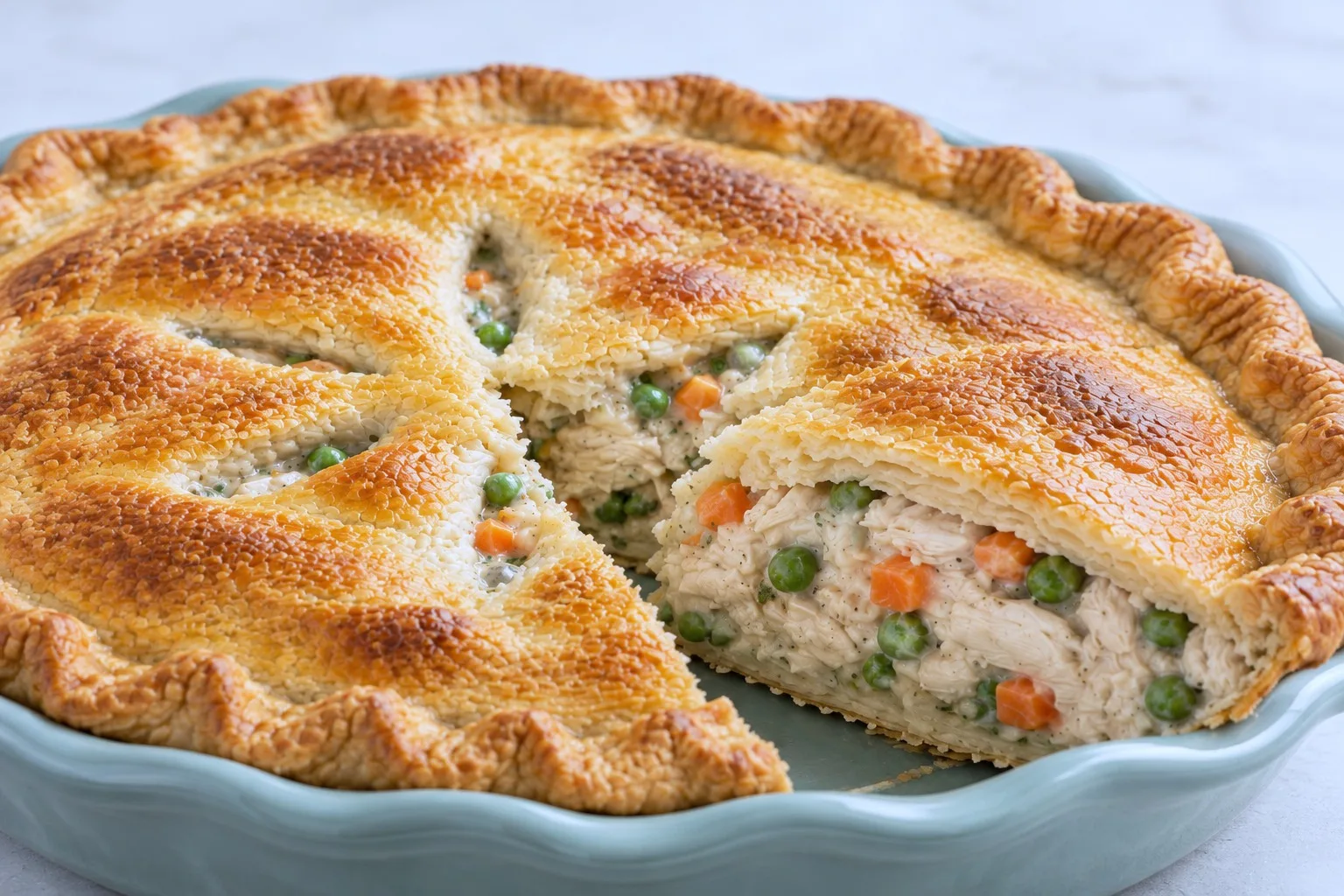
Easy chicken pot pie pairs a creamy chicken and vegetable filling with store-bought crust, baked gol
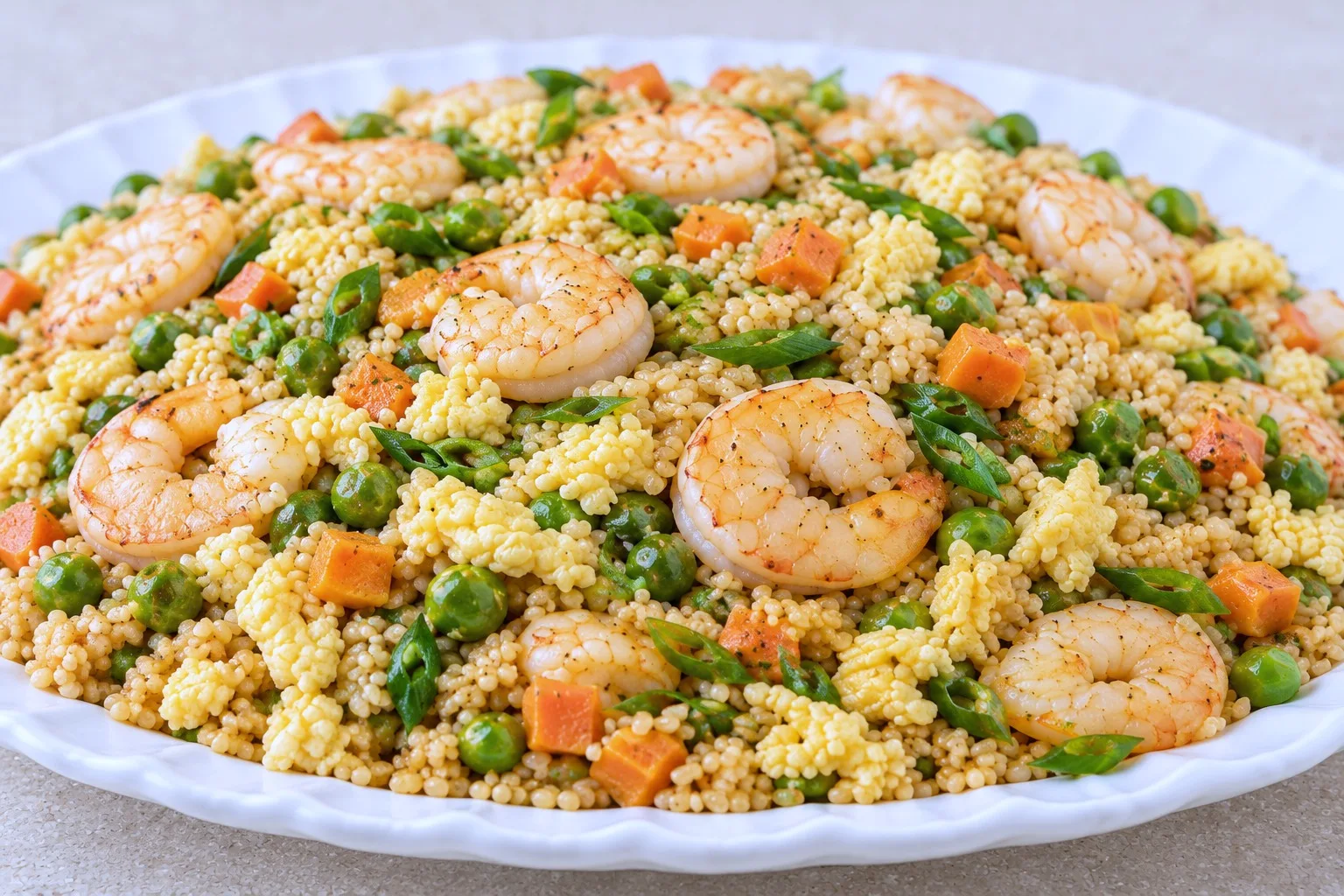
Shrimp fried rice recipe with crispy day-old rice, shrimp, egg, peas and carrots, cooked fast in one
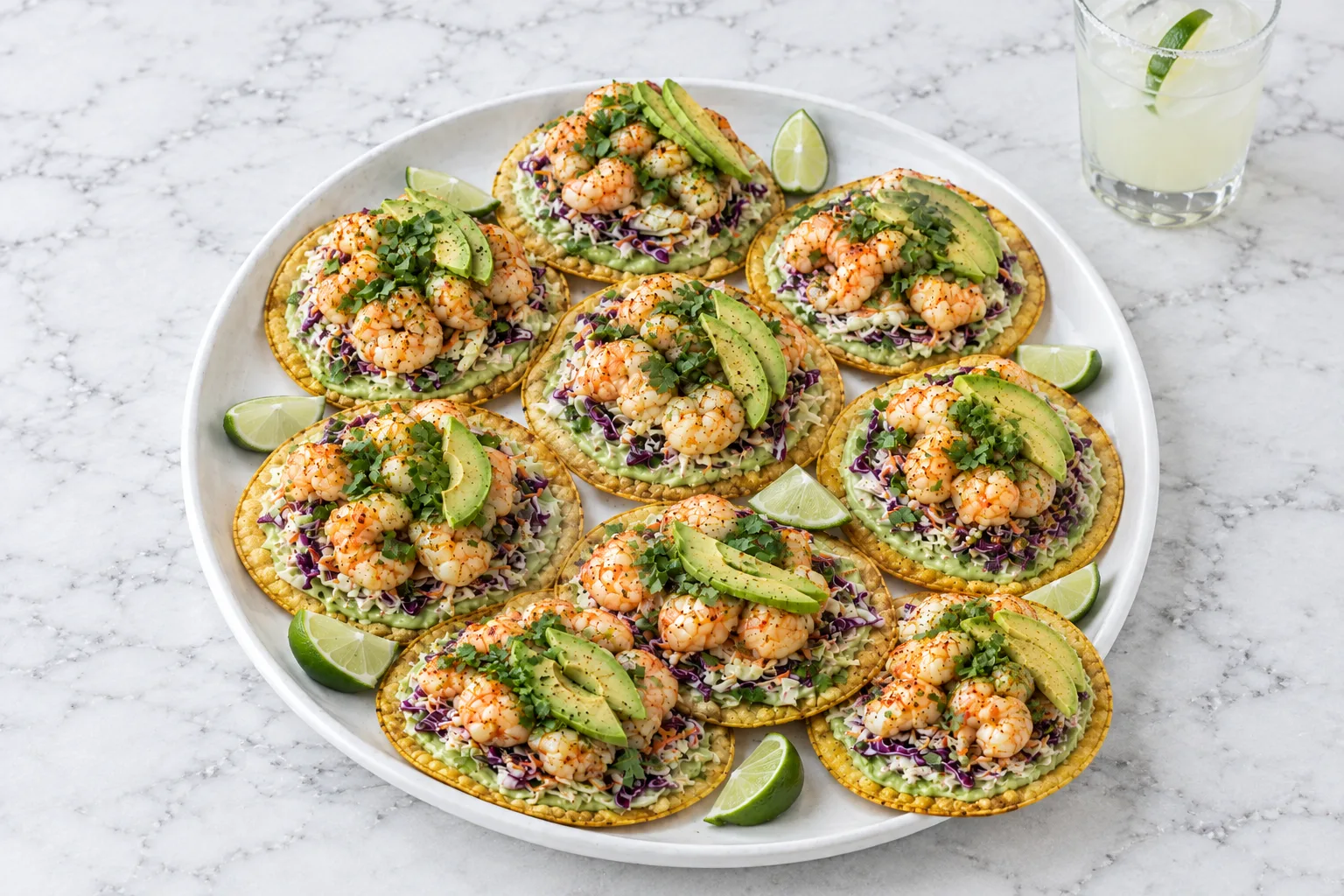
Shrimp tostadas with kimchi slaw layer crisp shells, chili lime shrimp, avocado and cilantro mayo on
Leave a Reply