

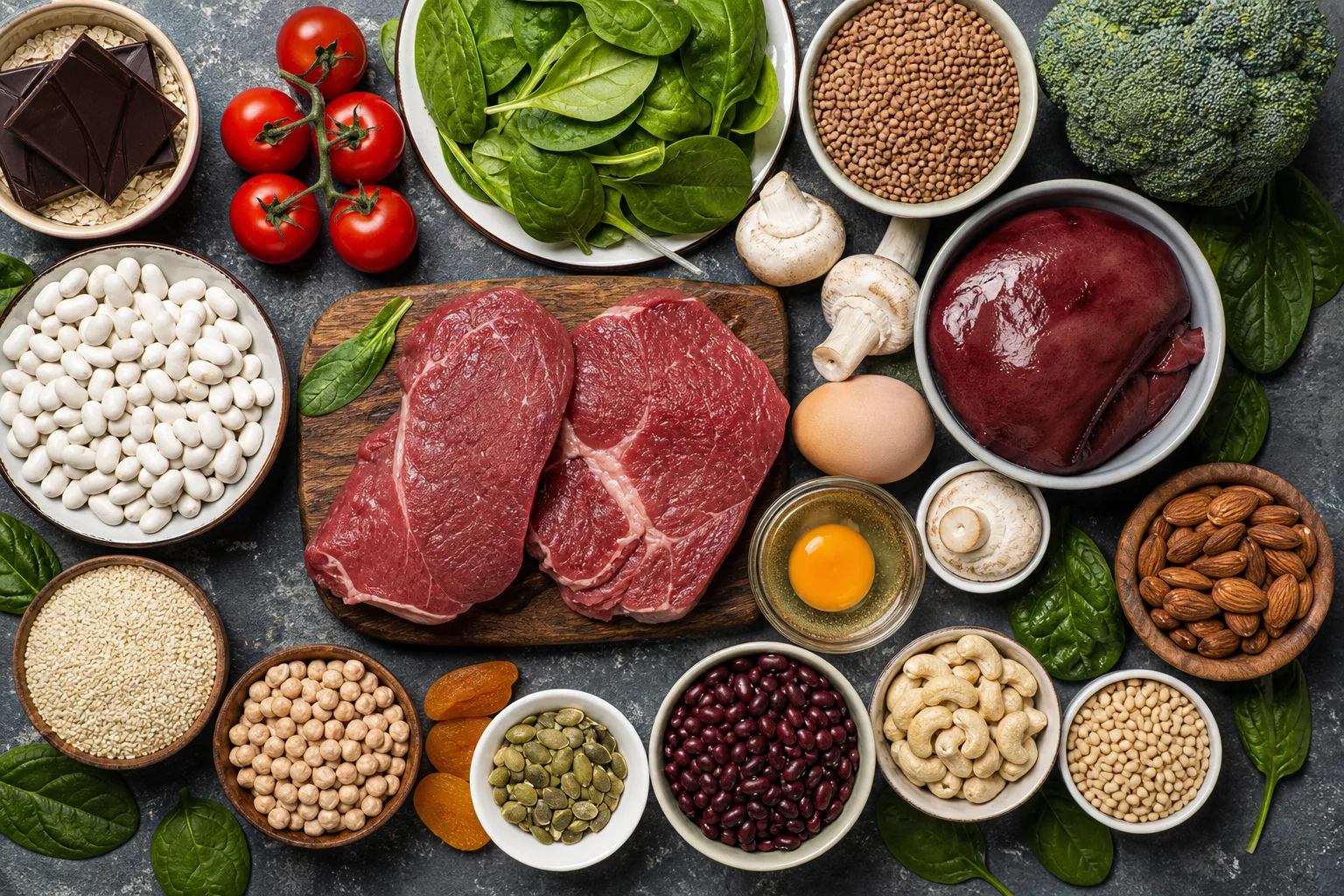
A child who turns down steak will still eat a meatball off the same cutting board. That gap between what a nutrition chart recommends and what actually gets swallowed is where the real work happens, and it decides whether the iron lands in a small body or in the bin.
Meat and egg yolk carry a kind of iron the body absorbs easily, while beans, pasta and greens carry a kind it has to work harder for. The iron in animal foods is more easily absorbed than the iron found in plant foods. That is why this list starts with the meat and egg entries and only then moves to the lentils, the dips and the pancakes doing the rest of the job quietly.
Every serving below is sized and textured for a small child at the table, nothing whole and hard that a toddler could choke on.
If dinner tonight turns into a party plate instead, the same bites work just as well on a paper plate next to a round of 26 Party Games For Kids That Work for Groups of Any Size.
This post contains affiliate links. If you buy through them, I may earn a small commission at no extra cost to you.
Table of Contents
The Strongest Sources: Meat and Eggs
Start here, because this is where the iron is easiest for a small body to use. These four lean on protein a child already reaches for, so there is no disguising, no blending, no convincing involved.
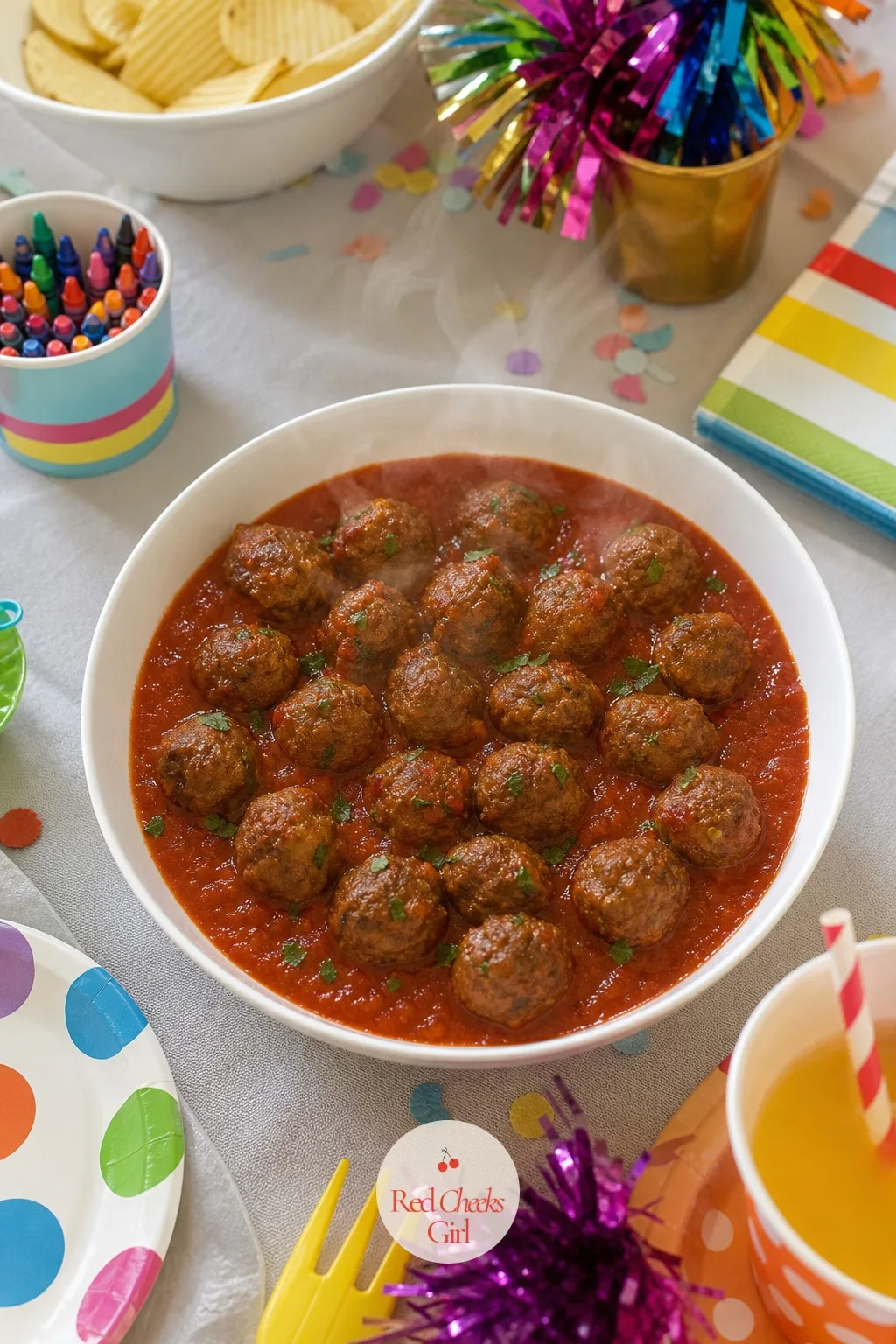
Mini Beef Meatballs in Tomato Sauce
Ground beef already disappears off most kids’ plates before anything else does, so there is nothing to disguise here.
Why it is worth eating: beef carries the kind of iron a small body absorbs most easily of anything on this list.
Easy way to serve: simmer pea-sized meatballs in a mild tomato sauce, then quarter or mash them with a fork for toddlers so there is nothing round and whole to choke on.
Swap in ground turkey or lamb if beef is off the menu that week, and if the stovetop is already busy, the whole batch bakes on one sheet pan instead.
🛍 Shopping guide
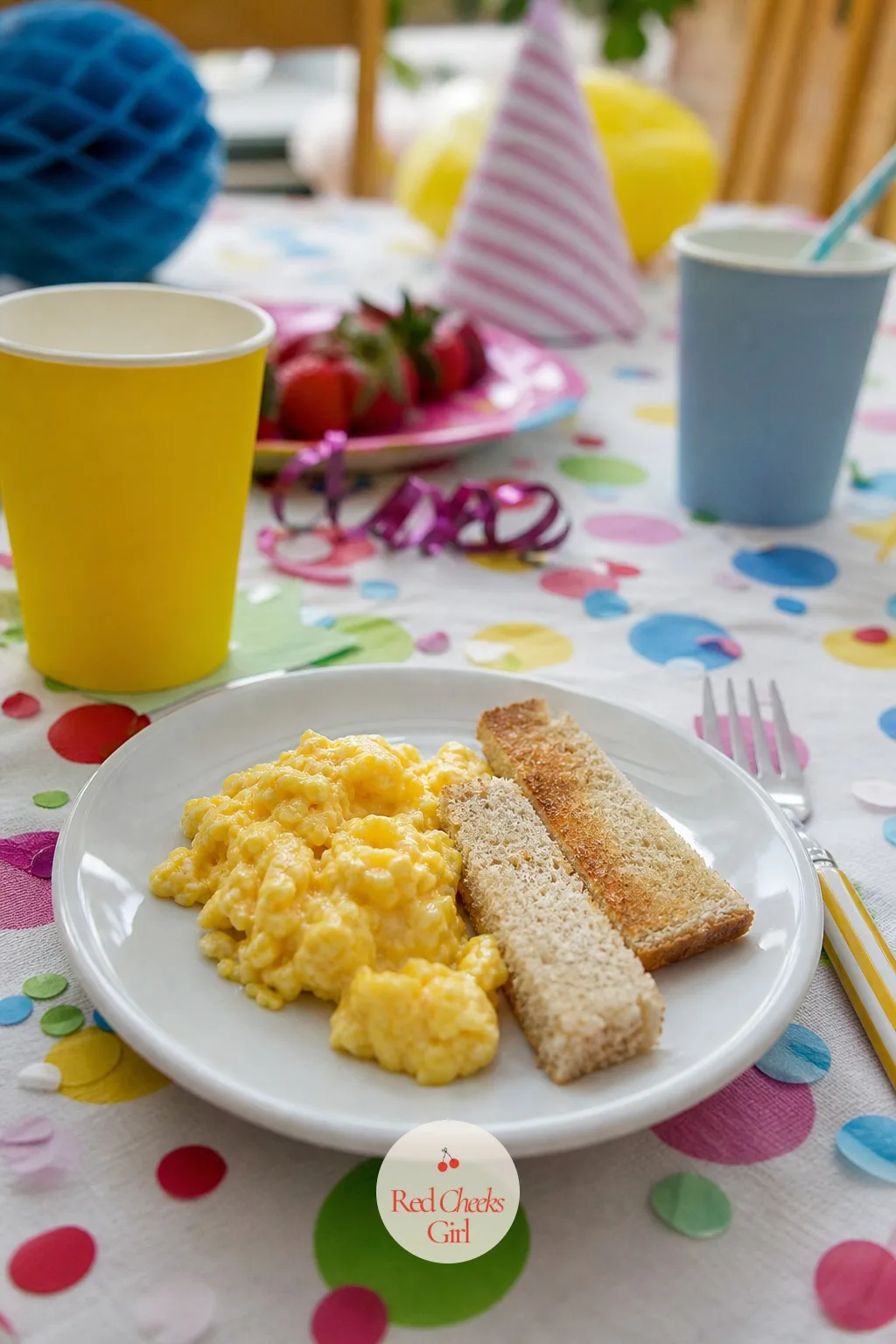
Soft Scrambled Eggs on Toast Fingers
Eggs are the one breakfast nobody has to be talked into, and they happen to be one of the cheapest iron sources in the whole kitchen.
Why it is worth eating: the yolk carries iron a toddler’s body absorbs well, and the whole egg is soft enough to need no chewing to speak of.
Easy way to serve: scramble softly with a splash of milk, break into small curds, and lay over cut toast fingers rather than a whole slice.
For an egg allergy, a silken tofu scramble turned golden with a pinch of turmeric sits in nearly the same spot on the plate.
🛍 Shopping guide
Shredded Dark-Meat Chicken Thigh
Chicken breast dries out fast and gets spat straight back out; thigh meat does not have that problem.
Why it is worth eating: dark meat holds more iron than white meat and stays moist enough for a toddler to manage without extra sauce.
Easy way to serve: shred the meat fine with two forks, toss with a little of its own cooking liquid, and serve over soft rice or alone.
A rotisserie chicken’s thigh meat does the same job with none of the cooking time, if the week has no room for a roasting pan.

🛍 Shopping guide
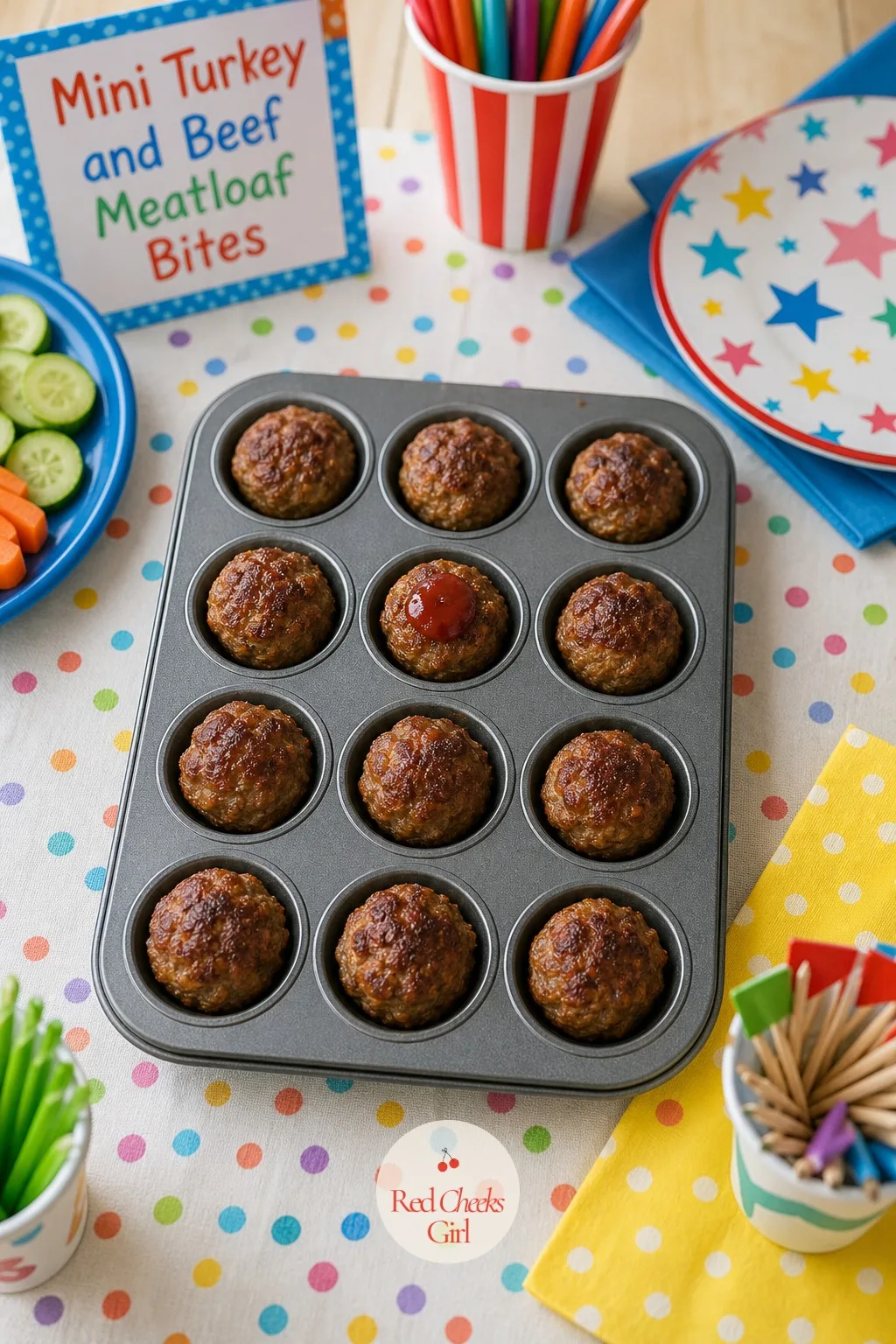
Mini Turkey and Beef Meatloaf Bites
A whole slice of meatloaf is a lot for a small plate; a muffin-tin version solves that without changing a single ingredient.
Why it is worth eating: combining turkey and beef keeps the iron from the beef while lightening the overall richness of the bite.
Easy way to serve: bake the mix in a mini muffin tin, cool fully, and set two or three bites on the plate with a dot of ketchup for dipping.
All-turkey works too, for a lighter flavour on nights the beef tub is empty.
🛍 Shopping guide
Fortified Staples for Breakfast
Breakfast is the easiest meal to fortify without anyone noticing, since cereal, oatmeal and pancakes are already on the table most mornings. A quick label check turns an ordinary bowl into one of the better sources on this whole list.
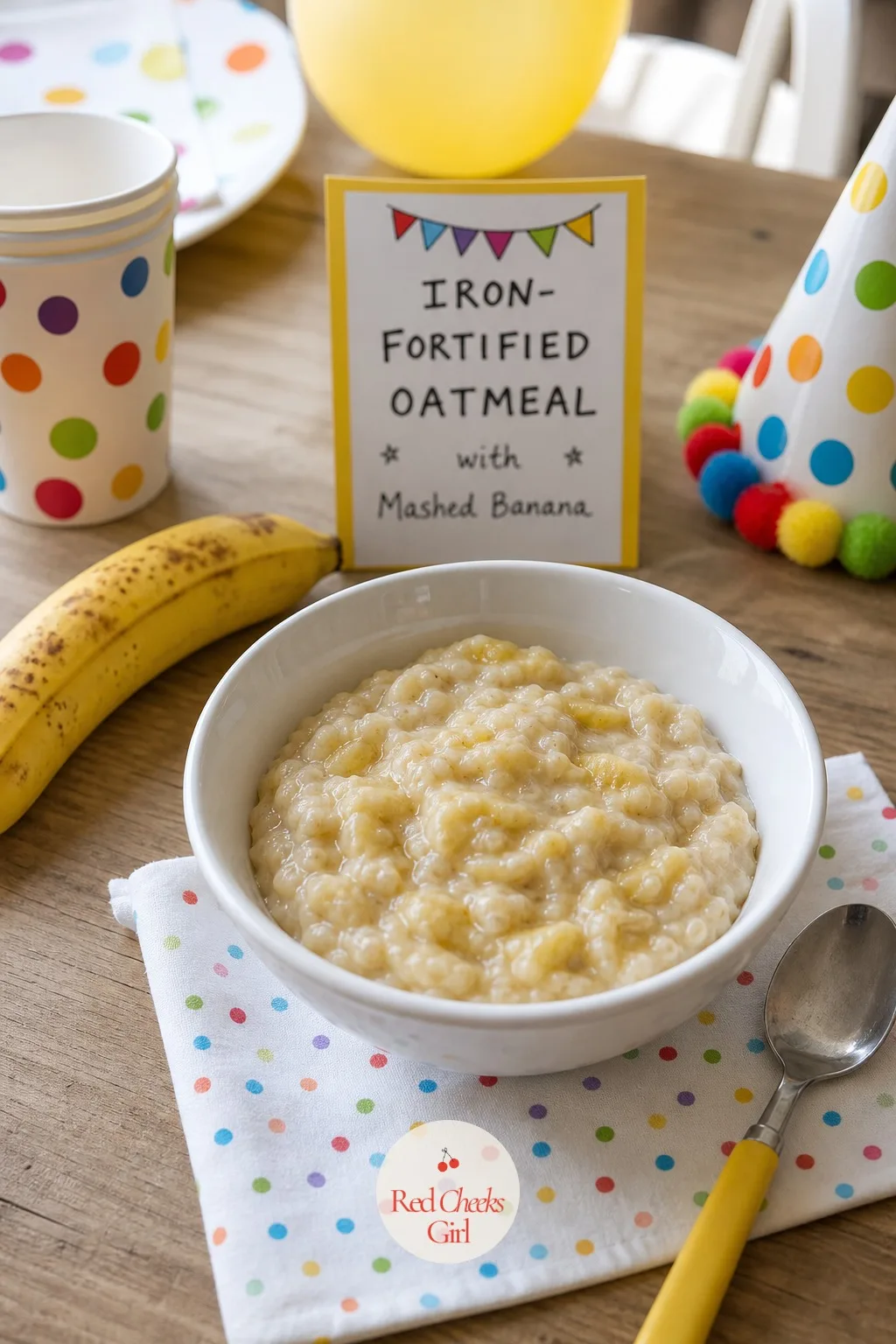
Iron-Fortified Oatmeal with Mashed Banana
Mornings move fast, and a bowl of something warm that needs no negotiation is worth more than it looks.
Why it is worth eating: fortified toddler oatmeal carries iron in concentrated form, and the texture is soft enough for the smallest mouths at the table. Iron-Fortified Oatmeal: This is often the first real food for many toddlers.
Easy way to serve: cook with milk instead of water, stir in mashed banana once it cools slightly, and serve warm rather than hot.
Plain rolled oats with a spoon of fortified infant cereal stirred through step in fine when the special box is not on the shelf.
🛍 Shopping guide
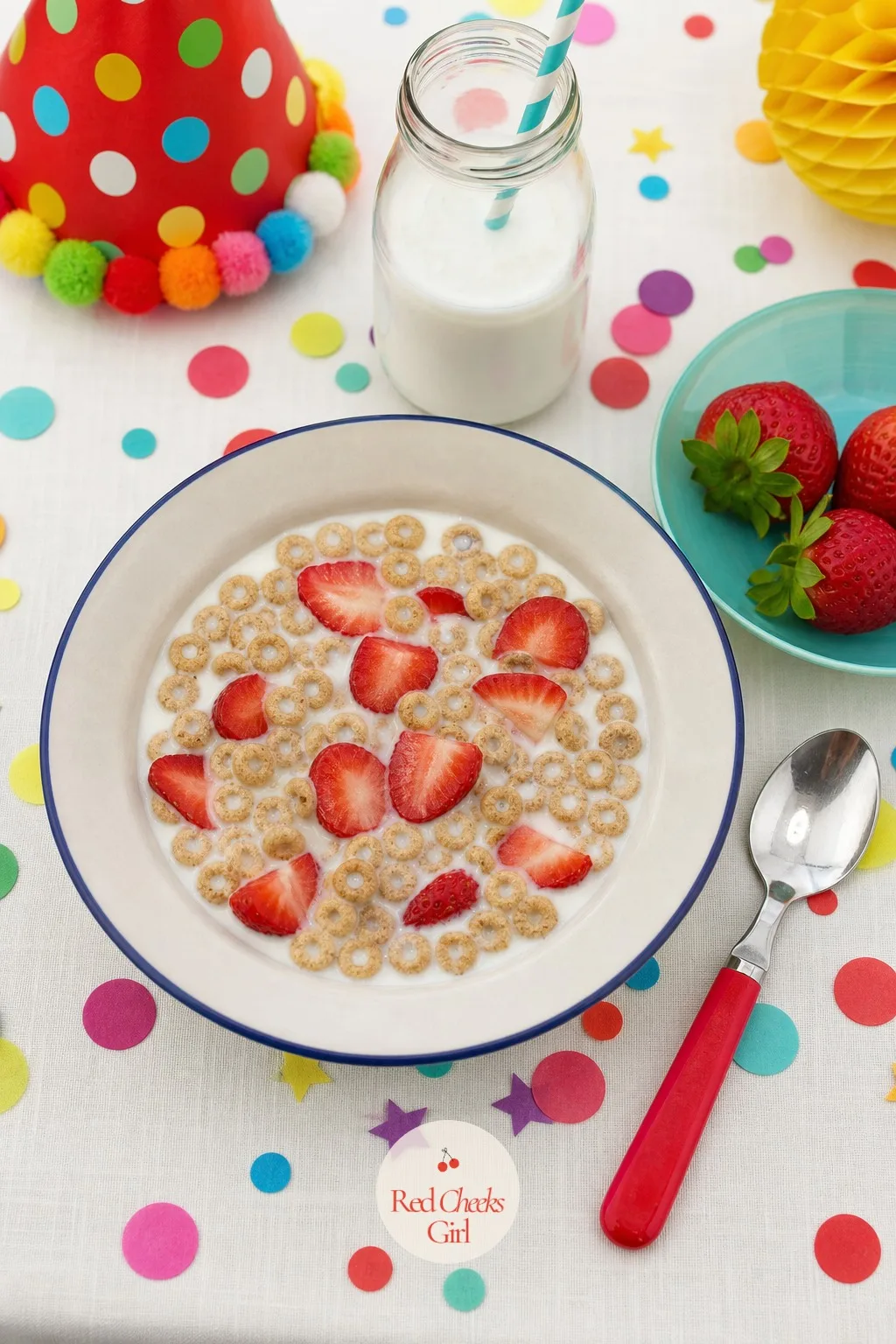
Iron-Fortified Cereal with Strawberries
Cereal mornings are the lowest-effort meal in the house, which makes them the easiest one to quietly improve.
Why it is worth eating: a fortified cereal label turns an ordinary bowl into a real iron source with no extra cooking involved.
Easy way to serve: pour small fortified pieces with milk, top with sliced strawberries, since vitamin C helps the body use the iron sitting right next to it.
For younger toddlers, crush larger flakes finer first so nothing dry and whole sits loose in the bowl.
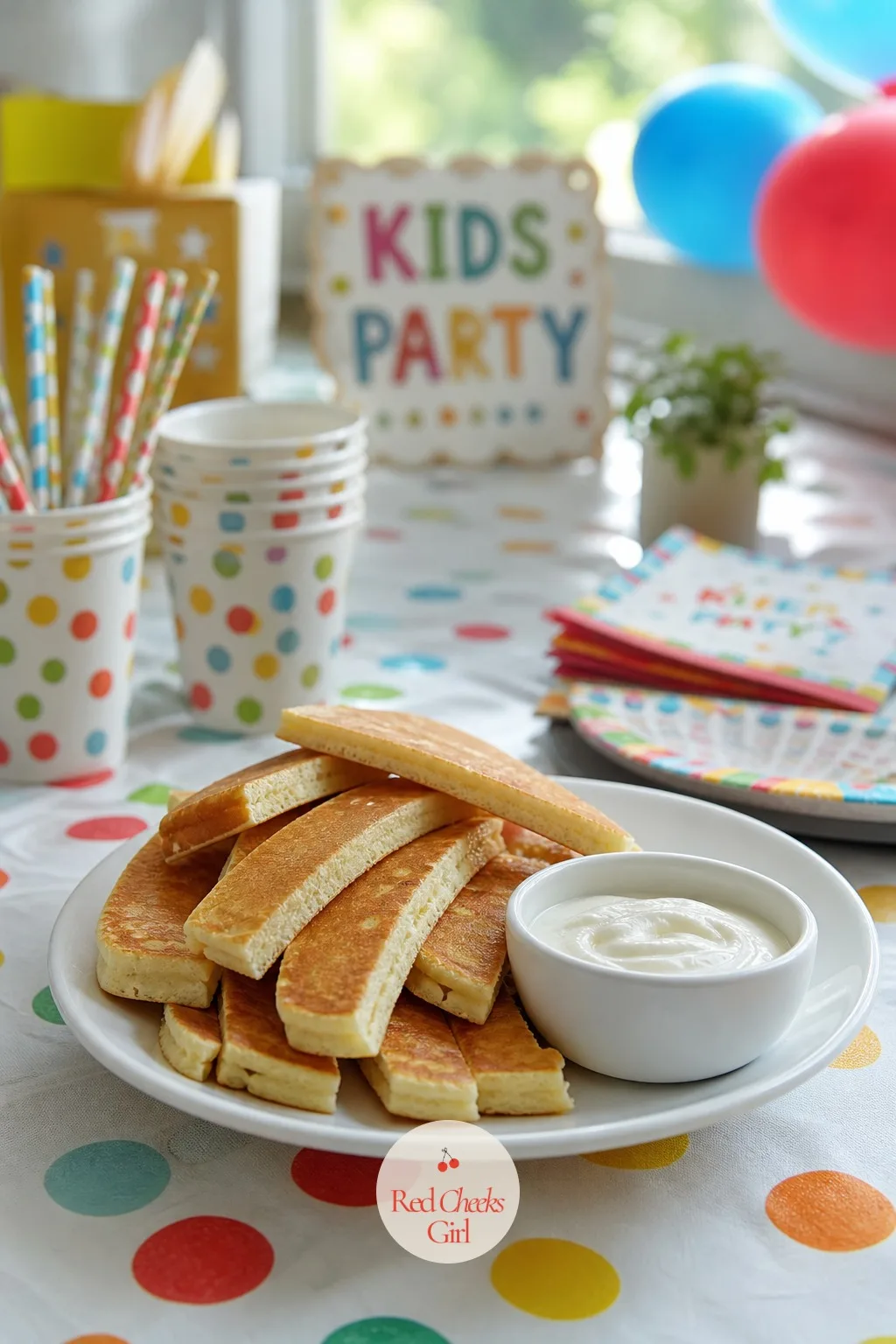
Plain Pancakes Made with Enriched Flour
Pancake morning already feels like a treat, so nobody questions why it happens more than once a week.
Why it is worth eating: enriched or fortified flour carries iron into the batter without changing how the pancake tastes or looks.
Easy way to serve: cut into strips rather than wedges, so there is something to dip without syrup pooling into a sticky mess.
Frozen fortified waffles from the freezer aisle do the same job on the mornings there is no time to mix batter.
🛍 Shopping guide
Lentils, Beans and Chickpeas
These are the budget workhorses: cheap by the bag, soft once cooked, and forgiving of a toddler’s fork. Because they are soft and easy to mash, they are perfect for young children.
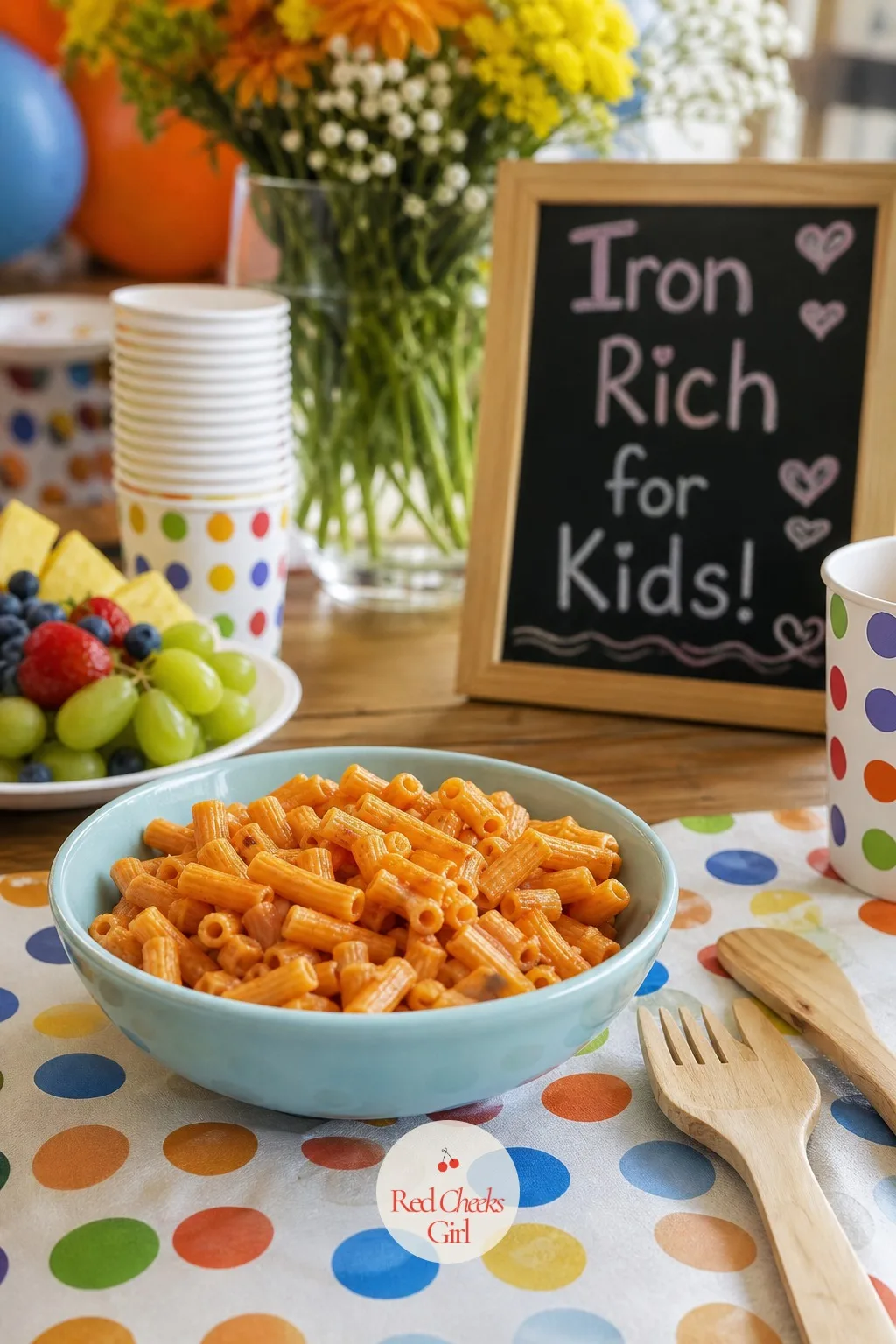
Lentil Pasta with Butter or Mild Tomato Sauce
Pasta night is already a guaranteed yes, so there is no convincing left to do.
Why it is worth eating: pasta made from red lentils carries iron in every noodle instead of needing a separate side to do the job.
Easy way to serve: cook it soft, past the usual al dente point, toss with butter or a very mild tomato sauce, and cut long shapes short for little mouths.
Regular pasta with a scoop of red lentils blended smooth into the sauce works just as well when the legume pasta is not in the cart that week.
🛍 Shopping guide
Blended Lentil Soup
A spoon of soup at dinner feels like something out of a fancier kitchen, not more work on a weeknight.
Why it is worth eating: lentils simmered until soft and blended smooth carry the same iron, now in a texture that needs no chewing at all.
Easy way to serve: blend to a thick puree, cool to just warm, and swirl in a spoon of plain yogurt on top.
Canned lentils shave the simmering time down to almost nothing on the nights there is no patience for a pot on the stove.

🛍 Shopping guide
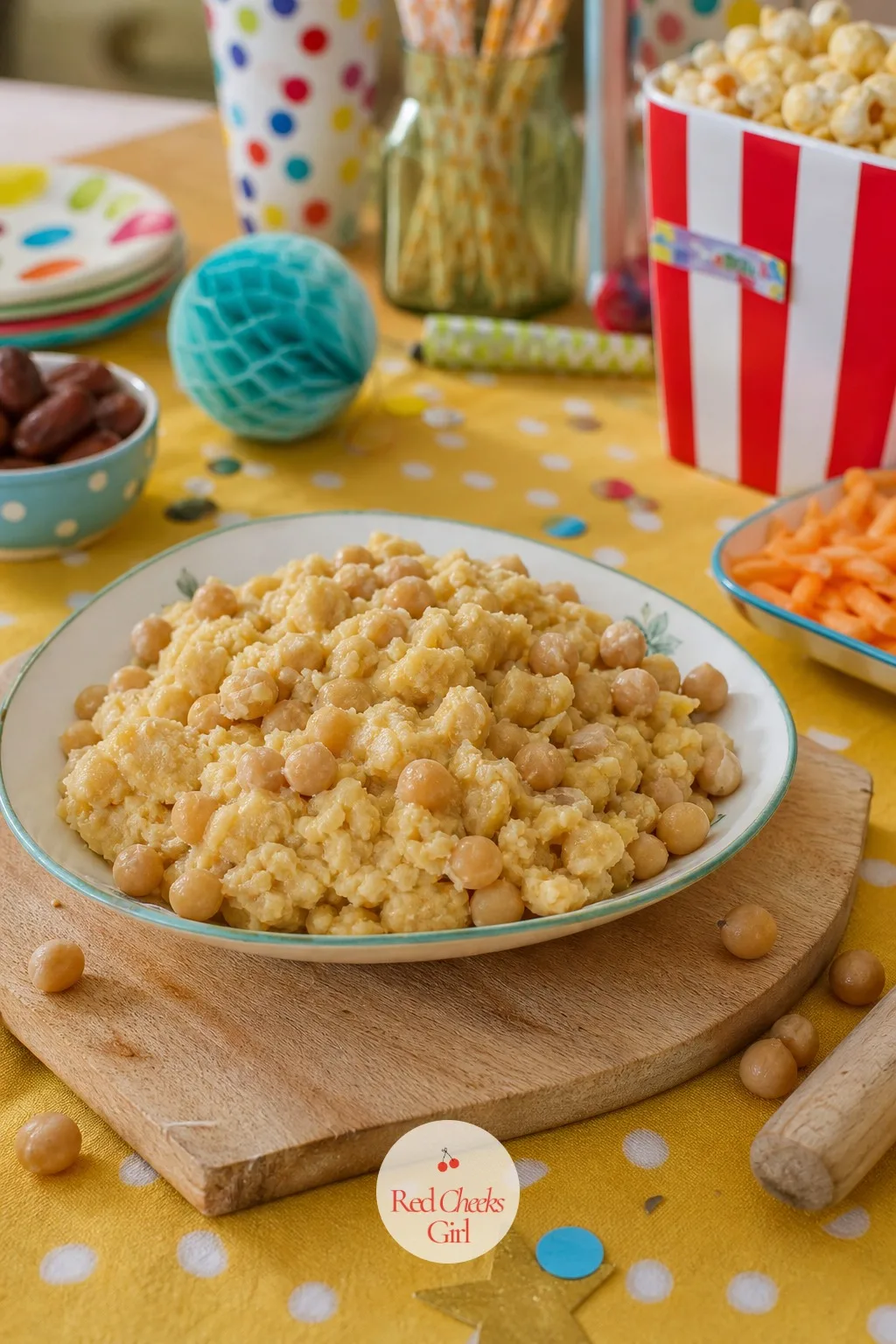
Soft Chickpea Snacks
Snack time needs something with a little bite to it that is not another cracker.
Why it is worth eating: chickpeas carry a steady amount of iron into a finger food that fits a small hand.
Easy way to serve: for toddlers, warm canned chickpeas and mash or halve them rather than serving whole and crisp, since whole roasted chickpeas are a choking risk for small children; older kids past that risk age can have them roasted and crunchy instead.
Canned chickpeas, lightly smashed with a fork and a drizzle of oil, work in minutes with no oven involved.
🛍 Shopping guide
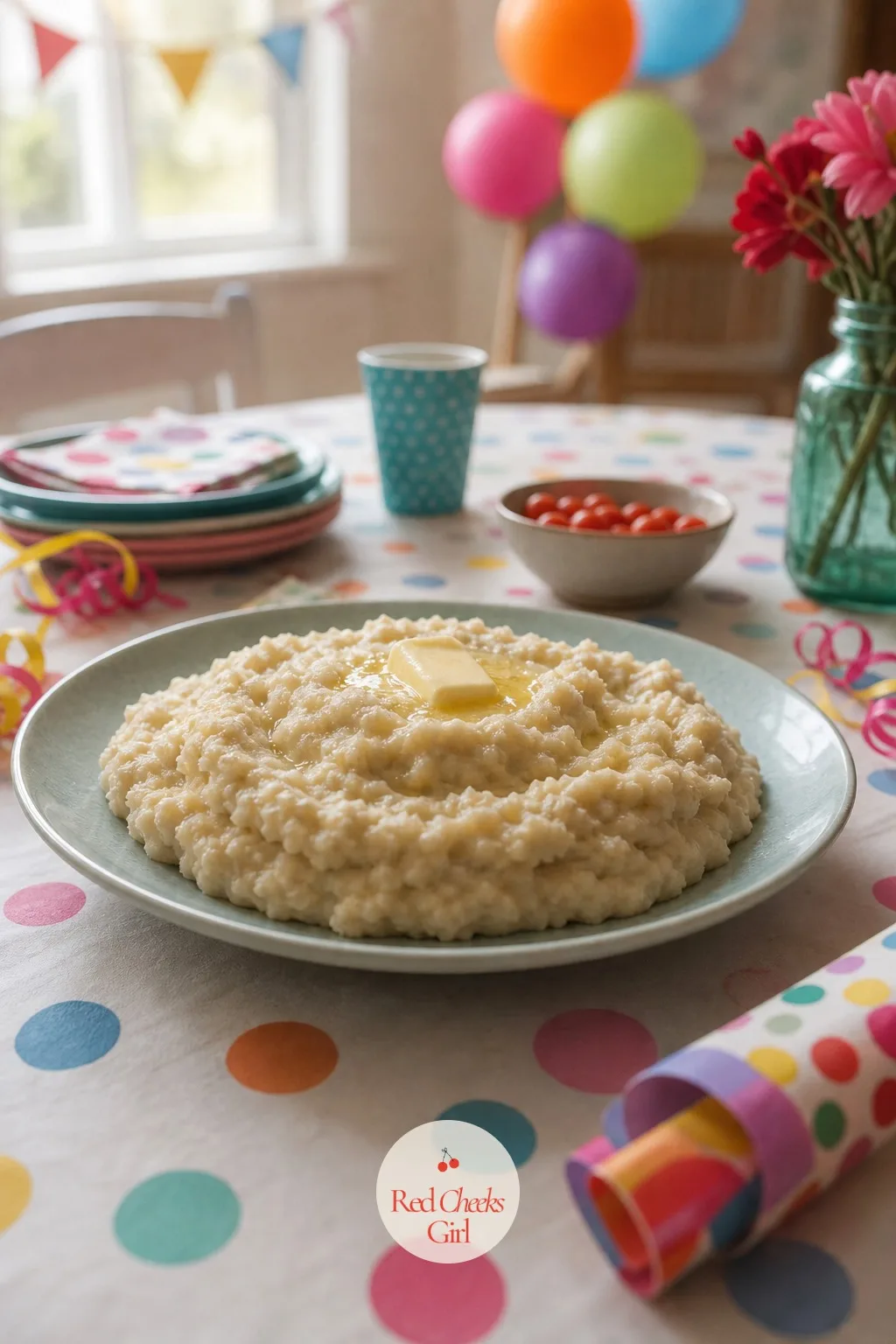
Warm White Bean Mash
A plain spoon of beans gets turned down flat on sight; mashed into something closer to potato, it does not.
Why it is worth eating: white beans carry a good amount of iron and mash into a texture a toddler already trusts.
Easy way to serve: mash warm with a little butter and milk, and spoon it as a side next to whatever else is on the plate that night.
Cannellini or navy beans both mash the same way, so whichever can is already in the pantry works fine.
🛍 Shopping guide
Dips and Spreads Kids Actually Dunk
A dip changes the whole mood of a vegetable plate. These three turn the same legumes from the section above into something a child reaches for on purpose.
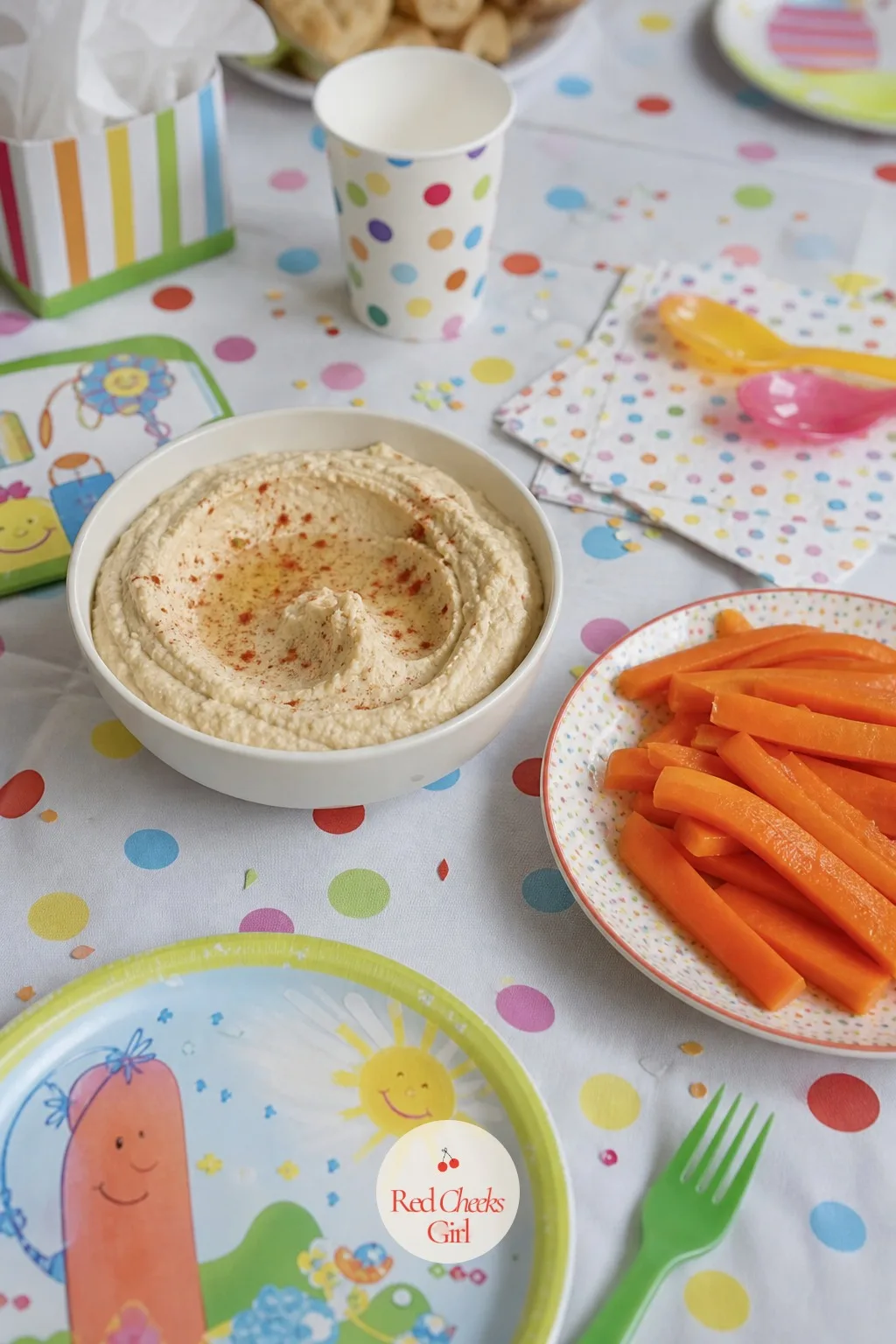
Plain Hummus with Soft Dipping Vegetables
Raw vegetables alone get ignored on sight; a dip changes the whole mood of the plate.
Why it is worth eating: hummus carries the same iron as the chickpeas it is made from, now in a texture soft enough to scoop.
Easy way to serve: spread a thin layer on a plate with soft-cooked carrot sticks or cucumber spears for dipping, not whole nuts or hard raw carrot coins for small children.
Plain store-bought hummus does the job just as well when there is no time to blend a batch.
🛍 Shopping guide
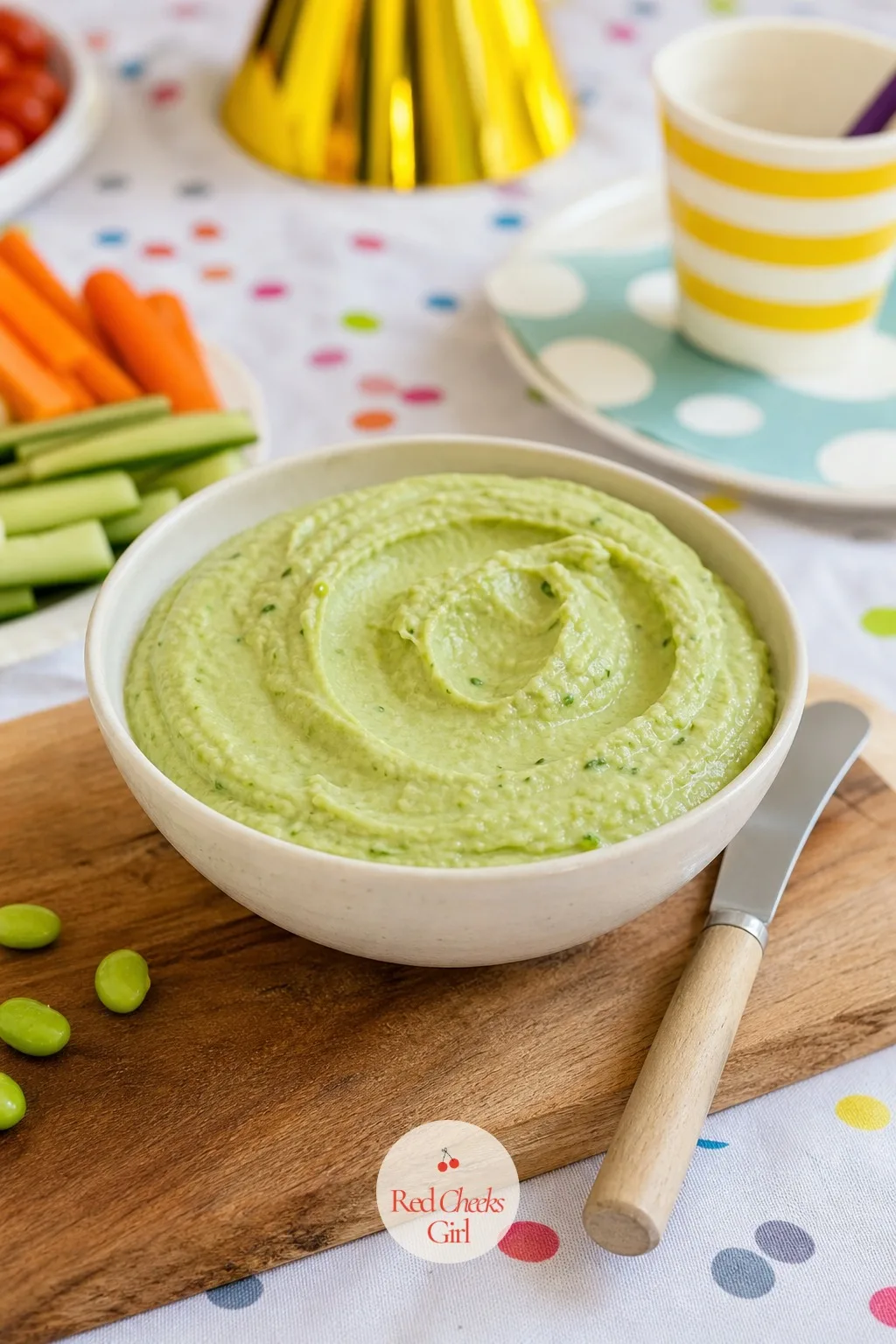
Smooth Edamame Dip
Whole edamame pods feel like a choking risk for small children, so blending them smooth solves that in one step.
Why it is worth eating: edamame carries iron and protein together, and blended it loses the risky whole-bean shape entirely.
Easy way to serve: blend shelled edamame with a little oil and a squeeze of lemon until smooth, and spread it on toast or serve as a dip.
Frozen shelled edamame, already out of the pod, skips the shelling step completely.
🛍 Shopping guide
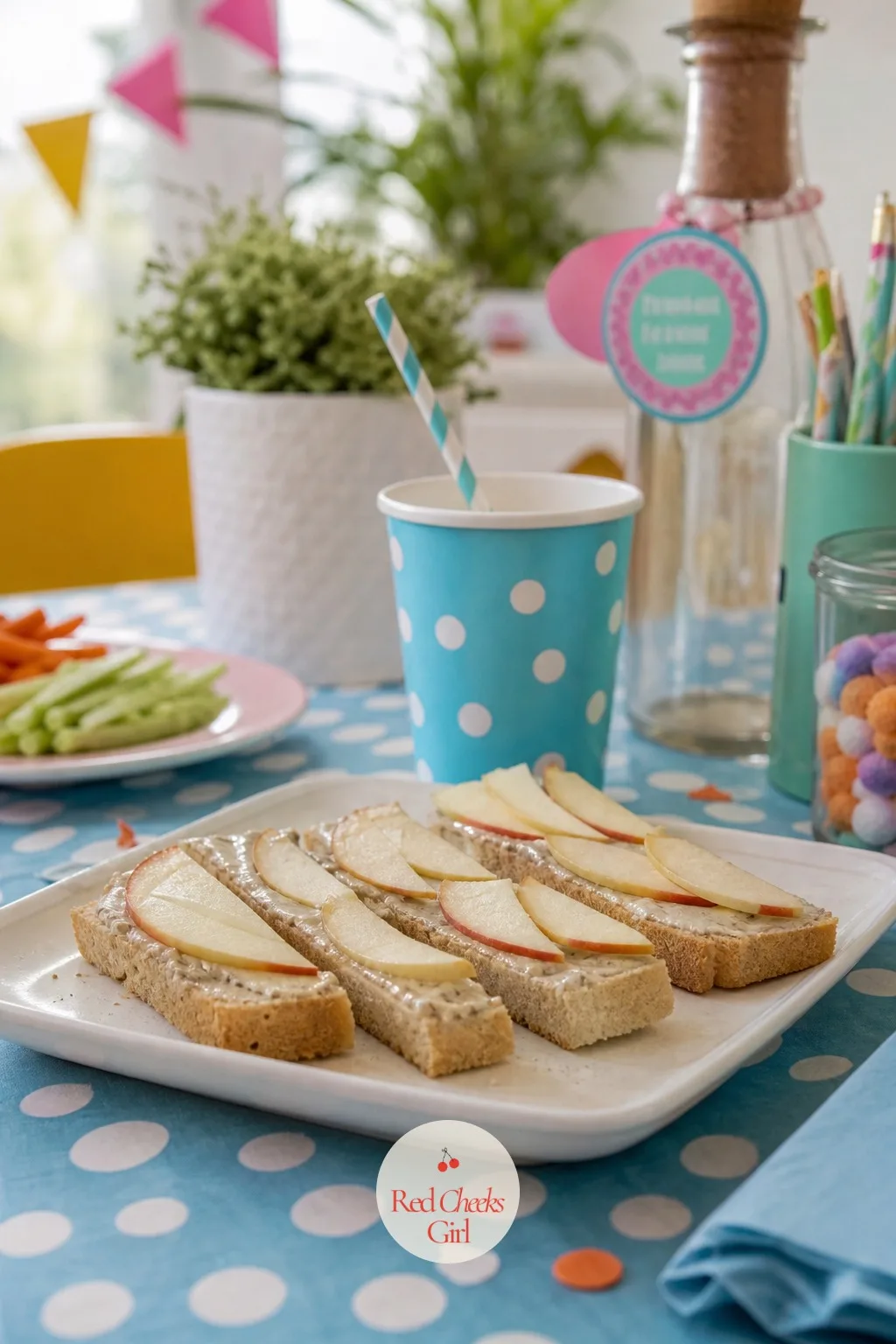
Tahini or Sunflower Seed Butter Toast
Nut butter sandwiches get recommended everywhere, but a nut allergy in the classroom shuts that door fast.
Why it is worth eating: tahini and sunflower seed butter both carry iron and sit safely where tree nuts and peanuts cannot come near.
Easy way to serve: spread thin on toast fingers, then add a few thin apple slices on top for sweetness and a little vitamin C.
Nut butters themselves step in without any changes where there is no allergy to manage.
🛍 Shopping guide
Vegetables Worked In Without a Fight
Greens rarely win a vote on their own merits, so they travel here folded into batter and eggs instead of sitting alone on the side of the plate.
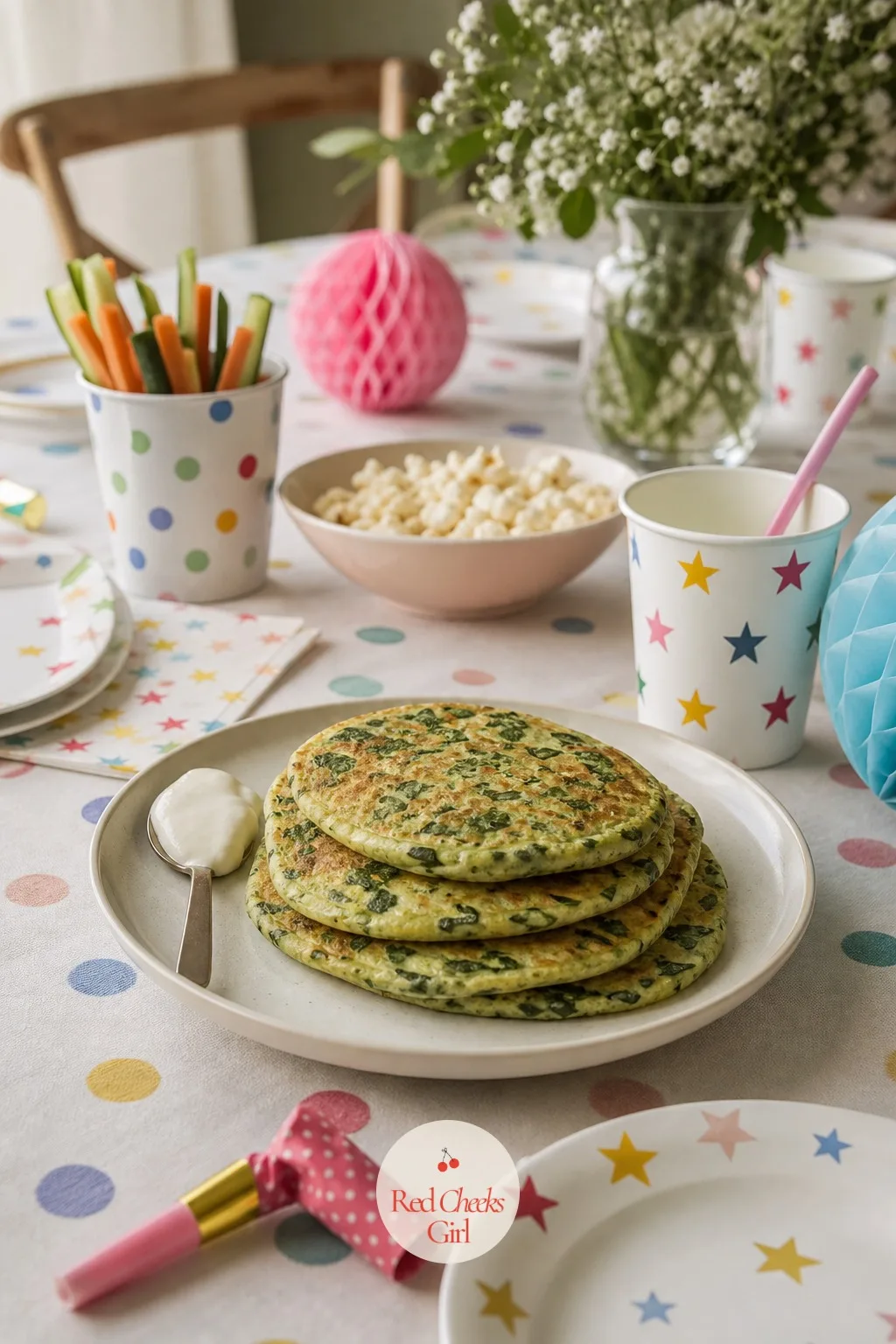
Spinach Pancakes
A green pancake sounds like a hard sell, until it turns out barely green at all once it is on the plate.
Why it is worth eating: blended spinach folds into the batter, and cooking the greens first helps the body use more of the iron inside them. Cooking increases absorption.
Easy way to serve: make them silver-dollar sized, serve plain or with a spoon of yogurt, and skip the syrup so nothing pools.
Frozen spinach, thawed and squeezed dry, works exactly as well as fresh and skips the chopping step entirely.
🛍 Shopping guide
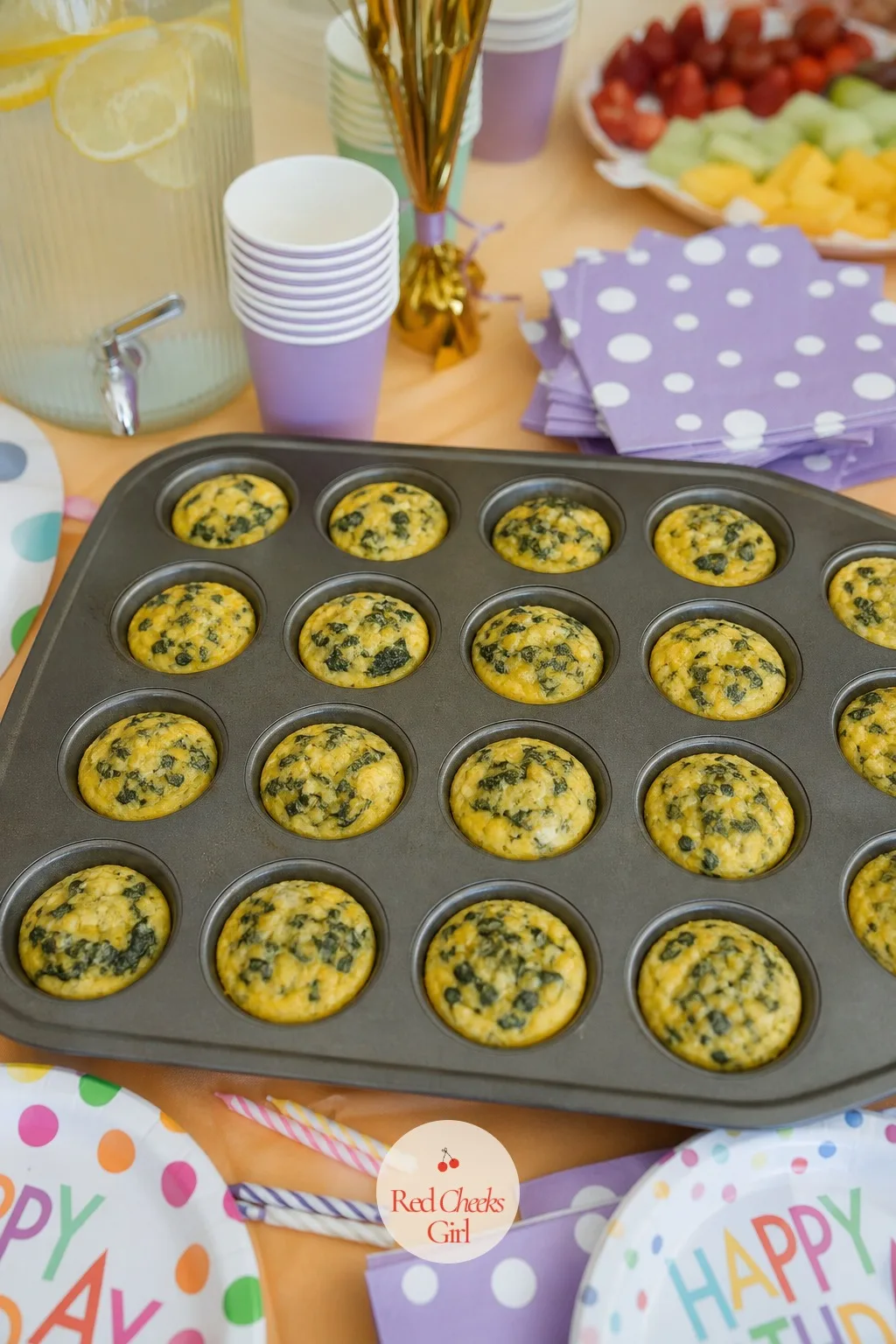
Spinach and Cheese Mini Egg Muffins
A muffin-tin breakfast feels festive for an ordinary Tuesday, and it happens to travel well in a lunchbox too.
Why it is worth eating: eggs and spinach baked together double up on iron in one bite-sized shape a toddler can hold.
Easy way to serve: bake in a mini muffin tin, cool completely, and cut two or three in half on the plate.
Finely grated zucchini swaps in for the spinach on the days it is a hard no.
🛍 Shopping guide
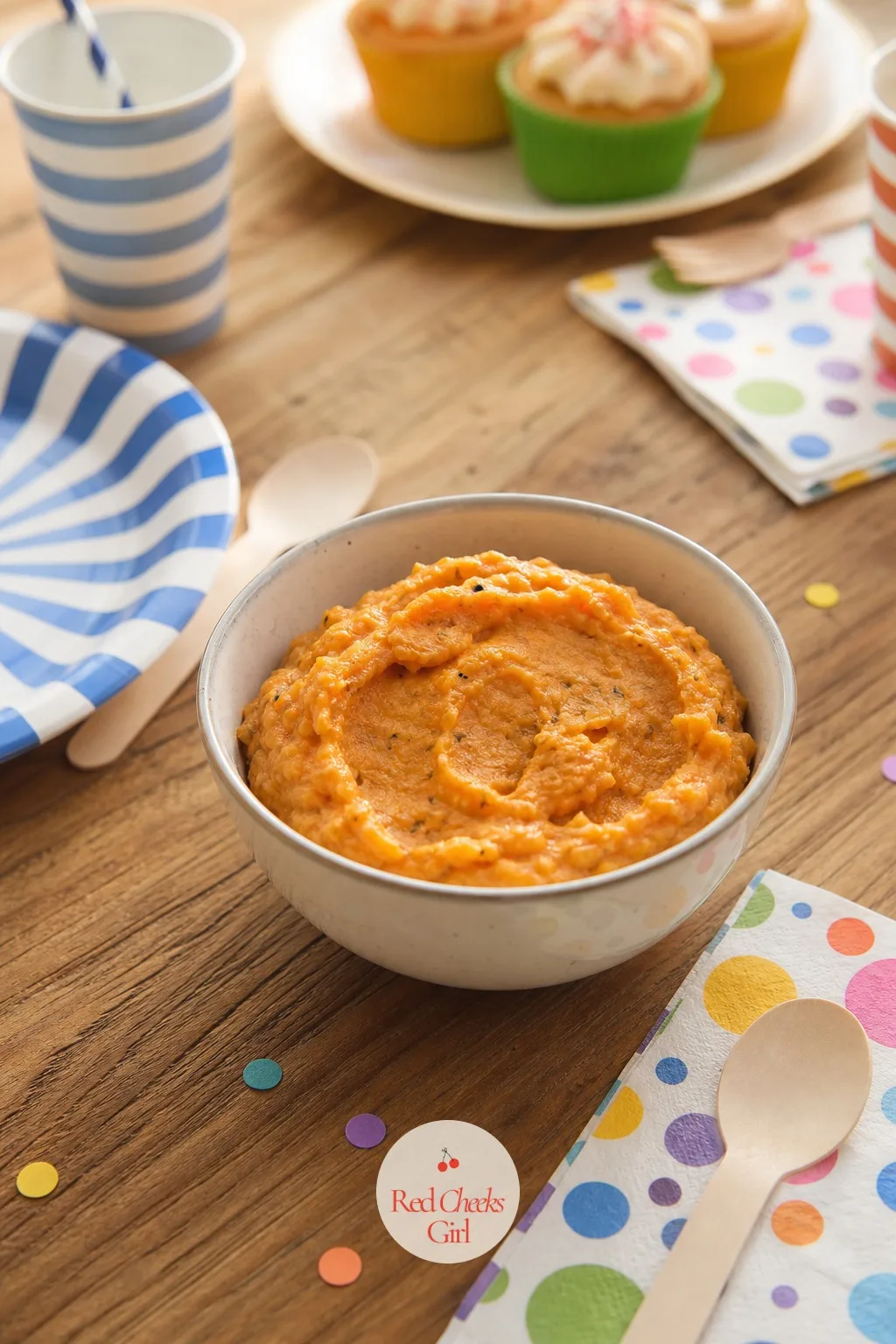
Sweet Potato and Lentil Mash
Sweet potato already wins without a fight at most tables, and lentils simply ride in on its back.
Why it is worth eating: the vitamin C in sweet potato helps the body make better use of the iron in the lentils stirred through it. Vitamin C acts as a chemical helper that unlocks non-heme iron.
Easy way to serve: mash both together warm, keeping it soft and lump-free for younger toddlers.
Canned pumpkin steps in for the sweet potato on the nights there is no time to peel and boil.
🛍 Shopping guide
One Sweet Iron Boost
Dessert does not have to be nutritionally empty. This one closes the list on something that reads as a treat and happens to be doing some good at the same time.
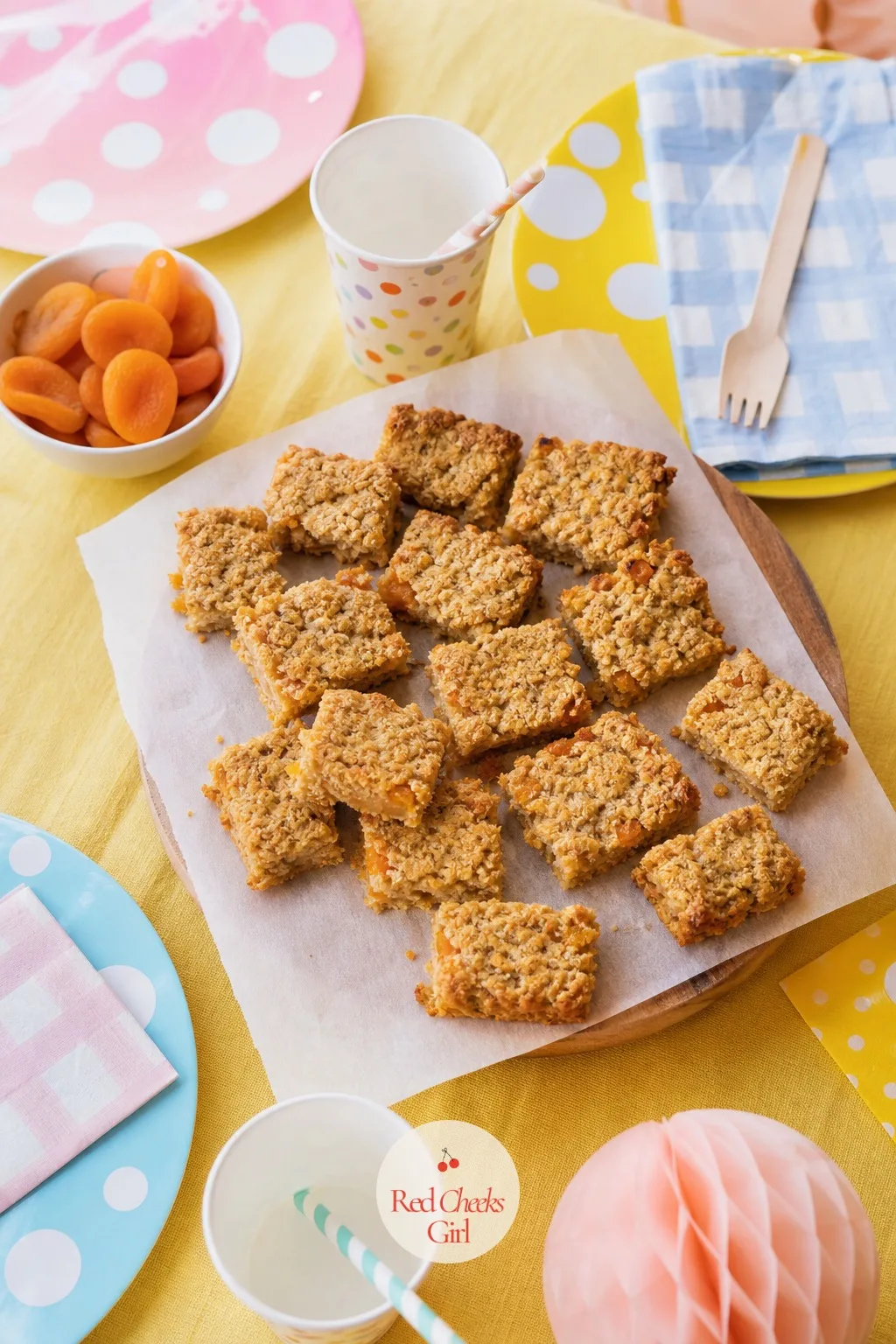
Soft Baked Oat and Apricot Bites
A dessert-shaped snack that happens to be doing something useful at the same time is a small, real relief at the end of a long day.
Why it is worth eating: finely chopped dried apricot and oats combine two different iron sources into something that reads as a treat rather than a chore.
Easy way to serve: bake into soft bite-sized bars and cut them small, always dicing the dried fruit very fine first, since whole or large pieces of dried fruit are a choking risk for small children.
Finely chopped prunes or raisins swap in for the apricot with no change to the method.
🛍 Shopping guide
Frequently Asked Questions
What are the best iron-rich foods for a picky toddler?
Soft, familiar shapes work best: fortified oatmeal, scrambled eggs, pasta made from lentils and hummus. Stealth iron sources like iron-fortified cereals, pasta made from lentils, and smoothies with blended spinach and strawberries, plus soft-textured proteins like scrambled eggs, hummus, or thinly sliced turkey tend to get eaten without a fight.
Does drinking too much milk cause low iron in children?
Too much milk can crowd out iron-rich foods rather than cause deficiency directly. Drinking more than 24 oz. of milk daily is listed as a factor behind low iron intake, so keeping milk to a reasonable amount leaves more room at meals for the foods that actually carry iron.
Why do iron-rich foods get served with vitamin C foods like oranges or peppers?
Vitamin C helps the body absorb more of the iron sitting next to it on the plate. Vitamin C improves the way the body absorbs iron. Pairing lentils or spinach with strawberries, tomatoes or citrus makes the meal more effective, not just more colourful.
What are the signs a child might be low in iron?
Common signs include tiredness, pale skin and trouble concentrating. Common signs include fatigue, pale skin, irritability, and reduced concentration, and a blood test confirms diagnosis.
Should children take iron supplements?
Only with a doctor’s guidance rather than on a parent’s own judgement. Supplements should only be given under medical supervision after proper evaluation.
Is spinach alone enough to raise a child’s iron levels?
Spinach helps but rarely does the whole job on its own. Spinach is beneficial, but combining it with other iron-rich foods and vitamin C sources improves effectiveness.

There’s a jar of instant coffee sitting in my cabinet that I’ve had since approximately
11 healthy birthday treats with no sugar as the first ingredient, bright colours, and enough visual
Key Takeaways: • Omega-3 fatty acids have the strongest evidence for cortisol reduction •
Leave a Reply