

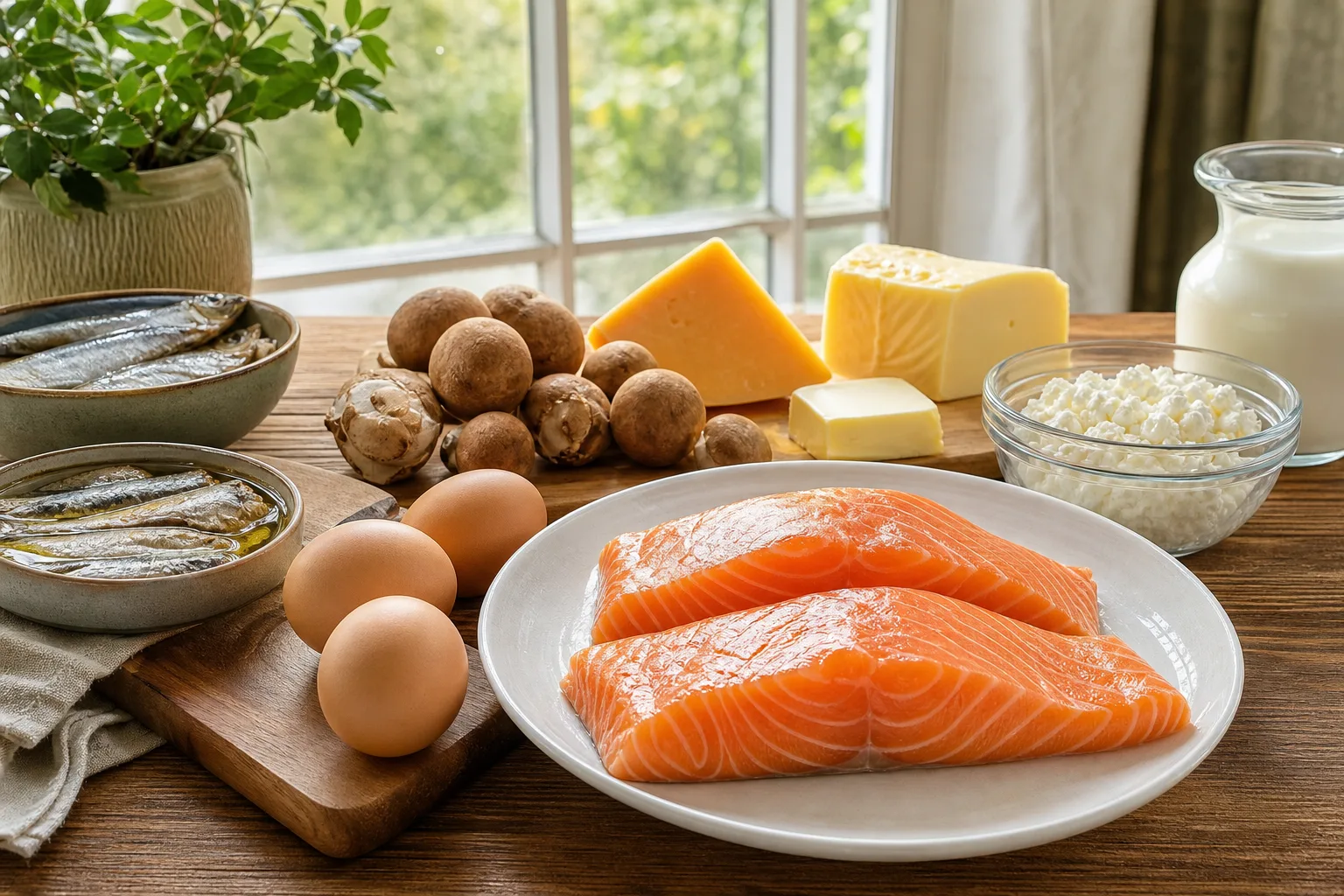
Forget the supplement aisle for a minute. A short list of ordinary foods carries most of the vitamin D you will ever eat on purpose, and almost all of them already live in a regular fridge or pantry.
This is not a meal plan and it will not ask you to weigh anything. It is twenty plated foods, starting with the ones that genuinely carry the most, moving down through eggs, mushrooms and the fortified staples that quietly do the rest of the work.
Each one gets a plain reason to eat it and the easiest way to get it onto a plate without turning dinner into a project.
This post contains affiliate links. If you buy through them, I may earn a small commission at no extra cost to you.
Table of Contents
Fatty Fish and Seafood: the Strongest Sources
The fish counter does the heaviest lifting here, and it is worth walking past the chicken breast to get to it. A few ounces of the right fillet carries more vitamin D than almost anything else you will put on a plate this week.
Salmon
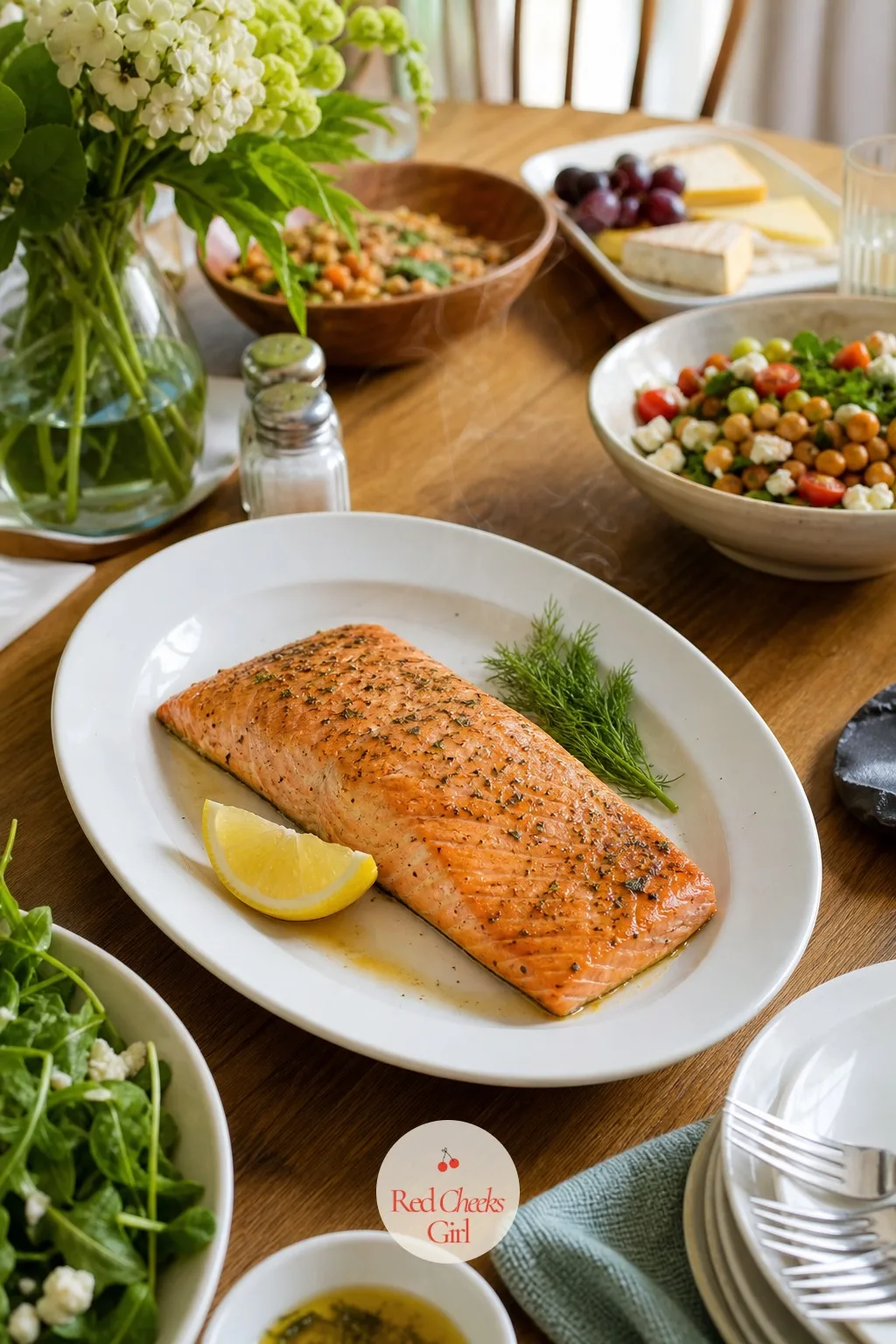
Many oily fish are high in vitamin D, like herring, mackerel, salmon and sardines, and salmon is the one most people will actually eat twice a week without complaint. It works hot or cold, which makes it the easiest entry on this whole list to repeat.
Pan-sear a fillet skin-side down, rest it on a white plate with a wedge of lemon, and call it dinner. If fresh fillets feel like a splurge, canned sockeye works the same way flaked over a salad.
🛍 Shopping guide
Sardines
Sardines get a bad reputation they do not deserve. Tinned, they are one of the cheapest, fastest ways to get a genuinely oily fish onto a plate, and the bones are soft enough to eat without noticing.
Lay a few fillets across toast with a squeeze of lemon, or tip a tin straight into a bowl with sliced red onion. If the smell puts you off, the ones packed in tomato sauce are milder.

🛍 Shopping guide
Canned Tuna
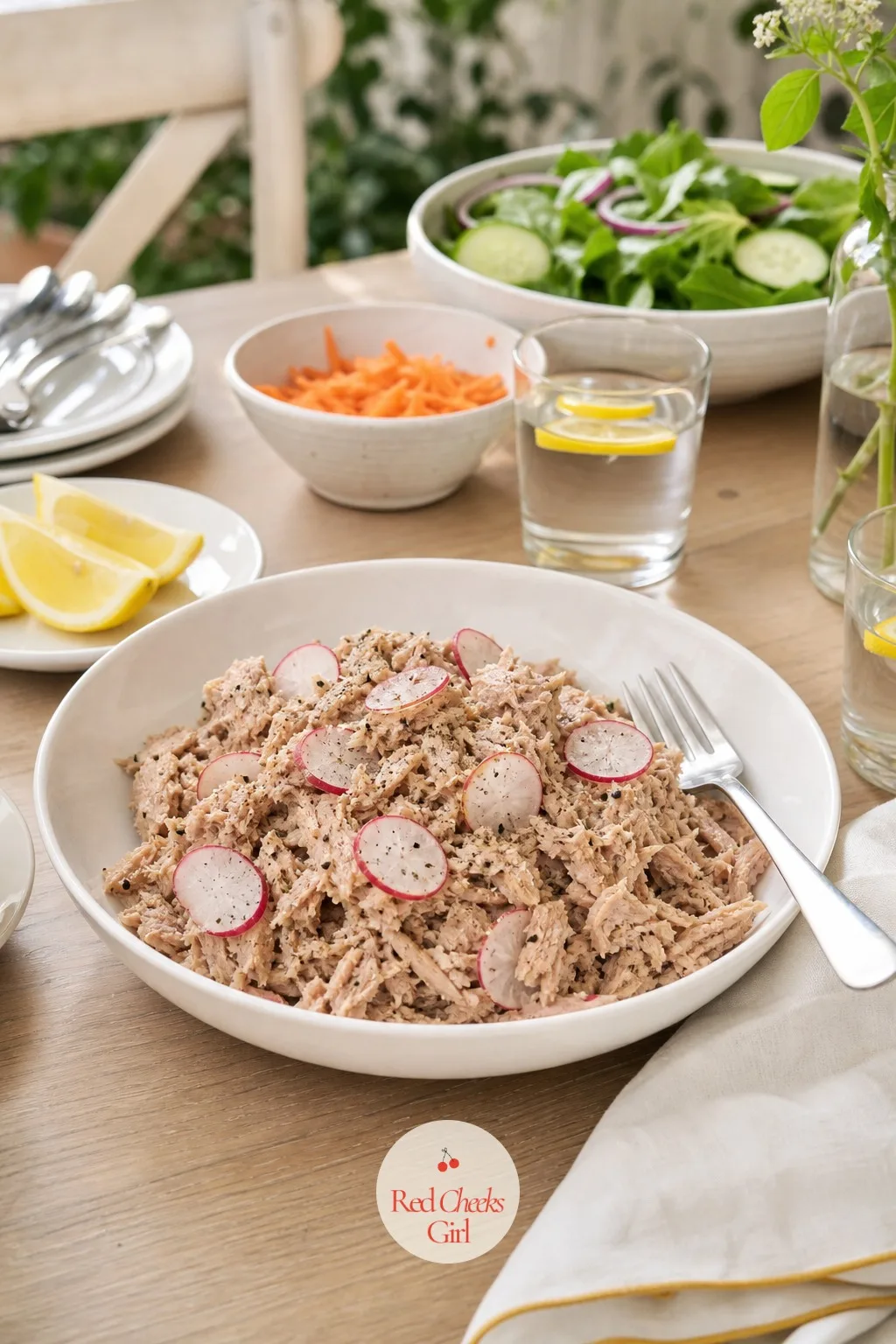
Fatty fish such as trout, salmon or tuna cover most of the natural vitamin D on this list, and tuna is the one already sitting in the back of the pantry. No cooking, no smell to manage at the stove.
Flake it into a bowl with a squeeze of lime, cracked pepper and sliced radish for something that looks like it took effort. Swap in pouches instead of tins if draining a can is the one kitchen chore you avoid.
🛍 Shopping guide
Rainbow Trout
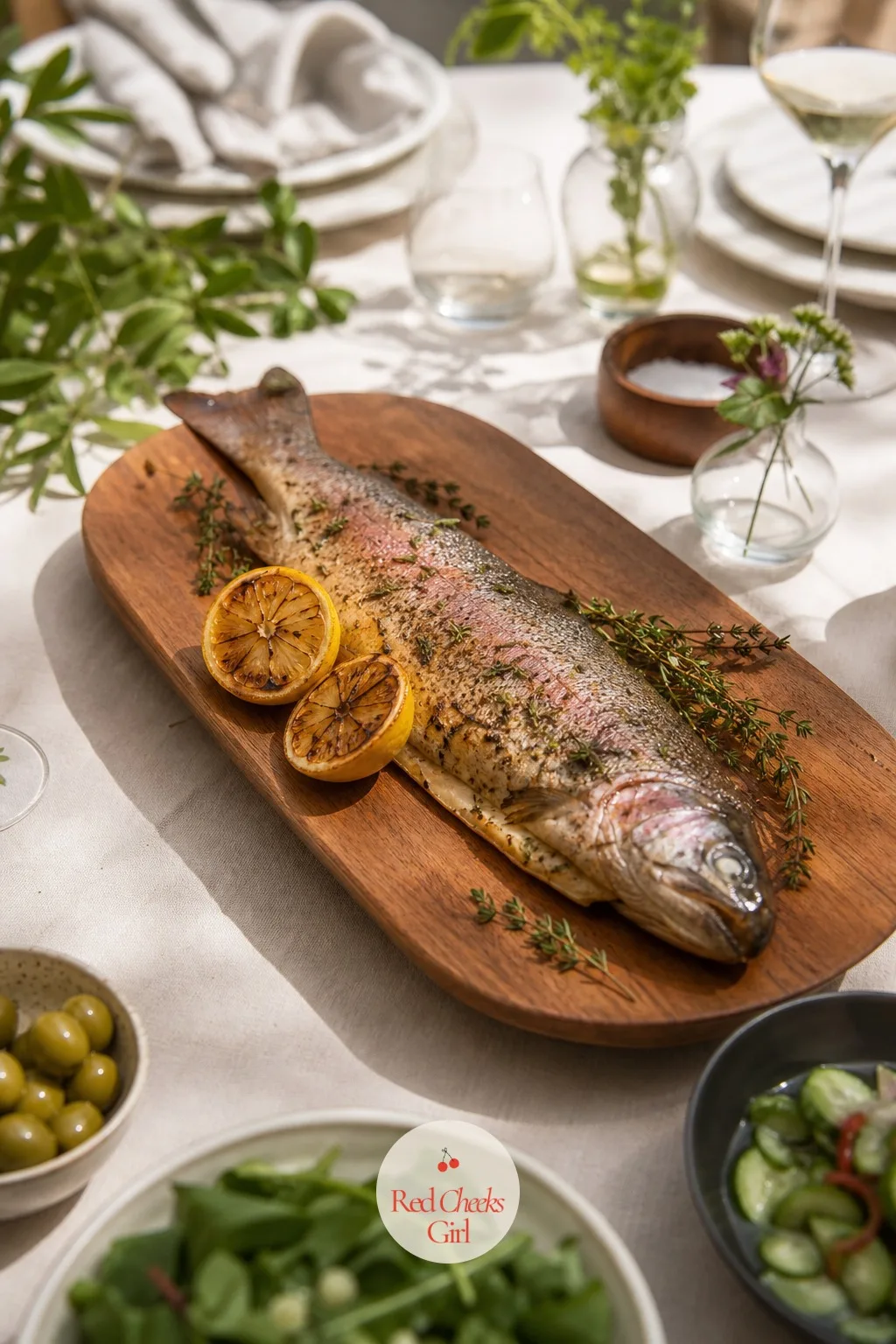
Fatty fish like salmon, mackerel, and trout are some of the best natural sources of vitamin D, and trout has a milder flavour than most oily fish, which makes it an easier sell to anyone who claims they do not like fish.
Roast a whole fillet with lemon slices tucked underneath, or pan-fry it with the skin left on for a crackle. A long wooden board makes it look like more than it is.
🛍 Shopping guide
Mackerel
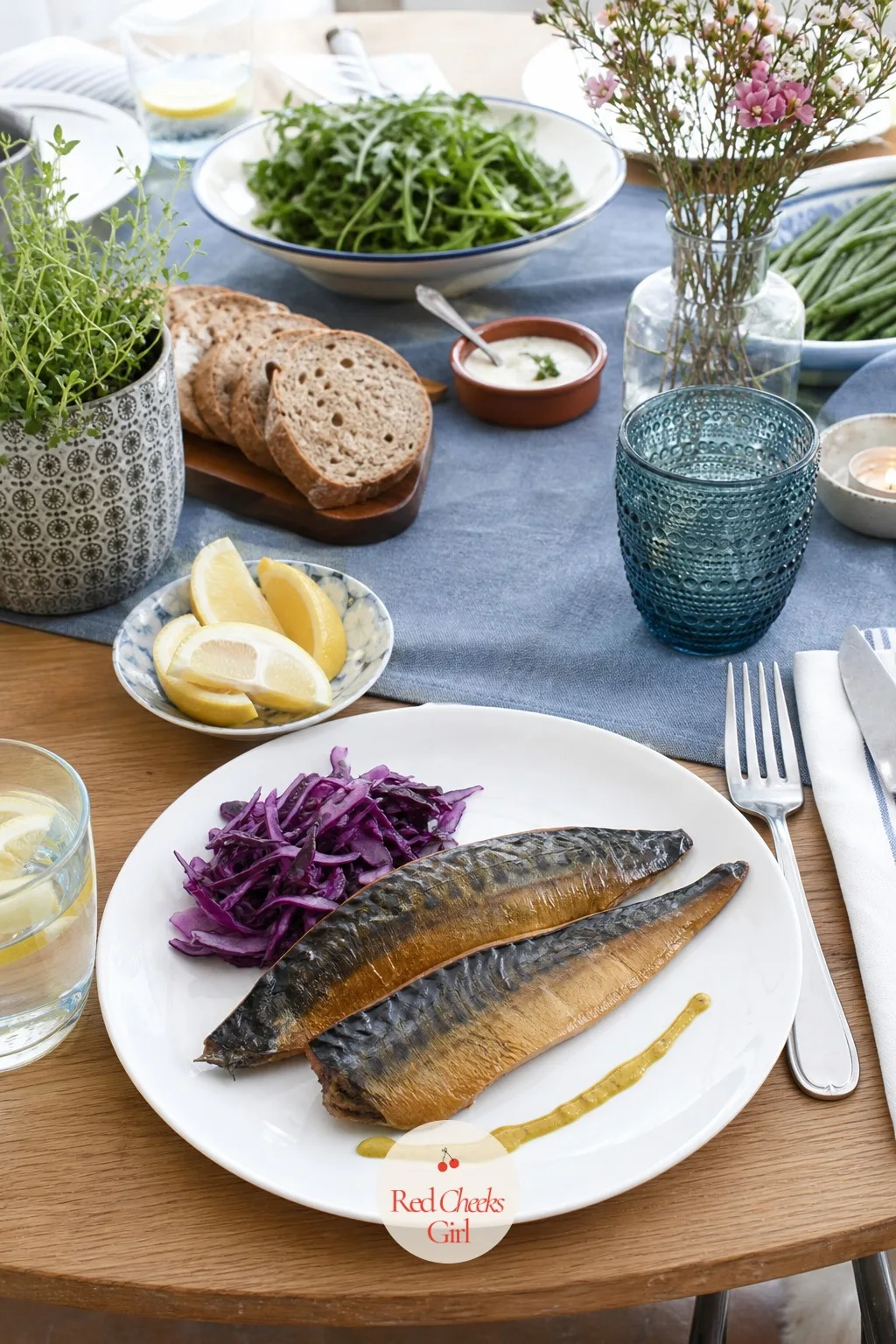
The best vitamin D foods include fish like mackerel, halibut, trout and sardines, and mackerel is the boldest tasting of the group, with a richness that holds up against sharp, acidic sides.
Smoked mackerel needs nothing more than flaking over shredded cabbage with a mustard drizzle. If the strong flavour is too much at first, start with the tinned fillets in a lighter brine.
🛍 Shopping guide
Herring
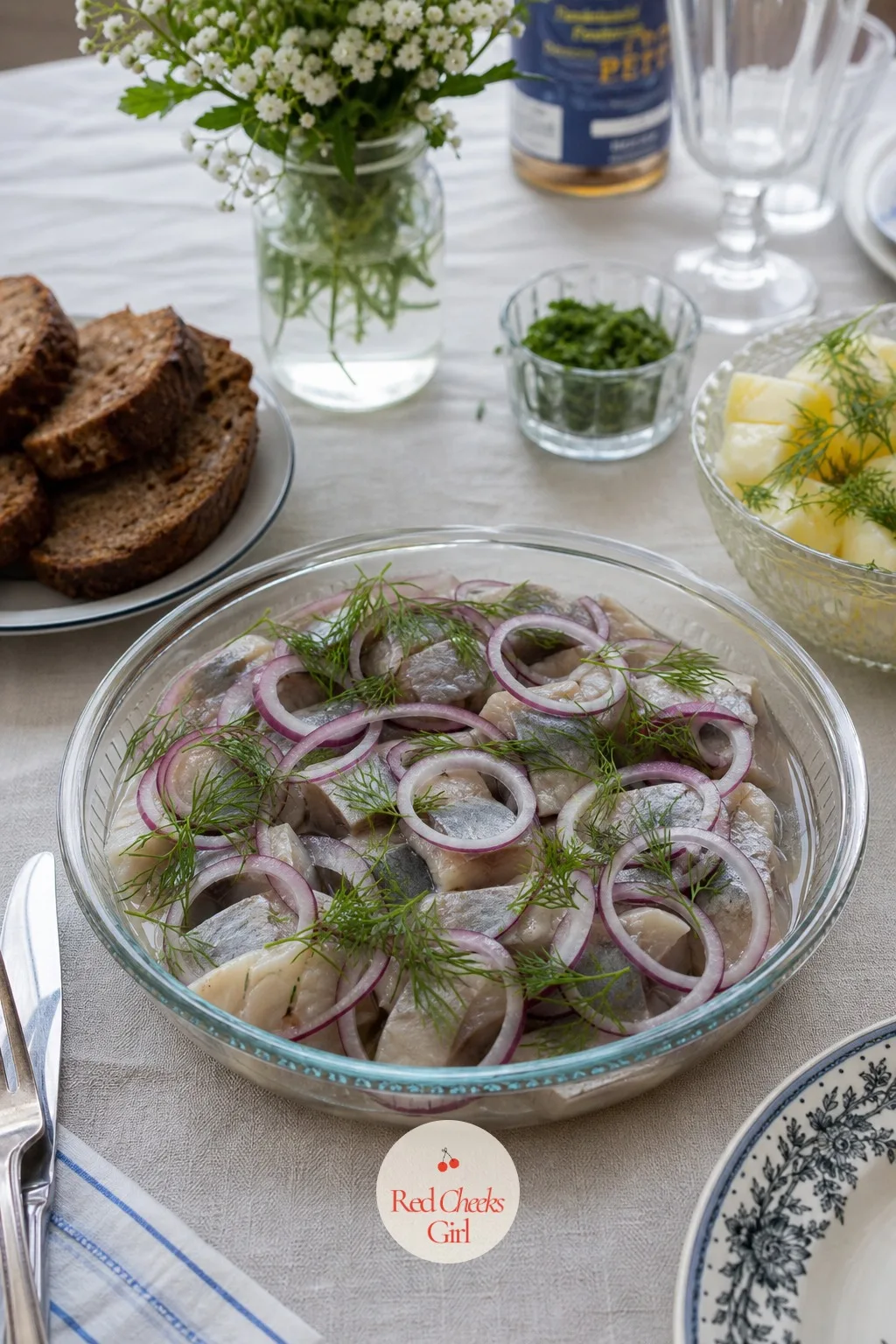
Herring rarely gets ordered on purpose, which is a shame, since it sits alongside salmon and sardines as one of the stronger natural sources on any list of oily fish. Pickled, it keeps in the fridge for weeks.
Serve small pieces on dark rye or straight from the jar with thin red onion rings. Anyone who finds the vinegar too sharp can rinse the pieces briefly before plating.
🛍 Shopping guide
Swordfish
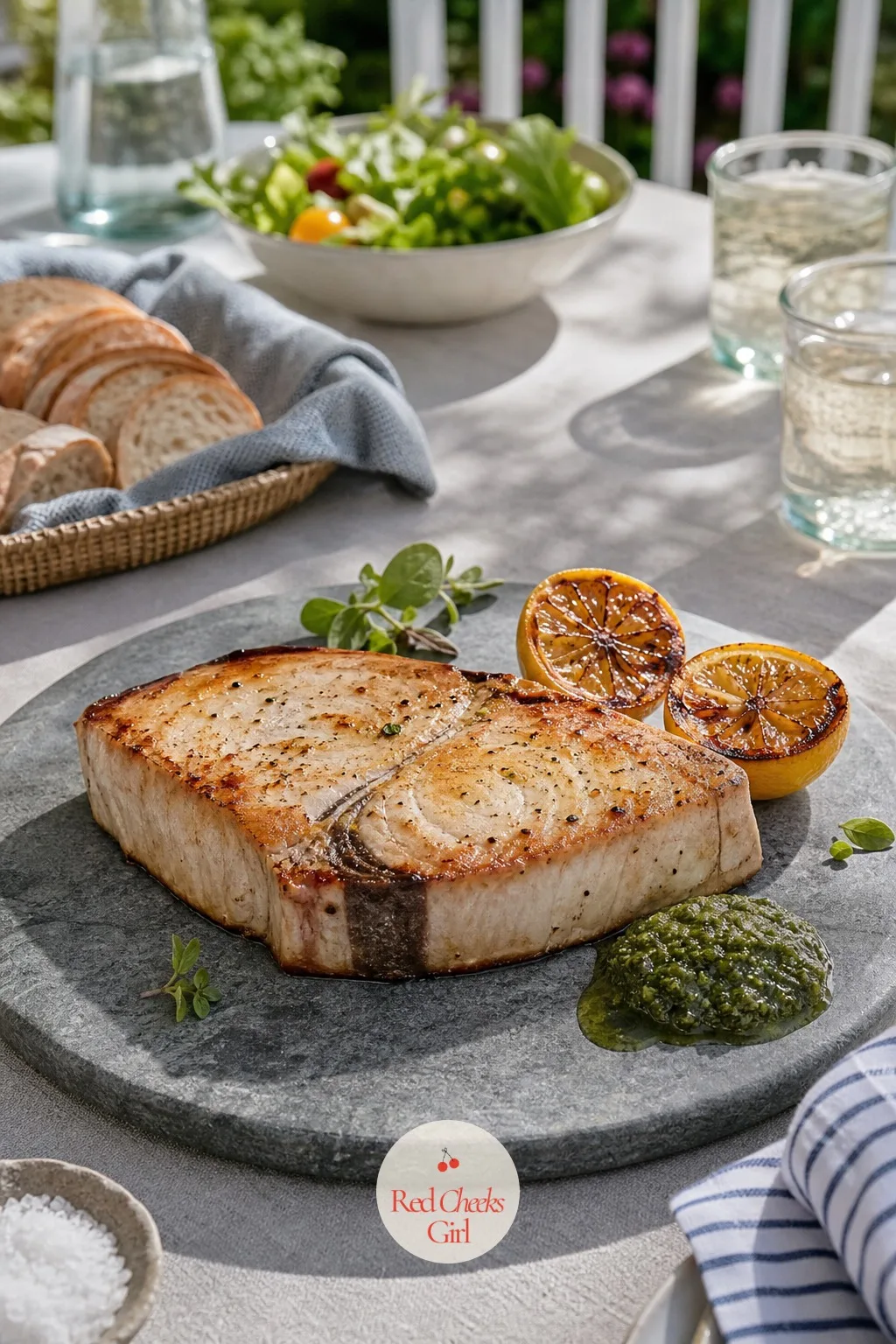
Swordfish behaves more like a steak than a fillet, dense enough to sear without falling apart, which makes it the fish to reach for on a night when dinner needs to look like an occasion.
Sear it hot in a pan for a couple of minutes per side and finish with a spoon of pesto. A plain stone platter does more for it than any garnish will.
🛍 Shopping guide
Egg Yolks and Mushrooms: the Best Non-Fish Picks
Eggs and mushrooms do not announce themselves the way salmon does, but they quietly cover anyone who skips fish night. One comes from the hen, the other from a growroom with a UV lamp, and both plate up in minutes.
Egg Yolks
Egg yolks can also be high in vitamin D, especially if the chickens are free-range, which makes the humble soft-boiled egg one of the easiest wins on this whole list. No special shopping trip required.
Halve a few soft-boiled eggs on a small plate with a scatter of flaky salt and chive. Swap in a jammy fried egg on toast if boiling and peeling feels like too many steps before coffee.

🛍 Shopping guide
UV-Exposed White Mushrooms
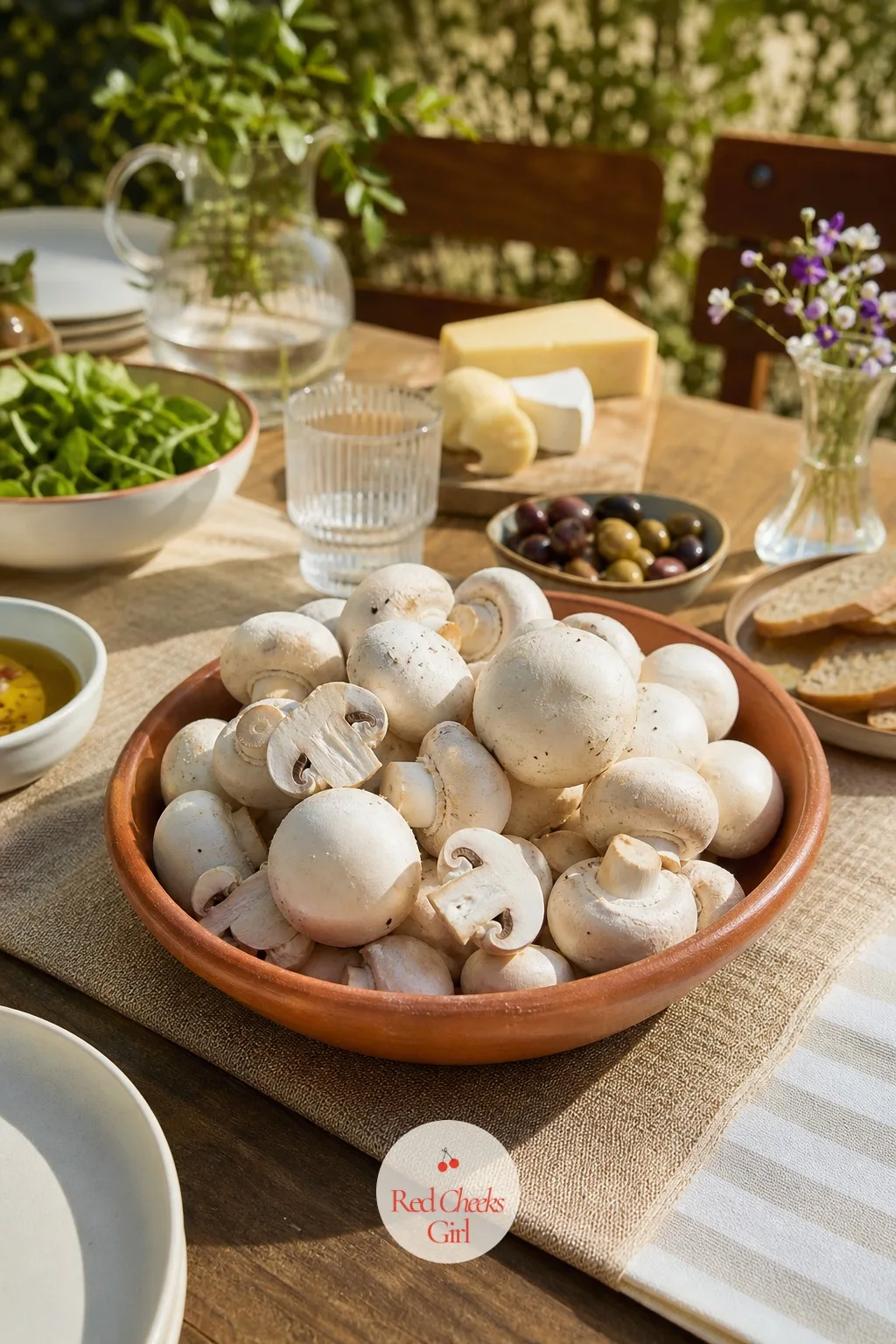
Mushrooms are the only plant-based food that naturally contains vitamin D, which makes them the one entry here that actually matters for anyone skipping fish and eggs altogether. Look for packaging that mentions UV treatment, since not all mushrooms carry the same amount.
Roast them whole in a hot oven until the edges brown, then pile them into a shallow dish. A squeeze of lemon at the end keeps them from tasting flat.
🛍 Shopping guide
Maitake Mushrooms
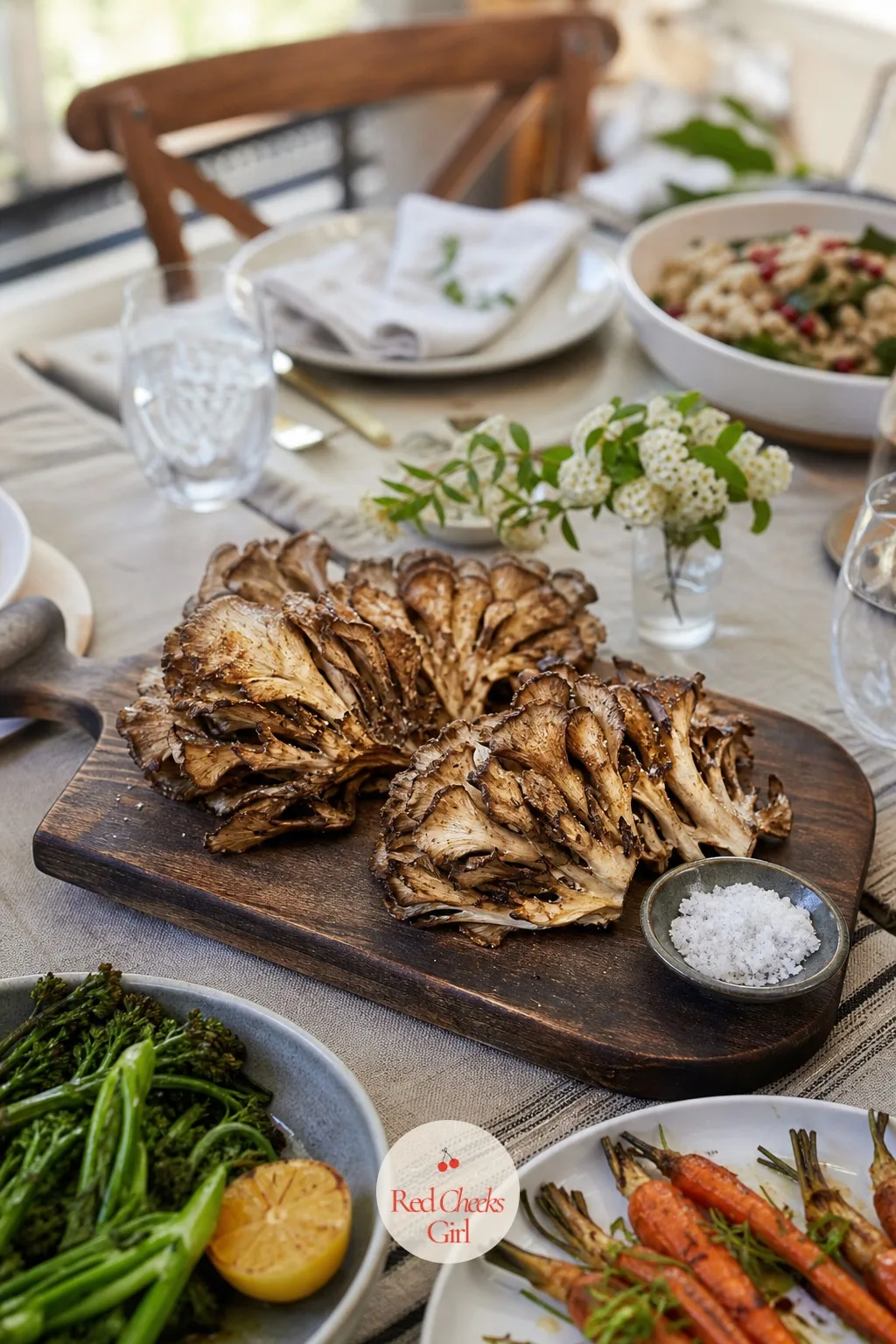
Wild or specially grown mushrooms like maitake, portobello, or morel are your best bet for vitamin D, and maitake in particular has a meaty texture that holds up well to a hot pan without turning soggy.
Tear the clusters by hand and roast them at high heat until the edges crisp. If maitake is hard to find, portobello sliced thick works the same way.
🛍 Shopping guide
Fortified Dairy and Plant Milks
Milk, yogurt and the oat or almond versions in the next aisle over get their vitamin D added in at the dairy or the plant, not grown in naturally. Check the label once, and the carton you already buy probably has it covered.
Fortified Cow’s Milk
Milk is the quiet workhorse of this whole list, since these foods include milk and some yogurts, breakfast cereals, and other grains, orange juice, and margarine once fortified. You are probably already drinking it without thinking about what it carries.
Pour it cold into a glass with breakfast, or warm it for a bedtime cup. Check the carton label once, since not every brand fortifies at the same level.

🛍 Shopping guide
Fortified Plant Milk
Many plant-based alternatives such as soy milk, almond milk, and oat milk are similarly fortified, which is good news if dairy is not on the table. Flavour and texture vary a lot between brands, so it is worth trying a few before settling.
Pour it over cereal or into coffee exactly as you would dairy milk. Oat tends to be the creamiest if texture matters more than flavour.

🛍 Shopping guide
Fortified Yogurt
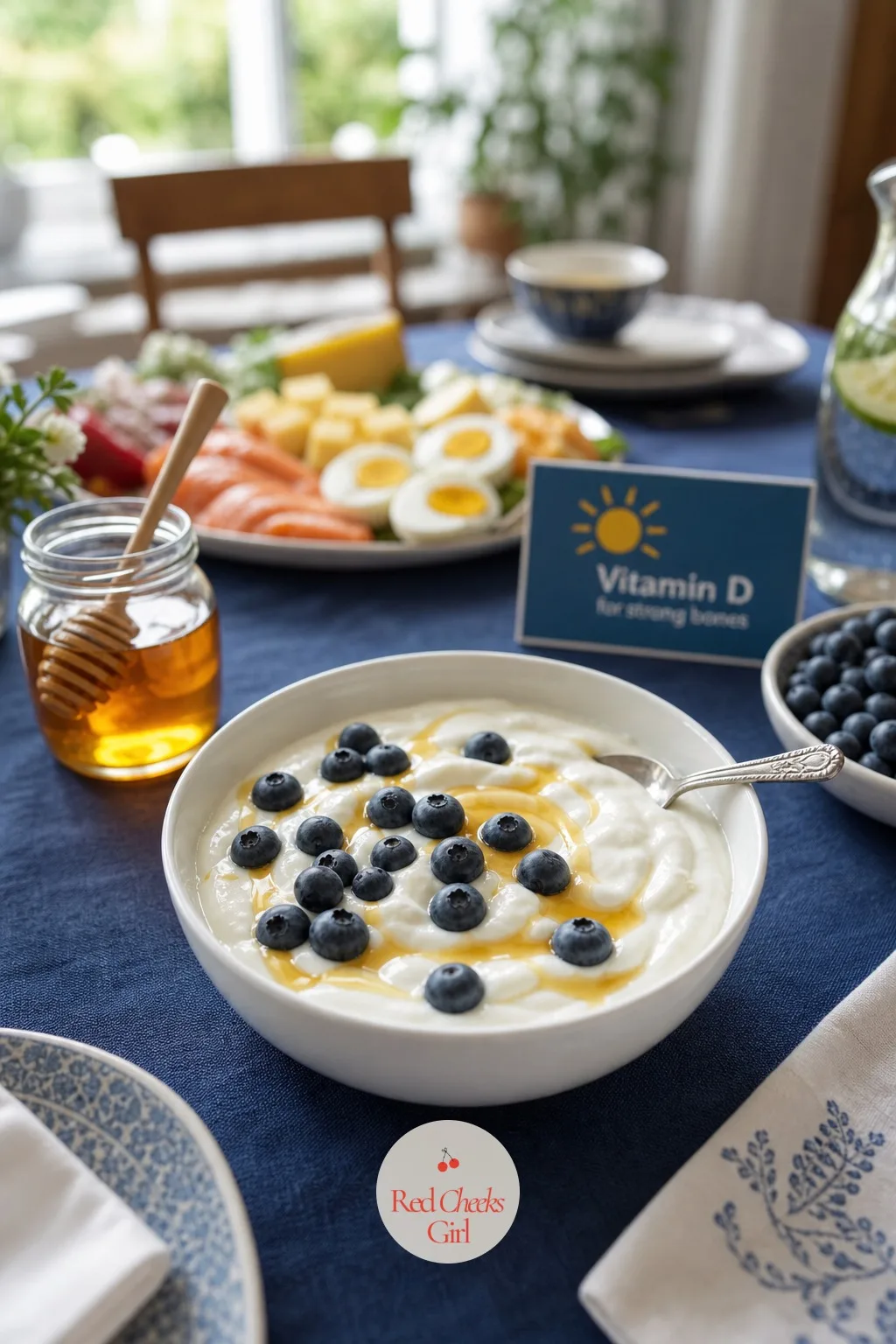
Not every yogurt is fortified, so this is the one entry on the list worth checking the label for before you buy. Once you find a brand that does it, it becomes an easy daily habit rather than a special purchase.
Spoon it into a bowl with a drizzle of honey and a scatter of berries. Greek-style works if you want it thicker, plain or vanilla if you want it plainer.
🛍 Shopping guide
Fortified Kefir
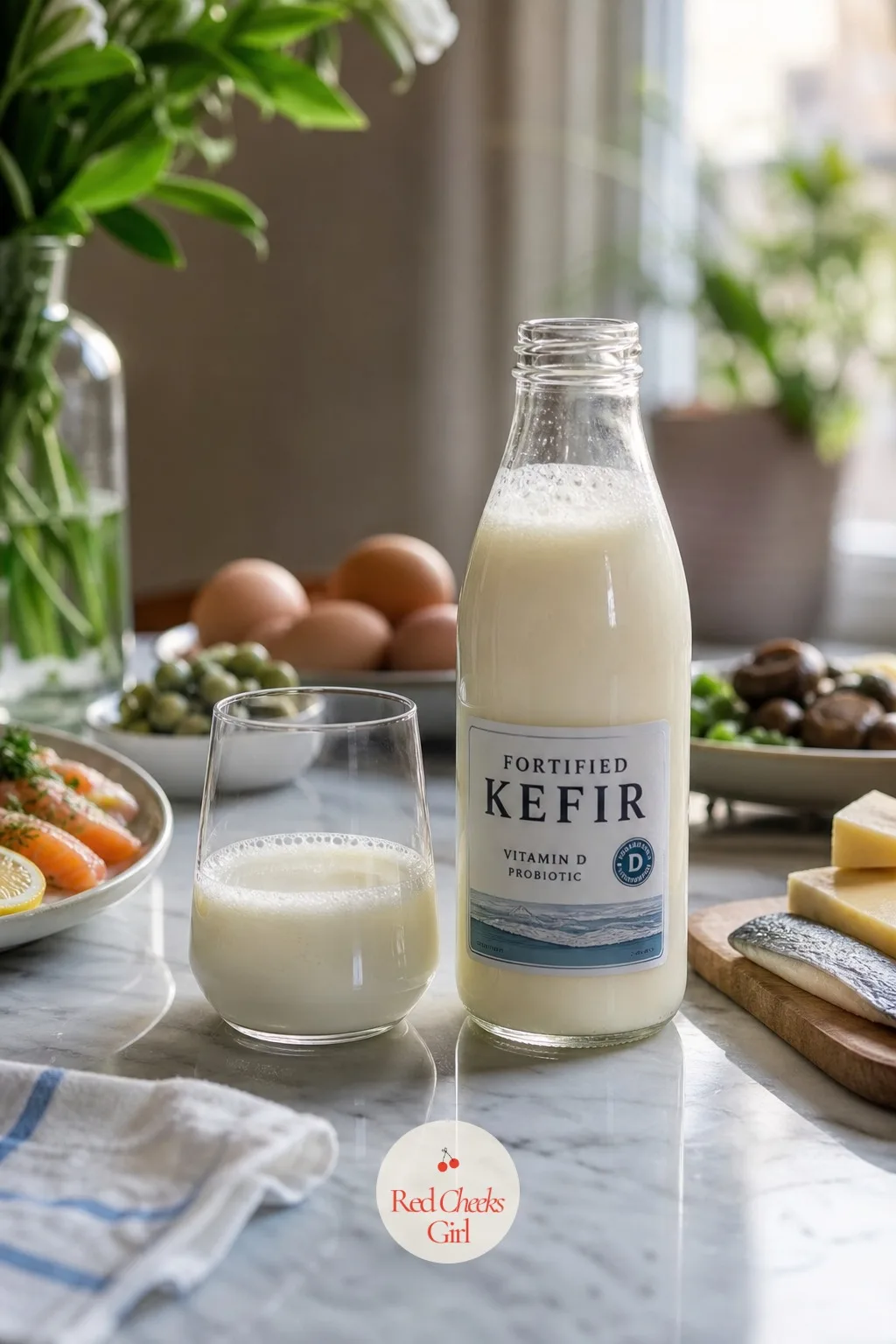
Kefir is the tangier, slightly fizzy cousin of yogurt, and some brands fortify it the same way they do milk. It is worth a look if plain yogurt has gone stale on you.
Pour it straight into a glass over ice, or blend it into a smoothie if the tang alone feels like too much first thing in the morning.
🛍 Shopping guide
Fortified Pantry Staples
Cereal, orange juice, tofu and margarine are the quiet fortified basics already sitting in most kitchens. None of them taste like a health food, which is exactly why they work.
Fortified Breakfast Cereal
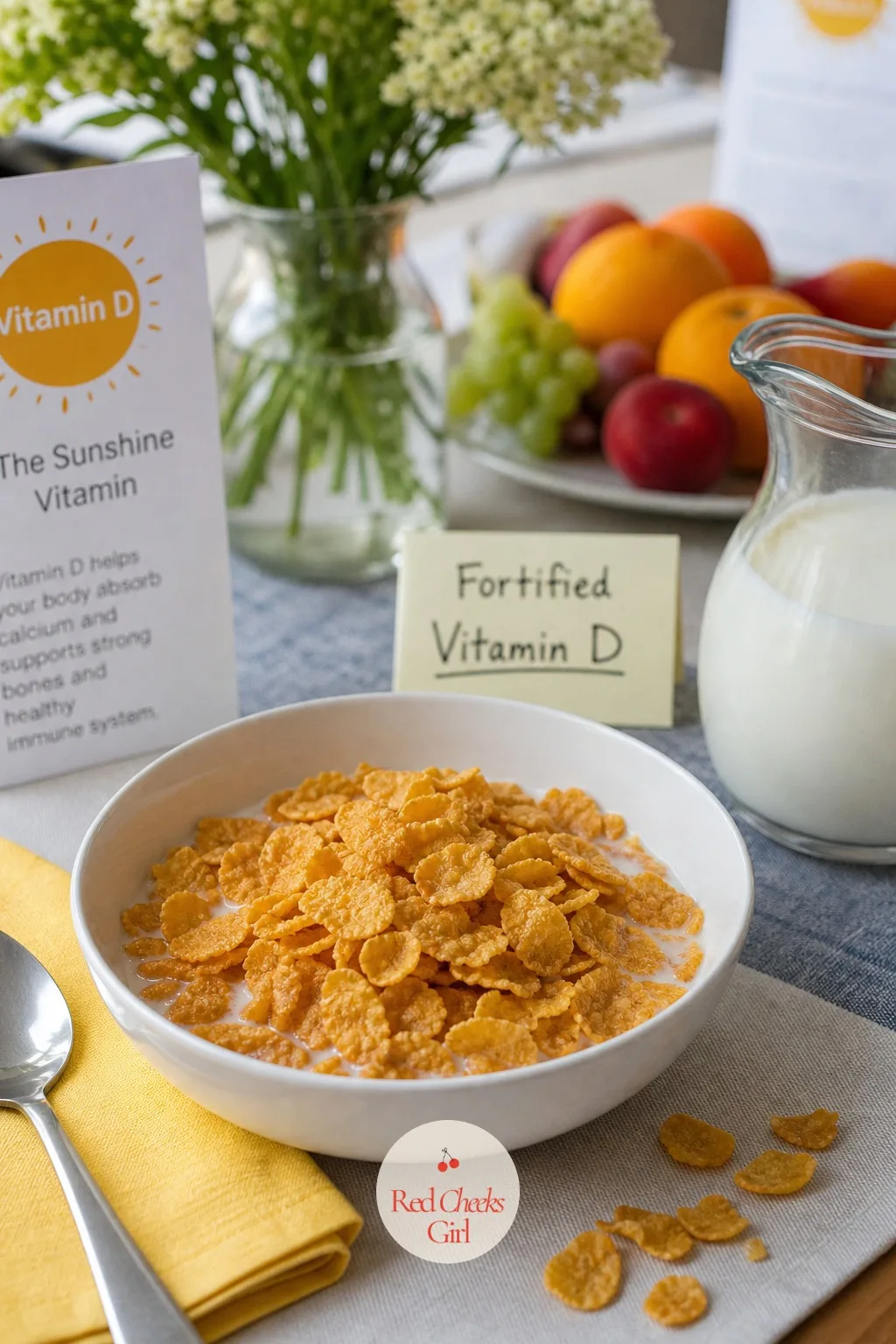
Common foods with extra vitamin D and other nutrients include various breakfast cereals, which makes this the fastest entry on the whole list, no cooking, no planning, just a bowl and a spoon.
Pour it with fortified milk for a double dose of the same nutrient without trying. Check the box for the fortification claim, since plain granola rarely carries it.
🛍 Shopping guide
Fortified Orange Juice
Orange juice is usually bought for the vitamin C, but a fortified carton quietly adds vitamin D on top, which makes it worth a second glance in the dairy aisle.
Pour it cold over ice with a few orange segments on the side. Shake the carton first, since the fortification settles toward the bottom.

🛍 Shopping guide
Fortified Tofu
Tofu does not naturally carry vitamin D, but some brands fortify it, which makes it one of the few plant-based proteins that can genuinely contribute to this list. Worth seeking out if fish and eggs are both off the table.
Cube it, glaze it with a little soy sauce, and sear it in a hot pan until the edges crisp. Scallion on top finishes it without extra effort.

🛍 Shopping guide
Fortified Margarine
Vitamin D is added to many breakfast cereals and to some brands of orange juice, yogurt, margarine, and other food products, which makes margarine an unglamorous but genuine entry here. Check the tub for the fortification label before assuming.
Spread it on warm toast the way you already do. Butter does not carry the same benefit, so this is the one swap worth making on purpose.

🛍 Shopping guide
Other Natural Sources Worth Knowing
A short list of foods carry smaller, steadier amounts of vitamin D without ever making a headline about it. Worth knowing, even if they rarely become the main event on the plate.
Beef Liver
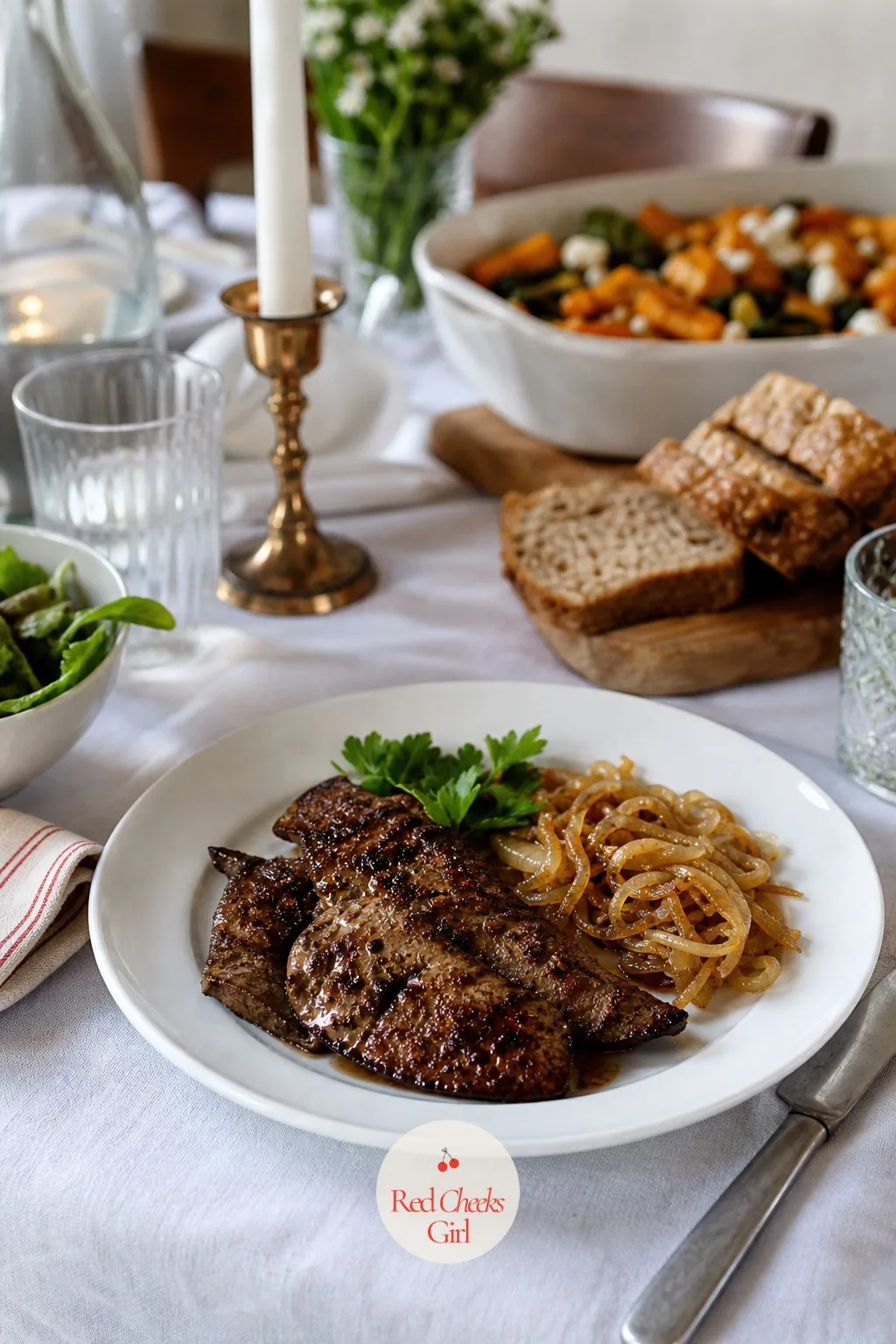
Beef liver is another natural source of vitamin D, and liver is also rich in other important nutrients, like iron, protein, vitamin B12, and vitamin A. It is not for everyone, but it is worth knowing about even if it never becomes a weekly habit.
Sear thin slices quickly so the centre stays pink, then rest them on a plate with caramelized onions to soften the flavour. Pâté is the easier entry point if a whole slice feels like too much.
🛍 Shopping guide
Salmon Roe
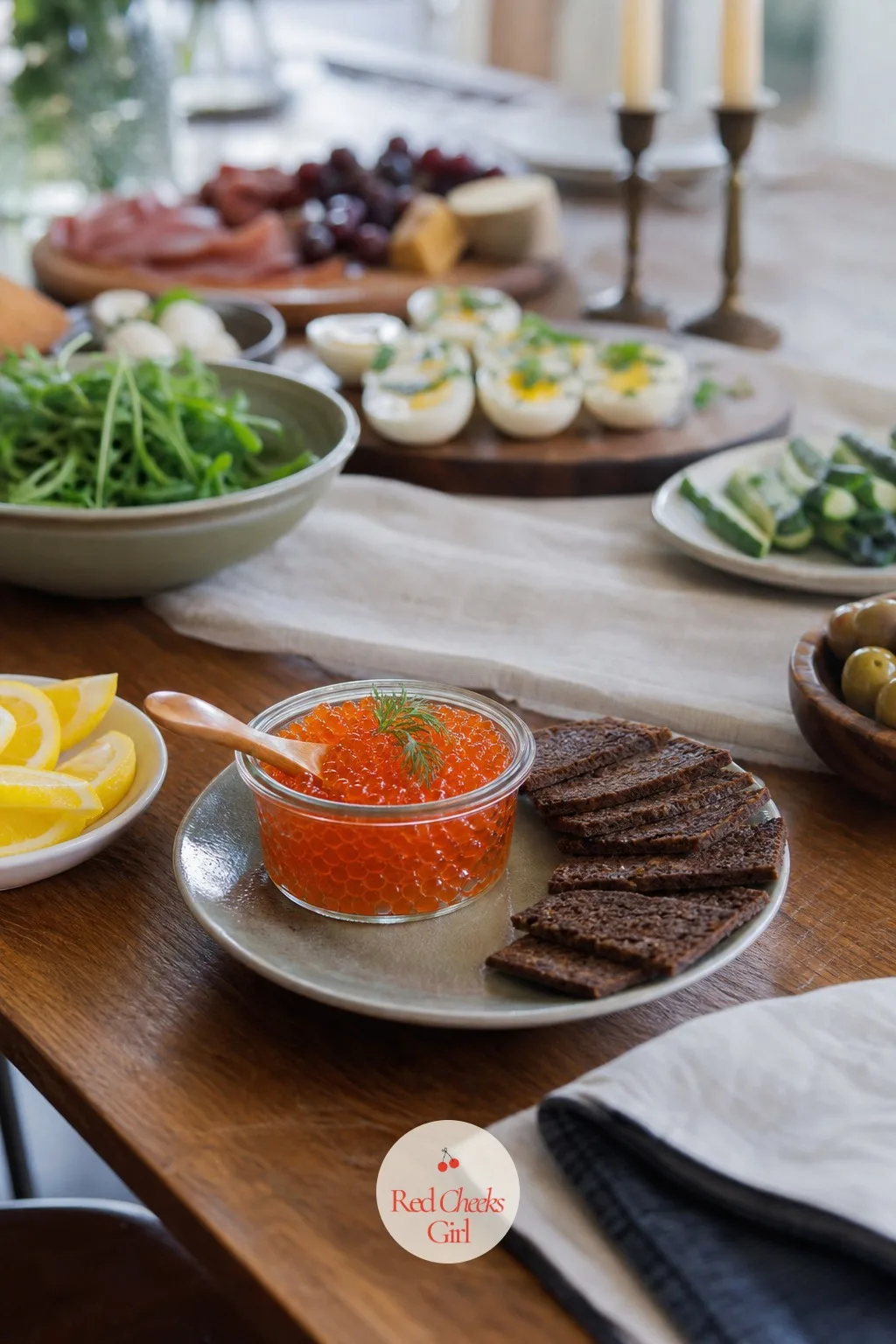
Salmon roe is the small, bright finishing touch that turns a plain plate into something that looks like it took real effort, and since it comes from an oily fish, it carries some of the same benefit in a smaller package.
Spoon a small amount over a cracker or a blini with a little crème fraîche. A little goes a long way, both in flavour and in cost.
🛍 Shopping guide
Frequently Asked Questions
What foods are highest in vitamin D?
Fatty fish such as salmon, trout, mackerel, and sardines carry the most, with egg yolks and certain mushrooms adding smaller amounts and fortified milk or cereal filling in the rest.
Can you get enough vitamin D from food alone?
It is possible but not easy, since very few foods naturally contain it and most people end up relying on a mix of fortified foods, sunlight, and sometimes a supplement.
Do mushrooms actually contain vitamin D?
Some do, but only certain types and only in meaningful amounts when they have been grown under or exposed to UV light; ordinary supermarket mushrooms vary a lot in how much they carry.
What foods have added vitamin D?
Milk, many plant-based milks, some yogurts, breakfast cereals, orange juice, margarine, and tofu are commonly fortified, though the exact amount differs by brand, so the label is worth a quick check.
Are any fruits or vegetables high in vitamin D?
Not really; vitamin D occurs naturally in only a small number of foods, almost all of them animal-based, with UV-exposed mushrooms the main exception among plants.
Is cheese a good source of vitamin D?
Only in small amounts; cheese, along with egg yolks and beef liver, contains some vitamin D naturally, but far less per serving than fatty fish.
My stomach was angry at me for most of last winter. Nothing dramatic — just that low-grade blo
Ever have one of those mornings where you’re staring into the fridge with zero energy to actua

12 no-fuss birthday party treats that assemble fast, look beautiful at different heights and fill ev
Leave a Reply