

24 Thanksgiving Games for the Long Wait Before Dinner, With Free Printables
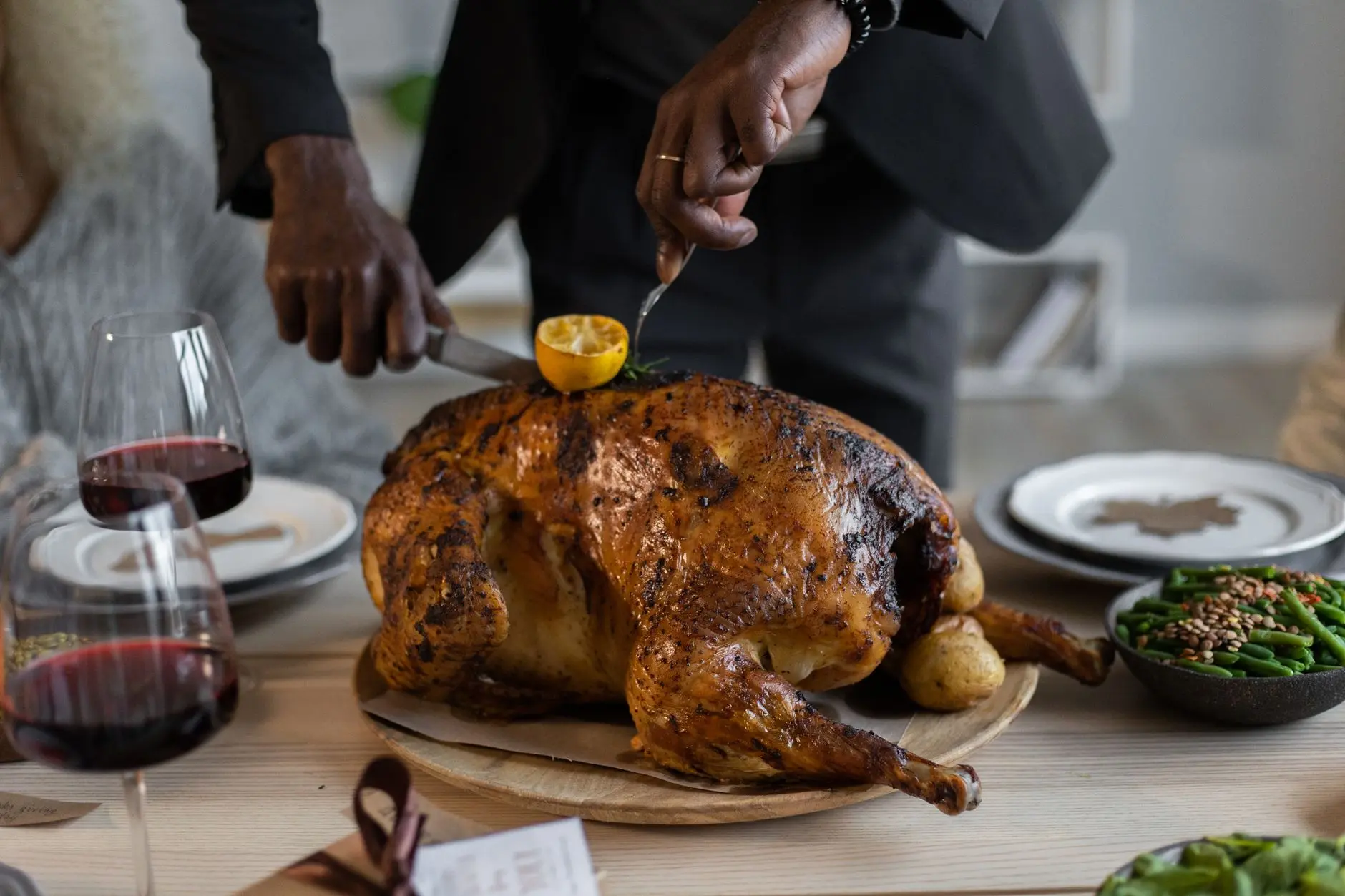
These thanksgiving games cover the three hours between arrival and dinner without a single awkward silence, a craft supply run, or a scoreboard nobody asked for.
Seven are printable sheets you can run off this morning; the rest need nothing but the people already in the room.
The mix spans kids, teens, grandparents, and the cousin who claims not to play games, so there is something here for every corner of the living room.
This post contains affiliate links. If you buy through them, I may earn a small commission at no extra cost to you.
- Thanksgiving Trivia Quiz Sheet
- Thanksgiving Bingo Card Set
- Gratitude Question Cards for the Bowl
- Guess Who Wrote It
- Would You Rather: Leftovers or Dishes
- Thanksgiving Pictionary Word Cards
- Outburst Category Cards
- The Gratitude Basket
- Alphabet Thankful List Around the Table
- Categories: Thanksgiving Edition
- Compliment Roll With One Die
- Turkey Tag Outdoors
- Indoor Hopping Relay
- Gourd Tic Tac Toe on the Table
- Candy Corn Ring Toss
- Pictionary With Paper and a Pen
- Charades With No Props
- Story Built One Sentence at a Time
- Who Brought What: Memory Round
- Name That Side Dish With Eyes Closed
- Two Truths About This Year
- Rank the Pies
- The Unpopular Opinion Round
- Guess the Age of the Photo
- Frequently Asked Questions
1. Thanksgiving Trivia Quiz Sheet
Players work through a two-sided quiz covering Thanksgiving history, food facts, and a short pop-culture round about holiday films and football traditions. Each person fills in their own sheet silently, then the host reads the answer key aloud and guests self-score.
The combination of genuine history questions and lighter food trivia keeps the difficulty balanced so an eight-year-old and an eighty-year-old both have a shot.
Print one sheet per guest, plus one copy of the answer key for the host. Fine-tip pens or pencils work best. Budget five minutes for filling out and another five for the read-aloud reveal, so the whole round takes about ten minutes. No timer is needed, but calling two minutes remaining speeds things along for dawdlers.
The most common snag: guests argue with the answer key. The fix is to note on the sheet that all answers reflect the Gregorian calendar year of the first nationally proclaimed Thanksgiving and the traditional recipe origins, so the source is clear before anyone complains. A tiebreaker question held in reserve settles a dead heat without a fuss.
Read each answer with a one-line fact so even wrong guesses feel educational rather than embarrassing.

🛍 Shopping guide
2. Thanksgiving Bingo Card Set
Four unique bingo cards, each packed with a mix of Thanksgiving images and words: turkeys, cornucopias, pumpkin pies, cranberry sauce, pilgrim hats, autumn leaves, and the like. The caller draws from a separate list of terms and reads them aloud while players mark their cards.
First to five in a row calls out and wins. The four-card format suits small families or can be handed out randomly in a larger group so two guests share a card and cheer together.
Print the sheet, cut the four cards apart, and grab whatever marking tokens you have: pennies, candy corn, dried beans. The call list lives on the host’s phone or a separate slip. A round takes about eight minutes. Running two or three rounds with the same cards (just clear the markers between rounds) extends the game without reprinting.
The classic problem is someone forgetting which squares they marked after a bathroom break. Solve it by using candy corn as markers: guests eat one for every false bingo call, which keeps score without paperwork and rewards losers with sugar.
- Candy corn or pennies for markers
- Scissors to cut the sheet into 4 cards
- A printed or phone-screen call list

🛍 Shopping guide
3. Gratitude Question Cards for the Bowl
Twelve cards, six per sheet and printed across two sheets, each carrying a different open-ended prompt: things like ‘Name one person outside this room you are grateful for today’ or ‘What is one small thing that got you through a hard week this year?’
Someone draws a card from a bowl, reads it aloud, and the whole table answers in turn.
The prompts replace the pressure of the generic ‘say what you are grateful for’ moment that tends to produce three words from everyone and a lot of looking at shoes.
Print both sheets, cut the twelve cards apart, and drop them into any bowl or basket before guests arrive. No pen needed for the game itself. A round of all twelve takes roughly twenty minutes with eight people; pull six if time is short.
The cards work equally well at the dinner table or as a pre-dinner prompt circle in the living room.
Families where one person dominates tend to eat this format alive. Head it off by setting a one-minute-per-person soft rule: the next person starts when you hear a natural pause, not when the talker finishes every thought. This is not a rule you announce; it is just how you pace it as host.
- Groups of 4-12 who actually like each other enough to answer honestly
- Works beautifully right before dinner as a seated transition moment

4. Guess Who Wrote It
Each guest gets a slip and writes one true thing about themselves that the room is unlikely to know: a hidden talent, a strange fear, an unlikely achievement, something they did before anyone in the room met them.
The slips go into a hat, and the host reads them one by one while the group guesses the author. Right guesses get a point; wrong guesses mean the author stays hidden and scores one for themselves.
The game surfaces genuine surprises about people everyone thought they already knew.
The sheet prints eight slips per page, so one page covers a group of up to eight. For larger groups print two sheets. All you need beyond the printed slips is a pen per person and a hat or bowl.
The reading-aloud round takes about fifteen minutes for eight people and tends to generate real conversation long after the game is technically over.
The failure mode is vague entries like ‘I like hiking.’ Push for specific: ‘I once hiked the same trail three days in a row because I got lost each time.’ One sentence of specificity is the difference between a dull read and a moment the table talks about at dinner.
Before handing out pens, give one strong example aloud so guests understand the specificity bar. Vague slips kill the game.

🛍 Shopping guide
5. Would You Rather: Leftovers or Dishes
Six cards, each with a Thanksgiving-themed dilemma printed on it: forced choices between food situations, holiday logistics, and family dynamics that are funny precisely because everyone has an opinion.
Examples run from ‘Would you rather eat only stuffing for a year or never eat pie again?’ to ‘Would you rather cook the entire meal alone or do all the dishes alone?’
Each card gets passed around so everyone marks their choice, then the group compares.
Print the sheet and cut it into six cards. Each person needs a pen for about thirty seconds per card. The whole round moves fast, under ten minutes for most groups, and the best part is the arguing that follows a split vote. No tracking is needed; the entertainment is the debate, not a winner.
Skip this one if the group has actual dietary restrictions that make food humour land badly. Swap one or two cards for the logistical or family-dynamic prompts instead, which play just as well without the food angle. All six cards are self-contained, so mixing and matching is straightforward.
Forced-choice questions remove the blank-page anxiety of open-ended prompts. Everyone has a take, and the takes are fast.

6. Thanksgiving Pictionary Word Cards
Six prompt cards, each listing five Thanksgiving-themed words or phrases to draw, ranging from easy concrete nouns to harder abstract concepts: think ‘cornucopia’ on the easy end and ‘gratitude’ or ‘the Macy’s parade’ on the harder end.
The drawer picks a card, chooses a word, and draws while their team guesses. No board, no timer device needed beyond a phone stopwatch. The printed cards remove the scramble of thinking up words mid-game, which is usually where pictionary stalls at a family gathering.
Cut the six cards apart and stack them face-down. Any paper and a pen serve as the drawing surface. Teams of two to four work best; a single large group can play all-against-one if the house is tight on space. Each card takes two to three minutes per word, so six cards cover a solid twenty-minute session.
The hardest words on the list will produce genuinely bad drawings, and that is the point. Resist the urge to pull the hard cards for younger players. Kids aged eight and up often draw abstract concepts with more creativity than adults, and their interpretations are funnier.
- Blank paper or a small whiteboard
- A thick marker or dark pen for drawing
- Phone timer set to 60 seconds per turn

🛍 Shopping guide
7. Outburst Category Cards
Six cards, each with one Thanksgiving category printed on it and a target list of ten answers the group is racing to name. The reader holds the card and keeps score while one team shouts answers for sixty seconds.
A category might be ‘Things on a Thanksgiving table’ with ten target answers listed on the card, or ‘Reasons people are late to Thanksgiving dinner.’ The team scores one point per match. Then the other team takes a fresh card.
The first team to score a combined thirty points across rounds wins, or just play until the cards run out.
Print and cut the six cards. The reader is the only one who sees the target list; everyone else shouts freely. This is a loud, fast game and works brilliantly in a living room where energy needs to go somewhere.
Best played in two teams of three or more, but even two people can trade off for a surprisingly competitive ten minutes.
Teams sometimes argue that their answer is equivalent to one on the list. Set the rule before you start: exact match or obvious synonym only, the reader decides, and the reader is final. This removes ninety percent of the bickering.
For mixed ages, let kids on each team handle the shouting while an adult reads. The energy split works better than separating by age.

8. The Gratitude Basket
Every guest gets a slip of paper and writes one thing they are genuinely grateful for this year, folds it, and drops it into a basket. The host then draws and reads each one aloud without revealing who wrote it.
The room guesses the author after the reading, which turns a reflective moment into something that moves faster and has more energy than the standard round-the-table gratitude speech. The anonymity lowers the pressure and, consistently, raises the honesty.
All you need is scrap paper, a pen per person, and any basket or bowl from the kitchen. This takes about ten minutes for eight people. Set it up the moment guests walk in so slips accumulate naturally as people arrive rather than requiring everyone to stop at once.
The version that falls flat is the one where the host explains it too much beforehand. Hand out paper and pens, say ‘Write one thing you are grateful for this year, fold it, and drop it in,’ and walk away. The less ceremony around setup, the more genuinely people write.
Put the basket near the drinks so guests fill slips without feeling put on the spot. It becomes a natural moment rather than an assignment.
9. Alphabet Thankful List Around the Table
Starting with A and working through Z, each person in the circle names something they are thankful for that begins with the current letter. The catch: no repeats, and you cannot pass.
This sounds simple until the group hits X or Q and everyone stares at the ceiling. The constraint is the game: the brain scrambles in a way that produces unexpected and often hilarious answers, and the rule against passing keeps the energy up.
No materials at all. Works at the table, in the living room, or on a long couch. A round through all twenty-six letters takes about eight minutes with six people, longer if the group lingers on arguments about whether ‘xylophone music’ is a valid answer.
Play one full round or race to get through in under five minutes as a second attempt.
The hardest letters reliably produce the best moments. Do not rescue people struggling with X or Z. The pause and the visible effort are exactly where the laughter lives. If someone truly blanks after thirty seconds, a quick audience hint is permitted but the person still has to say the word themselves.
For kids under eight, allow any word that starts with the letter, not just something they are personally thankful for. This keeps young players in the game without slowing the round.
10. Categories: Thanksgiving Edition
One person names a category, sets a five-second limit per answer, and points around the circle. Anyone who repeats an answer or takes too long is out for the round.
Categories are Thanksgiving-specific: types of pie, things on the Thanksgiving table, excuses for seconds, words that describe gravy. The category caller changes each round, so no one hosts for too long and the difficulty naturally varies.
Zero materials, works in any room with any number of people from four upward, and a round lasts about three minutes. Play four or five rounds back to back for a good fifteen-minute stretch. The game scales with age: call an easier category when a younger child holds the mic and a harder one for a room of adults.
The tension point is whether an answer counts. Keep it loose, especially with kids. ‘Gravy-adjacent’ can be debated but should probably count. The spirit of the game is speed and creativity, not a ruling committee, and arguing the call wastes more time than a generous yes.
- Living rooms, kitchens, and the back porch
- Works with 4 people or 20 without any adjustment
11. Compliment Roll With One Die
One die, one rule: roll it, and the number tells you what to do. A one means give a genuine compliment to the person on your left. A two means compliment someone across the table.
A three means tell the group one thing you admire about the person who rolled before you.
A four through six have their own prompts: share a memory involving someone in the room, name a strength of a family member not present, or stand up and give a fifteen-second toast to anyone you choose. The die decides so nobody has to volunteer.
One standard six-sided die, nothing else. Best played with six to twelve people around a table or in a circle. A full round where everyone rolls once takes under ten minutes. This one tends to produce genuine emotion without anyone feeling ambushed because the die is taking the blame for the prompt, not the host.
People sometimes roll and say ‘I don’t have anything.’ The fix is to prompt with a specific timeframe: ‘Tell me one thing this person did in the last year.’ Specificity unlocks the answer ninety-nine times out of a hundred. Have the six prompts written on a card so the roller can read rather than remember.
- One standard six-sided die
- A small prompt card listing what each number means (write it on any scrap of paper)
🛍 Shopping guide
12. Turkey Tag Outdoors
Classic tag with one adjustment: the person who is ‘it’ is the turkey, and they must keep both arms tucked like wings while chasing. Everyone else can run freely. Tagged players freeze until a free player crouches and waddles under their arms to unfreeze them.
The game continues until the turkey tags everyone or ten minutes pass, whichever comes first. The wing constraint slows the chaser just enough that kids can escape and adults do not blow out a knee trying to catch a seven-year-old.
Needs an outdoor space: a yard, a park, or a driveway. Best with five or more players, and frankly most fun when at least one adult joins in and commits to the wing tuck. No equipment. The round ends naturally when energy peaks; you rarely need a timer because someone will declare themselves done and the game self-limits.
Cold weather is not a problem; it is a feature. Players who were reluctant to step outside warm up fast. If frost or ice makes running unsafe, move to the indoor hopping version instead, which follows next in the lineup.
- Ages 6 and up, outdoors
- Works best when at least one enthusiastic adult plays, no spectating allowed
13. Indoor Hopping Relay
The outdoor energy of Turkey Tag moves inside with one constraint: players must keep their feet together and hop from one end of the room to a marker and back. First team to complete three laps wins.
The hop removes the sprinting risk in a small space and still produces the red faces and noise that signal a genuinely good game. Divide any group into two teams of two or more; extra players just mean more laps, not a harder setup.
Mark a turnaround point with a couch cushion or a rolled kitchen towel. That is all the prep required, and it takes twenty seconds. Run two or three heats and rotate team compositions so the same people are not always matched against each other. A round of three heats takes roughly eight minutes.
Carpeted rooms slow hoppers down and create a more level playing field between kids and taller adults. Hardwood with socks is faster but riskier. Require bare feet or shoes, not socks, on any slick floor.
Allow young children to use small hops while adults must use full two-footed jumps. The handicap genuinely works.
14. Gourd Tic Tac Toe on the Table
Draw a tic tac toe grid on a piece of paper and assign two players small decorative gourds or ornamental corn from the table centrepiece as their pieces.
Play the grid as normal, but the pieces stay on the table and the audience can kibitz, which they will. The centrepiece becomes the game, and the game turns a decorative object into something that earns its place.
Best played as a best-of-five series between challengers who rotate in.
Any flat surface works. The gourds need to be two distinct types so players can tell pieces apart: a small orange gourd versus a yellow one, for instance. If the centrepiece lacks gourds, use two different types of nut or any two small mismatched objects from the kitchen. Zero advance setup.
The version with kids aged four to seven often ends in cheating, which is fine and actually makes adults laugh more than a clean game does. Let it run. The chaos is the content.
It requires no explaining, no materials to find, and starts in thirty seconds. At a long pre-dinner stretch, starting speed matters more than complexity.
15. Candy Corn Ring Toss
Line up three empty glass bottles or jars at different distances on a table or the floor. Players toss curtain rings, bangle bracelets, or loosely looped rubber bands over the necks of the bottles. Closest bottle is worth one point; farthest is worth three.
Each player gets five tosses per turn. The game resets fast and players can rotate in and out continuously, which makes it work as background entertainment while some guests are still arriving.
Pull the rings from a kitchen drawer or a craft bin. The bottles can be empties from the morning or recycled drink bottles from the fridge. Set up takes two minutes. Candy corn in a bowl beside the toss line serves as both theme decoration and prize for making the far bottle: take one candy per point scored.
The competitive version sets a running tally and has a champion. The casual version is pure atmosphere: leave it set up in a corner and let guests wander over whenever. The casual version gets more use at a holiday gathering because it does not require everyone to stop and pay attention at once.
- 3 glass bottles or jars
- Curtain rings, bangle bracelets, or rubber-band loops
- Candy corn for prizes
🛍 Shopping guide
16. Pictionary With Paper and a Pen
No board, no timer device, no special cards needed beyond the printed Pictionary word cards from earlier in this lineup (or a phone with a quick Thanksgiving word list). One person draws on any piece of paper while their team guesses.
The paper passes to the next person, who draws a new word. This version of the game requires no purchase and no advance planning, which is exactly why it actually gets played at family gatherings where nobody remembered to bring the box.
Divide into two teams. One person draws at a time for sixty seconds while teammates call out guesses. Rotate the drawer after each turn. A round where everyone draws once takes about twenty minutes for an eight-person game.
The common mistake is letting people draw for too long on a stumped team. Cap each turn at sixty seconds with a phone timer, call time, reveal the word, and move on. Dead turns are where the energy goes; fast failure is more fun than a three-minute silence.
- Divide into 2 teams
- One person draws while teammates guess, 60 seconds per turn
- Use the Thanksgiving Pictionary cards from this article or a phone word list
- Rotate the drawer every turn
17. Charades With No Props
Thanksgiving-themed charades with categories: things that happen at Thanksgiving dinner, famous turkey moments from TV or film, actions that describe a full person after dinner (napping, unbuttoning a button, groaning at the fridge). One person acts, the team guesses, sixty seconds per turn.
No props, no cards required: the actor picks a category and improvises a prompt from within it, which means the round starts the moment someone stands up.
Best with six or more people split into two teams, though three people playing individually works just as well. A full round where everyone acts once takes twelve to fifteen minutes. This is genuinely one of the best thanksgiving family games for mixed ages because a ten-year-old acting out ‘food coma’ is objectively as good as anything an adult produces.
Teams sometimes run out of Thanksgiving ideas mid-round. The host can keep a mental list of backups: ‘Macy’s parade,’ ‘carving the turkey,’ ‘leftovers sandwich,’ ‘post-dinner argument about pie.’ Call one out to the actor quietly and let the team keep guessing. Nobody on the guessing side needs to know the prompts came from a list.
- 6-20 players, any space large enough to stand up in
- Kids aged 7 and up participate fully without modification
18. Story Built One Sentence at a Time
The host starts a story with one sentence: ‘The Thanksgiving turkey had gone missing, and nobody in the family was admitting anything.’ The next person adds exactly one sentence. No steering allowed, no vetoing the previous person’s direction.
The story must continue from wherever the last sentence left it. After one full loop around the room, the final person delivers a closing sentence. The host reads the complete story aloud from memory or from quick notes.
Nothing required except memory or a notepad for the host. Works with any number from four to fifteen. A loop around the table takes about five minutes, and the resulting story is reliably absurd. Play two rounds: the second tends to be wilder because people understand the format and stop being polite with their sentences.
Younger children sometimes stall or repeat the previous sentence. Let it happen and treat it as a plot development. ‘And then the turkey was still missing’ is actually a fine sentence that drives the story forward and makes everyone laugh. Rigid adherence to the format is not the point; the collaborative swing of it is.
Keep a notepad handy and jot keywords as each sentence lands. Reading the story back at the end is always funnier than anyone expects.
19. Who Brought What: Memory Round
Before anyone moves dishes to the table, the host gives everyone sixty seconds to look at all the food sitting out: every dish, bowl, and container. Then everyone steps out of the kitchen or the host covers the spread with a tablecloth.
Players write down every dish they can remember from memory. Most matches wins. The game rewards genuine observation and reveals something true about who was paying attention when they walked in versus who went straight for the drinks.
All you need is paper and pens. Best played with the actual dishes that guests brought, not a hypothetical list, which makes it specific to this gathering and impossible to look up.
A round takes about three minutes for the memory portion and another five to compare lists and reveal the answers. It also works as a sneaky way to take stock of what arrived before dinner.
If guests brought pre-packaged items in identical containers, the host should pre-label dishes with small index cards listing what is in them before the reveal. This version also doubles as a thanksgiving table game if you play it after everything is plated but before anyone sits down.
It uses what is already in the room. No prep, no materials, and the answer key is standing right there in the kitchen.
20. Name That Side Dish With Eyes Closed
With eyes closed or blindfolded, players taste a small spoonful of a side dish and name it. Start with the more subtle ones: a plain roasted root vegetable, a herb stuffing, a cranberry preparation. Save the obvious ones for the end as giveaways.
Anyone who correctly identifies three in a row gets to choose what music plays during dinner, which is a real prize at any gathering where the playlist is otherwise contested.
The host needs a spoon per player, or one spoon washed between turns. Small tasting bowls work best. Pull four to six sides off the counter before they go onto the buffet table.
This takes about eight minutes total and doubles as a preview of the meal, which has the useful effect of building appetite and stopping the snack-grazing that slows dinner down.
People with dietary restrictions need to know what they are tasting before they taste it, not after. Run the list by anyone with allergies before play starts and quietly swap their portion for something safe. One brief check takes fifteen seconds and prevents the kind of medical drama that ends a party early.
For kids, stick to the three most recognizable dishes and give one hint before they taste. Keeping them in the game matters more than keeping the challenge pure.
21. Two Truths About This Year
A Thanksgiving spin on Two Truths and a Lie, but every statement must be about something that happened this year, and one of the two truths is the lie.
Players share two things that actually happened to them in the past twelve months and one that did not, all plausible, all in the same tone. The group votes on which is the fabrication.
The game works especially well at Thanksgiving because people have a genuine update to share, and the year-in-review frame gives shy players a structure to work within.
Nothing required. Play in a circle, one person at a time, with each round taking about two minutes per player. An eight-person group finishes in under twenty minutes. Keep it to one full circle rather than multiple rounds so nobody runs out of material or starts repeating the same three life events.
The tells usually involve specificity: the lie tends to be slightly vaguer than the truths because it is harder to invent a concrete detail than recall one. Coach players before starting not to over-explain any single statement, which is both the most common tell and the most common mistake. Three sentences per statement, then move on.
It doubles as a genuine year-in-review check-in for families who only see each other a few times a year, with built-in comedy to soften the emotional weight.
22. Rank the Pies
Every guest writes a personal ranking of the pies on offer, from most to least favorite, without seeing anyone else’s list. Lists go face-down until everyone has finished, then the host collects and reads them aloud one at a time.
The group then argues about the results, which takes considerably longer than the writing and is the actual game. No winner, no score: the entertainment is the genuine disagreement between the person who ranked sweet potato pie first and the one who put it last.
Scrap paper and pens only. Works best when there are at least three pies on the table, which is almost always the case at Thanksgiving. If you have only one pie, substitute a ranking of the sides or the best holiday films. The reading-aloud stage takes about five minutes; the ensuing debate takes as long as the room allows.
Do not reveal who wrote which list until the debate has run a few minutes. Anonymous rankings produce more honest answers and more dramatically satisfying reveals when a strong opinion is finally traced to its source.
- Post-meal at the table while pie is being served
- Works with any group size from 3 to 20
23. The Unpopular Opinion Round
Each person writes one genuine unpopular food or holiday opinion on a slip of paper: ‘Stuffing is overrated,’ ‘Cranberry sauce belongs in the garbage,’ ‘The parade is boring and I have always thought so.’ Slips go into a bowl.
The host reads them one at a time and the group tries to guess the author and vote on whether the opinion is actually unpopular or secretly widely held.
The vote often reveals that the opinion was not as unpopular as the writer thought, which is its own kind of revelation.
Paper, pens, and a bowl. Best with six or more players. A full round through twelve slips takes about fifteen minutes including the guessing and the voting. Keep it food and holiday focused: veering into genuine politics or personal opinions about family members is where the game stops being neutral ground and starts being a problem.
The host should write a slip too, and make it a good one. The host holding back signals that the game is for guests only, and guests match the energy level of whoever is running the room. A host who commits gets everyone else to commit.
Keep the theme firmly on food and holiday traditions. Announce this before slips go in: ‘Food and holiday opinions only, nothing personal.’
24. Guess the Age of the Photo
The host collects three to five old family photos in advance (from a phone camera roll or a family group chat, sent the week before) and displays them on a phone screen or prints them on regular paper.
Players write down the year they think each photo was taken. Closest to the actual year scores a point.
The game stretches into a natural family storytelling session as whoever is in the photo explains the real context, which is often more interesting than the guess.
Photos are the only material needed, and they come from people’s phones. One phone on a shared stand or passed around the circle works. A round of five photos takes about ten minutes including the reveals.
Encourage the oldest person in the room to share one photo; the stories that surface tend to become the part of the afternoon people mention later.
If the family does not have old photos handy, substitute a round of ‘Guess the year this Thanksgiving tradition started in our family,’ using actual family customs. The host fields answers and confirms the real date. It is a quieter version but just as effective at generating stories.
Old photos generate stories that no formal prompt card ever could. The game is just the excuse to look at them together.
🛍 Shopping guide
Frequently Asked Questions
What thanksgiving games work for a mixed group of kids and adults?
Games with simple rules and no reading requirement level the field fastest: Turkey Tag, the Alphabet Thankful List, Charades, and Categories all work from age eight to eighty with no modification. For seated groups, the Gratitude Basket and Rank the Pies pull in every age without anyone feeling out of their depth.
How do you keep thanksgiving games from feeling forced?
Start with something that requires almost no announcement: put the Gratitude Basket on the entry table so people fill slips as they arrive, or set up Candy Corn Ring Toss in a corner that guests wander to on their own.
Games that self-start feel like atmosphere rather than homework. Reserve the more structured rounds for after everyone has settled in with a drink.
Which printable thanksgiving games are best for printing last minute?
Thanksgiving Bingo and the Would You Rather cards are the fastest to print and require the least explanation. Bingo needs markers, which can be candy corn from any grocery store. Would You Rather needs only pens. Both are ready to play within two minutes of printing.
Can you play thanksgiving games without any supplies at all?
Yes. The Alphabet Thankful List, Categories, Charades, Two Truths About This Year, The Unpopular Opinion Round, Story Built One Sentence at a Time, and Rank the Pies all need nothing but the people in the room. These are the games to reach for when dinner is moments away and there is no time to find scissors.
How do you handle family tension during thanksgiving games?
Choose games where the structure takes the pressure off individuals: the die decides in Compliment Roll, the bowl decides in the Gratitude Basket, the category limits the topic in Categories. Avoid open-ended prompts that invite personal opinions about other people in the room. Food opinions and holiday logistics are safe; family dynamics are not.
How long should thanksgiving games last before dinner?
Plan for two to three hours between the first arrival and dinner. A mix of two printable rounds, one active game, and two or three quiet rounds fills that stretch without anyone feeling trapped. The rule of thumb: stop any game while people are still laughing, not when they are already bored. The best games end slightly too soon.

15 office-appropriate thanksgiving games for work — desk-safe, hybrid-friendly, and actually fun.
30 thanksgiving painted pumpkin ideas sorted by palette, motif, lettering and table use, so your dec
24 no-cook thanksgiving appetizers you can assemble ahead: whipped feta, pinwheels, charcuterie boar
Leave a Reply