

What a Real Morning Routine for a Healthy Life Looks Like — From the Moment You Wake Up

The alarm went off at 7:14. Not 7:00 — I’d already hit snooze twice. I lay there for another four minutes scrolling through nothing, then dragged myself to the kitchen and ate a granola bar standing over the sink.
That was my morning routine for about three years.
I’m not embarrassed about it anymore. But I am genuinely surprised by how different things feel now that I’ve replaced it with something that actually makes sense for a real human person who is not a wellness influencer.
This isn’t about waking up at 5 AM. It’s not about journaling for 45 minutes or doing a cold plunge. It’s about what a morning routine for a healthy life actually has to include — and how little time it actually takes when you stop padding it with things that don’t matter.
The First 10 Minutes Are the Ones That Set Everything
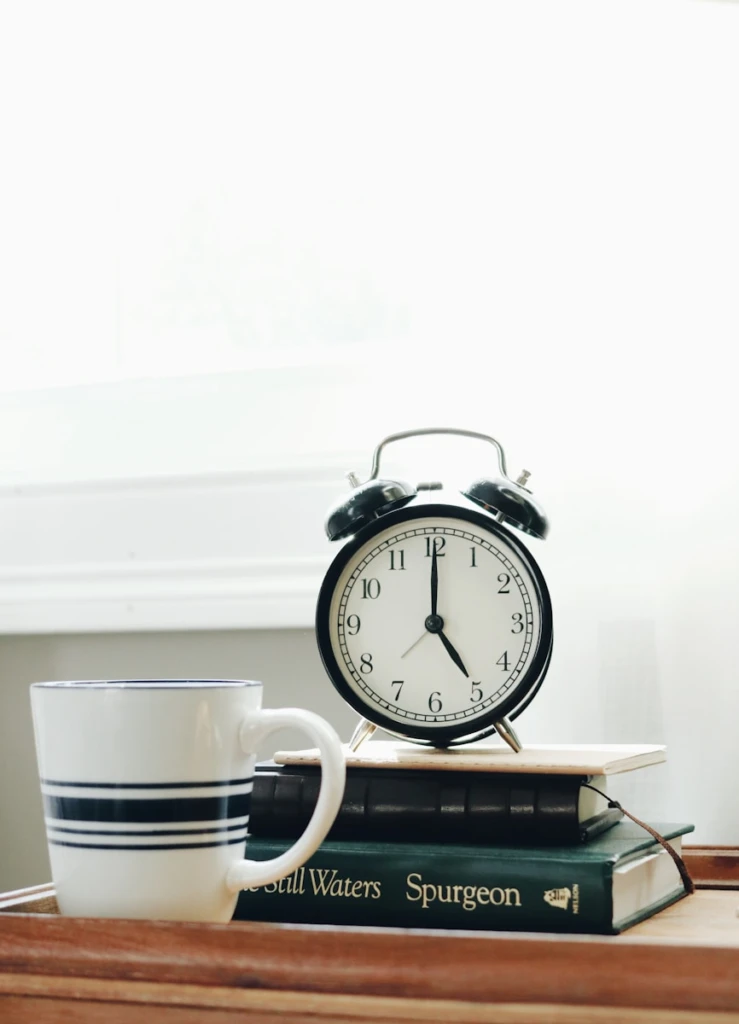
Before anything else — before coffee, before your phone, before you even fully open your eyes — your body needs water.
Not a fancy drink. Not a supplement cocktail. Just a full glass of water, ideally before you look at a single notification.
This sounds stupidly simple, and it is. But it’s also the piece I skipped the longest, and skipping it made everything else harder. Dehydration after 7–8 hours of sleep is real, and it’s one of the main reasons you feel foggy for the first hour of the day even after enough sleep.
Keep a glass water bottle on your nightstand the night before. Fill it before bed. Drink it before you stand up. You’ll feel the difference by day three.
The second thing that matters in those first 10 minutes: light. Get some, as fast as possible. Open the blinds. Step outside for 60 seconds. Even on a cloudy day, outdoor light in the morning helps regulate your cortisol curve and tells your brain the day has actually started. This is one of the things I took seriously after reading more about how cortisol-reducing foods and habits affect your daily energy — morning light works the same way. It’s boring and free and it matters.
Coffee Can Wait. (I Know. I Hate This Too.)

The thing nobody tells you about that immediate cup of coffee is that it hits at the wrong time.
Cortisol — the hormone that naturally peaks about 30–45 minutes after you wake up — is your body’s own alertness signal. Caffeine works best when that cortisol has already started to drop, not when it’s at its peak. If you drink coffee the moment you wake up, you’re basically doubling up on stimulation when your body is already handling it, then crashing harder later.
Waiting 45–90 minutes after waking before coffee is one of those habits that feels annoying to start and then becomes non-negotiable once you notice the difference.
I started having my morning cortisol drink first — just water, orange juice, and a pinch of sea salt — while I did a few other things. Then coffee. It took about two weeks before I stopped missing the immediate hit. Now I genuinely like the window.
You don’t have to do this. But if your afternoons feel like a wall you hit every day, this is the first place I’d look.
What Your Body Actually Needs Before You Sit Down to Work

Here’s where a lot of morning routines get it wrong: they’re all mental. Journaling, planning, affirmations, checking goals. Zero movement. Then people wonder why they feel stiff and scattered by 11 AM.
You don’t need a full workout in the morning. You need something that wakes your body up, even if it’s small.
5–10 minutes of movement is genuinely enough to start. Some options:
Stretching in your pajamas while your coffee brews. A short walk around the block. 10 minutes of beginner pilates — which, genuinely, is one of the better morning movement options if your body’s tight in the morning.
The goal isn’t a workout. The goal is circulation. Telling your body: we’re awake now, we’re upright, something is happening.
I used to skip this completely because it felt like I didn’t have time. What I actually didn’t have was the habit. Once movement became as automatic as making coffee, the idea of sitting down at my desk without it started to feel weird.
The Breakfast Situation (Keep It Simpler Than You Think)
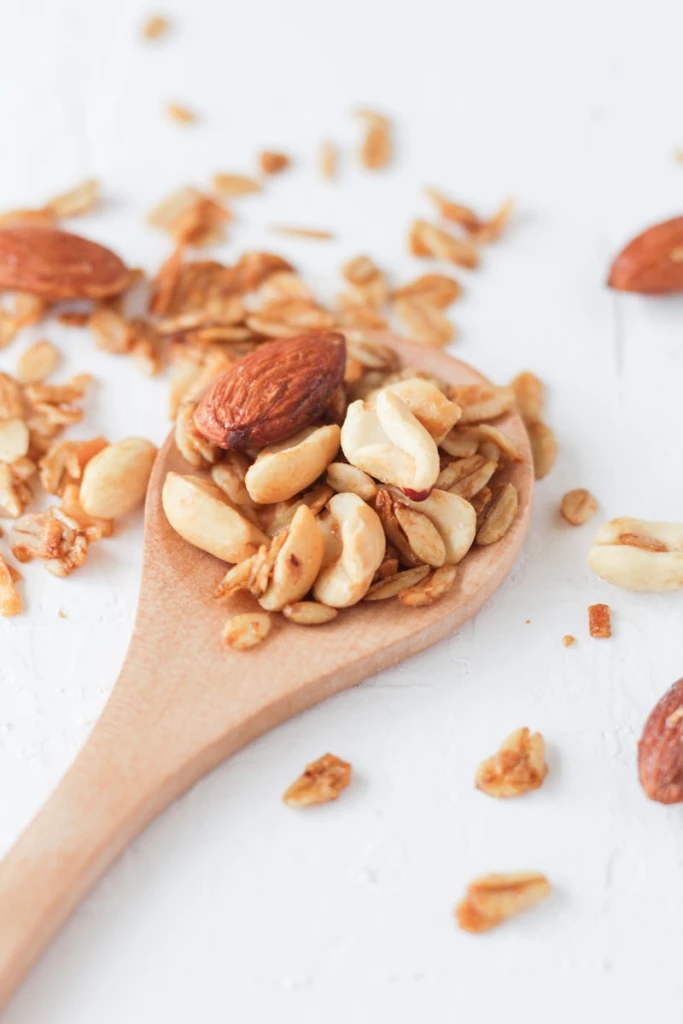
A morning routine for a healthy life doesn’t require a complicated breakfast. It does require something with protein.
This is the one nutritional non-negotiable I’d actually argue for. Protein in the morning stabilizes blood sugar, keeps you from that 10 AM crash, and reduces the likelihood you’ll mindlessly eat through the afternoon. You don’t need 40 grams. You need enough that you feel full at 9:30 and aren’t rummaging around your kitchen at 10:15.
Eggs in any form. Greek yogurt with a handful of nuts. A high-protein breakfast casserole you make Sunday and eat all week. Any of these beat a granola bar or toast alone.
I’m not going to pretend I make something elaborate on weekdays. I don’t. I make a big batch of something on the weekend and it’s done. The effort is in the Sunday cooking, not the Tuesday morning.
The Part Everyone Skips: Your Transition Into the Day
There’s a gap in most morning routines nobody talks about — the 10 minutes between “okay I’m ready” and “okay I’m actually working.”
This is where most mornings unravel. You sit down at your desk, open three tabs, check email, get pulled into something reactive, and an hour later you’re behind and stressed without having made a single intentional choice.
A transition ritual doesn’t have to be long. It just has to be yours.
Mine is about four minutes. I look at what I wrote down the night before — three actual priorities, not a 22-item list — and I pick the first thing I’m going to do. Then I start a timer and I do it. That’s the whole ritual.
If you’re someone who journaling has worked for, great. If you’re someone who’s tried journaling five times and it never sticks, don’t put it in your morning routine. Building new habits actually requires that you start with ones you’ll follow through on — not the ones that look good in a screenshot.
The transition is about intention, not any specific activity.
What to Do With Your Phone
Put it face-down for the first 30 minutes. Or the first hour if you can manage it.
I’m not going to pretend I always do this. Some mornings I pick it up immediately and it’s fine. But on the mornings I don’t, my focus for the next three hours is noticeably better. The research on this is pretty consistent — morning phone checking activates a reactive mental state that can follow you for hours.
The practical version of this: charge your phone across the room, not next to your bed. Use an actual alarm clock. Buy a $15 alarm clock and stop pretending you need your phone to wake up.
The goal isn’t to be anti-technology. It’s to be deliberate about when you let the world in.
How Long Should a Morning Routine for a Healthy Life Actually Take?
Shorter than you think.
The version I’ve described here — water, light, delayed coffee, 10 minutes of movement, protein breakfast, brief transition ritual — takes about 45–60 minutes total, including eating and getting ready.
The problem with most wellness morning routine content is that the “ideal” routines are 2–3 hours long and designed for someone with no job, no kids, and nothing else to do before noon. That’s not most people. And trying to implement a 2-hour routine when you have 45 minutes is a fast track to giving up and going back to granola bars over the sink.
The better goal: figure out what the minimum viable morning routine is for you. What are the two or three things that, when you do them, make the rest of your day noticeably better? Start there. Build from there. If you want a realistic framework for actually doing this, this piece on morning routines that don’t require waking up at 5 AM is worth reading — it’s the most honest take on how real people build these things.
What to Actually Do Tonight to Make Tomorrow Morning Easier
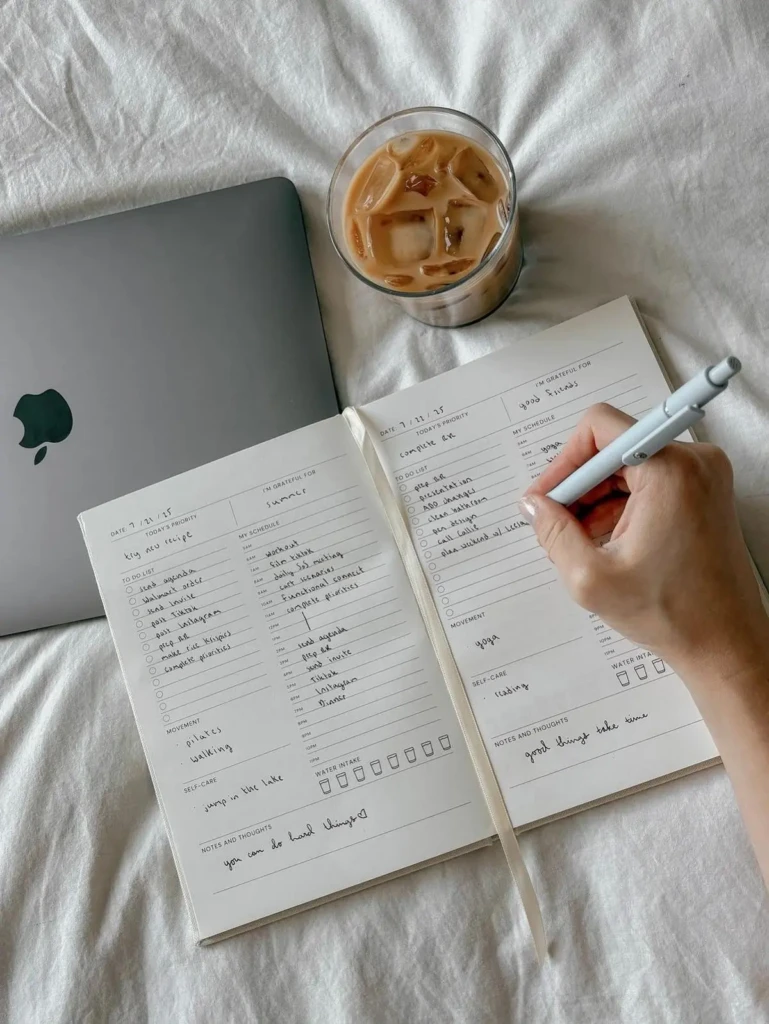
The morning routine starts the night before. This is annoying but true.
Three things that take under 10 minutes total:
Write down tomorrow’s top three priorities. Just three. On paper, not in an app. Leave it somewhere you’ll see it in the morning.
Set out what you need. Coffee supplies ready. Water bottle filled and on the nightstand. Workout clothes out if you want to move.
Decide your wake-up time and set one alarm. Not three. One. The snooze button is the enemy of a consistent routine — not because of the lost minutes, but because it trains your brain that the alarm is optional.
FAQ
How long does it take to actually feel different?
Most people notice something within 3–5 days of consistent water-first mornings and earlier movement. The full “oh, this is my normal now” shift takes about 3–4 weeks. Don’t expect to feel transformed by day two.
What if I genuinely don’t have time in the morning?
You have 15 minutes. Water, a protein-forward breakfast, and two minutes of intention — that’s a morning routine. You don’t need an hour. There are self-care habits that fit into real, busy lives if you’re looking for where else to add something without adding time.
Does the order matter?
A little. Water and light early. Phone late. Movement before you sit down to work. Coffee after 45 minutes. Beyond that, the order is less important than doing the things at all.
What if I travel or my schedule changes?
Pick two non-negotiables — mine are water first and no phone for 30 minutes — and keep those even when everything else is disrupted. Two anchors hold more than ten optional habits.
Is this a routine for a healthy life or just a productivity routine?
Both, honestly. The things that make mornings feel good — rest, hydration, movement, real food, intention — are the same things that improve energy, mood, and focus. They’re not separate goals.
This post contains affiliate links. If you buy something through these links, I may earn a small commission at no extra cost to you. I only recommend things I’d actually use.

Life isn’t about grand gestures or complete overhauls – it’s about the tiny, consi

Incredible budget-friendly wellness secrets await—discover how to transform your health without br

Let’s be real – we’ve all had those moments where life feels like a browser with t
Leave a Reply