

22 Autumn Activities for Kids With Free Printables to Cut, Sort and Count
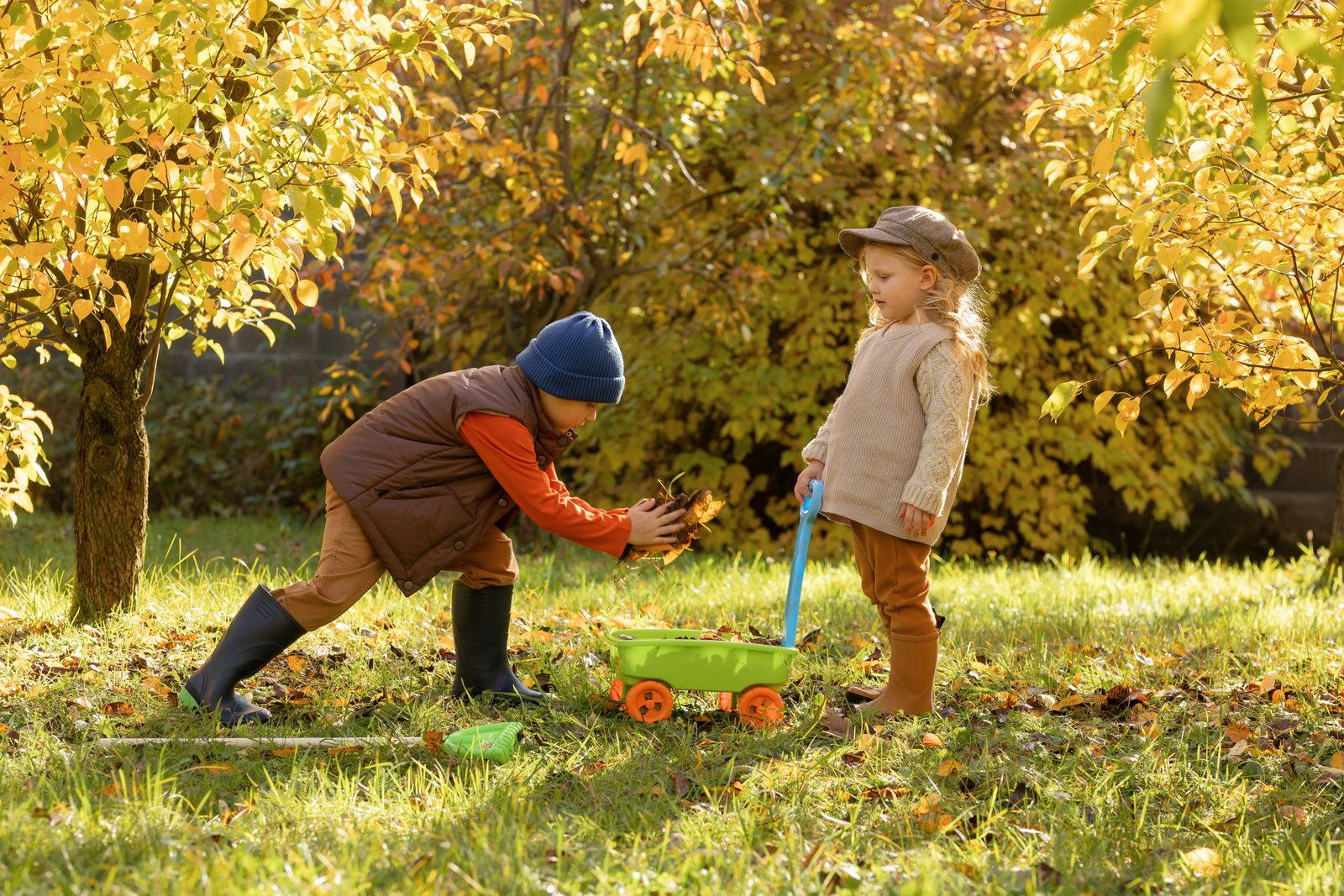
These fall activities for kids split into two halves: fourteen printable sheets you can hand out one per child, and eight no-prep outdoor activities that need nothing but what is already on the ground. Print the sheets the night before, pile the kids into the garden, and the day runs itself.
This post contains affiliate links. If you buy through them, I may earn a small commission at no extra cost to you.
- Colour by Number Pumpkin Patch
- The Leaf Hunt in the Garden
- Cut and Glue the Autumn Tree
- Leaf Rubbing With Crayons
- Count the Acorns
- Conker Threading
- Trace the Leaf Outlines
- Pumpkin Painting on Newspaper
- Follow the Line, Squirrel to Acorn
- The Sensory Bin of Dried Corn and Leaves
- I Spy and Count in the Woodland Scene
- Building a Den From Sticks
- Spot the Difference
- Apple Printing
- Match the Leaf to the Tree
- Baking Something With Apples
- Roll and Cover the Pumpkin
- Sort the Leaves by Size
- The Eight Piece Paper Puzzle
- Finish the Pattern, Conkers Row
- The Nature Hunt Tick Sheet
- Draw What You Found Outside
- Frequently Asked Questions
1. Colour by Number Pumpkin Patch
Each child gets a pumpkin-patch scene divided into numbered sections. They match each number to the colour key printed at the top of the sheet and fill in the picture with crayons or coloured pencils, revealing a finished autumn scene when every section is complete.
Print one sheet per child on plain paper. Crayons work fine, but coloured pencils give cleaner edges on the smaller sections. Allow fifteen to twenty minutes, longer for careful colourists. No scissors, no glue, no prep beyond printing.
Some children colour every section the same colour to finish fast. Keep a few spare sheets so determined perfectionists can start again. If the group skews younger, print at 110% to enlarge the sections slightly.
- one printed sheet per child
- crayons or coloured pencils

🛍 Shopping guide
2. The Leaf Hunt in the Garden
Children scatter across the garden and collect as many different leaves as they can find in five minutes. When the whistle blows, everyone returns and lays their leaves on a flat surface. The goal is to find the most distinct shapes, not just the most leaves.
No printing needed. All you need is a timer and a patch of ground with fallen leaves. Works with two children or twenty. Five minutes is enough outdoors; stretch to ten if the garden is large or the group is enthusiastic.
If children stuff pockets with duplicates of the same leaf to win on quantity, switch the rule: count distinct shapes only, one per species. A quick look at a simple leaf-identification chart (free online, printed or shown on a phone) turns the hunt into a mini nature lesson.
Set a clear boundary before you start so no one wanders into neighbouring gardens.
3. Cut and Glue the Autumn Tree
The sheet shows a bare tree outline at the top and a row of pre-drawn coloured leaf shapes at the bottom, separated by a dotted cut line. Children cut out each leaf along its outline and glue it onto the tree branches to build their own autumn scene.
Print one sheet per child. Each child needs child-safe scissors and a glue stick. The activity takes twenty to thirty minutes and builds scissor confidence alongside fine motor control. Lay down a sheet of newspaper under the gluing area to catch scraps.
Younger children (under four) may need help cutting. Pre-cut the leaf strip into individual leaves before the session so they can focus on the gluing. The finished trees make a cheerful display pinned to a noticeboard or sent home as a keepsake.
- one printed sheet per child
- child-safe scissors
- glue sticks
- newspaper underlay

🛍 Shopping guide
4. Leaf Rubbing With Crayons
Children collect a leaf from the garden, place it vein-side up under a sheet of plain paper, and rub the side of a peeled crayon across the top. The leaf’s veins and outline appear like magic on the paper above it.
No printing needed. Leaves, paper, and crayons are all that is required. This works best with large, flat leaves that have pronounced veins: oak, sycamore, and horse chestnut are ideal. Thin copy paper picks up the texture better than card.
If the leaf slides around during rubbing, secure it with a small piece of removable tape before laying the paper on top. Children can try several leaves on one sheet in overlapping layers for a more dramatic result. The finished sheets double as autumn wrapping paper.
- ages 3 and up
- calm indoor or outdoor setting
- pairs well with the leaf hunt
5. Count the Acorns
The sheet shows several groups of acorns scattered across different woodland scenes. Children count each group and write the total in the box beside it. The answer key at the bottom confirms every total so children can self-check.
Print one sheet per child. A pencil is all that is needed. Aim for five to eight counting groups, ranging from two acorns to fifteen, to suit a mixed-age group. The activity takes about ten minutes and works as a calm settling task at the start of a session.
If the group spans a wide age range, cover the answer key strip with a folded flap before photocopying so older children cannot peek. Uncover it at the end and let children mark their own work, which adds a satisfying finish to the task.
Circle each acorn as you count it so none get skipped.

6. Conker Threading
Children thread conkers onto a length of garden twine to make an autumn garland. Each conker needs a hole through its middle, drilled or skewered by an adult in advance. Children simply push the twine through each hole and tie a knot below to stop the conker sliding down.
No printing needed. Collect conkers on the way to school for a week and pre-drill them the evening before. Cut twine into sixty-centimetre lengths, one per child. Blunt plastic needles make threading easier for small hands than bare twine. The finished garland can be hung in a window or taken home.
Pre-drill more holes than you need: a few conkers will split during drilling. If conkers are scarce, mix in large dried pasta wheels or painted wooden beads to pad out each child’s supply.
- pre-drilled conkers
- garden twine cut to length
- blunt plastic needles
🛍 Shopping guide
7. Trace the Leaf Outlines
The sheet shows six different leaf outlines printed as dashed lines: oak, maple, ivy, horse chestnut, beech, and a simple round leaf. Children trace over each dashed outline with a pencil or crayon to reveal the complete leaf shape, practising pencil control with a forgiving, nature-themed guide.
Print one sheet per child. A pencil works best for clean tracing; crayons are fine for younger children who find grip harder. The activity takes about ten minutes and suits ages three and up. No scissors or glue needed.
If children rush and miss the dashes entirely, add a gentle rule: the pencil must stay touching the line at all times. Once traced, children can colour in their leaves using the colour-by-number sheet from activity one for a matched pair of finished pieces.
Clip the sheet to a clipboard so it does not slide while small hands trace.

8. Pumpkin Painting on Newspaper
Lay several sheets of newspaper across a table and give each child a small real pumpkin or a large smooth stone to paint as a pumpkin face. Poster paints in orange, black, green, and white cover the surface quickly. Children paint their own face design and leave it to dry on the newspaper.
No printing needed. Small pumpkins from a supermarket cost very little in October. Stones found outside cost nothing and hold paint well if rinsed clean and dried first. Poster paint washes off hands and surfaces easily. Allow thirty to forty minutes including drying time for the first coat.
Cover clothing with an old shirt or apron before starting. If paint pooling is an issue on curved surfaces, use thicker craft paint or mix a small squeeze of PVA glue into the poster paint to help it grip. Display the finished pumpkins along a windowsill.
- small pumpkins or smooth stones
- poster paint
- brushes
- newspaper table cover
🛍 Shopping guide
9. Follow the Line, Squirrel to Acorn
The sheet shows three or four squirrels on the left side of the page and three or four acorn piles on the right. Tangled, curved paths cross between them. Children trace each path with their pencil to find which squirrel reaches which acorn, writing the matching number in the box at the end of each path.
Print one sheet per child. This works as a pencil-control and visual-tracking exercise that suits ages four and up. The activity takes about eight minutes. An answer key at the bottom of the sheet lists which squirrel matches which acorn so children can check their own work.
Make the paths harder by tightening the curves and adding more crossings. Make them easier by using straighter lines with fewer overlaps. If children simply follow the path with their finger first, they find the task more manageable before committing with pencil.
Follow the path with your finger before you use your pencil.

10. The Sensory Bin of Dried Corn and Leaves
Fill a large plastic storage bin or washing-up bowl with dried corn kernels, crumbled dry leaves, small conkers, and a handful of acorns. Add cups, spoons, and small containers. Children scoop, pour, sort, and bury their hands in the mix for open-ended sensory play.
No printing needed. Dried corn kernels are available in bulk from farm shops or online. Everything else comes from the garden. Set the bin on an old sheet or tray to catch spillage. This suits ages one and up and keeps younger children occupied while older siblings tackle the printable sheets.
Swap out the corn for dried lentils if allergies or choking risk are a concern. Add small plastic autumn animals, tiny pumpkins, or pine cones to the mix to make the bin more interesting. Refresh the contents between sessions by picking up a fresh handful of leaves outside.
- ages 1 to 5
- parallel play alongside other activities
- indoors or on a patio
🛍 Shopping guide
11. I Spy and Count in the Woodland Scene
The sheet shows a detailed illustrated woodland scene packed with autumn objects: squirrels, mushrooms, acorns, leaves, conkers, birds, and a hedgehog. A list of items at the side asks children to find and count each one, writing the total in the blank beside it. The answer key at the bottom confirms every count.
Print one sheet per child, or use one shared sheet per table as a group task. A pencil is all that is needed. The activity takes ten to fifteen minutes and suits ages four and up. Younger children can simply point and call out what they spot without writing.
If children race through it by guessing, add a rule: circle each object in pencil as you count it. This slows the process down and improves accuracy. The scene can also be used as a calm colouring activity after the counting is finished.
Counting within a picture builds visual discrimination alongside number skills, two things at once.

12. Building a Den From Sticks
Children gather fallen sticks from the garden or a nearby wooded path and lean them against a low fence, a tree trunk, or each other to build a shelter or den. The goal is simple: make something big enough to crawl inside, or tall enough to stand in front of.
No printing needed. This needs only a supply of sticks and an outdoor space. Pairs or small groups of three work best, since solo stick-balancing frustrates young children quickly. Allow thirty to forty-five minutes. The build itself is the activity: there is no finished product to judge.
If sticks keep sliding, wedge the base pieces against a raised root or a brick. Older children can add leaves as a roof layer, pinecones as decorations, or challenge themselves to build a second room. The den can stay up for days and become a recurring play space through November.
- ages 4 and up
- groups of 2 to 4
- a garden or woodland edge
13. Spot the Difference
Two almost-identical autumn scenes sit side by side on the sheet. Children study both images carefully and circle the differences they find. The sheet contains eight differences: a missing leaf, a changed colour on a pumpkin, an extra acorn, a bird added to a branch, and so on. The answer key marks every difference by position.
Print one sheet per child. A pencil or fine-tip marker for circling is all that is needed. The activity takes ten to fifteen minutes and suits ages five and up, though younger children enjoy it with a little guidance. It sharpens visual attention and concentration without any competitive pressure.
If children find all eight quickly, challenge them to describe each difference in words rather than just circling it. This turns a visual task into a language exercise. If a child is stuck, prompt them to compare the two scenes one section at a time: sky, then tree, then ground.
Compare section by section: sky first, then tree, then ground level.

14. Apple Printing
An adult cuts apples in half horizontally to reveal the star pattern inside. Children press the cut face into a shallow tray of poster paint, then stamp the apple firmly onto paper to print the shape. Each stamp leaves a different pattern depending on pressure, angle, and how much paint was picked up.
No printing needed. Two or three apples cut in half, poster paint in autumn colours, shallow trays or paper plates, and sheets of plain paper are all that is required. Set up one colour station per tray so children rotate and build up multi-colour prints. Allow about twenty minutes plus drying time.
The cross-section star pattern only appears when the apple is cut straight across its equator, not top to bottom. Demonstrate this cut clearly before the session. If prints are too wet and smear, blot the apple face lightly on a spare piece of paper before stamping the good sheet.
The hidden star inside every apple surprises even older children and makes the science feel like magic.
15. Match the Leaf to the Tree
The left column shows six real leaf shapes: oak, maple, beech, silver birch, horse chestnut, and holly. The right column shows six tree silhouettes in a different order. Children draw a line from each leaf to its matching tree. The answer key at the bottom lists the correct pairings by number and letter.
Print one sheet per child. A pencil is all that is needed. The activity takes about ten minutes and works as a gentle introduction to tree identification. It suits ages five and up, though younger children can do it as a guided group activity with an adult naming the trees aloud.
If children are unfamiliar with the trees, add the tree name in small print under each silhouette before printing. This turns it from a test into a reference-and-match task, which is less frustrating and still builds recognition. After completing the sheet, head outside and hunt for the same leaf shapes in the garden.
Pairing a leaf with its tree is the first step toward real nature literacy, and it costs nothing.

16. Baking Something With Apples
Children help measure, pour, mix, and stir a simple apple-based bake: crumble, muffins, or a tray of apple and oat flapjacks. Every stage is assigned to a child so no one stands idle. The result is eaten at the table as part of the session.
No printing needed. A basic apple crumble needs only apples, flour, butter, sugar, and oats, all standard kitchen items. The hands-on element takes about twenty minutes; baking time runs thirty to forty minutes in the oven. Children who cannot use a knife can peel and core with a safe peeler, or simply measure and tip ingredients.
Choose a recipe with no more than five or six ingredients so the measuring steps can be divided among the group without anyone waiting too long. If a child has a food allergy, replace butter with a dairy-free block and double-check the oats. The smell of something baking changes the atmosphere of the whole afternoon.
- groups of 2 to 6
- ages 4 and up with supervision
- a warm end to an outdoor session
17. Roll and Cover the Pumpkin
The sheet shows a large outlined pumpkin divided into sections numbered one to six. Each child rolls a standard die, identifies the matching numbered section on their pumpkin, and colours or crosses it out. The first child to colour every section wins, or children play solo against the clock.
Print one sheet per child. Each child needs a single die and a crayon or pencil. The game takes about ten minutes and suits ages four and up. It is a natural number-recognition activity wrapped inside a game, which means children practise without noticing they are practising.
If a child rolls a number whose section is already covered, they simply pass the die and wait for their next turn. For a harder version, label the sections with simple addition facts (1+1, 2+1, and so on) and children must solve the sum before covering. This lifts the game from reception level to year one or two.
- one printed sheet per child
- one die per child or pair
- crayons or pencils

🛍 Shopping guide
18. Sort the Leaves by Size
The sheet shows eight leaf outlines of varying sizes arranged in random order across the page. Below them are five numbered boxes labelled from smallest to largest. Children cut out the leaf outlines, sort them by size, and glue them into the numbered boxes in the correct order. The answer key at the bottom lists the leaves by assigned number from smallest to largest.
Print one sheet per child. Each child needs scissors and a glue stick. The activity takes fifteen to twenty minutes and builds size-ordering (seriation) skills that underpin early mathematics. It suits ages four and up, though younger children may need the cutting done in advance.
Label each leaf lightly on the back (A through H) before printing so the answer key can refer to them clearly. If scissors are not available, children can simply draw a number beside each leaf instead of cutting and gluing, which shortens the task to five minutes.
Number the backs of the leaves before printing so the key stays clear.

19. The Eight Piece Paper Puzzle
The sheet shows a complete illustrated autumn scene: a hedgehog among leaves, a tree, and a pumpkin, printed over eight large jigsaw-style pieces with thick cut lines between them. Children cut along the lines and then reassemble the scene, checking their finished puzzle against the completed picture printed small in the top corner of the sheet.
Print one sheet per child on card stock for a more durable puzzle, or on plain paper for a lighter version. Child-safe scissors, a flat surface to assemble on, and a small zip bag for storing pieces are all that is needed. The activity takes twenty to thirty minutes and suits ages four and up.
Pre-cut the pieces for children under four, who will then focus only on the assembly challenge. If children finish quickly, flip all pieces picture-side down and try to reassemble from the plain backs only, using only the shape of each piece as a guide. That version is genuinely hard for any age.
Print on card stock and laminate for a puzzle that survives repeated use.

🛍 Shopping guide
20. Finish the Pattern, Conkers Row
The sheet shows six rows of autumn objects arranged in repeating patterns: conker, leaf, conker, leaf, blank; or acorn, acorn, conker, blank, acorn, acorn. Children study each row, identify the rule, and draw or write the missing object in each blank box. The answer key at the bottom lists the correct answer for every blank.
Print one sheet per child. A pencil is all that is needed, though children who prefer to draw the objects in detail will want a fine-tip marker. The activity takes about ten minutes and suits ages four and up. It builds the pattern-recognition thinking that underpins early algebra.
Start the rows with simple AB patterns for younger children and increase to ABC or AABB patterns in the lower rows for older ones. If a child draws a convincing but different object that technically fits the pattern, accept it: pattern logic matters more than the exact picture.
Reading a pattern rule and predicting what comes next is the foundation of mathematical thinking, dressed up as conkers.

21. The Nature Hunt Tick Sheet
The sheet lists twenty autumn things to find outside: a yellow leaf, a conker, a feather, something smooth, something rough, a spider web, a pinecone, a red berry, a snail shell, and more. Children carry it on a clipboard and tick each item as they find it. No answer key is needed because the list is open to what is genuinely outside.
Print one sheet per child. Attach it to a clipboard with a pencil on a string so nothing gets dropped in the mud. The hunt takes twenty to thirty minutes in a garden or park. It works as a structured version of the leaf hunt that suits children who like a clear list to work through.
Adapt the list to your specific outdoor space before printing: if there are no berry bushes nearby, swap that item for something you know is present. A tick-sheet hunt works better than a free hunt for children who need a clear endpoint and a sense of completion.
- one printed sheet per child
- clipboard
- pencil on a string

🛍 Shopping guide
22. Draw What You Found Outside
The sheet is a plain illustrated border frame with an autumn leaf-and-acorn motif around the edges and four large empty boxes inside, each with a small label line below it reading ‘I found:’ and a blank writing line. Children draw one thing they found on the nature hunt in each box and write or dictate its name on the line below.
Print one sheet per child. Pencils, crayons, or fine-tip markers all work. This is the natural follow-up to the Nature Hunt Tick Sheet: children come back inside, sit down, and record what they found while the memory is fresh. It takes ten to twenty minutes depending on how detailed the drawings become.
Children who cannot write yet can dictate the label to an adult who writes it in for them, or simply leave the line blank and let the drawing speak. The finished sheets make a lovely display alongside the actual objects collected, arranged on a table below the pinned drawings.
Pin the finished drawings above a table display of the real objects the children collected.

Frequently Asked Questions
What fall activities for kids need no equipment at all?
The Leaf Hunt in the Garden, Building a Den From Sticks, and Leaf Rubbing With Crayons all need nothing beyond what is already outside and a sheet of plain paper and a crayon. The sensory bin needs dried corn but everything else in it comes from the garden for free.
Which printable sheets are best for very young children, ages 3 to 4?
Trace the Leaf Outlines, Colour by Number Pumpkin Patch, and Roll and Cover the Pumpkin all suit ages three and up. For Cut and Glue the Autumn Tree, pre-cut the leaf strip so the youngest children focus only on gluing rather than cutting.
Do any of these activities work inside on a rainy day?
All fourteen printable sheets work entirely indoors. Leaf Rubbing works inside as long as children have a leaf collected earlier. Pumpkin Painting, Apple Printing, and Baking Something With Apples all work at a kitchen or craft table. Only the Leaf Hunt and Den Building genuinely need outdoors.
How do I use these fall activities for kids in a classroom setting?
Print the sheets in advance, one per child for the individual activities and one shared copy per table for I Spy and Count. Set up the no-printing activities as station rotations: nature hunt, sensory bin, apple printing, and leaf rubbing each get a timed slot of fifteen minutes. Two adults can manage four stations of up to six children each.
Which activities are suitable for a mixed-age group of 3 to 8 year olds?
Colour by Number, Roll and Cover the Pumpkin, and the Nature Hunt work across that range because the challenge adjusts naturally: younger children take longer, older children add detail or self-impose harder rules. For Finish the Pattern, the lower rows of the sheet use harder ABC patterns that keep older children engaged while the upper rows suit younger ones.
Can these printables be used more than once?
The Eight Piece Paper Puzzle and Roll and Cover the Pumpkin board survive multiple uses if printed on card stock and laminated. For Roll and Cover, use dry-erase markers instead of crayon so the board wipes clean between games. All other sheets are single-use by design.
Free printable winter alphabet coloring pages for kids, A to Z. One letter per sheet, snowy theme, n
Find family christmas games for all ages in one place: 20 themed lists covering funny, quiet, trivia
72 kids would you rather questions sorted into six fun rounds, plus free printable card sheets for e
Leave a Reply