

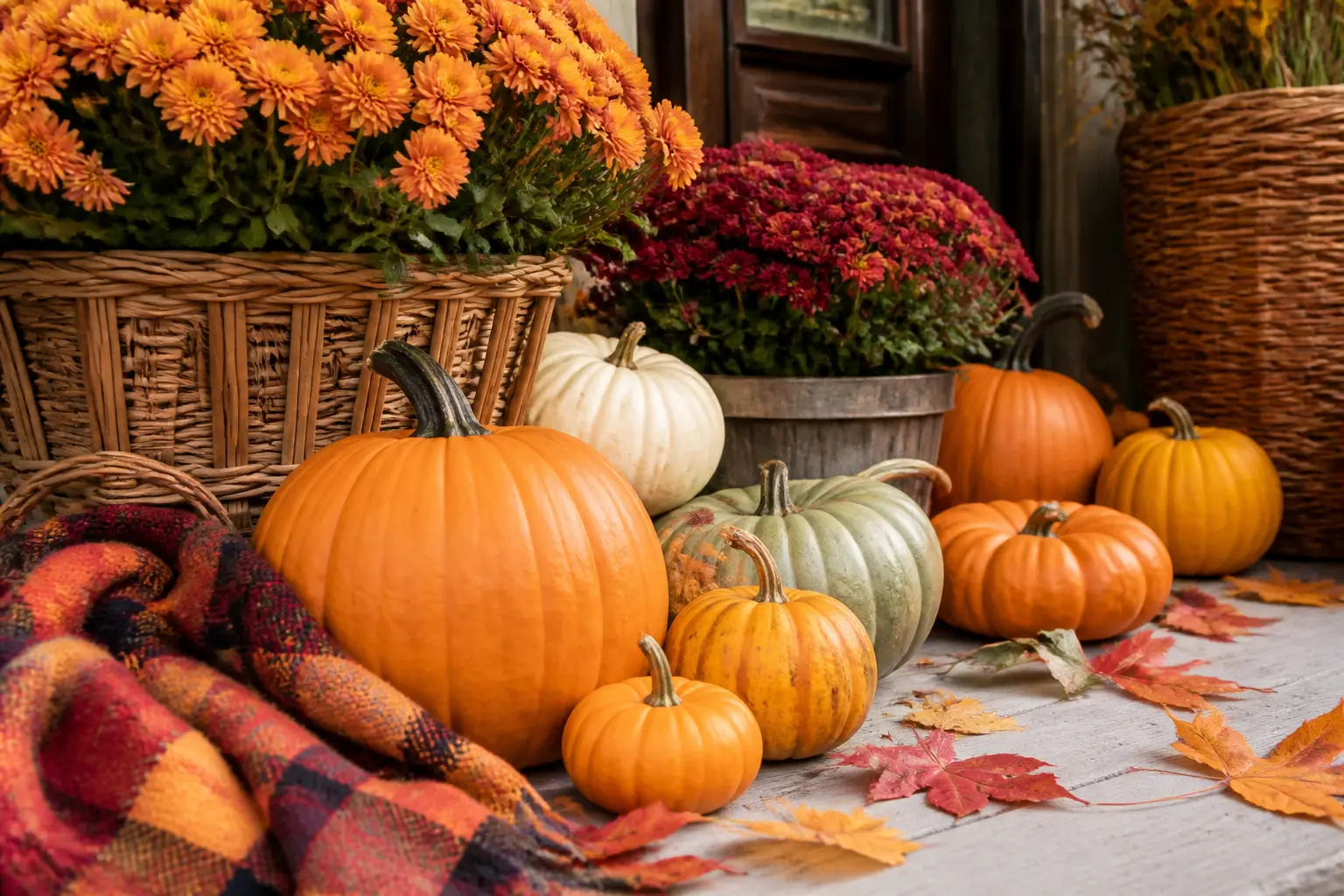
The season is short and the list of reasons to stay inside is long. These 28 fall activities for kids cut through the noise and give you a full season’s worth of plans, sorted from what you can do right now in your own yard to what deserves a proper day out.
Every idea here works for elementary-age kids. None of them need expensive equipment or a car full of craft supplies. Most need nothing more than a pair of boots and a willingness to get muddy.
Work through them in order if you like, or jump to whatever the weather and your weekend allow. Either way, you will not run out of things to do before the first frost hits.
This post contains affiliate links. If you buy through them, I may earn a small commission at no extra cost to you.
- In the Yard: Free Afternoon Ideas
- Around the Neighborhood: Easy Outdoor Outings
- Nature Projects: Slow Activities That Build Over the Season
- Evening and Night Ideas: After Dark in Autumn
- Farm and Field Days: Plan-Ahead Outings
- Mill and Market Days: Food-Forward Outings
- Wrapping Up: What to Do With Everything You Found
- Quick Tips for Making the Season Last
- Frequently Asked Questions
In the Yard: Free Afternoon Ideas
These six ideas start and end at your own front or back door. No driving, no booking, no prep beyond what you already have. They are the ones to reach for on a Thursday afternoon when the light turns golden and the kids need to be outside.
Leaf Pile Jumping and Rebuilding
Rake a pile big enough to disappear into, then let the kids jump. The rebuilding is half the point. Kids who rake their own pile jump into it differently than kids who jump into one a parent made, and the physical effort of raking is genuinely tiring in the best way.
Set a loose rule: whoever jumps has to rake back before the next turn. It keeps things moving and stops the pile from becoming a flat mat of leaves after two minutes.
🛍 Shopping guide
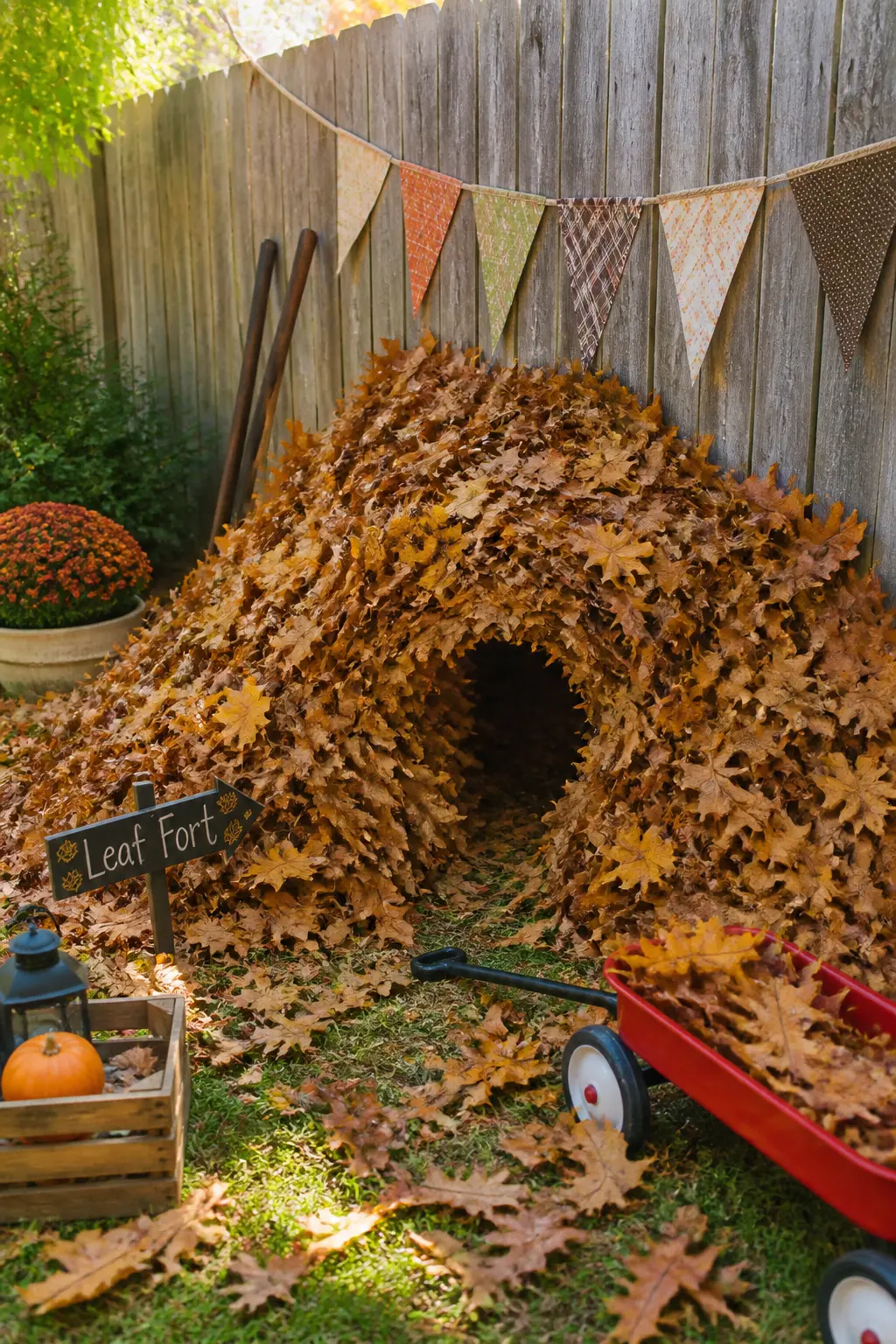
Building a Leaf Fort Against a Fence
A fence gives you one ready-made wall. Rake leaves up against it in a thick arc, add a few fallen branches as roof supports, and you have a structure a child can actually sit inside. The fort is better when it is built by the child who will use it.
Give them a problem to solve: how do you keep the roof from collapsing? They will figure it out faster than you expect, and they will remember it long after the fort has been scattered by wind.
🛍 Shopping guide
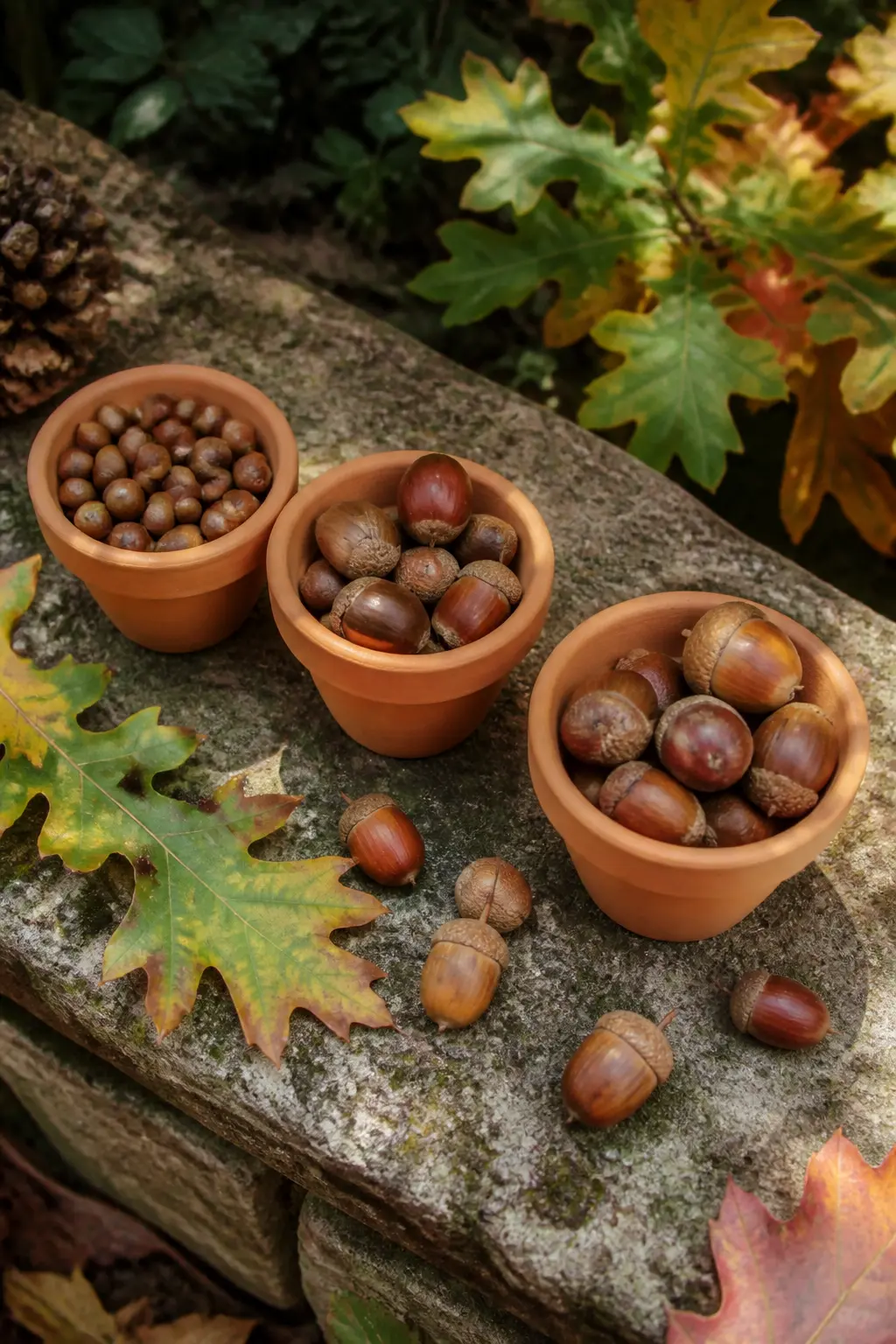
Acorn Hunt and Sorting by Size
Give each child a small bucket and a simple sorting rule: tiny, medium, and big. The hunt itself takes twenty minutes. The sorting, debating, and re-sorting can take twice as long, which is the part that actually holds their attention.
Finish by lining the sorted acorns up on a fence post or garden wall and photographing them. Kids who see their work documented are more likely to want to do the next thing on the list.
🛍 Shopping guide
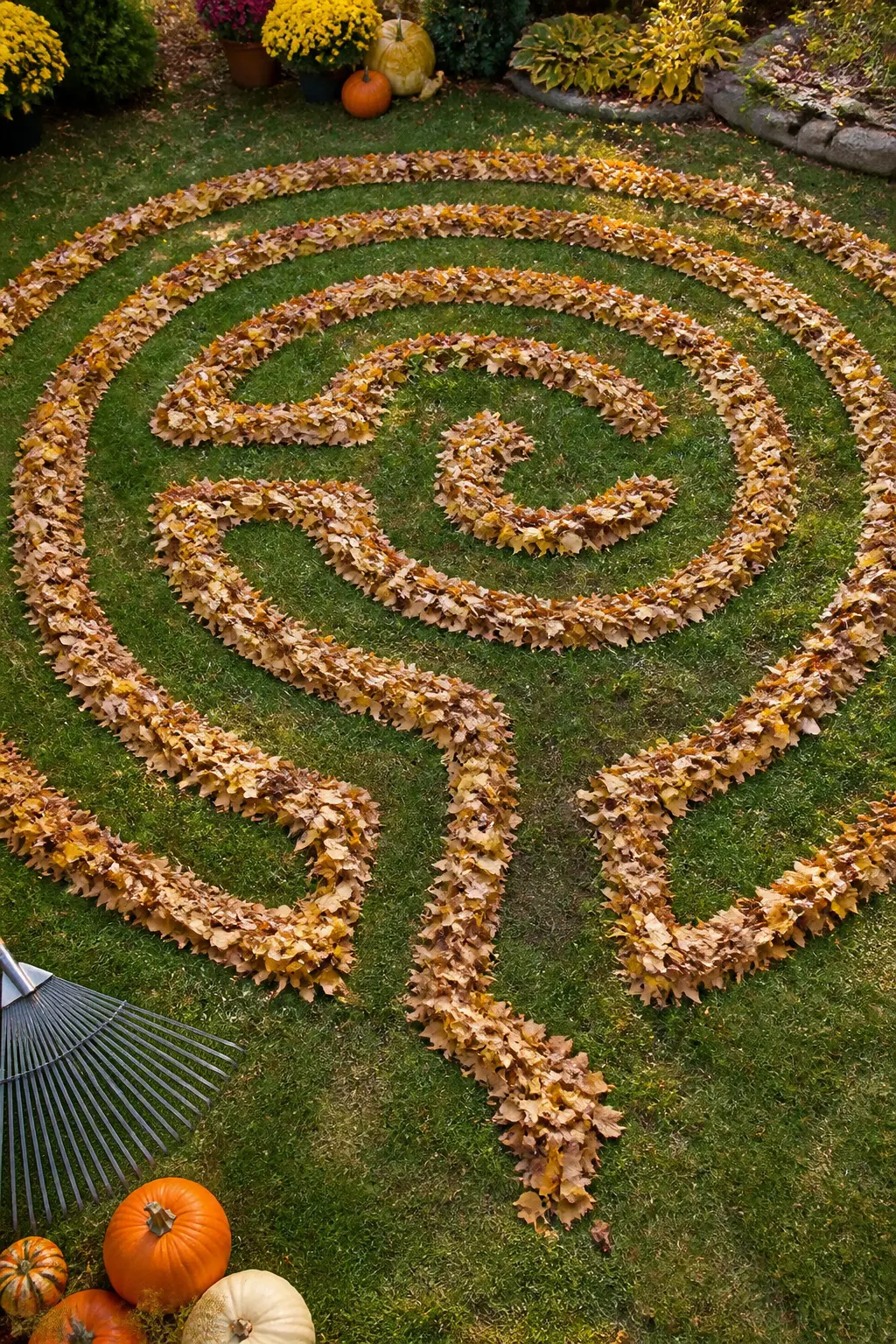
Raking Leaves Into a Maze Pattern on the Lawn
Rake long lines of leaves into a maze shape on the grass, with corridors wide enough for a child to run through. The dead ends are the fun part. Older kids can design the maze themselves and then challenge a sibling to solve it.
The whole thing blows away or scatters in an hour, which means you can remake it differently next weekend. That impermanence is a feature, not a problem.
🛍 Shopping guide
Planting Spring Bulbs Together
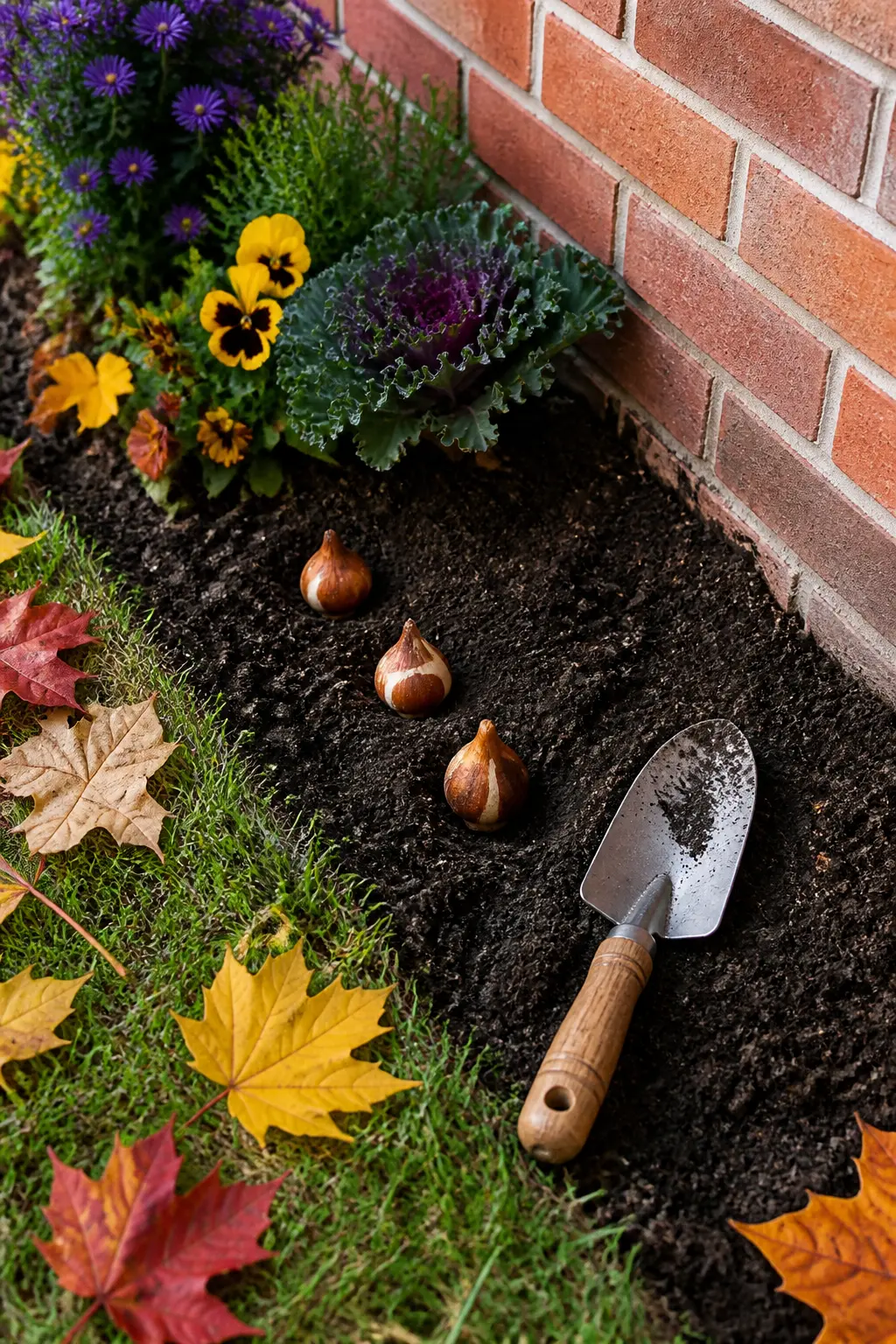
Buy a bag of tulip or daffodil bulbs and let each child claim a patch of ground. Digging the holes is half the appeal. The delayed gratification of waiting until spring to see what comes up is something children handle better than adults expect, especially if they mark the spot with a painted stone.
Keep the planting simple: pointy end up, two hands deep, cover and pat down. That is all they need to know, and it is enough to feel like real gardening.
🛍 Shopping guide
Puddle Jumping in Rain Boots After a Storm
Wait for the rain to stop, then go immediately. The window before puddles drain is shorter than you think. Set one rule only: rain boots must be worn, and after that, anything goes.
The loudest splash wins nothing except bragging rights, which turns out to be exactly enough. This is the activity most likely to make a child ask to go outside without being asked first.
🛍 Shopping guide
Around the Neighborhood: Easy Outdoor Outings
These ideas stretch the radius a little, to the end of the street, a nearby park, or a trail close enough to walk or bike. They take a bit more planning than a yard session but still cost next to nothing and can be done on a short notice Saturday morning.
Nature Scavenger Hunt With a Written List
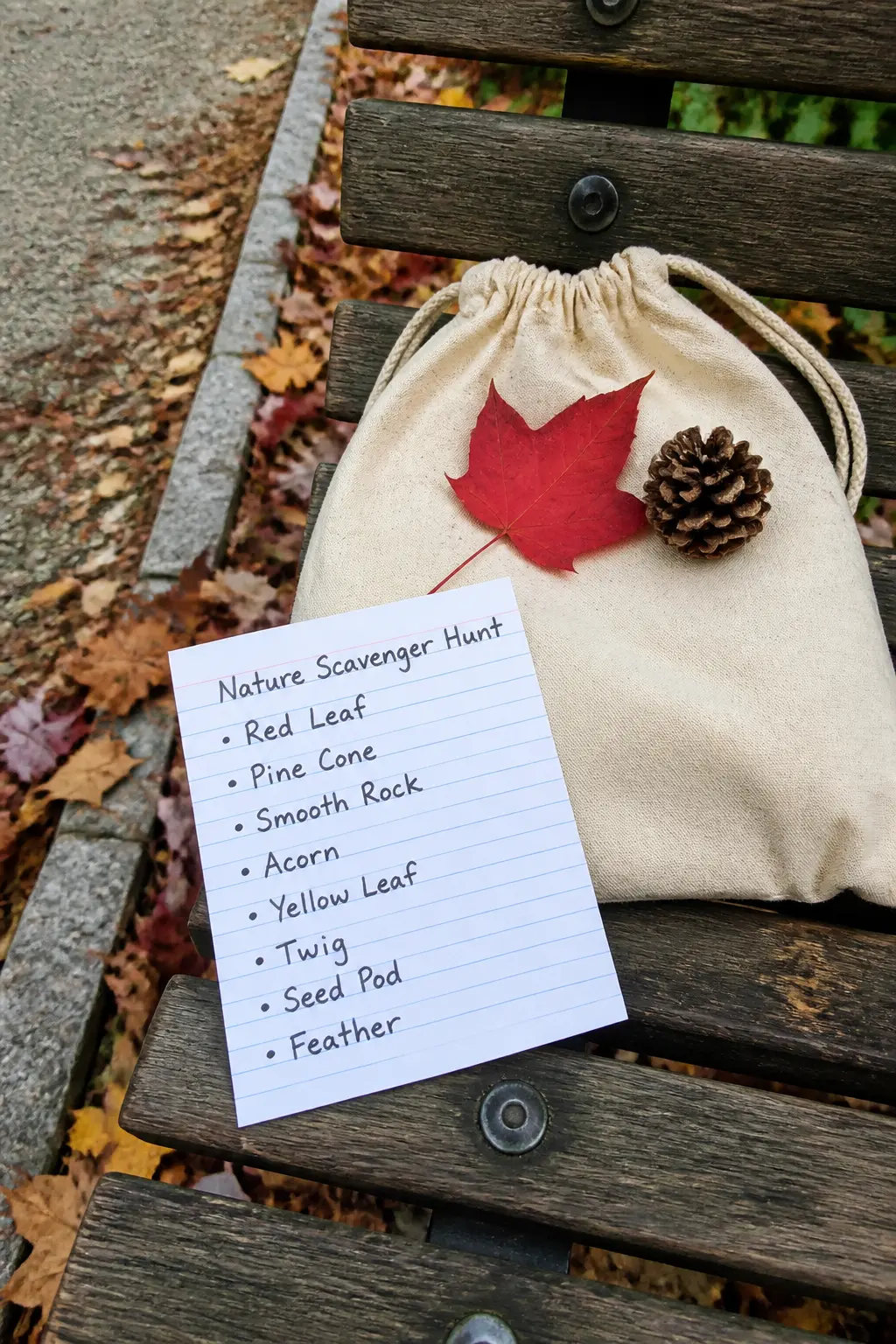
Write the list by hand on an index card: something smooth, something rough, something red, a feather, a seed, a spider web (photographed, not collected). The written format matters because it gives older kids a reason to practice reading under their own steam.
Set a rule that every item must be found within walking distance. The constraint focuses attention in a way that an open-ended hunt never quite does. Younger kids pair with older ones, which takes care of the reading problem without you having to hover.
🛍 Shopping guide
Bike Ride on a Leaf-Covered Trail
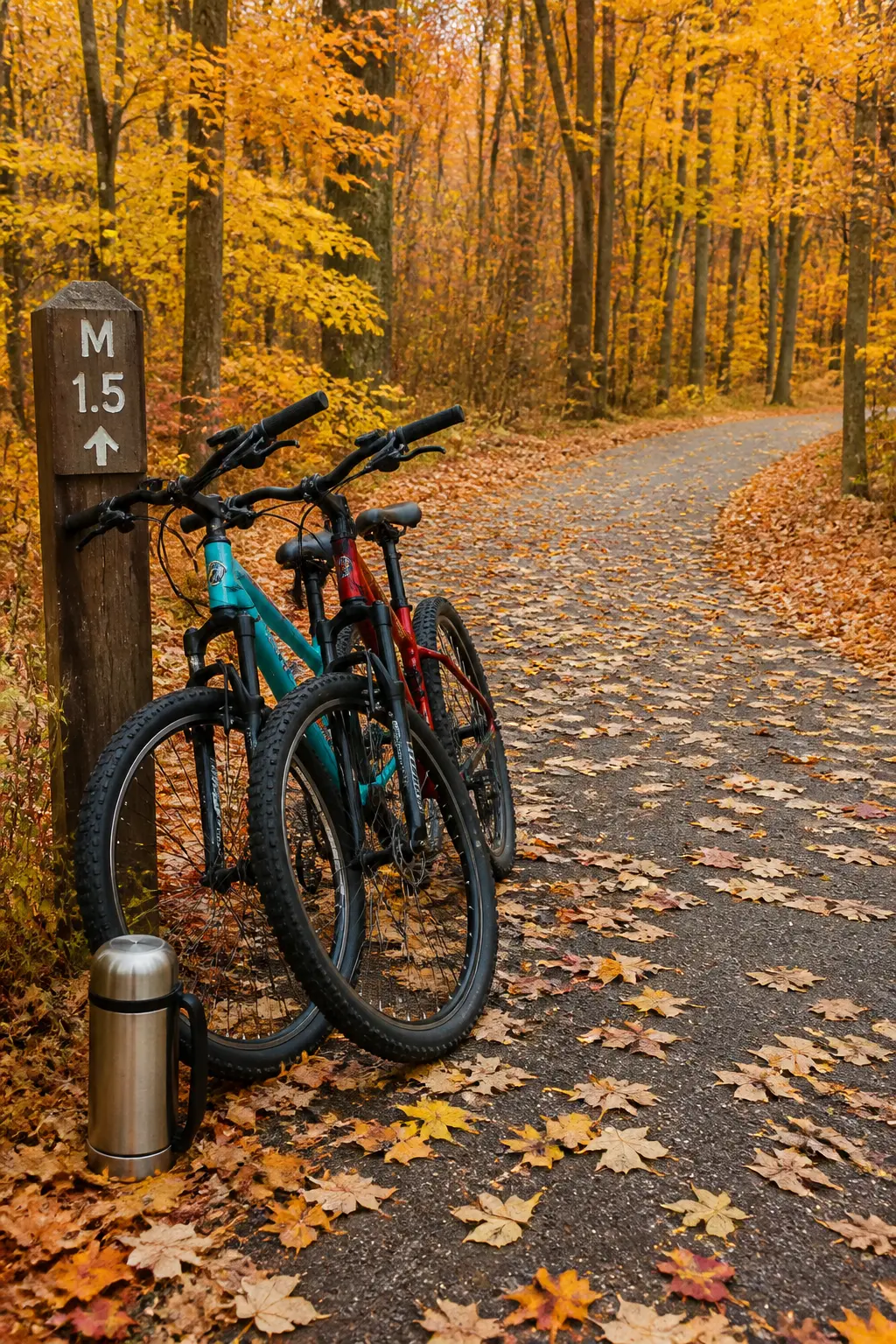
Find a paved or packed-gravel trail where leaves have drifted across the surface. The crunch under the wheels is the whole point. Let the child set the pace instead of pushing distance.
Bring a small thermos of something warm for the halfway stop. That pause on a bench in the trees is often the moment kids talk about more than the riding itself.
🛍 Shopping guide
Fall Picnic With a Thermos of Cocoa
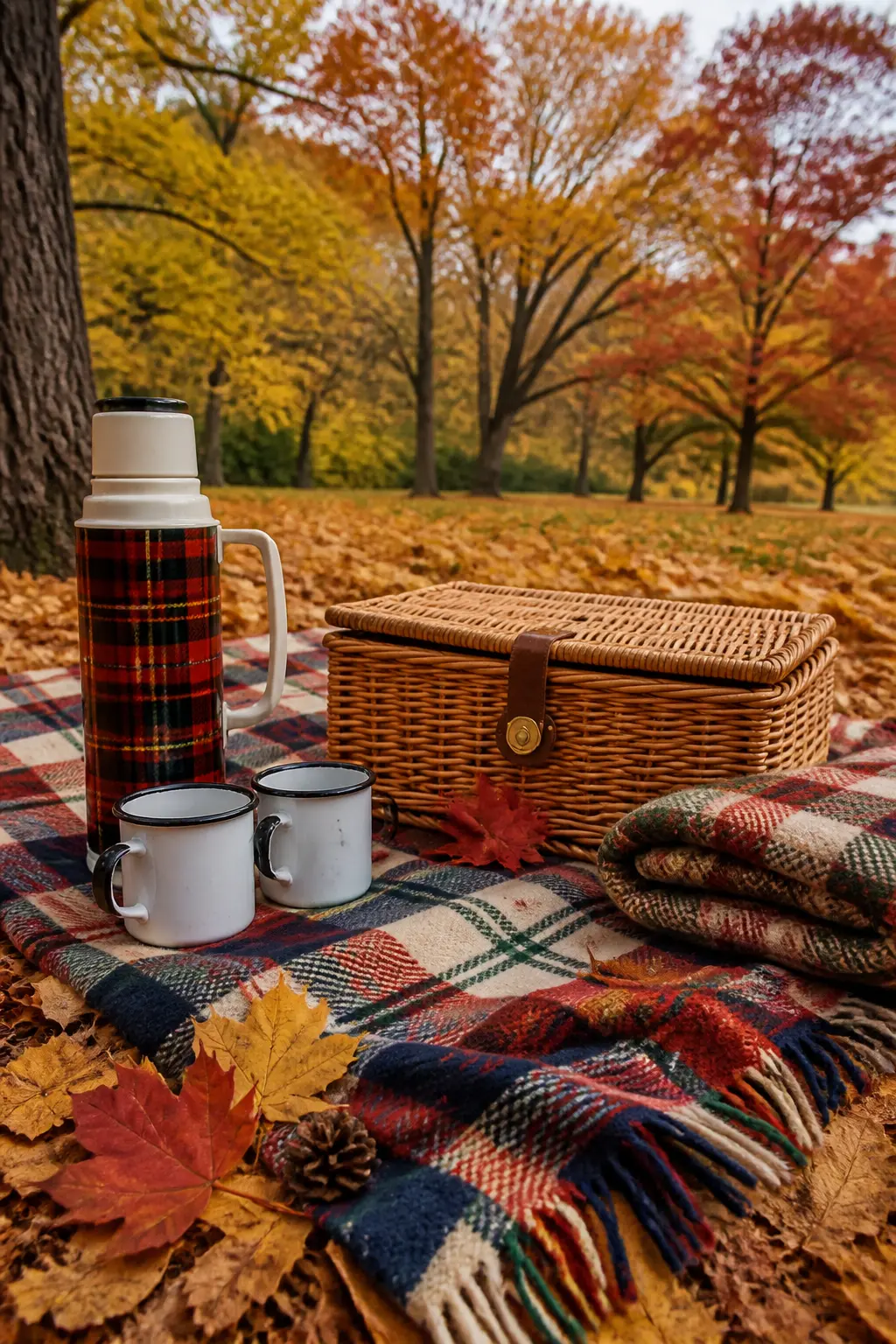
Pick a spot within walking distance that has a decent view of trees. Lay down a blanket, unpack the simplest food you have, and pour the cocoa while it is still hot. The bar for a fall picnic is genuinely low.
What makes it feel special is doing it on a cold day rather than waiting for comfortable weather. A hat, a blanket, and a warm drink in your hands in October is a different experience from a July picnic, and kids register that difference.
🛍 Shopping guide
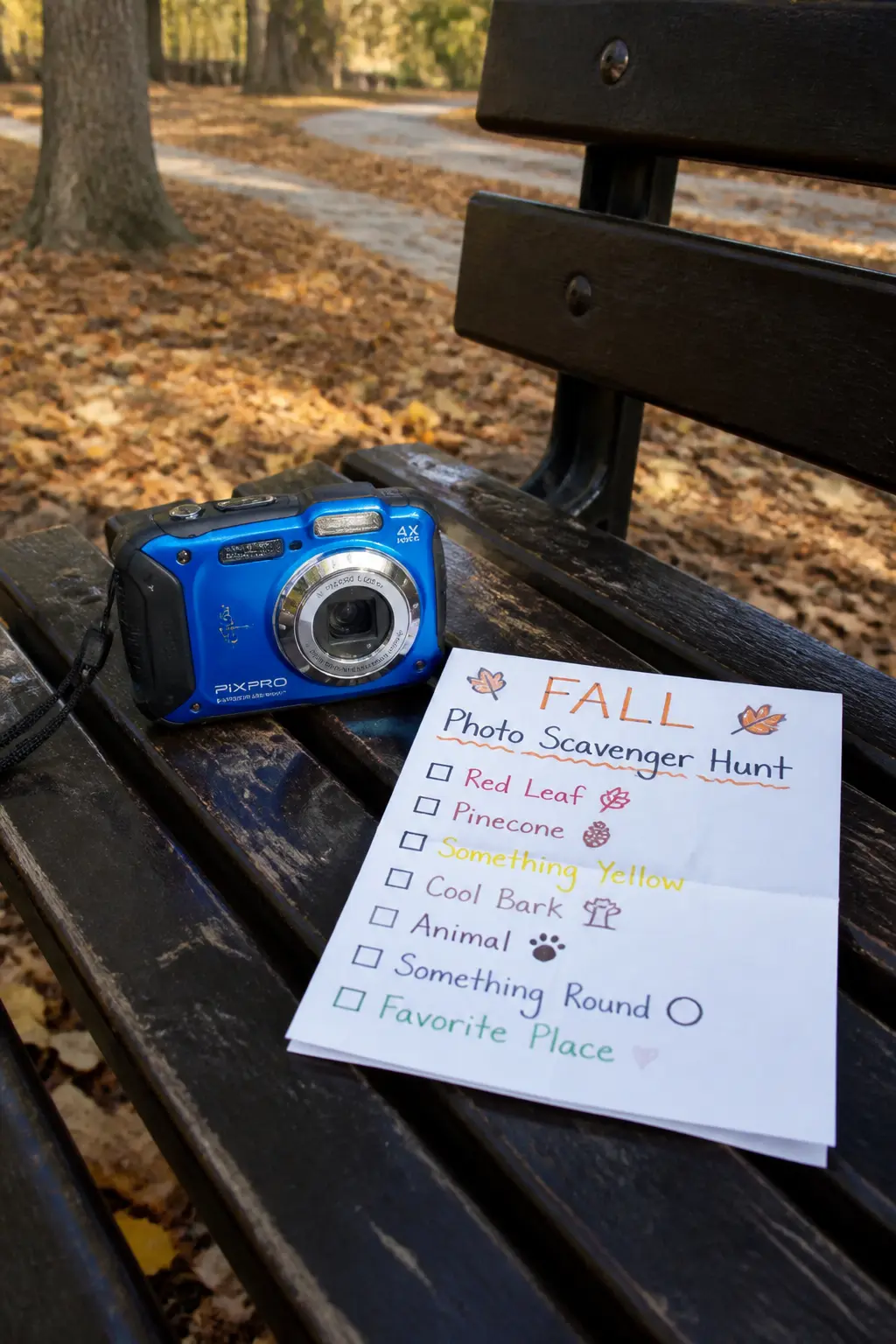
Fall Photo Scavenger Hunt With a Camera
Give each child a list of things to photograph rather than collect: a reflection in a puddle, a leaf still attached to a branch, something that is not a plant but is the color of fall. A cheap point-and-shoot or an old phone on airplane mode works fine.
The editing session at home, choosing which shots to keep, runs longer than the hunt itself. Print the favorites at a drugstore and let the child put them in a small album. That album becomes the fall record without anyone trying to make a scrapbook.
🛍 Shopping guide
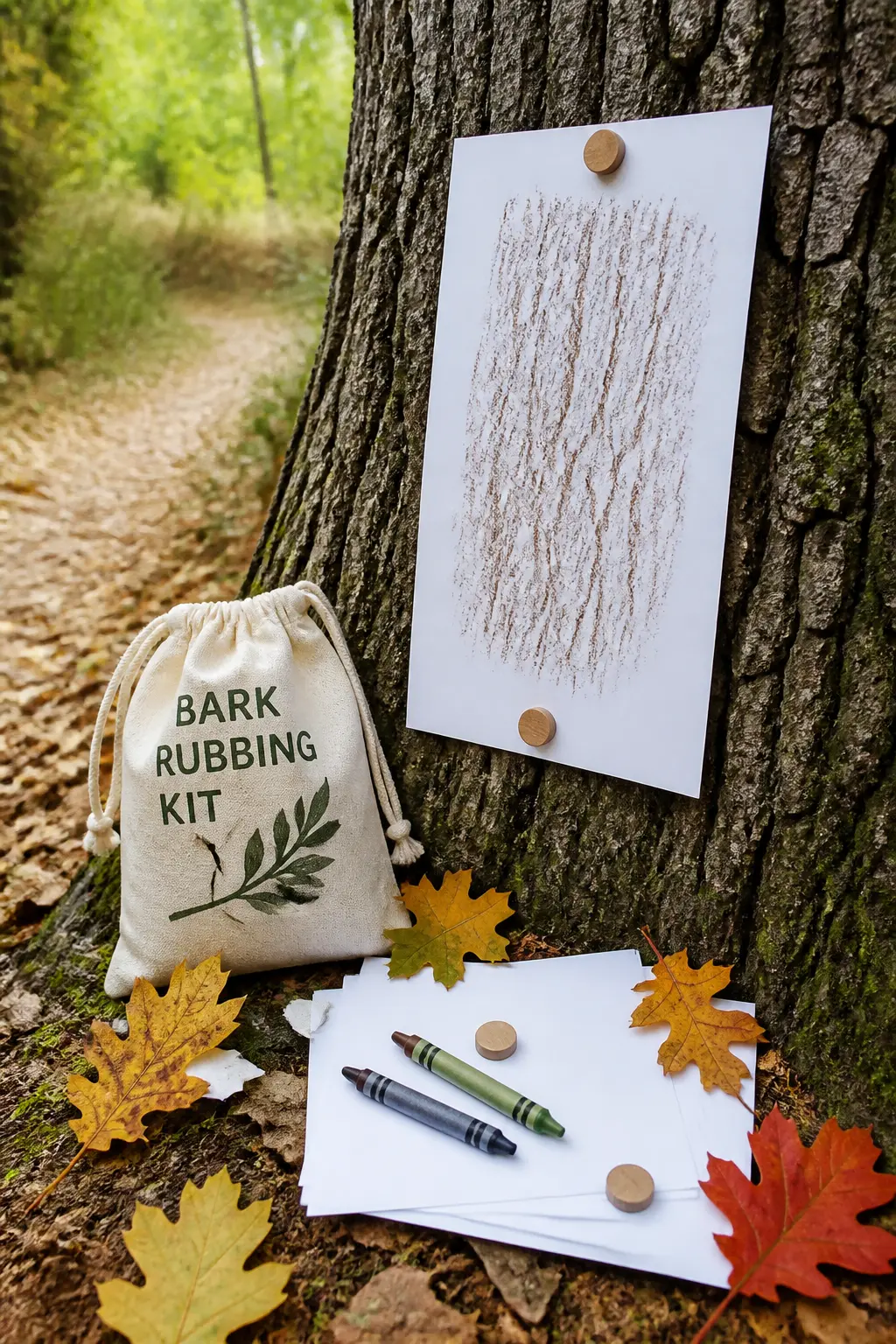
Nature Walk With a Bark Rubbing Kit
Pack a handful of unwrapped crayons and several sheets of thin paper. At each interesting tree, hold the paper flat against the bark and rub the crayon sideways until the pattern comes through. Different trees produce dramatically different textures, which is the discovery that keeps kids moving from one trunk to the next.
Label each rubbing with the tree name if you know it, or just number them. Back home, the stack of rubbings laid out on a table looks like real field work, because it is.
🛍 Shopping guide
Nature Projects: Slow Activities That Build Over the Season
Some of the best fall activities for kids are the ones that grow. These five ideas reward coming back to them week after week, so a child who starts in early October has something real to show for the whole season by November.
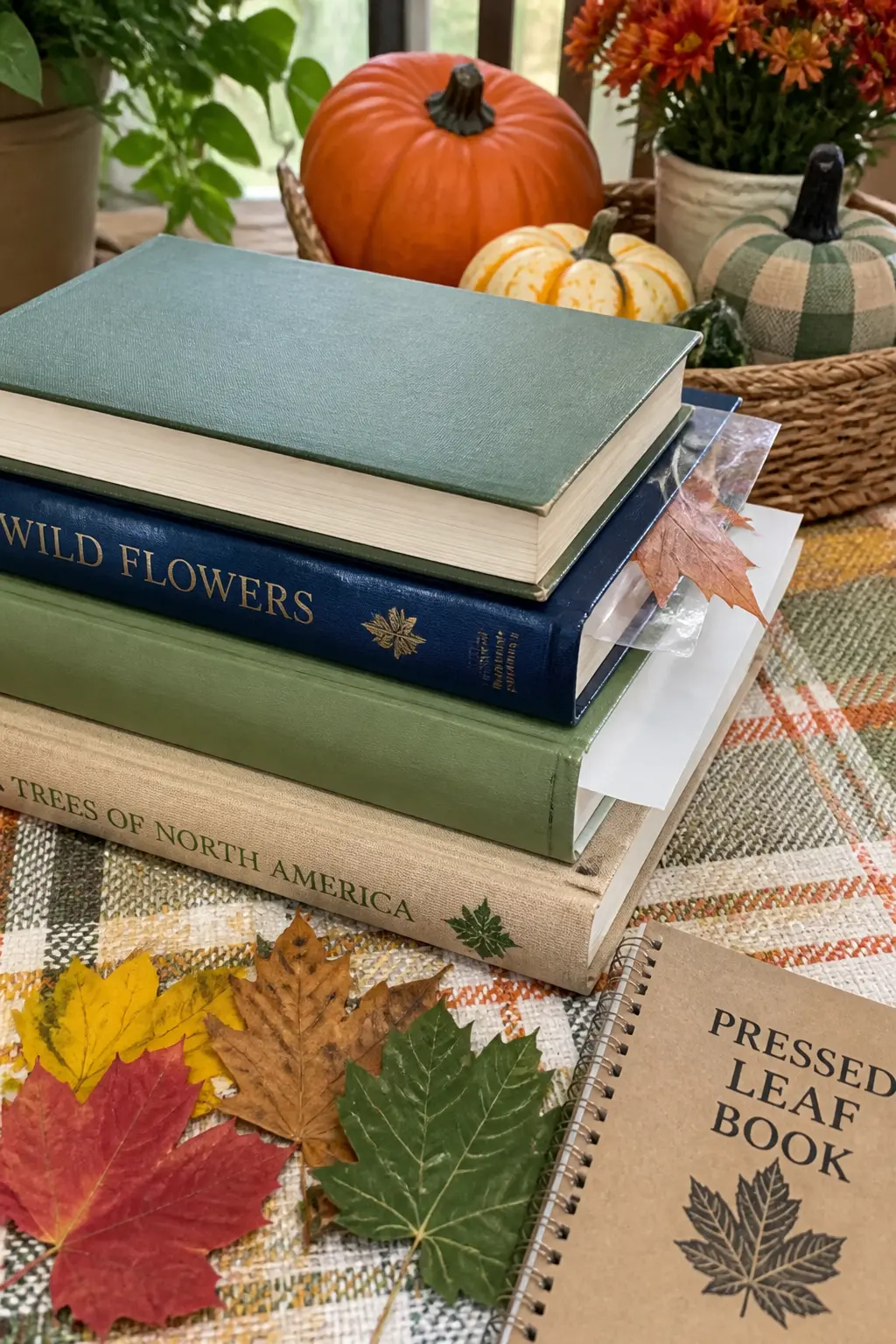
Leaf Collecting for a Pressed Leaf Book
Start in early fall and keep going. The goal is one leaf per week from a different tree or a different color stage of the same tree. Lay each leaf between two sheets of wax paper, stack heavy books on top, and wait a week before moving it to the album.
By November, the book holds a whole season in sequence, and the child who made it can genuinely see fall changing leaf by leaf. That is a better science lesson than anything that comes on a worksheet.
🛍 Shopping guide
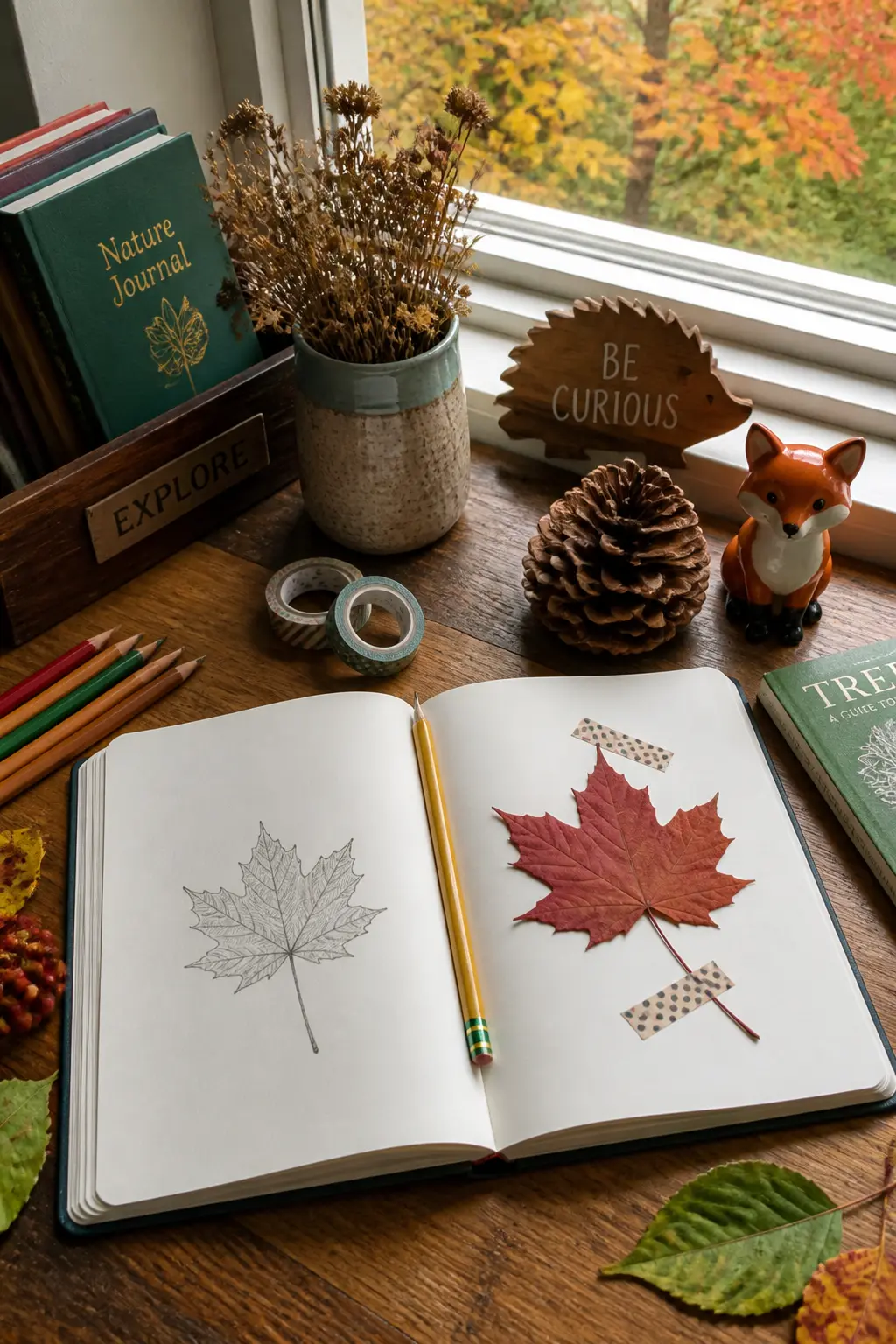
Making a Nature Journal Over the Whole Season
One blank notebook, used every week from September through November. The child draws what they see, tapes in a leaf or a seed, writes one sentence about where they found it. It does not need to be neat or detailed to be valuable.
The most useful prompt you can give: draw what it smells like outside today. Kids interpret that question in completely different ways, and none of them are wrong. This is also the project that works best alongside almost every other idea on this list, because it gives each outing a written destination.
🛍 Shopping guide
Bird Feeder Building and Hanging
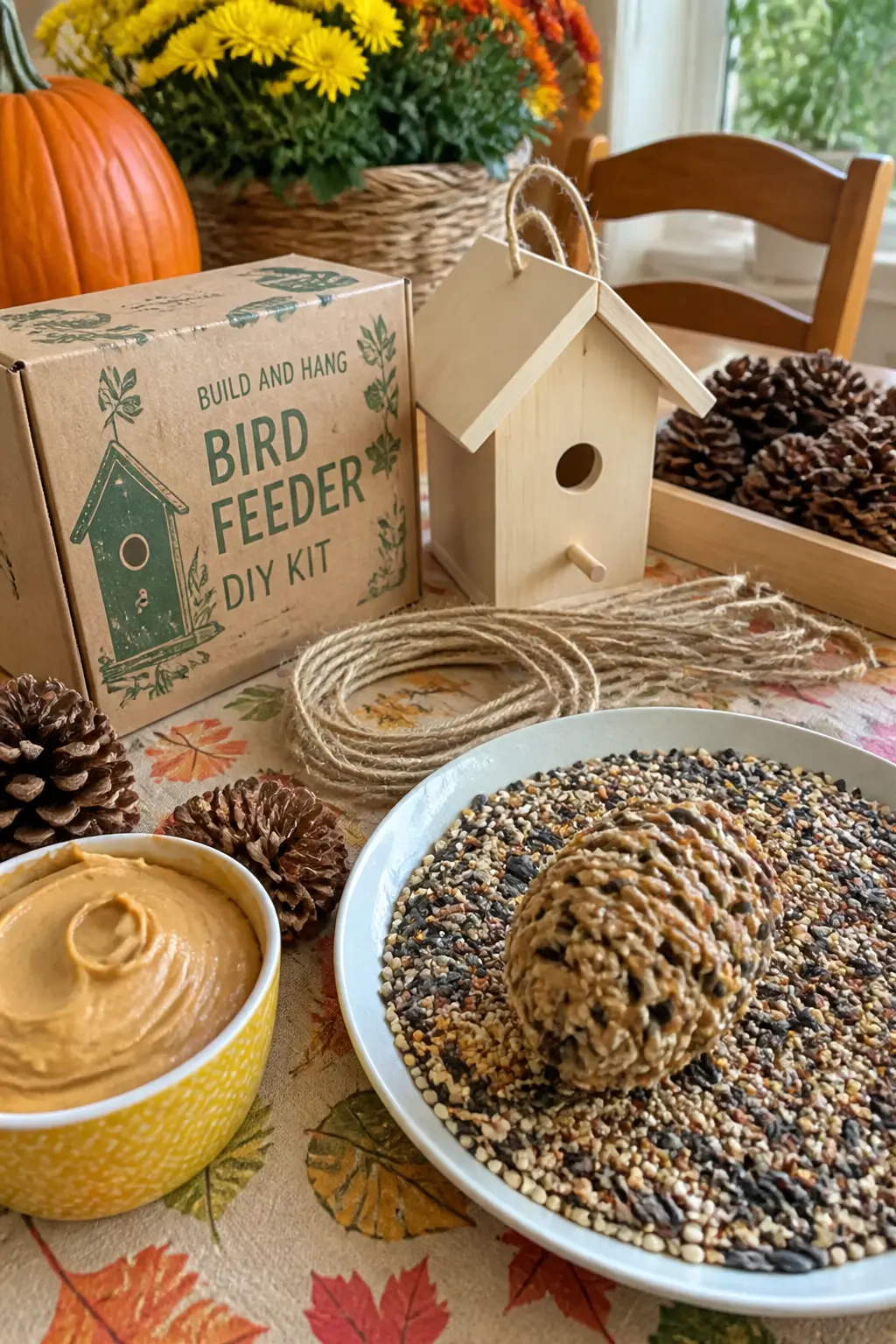
A simple pine cone feeder needs only a pine cone, peanut butter, and bird seed rolled together, then hung with twine. For a more durable version, a basic wooden kit from a craft store takes an afternoon to assemble and paint and lasts the whole season.
The payoff is daily: kids who built the feeder will check it every morning without being asked. Keep a simple tally sheet nearby so they can count which birds visit most. That ongoing observation is the point, not the building itself.
🛍 Shopping guide
Collecting and Pressing Leaves Into a Season-Long Book
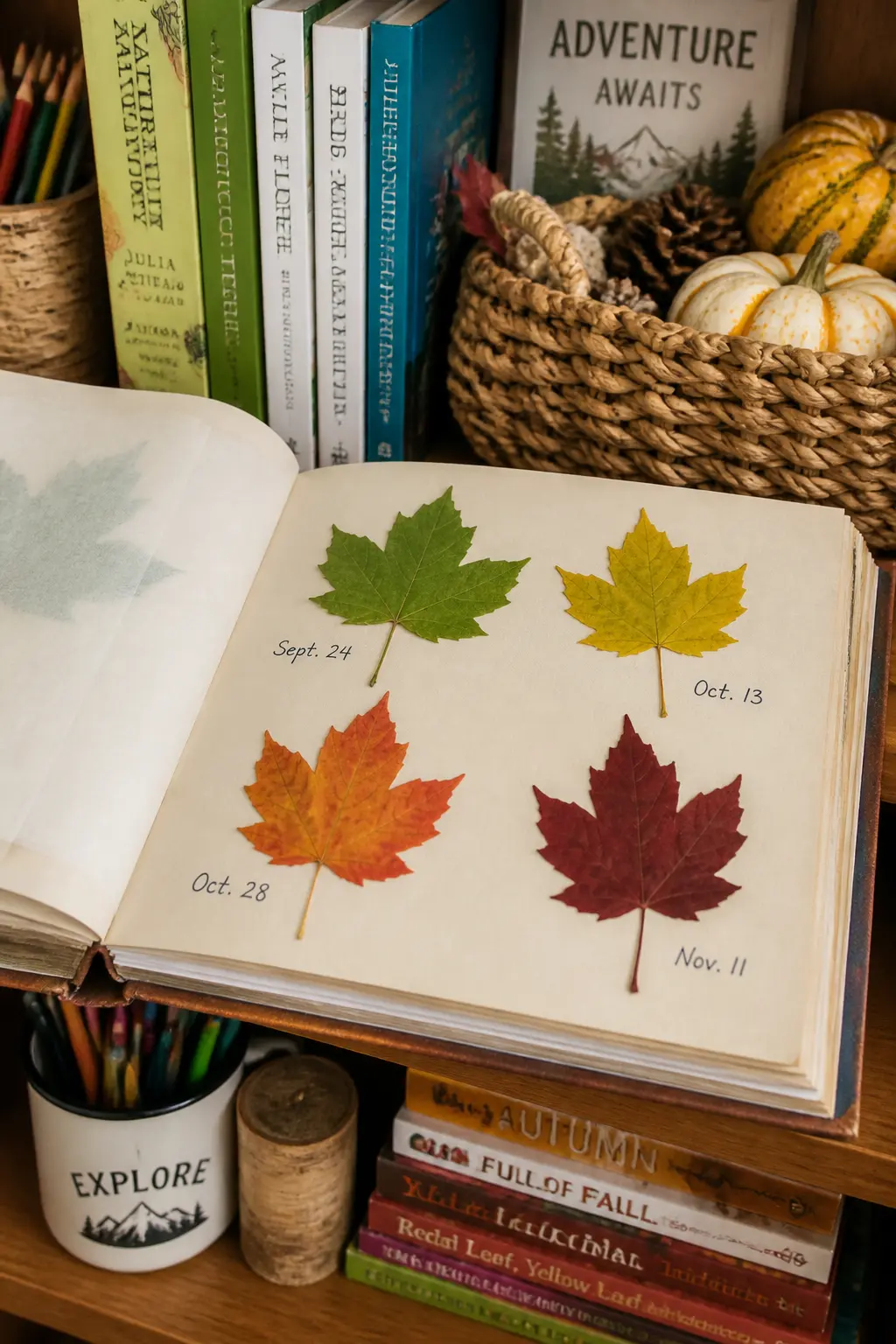
This is the long game version of simple leaf collecting. The aim is to document how the same tree changes: collect one leaf from the same oak or maple every two weeks and press each one in sequence. By the end of the season, the book reads like a time-lapse.
Write the date and a short note on a slip of paper tucked behind each leaf. The child does not need to write much, just enough to remember the day. That detail is what turns a craft project into something they want to keep.
🛍 Shopping guide
Evening and Night Ideas: After Dark in Autumn
The nights come earlier in fall, and that is actually a gift. These three ideas use the dark on purpose, turning what could be a hurry-inside moment into the main event.
Bonfire With Marshmallow Toasting
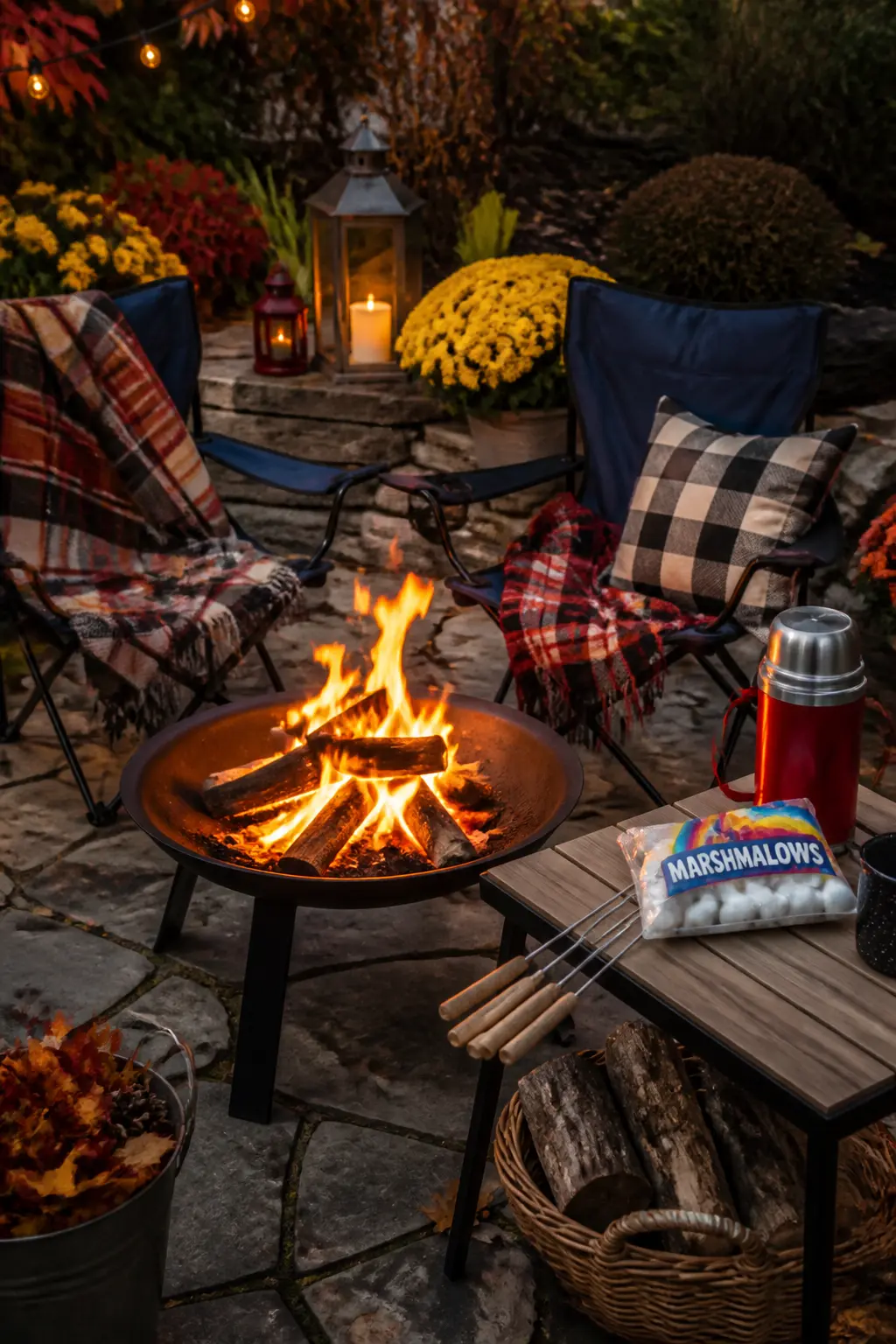
A fire pit in the yard or a small portable fireplace is enough. The ritual matters more than the size of the fire: gathering wood, lighting it together, waiting for the right moment to hold the marshmallow close. Children who help build the fire take the safety instructions seriously in a way that children who arrive at an already-lit fire often do not.
Finish with hot chocolate poured from a thermos while the fire dies down. The cooling-down phase, sitting in the dark with a warm mug, is the part that earns the best sleep of the season.
🛍 Shopping guide
Stargazing on a Clear Cold Night
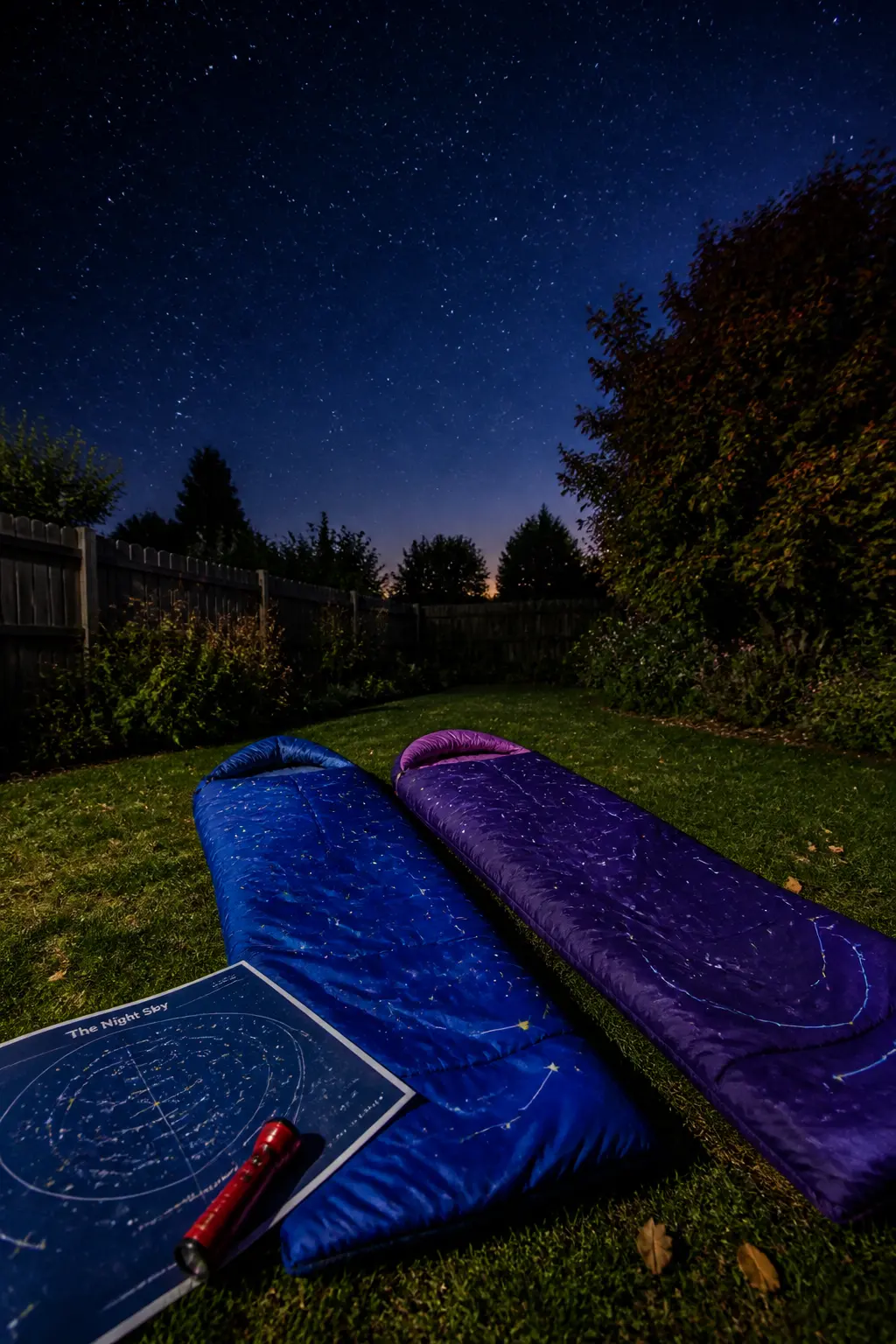
Fall nights clear fast after sunset and the sky gets genuinely dark earlier, which means stargazing does not require keeping kids up late. Lay sleeping bags on the lawn or spread a thick blanket, point out the brightest stars, and let the conversation go wherever it goes.
A simple star map printed from a free website or a basic stargazing app on a phone (screen turned low) is all the equipment needed. The goal is not to identify every constellation. The goal is to be outside in the cold dark looking up, which is unusual enough to feel like an event.
🛍 Shopping guide
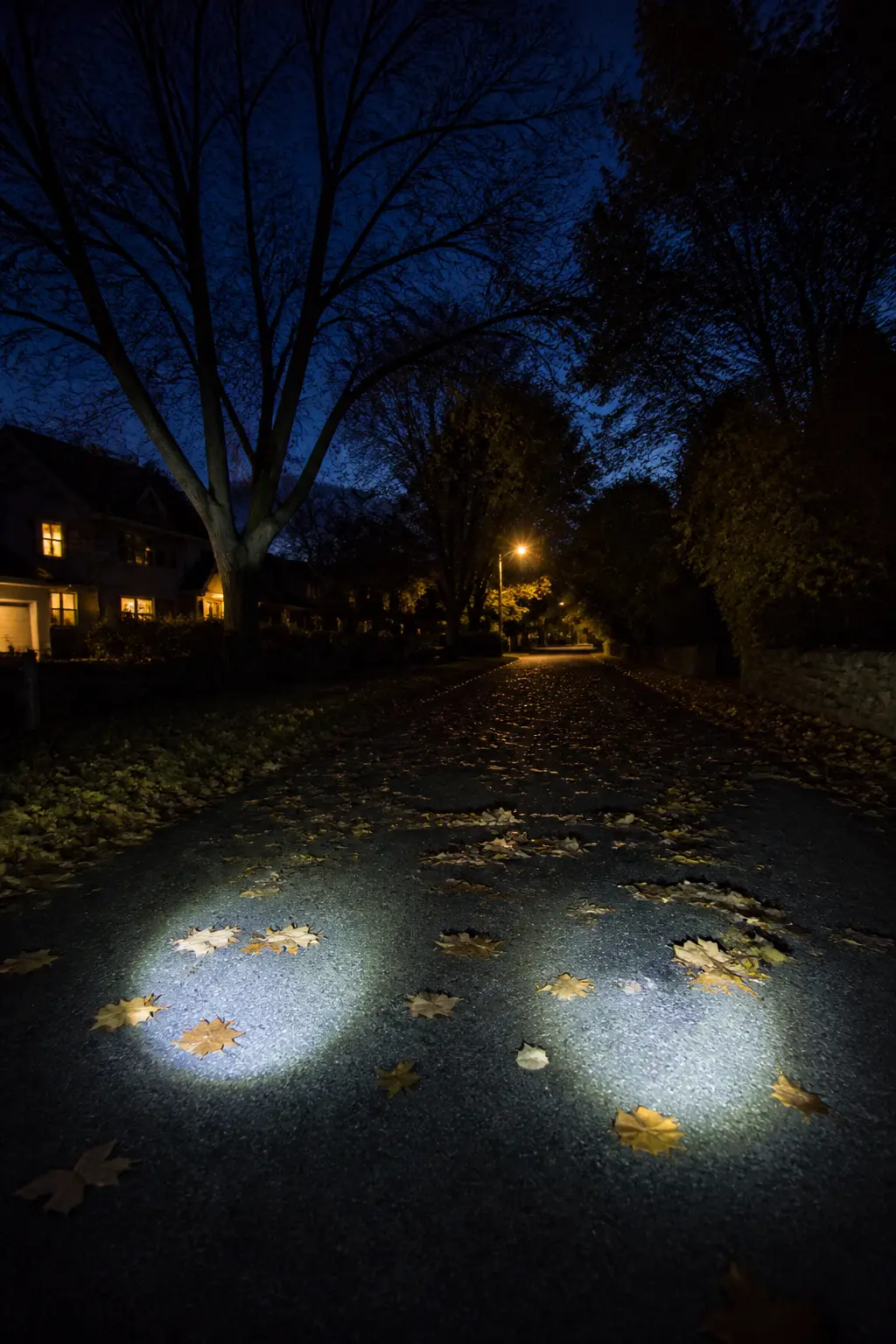
Night Walk With Flashlights to Hear Owls
Pick a familiar neighborhood route or park trail and walk it after dark. The familiar made unfamiliar is a reliable wonder for elementary-age kids. Bring flashlights but agree to turn them off for stretches and just listen.
Owls are more active in fall as territories shift. Even if no owl calls, the listening itself is the lesson: stopping, staying quiet, paying attention to sound rather than sight. That is a harder skill than it sounds and worth practicing.
🛍 Shopping guide
Farm and Field Days: Plan-Ahead Outings
These ideas need a short drive and sometimes a small entry fee, but they are the ones kids talk about for weeks. Book ahead for corn mazes and hay rides on busy weekends, and check orchard websites for pick-your-own windows before you go.
Apple Picking at a Local Orchard
Go on a weekday if school schedules allow, or arrive at opening time on a weekend. The rows farther from the entrance always have better fruit and fewer people. Give each child their own small bag and let them pick their own, even if it takes longer.
The car ride home smells extraordinary. That is not a small thing. Eat one apple in the orchard while the juice is still cold, and the whole outing becomes something they ask to repeat next year.
🛍 Shopping guide
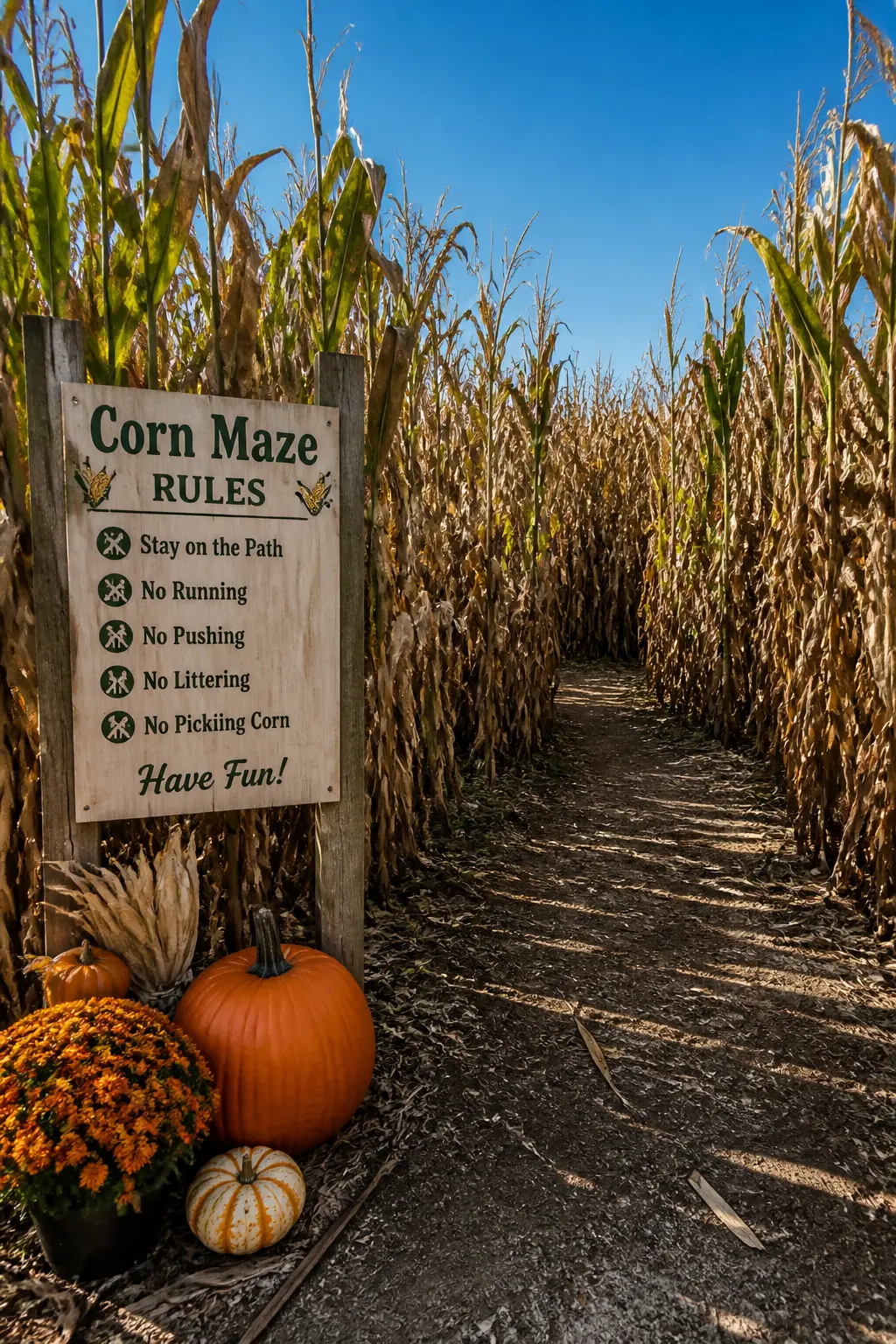
Corn Maze Walk
Give kids a simple rule before you go in: no running ahead, decisions made by majority vote. That one rule turns a walk-through into a group puzzle. Older kids naturally take the navigation role, and younger ones feel included when their vote counts at each junction.
Most farms stamp a card at checkpoints inside the maze. That physical record of the route keeps kids focused and gives them something to keep afterward. Buy tickets online to avoid queuing on a busy October weekend.
🛍 Shopping guide
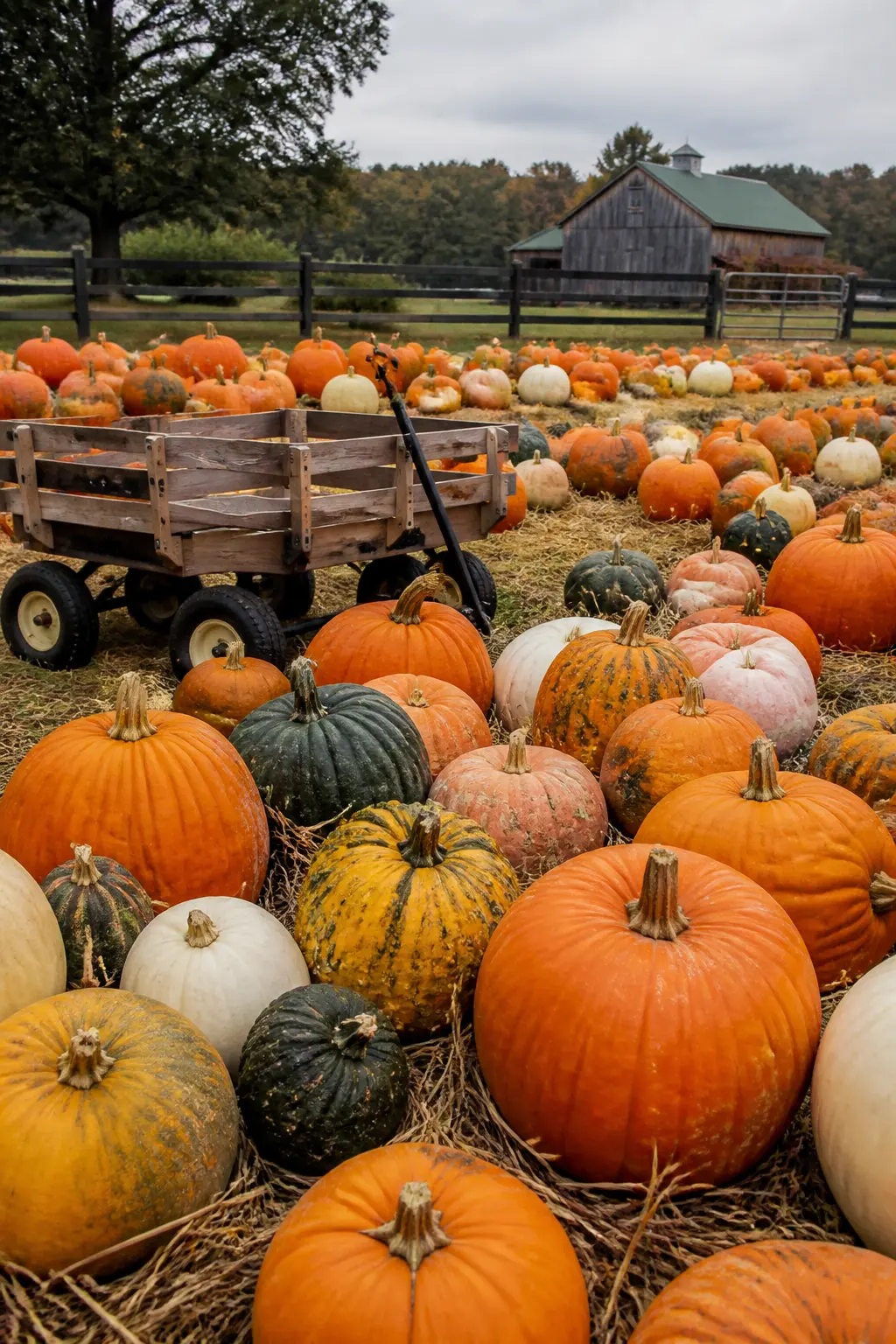
Pumpkin Patch Visit
Let each child choose their own pumpkin with no input from you on size or shape. The misshapen, lopsided, too-small ones get chosen for real reasons, and those choices matter to kids. Carry only what they can carry themselves: it sets a natural size limit and prevents the tractor ride home from becoming an argument about who gets the giant one.
Look for patches that charge by the pumpkin rather than by the pound. The by-the-pound farms make the misshapen small ones less appealing, which defeats the whole spirit of letting kids choose freely.
🛍 Shopping guide
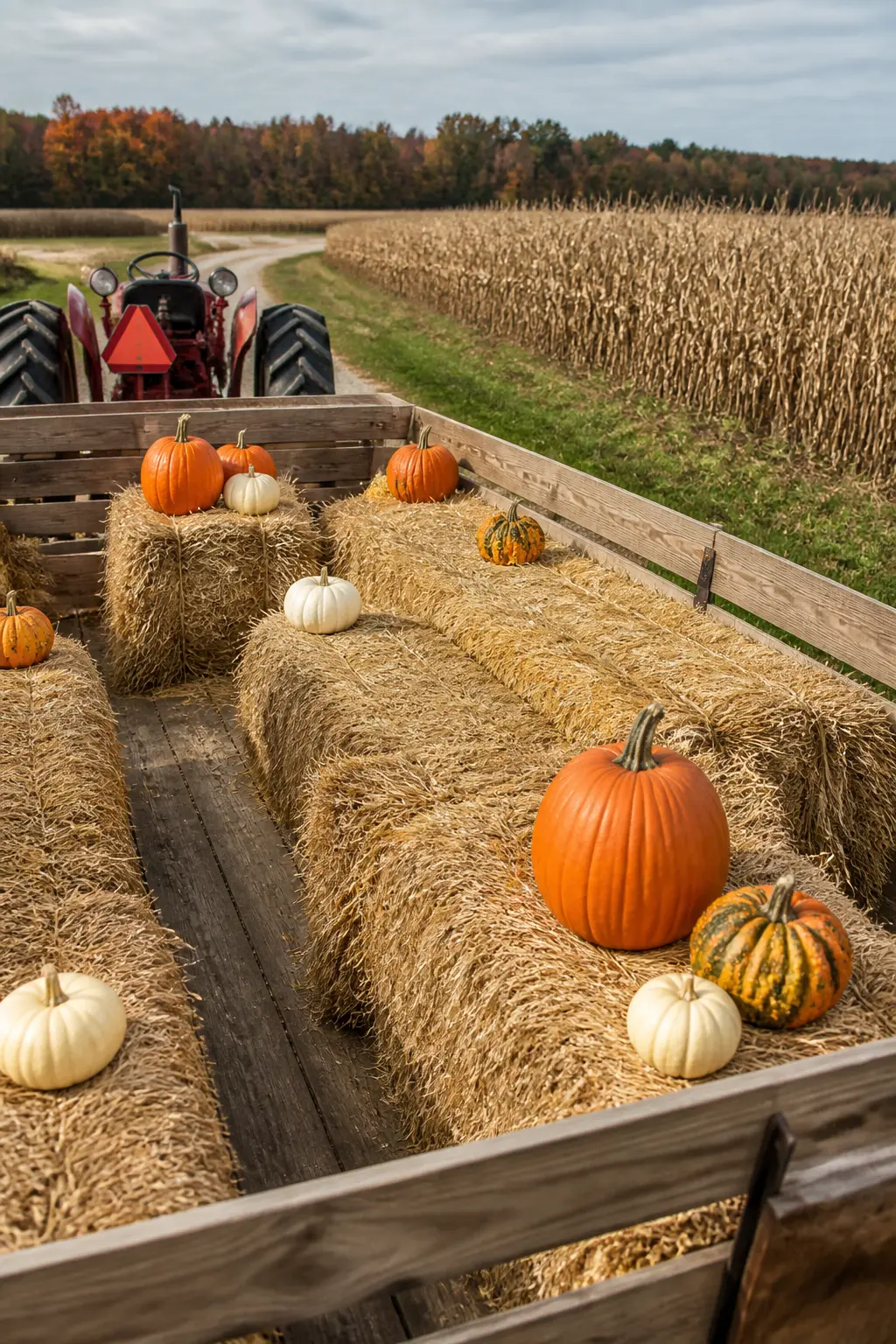
Hay Ride at a Farm
Book the first or last ride of the day for the best light and the shortest line. Hay rides cover ground that walking would not, and seeing the farm from a moving wagon gives kids a scale of the land that sticks in memory differently than walking through it.
Bring an extra layer. The wind on a moving wagon in October is colder than it looks from the farm stand, and a child who is shivering stops enjoying things quickly. A wool blanket shared between two kids solves this and also makes the ride feel like a genuine adventure.
🛍 Shopping guide
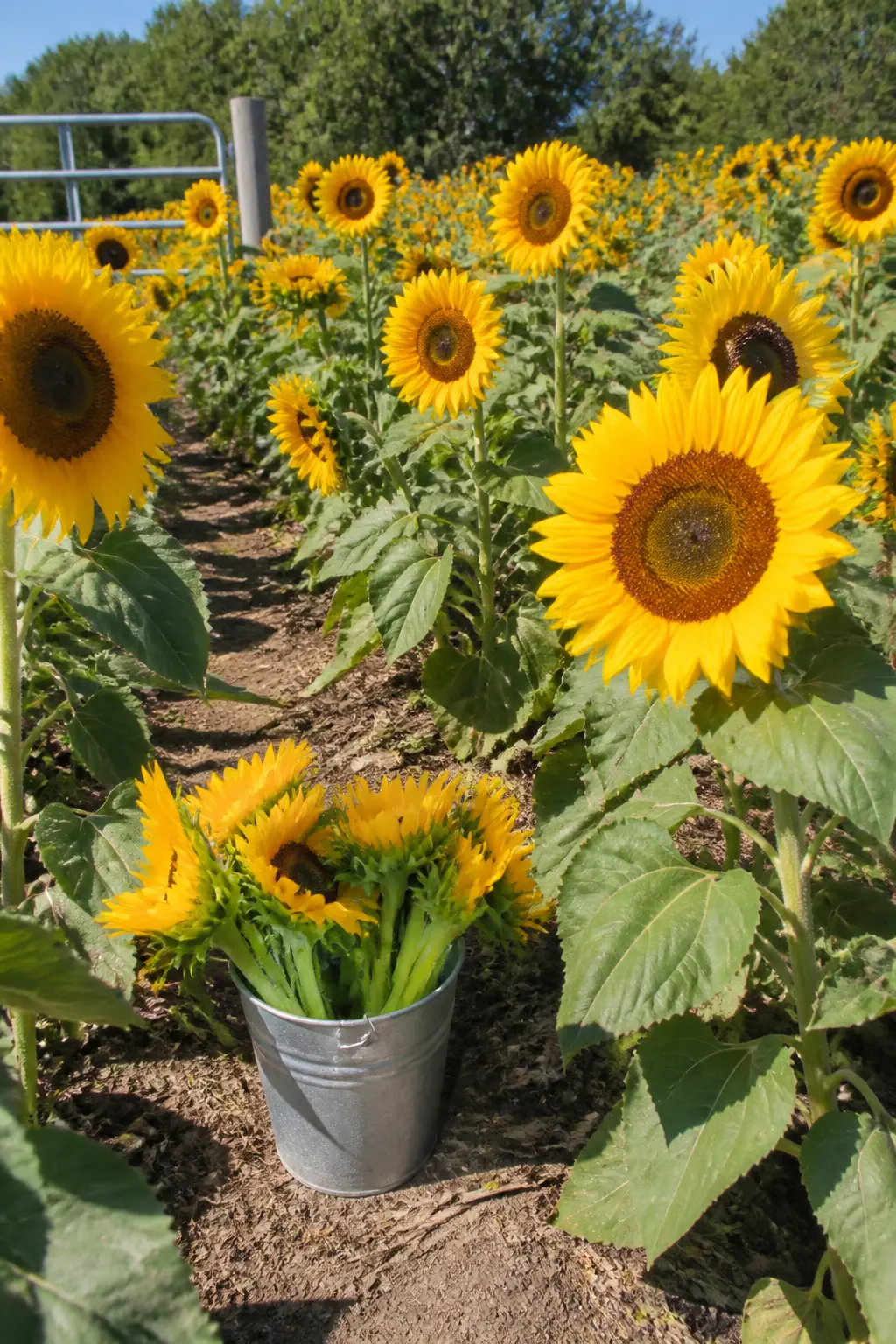
Sunflower Field Visit
Many pick-your-own sunflower fields run through early fall before the first frost. The experience of walking into a field of flowers taller than an adult is disorienting in the best way for a young child. Bring shears and a bucket of water for the cut stems.
Let the child pick one flower to press and one to put in a vase at home. That division of the harvest into two different destinies is a small but genuine lesson in thinking about what to do with beautiful things.
🛍 Shopping guide
Mill and Market Days: Food-Forward Outings
A cider mill or apple market turns a regular outing into a full sensory experience. These three ideas orbit food, which means even reluctant walkers have a strong reason to keep going.
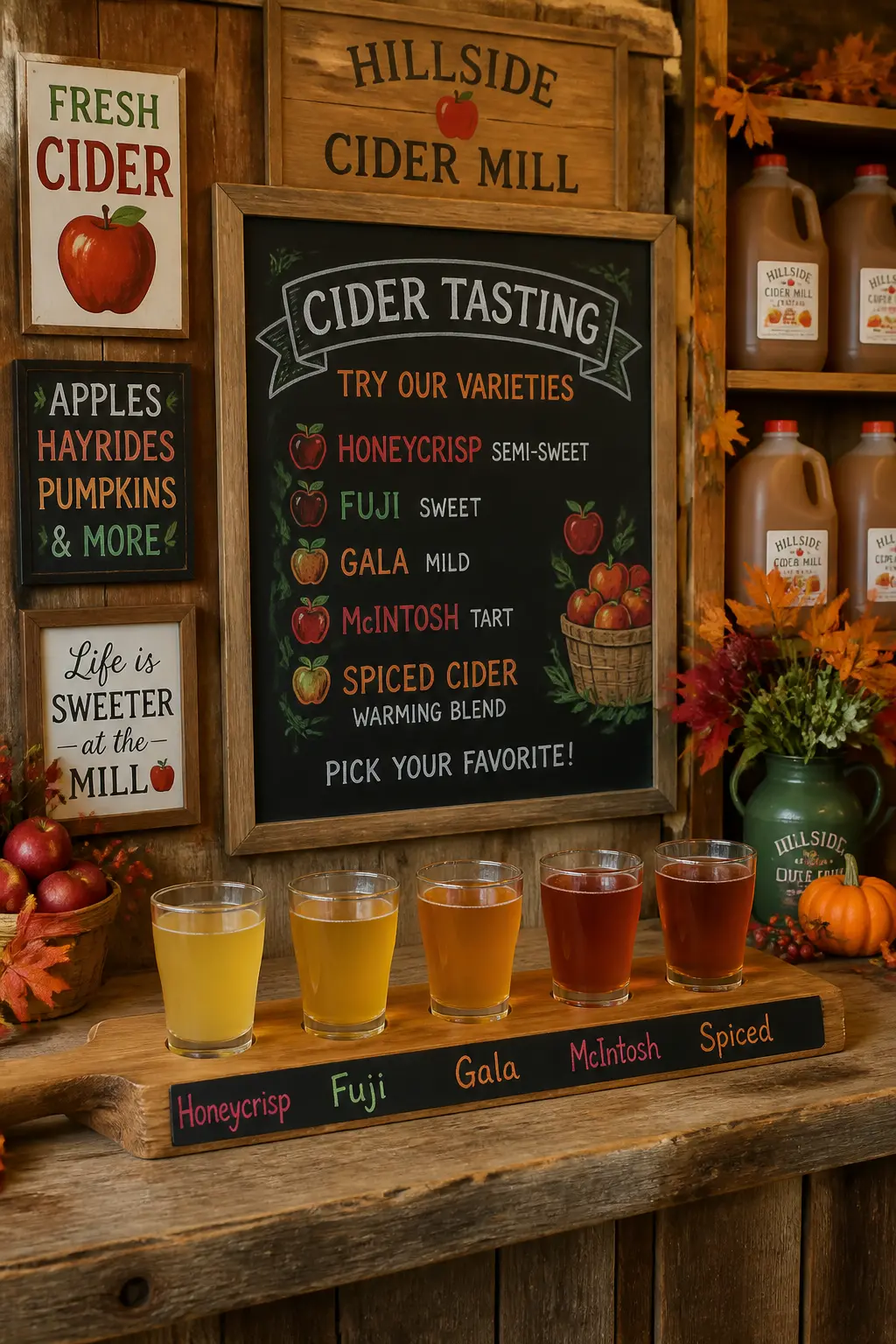
Cider Tasting at a Mill
Many cider mills offer tasting pours of different varieties, from sweet to nearly tart. Treat it like a proper tasting: give kids a small cup of each, ask them to describe the difference before you say anything. The vocabulary they reach for, fizzy, sharp, like apple candy, is worth hearing.
Buy a gallon to take home. The act of choosing which variety based on their own tasting gives children a reason to care about the choice, and they will drink more water if it tastes like something they picked themselves.
🛍 Shopping guide
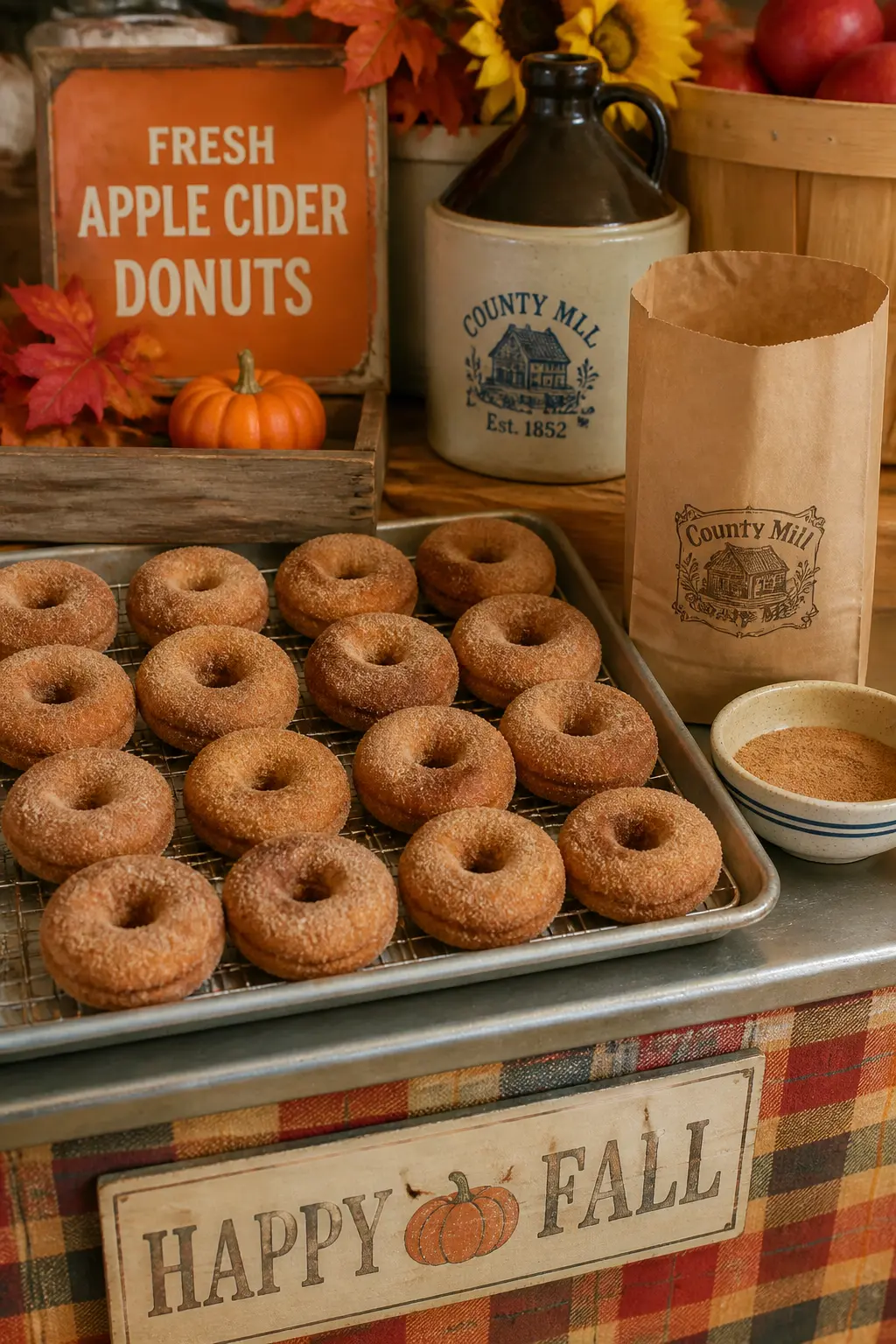
Apple Cider Donut Making at a Mill
Some mills sell the mix so you can make them at home, but if the mill has a fryer running, watch the process first. Seeing the batter drop and the donut emerge is a stronger food memory than any recipe. Buy one hot from the fryer and eat it immediately in the parking lot before getting in the car.
The cinnamon-sugar coating is what most mills use, and it is correct. Do not skip it. A plain cider donut is fine; one rolled in cinnamon sugar while still warm is the whole reason to go.
🛍 Shopping guide
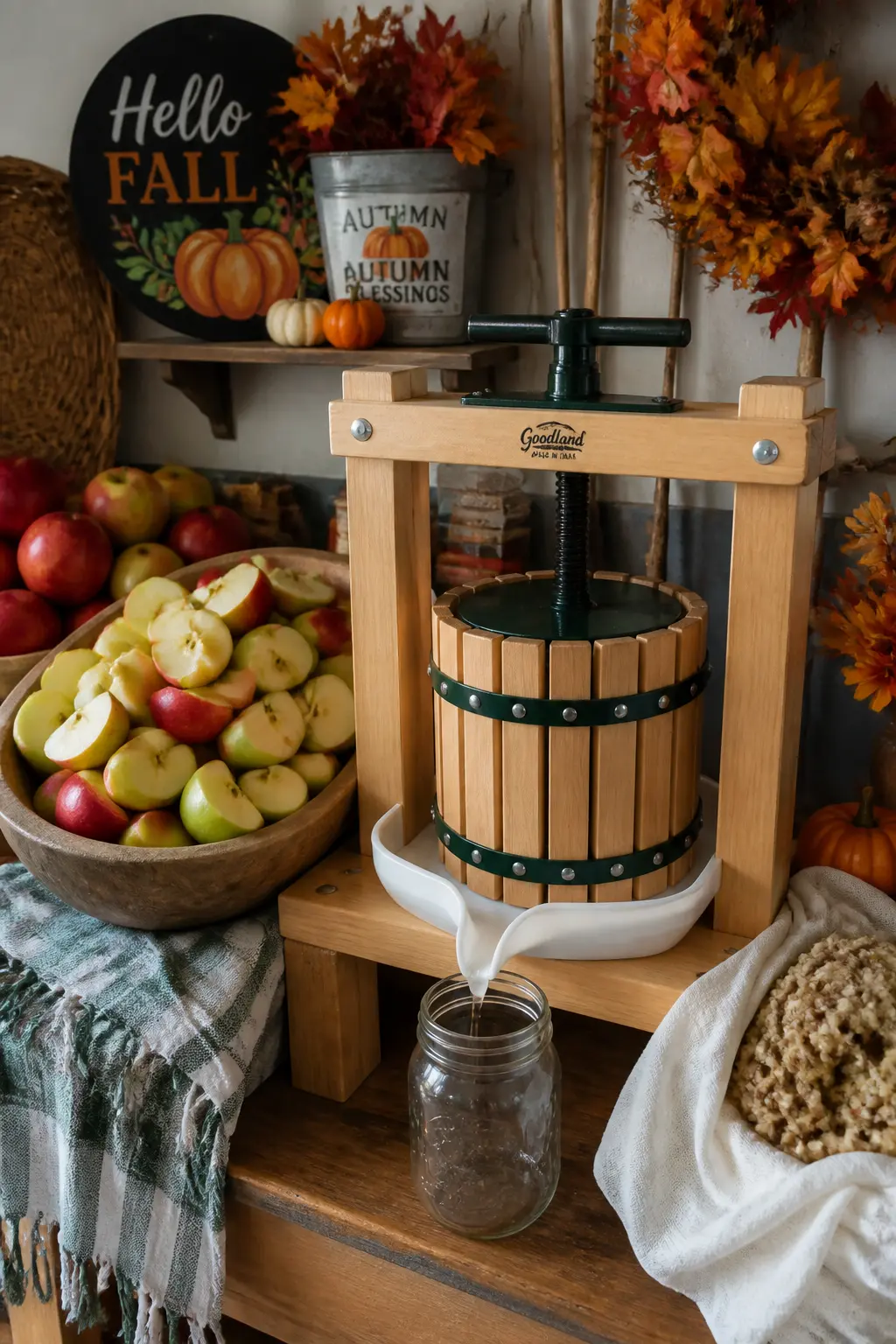
Pressing Apples for Cider With a Hand Press
A small hand-cranked apple press costs less than a family mill trip and produces enough cider for everyone to taste their own work. Start with a mix of sweet and tart apples. Quarter them, load the press, and take turns cranking. The juice that comes out is cloudy and smells like the best version of fall.
Strain it through cheesecloth before drinking for a cleaner pour, or drink it unfiltered and call it rustic. Either way, the child who cranked the press will ask for a second cup before the first one is finished.
🛍 Shopping guide
Wrapping Up: What to Do With Everything You Found
By mid-season, kids have pockets full of acorns, a bag of pressed leaves, and a scarecrow that needs finishing. These last two activities give all of that collecting a satisfying destination, and they make the yard look great while they are at it.
Looking for more seasonal fun once the weather tips colder? The 22 Winter Activities for Kids list picks up exactly where this one leaves off. And if Halloween is on the horizon, the 24 Halloween Activities for Kids round-up has free printables to cut, count, and colour through the whole spooky stretch.
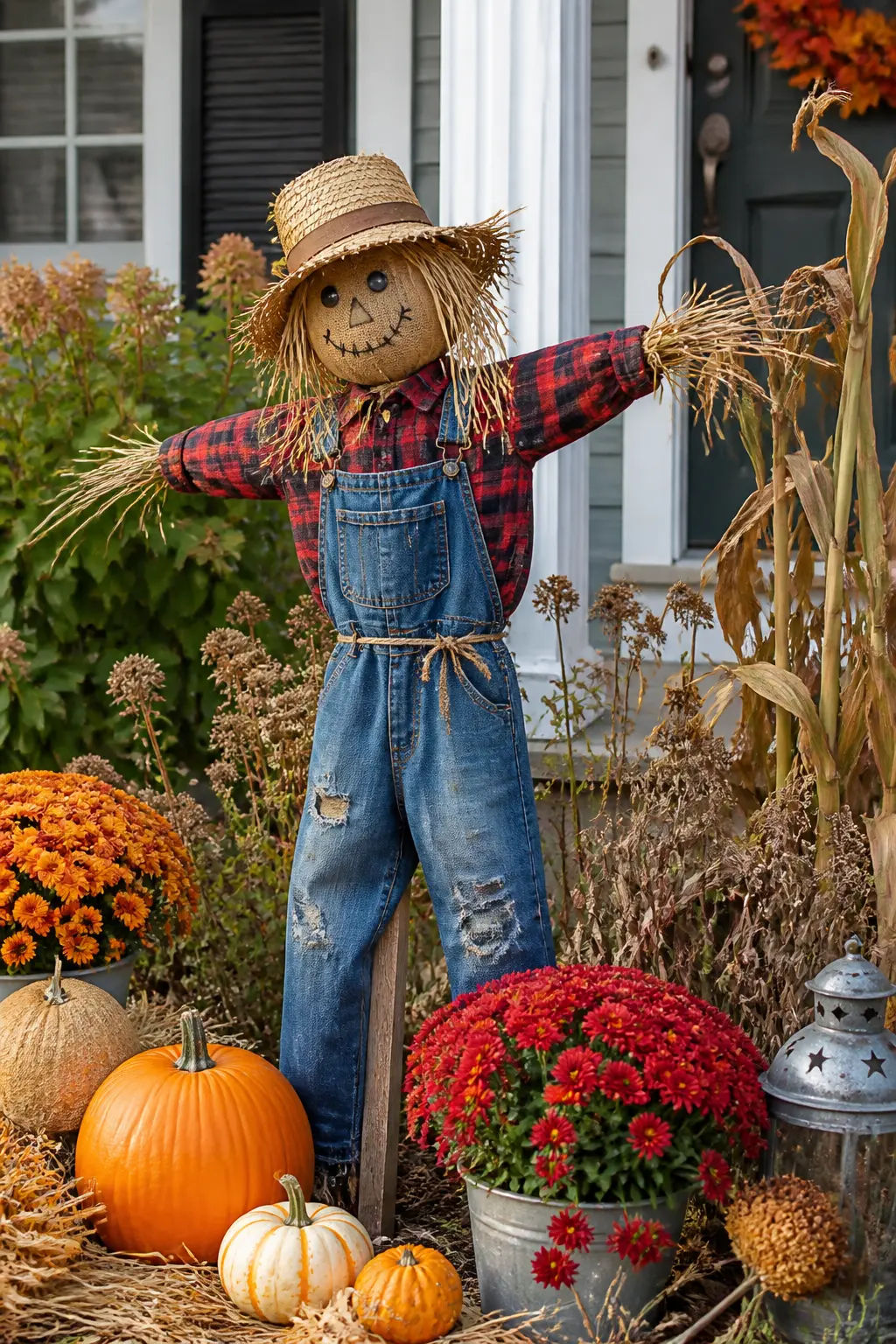
Building a Scarecrow Together for the Yard
Use two wooden stakes crossed and lashed with twine as the frame. Old clothes stuffed with newspaper or dry leaves do the rest. Give each child one design decision: the hat, the face, the outfit. When every child owns one part, the finished scarecrow feels collectively made rather than parent-directed.
Stand it somewhere visible from the street. Neighbors stopping to look at it gives kids the particular satisfaction of making something that exists in the world rather than in a drawer. Take it down after the first hard freeze and photograph it first.
🛍 Shopping guide
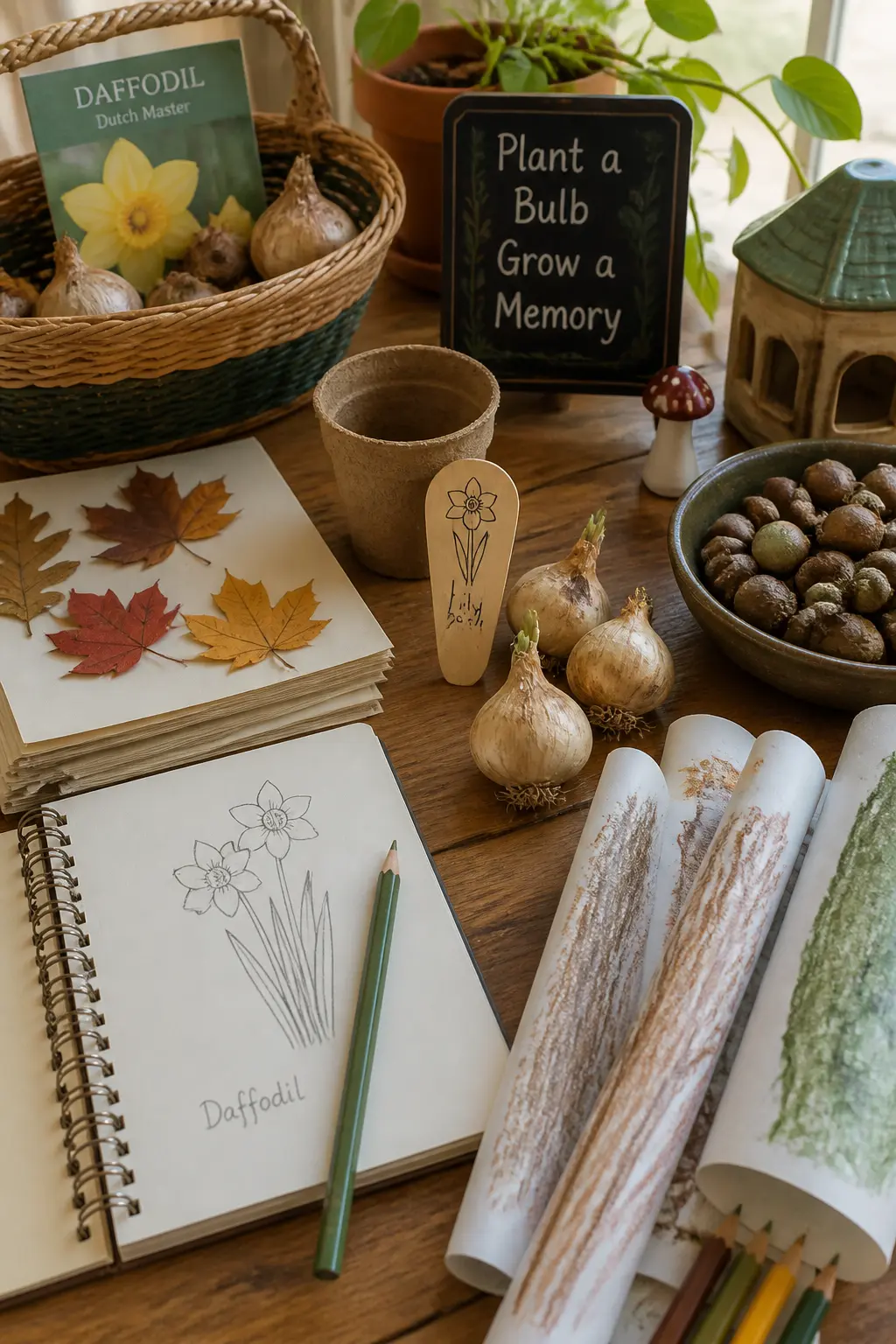
Planting a Bulb and Leaving a Marker
At the end of the season, gather everything collected: the pressed leaves, the sorted acorns, the bark rubbings, the nature journal. Lay it all out on a table and look at it together. That is the whole fall in one place, which is something worth seeing.
Pick one thing from the collection to keep in a special spot: a particularly good pressed leaf in a frame, the best bark rubbing pinned to the wall, the nature journal on a shelf where it can be found and reread. The rest can go back outside to decompose, which is its own small lesson about the season.
Quick Tips for Making the Season Last
Take photos as you go, even just on a phone. A side-by-side of the first leaf pile in September and the last one in November is the kind of thing that actually gets framed.
Keep a small bag in the car with a trowel, a few zip-lock bags, and a roll of paper towel. It means any walk can turn into a collecting trip without planning. The bar for saying yes goes down when the gear is already there.
Finally, let kids lead the repeat visits. If a child wants to go back to the same orchard three times, that is not a failure of imagination. That is the season working exactly as it should.
Frequently Asked Questions
What are the best fall activities for kids who do not like getting dirty?
Stargazing, the fall photo scavenger hunt, and the cider tasting are all clean-hands activities that still get kids genuinely outside. The nature journal works from a bench or a dry patch of grass. If muddy boots are a real barrier, rain boot walks and leaf pressing can be done with a small mat to stand on and a towel nearby.
How do you keep fall activities for kids interesting all the way through November?
Use the season-long projects, the nature journal, the pressed leaf book, and the bird feeder tally as a thread. Single-day activities feel like events; ongoing projects give kids a reason to notice fall changing week by week. Pair at least one outing per month with a project that builds on it.
Are these fall activities suitable for toddlers as well as elementary-age kids?
Most of the yard activities work for younger children with a parent alongside. The nature scavenger hunt, leaf pile jumping, and planting bulbs all scale down easily. Outings like corn mazes and night walks work better from age five or six, when kids can manage longer walks and stay focused on a task without constant carrying.
What is the cheapest fall activity on this list?
Puddle jumping costs nothing beyond the rain boots a child probably already owns. Leaf pile jumping, the acorn hunt, and the lawn maze are all free if you have a yard. The bark rubbing walk needs only paper and a crayon, so it costs almost nothing even without gear already at home.
How far in advance should you book farm day outings?
For corn mazes and hay rides on weekends in October, book at least two weeks ahead. Apple picking and pumpkin patch visits are usually first-come on arrival, but check farm websites for pick-your-own windows, since fruit ripens and runs out faster than most parents expect. Cider mills rarely require booking but can sell out of certain varieties by midday on a Saturday.
29 finished pastel balloon arch ideas with three colours or fewer, showing real placements for baby

From flashlight hide and seek to nail art stations, these 22 sleepover games for kids will keep the

20 party games with no supplies needed — no printing, no props, no shopping. Just people and laugh
Leave a Reply