

24 Boy Birthday Party Themes Named as a Whole Look, Not Just an Activity
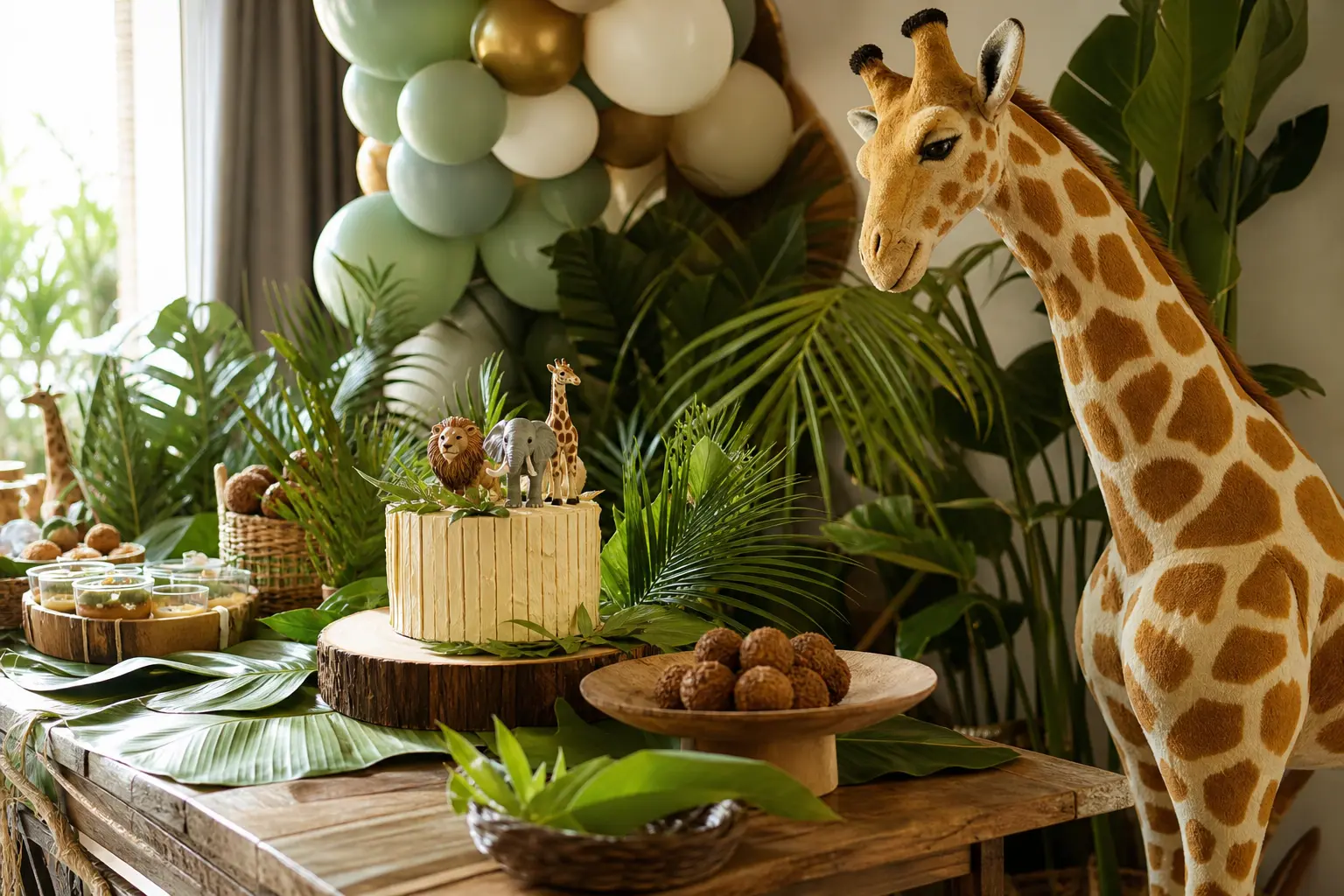
The best boy birthday party themes do one thing well: they give the room a single, readable identity before a single guest walks in. Palette, one large prop, one small considered detail. That is the whole formula.
This list covers 24 complete looks, from a sand-and-olive dinosaur dig to a deep-purple wizard school. Each entry names its colours, its signature prop, and the one touch that lifts it from a bag of supplies into something that photographs like a plan. Nothing here requires a licensed character or a craft marathon.
If you are also shopping themes for a daughter, a shared party, or a set of twins, the sibling articles at the bottom of this page cover those. For now: pick the palette that suits your boy, note the one prop you need to source, and the rest follows.
This post contains affiliate links. If you buy through them, I may earn a small commission at no extra cost to you.
Adventure and Exploration Themes
This group works for boys who are drawn to maps, tools, and going somewhere. The palette in every case is earthy or nautical, which means balloons and tablecloths in those tones are easy to find and easy to combine. The signature prop in each theme is large enough to anchor the room without crowding it.
See also: 16 5th Birthday Party Ideas That Stretch to the Whole Class for age-specific notes on group sizes and run times.
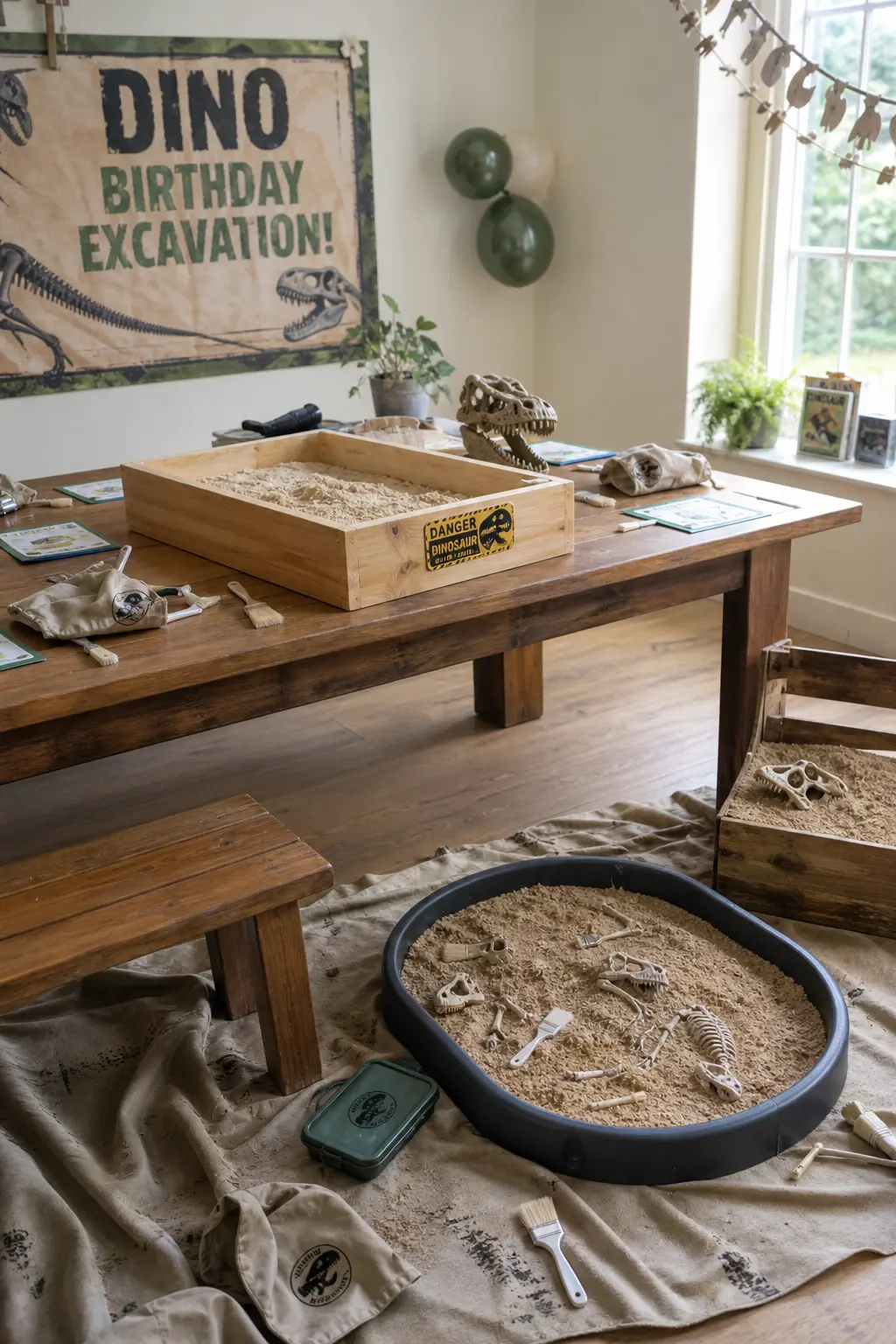
Dinosaur Dig
Palette: olive and sand. Drape a sand-coloured tablecloth, add olive linen napkins, and put a low tray of kinetic sand or a sandbox tub in the centre of the activity table. That tray is the room’s focal point.
The signature prop is the sandbox itself: a shallow wooden crate or a plastic tuff tray filled with sand. Hide resin fossil replicas before guests arrive. Children dig with brushes, which takes five minutes to set up and thirty minutes to run.
The considered detail: label each fossil find with a small card naming the species in serif type. It costs nothing but it makes the dig feel like a real museum exercise rather than a party game.
🛍 Shopping guide
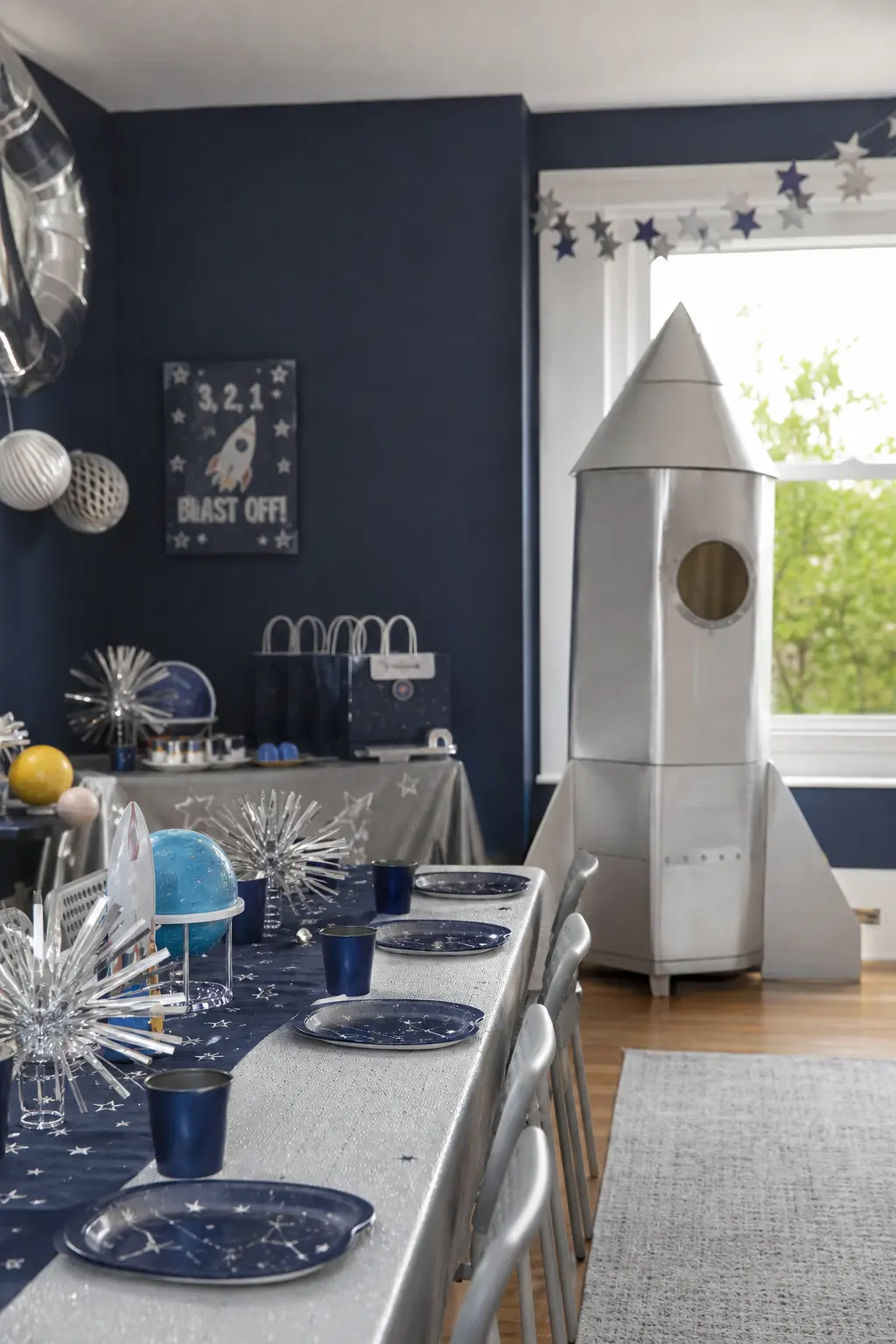
Space Explorer
Palette: navy and silver. Navy tablecloths, silver foil balloons, and one large silver star garland strung across the wall behind the table. The room reads immediately.
The signature prop is a cardboard rocket, large enough for a child to stand beside for a photo. Two large appliance boxes taped and painted silver and white build one in an afternoon. Add a porthole cut from the side.
The considered detail: attach a mission briefing card to each place setting, printed on kraft paper in a monospace font. It names each child an astronaut and lists their mission for the party. It takes ten minutes to write and fifteen to print.
🛍 Shopping guide
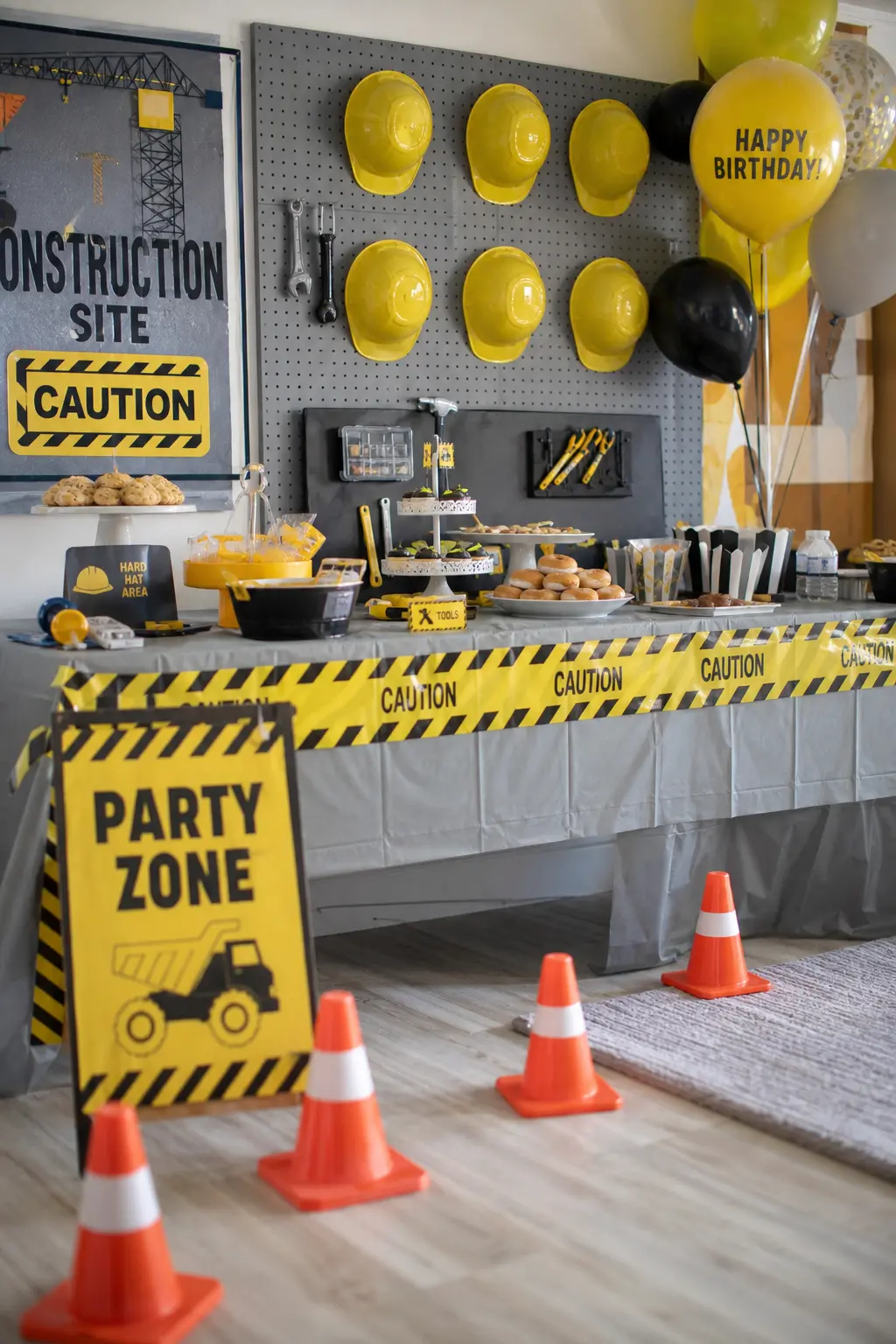
Construction Site
Palette: yellow and grey. Yellow is the natural lead here: use it on balloons, the tablecloth, and the cups. Grey is the neutral that stops it looking like a fast-food restaurant.
The signature prop: a caution-tape perimeter around the snack table. One roll of black-and-yellow barrier tape, two dollar-store traffic cones, and the table looks like a build site rather than a buffet.
The considered detail: every child gets a real hard hat as a party favour. Child-sized hard hats cost very little in bulk and are worn home, which makes them a prop and a favour in one object. Write each child’s name on the brim in black marker.
🛍 Shopping guide
Treasure Map
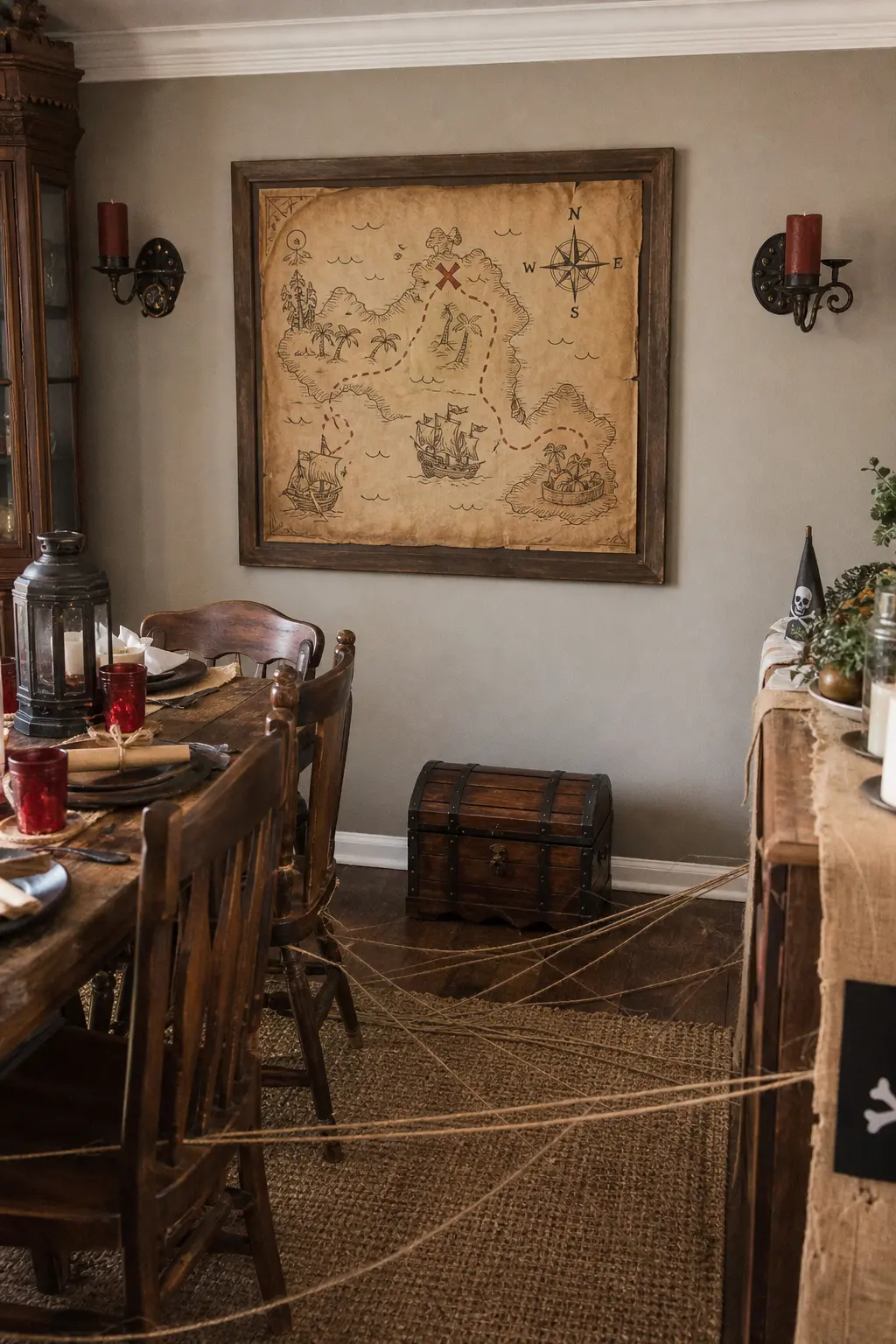
Palette: aged parchment, red, and dark brown. Tea-stained paper and twine are your two visual ingredients. The palette is warm and slightly antiquarian.
The signature prop is the hand-drawn map itself. Draw it on a large sheet of cartridge paper, burn the edges briefly with a lighter for authenticity, and hang it framed or pinned to the wall as the centrepiece. Every other decoration is secondary to that one object.
The considered detail: the map is real. It leads through actual locations in the party space, marked with numbered clues, ending at a small wooden chest with a prize inside. The map is not decorative. It works.
🛍 Shopping guide
Dinosaur Egg Hunt
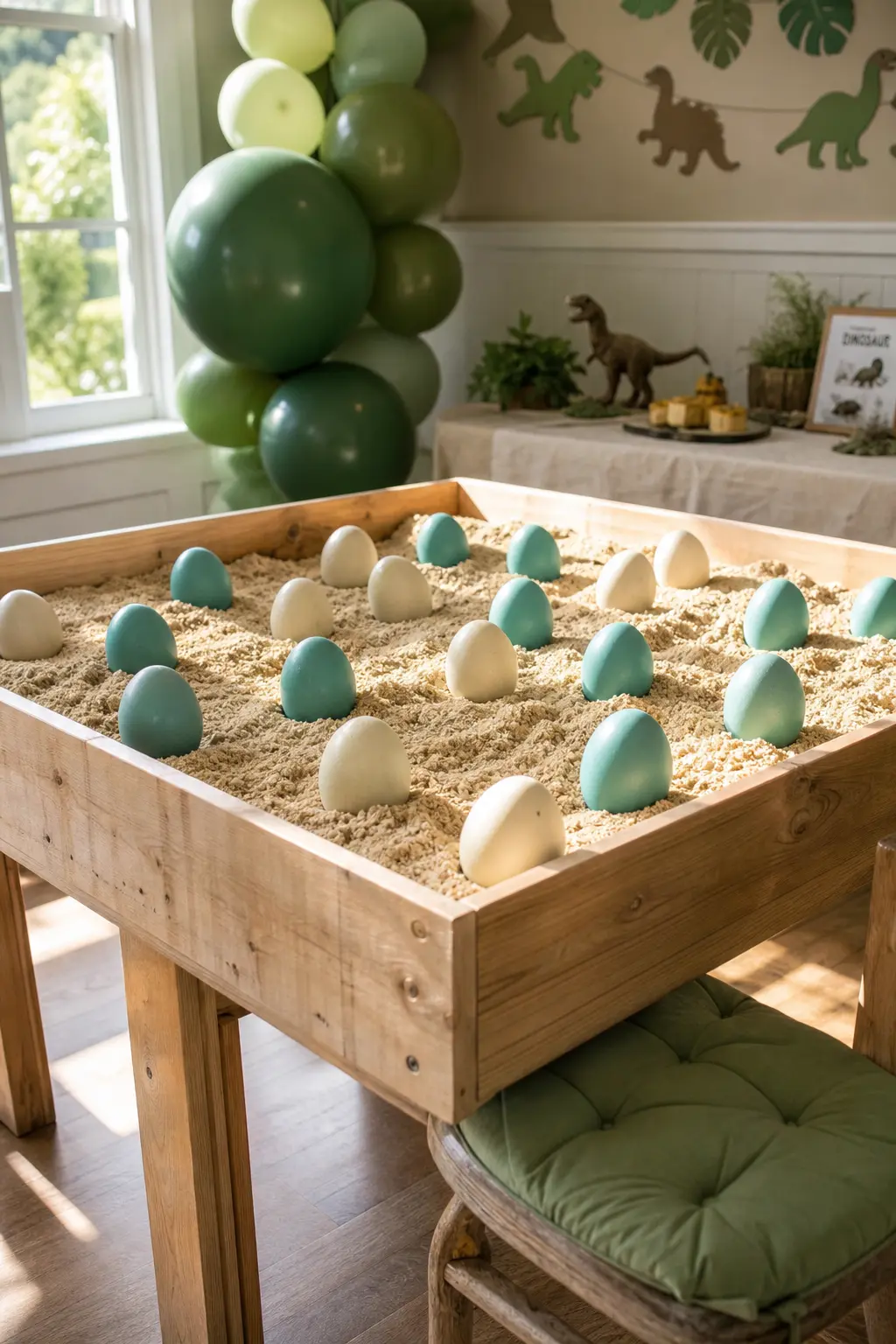
Palette: olive, sand, and a pop of teal from the egg colours. The egg colours tie the palette together: choose plastic fillable eggs in teal and sand rather than the Easter pastel standard.
The signature prop is the egg display before the hunt: all eggs arranged in a low tray of sand on the table, visible when guests arrive, so anticipation builds before the hunt begins. The tray is the centrepiece.
The considered detail: each egg contains a small rubber or plastic dinosaur figure, not sweets. Children open the eggs at the table after the hunt and compare which dinosaurs they found. It extends the activity by ten minutes and means the favour is a dinosaur toy, not sugar.
🛍 Shopping guide
Mountain Explorer
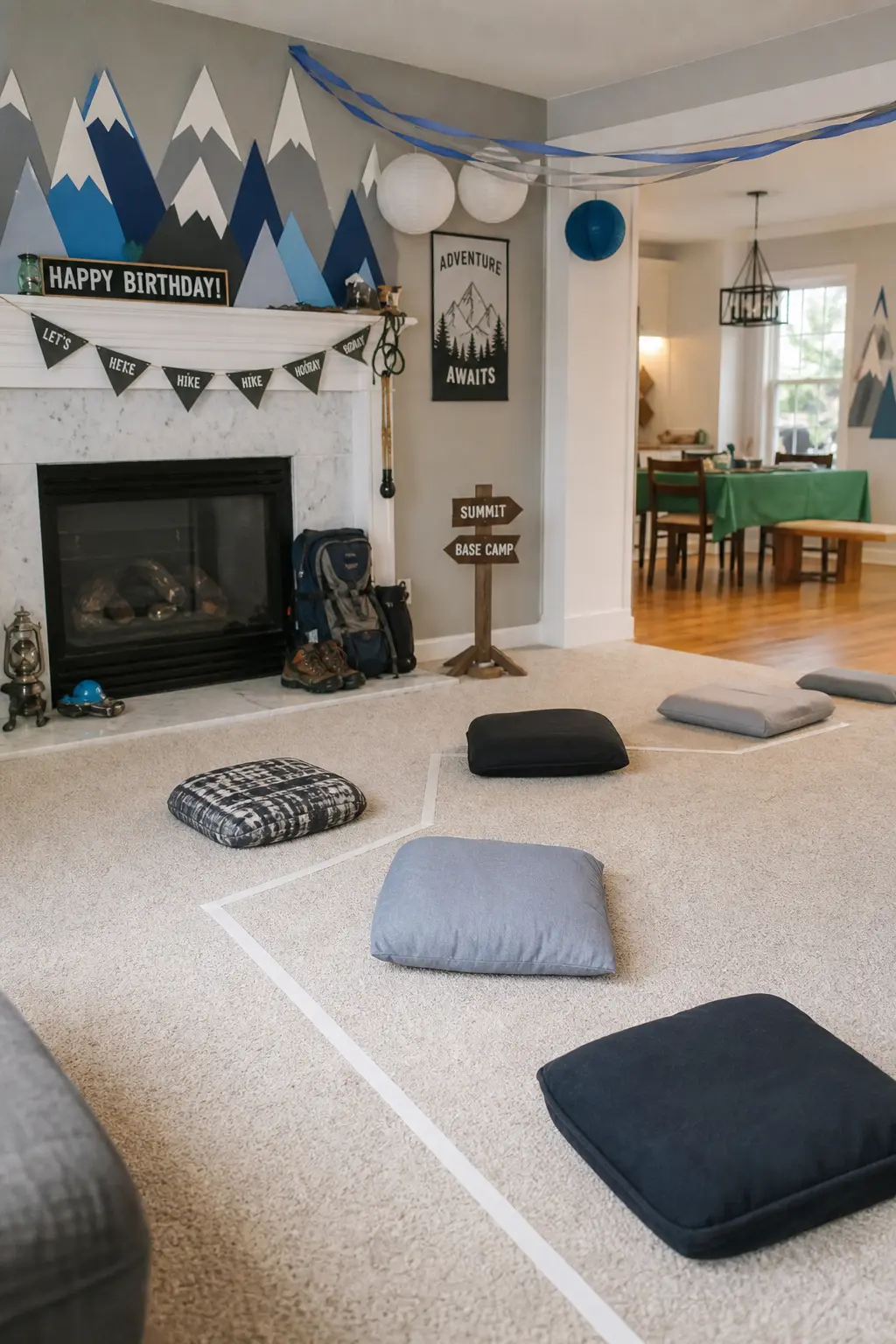
Palette: slate blue, stone grey, and forest green. Cool, outdoorsy, and slightly Nordic. It works with what you already own: grey throws, green plants, a blue tablecloth.
The signature prop is the obstacle course: a series of physical stations labelled as mountain terrain. “The Boulder Field” is a set of cushions to step across. “The Ridge” is a balance beam of taped floor line. “Base Camp” is the table. The labelling turns ordinary objects into a landscape.
The considered detail: give each child an explorer’s log at the start: a folded card with spaces to tick off each obstacle as they complete it. They carry it through the course and it doubles as a keepsake. Print ten minutes, fold five.
🛍 Shopping guide
Science and Discovery Themes
Science themes photograph beautifully because the props are inherently interesting objects. Glass jars, test tubes, magnifying glasses, maps of weather systems: all of them read as considered when grouped by colour rather than scattered. The palette here is cooler, brighter, and more graphic than the adventure group.
Weather Scientist
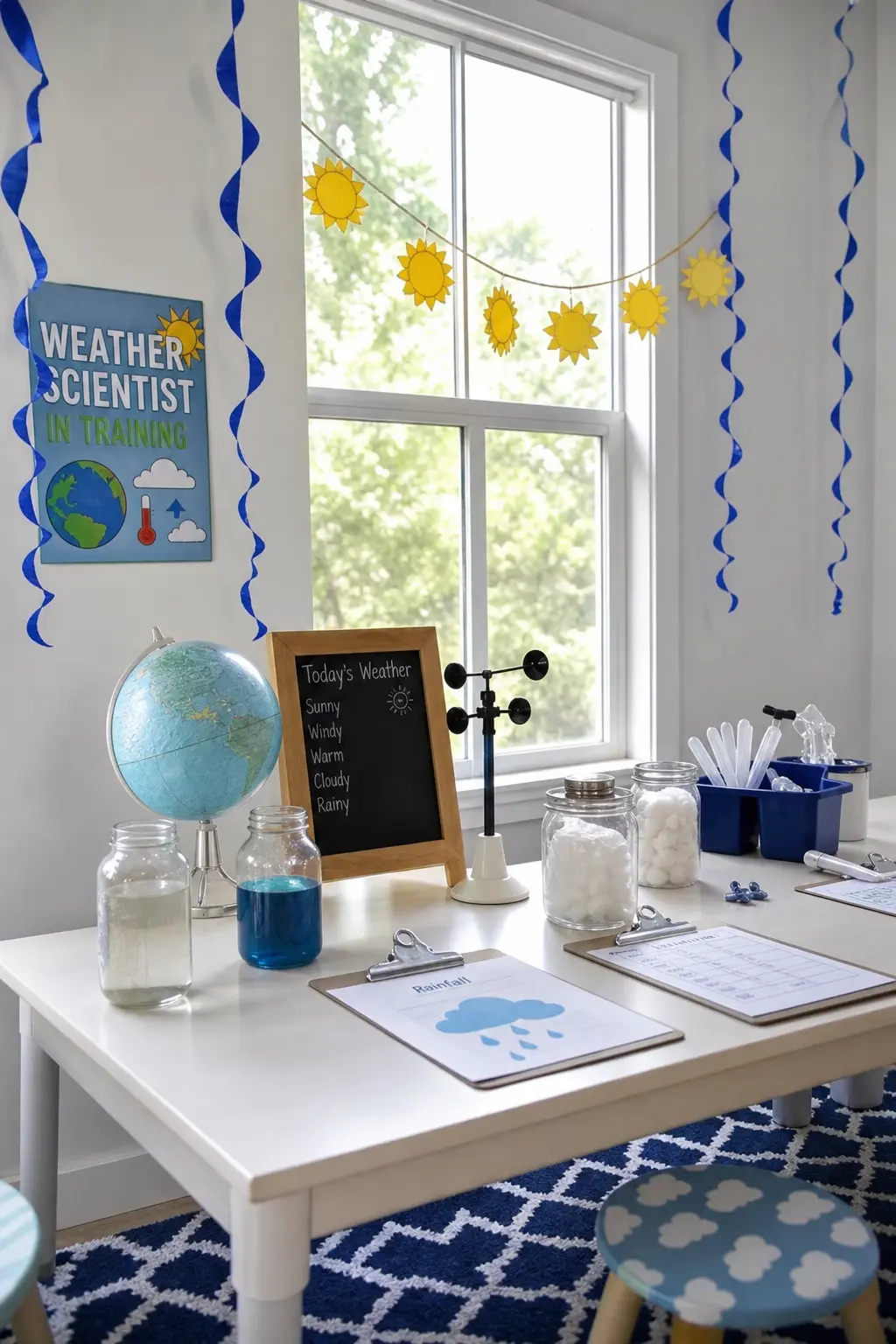
Palette: sky blue, white, and yellow. Think cumulus clouds and sunshine rather than laboratory. It photographs light and cheerful, which is rare in science themes.
The signature prop is a weather station table: anemometer, a rain gauge, a simple barometer, and printed weather-chart sheets for children to fill in. Buy the instruments cheaply online or make them from card and pins.
The considered detail: frame the party as a real meteorology course. Print each child a certificate naming them a Junior Weather Scientist at the end. It takes one template and five minutes to personalise per child.
🛍 Shopping guide
Inventor’s Workshop
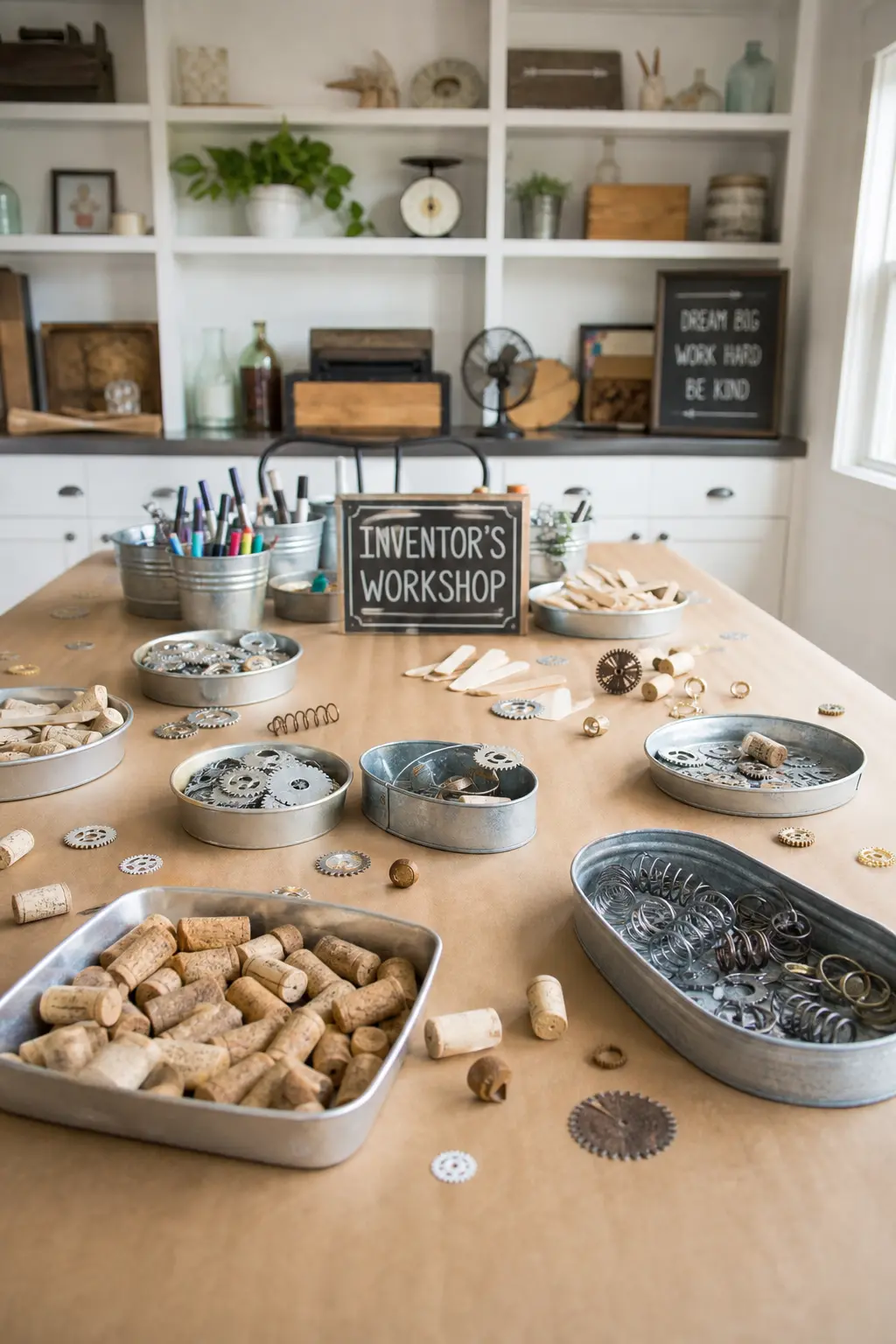
Palette: silver, red, and white. Industrial but not cold. Red accents on safety goggles, white lab coats, silver tool trays.
The signature prop is a parts-and-pieces tray at each place: small gears, corks, craft sticks, wire, cardboard tubes, and a hot-glue gun station (adult-operated) at the end. Children build a “gadget” from the components. The tray itself is the prop.
The considered detail: give each gadget a label at the end. Prepare a roll of blank white sticker labels and a set of pens. Children name and describe their invention. The gadget goes home as the favour, labelled.
🛍 Shopping guide
Detective Mystery
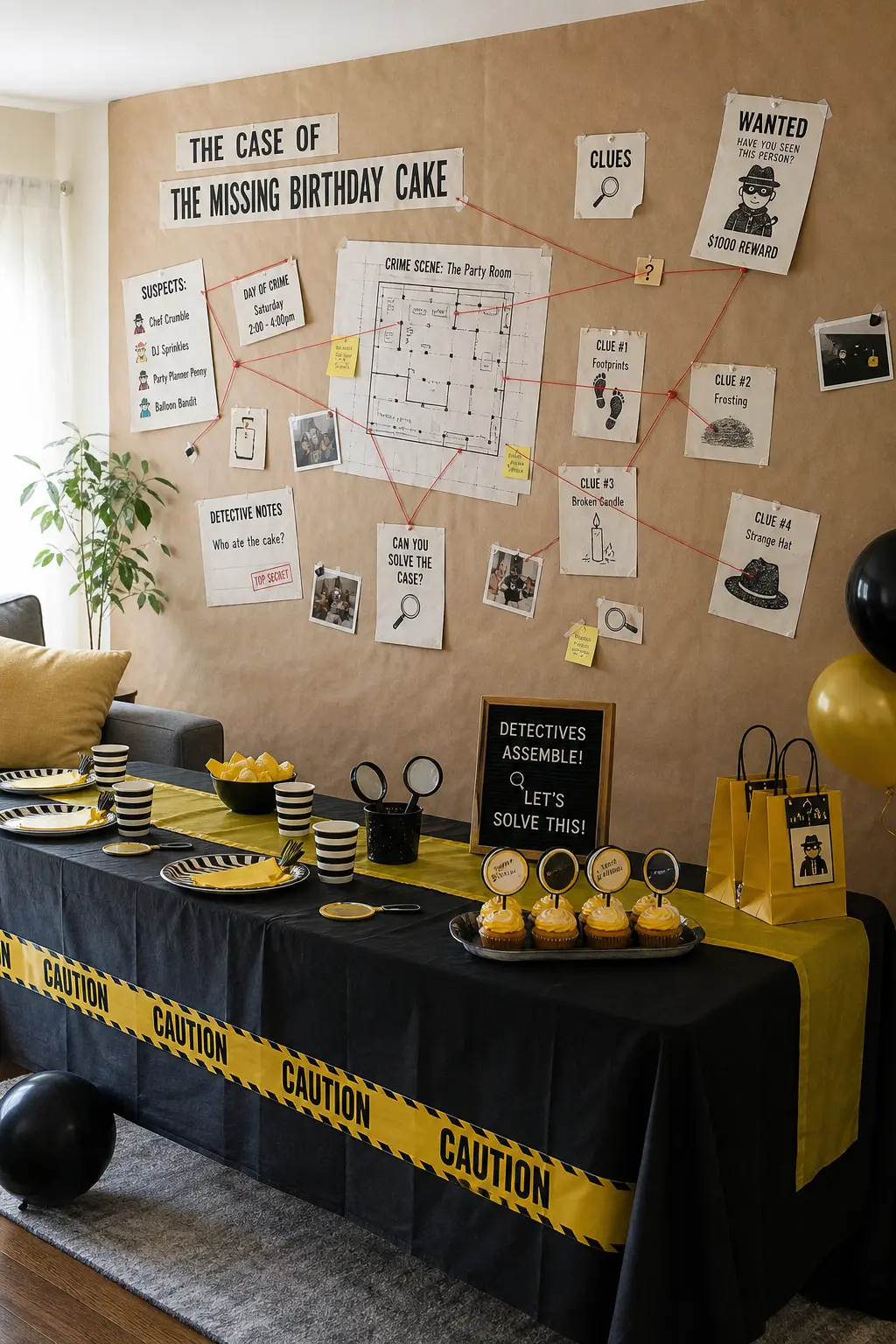
Palette: black, white, and caution yellow. A newspaper-print tablecloth (printable or bought), black balloons, yellow evidence-tape strips. Graphic and grown-up-looking without being gloomy.
The signature prop is the evidence wall: a corkboard or a length of brown kraft paper pinned to the wall, strung with red twine connecting printed clue cards and “suspect” drawings (fictional, not of any actual person).
The considered detail: write the clue trail yourself, using real rooms or corners of your party space. Each clue is a short riddle on a notecard. The trail is twenty minutes long and ends at the cake table. It gives the party a beginning, middle, and end without a formal schedule.
🛍 Shopping guide
Robot
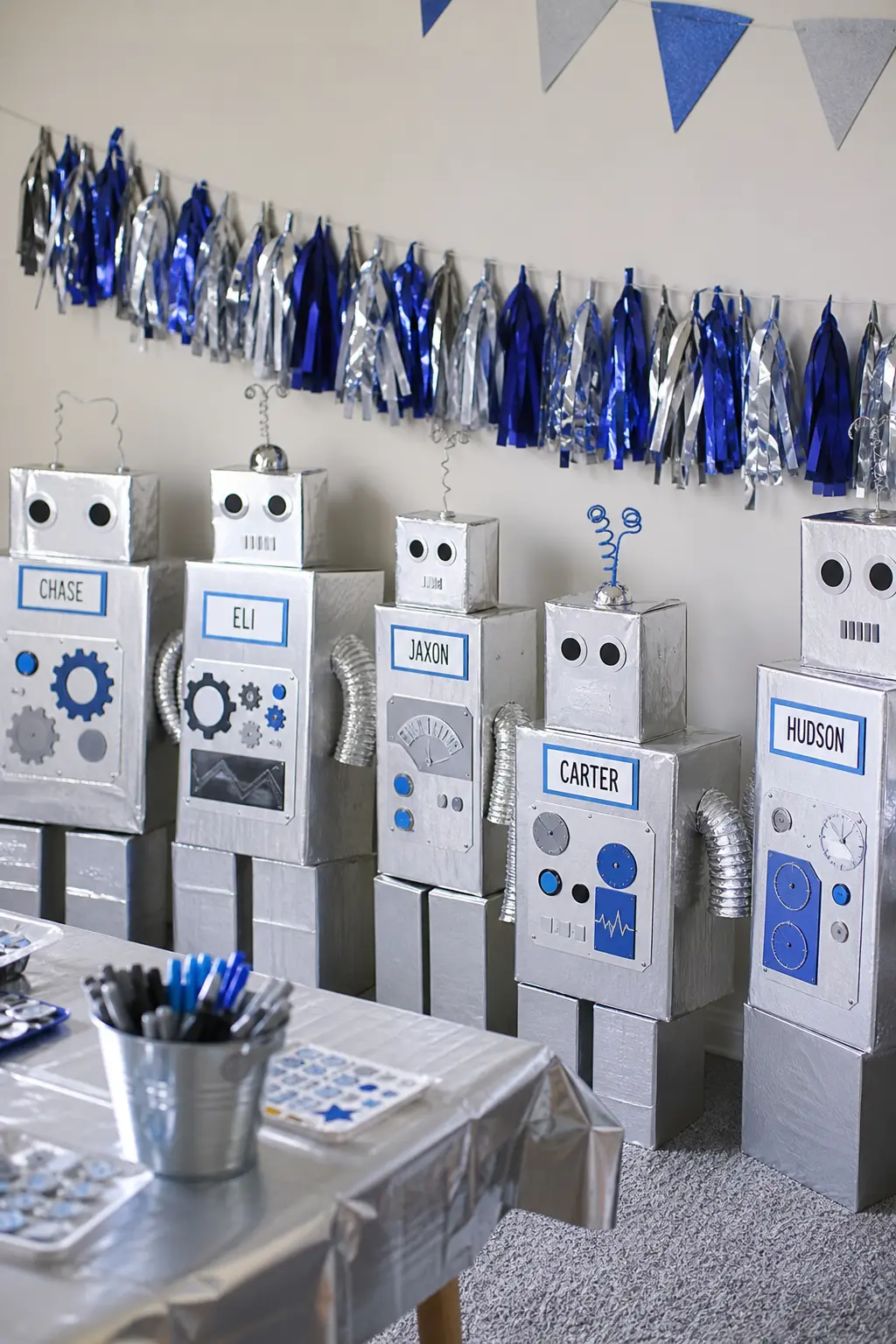
Palette: silver and electric blue. Metallic as the dominant finish: silver foil balloons, a silver mylar tablecloth, blue as the accent on cups and napkins.
The signature prop is a cardboard-box robot costume for each child. Prepare a box per child before the party: cut arm holes, a neck hole, and a face opening, then paint silver and add blue bottle-cap “buttons”. Children decorate their own robot with stickers and markers on arrival. The costume is also the activity.
The considered detail: set up a “robot charging station” corner with individual boxes labelled with each child’s name. Children return to their station when they need supplies. The naming and the station concept are the two things that make it feel designed.
🛍 Shopping guide
Museum Explorer
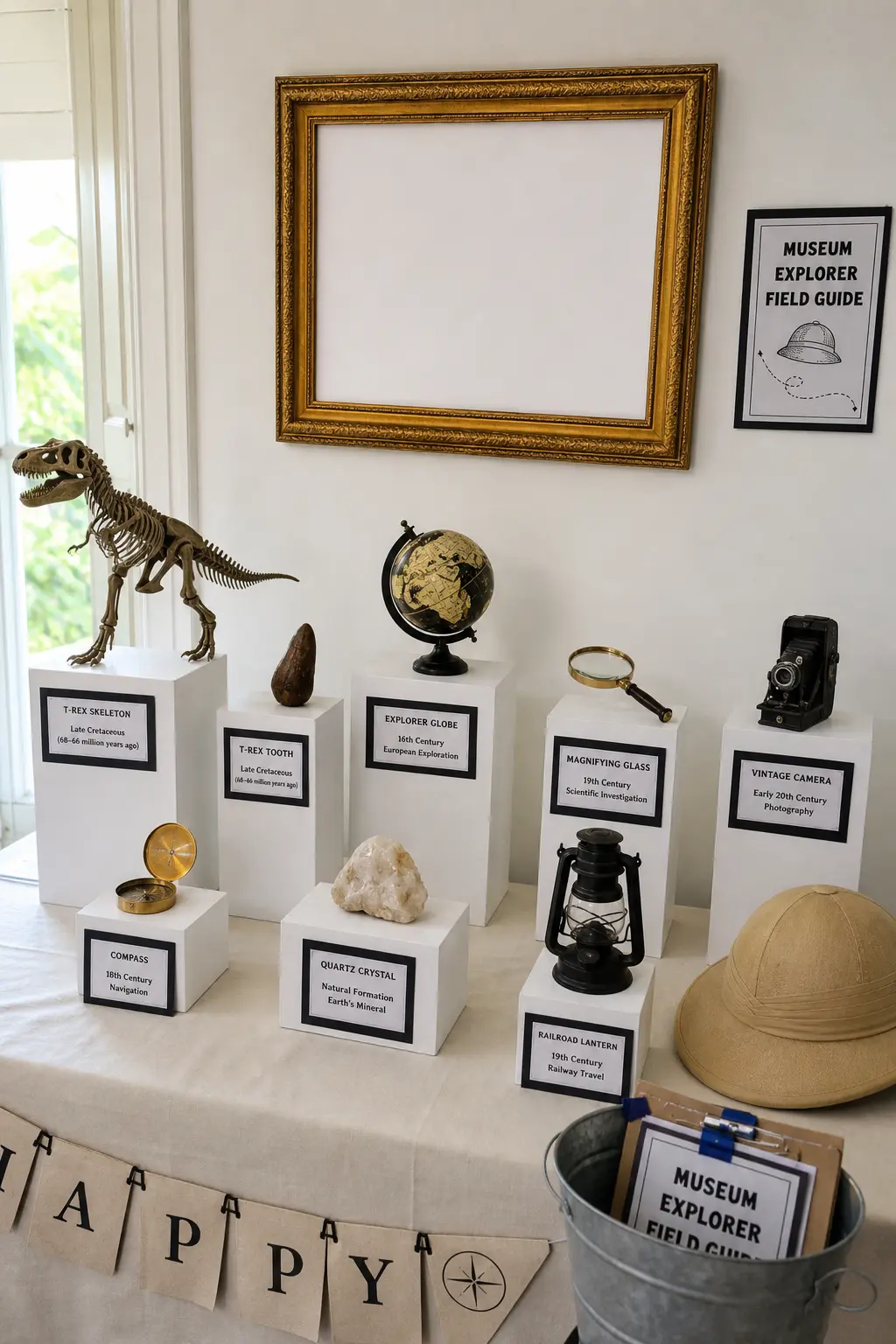
Palette: white, black, and gold. Clean, minimal, institutional in the best sense. White tablecloths, black labels, gold frames. It photographs extremely well because the palette does not compete with the objects on display.
The signature prop is the exhibit table: five to eight objects from around the house, each mounted on a small plinth (an upturned cup or a wooden block) and labelled with a black-on-white museum card. Rocks, shells, toys, fossils, anything interesting. The framing makes them exhibits.
The considered detail: print a scavenger hunt sheet for each child listing descriptions of the objects without naming them. Children find and identify each exhibit. The hunt takes fifteen minutes and requires no adult supervision once the sheets are handed out.
🛍 Shopping guide
Fantasy and Story Themes
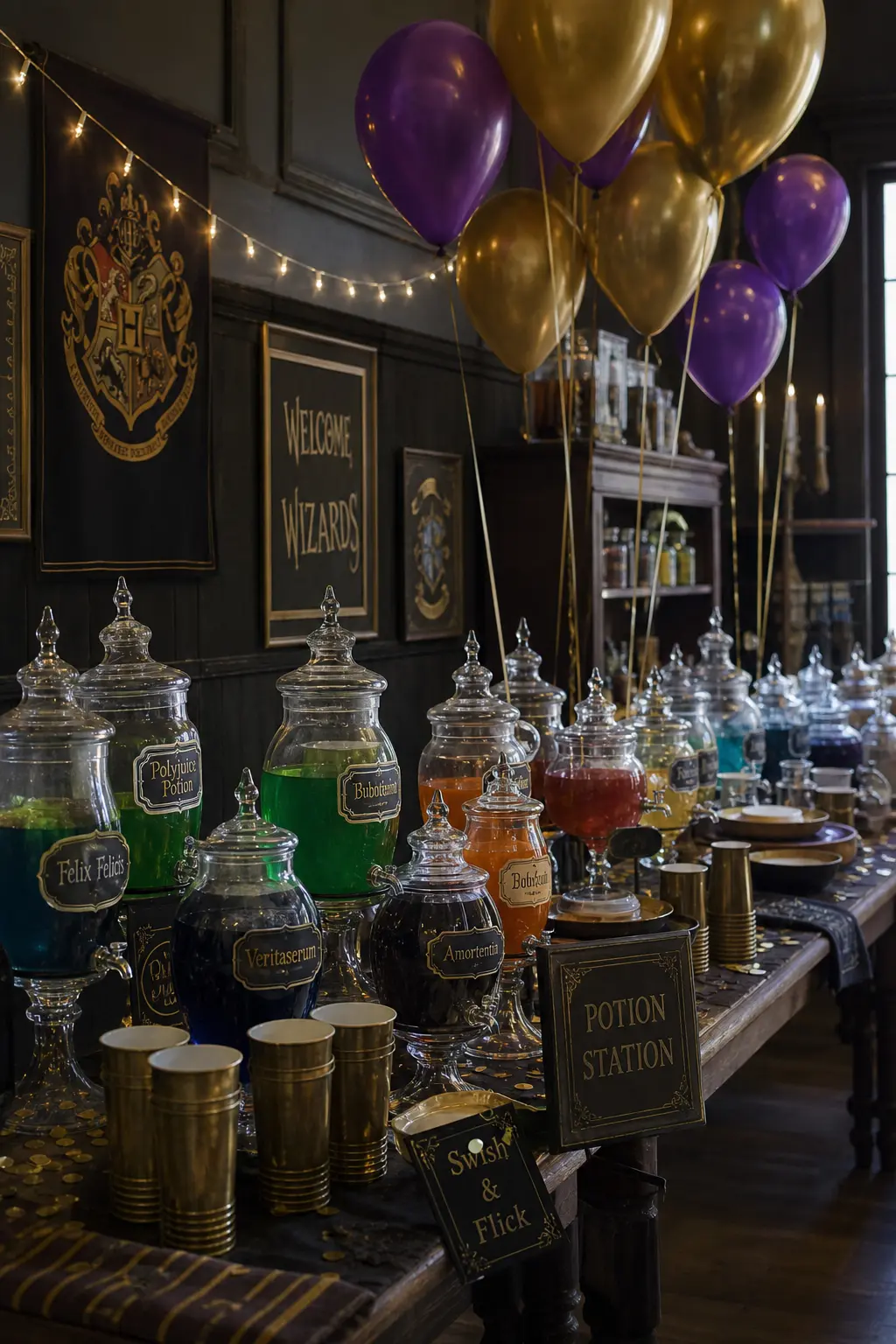
This group pulls from storybook worlds without leaning on any one character. The palettes are richer: burgundy, deep purple, navy, gold. A single large theatrical prop, a castle backdrop or a potions table, does more visual work than a dozen small decorations.
Wizard School
Palette: deep purple and gold. Rich and easy to source: purple and gold foil balloons are a standard range in party shops. Add black as a neutral.
The signature prop is the potions table: glass apothecary jars labelled in gold ink, filled with coloured water, glitter, and small plastic gems. Children combine ingredients in cups at the table. The table looks like a prop and functions as an activity.
The considered detail: the labels on the jars matter. Write them in calligraphy or print them in a gothic serif font on gold-edged label paper. “Dragon’s Tears”, “Moonstone Dust”, “Silver Fern Extract”. The naming is the detail that makes it feel like a world rather than a craft table.
🛍 Shopping guide
Knights and Castles
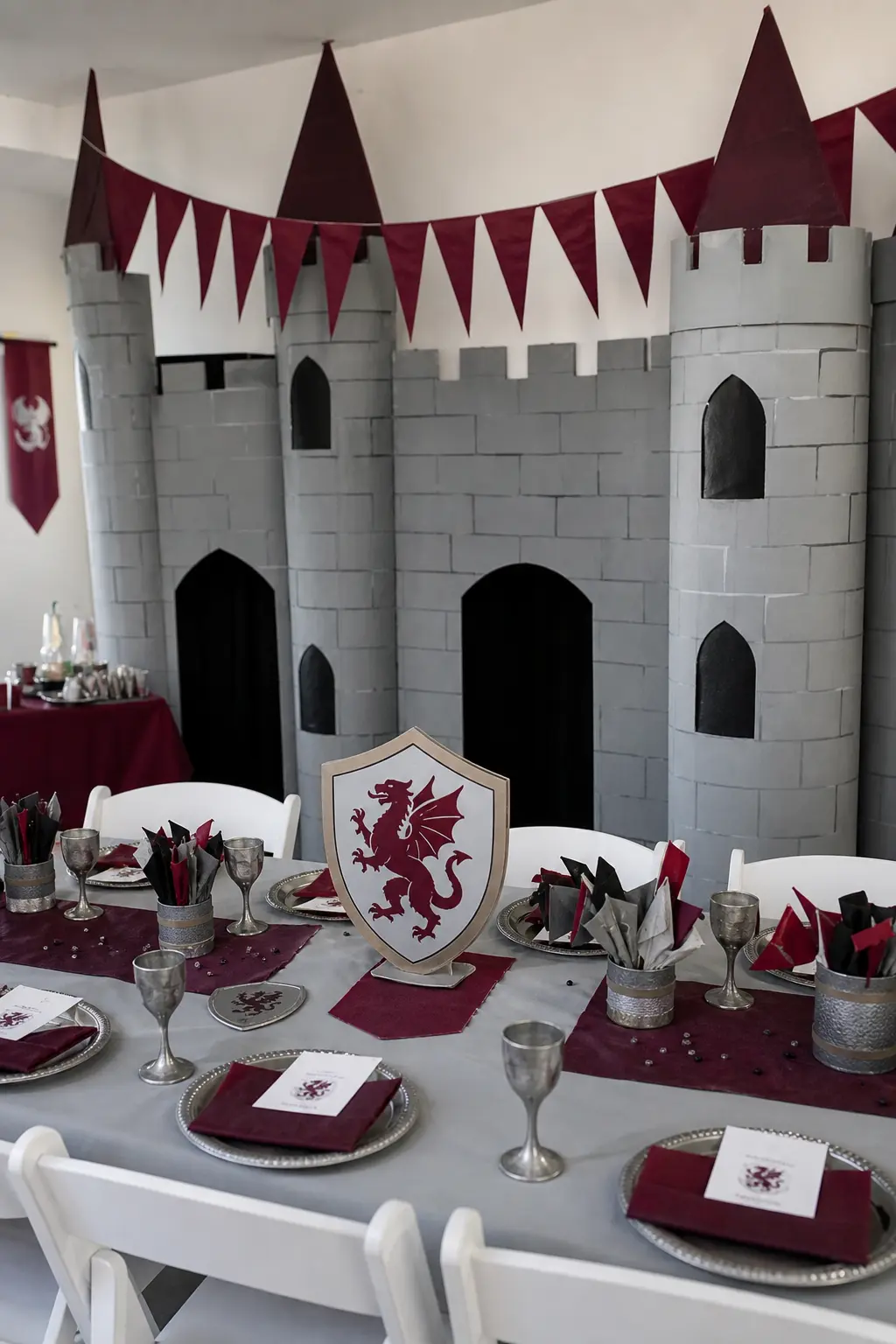
Palette: grey and burgundy. Stone-grey as the base, burgundy as the heraldic accent. It is a combination that looks genuinely medieval without requiring much: a grey tablecloth, burgundy napkins, and one large prop.
The signature prop is a cardboard castle backdrop, built from large boxes and painted grey with black-outlined battlements. It stands against one wall and frames every photograph taken at the party.
The considered detail: make a heraldic crest for the birthday child. One piece of card, hand-drawn or printed, mounted on a shield shape and displayed above the castle. It personalises the generic medieval aesthetic into this specific child’s party.
🛍 Shopping guide
Pirate Ship
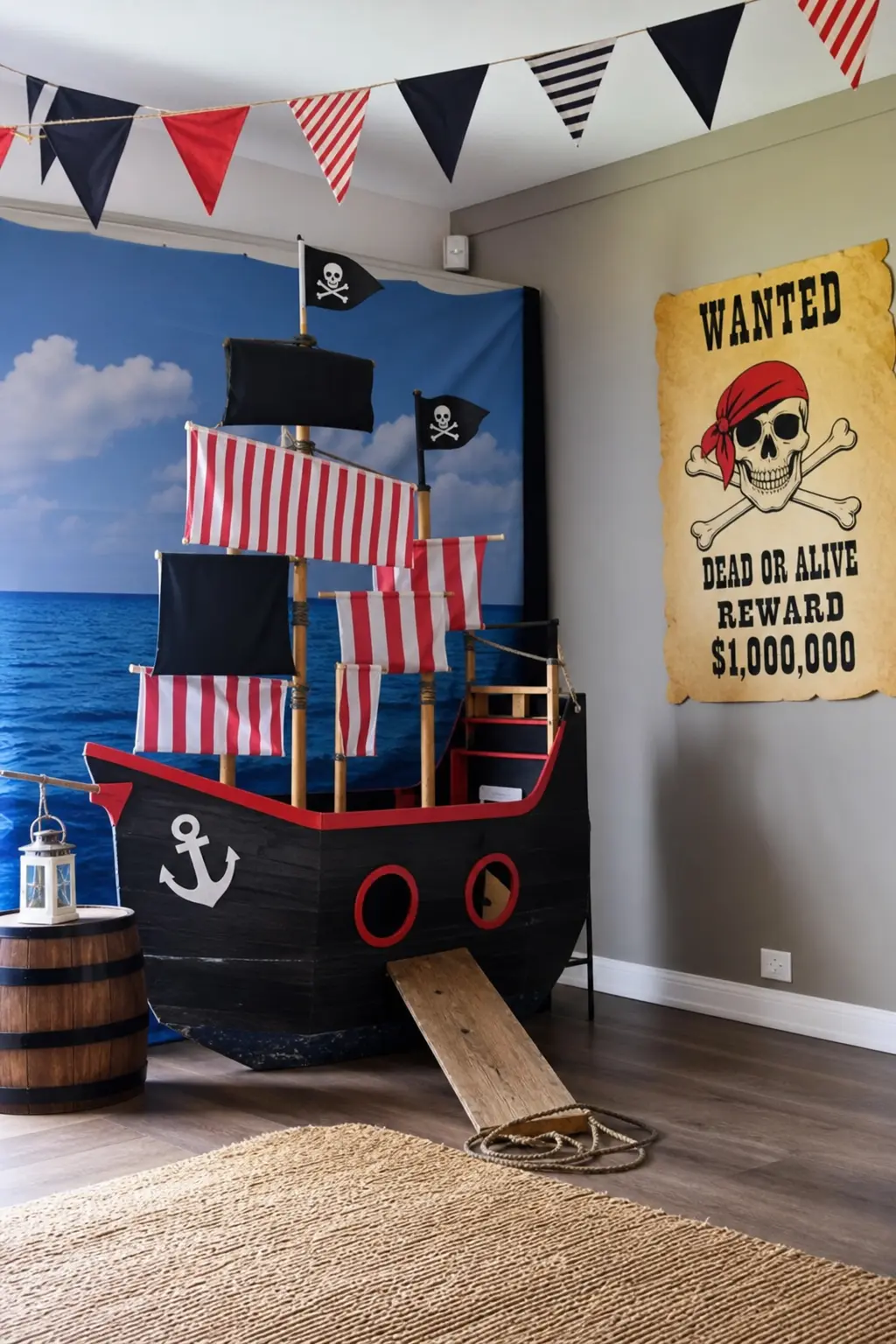
Palette: navy and red. Both colours are strong enough to hold a room without additional props. Use navy as the base on the table and red as the accent in the bunting, balloons, and napkins.
The signature prop is a plank-walk photo moment: a wide wooden plank (or a length of timber from a DIY store) laid on the floor in front of a blue fabric backdrop printed or painted to suggest sea. Every child walks the plank and gets a photo.
The considered detail: a hand-lettered “Wanted” poster for the birthday child, printed large and pinned to the wall. It uses his name, age, and a list of “crimes” (eating all the cake, winning every game) in a period-appropriate font. One hour of prep, maximum.
🛍 Shopping guide
Knight’s Tournament
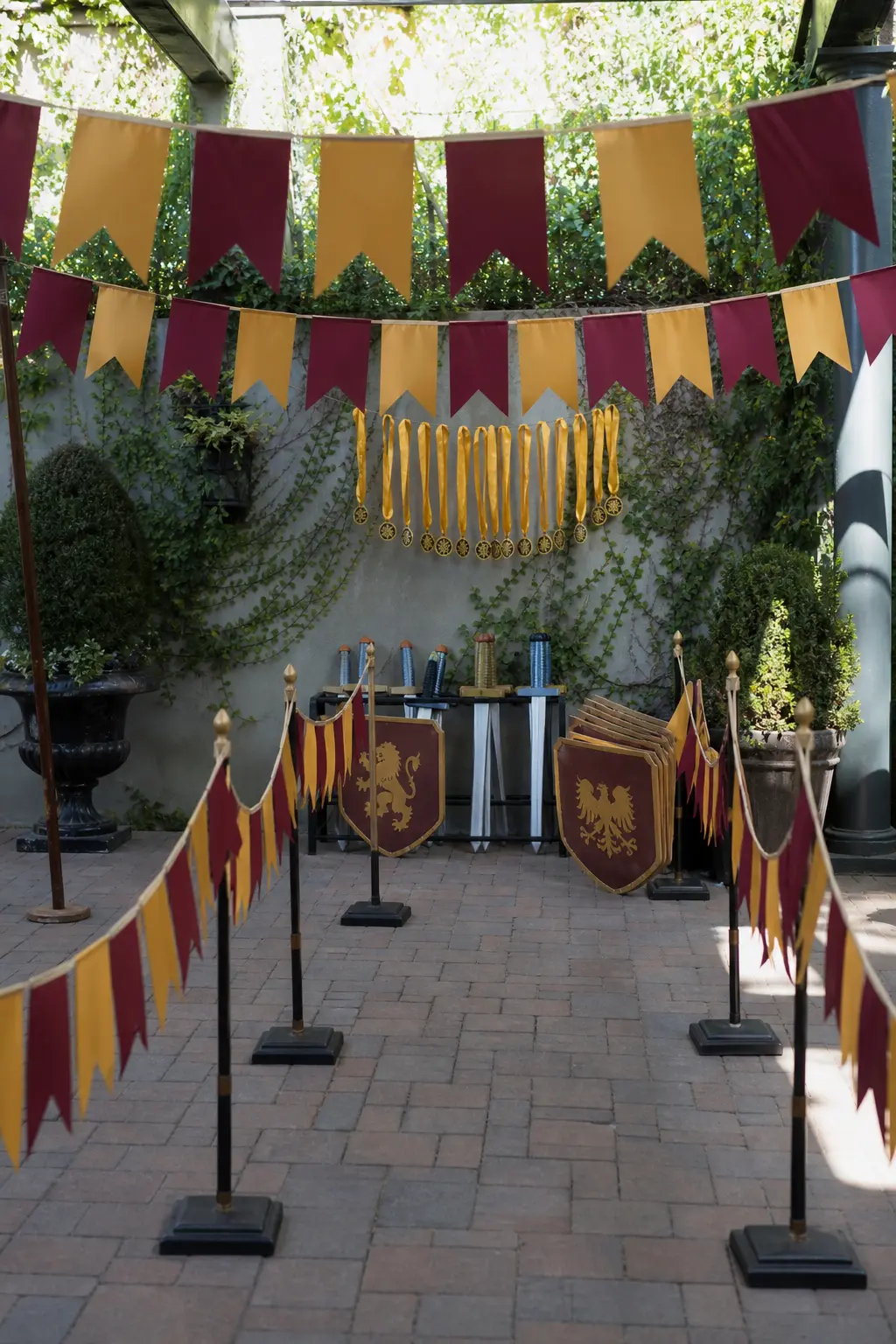
Palette: grey, burgundy, and gold. The tournament version of the knights theme is more active than the castles backdrop version: the focus is on the jousting relay and the foam swords rather than the photo wall.
The signature prop is the jousting lane: two parallel lines of pennant flags in burgundy and gold strung between poles or chair backs, creating a lane through which children run the relay. The lane itself is the prop.
The considered detail: award a tournament favour ribbon to each child at the end with a personalised title. “Sir Oliver, Champion of the Lists”. Print on card and tie with burgundy ribbon. It takes one template and ten minutes for a group of ten children.
🛍 Shopping guide
Vehicles and Speed Themes
Vehicles themes are perennially popular because the colour story is already decided: black and red for race cars, red and navy for trains, navy and silver for rockets. The trick is choosing one prop that is architectural rather than just decorative, so the room has a focal point guests can actually stand in front of.
Race Car
Palette: checkered black and red. A checkered tablecloth is the single most efficient piece of party decor available: it reads as race day immediately, with zero additional decoration required.
The signature prop is a finish-line photo backdrop: a length of black-and-white checkered fabric or paper suspended from a dowel, wide enough for two children to stand under. Add a sign reading “Finish” in bold red type above it.
The considered detail: print personalised race bib numbers for each child and pin them to their shirts at the door. It takes ten minutes to make the template, five to print. The bibs appear in every party photo taken from that point on.
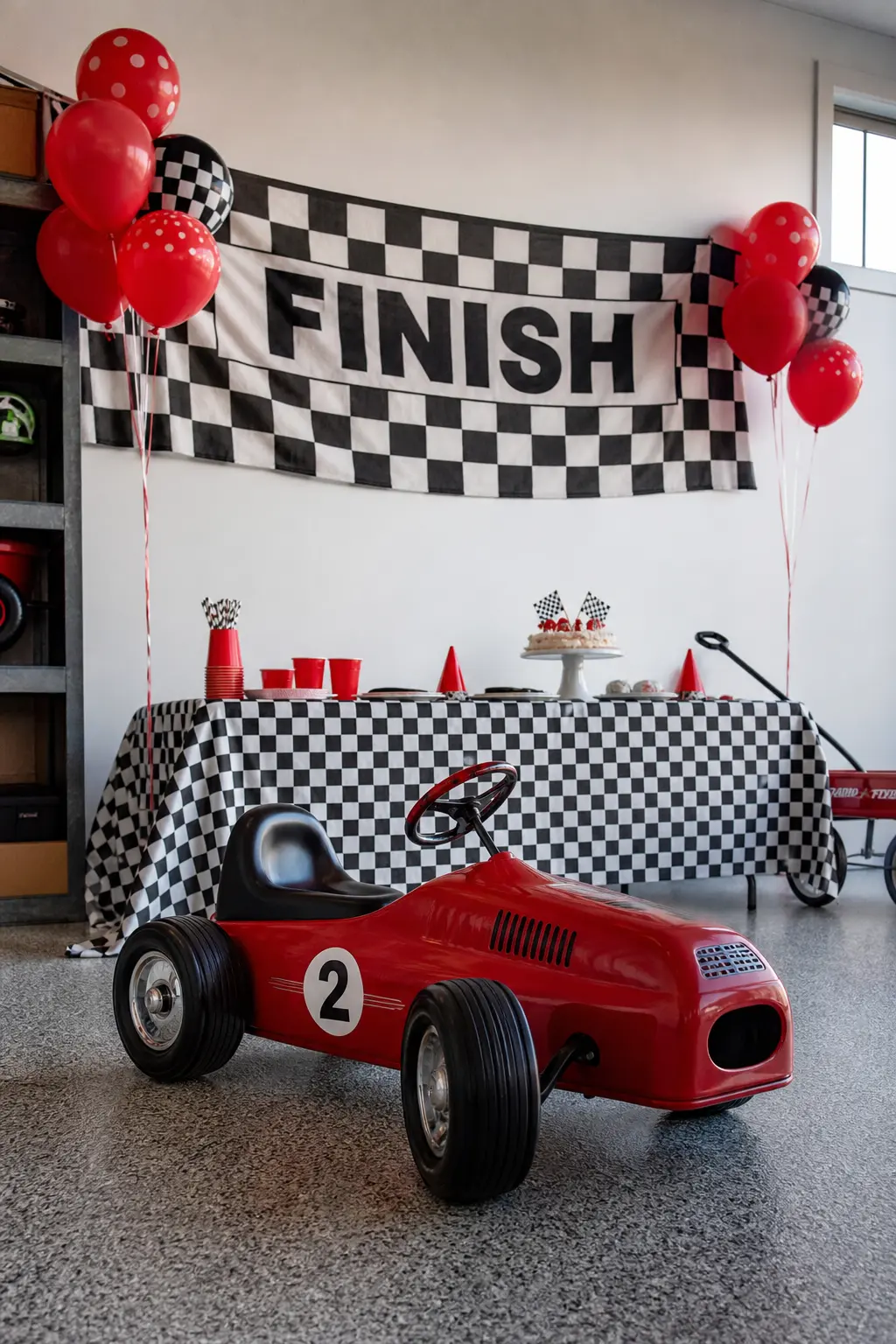
🛍 Shopping guide
Train Conductor
Palette: red and navy. Classic railway colours. They read clearly on a table: a navy cloth, red cups, white plates with a navy stripe around the edge if you can find them.
The signature prop is a cardboard train car photo prop: build one carriage from large boxes, paint it red with navy accents, cut a large rectangular window in the side. Children lean out of the window for photos. It takes an afternoon to build and stores flat.
The considered detail: each child receives a conductor’s cap and a printed ticket at the door. The ticket is their “seat number” at the table. It turns a seating plan into a prop.
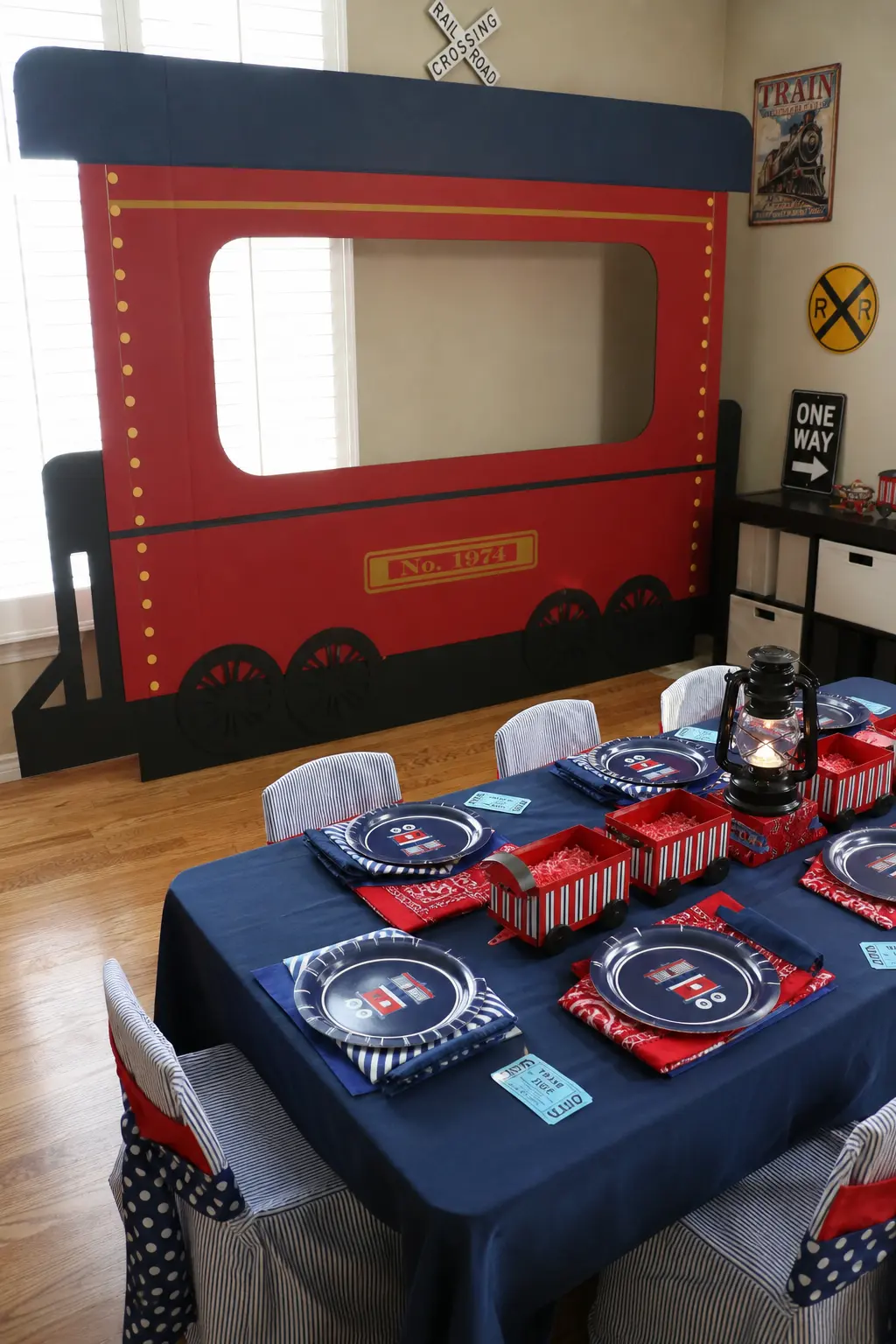
🛍 Shopping guide
Rocket Launch
Palette: white, orange, and sky blue. Lighter and more graphic than the navy space theme. Think Cape Canaveral rather than deep space: bright, technical, optimistic.
The signature prop is the countdown display: a large printed or hand-painted number sequence from 10 to 1 mounted on the wall, revealed one number at a time during a formal countdown moment built into the party schedule. The birthday child does the countdown. Cake follows immediately after zero.
The considered detail: time the countdown to the candles. The ten-second countdown into the cake presentation turns a standard birthday moment into a party set-piece. It costs nothing and requires only a wall space and a printed number strip.
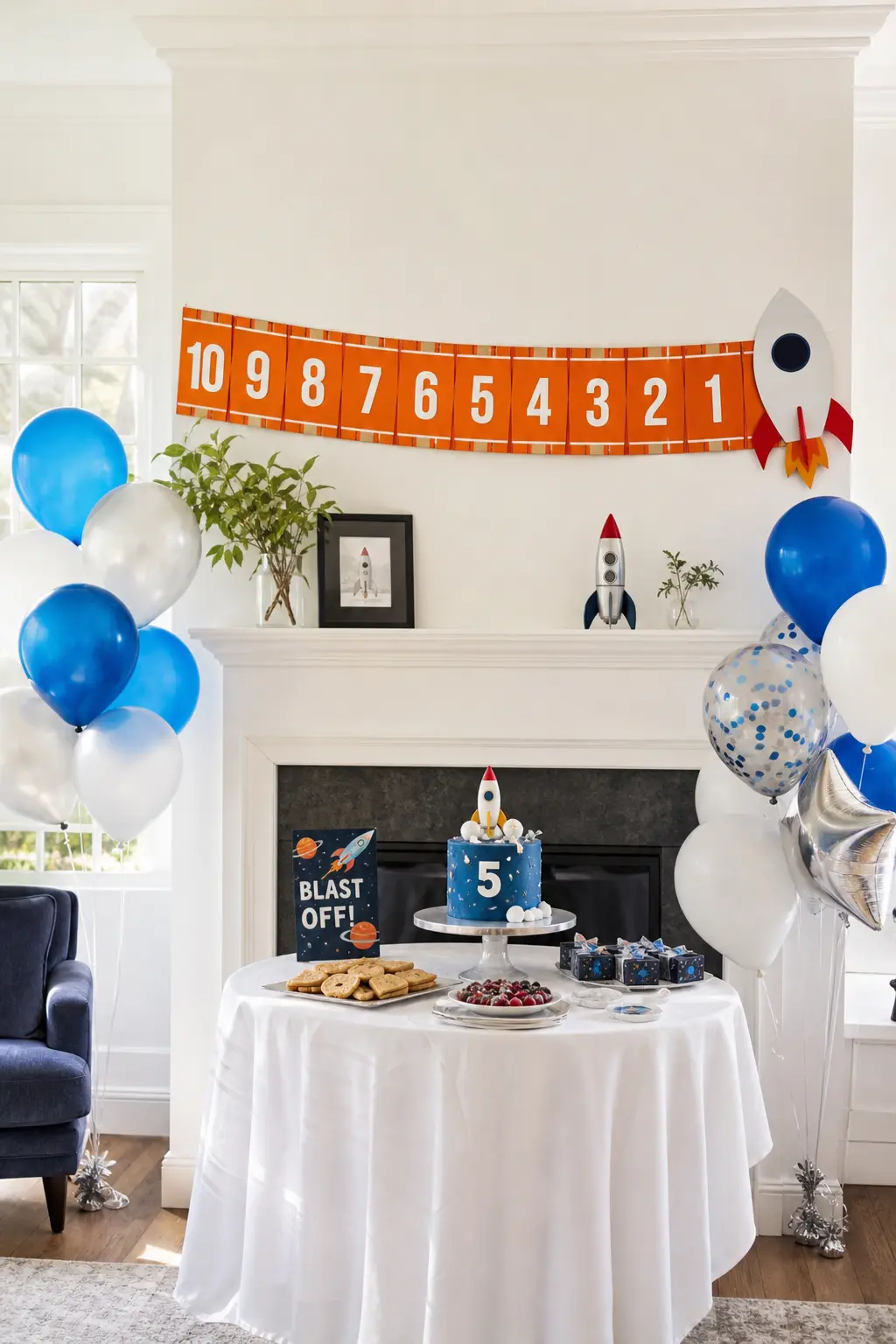
🛍 Shopping guide
Nature and Outdoors Themes
This group works indoors or out. The palettes are warm or green-forward, and the props tend to be things that double as activities, seed packets, binoculars, a felt campfire, so the budget does two jobs at once.
Related: 18 First Birthday Party Themes for Boys That Are Almost Too Cute includes several nature-forward ideas for younger children in this same palette range.
Jungle Safari
Palette: green and khaki. Pair them with natural wood surfaces and woven textures: rattan charger plates if you have them, brown kraft paper as a table runner, large tropical leaves from a florist or a garden as the centrepiece.
The signature prop is a large leaf arch or curtain at the entrance to the party room. Large fake monstera or banana leaves zip-tied to a balloon arch frame create an entrance that signals the theme before any child has seen the table.
The considered detail: binoculars as the party favour. Small plastic binoculars, tied with a tag naming each child a “Junior Safari Ranger”, cost very little and are used during the party before going home. The tag does the personalising work.
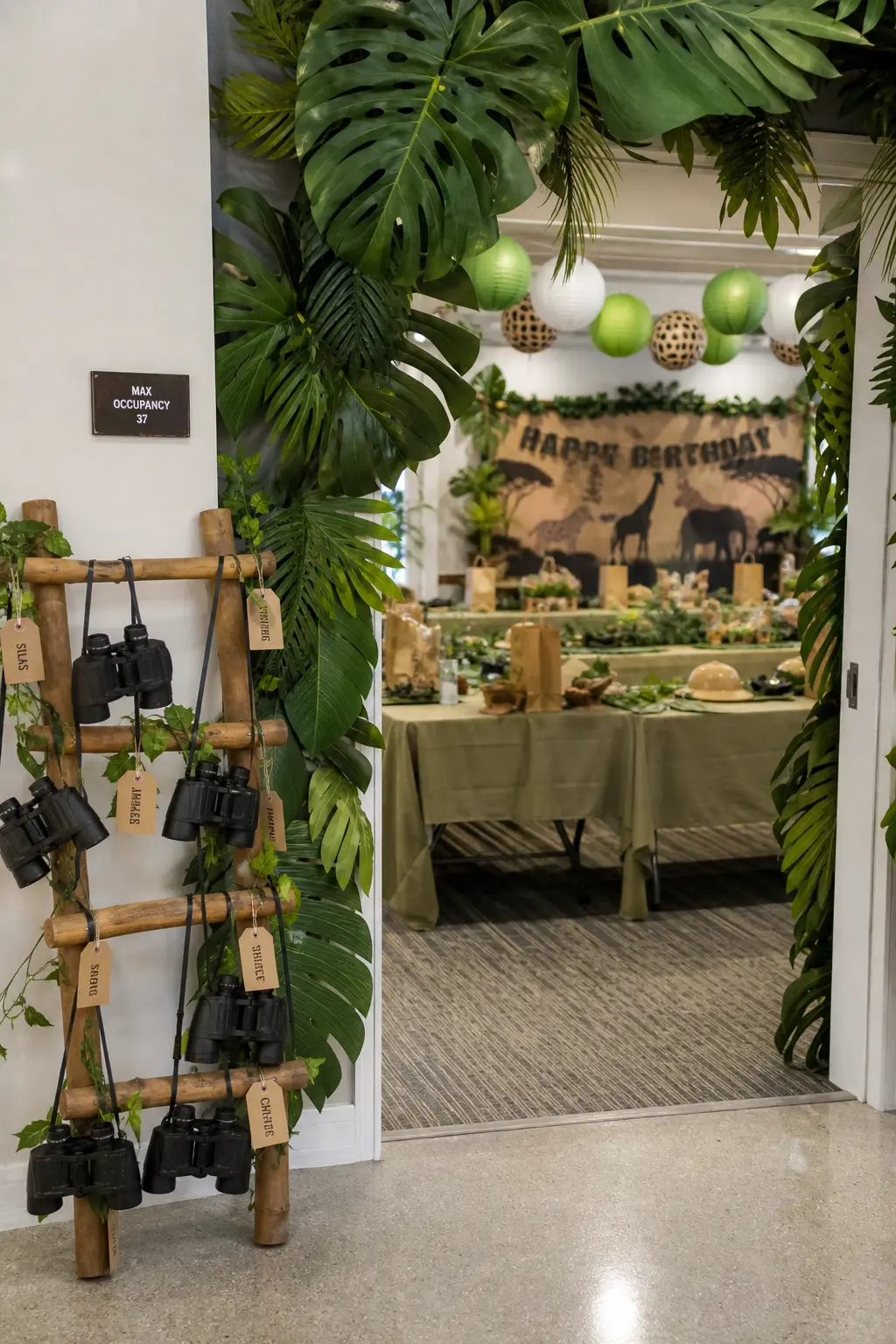
🛍 Shopping guide
Camping and Campfire Indoors
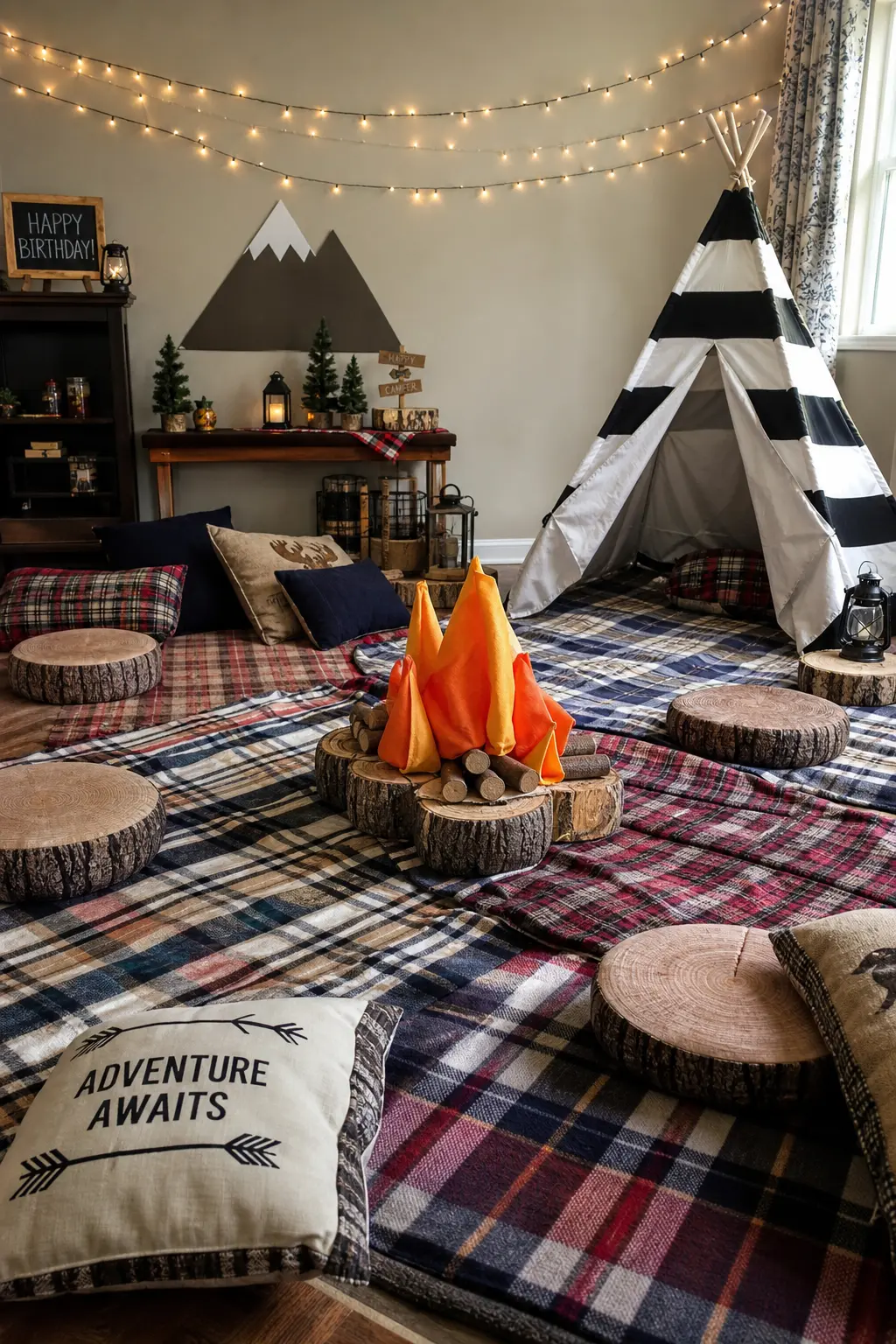
Palette: warm brown, tan, and forest green. Plaid as a pattern: plaid blankets, plaid bunting, plaid napkins. The palette is intentionally cosy and low-effort to source because plaid is everywhere.
The signature prop is a felt campfire centrepiece: an orange and yellow felt flame construction around a bundle of painted wooden logs. It costs under ten dollars to make or buy, and it is the one object that communicates the theme instantly.
The considered detail: set up a low floor area with plaid blankets and cushions beside the campfire. Children sit on the floor around the felt fire rather than at a table. The seating arrangement is the detail that makes the party feel thought through. For more ideas in this direction, see 18 Camping Games for Around the Fire and Before Bed.
🛍 Shopping guide
Garden Explorer
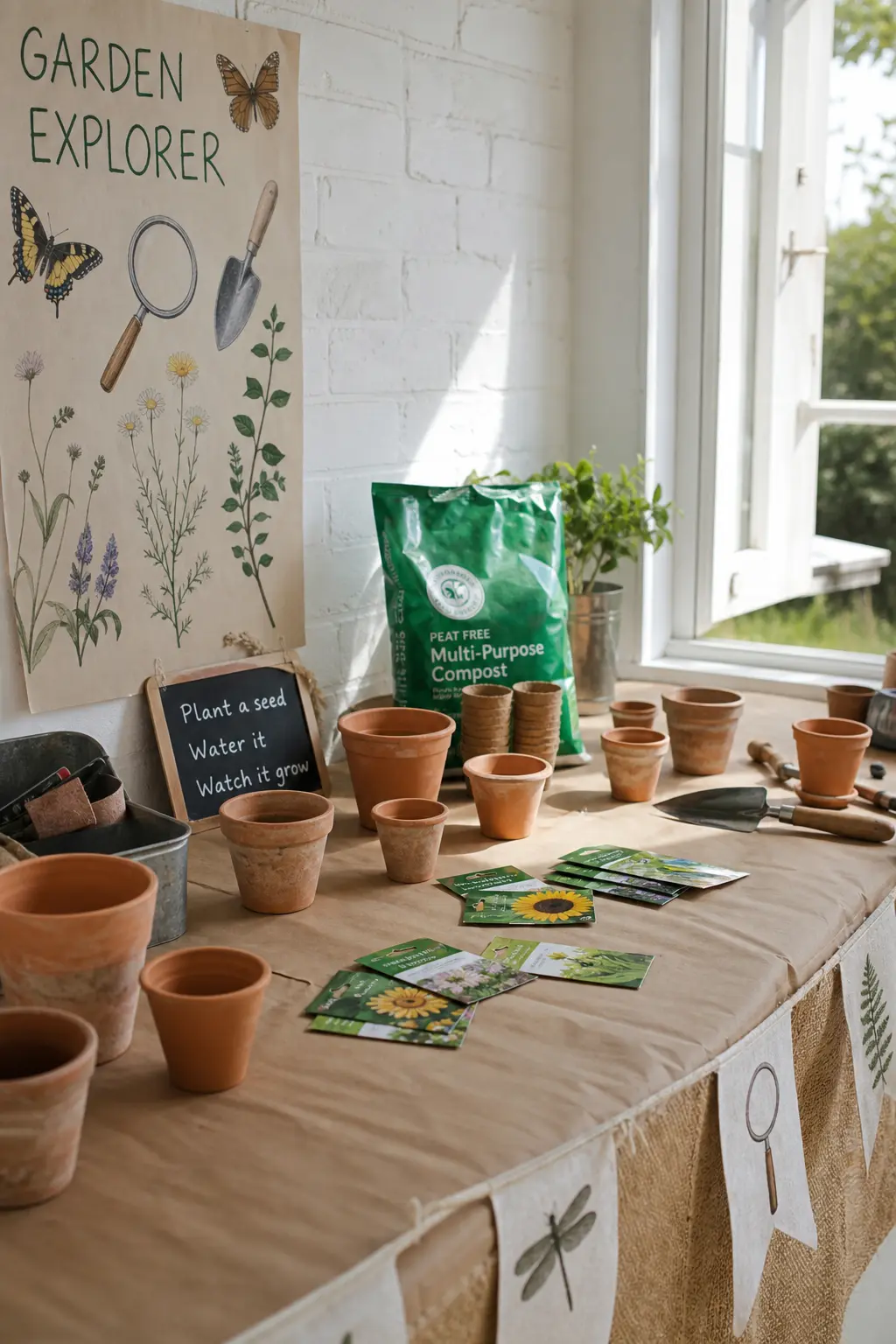
Palette: soft green, terracotta, and white. Terracotta pots as decoration objects, white labels, green and white striped tableware if available.
The signature prop is the planting station: a table set with small terracotta pots, a bag of potting compost, seed packets, and small wooden lollipop sticks for labelling. Each child plants a seed and takes the pot home as their party favour. The activity and the favour are the same object.
The considered detail: pre-stamp each pot with the birthday child’s name and the date using a rubber stamp and ink. It turns a five-pence terracotta pot into a keepsake without any additional cost.
🛍 Shopping guide
Farm
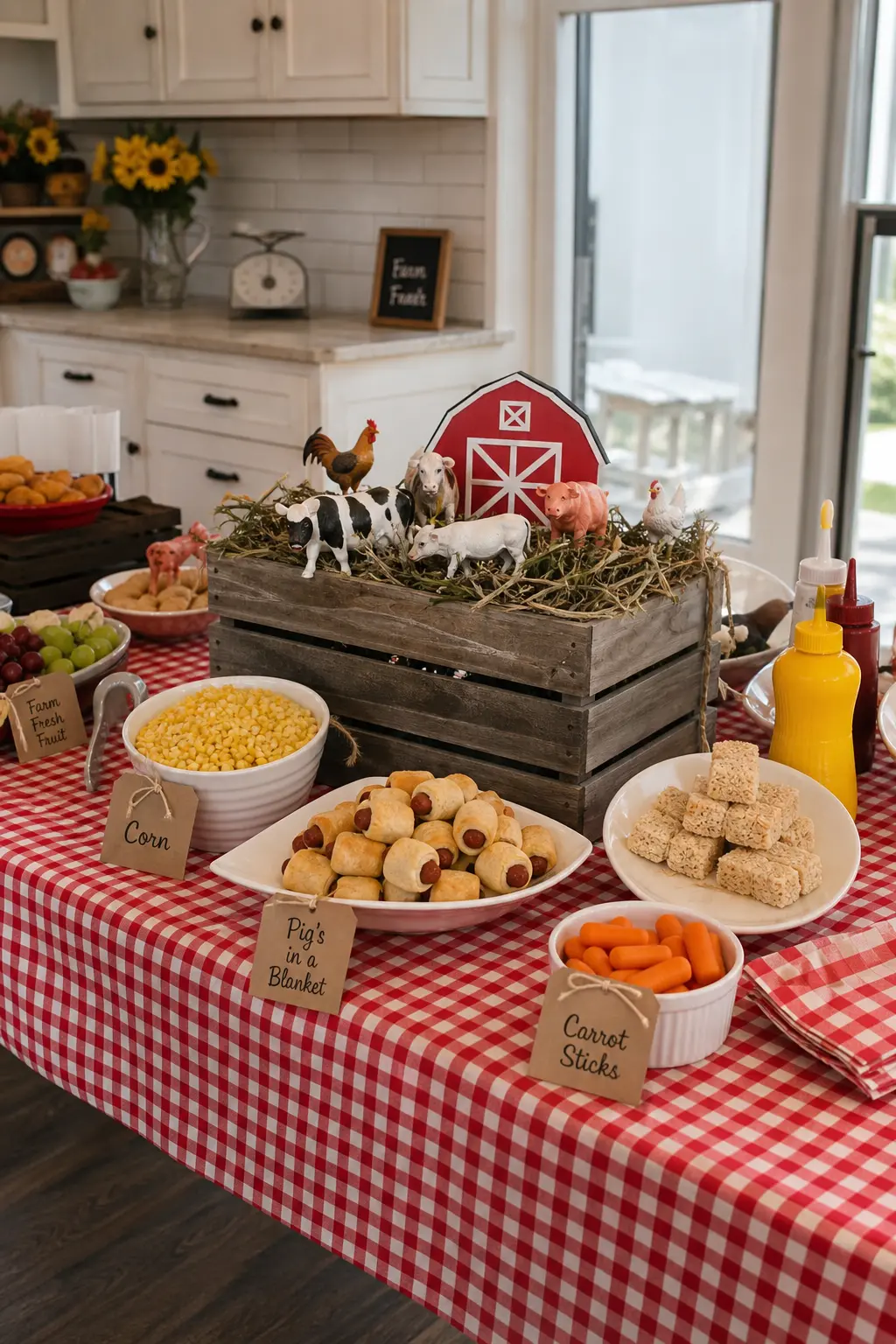
Palette: warm brown, cream, and red. Gingham as the pattern anchor: a red gingham tablecloth and matching bunting are the two most efficient purchases for this theme.
The signature prop is the animal centrepiece: a cluster of toy farm animals arranged in a low wooden crate with straw, or, if you have access to them through a local farm or petting zoo, real small animals in a pen outside. Toy animals cost almost nothing and the arrangement takes five minutes.
The considered detail: label each food item on the table as though it is a farm produce stand. “Farmer Tom’s Tomatoes”, “Fresh from the Barn Popcorn”. Brown kraft tags and string. It is the labelling that makes a spread look curated.
🛍 Shopping guide
Sports and Competition Themes
Sports themes succeed when you commit to one sport and one team colour combination rather than decorating in generic “sports”. A football party in your son’s team colours, a specific medal ribbon colour, a printed roster board: those three choices make it his party, not a display from the party-supplies aisle.
Superhero Training Camp
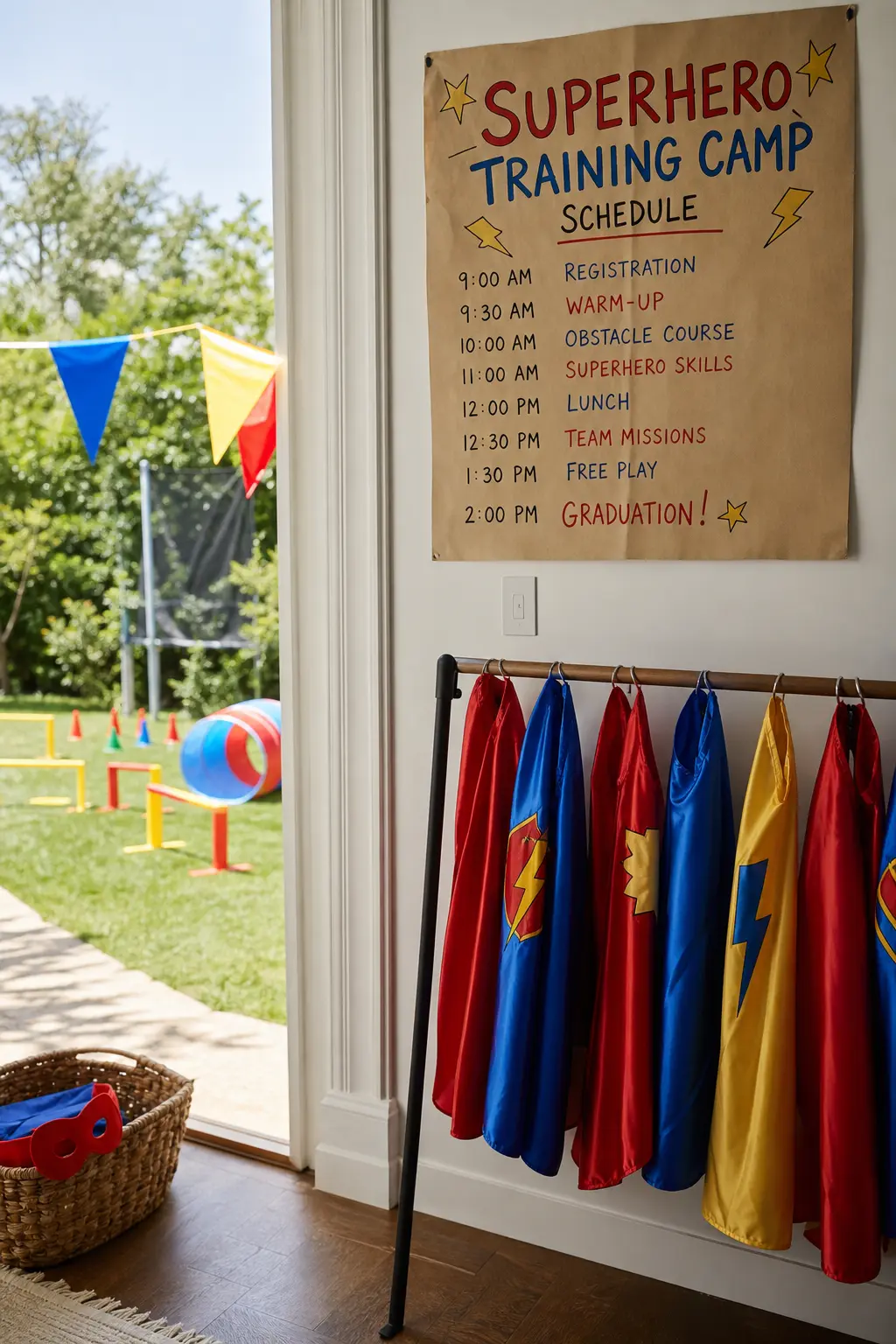
Palette: primary red, blue, and yellow. Keep it palette-led rather than character-led: avoid any single hero’s colours and instead use the three primary colours together so the look is generic-hero rather than licensed.
The signature prop is a cape station at the door: a rail of plain satin capes in red, blue, and yellow that children choose and wear for the party. They go home as the favour. The cape station is the first thing guests see.
The considered detail: a training course mapped on a large sheet of paper pinned to the wall, with each station named (“Speed Test”, “Strength Trial”, “Agility Course”) and ticked off as children complete it. It organises the party’s energy without adult-led instruction at every step.
🛍 Shopping guide
Football or Sports
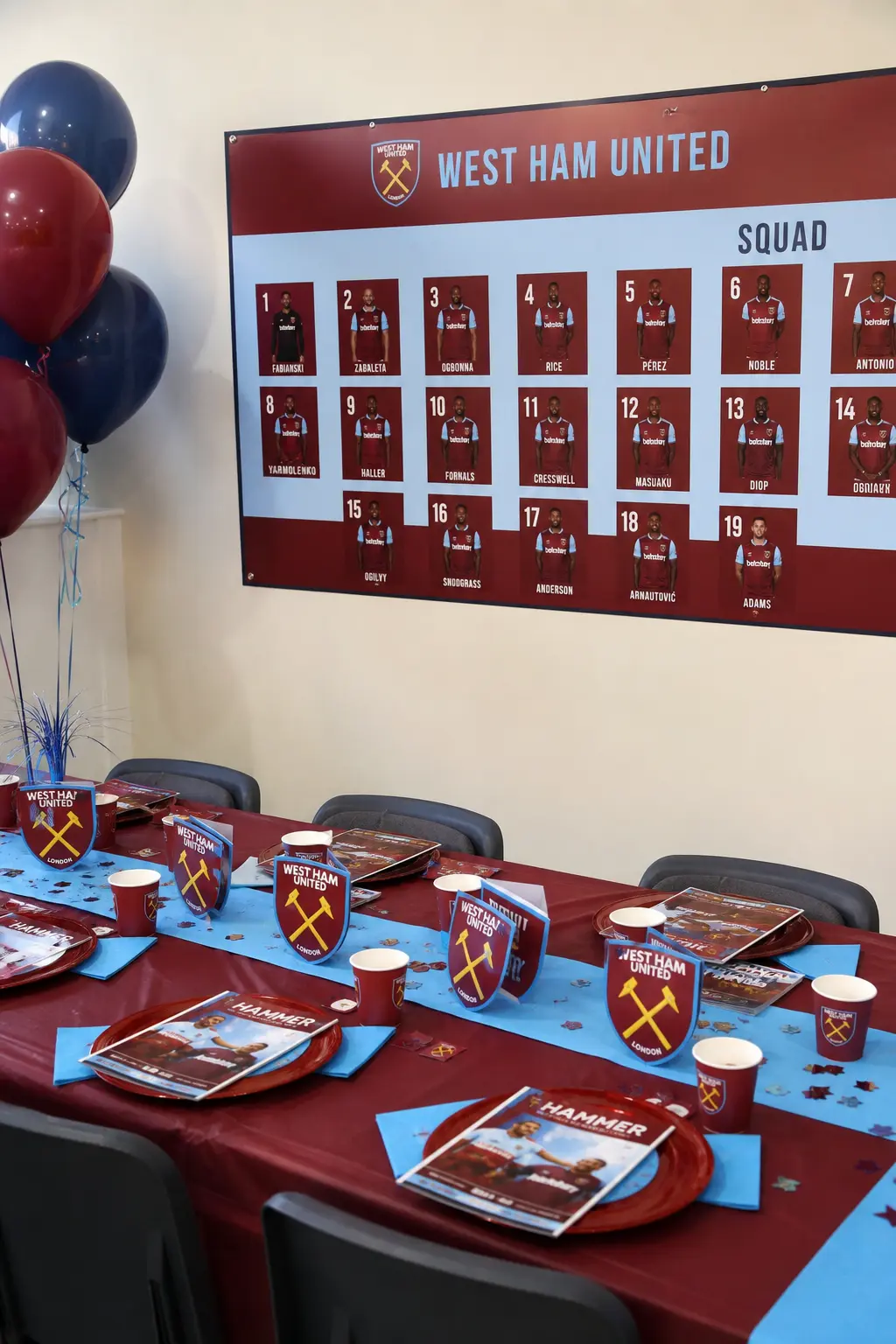
Palette: the child’s actual team colours. This is the instruction. Do not use a generic sports palette: use the exact two colours of the team he supports and the room immediately becomes personal.
The signature prop is a printed roster board: a large sheet naming all party guests as members of a team, with a squad photo space left blank for a group photo to be printed and mailed after the party. It hangs on the wall and functions as both decor and activity.
The considered detail: print a match programme for the party. Two pages, folded in half. Inside: the guest list as a squad sheet, the afternoon’s schedule as a fixture list, and a profile of the birthday child as the star player. It takes thirty minutes to make and is the first thing every parent photographs.
🛍 Shopping guide
boy birthday party themes: How to Use This List
Every theme above follows the same logic: name the palette first, then source the one large prop, then add the single considered detail. That order matters. Buying the detail before you have the palette produces a table of mismatched things that do not read as a look.
For more theme starting points across age groups and guest lists, browse 14 16 Birthday Party Themes Carried by Three Objects Each, which applies the same three-object principle to older kids. For a party that serves two children at once, the 12 First Birthday Invitation Ideas for a Baby Boy page covers tone and palette for the very youngest, while the cluster links below go further: birthday party themes for adults, girls birthday party themes, combined birthday party sibling themes, twins birthday party themes, and boy 5th birthday party themes.
Pick the palette. Source the prop. Add the one detail. Done.
Frequently Asked Questions
How do I choose a birthday party theme?
Start with the child’s current obsession, then check whether it supports a coherent palette. A theme that gives you two or three colours to work with will always look more considered than a theme that requires specific licensed merchandise. Once you have a palette, choose one large prop that anchors the room, then one small personalised detail. Those three decisions are the whole theme.
What themes work for a mixed age group of children?
Themes built around physical activity or exploration tend to scale across ages because children can participate at their own level. The obstacle course in the Mountain Explorer theme, the fossil dig in the Dinosaur Dig theme, and the clue trail in the Detective Mystery theme all work for a four-year-old and an eight-year-old at the same party. Avoid themes where the main activity requires reading or fine motor skills beyond the youngest guest.
How much does a themed birthday party cost to decorate?
A coherent look costs less than a generic one if you approach it intentionally. A tablecloth, balloons in two colours, and one large handmade prop typically comes to under thirty dollars. The details that make a party look considered, labelled jars, personalised tags, a printed place card, are almost always free to make and cost only the time to print them. The expensive mistake is buying a large number of small mismatched items rather than a small number of intentional ones.
Can siblings share one birthday party theme?
Yes, and it works best when each child has a distinct role within the same world. A dinosaur theme can give one child the role of palaeontologist and another the role of museum curator. A space theme can assign different mission titles. The shared palette holds the room together while the personalised roles make it feel like each child’s party. For more on this approach, see the combined birthday party sibling themes and twins birthday party themes articles.
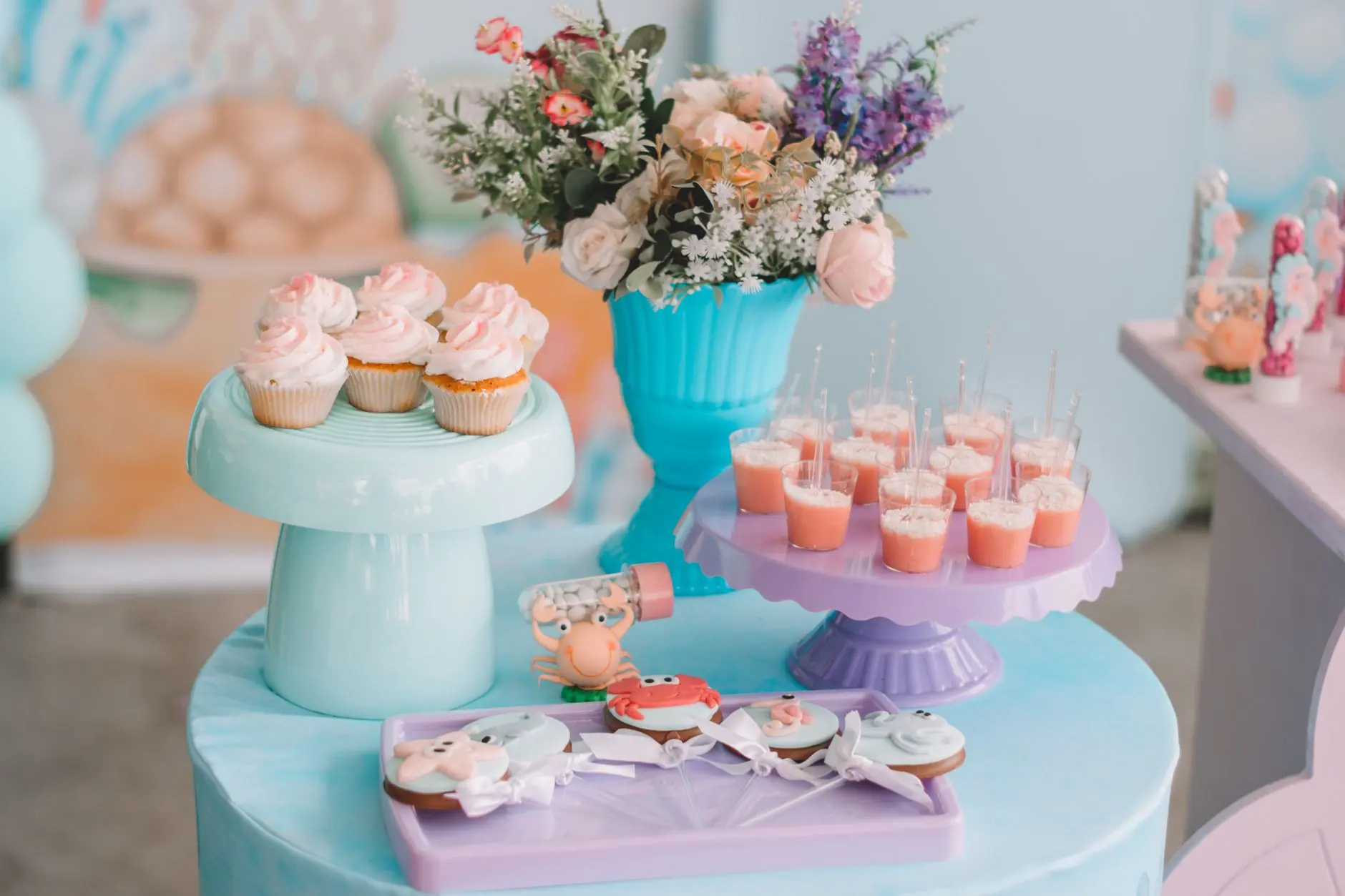
Thirteen additions you can drop into any birthday party already arranged to make the evening actuall
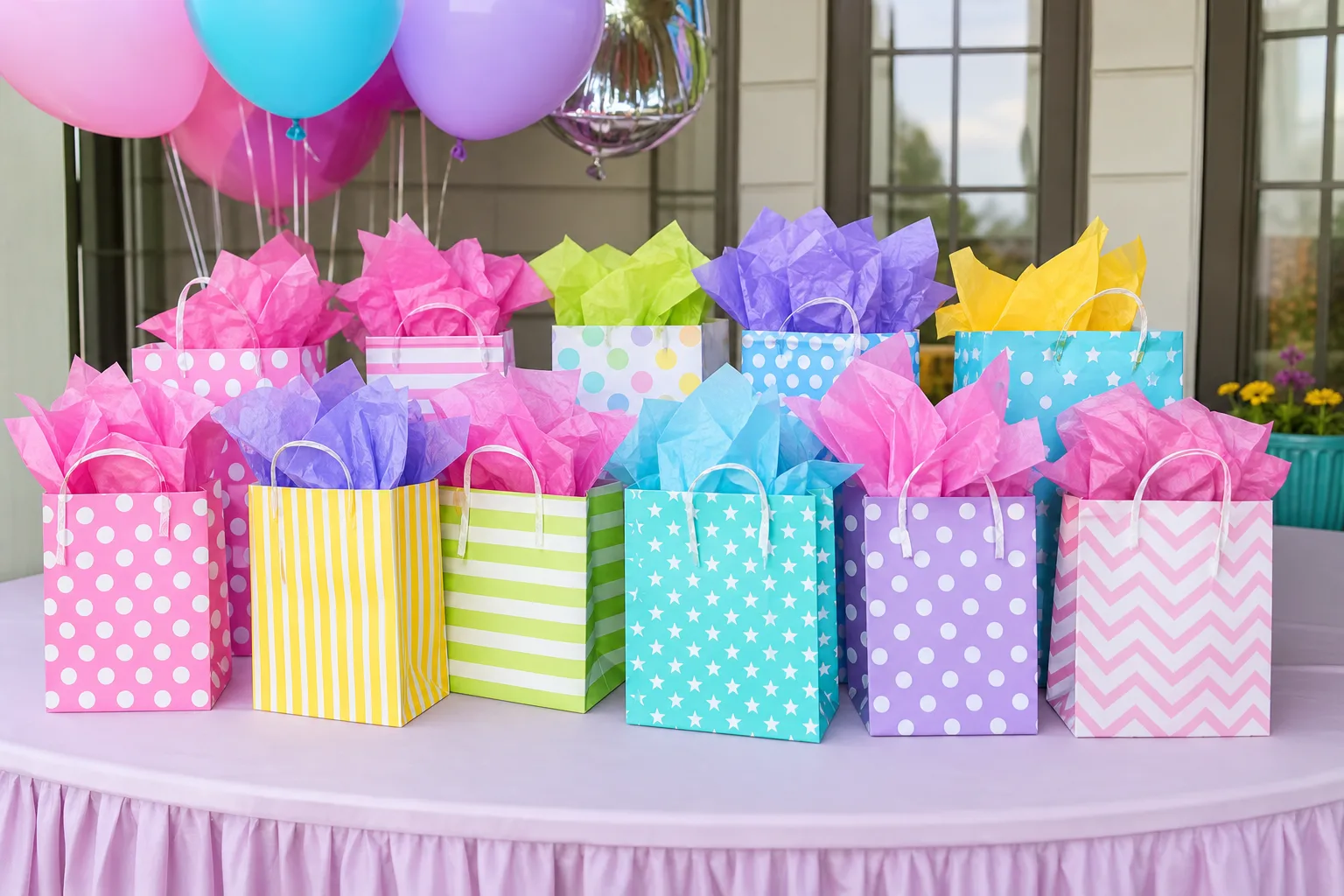
20 birthday party gift bag ideas that trade plastic filler for one real item or a party craft, sorte
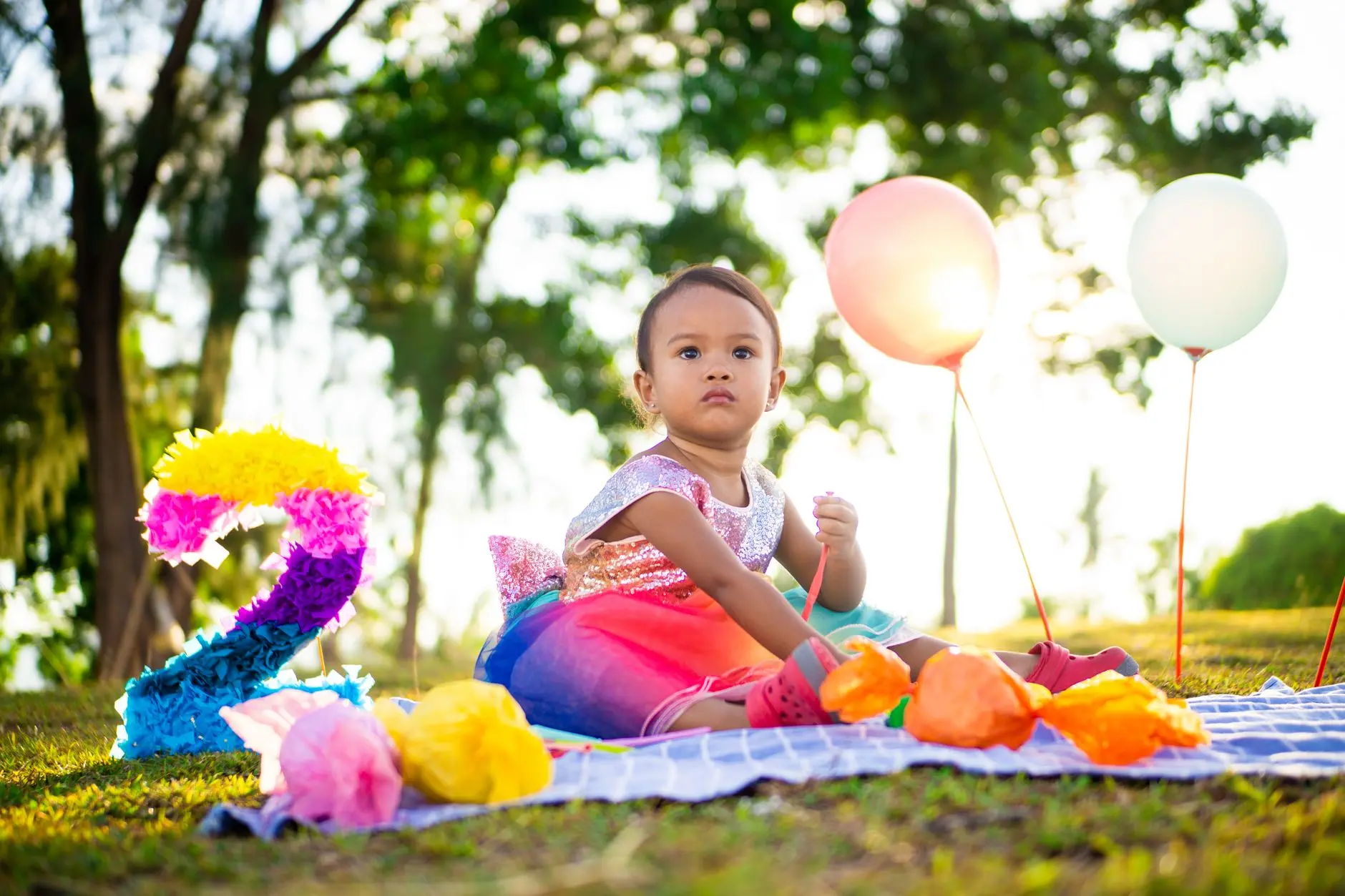
Discover 20 toddler party games designed for ages 1–3 with very short attention spans, including p
Leave a Reply