

20 Toddler Birthday Party Games That Work for Very Short Attention Spans
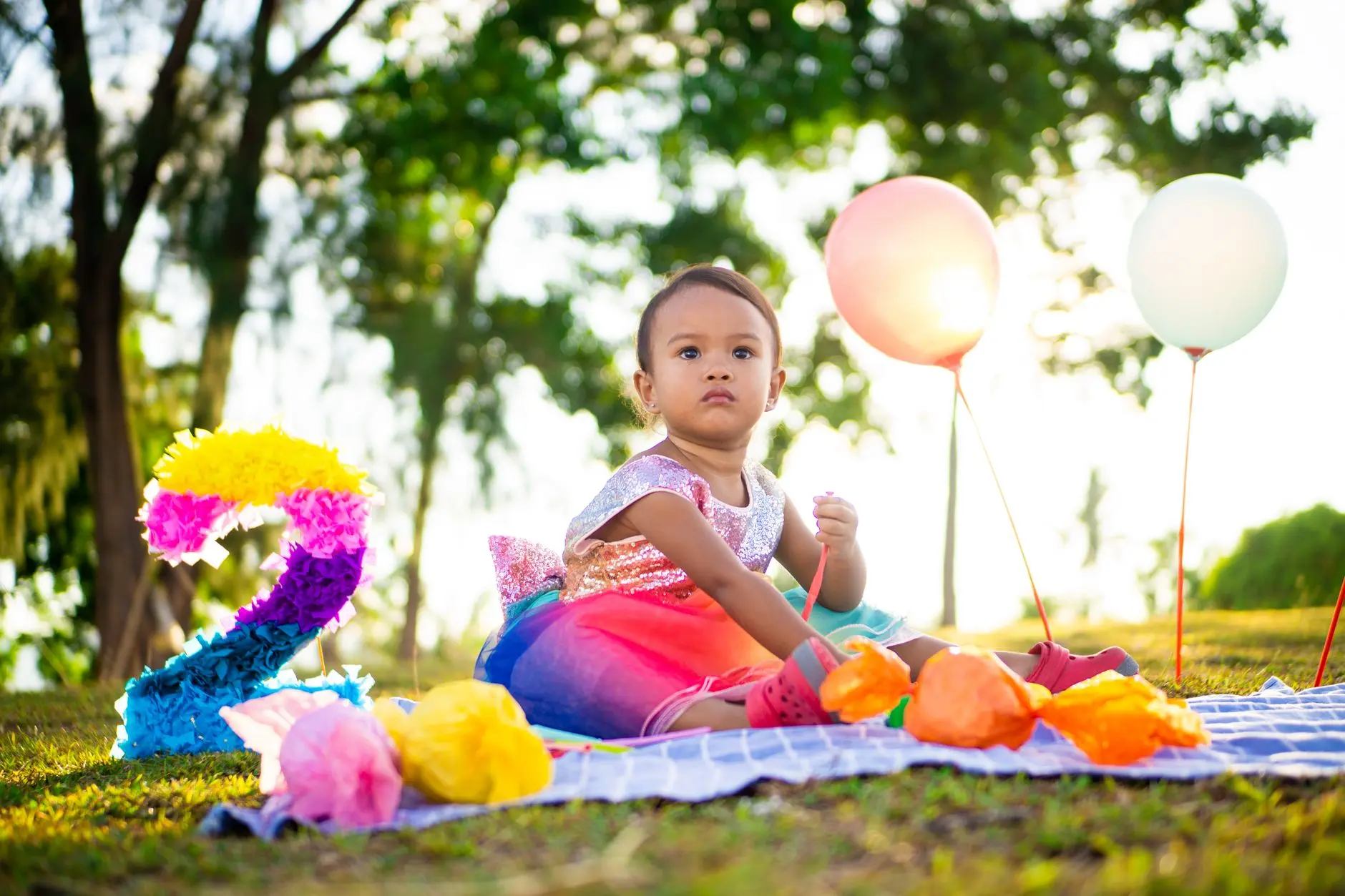
Planning games for a room full of toddlers is one of the most joyful — and quietly terrifying — things a parent can do.
Children aged one to three have attention spans measured in seconds, not minutes, and the very idea of “taking turns” or “waiting quietly” is basically science fiction.
The good news is that with the right games, a toddler birthday party can be full of genuine squealing laughter, wobbly dancing, and moments that make every parent reach for their phone camera at the same time.
Every game in this list was chosen with real toddler behaviour in mind: no small parts, no elimination, no complicated rules, and absolutely no moment where one child is singled out or made to feel left out.
Games last between five and fifteen minutes so you can move on before anyone melts down, and a mix of movement, sensory, and printable activities means there is something here for every energy level in the room.
Parents stay close throughout — that is part of the fun, not a footnote.
This post contains affiliate links — if you buy through them, I may earn a small commission at no extra cost to you.
Table of Contents
- Bubble Chase
- Musical Freeze Dance
- Beanbag Drop Bucket
- Colour Sorting Baskets
- Parachute Wave Play
- Ball Pit Scoop
- Animal Sound Copycat
- Toddler I Spy Cards
- Sticker Hunt
- Stack the Cups
- Ribbon Wand Dance
- Simple Matching Cards
- Feelings Faces Bingo
- A Birthday Wish for You!
- Colour by Dot!
- Soft Bowling
- Tissue Paper Scrunch and Stuff
- Sensory Bin Dig
- Giant Floor Puzzle Together
- Cloud Dough Squish Station
1. Bubble Chase
Blow a stream of soap bubbles into the air and simply let the toddlers run after them.
The goal — if you can even call it that — is to pop as many bubbles as possible using hands, feet, elbows, or any other body part a toddler thinks up.
There is no score, no winner, and no end point other than everyone collapsing in giggles. Switch between big slow bubbles and rapid small ones to keep the chaos delightfully unpredictable.
All you need is one or two bubble machines or a handful of bubble wands, plus a bottle of bubble solution.
The game works beautifully with groups of four to twelve toddlers and their caregivers, in a garden or a large indoor space cleared of tripping hazards.
Plan for about eight to ten minutes — though you may find it stretches naturally because no one wants it to end.
Host tip: Pre-position a second adult on the opposite side of the play area to blow bubbles from a different direction. This keeps toddlers pivoting and moving the whole time, rather than all crowding the same corner and knocking each other over.
🛍 Shopping guide
2. Musical Freeze Dance
Play a cheerful children’s song and encourage everyone to dance freely around the room. When you pause the music, everyone freezes like a statue — arms in the air, one leg up, whatever position they happen to land in.
Start the music again and the dancing resumes. With toddlers, the freeze is purely for fun rather than elimination; if a child keeps moving, simply laugh along and try again next pause.
You need a phone or speaker and a playlist of upbeat, age-appropriate songs. This works with any group size from three to twenty toddlers and takes about ten minutes for a satisfying round. Keep songs short so the pauses come often — toddlers love the anticipation of the freeze more than the dancing itself.
Host tip: Crouch down and freeze in a silly pose yourself during every pause. Toddlers will copy the adult in the room far faster than they will follow a verbal instruction, and your ridiculous frozen face will get the biggest laugh of the party.
3. Beanbag Drop Bucket
Set out three or four colourful buckets or large plastic containers at varying distances — the closest almost within arm’s reach, the furthest about a metre away.
Give each toddler a small handful of soft beanbags and let them toss, drop, or lob the bags into any bucket they like. Nobody is keeping score; the entire point is the satisfying thud of beanbag meeting bucket.
You need a set of soft fabric beanbags and three or four plastic buckets or bins. The game accommodates two to ten toddlers at a time and runs happily for eight to twelve minutes.
Toddlers tend to gravitate to the nearest bucket, which is completely fine — step in only to help retrieve stray bags so the child always has something to throw.
Host tip: Place a strip of coloured tape on the floor as a loose “throwing line,” but tell children it is the magic starting spot rather than a rule. Children who step over it to drop a bag directly inside the bucket are still winning — and are honestly having more fun.
🛍 Shopping guide
4. Colour Sorting Baskets
Set out four or five baskets or large bowls, each marked with a solid-colour paper circle: red, blue, yellow, green, and so on.
Scatter a pile of soft objects — pompoms, fabric balls, plastic eggs, or coloured scarves — in the centre of the play space. Ask each toddler to find something that matches a basket colour and bring it over.
Cheer every single attempt, correct or not, and gently redirect rather than correct.
You need the baskets, colour labels, and a collection of brightly coloured soft objects — nothing smaller than a golf ball to stay safe. The activity suits two to eight toddlers with caregivers helping, and it runs for about ten minutes before interest naturally drifts.
Because every child works at their own pace, faster sorters can do multiple runs while slower ones are still making their first trip.
Host tip: Label each basket with both a colour circle and a simple picture of that colour (a red apple, a blue sky) so that toddlers who do not yet reliably name colours can still match by association and feel like experts.
🛍 Shopping guide
5. Parachute Wave Play
Spread a colourful play parachute flat on the ground and have adults and older helpers hold the edge, with toddlers standing underneath or around it. Lift and lower it in big slow waves, letting the fabric billow up and float down.
You can place lightweight balls or soft pompoms on top and watch children try to bounce them off, or simply let toddlers run underneath before the parachute floats back down.
You need a children’s play parachute — most come in four-to-six metre diameters, which suits a party group well. Plan for six to sixteen participants including adults on the edges, and budget about ten to fifteen minutes. Lay a blanket or foam mat under the parachute so any toddler who sits down mid-game is comfortable.
Host tip: Call out a toddler’s name and lift the parachute extra high just for them to run underneath and back. Hearing their own name announced to the room is one of the most thrilling experiences a two-year-old can have, and the crowd reaction from parents is worth every second.
🛍 Shopping guide
6. Ball Pit Scoop
Inflate a small paddling pool or set up a pop-up ball pit and fill it with lightweight plastic balls.
Give toddlers large plastic scoops, ladles, or simply their hands, and let them scoop balls out into waiting baskets or buckets — then dump everything back in and repeat.
The loop of scoop, transfer, and dump is endlessly satisfying for this age group and requires no instruction beyond “your turn to scoop!”
You need a small inflatable pool or pop-up ball pit, a bag of plastic play balls, and two or three large scoops or buckets. One to six toddlers can play comfortably at a time, and the activity holds attention for ten to fifteen minutes.
Keep a watchful eye to make sure balls do not become tripping hazards outside the pit area.
Host tip: Add a few balls in birthday-theme colours — or even mix in a handful of shiny foil gift bows — for a festive sensory surprise. Toddlers will prioritise finding the “special” items and will fill your baskets far more enthusiastically when there is something slightly unexpected hiding in the pile.
🛍 Shopping guide
7. Animal Sound Copycat
Sit everyone in a loose circle — toddlers on laps is perfectly fine and often necessary. One adult makes a simple animal sound and a matching action: a loud “moo” with arms out like horns, a waddling “quack quack,” a roaring lion with jazz hands.
Every child tries to copy the sound and the action at the same time. Move through animals quickly, spending only about twenty seconds on each before switching.
No materials needed at all — this game is entirely human-powered, which makes it an ideal filler if another activity wraps up early. It works well with four to twenty toddlers and their adults, and a single round lasts about eight minutes. You can loop back through favourite animals if the group is still engaged.
Host tip: Watch which animals get the biggest reactions in the first round and lead with those in subsequent rounds. Toddlers are not subtle — they will repeat a sound ten times louder when they love it, and that enthusiasm is your cue to milk the moment with a second or third repetition before moving on.
8. Toddler I Spy Cards
Print the Toddler I Spy Cards sheet, which features bold, simple illustrations of common objects — a star, a ball, a flower, a birthday cake, and more.
Hand one card to each toddler (or share between two) and guide them to look around the room for real versions of the pictures on their card. When a child spots something, they point to it and point to the matching picture.
Adults help by narrating: “Yes! That balloon is round like the ball on your card!”
You need the printed I Spy Cards and ideally some simple props placed around the party room to match the illustrations — a wrapped gift box, a balloon, a flower, and so on.
The game suits two to twelve toddlers with adult guidance and runs about ten minutes. Print one card per child on cardstock so it is sturdy enough to survive enthusiastic toddler handling.
Host tip: Before the party, do a quick walk around your venue and match your room decorations to the pictures on the cards. A balloon here, a stuffed animal there — seeding the environment means every child succeeds almost immediately, which is exactly what you want at this age.

🛍 Shopping guide
9. Sticker Hunt
Before guests arrive, stick large, brightly coloured stickers in easy-to-find spots around the party room: on the edge of a table, on a chair leg, on the wall at toddler eye level, on a balloon weight. Print the Sticker Hunt!
sheet and give one to each child. When the hunt begins, toddlers and their adults wander the room looking for stickers; each time they find one, they press a matching sticker from their sheet’s sticker strip onto the board, or simply circle the matching picture.
You need the printed Sticker Hunt! sheets, plus a pack of large round stickers in several colours to scatter around the room. The game works with two to twelve children and lasts eight to twelve minutes depending on how many stickers you hide.
Keep all stickers large enough that they cannot be swallowed and position them at or below adult knee height so toddlers can genuinely spot them independently.
Host tip: Place one sticker in a mildly surprising spot — tucked just inside a party favour bag’s handle, or on the back of a door — but make sure every child has a caring adult steering them toward it so no one is left frustrated.
The “aha!” moment of finding the tricky one is the highlight of the whole hunt.

🛍 Shopping guide
10. Stack the Cups
Give each toddler a stack of ten large plastic or paper cups. Let them build the tallest tower they can, then knock it down — and build again.
Set up a light challenge by seeing who can build a two-level pyramid, but do not make it competitive; the knocking-down is the real reward and should always be celebrated with a cheer from nearby adults.
Reset the cups and repeat as many times as toddler enthusiasm allows.
You need a set of large plastic party cups or sturdy paper cups — avoid anything with sharp rims. One to eight toddlers can play simultaneously, each with their own stack, and the activity runs for ten to fifteen minutes easily. Spread children out enough that one toppling tower does not cascade into a neighbour’s creation mid-build.
Host tip: Keep a spare sleeve of cups in reserve. Toddlers will occasionally stomp cups flat in their exuberance and it is far smoother to swap in a new cup quietly than to slow the game down explaining that cups should stay round.
🛍 Shopping guide
11. Ribbon Wand Dance
Hand each toddler a ribbon wand — a short, safe dowel or paper tube with two or three lengths of satin ribbon tied at one end — and play a soft, swaying song. Encourage children to wave, swish, and twirl their wands as they dance.
Demonstrate big sweeping circles, figure eights, and overhead waves. The ribbons are visually mesmerising for this age group, and the combination of music and flowing colour holds attention far longer than either element alone.
You need one ribbon wand per child, which you can buy pre-made or assemble cheaply with short wooden dowels and satin ribbon. The game works for any group size from two upward and fills ten to twelve minutes beautifully. Make sure the dowel ends are smooth and capped so there are no splinters or sharp points.
Host tip: Play one slow, dreamy song followed immediately by a faster, bouncy one. The shift in tempo causes a natural shift in wand movement — slow flowing waves become frantic shaking — and watching toddlers figure this out on their own is genuinely charming and completely self-directed.
🛍 Shopping guide
12. Simple Matching Cards
Print and cut the Simple Matching Cards sheet, which contains pairs of identical bold pictures — animals, shapes, fruit, and everyday objects. Lay one set of cards face-up on a low table or the floor and give each child the matching set.
Toddlers place their card on top of the picture that looks the same, with an adult narrating and praising each match.
There is no racing, no timer, and no wrong answer — if a child pairs two cards by colour rather than picture, celebrate the logic and gently name what they did.
You need the printed and cut matching cards, ideally laminated or printed on cardstock to survive multiple rounds. Two to six toddlers can work simultaneously at a shared table, and the activity runs about ten minutes. Prepare cards in a zip bag so they are ready to hand out the moment you need to fill a gap in the schedule.
Host tip: Start with just four pairs laid on the table rather than the full set. Adding more pairs mid-game as children grow confident gives the sense of a game expanding rather than one that was already too hard, and you will see shoulders visibly relax when a child realises they can do this.

🛍 Shopping guide
13. Feelings Faces Bingo
Print the Feelings Faces Bingo sheet, which shows a simple bingo grid filled with illustrated faces — happy, surprised, sleepy, silly, grumpy, and so on.
An adult caller holds up large picture cards or simply makes the face themselves while naming it: “Who can find the surprised face?” Toddlers look at their sheet, point to the matching face, and place a large pompom or button over it as a marker.
Because every card is identical and the game is non-competitive, everyone fills their board together and everyone wins.
You need the printed Feelings Faces Bingo sheets, a set of large calling cards or a willing adult who can pull faces on demand, and large markers such as oversized pompoms — nothing small enough to be a choking hazard.
The game suits two to ten toddlers with adults helping, and one full round lasts about eight to ten minutes. Print one sheet per child and keep spares for siblings or late arrivals.
Host tip: After each face is found on the bingo sheet, ask the whole group to make that face together. The resulting sea of twenty tiny scrunched-up or wide-eyed faces is the best possible photo opportunity at any toddler party, and it doubles the language learning without anyone noticing.

🛍 Shopping guide
14. A Birthday Wish for You!
Print the “A Birthday Wish for You!” sheet for every guest.
This is a guided drawing and mark-making page where toddlers draw or scribble their wish for the birthday child — a sun, a star, a squiggle that represents a dog, or a completely abstract burst of crayon.
An adult helper writes the child’s name and their spoken wish at the top while the toddler colours. Collect all completed sheets to give to the birthday family as a keepsake booklet.
You need the printed sheets, chunky washable crayons or broad-tipped markers, and a flat surface such as a low table or clipboard. Two to twelve toddlers can work simultaneously, and the activity takes eight to twelve minutes.
Set this one up as a calm station alongside a busier game so families can drift over when their toddler needs a quieter moment.
Host tip: Pre-write each child’s name at the top of their sheet before the party so the helper only needs to transcribe the spoken wish. This saves precious time mid-party and means you actually capture what each child says rather than scrambling to write and listen at the same time.

🛍 Shopping guide
15. Colour by Dot!
Print the “Colour by Dot!” sheet, which shows a simple picture broken into large sections, each containing a coloured dot. Toddlers use a corresponding chunky crayon or dabber to fill in each section by matching the dot colour.
There is no expectation of staying inside the lines — this age group is developing the grip and the concept simultaneously, and any mark in the right colour region is a triumph worth celebrating loudly.
You need the printed sheets and a set of chunky crayons or dot dabbers in the colours featured on the page. One child works per sheet, making this a flexible drop-in station for two to twelve children across the party.
Running time is eight to twelve minutes per child, though many toddlers will happily continue longer if the station is set up with extras.
Host tip: Dot dabbers — ink stampers — work dramatically better than crayons for this activity with very young toddlers because the action of stamping is easier to control than dragging. Set out dabbers as the primary tool and crayons as a backup, and watch even the most hesitant child immediately feel competent.

🛍 Shopping guide
16. Soft Bowling
Line up six to eight empty plastic bottles or lightweight foam pins in a triangle at one end of a clear hallway or room. Give each toddler a large, soft foam ball to roll along the floor toward the pins.
Everyone cheers when any pin falls — which they will do from the gentlest nudge — and an adult resets the pins for the next child’s turn.
The game is purely about the experience of rolling and watching things topple, with no score and no losing.
You need a soft foam ball and a set of lightweight pins or empty plastic bottles with a little water in the base to keep them upright. Two to eight toddlers can rotate through in about ten to twelve minutes.
Keep the rolling distance very short — about one metre — so every roll genuinely reaches the pins and every child succeeds.
Host tip: If a toddler prefers to carry the ball and place it directly against the pins before pushing, let them. At this age the cause-and-effect of pin-falling is the entire lesson, and insisting on rolling from a distance only introduces frustration. The “rules” are always secondary to the child’s joy.
🛍 Shopping guide
17. Tissue Paper Scrunch and Stuff
Set out a large pile of brightly coloured tissue paper squares and an equal number of plain white paper bags, one per toddler.
Children scrunch the tissue paper into loose balls and stuff them into their bags to make a colourful, squishy party favour they take home. Adults help hold bags open and celebrate each stuffed piece.
You can make it gently festive by adding a small sticker to seal the bag at the end and calling it the child’s “birthday treasure bag.”
You need a ream of pre-cut tissue paper squares (roughly 20 cm works well), one white paper bag per child, and stickers for sealing.
The activity suits two to twelve toddlers working simultaneously and takes about eight to ten minutes — conveniently doubling as a favour-making craft. Keep tissue paper squares large enough that they cannot be swallowed and supervise closely.
Host tip: Pre-crinkle a few tissue paper squares yourself so the first child to arrive sees immediately that scrunching is the move. Toddlers learn by watching far faster than by listening to instructions, and one adult enthusiastically scrunching paper will have the whole group doing it within thirty seconds.
🛍 Shopping guide
18. Sensory Bin Dig
Fill a low plastic storage tub with a safe sensory base — coloured rice, dried oats, or kinetic sand — and bury a handful of small but non-choking-hazard objects inside: mini rubber ducks, large plastic jewels, small wooden shapes.
Give each toddler a large spoon or small cup and let them dig, scoop, and discover. The buried treasures reward persistence without requiring any skill, so every child finds something exciting.
You need one or two low storage tubs, your chosen sensory base, buried objects, and scooping tools. Lay a plastic tablecloth or shower curtain liner under the tubs to catch spills.
Two to six toddlers share a tub comfortably, and the activity holds attention for ten to fifteen minutes. Check in advance for any allergy concerns if using a food-based filler such as oats.
Host tip: Refresh the buried objects between groups rather than between individual children. Toddlers will happily hide things they discover and let the next child find them, which creates a spontaneous cooperative moment far more charming than anything you could have scripted.
🛍 Shopping guide
19. Giant Floor Puzzle Together
Spread out a very large-piece toddler floor puzzle — the kind with six to twelve oversized chunky pieces — on a clear patch of carpet.
Rather than giving it to one child, make it a group effort: each toddler picks up one piece and brings it to an adult helper who guides where it goes. Applaud each placement enthusiastically.
The aim is to build the whole picture together, with every child contributing one piece to the finished image.
You need one large-format toddler floor puzzle with chunky pieces — look for pieces at least 15 cm across so they are easy to grip and safe.
The game works well with four to twelve toddlers and runs for eight to twelve minutes depending on group size. Clear away any extra toys in the area first so pieces are not mistaken for something to throw.
Host tip: Let two or three toddlers hold the same piece together and “deliver” it as a team. At this age, joint ownership of an action is deeply satisfying, and the pile-on of small hands pressing a puzzle piece into place is genuinely sweet rather than chaotic — provided one calm adult is guiding the placement.
🛍 Shopping guide
20. Cloud Dough Squish Station
Mix up a batch of cloud dough — eight parts plain flour to one part baby oil — and portion it into individual bowls or sections of a low tray.
Toddlers squish, pat, pinch, and poke the dough, which holds a shape briefly then crumbles satisfyingly when pressed. Add a few simple tools: a wooden spoon, a large cookie cutter, a small rolling pin.
No product is made and nothing needs to be finished — pure tactile exploration is the whole game.
You need plain flour, baby oil, a mixing bowl for prep, and individual portions in small trays or bowls. Lay a plastic sheet under the work area for easy cleanup.
Two to eight toddlers can play simultaneously, and the station stays engaging for ten to fifteen minutes. Cloud dough is non-toxic but should not be eaten; keep close supervision and check for any flour sensitivities in advance.
Host tip: Make the dough the night before and store it in a sealed container — fresh cloud dough that has had a few hours to rest has a dramatically better texture than dough made twenty minutes before guests arrive.
The slightly waxy, silky feel is exactly what makes it so compelling for little hands, and it is worth the advance preparation.
Frequently Asked Questions
What is the best age range for these toddler party games?
Every game in this list is designed for children aged one to three, with parents or caregivers present throughout.
Some activities — like Colour Sorting Baskets and Animal Sound Copycat — work beautifully from around twelve months, while others such as Simple Matching Cards and Giant Floor Puzzle Together suit children closer to two and a half or three who have a little more hand control and focus.
Trust your knowledge of the children coming to your party and lean on the simpler movement games for younger guests.
How many games should I plan for a toddler birthday party?
A realistic toddler party runs for about ninety minutes to two hours, and most games last eight to twelve minutes each before attention drifts. Plan for six to eight activities from this list, but have two or three extras ready as backups.
Toddlers are unpredictable — some games will fly and some will be abandoned after three minutes — so a flexible, over-prepared host is always the most relaxed one in the room.
Do I need to print all the printable games in advance?
Yes, and ideally on cardstock rather than regular printer paper. Cardstock survives toddler handling, crayon pressure, and the occasional spill far better than thin paper.
Print at least one extra copy per game in case of tears, smudges, or a sibling who arrives unexpectedly and needs their own sheet.
Pre-cutting the matching cards and pre-writing children’s names on the wish sheets before the party makes setup on the day much smoother.
How do I handle a toddler who does not want to join in a game?
Completely normal and not a problem at all.
Never pressure a toddler to participate — at this age, watching from a caregiver’s lap is a perfectly valid form of engagement and often leads to joining in on the next round once the child has assessed that it is safe and fun.
Keep the atmosphere low-pressure by making sure adults are visibly enjoying themselves, since toddlers follow adult emotional cues more reliably than any instruction you could give.
Are any of these games safe for children with sensory sensitivities?
Many games in this list are naturally low-stimulation and easy to adapt. Bubble Chase, Ribbon Wand Dance, and Simple Matching Cards are gentle and predictable.
The Sensory Bin Dig and Cloud Dough Squish Station involve direct tactile contact, which some children find overwhelming — simply skip those for any child who finds unexpected textures distressing, or offer a spoon as a tool so the child can engage without direct skin contact.
Always check with parents ahead of time about any specific sensitivities or allergies, especially for the cloud dough flour and the sensory bin fillers.
📌 Save These for Later
Loved these? Pin your favorite image below so you can find this list again when you’re planning.
18 gorgeous first birthday party themes for girls — from One Sweet Peach to Disco One. Real styled
26 squishy birthday party ideas in the softest pastels, from the dessert table to the favour bags. R
Fifteen low-effort, high-fun birthday party ideas for adults sized for one evening and a dozen peopl
Leave a Reply