

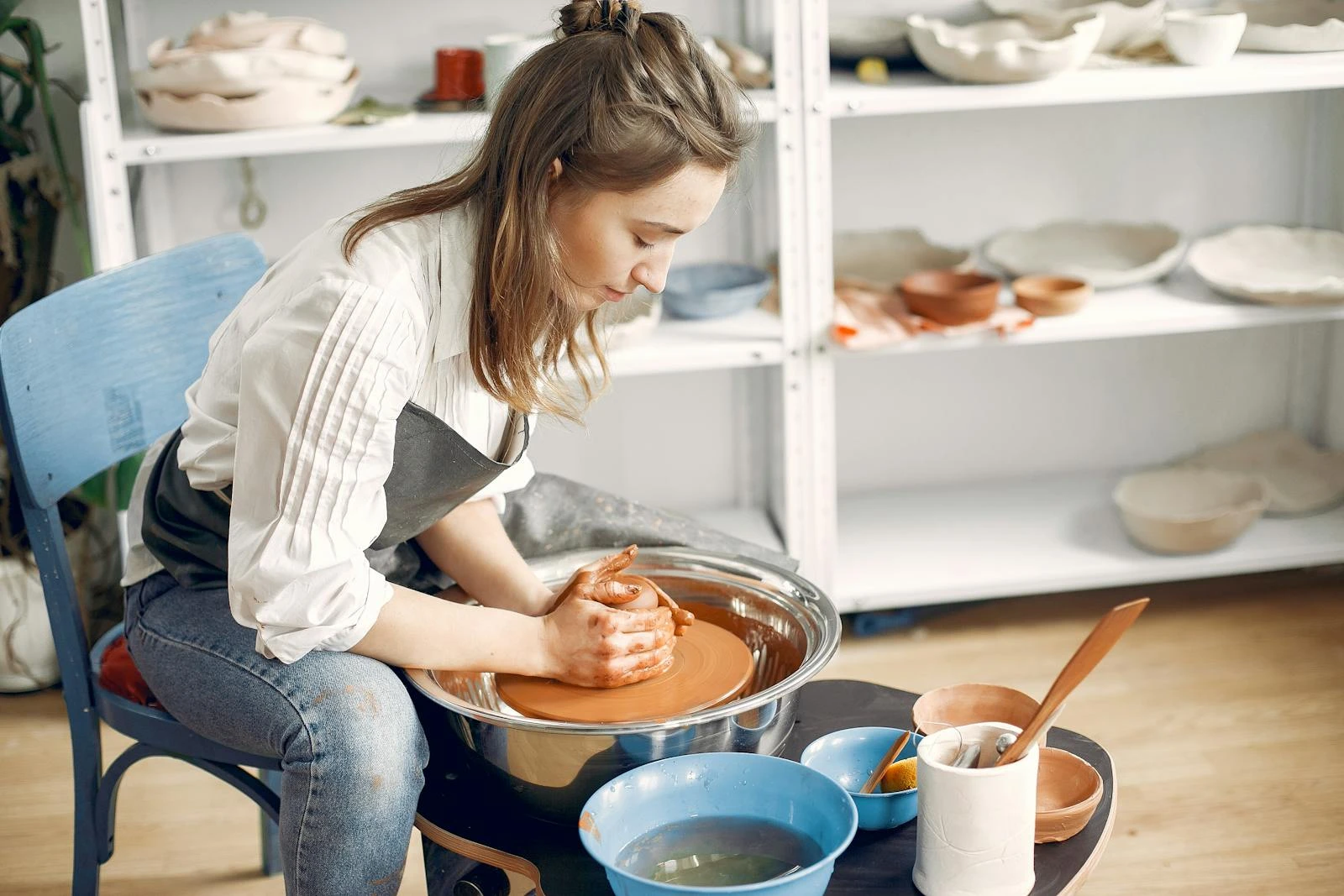
There’s a specific kind of quiet that happens when your hands are covered in clay and the wheel is spinning. No notifications. No inbox. Just you, some water, and a lump of earth you’re trying to convince to become a bowl.
I took my first pottery class on a whim — one of those “treat yourself” impulses that actually turned out to be worth it. I was bad at it. The first three things I made looked like sad ashtrays. But I kept going back, and somewhere around week four something clicked. I stopped trying to control the clay and started just… working with it.
If you’re already into pottery wheel throwing or just thinking about trying it, these pottery wheel ideas will give you a real direction — things actually worth making, whether you’re at a beginner stage or you’ve got some hours on the wheel under your belt.
This post contains affiliate links. If you buy something through these links, I may earn a small commission at no extra cost to you. I only recommend things I’d actually use.
Start Here: Mugs (Yes, Really)
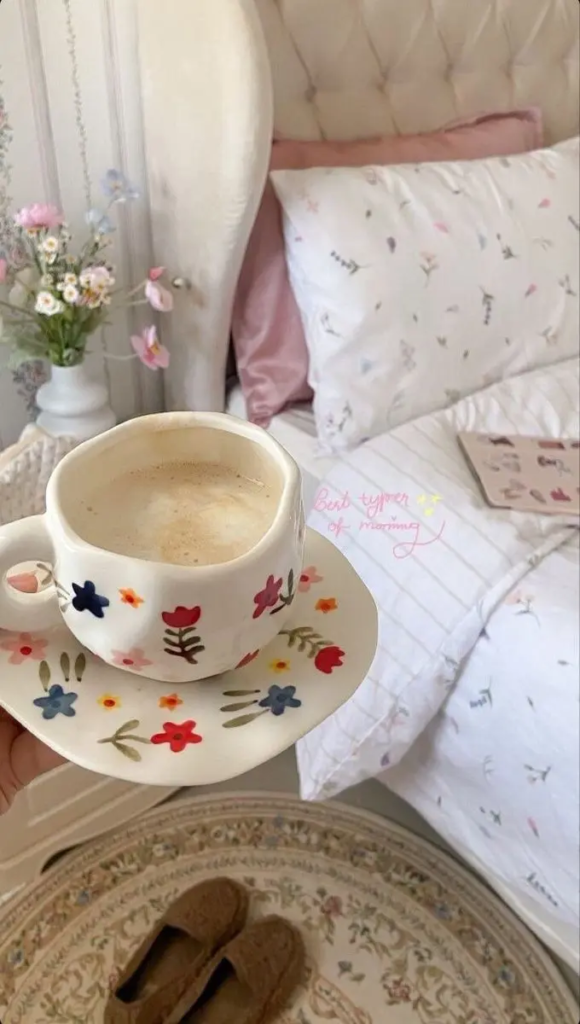
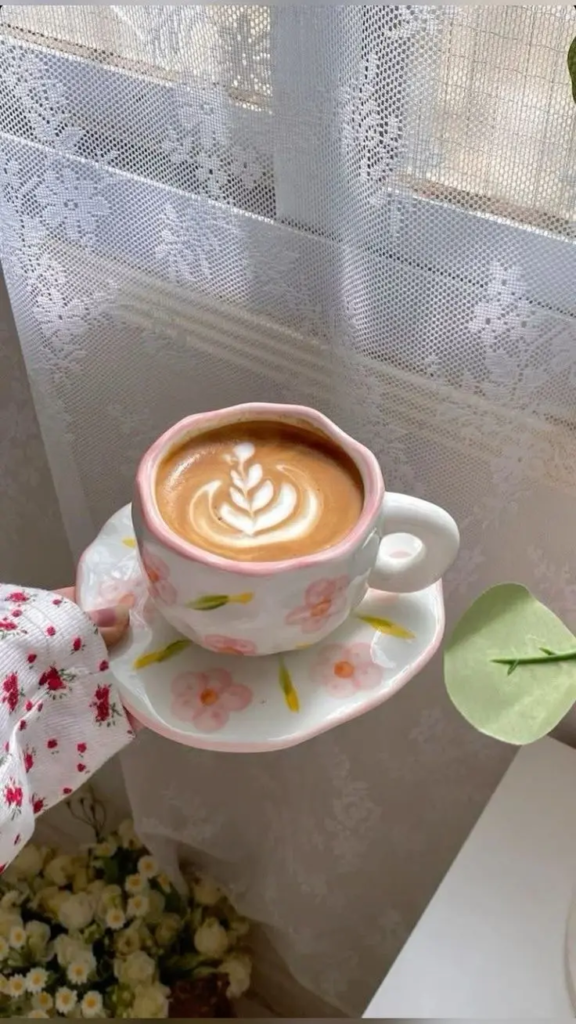
Everyone says mugs are a beginner project. They are. They’re also endlessly interesting once you stop treating them like homework.
The thing about a mug is that you use it every morning. That changes how you think about making one. Do you want it a little heavy, so it feels substantial? Wider at the top so the coffee cools faster? Thick walls? Thin? A handle that’s comfortable when you’re half asleep?
I’ve made probably thirty mugs at this point and they’re all slightly different. That’s the point.
For slow living specifically, a set of mismatched handmade mugs on a shelf is one of those small things that makes your kitchen feel genuinely yours. Not curated. Just real.
Good tools to have: a good pottery wheel, a set of basic trimming tools, and a wire clay cutter.
Small Bowls for Every Surface
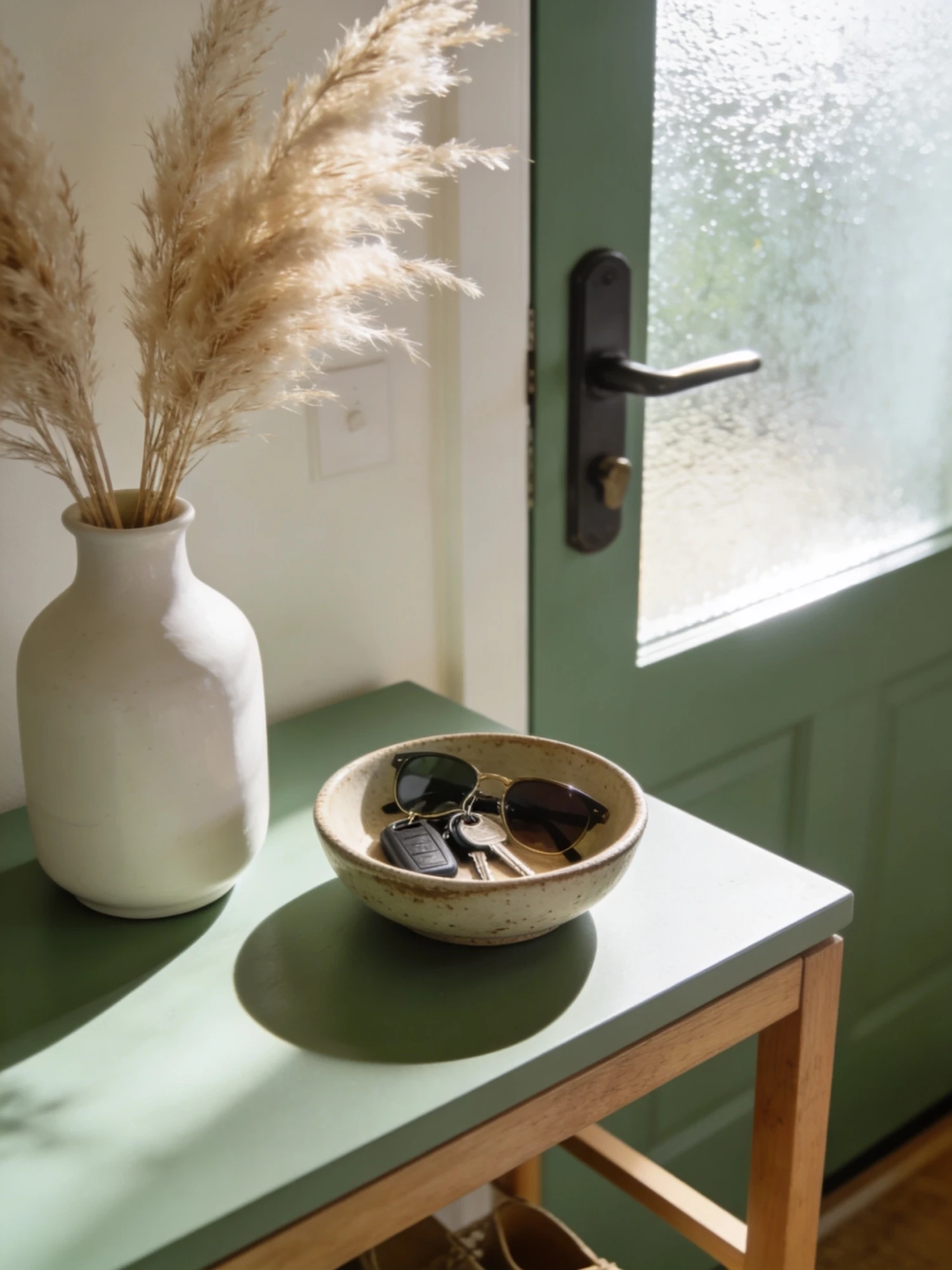
This is my actual obsession. Small bowls. Catch-all dishes for the entryway. A tiny bowl for a tea bag. A little dish for rings while you do dishes. A bowl that just sits on the bathroom counter looking pretty.
@danyuhrita Throwing a Mini bowl #fyp #ceramic #wheelthrowing #relaxation
♬ Send Me on My Way – Guy Meets Girl
They’re fast to throw once you’ve got the basics down — you can make four or five in a session — and they’re the kind of thing people always want to buy if you ever decide to start selling your pottery.
The slow living angle: making a small dish instead of buying a plastic catch-all from a big box store is genuinely satisfying in a way that’s hard to explain until you’ve done it.
A Matcha Bowl (Chawan)
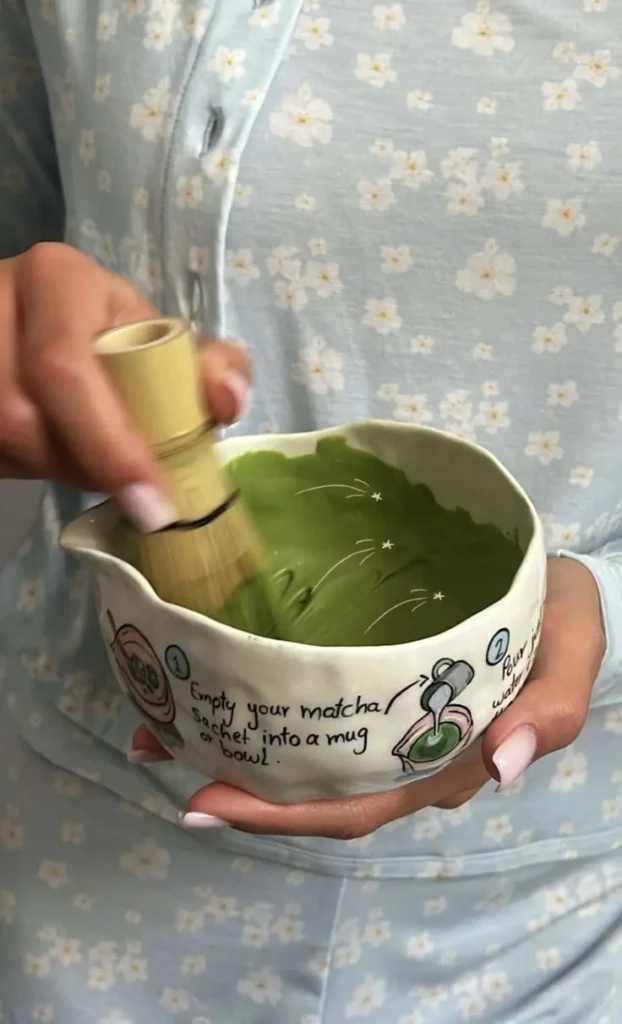
This one changed how I do my mornings.
A chawan is a traditional Japanese tea bowl — wide, low, a little rustic. You don’t need to make it perfectly. Especially not perfectly. The whole philosophy behind chawan is wabi-sabi, the beauty of imperfection. Asymmetry is good. A slightly uneven rim is fine. A fingerprint pressed into the clay before firing is not a flaw, it’s a signature.
Making one takes maybe 20 minutes on the wheel once you know what you’re doing. Using it every morning for matcha — the wide bowl, the weight of it in both hands — feels intentional in a way a glass cup never does.
Utensil Holders for the Kitchen Counter
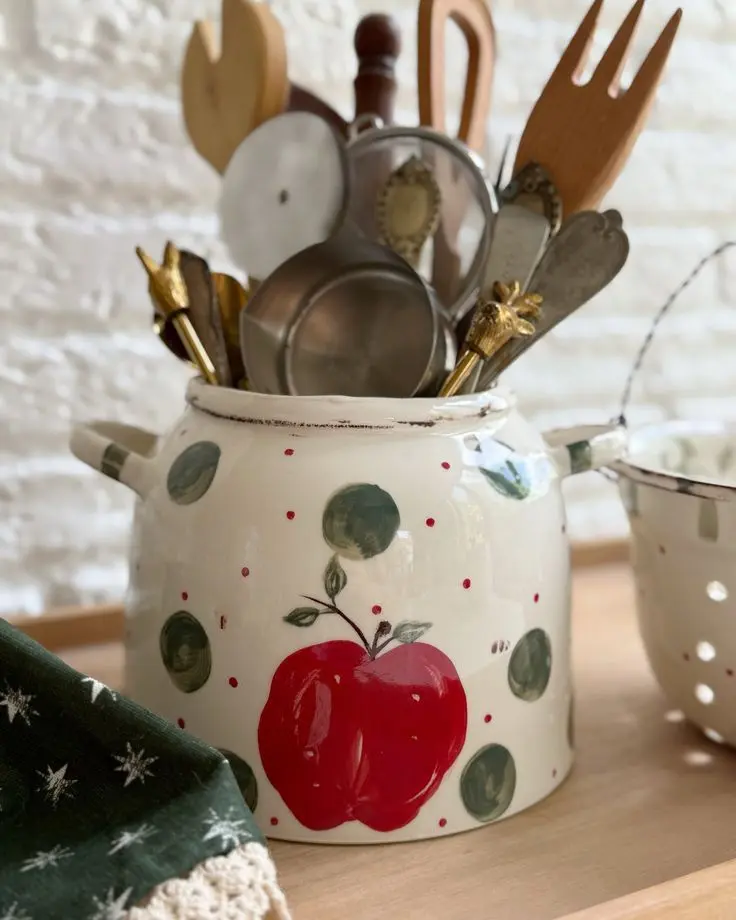
There’s a post I keep coming back to about kitchen counter styling ideas — one of the things it talks about is anchoring the counter with a few handmade or tactile pieces instead of all plastic and stainless. A thrown pottery utensil holder does exactly that.
Cylinder shapes are actually one of the better early wheel projects because you’re learning how to pull walls upward without collapsing them. Making a utensil holder that you’ll actually use is more motivating than making a cylinder “just to practice.”
Soap Dispensers (Worth the Extra Step)
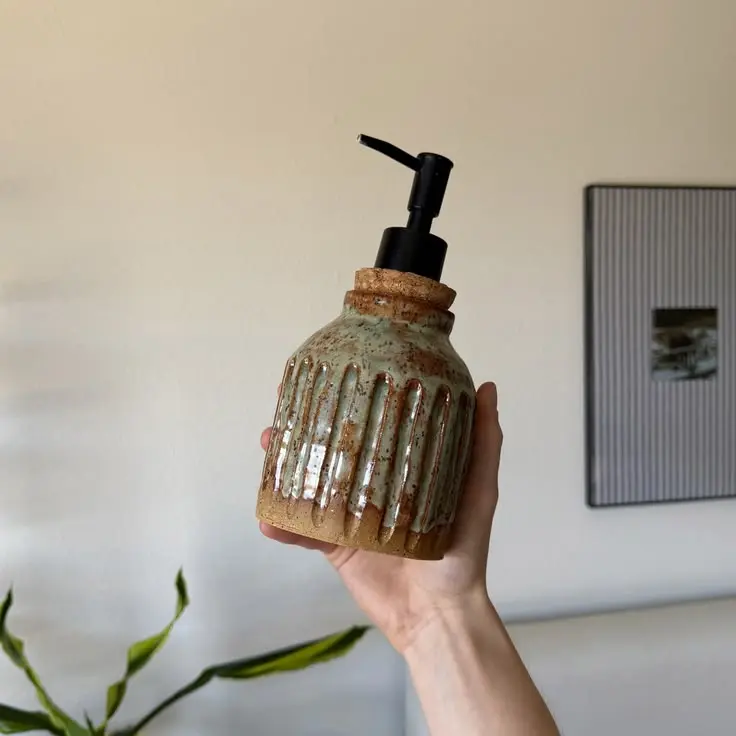
Okay, these require a little more work — you throw the bottle shape on the wheel, then add a pump after firing. But they are everywhere on home decor mood boards right now and for good reason. A handmade ceramic soap dispenser on a bathroom or kitchen counter looks like it took thought. It kind of did.
If you want one but aren’t ready to make your own yet, there are some beautiful ceramic soap dispensers on Amazon that’ll hold you over.
Bud Vases (Small, Imperfect, Perfect)
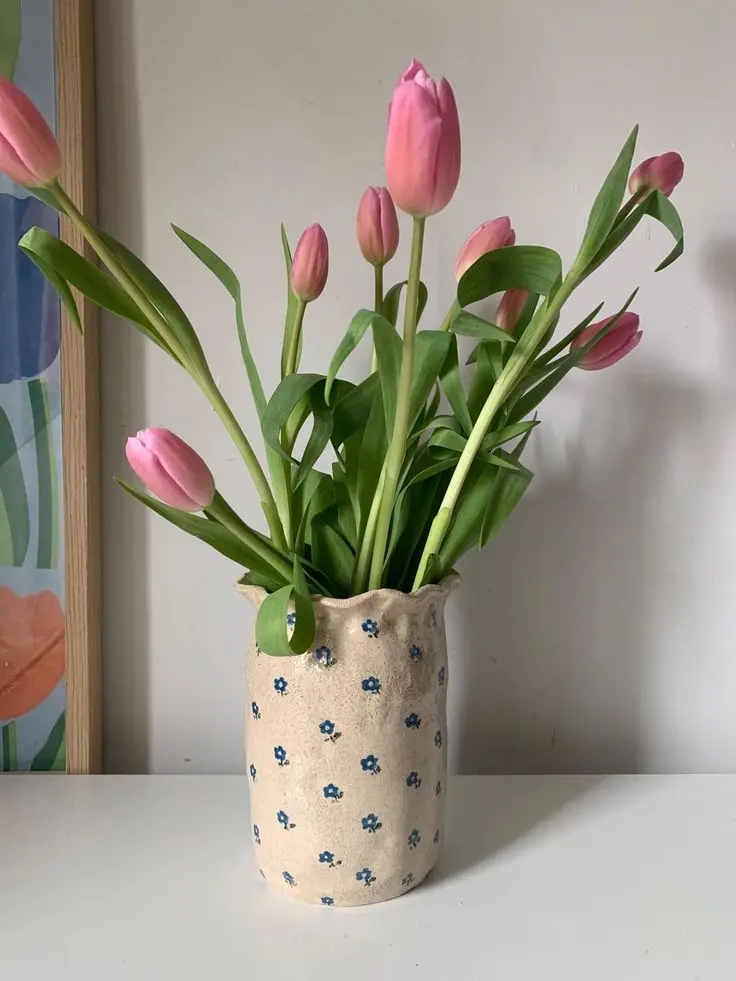
One stem of something — a grocery store flower, a branch from outside, a sprig of rosemary — in a small handmade bud vase. That’s it. That’s the whole slow living home decor aesthetic in one sentence.
Bud vases are a great project for the wheel because small and narrow is actually harder than wide and open — it teaches you control. And if it comes out a little wonky, that just makes it more interesting on a shelf.
Make five. Put them on a windowsill at different heights. You won’t regret it.
Plates — Eventually
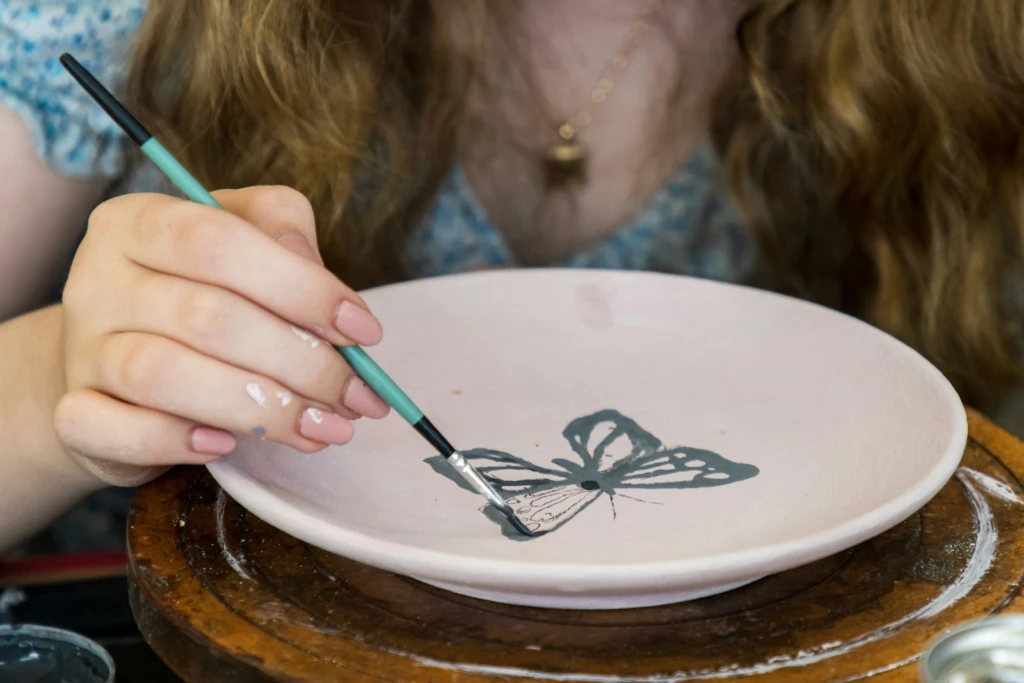
Don’t start here. Plates are humbling. Wide, flat forms like to crack during drying and warp during firing. But eventually you’ll want to try them, because eating off a plate you made yourself is one of those experiences that’s weirdly emotional the first time.
If you want inspiration for what handmade ceramic dishware can actually look like, this guide to handmade ceramic dishware is worth a look — it covers shapes and styles that actually work.
Start with small side plates if you’re going to attempt it. Easier to manage.
Candle Holders
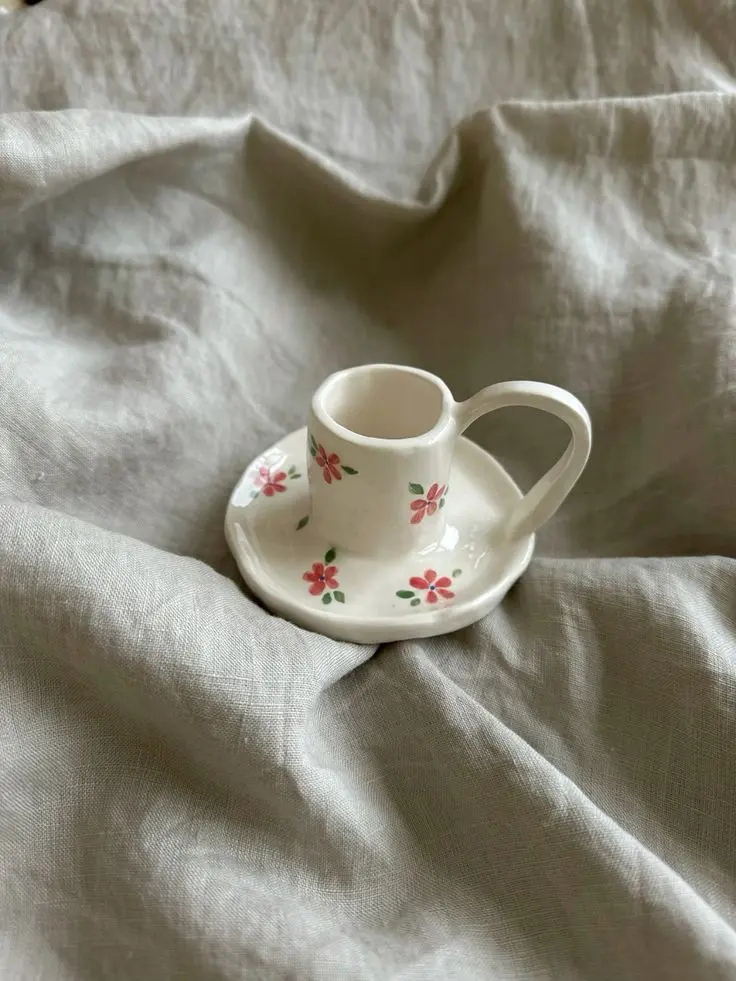
Two types worth knowing: pillar candle holders (a wider, shorter cylinder with thick walls) and taper candle holders (taller, narrower, with a hole in the center for the candle stem).
The taper holders are more challenging because you’re throwing something tall and then piercing through it — but they look stunning on a dinner table with actual taper candles in them. This is the kind of project that makes people walk into your house and ask “where did you get that?”
Answer: “I made it.”
A Honey Pot
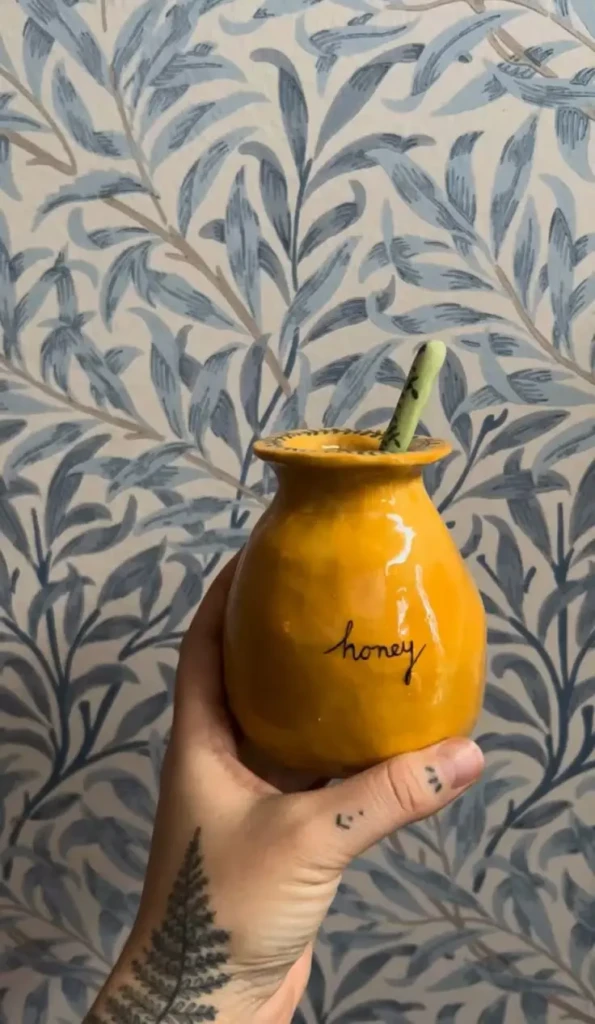
This might be the coziest pottery project on this list. A small jar with a lid and a hole in the lid for a honey dipper. It takes a while to get comfortable throwing lids that actually fit (the tolerances are surprisingly tight), but once you do, a honey pot is one of those functional pieces that makes your kitchen feel like a home instead of just a place where food gets made.
For the slow living kitchen specifically — slow mornings, real honey, a jar you made — it just fits.
Hanging Planters
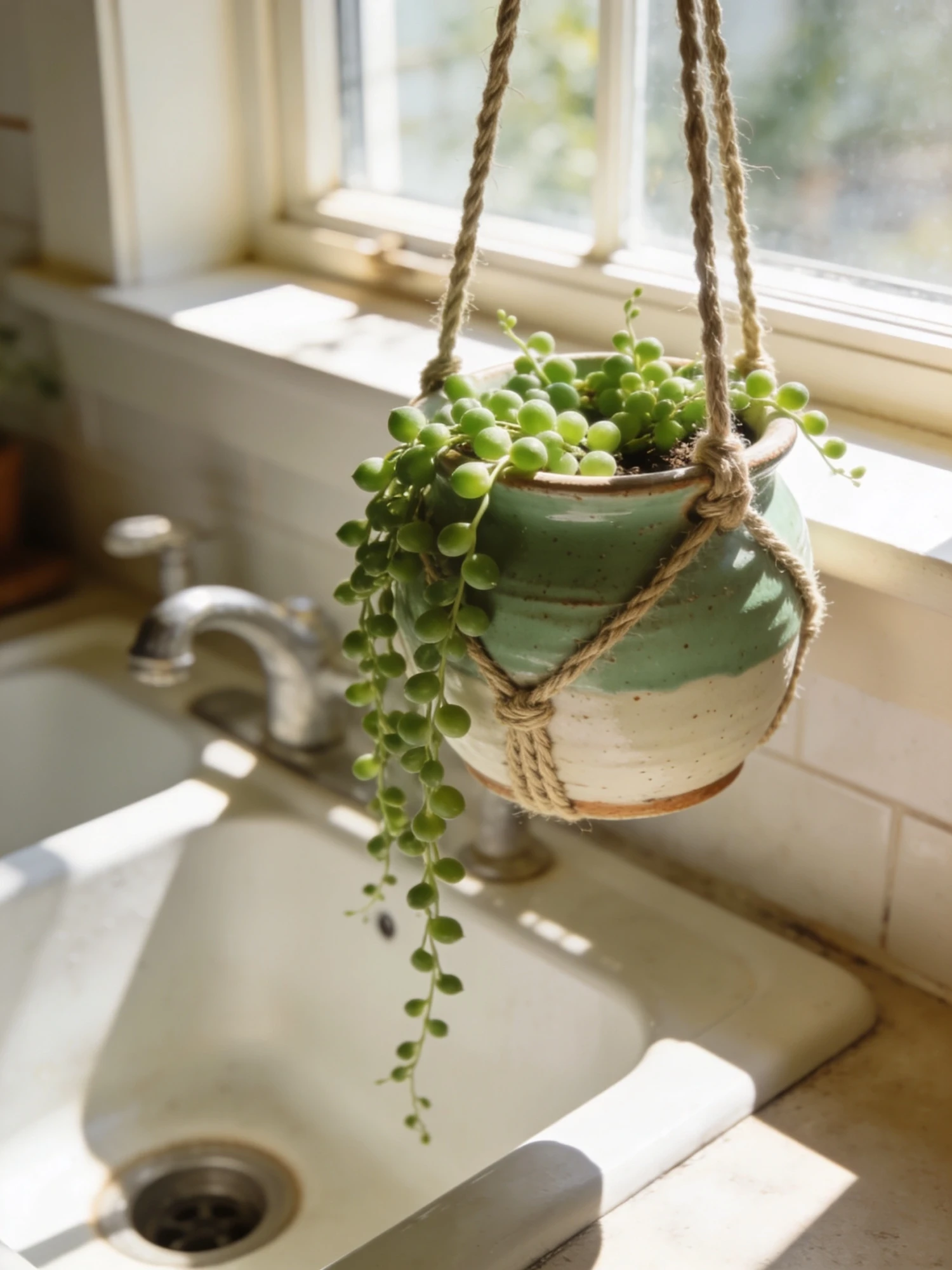
These require a bit more construction after throwing — you throw the main vessel and then add holes and a hanging mechanism before firing — but the result is stunning. A hand-thrown ceramic hanging planter looks nothing like the mass-produced versions, and trailing plants like pothos or string of pearls make the irregular glaze even more beautiful.
If you’re not ready for the wheel version yet, the air dry clay ideas roundup has some good no-wheel planter options while you practice.
A Butter Dish
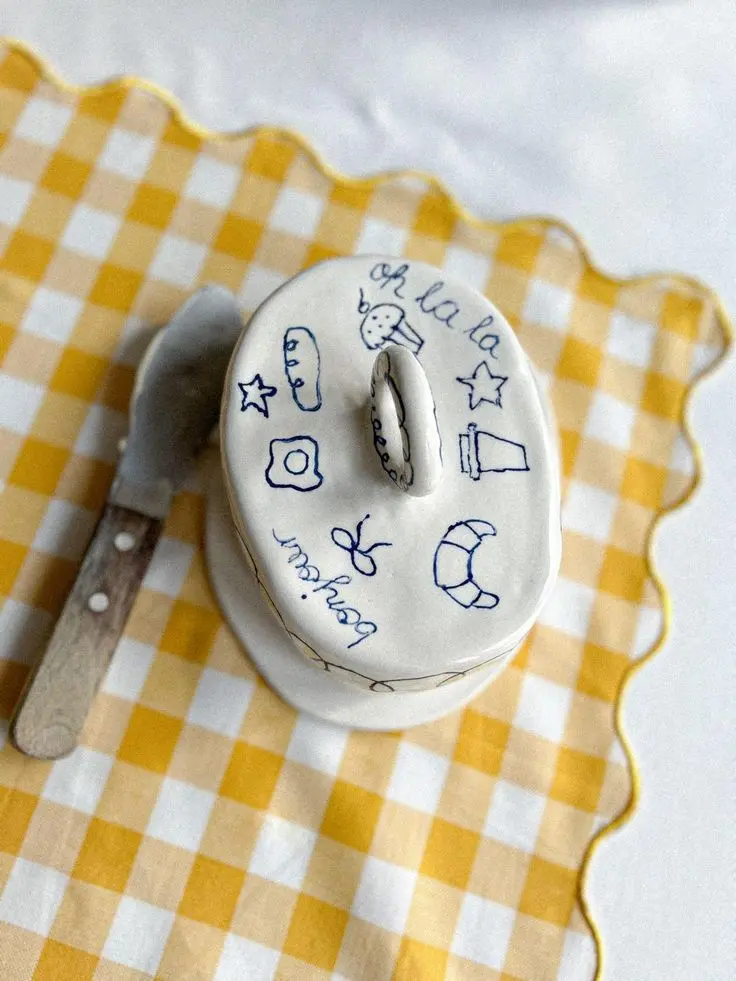
Functional, a little overlooked, and genuinely useful every single day. A butter dish has two thrown parts — the base and the lid — so it’s good practice for lid-making without the pressure of getting the fit as precise as a jar.
Sitting on a kitchen counter next to a bread board and a linen napkin, a handmade butter dish is one of those objects that makes an ordinary Tuesday morning feel considered. That’s slow living in a nutshell.
Face Masks and Self-Care Vessels
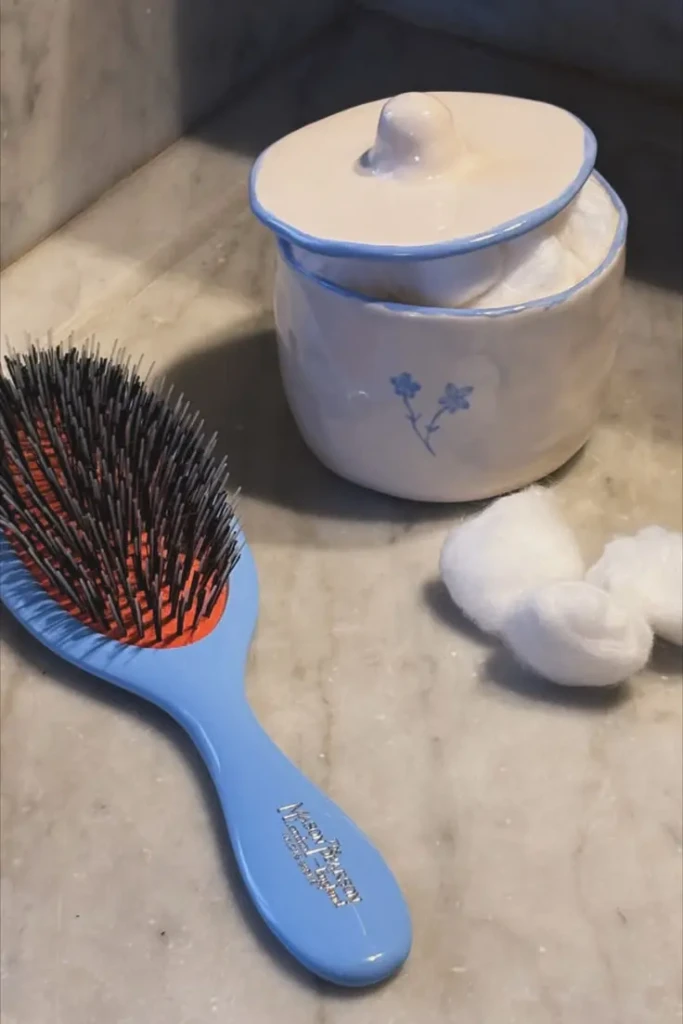
Small ceramic bowls for mixing face masks, storing cotton rounds, or holding a bar of soap. These get used every day, they’re easy to throw, and they make a bathroom counter look intentional instead of just crowded.
If you’re building out a more intentional self-care routine, this overlaps nicely with the kind of mindful activities that actually help you slow down — pottery itself is one of them.
Jewelry Dishes
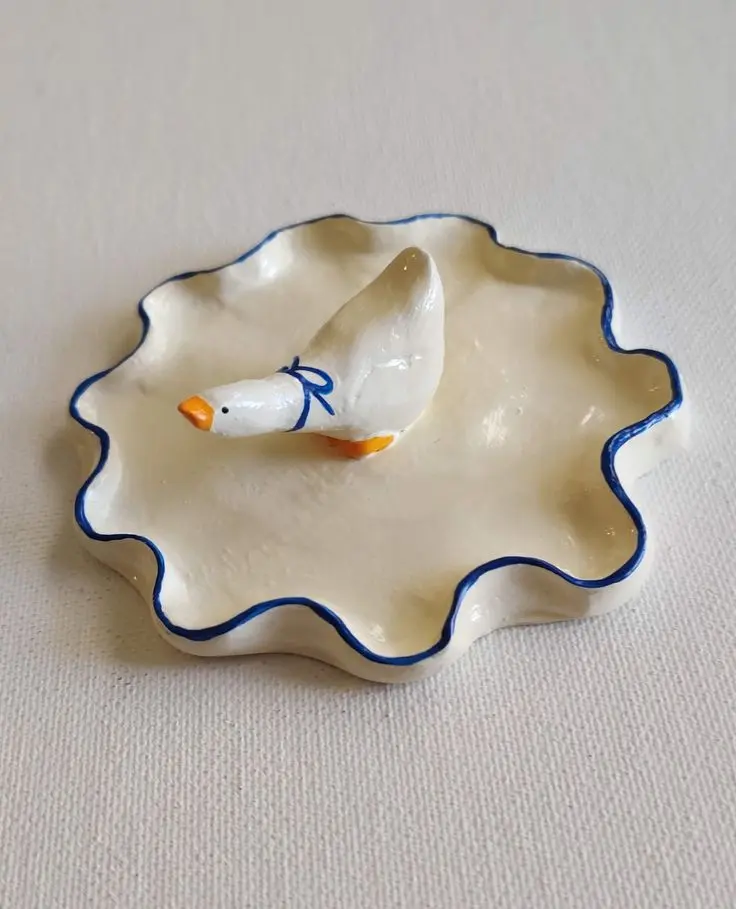
Another small, achievable project with big impact. A shallow thrown dish with slightly curved sides for rings, earrings, or whatever ends up on your bedside table. You can press a texture into the inside before it dries — a leaf, a piece of lace — and it fires beautifully.
One of those things that makes people pick it up every time they visit and turn it over in their hands.
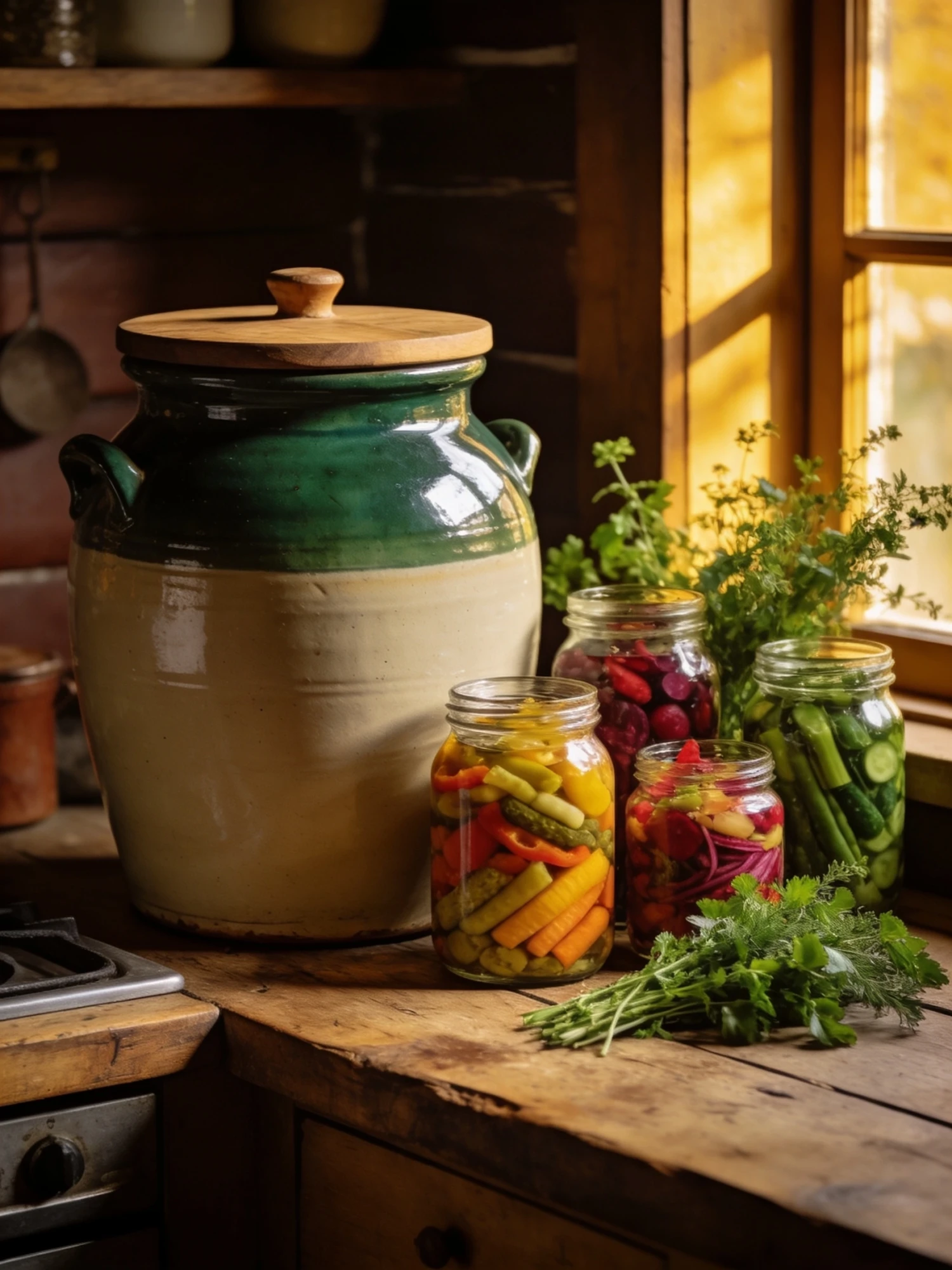
Fermenting Crocks
This one is for when you’ve been at it a while. A fermenting crock — used for sauerkraut, kimchi, pickles — is a real project. Thick walls, a specific interior shape to hold the weight of vegetables, a lid that fits. But if you’re into the whole slow food movement alongside slow living, there is something deeply satisfying about making the vessel you ferment things in.
It connects the craft to the kitchen in a way that feels almost old-fashioned. In the best sense.
If the handmade-kitchen-goods direction interests you but the wheel feels like too much right now, there’s also a lot you can do with handbuilt pottery techniques that don’t require a wheel at all.
A Few Things Worth Knowing Before You Start
On finding wheel time: Most people don’t buy a wheel right away (and you shouldn’t — try a few classes first). Ceramic studios with open studio memberships are worth looking into if you want consistent access. Usually runs $50–$100/month for unlimited time.
On clay types: Stoneware is the most forgiving for beginners. It’s durable, fires well, and is widely available. Stoneware clay is what most studio classes use.
On the slow living angle: Pottery is one of those hobbies that actually lowers cortisol — not in a vague “self-care” way but in a measurable, research-backed way. Your nervous system responds to tactile, repetitive, focused work. There’s a reason throwing on a wheel feels like a reset.
FAQ
Do I need my own pottery wheel to try these ideas? No. Most cities have ceramic studios that offer beginner classes or open studio memberships. Try several sessions before investing in equipment. A decent entry-level wheel runs $400–$800, which is worth it if you’re serious, but premature if you’re just curious.
What pottery wheel projects are best for complete beginners? Mugs, small bowls, and cylinder forms. They teach the foundational skills — centering, opening, pulling walls — without requiring the precision that plates or lidded jars demand.
How long does it take to get good at wheel throwing? Honest answer: most people throw something recognizable within the first 2–3 classes and make something they’re actually proud of within 2–3 months of regular practice. “Good” is relative and ongoing. I’ve been doing this for two years and I still mess things up regularly.
Is pottery wheel throwing meditative? For most people, yes — but not in the Instagram sense. It’s meditative because it requires your complete attention. You can’t zone out or think about your inbox while centering clay. The wheel simply won’t let you.
What’s the difference between wheel throwing and handbuilding? Wheel throwing uses a spinning wheel to shape clay. Handbuilding techniques — coiling, pinching, slab construction — don’t. Both produce beautiful results. They just feel different to do.
My basil plant has died four times. Not four times total — four times this winter alone. I kep
15 fall crafts for toddlers using big materials, washable paint, and zero tiny pieces. Every project
I spent $11 on a block of air dry clay and made four pairs of earrings in one afternoon. Two of them
Leave a Reply