

14 Toddler Birthday Party Games With Free Printables for a Room That Is Too Small
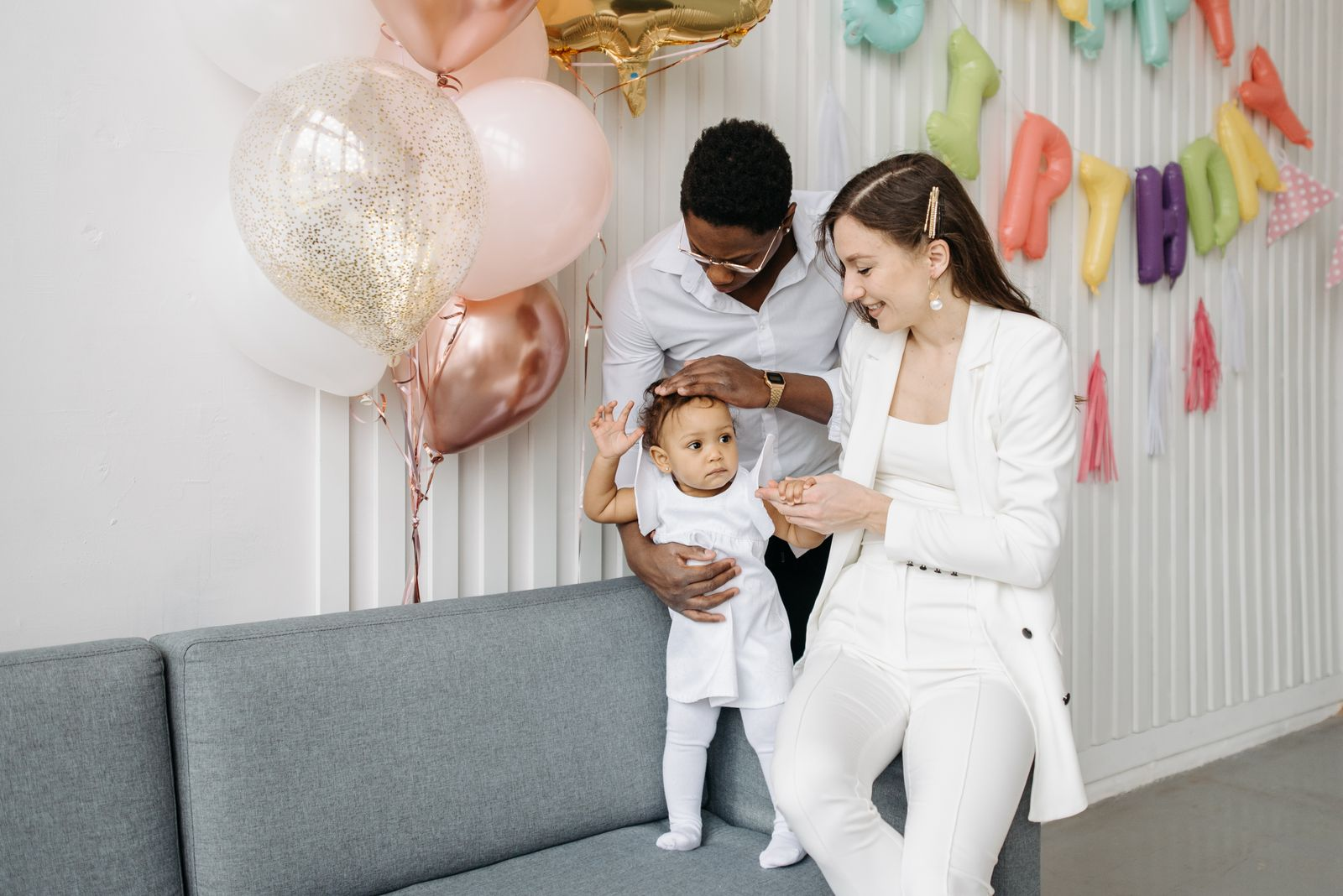
These toddler birthday party games are built for exactly the situation you are in: ten small children, one living room, February outside, and zero interest in anyone running into the furniture. Every single game here happens sitting down or within two steps of where the child is standing. Half come with a free printable sheet you can run off the night before, and the rest need nothing printed at all.
This post contains affiliate links. If you buy through them, I may earn a small commission at no extra cost to you.
- I Spy and Count the Party Things
- Pass the Parcel With a Layer Each
- Colour by Number, Four Colours (Colouring Page, One Per Child)
- Sleeping Lions on the Rug
- Roll and Cover the Party Hats (Game Board, One Per Child)
- The Slow Motion Race Across the Carpet
- Find the Odd One Out in Each Row
- Copy the Clapping Pattern
- Bingo With Pictures Not Words (4 Bingo Grids + Call List)
- Guess What Is Under the Tea Towel
- Finish the Pattern of Balloons
- Which Cake Is Bigger
- Rolling the Ball Around the Circle
- Sticker Reward Chart for the Table (Chart, One Per Child)
- Frequently Asked Questions
1. I Spy and Count the Party Things
Each child gets a sheet packed with a busy birthday scene: balloons, cakes, candles, presents, party hats and streamers all layered together. The job is to find and count each item, then write or circle the number in the box beside its picture. It keeps toddlers genuinely absorbed while the last guests arrive and the room settles.
Print one sheet per child. Set out a small pot of crayons so they can circle each item as they count it. The task takes roughly five to eight minutes for most two- and three-year-olds, longer if they colour as they go. No dice, no turns, no waiting.
Younger children will miscount, and that is completely fine. The answer key is for curious parents at the table, not a scoring system. If a child insists their number is right, let it stand and move on.
Laminate a spare copy and set it at the centre of the table as a communal find-it challenge while food is being served.

🛍 Shopping guide
2. Pass the Parcel With a Layer Each
Children sit in a tight circle on the rug. Music plays, the parcel travels hand to hand, and whoever holds it when the music stops unwraps exactly one layer to find a small prize or a sticker sheet inside. Every layer has something, so every child wins before the game ends. No printing needed for this one.
Wrap the parcel the night before: one layer per child, so ten layers for ten guests. Small prizes work best because big ones create envy: mini bubble wands, foam stickers, a handful of cheerios in a twist of paper, a temporary tattoo. The outermost layer hides the main gift for the birthday child.
Manage the music from your phone and pause it deliberately so shyer children get a turn. If a child near the end still has not unwrapped, pause the music on them. Nobody in the room will notice or care.
- Wrapping paper (10 layers worth)
- One small prize per layer
- A phone and speaker for music
🛍 Shopping guide
3. Colour by Number, Four Colours (Colouring Page, One Per Child)
A birthday-scene colouring page divided into numbered sections: every zone marked 1 gets one colour, every 2 gets another, and so on up to four. The result is a finished picture that looks deliberately designed rather than randomly coloured, which delights toddlers more than a blank outline. They can take it home as a party keepsake.
Print one per child and set out exactly four crayons at each place: one colour per number, labelled with a small dot of that colour beside the number key at the top of the sheet. Limiting the palette removes decision paralysis and speeds things up so the table does not stall. The game runs as long or short as you need it to.
Some children will ignore the numbers entirely and colour however they like. That is a colouring page doing its job. Keep spare sheets if anyone wants a second go.
- Filling the first ten minutes while latecomers arrive
- A calm moment between noisier games
- Children who need a seated, solo activity

4. Sleeping Lions on the Rug
Every child lies down on the rug as still and silent as possible, eyes open or closed. One adult walks slowly among them and tries to make them move or laugh without touching anyone. The last child to stay still wins. No printing needed for this game. It is the single most effective way to get ten toddlers horizontal and quiet for two full minutes.
Use it as a deliberate transition after a physical game, or right before food arrives and you need everyone calm at the table. No equipment required. The adult uses soft funny voices, a wiggly finger nearby, or an absurd question whispered at very close range.
Most children will crack within thirty seconds, which is genuinely funny for everyone watching. Keep going until one child remains and crown them the Sleepiest Lion with a sticker. Repeat if the group wants it again, and they usually do.
Toddlers find stillness genuinely difficult and therefore hilarious to attempt, which means the room laughs together rather than anyone feeling left out.
5. Roll and Cover the Party Hats (Game Board, One Per Child)
Each child has a board printed with a grid of party hat pictures, each hat numbered one to six. They roll a die and place a sticker or a small counter over every hat showing that number. The goal is to cover the whole board. It is a genuine toddler board game played at the table with zero waiting for turns.
Print one board per child. Provide a standard die per pair of children (or one per child if you have spares), plus a sheet of dot stickers or a handful of small counters as covers. The game takes roughly five to ten minutes per round. Younger children enjoy it even without fully grasping the covering mechanic: they just like rolling and sticking.
If a child rolls the same number repeatedly and covers those hats first, the patchy board still feels like progress. For a faster game, use a four-sided die and number the hats one to four instead, so the board fills sooner.
- One die per pair of children
- Dot stickers or small counters

🛍 Shopping guide
6. The Slow Motion Race Across the Carpet
Two children at a time race from one side of the carpet to the other in the slowest possible slow motion. The adult referee watches for anyone speeding up. The child who crosses the finish line last without stopping wins. No printing needed. The spectacle of small children moving at glacial pace is immediately funny for the whole room.
Mark the start and finish lines with two strips of painter’s tape. Races run as pairs so nobody waits long. The adult referee stands at the side and calls out movement that is too fast in an exaggerated voice, which is half the entertainment. Each race lasts about thirty to sixty seconds in practice.
Some children will simply freeze completely and not move. That is allowed: technically the slowest. Give everyone a sticker at the end regardless of finishing position so no tears follow.
Two strips of painter’s tape for start and finish lines
🛍 Shopping guide
7. Find the Odd One Out in Each Row
Each row across the sheet shows four birthday-party images: three identical and one subtly different. The child circles the one that does not match. The differences are clear enough for toddlers to spot (a balloon a different colour, a hat without a stripe, a candle missing its flame) rather than the pixel-level differences you find in adult puzzle books.
Print one sheet per child. A crayon to circle the odd one out is all they need. The sheet runs six to eight rows, enough for about five minutes of focused work. Toddlers who finish early can colour in the pictures while others catch up.
Keep the answer key at the host table rather than at each child’s place. It prevents arguments and means adults can quietly confirm a choice without making a fuss. If a child circles the wrong one, just ask them to look again rather than correcting directly.
Print two copies of the answer key: one for you, one for the helper adult at the far end of the table.

8. Copy the Clapping Pattern
One adult claps a short rhythm pattern: three slow claps, two fast, one loud. The children copy it back together. Then the pattern changes. Then it gets longer. Then a brave child gets to be the leader and invent their own pattern for everyone to copy. No printing needed. It costs nothing, takes no setup, and can fill two minutes or ten.
Start with two-beat patterns and build up to five or six beats once the group has warmed up. Vary the sounds: clap, tap the table, pat your knees, click your tongue. Toddlers are far better at this than adults expect, and the pride when they nail a tricky pattern is immediate and visible.
When a child leads, some patterns will be completely random. Copy them exactly anyway with full seriousness. The group dissolving into laughter is the correct outcome.
It works as a crowd-control tool: starting a new pattern instantly recaptures a drifting room because every child wants to join in.
9. Bingo With Pictures Not Words (4 Bingo Grids + Call List)
Four different bingo cards, each printed with a three-by-three grid of birthday party pictures: a cake, a balloon, a present, a hat, a candle, a streamer, a star, a cupcake and a horn. The caller draws from a shuffled stack of matching image cards and holds each one up. Children cover the matching picture on their card with a sticker dot. First to cover a full row calls out and wins. No reading required, which makes it the most inclusive game on this list for mixed ages.
Print the four grid cards on cardstock. For the call cards, print and cut the same images as individual squares, or draw them on index cards by hand. Up to four children play one round; rotate cards between rounds so different children use different grids. Dot stickers are the covers: each child gets a small strip at the start.
With ten toddlers, run two simultaneous games side by side with two adults calling. Rounds last two to four minutes. Have a small prize ready for each winner and a consolation sticker for everyone else so the game can reset without drama.
Hold up the call card AND say the word aloud clearly. Children who do not yet recognise the picture alone will catch on from the word.

🛍 Shopping guide
10. Guess What Is Under the Tea Towel
Five or six small birthday-related objects sit on a tray: a candle, a small balloon, a plastic fork, a party blower, a mini present, a cupcake case. Everyone looks at the tray for thirty seconds. The adult covers it with a tea towel and removes one object secretly. The towel comes off and children call out what is missing. No printing needed.
Seat all children in a tight group facing the tray. Toddlers at this age do not need to take turns formally: open shouting works perfectly well. Play four or five rounds, removing a different object each time, then start removing two at once for older children in the group who find one easy.
If a very young child consistently cannot identify the missing object, whisper a hint rather than skipping them. The game moves fast enough that no child sits in the spotlight long enough to feel embarrassed.
- A small tray
- 5-6 small birthday objects
- A tea towel or cloth napkin
11. Finish the Pattern of Balloons
Six rows of balloons run across the sheet, each in a repeating pattern that stops partway through with an empty box at the end. The child draws or colours in the missing balloon to complete the sequence. Patterns go from simple (red, blue, red, blue,?) to slightly trickier three-element repeats (round, star, heart, round, star,?) for older children in the group.
Print one sheet per child and offer four colours of crayon. The task takes three to six minutes. It is a genuinely educational activity dressed as a party game: pattern recognition is a core early numeracy skill, so parents tend to appreciate it appearing at a birthday party without it feeling like homework.
If a child cannot identify the pattern, point to the first two balloons and name their colours aloud, then ask what comes next. That single prompt is usually enough. The answer key sits at the very bottom of the sheet for the adult at the table.
- Ages 2.5 and up for the simpler rows
- Ages 3.5 and up for the three-element rows
- A quiet table moment mid-party

12. Which Cake Is Bigger
Each row on the sheet shows two birthday cakes side by side: one taller, one wider, one with more tiers, one with more candles. The child circles the bigger one. Early rows are obvious. Later rows are close calls that require a second look. It is a size-comparison and visual reasoning activity that runs at a toddler’s pace with zero reading required.
Print one per child. One crayon is enough. The task takes four to six minutes and can run alongside another quiet activity for children who finish fast. Because it is entirely visual, children who are still building language can participate as fully as older guests.
The answer key uses the row number and a descriptor (row 3: the cake on the right is taller) rather than a simple left/right list, so the adult checking work can glance at a real comparison rather than guessing which right that means.
Size comparison is one of the first logical concepts toddlers develop, so this sheet sits exactly at the right challenge level without frustrating anyone.

13. Rolling the Ball Around the Circle
Children sit cross-legged in a circle on the rug with legs slightly apart to form natural bumpers. A soft ball rolls from child to child around the ring. The adult calls a name and that child sends it to someone specific. Then the rule changes: roll it only to someone wearing red. Then roll it to the child next to you but only using one hand. No printing needed.
Use a soft foam ball or a large inflatable one so it moves slowly enough for toddlers to field and rolls back if it escapes rather than travelling three rooms away. The circle works for up to twelve children before it gets too large and rolling accuracy suffers. Seat adults in the gaps to help redirect the ball.
The game needs no winners or losers. Run it for five minutes as a warm-up or closer, naming each child at least once so everyone gets a direct moment. If the circle collapses inward, stand behind the children and gently widen the gaps before starting again.
One soft foam or large inflatable ball
🛍 Shopping guide
14. Sticker Reward Chart for the Table (Chart, One Per Child)
Each child has a personal chart with six to eight labelled boxes running across it: sat nicely, tried a game, shared, was kind, finished my snack, danced (even slowly). Every time an adult notices a child doing one of those things, they hand over a sticker to press into the matching box. By the end of the party every child has a nearly full chart to take home. It is a behaviour tool disguised as a keepsake, and it works quietly all afternoon without anyone needing to manage it intensively. For a broader set of birthday party games for kids to pair with this chart, that round-up covers every age and format.
Print one per child and write their name at the top before guests arrive. Keep a roll of mixed stickers on the table accessible to all supervising adults. The chart sits at each place setting from the moment children sit down, so it doubles as a placemat activity while waiting for food.
Do not use the chart as a threat or a withholding tool. Hand stickers freely and generously. The goal is a full chart for everyone, not a ranking.
Slip each finished chart into the party bag at the end so it goes home as a memento rather than getting left on the table.

🛍 Shopping guide
Frequently Asked Questions
How do you keep toddlers engaged at a birthday party indoors?
Rotate between a printable activity, a circle game and a quiet moment every ten to fifteen minutes. Toddlers disengage when a single activity runs too long, not because they dislike it. Having the next sheet or prop ready before the current game finishes prevents the drift.
How many games do you need for a two-hour toddler birthday party?
Six to eight activities is the right range for two hours once you account for snack time, cake, and the inevitable nappy change or meltdown pause. Having ten to fourteen options on hand means you can drop what is not landing and replace it without scrambling.
What games work for a mixed age group of toddlers from age one to four?
Visual games with no reading or counting (picture bingo, colour by number, sleeping lions, rolling the ball) work across the full toddler age range. Reserve pattern and comparison sheets for the older end of the group, or let younger children simply colour the pictures on those sheets while older ones complete the task.
Do toddlers actually play party games or do they just run around?
Toddlers play games when the mechanic is immediate and physical: roll a die and put a sticker down, circle the one that looks different, cover their ears and lie still. Abstract turn-taking or delayed rewards do not hold attention. Every game on this list is designed around that reality.
Which of these printable games is best if I only have time to print one thing?
The sticker reward chart earns the most throughout the whole party because it runs passively all afternoon. If you want one active printable game, picture bingo is the most universally engaging and works for every child regardless of age or ability.
How do you handle crying or meltdowns mid-game at a toddler party?
Designate one adult as the floater whose only job is to manage upset children away from the main group. Keep a quiet corner with a soft toy and a cup of water. The games listed here are low-stakes enough that a child can re-join mid-activity without having missed anything critical.
Birthday party activities for teens that start themselves: 10 free printables plus 6 no-prep games.
Find teen birthday ideas sorted by age and budget, from small home parties to parties for forty teen
31 fun to be one girl first birthday party ideas across decor, cake, sweets, invites and activities,
Leave a Reply