

16 Toddler Birthday Party Activities With Free Printables, No Instructions Required
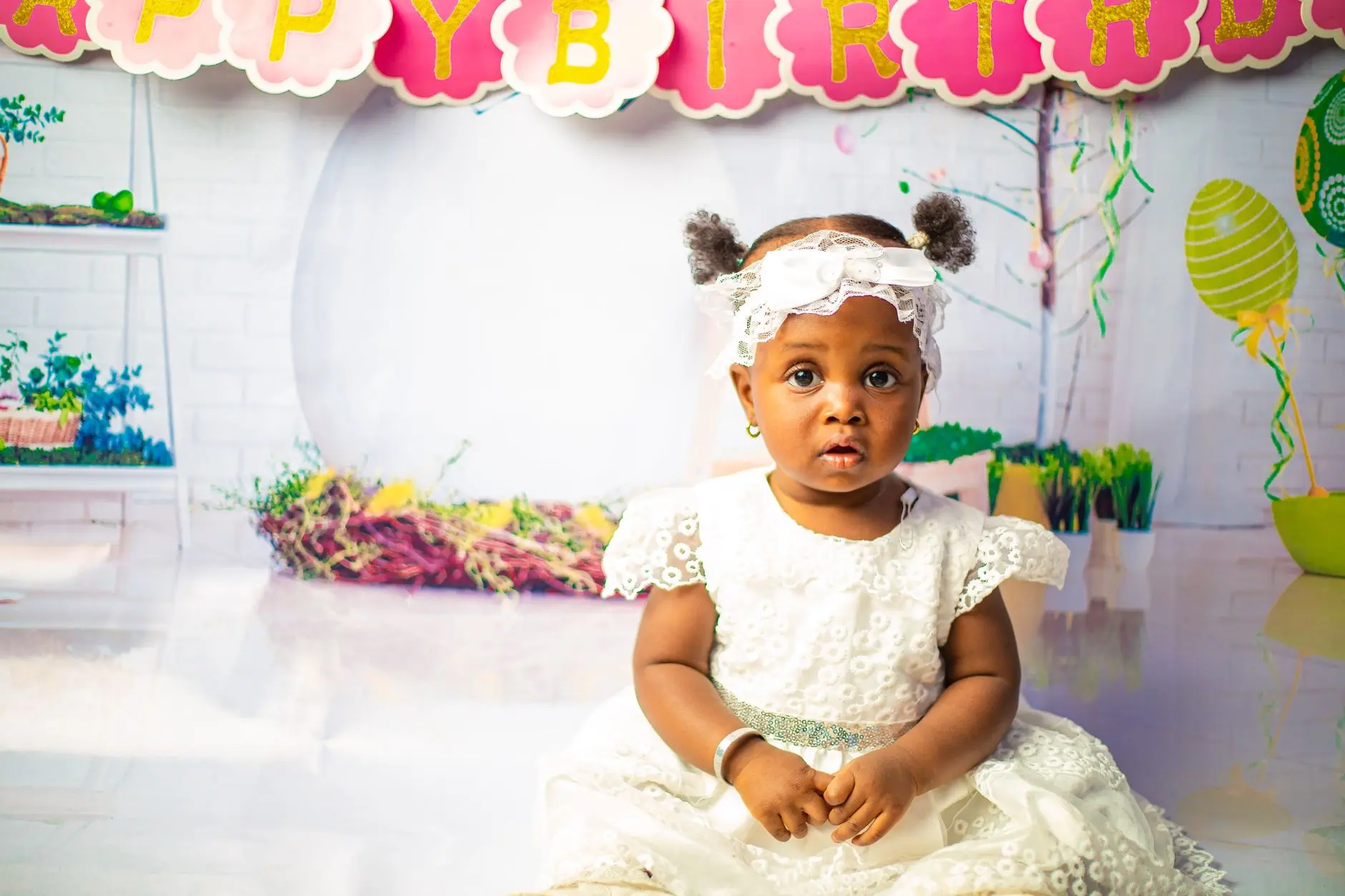
These toddler birthday party activities are built for the reality of the day: short attention spans, zero tolerance for waiting, and one adult doing everything while the other grown-ups hold their coffee. Half the list is a printable you set out before guests arrive.
The other half needs nothing printed at all, just a little setup and then you walk away. Every single one works without a single word of explanation to the children.
This post contains affiliate links. If you buy through them, I may earn a small commission at no extra cost to you.
- Big Shape Colouring Sheets (Colouring Page, One Per Child)
- The Bubble Corner (No Printing Needed)
- Colour by Shape, Four Colours Only
- Musical Statues With One Adult on the Music (No Printing Needed)
- Picture Bingo With Six Large Squares (4 Bingo Grids + Call List)
- Posting Objects Into a Box With a Slot (No Printing Needed)
- Match the Animal to Its Home
- Sticking Shapes Onto a Long Roll of Paper (No Printing Needed)
- Trace the Thick Dotted Line
- Ball Rolling Down a Cardboard Ramp (No Printing Needed)
- Count the Balloons
- The Feely Bag of Soft Objects (No Printing Needed)
- The Placemat to Colour While Waiting
- Stacking Cups Into a Tower (No Printing Needed)
- Four Piece Rectangle Puzzle
- Dancing With Scarves (No Printing Needed)
- Frequently Asked Questions
1. Big Shape Colouring Sheets (Colouring Page, One Per Child)
Each child gets their own sheet printed on cardstock, sits down, and colours. That is the whole game. Big outlines of a circle, square, triangle, star and heart fill the page, each shape large enough for a chubby fist gripping a crayon to stay roughly inside. No instructions, no demonstration: the crayon goes on the shape and colour happens.
Print one per child on white cardstock and set out a cup of four chunky crayons per seat before anyone arrives. The sheet doubles as a take-home keepsake, so write the child’s name lightly in pencil on the back before the party. Allow ten minutes, though most toddlers finish in five and move on.
If a child ignores the shapes entirely and scribbles freely across the whole page, let them. That is still fine motor work and still a souvenir. Keep a spare sheet or two for siblings who show up uninvited to the table.
- Ages 18 months to 3 years
- Arrival or cake-waiting gap
- Works solo or side by side

🛍 Shopping guide
2. The Bubble Corner (No Printing Needed)
One adult stands in a corner of the garden or room with a large bubble wand and blows a slow, steady stream of bubbles toward the children. The toddlers chase, pop, grab, and shriek. That is the entire activity. No rules exist because no rules are needed.
No printing needed. Set up a low table in the corner with several bottles of bubble solution and a variety of wand sizes so multiple adults can take turns blowing. A battery-powered bubble machine works as a backup if the adult’s arms tire.
Allow this to run as long as the children want, which is usually until someone falls over or the cake appears.
Keep the bubble area on grass or a mat rather than a hard floor: wet floors from dripping wands are a real hazard. If it is an indoor party, open a window or run it in a hallway where excited running has a clear path.
- Bubble solution (buy extra)
- Large wand plus small wands
- Bubble machine optional but recommended
🛍 Shopping guide
3. Colour by Shape, Four Colours Only
The sheet shows a birthday cake illustration divided into sections, each section filled with a printed shape symbol: a dot, a stripe, a star, or a heart. A small key at the top matches each symbol to one of four colours: red, yellow, blue, green.
The child picks the right crayon and fills in each section. The result is a coloured birthday cake picture they made themselves.
Print one per child on cardstock. Limit the crayon cup to exactly the four key colours so there is no confusion about which crayon to reach for.
The sheet works for children who can match a printed shape to a printed symbol, typically from around age two and a half, but younger toddlers will simply colour freely and that is fine too. Allow ten to fifteen minutes.
If the key at the top confuses a child, point once to the dot section and the red crayon, and they usually take it from there. A variation: use stickers instead of crayons, with dot stickers for dot sections, so no crayon control is needed at all.
- Swap crayons for dot stickers in matching colours
- Pre-sort one crayon cup per seat before guests arrive

🛍 Shopping guide
4. Musical Statues With One Adult on the Music (No Printing Needed)
Music plays, children dance, music stops, children freeze. Any child who moves after the music stops sits down for one round, then rejoins immediately because eliminating a two-year-old from a party game is a terrible idea. The adult on the music is the only person who needs to know the rules.
No printing needed. Use a phone and a Bluetooth speaker. Pick a playlist of short cheerful songs at high volume: toddlers respond to bass. Keep rounds short, fifteen to twenty seconds of music at most, so the stopping and starting happens fast enough to hold attention. Run five or six rounds total before interest naturally wanders.
The freezing is the fun part, not the winning. Ham up the freeze moment as a grown-up: stand perfectly still yourself, raise your eyebrows, make the children laugh. Toddlers at this age play best when an adult plays alongside them rather than watching from the side.
Never eliminate permanently: everyone rejoins after one round out
5. Picture Bingo With Six Large Squares (4 Bingo Grids + Call List)
Each child gets a bingo card with six large picture squares: a balloon, a cake, a candle, a present, a star, and a teddy bear. The caller (any adult) holds up one picture card at a time from the call list.
Children place a chunky counter or dried pasta piece on the matching picture. First to cover all six shouts ‘Bingo.’ With toddlers, everyone usually wins at roughly the same time and nobody minds.
Print four different grid arrangements on cardstock so each child holds a different card, and print one copy of the call list for the adult. No two grids arrange the six pictures in the same order, which is what makes the game work.
Provide dried pasta tubes or large buttons as counters, one small bowl per child. Run two or three rounds, which takes about eight minutes total.
The matching, not the competition, is the real cognitive work here. If a child starts eating the pasta counters, swap to large stickers they peel and press. Keep spare call-list copies so watching parents can help their own child find the right square without hovering over someone else’s card.
- Dried pasta tubes or large buttons as counters
- One small bowl per child
- Printed call list for the adult

🛍 Shopping guide
6. Posting Objects Into a Box With a Slot (No Printing Needed)
Cut a wide slot in the lid of a shoebox. Fill a basket with objects that fit through: pompoms, large wooden shapes, folded fabric squares, chunky rings. The toddler picks up an object, posts it through the slot, the box rattles, and they reach in through the open side to retrieve and post again. It is entirely self-resetting.
No printing needed. Cover the box in birthday wrapping paper so it looks festive rather than like recycling. Make the slot wide enough that no object can ever get stuck, at least 4cm wide and 2cm tall.
One box per two children works well; if you have six toddlers, set out three boxes. This station runs unattended once the basket is full.
The appeal is the noise and the mystery of the disappearing object. If toddlers start throwing rather than posting, simply lower the basket to floor level so they crouch down to pick up each piece, which naturally slows the arm. Keep the objects large enough that none poses a choking hazard: nothing smaller than a golf ball.
- Self-resetting: no adult needed to run it
- Builds fine motor grip and aim
- Runs happily for ten to fifteen minutes
🛍 Shopping guide
7. Match the Animal to Its Home
The left column shows five animals: a bird, a fish, a dog, a bee, a rabbit. The right column shows five homes in jumbled order: a nest, a bowl, a kennel, a hive, a burrow.
The child draws a line from each animal to its home. With toddlers who cannot yet draw connecting lines, a parent points to each pair and the child nods or places a finger on the home: the matching is still happening.
Print one per child on cardstock and provide a single thick marker or crayon per child for drawing the lines.
The answer key prints at the bottom of the same sheet in tiny light-grey italic text so the supervising adult can confirm a match without leaning over to another adult’s copy. Allow five to eight minutes.
This sheet works well as a quiet table activity between cake and presents.
If a child matches incorrectly, resist correcting them at the party: it is a party, not a lesson. Save a completed sheet as a keepsake by slipping it into a zip-lock bag with the child’s name written on the outside.
- Ages 2.5 and up
- Table activity during cake gap
- Develops early categorisation thinking

🛍 Shopping guide
8. Sticking Shapes Onto a Long Roll of Paper (No Printing Needed)
Unroll a length of plain white lining paper or butcher paper along a low table or directly on the floor. Set out bowls of pre-cut foam sticker shapes: circles, squares, triangles, stars, in bright colours. The toddlers peel and stick wherever they like.
No direction needed. The paper fills up, the children move along it, and by the end it looks like collaborative modern art.
No printing needed. Cut two to three metres of paper and tape the corners to the table or floor with painter’s tape so it does not curl up mid-session.
Pre-peel a few stickers and press them loosely to the edge of each bowl so tiny fingers can get started without frustration. This station works as a background activity that children drift in and out of across the whole party.
Foam sticker shapes work better than paper stickers for toddlers because the peel backing is thicker and easier to grip. Avoid glitter foam at an indoor party unless everyone is prepared to find glitter in the buffet. Roll the finished paper up at the end and offer it to the birthday child’s family as a group artwork.
- Lining paper or butcher paper roll
- Foam sticker shapes in multiple colours
- Painter’s tape to anchor the paper
🛍 Shopping guide
9. Trace the Thick Dotted Line
A series of thick dotted paths winds across the page from a little cartoon child at the left edge to a birthday cake at the right.
Each path is a different gentle curve: a shallow wave, a zigzag of just two turns, a wide loop, and a straight line. The child traces each path with a crayon, following the dots. No letters, no numbers, no right or wrong result.
Print one per child on cardstock. Supply one thick crayon per child, not a cup of many, so there is no decision fatigue before the tracing even starts. This is a fine motor warm-up disguised as a birthday activity. Allow five minutes; most toddlers complete it in three and feel genuinely pleased with themselves.
If a child presses so hard the crayon tears the paper, use a slightly heavier cardstock next time or place a second sheet underneath as a buffer. A variation for slightly older guests: provide two crayons and ask them to trace each path in a different colour, which extends the activity by a couple of minutes.
- Builds pencil-grip strength before school
- Self-directed: no adult guidance needed mid-activity
- Works for left- and right-handed children equally

10. Ball Rolling Down a Cardboard Ramp (No Printing Needed)
Prop a wide cardboard panel at a low angle against a sofa cushion or step. Set a basket of small soft balls at the top and an empty laundry basket at the bottom. The child puts a ball at the top, lets go, watches it roll, and chases it into the basket. Repeat indefinitely. The physics is the entertainment.
No printing needed. Make the ramp from a flattened large cardboard box taped flat: a width of at least 40cm keeps the ball on track without needing the child to aim.
Elevate the top end no more than 15cm so the ball rolls slowly enough to be satisfying rather than alarming. Soft fabric balls or large pompoms work best because they do not bounce off into the crowd.
If two children want to use the ramp at once, set two side-by-side panels against the same cushion so they can race. Weight the laundry basket with a folded towel at the bottom so it does not tip when an excited toddler dives in after the ball.
- Use a wider ramp for children who struggle to aim
- Soft fabric balls only, no hard plastic at this age
🛍 Shopping guide
11. Count the Balloons
The sheet shows five counting boxes. Box 1 contains one balloon. Box 2 contains two balloons. Box 3 contains three. Box 4 contains four. Box 5 contains five. Below each box sits a row of empty circles, one for each balloon.
The child colours in one circle for each balloon they count. The answer key at the bottom confirms the totals for any adult who is asked.
Print one per child on cardstock. Supply one crayon per child for colouring the circles. The activity takes three to five minutes and holds attention well because counting and colouring happen together. It also works as a quiet settle-down sheet when a toddler needs a moment away from the noise without being removed from the group.
For children who cannot yet count to five, the colouring of circles is still a valid fine motor activity even if the count is wrong. Never correct them aloud during the party.
A variation: provide dot stickers instead of crayons so children press a sticker into each empty circle instead of colouring it, which extends the activity and adds a tactile layer.
- Ages 2 to 4
- Five minutes of calm at any point in the party
- Works as a quiet settle-down sheet

12. The Feely Bag of Soft Objects (No Printing Needed)
A plain drawstring bag holds six to eight soft objects: a small rubber duck, a pompom, a wooden ring, a velvet ribbon loop, a tiny soft ball, a square of fleece.
The child reaches in without looking, feels an object, pulls it out, and sees if they guessed what it was. No guessing is required: simply feeling and pulling is enough at this age.
No printing needed. Use a pillowcase if you do not have a drawstring bag. Choose objects that are all distinctly different in texture, never two that feel the same inside the bag.
Keep every object larger than a tennis ball to remove any choking risk, and check the bag before each child’s turn to remove any object that has been chewed. One adult sits beside this station to refresh the bag between turns.
The developmental work here is sensory discrimination, a skill that does not look like much to watching parents but is genuinely useful cognitive exercise. If a child refuses to put their hand in the bag, simply tip the objects onto a tray and let them handle them freely instead.
- Builds sensory vocabulary without any words required
- One adult station: easy to supervise from a chair
13. The Placemat to Colour While Waiting
A landscape-format sheet with a thick border sits at each child’s place at the table before cake is served.
Inside the border: a balloon cluster in the top-left corner, a birthday cake outline in the centre, and a scattering of stars and confetti shapes around it, all waiting to be coloured.
The child picks up a crayon and works while the adults finish organising the food.
Print one per child on cardstock and laminate for reuse if this is a recurring party format, though unlaminated cardstock is fine for single use. Set four crayons in a small cup at each place before guests sit down.
The sheet is landscape so it sits flat in front of a plate without overhanging the edges of a standard party table. Allow the colouring to continue right through the waiting period, which may be five to fifteen minutes depending on the cake situation.
The placemat gives restless toddlers somewhere to direct their hands while waiting, which cuts the chance of a full meltdown before the cake arrives. Do not rush to remove the sheet when food appears: simply slide the plate on top of it and the child can return to colouring between bites.
Set these out before guests sit, not after: the colouring needs to start the moment the child arrives at the table

🛍 Shopping guide
14. Stacking Cups Into a Tower (No Printing Needed)
Set out a low table with thirty plain plastic cups in a basket. The toddler stacks them into a tower as high as they can manage and then knocks it down. Then they stack again. The knocking-down is, objectively, the best part. No adult needs to be stationed here once the basket is full.
No printing needed. Use smooth-sided disposable plastic party cups, which are easier for small hands than textured ones. Thirty cups gives enough height for a satisfying collapse without requiring adult assistance to reach. If two children are at the station together, a cooperative tower that both children knock down simultaneously is genuinely joyful and requires zero facilitation.
Stack a small pre-built tower of ten cups before guests arrive so the first child to arrive at the station immediately sees what to do and gets the satisfaction of knocking it down within ten seconds of sitting. That first knock is the tutorial.
- Zero supervision needed once set up
- Self-resetting every thirty seconds
- Works for all ages at the party, including older siblings
🛍 Shopping guide
15. Four Piece Rectangle Puzzle
The sheet shows a single large birthday-themed illustration, a round cake with candles and a balloon on either side, printed across the full page. Straight cut lines divide it into exactly four equal rectangles, two on top and two on the bottom.
The adult cuts along those lines before the party. Each child receives one set of four pieces in a small envelope and assembles the picture at the table.
Print one per child on cardstock, cut on the straight lines only (never a curved or interlocking shape), and slip each set into a small paper envelope labelled with the child’s name.
The four large rectangles are easy enough for a two-year-old to handle without losing a piece under the table. Allow five minutes. Most children complete it in under two, then either mix the pieces and redo it or wander off to the next thing.
The straight rectangle cuts are deliberate: interlocking puzzle shapes are difficult to cut cleanly at home and the pieces become impossible for toddlers to orient. If a child struggles to place a piece correctly, turn it the right way up without comment and let them slide it into position themselves, which preserves the sense of achievement.
- Cut all sets before the party, never during it
- Label each envelope with the child’s name so sets do not get mixed

🛍 Shopping guide
16. Dancing With Scarves (No Printing Needed)
Hand each child a lightweight chiffon scarf. Play music. The scarves do the rest. Children wave them, drape them over their heads, spin, flutter them, and generally behave like tiny joyful ghosts. No steps, no choreography, no instructions. One adult dancing alongside them for the first thirty seconds sets the tone and then they are away.
No printing needed. Buy a set of ten to twelve rainbow chiffon scarves, which cost very little and pack flat.
Play an upbeat playlist at a volume that is loud enough to feel exciting but not so loud that babies in the room start crying: test it before guests arrive.
This activity works indoors or outdoors and runs for as long as the playlist continues, typically five to eight minutes before toddlers naturally drift.
Collect the scarves at the end by making a game of it: hold out a basket and ask children to post their scarf in through the top, which neatly loops back to the posting-box motor skills from earlier. Scarves also make an easy take-home favour if they survive the party intact.
- End of party energy release
- Works for all ages in the room
- Doubles as a take-home favour
🛍 Shopping guide
Frequently Asked Questions
What toddler birthday party activities work for two-year-olds specifically?
Two-year-olds need activities that start themselves: colouring sheets, sticker stations, bubble corners, and cup stacking all work because the child can begin without any explanation. Avoid games with turns, rules, or waiting. The best toddler birthday party activities for this age are parallel play stations where multiple children do the same thing at the same time without interacting.
How many activities do you need for a one-hour toddler birthday party?
Four to six activities is realistic for a one-hour party. Toddlers spend two to five minutes at each station before moving on, so you need enough variety to cover the time without any single activity running dry.
Set up three or four stations around the room plus one group game and one printable at the table, and you have the hour covered without ever reading instructions aloud.
How do you keep toddlers entertained while cake is being prepared?
The colouring placemat is specifically designed for this gap. Set it at each child’s place before anyone sits down, with four crayons already in a cup. The child begins colouring the moment they arrive at the table, which buys a reliable ten to fifteen minutes.
You can also run the feely bag or the tracing sheet at the table while you finish arranging the cake.
What printables are worth printing for a toddler birthday party?
Print one-per-child sheets on cardstock rather than regular paper so they hold up to crayon pressure and small hands. The colouring page, tracing sheet, placemat, and puzzle sheet all work best with one copy per child.
The bingo card set is shared across the group: print four grids plus one call list, which covers up to four children per round. The matching sheet and counting sheet print one per child but can be reused if laminated.
Which toddler birthday party activities need no preparation on the day?
The bubble corner, dancing with scarves, musical statues, stacking cups, and the feely bag all need a small amount of setup (filling a bag, setting out cups, loading a playlist) but zero preparation on the day itself beyond that setup.
The cardboard ramp and the posting box need five minutes of construction, but both are built from items you already have. None of them require printing.
How do you handle toddlers who do not want to join in a group activity?
You do not make them. The best approach for this age is to have a parallel solo activity always available alongside any group game: a colouring sheet on the side table, the sticker roll running along one wall.
A toddler who opts out of musical statues and returns to the sticker roll is not misbehaving; they are regulating themselves, which is developmentally appropriate. Plan for drop-outs by setting up at least two solo activities that run simultaneously with any group game.
Fifteen bold, warm 21st birthday party ideas that feel like a milestone without a six-month deposit.
15 toddler birthday party ideas built for the moment every plan goes sideways. Bright themes, low ef
Discover 12 gorgeous first birthday invitation ideas for a baby girl — printable themes from Berry
Leave a Reply