

16 Gratitude Activities That Do Not Feel Like a Lecture, With Free Printables
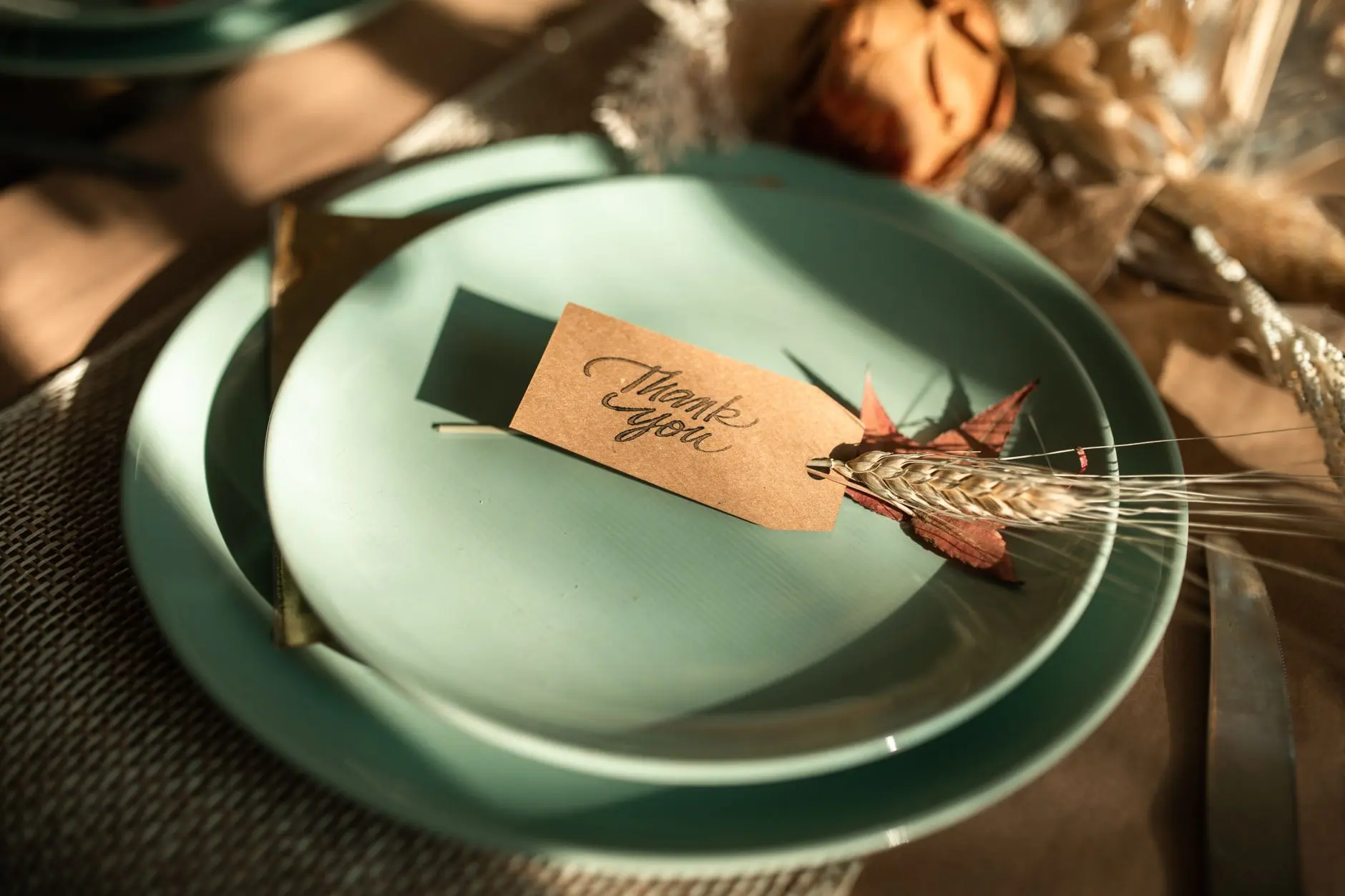
These thanksgiving gratitude activities are built for real dinners with real people, the ones who would rather eat than do a feelings exercise. Sixteen ideas spread across the whole day, most under five minutes, starting with printables you can set out before guests arrive and ending with a bedtime ritual the children will actually request. Mixed ages, zero sentimentality performance required.
This post contains affiliate links. If you buy through them, I may earn a small commission at no extra cost to you.
- Gratitude Prompt Cards
- Thankful Place Cards
- Family Gratitude Poster
- Gratitude Jar Labels
- Year in Review Sheet
- Gratitude Colouring Sheet for Children
- Letter Template for Someone Far Away
- The Gratitude Chain Around the Table
- One Word Each Before Eating
- Thank You Notes Written After Dessert
- The Gratitude Walk
- Calling One Person Who Could Not Come
- Naming a Small Thing Rather Than a Big One
- Passing a Candle Around the Table
- Gratitude at Bedtime with the Children
- Saving the Jar Until Next Year
- Frequently Asked Questions
1. Gratitude Prompt Cards
Print two sheets, six cards each, and lay a card face-down at every place setting before anyone arrives. Guests flip their card whenever the table feels quiet, read the prompt aloud, and answer in one sentence or ten. The prompts are open-ended enough for a seven-year-old and specific enough that a teenager cannot answer with a shrug. Good prompts include: “Name something that made this year easier than expected,” “What skill did someone at this table teach you,” and “What are you glad you did not skip this year.”
Print on cardstock, cut along the crop marks, and stack face-down. Two sheets give you twelve distinct cards, enough for a table of twelve with no repeats. The cards are also small enough to slip into a coat pocket and use on the car ride home.
The common failure is printing on flimsy paper so cards curl or go limp under a water glass. Cardstock fixes this entirely. If the table already has a lot on it, rubber-band each set of six and drop one bundle per end of the table rather than scattering singles.
Lay cards face-down so guests feel the reveal, not the assignment.

🛍 Shopping guide
2. Thankful Place Cards
Eight place cards per sheet, each with the guest’s name line at the top and one blank writing line below a printed prompt that reads “Today I am thankful for.” Every guest fills in their own card before sitting down, or the host fills the name line and leaves the gratitude line blank for guests to complete at their seat. The card folds in half to stand tent-style on the table.
Print one sheet for up to eight guests. Print two for a bigger crowd. Cut along crop marks, fold on the centre line, and the card stands without tape. Fine-tip markers read better than ballpoint on cardstock, so set a cup of them at both ends of the table.
If children are filling their own cards, put a sticky dot on each child’s card so the host can quickly read them aloud at the start of the meal without searching. The card doubles as a keepsake: guests take them home or the host collects and photographs them before clearing the table.
- Cardstock, printed and cut
- Fine-tip markers in a cup at each end of the table
- One minute per guest to fill in before sitting

🛍 Shopping guide
3. Family Gratitude Poster
One shared poster, pinned to a door or propped on the sideboard, with a large central prompt: “Our family is grateful for.” Below it, ruled lines fan out from a central leaf illustration, each line wide enough for one guest to write a sentence. Every person who walks in signs their name and adds one line before the meal starts. The poster stays up all day.
Print on the largest sheet your printer takes, ideally tabloid (11×17), or tile two letter pages. A thick marker reads well from across the room, so set one on a string next to the poster. By the time everyone arrives, the poster is full and readable as a piece of wall art.
The risk is that the first person to write sets a very earnest tone and everyone else follows stiffly. Solve it by writing the first line yourself before guests arrive, and make it something warm but not solemn: “the good coffee this morning” works perfectly.
It fills up visually as guests arrive, so latecomers can see what others wrote and feel part of the room before they sit down.

4. Gratitude Jar Labels
Six wrap-around labels per sheet, sized to fit a standard wide-mouth mason jar. Each label reads “Grateful Jar” at the top, has the year printed in small type below, and leaves a decorative band of cream space where guests can write one word or phrase before dropping a folded note inside. Set a jar with a stack of small paper slips and a pen on the kitchen counter, and guests add to it all day.
Cut the labels, wrap and tape around a clean mason jar. One jar per household is plenty. The slips inside become the reading material when you open the jar next year, so the label acts as a time stamp. Print extra labels if you want each family unit to take their own jar home.
Paper slips get lost in a deep jar. Cut them small (business-card size) and fold them once so they stack rather than drift. A small funnel of rolled cardstock in the jar mouth makes dropping them in feel ceremonial rather than clumsy.
Families who want a tradition that builds over years, not just one evening

🛍 Shopping guide
5. Year in Review Sheet
One sheet per guest, handed out before or during the meal, with twelve short prompts arranged by month: “Something that changed,” “Someone who helped,” “A moment worth keeping.” Guests fill in as much or as little as they like, fold the sheet, and either keep it or drop it in the gratitude jar. Children can draw instead of write in the boxes.
Print one per person, including children old enough to write. A fine-tip pen is better than a ballpoint on cardstock. Allow fifteen minutes of quiet after the meal or during dessert, when the conversation naturally slows and filling something in feels comfortable rather than forced.
Adults tend to skip months where nothing memorable comes to mind. Reassure them before they start: blank boxes are fine, the sheet is theirs, nobody reads it aloud unless they choose to. That one sentence takes the performance pressure off entirely.
- Print on both sides so children get a drawing version on the back
- Keep pens in a cup at the centre of the table so nobody has to ask

6. Gratitude Colouring Sheet for Children
A single full-page illustration for children to colour during the quiet before the meal or while adults are still talking. The scene shows a harvest table set for a crowd, with a banner across the top reading “I Am Thankful For” and four large blank speech-bubble shapes rising from illustrated chairs, each bubble containing a single ruled line for the child to write one word. The rest of the page is a detailed line drawing of leaves, pumpkins, and lanterns to colour.
Print one per child on plain white paper (colouring needs ink absorption, not cardstock). Set out a tin of crayons or coloured pencils and let them work independently. The finished sheets can be taped to a window or photographed and sent to relatives who could not make it.
Children finish colouring at different speeds. Have a second plain colouring page as backup, or let them colour the back of someone else’s year-in-review sheet. The speech bubbles give them a tiny writing task so the sheet is not purely passive.
- Plain white printer paper (not cardstock)
- Crayons or coloured pencils in a shared tin
- Tape if you want to display finished sheets

7. Letter Template for Someone Far Away
A single-page letter template with a decorative header that reads “Thinking of You Today,” followed by a short opening line already printed (“We are sitting down for Thanksgiving dinner and we wanted you to know we were thinking of you because”), then four wide ruled lines for the personal message, a closing line, and a signature line. Guests fill it in after the meal, seal it in an envelope, and mail it or photograph it to send digitally.
Print one per household or one per person, depending on how many people guests want to reach. Set a stack near the door with a pen and a small basket of envelopes. A stamp costs less than a dollar and the physical letter arrives as a genuine surprise in a mostly digital world.
The printed opening line is the key feature: starting a letter is the hardest part, and removing that blank-page moment means guests actually complete it rather than intending to write it later. Keep the ruled lines generous so even large handwriting fits.
Set a basket of envelopes and a book of stamps near the door. Guests who fill in a letter on the spot are far more likely to actually mail it.

🛍 Shopping guide
8. The Gratitude Chain Around the Table
Before anyone picks up a fork, one person starts with a single thing they are grateful for, then the next person repeats that item and adds their own, and so on around the table. Nobody skips, nobody says “same as her.” The chain breaks only when someone forgets a previous item, at which point everyone helps without penalty and the chain continues from where it left off.
No materials needed. Works for four people or twenty. Takes three to eight minutes depending on table size. Children are often the most reliable remembers, which gives them a visible, useful role at an adult-heavy table.
The memory-chain format keeps everyone listening rather than planning their own answer, which is its real value. The problem is people who are embarrassed to forget: set the tone at the start by saying that forgetting is fine and everyone helps. Frame it as a game, not a test, and the table relaxes.
Listening to repeat someone else’s item means you actually absorb what they said, not just wait for your turn.
9. One Word Each Before Eating
The host asks for thirty seconds of quiet, then says one word that describes what this year meant to them. The word moves around the table, one word per person, no explanation required. The meal starts the moment the last person speaks. Total time: under two minutes.
Nothing to print, nothing to prepare. The only setup is the host modelling it first with a real word, not a placeholder like “grateful” or “blessed.” Something specific and a little unexpected (“resilient,” “surprised,” “slower”) gives others permission to be honest rather than performative.
Some people will laugh nervously or say the most generic word they can think of. That is fine. The point is not depth, it is a shared pause before eating. One round is plenty. Do not go around twice.
- Tables with mixed ages and mixed levels of comfort with feelings
- Any size group, it scales perfectly
10. Thank You Notes Written After Dessert
After dessert, set out a stack of blank cards, a cup of pens, and five minutes on the timer. Each guest writes one thank-you note to anyone: someone at the table, someone not there, a teacher, a neighbor. The note does not have to be long. Three sentences is plenty. The host collects them or guests pocket their own to send later.
Plain folded notecards work. So does a half-sheet of the letter template from earlier in the day. The timer matters: open-ended writing time dissolves into conversation. Five minutes is enough for everyone to finish at least one card without it feeling like homework.
Children who cannot write yet can draw a picture and have an adult write one sentence across the bottom. Frame it or photograph it before handing it to the recipient, because that drawing will not last otherwise.
- Blank notecards or half-sheets
- Cup of pens at the table centre
- A five-minute kitchen timer
🛍 Shopping guide
11. The Gratitude Walk
After the meal and before the second round of pie, take ten minutes outside. No phones, no destination. Each person names one thing they notice on the walk that they are glad exists: the cold air, the colour of a tree, the neighbour’s dog. The walk handles the post-meal slump and the naming exercise gives it a point beyond digestion.
Works for any group size. Break into smaller groups if the table is large: four to six people per walking group keeps the conversation easy. Children almost always lead this one naturally because they notice things adults have stopped seeing.
If the weather is genuinely bad, do it in the driveway for three minutes or on the porch. The point is a brief pause outside the house, not a hike. A two-minute walk that actually happens beats a planned twenty-minute walk that gets skipped because it is cold.
Tell guests before dinner that there will be a short walk after the meal, so nobody disappears to the couch the moment plates are cleared.
12. Calling One Person Who Could Not Come
Before or after the meal, the whole table calls one person who could not be there, on speakerphone, for three minutes. Not a long catch-up, a specific call: “We are sitting down and we wanted you to hear us say we are glad you are in our lives.” The person on the other end almost always cries, and the table almost always laughs, and both are fine.
No preparation needed beyond knowing the number. The host picks the person in advance and mentions it at the start of the meal so nobody is surprised. Putting the phone in the centre of the table means everyone is visible to the call, not just whoever is holding the device.
Keep it to three minutes or the call slides into logistics (“when are you visiting, how is the job”). Set a gentle timer and close the call warmly but firmly. The brevity is what makes it feel special rather than obligatory.
Families with a member who is travelling, in hospital, in another country, or simply unable to travel this year
13. Naming a Small Thing Rather Than a Big One
The host sets one rule before anyone shares: no big things. No health, no family, no job. Only small, specific things that cost nothing and are easy to overlook. Good examples include: a particular mug, a song heard in the car, a text from a friend, the smell of this kitchen right now. The specificity is the whole point.
Run this as a quiet go-around, one small thing per person, no explanation required. It takes under three minutes and consistently produces more genuine responses than any open-ended gratitude prompt, because the constraint removes the pressure to say the right thing.
Adults sometimes struggle more than children here, because adults are trained to answer with something that sounds worthy. If someone gets stuck, invite them to look around the room and name the first object they see that they are glad exists. That almost always works.
Small specifics land harder than grand statements. Saying ‘the heated seats in my car’ gets a real laugh and a real moment of recognition.
14. Passing a Candle Around the Table
Light one pillar candle and pass it slowly around the table. The person holding the candle says one thing before passing it on. No one speaks while someone else holds the candle. The candle stays lit at the centre of the table for the rest of the meal as a visual anchor.
Any candle works, but a short wide pillar is easiest to hold without spilling wax. Start the pass before the food is served so hands are not greasy. With a table of twelve, the full pass takes about five minutes.
Children who are nervous about holding a flame can cup their hands around the base without touching the wick area, which feels ceremonial and safe. If anyone is uncomfortable with open flame, skip the lighting and pass an unlit candle: the ritual holds either way.
- One short wide pillar candle
- Matches or a long lighter
- A heat-safe plate or holder for the centre of the table
15. Gratitude at Bedtime with the Children
At the end of the night, sit with the children at bedtime and ask each one to name three things from the day: something they saw, something they tasted, and something someone did that was kind. Keep it conversational, not formal. The three-category structure is enough to guide without over-directing.
No materials needed. Works for ages three and up, with the younger ones needing a prompt or two to get started. Older children often surprise adults with what they noticed, because children track different details than the host is tracking while managing a dinner.
This is the only activity in the list that closes the day quietly rather than publicly, which matters: it makes gratitude feel like a private, comfortable habit rather than a performance. That is a better takeaway than any printed card.
If children are too tired for three things, one is enough. The habit matters more than the count.
16. Saving the Jar Until Next Year
At the end of the evening, seal the mason jar, label the lid with the year using a marker, and store it somewhere visible: a pantry shelf, a mantle, a kitchen windowsill. The jar does not get opened until next Thanksgiving, when the first activity of the day is reading last year’s slips aloud before adding new ones.
If guests are taking their own jars home, label one lid per household before the night is over so nothing gets mixed up. The ritual only works if the jar is sealed immediately: open jars lose slips and lose the sense of ceremony.
Year one always feels sparse. That is normal. By year three the jar is stuffed and the reading takes twenty minutes, and nobody minds. This is the one activity that gets better every single year without any extra effort from the host.
Store the sealed jar somewhere you will see it. Out of sight means opened early or forgotten entirely.
🛍 Shopping guide
Frequently Asked Questions
How do you make gratitude activities feel natural at Thanksgiving dinner?
Keep them short and specific. Activities that ask for one word or one small thing land better than open-ended prompts, because there is no pressure to say something profound. The host going first with a genuine, slightly unexpected answer sets the tone for everyone else.
What thanksgiving gratitude activities work for mixed ages, including young children?
The colouring sheet, the candle pass, the one-word round, and bedtime naming all work from age three upward. Children often participate more fully than adults in memory-chain games because they are not self-conscious about being heard. Give children a small, clear role rather than an open-ended one.
How early should the host print and set out gratitude printables?
The night before is ideal. Place cards and prompt cards can sit at their spots overnight without issue. The gratitude poster is best pinned near the door before the first guest arrives so early arrivals can sign it while the host is still in the kitchen.
What is the best gratitude jar setup for Thanksgiving?
A wide-mouth mason jar with the printed label, a small stack of business-card-sized paper slips, and one pen on a string or in a cup beside it. Place it on the kitchen counter, not the dining table, so guests add to it throughout the day rather than only at the meal.
How long should the table gratitude moment last before the food is served?
Under five minutes. The candle pass, one-word round, and gratitude chain all land in two to five minutes with a table of ten to twelve. Longer than that and people are watching the food cool. One focused minute is worth more than ten self-conscious ones.
Can these thanksgiving gratitude activities be reused every year?
Most of them, yes. The jar ritual is specifically designed to compound over years. The prompt cards, place cards, and year-in-review sheets are evergreen and can be reprinted annually. The letter template and colouring sheet are one-per-year items by nature.
15 high-energy Thanksgiving PE games for kids — relays, tag, sprints & more to burn holiday energy
Tired of cooking a turkey nobody loves? These 19 Thanksgiving dinner ideas skip the bird entirely an
22 no-fork, no-plate Thanksgiving finger food ideas for a standing crowd. One bite, one hand, one dr
Leave a Reply