


Picture yourself at 9 PM, scrolling through your phone, that familiar restlessness settling in your chest like dust on forgotten shelves. You’ve got thirty minutes. Maybe an hour. The question isn’t whether you deserve a hobby—you do. It’s whether you’ll choose one that actually fits the shape of your days, your energy, your quiet ambitions. What follows will show you exactly how to find that fit.
Assess Your Available Time and Energy Levels

Before you browse hobby lists or purchase supplies, you’ll need to conduct an honest audit of two finite resources: your time and your energy. This isn’t about finding spare moments—it’s about claiming them.
Evaluate weekly time commitment by tracking your schedule for seven days. Note fifteen-minute windows between 6:00 AM and 10:00 PM. You’ll discover pockets you’ve surrendered to scrolling, to waiting, to nothing purposeful.
Track your time for one week. Those fifteen-minute gaps you’ve been wasting? They’re your hidden opportunity.
Next, manage physical energy needs with brutal honesty. Are you depleted by 7:00 PM? Does your body crave movement or stillness after work? Your energy signature dictates everything.
Consider this: a high-powered professional with thirty evening minutes possesses different options than someone with weekend mornings free. Neither situation is inferior. Both demand strategic selection.
Remember that your circadian rhythm naturally craves consistency, so choosing hobby times that align with your body’s internal clock will help you maintain the practice long-term.
Define What You Want to Gain From a Hobby
Your motivation determines everything. Personal growth demands challenge. Self expression requires creative latitude. Know the difference.
| Goal | Hobby Type | Example |
|---|---|---|
| Stress relief | Repetitive, tactile | Knitting, gardening |
| Personal growth | Skill-building | Language learning, chess |
| Self expression | Creative output | Painting, writing |
| Social connection | Group-based | Team sports, book clubs |
| Physical robustness | Movement-focused | Rock climbing, dance |
Be ruthlessly honest here. You’re not choosing for the person you wish you were. You’re choosing for who you are right now—Tuesday at 7 PM, depleted but hungry for something more. That specificity holds power.
If stress relief tops your list, activities with repetitive motions can force your brain to slow down and focus, naturally shifting your shoulders and breathing into a calmer state.
Consider Your Budget and Resource Constraints
Every hobby carries a price tag, though not always in obvious ways. Equipment, materials, membership fees, travel—these costs accumulate quietly, eroding your financial foundation before you’ve mastered basic techniques.
Step 1: Audit Your Available Resources (15 minutes)
List what you already own. That camera collecting dust. Those art supplies from last year’s ambition. Your resource utilization strategies begin here, with inventory.
Step 2: Establish Your Monthly Ceiling
Set a firm number. Non-negotiable. This boundary protects your power to choose freely later.
Step 3: Research Cost Effective Alternatives
Expensive hobbies often have accessible entry points. Borrow before buying. Libraries loan instruments, cameras, even fishing gear. Community centers offer shared spaces, shared tools. Many rewarding hobbies like sketching require only a #2 pencil, eraser, and sketchpad to begin creating stunning work within weeks.
Smart constraint breeds creativity. Your limitations aren’t obstacles—they’re the architecture of sustainable passion.
Match Hobbies to Your Personality and Interests

Budget constraints shape what you can pursue, but personality determines what you’ll actually sustain. You must develop self-awareness before committing hours to any endeavor.
Step 1: The 10-Minute Assessment (Day 1, Evening)
Sit quietly. Ask yourself: Do you recharge alone or among others? Do your hands crave creation, or does your mind seek strategy? Write three activities that made you lose track of time this year. Patterns emerge.
Step 2: Align with Ambition
Those who prioritize personal growth select hobbies that compound—skills building upon skills. Chess sharpens tactical thinking. Woodworking cultivates patience and precision.
Choose what strengthens you. Not what impresses others.
The hobby that fits your personality becomes the one you’ll still practice eighteen months from now. Language learning rewires the brain and enhances executive function while building confidence in navigating the world. That’s power.
Start Small and Give Yourself Permission to Experiment
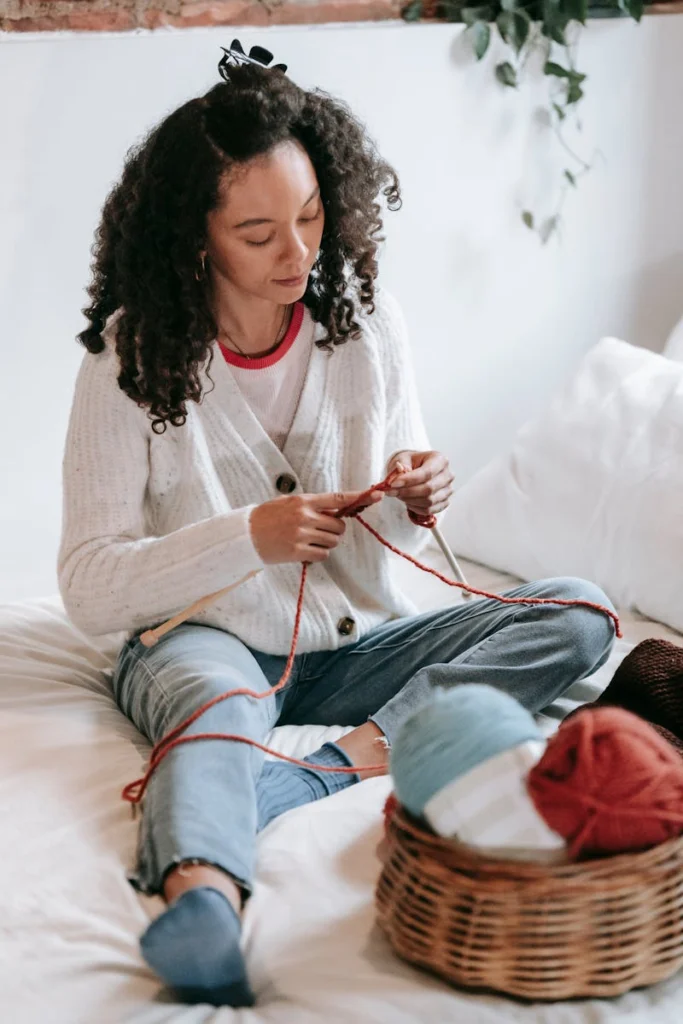
When you’ve identified what might suit you, resist the urge to dive deep immediately. Mastery demands patience. Spend just 15-20 minutes daily for your first two weeks—enough to explore different options without overwhelming your schedule.
| Commitment Level | Time Investment | Purpose |
|---|---|---|
| Trial Phase | 15-20 min/day | Test interest |
| Exploration | 30-45 min/day | Build foundation |
| Integration | 1+ hour/day | Develop command |
You hold the authority to try new activities and abandon them without guilt. This isn’t failure. It’s strategic reconnaissance.
Sample three different hobbies over six weeks. Two weeks each. Notice which pulls you back, which fades. Your instincts, properly tested, will reveal the path forward. Many rewarding hobbies like sketching, origami, or indoor gardening can be explored within a $25 budget, making experimentation both accessible and financially sustainable.
Conclusion
You’ve mapped your time, clarified your intentions, and matched possibilities to who you actually are. Now comes the essential truth: the perfect hobby doesn’t exist until you begin. Start tonight—even fifteen minutes of deliberate exploration. The theory holds: when you align activity with authentic capacity, fulfillment follows. Your future self, hands busy with meaningful work, will thank you for this single, courageous choice.

Jump into transformative daily habits that connect your mind, body, and spirit without overwhelming

Ignite your comeback story by transforming crushing setbacks into unstoppable momentum with proven r

Transform awkward silences into meaningful connections with these six proven conversation starters t
Leave a Reply