

Fruit Tart Recipe: A Bakery Style Dessert With Pastry Cream and Glazed Berries
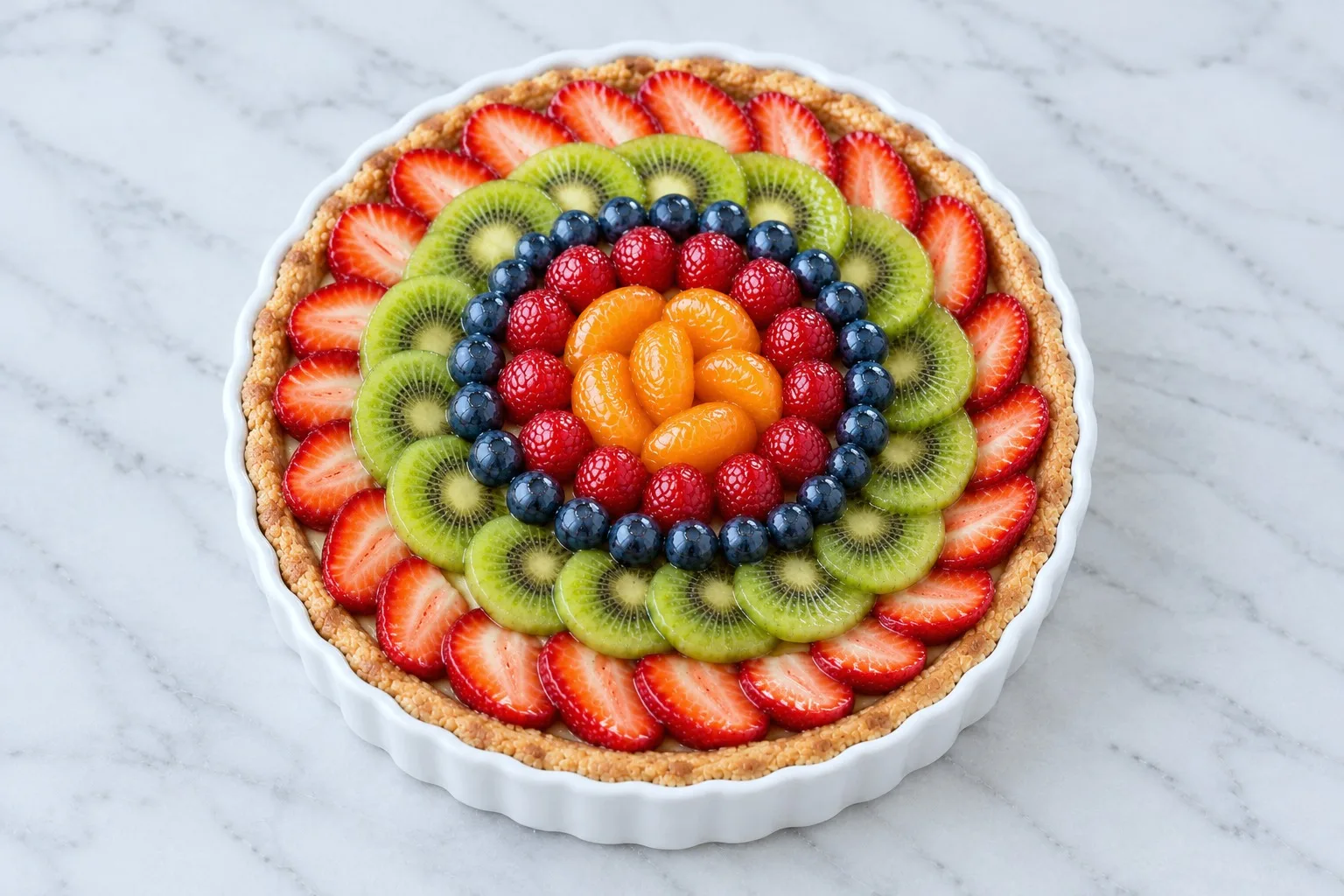
A fruit tart recipe is the one dessert that makes a kitchen look like a small French pâtisserie without asking for a diploma.
Under the glaze sits nothing more complicated than a buttery shortcrust and a bowl of vanilla custard, both well within a whisk and a little patience. Slice into it at a party and the rings of strawberry, kiwi and berry do the talking before anyone even tastes a bite.
This post contains affiliate links. If you buy through them, I may earn a small commission at no extra cost to you.
Table of Contents
Why This Fruit Tart Recipe Earns Its Place at a Party
Nobody at a party asks who baked the cake, but someone always asks about the tart. It looks like it came from behind a glass counter, and that is exactly the point: the crust is crisp enough to hear when a fork goes through it.
If she has never blind baked a crust before, this is the forgiving version: a press-in dough with no rolling pin drama, no lattice, nothing to get symmetrical except a ring of fruit that forgives wobbly hands. The rings of color do the precision work for her.
It also solves a real party problem: a dessert that can sit, finished, in the fridge while she gets dressed. No last minute whipping, no oven running while guests arrive, just a cold tart waiting on a shelf.
If she would rather skip the stovetop custard entirely on a busy week, a simple no-bake version with cream cheese and whipped cream fills the same shell in ten minutes, just with a softer, cheesecake-like bite instead of silky custard.
The Ingredients That Make This Fruit Tart Taste Like a Pâtisserie
Cold butter is not a suggestion here. It is what keeps the crust from turning into a tough, bready thing instead of a crumbly, shortbread-like one that shatters cleanly under a fork.
Egg yolks do double duty: one binds the dough, four more give the pastry cream its pale color and its body. It is the same base custard that fills cream puffs with crisp choux and vanilla cream, just set into a shell instead of piped into pastry.
Cornstarch, not flour, thickens the cream, which is why it stays glossy and smooth rather than gluey. It needs a full minute or two of real cooking on the stove, not just a warm-through, or the cream stays thin once it is cold.
Apricot preserves, warmed and brushed on, are not decoration. The glaze keeps the cut fruit glossy and slows it from drying out at the edges while the tart waits in the fridge.
The fruit itself works because of contrast, not quantity: firm strawberries, bright kiwi, dense blueberries, soft raspberries and juicy mandarin, each one holding its shape instead of weeping into the cream underneath.
How to Make It
This is a tart built in stages, and every stage can wait in the fridge for the next one, so there is no need to rush any single part of it. Read it through once before starting: the dough, the cream and the fruit each have their own chill time, and that patience is what keeps the crust crisp.
Press the dough into the pan
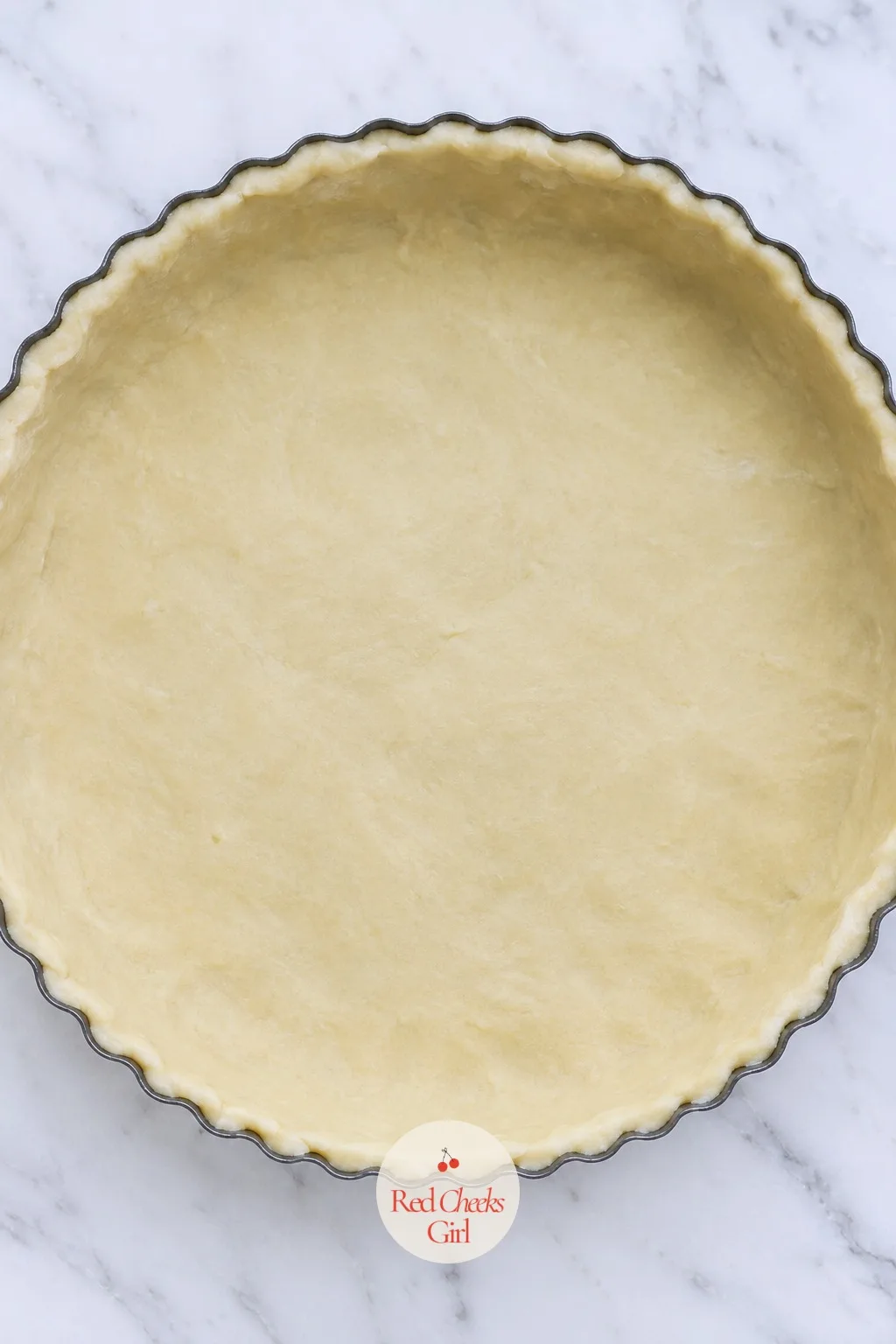
Press the chilled dough evenly into the fluted edges and the bottom corners, patching any thin spots with scraps of dough. The surface should look smooth and level before it goes back into the fridge.
Blind bake the crust golden
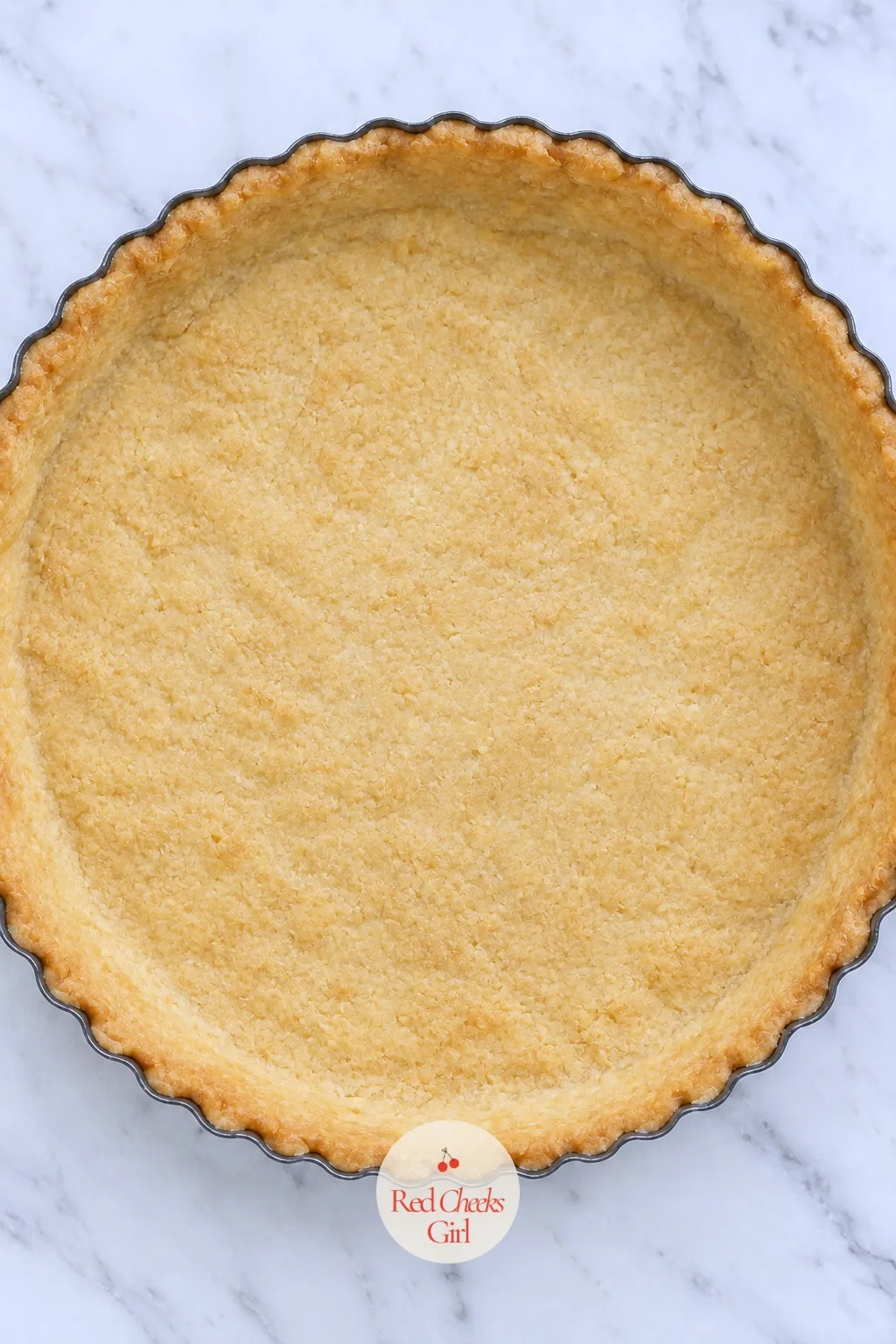
Once the weights come out, the crust finishes baking bare until the color turns an even pale gold across the bottom. Let it cool completely on a rack before anything touches it.
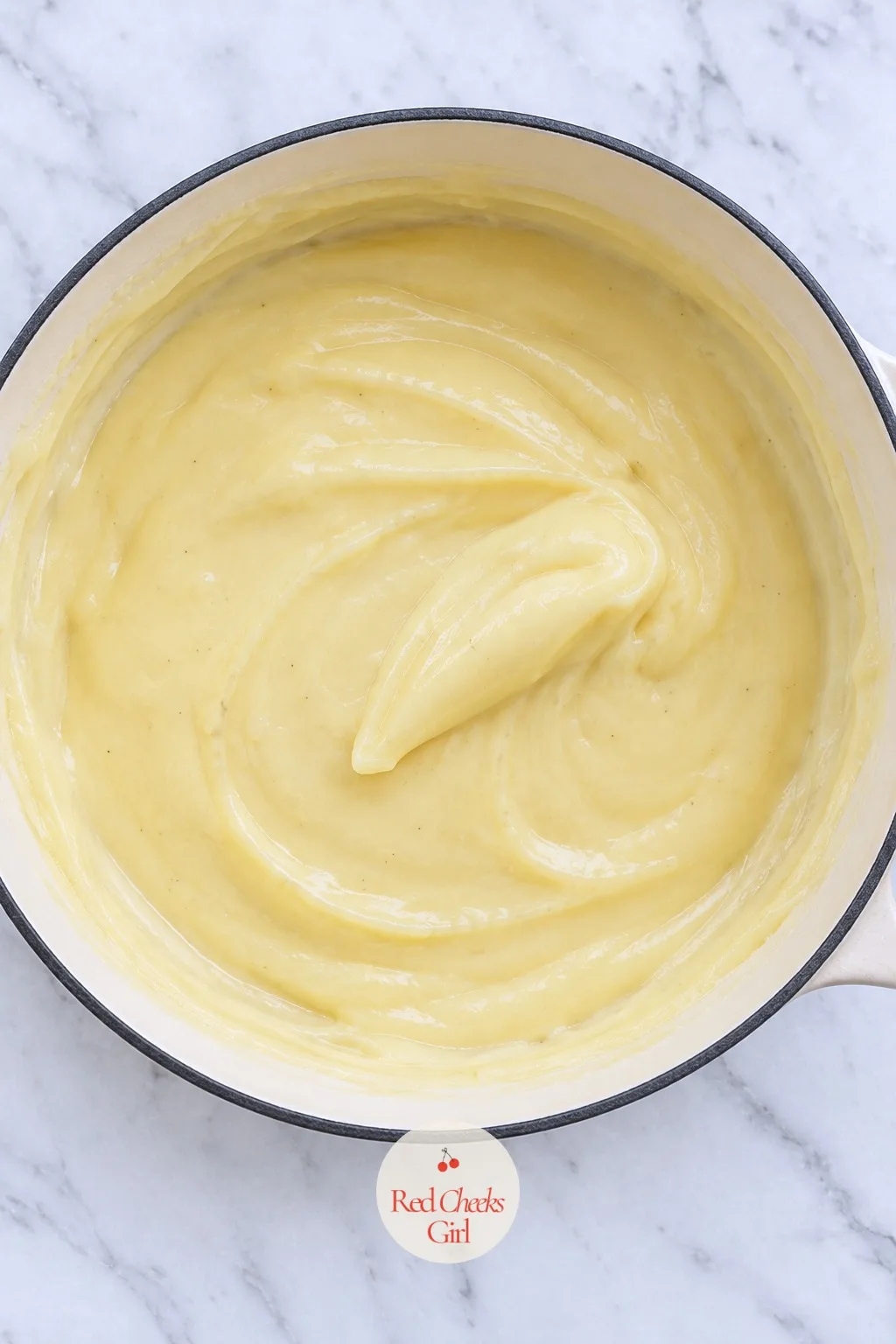
Cook the pastry cream
Whisk constantly as the cream thickens over the heat, watching for it to hold a clear trail off the whisk. It should look like thick pudding, not a thin sauce, before it comes off the stove.
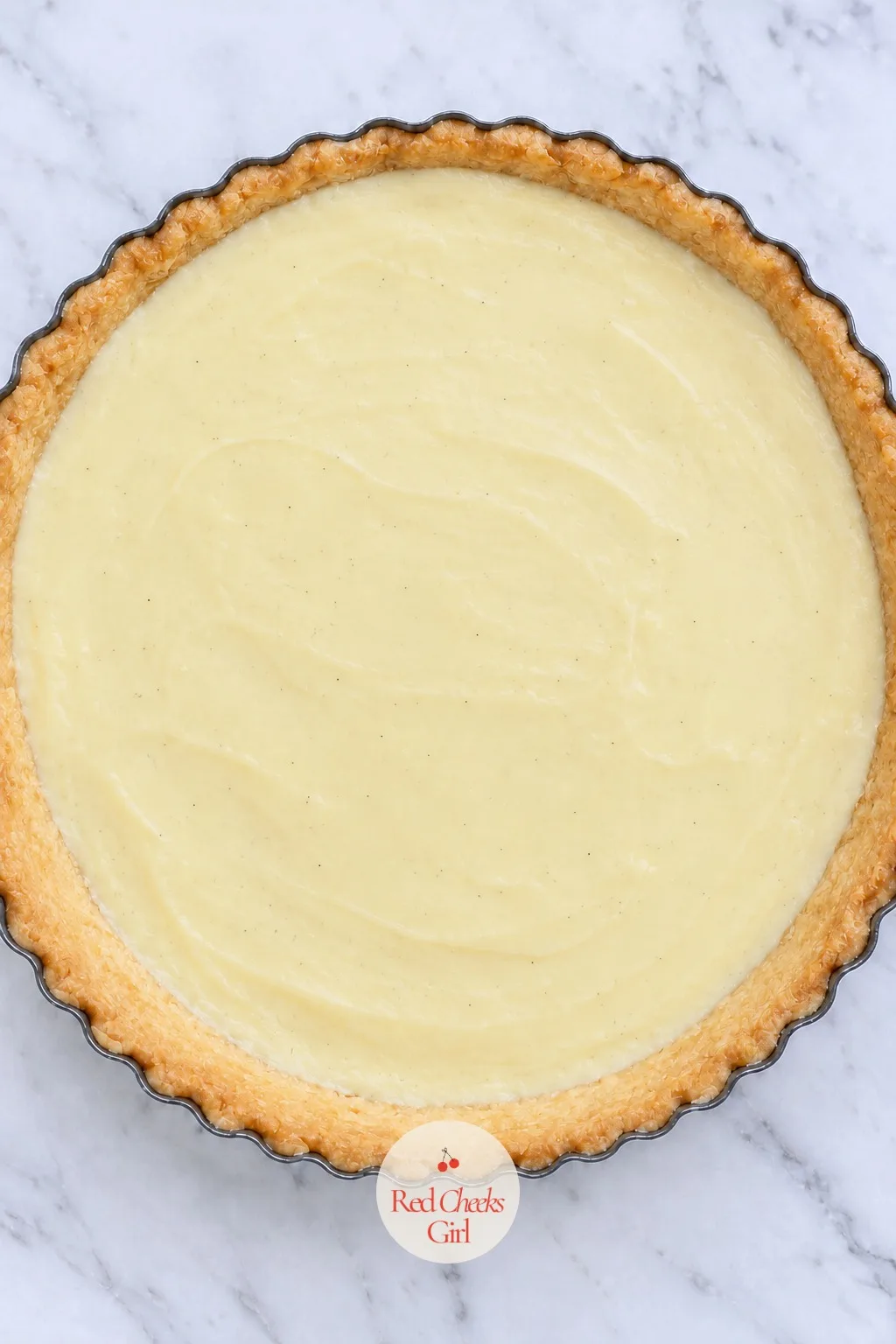
Fill the shell with pastry cream
Spread the chilled cream in an even layer with an offset spatula, stopping just short of the crust’s edge. The surface should look flat and smooth, ready for fruit.
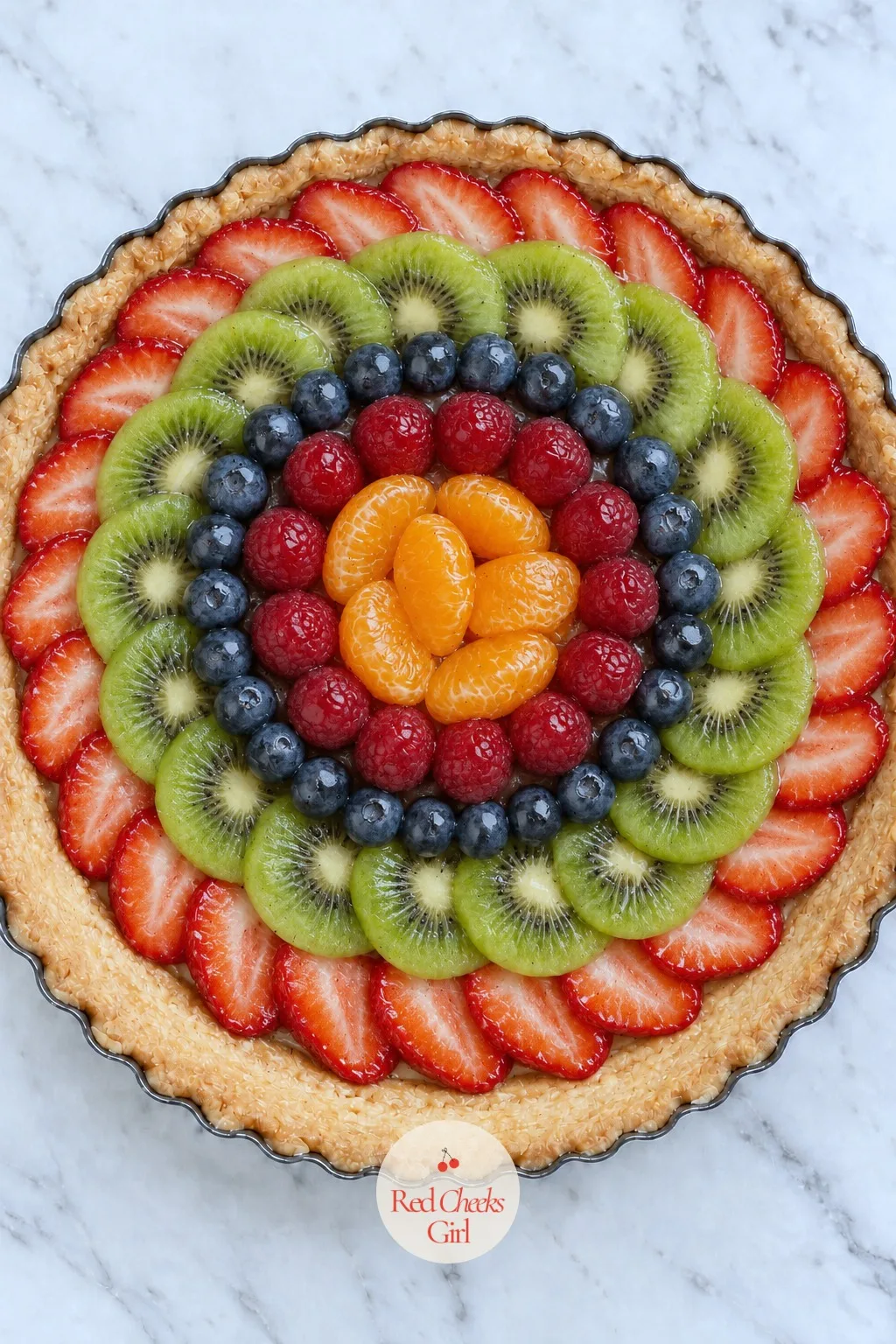
Arrange the fruit in rings
Work from the outer edge inward, overlapping each ring of fruit so no cream peeks through. The pattern should read as clean color bands from strawberry to mandarin at the center.
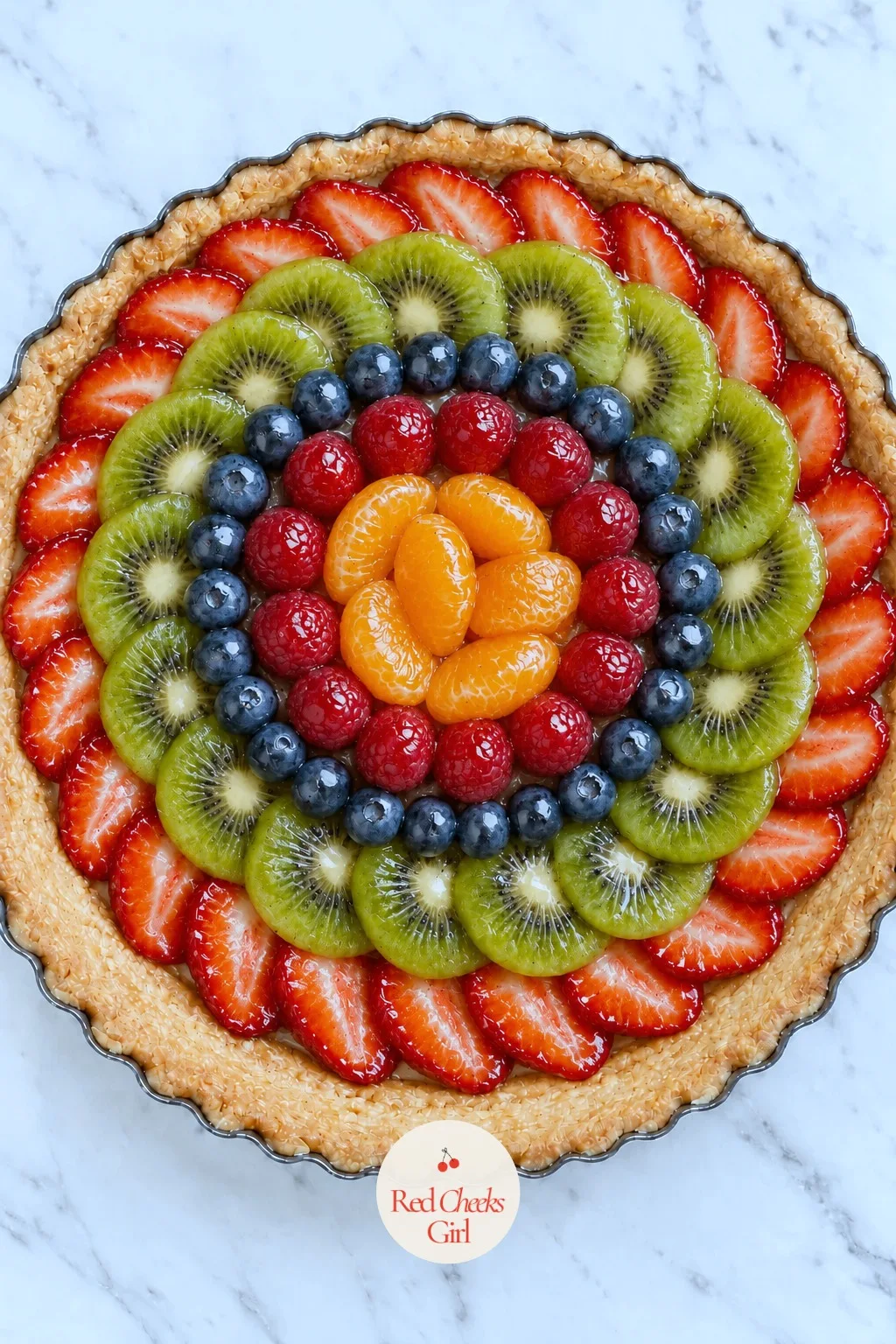
Brush on the warm glaze
Dab the warm apricot glaze over every piece of fruit with a soft brush. The fruit should look wet and glossy all over, with no dull patches left.
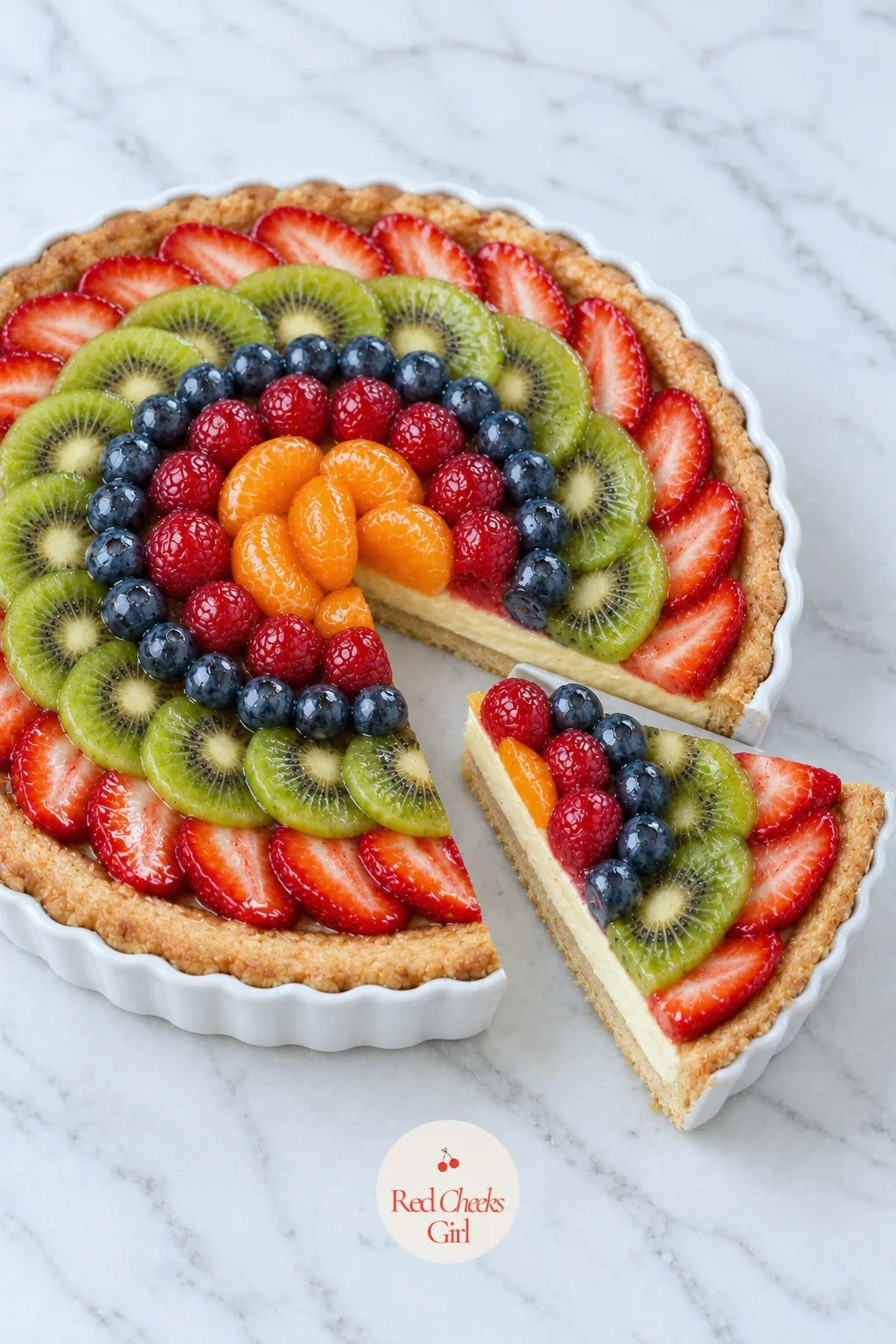
Slice and serve the finished tart
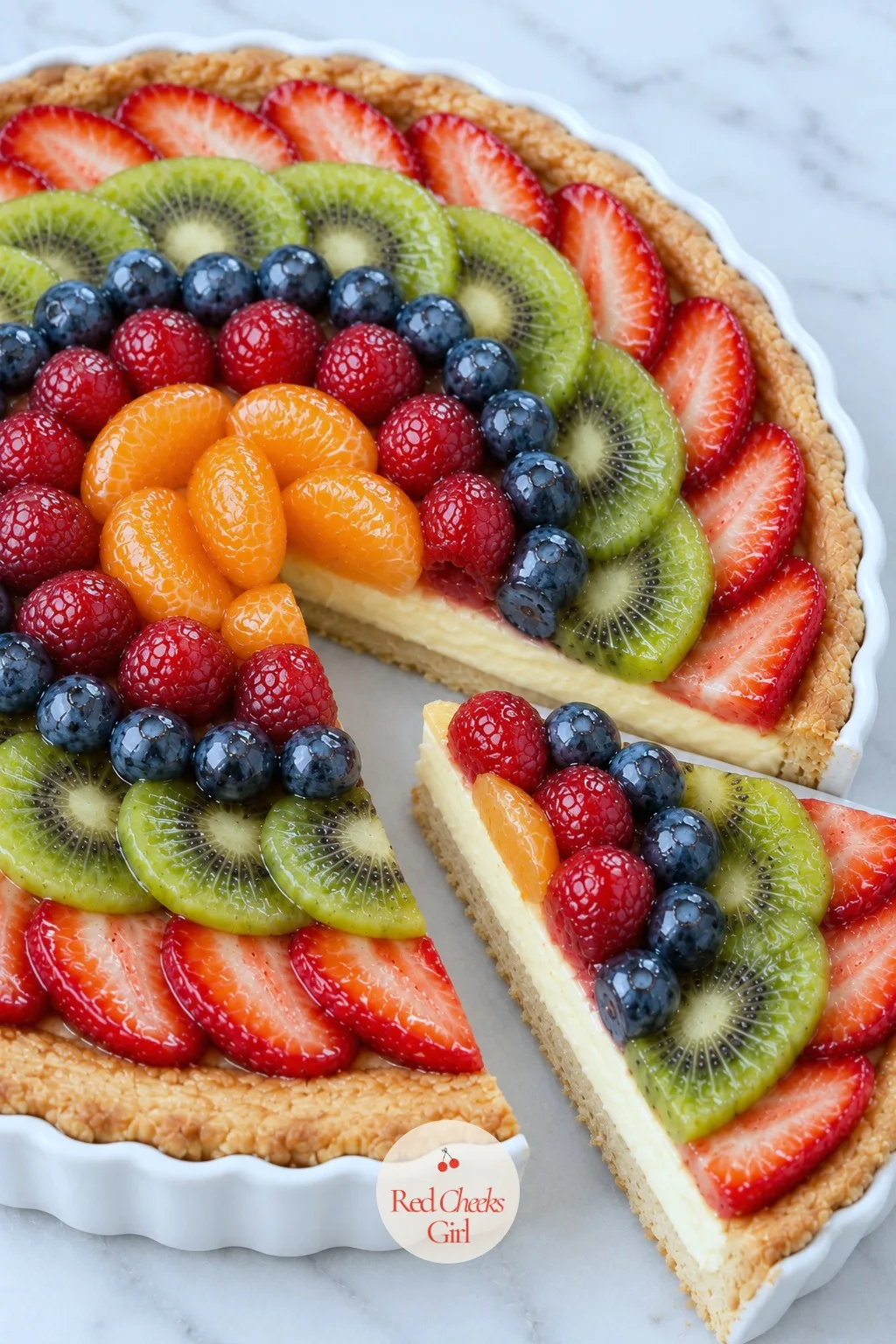
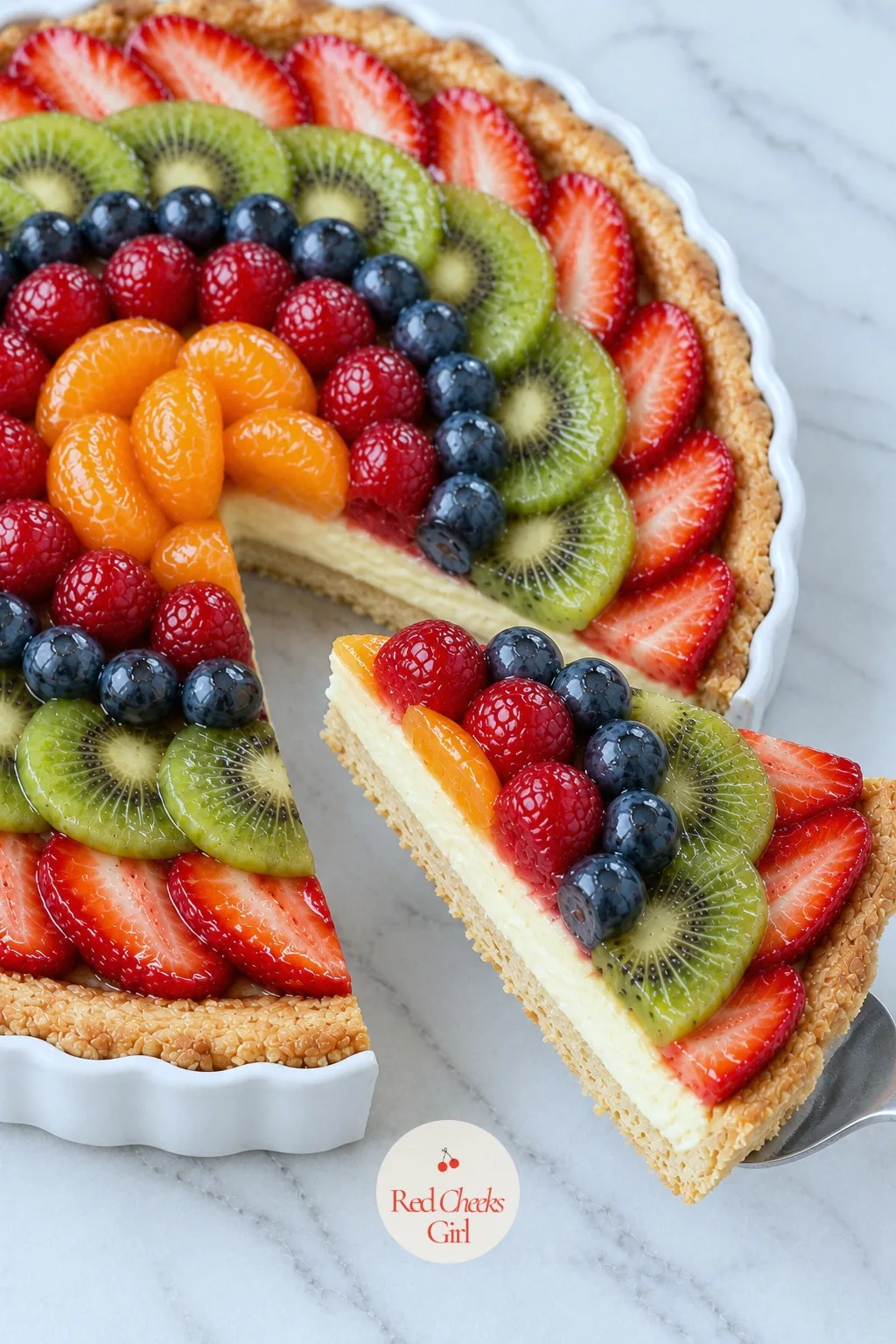
Lift one wedge free to reveal the layers underneath: crisp crust, thick cream and the glazed fruit on top. The rest of the tart stays intact in its pan for serving.
🛍 Shopping guide
Tips For a Fruit Tart That Holds Its Shape
The crust is where most fruit tarts go wrong. A full blind bake, not a half-hearted one, is the first fix: the bottom needs to look genuinely golden, not just pale.
Warm pastry cream is the second trap. Spreading it in while it is even slightly warm softens the crust from the inside out, so give it the full chill until it is cold and holds its own shape on a spoon.
Fruit cut too far ahead weeps. Slice the strawberries and kiwi right before arranging them, and pat very juicy pieces dry on a paper towel first so they do not pool liquid under the glaze.
If she wants real insurance against a soft bottom, a thin layer of melted white chocolate or a chocolate tart’s own ganache technique brushed onto the baked crust before the cream goes in works as a moisture barrier, the same trick pastry chefs use under custard fillings.
Swaps and Substitutions
No vanilla bean in the cupboard is not a reason to skip this. Two teaspoons of good vanilla extract, stirred in once the milk is warm, does nearly the same job with less fuss and no straining out a pod.
For a gluten-free version, swap in a 1:1 gluten-free flour blend in the crust only; the pastry cream is naturally gluten-free already since cornstarch carries no wheat.
Dairy allergies push the whole recipe toward a different dessert, but a vegan butter and a full-fat oat milk custard, thickened the same way with cornstarch and yolks swapped for a vegan custard powder, gets close enough for most tables.
Fruit is the easiest swap of all. Mango, peach slices, pomegranate seeds or thin orange wheels all sit beautifully on the same cream in place of any fruit listed here, so long as the pieces stay firm enough to hold a ring shape.
What to Serve It With at a Party
A tart this bright does not need much company, just something to drink and something small beside it. A chilled glass of rosé or a light sparkling wine sits well with the fruit; keep it to one glass per guest who is driving, and pour something non-alcoholic alongside for anyone who would rather skip it.
For a full dessert table, a plate of French macarons with their crisp shells and ruffled feet brings the same bakery feeling in miniature, in colors that can echo the fruit.
If the party calls for more than one dessert, build a dessert charcuterie board with fruit, chocolate and little bites for a crowd around the tart instead of plating everything separately; it lets guests take a sliver of tart alongside whatever else catches their eye.
Keep coffee on hand regardless. The acidity in a good dark roast cuts through the sweetness of the glaze in a way sweeter drinks cannot.
Fruit Tart Recipe
Ingredients
- 1 1/2 cups all-purpose flour
- 1/2 cup powdered sugar
- 1/4 teaspoon fine salt
- 1/2 cup cold unsalted butter cut into small cubes
- 1 large egg yolk
- 1 tablespoon cold heavy cream or ice water
- 2 cups whole milk
- 1 vanilla bean split and scraped (or 2 teaspoons pure vanilla extract)
- 1/2 cup granulated sugar
- 4 large egg yolks
- 3 tablespoons cornstarch
- 2 tablespoons unsalted butter softened
- 1 cup strawberries hulled and thinly sliced
- 1 kiwi peeled and sliced into thin rounds
- 1/2 cup fresh blueberries
- 1/2 cup fresh raspberries
- 1 small mandarin orange peeled and separated into segments (or 1/2 cup canned mandarin segments, well drained)
- 1/3 cup apricot preserves
- 1 tablespoon water
Instructions
- Make the tart dough: in a large bowl, beat 1/2 cup cold cubed butter with the powdered sugar and salt using a hand mixer until just combined, about 1 minute. Add 1 egg yolk and 1 tablespoon cold heavy cream, mix until smooth, then add the flour all at once and mix on low just until a shaggy dough forms. Press the dough into a flat disk, wrap in plastic, and chill for 2 hours, until firm enough to roll without cracking at the edges.
- Roll and line the pan: on a lightly floured board, roll the chilled dough into a 12-inch circle about 1/8 inch thick. Lift it into a 9-inch fluted tart pan with a removable bottom, press it into the fluted edges and corners with your fingers, then roll the pin across the top to trim the excess dough. Prick the bottom all over with a fork and chill the shell, uncovered, for 30 minutes, until it feels firm rather than soft when pressed.
- Blind bake the crust: preheat the oven to 375°F. Line the chilled shell with parchment paper, fill it with pie weights or dried beans right up to the edge, and bake for 20 minutes. Lift out the parchment and weights, then bake the bare crust for 6 to 8 more minutes, until it turns an even pale gold across the bottom and sides. Set the tart pan on a wire rack and let the crust cool completely, about 1 hour, before it touches any filling.
- Warm the milk: pour the milk into a medium saucepan, add the scraped vanilla bean and pod (or the vanilla extract), and set it over medium heat. Bring it just to a simmer, with small bubbles breaking at the edge, then take the pan off the heat and let it sit for 10 minutes so the vanilla can perfume the milk.
- Build the base: in a separate bowl, whisk the 4 egg yolks with the sugar until the mixture turns pale and falls off the whisk in a thick ribbon. Whisk in the cornstarch until no dry streaks remain, about 1 minute.
- Temper and cook the cream: remove the vanilla pod, then slowly pour the warm milk into the egg yolk mixture in a thin stream, whisking constantly so the eggs do not scramble. Pour everything back into the saucepan and cook over medium heat, whisking constantly, until the cream thickens to the texture of pudding and holds a clear trail when you lift the whisk, 3 to 4 minutes.
- Finish and chill the pastry cream: off the heat, whisk in the softened butter until it melts in completely. Pour the cream through a fine mesh sieve into a clean bowl, press plastic wrap directly onto the surface so a skin does not form, and refrigerate for at least 2 hours, until fully cold and set.
- Fill the shell: whisk the chilled pastry cream briefly to loosen it, then spread it in an even layer inside the cooled tart shell with an offset spatula, stopping just short of the rim.
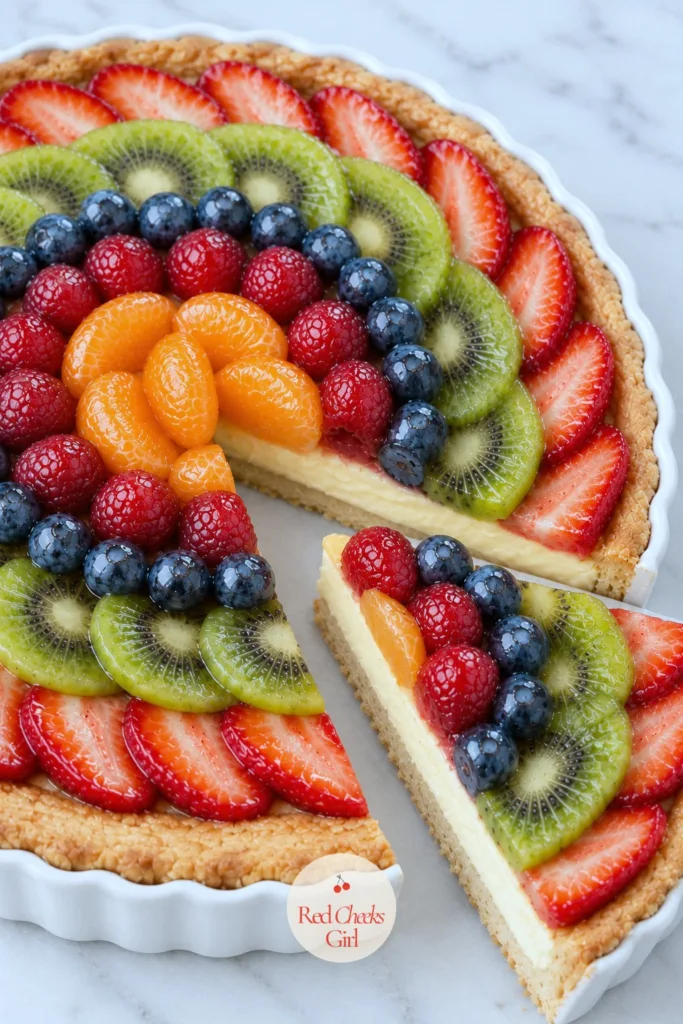
- Arrange the fruit: starting at the outer edge, lay the strawberry slices in a slightly overlapping ring around the border, then work inward with a ring of kiwi rounds, a ring of blueberries, a ring of raspberries and a small cluster of mandarin segments at the center, covering the cream completely.
- Glaze the fruit: in a small saucepan, warm the apricot preserves with the water over low heat until melted and loose, then strain out any lumps. Using a soft pastry brush, dab the warm glaze over every piece of fruit so it looks wet and glossy, working gently so nothing slides out of place.
- Chill to set: refrigerate the finished tart, uncovered, for 30 minutes, until the glaze feels tacky rather than wet when touched lightly.
- Slice and serve: release the outer ring of the tart pan, lift the tart free on its base, and cut it into wedges with a thin sharp knife, wiping the blade between slices so each ring of fruit stays crisp at the edge.
Good to Know
Frequently Asked Questions
Can you make a fruit tart ahead of time?
Yes: bake the crust up to a day ahead and keep it wrapped, and make the pastry cream up to three days ahead, chilled with plastic pressed onto its surface.
Do you have to blind bake the tart crust?
Yes, because the pastry cream and fruit are never baked, so the crust needs a full bake on its own first to turn golden and sturdy enough to hold the filling.
Can you use frozen fruit on a fruit tart?
No, frozen fruit releases too much liquid as it thaws, turning the cream watery and the crust soft, so fresh fruit only works for this tart.
Why is my pastry cream too thin or lumpy?
Thin cream usually means it left the heat before the cornstarch fully cooked, and lumps come from pouring hot milk in too fast; whisk constantly until it visibly thickens.
What is the best glaze for a fruit tart?
Warmed apricot preserves thinned with a little water and strained smooth make the classic glaze; dab it on gently so the fruit stays in place.
Can I make a fruit tart without a tart pan?
Yes, a 9-inch springform pan or a shallow pie dish works fine, though the sides come out straight instead of fluted and slightly thicker than usual.
Easy carrot cake recipe with two moist layers, fresh grated carrots, pineapple, pecans, and thick cr
18 super bowl desserts built to eat standing up: Dubai chocolate strawberry cups, dirt cake, footbal
Puppy chow chex mix recipe coats Chex cereal in melted chocolate and peanut butter, then shakes it r
Leave a Reply