

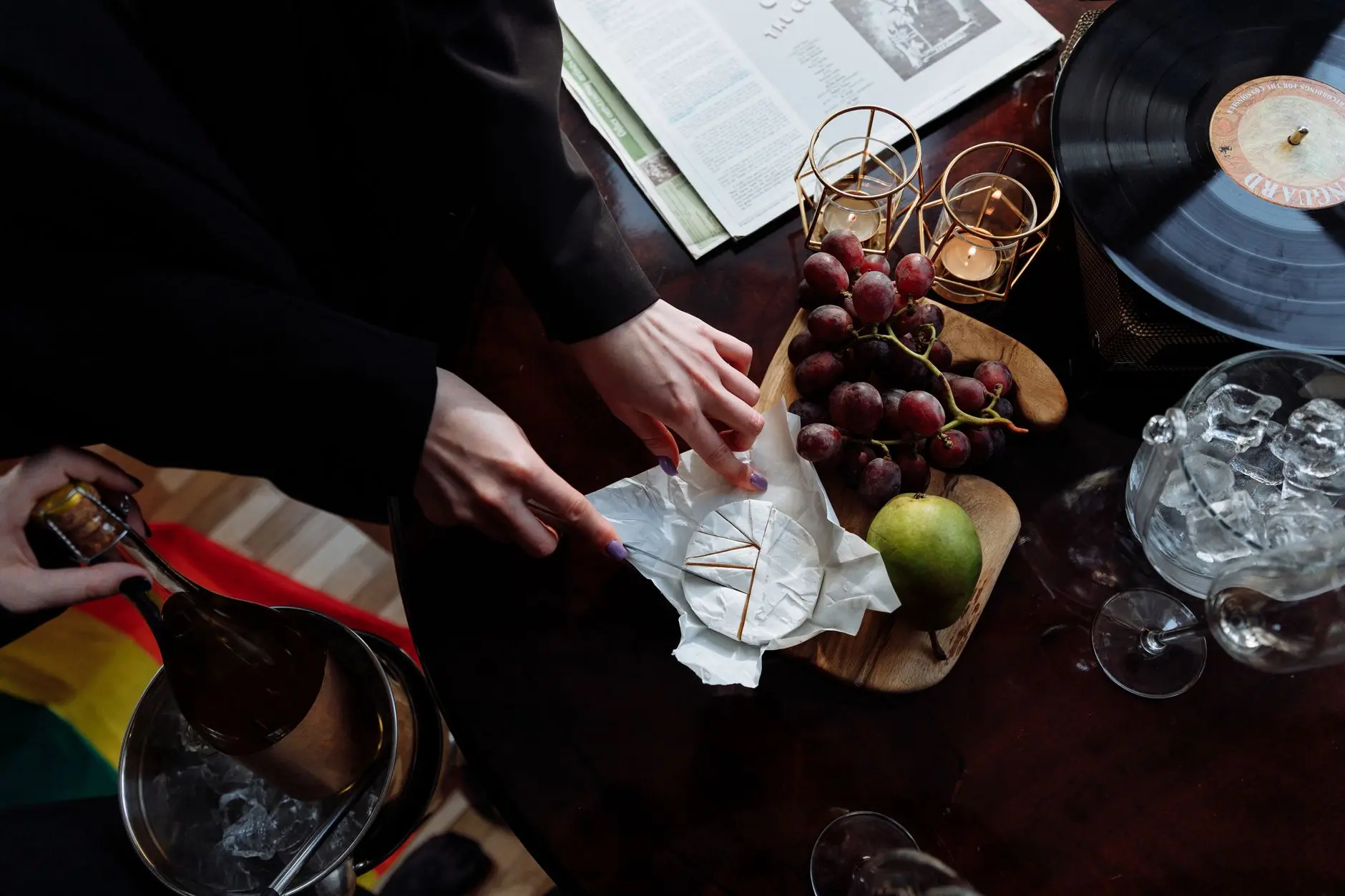
These drinking board games cover every energy level in one night: loud relay races, printable card decks, dice templates you cut out at the table, and low-key spin-wheel rounds that slow the pace before the next noisy one.
All 18 work for four to eight players, all run under an hour, and every mechanic that calls for a drink can swap to a challenge or a forfeit so nobody is left out.
This post contains affiliate links. If you buy through them, I may earn a small commission at no extra cost to you.
1. Drunk Jenga
Before the night starts, every player writes a rule on a separate block with a permanent marker: drink two, swap seats, speak only in questions, make a rule that lasts three turns.
The tower goes up as normal, and whoever pulls a block must follow its instruction before placing it on top. The player who drops the tower drinks for as many seconds as the number of the round.
Works for four to eight players and runs about thirty minutes per full collapse. You need a standard 54-block Jenga set, permanent markers in two colours so rules are easy to read, and a flat table with zero wobble. Pre-write a set of backup rules on paper so late arrivals can swap a blank block fast.
The common mistake is letting players spend thirty seconds deciding what to write mid-game; it kills the energy. Hand out the markers and give everyone ninety seconds to fill their blocks before the first brick goes down. If two people write the same rule, keep both: doubles hit harder.
Use two marker colours: red for drinking rules, black for action rules, so players can scan fast.
🛍 Shopping guide
2. Flip Cup Tournament
Teams of two to four line up on opposite sides of a table, each player with a solo cup a third full.
On go, the first player drinks, sets the cup right-side-up on the edge, and flips it to land upside down before the next teammate starts. First team to finish the full line wins the round.
It is loud, fast, and the score tracker is what turns it into a proper tournament bracket.
You need solo cups, a long table, and the printed score tracker. Six to eight players is the sweet spot: two teams of three or four, best of three rounds per match, winner advances. Set the tracker flat on a side table where both teams can see it and assign one neutral person to mark results.
Cups tipping off the edge before landing are the biggest time-waster. Tape a strip of painter’s tape along the table edge so every cup starts from exactly the same position. If a team is consistently faster on one side of the table, rotate sides between rounds.
- Solo cups (at least 20)
- Long dining or folding table
- Painter’s tape for cup edge line
- Printed score tracker

🛍 Shopping guide
3. Kings
A full deck of cards fans face-down in a circle around a central cup.
Players take turns drawing and every card rank triggers a different rule: two is ‘you’ (point at someone to drink), three is ‘me’ (you drink), four is ‘floor’ (last hand to the floor drinks), seven is ‘heaven’ (last hand up drinks), and the four kings each add liquid to the center cup; whoever draws the fourth king drinks it.
The rules are memorised in one round and then the game runs itself.
Four to eight players, no setup beyond a deck and cups. Games run twenty to forty minutes depending on how ruthlessly people play the ‘make a rule’ card (eight).
Agree on your full rule set before the first draw and post it where everyone can see it: disputes about whether ‘six is chicks’ or ‘six is dicks’ lose five minutes every time.
The game stalls when someone has to look up what a card means on their phone. Print the rule list on a notecard and tape it to the table. If the central cup becomes something nobody wants to drink, swap it for a dare: the fourth-king player performs whatever the group decides instead.
- Groups who already know card games
- Nights where you want zero setup time
- 6-8 players for maximum chaos
4. Never Have I Ever Spin Wheel
One player spins the printed spinner to land on a category (Relationships, Work Life, Party Fails, Secrets, Travel, Bold Moves, Tech Habits, or Wild Card), then draws a prompt card from that stack and reads it aloud.
Everyone who has done the thing takes a drink; everyone who has not points at someone who did and asks one follow-up question. The spinner adds pace: nobody debates what to ask next.
Print the spinner sheet on cardstock, cut out all four spinners, and push a brad fastener through the centre of each. Cut the 48 prompt cards apart and sort by category. Four to eight players, twenty to thirty minutes for a full deck rotation. The brad fastener is the only hardware you need and most craft drawers have one.
Prompt cards go stale fast if the same person draws them every round. Shuffle the whole deck face-down and deal three to each player at the start; they read from their hand instead of drawing. It speeds the round and means prompts come from different directions around the table.
- Cardstock for printing
- Brad fasteners (one per spinner)
- Scissors or craft knife
- Fine-tip markers to fill in name lines

🛍 Shopping guide
5. Never Have I Ever Prompts
These 48 cards are the fuel for the spin wheel game above, but they also work as a standalone draw-and-read round for groups who skip the spinner.
Each card carries one Never Have I Ever statement and a small category tag so players can find a matching set fast.
The tone ranges from mild (Never have I ever fallen asleep at a party) to genuinely embarrassing (Never have I ever texted an ex at 2 a.m. and blamed autocorrect).
Print on cardstock, cut apart along the dark borders, and sort into eight category piles or shuffle the full deck. Twelve cards per sheet, four sheets total, giving you 48 prompts. One full shuffle and deal runs about twenty minutes for six players. Store the cut cards in a small kraft envelope between uses.
If the group is new to each other, pull only the Relationships and Party Fails categories for the first round; the wilder categories land harder once people are warmed up. Skip any card that makes a specific player visibly uncomfortable without making a scene: just move to the next.
Sort cards by category before guests arrive so you can grab the right pile without shuffling in front of everyone.

6. Quarters
Each player takes turns bouncing a coin off the table and trying to land it in a cup in the center. A successful bounce earns the right to nominate anyone at the table to drink.
Miss twice in a row and the cup slides to the next player. A variant called Speed Quarters runs two coins simultaneously in opposite directions and the chaos level doubles immediately.
Works for four to eight players, no upper limit really, and a round runs fifteen to twenty-five minutes. You need one standard coin per team, a smooth table, and a wide-mouthed cup. Hard-topped dining tables bounce better than cushioned surfaces; if you are on a soft tablecloth, fold it back for one section.
Players who consistently hit the mark get nominated as the ‘shooter’ for entire rounds by the group, which turns into its own game within the game. Cap any one player’s consecutive shooting turns at three to keep everyone rotating.
If someone truly cannot land the coin, give them three attempts total before passing: it stops a single bad shooter from halting the table.
- Use a wider bowl instead of a cup for beginners.
- Mark a shooting line with tape so everyone aims from the same distance.
7. Drunk Uno
Standard Uno with one layer added: Draw Two means the target player drinks two, Skip means the skipped player drinks one, Reverse makes everyone switch direction and the player who played it drinks, and Wild Draw Four means the target drinks four and loses their next turn.
Calling ‘Uno’ without being challenged is safe; failing to call it when you should and getting caught means drinking the full hand count.
Four to eight players, thirty to forty-five minutes. Use a standard Uno deck; no printing needed. Agree on the drink-count rule before dealing because every group has a different version and arguments mid-hand are slow and tedious.
The game bogs down when players hoard Draw Two cards and pile them on one person. Add a house rule: no more than two consecutive draw cards on the same player per round.
It redistributes pressure and stops the one grudge match that always emerges twenty minutes in. For a non-drinking version, swaps drinks for a ten-second countdown challenge (sing, tell a joke, do ten jumping jacks).
- Standard Uno deck
- House rules written on a notecard before dealing
🛍 Shopping guide
8. Card Roulette
A custom 52-card deck where each card is a rule, challenge, or group action. Players draw one card per turn and follow the instruction immediately: some target the drawer, some hit the whole table, some let the drawer assign consequences freely.
The beauty of a printed deck is that you write exactly the rules your group will actually follow, and nothing reads as someone else’s inside joke.
Print four sheets of 13 cards each on cardstock, cut along the dark borders, and shuffle the full 52-card deck. Four to eight players, thirty to forty-five minutes for a full deck. Keep a discard pile face-up so everyone can see what is coming and dread it accordingly.
Reshuffle mid-game when the deck thins below ten cards; stopping to reshuffle at zero breaks the energy. If a card triggers a challenge that takes more than sixty seconds, skip it and redraw rather than pausing the whole table. The deck travels flat in any bag and makes this one of the more portable drinking board games in the lineup.
Laminate the cards after cutting and they survive the whole party, including the inevitable spill.

🛍 Shopping guide
9. Drunk Bingo
Each bingo card replaces numbers with party-game scenarios, actions, and drinking cliches: ‘Someone makes a house rule,’ ‘Two people get the same card,’ ‘A phone rings during a round,’ ‘Someone blames autocorrect,’ ‘The tower falls.’
Players mark squares as events happen naturally through the evening rather than being called in sequence. First to five in a row shouts Bingo and nominates five drinks total across the table.
Print the 16-card sheet and cut apart. Distribute one card per player, with a spare stack for late arrivals. Players need pens or bingo chips to mark squares. The call list keeps track of what has been officially confirmed as valid so there are no arguments about whether ‘someone spilled a drink’ counts.
The most common problem: two people shout Bingo within seconds of each other, both claiming the same event. Settle it with a coin flip or a rock-paper-scissors round rather than a debate. If the group is large and all cards fill fast, switch to blackout rules (full card) for the second game.
- Running quietly alongside other games
- Groups of 8 where some players finish rounds faster
- Second-half-of-the-night energy

🛍 Shopping guide
10. Drunk Bingo Call List
The call list is what makes Drunk Bingo an actual game rather than a free-for-all. The host reads one event from the list each time a natural lull hits or between turns in another game, officially ‘calling’ it. Players scan their cards and mark accordingly. Having the calls printed stops anyone from inventing events that conveniently complete their own card.
One sheet covers all 24 non-free squares, printed in a clean numbered list the host can check off as each is called. Hand it to whichever player is designated host for the evening or fold it next to the score tracker. It doubles as a reference sheet if anyone disputes whether a square is valid.
The list works best when the host calls events reactively (‘That counts as a house rule, mark your cards’) rather than on a fixed schedule.
Keep a pen handy to cross off each called item so you never double-call the same square and trigger a false Bingo.
If the game stalls because real events are rare, use the call list to prompt them: read the next event and dare someone to make it happen.
- Host reads events from the list reactively as they happen during the night.
- Cross each item off as called.
- First player with 5 in a row calls Bingo and assigns 5 drinks.

11. Picolo
Players enter their names into the Picolo app and it generates personalised prompts addressed to specific people at the table: ‘Sarah, take a drink every time someone uses the word ‘so’ for the next two rounds,’ or ‘The person to Tom’s left must narrate everything they do for sixty seconds.’
The prompts escalate across three difficulty levels, starting mild and ending absolutely unhinged.
One phone, four to eight players, twenty to thirty minutes. The app is free with optional in-app packs. No physical setup needed. Works best at a table where everyone can see the phone screen when the prompt is read aloud; pass the phone clockwise so different players hit the button.
The app sometimes repeats a player’s name too often, which feels targeted. After ten prompts, quickly re-enter the names in a different order to reset the distribution. If a prompt is genuinely uncomfortable for one player, skip it without discussion and move on; the app generates enough variety that one skipped card loses nothing.
- One smartphone with Picolo app installed
- Names entered before guests sit down
12. Truth or Dare Dice
Two printed dice: one six-sided die showing Truth, Dare, Drink, Pass, Wild, and Double Down; one die showing action modifiers (Solo, Group, Timed, Silent, Eyes Closed, Your Choice). Roll both together and the combination tells you exactly what happens.
Double Down plus Dare means the dare is performed and the player who issued it must match it. Wild plus Group means the group invents the consequence together in thirty seconds or less.
Print one dice-template sheet per two players, fold and tape each net into a cube. The prompt card sheet gives 36 pre-written truths and dares so nobody has to improvise under pressure. Four to eight players, thirty to forty minutes. Use tape rather than glue on the tabs: it holds the cube square and dries instantly.
Dice that collapse mid-roll ruin the rhythm. Score the fold lines with a dried-out ballpoint before folding and the tabs sit flat. Keep a spare assembled set for the inevitable crush. If someone rolls Truth three times in a row, they can swap one roll for a Drink to reset the variety.
- Printed dice template on cardstock
- Scissors and clear tape
- Truth or Dare prompt cards

🛍 Shopping guide
13. Truth or Dare Prompts
Thirty-six cards split evenly between truths and dares, written at three intensity tiers: mild, spicy, and absolutely not (the last tier is optional and the host decides before printing whether it stays in).
Players draw from the deck when the dice land on Truth or Dare, so nobody has to improvise and nobody gets the same prompt twice in a row.
Each card lists its tier in a small corner tag so players can skip up or opt down without explaining themselves.
Twelve cards per sheet, three sheets, cut on the dashed borders. Sort by tier before play or shuffle all three tiers together for maximum unpredictability. Cards are small enough to fan in one hand. A full deck lasts two full rounds for eight players before reshuffling.
Dare prompts that require props the host does not have on the table create a thirty-second pause that kills energy. Read through the deck once before the party and remove any dare that needs something you cannot grab in five seconds.
Truths that ask about other people in the room are the most entertaining; prompts that ask about strangers nobody knows land flat.
Remove any tier-3 cards you are not comfortable moderating before guests arrive, not during the game.

14. Buzz
Players count around the circle aloud, starting at one. Any number divisible by seven, or containing the digit seven, gets replaced with the word ‘Buzz.’ Miss a Buzz, say the wrong number, or pause too long (longer than two seconds) and you drink.
The sequence restarts at one after every mistake. It sounds simple for the first three minutes and then someone hits 49 and the table goes quiet.
No materials at all. Four to eight players, runs fifteen to twenty-five minutes before the group either dissolves laughing or decides to move on. Play a warm-up round with no drinking stakes so everyone understands the divisible-by-seven rule before real consequences apply.
The two-second rule is what makes or breaks the game; without it, players freeze indefinitely and the round stalls. Assign one person as timekeeper whose only job is to say ‘too slow’ and point. For a harder version, add Fizz for multiples of five: the sequence becomes Buzz-Fizz, Fizz-Buzz, or Buzz-Fizz at the intersections and the failure rate climbs instantly.
Play one round with no consequences first so everyone internalises the rule before drinks are on the line.
15. Medusa
Everyone sits in a circle with heads down, eyes closed. On the count of three, everyone looks up and stares directly at one other player. If two players make eye contact with each other simultaneously, both shout ‘Medusa’ and drink.
If you look at someone who is looking elsewhere, nothing happens and the round resets. The game creates an intense, genuinely funny standoff because everyone is trying to make eye contact with someone safe while avoiding the person most likely to look back at them.
No materials needed. Works best with five to eight players; below four, the odds of accidental eye contact drop and rounds feel thin. Each round takes about fifteen seconds, so string ten or twelve rounds together before moving to the next game. Keep the same seating arrangement throughout so players can develop a strategy.
The game gets slow when players take too long to lift their heads. A designated caller does the count and says ‘look’ sharply; players who do not lift their eyes on cue drink automatically. That one rule eliminates the tentative slow-lift that lets players scan before committing.
- Fast gap-filler between longer games
- Groups who want zero setup
- Loud, high-energy rooms
16. Round Order Sheet
With 18 drinking board games on the table, the actual bottleneck is deciding what comes next.
The round order sheet is a one-page run of play: host fills in the game slots before guests arrive, sets the time limit per game, and tears it off to post on the wall.
No more five-minute debates about whether to play Buzz or Quarters next while drinks go warm.
One sheet covers up to ten game slots, each with a name line, a time-limit box, and a notes column for any rule reminders the host wants visible. Print on standard copy paper, no cardstock needed. Fill in by hand before the party or type and print directly from any word processor.
The notes column is the underrated column: write the one rule everyone always forgets (‘Buzz resets after every mistake,’ ‘Kings: agree the rule set before drawing’). It saves the host from being the designated explainer all night. Post it somewhere the whole table can see it rather than folding it in a pocket.
- Fill in game names and time limits before guests arrive.
- Post on the wall at eye level.
- Use the notes column for one must-remember rule per game.

17. Cheers to the Governor
Players count up from one to twenty-one around the circle. When someone reaches 21, the whole group says ‘Cheers to the Governor’ and drinks.
The player who said 21 then makes a rule that swaps any number from one to twenty for a word, action, or sound: number four becomes ‘woof,’ number twelve becomes clapping twice, number nineteen becomes standing up briefly.
The replaced numbers stay replaced for the rest of the game and any player who says the actual number instead drinks and resets the count to one.
No materials. Four to eight players, twenty to thirty minutes before the accumulated rules collapse the group. The first round always feels manageable and by round five, reaching twenty-one is genuinely difficult.
Rules that are too similar trip players up the least: if four is a sound and eight is also a sound, players confuse them. Encourage rules that use different senses or actions so they stay distinct.
If the count keeps resetting before reaching fifteen, retire the oldest rule each time someone reaches ten: it stops the game from becoming impossible and keeps energy up.
Every round gets harder because rules stack, so the whole table is leaning in by the halfway point.
18. Roxanne
Split the group into two teams. One team drinks every time the word ‘Roxanne’ is sung in The Police song of the same name; the other team drinks every time a specific chord hits (traditionally whenever the guitar plays).
Play the song in full: it runs three minutes and fifteen seconds and both teams will have drunk six to eight times each by the end. Then swap assignments and play it again for double the chaos.
You need a phone and a speaker loud enough that everyone hears the lyrics clearly. Works for four to eight players and the whole mechanic runs under ten minutes, making it a perfect palate cleanser between longer games. Seat teams on opposite sides of the table so there is a clear home and away dynamic.
The game falls apart if the audio is too quiet and players miss the cue word. Test the volume before starting and point at the speaking team every time ‘Roxanne’ hits so nobody debates whether they heard it.
For a non-alcohol version, the losing team (whoever drank more by the end) performs the next dare from the Truth or Dare deck.
- Bluetooth speaker
- ‘Roxanne’ by The Police queued and ready
- Two clearly defined teams seated apart
🛍 Shopping guide
Frequently Asked Questions
What are the best drinking board games for a group of 6 to 8 people?
Kings, Drunk Jenga, and Medusa all scale perfectly to six to eight players without anyone feeling sidelined. For a longer structured night, pair the printed Card Roulette deck with a Flip Cup Tournament bracket and you have ninety minutes of content with no dead time between games.
Can you play these games without alcohol?
Every game here works without alcohol. Swap any drink instruction for a ten-second dare, a challenge from the Truth or Dare deck, or a forfeit the group agrees on before play starts. Sparkling water, soda, or mocktails in identical cups keep the physical mechanics of games like Flip Cup entirely intact.
How long do drinking board games actually take to play?
Most games in this list run twenty to forty-five minutes with four to eight players. Shorter games like Medusa and Roxanne run under ten minutes and work as palate cleansers between longer ones. The round order sheet helps you sequence the night so the total time lands in the forty-five to sixty minute window per session.
Do you need to buy anything to host a drinking game night?
Most active games here need only a standard deck of cards, a coin, or a Jenga set you likely already own. The printable games need cardstock and a printer. The only extras worth buying for specific games are solo cups for Flip Cup, brad fasteners for the Never Have I Ever spinners, and a portable speaker for Roxanne.
How do you keep the energy up across multiple games in one night?
Alternate game types: follow a loud active game with a quieter printable round, then a fast two-minute filler like Medusa before the next structured game. Fill in the round order sheet before guests arrive so transitions take thirty seconds instead of five minutes of group negotiation.
What is the easiest drinking board game for people who have never played before?
Buzz has zero setup and the rule fits in one sentence. Never Have I Ever Spin Wheel is the easiest printable option because the spinner tells you what category to use and the prompt card tells you exactly what to say. Both are low-stakes enough for first-timers and entertaining enough for regulars.
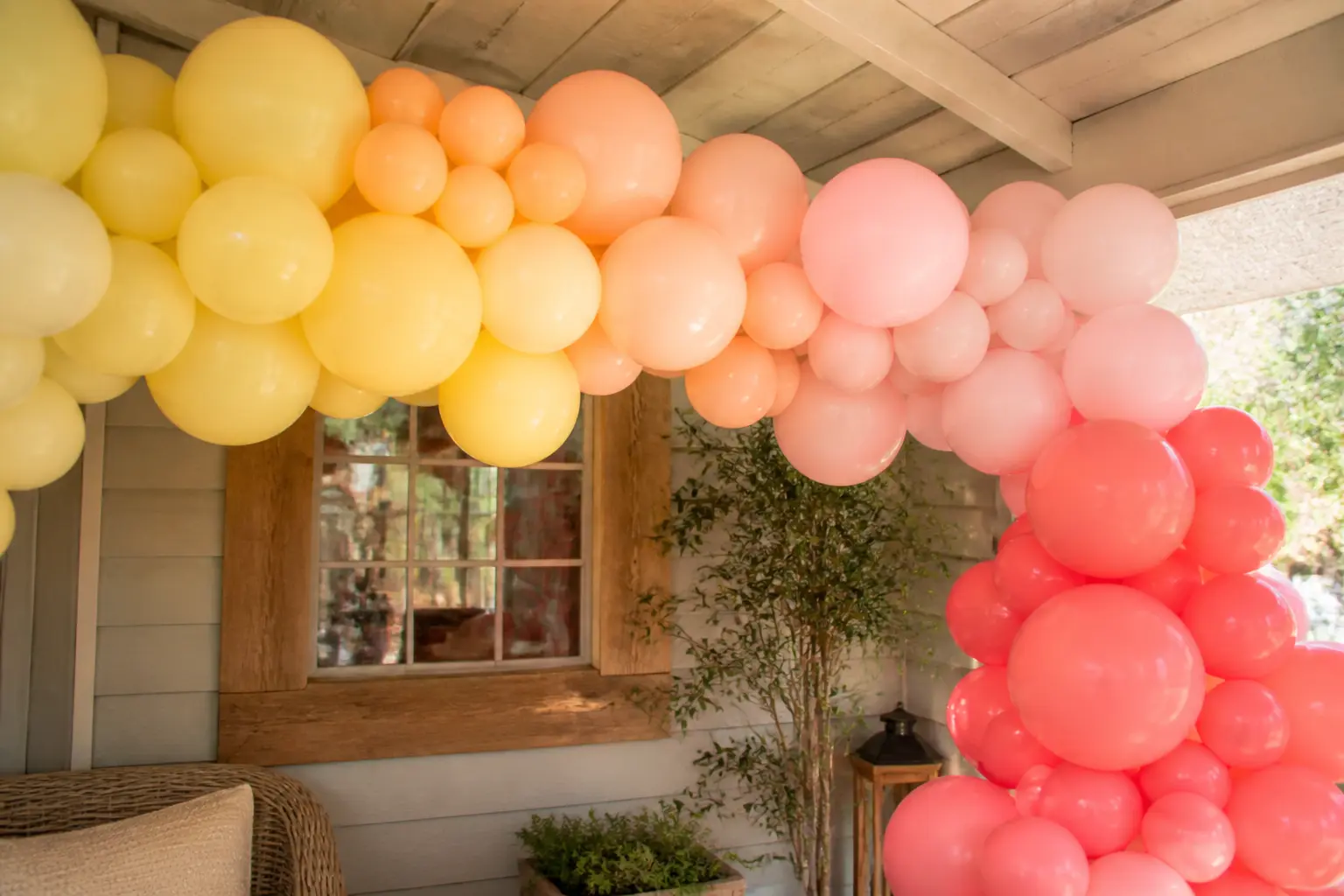
28 ombre balloon arch ideas for every occasion, plus four methods that stop the fade reading as stri

120 silly would you rather questions for kids — 5 themed lists plus free printable card decks for
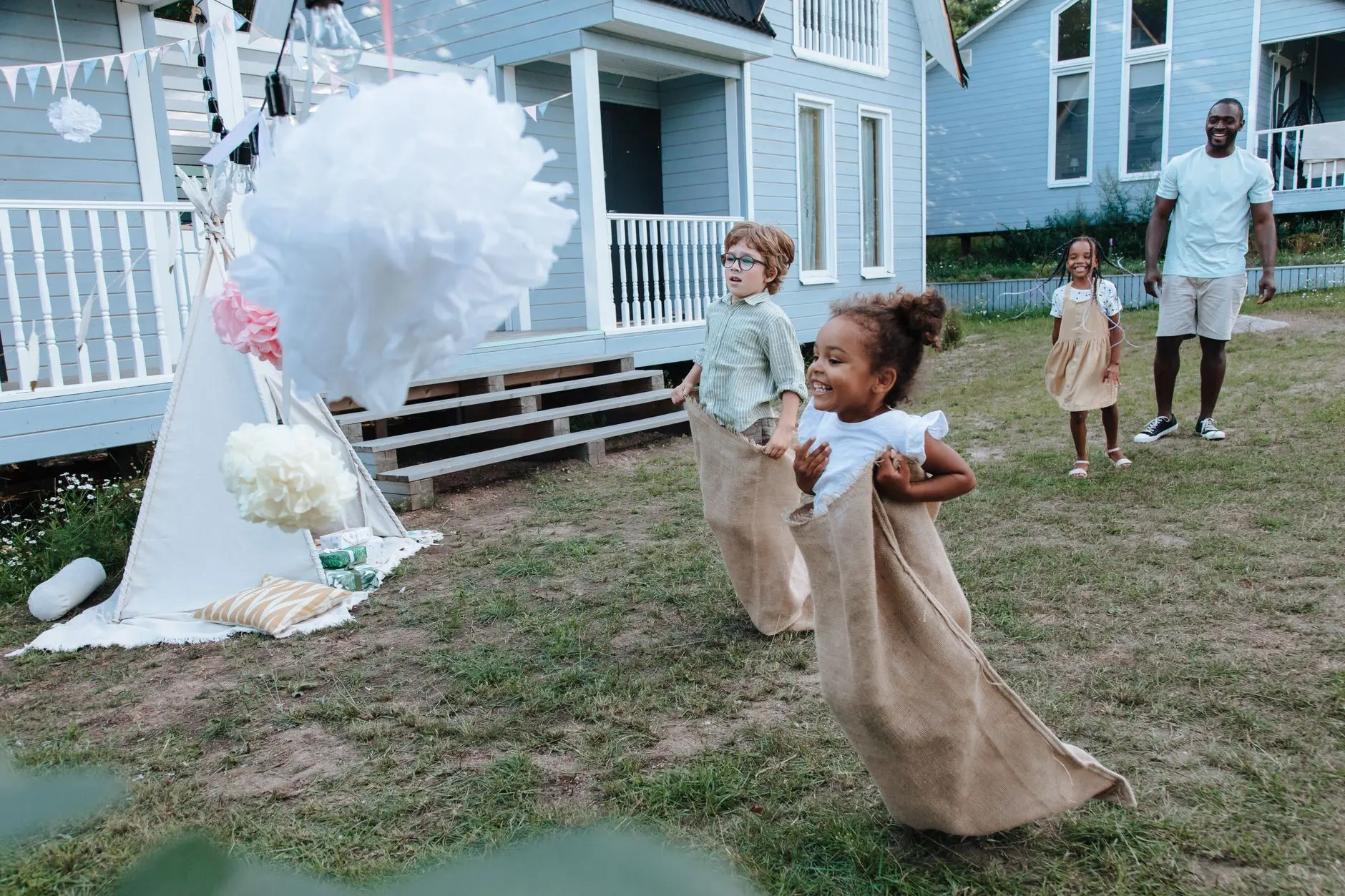
25 birthday party games for kids that burn energy, need cheap supplies, and work for mixed ages. Run
Leave a Reply