

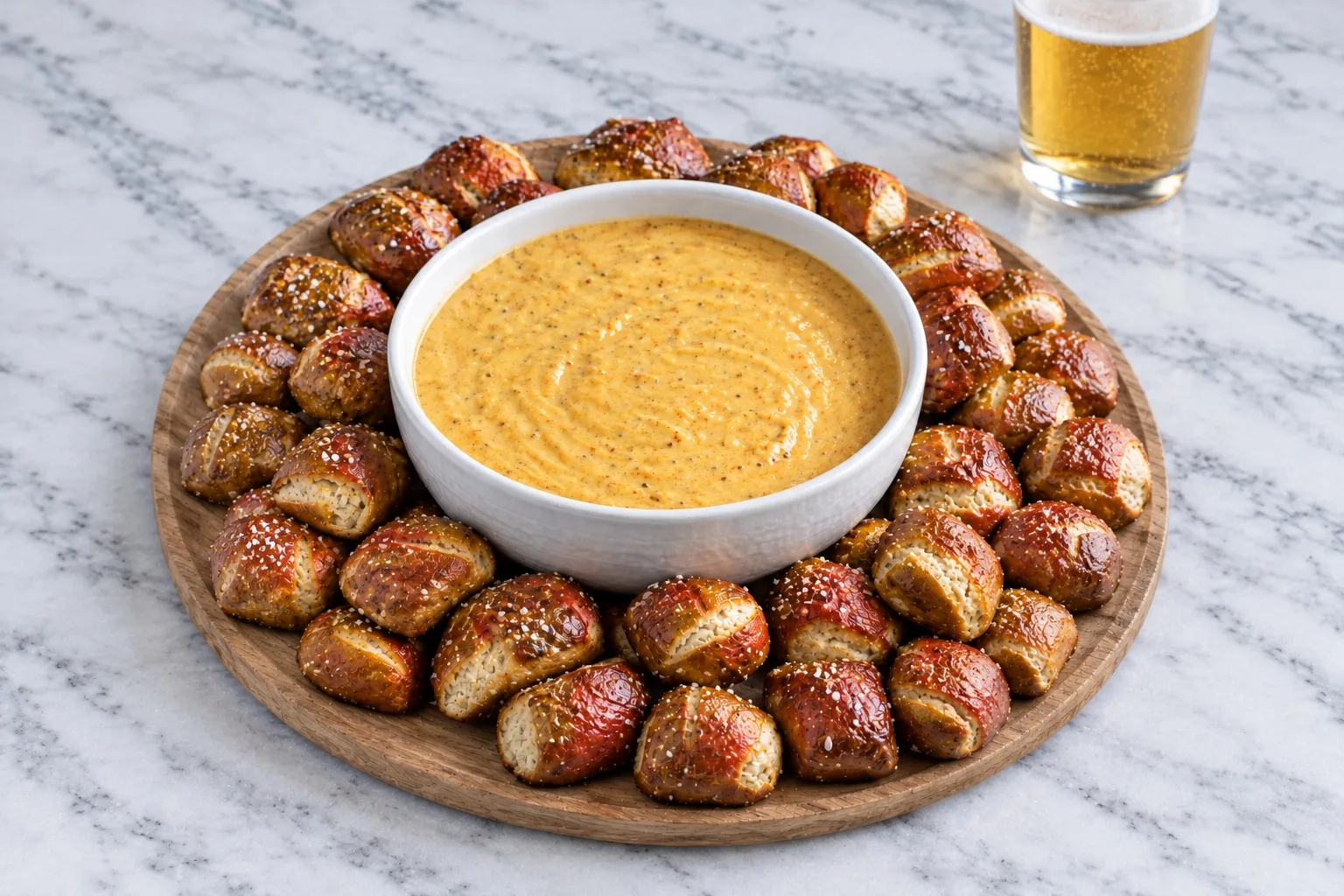
Beer cheese dip is the bowl that empties before the chips even get a look in, and warm soft pretzel bites turn it from a snack into the center of the table.
A cold lager, a block of really sharp cheddar and a spoonful of mustard do most of the work, melted together on the stovetop in under fifteen minutes. The pretzel bites take a little patience, but nothing here is hard, and the tray will not last long once it lands.
This post contains affiliate links. If you buy through them, I may earn a small commission at no extra cost to you.
Table of Contents
What Goes Into It And Why
Reach for a block of sharp or extra sharp cheddar, not the pre-shredded bag sitting next to it. Pre-shredded cheese carries a dusting of starch to stop it clumping, and that same starch stops it melting into anything silky here. Grate it yourself and the dip turns glossy instead of grainy.
A plain lager or pilsner, the kind you would grab for a backyard cooler, melts into this dip far better than a hoppy IPA does.
Hops read as sharply bitter once reduced down into a sauce, while a lager brings a little malt sweetness that rounds the cheddar out instead of fighting it. If the only open bottle in the fridge is darker, a mellow amber still works, it just leans the flavor toward toasty rather than bright.
Dijon mustard is doing more than flavor duty here. Its sharp little tang cuts through all that melted butter and cheddar so the dip tastes rounded on the tongue instead of simply heavy, the same reason a good grilled cheese wants a smear of mustard on the bread.
A small roux of butter and flour, cooked before the beer goes in, is the difference between a dip that pours smoothly and one that breaks into a greasy puddle the moment it cools.
It only takes a minute on the stove, and it means you can step away from the pan for a few minutes without panicking about it separating.
The pretzel dough leans on ordinary pantry yeast and a short rise, nothing like a bakery formula. What gives the bites their deep color and faint minerality on the tongue is the baking soda bath they take before baking, the same trick that gives a bagel its chew.

How to Make It
This version keeps both jobs on one stovetop and one oven, so there is no special equipment beyond a saucepan, a baking dish and a pot wide enough to boil the pretzel bites. Make the dough first since it needs time to rise, then use that waiting window to grate the cheese and measure everything else.
Because the dip is built on real beer, keep this one on the adults’ side of the table, and pour something non-alcoholic alongside it for anyone driving home or skipping a drink tonight. The alcohol mostly cooks off, but it never fully disappears.
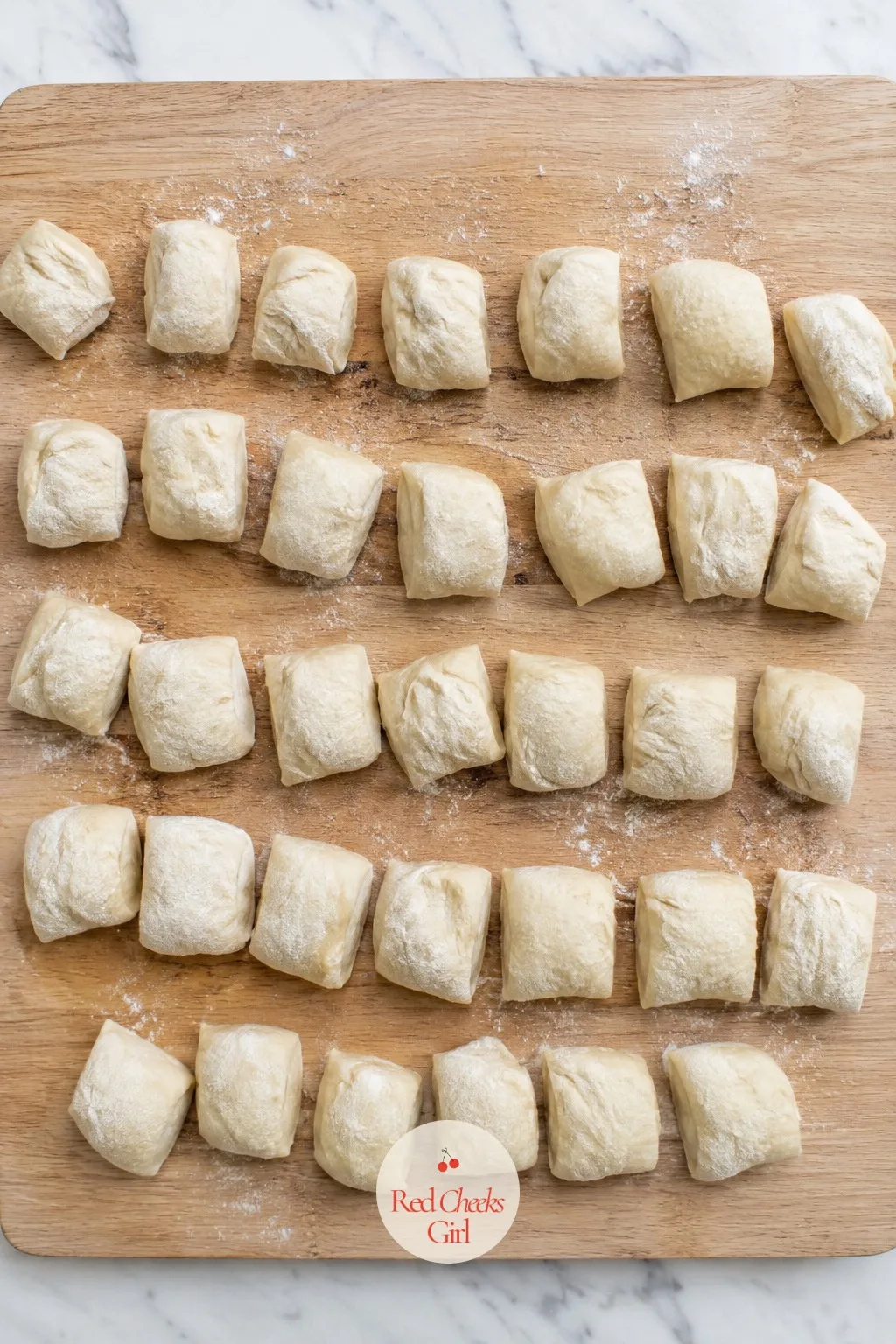
Shape the pretzel dough into bites
Cut the rolled ropes of dough into even one-inch pieces right on the board. They should look soft, pale and slightly rounded, with a light dusting of flour clinging to the surface.

Boil the bites in a baking soda bath
Watch the bites rise to the surface of the boiling water within half a minute. They turn slightly puffed and matte, a clear sign they are ready to come out.

Brush with egg wash and scatter with salt
Brush each boiled bite until it looks glossy, then scatter the coarse salt over the top before they go into the oven. They still look pale and soft at this stage.
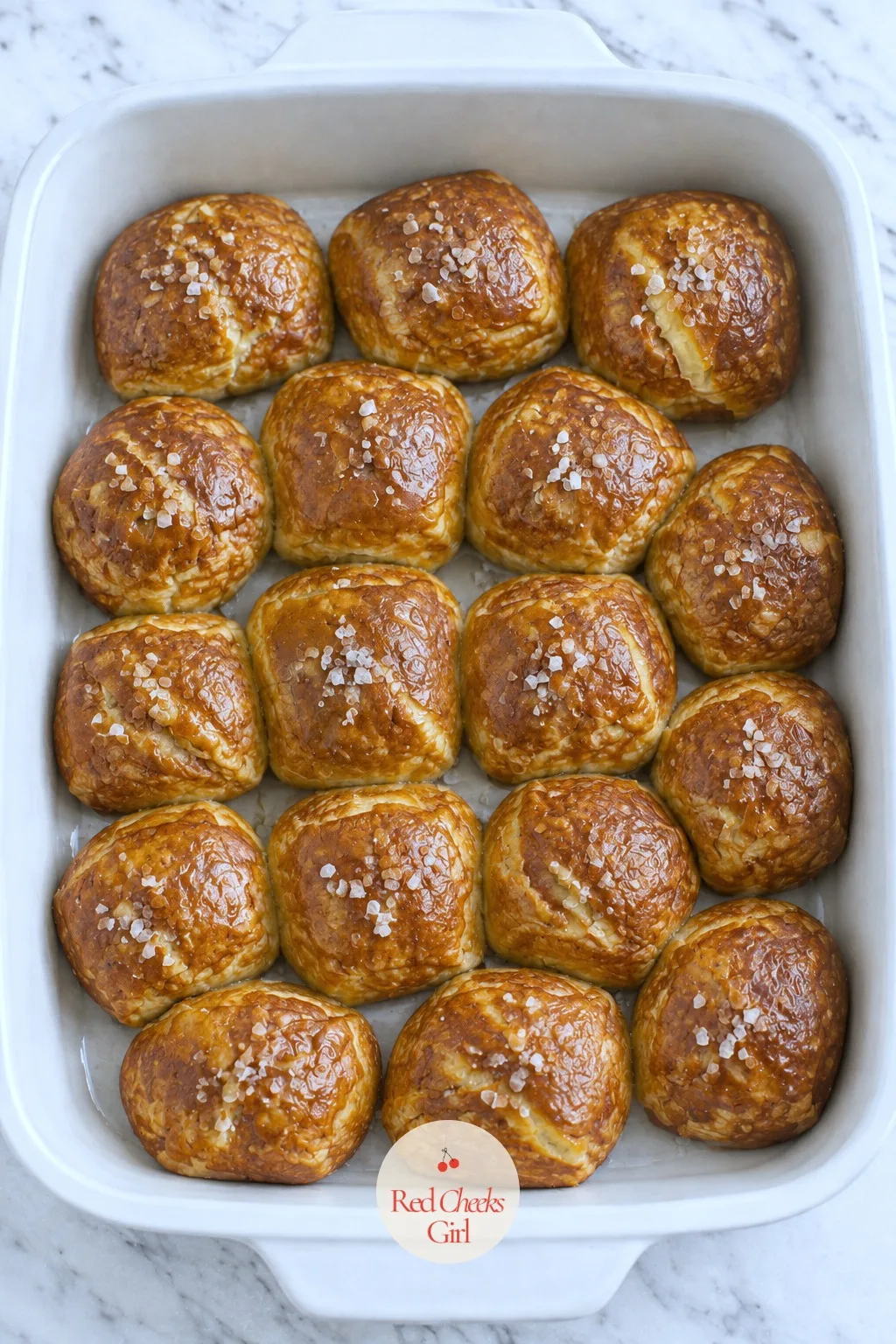
Bake the pretzel bites until deep golden brown
Pull the dish out once every bite has turned a deep, even brown and sounds hollow when tapped. That color is the whole point of the baking soda bath.
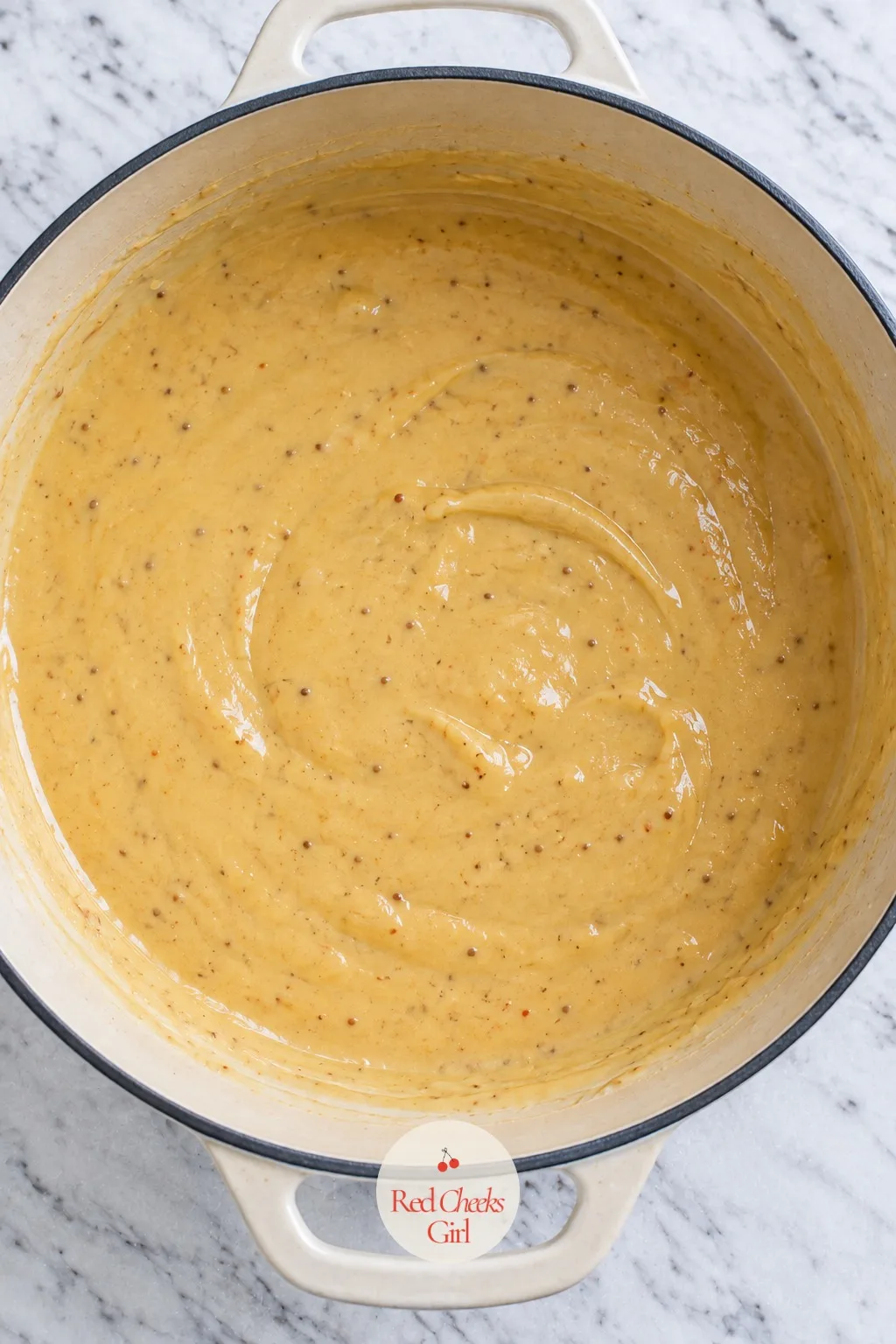
Melt the cheese into the beer mixture
Whisk the cheddar in gradually until the sauce turns completely smooth and glossy, with no streaks of unmelted cheese left anywhere in the pan.

Serve the warm dip with the pretzel bites
Pour the dip into its serving bowl while it is still glossy and pourable, then ring it with the warm pretzel bites. This is the moment to bring it straight to the table.
🛍 Shopping guide
Tips For Getting It Right
The most common mistake is cranking the heat once the cheese goes in. High heat makes the proteins seize, and seized cheese turns stringy and separates into an oily mess instead of staying smooth. Keep the burner on low from the moment the cheddar hits the pan and whisk the whole time.
Skimping on the baking soda bath leaves pretzel bites tasting like plain dinner rolls. That quick dip is what gives them their dark color and faint tang, so do not rush past it even though it looks like an odd extra step.
Overworking the dough during kneading builds too much gluten, and the bites turn chewy in a tough way rather than a pleasant one. Five or six minutes of kneading is genuinely enough; stop as soon as the dough feels smooth.
If the dip looks too thick once it cools slightly, a splash more lager or warm milk, whisked in off the heat, brings it right back to pourable. If it looks too thin, give it another minute over low heat; it firms up as it sits.
Let the finished dip rest for a minute or two before anyone digs in. Straight off the stove it is hot enough to burn a tongue, and that minute does nothing to the texture.

Swaps And Substitutions
Sharp cheddar is the backbone, but a smoked gouda or a sharp pepper jack folded in for half the cheddar changes the whole personality of the dip, smokier in one direction, spicier in the other.
For a non-alcoholic version, swap the lager for an equal amount of chicken broth plus a teaspoon of apple cider vinegar to mimic that slight tang; a non-alcoholic lager works just as well if your store carries one.
Plain yellow mustard stands in for the Dijon in a pinch, though it mutes the tang a little; a spoonful of stone-ground mustard goes the other direction and adds texture along with flavor.
A gluten-free flour blend can replace the all-purpose flour in both the roux and the dough, though the pretzel bites will be a touch denser and less chewy, which is a fair trade for anyone who needs it.
Worcestershire sauce usually contains anchovies, so for a vegetarian table, swap it for an equal amount of soy sauce or a vegetarian Worcestershire alternative; the flavor shift is small.
What To Serve It With At A Party
Beyond the pretzel bites, this dip is happy with pretzel rods for dunking, thick-cut apple slices for something cool and crisp against the warm cheese, and sturdy veggie sticks like celery and carrot for anyone pacing themselves.
Pour the same lager used in the dip, served cold, right alongside it; the flavors echo each other without competing, and it gives everyone a reason to crack open a second bottle.
Keep the dip in its saucepan or transfer it to a small slow cooker set on warm if the party runs long; it holds its texture far better that way than sitting out in a bowl to cool and skin over.
For a bigger crowd, the recipe doubles cleanly; just use a wider pan for the roux so the cheese has room to melt in evenly rather than clumping in the middle.
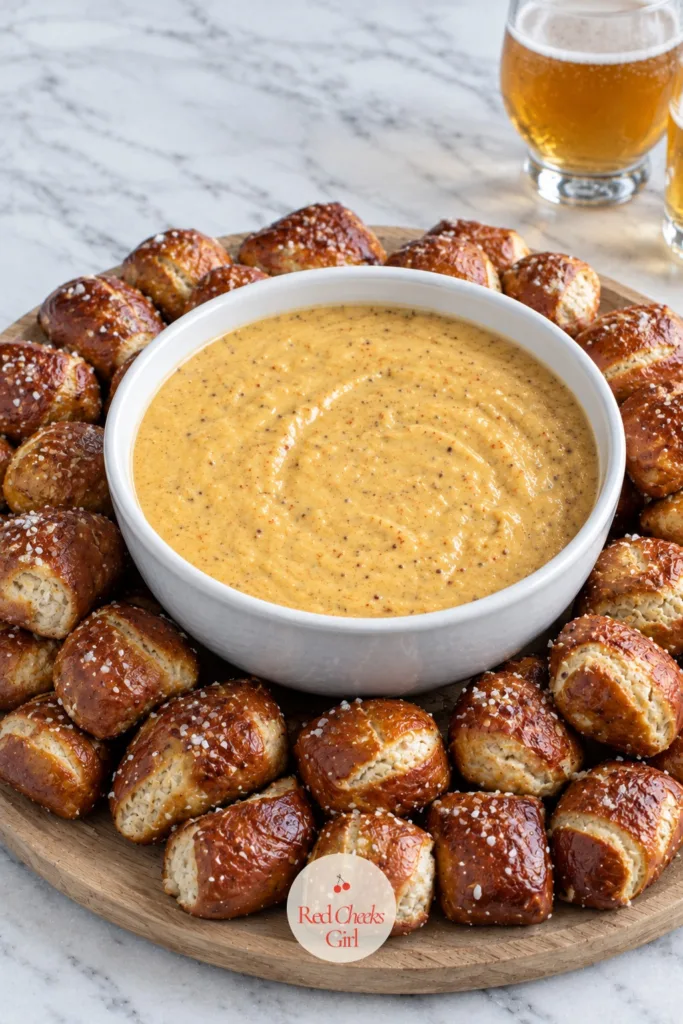
Beer Cheese Dip
Ingredients
- 1 cup warm water 110 to 115 degrees F
- 1 tablespoon granulated sugar
- 1 packet 2 1/4 teaspoons active dry yeast
- 3 1/2 cups all-purpose flour plus more for the board
- 1 teaspoon fine salt
- 3 tablespoons unsalted butter melted, divided
- 10 cups water
- 2/3 cup baking soda
- 1 large egg beaten
- 2 tablespoons coarse pretzel salt or flaky sea salt
- 3 tablespoons unsalted butter
- 3 tablespoons all-purpose flour
- 1 cup whole milk
- 1 cup lager beer such as a pilsner, plus a splash more if needed
- 1 pound sharp cheddar cheese freshly grated (about 4 cups)
- 1 tablespoon Dijon mustard
- 1/2 teaspoon garlic powder
- 1/2 teaspoon Worcestershire sauce
- 1 pinch cayenne pepper
- 1/4 teaspoon salt plus more to taste
Instructions
- Bloom the yeast: in a white ceramic mixing bowl, stir together 1 cup warm water, 1 tablespoon sugar and the packet of yeast. Let it stand for 5 to 8 minutes, until the surface turns foamy; if nothing happens, the yeast is dead and you need a fresh packet.
- Mix the dough: add 3 1/2 cups flour, 1 teaspoon fine salt and 1 tablespoon of the melted butter to the yeast mixture. Stir with a pale wooden spoon until a shaggy, sticky dough comes together and no dry flour remains at the bottom of the bowl.
- Knead the dough: turn it out onto a lightly floured pale wood board and knead by hand for 5 to 6 minutes, until it turns smooth and elastic and springs back slowly when you poke it.
- First rise: set the dough in a lightly buttered white ceramic bowl, cover with a damp towel, and let it rise in a warm spot for 45 to 60 minutes, until it has doubled in size and holds a dent when pressed.
- Shape the bites: punch the dough down, divide it into 4 equal pieces, and roll each piece into a rope about 20 inches long on the wooden board. Cut each rope into 1-inch pieces; you should end up with roughly 24 to 28 bites.
- Boil the bites: bring 10 cups of water and 2/3 cup baking soda to a rolling boil in the cream enameled Dutch oven. Working in batches of 6 to 8, boil the bites for 20 to 30 seconds each; they will float and look slightly puffed and matte. Lift them out with a slotted spoon onto a parchment lined white ceramic baking dish.
- Finish before baking: brush each boiled bite with the beaten egg and scatter the coarse salt evenly over the tops. Arrange them with a little space between each one; at this point they still look pale and soft.
- Bake the bites: slide the dish into a 425 degree F oven and bake for 12 to 15 minutes, until the bites turn deep mahogany brown on top and sound hollow when you tap one.
- Cool slightly: let the bites rest on the baking dish for 5 minutes while you start the dip; they will firm up just enough to hold their shape without turning tough.
- Make the roux: melt 3 tablespoons butter in the cream enameled saucepan over medium heat. Whisk in 3 tablespoons flour and cook for 1 minute, stirring constantly, until it smells faintly toasted and loses its raw flour color.
- Add the milk and beer: pour in 1 cup whole milk and 1 cup lager beer in a slow stream, whisking the entire time so no lumps form. Bring to a gentle simmer and cook for 3 to 4 minutes, until the mixture coats the back of a wooden spoon.
- Melt in the cheese: reduce the heat to low and add the grated cheddar by the handful, whisking after each addition until fully melted before adding more. Stir in the Dijon mustard, garlic powder, Worcestershire sauce, cayenne and 1/4 teaspoon salt.
- Serve: pour the warm dip into a white ceramic serving bowl and set it in the center of a platter. Arrange the warm pretzel bites around the bowl and serve right away, while the dip is still glossy and pourable.
Good to Know
Frequently Asked Questions
Does beer cheese dip have alcohol in it?
Yes, a small amount survives the simmer even though most of it cooks off with heat and time on the stove. What is left is a trace, not enough to make anyone tipsy.
Can you use any beer in beer cheese dip?
Almost any beer works, but a plain lager or pilsner melts in more smoothly than a hoppy IPA, which can turn the dip bitter once reduced.
Can you freeze beer cheese dip?
Freezing is not recommended, since the cheese sauce tends to separate and turn grainy once thawed, even after a good long whisk.
Is beer cheese dip supposed to be served hot or cold?
It depends on the style; this stovetop version is served warm and pourable, while a separate pub tradition makes a cold, spreadable beer cheese instead.
What is the difference between beer cheese dip and beer cheese spread?
The dip is cooked on the stovetop and served warm and pourable, while the spread is a cold, thicker mixture closer to a cheese ball, meant for crackers rather than dunking.

10 egg roll recipes baked or air fried for a game day spread, from classic pork to cheeseburger and
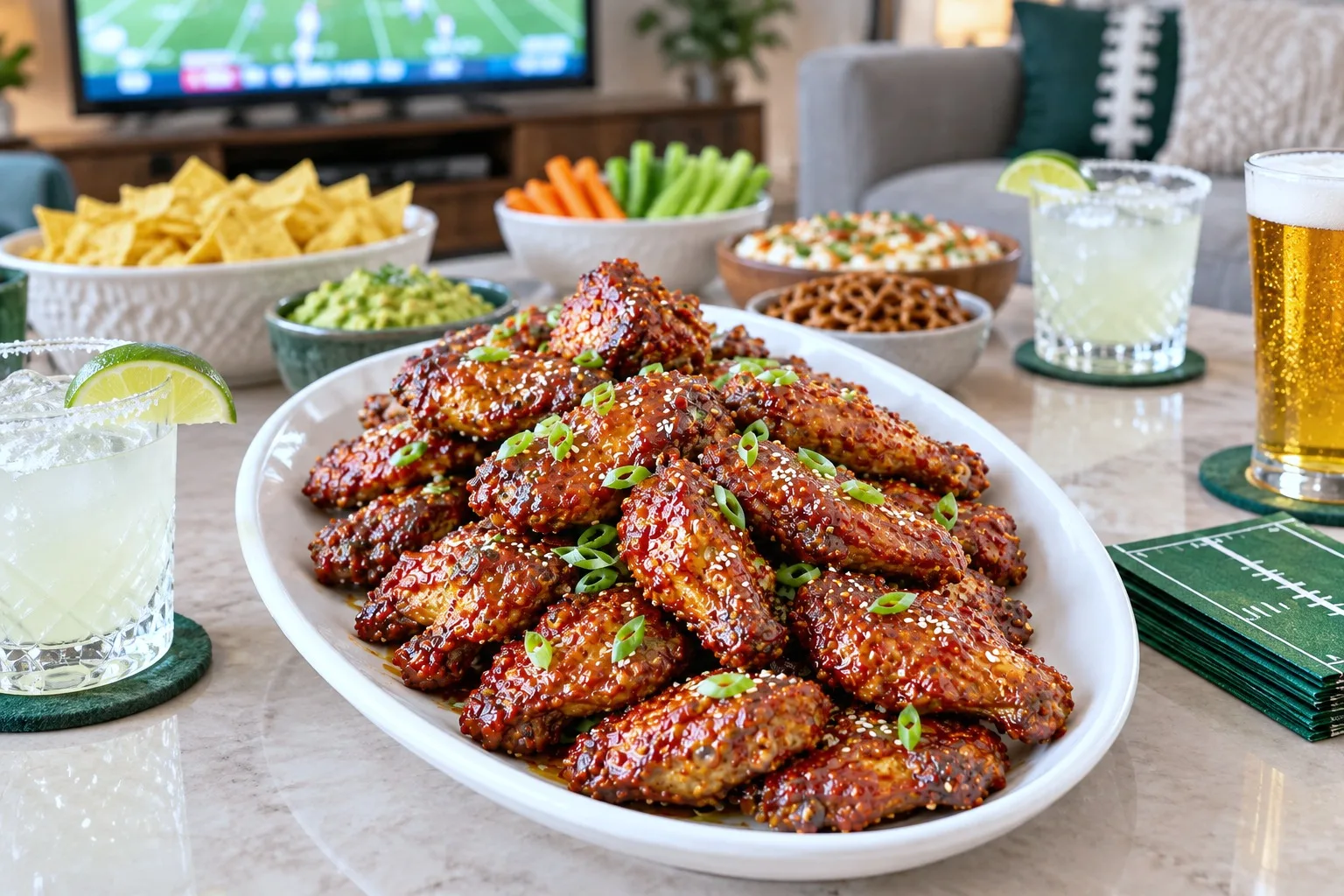
Korean fried chicken wings get a crackling double fry crust, a sticky gochujang honey glaze, and cru
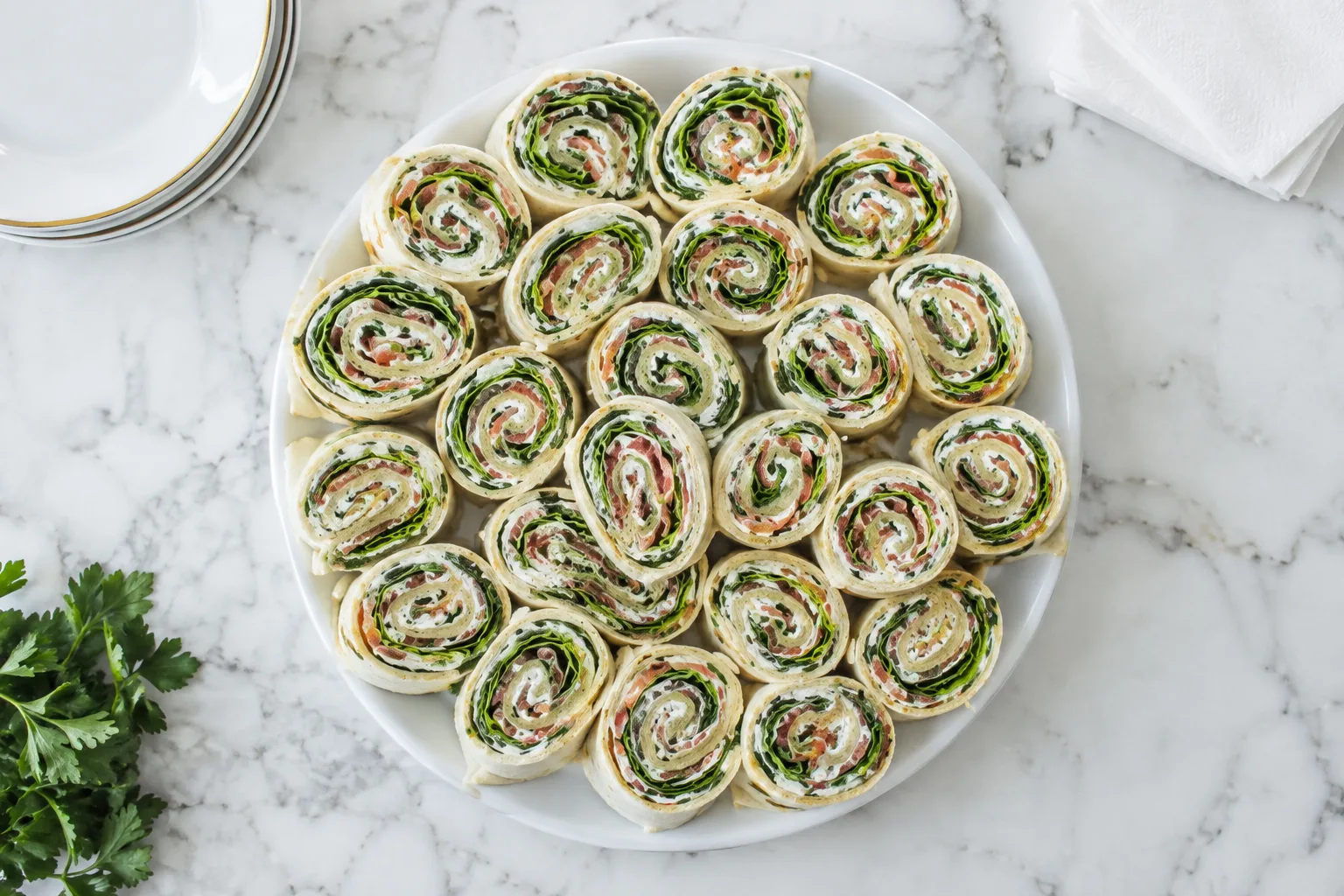
16 pinwheel appetizers rolled in tortillas or puff pastry the night before, chilled, sliced and fann
Leave a Reply