

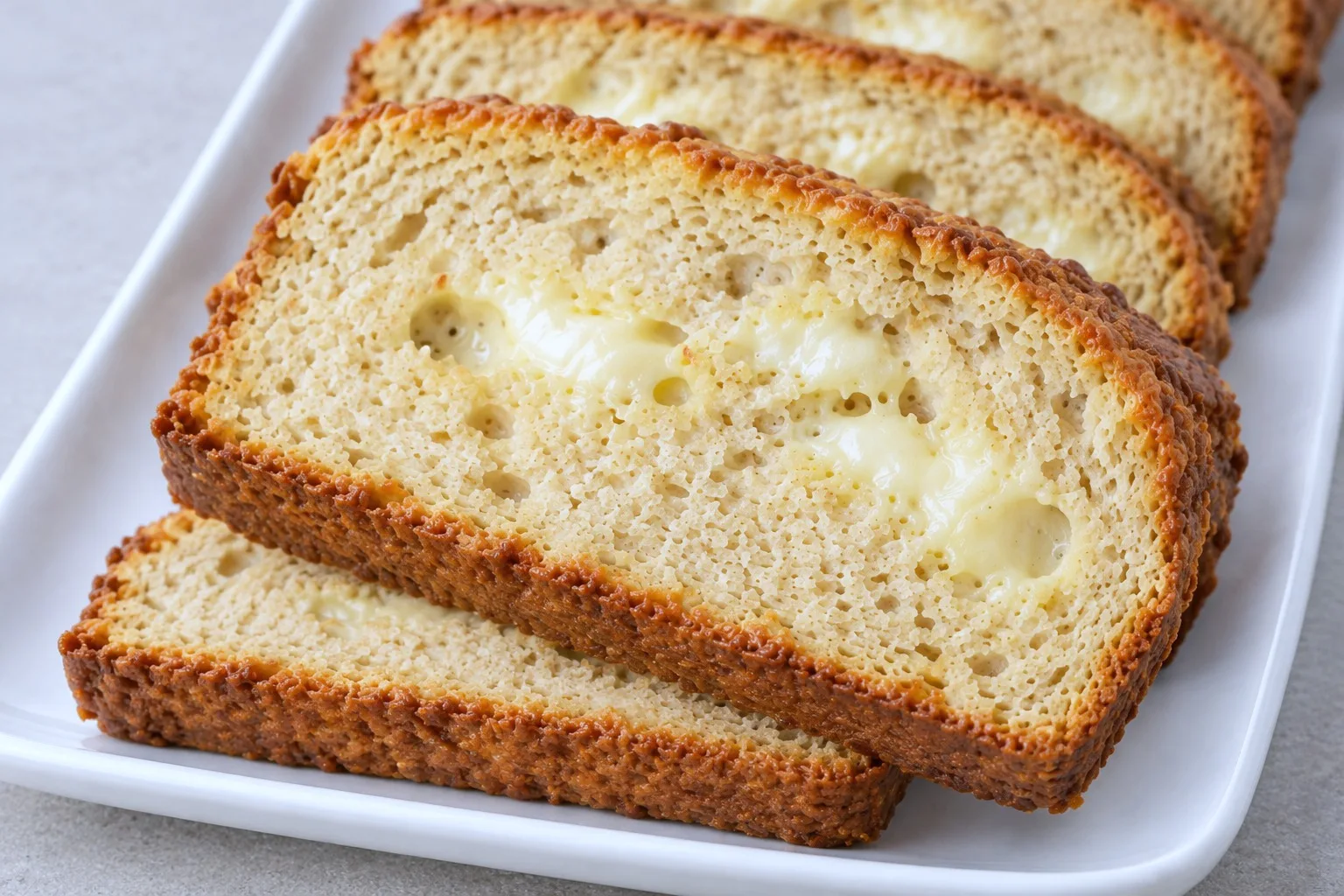
A good beer bread recipe asks for almost nothing: no yeast, no proofing, no kneading, just a bowl, a bottle and an hour you were going to spend waiting on something else anyway.
The beer does the lifting a packet of yeast usually does, and the cheese does the part where everyone asks what’s in it. Serve it warm, in thick slices, next to whatever is simmering on the stove.
This post contains affiliate links. If you buy through them, I may earn a small commission at no extra cost to you.
Table of Contents
Why This Beer Bread Belongs On Your Table
You would not call this fancy, and that is exactly the point. There is no yeast to proof, no second rise to wait out, nothing that can quietly go wrong while you set the table. One bowl, one bottle, one pan.
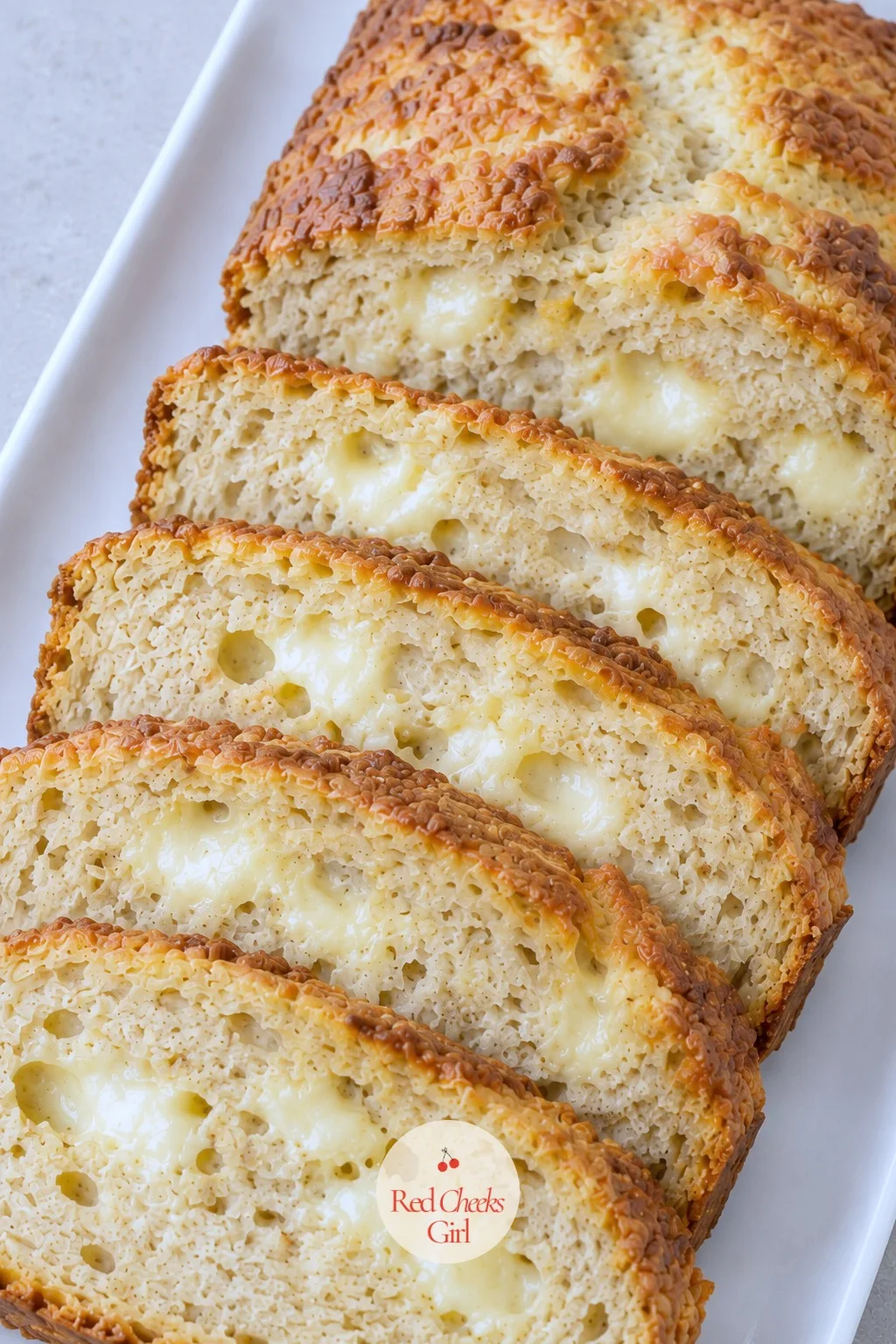
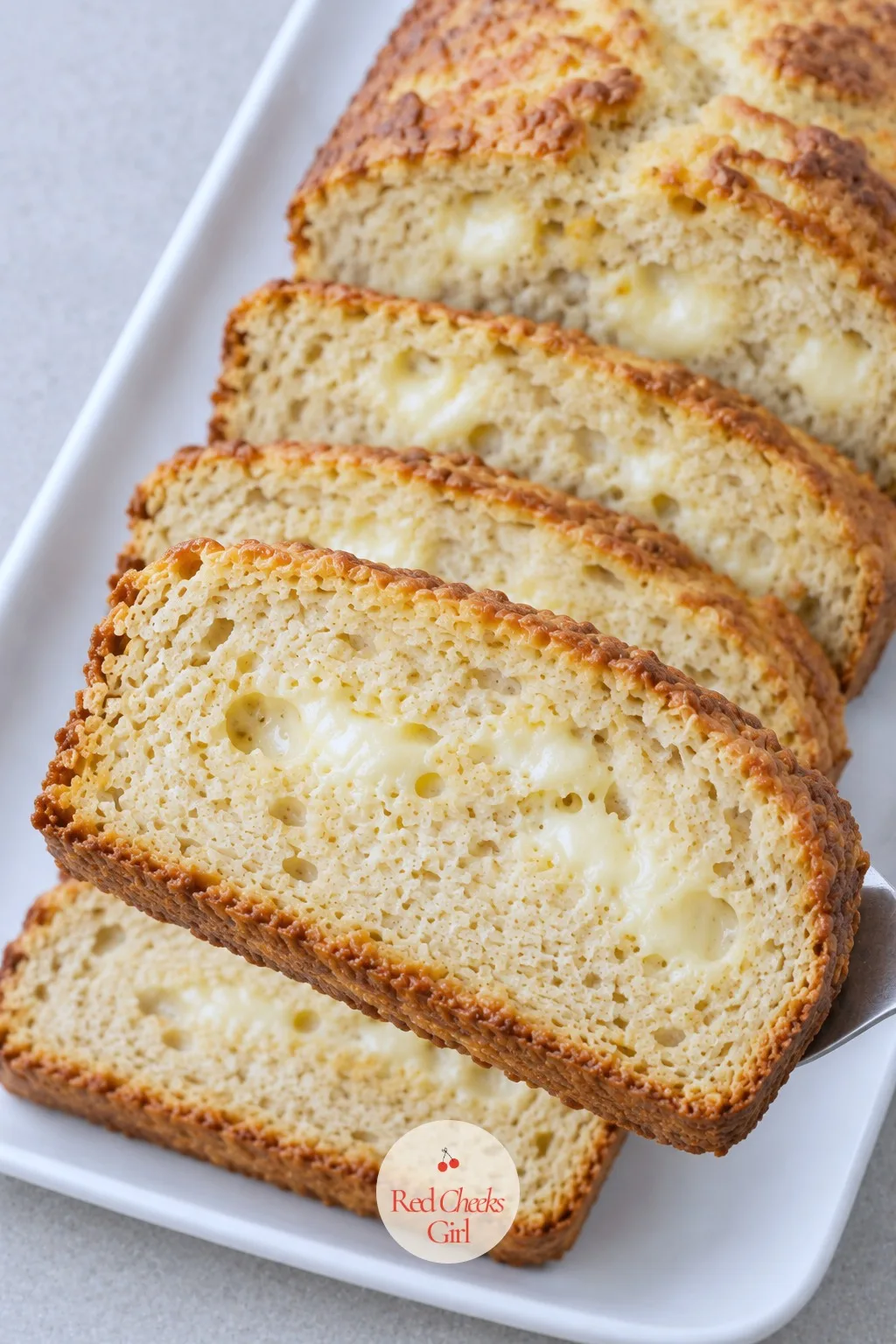
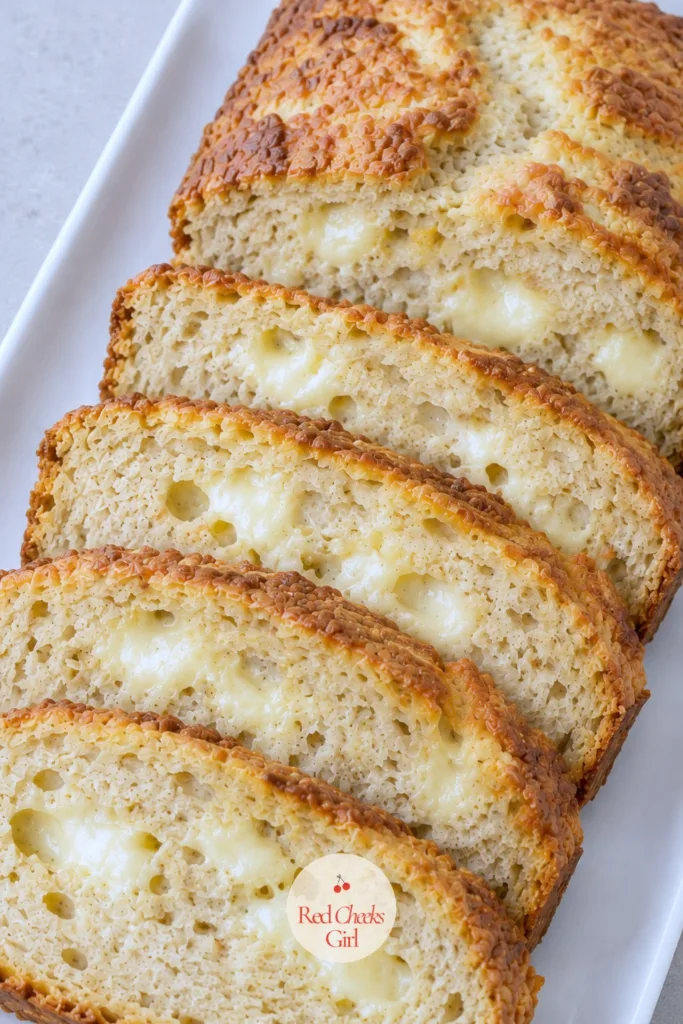
The cheese is what turns a plain loaf into something people reach for twice. Cubes of Swiss melt into soft, stretchy pockets through the crumb, and a handful shredded on top browns into something close to a crust of its own.
If the oven is already on for a casserole or a tray of something else, this bread rides along without asking for extra attention. It bakes, cools a little, gets sliced. That is the whole job.
Key Ingredients And Why Each One Matters
Flour and baking powder are the structure here, nothing more exotic than that. The baking powder works together with the carbonation in the beer, so the bread puffs up in the oven without a single gram of yeast involved.
Sugar does two jobs at once: it rounds off the slight bitterness any beer brings to a batter, and it helps the crust brown properly instead of staying pale and soft.
The beer itself is both the liquid and the leavening assist, and this is the one ingredient worth choosing with a little care. A pilsner, a light lager or a malty amber ale all work; save the aggressively hoppy IPA for drinking alongside the loaf instead of baking into it, since.
Swiss cheese goes in two ways on purpose. The cubes survive baking as soft pockets inside the crumb, while the shredded cheese on top melts flat and crisps slightly at the edges, so every slice gets both textures.
Butter poured over the batter before it bakes is what gives the top its deep, almost caramelized crust, and it is one more reason not to skip that last step.
How to Make It
This is the full method, start to finish, with nothing left out. Read it once before you start measuring, since the batter comes together fast once the beer goes in.
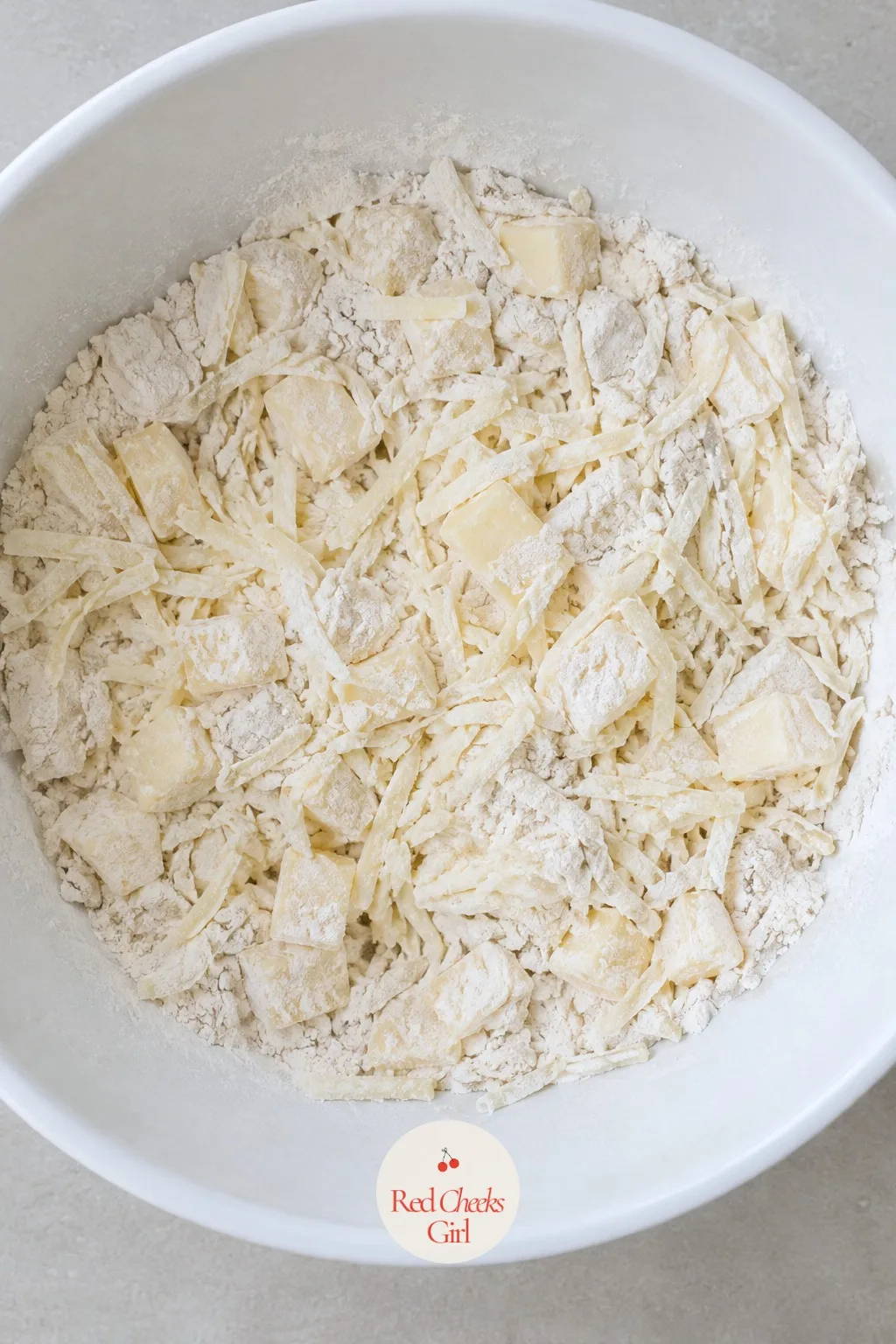
Toss the cheese into the dry ingredients
Add the cubed and shredded Swiss to the bowl of flour and toss until every piece is lightly coated. This keeps the cheese from sinking straight to the bottom of the batter.
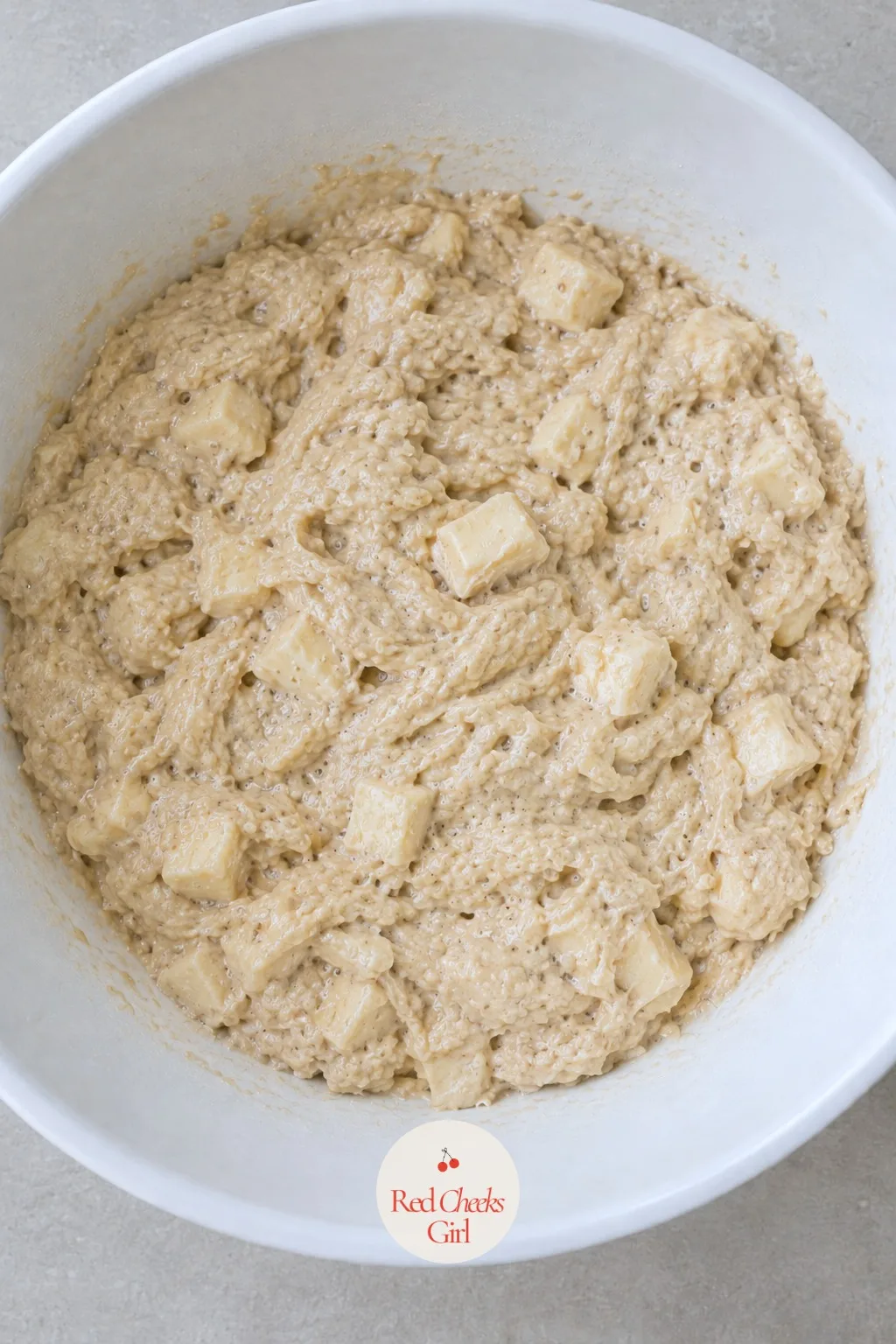
Stir in the beer
Pour the beer in all at once and stir just until the last streak of flour vanishes. The batter turns thick and a little lumpy, which is exactly right.
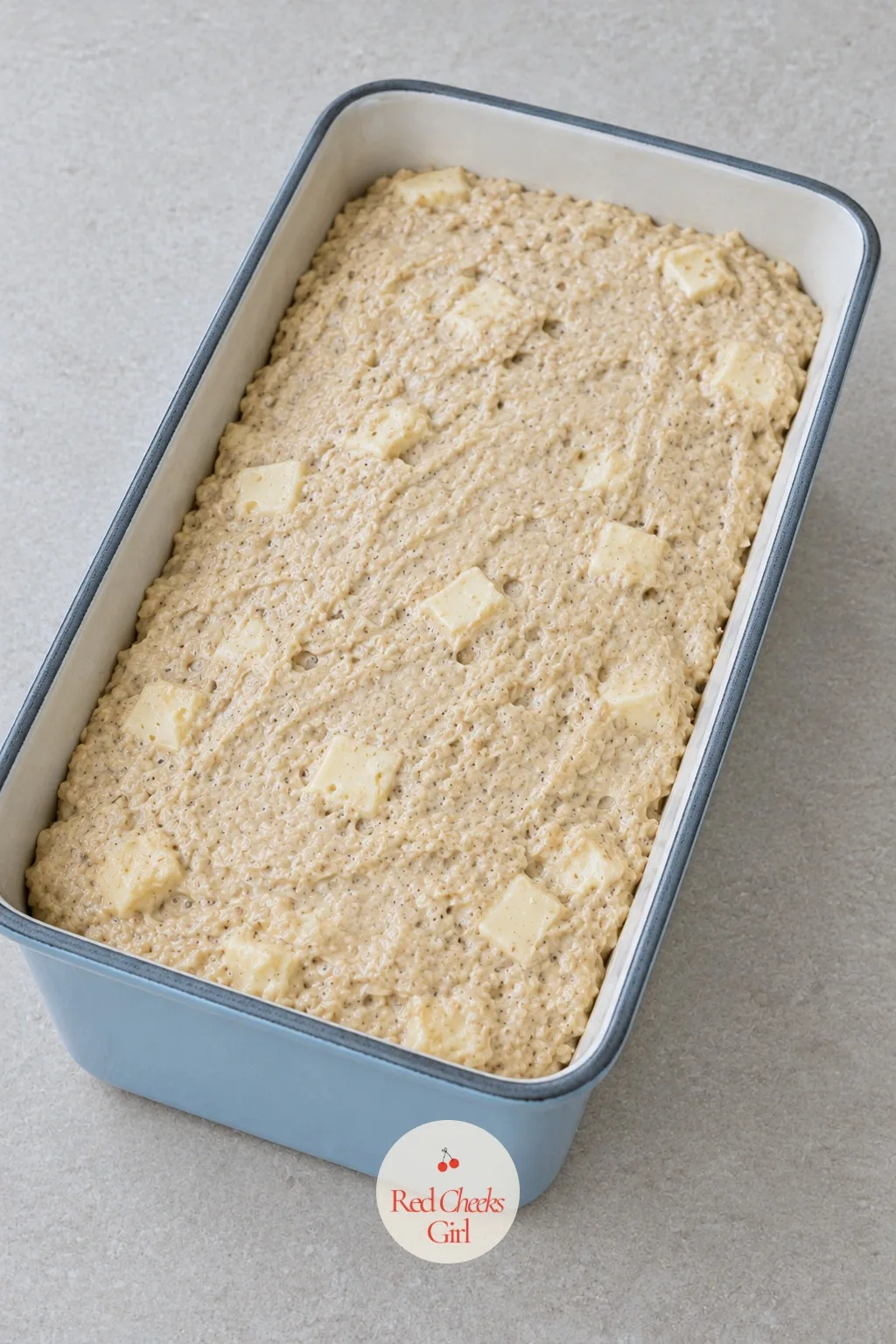
Smooth the batter into the pan
Scoop the batter into the prepared loaf pan and press it into the corners. Smooth the top with the back of the spoon before it goes any further.
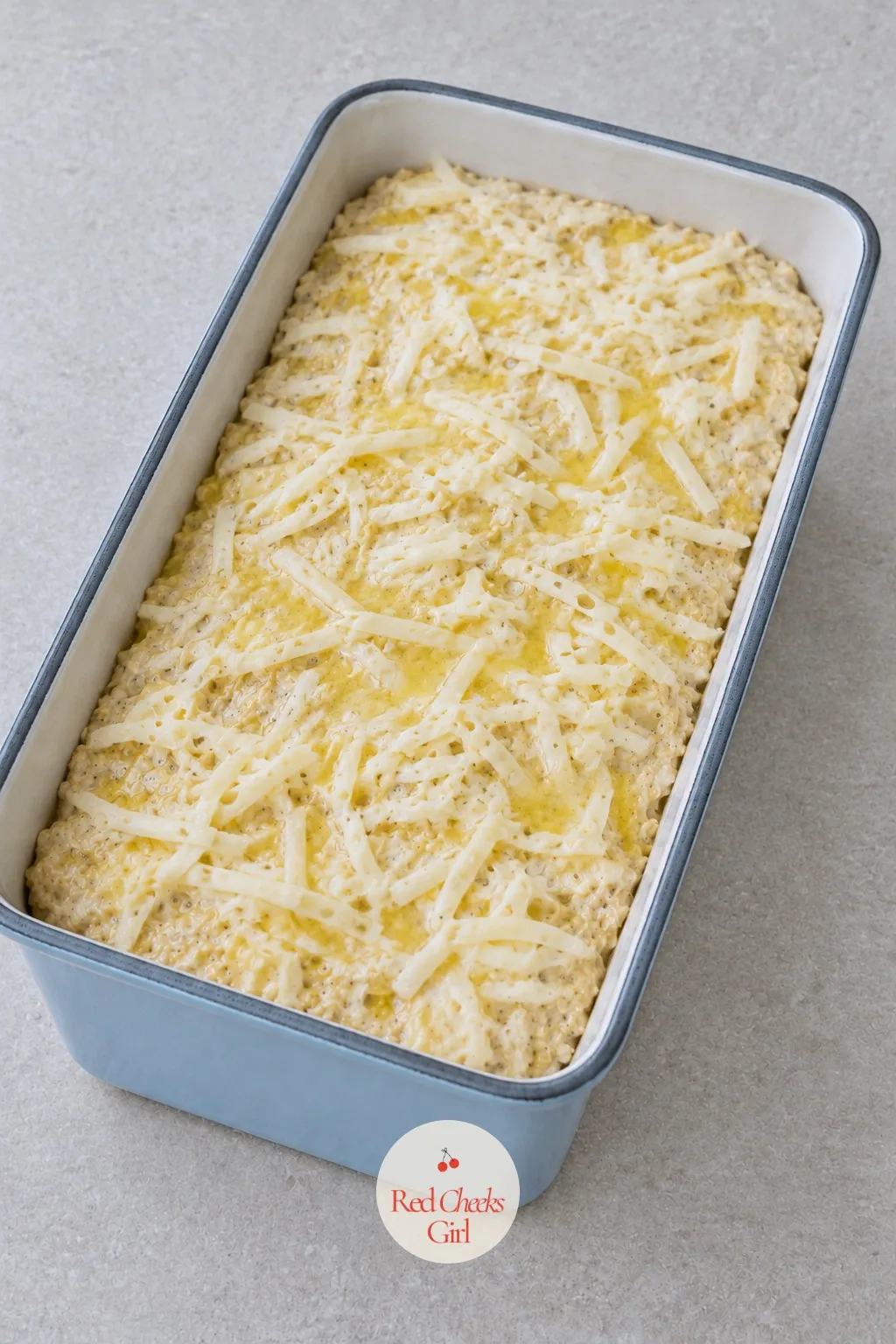
Top with cheese and melted butter
Scatter the remaining shredded Swiss over the batter, then pour the melted butter evenly across the top. Let it pool into the cracks before the pan goes into the oven.
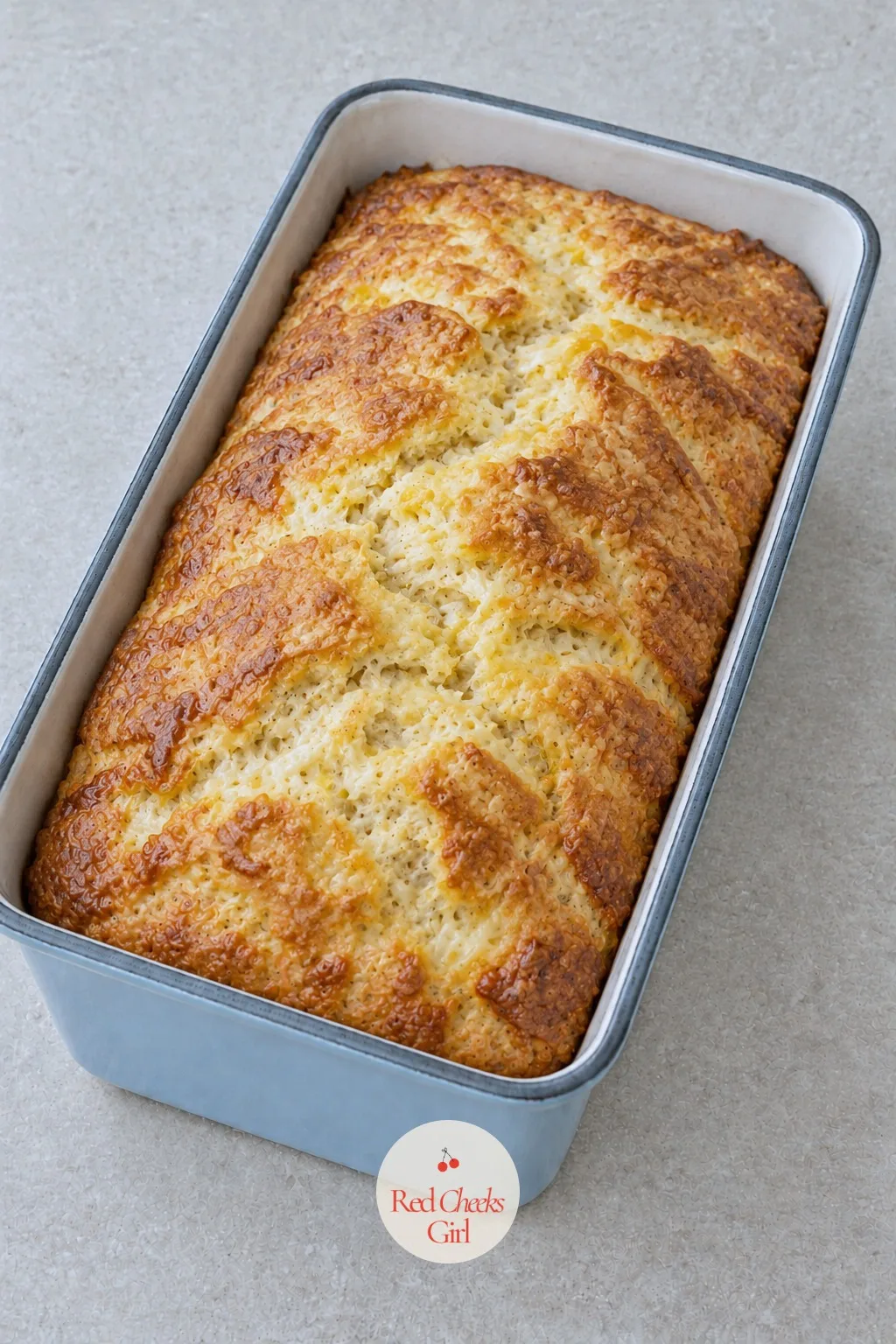
Bake until deep golden
Bake until the top is a deep, even golden brown and a toothpick comes out clean. The cheese on top will have browned in patches at the edges.
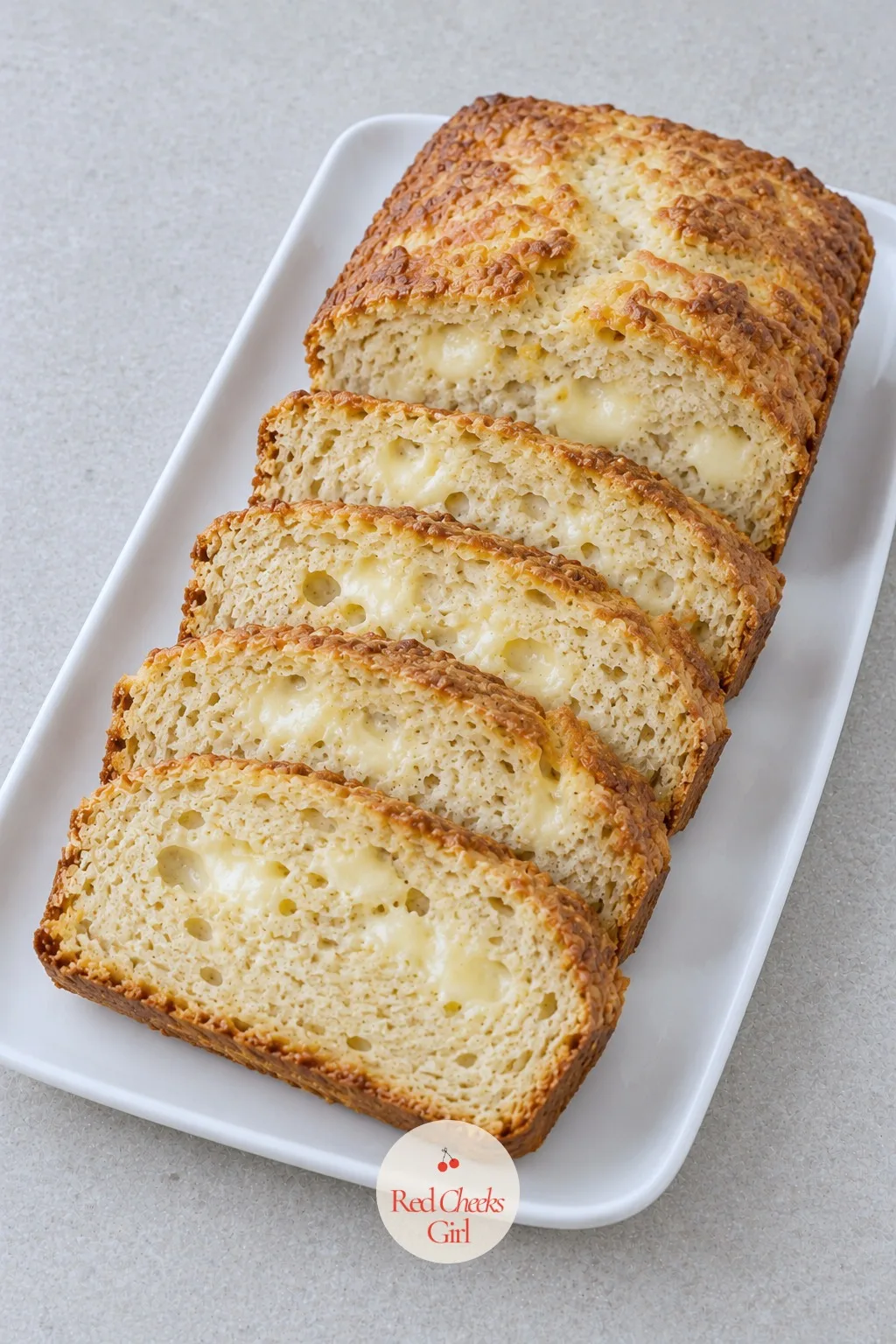
Slice and serve warm
Slice the cooled loaf with a serrated knife and arrange the pieces on a platter, cut sides up. Serve it while it still holds a little warmth.
🛍 Shopping guide
Tips For Getting It Right
Overmixing is the single most common way this bread goes wrong. The moment the last streak of flour disappears, stop stirring, since.
Flat beer is not a disaster, but it is not the goal either. it just gives slightly less lift than a freshly opened bottle.
A dense, brick-like crumb almost always traces back to tired baking powder. Check the date on the tin before you start, since a batch that has sat open for months will not lift the batter the way it should.
Resist cutting into the loaf straight from the oven, however good it smells. The crumb is still setting in those first fifteen minutes, and a too-early slice collapses into something gummy instead of tender.
Swaps And Substitutions
No Swiss in the house, or someone at the table prefers something sharper: cheddar or gruyere both melt the same way and stand in without any change to the method.
Want it alcohol-free: a non-alcoholic beer gives nearly the same batter and rise, since. Club soda works in a pinch too, with a flatter flavor.
For a quieter, less beer-forward loaf, choose a plain light lager rather than a stout or an IPA. For more character, a brown ale or an Oktoberfest-style lager leans toward toasty, malty notes instead of bitterness.
Honey can stand in for the sugar, spoon for spoon, and gives the crust a slightly darker, stickier edge. A handful of chopped chives or a pinch of garlic powder folded in with the dry ingredients turns the same loaf into something closer to a savory snacking bread.
What To Serve It With At A Party
This loaf was built to sit next to a bowl, not a plate. Thick slices mop up a bowl of chili without falling apart, and if you need the chili itself, a look through 15 Chili Bar Ideas With Toppings for Every Bowl covers the toppings side of that table too.
A pot of soup on the stove is the other obvious partner. For the soup side of the evening, 12 Winter Soup Recipes for a Pot on the Stove and Friends at the Table has the kind of simmering pots this bread was made to sit beside.
For a bigger spread, set it out alongside a Beer Cheese Dip With Soft Pretzel Bites, since the two share a pantry and a flavor profile without ever feeling repetitive on the same table.
If the bread is part of a bigger game-day table rather than a quiet dinner, Game Day Party Food: 21 Recipes and Ideas for Your Spread rounds out the rest of what goes around it.
Beer Bread Recipe
Ingredients
- 3 cups all-purpose flour
- 1 tablespoon baking powder
- 1 teaspoon fine salt
- 3 tablespoons granulated sugar
- 1 cup Swiss cheese cut into 1/2-inch cubes
- 1 cup Swiss cheese shredded, divided
- 1 bottle 12 ounces lager or pilsner beer, room temperature
- 4 tablespoons unsalted butter melted
Instructions
- Preheat the oven to 375°F and grease a 9x5 inch loaf pan with butter or a light coat of cooking spray.
- In a large white mixing bowl, whisk together the flour, baking powder, salt and sugar until no streaks remain.
- Add the cubed Swiss cheese and half of the shredded Swiss, then toss with a spoon so every piece gets a light coat of flour.
- Pour in the beer all at once and stir with a wooden spoon just until the last dry patch disappears: the batter will be thick, heavy and a little lumpy, and that is correct.
- Scoop the batter into the prepared loaf pan and press it into the corners with the back of the spoon, smoothing the top.
- Scatter the remaining shredded Swiss cheese over the surface of the batter.
- Pour the melted butter evenly over the top, letting it pool into the cracks and run down the sides of the pan.
- Bake for 50 to 55 minutes, until the top is a deep golden brown and a toothpick inserted in the center comes out clean.
- Set the pan on a wire rack and let the bread cool for 10 minutes without touching it.
- Turn the loaf out onto the rack and let it cool another 15 minutes before the first slice, so the crumb finishes setting.
- Slice with a serrated knife and serve warm, with the pockets of melted Swiss facing up.
Good to Know
Frequently Asked Questions
What kind of beer is best for beer bread?
A light lager or pilsner with low hops gives the classic version, mild and slightly sweet. A brown ale or Oktoberfest lager adds a nuttier, toastier loaf if you want more character.
Can I make beer bread without alcohol?
Yes, a non-alcoholic beer works in the same amount and gives nearly the same rise and flavor. Club soda is a flatter-tasting backup if no beer of any kind is on hand.
Why does beer bread sometimes come out dense or gummy?
Dense bread usually means tired baking powder or a batter stirred too long. Gummy bread in the middle means it needed a few more minutes in the oven or cooled too briefly before slicing.
Does all the alcohol cook out during baking?
Most of it does, but not every trace. An hour in the oven burns off the majority of the alcohol, leaving only minimal amounts behind, so keep this loaf for the adults at the table.
Can I double this beer bread recipe?
Yes, double every ingredient and bake it in two separate loaf pans rather than one larger one, since a single oversized pan bakes unevenly and leaves the center underdone.
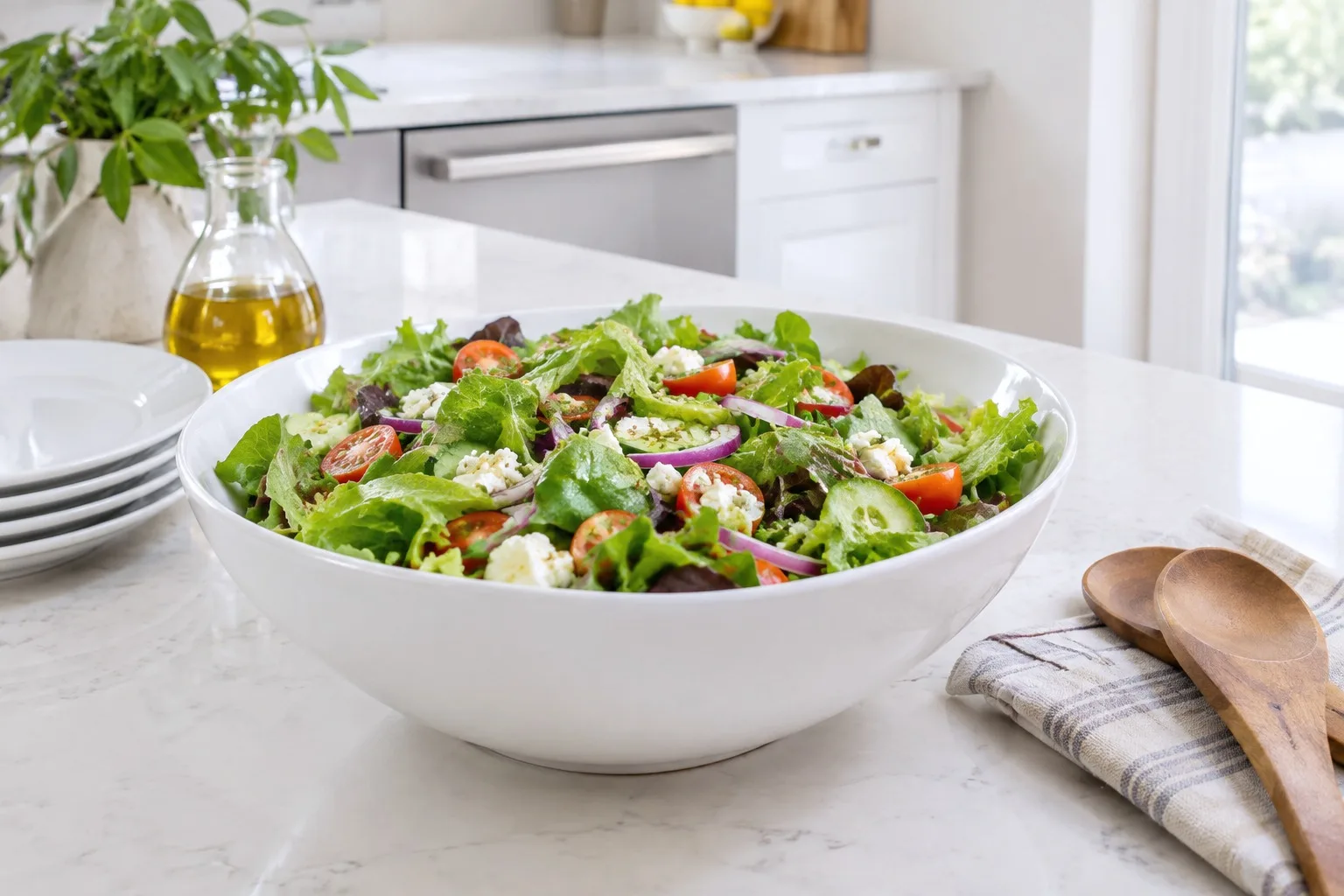
15 fresh side salads, from pear and blue cheese to a simple green salad, each ready in well under 30
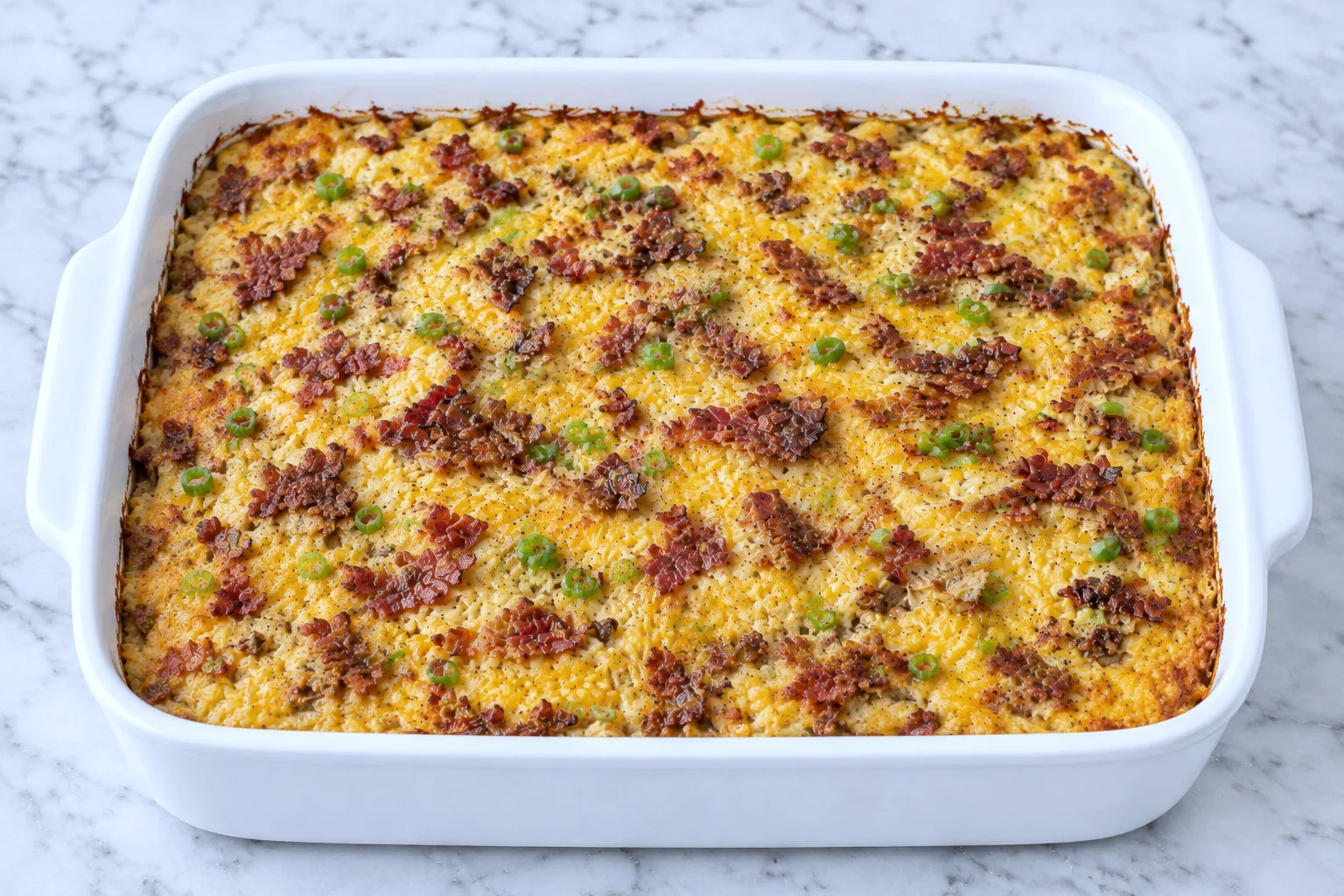
Twice baked potato casserole turns every loaded baked potato topping into one creamy, make-ahead dis
Sausage stuffing with apples and sage bakes crisp on top and soft inside, with a stuffing-ball versi
Leave a Reply