

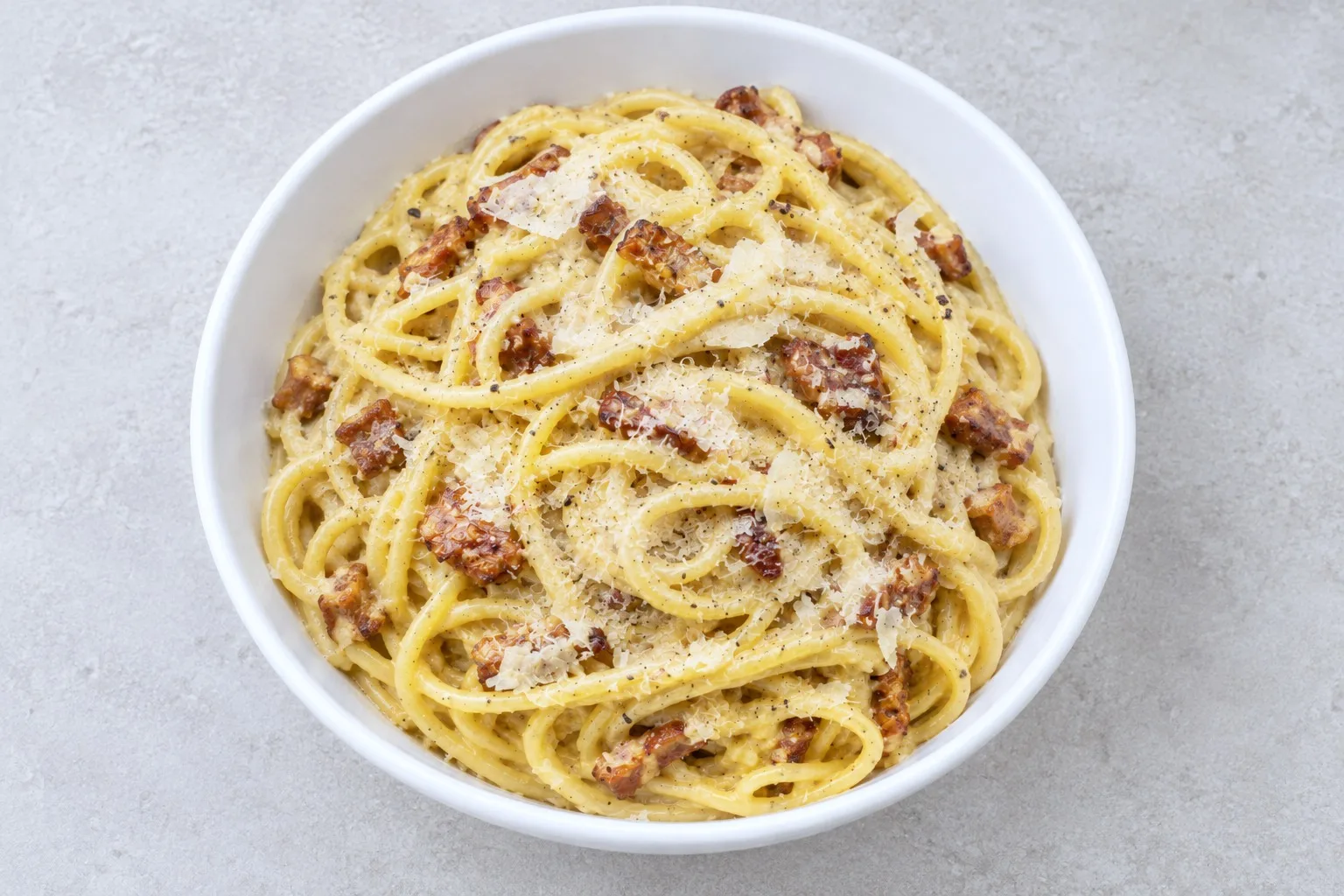
A proper carbonara recipe needs four things done right, not a long shopping list. Spaghetti gets tossed off the heat with crisp bacon, a silky egg and parmesan sauce, and just enough pasta water to loosen it into something glossy, not gluey.
There is a no-egg shortcut with ham and peas waiting below for the nights you have even less time.
This post contains affiliate links. If you buy through them, I may earn a small commission at no extra cost to you.
Table of Contents
Why This Carbonara Works Any Night Of The Week
Some nights call for pasta that tastes like effort without actually taking any. A carbonara recipe gives you exactly that: four or five pantry staples, no simmering sauce, no second trip to the store for an ingredient you will use once and forget about.
The whole trick sits in one small move: pulling the pan off the heat before the eggs go anywhere near it. Get that right and the sauce turns glossy and clings to every strand instead of curdling into little scrambled curds.
This version leans on bacon or pancetta, both far easier to find than guanciale and just as good at rendering fat for the sauce to grab onto. Nobody at the table is going to ask what’s missing.
Short on time, or cooking for someone who would rather skip raw egg altogether? There is a no-egg version further down with ham, bacon and peas that comes together just as fast, no whisking required.
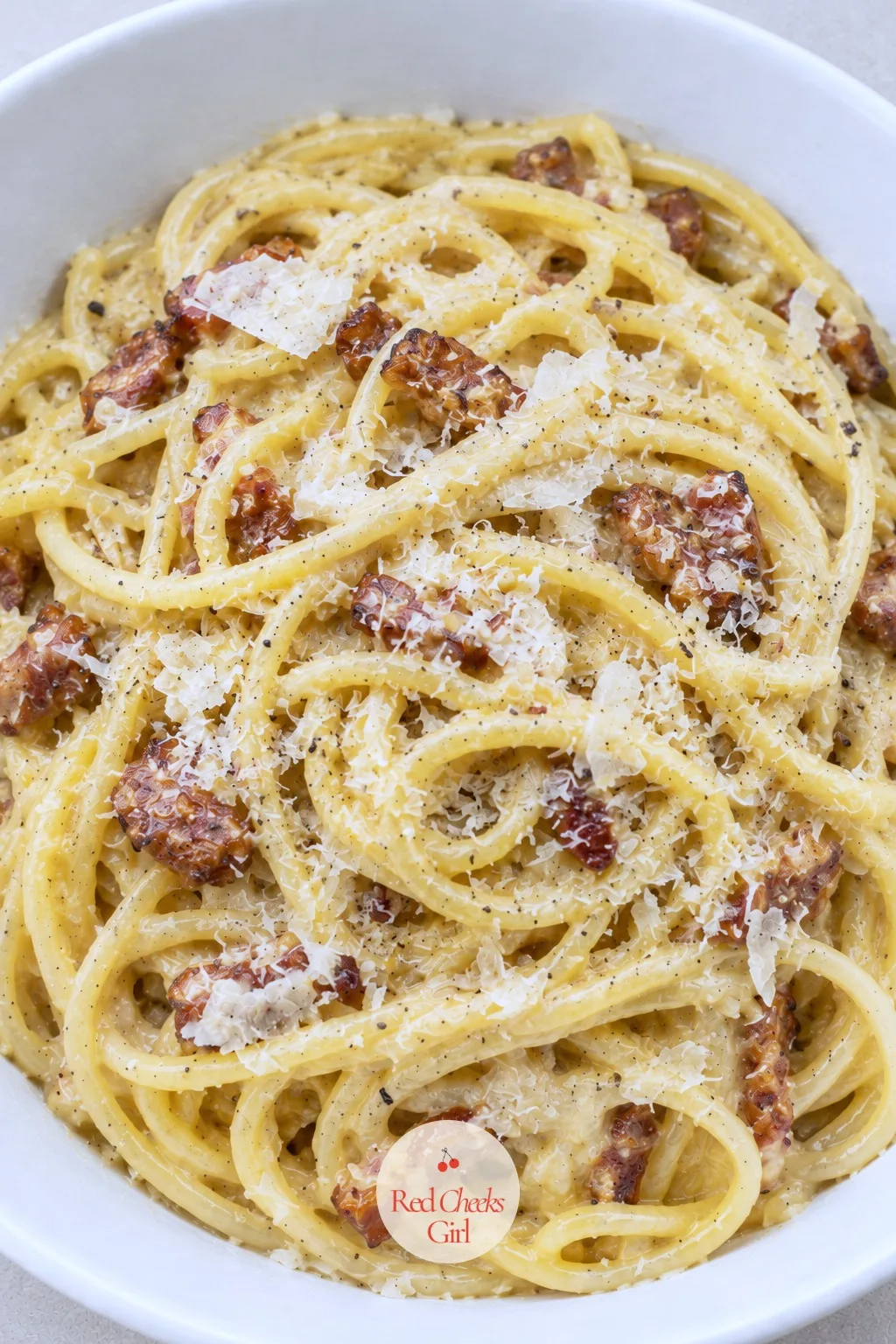
Key Ingredients For Carbonara
Spaghetti is the right shape here because it is long enough to twirl and thin enough to pick up a coating of sauce in a single toss, rather than pooling it at the bottom of the bowl.
Bacon or pancetta does double duty: the rendered fat becomes the base the eggs cling to, and the crisp edges give the finished dish something to bite into besides soft noodles.
Whole eggs plus a couple of extra yolks give you richness without turning the sauce heavy. The yolks carry most of the fat and color, the whites help the sauce set just enough to coat rather than run.
Parmesan needs to be finely grated, not the pre-shredded kind from a bag, which is coated in starch and will not melt smoothly into the egg mixture. Pecorino romano works too, and tastes sharper.
Black pepper is not a garnish here, it is a flavor the dish is named for. Starchy pasta water is the quiet hero: it loosens the sauce and helps it emulsify without watering down the taste.
How to Make It
This carbonara recipe makes enough for four generous bowls, start to finish in under thirty minutes. It contains eggs, dairy and pork, so flag that before serving a mixed crowd.
Read through the method once before you start: the pasta, the bacon and the egg mixture all need to meet each other at almost the same moment, and having everything measured out ahead makes that easy instead of frantic.
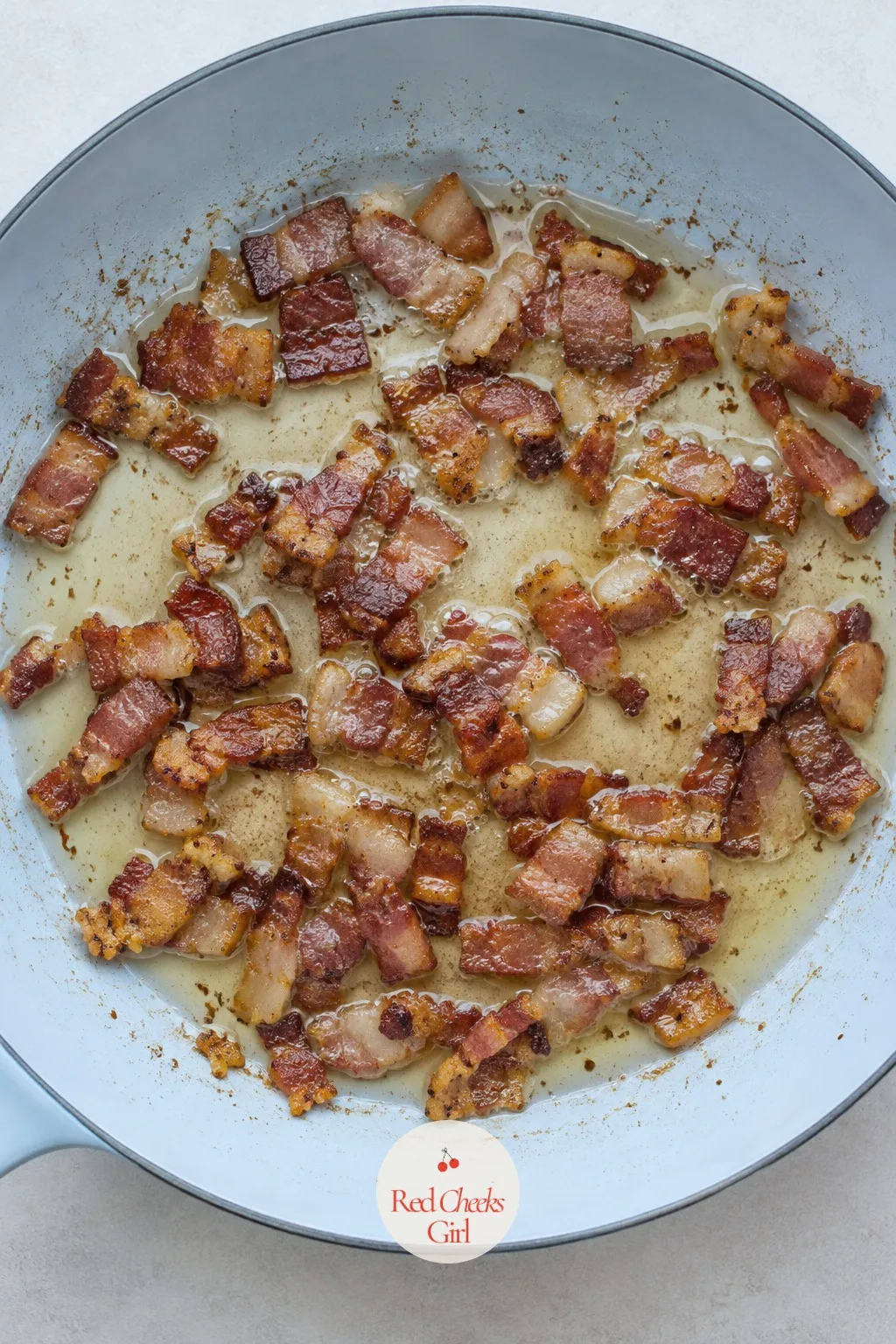
Crisp the Bacon
Cook the diced bacon or pancetta over medium heat until deep golden and crisp at the edges. The fat should look pooled and amber, not smoking, by the time it is ready.
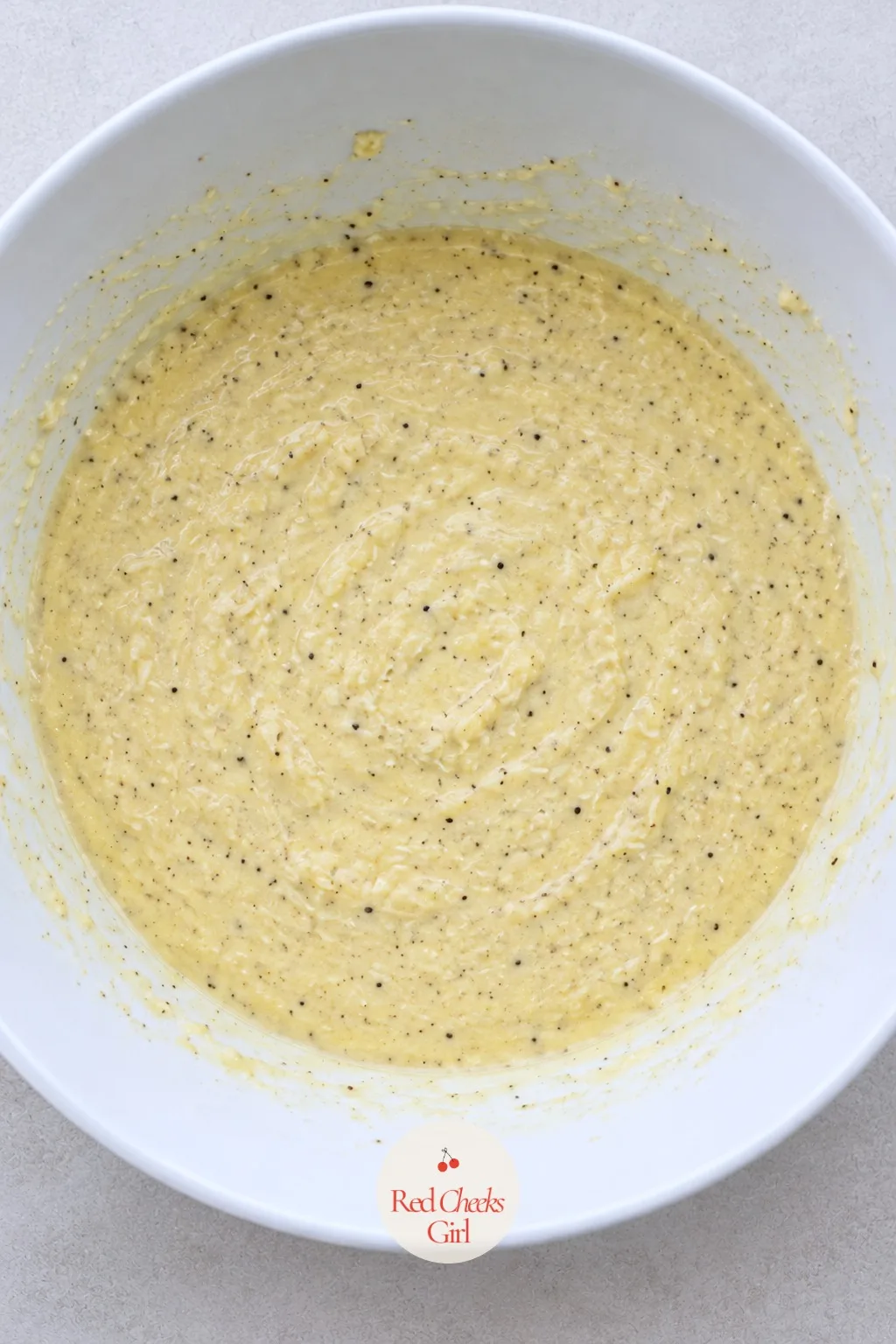
Whisk the Egg and Parmesan Mixture
Whisk the eggs, yolks, parmesan and black pepper together until smooth and pale yellow. No streaks of egg white should remain by the time you stop whisking.
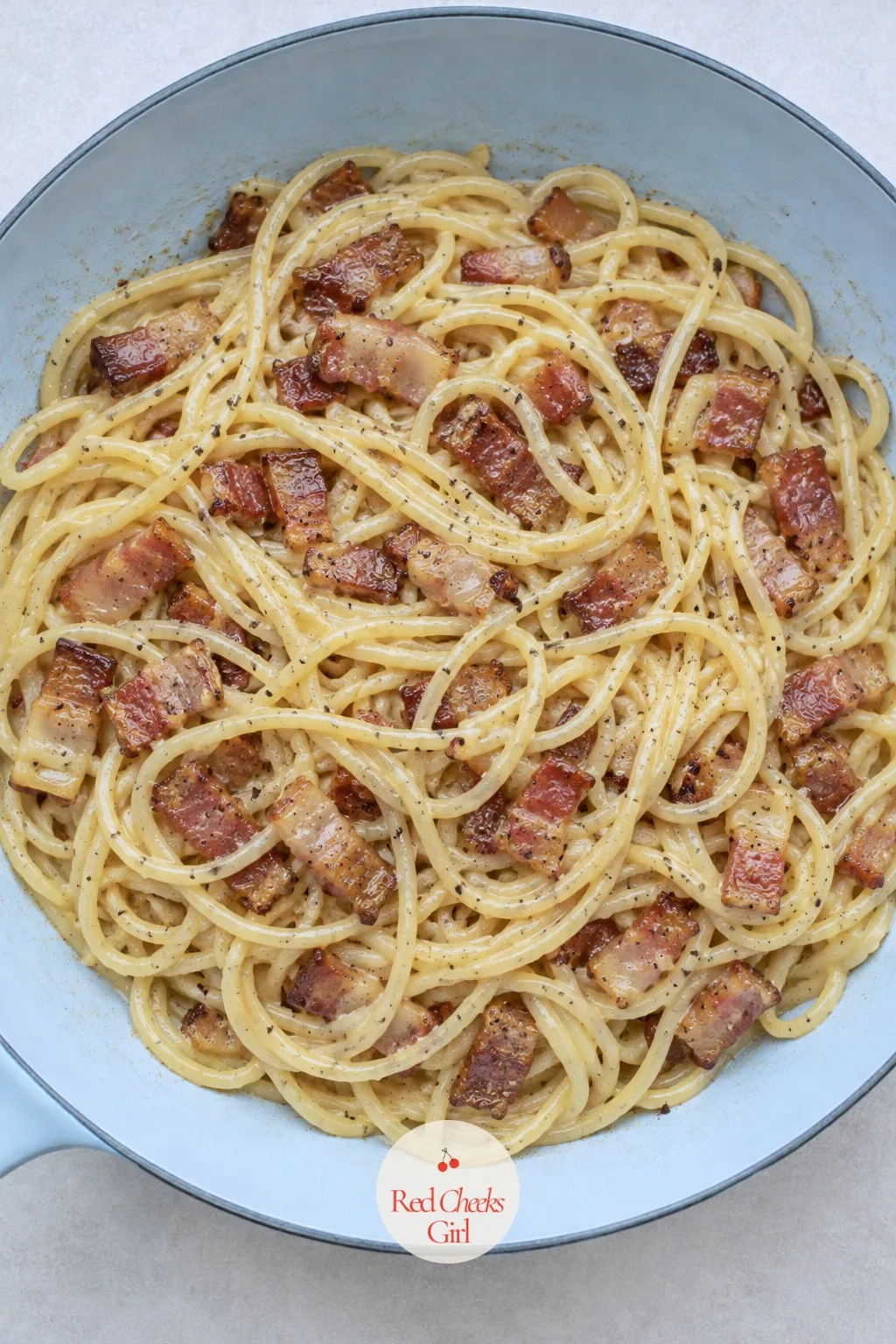
Toss the Drained Pasta With Bacon
Add the drained spaghetti straight into the skillet with the bacon and toss until every strand is coated in the rendered fat. The pasta should look glossy, not dry, before it rests off the heat.
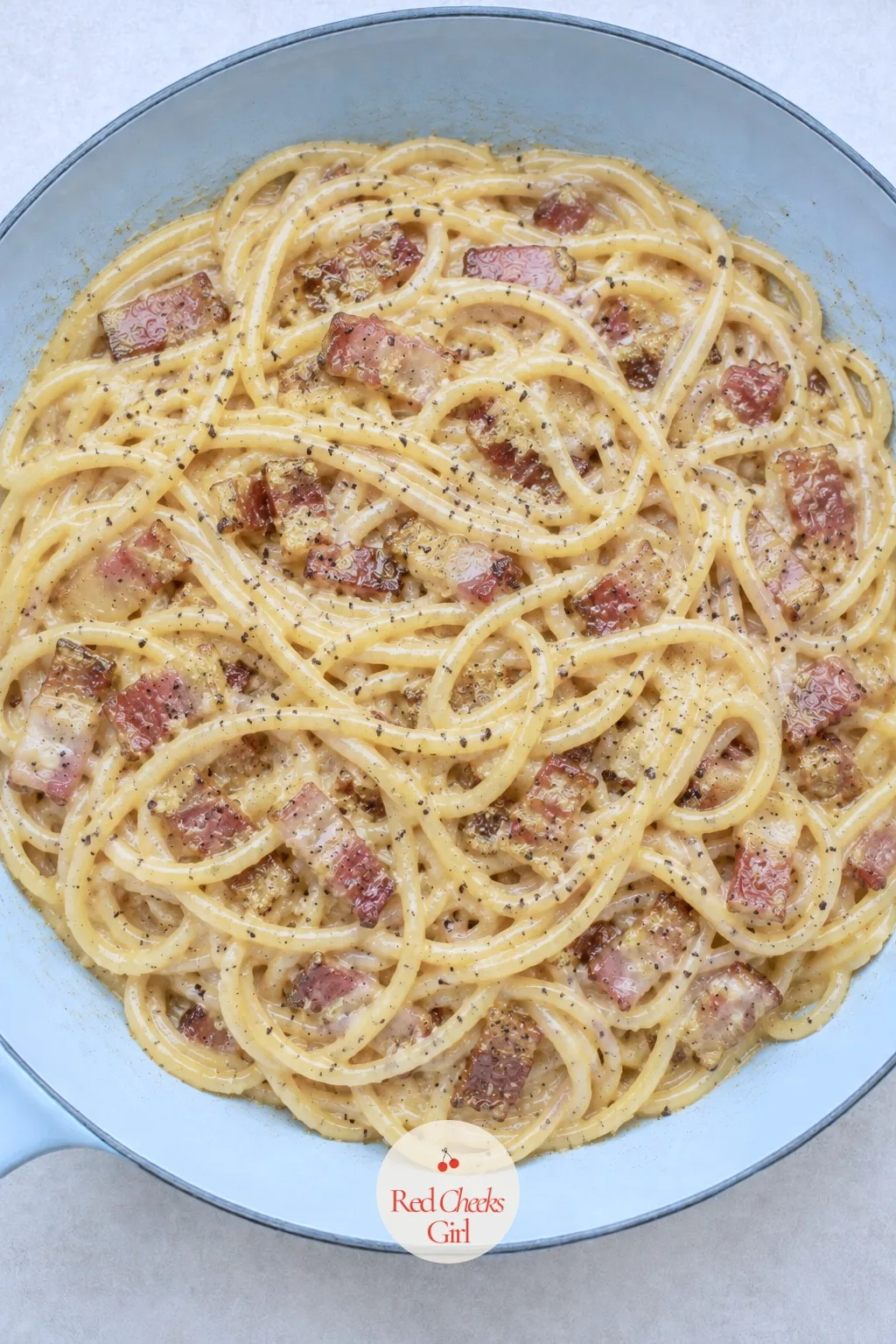
Toss the Egg Sauce Into the Pasta
Pour the egg mixture over the pasta off the heat and toss continuously, loosening with pasta water as you go. The sauce is ready once it turns glossy and clings to every strand.
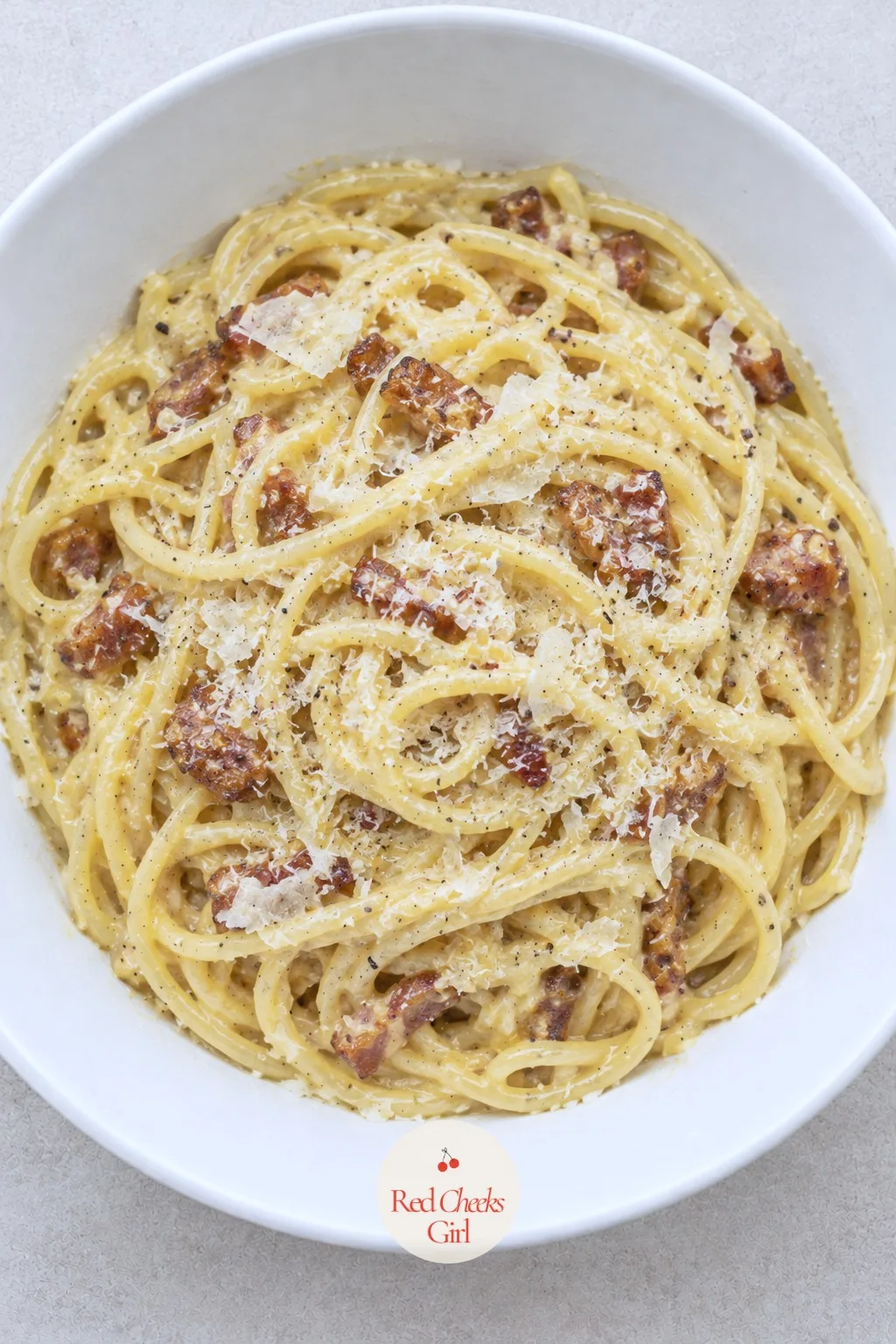
Serve the Carbonara
Divide the carbonara into warm bowls right away, while the sauce is still glossy. Finish with extra parmesan and a crack of black pepper before it reaches the table.
Tips For Getting Carbonara Right
The single most common mistake is adding the eggs while the pan is still over the burner, or while the pasta inside it is still steaming hot off the boil. Direct heat cooks egg proteins fast and hard, which is exactly what scrambled eggs are.
Pull the skillet completely off the heat, let the tossed pasta sit for a minute until the pan feels warm rather than hot, then pour in the egg mixture while tossing. That’s the whole trick, and it works every time!
Overcooked spaghetti is the second mistake. Pasta cooked past al dente turns soft and starchy, and it will not hold its shape once you start tossing it with the egg sauce, leaving you with mush instead of strands.
Do not skip reserving the pasta water, and do not let the pot sit draining for too long before you grab it. That water is salty and starchy at once, and it is what turns a thick egg mixture into a sauce that pours.
Serve carbonara the moment it is tossed. It keeps thickening in the bowl as it sits, and a carbonara that waits twenty minutes on the counter is a much stiffer, clumpier dish than the one you plated.
Swaps And Substitutions
Pancetta works in place of bacon with barely a difference, and guanciale, if you happen to have a specialty butcher nearby, gives the most traditional flavor of the three. Any of them render fat the same way.
Pecorino romano can stand in for parmesan, cup for cup, if you want a sharper, saltier edge; half and half of each is a good middle ground if you cannot decide. Grate it finely either way.
For a gluten-free table, swap in a gluten-free spaghetti and treat it exactly the same; it tends to release more starch into the cooking water, which actually helps the sauce cling a little better.
Short on time, or want a version without raw egg at all? Cook the bacon as usual, add diced ham and a cup of frozen peas to the skillet for the last two minutes, then toss with the drained spaghetti, a splash of pasta water, and a generous handful of grated parmesan off the heat until creamy. No eggs, no tempering, dinner in the same twenty minutes.
What To Serve With Carbonara At A Party
Carbonara does not need much company, but a green vegetable on the side keeps the plate from feeling like all carbs. Roasted Green Beans With Parmesan and Lemon brings the same cheese note without competing for attention.
Something to mop up the last of the sauce is never a bad idea. Cheesy Garlic Bread Sliced Like an Accordion pulls apart at the table, which keeps hands busy while the pasta finishes.
If this is part of a bigger spread rather than a sit-down dinner, Game Day Party Food: 21 Recipes and Ideas for Your Spread has more dishes that hold up on a buffet alongside a pot of carbonara.
For the stretch after the plates are cleared, 17 Dinner Party Games to Play Right at the Table keeps everyone at the table instead of scattering to their phones.
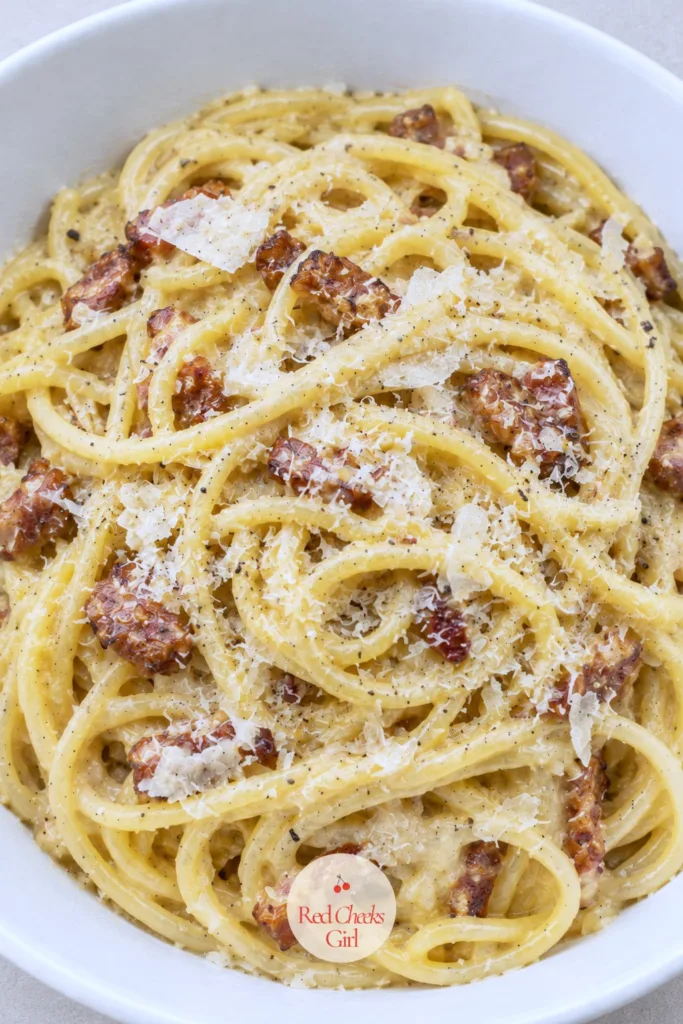
Carbonara Recipe
Ingredients
- 1 pound spaghetti
- 1 tablespoon kosher salt for the pasta water
- 8 ounces bacon or pancetta diced small
- 4 large eggs at room temperature
- 2 large egg yolks at room temperature
- 1 1/2 cups parmesan cheese finely grated, plus more for serving
- 1 1/2 teaspoons black pepper freshly cracked, plus more for serving
- 1 1/2 cups pasta water reserved before draining (you likely will not use it all)
Instructions
- Bring a large pot of water to a rolling boil, then stir in 1 tablespoon kosher salt. Add 1 pound spaghetti and cook, stirring once or twice so the strands don't stick, until just al dente, about 8 to 10 minutes; a strand should still have a slight bite in the center.
- Meanwhile, set a large skillet over medium heat and add 8 ounces diced bacon or pancetta. Cook, stirring occasionally, for 6 to 8 minutes, until the pieces are deep golden brown, crisp at the edges, and sitting in a pool of rendered fat.
- While the bacon cooks, whisk 4 eggs, 2 egg yolks, 1 1/2 cups grated parmesan, and 1 1/2 teaspoons black pepper together in a large bowl until the mixture looks smooth, pale yellow, and thick, with no streaks of egg white left.
- Just before the pasta finishes cooking, scoop out and reserve 1 1/2 cups of the starchy pasta water with a heatproof measuring cup. Set it near the stove; you will need it warm.
- Turn off the heat under the skillet of bacon. Drain the spaghetti (do not rinse it) and add it straight to the skillet, tossing with tongs until every strand is coated in the rendered fat and looks glossy.
- Let the pasta sit in the skillet off the heat for 1 full minute to cool slightly; touch the side of the pan with the back of your hand, it should feel warm, not hot, before you add the eggs.
- Pour the egg and parmesan mixture over the pasta, still off the heat, and toss continuously with tongs for 1 to 2 minutes, adding the reserved pasta water a few tablespoons at a time. The sauce is ready when it turns glossy and clings to the noodles instead of pooling at the bottom.
- If the sauce looks thick or starts to clump instead of flowing, add more of the warm reserved pasta water, 1 tablespoon at a time, tossing constantly, until it loosens into a silky, pourable sauce that still coats every strand.
- Taste the carbonara and season with more black pepper, and a pinch of salt only if needed; both the parmesan and the bacon already carry salt, so taste before you reach for more.
- Divide the carbonara immediately among warm bowls, top with extra grated parmesan and a final crack of black pepper, and serve right away while the sauce is still glossy and warm.
Good to Know
Frequently Asked Questions
Is there cream in carbonara?
No, traditional carbonara never includes cream. The sauce turns creamy from tempered eggs alone, with no cream or butter needed in the pan.
Should carbonara be made with whole eggs or just yolks?
Either works, but yolks alone give a richer, more forgiving sauce. Using mostly egg yolks, around four to five per pound of pasta, makes a creamier sauce because egg whites scramble more easily over heat.
Is it safe to eat carbonara with raw eggs?
Yes, when the eggs are tempered properly with hot pasta rather than left raw. Because they cook briefly in residual heat, pasteurized eggs are the safer choice for anyone at higher risk from undercooked eggs.
What pasta is best for carbonara?
Spaghetti is the classic choice, but it is not the only option. Linguine, fettuccine or bucatini all work well as alternatives, and ridged shapes like rigatoni hold the sauce nicely in their grooves.
Can you fix carbonara once the eggs scramble?
Not completely, but you can soften it. Blend in more tempered egg or warm pasta water off the heat to loosen small curds, straining if needed, though the texture will not turn fully silky again.

15 birthday dinner party recipes for six to eight friends, starters to dessert, each dish on its own
15 copycat restaurant recipes inspired by Olive Garden, Chipotle, Chick-fil-A and more, baked, saute
Shrimp tostadas with kimchi slaw layer crisp shells, chili lime shrimp, avocado and cilantro mayo on
Leave a Reply