

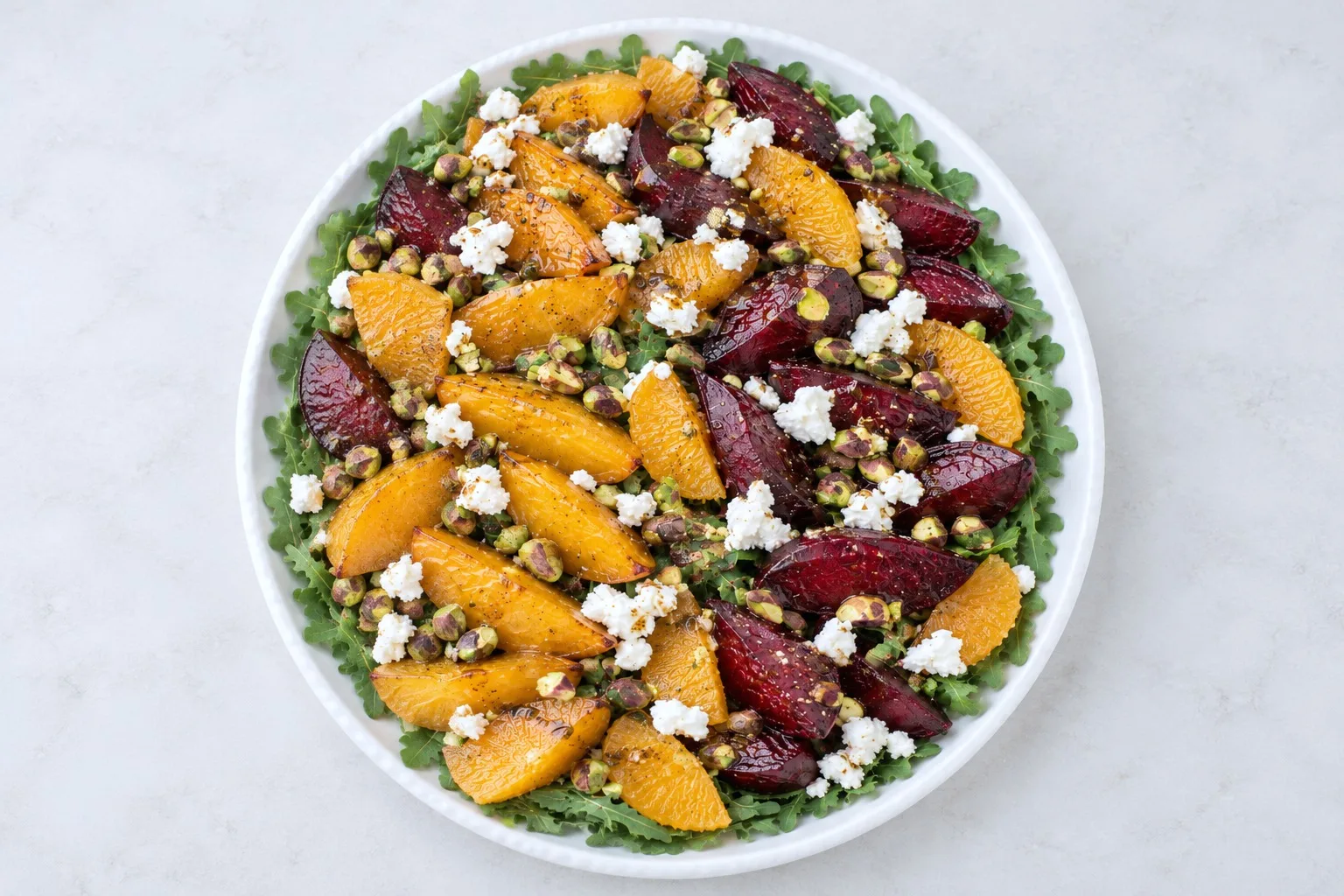
Roasted beets stop being the side dish you tolerate and start being the one people photograph first, once red and golden wedges meet orange segments, goat cheese and a honey balsamic drizzle.
The colors do the heavy lifting here, you only have to keep them apart until the very last minute. One hour of mostly oven time, and a platter worth carrying to the table with both hands.
This post contains affiliate links. If you buy through them, I may earn a small commission at no extra cost to you.
Table of Contents
A Side Dish That Steals the Table
Beets still carry a reputation problem, mostly earned by the boiled, vinegar-soaked version from decades ago that tasted faintly of dirt and little else. Roasting fixes that completely: the sugars concentrate, the earthiness mellows, and what lands on the plate tastes closer to candy than to the garden bed it came from.
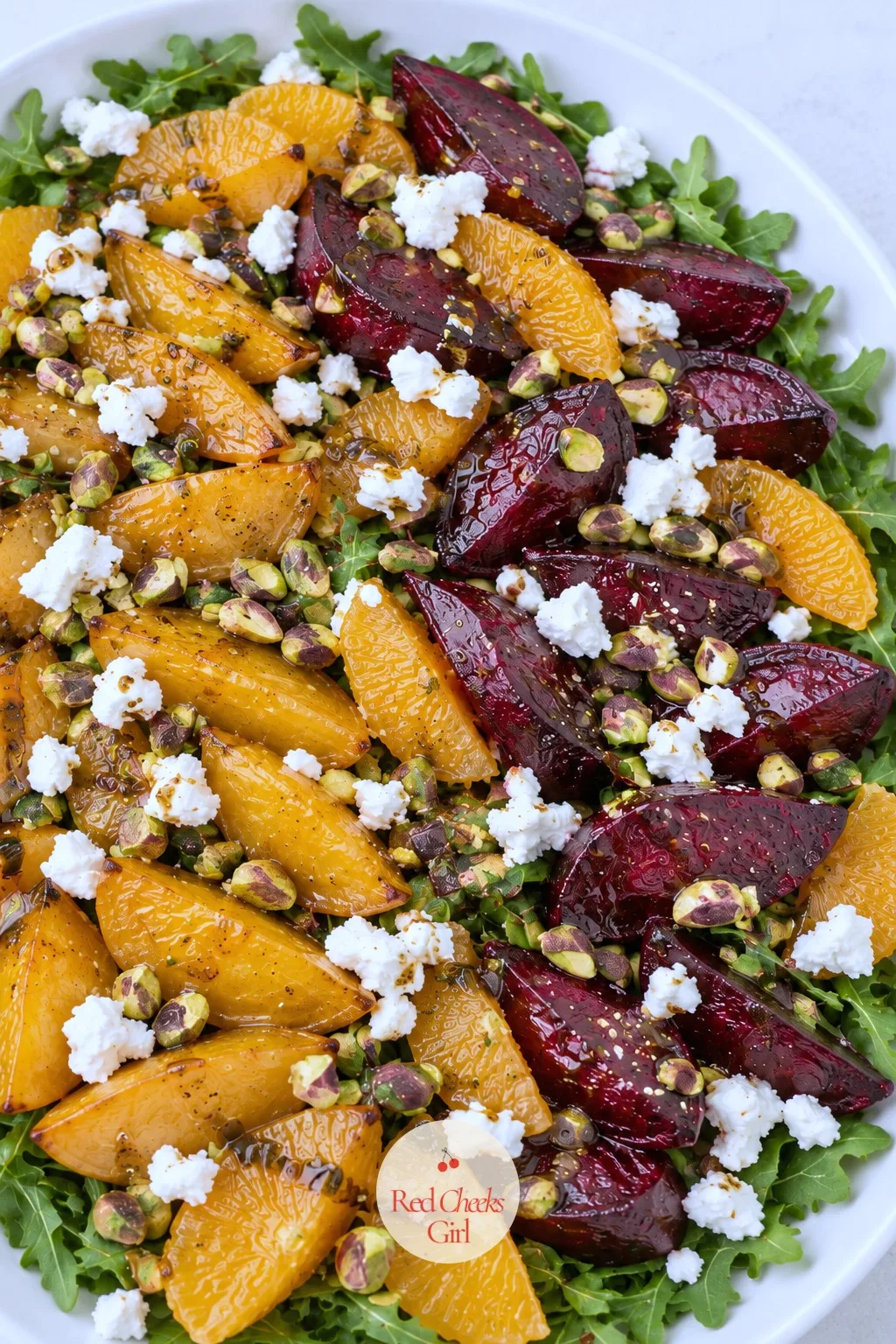
Picture a platter built in layers instead of tossed together: cold peppery arugula on the bottom, warm beet wedges still faintly steaming, cool orange segments for juice, goat cheese softening slightly against the heat, pistachios for the one crunch the dish actually needs. Nothing on it fights for attention, it just stacks up.
Beets are one of the cheapest vegetables at the market, and a bag of golden ones often costs less than a bag of baby carrots. The oven does almost all the work, which matters on a day when the stovetop is already busy with everything else on the menu.
It plates beautifully for a crowd, holds its temperature at room level longer than most hot sides, and looks deliberate even when you pulled it together in the last ten minutes before the doorbell rang.
What Goes Into It, and Why
Red and golden beets cook at the same rate and taste almost identical once roasted, so the split between them is about color, not flavor. Keep the two apart in the oven and on the platter, because the red variety will bleed into anything it touches within minutes.
A navel orange, cut into clean segments rather than slices, keeps the juice where you want it and gives the beets something acidic to lean against. Blood orange does the same job and adds one more shade of red to the plate if the look should lean more dramatic.
Goat cheese brings the tang beets need, crumbled cold so it holds its shape against the warm vegetables instead of melting into a puddle. Pistachios add the only crunch on the plate, and a few minutes in a dry skillet wakes up the oil inside the nut.
Both carry common allergens, dairy and tree nuts, so keep a small plain plate aside for any guest who needs to skip one or the other.
Arugula carries a peppery bite that a milder green like spinach simply does not, which keeps the whole dish from tasting too sweet. The honey balsamic drizzle, just four ingredients whisked together, ties the citrus, cheese and beets into one sauce instead of three flavors sitting next to each other.
How to Make It
This salad comes together in two separate windows: the oven does its slow work on the beets first, then the rest of the platter takes about ten minutes once everything has cooled enough to handle. Read the color-separation steps once before starting, since that part matters more than any other instruction here.
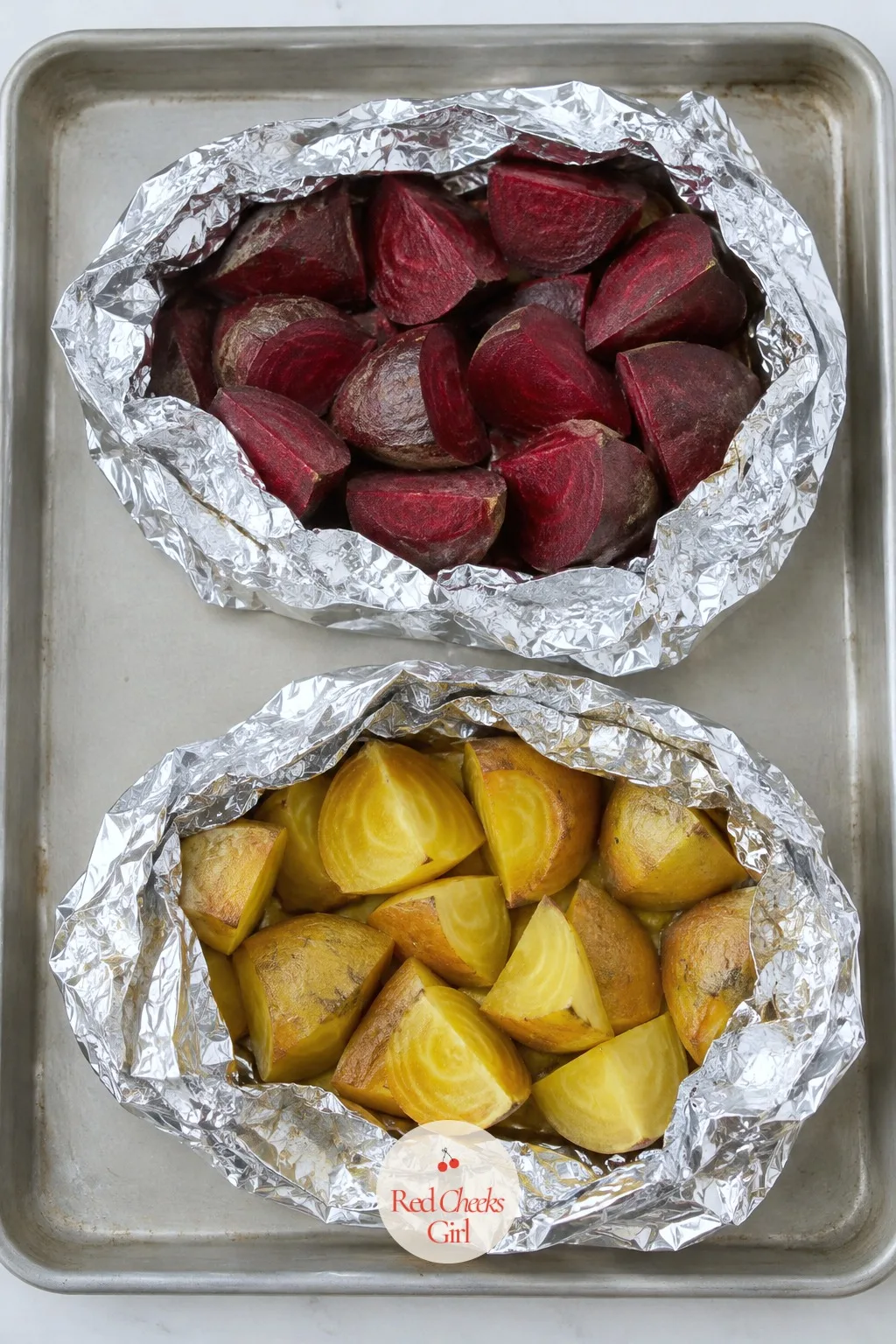
Wrap the beets in separate foil packets
Seal the red beets into one foil packet and the golden beets into a second, separate packet before they ever touch the same pan. This single move is what keeps the gold wedges from turning pink later.
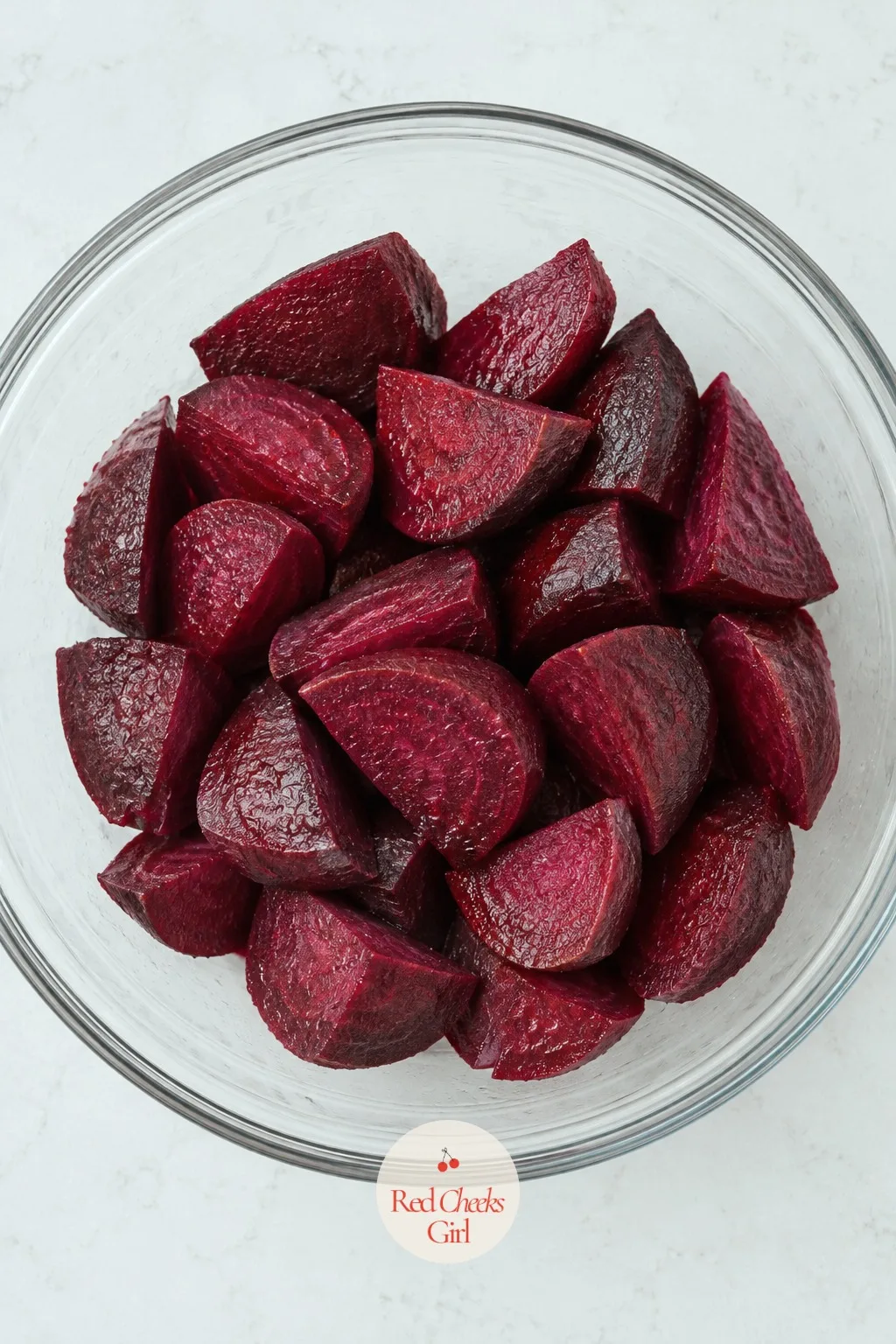
Cut the red beets into wedges
The red beets get the same wedge cut in a bowl of their own. The color is strong enough that even a quick touch against the gold bowl will leave a mark, so keep them apart.
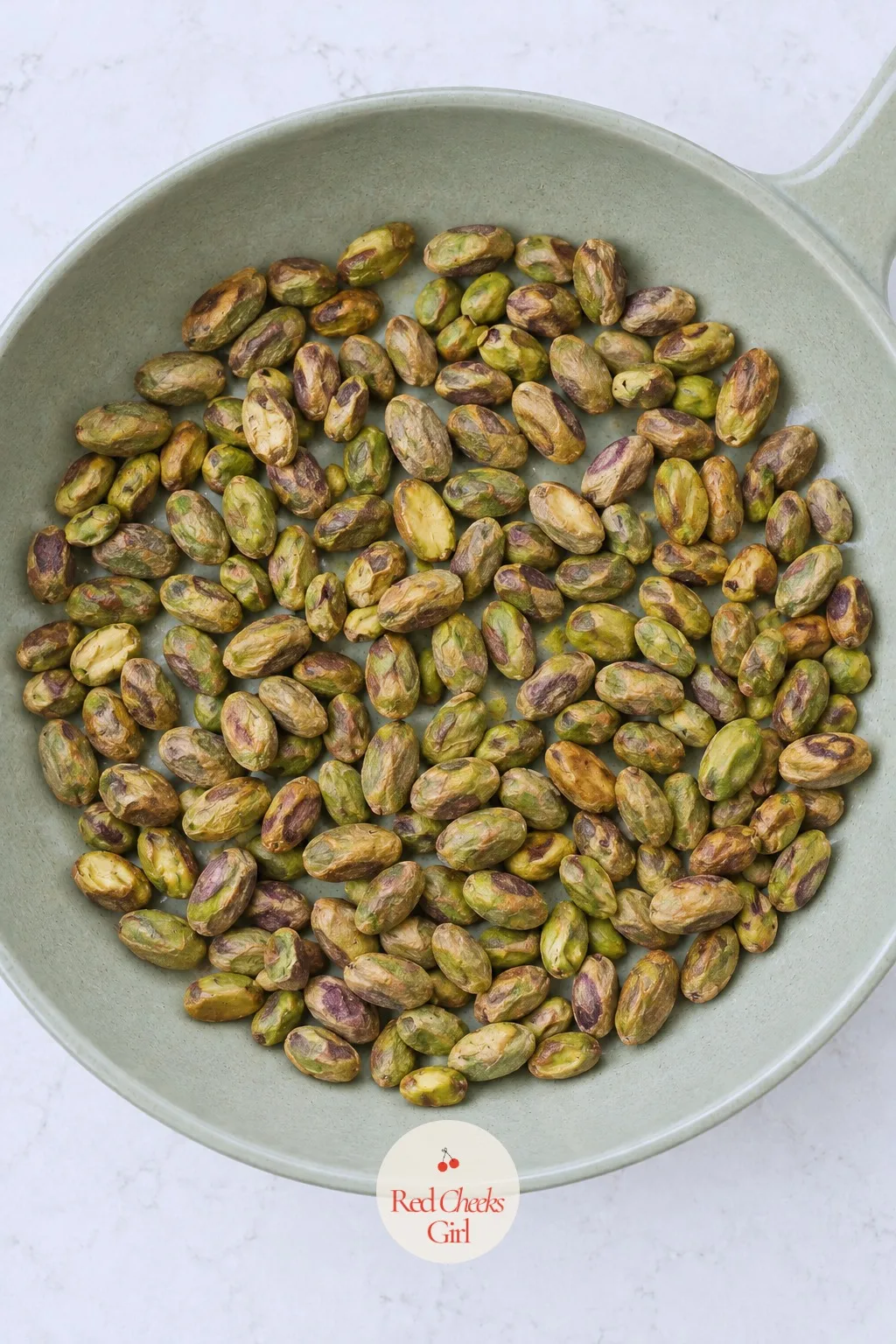
Toast the pistachios
A few minutes in a dry skillet is all the pistachios need. Watch for the moment they smell nutty and look a shade darker, then pull them off the heat before they go past that point.
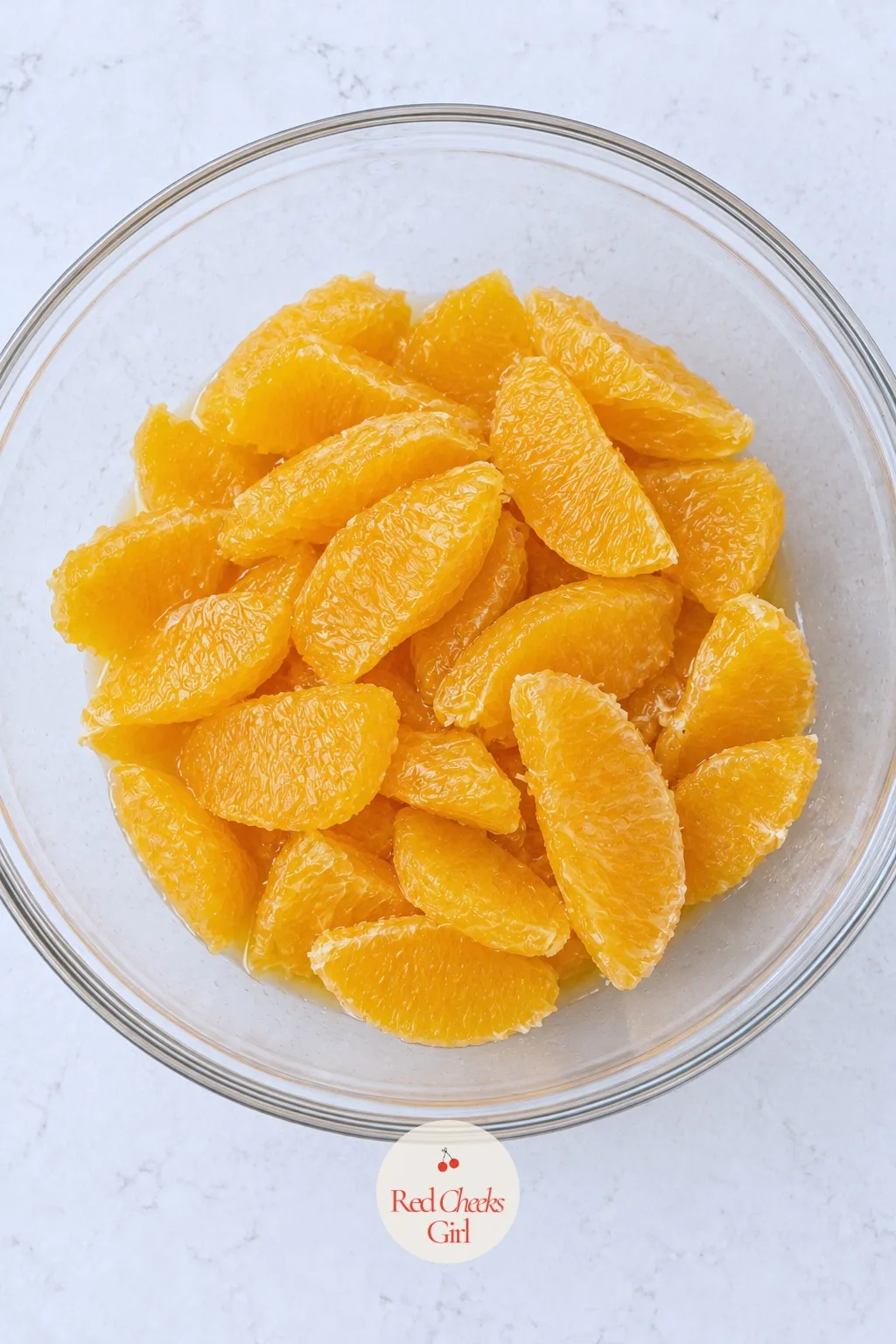
Segment the orange
Cut the orange segments free from their membranes over a bowl so none of the juice goes to waste. Save that juice, it can go straight into the dressing for extra brightness.
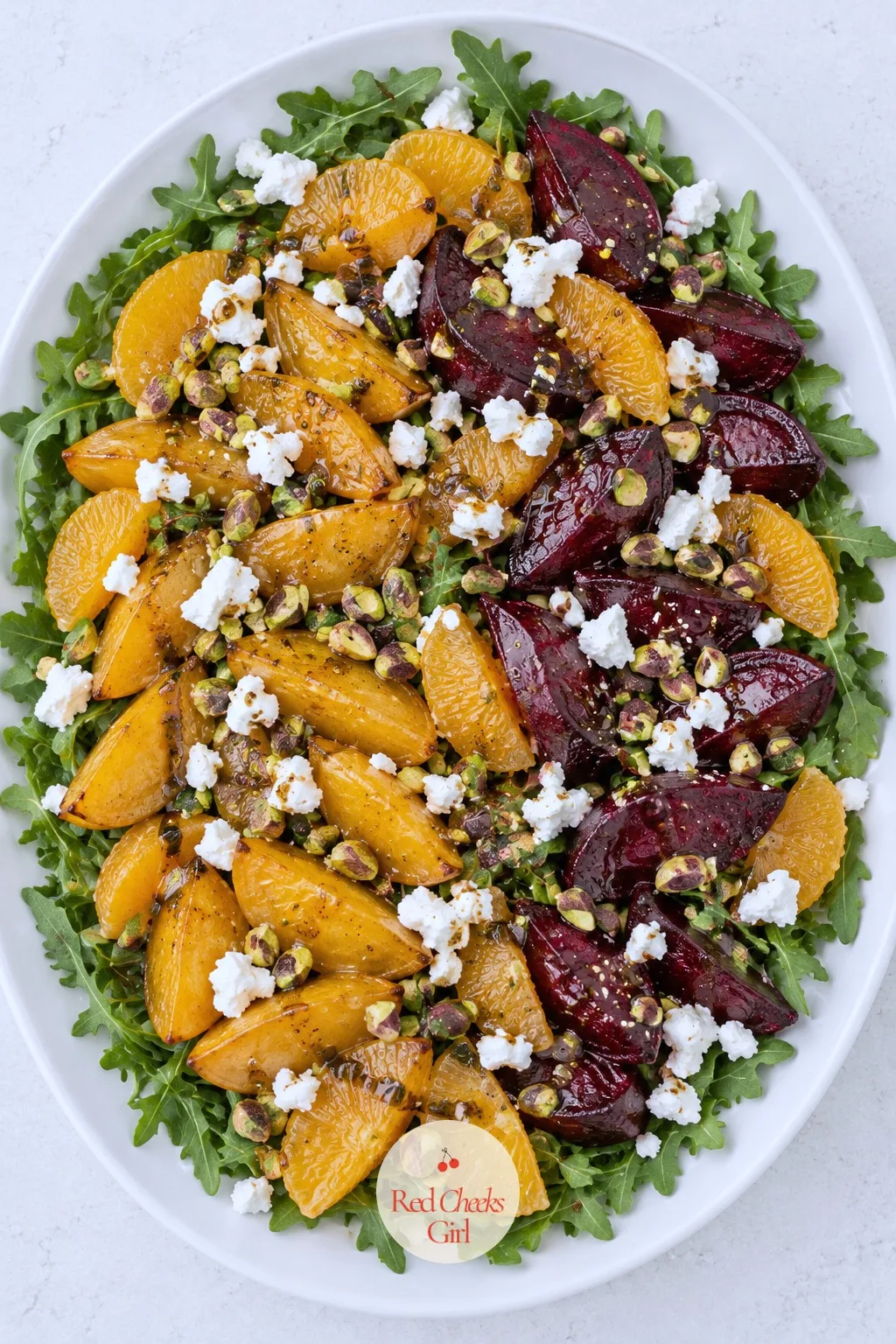
Build the platter and drizzle the dressing
Arugula goes down first, then both colors of beet, the orange segments, the goat cheese and the pistachios. Pour the honey balsamic dressing over the whole platter right before it goes to the table.
🛍 Shopping guide
Where This Salad Goes Wrong
The most common mistake is pulling the beets out too early because a fork meets a little resistance. Beet skin is tougher than the flesh underneath and can make a fork feel stuck even when the center is tender, so test with a thin paring knife instead, straight through the thickest point.
Roasting red and golden beets in the same packet, or even on the same stretch of open foil, is the second mistake, and it is the one that actually changes how the finished platter looks. A few minutes of contact lets the red juice tint the gold wedges a dull pink that photographs badly.
Peel the beets once they are cool enough to hold but still a little warm, not stone cold. Wait too long and the skins grip the flesh again instead of sliding off in one motion under running water.
Dressing the platter more than a few minutes before guests arrive turns the arugula limp and lets the balsamic bleed into the goat cheese. Keep the dressing in its own small jar on the side and pour it on at the very last moment instead.
Easy Swaps for What You Have
No goat cheese in the house, or a guest who does not eat it: whipped feta or a soft ricotta spread thin across the platter does a similar job, tangy enough to stand up to the beets without stealing the show.
Toasted walnuts or pepitas stand in for pistachios without changing the method at all, just toast them the same way in the same dry skillet. Skip nuts entirely for any guest with a tree nut allergy and lean harder on the goat cheese for texture instead.
Baby spinach or watercress work in place of arugula if the peppery bite is not for you, though watercress wilts faster once dressed, so add it as close to serving as possible.
Short on time, or the oven is already full: buy precooked beets, the kind sold vacuum sealed and already peeled in the produce case, in both red and gold if the store carries them.
Skip straight to cutting them into wedges, keep the colors apart the same way, and the rest of the recipe runs exactly as written, just twenty minutes faster.
What to Serve It With at a Party
This plays the role of the dish that looks like more effort than it took, which makes it a strong match for a table that already has something rich and heavy on it.
A big bowl of Garlic Mashed Potatoes With Roasted Garlic and Butter next to it gives guests the warm, starchy option the beets are not trying to be.
For a spring table, set it alongside the rest of a spread pulled from 15 Easter Dinner Side Dishes for a Spring Table, since the colors on this platter already match the season without any extra styling.
On a winter table, it holds its own next to heavier dishes too: pull a couple of ideas from 16 Christmas Salad Recipes That Bring Color to the Holiday Table if the rest of the menu is leaning brown and beige.
Pour something cold and a little acidic alongside it, a crisp white wine or a citrus mocktail both work, since the dressing already shares that same bright edge.
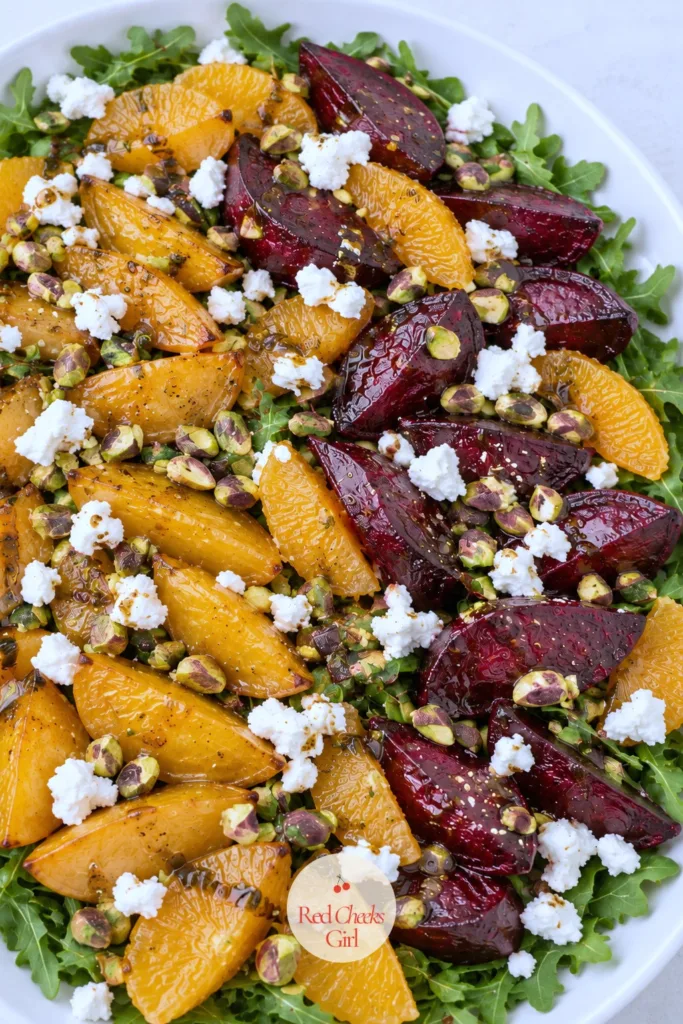
Roasted Beets
Ingredients
- 3 medium red beets about 1 pound total, greens trimmed to 1 inch of stem
- 3 medium golden beets about 1 pound total, greens trimmed to 1 inch of stem
- 2 tablespoons olive oil divided, for the beets
- 2 navel oranges
- 4 ounces goat cheese crumbled
- 1/2 cup shelled pistachios
- 4 cups baby arugula
- 3 tablespoons olive oil for the dressing
- 2 tablespoons balsamic vinegar
- 1 tablespoon honey
- 1/2 teaspoon kosher salt plus more to taste
- 1/4 teaspoon black pepper
Instructions
- Preheat the oven to 400°F. Trim the beet greens down to about 1 inch of stem (do not cut into the root) and scrub both the red and golden beets under cold water to remove any grit.
- Set out two sheets of heavy duty foil. Place the red beets on one sheet and the golden beets on the other, drizzle each with 1 tablespoon of olive oil, fold the foil up and seal both into separate packets, then set both packets on a rimmed baking sheet.
- Roast both packets on the same baking sheet for 45 to 60 minutes, until a paring knife slides into the center of the largest beet with no resistance.
- Remove the baking sheet from the oven and open each foil packet carefully, steam will escape. Let the beets rest in the open foil until cool enough to handle, about 15 minutes.
- Peel the golden beets first: hold each one under a thin stream of cool water and rub the skin off with a paper towel, then set the peeled beets in a clear glass bowl. Wipe your hands and the cutting board, then peel the red beets the same way into a second, separate bowl.
- Cut the golden beets into wedges about 3/4 inch thick at the widest point and keep them in their bowl. Cut the red beets into wedges the same size in their own bowl, keeping the two colors apart until you are ready to plate.
- Toast the 1/2 cup of pistachios in a dry skillet over medium heat for 3 to 4 minutes, shaking the pan once or twice, until they smell nutty and look a shade darker. Tip them onto a plate to cool.
- Whisk the 3 tablespoons of olive oil, 2 tablespoons of balsamic vinegar, 1 tablespoon of honey, 1/2 teaspoon of kosher salt and 1/4 teaspoon of black pepper together in a small bowl until the honey dissolves.
- Cut the top and bottom off each orange, then slice down the sides to remove the peel and white pith. Hold the orange over a bowl to catch the juice and cut the segments free from the membranes.
- Spread the 4 cups of arugula over a large platter. Scatter the golden beet wedges over the arugula first, then add the red beet wedges, keeping them toward one side so the colors stay distinct rather than bleeding into each other.
- Tuck the orange segments among the beets, scatter the 4 ounces of crumbled goat cheese and the toasted pistachios over the top, then drizzle the honey balsamic dressing over the whole platter right before serving.
Good to Know
Frequently Asked Questions
Do you need to peel beets before you roast them?
No, roast beets with the skin on. The skin holds moisture in while they cook, and it slips off easily by hand once the beets are tender and have cooled for a few minutes.
Can you eat the skin after beets are roasted?
You can eat roasted beet skin, but it turns tough and papery in the oven, so most cooks rub it off after roasting for a smoother bite and tidier wedges.
How do you get beet stains off your hands or a cutting board?
Rub stained hands with a little salt or lemon juice and rinse, and scrub a stained cutting board with a baking soda paste. Most beet color fades within a day on its own.
Can you roast beets without foil?
Yes, roast beets uncovered on a sheet pan or in a covered dish instead of foil, though foil traps steam best and keeps the skins from drying out or browning too far.
Do golden beets taste different from red beets?
Golden beets taste milder and a little sweeter than red beets, with less of the earthy, mineral flavor, which is why many cooks reach for them first.
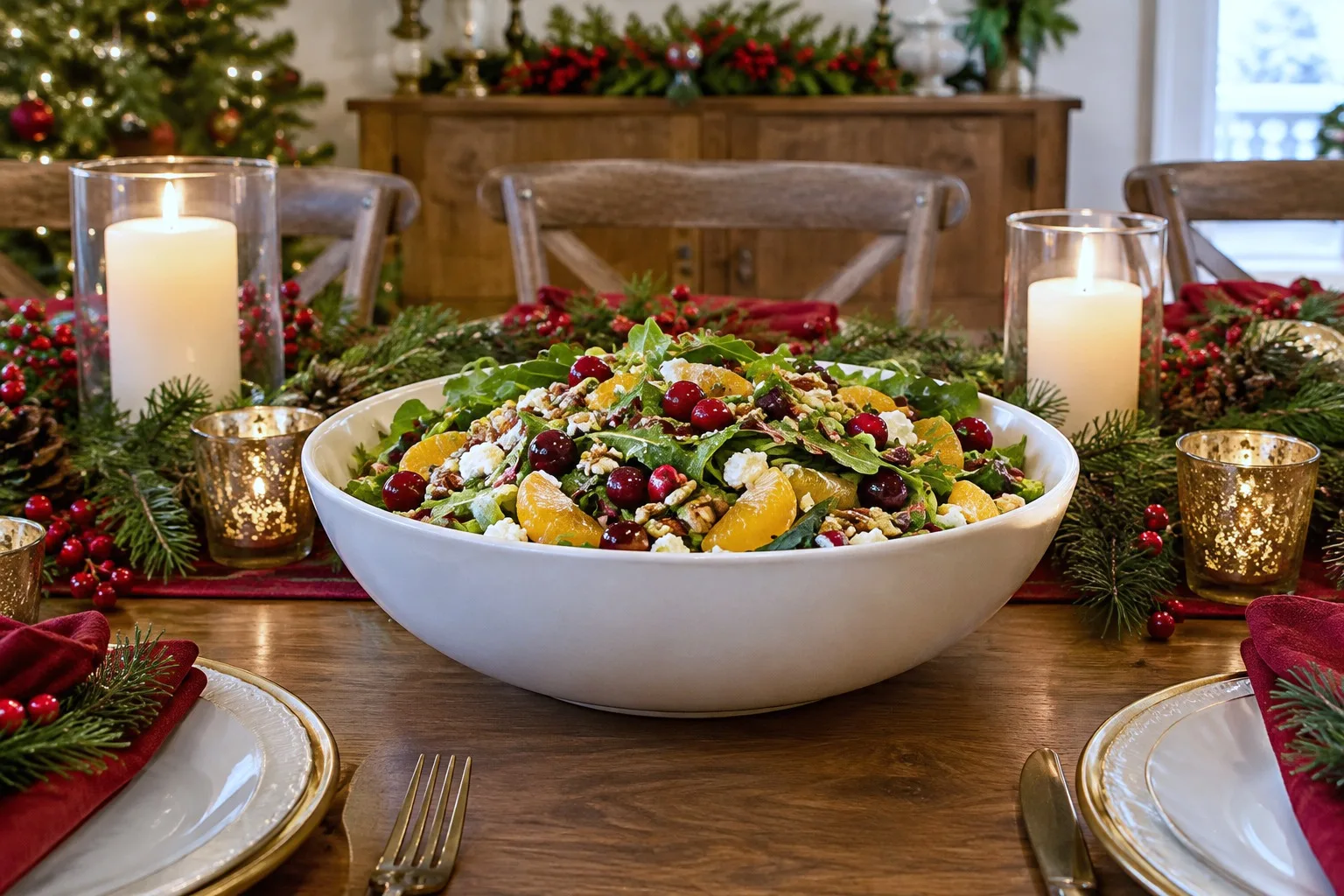
16 Christmas salad recipes in red and green, each one easy to make ahead and built to pair with the
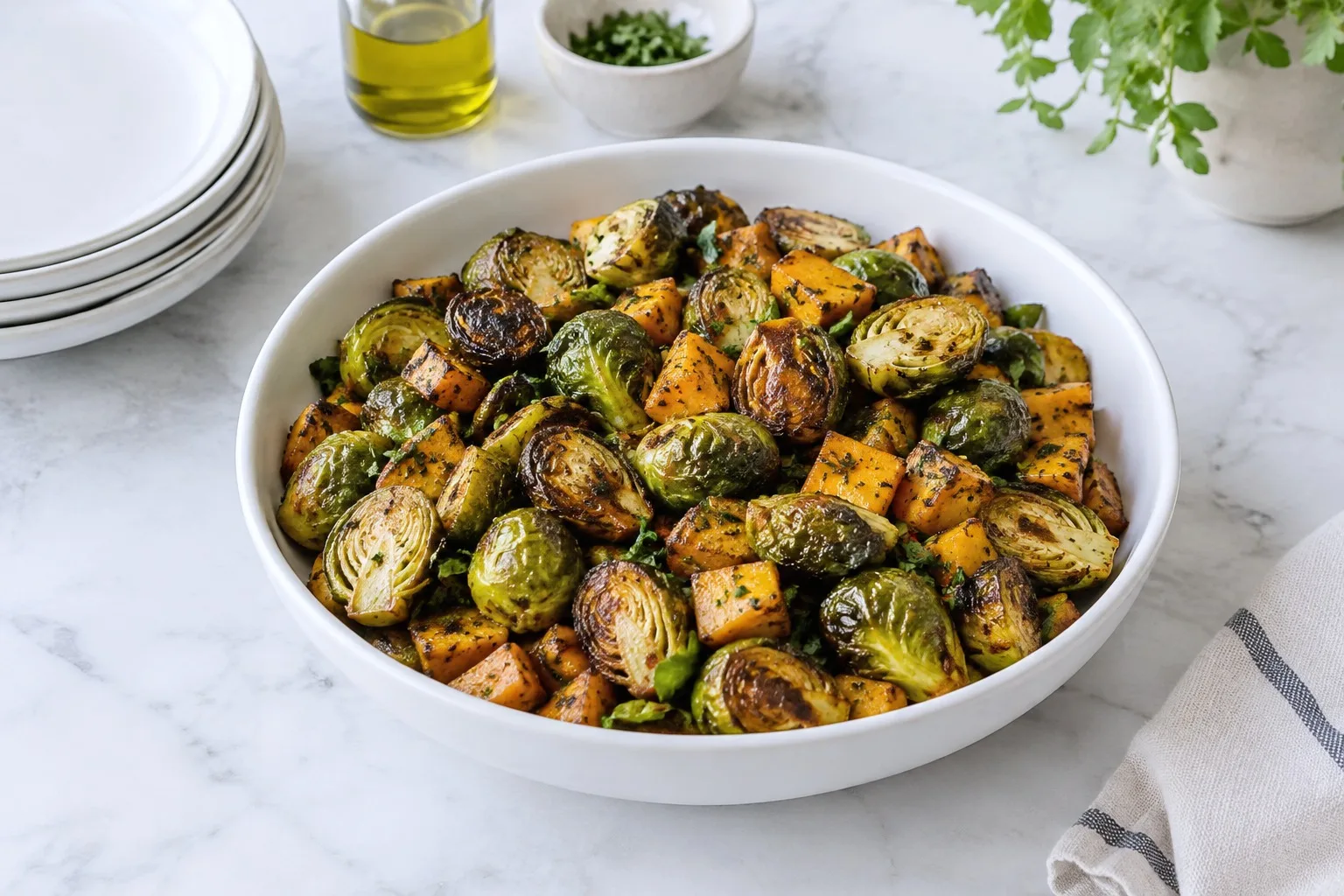
18 easy side dishes for weeknights and dinner parties, from garlic parmesan cauliflower to cucumber
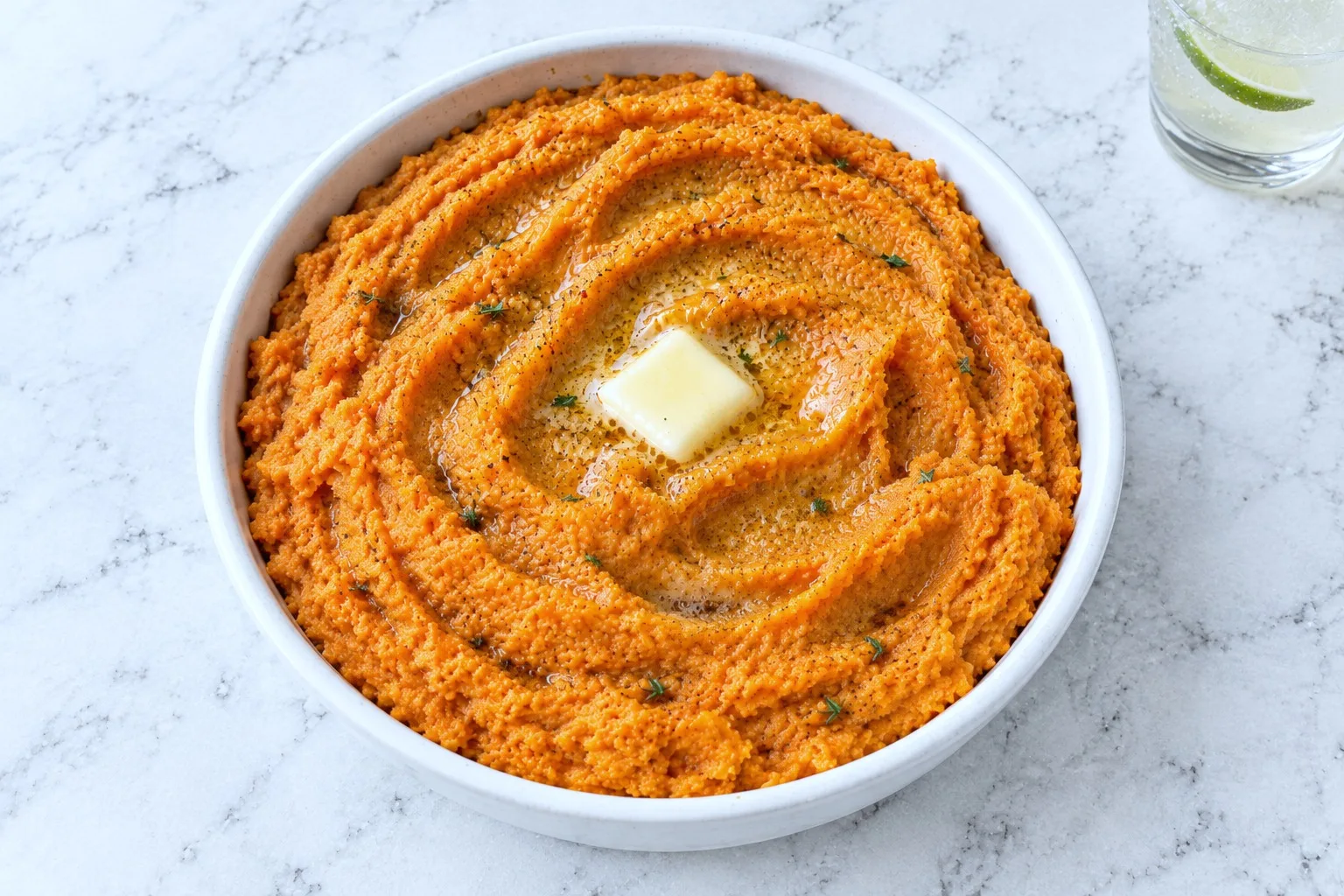
Mashed sweet potatoes roast whole, then get mashed with brown butter, maple syrup and cinnamon for a
Leave a Reply