

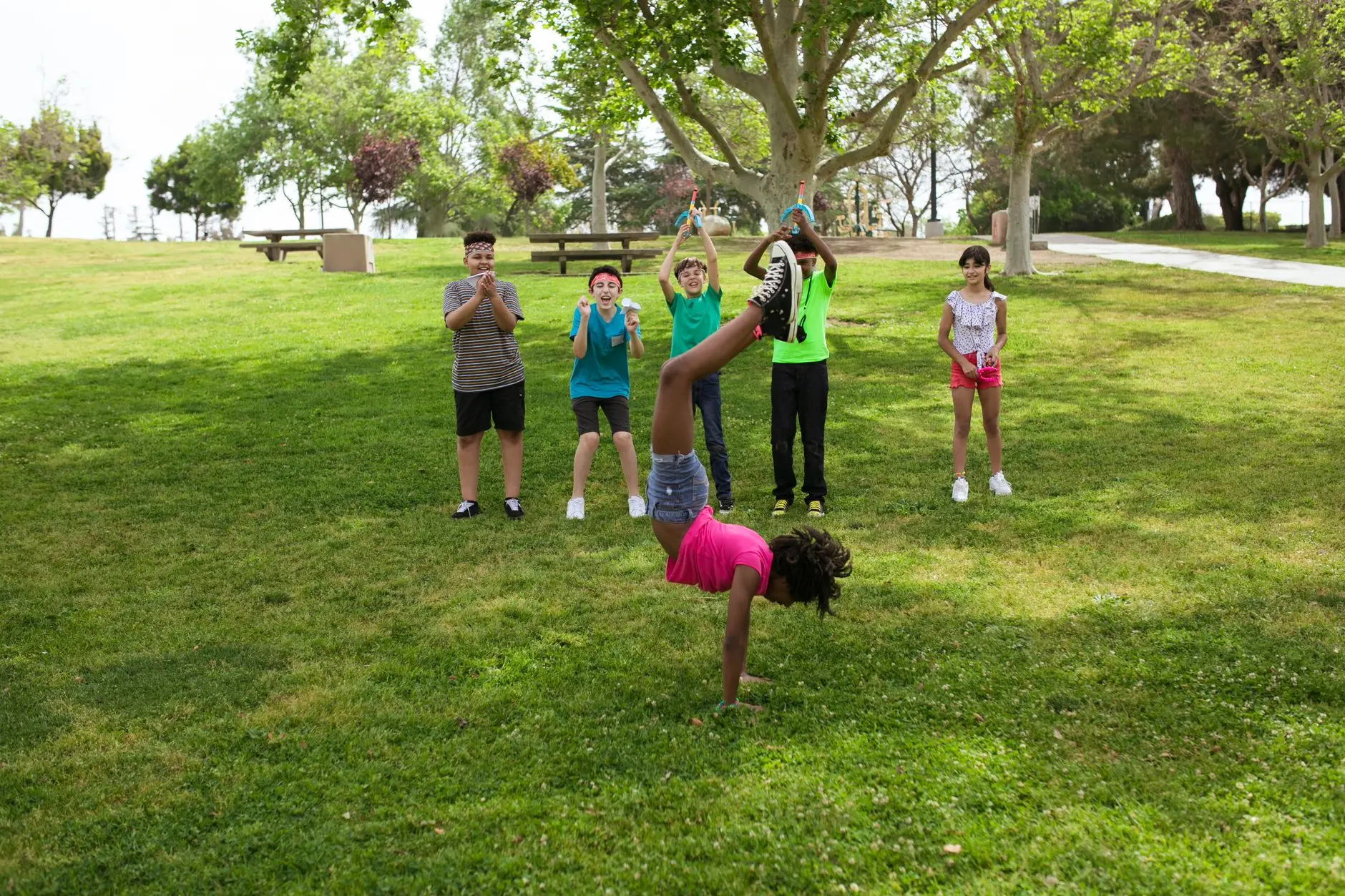
If you’ve ever stood at the front of a room full of wide-eyed, slightly terrified first-day kids and thought, okay, now what? — hi, same. Icebreaker games for kids are genuinely one of the best tools in any teacher’s (or party host’s!)
back pocket, because a good game can turn a room full of strangers into a chatty, laughing group in about ten minutes flat. And tbh, there’s nothing better than watching that shift happen.
This list has 20 of the best classroom icebreakers — a mix of active games to burn off that first-day jitter energy, 13 free printable sheets your kids can take home as keepsakes, and a couple of quiet, feel-good circle games to bring the energy back down at the end.
Whether you teach kindergarten or fifth grade, these games are easy to run, zero-pressure, and genuinely fun. Your kids will thank you — and honestly, so will you.
This post contains affiliate links — if you buy through them, I may earn a small commission at no extra cost to you.
- Name Game Ball Toss
- Simon Says
- Freeze Dance
- Find Your Animal Match
- Line Up by Birthday
- Kids Human Bingo Sheet
- All About Me Sheet
- Would You Rather Kids Cards
- This or That Kids Sheet
- Find Someone Who Sheet
- Get-to-Know-You Coloring Sheet
- Question Dice Sheet
- Guess Who Sheet
- Name Tag Templates
- Matching Cards
- Kids Riddles Sheet
- I-Spy Classroom Sheet
- Friendship Bingo
- Share a Favorite Circle
- Fun Fact Round
- Frequently Asked Questions
1. Name Game Ball Toss
This is the classic first-day-of-school game for good reason — it’s fast, fun, and by the end of it everyone knows at least a handful of names.
Kids stand in a circle, and the teacher (or a brave volunteer) starts by calling out a classmate’s name and tossing a soft ball across the circle to them.
The catcher calls their own name aloud, shares one quick fun fact about themselves — like ‘I’m Maya and I love tacos!’ — and then tosses the ball to someone new. The game rolls until every single kid has had a turn.
All you need is a soft foam ball or a beach ball — nothing fancy. Before the tossing starts, take one quick lap around the circle so everyone gets to say their name once with zero pressure.
That one small step makes the whole game smoother because kids already heard each other’s names once before they have to say them out loud.
Once the first round is done, try a speed round where kids toss to the same person they tossed to before — except now they say the other person’s name as they throw. Chaos, but the good kind.
Why does this one work so well? Because it wraps name-learning inside physical movement and a tiny bit of suspense (whose name will get called?!), which makes the information stick way better than going around the circle saying names in order.
It also quietly reveals the kids who are already confident and the ones who need a bit more warm-up — helpful intel for day one. Plus, the foam ball means even the most cautious teacher doesn’t have to worry about anyone getting bonked.
Write each child’s name on a sticky label so shyer kids can glance at names while they play — peel them off once everyone’s warmed up!
🛍 Shopping guide
2. Simon Says
Everyone knows Simon Says — and that’s exactly what makes it such a brilliant first-day icebreaker. There’s zero learning curve, so even the shyest kids can jump in immediately without fear of doing it wrong. The twist for a classroom icebreaker?
Make every ‘Simon Says’ prompt a get-to-know-you action. Think: ‘Simon says — put your hand up if you have a younger sibling!’ or ‘Simon says — hop on one foot if your favorite color is blue!’
Kids who match the description do the action; everyone else has to stay still. Miss a non-‘Simon says’ prompt and you’re out for one round.
No materials needed at all — this one is pure zero-prep magic. The teacher or a student volunteer plays Simon, and you can rotate the role every few minutes so multiple kids get a turn in the spotlight.
Pre-think about 15–20 prompts that reveal fun personality details: favorite foods, pets, sports, hobbies, siblings. Mix in a couple of silly physical ones (‘Simon says do your best robot dance!’) to get the giggles going and loosen everyone up.
The sneaky genius of using Simon Says as an icebreaker is that kids learn facts about their classmates without anyone feeling put on the spot — they’re just reacting to prompts, not answering questions in front of a crowd.
It’s especially great for kids who freeze up when asked to speak. By the end of even a short round, kids have quietly clocked who also has a dog, who also plays soccer, and who else thinks pizza is basically a food group.
Boom — instant conversation starters for the rest of the day.
- Kindergarten through 3rd grade
- Groups of 10–35 kids
- The very first five minutes of the day when energy is high
3. Freeze Dance
Freeze Dance is the icebreaker that doubles as a full-body energy dump — and if you’ve ever met a room of first-day kids running on excitement and nervous energy, you know how badly that energy dump is needed.
Kids dance freely when the music plays, and the moment the music cuts, everyone has to freeze like a statue.
Anyone who moves after the music stops is gently out for that round and becomes a ‘judge’ for the next one — which honestly feels like a promotion, not a punishment.
Keep the rounds short and rotate quickly so no one’s on the sidelines for long.
For a classroom icebreaker twist, add a get-to-know-you freeze challenge: when the music stops, call out ‘freeze — find someone who has the same favorite season as you!’ and give kids ten seconds to whisper and find their match before the music starts again.
You can rotate the prompt each round — favorite animal, favorite subject, how many siblings you have. All you need is a speaker (even a phone speaker works fine in a small room) and a playlist of upbeat, kid-friendly songs.
The beauty of Freeze Dance is that it puts every single kid on equal footing — there’s no skill or prior knowledge required, and the sillier you dance, the better. Shy kids tend to blossom fast because the whole room is flailing together.
It also works as an energy reset at any point during the first day, not just the morning. Run it again after lunch if the group is dragging.
Teacher’s note: your kids will beg to play it again tomorrow, and honestly, you won’t be mad about it.
Movement releases nervous energy and lowers social anxiety — kids who are relaxed in their bodies are more open to making new friends.
4. Find Your Animal Match
This one is loud, chaotic, and absolutely hilarious — which means the kids will love it.
Before the game, write animal names on small slips of paper — farm animals, jungle animals, whatever you like — making sure each animal appears on at least two slips so there are always matching pairs.
Every kid draws a slip in secret and must NOT show it to anyone.
When you say go, every player starts making that animal’s sound (moo, roar, oink, ribbit) and doing a little movement — and they have to find everyone else in the room making the same sound. The first group to find all their matches wins!
Prep is simple: just a stack of folded slips in a bowl. For a class of 30, use 5–6 different animals with 5–6 kids each. Classic picks that are easy to act out: cat, dog, cow, frog, elephant, and duck.
Avoid animals that kids might not know well — the embarrassment of not knowing what sound a tapir makes (no judgment, honestly) can shut a shy kid down fast. The sillier and louder the animals, the better the game runs.
Find Your Animal Match works brilliantly as an icebreaker because it forces kids to interact with classmates they might never have approached on their own — you have to walk up to strangers and make ridiculous sounds at them, which instantly breaks the ice through shared laughter.
It also naturally creates small groups of 4–6 kids who then stick together for the next activity, making it a great way to set up partner or team work without the awkwardness of ‘find a partner!’
Plus, watching twenty kids simultaneously moo and ribbit is deeply funny and a memory they’ll talk about for weeks.
- Slips of paper with animal names written on them (one per child)
- A bowl or hat to draw from
- A classroom or open space with room to move
5. Line Up by Birthday
This is a deceptively simple game with a surprisingly fun twist: the whole class has to line themselves up in order from January birthdays to December birthdays — but they can only communicate using gestures and miming.
No talking, no whispering, no writing on hands — just wild, expressive silent charades as kids try to convey ‘I was born in March’ to a complete stranger.
It’s funny, it requires teamwork, and it reveals very quickly who the natural leaders and problem-solvers in the group are (always useful teacher intel on day one).
No materials needed at all. Just clear a space so kids can physically move around and arrange themselves into a line.
Once everyone thinks they’re in the right order, go along the line and have each kid call out their birthday — if someone’s out of place, they do a silly shuffle to their correct spot, which gets a laugh and takes any sting out of being wrong.
You can also make it easier for younger kids by allowing gestures like holding up fingers for the month number.
Beyond the obvious ‘it gets kids moving’ benefit, Line Up by Birthday is one of those icebreaker games for kids that sneaks in real-world communication skills — reading body language, problem-solving without words, and collaborating with people you’ve never met.
Kids always end up discovering birthday twins or near-twins, which instantly sparks ‘wait, your birthday is April too?!’ conversations that carry on long after the game ends. First-day friendships have been forged on far less, tbh.
For younger kids, allow them to hold up fingers to show their birth month instead of fully miming — it keeps the game moving without losing the fun.
6. Kids Human Bingo Sheet
Human Bingo is one of the all-time great icebreaker games for kids — and this printable version makes it beautifully easy to run.
Each child gets a bingo card filled with a 5×5 grid of fun get-to-know-you prompts, like ‘has a pet cat,’ ‘loves spaghetti,’ ‘can whistle,’ ‘has a birthday in summer,’ and ‘has visited the ocean.’
The mission: wander around the room, chat with classmates, and get someone who matches each square to sign their name in it. First to complete a row or full card calls BINGO!
Print one sheet per child on regular copy paper — no laminating required, though if you want to use them again, cardstock and dry-erase markers work great. Give every kid a pencil or fine-tip marker and set a timer for 10–15 minutes.
The key rule: you can only use each classmate’s name once per card, so kids have to keep circulating and meeting new people rather than just chatting with their best friend the whole time.
That one rule is what makes this game actually work as an icebreaker rather than just a chat-with-your-bestie fest.
What makes the printable such a win is that the sheet goes home as a sweet little keepsake — it’s literally covered in the signatures of every new friend made on day one. Frame-worthy, tbh.
For an extra warm-up, after the game is over, read out a few of the squares and have kids raise their hands if it applies to them, so the whole class gets a quick gallery of fun facts about their new crew.
Your kids will be shocked by how much they have in common with people they’d never talked to before.
Keep one filled-out bingo card yourself — it becomes a handy cheat sheet of fun facts about your students for the first week!

🛍 Shopping guide
7. All About Me Sheet
The All About Me sheet is one of those printables that feels almost too simple — until you see every kid bent over their desk, scribbling away with their tongue poking out in concentration, totally absorbed.
Each child fills out their own personal profile sheet: name, age, favorite color, favorite food, favorite animal, what they want to be when they grow up, their favorite thing to do after school, and one thing that makes them totally unique.
It’s a self-portrait in paper form, and kids genuinely love filling them out because the whole sheet is about their absolute favorite topic: themselves.
Print one sheet per student and hand them out at the start of the day — they make a great calm, seated activity for the first few minutes while you’re taking attendance and getting organized.
Once everyone’s done, do a quick class share where kids read one or two of their answers aloud. Then hang the completed sheets on a classroom bulletin board for the first week so kids can wander over and read each other’s pages.
That bulletin board becomes a self-running icebreaker for days.
The real magic of the All About Me sheet is the drawing section — a big empty box where kids draw their own face or something they love.
It gives the creative kids a chance to shine and gives you a window into every kid’s personality before you’ve even had a full conversation with them.
A kid who draws themselves surrounded by dogs and soccer balls and books tells you everything you need to know.
Keep the sheets at the end of the year and compare — the ‘what I want to be when I grow up’ answers alone will make you smile for a week.
Filling out a personal profile gives shy kids a structured, low-pressure way to share about themselves without having to speak in front of the group.

8. Would You Rather Kids Cards
Would You Rather is the conversation game that literally never fails — and having a printed set of cards means you can hand them straight out without any prep.
This printable sheet gives you a set of cut-apart cards, each with a fun, kid-appropriate Would You Rather question on it. Think: ‘Would you rather be able to fly or be invisible?’ or ‘Would you rather eat only pizza for a year or only tacos?’
Kids take turns reading a card aloud and the whole group has to pick a side — either by raising hands, moving to opposite corners of the room, or just calling out their answer. Then they explain why.
That ‘why’ part is where the real getting-to-know-you magic happens.
Print the sheet on cardstock and cut along the dotted lines for a reusable card deck, or just print on regular paper and let each pair of kids share a sheet.
For a classroom icebreaker, pair kids up or put them in small groups of 3–4 and let them work through the cards together while you circulate.
You can also use them for a whole-class discussion — hold up a card, read it aloud, and do a quick hands-up vote before moving to the next. Either way, the game runs itself once the cards are in kids’ hands.
The great thing about Would You Rather for shy kids specifically is that there is no wrong answer — ever. The format takes the pressure of being ‘correct’ completely off the table, which opens up kids who would otherwise stay quiet.
And because the questions are intentionally silly and low-stakes, even the most reserved kid usually can’t help laughing and weighing in. Bonus: these cards are brilliant for early finishers, free-choice time, or those five awkward minutes before lunch.
Keep them in a little basket on your desk all year.
- Partner warm-ups
- Small group discussion
- Transition time fillers throughout the first week

9. This or That Kids Sheet
This or That is Would You Rather’s laid-back cousin — and it’s perfect for younger kids or any group that needs a fast, no-explanation-needed icebreaker.
The printable sheet has two clear columns: ‘This’ on the left and ‘That’ on the right, with a list of fun either/or pairs running down the page.
Kids simply circle which option they prefer for each pair — dogs or cats, morning or night, books or movies, summer or winter, drawing or building. No sentences needed, no explanations required, just a circle.
Then kids compare sheets with a partner and see how many answers match.
Hand the sheet out with a pencil and give kids about three minutes to circle all their answers independently — that solo time is important because kids make their real, uninfluenced choices before they see what anyone else picked.
Then pair kids up and let them compare: for every answer that’s different, they have to ask ‘why did you pick that one?’ That question-and-answer moment is where the actual friendship-building happens. You can also tally up the whole class — ‘how many circled dogs?’
— for a fun whole-room data moment.
The This or That sheet works especially well for younger kids (K–2) because the format is visual and simple, with no writing required beyond circling.
It removes the barrier of spelling and handwriting that can make some younger students feel self-conscious on the very first day.
And because the answers are super personal but totally low-stakes (nobody’s wrong for loving cats over dogs, even if the dog people are clearly correct), it generates genuine laughter and commentary without any kid feeling judged.
It’s a great desk warm-up that doubles as a quiet, productive first-day activity.
For pre-readers, add small simple illustrations next to each option (a sun for morning, a moon for night) so kids can participate without needing to read.

10. Find Someone Who Sheet
Find Someone Who is the walking, talking, socializing version of a scavenger hunt — and this printable sheet makes it incredibly easy to run.
Each student gets a sheet with a list of 16 fun prompts like ‘Find someone who has the same number of siblings as you,’ ‘Find someone who was born in the same month as you,’ ‘Find someone who has the same favorite subject,’ and ‘Find someone who has a pet.’
Kids circulate around the room, asking classmates questions until they find a match for each prompt — then that classmate signs their name in the box next to it. First kid to fill all 16 boxes wins!
Print one sheet per child and hand out a pencil. Set a 10–15 minute timer and let the room fill with chatter.
One golden rule: no asking the same person to sign more than two boxes — this rule ensures maximum mingling and means kids can’t just do the whole sheet with their one best friend from last year.
For classes where some kids are very shy, you can modify it so three matches wins a small prize, rather than requiring the whole sheet — this keeps the energy up without anyone feeling like they failed.
The Find Someone Who sheet is one of those icebreaker games for kids that functions as both a game and a social skills workout.
Kids practice approaching someone new, asking a question, listening to the answer, and responding — skills that don’t come naturally to every child and that are genuinely worth practicing on day one.
The completed sheet is also a sweet record of first connections: who signed whose box often turns into who becomes whose desk partner or lunch buddy. First-day seeds planted right here on this one little page.
After the game, do a quick debrief: ask the class which prompt was hardest to fill and which was easiest — it sparks a lovely whole-class conversation.

11. Get-to-Know-You Coloring Sheet
Coloring is one of those rare activities that is equally beloved by kindergarteners and fifth graders (even if the older ones won’t always admit it), which makes this Get-to-Know-You Coloring Sheet a genuine crowd-pleaser.
The sheet combines a fun coloring page — filled with simple, bold-outline illustrations of things kids love, like a star, a book, a pizza slice, a soccer ball, a music note, a paintbrush — with small labels beside each illustration that say things like ‘Color me if you love reading!’
and ‘Color me if you love music!’ Kids color in only the pictures that match their personal favorites, ending up with a uniquely personalized page.
Hand out the sheet with a small box of crayons or colored pencils (or let kids use their own supplies — great excuse to break out those brand-new first-day pencil cases).
This activity works beautifully as a calm, settling-in activity for the very first morning, when some kids are still wide-eyed and not ready for a loud group game. The coloring keeps hands busy and brains calm while kids warm up to their new environment.
Once everyone’s done, pair kids up to compare sheets — ‘oh, you colored the pizza AND the soccer ball, so did I!’ — and let the comparing be the conversation starter.
Beyond its icebreaker use, this printable pulls double duty as a beautiful classroom display piece.
Pin the completed sheets on a bulletin board and you’ve got an instant, colorful, totally personal gallery of your new class’s personalities — all without anyone having to stand up and give a speech.
It’s also a genuinely lovely little art piece kids are proud of, which means they’re more likely to actually engage with it rather than rushing to be done first. A calm, creative, confidence-building start to the year.
Coloring lowers anxiety and activates focus — it gives nervous first-day kids something to do with their hands while they quietly settle in.

🛍 Shopping guide
12. Question Dice Sheet
The Question Dice Sheet is one of those ideas that looks almost too clever — you print, cut, and fold a sheet of paper into a three-dimensional cube, and suddenly you have a custom conversation-starter die that kids are absolutely delighted by.
Each face of the cube has a different icebreaker question printed on it: ‘What is your favorite thing to do on weekends?’, ‘What is one word that describes you?’, ‘What is your biggest dream?’, ‘What is your favorite movie?’, ‘What is your favorite thing about school?’, and ‘Tell us one fun fact about yourself!’
Kids take turns rolling the cube and answering whichever question lands face-up. It’s question time, but make it crafty.
Print the cube net on cardstock (regular paper works in a pinch, but cardstock holds up so much better), cut along the solid outer lines, fold along the dotted lines, and secure with a glue stick.
Each kid can make their own cube to keep, or make one per small group if you’re short on time.
The cube-folding itself works as a calm settling activity before the game begins — and kids are so proud of the finished object that they’re immediately invested in playing with it.
For groups that need more variety, print two or three different cube faces with different questions and let kids swap mid-game.
Question Dice stands out among icebreaker games for kids because the physical element — the rolling, the suspense of which question lands up — adds a layer of excitement that a simple question card can’t match.
You genuinely don’t know which question you’ll get, which keeps every kid watching and engaged even when it’s not their turn.
It also works perfectly for small-group rotations where you want the activity to be self-running: hand each group a die, set them loose, and watch the conversations flow completely without teacher direction. Win.
- Cardstock paper for a sturdy cube
- Scissors
- A glue stick to secure the cube edges

🛍 Shopping guide
13. Guess Who Sheet
This printable Guess Who game is a classroom twist on the classic concept — and it is so much fun on day one.
Here’s how it works: each child fills out their own ‘mystery clue card’ with five anonymous facts about themselves (for example: ‘I have a pet gecko,’ ‘I was born in July,’ ‘My favorite food is dumplings,’ ‘I play violin,’ ‘I have three brothers’).
The teacher collects all the cards, shuffles them, and hands each student a different classmate’s card. Kids then use the clues on the Guess Who Sheet to wander around asking yes/no questions until they figure out who the mystery person is.
Once they’ve found their person, they bring them to the teacher to confirm — winner!
The printable sheet has two sections: a top half where kids write their own five clues (their mystery card, which gets handed in), and a bottom half with a simple tracking grid where kids can cross off classmates’ names as they eliminate them during the guessing phase.
Print one per child on regular copy paper. Give kids about five minutes to write their clues at the start, then collect and shuffle before distributing for the guessing phase.
The key instruction: clues should be true, specific, and not too obvious — ‘I am a human’ is not a clue, but ‘I have visited three different countries’ definitely is.
Guess Who works brilliantly as a first-day icebreaker because it gives every child a moment of being genuinely mysterious and interesting — their facts are read, wondered about, and sought out.
That feels special, especially for quieter kids who might not usually get attention in a group setting. It also generates the most memorable classroom conversations because the facts kids choose to share are always surprising.
You will genuinely learn things about your students on day one that you wouldn’t find out for months otherwise. Prepare to be delighted.
Tell kids to pick clues that are specific enough to be uniquely theirs — this makes the guessing more fun and less frustrating for everyone.

14. Name Tag Templates
Name tags are not exactly a groundbreaking concept — but a beautifully designed, fun-to-fill Name Tag Template printable turns a boring admin task into a proper first-day activity.
This sheet gives you six large, cut-apart name tag cards per page, each with a big blank field for the child’s name (which they write themselves in their best lettering!)
plus four small prompt sections around the edge: ‘My favorite animal is: ______,’ ‘My superpower would be: ______,’ ‘One word about me: ______,’ and a tiny empty box labeled ‘Draw your face!’
The name tags get worn on lanyards or pinned to shirts for the whole first day so everyone can introduce themselves without the pressure of remembering names.
Print the sheet on cardstock, cut out the individual cards, and either punch a hole at the top for a lanyard or supply safety pins for the old-school approach. Hole punchers, scissors, and a stack of yarn or simple lanyards are all you need.
Give kids a fine-tip marker or colored pencils for the decorating phase — the more personalized each card is, the better it works as a conversation starter. Encourage fancy lettering, doodles, drawings in the face box, whatever they like.
The goal is a name tag that actually represents them, not just a sticky label.
Beyond the obvious ‘helps everyone learn names faster’ function, these Name Tag Templates serve as a beautiful small group activity for the first ten minutes of class.
While kids are filling them out, the room has a productive hum, shy kids have something to focus on, and you can circulate to start your own getting-to-know-you chats.
After the first day, collect the cards and pin them on a bulletin board — instant, gorgeous classroom display that celebrates every single member of the new class. You’ll want to keep them all year.
- Cardstock for printing
- Scissors or a paper cutter
- Hole punch and yarn or lanyards (OR safety pins for pinning)

🛍 Shopping guide
15. Matching Cards
Matching Cards are a genius first-day icebreaker because the game literally introduces kids to each other for you.
Print and cut out a set of picture-and-word pair cards — things like a card showing a ‘sun’ illustration paired with the word ‘SUNSHINE,’ a ‘star’ illustration paired with ‘STARLIGHT,’ a ‘cloud’ paired with ‘RAINBOW,’ and so on — enough pairs for the whole class.
Hand one card to each child at random and let them loose to find the person holding their matching pair. Once everyone has found their match, those pairs sit together and spend two minutes sharing their name and one fun fact.
Then you can rotate and find a new match for round two.
Print the sheet on cardstock for durability, cut the cards apart along the dotted lines, and shuffle before distributing. The sheet provides enough cards for up to 30 students (15 matching pairs).
For classrooms with odd numbers, you can make one set of three matching cards (a trio rather than a pair) to include everyone.
For younger kids, use simple picture-only pairs with no words — a half of a rainbow matches the other half, a paw print matches a dog illustration, and so on. Laminate if you want to reuse the set throughout the year.
What makes Matching Cards so effective as an icebreaker game for kids is that the matching mechanic is self-directed — the teacher doesn’t have to assign pairs, which means there’s no ‘why do I have to be with them?’ social politics involved.
The cards decide, and kids actually accept that cheerfully. It also means introverted kids get naturally paired with one new person at a time rather than thrown into a loud group, which makes the introduction feel manageable.
A quiet kid who would never volunteer to introduce themselves will happily do it when they’ve already been guided to their match by a card in their hand.
- Finding partners for the next activity
- Groups of up to 30 students
- Classes where the teacher wants to control pairings without it feeling forced

16. Kids Riddles Sheet
Nothing gets a room of kids more excited than a good riddle — especially when they’re convinced they’re the only one who knows the answer.
This printable Kids Riddles Sheet has 12 classic, age-appropriate riddles arranged on the page with a blank write-in line after each one for kids to pencil in their best guess. Think: ‘I have hands but I can’t clap. What am I?’ (A clock!)
or ‘The more you take, the more you leave behind. What am I?’ (Footsteps!).
Kids work through the sheet solo first, then compare answers with a partner, and finally the teacher reads the answers from the key at the bottom of the page — cue the groans, the ‘oh OBVIOUSLY,’ and the laughter.
Print one sheet per child. Hand them out with a pencil and give kids about five minutes to work through the riddles quietly. This solo phase is important — it builds a little suspense and investment before the comparing begins.
Then pair kids up and give them two minutes to compare: for any riddle where they disagree, they have to argue their case before looking at the answer key. That little debate moment is where first-day friendships actually ignite.
The answer key is printed in small, light-grey italic text at the very bottom of the sheet so kids can check without flipping the paper.
The Kids Riddles Sheet earns its spot in this lineup of icebreaker games for kids because it does something subtly brilliant: it makes every child feel capable and clever on day one.
When a kid cracks a riddle that stumped their neighbor, that little moment of ‘I got it and you didn’t!’ (delivered kindly, of course) is a tiny confidence boost at the start of a new school year.
And when they both miss one and look at the answer and go ‘WHAT?! That’s so obvious!’ — that shared moment of delighted outrage is the fastest friendship-maker in the book.
Riddles give every child a fair starting point — no prior knowledge needed, just lateral thinking — so every kid can shine regardless of reading level or background.

17. I-Spy Classroom Sheet
I-Spy with a classroom twist!
This printable I-Spy Classroom Sheet features a detailed, busy illustration of a classroom scene packed with hidden objects — a pencil tucked behind a globe, a tiny frog on the windowsill, a star sticker on a desk, a lost sneaker under a chair, a rainbow bookmark sticking out of a book — and kids have to find and circle every hidden item from the list printed beside the scene.
It’s a calm, absorbing activity that gives first-day kids something to focus on independently while the classroom settles, and it doubles as a fun conversation starter: ‘Did you find the frog yet?!’ instantly becomes a thing.
Print one sheet per child in black and white (it prints beautifully without color ink) and hand out with pencils.
Kids work at their own pace — fast finishers can try to count every pencil in the illustration, or add a tally of how many items in each category they spotted.
For a whole-class twist, do a live version where you project the sheet on the board and call out items one by one for the class to race to find. First to circle it and raise their hand wins that round.
The I-Spy sheet requires zero prep beyond printing and works as a great quiet warm-up for the first five to ten minutes of the day.
Beyond the ‘it keeps kids busy and calm’ practical benefit, the I-Spy Classroom Sheet is a clever preview of the room itself — kids naturally notice classroom details they’ll spend the year surrounded by, which helps the space feel more familiar and less intimidating right away.
Plus, there’s something wonderfully equalizing about everyone in the room, regardless of background or reading level, scanning the same page for the same tiny frog. That shared hunt creates tiny bonds: two kids whisper ‘I found it!’
at each other across the aisle and suddenly they’re allies. Day one magic, right there.
- Quiet morning warm-up while latecomers arrive
- First 5–10 minutes of day one to settle the room
- Early finishers throughout the first week

18. Friendship Bingo
Friendship Bingo is the warm, feel-good finale of all the bingo-style icebreakers — and it’s specifically designed to celebrate what makes each kid a great friend and classroom community member.
Unlike regular Human Bingo where kids hunt for matching facts, Friendship Bingo uses affirmation-style prompts that kids call out and claim: squares like ‘Is a great listener,’ ‘Always shares,’ ‘Makes people laugh,’ ‘Is kind to animals,’ ‘Tries their best,’ ‘Is creative,’ and ‘Loves to help.’
The teacher calls out each trait, and kids who feel it describes them mark that square — and then call out ‘That’s me!’ to the class. It’s personal, it’s positive, and it sets the most beautiful tone for the whole year.
Print one bingo card per child — each card has a randomized arrangement of the same 24 traits plus a FREE SPACE in the center so no two cards are in exactly the same order.
Hand out bingo chips (or small squares of torn paper, or a pencil for marking) and play as a whole class.
The teacher reads each trait slowly, invites kids who identify with it to call out ‘That’s me!’, and then asks the class to give a little cheer for everyone who claimed it. First to complete a row calls BINGO!
You can play multiple rounds since the cards are randomized.
Friendship Bingo earns its place at the end of the icebreaker lineup because it does something deeply important: it tells every child in the room that they have something good and valuable to offer their new community — before a single grade has been given, before any hierarchy has formed, before the kids have had time to decide who’s ‘cool.’
That kind of positive framing on day one creates a classroom culture that carries forward for the whole year. It’s not just a game; it’s a community-building ritual. (And yes, you will absolutely tear up just a little. Sorry in advance.)
Starting with affirmations instead of facts sets a class culture of kindness and self-confidence from the very first day — a gift that keeps giving all year.

🛍 Shopping guide
19. Share a Favorite Circle
Share a Favorite Circle is a gentle, low-pressure way to bring the whole class together and hear every single voice — without anyone having to stand up, perform, or answer a hard question.
Kids sit in a circle (on the rug, at their desks, however your room is arranged), and the teacher tosses out a simple, fun prompt: ‘Share your favorite food,’ or ‘Share your favorite thing to do on a Saturday.’
Going around the circle, each child says just one or two words or a quick sentence in response. No one is graded, no one is judged, and no one has to say more than they’re comfortable saying.
It’s the kindest possible way to hear every name and every voice on day one.
No materials needed — just a circle and a list of fun prompts you’ve thought of ahead of time.
A few suggestions that get great responses from kids: favorite pizza topping, favorite animal, the last thing that made you laugh, one thing you’re really good at, and the best thing that happened over the summer.
Rotate prompts every two or three kids so the listening stays fresh and nobody zones out waiting for their turn.
Let kids pass if they want — but gently revisit them at the end and almost every kid will choose to share by then, having had time to think.
What makes Share a Favorite Circle so valuable is that it is explicitly inclusive by design. Every child gets exactly the same amount of airtime — one answer — regardless of how outgoing or shy they are.
The circle format means everyone can see and hear each other, which builds a sense of togetherness that a scattered-around-the-room activity just can’t replicate.
By the end of even a ten-minute circle, the classroom already feels like a little community rather than a room of strangers.
Save this one for the last activity of the first morning — it leaves everyone feeling warm and calm heading into the rest of the day.
Write down one fun fact from each child as they share — you’ll have the most useful student snapshot of the year before 10am on day one.
20. Fun Fact Round
Fun Fact Round is the quieter, more reflective cousin of Two Truths and a Lie — and it’s the perfect way to close out a first day of icebreaker games.
Each child thinks of one genuinely surprising, interesting, or funny fun fact about themselves — something most people in the room definitely wouldn’t know. Then, going around the group (or popcorn style, where kids jump in when they’re ready), each child shares their fact.
The class reacts, asks a quick follow-up question if they’re curious, and moves on to the next kid. Simple, low-pressure, and genuinely fascinating every single time.
No materials needed.
The only prep is giving kids a minute or two of quiet thinking time before the round starts — this is crucial for the shy kids who need to actually land on a fact before the spotlight hits them, and for everyone to get past the obvious first-draft answers (‘I have a dog’) and find something actually interesting.
You can prompt this with: ‘Think of something that might surprise your classmates. Something you know, something you can do, or somewhere you’ve been.’ That prompt consistently produces the most wonderful, unexpected facts from kids who seem totally ordinary at first glance.
The Fun Fact Round lands so well as a closing icebreaker because by the time you run it — after the active games, the printables, and the circle — kids are warmed up and relaxed enough to actually be their real selves for a minute.
The facts that come out in this round are the ones people remember all year: ‘Oh, that’s the kid who can name every country in South America,’ or ‘That’s the girl who was on a TV show when she was three.’
Those little memorable details are the seeds of genuine curiosity and friendship. End the first day here and the class leaves feeling like they actually know each other — mission accomplished.
Give kids a 60-second silent thinking pause before the round begins — the quality of fun facts goes up dramatically when kids have time to think past their first idea.
Frequently Asked Questions
What are the best icebreaker games for kids on the first day of school?
The best first-day icebreakers combine movement, conversation, and low pressure.
Top picks include Name Game Ball Toss (fast and physical, helps everyone learn names), Human Bingo (great for mingling with the whole class), and Share a Favorite Circle (a calm closer that lets every voice be heard).
Mix active games, printable sheets, and quiet rounds for a full day of warm-up activities that cover different personality types — the movers, the drawers, and the quiet thinkers all need a game designed for them.
How long should a classroom icebreaker game take?
Most icebreaker games for kids run best in the 10–15 minute range — long enough to get genuinely engaged, short enough to leave kids wanting more rather than checking the clock.
Active games like Freeze Dance or Find Your Animal Match can run as short as 5–8 minutes if energy is high. Printable activities like the All About Me Sheet or Guess Who Sheet may take 15–20 minutes when you include the sharing phase.
Aim to run 3–4 short games rather than one long one to keep energy and focus high all morning.
Are these icebreaker games suitable for all ages of kids?
Most of the games on this list work well for kindergarten through 5th grade, with small adjustments. For younger kids (K–2), lean on visual printables (the Coloring Sheet, This or That), movement games (Freeze Dance, Simon Says), and shorter rounds.
For older kids (3rd–5th grade), the Guess Who Sheet, Question Dice, and Fun Fact Round land really well because they enjoy the mystery and the self-reflection. A few games (Simon Says, Name Game Ball Toss) are universally loved across all elementary ages.
How do I include shy kids in icebreaker games?
The key is variety — shy kids thrive when there are game formats that don’t require speaking in front of a large group.
The printable sheets (All About Me, This or That, Coloring Sheet) let shy kids engage on their own terms first, before any sharing begins.
Would You Rather Kids Cards and Fun Fact Round give them structured prompts so they don’t have to come up with what to say from scratch. Simon Says lets shy kids participate physically without speaking at all.
Always allow a ‘pass’ option in circle games and revisit at the end — by then, most shy kids feel safe enough to share.
Can I run these icebreaker games with no prep?
Absolutely — several of these games need zero prep at all. Simon Says, Freeze Dance, Line Up by Birthday, Share a Favorite Circle, and Fun Fact Round require nothing but you and your students. Name Game Ball Toss just needs a soft ball.
The printable games (bingo, riddles, All About Me, etc.) need printing in advance, but printing once gives you a full set to use with every new class.
The Find Your Animal Match game just needs a few slips of paper you can write by hand in five minutes.
How many icebreaker games should I do on the first day?
A good first-day rhythm is 3–5 icebreaker games spread across the morning: one energetic active game right at the start (Name Game Ball Toss or Freeze Dance), one or two calm printable activities mid-morning (All About Me Sheet, Friendship Bingo), and one quiet circle game to close (Share a Favorite Circle or Fun Fact Round).
This mix covers the whole energy spectrum and ensures every type of kid — the loud ones, the quiet ones, the creative ones — has at least one game that’s perfect for them.
📌 Save These for Later
Loved these? Pin your favorite image below so you can find this list again when you’re planning.

72 simple truth or dare questions sorted into six escalating rounds. Perfect for a group that just m

72 this or that questions for teens answered by moving to one side of the room. Six rounds, printabl

Fresh good this or that questions your group has never seen. 72 balanced pairs across 6 rounds, plus
Leave a Reply