

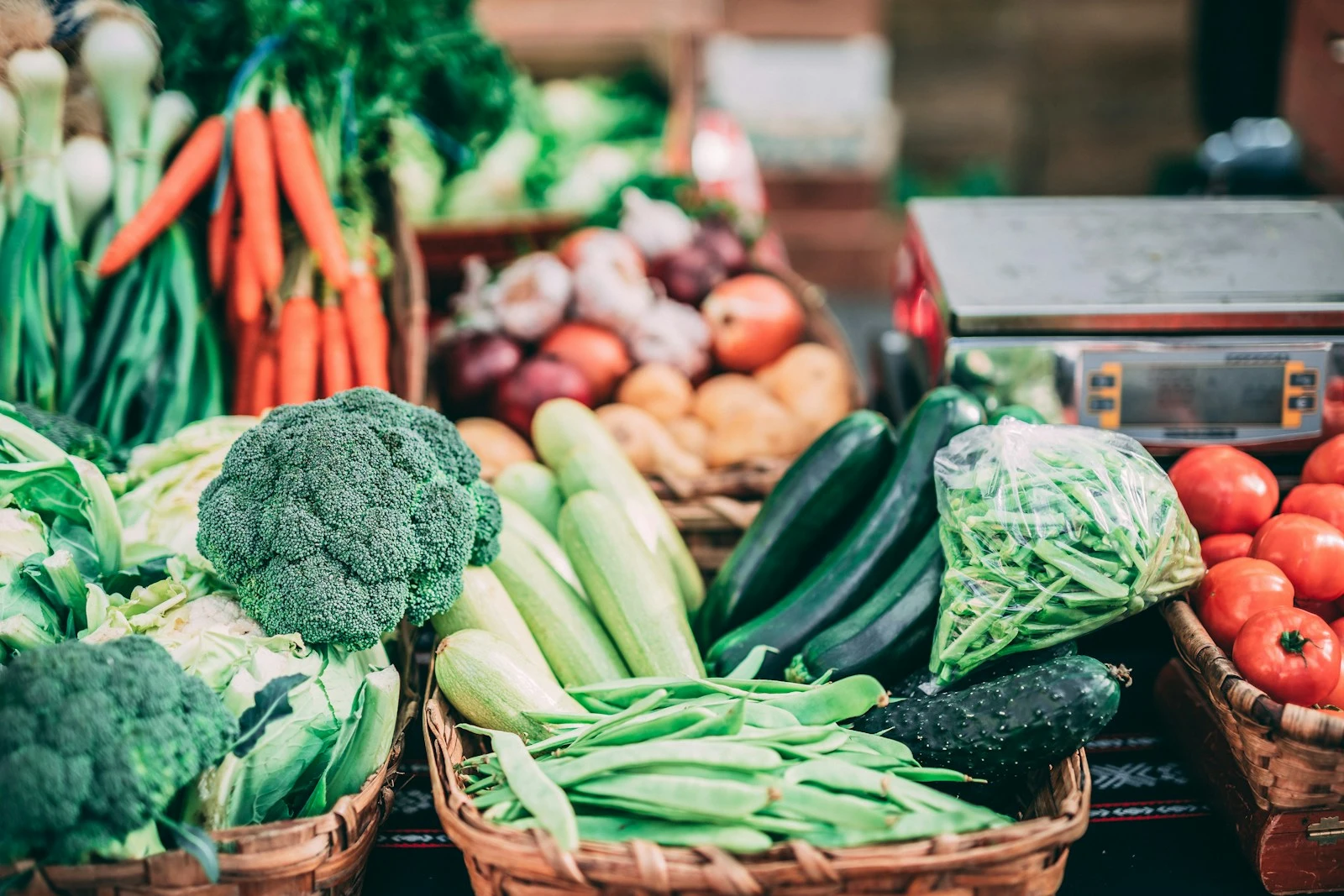
My stomach spent about three years being angry at me. Not dramatically sick — just tight, bloated, weirdly off after eating. Doctors said everything was fine. I’m pretty sure it wasn’t stress-related in some vague way. It was 100% stress-related.
Here’s what nobody told me until much later: cortisol — the hormone your body pumps out when you’re chronically overwhelmed — directly messes with your gut. And your gut bacteria, when they’re stressed and underfed, make the cortisol problem worse. It’s a lovely little loop.
The thing that actually helped me break it wasn’t a supplement or a meditation app. It was eating more high fiber foods. Specifically the right ones, consistently enough to matter.
This post contains affiliate links. If you buy something through these links, I may earn a small commission at no extra cost to you. I only recommend things I’d actually use.
Why High Fiber Foods and Cortisol Are Actually Connected
Cortisol spikes when you’re stressed. That’s normal. The problem is when it stays elevated for weeks or months — which is pretty much modern life for a lot of us.
Chronic high cortisol disrupts the gut microbiome. And a disrupted gut microbiome produces less serotonin (around 90% of your serotonin lives in your gut, by the way), less GABA, and more inflammation. Which makes your stress response worse. Which raises cortisol more. You see where this goes.
High fiber foods feed the beneficial bacteria in your gut — specifically strains like Lactobacillus and Bifidobacterium that research has linked to lower cortisol levels and better mood regulation. A 2021 review published in Frontiers in Psychiatry found that dietary fiber intake was consistently associated with reduced psychological stress and better gut-brain axis function.
This isn’t about eating perfectly. It’s about adding more of the stuff that actually feeds your nervous system.
1. Oats
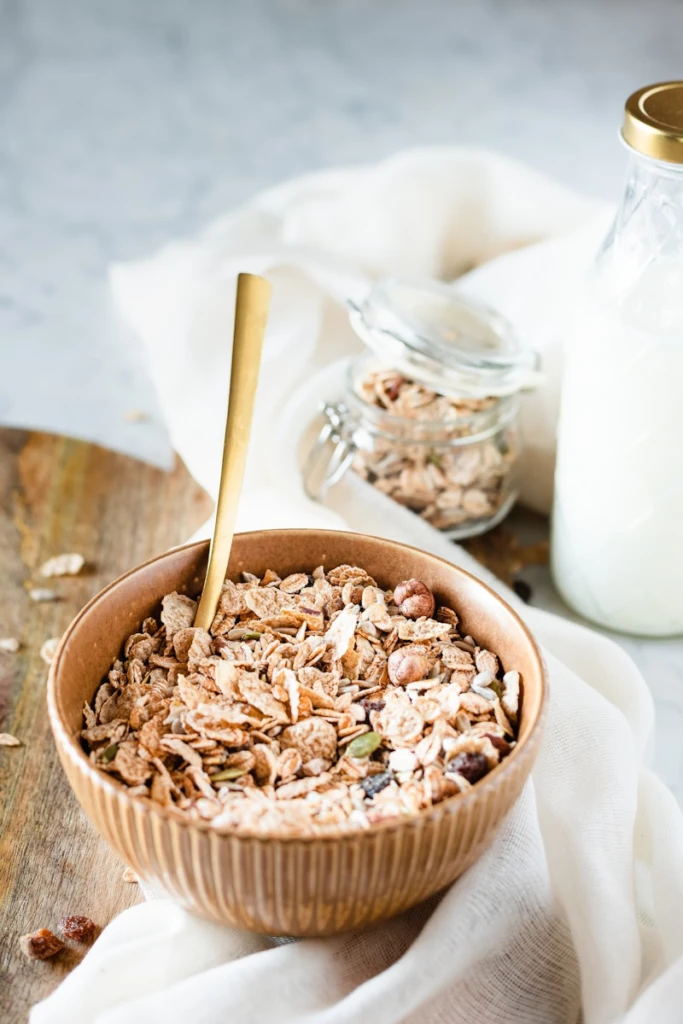
Plain rolled oats are one of the most underrated high fiber foods for stress, and I say that as someone who ignored them for years because they seemed boring.
Oats contain beta-glucan, a soluble fiber that forms a gel in your digestive tract and feeds beneficial bacteria. They also have a decent amount of magnesium and B vitamins — both of which your body burns through faster when cortisol is high. One cup of cooked oats has about 4 grams of fiber.
The real thing that got me back on oats: they stabilize blood sugar. Cortisol spikes are often worse in the morning, and if you skip breakfast or eat something sugary, you’re pouring gasoline on it.
Easy Oat Recipe: Overnight Oats with Chia and Banana
Mix ½ cup rolled oats, 1 tbsp chia seeds, ¾ cup oat milk, and ½ mashed banana in a jar. Stir well. Cover and refrigerate overnight. In the morning, top with a spoonful of almond butter and a few walnuts. Done in 3 minutes the night before, and you wake up to something that doesn’t spike your blood sugar or your mood.
You can find rolled oats in bulk if you go through them as fast as I do.
2. Lentils
Lentils have one of the highest fiber contents of any food — around 15 grams per cooked cup — and they’re genuinely easy to cook if you skip the soaking step (you don’t need it for most lentils, which I didn’t know for an embarrassingly long time).
The fiber in lentils is mostly prebiotic, meaning it feeds the gut bacteria that produce short-chain fatty acids. Those fatty acids reduce gut inflammation and have been shown to calm the hypothalamic-pituitary-adrenal axis — which is the fancy name for the cortisol system.
Lentils are also high in folate and iron, which both take a hit during chronic stress.
Simple Lentil Soup Recipe
Sauté one diced onion and two garlic cloves in olive oil until soft. Add one cup of red lentils (no soaking needed), one can of diced tomatoes, 4 cups of vegetable broth, a teaspoon of cumin, half a teaspoon of turmeric, salt and pepper. Simmer 20 minutes until the lentils break down and get creamy. Squeeze in a little lemon at the end. It sounds like nothing and it tastes genuinely good — the kind of thing I now make a giant pot of on Sundays because I feel better the whole week when I eat it regularly.
3. Raspberries
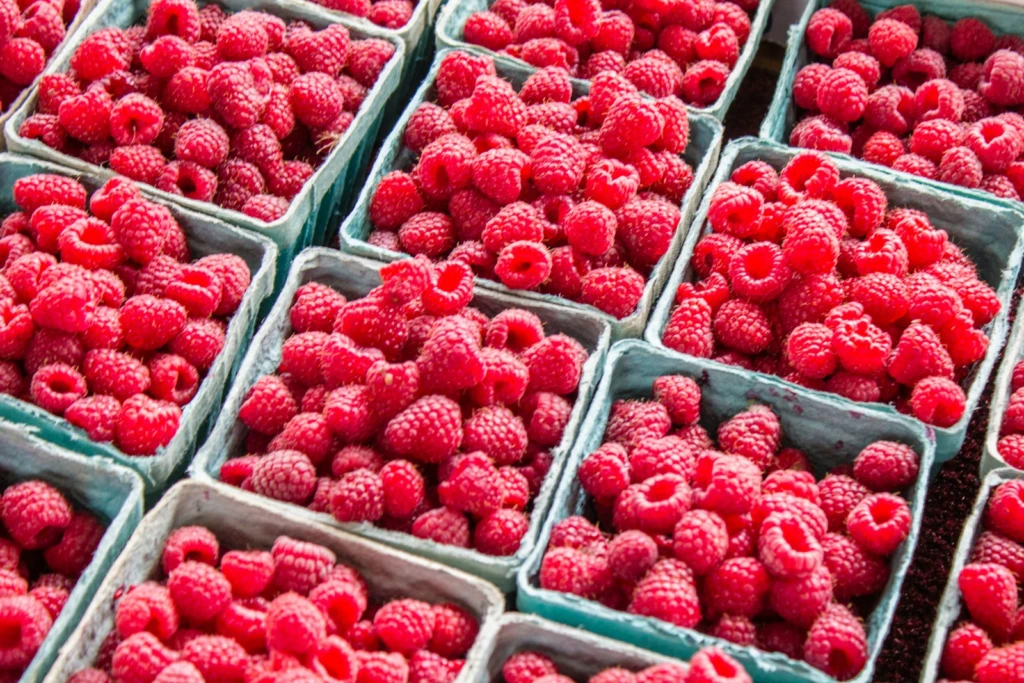
Eight grams of fiber per cup. In a fruit. That’s legitimately impressive.
Raspberries also contain ellagitannins, which gut bacteria convert into urolithins — compounds that reduce inflammation in the gut lining. They’re one of the easiest high fiber foods to add to your day because you just… put them on things. Yogurt, oatmeal, smoothies. Frozen work just as well as fresh.
I keep a bag of frozen raspberries in my freezer at all times. Blended into a smoothie with some Greek yogurt and oat milk, that’s a solid chunk of your daily fiber before 9 AM.
4. Black Beans
If you already eat lentils, black beans are their slightly heartier cousin. About 15 grams of fiber per cooked cup, tons of resistant starch (which feeds gut bacteria differently than regular fiber — also good), and a solid amount of zinc.
Zinc is one of those nutrients that gets depleted fast during stress, and low zinc is linked to anxiety and mood instability. Black beans are one of the better plant-based sources.
Quick Black Bean Bowl
Drain and rinse a can of black beans. In a pan, warm them with a little olive oil, cumin, garlic powder, and a pinch of smoked paprika. Serve over brown rice with sliced avocado, salsa, and a squeeze of lime. Takes maybe 15 minutes. This is basically my Wednesday lunch every week.
5. Artichoke Hearts
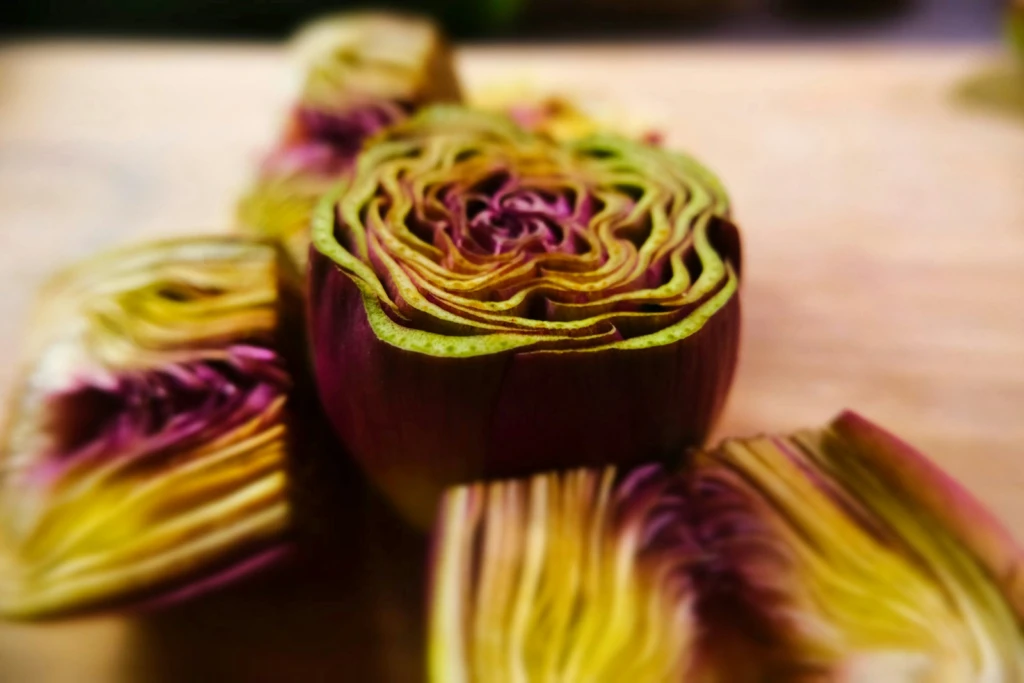
Artichokes are at the top of almost every prebiotic fiber list, and they have been for years because the research is pretty consistent. The inulin in artichokes is one of the most studied prebiotics for supporting Bifidobacterium — the gut bacteria most associated with lower anxiety and better cortisol regulation.
Canned or jarred artichoke hearts count. You don’t need to cook a whole fresh artichoke to get the benefit (though fresh are great if you have the time).
Add them to pasta, salads, or grain bowls. Blend them into dips. Just add them.
6. Chia Seeds
Two tablespoons of chia seeds = 10 grams of fiber. They also absorb up to 10x their weight in water, which means they slow digestion way down and help keep blood sugar steady for hours.
Chia seeds are also one of the better plant-based sources of omega-3 fatty acids, which are anti-inflammatory and support brain function. Chronic stress depletes omega-3s, so this is a two-for-one.
Chia Pudding Recipe
Mix 3 tablespoons of chia seeds with 1 cup of coconut milk and a teaspoon of vanilla. Stir well (really well — stir again after 5 minutes or it clumps). Refrigerate for at least 4 hours or overnight. Top with whatever you have — mango, berries, a drizzle of honey. The texture is definitely a thing you have to accept, but once you do, it’s legitimately filling for a very long time.
Chia seeds last a long time in a sealed container, so buying a bigger bag makes sense.
7. Broccoli
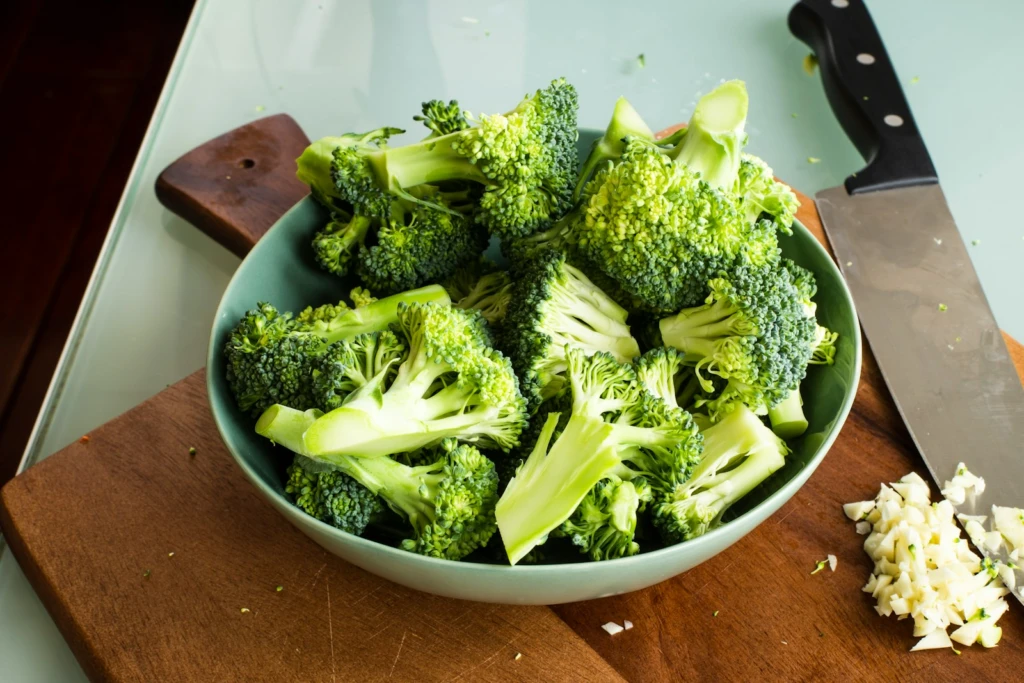
I know. But hear me out, because broccoli is doing more than you think.
Beyond the fiber (about 5 grams per cup), broccoli contains sulforaphane, a compound that research has been increasingly excited about for its role in reducing neuroinflammation. There’s emerging evidence that sulforaphane can actually blunt cortisol signaling in the brain — a 2023 study from the University of Kentucky found it reduced corticosterone levels in animal models under chronic stress.
Steam it briefly so the sulforaphane actually activates. Or eat it raw. Just don’t boil it to mush — that kills most of the benefit.
Roasted broccoli with olive oil, garlic, and parmesan is the version that gets everyone to actually eat it. Including me. Including my kids.
8. Pears (With the Skin)
One medium pear with the skin has about 5.5 grams of fiber. Without the skin: 3 grams. The skin is where most of it lives — in a type of insoluble fiber called lignin, plus pectin, which feeds gut bacteria particularly well.
Pears are also high in quercetin, which has anti-inflammatory properties and has been studied for its mild cortisol-lowering effects.
This is genuinely the laziest addition on the list. Buy pears, eat the skin, done.
9. Flaxseeds (Ground)
Ground flaxseeds are another one where the whole food does more than one thing. The fiber is prebiotic. The lignans are phytoestrogenic and support hormone balance generally. The omega-3s are anti-inflammatory.
The key word is ground. Whole flaxseeds pass through mostly undigested. Buy them ground, or grind them yourself and keep the powder in the fridge.
Two tablespoons in your morning oatmeal, smoothie, or even stirred into yogurt. You basically can’t taste them.
Ground flaxseed should be stored in the fridge once opened — it goes rancid quickly at room temperature.
10. Garlic
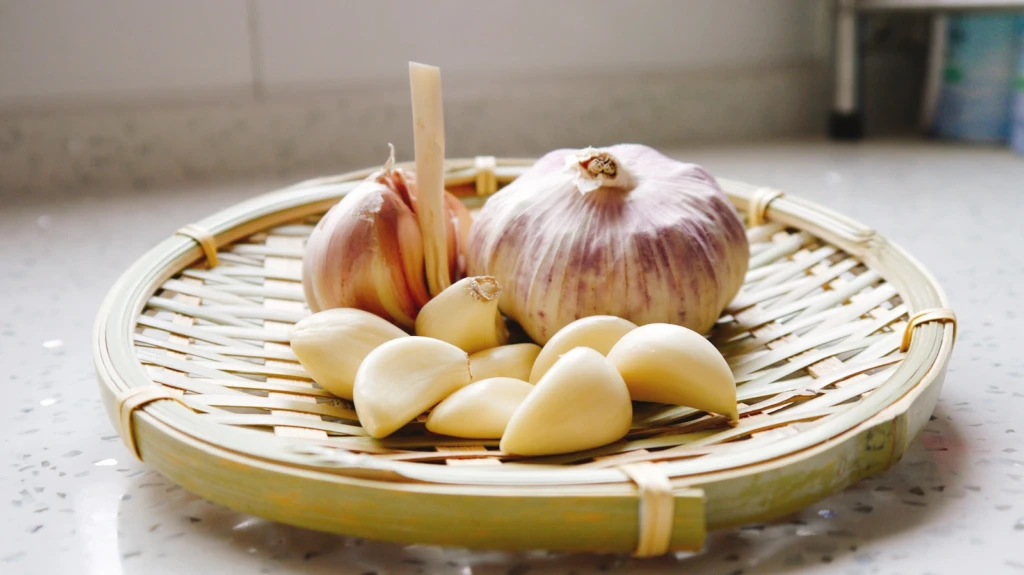
This might seem like a weird one to include, but garlic is a legitimate prebiotic food. It’s high in inulin and fructooligosaccharides, both of which feed beneficial gut bacteria, and it has some of the best research behind it for gut microbiome diversity.
It doesn’t take much — one or two cloves cooked into whatever you’re already making. Garlic in olive oil as a base for soup, pasta, stir-fry, roasted vegetables. It’s already in most savory cooking; this is just a reason to not skip it.
11. Edamame

Edamame sits at around 8 grams of fiber per cup, plus a serious amount of protein (18 grams), which matters because protein intake helps regulate cortisol too — especially if you’re going long stretches without eating.
The isoflavones in edamame also have some evidence behind them for lowering cortisol directly, though the research is more consistent in people who eat them regularly over time rather than occasionally.
Frozen edamame takes about 4 minutes to cook. Sprinkle with sea salt. That’s it. I keep a bag in my freezer for the evenings when I want something to snack on that isn’t chips.
How to Actually Eat More of These
The goal according to most nutrition guidelines is 25–38 grams of fiber per day. Most Americans get around 15. The gap is real, but it closes fast once you start paying attention.
A few things that helped me:
Add one high-fiber food to breakfast every day — chia seeds in yogurt, oats, a pear alongside whatever else you’re eating. That alone gets you 5–10 grams before noon.
Swap white rice for a lentil-rice combo a couple times a week. The lentils basically disappear into the texture and you double the fiber content.
Keep frozen edamame and frozen raspberries in the freezer at all times. Both are fast and require zero prep.
And check out this guide to healthy snack ideas at the grocery store — a lot of the higher-fiber options are way more accessible than people realize.
If you’re also looking at the bigger picture of how food connects to hormones and mood, the hormone balance for women guide is worth reading alongside this one. And for sustainable, low-stress meal prep ideas, this fall meal prep post has a good system that works year-round.
FAQ
How long does it take for high fiber foods to lower cortisol?
Honest answer: a few weeks of consistent intake. Gut microbiome changes aren’t overnight. Studies that show measurable differences in cortisol markers from dietary changes usually run 4–8 weeks. That said, some people notice their digestion and sleep improving within 1–2 weeks, which tends to indirectly calm the stress response too.
Can I get too much fiber?
Yes, if you increase very fast. If you go from 15 to 40 grams overnight, you’ll probably feel bloated and gassy for a few days. Increase gradually — add one new food per week — and drink more water. That combination makes it pretty manageable.
Should I take a fiber supplement instead?
Supplements like psyllium husk work for digestive regularity, but whole foods come with the additional compounds — polyphenols, vitamins, prebiotics — that supplements don’t include. If you’re struggling to eat enough fiber from food, a supplement can help fill the gap, but it’s not a full replacement.
Does cooking destroy the prebiotic fiber?
Mostly no. Inulin, pectin, and beta-glucan are heat-stable. Sulforaphane in broccoli is the main one that gets reduced by cooking — light steaming or eating raw preserves more of it. For everything else on this list, cook away.
I have IBS — can I still eat these foods?
Some high-fiber foods are high in FODMAPs, which can trigger IBS symptoms. Garlic and onions are the main culprits. Lentils and beans are also higher FODMAP, though canned and rinsed beans have less than dried. If IBS is a factor for you, it’s worth talking to a dietitian about a low-FODMAP approach that still includes fiber — it’s definitely possible.
General nutrition information, not medical advice. If you’re experiencing significant digestive symptoms or chronic stress affecting your health, please see a healthcare provider.

Pack your lunch with a splash of creativity! Here are 7 easy aesthetic bento box ideas that will not

I used to hate cottage cheese. Like, aggressively hate it. The texture, the smell, the way it just s

12 easy kids birthday party food ideas you can assemble the night before, no oven required. Every re
Leave a Reply