

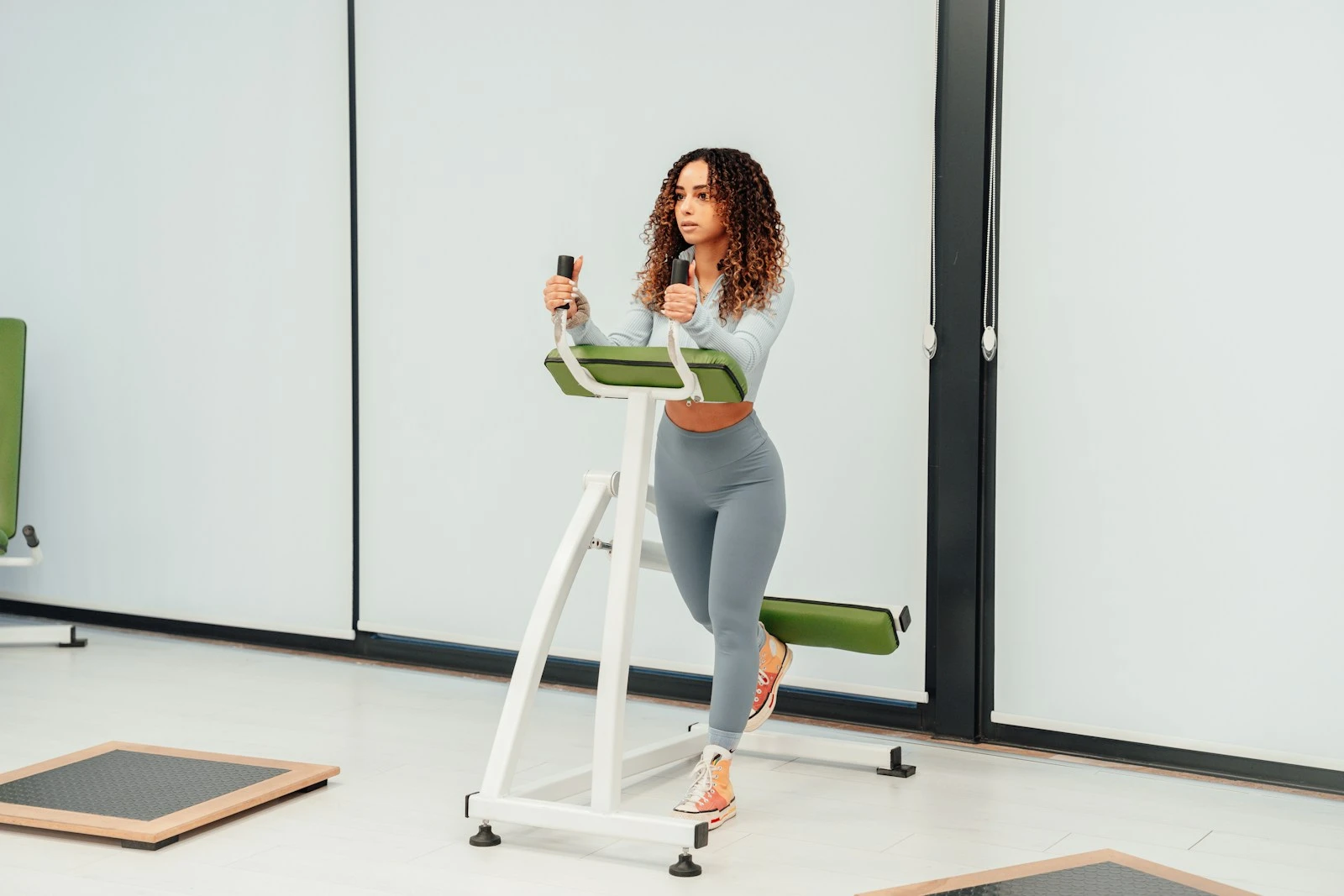
There’s a particular alchemy that happens when you first discover movement that feels like homecoming.
I remember my first Pilates session with startling clarity—the cool texture of the borrowed mat beneath me, the uncertainty in my limbs, the way my breath caught somewhere between my ribs and my intentions. I didn’t know if I was “doing it right.” But I felt something ancient and true awakening in my body. A remembering, perhaps, of what it means to inhabit yourself fully.
Pilates for beginners isn’t about perfecting a series of exercises or achieving some idealized aesthetic. It’s about the radical act of listening—truly listening—to the quiet intelligence of your own body.
What if movement could be meditation? What if strength could feel like softness? What if coming home to your body was the most revolutionary act available to you?
The Philosophy of Presence

Joseph Pilates called his method “Contrology”—the complete coordination of body, mind, and spirit. This wasn’t exercise in the conventional sense. It was, and remains, a practice of integration. Of wholeness.
While our feeds flood with high-intensity workouts and before-and-after transformations, Pilates offers something quieter, slower, infinitely more profound. It whispers rather than shouts. It asks you to feel rather than perform.
According to Vogue’s comprehensive guide to Pilates, this mind-body integration distinguishes the practice from mere physical training—it becomes a daily ritual of self-inquiry.
The principles are deceptively simple:
- Breath as your anchor to the present moment
- Concentration that excludes nothing
- Control born from awareness, not force
- Centering in your core—your physical and energetic powerhouse
- Precision as a form of devotion
- Flow that mirrors life itself
Each movement becomes a question. Each breath, an answer.
Why This Practice Calls to Us Now
We live in bodies that carry stories. Tension maps of stress and holding. Physical manifestations of emotional armor. Pilates for beginners offers a gentle unwinding—a chance to release what no longer serves while strengthening what does.
The research is compelling: Harper’s Bazaar reports improvements in core strength, flexibility, posture, and body awareness within weeks of consistent practice. But the real transformation happens beneath the measurable—in how you move through your days, how you inhabit your skin, how you breathe through challenge.
The Sacred Ordinary
There’s nothing particularly glamorous about holding a hundred or executing a roll-up with precision. But within these seemingly simple movements lives extraordinary potential: the chance to be fully, completely present.
You cannot scroll while doing Pilates. You cannot multitask your way through a teaser. The practice demands your whole attention—and in giving it, you remember what it feels like to be undivided.
This presence becomes the practice’s greatest offering. Not a smaller waist or stronger abs (though these may come), but a restored relationship with the miracle of embodiment.
Creating Your Sacred Space
The environment where you practice matters. Not because it needs to be Pinterest-perfect or aesthetically curated, but because intention shapes experience.
I practice in a corner of my bedroom where morning light filters through sheer curtains. Nothing elaborate—just a mat, a small basket of props, a beeswax candle I light as a signal to my nervous system: We’re entering sacred time. This is where we return to ourselves.
Your space might look different. What matters is the intention you bring to it.
Elements of Sanctuary
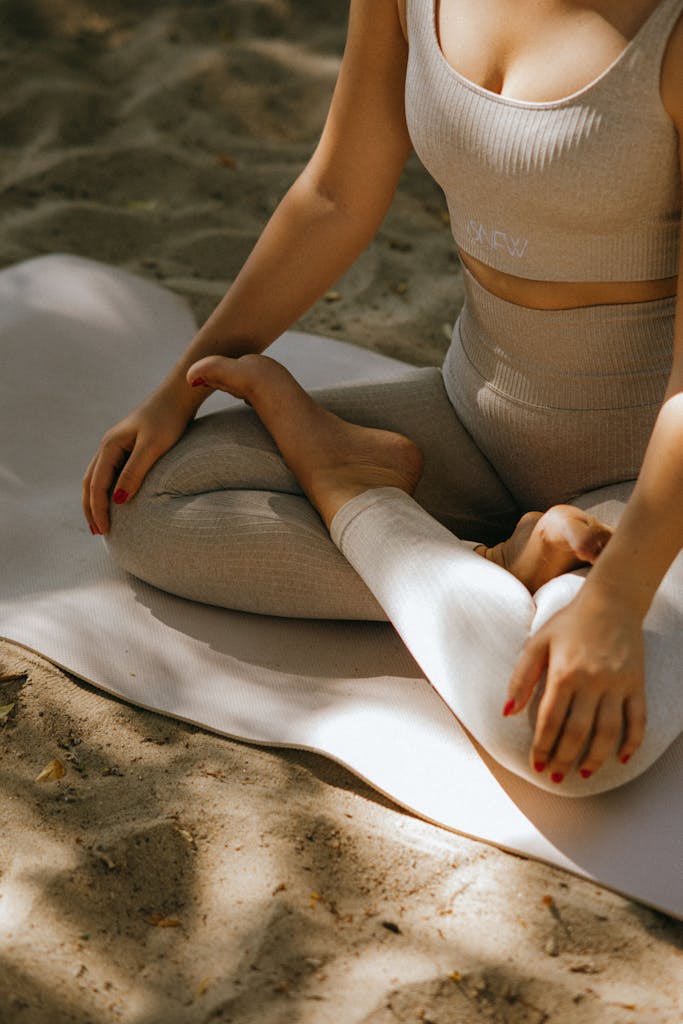
Choose a space with:
- Room to extend fully—arms, legs, breath
- Natural light if available (though candlelight has its own magic)
- Minimal visual noise
- Temperature slightly cool (the body warms naturally through movement)
Consider adding:
- A full-length mirror for alignment (not judgment)
- A small altar or meaningful object
- Plants that breathe with you
- Music or intentional silence

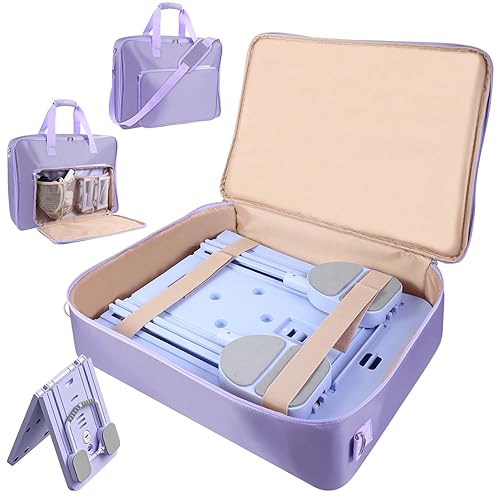

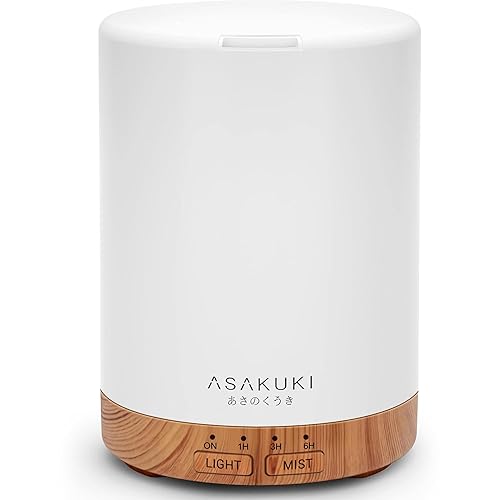

The space you create externally reflects the inner landscape you’re cultivating.
The Essentials: Tools for Your Practice
Pilates embraces beautiful minimalism. Unlike fitness cultures that demand rooms full of equipment, you can begin with almost nothing—or, more accurately, with everything you need already within you.
Your Foundation
The Mat
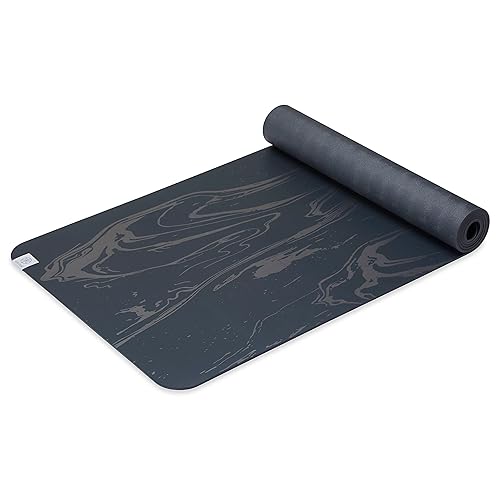
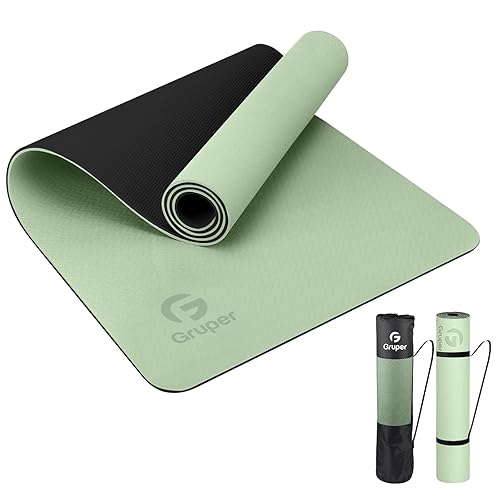
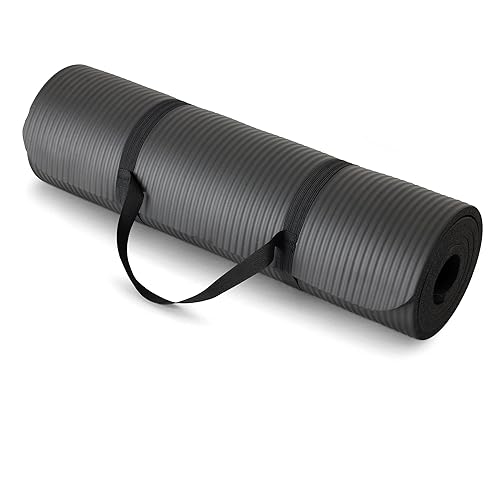
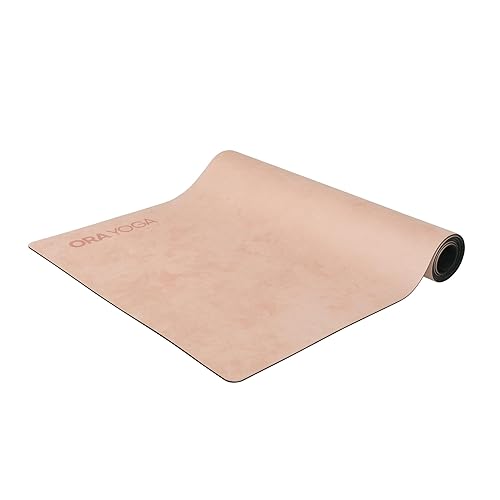
This is your altar, your landing place, your foundation. Unlike standard yoga mats, Pilates mats offer deeper cushioning (8-15mm) to protect your spine during rolling work. Choose quality over aesthetics—though if beauty inspires your practice, honor that too.

What You Wear
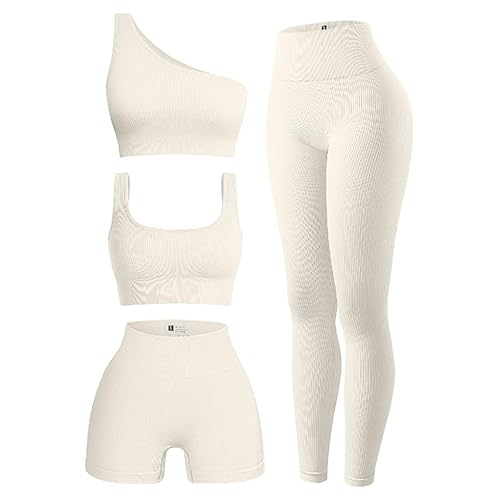
Form-fitting without constriction. You want to see your body’s alignment, witness its movement patterns, honor its shapes. High-waisted leggings that stay in place. Supportive tops that move with you. Fabrics that breathe.
As Elle’s thoughtful guide articulates, your pilates outfit becomes a second skin—allowing unrestricted movement while maintaining body awareness.
I gravitate toward muted earth tones: soft grays, beige, warm taupes, deep forest greens. They create visual calm that supports mental stillness. But if color energizes your practice, wear fuchsia. Wear gold. Wear whatever makes you feel alive.


Beautiful Additions
Pilates Ring (The Magic Circle)
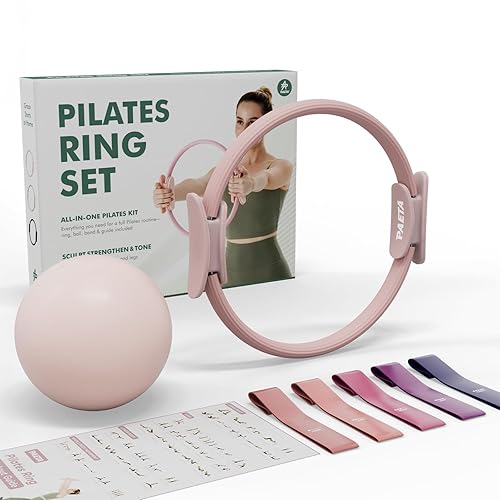
This elegant tool—typically 13 inches in diameter—adds gentle resistance that deepens your practice. Not essential initially, but transformative as you evolve.


Props for Exploration
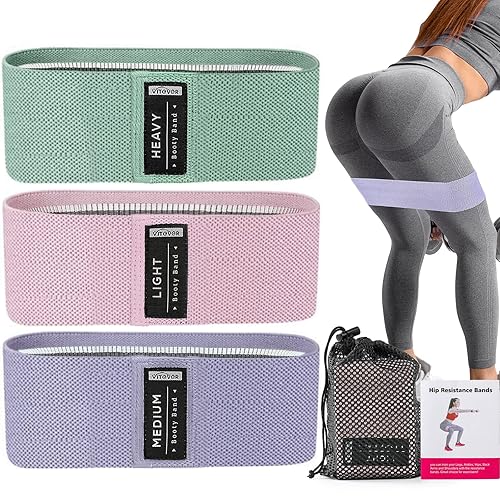
- Resistance bands for assisted stretches and added challenge
- Small stability ball for instability work
- Foam roller for myofascial release and balance
- Pilates blocks for modifications



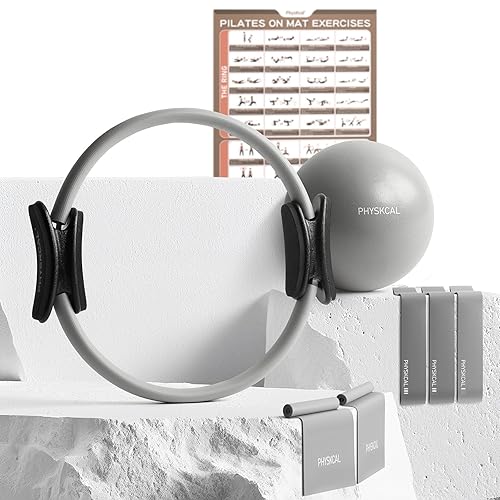
Each tool becomes an extension of your intention.
Your First Sacred Weeks
Beginning Pilates for beginners means building foundation slowly, reverently. This isn’t a race toward advanced choreography. It’s an invitation to discover what’s already present.
Week One: Breath and Awakening
Everything begins with breath. In Pilates, we practice lateral thoracic breathing—expanding the ribcage sideways rather than defaulting to shallow belly breathing. This keeps your core subtly engaged while flooding your system with oxygen.
Practice: Lie on your mat, hands resting on your ribs. Inhale deeply for four counts, feeling your ribcage expand like an accordion. Exhale for four, ribs knitting back together. Repeat ten times. This is your foundation.
Foundational Movements:
- Pelvic tilts (discovering neutral spine)
- Shoulder bridges (awakening the posterior chain)
- Modified hundreds (breath coordinated with movement)
- Single leg stretches (core stability while moving)
I recommend starting with Move with Nicole’s Beginner Pilates series—her approach combines technical precision with genuine warmth. Or try Blogilates’ 28-Day Beginner Calendar for structured progression.
Week Two: Deepening Awareness
By now, individual movements should feel familiar in your body. Not easy, necessarily, but recognized. As Marie Claire’s Pilates exploration notes, consistency trumps duration—twenty focused minutes outweigh an hour of distracted movement.
Progressive Exercises:
- Roll-ups (use a band for assistance if needed)
- Criss-cross (oblique engagement)
- Swimming prep (spinal extension)
- Side-lying leg series (hip stability)
Lottie Murphy’s 20-Minute Full Body Pilates offers beautiful flow for this stage. Her cueing is poetry.
Week Three: Integration and Flow
The magic happens when discrete exercises begin conversing with each other. Transitions become as important as the movements themselves. The spaces between—where you reset, breathe, prepare—these are where presence lives.
Movement becomes meditation when you surrender to the flow between effort and ease.
MadFit’s 30-Minute Full Body Pilates Workout beautifully demonstrates this integration.
The Art of Avoiding Common Pitfalls
Holding Your Breath
The moment you hold your breath, you’ve left your body. Breath is the golden thread that connects movement to presence. Each exercise has its own breathing pattern—discover it, honor it, return to it.
Rushing the Journey
Ten precise repetitions contain more wisdom than twenty hurried ones. As Who What Wear’s fitness feature reminds us, Pilates teaches quality over quantity—a philosophy that ripples far beyond the mat.
Forgetting Alignment
Neutral spine. Engaged core. Shoulders releasing down. These aren’t rigid rules but loving guidelines that keep your practice safe and effective.
The Comparison Trap
Your practice is yours alone. Some days you’ll feel fluid and strong. Other days, basic movements will challenge you. Both days are perfect. Both days are practice.
Progress isn’t linear. Transformation isn’t visible. Trust the process beneath the surface.
Building Sustainable Ritual
Pilates for beginners transforms from task to ritual when it becomes non-negotiable time with yourself. Not another productivity box to check, but sacred appointment with your own becoming.
Like building any meaningful habit, consistency creates the foundation for lasting transformation.
Finding Your Rhythm
Start with three sessions weekly. Twenty to thirty minutes each. Same time if possible—your nervous system loves predictability.
Morning practice energizes and sets intention for your day—consider pairing your Pilates with other intentional morning rituals that don’t demand you wake at dawn. Evening practice releases and softens what you’ve carried. Lunchtime practice creates a pause, a reset, a breath between worlds.
Experiment. Notice. Choose.
Tracking the Invisible
Progress isn’t always measurable or visible. Some weeks you’ll master new exercises. Others, you’ll simply maintain presence amid life’s chaos. Both matter infinitely.
Notice subtler shifts:
- Standing taller as you wait for coffee
- Breathing deeper during stressful moments
- Moving through your day with greater ease
- Feeling grounded in your body
- Accessing clarity after practice
These transformations—quiet, gradual, profound—are the real work. They’re part of the personal growth journey that extends far beyond the mat.
Dressing Your Practice
While home practice liberates you from studio dress codes, what you wear still shapes your experience. Form-fitting clothes aren’t about aesthetics—they’re functional, allowing you to witness your body’s wisdom.
Seek fabrics that:
- Move as you move
- Breathe as you breathe
- Support without constricting
- Feel beautiful against your skin
High-waisted leggings that stay present during roll-ups. Sports bras that support without suffocating. Seamless construction that disappears against your skin. Four-way stretch that forgets to limit you.


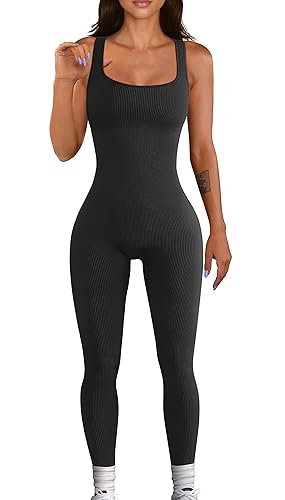
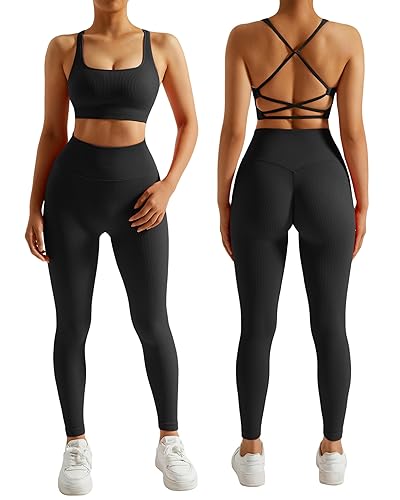
I choose pieces in colors that ground me—charcoal, sage, warm clay. But honor your own aesthetic truth. Your pilates outfit should feel like ritual dress, not costume.
The Journey Beyond Basics
After establishing your foundation (typically 6-10 weeks of devoted practice), you’ll naturally hunger for more depth, more challenge, more conversation with your body’s capabilities.
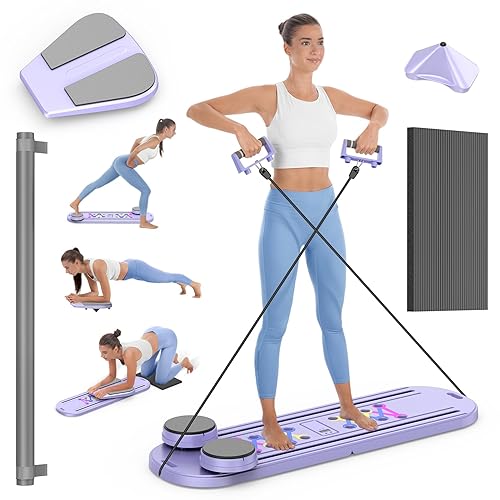
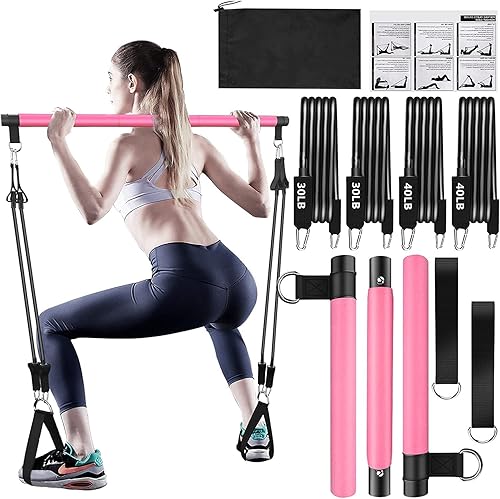
Expanding Your Practice
- Pilates ring for inner thigh work and arm sequences
- Small ball for instability challenges that demand deeper engagement
- Resistance bands for assisted stretches and progressive resistance
- Foam roller for advanced balance and release work

When to Seek Community
Home practice offers invaluable intimacy. But eventually, you might crave:
- Professional eyes on your form
- Reformer’s spring resistance
- Collective energy
- Advanced repertoire
There’s no timeline here. Some practitioners remain devoted to mat work for years. Others integrate monthly studio sessions. Your practice, your truth.
Pilates Across the Landscape of Life
For Postpartum Bodies
Pilates helps rebuild core integrity after pregnancy, but timing is sacred. Wait for your six-week clearance (longer after cesarean birth). Begin gently, honoring the profound journey your body has traveled. Focus on pelvic floor reconnection before advancing.
For Women in Perimenopause and Beyond
Research consistently shows that Pilates for beginners over 40 offers particular gifts: improved bone density, enhanced balance, maintained flexibility, hormonal support through movement. The low-impact nature protects joints while building strength that serves life.
Through Menstrual Cycles
Your practice should honor your body’s natural rhythms. Some days inversions feel wrong. Other days you crave deep core work. Modify freely. Listen deeply.
Your practice exists to serve your life, not demand sacrifice from it.
Weaving Pilates into Your Self-Care Practice
Pilates becomes even more transformative when integrated with other meaningful self-care rituals. The body awareness you cultivate on your mat naturally extends into how you nourish yourself, rest, and move through your days.
Consider this practice one thread in the larger tapestry of caring for yourself—alongside adequate sleep, mindful nutrition, creative expression, and moments of pure pleasure.
The Philosophy Beneath Movement
Joseph Pilates envisioned “the attainment and maintenance of a uniformly developed body with a sound mind fully capable of naturally, easily, and satisfactorily performing our many and varied daily tasks with spontaneous zest and pleasure.”
Nearly a century later, this holistic vision feels almost radical.
Pilates for beginners isn’t about achieving Instagram-worthy poses or perfect form. It’s about developing a relationship with your body built on respect, curiosity, patience, and love.
Each time you unroll your mat, you’re choosing:
- Presence over productivity
- Depth over speed
- Quality over quantity
- Being over doing
In our hyperconnected, always-optimizing, perpetually-performing culture, these choices become revolutionary acts.
Your Invitation to Begin
Ready to transform your life from the inside out? Beginning a Pilates practice is just one powerful step in your complete life reset.
You don’t need flexibility. You don’t need strength. You don’t need special equipment or perfect conditions or an ideal body or the right credentials.
You need only:
- A mat
- Comfortable clothes
- Twenty minutes
- Willingness to meet yourself
The practice waiting for you isn’t some distant, perfected version. It’s this breath. This movement. This moment of choosing yourself.
Start today. Start now. Start imperfectly.
Unroll your mat. Let the world fall away. Come home to your body. Begin.
Frequently Asked Questions
How often should I practice Pilates for beginners?
Begin with three sessions weekly, with rest days woven between. Your body needs time to integrate new movement patterns—transformation happens in the recovery, not just the doing. Consistency matters infinitely more than duration. Twenty devoted minutes three times weekly creates more lasting change than sporadic hour-long sessions. After 4-6 weeks, as your body adapts and calls for more, increase frequency mindfully.
Can I do Pilates for beginners if I have back pain?
Pilates often alleviates back pain by strengthening the deep core muscles that support your spine. However, honor your body’s wisdom—consult your healthcare provider before beginning. Start gently, focusing on neutral spine and pelvic stability. Avoid any movement causing sharp pain. Many practitioners discover their back pain diminishing as core strength develops, but individual bodies tell individual stories.
What distinguishes Pilates from yoga for beginners?
While both practices honor the mind-body connection, they speak different languages. Pilates emphasizes core strength, precise movement, dynamic stability. Yoga explores flexibility, held poses, spiritual dimensions. Pilates for beginners uses lateral breathing and targets specific muscle groups, while yoga employs varied breathing techniques and works the whole body simultaneously. Both offer profound gifts—choose based on what your body craves.
Do I need special equipment for Pilates for beginners at home?
Initially, you need only a quality Pilates mat (thicker than yoga mats for spinal protection) and comfortable, form-fitting clothes. As your practice deepens, props like resistance bands, Pilates rings, and small balls add beautiful variety. But classical mat Pilates requires nothing beyond your mat and body—the exercises use your own weight as resistance, your own awareness as guide.
How long before I notice transformation from Pilates for beginners?
Joseph Pilates famously promised: “In 10 sessions you’ll feel different, in 20 sessions you’ll look different, in 30 sessions you’ll have a completely new body.” While each body’s timeline is unique, most practitioners notice improved posture and body awareness within 2-3 weeks. Visible changes—core strength, muscle tone, flexibility—typically emerge after 4-8 weeks of devoted practice. But the deepest transformations happen beneath the visible surface.
Does Pilates support weight loss for beginners?
Pilates for beginners builds lean muscle, enhances metabolism, and cultivates body awareness—all supporting holistic wellness. However, it’s not primarily cardiovascular work. For weight release, consider combining Pilates with other movement forms and mindful nourishment. Pilates’ true value lies in creating a strong, flexible, well-aligned body and developing sustainable relationship with movement.
What should I wear for home Pilates practice?
Choose clothing that fits your form while allowing complete freedom—you want to witness your body’s alignment without restriction. High-waisted leggings prevent displacement during inversions and roll-ups. Supportive sports bras and moisture-wicking fabrics enhance comfort. Avoid loose clothing that obscures your form. Your pilates outfit should feel like ritual dress—a second skin that allows you to move, breathe, become.
Can older adults safely begin Pilates for beginners?
Absolutely, beautifully, yes. Pilates for beginners is low-impact and infinitely modifiable, making it ideal for maintaining strength, balance, and flexibility across the lifespan. The controlled movements protect joints while building stabilizing muscles. Many practitioners discover Pilates in their 50s, 60s, 70s, and beyond. Consult your healthcare provider before beginning, especially with osteoporosis, joint concerns, or other conditions requiring attention.
Table Of Contents What’s a 12 Week Year? Ever feel like New Year’s resolutions just don&
Discover which sports water bottles actually survive your toughest workouts without leaking—number
Sleep isn’t just about closing your eyes for eight hours—it’s the foundation of yo
Leave a Reply