

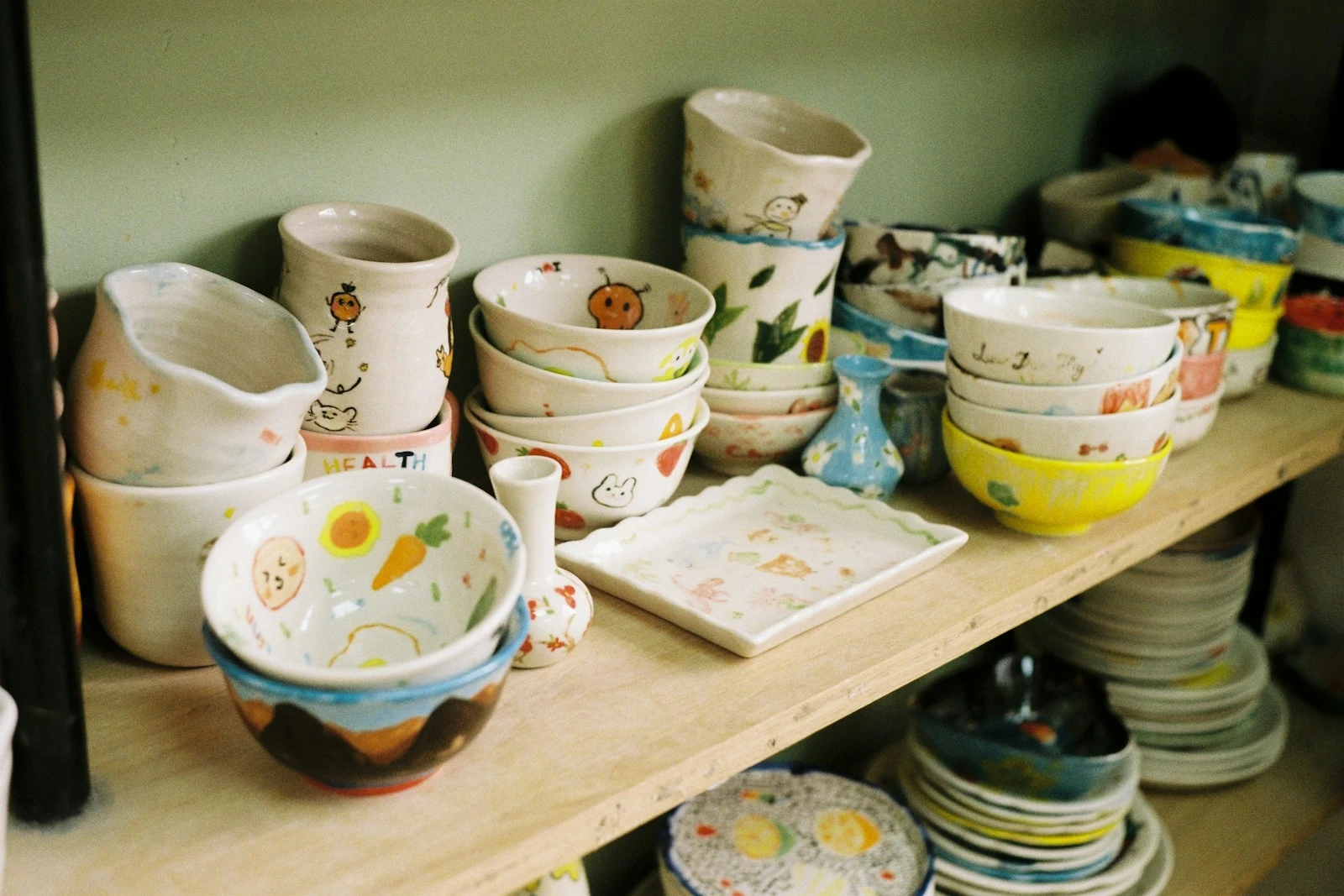
Okay, so picture this: You’re scrolling through Instagram at 11 PM, you see some gorgeous handmade mugs, and you think, “Wait, I could totally make those.” And then you close the app and forget about it. Right?
But here’s the thing, and I’m saying this as someone who’s watched way too many people talk themselves out of amazing ideas: you actually could start a pottery business from home. Like, for real. Not in some fantasy “quit your job tomorrow” way, but in a totally doable, start-in-your-garage kind of way.
I know, I know. You’re probably thinking about money, space, whether you’re even talented enough. Trust me, I get it. But stick with me here because we’re going to break down exactly how to start a pottery business without needing a trust fund or a fancy art degree.
Why Pottery Might Be Your Best Business Idea Yet

Here’s what nobody tells you about the handmade market right now: people are obsessed with it. And I mean obsessed. According to market research, the global pottery ceramics market has seen consistent growth with rising consumer preference for handcrafted and artisanal pottery.
Think about it. When’s the last time you got excited about a mug from Target? Exactly. But a handmade ceramic mug with a gorgeous glaze that someone made with their actual hands? That hits different.
And pottery as a business makes so much sense because:
You can start small without dropping thousands of dollars upfront. You can work around your regular job or kids’ schedules. People actually want to buy what you’re making. You get to create beautiful things and pay your bills, which, let’s be honest, is pretty much the dream.
Plus, and this is huge, you don’t need some massive studio space. I’ve literally seen successful pottery businesses running out of converted sheds. Like, garden sheds. So if you’re worried about space, don’t be.
What You Actually Need to Know (The Honest Truth)
Look, I’m not going to lie to you and say you can become a master potter in a weekend. That would be ridiculous. But you also don’t need to spend four years in art school to make things people will buy.
The Skills That Matter Most
Hand-building is where you should probably start. It’s way less intimidating than the pottery wheel, you need less equipment, and honestly? Some of the coolest pieces I’ve seen are hand-built. We’re talking pinch pots, coil building, slab construction. It sounds fancy but it’s basically like playing with Play-Doh except, you know, more professional.
Wheel throwing is that classic pottery thing you picture in your head. Yes, it takes practice. Yes, your first attempts will look like sad lumpy disasters. But within a few weeks, you can make a basic bowl that doesn’t look like your toddler made it. And that’s a win.
Glazing is where the magic happens. This is chemistry meets art, and once you understand how different glazes work, you can create these insane effects. Food-safe glazes are super important if you’re making mugs or plates, though, so don’t skip that part.
Learning Without Going Broke
You don’t need a formal degree, okay? Please don’t think you do. Here’s what actually works:
Local community centers usually have classes for like $150-300 for a whole 6-8 week course. That’s cheaper than therapy and way more productive. Plus you get to meet other people who are also slightly obsessed with clay.
YouTube is free and surprisingly good for learning techniques. But, real talk, I’d also invest in at least one proper online course. Something structured. The Ceramic Arts Network has beginner series for about $200 that actually teaches you the foundations properly.
Pottery studio memberships are genius if you can find one near you. You pay a monthly fee, you get access to equipment, you learn from watching other people. It’s like a gym membership except you actually want to go.
Setting Up Your Home Studio (Without Destroying Your House)

Alright, let’s talk about the elephant in the room. Or rather, the lack of elephants because you don’t need massive space. You really don’t.
How Much Space Do You Really Need?
About 100 square feet. That’s like a 10×10 area. Some people work with even less. I’m not saying it’s ideal, but it’s doable. You could literally use a large walk-in closet if you’re creative enough.
Here’s what you need to fit in there:
Your main work area where you actually make stuff. A drying station (basically shelves) where pieces can hang out without getting knocked over. A glazing spot, ideally near water but we’ll work with what we’ve got. Storage for all your supplies because clay and tools add up fast. And somewhere to put finished pieces while you figure out where to sell them.
Big important thing nobody mentions: ventilation is not optional. Clay dust is super fine and you don’t want to breathe it constantly. Get a good fan, crack a window, maybe invest in an air purifier. Your lungs will thank you.
The Equipment Talk (Let’s Be Real About Money)
Okay, deep breath. Let’s talk about what you actually need versus what you can put on your “someday when I’m rich” list.
Here’s the truth: you can start this for under $1,000 if you’re smart about it, or you can spend $5,000+ if you buy everything at once. Neither is wrong, but let’s start with reality.
Must-have stuff:
- Worktable: $100-200 (honestly, an old door on sawhorses works)
- Basic tools: $50-150 (wire cutters, ribs, sponges, all that jazz)
- Clay: $30-80 for 25-50 pounds to start
- Safety gear: $30-50 (masks, because we care about your lungs)
- Glazes: $100-200 for a starter set
- Shelving: $100-300 (IKEA is your friend here)
The big ticket item: A kiln. And yes, we need to talk about this.
Let’s Talk About That Kiln Situation
So here’s the deal with kilns. They’re expensive. Like $600-2000 expensive for a decent small one. And that’s not even getting into the fancy ones.
But wait, don’t panic. Here’s what you actually do when you’re starting a pottery business:
Year one strategy: Rent kiln space. Most pottery studios, art centers, community colleges will let you rent space in their kilns. You pay per firing or per cubic inch. It usually runs $50-150 depending on how much stuff you’re firing. This saves you literally thousands of dollars upfront.
Once you’re making regular money: Then you buy your own kiln. A small electric kiln from Skutt or Olympic in the 7-10 cubic foot range costs about $1500-2000. The good news? Most of them run on regular household outlets. No crazy electrical work needed.
Safety stuff you can’t ignore: You need a dedicated circuit for the kiln, proper ventilation (seriously, this again), and you should probably tell your insurance company you have one. Some policies get weird about kilns. Better to know now than after something happens.
Making Stuff People Actually Want to Buy
Okay, so this is where we get into the fun part. What should you actually make?
Because here’s the thing, you can spend five hours creating this intricate sculptural piece that’s absolutely beautiful, but if nobody wants to pay $300 for it, you don’t have a business. You have an expensive hobby.
What’s Selling Like Crazy Right Now
Functional pottery is where the money is. People will pay $40 for a mug they use every day way faster than they’ll buy a decorative piece.
Coffee mugs are consistent sellers all year long. Like, people collect these things. Dinner plate sets are pricier but people who love your mugs will come back for them. Serving bowls and platters sell great for gifts. And those cute little soap dishes and bathroom stuff? Perfect entry-level purchases at $15-25.
Decorative items that work: Planters are huge right now. Everyone and their mom has houseplants. Vases in interesting shapes do well. Wall hangings if you make them unique. And incense holders plus trinket dishes are everywhere on Instagram for a reason.
Real talk: Start with the functional stuff. Make mugs, make bowls. Get good at those. Then branch out into the weird artistic pieces once you have a customer base who trusts you.
Finding Your Style (Without Stressing About It)
Here’s something nobody tells you: your style doesn’t have to be figured out on day one. In fact, it won’t be. Your pottery business will evolve as you make stuff and see what people respond to.
Start by asking yourself what colors make you happy. Are you into natural, organic shapes or modern geometric vibes? Do you like smooth surfaces or textured, rustic finishes?
Then make a bunch of different stuff in small batches. Seriously. Make like five mugs in five different styles. See what people are drawn to at markets or online. Your customers will literally tell you what your style should be.
And think about who you’re selling to. If you’re targeting professional women who might also be interested in profitable one-person businesses, maybe lean toward elegant, modern pieces perfect for a nice office.
The Money Part (Because We’re All Thinking About It)

Let’s get into the numbers. And I’m going to be brutally honest here because I want you to actually succeed at this.
What Starting a Pottery Business Actually Costs
If you’re being super careful with money:
- Basic tools: $100
- Starting clay: $50
- Work table setup: $150
- Renting kiln space: $50 per firing
- Basic glazes: $150
- Safety stuff: $50
- Total: About $550 plus $50 every time you fire
If you’re going medium commitment:
- Everything from above: $500
- Small electric kiln: $1800
- Better shelving: $200
- More tools: $150
- Better glaze selection: $300
- Total: About $2,950
If you’re going all in from day one:
- All the medium stuff: $2,950
- Pottery wheel: $1,200
- Extra equipment: $200
- Ventilation system: $300
- Marketing materials: $150
- Total: About $4,800
Pricing Your Stuff Without Feeling Guilty
Okay, this is where a lot of people mess up. They price way too low because they feel weird charging “real money” for their work.
Stop that.
Here’s a formula that actually works:
Take your material costs (clay, glaze, firing). Add your time cost (seriously, pay yourself at least $20/hour). Add overhead (about 10% of everything). Multiply that by 2. That’s your wholesale price. Then multiply that by 2 for retail.
Real example with a coffee mug:
- Clay: $1.50
- Glaze: $1.00
- Firing: $2.00
- Your time (2 hours): $40
- Overhead: $4.45
- Total cost: $48.95
- You sell it for: $45-65 retail depending on your market
And look, some people will say that’s too expensive. Those aren’t your customers. Your customers are the people who understand the value of handmade work. Find them instead.
What You Can Actually Make (Money-Wise)
Let’s be realistic about income when you’re learning how to start a pottery business:
First 3 months: You’re learning. Maybe you make $0-200 from selling to friends. That’s normal.
Months 4-6: You’re hitting some markets regularly. Maybe $300-800 a month working part-time hours.
Months 7-12: You’re getting the hang of this. $800-2000 monthly is totally doable at 20-30 hours per week.
Year 2 and beyond: Once you’ve got systems in place, $2000-5000 monthly is realistic for a serious part-time business.
This is one of those low-cost businesses with high profit potential that grows as you get better and build your reputation.
The Boring Legal Stuff (That’s Actually Important)

I know, I know. Nobody wants to think about this part. But trust me, taking care of legal stuff properly from the start saves you so much stress later.
Getting Your Business Legit
Pick your business structure. Most people start as a sole proprietorship because it’s simple. You and your business are legally the same thing. Later, maybe upgrade to an LLC for better protection. That usually makes sense once you’re making over $25,000 a year consistently.
Get your business license. Check with your city or county. Most places need a home occupation permit for home-based businesses. It’s usually $50-150 per year. Not bad.
Check your zoning. Make sure you’re allowed to run a business from your home. Most residential areas are fine with it, but some HOAs can be weird about it. Better to know now.
Insurance (Don’t Skip This, Seriously)
Product liability insurance is not optional. If someone gets sick from something touching food that wasn’t food-safe, or if a piece breaks and hurts someone, you need coverage. It costs about $300-600 a year for $1-2 million in coverage. That’s peace of mind right there.
Home business insurance covers your equipment and inventory. Your regular homeowner’s policy probably doesn’t cover your $2000 kiln. A business rider usually runs $200-400 yearly.
Food-Safe Stuff You Cannot Mess Up
If you’re making anything that touches food, listen up:
Only use food-safe glazes. They’re formulated specifically to be non-toxic when properly fired. Follow the firing schedules exactly. Under-fired glazes can leach bad stuff. Test your glazes, especially if you’re mixing custom ones. Send samples to a testing lab. It costs $50-100 per test but it protects your customers and your business. Label everything properly with care instructions and “handmade” info.
Don’t mess around with this. It’s not worth the risk.
Getting Your Pottery in Front of Actual Humans

You’ve made beautiful stuff. Amazing. Now people need to see it. Marketing a pottery business in 2025 means showing up in multiple places.
Where to Sell Online
Etsy is still the queen for handmade goods. They’ve got 90 million active buyers who are literally looking for stuff like yours. Listing fees are $0.20 per item, they take 6.5% of sales plus payment processing. Not bad for access to that many people.
Instagram Shop is perfect for building your brand and selling directly. Focus on gorgeous photos and behind-the-scenes content. People eat up those videos of pottery being made.
Your own website eventually gives you full control. Shopify or Squarespace runs about $30-40 monthly. No marketplace fees, all yours. But start with Etsy first, get sales, then expand.
Pinterest is secretly amazing for pottery. According to Ceramic Arts Daily, pottery content does really well there. Create pins showing your pieces in styled settings. Kitchen photos, coffee station setups, all that aesthetic stuff.
Selling Locally (The Fun Part)
Farmers markets and craft fairs are perfect for testing products and getting real-time feedback. Booth fees are usually $30-150 per event. Start small with local markets while building inventory.
Pop-up shops with local boutiques or coffee shops can work great. Many places love hosting local artisans for 10-20% commission. Just ask around.
Wholesale to local shops once you can produce consistently. They’ll buy at 50% of retail price, which is why proper pricing matters so much.
Teaching classes is brilliant and so many potters overlook this. Run beginner workshops from your home studio. $200-500 per weekend class. You’re selling the experience, not just products.
Social Media That Doesn’t Feel Like Work
Instagram is your visual portfolio. Post 4-5 times a week. Show finished pieces, works in progress, studio life. People love the messy process stuff. Use reels showing throwing or glazing. Search hashtags like #handmadepottery #ceramicsofinstagram. And actually respond to comments and DMs. Building relationships matters.
TikTok for pottery is exploding right now. Short videos of the creation process go viral all the time. You don’t need fancy equipment. Just your phone and good lighting.
Facebook groups for local crafts and handmade stuff. Join them, be helpful, build relationships. Don’t just spam about your sales. That’s annoying.
Email Lists Are Your Secret Weapon
Social media platforms come and go. Remember MySpace? Exactly. But an email list is yours forever.
Start collecting emails from day one. Offer a small discount for first purchases when people sign up. Create pottery care guides as free downloads. Send monthly newsletters with new designs, restock alerts, studio updates.
Email marketing converts at 3-5x higher rates than social media for handmade businesses. It’s worth the effort.
Making a Plan (The Non-Boring Version)
You don’t need some 40-page business plan that takes you three months to write. But you do need a roadmap. Think of it like writing a business plan that actually helps you make decisions.
Your First Year, Month by Month
Months 1-3: Learning phase Take that pottery course. Set up your basic studio space. Practice and make 30-50 pieces for inventory. Register your business, get insurance. Create social media accounts and start posting.
Months 4-6: Launch time Hit 2-3 local craft markets. Launch your Etsy shop with at least 20 listings. Take good photos of everything. Start building your email list. Make your first real sales.
Months 7-9: Growth phase Expand your product line based on what’s selling. Approach local shops about wholesale. Host your first beginner pottery workshop. Post more consistently on social media. Reinvest profits into better equipment.
Months 10-12: Refinement phase Figure out your best-sellers and make more of those. Plan for holiday season. Consider buying your own kiln if you’ve been renting. Create systems for production and shipping. Set goals for year two.
Setting Goals That Make Sense
Year 1 goal: Break even on startup costs and get into a good production rhythm.
Year 2 goal: Make $1500-2500 monthly with clear systems that work.
Year 3 goal: Scale to $3000-5000 monthly with the option to go full-time if you want.
These are conservative. Some people blow past these fast. Others take longer. The point is making consistent progress.
Managing Time Without Losing Your Mind

Running a home pottery business means juggling production, marketing, admin stuff, and probably a day job or family. Let’s talk about time realistically.
How Many Hours Do You Need?
Bare minimum: 10-15 hours per week can maintain a small business making $500-1000 monthly.
Part-time serious: 20-30 hours weekly can build toward $2000-3000 monthly once you’re established.
Full-time: 40+ hours treating it like your main job can generate full-time income.
A Weekly Schedule That Actually Works
Production days (2-3 days, 4-6 hours each): Making pieces, trimming, refining, glazing, loading the kiln. This is the fun creative stuff.
Admin and marketing (1-2 days, 2-4 hours total): Taking photos, listing products, social media, customer messages, bookkeeping. The necessary but less fun stuff.
Sales activities (weekends or whenever): Markets, craft fairs, workshops, networking. Meeting actual humans who love your work.
Rest and creative time: Sketching new designs, researching techniques, organizing your studio. You need this to avoid burnout.
Similar to building daily habits, your pottery business thrives on consistent routines.
Mistakes Everyone Makes (Learn From Other People’s Pain)
Let me save you some heartbreak and wasted money. These are the mistakes I see over and over.
Making Art Nobody Wants to Buy
Your favorite sculptural pieces that take five hours each? Beautiful. But if people won’t pay $300 for them, that’s a hobby, not a business. Start with items people search for: mugs, bowls, planters. Add artistic pieces once you’ve built a customer base.
Pricing Too Low “To Be Nice”
Underpricing doesn’t help you. It trains customers to expect unrealistic prices. It makes raising rates later nearly impossible. Price properly from day one even if you make fewer sales at first. You’re building a business, not a charity.
Not Testing Glazes Enough
Every kiln fires differently. Test every glaze combination thoroughly before using it on pieces you plan to sell. Document everything. One bad batch can ruin dozens of hours of work. Trust me on this.
Trying to Do Everything Immediately
You don’t need a wheel, hand-building tools, three kilns, and 50 glazes in month one. Start simple, master basics, then expand. This applies whether you’re figuring out how to start a pottery business or starting any business with no money.
Not Making Consistent Sizes
Customers who love your mug want matching pieces later. Develop systems for creating consistent sizes and shapes. This separates hobbyists from business owners.
Bad Photos Kill Sales
Blurry phone photos on cluttered backgrounds won’t sell anything. Natural light, clean backgrounds, multiple angles. Learn basic product photography. It matters more than you think.
Growing Beyond Year One
You’ve started, you’re selling, now what? Growth happens in stages.
Year 1: Just Figuring It Out
Focus on learning techniques, understanding what sells, creating consistent work rhythms. Your main goal is learning the business, not maximizing profit yet.
Track these numbers:
- How many pieces you make per week
- What percentage actually sells versus sits in inventory
- Your average sale price
- How many customers come back
Year 2-3: Getting Efficient
By year two, you know what sells. Now make it easier to produce.
Consider making molds for consistent forms. Batch process similar pieces together. Develop signature glaze combinations. Build systems for repetitive tasks.
This is when you might upgrade equipment, hire help for glazing or packing, expand wholesale accounts, or launch workshop programs.
Year 3+: You’ve Got This
You’re not figuring things out anymore. You’re optimizing.
Growth options include studio assistants, expanded workshops, licensing designs, teaching online courses, creating signature product lines, or private label corporate work.
According to American Craft Council, most successful pottery businesses need 2-3 years to generate sustainable full-time income. But many stay profitable part-time forever, and that’s totally fine.
Resources That Actually Help
Starting a pottery business means committing to keep learning. The pottery world keeps evolving.
Publications Worth Reading
Ceramics Monthly is the industry standard. Technique articles, business advice, artist profiles. About $35 yearly.
Pottery Making Illustrated focuses on practical how-to content for working potters.
American Craft Magazine gives you broader craft business perspective for marketing and positioning.
Online Communities to Join
Ceramic Arts Network forums are goldmines for troubleshooting and getting business advice from experienced potters.
Pottery business Facebook groups where potters share pricing strategies, shipping tips, marketing wins.
Instagram pottery community where you follow successful businesses in your style. Learn from their content and photography.
Conferences and Workshops
NCECA (National Council on Education for the Ceramic Arts) is the annual conference with workshops and demonstrations. It’s like Comic-Con for pottery nerds.
Regional craft shows happen in most states annually. Learn techniques and meet suppliers.
Local studio workshops offer intensive weekends on specific things like glaze chemistry or alternative firing.
Your Next Steps: Actually Doing This
Okay, we’ve covered a ton. You might feel excited, overwhelmed, or both. That’s totally normal.
Here’s how to move from thinking about it to actually starting a pottery business.
This Week
Days 1-2: Research local pottery classes or studio memberships. Actually make phone calls or send emails. Get real pricing and schedules.
Days 3-4: Set up a space at home, even if it’s just a corner. Clear it out. Visualize your studio there.
Day 5: Create a simple budget spreadsheet. List what money you have available. Map out initial equipment purchases.
Days 6-7: Follow 10-15 successful pottery businesses on Instagram. Study what they post, their products, their pricing. Take actual notes.
This Month
Enroll in your first pottery class. Purchase basic hand tools if you’re learning hand-building. Create your business social media accounts. Research local craft fairs for next quarter and note application deadlines. Connect with local artisans through craft groups.
Next 90 Days
Complete beginner pottery training. Create 20-30 pieces focusing on consistent, sellable items. Take professional-looking photos. Launch your Etsy shop. Apply to your first craft market for 3-4 months from now. Set up basic bookkeeping. Make your first sales, even if it’s to friends.
The difference between dreaming about starting a pottery business and actually running one? Taking the first step. Then the next. Then the next.
Real Talk: You Can Do This
Every successful pottery business owner started exactly where you are. With zero experience, a dream, and probably some serious doubt about pulling it off.
The pottery business combines creativity with functionality. People need dishes, mugs, decorative pieces. Your job is making ones they love enough to choose over mass-produced stuff. That’s doable.
Starting a pottery business from home isn’t just about making pretty objects. It’s building something that’s yours, creating on your terms, potentially making real money doing work that feeds your soul. In a world of corporate jobs and digital everything, there’s something deeply satisfying about creating physical things with your hands that people treasure.
Will there be challenges? Obviously. Failed glazes, cracked pieces, markets where you don’t sell anything. But there will also be magic: that first sale to a stranger who loves your work, the customer who comes back six months later for more, the day you realize this little pottery thing is actually working.
You don’t need it all figured out today. You just need to start. Take that class. Clear that corner. Order those tools. Every thriving pottery business began with someone taking that first small step.
The clay is literally waiting. Your customers are out there searching for exactly what you’re going to make. The best time to start learning how to start a pottery business was yesterday. The second best time is right now.
So like, what are you waiting for? Let’s do this thing.
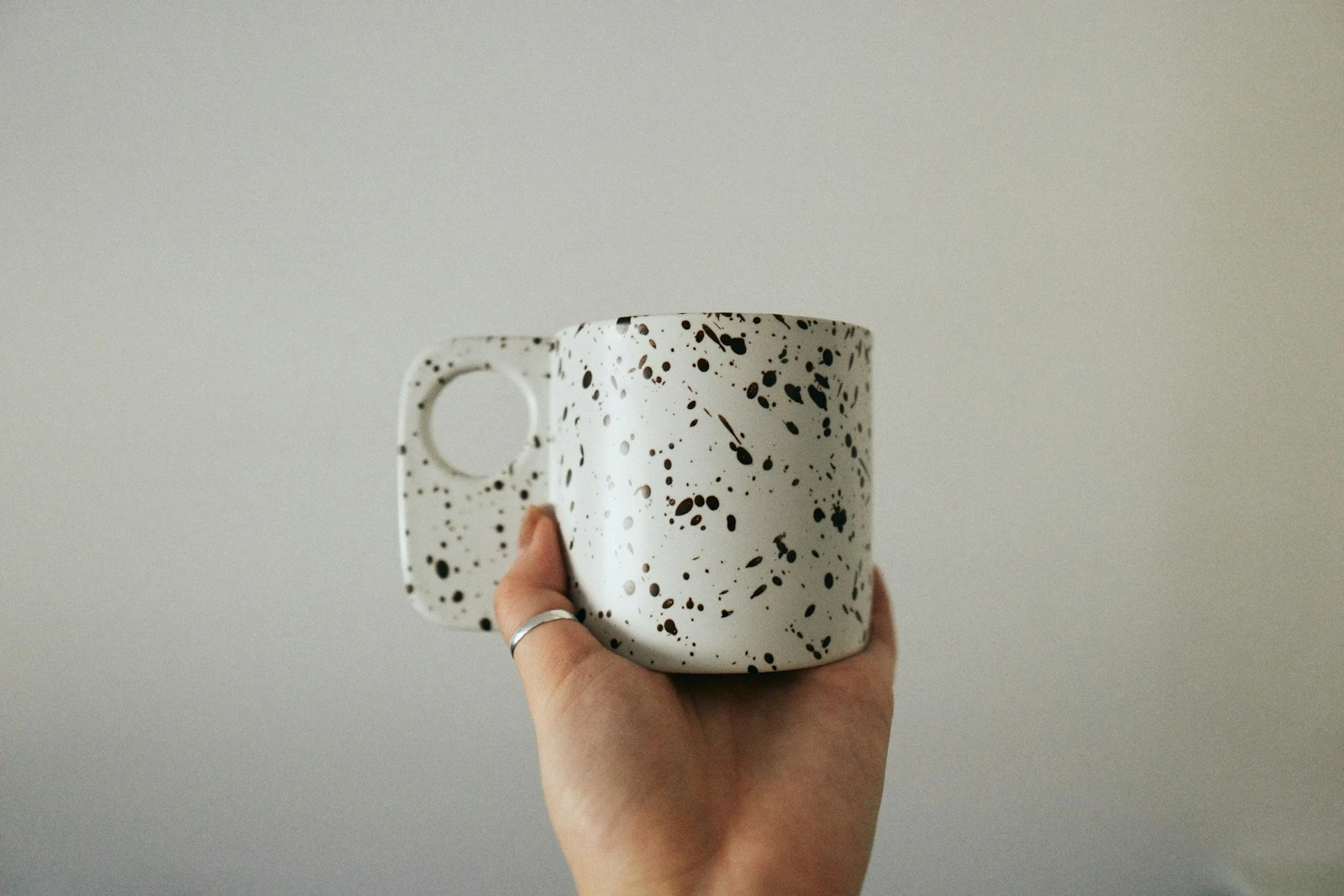
If you’re a ceramic artist dreaming of turning your passion into a thriving business, you&rsqu
Leave a Reply