

15 Handbuilt Pottery Ideas That Don’t Need a Wheel (Perfect for Beginners Ready to Sell)
Okay, so here’s what I discovered after spending way too many hours analyzing Etsy pottery shops.
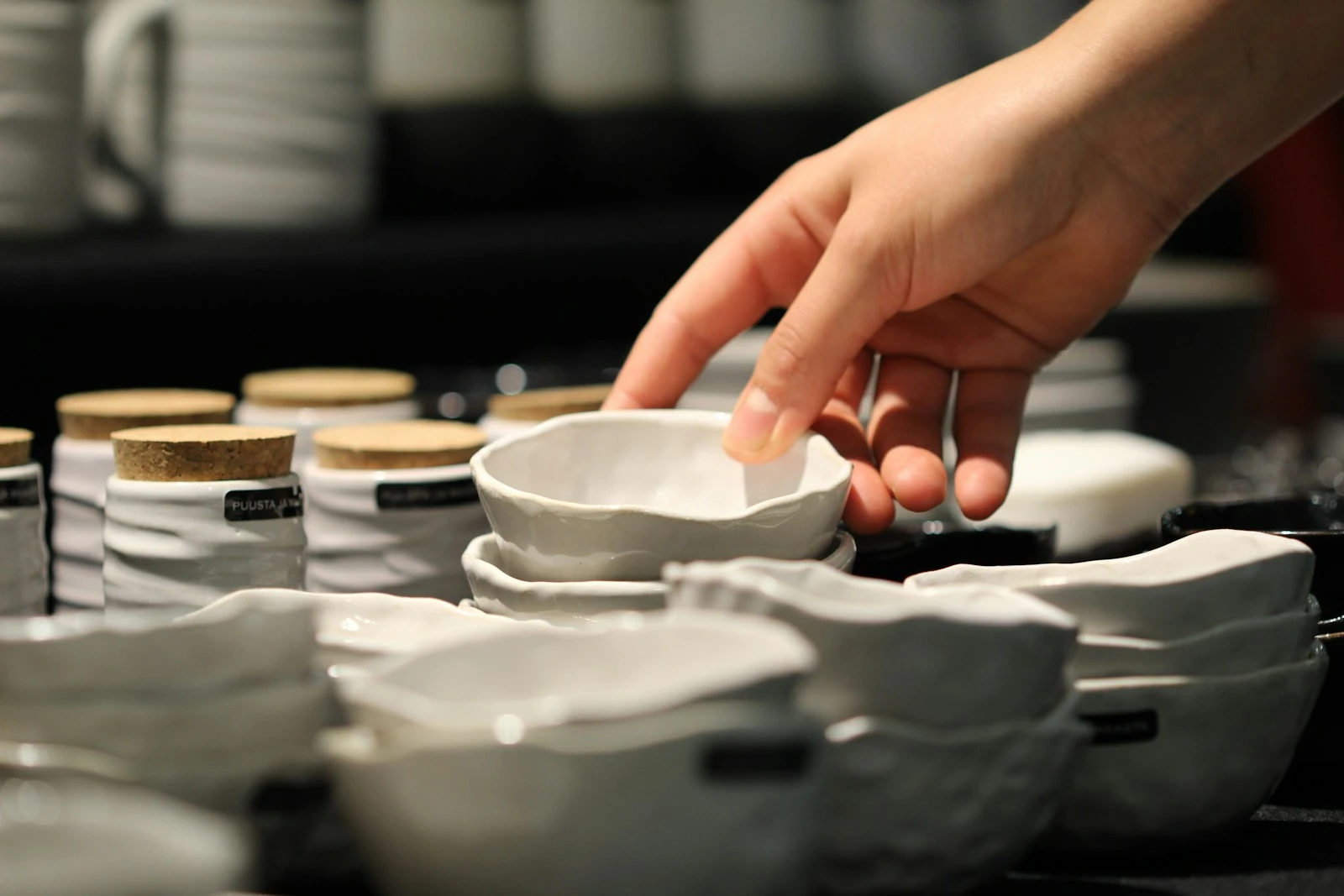
You don’t need a fancy pottery wheel to start a ceramics business. I know, I know—every pottery video on Instagram shows someone magically centering clay while it spins perfectly. But here’s the thing: some of the best-selling pottery on Etsy right now is completely handbuilt.
And honestly? That’s amazing news for women who want to start a creative business but don’t have thousands of dollars to invest in equipment or a dedicated studio space.
I dug deep into Etsy search data, analyzed what’s actually selling (not just getting likes), and talked to ceramic artists who are making real money from their craft. What I found surprised me. The pottery pieces flying off virtual shelves aren’t always the perfectly symmetrical bowls—they’re often the unique, handmade, slightly imperfect pieces that show the maker’s hands.
So if you’ve been thinking about turning your pottery hobby into income, or if you’re looking for a creative business idea that doesn’t require massive startup costs, keep reading. I’m sharing 15 handbuilt pottery ideas that real customers are actively buying right now.
Why Handbuilt Pottery Is Perfect for Starting a Business
Let me tell you why I’m so excited about handbuilding as a business model.
First, the startup costs are incredibly low. You can literally start on your kitchen table with less than $100 in supplies. Compare that to buying a pottery wheel ($300-$1000), kiln ($500-$3000), and setting up a proper studio space. Yeah, handbuilding wins.
Second, handbuilt pieces actually command premium prices online. According to my Etsy analysis, customers searching for “handmade pottery” specifically want to see the human touch. They’re not looking for factory-perfect symmetry—they want character, uniqueness, and that one-of-a-kind feeling.
Ceramic Arts Network has published multiple articles about how handbuilding techniques create pieces with more personality and artistic value. Buyers respond to that.
Third, you can work at your own pace. With wheel throwing, you kind of need to finish a piece in one sitting because the clay needs to stay centered. With handbuilding, you can work for thirty minutes, cover your project with plastic, and come back tomorrow. Perfect for those of us juggling businesses, kids, and life.
And finally—and this is huge—handbuilt pottery ideas give you product differentiation. On Etsy, standing out matters more than being perfect. When I analyzed top-selling shops, the ones with unique, recognizable styles were consistently outperforming shops with technically perfect but generic pieces.
What I Learned From Analyzing Etsy Pottery Sales
Before I share the specific handbuilt pottery ideas, let me tell you what my research revealed about what actually sells.
I spent weeks analyzing search volumes, bestseller badges, review counts, and pricing across hundreds of pottery shops. Here’s what jumped out:
Functional pieces sell better than purely decorative ones. People want pottery they can use. Mugs, planters, bowls, spoon rests—these items have consistent demand because buyers justify the purchase as practical.
Unique textures and organic shapes are trending hard. The clean minimalist pottery trend is still there, but textured, imperfect, natural-looking pieces are gaining serious traction. Customers are specifically searching for “organic pottery,” “textured ceramics,” and “rustic handmade pottery.”
Price matters less than you think. I found handbuilt mugs selling for $45-$65 regularly, and planters going for $80-$120. Customers shopping for handmade ceramics expect to pay premium prices. They’re not comparing your work to Target prices—they’re comparing it to other Etsy artists.
Smaller shops can absolutely compete. You don’t need 10,000 sales to make money. I found shops with under 500 sales making consistent income by focusing on a specific niche and developing a recognizable style.
This research completely changed how I think about pottery as a business model. It’s not about being the most technically skilled—it’s about creating pieces that connect with your ideal customer.
15 Handbuilt Pottery Ideas That Are Selling Right Now
1. Textured Coffee Mugs
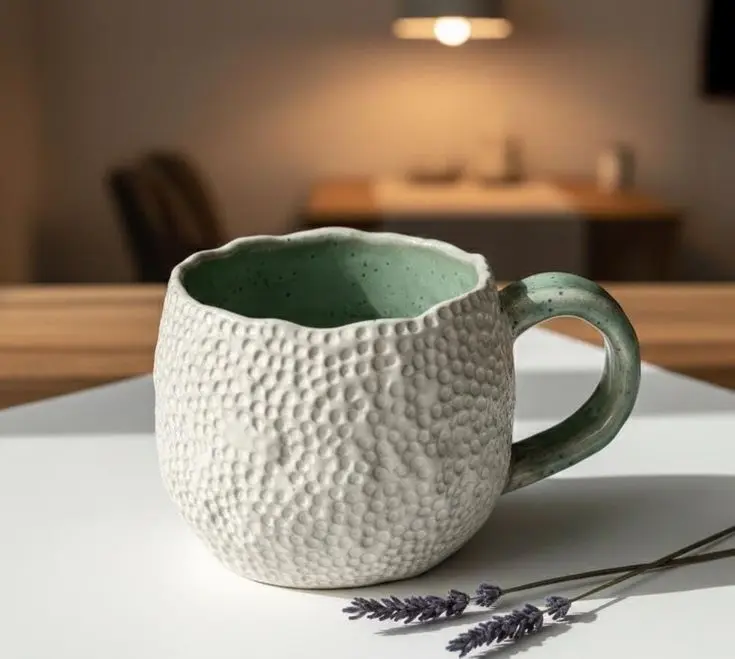
Listen, coffee mugs might seem basic, but they’re consistently one of the top-selling pottery items on Etsy. And handbuilt mugs with interesting textures? They’re gold.
Search “handmade coffee mug” on Etsy right now. You’ll see shops selling textured, hand-sculpted mugs for $45-$75 each, and they’re selling out.
The key is making them distinctive. Use coil-building to create visible texture. Press patterns into the clay. Make them chunky and organic-looking instead of trying to compete with wheel-thrown symmetry.
I analyzed one shop selling wavy, textured mugs for $58 each—they have over 2,000 sales just on mugs. That’s real business revenue, friends.
Pricing insight: Don’t underprice these. Customers buying handbuilt mugs expect to pay $40-$70. They’re not shopping for everyday mugs—they’re shopping for special pieces.
2. Small Planters for Succulents
This category is absolutely exploding. Succulent planters have consistent year-round demand, and handbuilt versions are particularly popular.
According to The Spruce Crafts, the houseplant market has grown exponentially, and pottery planters are riding that wave.
The best-selling handbuilt planters I found were:
- Small (3-5 inches), perfect for desks and windowsills
- Textured or with unique shapes
- Priced around $25-$45 each
- Often sold in sets of 2-3 for higher cart values
One successful approach I noticed: create a signature planter shape and offer it in multiple sizes and glazes. Customers love collecting sets, and you build efficiency by repeating the same form.
Business tip: Bundle planters with care instructions and suggest gifting occasions in your listings. These sell great as hostess gifts, teacher appreciation, and coworker presents.
3. Trinket Dishes and Ring Holders
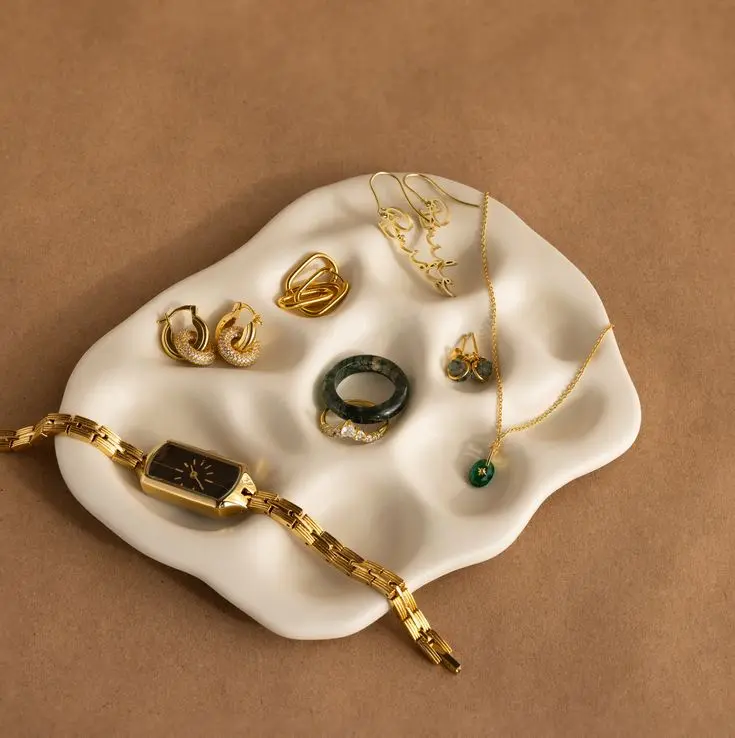
Okay, this is where handbuilt pottery ideas really shine for business purposes. Trinket dishes are:
- Quick to make (you can create several in one session)
- Low material cost
- Easy to ship
- Perfect impulse buy price point ($18-$35)
- Great for building review count fast
I found shops successfully selling themed trinket dish collections—moon phases, botanical pressed patterns, geometric designs. The key is creating a cohesive collection rather than one-off random pieces.
One artist I studied makes leaf-imprinted dishes and has sold over 5,000 units. She photographs them styled with jewelry, which helps customers visualize using them.
Marketing angle: Position these as “the perfect gift for her” and watch your sales during holidays and Mother’s Day.
4. Incense Holders
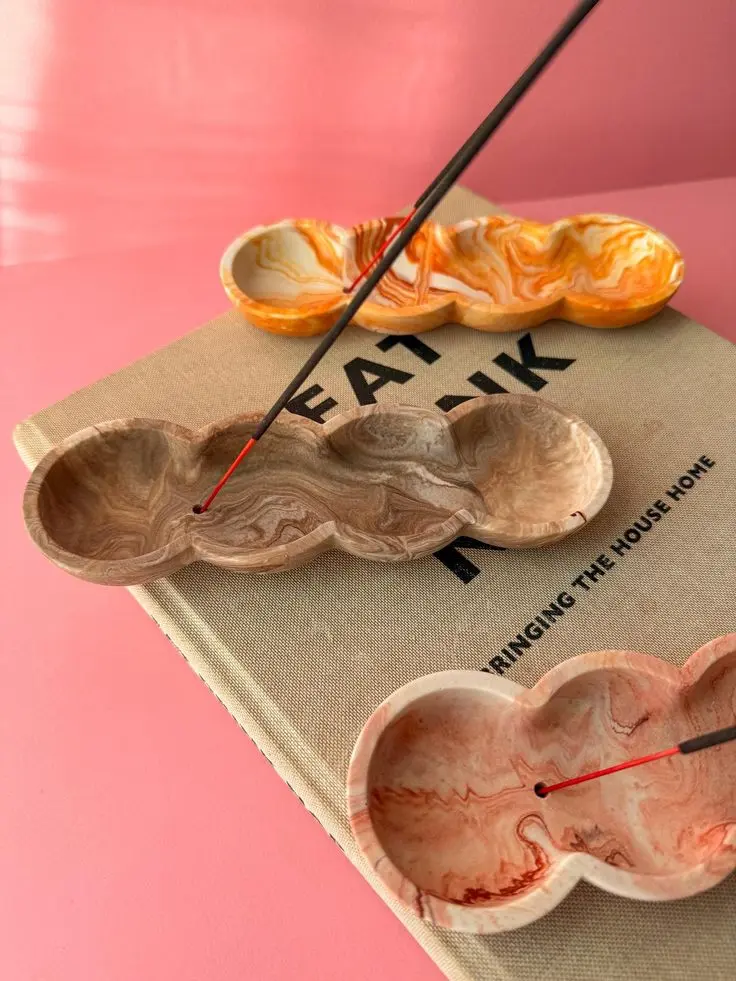
Here’s a product I almost overlooked, but the search data doesn’t lie. “Ceramic incense holder” gets searched thousands of times monthly on Etsy, and handbuilt versions are dominating sales.
The beauty of incense holders for business:
- Very low material cost per unit
- Simple to make once you dial in your process
- Lightweight shipping
- Sells across multiple demographics
- Average price $22-$38
Successful shops are making them in sets (stick + cone incense holders together) and offering multiple glaze options. The ones with organic, natural shapes and earthy glazes seem to perform best.
I noticed shops packaging these as “meditation sets” or “wellness gifts” are getting higher prices and better conversion rates.
Trend alert: Moon phase incense holders and crystal-shaped holders are particularly popular right now.
5. Spoon Rests
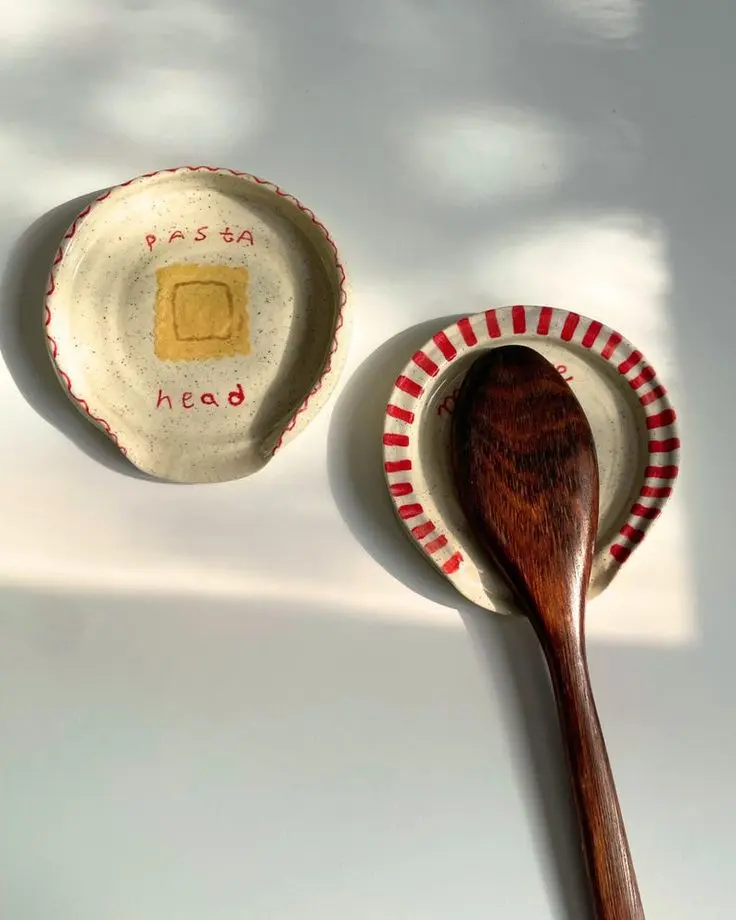
Before you skip this thinking spoon rests are boring, hear me out. I found multiple shops with 1,000+ sales on handbuilt spoon rests alone.
Why do they sell so well? Because they solve a specific problem (where to put your cooking spoon), they’re practical, and they add personality to kitchens. Plus, people buy them as housewarming gifts constantly.
The best-selling handbuilt spoon rests featured:
- Organic, irregular shapes (not perfectly round)
- Interesting textures or pressed patterns
- Neutral, earthy glazes
- Prices between $24-$42
One shop makes spoon rests that look like abstract leaves, and they’ve sold thousands. Another creates them with visible coil texture and coastal-inspired glazes.
Pro business move: Photograph these styled in real kitchens with cooking utensils. Lifestyle photos dramatically increase conversion rates.
6. Sculptural Vases
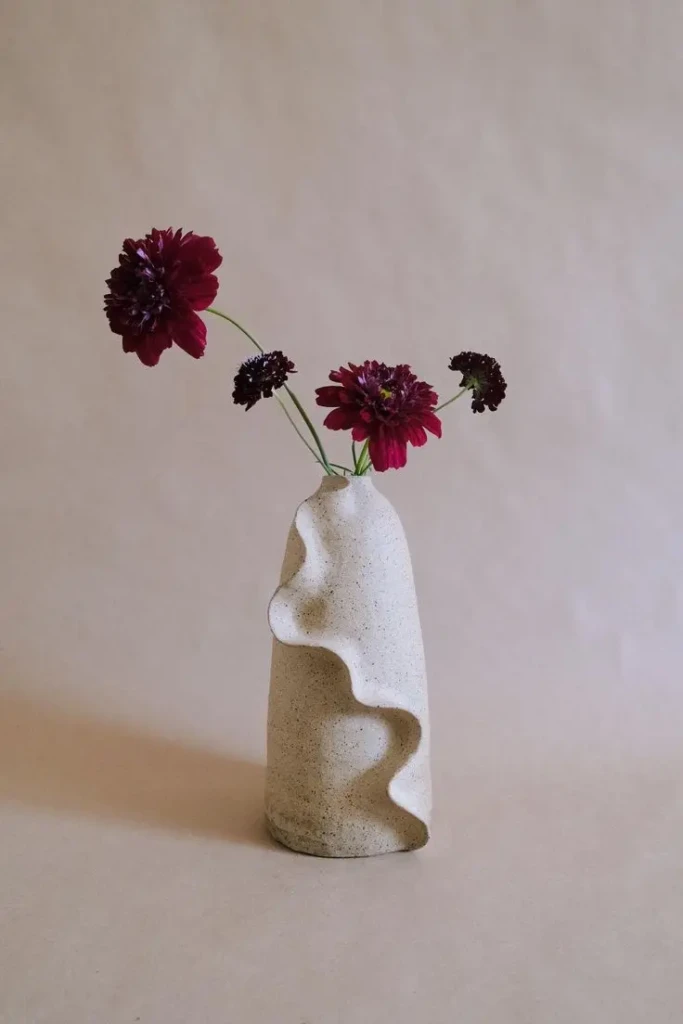
This is where you can really let your artistic side shine while building a profitable business. Sculptural vases—those with unusual shapes, interesting textures, or artistic forms—are commanding serious prices on Etsy.
I found handbuilt sculptural vases selling for $75-$200, and the shops with strong visual branding were selling multiple pieces weekly.
The market wants:
- Unique, statement-making shapes
- Pieces that work as art even without flowers
- Organic, imperfect, human-touched aesthetics
- Multiple size options
One artist creates chunky, faceted geometric vases and has built a six-figure business around her signature style. Another makes vases that look like abstract female forms—her waiting list is months long.
Positioning strategy: Call these “art pieces” or “statement vases” in your titles. You’re not competing with generic flower vases—you’re selling art that happens to hold flowers.
7. Wall-Hanging Planters
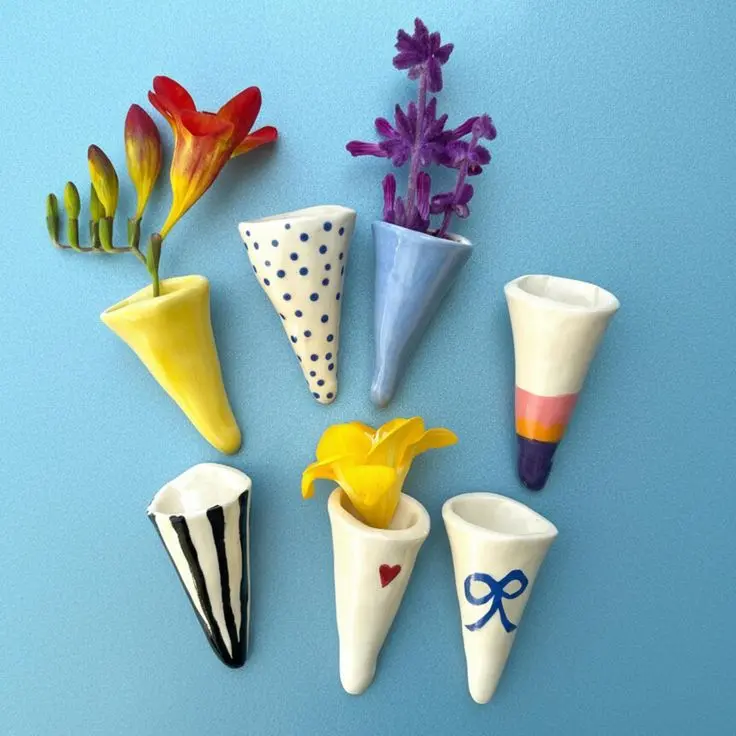
Wall planters combine two hot trends: houseplants and wall art. And handbuilt versions are perfect because they don’t need to be perfectly round.
Search “wall hanging planter” on Etsy—successful shops are selling these for $45-$85 each, and many are marked as bestsellers.
The winning features:
- Secure hanging mechanism (important for customer confidence)
- Drainage holes clearly noted in description
- Multiple sizes available
- Styled photos showing them on actual walls
I noticed shops selling these in sets of three (different sizes) for $120-$180 get higher cart values and fewer abandoned carts than single listings.
Customer concern to address: People worry about weight and installation. Include dimensions, weight, and suggested hanging hardware in every listing. This reduces returns and support questions.
8. Serving Platters
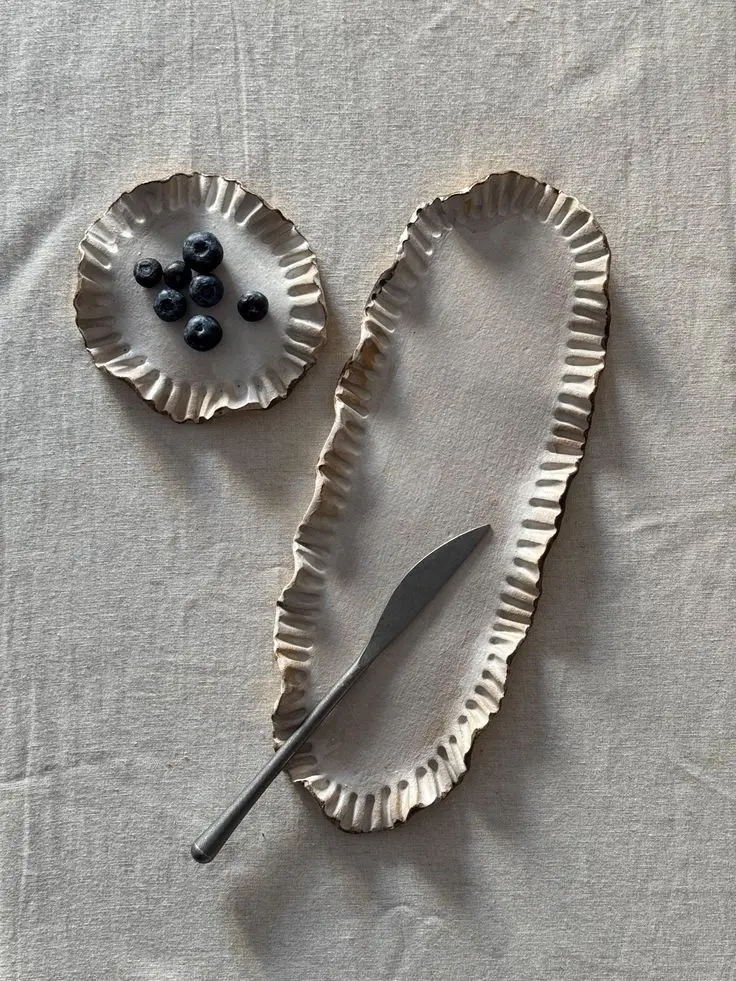
Handbuilt serving platters are having a moment, especially ones with organic shapes and visible handbuilding marks.
The charcuterie board trend has created massive demand for beautiful serving pieces, and ceramic platters fit perfectly into this market. I found shops selling handbuilt platters for $65-$150 with consistent sales.
What’s working:
- Oval or organic shapes (not perfect rectangles)
- Textured edges or surfaces
- Neutral, food-safe glazes
- Large enough to be functional (12+ inches)
One successful approach: create seasonal collections. Holiday serving platters, summer entertaining pieces, fall harvest themes. This gives customers reasons to keep coming back.
Pricing note: Don’t be scared of $80-$120 price points for large platters. Customers buying handmade serving ware expect premium pricing, especially if you emphasize they’re food-safe and perfect for entertaining.
9. Candle Holders
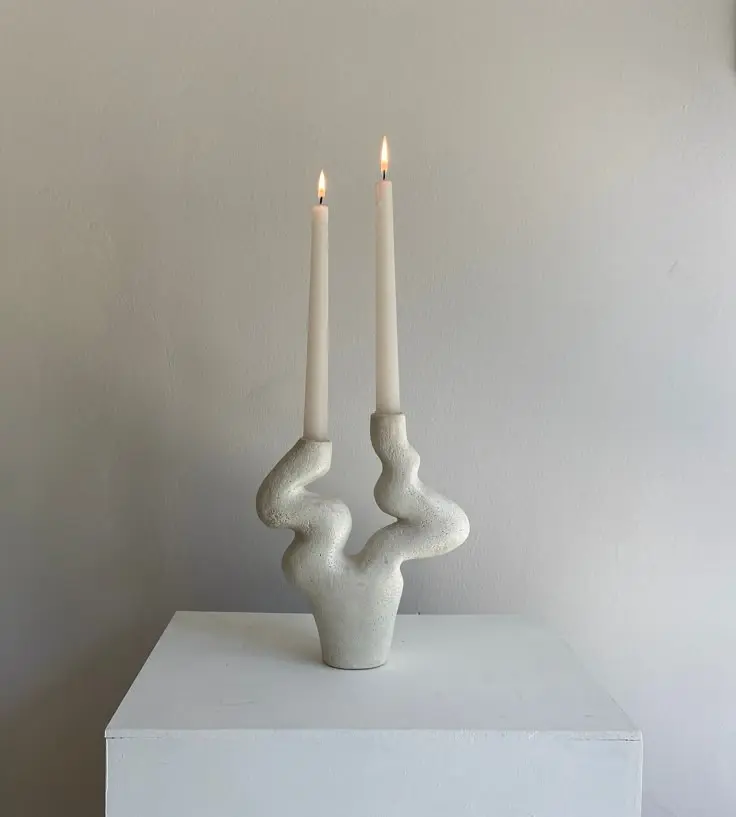
The candle market is huge, and unique candle holders are selling consistently. Handbuilt pottery ideas for candle holders include taper holders, tea light clusters, and sculptural multi-candle displays.
I analyzed this category extensively because the price points are attractive ($28-$65) and repeat purchase rate is high—people collect candle holders.
Top-selling styles:
- Minimalist modern shapes
- Organic, nature-inspired forms
- Sets of varying heights
- Unique glazes and textures
One shop makes abstract, sculptural taper holders and has over 3,000 sales. Another creates chunky tea light holders with moon phase designs—also crushing it with sales.
Safety disclosure: Always mention in your listings if they’re decorative only or safe for burning candles. This protects you legally and sets clear customer expectations.
10. Soap Dishes

Okay, I know soap dishes sound mundane, but stay with me. They’re practical, necessary in every bathroom, and handmade ceramic versions sell for $22-$38 consistently.
Why they’re great for business:
- Fast to make
- Low material cost
- Easy to ship
- Repeat purchase item (people buy them as gifts constantly)
- Search volume stays consistent year-round
The best-selling handbuilt soap dishes I found featured drainage (ridges or holes), organic shapes, and coastal or spa-inspired aesthetics.
One smart business move I noticed: shops selling matching bathroom sets (soap dish + toothbrush holder + small tray) for $75-$95. Higher cart value, and customers love coordinated sets.
Marketing angle: Target people renovating bathrooms, buying housewarming gifts, or creating spa-like bathroom vibes at home.
11. Yarn Bowls
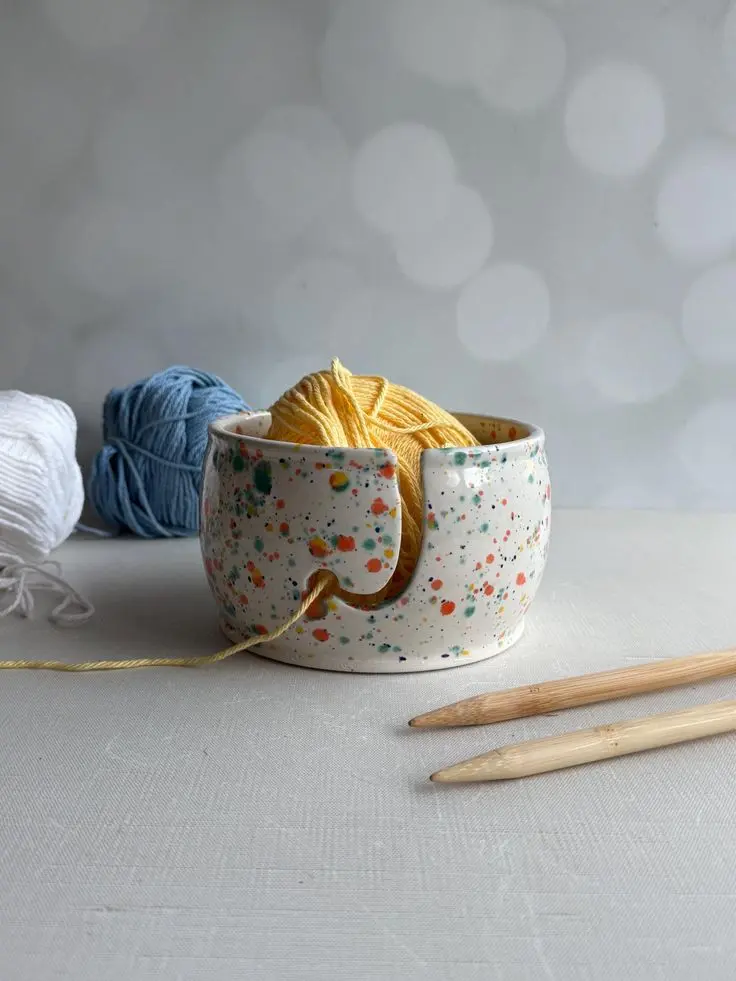
If you’re not familiar, yarn bowls are specialized bowls with a curved opening that keeps yarn from rolling away while you knit or crochet. And crafters will pay premium prices for beautiful, handmade versions.
I found handbuilt yarn bowls selling for $55-$95 with excellent sales numbers. The knitting and crochet community is passionate, loyal, and willing to invest in quality tools.
Key features buyers want:
- Large enough for standard yarn skeins
- Smooth yarn slot that won’t catch
- Weighted enough to stay stable
- Beautiful enough to display
One shop specializes in yarn bowls with botanical pressed patterns—she’s built her entire business around this niche and is thriving.
Niche opportunity: This is a perfect example of targeting a specific community. Market directly to knitters and crocheters through relevant hashtags, Facebook groups, and Etsy ads targeted to craft supplies.
12. Pet Food Bowls
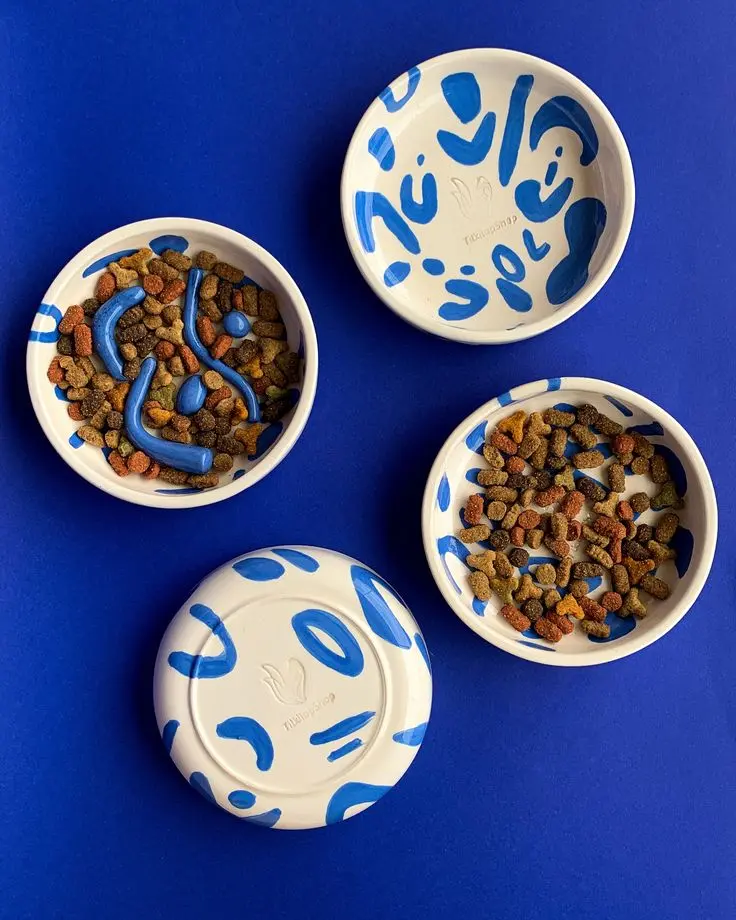
The pet market is massive, and pet owners love buying special items for their fur babies. Handmade ceramic pet bowls are selling for $35-$65 each.
What makes these successful:
- Heavy enough not to slide across floors
- Personalization options (pet names)
- Food-safe glazes clearly stated
- Multiple sizes for different pet breeds
- Dishwasher safe (mention this in listings)
I found shops offering elevated double bowls (two bowls on a handbuilt platform) for $85-$110, and they’re selling well to dog owners.
Business advantage: Pet owners are repeat customers. They buy for multiple pets, replace broken bowls, and purchase as gifts for other pet lovers. Once you capture a customer, lifetime value is high.
13. Napkin Rings
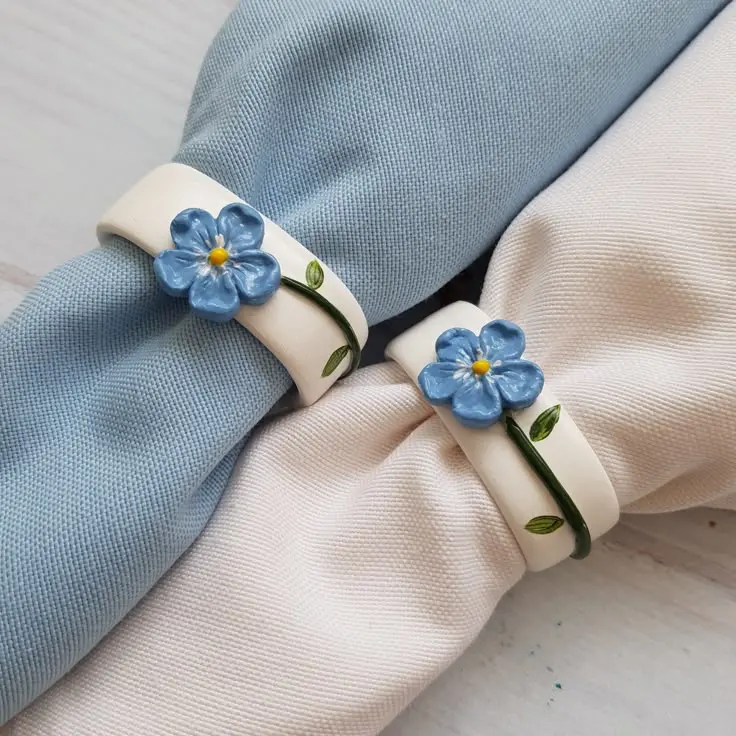
These might seem old-fashioned, but hear me out—people hosting dinner parties and holiday gatherings are buying handmade napkin rings like crazy, especially during Q4.
Handbuilt ceramic napkin rings sell for $8-$15 each, and successful shops sell them in sets of 4, 6, or 8 for $45-$95.
Why they work:
- Small, easy to make in batches
- Low shipping cost
- Perfect for holiday marketing
- Gift-giving item
- Photography is easy (styled tablescapes)
I noticed shops with seasonal collections (fall harvest themes, Christmas designs, spring florals) get sales spikes during relevant seasons.
Seasonal strategy: Make holiday-themed collections in advance. Start promoting Thanksgiving/Christmas napkin rings in September, Valentine’s designs in December. Timing matters with seasonal products.
14. Bud Vases
Single-stem bud vases are trending hard right now, and handbuilt versions with unique shapes are outselling traditional flower vases.
Small bud vases sell for $18-$35 each, and successful shops sell them in sets of 3-5 for $65-$95. Customers love displaying multiple vases together on shelves or windowsills.
What’s selling:
- Small, minimalist designs
- Organic, slightly imperfect shapes
- Sets with variety (different shapes, same glaze)
- Neutral, modern glazes
One artist makes tiny bud vases with faces sculpted into them—absolutely adorable and selling consistently. Another creates abstract geometric shapes that double as modern art objects.
Display strategy: Show these styled with real flowers in lifestyle settings. Help customers visualize them in their homes.
15. Jewelry Holders
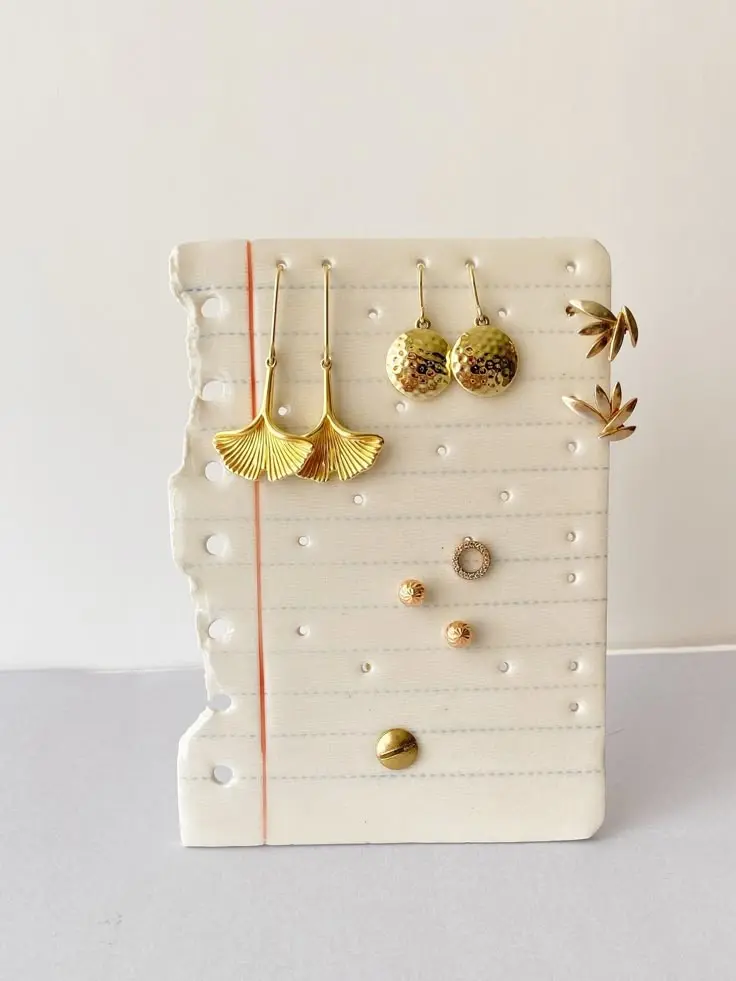
The last handbuilt pottery idea on this list is jewelry holders—wall-mounted or countertop pieces designed to organize and display jewelry.
I found successful shops selling handbuilt jewelry holders for $38-$75, with wall-mounted versions commanding higher prices.
Popular styles:
- Wall dishes with hooks for necklaces
- Ring cones or towers
- Earring holders with small holes
- Multi-functional organizers (rings + earrings + bracelets)
One shop makes hand-sculpted ring holders shaped like hands reaching up—super unique and she’s sold thousands. Another creates minimalist wall dishes with brass hooks attached.
Customer benefit: People buy these to solve organization problems and add beauty to their spaces. Emphasize both function and aesthetics in your marketing.
How to Actually Make Money With These Handbuilt Pottery Ideas
Okay, so now you have 15 solid product ideas backed by real market demand. But how do you actually turn this into income?
Here’s my honest advice after analyzing successful pottery businesses:
Start with one or two products. Don’t try to make everything at once. Pick two handbuilt pottery ideas from this list that excite you AND have strong market demand. Master those, then expand.
Develop a signature style. The shops making real money have recognizable aesthetics. Maybe it’s your glaze palette, maybe it’s texture, maybe it’s organic shapes. Whatever it is, make it consistent across your collection.
Price for profit, not hobby rates. Calculate your actual costs (materials, time, overhead, Etsy fees) and price accordingly. Successful pottery shops charge $40-$70 for mugs, not $25. Your work has value.
Invest in photography. This matters more than perfect technique. Customers buy with their eyes. Take bright, clear photos in natural light, show scale with props, and include lifestyle shots showing items in use.
Write SEO-optimized listings. Use keywords customers actually search. “Handmade ceramic coffee mug” performs better than “artisan wheel-thrown vessel.” Describe materials, dimensions, care instructions, and what makes your piece special.
Batch your production. Make 5-10 mugs at once, not one at a time. This dramatically improves efficiency and profitability. Set up production days where you focus on one product start to finish.
Build an email list from day one. Capture customer emails through Etsy and eventually drive traffic to your own website. Email marketing has the best ROI for small creative businesses, according to every business resource I’ve studied.
Real Talk: The Challenges You’ll Face
I wouldn’t be giving you good advice if I didn’t mention the hard parts.
Firing is the biggest hurdle. If you’re serious about this business, you’ll need access to a kiln. Options include: buying a small kiln ($500-$1500), renting kiln space at a pottery studio ($25-$50 per firing), or finding a kiln-sharing cooperative in your area.
Air-dry clay works for starting, but it’s not food-safe, not waterproof, and honestly, customers prefer real fired ceramics. For a sustainable business, you need kiln access.
Production time is real. Handbuilding takes time. You can’t rush clay. Between creating, drying, firing, glazing, and firing again, a single piece takes days or weeks. Factor this into your pricing and be realistic about how many pieces you can produce.
Etsy fees add up. Between listing fees, transaction fees, payment processing, and Etsy ads (if you use them), plan on 15-20% of your revenue going to fees. This is just the cost of accessing their marketplace and customer base.
Shipping pottery is stressful. Invest in proper packing materials. Use bubble wrap, packing peanuts, and sturdy boxes. A $60 mug that arrives broken is a $60 refund plus destroyed customer trust. Package like your livelihood depends on it (because it does).
Resources for Learning Handbuilding Techniques
If you’re ready to actually do this, here are the resources that helped me most:
Pottery Making Info has incredible free tutorials on handbuilding techniques. Their step-by-step guides are perfect for beginners.
YouTube is honestly your best friend. Search for specific techniques like “handbuilding coffee mug tutorial” or “slab building planter” and you’ll find hundreds of free videos.
Local pottery studios often offer handbuilding classes for $30-$60. Taking even one class in person will accelerate your learning more than watching 100 videos. There’s something about hands-on instruction that just clicks.
Udemy and Skillshare have affordable online pottery courses. I took a $20 Udemy course on handbuilding that covered everything from basic pinch pots to complex sculptural techniques.
Join pottery communities online. Facebook groups, Reddit’s r/Pottery, and pottery forums are full of artists willing to answer questions and share advice.
Your First Steps Toward a Pottery Business
Listen, I’m not going to tell you this is easy. Starting any business requires work, patience, and dealing with uncertainty.
But if you’re a woman looking for a creative way to earn income, if you want something you can build around your life and schedule, if you love working with your hands and creating beautiful objects—pottery might be your thing.
You don’t need to quit your job tomorrow. Start small. Make pieces on weekends. Sell to friends and family. Open an Etsy shop with five listings. See what happens.
The beauty of handbuilt pottery ideas is they scale with you. Start at your kitchen table making trinket dishes. In a year, maybe you’re renting kiln space and selling 20 mugs a month. In two years, maybe you have your own studio and a waiting list of customers.
Or maybe it stays a side hustle that brings in $500-$1000 a month—and that’s perfectly fine too. Extra income that comes from doing something you love? That’s success.
I’ve spent months researching this market, analyzing what sells, and figuring out the most realistic path forward for women wanting to start pottery businesses without massive investment. These 15 handbuilt pottery ideas aren’t random—they’re based on actual market demand and sales data.
Now it’s up to you to create something beautiful and put it out into the world.
Start with your hands, some clay, and one of these ideas. See where it takes you.
Only a few solo business models consistently generate $5,000 monthly—discover which 26 proven idea

Keen readers can transform their literary passion into lucrative ventures through these innovative b

Hey there, future entrepreneur! 👋 Let me guess – you’re sitting in
Leave a Reply