

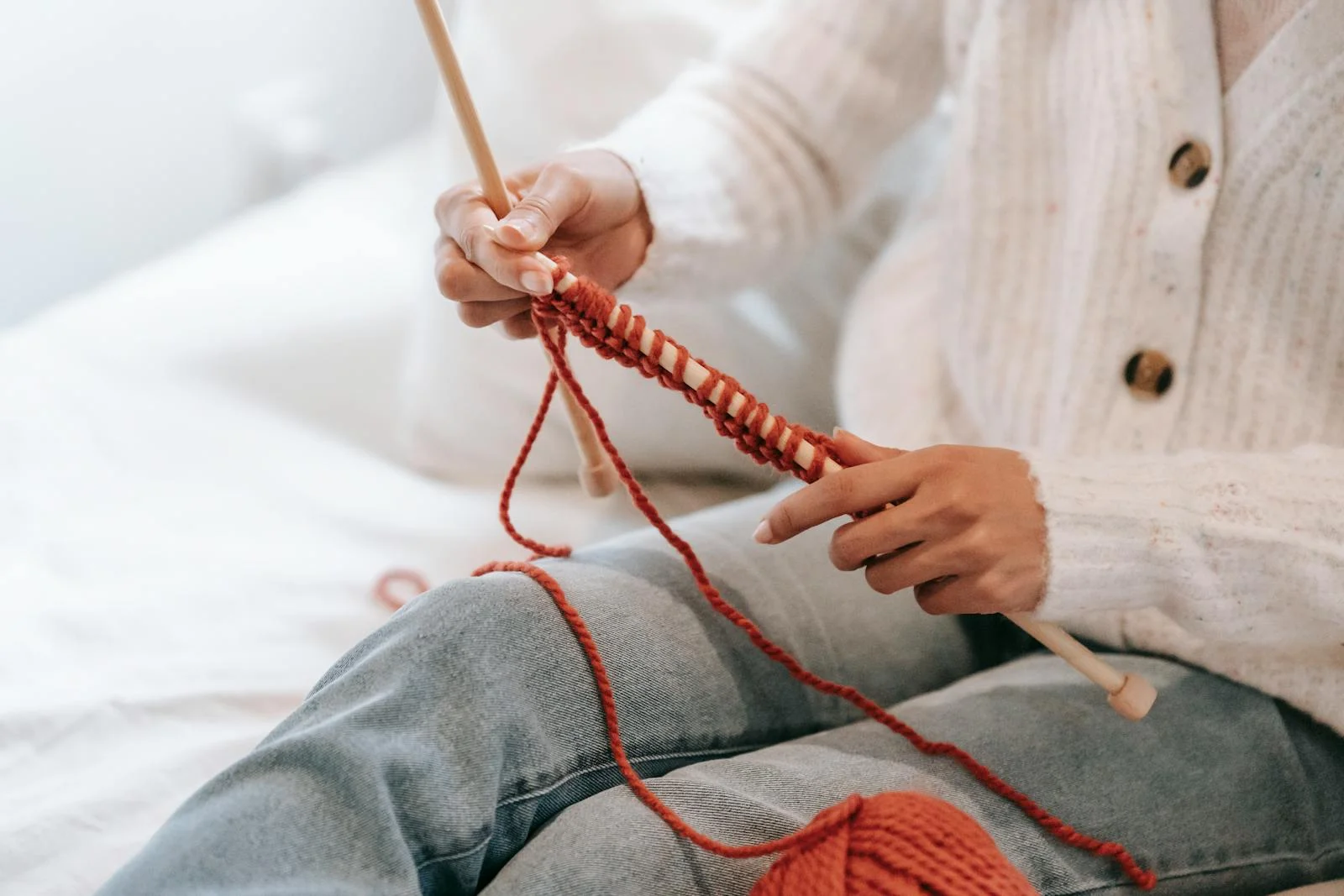
Image Credits
All photos used in this article are for educational and inspirational purposes. If you’re the creator of any image featured here and would like it removed, please contact me at hello.redcheeksgirl@gmail.com and I’ll take it down immediately. I always want to respect artists’ wishes!
Have you ever finished knitting something and had friends say, “Where did you get that pattern?” That right there? That’s your lightbulb moment.
You don’t need to be a famous designer with thousands of followers to make real money selling knitting patterns. In fact, some of the most profitable pattern designers started exactly where you are right now—with a simple idea and the ability to write down what they did.
Here’s what most knitters don’t realize: every time you figure out how to knit something, you’ve created something valuable. And the beauty of selling patterns? You write it once, and it can earn money for years. That’s the magic of digital products.
Let me show you which patterns are selling right now and how you can start creating your own.

Why Knitting Patterns Are the Perfect Side Hustle
Before we dive into specific patterns, let’s talk about why this is such a brilliant business model.
When you sell finished knitted items, you trade time for money. Make a hat, sell a hat, make another hat. But when you sell patterns? You create it once, and it sells over and over again while you sleep, while you’re at your day job, while you’re knitting something else.
The math that changed my perspective:
- Knit and sell a hat: $35 for 4 hours of work
- Sell a hat pattern for $6.50: After selling just 6 copies, you’ve made $39… and it keeps selling
One pattern designer I know has a simple baby blanket pattern from 2019 that still brings in $200-400 every single month. She wrote it once, four years ago.
That’s the power of what you’re about to learn.
What Makes a Knitting Pattern Actually Sell?
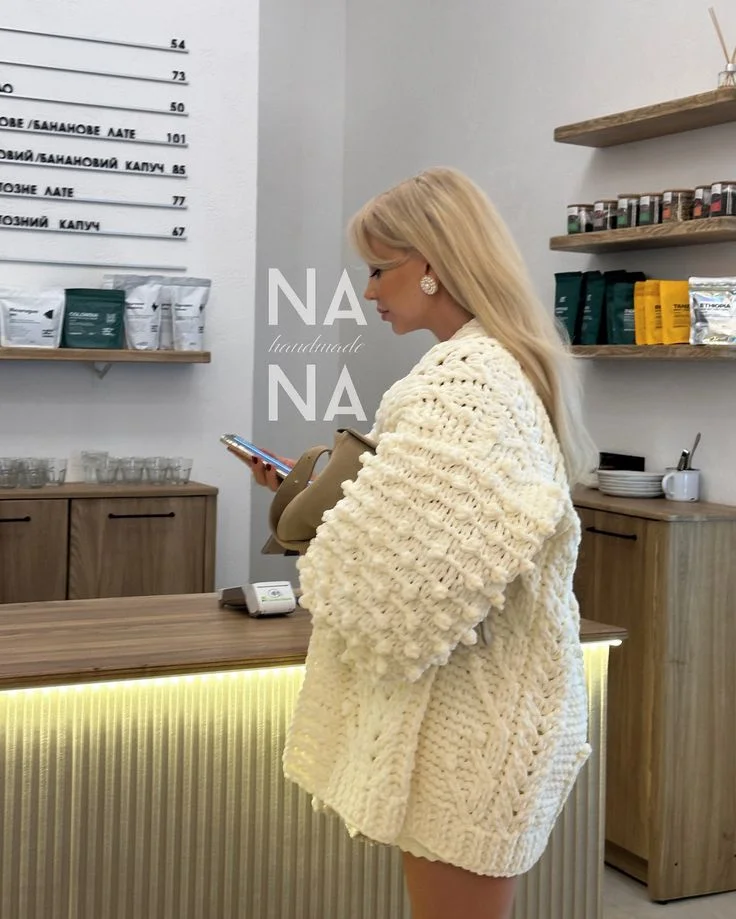
Not all patterns sell equally. Some sit there gathering digital dust while others fly off the virtual shelves. Here’s what the best-sellers have in common:
The Big Three:
- Solves a specific problem (beginner-friendly, uses one skein, works up fast)
- Fills a gap (hard to find elsewhere or offers something unique)
- Looks amazing in photos (people buy with their eyes first)
The patterns I’m sharing below check these boxes. They’re proven sellers that real designers are making real money from right now.
The 19 Patterns That Are Making Money Right Now
1. One-Skein Wonder Patterns
These are pure gold. Knitters love them because there’s no leftover yarn guilt and no complicated calculations.
Why it sells: Knitters can see exactly what they’re getting into—one skein, one project, done. It removes the “do I have enough yarn?” anxiety.
Best projects: Cowls, baby hats, washcloths, small shawls
What to charge: $4.50-$7.00
Time to create the pattern: 6-10 hours (including making the sample, writing, tech editing, and photos)
2. Beginner-Friendly Baby Blanket Patterns
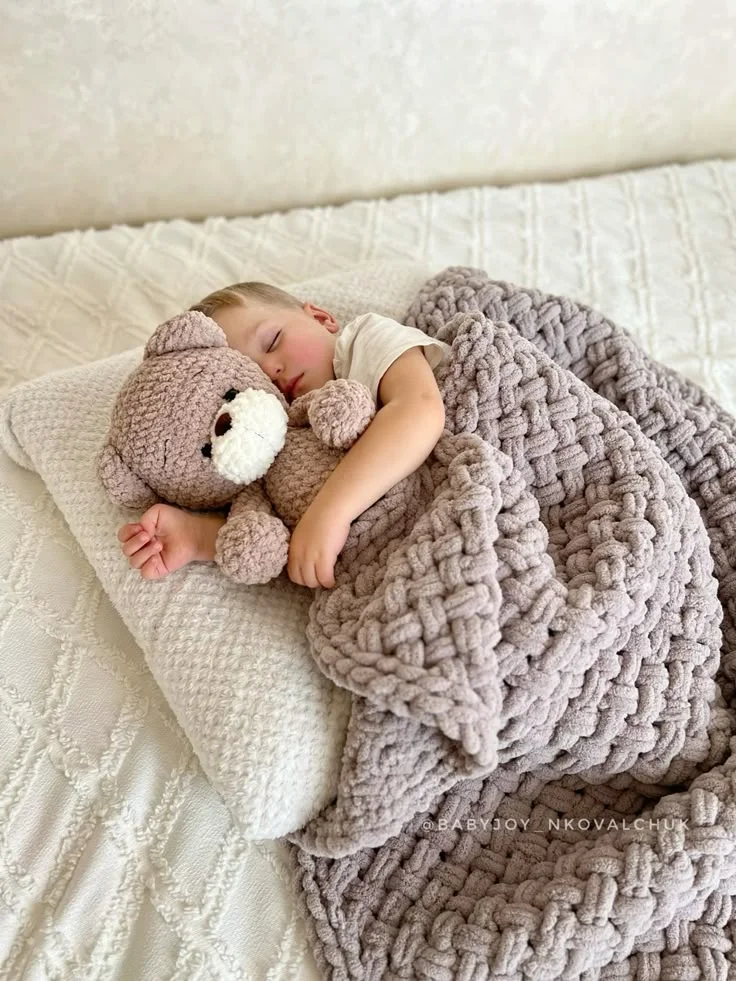
Everyone wants to knit something special for a new baby, but they’re often intimidated. A simple, beautiful baby blanket pattern that clearly says “beginner-friendly” will sell consistently.
Why it sells: Babies are always being born, and knitters always need gift ideas. Plus, beginner knitters search for these constantly.
Special feature: Include multiple size options (receiving blanket, crib size, toddler size)
What to charge: $6.50-$9.00
Pro tip: If you can design one with an interesting texture using just knits and purls, you’ve got a winner.
3. Top-Down Raglan Sweater Patterns

This construction method is hugely popular because it’s customizable and there’s no seaming. Patterns teaching this technique sell well.
Why it sells: Once knitters learn this method, they want patterns that use it. They’re searching specifically for “top-down raglan.”
Size range matters: Offer at least 5-7 sizes for adult patterns
What to charge: $7.50-$12.00 (sweaters command higher prices)
4. Chunky Knit Hat Patterns (2-3 Hours to Complete)
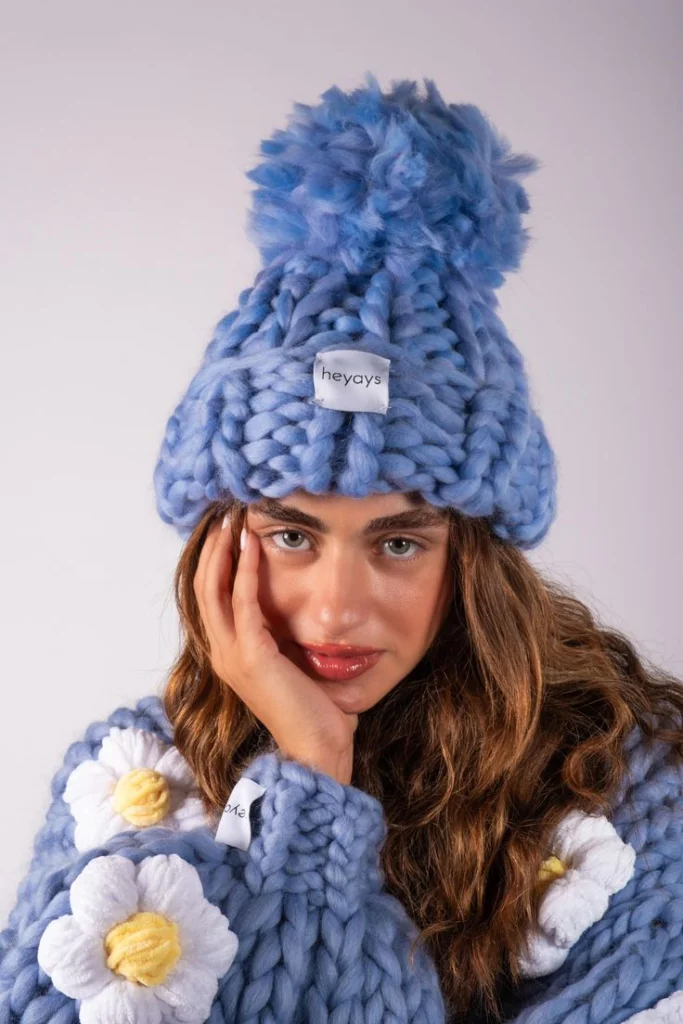
Fast projects are incredibly appealing. When your pattern title promises “knit in an evening,” people click.
Why it sells: Instant gratification for knitters, and they can make multiple as gifts
Include in your pattern: Multiple sizes and styling options (slouchy vs. fitted, with or without pompom)
What to charge: $5.50-$7.50
Marketing angle: Emphasize the speed—”Fast Knit,” “Weekend Project,” “Last-Minute Gift”
5. Modular/Geometric Blanket Patterns


These patterns that break a big project into small, manageable squares or hexagons are incredibly popular.
Why it sells: Less overwhelming than knitting one huge piece, and knitters can customize colors easily
Bonus appeal: Great for using up stash yarn
What to charge: $7.00-$10.00
Your edge: Clear assembly instructions with lots of photos
6. Sock Patterns with Unique Construction

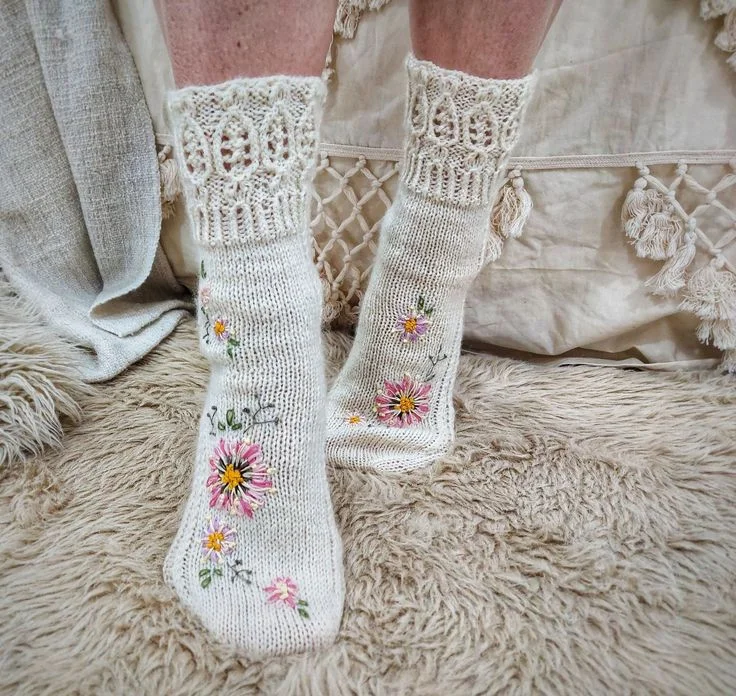
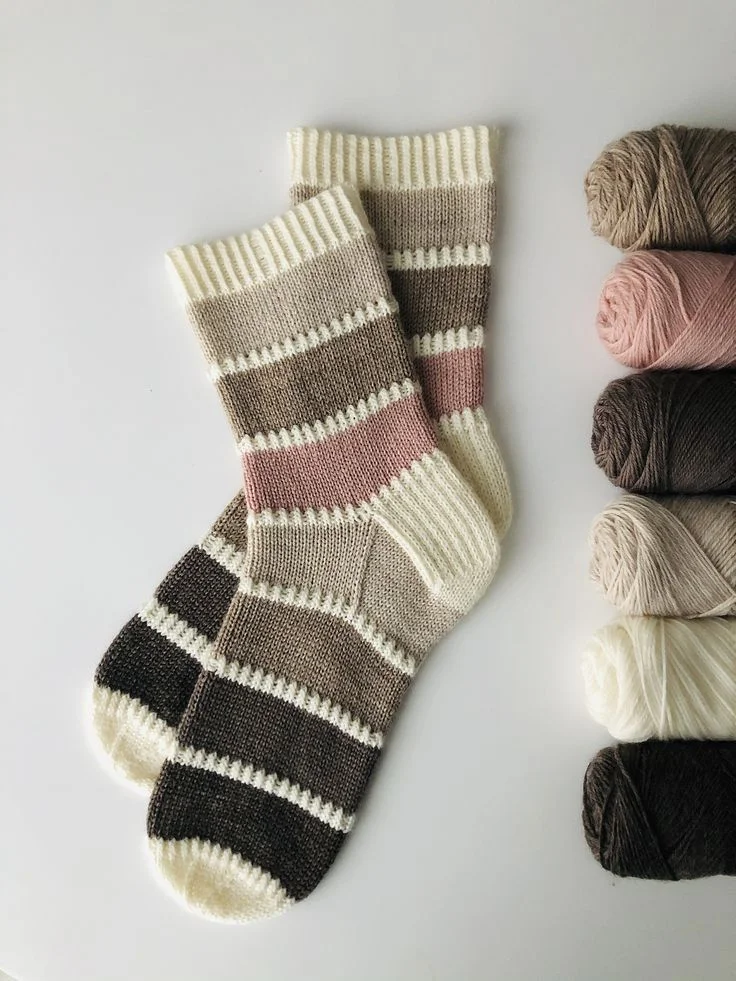
Yes, there are a million sock patterns out there. But if yours teaches a new technique or has an interesting design element, it’ll stand out.
Why it sells: Sock knitters are passionate and always want to try something new
What makes yours different: Toe-up vs. top-down, afterthought heel, interesting cables or colorwork
What to charge: $6.00-$8.00
Include: Multiple sizes and clear instructions for adjustments
The Money Breakdown: What Can You Really Earn?
Let me show you some realistic numbers, because I believe in being totally transparent about this.
| Pattern Type | Time to Create | Selling Price | Sales in First Month* | First Month Revenue | Ongoing Monthly** |
|---|---|---|---|---|---|
| Simple hat | 8 hours | $6.00 | 15-25 | $90-$150 | $30-$60 |
| One-skein cowl | 6 hours | $5.50 | 20-35 | $110-$193 | $40-$70 |
| Baby blanket | 12 hours | $7.50 | 25-40 | $188-$300 | $75-$150 |
| Sock pattern | 15 hours | $7.00 | 30-50 | $210-$350 | $60-$120 |
| Sweater pattern | 25 hours | $10.00 | 20-35 | $200-$350 | $100-$200 |
| Modular blanket | 18 hours | $8.50 | 15-30 | $128-$255 | $70-$130 |
*With basic marketing on Ravelry and social media
**Average monthly sales after initial launch (months 2-12)
Real talk: These numbers assume you’re doing basic promotion and have decent photos. Your first pattern might sell less. Your tenth pattern might sell way more because you’ve built an audience.
7. Dishcloth/Washcloth Pattern Sets
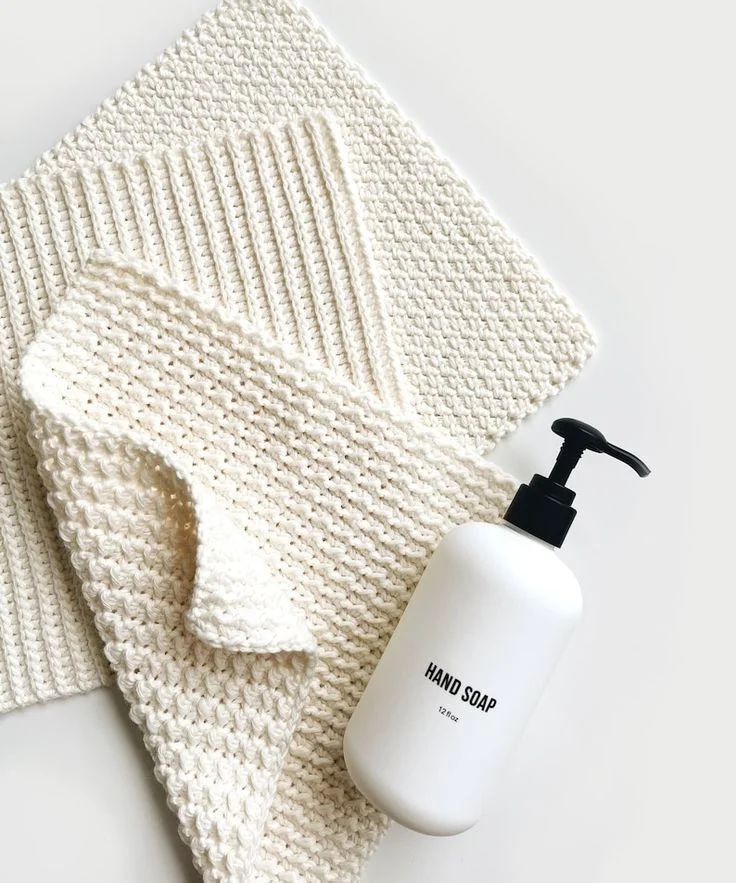
Don’t underestimate the humble dishcloth! Patterns that offer sets of 3-5 designs with a theme sell really well.
Why it sells: Beginner-friendly, quick to knit, people actually use them, and great for gifts
Theme ideas: Seasonal sets, kitchen herb theme, geometric collection
What to charge: $5.00-$7.00 for a set of 3-5 patterns
Bonus: These are perfect starter patterns if you’ve never written one before
8. Seamless Yoke Sweater Patterns
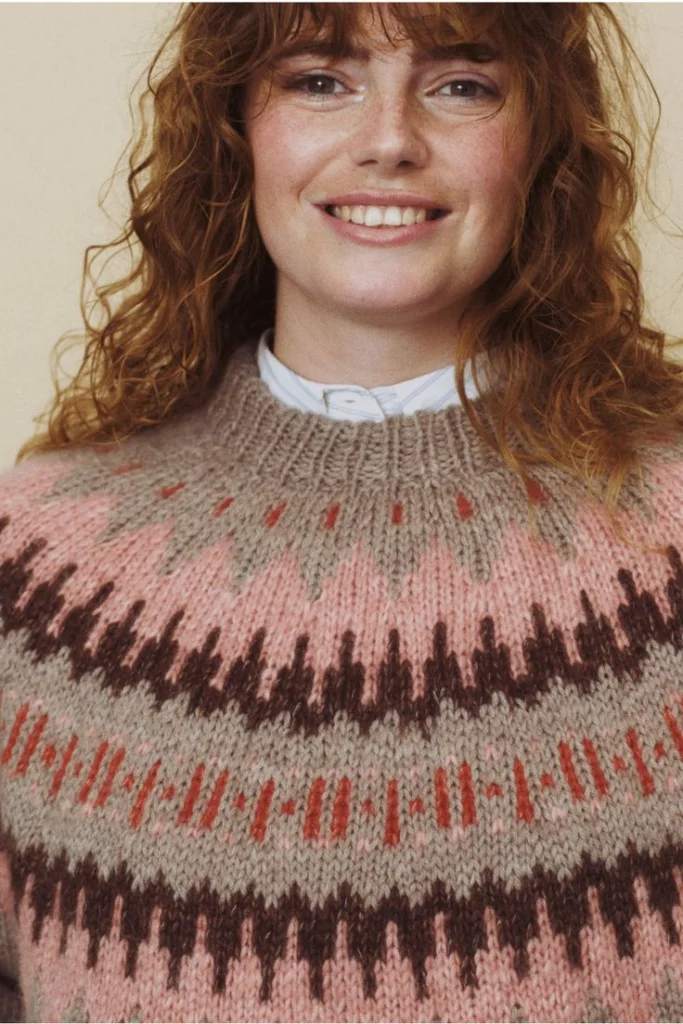

Similar to raglan construction, seamless yokes are beloved by knitters who hate seaming (which is most of us).
Why it sells: Beautiful, customizable, and no sewing—what’s not to love?
Make it special: Unique colorwork or texture patterns in the yoke
What to charge: $9.00-$13.00
Size inclusivity: Offer sizes from XS to 5XL if possible—this dramatically increases your market
9. Market Bag/Tote Patterns

With sustainability trending, reusable bag patterns are having a moment. They’re practical and make great gifts.
Why it sells: Eco-conscious knitters love them, plus they’re unisex patterns
Variations to include: Different sizes, optional inner lining instructions, handle variations
What to charge: $6.00-$8.00
10. Scarf Patterns with Interesting Stitch Patterns

Yes, scarves are basic. But a scarf that teaches an interesting lace or cable pattern while remaining accessible? That’s valuable.
Why it sells: Perfect “step-up” project for advancing beginners
The sweet spot: Looks complex but uses only 1-2 techniques
What to charge: $5.50-$7.50
Pattern bonus: Include both written and charted instructions
11. Fingerless Mitts/Gloves Patterns

These are consistently popular year-round, not just in winter. They’re quick knits that make great gifts.
Why it sells: Faster than full gloves, practical for modern life (phone use!), and fun to embellish
Include: Multiple sizes, both mitt and glove options if possible
What to charge: $5.50-$7.00
Here’s What You Actually Need to Start
You’re probably thinking, “This sounds great, but I’m not a pattern designer!”
Here’s the secret: if you can knit something and write down what you did, you’re already 80% there.
Your pattern-writing toolkit:
- Something you’ve successfully knitted (your sample)
- A way to take notes (phone app, notebook, whatever works)
- Basic word processing software (Google Docs is free and perfect)
- A camera (your phone is fine!)
- Patience for testing and editing
You don’t need:
- Special software (though it helps later)
- Professional photography (good lighting + phone = great start)
- A tech editor for your first pattern (though I recommend it by pattern #3-5)
- Fancy formatting (clear and readable beats fancy)
12. Simple Shawl Patterns

Shawls are the bread and butter of many pattern designers. They’re versatile, work for all skill levels, and knitters collect them like some people collect shoes.
Why it sells: Shawls suit many occasions, use different yarn weights, and there’s always room for one more
Construction types that sell: Top-down triangles, sideways crescents, modular
What to charge: $6.00-$9.00
Success factor: Beautiful photos showing it styled multiple ways
13. Stuffed Toy/Amigurumi Patterns
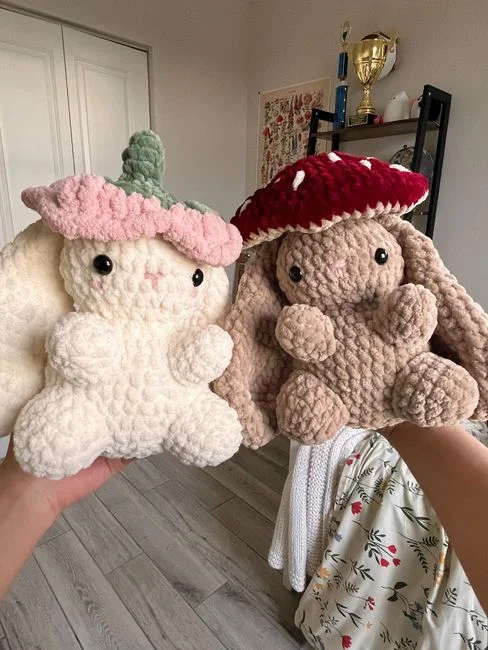
While traditionally a crochet thing, knitted stuffies are gaining ground. Simple animals or characters sell well.
Why it sells: Gift-worthy, fun to make, and appeals to knitters wanting something different
Keep it simple: Basic shapes, minimal seaming, clear assembly instructions
What to charge: $5.00-$8.00
Tip: Include embroidery details instead of small knitted pieces—easier to make and safer for young children
14. Cowl Patterns with Buttons or Closures
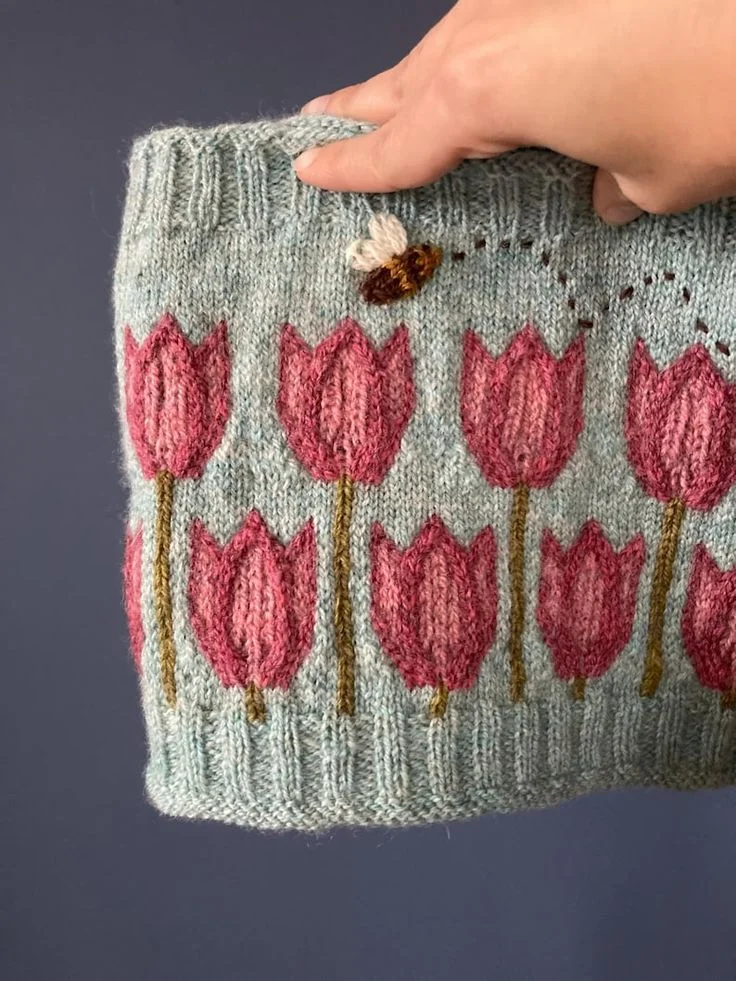
Regular tube cowls are everywhere. But cowls with interesting closures or convertible features? Those stand out.
Why it sells: Functional, stylish, and the closure detail makes it feel more “designed”
Special features: Can be worn multiple ways, adjustable sizing
What to charge: $6.00-$8.00
15. Holiday/Seasonal Ornament Sets
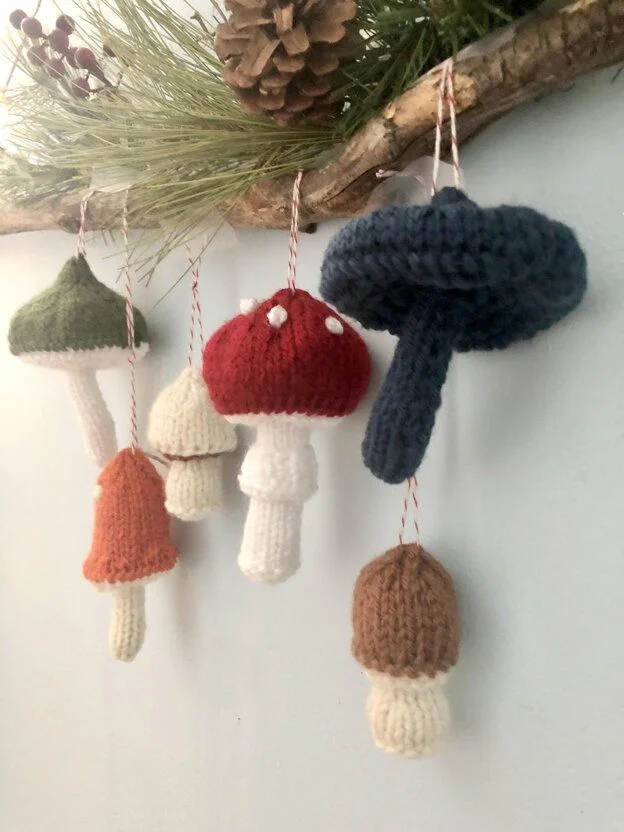
These are fantastic because they’re small (quick to knit and test), cute, and have built-in seasonal demand.
Why it sells: Gift knitting, holiday décor, and the collectible nature (people want the whole set)
Timing matters: Release in September-October for Christmas items
What to charge: $5.00-$7.00 for a set of 4-6 ornaments
Marketing gold: These go viral on Pinterest if your photos are good
16. Infinity Scarf/Circle Scarf Patterns
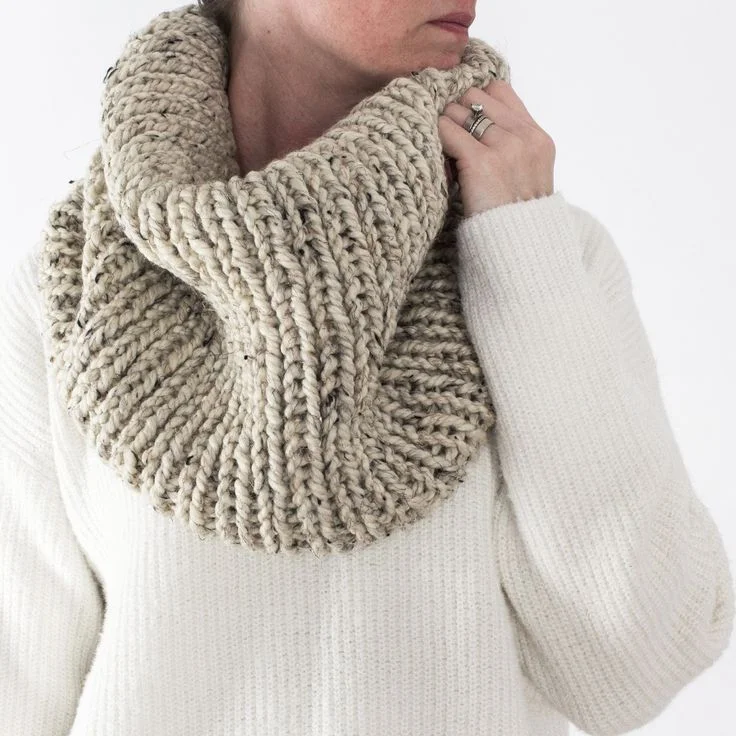
These never seem to go out of style. They’re straightforward but endlessly customizable with different stitches and yarns.
Why it sells: Beginner-to-intermediate friendly, unisex, gift-worthy
Make yours different: Interesting stitch pattern, color-blocking options, or unique construction
What to charge: $5.50-$7.00
17. Pet Sweater Patterns

The pet market is HUGE. Small dog sweater patterns especially sell really well.
Why it sells: Pet parents love spoiling their animals and will buy multiple patterns
Size chart crucial: Include measurements for different breeds/sizes
What to charge: $6.00-$8.50
Insider tip: Include adjustability notes—every dog is shaped differently!
18. Headband/Ear Warmer Patterns
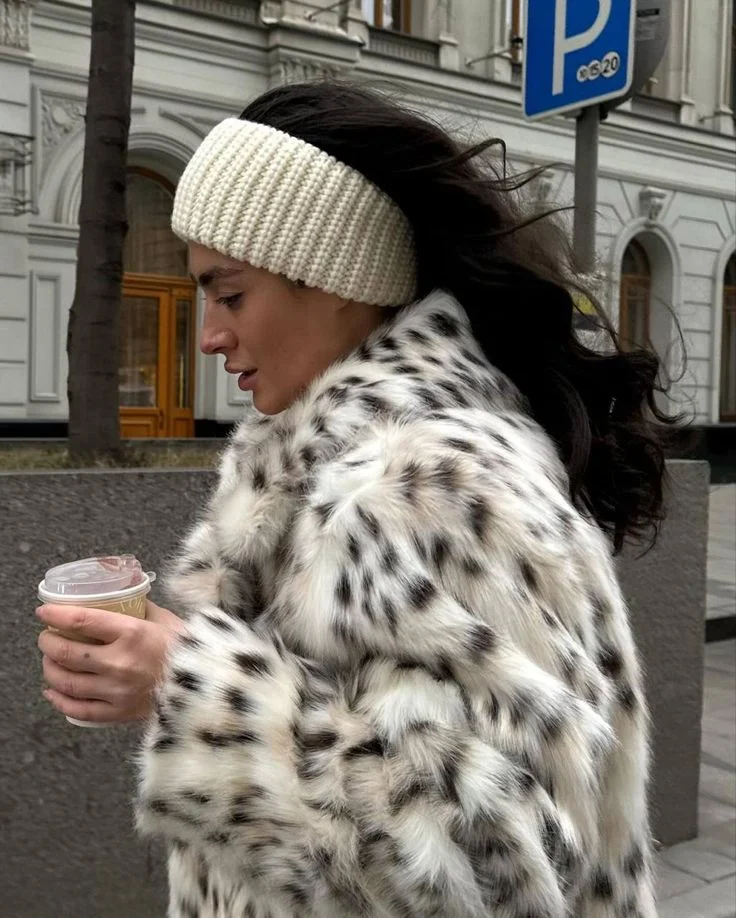
Quick projects that don’t require as much sizing precision as hats. These are perfect for beginners who want instant results.
Why it sells: Fast knits, great for using up yarn, trendy accessory
Variations: With buttons, braided, twisted, with flowers or embellishments
What to charge: $4.50-$6.00
19. Blanket Square Collections
Instead of a full blanket pattern, offer a collection of coordinating square patterns knitters can mix and match.
Why it sells: Ultimate customizability—knitters can make it their own size and color scheme
The magic: Sell individual squares for $3-4 OR the complete collection for $12-15
Bonus income: Create a “join-along” community for users to share their versions
The Pattern Pricing Formula That Works
Figuring out what to charge feels scary, right? You don’t want to overprice and have no sales, but you also don’t want to undervalue your work.
Here’s the formula successful pattern designers use:
| Factor | How to Calculate | Example (Sock Pattern) |
|---|---|---|
| Complexity | Beginner = $4-6, Intermediate = $6-9, Advanced = $9-15 | Intermediate = $7 base |
| Item Type | Accessories = lower, Garments = higher | Socks = mid-range |
| Length | Under 5 pages = base, 5-10 pages = +$1-2, 10+ pages = +$2-3 | 8 pages = +$1 |
| Extras | Tutorials, videos, multiple sizes = +$1-3 | Multiple sizes = +$1 |
| Your Price | Add it all up | $9.00 |
Reality check: When starting out, price on the lower end of your range. As you build a reputation and following, you can increase prices for new patterns.
The $5.50 sweet spot: Patterns at this price point sell really well. It’s low enough to be an easy impulse buy but high enough to be taken seriously.
Where Should You Sell Your Patterns?
This is easier than you think. You don’t need your own website (though you can certainly have one later).
Ravelry (Start Here!):
- It’s where knitters go to find patterns—period
- Free to set up a designer account
- Built-in audience of millions of knitters
- Handles payment processing
- Industry-standard platform
Your pricing here: Standard market rates (use the formula above)
Etsy (Add This Second):
- Great for reaching non-Ravelry knitters
- Good for organic search traffic
- Requires more marketing effort
- Fees are higher than Ravelry
Your own website (Maybe Later):
- Gives you 100% of the profit
- Builds your brand
- Requires more tech setup and marketing
- Consider this after you have 10+ patterns
LoveCrafts/Deramores (Once Established):
- They approach designers with proven sellers
- Wider distribution, but lower royalties
- Good for supplemental income
Start simple: Launch on Ravelry first. Get comfortable with the process. Expand from there.
How to Actually Create Your First Pattern
Okay, let’s get practical. You’re going to create a pattern, and I’m going to walk you through it step by step.
Step 1: Choose Your First Pattern Project
Pick something you’ve already made successfully. Don’t design something brand new for your first pattern—use something proven.
Good first pattern choices:
- A simple hat you’ve made multiple times
- A dishcloth or washcloth
- A cowl or infinity scarf
- Baby booties or a baby hat
Step 2: Knit It Again (Yes, Really)
This time, take detailed notes of everything:
- Cast on number
- Every row or round
- When you increase or decrease
- Any special techniques
- Your gauge
- How much yarn you used
Take progress photos as you go. These will be helpful later.
Step 3: Write Your First Draft
Open a document and start writing like you’re explaining to a friend. Include:
Essential elements:
- Pattern name
- Finished measurements
- Yarn used (weight, brand, yardage)
- Needle size
- Gauge information
- Skill level
- Any special techniques or abbreviations
- Step-by-step instructions
- Finishing instructions
Don’t overthink this part. Your first draft doesn’t need to be perfect. Just get it all down.
Step 4: Format for Readability
Make it easy to follow:
- Use consistent formatting (bold for sections, italic for notes)
- Number your rows/rounds
- Break complex instructions into smaller chunks
- Add helpful notes where people might get confused
- Create a clean, scannable layout
Step 5: Test It
Find a friend or fellow knitter to test your pattern. Seriously, this step is crucial. You’ll catch errors you’d never notice yourself.
Offer to give them the finished pattern for free in exchange for their feedback and photos of the finished item.
Step 6: Take Great Photos
You don’t need a professional photographer. You need:
- Good natural lighting (near a window, cloudy days are perfect)
- Clean, uncluttered background
- Multiple angles of the finished item
- Detail shots of interesting stitch work
- Photos showing scale (on a person, with common objects)
Your phone camera is absolutely fine. Good lighting matters way more than fancy equipment.
Step 7: Create Your Pattern PDF
Use whatever you’re comfortable with:
- Google Docs: Free, easy, export to PDF (perfect for beginners)
- Microsoft Word: Most people already have it
- Canva: Free version works great, prettier templates
- InDesign: Professional but overkill for starting out
Include in your PDF:
- Cover page with beautiful photo
- Pattern name and your designer name
- All the elements from Step 3
- Clear photos throughout
- Your contact info or social media
- Copyright notice
Step 8: Upload and Launch
Set up your Ravelry designer account (free!), upload your PDF, write a compelling description, add your photos, set your price, and hit publish.
That’s it. You’re a published pattern designer now.
The Marketing Part (Don’t Skip This!)
Creating a great pattern is half the battle. Getting people to see it and buy it? That’s the other half.
Free marketing that actually works:
Ravelry forums: Participate in relevant groups. Share your pattern in the “Pattern & Book Promotion” forum (not spam—genuinely helpful sharing).
Instagram: Post gorgeous photos of your samples, work-in-progress shots, and share your pattern link in bio. Use hashtags like #knittingpattern #ravelrypattern #indiedesigner.
Pinterest: Create eye-catching pins with your pattern photos. Pinterest drives serious traffic for knitting patterns. Use descriptive text overlay on your images.
Facebook groups: Many knitting groups allow members to share their designs on specific days. Follow the rules and engage genuinely.
Pattern testing calls: Recruit testers publicly. They share their finished projects, which spreads awareness of your pattern organically.
Launch discount: Offer 20-25% off for the first week. Creates urgency and early sales boost your Ravelry rankings.
Your Biggest Obstacles (And How to Overcome Them)
Let me address the fears that are probably swirling around in your head right now.
“But there are already so many patterns out there.”
Yes, and there are already so many songs, books, and restaurants—but new ones keep succeeding. Your unique perspective, style, and way of explaining things will resonate with someone. Your patterns don’t need to appeal to everyone. They need to appeal to someone.
“I’m not good enough at knitting.”
If you can successfully complete projects and explain what you did, you’re good enough. Many successful pattern designers aren’t masters of advanced techniques—they’re great at teaching accessible, wearable designs.
“What if nobody buys it?”
Then you’ve learned something valuable for pattern #2. But here’s the thing: if you choose a popular category (like I’ve listed here), write clear instructions, take decent photos, and list it on Ravelry, people WILL find it and buy it. Maybe not hundreds of people immediately, but someone will. And that first sale? It’s magic.
“I don’t know how to write a pattern.”
You learn by doing. Look at patterns you love—notice their structure and style. Model yours after those. There are also free pattern-writing guides on Ravelry. You’ve got this.
“What if I make a mistake in the pattern?”
You’ll fix it. Issue an update. It happens to every single designer, including famous ones. Knitters are generally understanding, especially if you respond quickly and professionally.
The First Step Is the Simplest One
Here’s what I want you to do right now. Not tomorrow, not next week—right now:
Pick one thing from this list that you’ve already made or could make this weekend.
That’s it. That’s your entire assignment.
Don’t worry about:
- Making it perfect
- Having professional photos
- Knowing all the technical pattern-writing terminology
- Whether it will sell a million copies
Just pick one thing.
Because here’s what I know about you: You can knit. You can take notes. You can take a photo with your phone. You can open a free Ravelry account.
That means you have everything you need to create your first pattern.
You’re Already Qualified
Do you know what the most successful pattern designers have in common? They started. That’s it.
They weren’t the best knitters. They didn’t have fancy degrees. They didn’t wait until they felt “ready.”
They knit something, wrote down what they did, took some photos, and put it out there.
Then they did it again.
And again.
Your knitting journey has already prepared you for this. Every mistake you’ve fixed, every pattern you’ve followed, every technique you’ve learned—that’s all been training for this moment.
You don’t need permission. You don’t need to be perfect. You just need to start.
So here’s my challenge to you: Create and publish one pattern in the next 30 days.
Just one.
Pick something from this list. Make it. Document it. Photograph it. Write it up. Put it on Ravelry.
Thirty days from now, you could be a published pattern designer with your first sales. Or you could still be thinking about it.
The needles are in your hands. The knowledge is in your head. The opportunity is right in front of you.
What are you going to make? 🧶
Aspiring UGC creators can unlock $2,000+ brand partnerships using these 31 proven strategies that to

Want to earn $300+ monthly promoting products on TikTok without inventory or shipping hassles, but o
Discover 11 hands-on money-making skills perfect for women in 2025. From personal chef services to i
Leave a Reply