

Birthstone Meanings By Month: Your Complete Guide to Every Gemstone
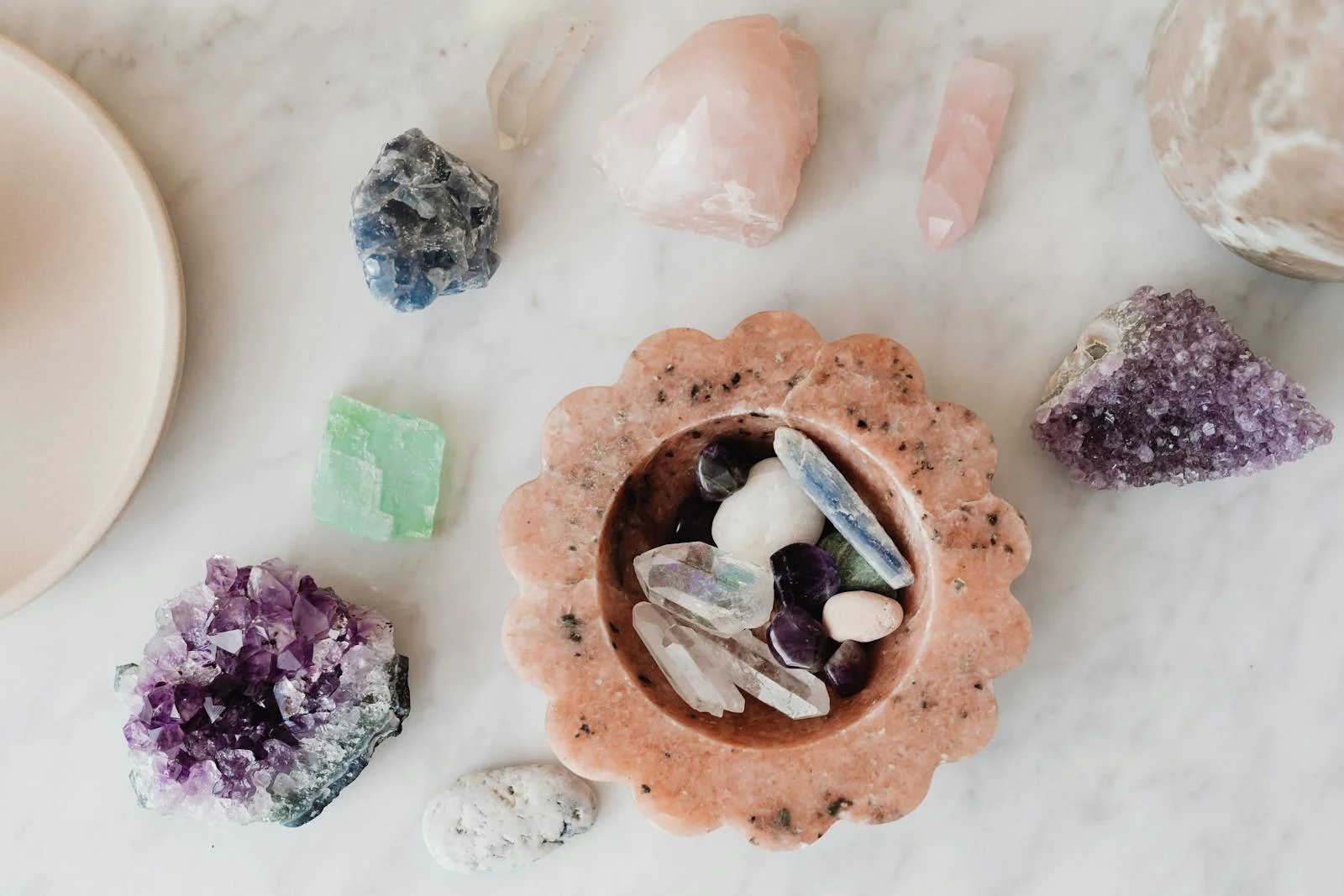
There’s something deeply personal about birthstone jewelry. Maybe it’s the way a garnet ring catches the light and reminds you of your January birthday, or how your grandmother’s pearl necklace connects you to her June birth month. Whatever draws you to these meaningful gems, birthstones offer a beautiful way to celebrate your identity and carry a piece of ancient tradition with you every day.
What Are Birthstones and Why Do They Matter?
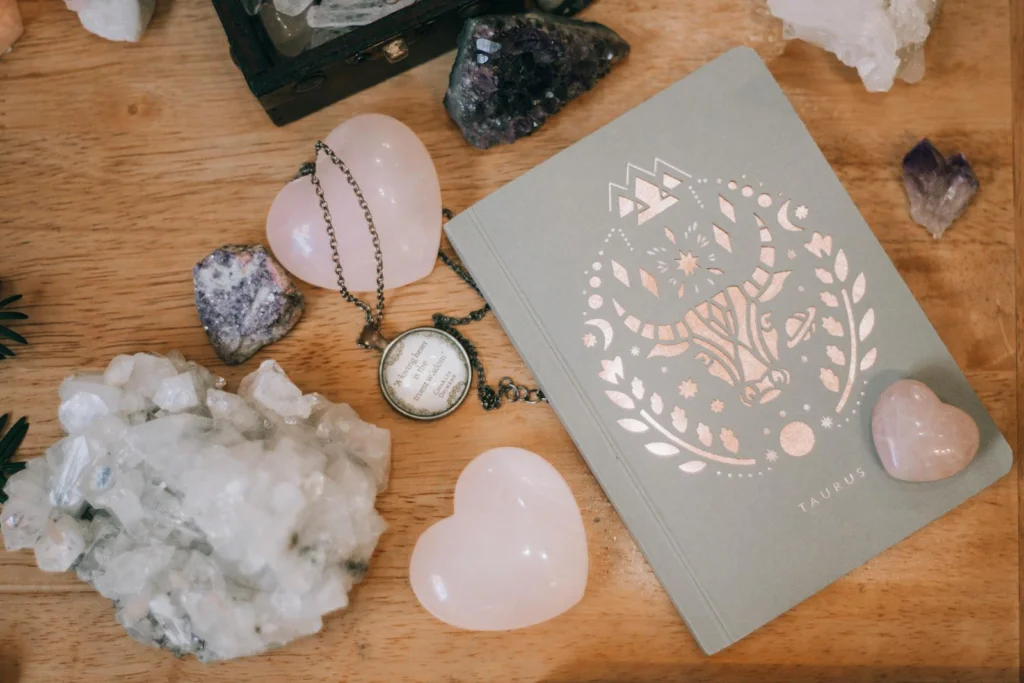
Birthstones are gemstones traditionally associated with each month of the year, and they’ve captivated humans for thousands of years. The tradition traces back to ancient civilizations who believed certain stones held protective powers and brought good fortune to those born in their corresponding months.
Today, birthstones serve as more than just pretty jewelry. They connect us to our personal history, mark important milestones, and offer a meaningful way to express our individuality. Unlike trendy accessories that come and go, birthstone jewelry carries lasting significance that transcends fashion cycles.
The beauty of birthstones lies in their versatility. You can wear yours as a daily reminder of your inner strength, gift them to celebrate someone’s birthday, or simply appreciate them for their natural beauty. There’s no wrong way to embrace your birthstone—whether you’re drawn to its traditional meaning or simply love how it looks against your skin.
The Complete Birthstone Chart: What’s Your Stone?
Here’s your quick reference guide to birthstones by month:
January: Garnet | February: Amethyst | March: Aquamarine, Bloodstone | April: Diamond | May: Emerald | June: Pearl, Alexandrite, Moonstone | July: Ruby | August: Peridot, Spinel | September: Sapphire | October: Opal, Tourmaline | November: Topaz, Citrine | December: Turquoise, Tanzanite, Blue Zircon
You’ll notice some months have multiple options. This reflects both traditional and modern birthstone lists, giving you the freedom to choose the stone that resonates most with you. The American Gem Society standardized the modern birthstone list in 1912, but traditional stones dating back centuries still hold significance.
If your birth month offers multiple choices, consider which meaning speaks to you, which color you’re drawn to, or which stone fits your lifestyle. There’s no rule saying you can’t wear all your month’s options—variety makes your jewelry collection more interesting anyway.
January Birthstone: Garnet

Garnet opens the year with rich, warm tones ranging from deep burgundy to vibrant orange-red. While most people picture garnets as dark red stones, they actually come in nearly every color except blue.
The meaning behind garnet centers on protection, strength, and safe travels. Ancient warriors wore garnets into battle believing the stones would keep them safe, while travelers carried them as talismans during long journeys. Today, garnets symbolize new beginnings—fitting for a month that launches us into fresh possibilities.
Garnet jewelry works beautifully in both vintage-inspired and modern settings. The deep red varieties create stunning contrast against yellow or rose gold, while the lighter hessonite garnets pair gorgeously with silver. Consider a garnet ring for everyday wear or delicate garnet studs that add subtle color without overwhelming your look.
January birthdays mark the perfect time for fresh starts and bold intentions. Wearing your garnet can serve as a daily reminder of your inner strength as you move through the year ahead.
February Birthstone: Amethyst
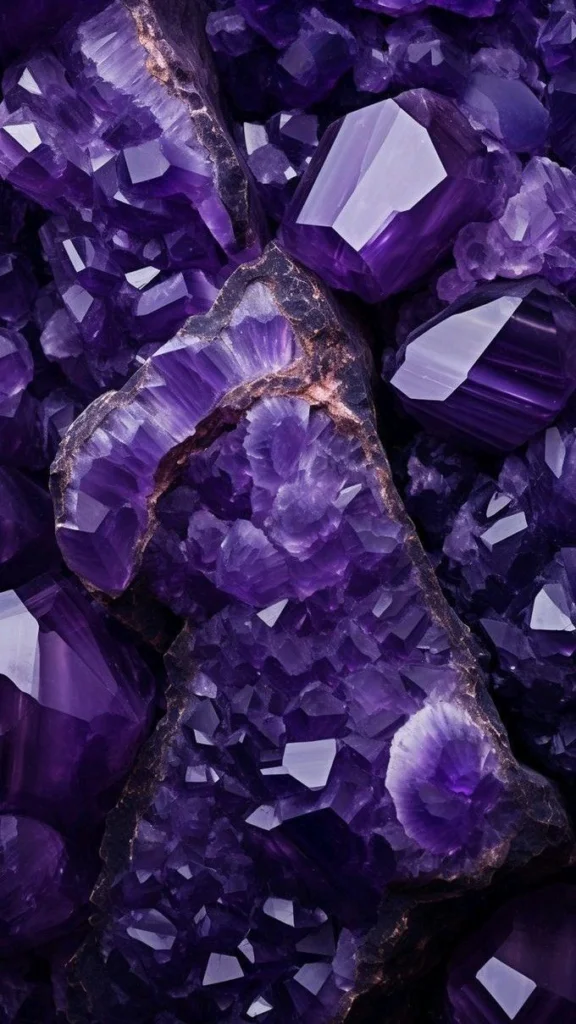
Amethyst’s serene purple hues have captivated royalty for centuries. From pale lavender to deep violet, this February birthstone radiates tranquility and sophistication. Once more rare than diamonds, amethyst remains one of the most beloved gemstones for its beauty and accessibility.
The meaning of amethyst revolves around clarity, calmness, and spiritual growth. Ancient Greeks believed amethyst could prevent intoxication and promote clear thinking—its name actually derives from the Greek word “amethystos,” meaning “not drunk.” More broadly, amethyst represents peace of mind and emotional balance, making it particularly meaningful during stressful times.
Amethyst’s versatility makes it incredibly wearable. The lighter shades work beautifully for delicate, feminine pieces, while deeper purples create dramatic statement jewelry. Amethyst complements both silver and gold settings, though many find that white gold or platinum really makes the purple pop.
If you’re looking for a stone that supports your wellness journey while looking effortlessly elegant, amethyst delivers on both fronts. It’s substantial enough for special occasions yet subtle enough for daily wear.
March Birthstone: Aquamarine and Bloodstone
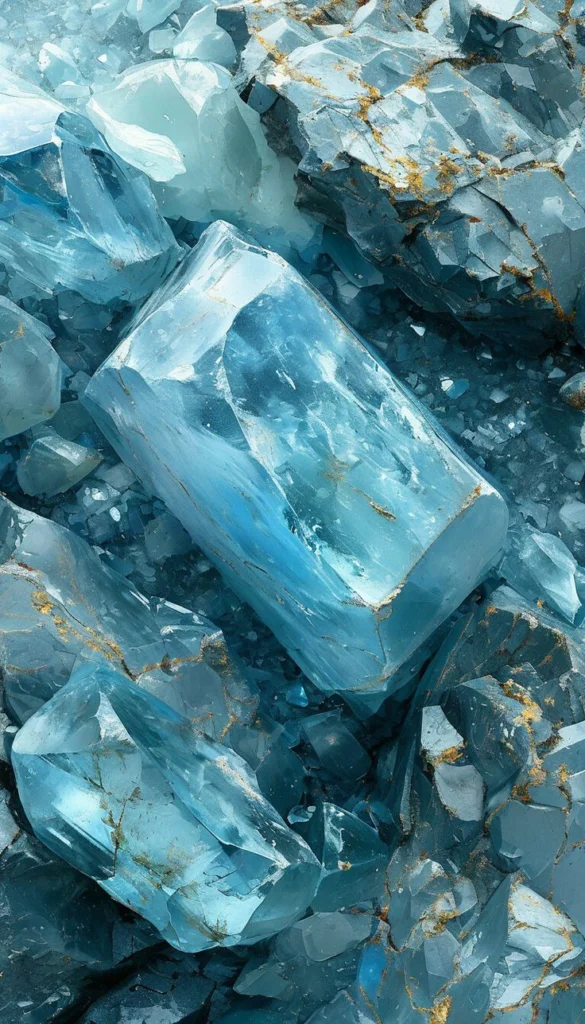
March babies get to choose between two distinct options: the ethereal aquamarine or the striking bloodstone.
Aquamarine, with its clear sea-blue color, evokes calm ocean waters and endless skies. Its meaning encompasses courage, tranquility, and clear communication—perfect for anyone seeking inner peace or working to express themselves more authentically. Ancient sailors carried aquamarine as protection against rough seas, believing the stone captured the calming power of the ocean.
Bloodstone presents a completely different aesthetic: deep green jasper flecked with red spots resembling drops of blood. Traditional and earthy, bloodstone symbolizes courage, strength, and vitality. It appeals to those drawn to nature-inspired jewelry with historical significance.
Most modern March birthstone jewelry features aquamarine, which pairs beautifully with both casual and formal attire. Its light, airy color works especially well in spring and summer wardrobes. Bloodstone, though less common in contemporary jewelry, offers a unique alternative for those wanting something distinctive.
Choose aquamarine for its serene beauty and versatile styling options, or opt for bloodstone if you prefer bold, unconventional pieces with ancient roots.
April Birthstone: Diamond

Diamonds need little introduction as April’s birthstone. Beyond their association with engagement rings, diamonds represent eternal love, strength, and invincibility. Their unmatched hardness and brilliant sparkle have made them symbols of enduring commitment and unbreakable bonds.
What many April babies don’t realize is that diamond jewelry extends far beyond traditional engagement rings. Diamond studs, tennis bracelets, delicate pendants, and stackable rings offer countless ways to wear your birthstone without feeling overly formal or bridal.
The meaning of diamonds centers on clarity, strength, and amplification of positive energy. Historically, warriors wore diamonds believing they provided invincibility in battle. Today, diamonds symbolize the strength we carry within ourselves and our ability to shine under pressure—quite literally, since diamonds form under intense heat and pressure deep within the earth.
If diamond jewelry feels financially out of reach, consider white sapphire as a beautiful alternative. While not technically your birthstone, white sapphire offers similar brilliance at a fraction of the cost, allowing you to embrace April’s crystalline beauty within your budget.
May Birthstone: Emerald
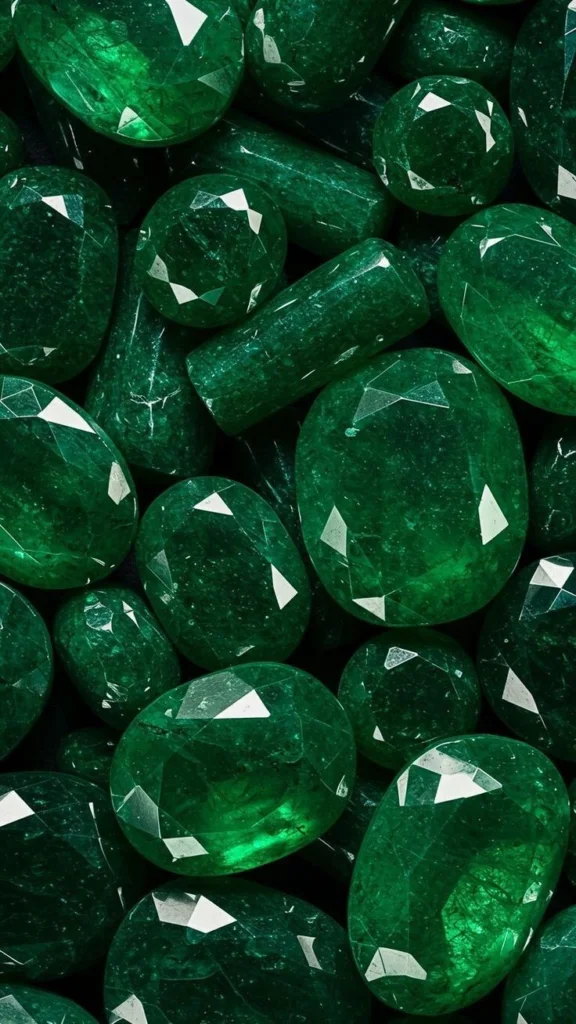
Emerald’s lush green color captures the essence of spring growth and renewal. These vibrant green gems have adorned royalty throughout history, from Cleopatra’s legendary collection to modern royal jewels.
The meaning behind emerald centers on growth, renewal, and unconditional love. Its verdant green symbolizes nature’s life force, fertility, and rebirth. Many believe emeralds promote harmony in relationships and attract prosperity, making them especially meaningful for those embarking on new chapters.
Emeralds require slightly more care than harder gemstones. They’re naturally included (meaning they contain internal characteristics), which is considered part of their authentic beauty. Avoid exposing emeralds to harsh chemicals or extreme temperature changes, and remove emerald rings before heavy activities.
When selecting emerald jewelry, focus on color vibrancy over clarity. The most prized emeralds display rich, saturated green with good transparency. Emerald studs, pendants, or rings in protective settings work beautifully for regular wear, while statement emerald pieces shine at special occasions.
May birthdays celebrate growth and abundance—wearing your emerald helps you carry that energy of renewal throughout the year.
June Birthstone: Pearl, Alexandrite, and Moonstone
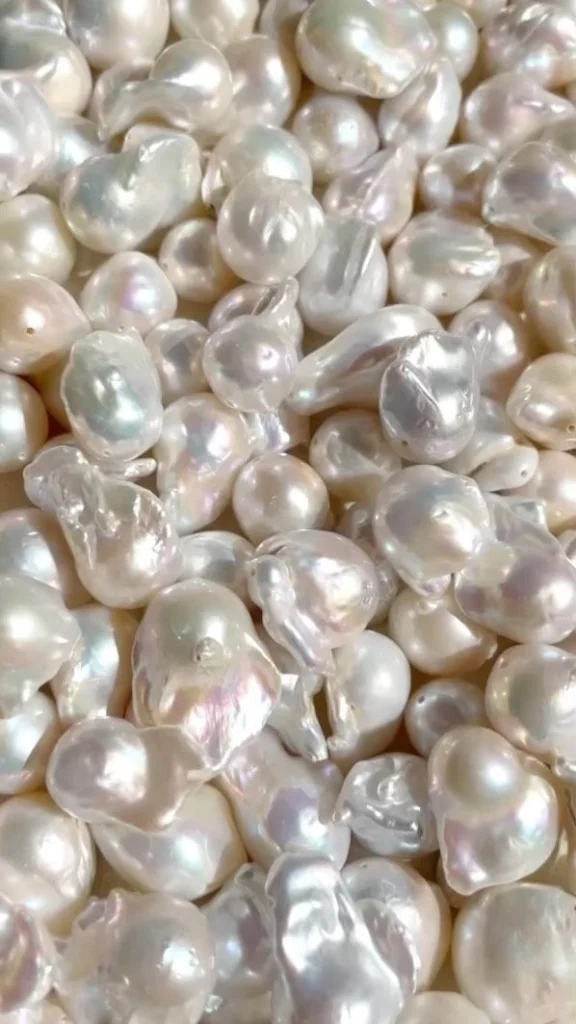

June offers the most diverse birthstone selection, each with distinct beauty and meaning.
Pearls represent classic elegance and purity. Unlike mined gemstones, pearls form organically within oysters, making them symbols of natural beauty emerging from life’s irritations. Pearl jewelry conveys timeless sophistication—from simple pearl studs perfect for the office to layered pearl necklaces that make any outfit feel special. Pearls symbolize wisdom gained through experience and innocence preserved.
Alexandrite, the rarest June birthstone, displays a remarkable color-changing property, appearing green in daylight and red under incandescent light. This rare gem symbolizes balance, adaptability, and the duality of life. Alexandrite’s scarcity makes it a collector’s treasure, though more affordable synthetic options exist.
Moonstone offers dreamy, ethereal beauty with its characteristic adularescence—that glowing, floating light effect. Associated with feminine energy, intuition, and new beginnings, moonstone resonates with those drawn to mystical, bohemian aesthetics. Its affordability and unique appearance make it increasingly popular in contemporary jewelry.
Choose pearls for timeless elegance, alexandrite for rare uniqueness, or moonstone for mystical charm. Each captures a different facet of June’s multifaceted beauty.
July Birthstone: Ruby

Ruby’s passionate red color makes it one of the most coveted gemstones. As July’s birthstone, ruby symbolizes love, courage, and vitality—the perfect reflection of summer’s peak energy.
Rubies belong to the corundum family (making them chemically related to sapphires), and only red corundum earns the ruby designation. Their intense color comes from chromium, and the finest rubies display a pure, vibrant red sometimes called “pigeon’s blood” in the trade.
The meaning of ruby centers on passion, protection, and power. Ancient cultures believed rubies contained an inextinguishable flame, bringing energy and strength to whoever wore them. Medieval warriors embedded rubies in their armor for protection, while royalty wore them as symbols of power and prosperity.
Ruby jewelry makes a bold statement. Whether you choose a classic ruby ring, dramatic ruby drop earrings, or a delicate ruby pendant, this birthstone demands attention. Rubies pair beautifully with yellow gold, creating a warm, luxurious look, though white gold settings create striking contrast that emphasizes the stone’s vibrant color.
July birthdays celebrate at the height of summer—your ruby captures that same intensity, warmth, and life force.
August Birthstone: Peridot and Spinel
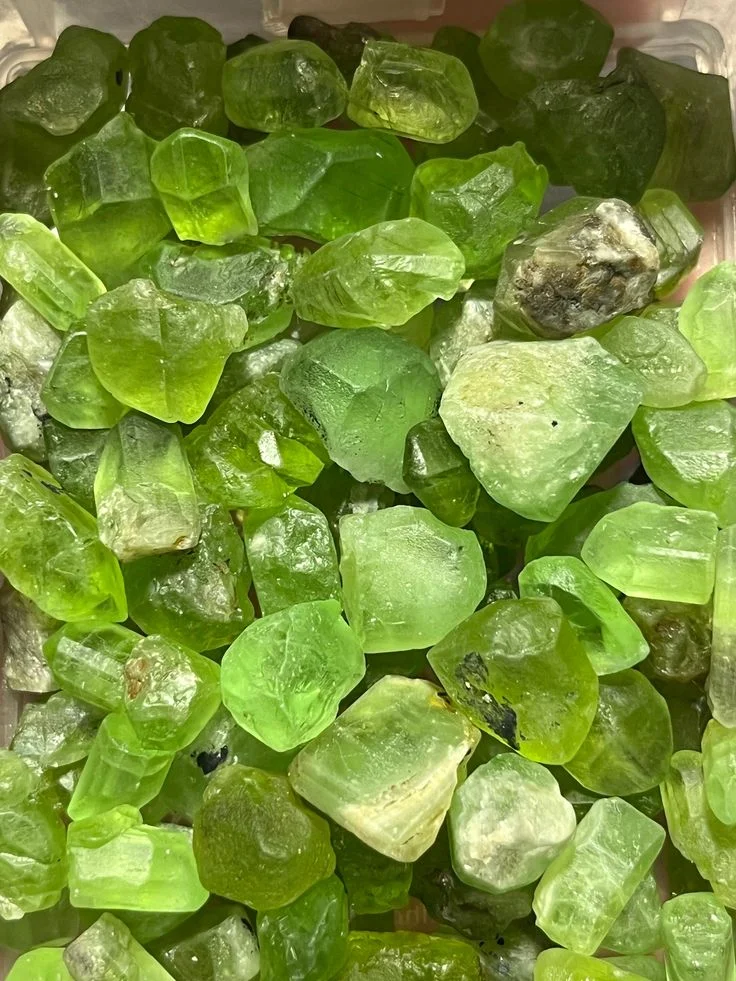
August brings two distinctly beautiful birthstone options: the sunny peridot and the vibrant spinel.
Peridot’s lime-green color stands out among birthstones as one of the few gems that occurs in only one color. Formed deep in the earth’s mantle and brought to the surface through volcanic activity, peridot literally emerges from fire—appropriate for a summer birthstone.
The meaning of peridot centers on positivity, renewal, and warmth. Ancient Egyptians called peridot the “gem of the sun” and believed it protected against nightmares and evil spirits. Today, peridot symbolizes lightheartedness, growth, and the ability to let go of negative patterns. Its bright, cheerful color embodies optimism and fresh perspectives.
Spinel, added as a modern August birthstone, comes in stunning colors from vibrant pink to deep blue, fiery red to rich purple. Often confused with ruby and sapphire throughout history (the famous “Black Prince’s Ruby” in the British Crown Jewels is actually red spinel), spinel deserves recognition in its own right. It represents revitalization, energy, and passion.
August babies benefit from versatile options. Choose peridot for its distinctive lime-green brilliance or spinel if you prefer more color variety. Both work beautifully in everyday jewelry that keeps summer’s energy alive year-round.
September Birthstone: Sapphire
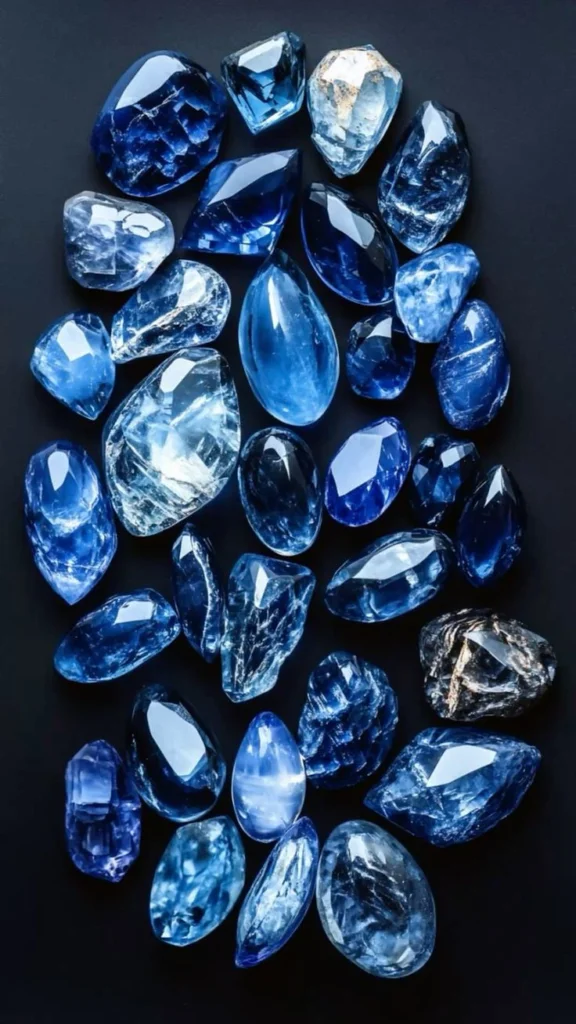
While most people picture royal blue when they hear “sapphire,” September’s birthstone actually comes in a rainbow of colors—everything except red (which would make it a ruby). From velvety blue to vibrant pink, sunny yellow to rare padparadscha (pink-orange), sapphires offer stunning variety.
The meaning of sapphire centers on wisdom, loyalty, and truth. Throughout history, sapphires have symbolized nobility and integrity. Medieval clergy wore sapphires to represent heaven, while ancient Persians believed the earth rested on a giant sapphire, which painted the sky blue with its reflection.
Blue sapphire remains the classic choice, radiating sophistication and timeless appeal. Princess Diana’s iconic sapphire engagement ring (now worn by Kate Middleton) sparked renewed love for sapphire jewelry beyond traditional birthstone pieces. But don’t overlook colored sapphires—pink sapphires offer romantic femininity, yellow sapphires bring sunny warmth, and teal sapphires provide contemporary uniqueness.
Sapphire’s exceptional hardness (9 on the Mohs scale—second only to diamond) makes it ideal for everyday wear. Sapphire rings, earrings, and pendants withstand daily life while maintaining their brilliance.
September birthdays fall at the transition between summer and autumn—your sapphire captures that reflective quality, that moment of wisdom gained from summer’s lessons as you prepare for what’s ahead.
October Birthstone: Opal and Tourmaline
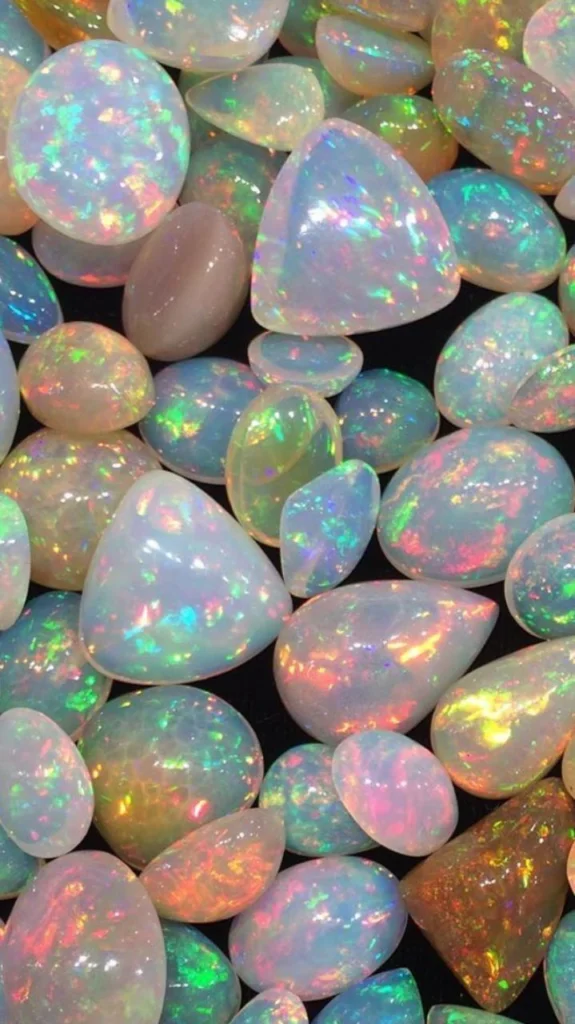
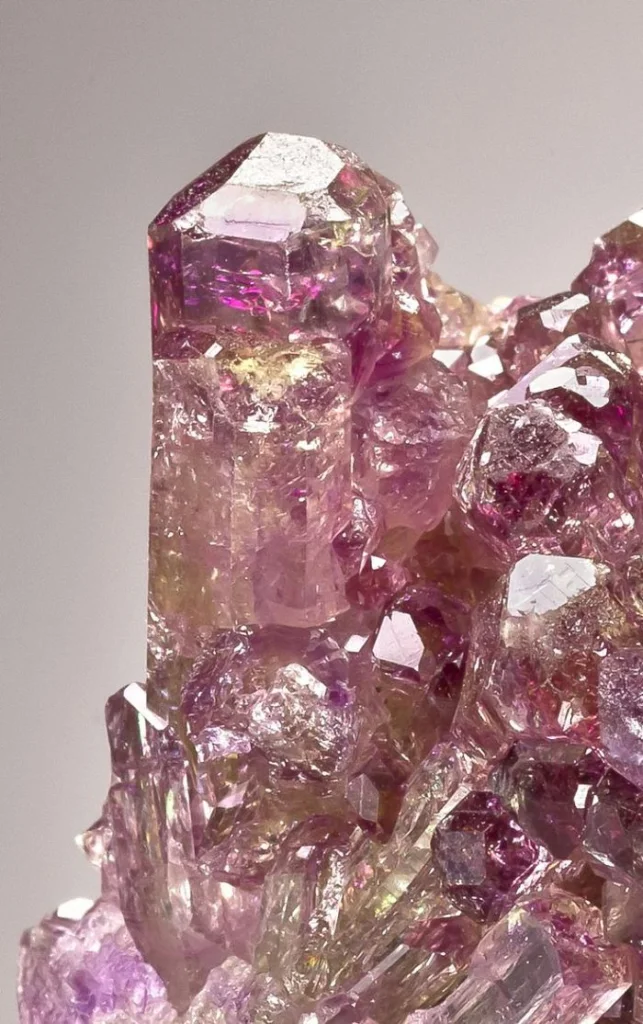
October offers two captivating birthstones, each displaying remarkable color play.
Opal showcases nature’s most magical optical phenomenon: a rainbow of colors dancing within a single stone. This effect, called “play-of-color,” makes every opal absolutely unique. No two opals display identical patterns, making opal jewelry inherently one-of-a-kind.
The meaning of opal encompasses hope, creativity, and good fortune. Ancient Romans considered opals the luckiest gemstones because they contained the colors of all other gems. Today, opals symbolize imagination, spontaneity, and the courage to embrace your authentic self. The stone’s ever-changing colors reflect life’s beautiful unpredictability.
Tourmaline rivals opal with its own spectacular color range. While tourmaline comes in virtually every color imaginable, pink and green varieties (sometimes together in “watermelon” tourmaline) remain most popular for October birthstone jewelry. Tourmaline represents compassion, balance, and healing energy.
Opals require gentler care than harder gemstones. Avoid exposing them to extreme temperature changes, harsh chemicals, or prolonged dry conditions. Store opal jewelry with a slightly damp cloth to prevent drying. Tourmaline, significantly more durable, handles daily wear with ease.
Choose opal if you’re drawn to mystical, artistic pieces with vintage appeal, or select tourmaline for vibrant color and contemporary durability. October babies get to embrace whichever matches their personality.
November Birthstone: Topaz and Citrine


November’s golden birthstones capture autumn’s warm glow and the gratitude we feel as the year draws toward close.
Topaz, most commonly seen in golden yellow to orange hues for November, actually occurs in many colors. Imperial topaz—the most prized variety—displays rich golden orange to pink tones. Blue topaz, while not a November birthstone, shows how varied this gem can be.
The meaning of topaz centers on abundance, joy, and good health. Ancient civilizations believed topaz could increase strength and provide invisibility in emergencies. Today, topaz symbolizes warmth, generosity, and the courage to live authentically. Its sunny disposition makes it perfect for lifting spirits during darker autumn days.
Citrine, named for its lemon-yellow color, ranges from pale yellow to deep amber. Natural citrine is relatively rare; most citrine on the market is heat-treated amethyst, which doesn’t diminish its beauty or meaning. Citrine represents happiness, prosperity, and positive energy—it’s often called the “success stone” for its association with manifestation and abundance.
Both November birthstones work beautifully in yellow or rose gold settings that complement their warm tones. Whether you choose topaz’s vibrant intensity or citrine’s sunny cheerfulness, November birthstone jewelry radiates optimism and gratitude.
December Birthstone: Turquoise, Tanzanite, and Blue Zircon
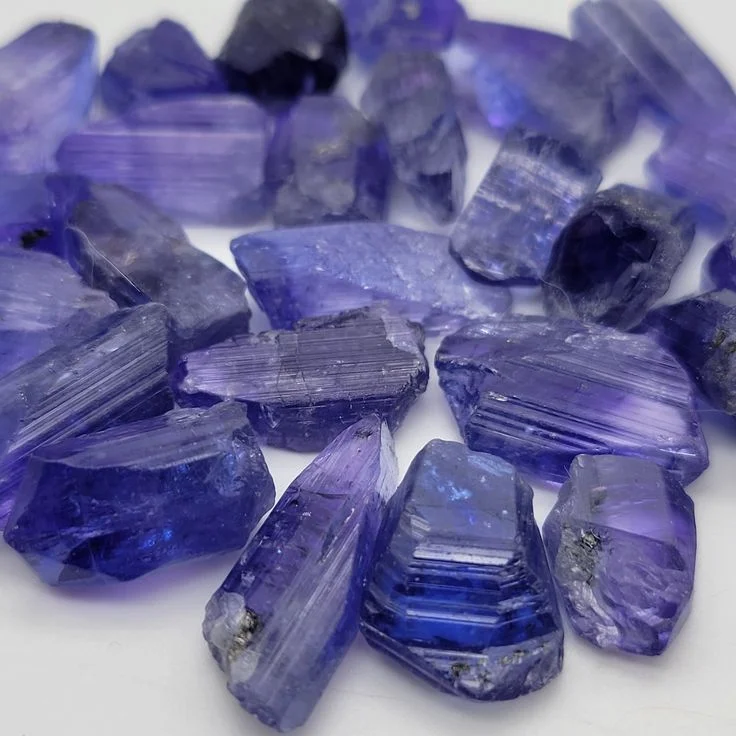
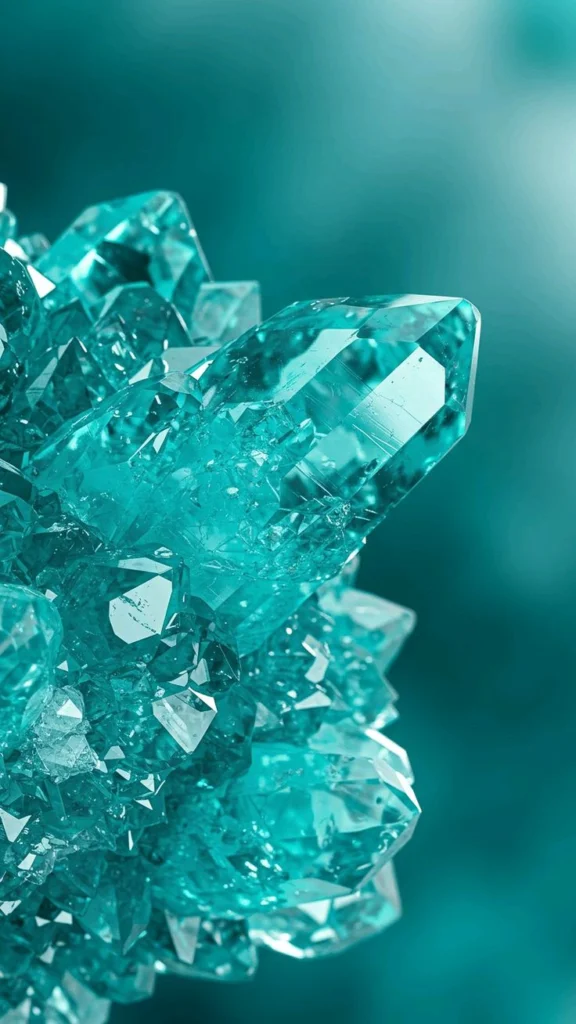
December babies enjoy three stunning blue birthstones, each with distinct character and beauty.
Turquoise, with its iconic robin’s egg blue (often marked with brown or black matrix), has adorned jewelry for over 7,000 years. Ancient Egyptians, Persians, and Native Americans all treasured turquoise, considering it a powerful protective stone. Today, turquoise symbolizes good fortune, success, and spiritual grounding. Its distinctive appearance makes turquoise jewelry immediately recognizable and deeply meaningful.
Tanzanite, discovered only in 1967 near Mount Kilimanjaro in Tanzania, displays mesmerizing violet-blue color found nowhere else on earth. This relative newcomer to birthstone lists brings modern luxury to December. Tanzanite represents transformation, new perspectives, and living life to the fullest—appropriate for a stone found in only one location worldwide.
Blue zircon completes December’s trio with brilliant, diamond-like sparkle in clear sky blue. Often overlooked, blue zircon offers stunning beauty at accessible prices. It symbolizes prosperity, honor, and wisdom, making it meaningful beyond its aesthetic appeal.
Turquoise requires gentle care—avoid chemicals, perfumes, and prolonged sun exposure that can alter its color. Tanzanite and zircon are more durable but still benefit from mindful wear. For everyday jewelry, consider protective settings that shield these stones from hard knocks.
December birthdays arrive as the year completes its cycle—your birthstones capture winter’s crystalline beauty and the hope we carry into new beginnings.
What Your Birthstone Says About You
While birthstone meanings come from ancient traditions, they often resonate surprisingly well with our personalities and life experiences. Garnets suit those drawn to new adventures and fresh starts. Amethysts attract people seeking clarity and peace. Diamonds reflect inner strength and resilience.
You might notice your birthstone’s traditional meaning aligns with qualities you value or aspire to develop. This isn’t magic—it’s the human tendency to find personal meaning in symbols that represent us. Your birthstone becomes a touchstone (literally) for intention-setting and self-reflection.
Consider how your birthstone’s meaning applies to your current life phase. Are you navigating a major transition? Garnets and citrines symbolize new beginnings. Seeking better communication? Aquamarine supports clear self-expression. Working on self-love? Emeralds and rose quartz (though not a birthstone) represent unconditional love.
Birthstones also connect us to emotional wellness through mindful adornment. Choosing jewelry intentionally, based on what you need rather than just what looks pretty, transforms accessories into meaningful daily practices. When you put on your birthstone each morning, you’re reminding yourself of the qualities you want to embody.
How to Choose the Perfect Birthstone Jewelry
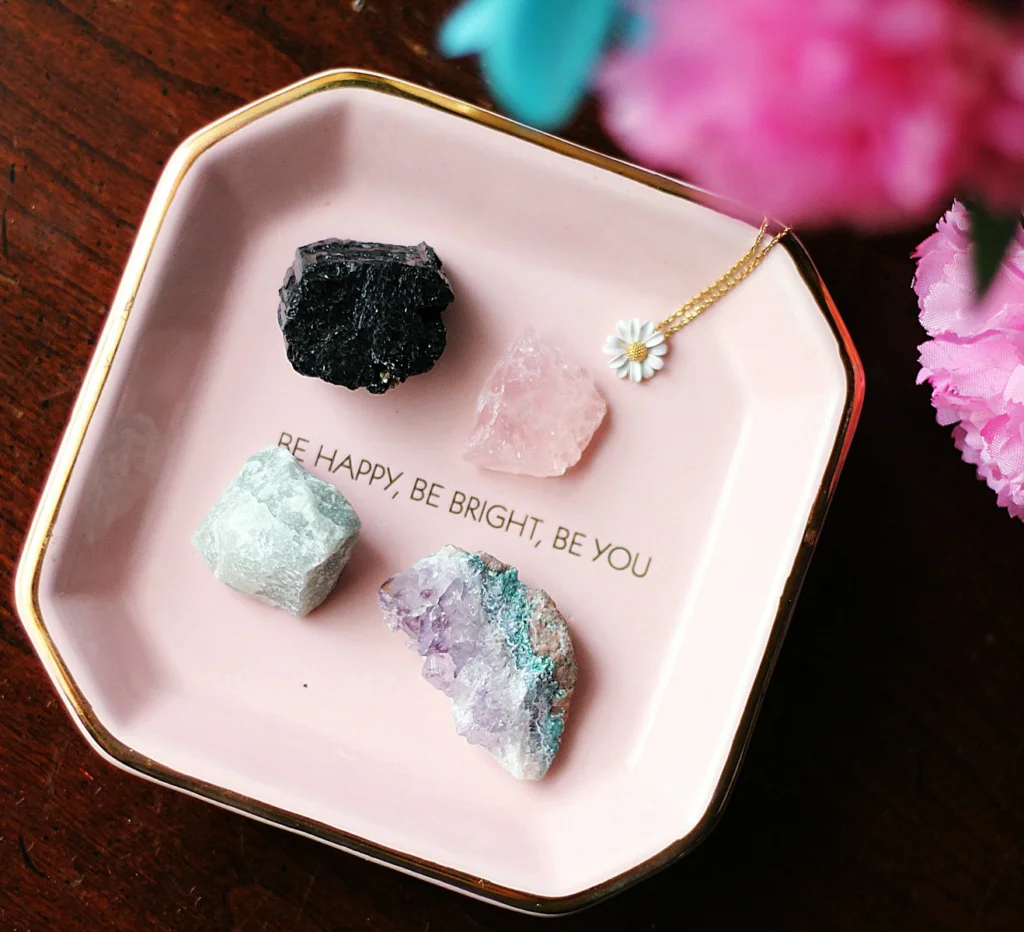
Selecting birthstone jewelry that you’ll actually wear comes down to understanding your personal style and lifestyle needs.
Start by considering how you typically dress. If your style leans minimalist and modern, choose sleek birthstone pieces with clean lines—think simple studs, delicate pendants, or thin stacking rings. If you love bohemian or vintage aesthetics, embrace ornate settings, mixed metals, and larger statement stones.
Everyday pieces differ from special occasion jewelry. For daily wear, prioritize durability. Harder stones like sapphires, rubies, and diamonds withstand regular use better than softer gems like opals, pearls, or turquoise. Save delicate birthstones for pieces you wear occasionally with extra care.
Metal choice significantly impacts your birthstone’s appearance. Yellow gold warms up red, orange, and yellow stones (garnets, rubies, citrine, topaz). White gold or platinum makes blue and green stones pop (sapphires, aquamarines, emeralds). Rose gold complements pink and purple gems beautifully (pink tourmalines, amethysts, pink sapphires).
Consider your skin tone too. Cooler undertones (pink or blue) pair beautifully with silver metals and blue-toned stones. Warmer undertones (yellow or golden) glow with yellow gold and warm-colored gems. If you’re neutral, lucky you—everything works.
Most importantly, choose birthstone jewelry that makes you feel like yourself. If traditional meanings don’t resonate, that’s completely fine. Your birthstone should enhance your confidence and bring you joy, whatever that looks like for you.
Birthstone Jewelry Trends You’ll Actually Want to Wear
Modern birthstone jewelry has evolved far beyond your grandmother’s traditional settings (though vintage pieces absolutely have their place and charm).
Minimalist birthstone pieces dominate current trends. Tiny birthstone studs, delicate birthstone pendants on fine chains, and slim birthstone rings offer subtle ways to wear your stone daily without overwhelming your look. These pieces layer beautifully and work in professional settings.
Statement birthstone jewelry is having a moment too, but with updated styling. Instead of large, ornate vintage settings, contemporary statement pieces feature clean designs that let the stone shine. Bezel settings, geometric shapes, and asymmetric arrangements create modern drama.
Personalization drives much of today’s birthstone jewelry market. Custom pieces combining your birthstone with your initial, coordinates of meaningful places, or birthstones representing your children or loved ones create deeply personal jewelry. Many jewelers offer customization services that make birthstone pieces uniquely yours.
Sustainable and ethical sourcing matters increasingly to conscious consumers. Lab-grown gemstones offer identical beauty to mined stones with smaller environmental footprints and lower prices. Recycled metals, fair-trade gems, and transparent sourcing information help you make choices aligned with your values.
Stacking and layering remains strong across all jewelry categories. Multiple thin birthstone rings worn together, layered birthstone necklaces of varying lengths, or ear stacks mixing birthstone studs with hoops create dimensional, personalized looks that feel current.
Birthstone Gift Ideas by Relationship
Choosing the right birthstone piece depends on your relationship with the recipient.
For your best friend, birthstone gifts celebrate your connection. Matching birthstone bracelets (one with her stone, one with yours), birthstone initial necklaces, or birthstone friendship rings mark your bond. Choose pieces you’d both actually wear—friendship jewelry works best when it matches both your styles.
For your sister or daughter, consider age-appropriate birthstone jewelry. Younger girls often love colorful birthstone pieces—bright peridot or pink tourmaline in playful designs. Teenagers appreciate trendy styles like birthstone initial pendants or delicate birthstone studs. Adult daughters might prefer classic pieces they’ll treasure forever.
For your partner, romantic birthstone jewelry offers meaningful alternatives or complements to traditional gifts. Their birthstone in a ring, pendant, or bracelet shows thoughtful attention. Consider pieces they can wear daily as constant reminders of your love. Quality matters here—this is someone you want to impress.
For yourself—yes, absolutely treat yourself to your birthstone. You don’t need anyone’s permission to buy meaningful jewelry that brings you joy. Self-gifted birthstone pieces often become favorites because you chose exactly what you wanted without compromise. Consider it an investment in daily beauty and personal meaning.
The Fascinating History of Birthstones
The birthstone tradition stretches back thousands of years, weaving through multiple cultures and evolving significantly over time.
The earliest known reference appears in the Bible’s Book of Exodus, describing Aaron’s breastplate adorned with twelve gemstones representing the twelve tribes of Israel. Some scholars link this to birthstone traditions, though the connection isn’t definitively proven.
Ancient civilizations including Babylonians, Egyptians, and Romans all attributed special powers to specific gemstones. They believed wearing certain stones during particular times brought protection, health, and good fortune. By the first century, historian Josephus explicitly connected the twelve breastplate stones to the twelve zodiac signs and twelve months of the year.
The practice of wearing only your birth month’s stone emerged much later, around 16th-century Poland, gradually spreading throughout Europe. Before this, people typically owned all twelve stones and wore different ones each month to maximize their supposed powers.
Modern birthstone standardization came in 1912 when the American National Retail Jewelers Association (now Jewelers of America) created an official list. This standardization helped jewelers market birthstone jewelry more effectively and gave consumers clear guidelines. The list has been updated several times since, most recently with spinel added for August in 2016 and expanding June’s options.
Understanding this history helps us appreciate that birthstone traditions, while ancient, have always been flexible and culturally influenced. The “right” birthstone for your month depends less on fixed rules and more on what resonates with you personally.
Traditional vs. Modern Birthstones: What’s the Difference?
You might notice variations in birthstone lists—some sources give different stones for the same month. This confusion stems from the existence of both traditional and modern birthstone lists.
Traditional birthstones reflect historical and cultural associations going back centuries. These stones were often chosen for their availability, perceived mystical properties, or religious significance. Traditional birthstones include bloodstone for March, alexandrite for June, and lapis lazuli sometimes for September.
Modern birthstones, standardized in 1912 and periodically updated, prioritize accessibility, durability, and commercial availability. The modern list added options like tanzanite for December (discovered only in 1967) and citrine as a more affordable alternative to topaz for November.
Some months have seen significant changes between lists, while others remain consistent. Diamonds, emeralds, rubies, sapphires, and garnets appear on both traditional and modern lists because these stones have maintained their importance across centuries and cultures.
Which list should you follow? Honestly, either one—or mix elements from both. The “correct” birthstone is whichever one speaks to you. If you’re an August baby who prefers spinel’s versatility over peridot’s specific green, embrace your modern birthstone. If you’re drawn to bloodstone’s earthy beauty over aquamarine’s delicate blue, honor that traditional March connection.
Birthstone traditions serve us, not the other way around. Choose stones that bring you joy, match your aesthetic, and hold meaning for you personally.
Birthstone FAQs: Your Questions Answered
Can I wear a birthstone that’s not mine? Absolutely. While traditional beliefs suggested birthstones brought luck specifically to people born in their month, modern thinking recognizes that any gemstone can hold meaning for anyone. Wear stones whose colors you love or whose meanings resonate with you, regardless of your birth month.
What if I don’t like my birthstone? Many people feel this way, and it’s completely valid. If your birthstone doesn’t appeal to you, consider alternative options. Most months have multiple modern birthstone choices. You can also wear stones from months significant to you—your wedding month, when you met your partner, or a month representing important life changes. Some people choose stones based on meanings rather than birth months.
Are lab-grown birthstones real? Lab-grown gemstones are chemically, physically, and optically identical to mined stones. They’re “real” in every measurable way—not imitations or simulants. Lab-grown stones offer ethical advantages, environmental benefits, and cost savings while providing the same beauty as mined gems. For birthstone purposes, lab-grown stones carry identical meanings and serve the same symbolic purposes.
How do I verify my birthstone is authentic? For valuable stones, request certification from reputable gemological laboratories (GIA, AGS). Jewelers should provide documentation for significant purchases. For less expensive birthstone jewelry, authenticity matters less—if you paid $50 for an amethyst pendant, it’s almost certainly genuine amethyst since the stone costs little to obtain. Save authentication concerns for expensive purchases where the financial investment justifies professional verification.
Can birthstones really bring good luck? From a literal standpoint, there’s no scientific evidence that gemstones create luck or protection. However, birthstones can absolutely enhance your life through intention-setting and mindful adornment. Wearing meaningful jewelry that reminds you of qualities you want to embody (courage, peace, strength) influences your mindset and behavior. In this sense, birthstones “work” by connecting you to your intentions and values.
Instead of surface-level Valentine's talk, these 18 deep questions reveal hidden dreams and fears th
Spring is my favorite time of year – a season that never fails to fill me with hope and energy
When solo dates become your secret weapon for self-discovery, these 14 magical experiences will tran
Leave a Reply