


There’s a peculiar magic in transforming a raw piece of wood into something both beautiful and profitable.
Picture this: a simple cutting board, crafted from walnut and maple, showcasing natural grain patterns that tell their own story. Material cost: $12. Time investment: two hours. Selling price at a local craft fair: $65. This isn’t an unusual scenario—it’s the reality of what happens when someone discovers the right woodworking projects for beginners to sell.
The truth is simple: starting a woodworking business doesn’t require decades of experience or industrial-grade equipment. It requires strategic project selection, basic tools, and understanding what customers actually want to buy.
What if a garage could become a profitable studio? What if weekend hours could generate genuine income? What if the most strategic business decision involves less than $200 in initial tool investment?

The Economics of Handcrafted Products
The handcrafted market has reached unprecedented heights in recent years, with consumers increasingly seeking authentic, unique pieces they simply cannot find in big box stores. According to Forbes’ analysis of the artisan economy, handmade goods command premium prices specifically because they carry intention, skill, and uniqueness.
This isn’t about competing with IKEA on price. It’s about offering what mass production never can: the irreplaceable human touch, customization options, and quality materials that last generations rather than seasons.
Understanding Current Market Demand
The age of mass consumption is shifting. Customers are tired of disposable furniture and soulless décor. Local communities actively search for pieces with story, substance, and the quiet dignity of something made slowly, carefully, with skilled hands.
Woodworking projects for beginners meet this moment perfectly. New woodworkers don’t need decades of apprenticeship or workshops full of industrial equipment. They need strategic focus, patience, and willingness to start with manageable projects.
The beautiful truth? Simple projects often sell faster than complex ones. A perfectly sanded cutting board finds a home more quickly than an elaborate credenza. Harper’s Bazaar’s guide to artisan businesses notes that entry-level handcrafted items create the foundation for sustainable creative income—they’re accessible, affordable, and infinitely repeatable.
Setting Up a Productive Workshop Space
Before any wood meets saw, successful woodworking businesses need functional workspace. Not sprawling workshops with cathedral ceilings and professional-grade equipment—just room enough to work efficiently and safely.
Many profitable woodworking businesses start in single-car garage corners or basement spaces. What matters isn’t square footage but intentional organization and proper safety measures. This space becomes where raw materials transform into sellable products.
Essential Workspace Elements
Any woodworking business needs:
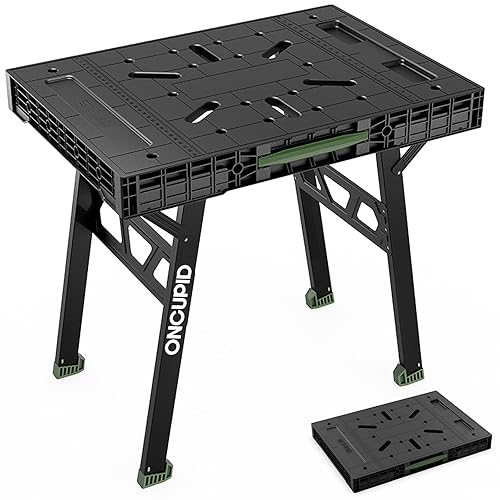
- Sturdy work surface at comfortable height
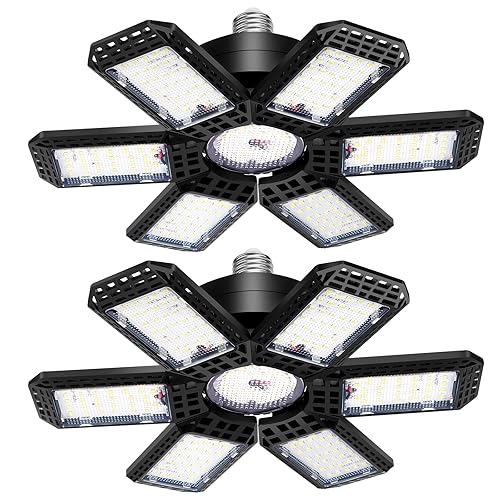
- Natural light supplemented by task lighting
- Dust collection system (even basic shop vacuum works initially)
- Organized tool storage within easy reach
- Temperature control for wood stability and comfort
Strategic additions include:
- Wall-mounted pegboard for tool visibility
- Audio setup for entertainment during repetitive tasks
- Comfortable anti-fatigue mat for standing work
- Small first aid kit (safety is non-negotiable)



Essential Tools: Strategic Investment for Beginners
Starting a woodworking business requires intentional tool selection. Unlike hobbies demanding rooms full of specialized equipment, woodworking projects for beginners can launch with remarkably minimal investment—though quality matters profoundly.
Core Tool Arsenal
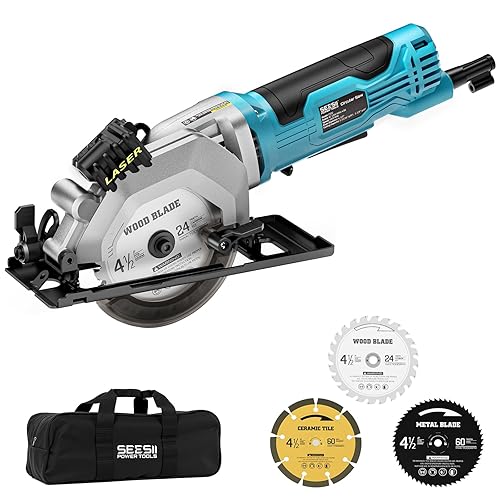
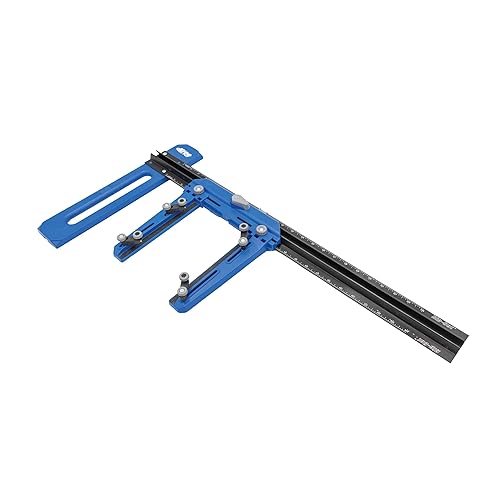
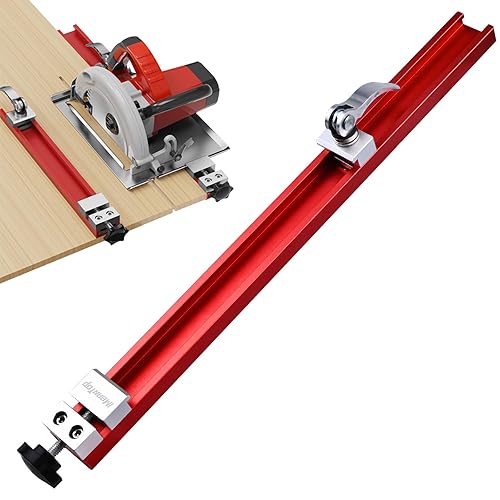
The Circular Saw
This becomes the primary cutting tool for any woodworking business. Choose corded models for consistent power or battery-powered for freedom of movement. Quality matters here—reliable saws serve businesses for years, even decades.


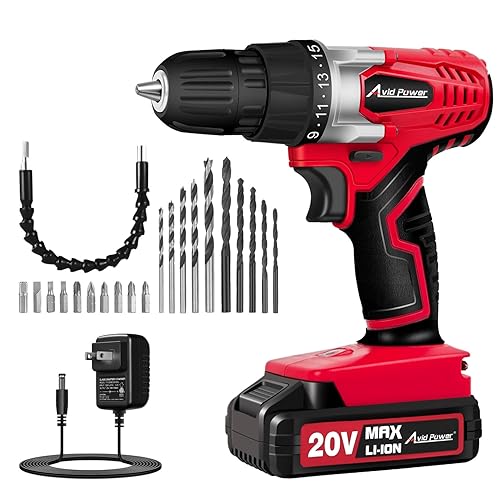
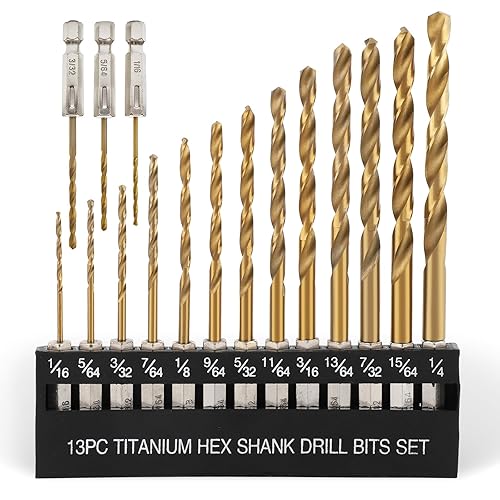
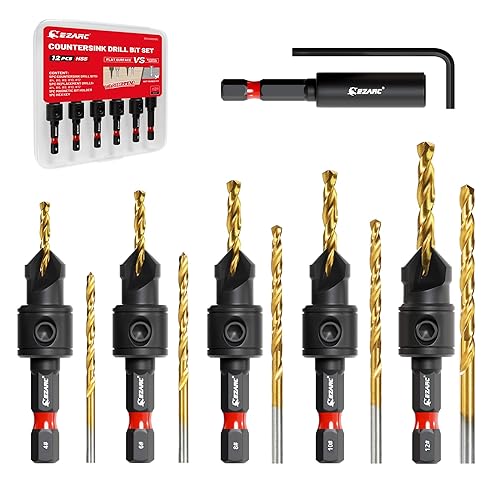
Power Drill and Bits
The second essential investment. Drives screws with precision, creates clean holes for joinery, makes assembly infinitely easier than hand tools alone. Variable speed control and comfortable grip are key features.




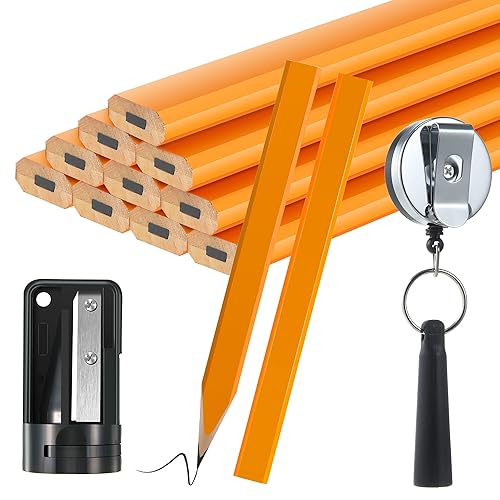
Measuring and Marking Tools
Measuring tape, combination square, pencils, marking gauge. These aren’t glamorous purchases, but they’re everything. Precision in measurement determines quality throughout the entire production process.



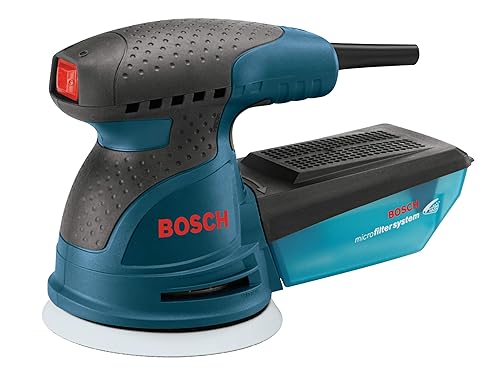
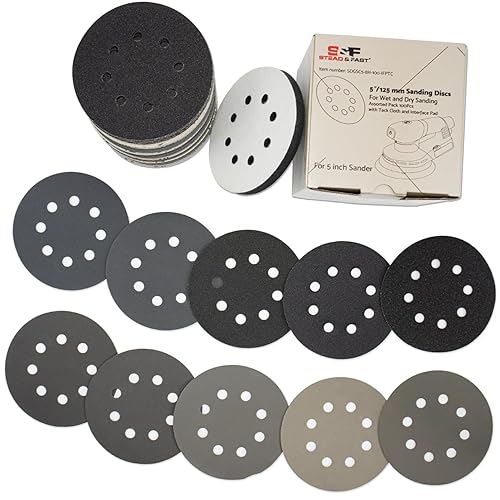
Sanding Equipment
Random orbital sander for large surfaces, sanding blocks for detail work, variety of grits from 80 to 220. Sanding transforms rough work into professional pieces worth premium pricing.




Strategic Upgrades
Miter Saw
Not essential initially, but transformative once production volume increases. Creates perfect angled cuts for frames, boxes, decorative work. This upgrade elevates entire product lines.
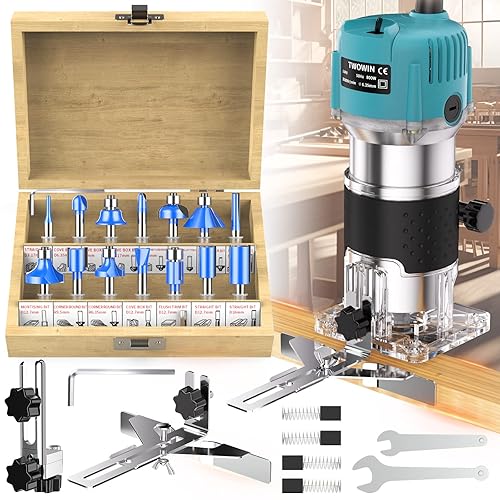
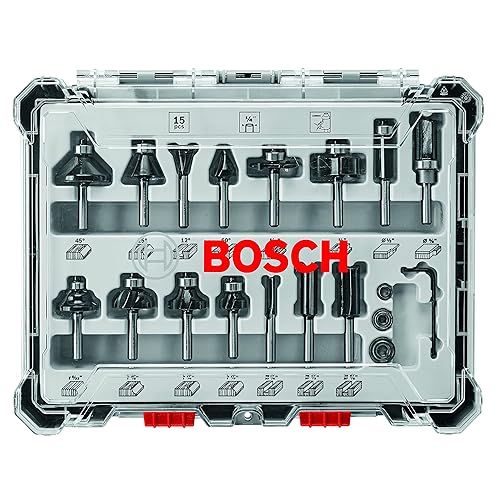
Router
Opens possibilities for decorative edges, precise joinery, custom profiles. Start simple, grow capabilities gradually as skills develop.




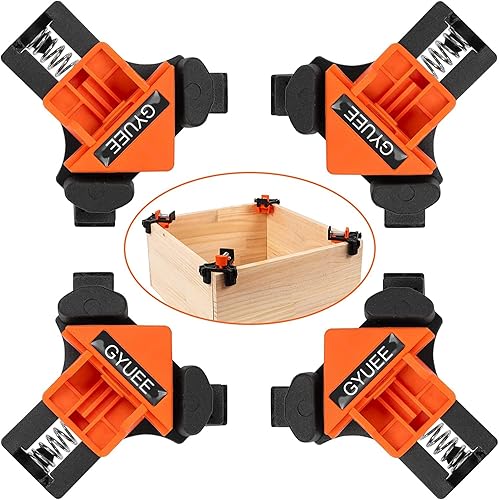
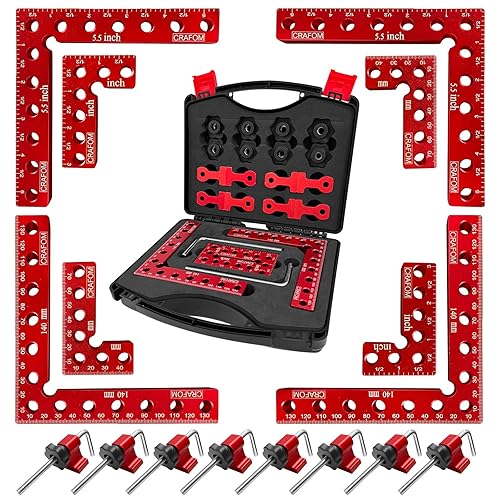
Clamps
Essential for quality joinery. Multiple clamps become extra hands during assembly, guaranteeing square, tight joints that differentiate professional work from amateur attempts.


![Right Angle Clamp, Housolution [4 PACK] Single Handle 90° Aluminum](https://m.media-amazon.com/images/I/71xNSiBOZ+L._SL500_.jpg)

18 Profitable Projects That Generate Consistent Sales
Not all beginner projects generate income. Some teach skills but gather dust on shelves. What follows are eighteen proven products that sell consistently, repeatedly, profitably—at craft fairs, online marketplaces, local shops, and through word-of-mouth referrals.
These projects share essential qualities: simple enough for beginners to master, beautiful enough to command premium prices, and practical enough that customers actually need them.
1. Rustic Wooden Picture Frames

Every home displays memories through photographs. Quality frames become part of those narratives.
Picture frames offer the perfect entry point for profitable woodworking. Simple miter cuts, basic joinery, minimal materials—yet they consistently sell for $25-$45 each depending on size and finish.
The business opportunity lies in variation. Standard 5×7, popular 8×10, statement-making 11×14. Distressed farmhouse finishes, clean modern lines, rich walnut stains. Each frame style finds its market.
Skill Development: Precise angle cutting, miter joint construction, finishing techniques Material Cost: $5-12 per frame Selling Price: $25-45 Time Investment: 45 minutes to 1.5 hours
Picture frames teach fundamental skills while generating early income that funds future projects. Like building any consistent business practice, regular frame production creates steady revenue streams.
2. Decorative Wooden Plant Stands

The houseplant revolution created unprecedented demand for elevated display solutions. Simple three-legged stands, tiered corner units, minimalist cylindrical pedestals—all demonstrate strong market performance.
These pieces typically sell for $40-80 each at weekend markets. Basic pine construction with clean lines and natural finish creates products customers actively seek. Nothing complicated required—just solid construction and appealing aesthetics.
Skill Development: Angled leg cuts, stable joinery, assembly techniques Material Cost: $8-15 per stand Selling Price: $40-80 Time Investment: 1.5-2.5 hours
The minimalist aesthetic works favorably here. Clean, simple, sturdy designs let natural wood grain become the focal point.
3. Wooden Coasters With Holders

Coasters represent exceptional profit potential for small woodworking businesses. Small material requirements, quick construction, universal appeal, and gift-giving utility make them ideal starter products. Sets of four with matching holders consistently sell for $28-45.
Circle cuts teach precision skills. Holder construction introduces basic box joinery concepts. Food-safe finishes are essential here—mineral oil or beeswax work perfectly, while polyurethane should never touch surfaces contacting beverages.
Skill Development: Circle cutting, box construction, food-safe finishing Material Cost: $4-8 per set Selling Price: $28-45 Time Investment: 1-2 hours per set
{Insert: Amazon affiliate block – Circle cutting jigs, food-safe mineral oil, beeswax finish, wood burning tools for personalization}
Market research consistently shows coaster sets move quickly at all price points and venue types.
4. Simple Wooden Cutting Boards
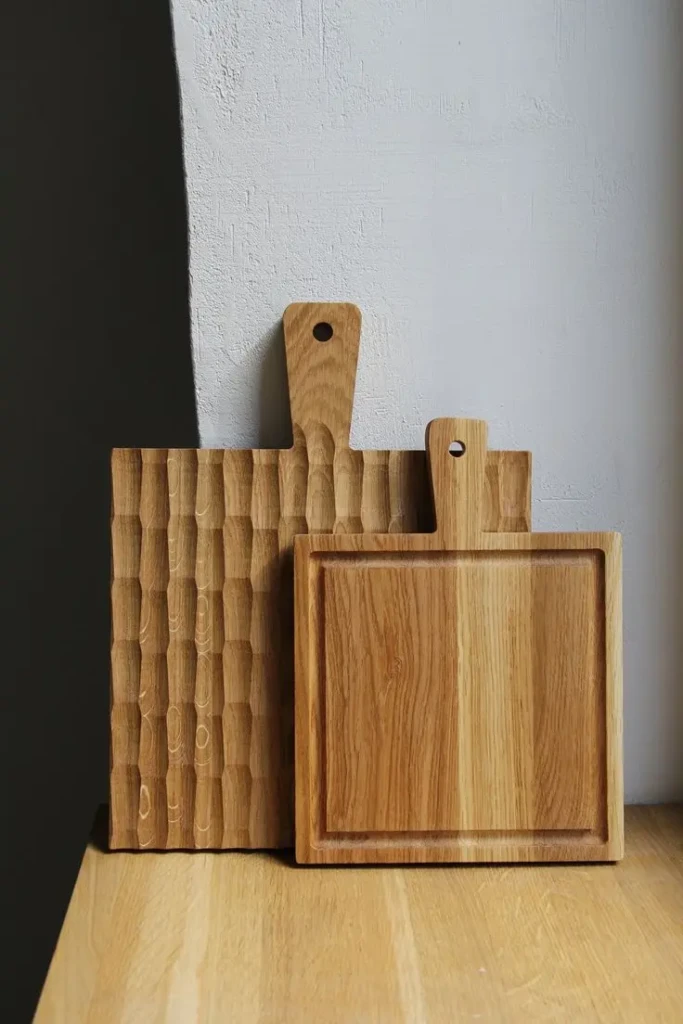
Cutting boards serve as foundation products for woodworking businesses—reliable income generators and excellent skill-building projects. Market demand for quality cutting boards remains consistently high across all sales channels.
Beginning with basic rectangular designs in maple or walnut provides solid starting point. Adding finger grips enables premium pricing. Progressing to end-grain construction as skills develop opens higher price tiers. Typical price range: $35-75 each depending on size, wood choice, and construction method.
Skill Development: Proper grain selection, food-safe sanding progression, cutting board maintenance Material Cost: $12-25 per board Selling Price: $35-75 Time Investment: 2-3 hours
The cutting board market never saturates. Wedding gifts, housewarmings, hostess presents, holiday shopping—demand continues year-round.



5. Wooden Phone Charging Stations

Modern problems require handcrafted solutions. Phone charging stations with cable management and multi-device slots sell for $40-60 each because they solve genuine daily frustrations.
Design for multiple phones, tablets, watches. Include cable routing channels. Add small drawer or tray for keys, coins, daily essentials. These become household command centers.
Skill Development: Dado cuts, compartment construction, cable management design Material Cost: $10-18 per station Selling Price: $40-60 Time Investment: 2-3 hours
Busy families buy these immediately. They solve problems mass-market solutions ignore.
6. Wooden Wine Bottle Holders

Wine culture meets woodworking aesthetic. Single-bottle balancing holders, multi-bottle display racks, countertop storage solutions—all command premium prices from wine enthusiasts.
Geometric designs showcase bottles beautifully while requiring minimal materials. Exotic hardwoods justify higher price points. Walnut, cherry, even bamboo work gorgeously here.
Skill Development: Angle calculations, balance points, decorative construction Material Cost: $8-15 per holder Selling Price: $25-55 Time Investment: 1.5-2.5 hours
These sell especially well during holiday seasons and make exceptional corporate gifts.
7. Wooden Key Holder Racks

Entryway organization never goes out of style. Wall-mounted key racks with hooks, small shelves for mail, personalized family names—these practical pieces sell for $20-40 each.
Rustic farmhouse finishes dominate this market, though modern minimalist designs find their audience too. Add customization options (engraved names, custom stains) to justify premium pricing.
Skill Development: Wall mounting, hook installation, personalization techniques Material Cost: $6-12 per rack Selling Price: $20-40 Time Investment: 1-2 hours
Consider offering custom orders. Personalization transforms a $20 rack into a $35 keepsake.
8. Wooden Spice Rack Shelves

Kitchen organization products sell perpetually. Tiered spice racks, wall-mounted displays, lazy Susan styles—home cooks desperately need these solutions and willingly pay $25-50 for quality construction.
Stepped shelves maximize visibility. Magnetic spice jar storage adds modern functionality. Customizable sizing accommodates different cabinet configurations.
Skill Development: Tiered construction, mounting systems, compact joinery Material Cost: $10-18 per rack Selling Price: $25-50 Time Investment: 2-3 hours
Market these to home organization enthusiasts and newlyweds. The demand is constant.
9. Wooden Desk Organizer Trays
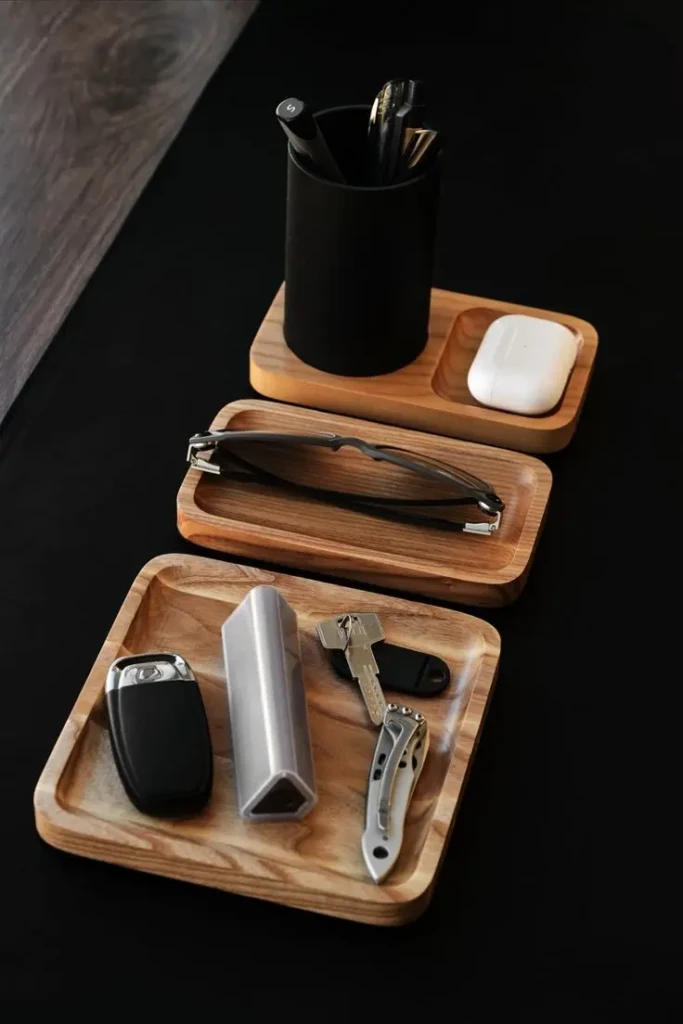
The remote work revolution created unprecedented demand for home office solutions. Multi-compartment desk organizers with spaces for pens, phones, papers, and supplies sell for $30-55 each.
Divided compartments teach precise dado joinery. Smooth, sanded interiors showcase craftsmanship. Add felt liners for premium appeal.
Skill Development: Compartment construction, dado joints, interior finishing Material Cost: $12-20 per organizer Selling Price: $30-55 Time Investment: 2.5-3.5 hours



10. Wooden Bathroom Towel Bars

Bathroom accessories represent untapped profit potential. Wooden towel bars, robe hooks, toilet paper holders—homeowners crave these custom touches and mass retailers rarely offer quality wooden options.
Simple wall-mounted bars using dowel joinery sell for $30-50. Waterproof finishing is essential—marine-grade polyurethane or specialized bathroom wood sealers.
Skill Development: Dowel joinery, waterproof finishing, mounting systems Material Cost: $10-16 per bar Selling Price: $30-50 Time Investment: 1.5-2.5 hours
Pair these with matching bathroom sets (toilet paper holder, towel ring, robe hook) for bundle sales.
11. Wooden Napkin Holder Rings
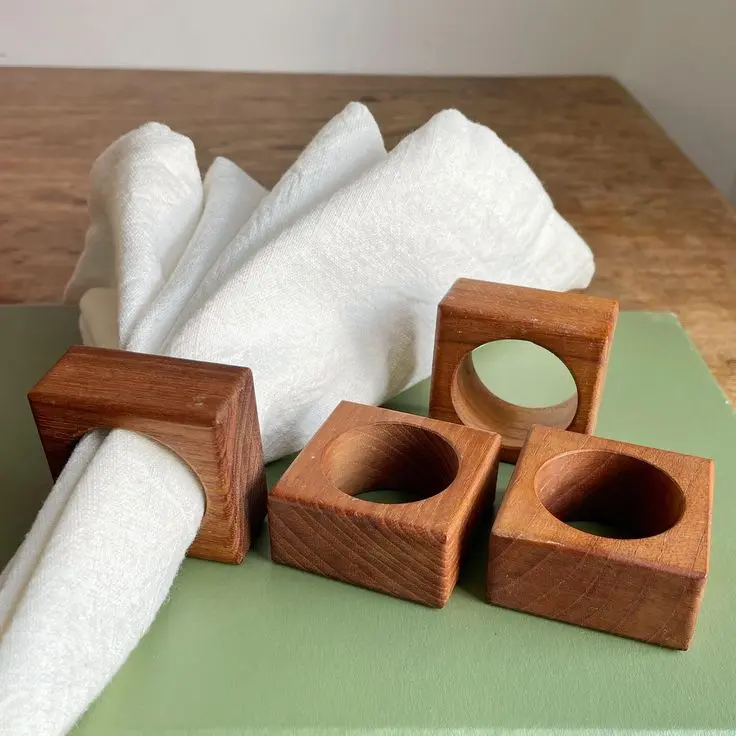
Elegant table accessories provide introduction to basic lathe work. Sets of four to eight napkin rings in premium hardwoods sell for $20-35 per set.
Consistent sizing determines professional appearance. Food-safe finishes only—mineral oil or beeswax work best. Local boutiques and home goods stores provide excellent retail channels.
Skill Development: Basic lathe operation, consistent production, food-safe finishing Material Cost: $5-10 per set Selling Price: $20-35 Time Investment: 1-2 hours per set
Holiday markets show particularly strong demand for these products as hostess gifts.
12. Wooden Jewelry Display Stands
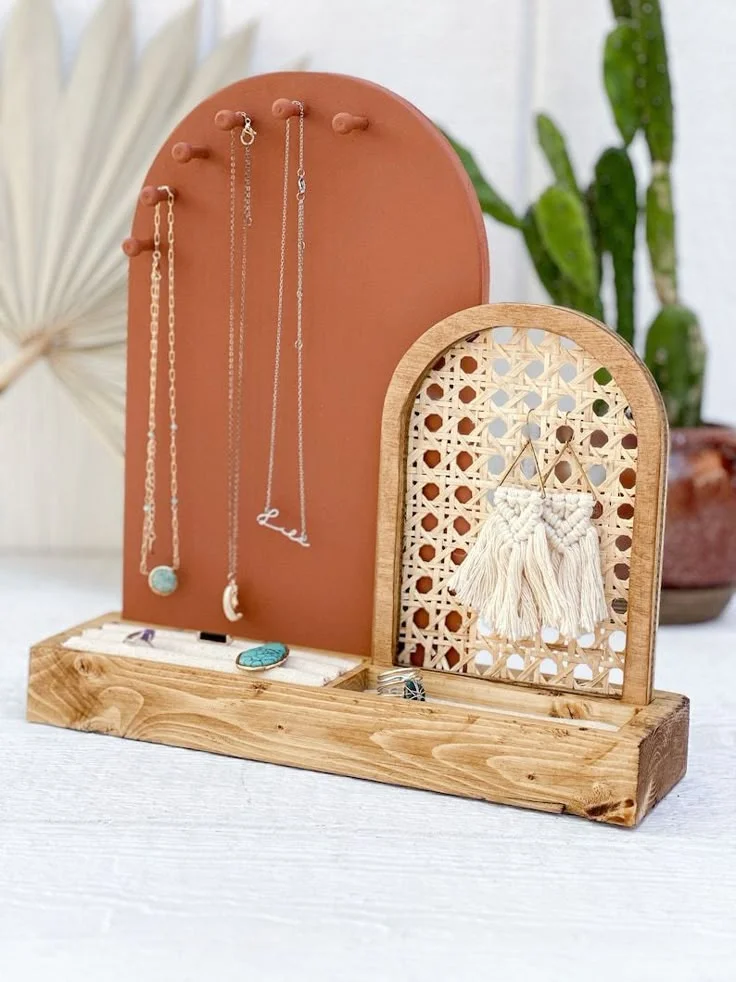
Craft fair vendors and boutique owners require attractive jewelry displays. Tiered stands with ring slots, necklace hooks, and earring holes sell for $30-60 each to both retailers and individual customers.
Modular designs that stack or configure differently provide versatility. Light woods like maple or birch showcase jewelry beautifully without visual competition.
Skill Development: Tiered construction, precise hole drilling, display design Material Cost: $12-18 per stand Selling Price: $30-60 Time Investment: 2-3 hours
These products connect woodworking businesses with artisan communities. Fellow makers often become repeat customers for display upgrades.
13. Wooden Bird House Feeders
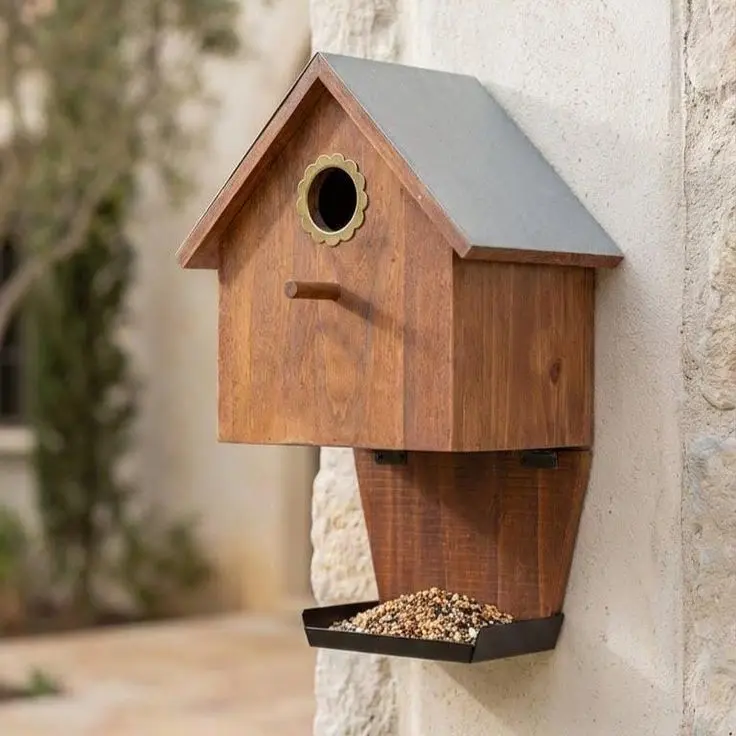
Outdoor décor sells year-round, with spring surges. Decorative birdhouses command $35-65 each. Functional feeders with seed storage sell for $40-75.
Weather-resistant wood (cedar, redwood) and outdoor-grade finishes are essential. Proper drainage and ventilation separate quality pieces from amateur work.
Skill Development: Outdoor construction, weatherproofing, functional design Material Cost: $15-25 per piece Selling Price: $35-75 Time Investment: 2-4 hours


Nature enthusiasts buy these eagerly. Consider partnering with local garden centers for consignment sales.
14. Wooden Laptop Computer Stands
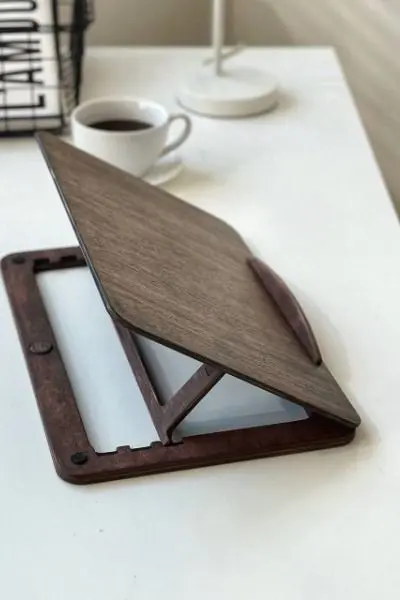
Ergonomic laptop stands became essential during remote work’s rise. Adjustable angles, sturdy construction, portable designs—these sell for $45-70 each to home office workers everywhere.
Focus on proper ergonomic angles (15-20 degrees). Ensure stability. Add cable routing channels. These solve real problems and customers recognize genuine value.
Skill Development: Angle cutting, ergonomic design, stability engineering Material Cost: $15-22 per stand Selling Price: $45-70 Time Investment: 2.5-3.5 hours
Market these to remote workers, students, anyone working from home. The audience is massive.
15. Wooden Smartphone Speaker Amplifiers
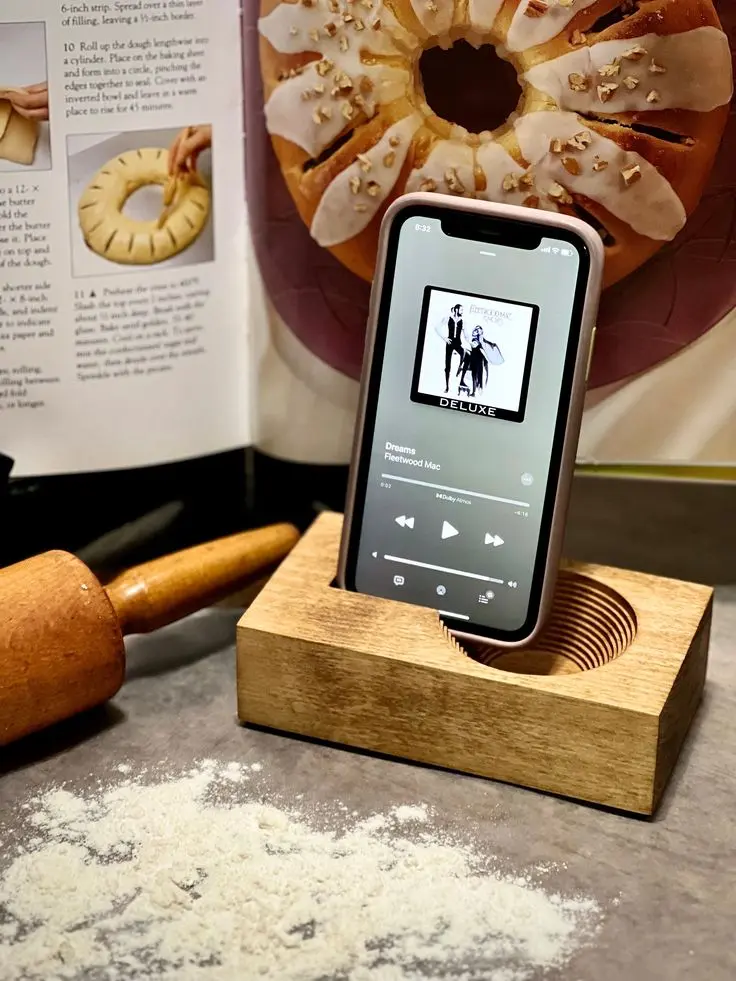
Acoustic amplifiers require zero electricity yet double phone volume through physics principles. These conversation-starting products sell for $30-50 each at markets and online platforms.
Resonance chamber designs amplify sound naturally without power sources. Horizontal and vertical phone orientations accommodate different device types. Minimal material requirements create maximum customer intrigue.
Skill Development: Acoustic chamber design, precise angle cuts, resonance understanding Material Cost: $8-15 per amplifier Selling Price: $30-50 Time Investment: 2-3 hours
Young professionals and tech enthusiasts show strong purchasing patterns for these unique, functional conversation pieces.
16. Wooden Garden Tool Holders
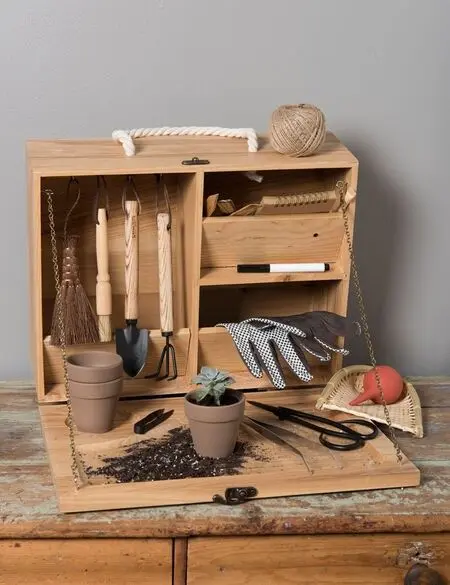
Gardeners pay premium prices for organization solutions. Wall-mounted holders with dowel pegs for tools, pegboard-style racks, freestanding storage—all sell well at $40-65 each.
Cedar or pine work beautifully here. Weather-resistant finishing extends outdoor life. Angled dowels prevent tools from sliding off.
Skill Development: Dowel hole drilling, weather-resistant construction, storage design Material Cost: $12-20 per holder Selling Price: $40-65 Time Investment: 2-3 hours
Target garden centers, farmers markets, anywhere gardening enthusiasts gather. Spring season demand explodes.
17. Wooden Beard Comb Holders


The male grooming market represents overlooked profit potential. Beard comb holders, grooming stations with mirror backing, multi-compartment organizers for oils and balms—specialty items that command $30-55 each.
Dark woods (walnut, mahogany) appeal to male customers. Include magnetic closures or leather details for premium positioning.
Skill Development: Small-scale joinery, magnetic installation, masculine design aesthetic Material Cost: $12-18 per station Selling Price: $30-55 Time Investment: 2-3 hours
Partner with barbershops, men’s boutiques, specialty gift stores for consignment opportunities.
18. Wooden Candle Holder Sets

Home décor essentials that sell consistently. Matching sets of three or four holders in varying heights create visual interest and command higher prices—$40-70 per set.
Taper candle holders, tea light groupings, pillar candle pedestals. Simple turned designs or geometric constructions. Both styles sell.
Skill Development: Lathe work or geometric construction, matching set production, decorative finishing Material Cost: $15-25 per set Selling Price: $40-70 Time Investment: 2.5-4 hours
These thrive during holiday seasons but sell year-round for gifts and home staging.
19. Wooden Herb Drying Racks

If you think candle holders sell fast, herb drying racks disappear from vendor tables even faster. I can tell you these simple projects command premium prices because gardeners desperately need them. You’re looking at $25-40 profit margins on basic designs that take maybe two hours to complete.
Multiple hanging rods create maximum drying space in minimal footprint. Adjustable height features let users accommodate different herb lengths. Collapsible designs appeal to customers with limited storage space.
Gardeners buy multiple units, often ordering custom sizes immediately.
20. Wooden Utensil Storage Caddies
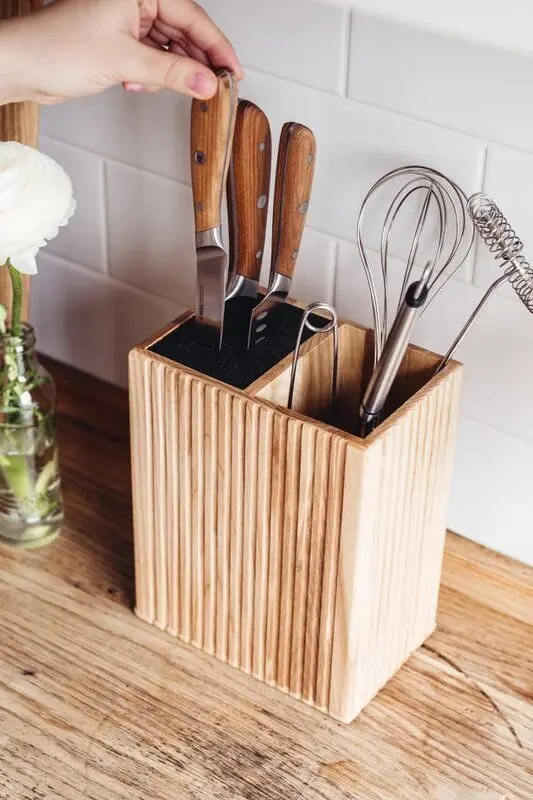
Kitchen chaos drives homeowners to seek elegant storage solutions, and wooden utensil caddies represent your ticket to consistent woodworking profits. I can tell you these simple boxes sell faster than any complex furniture piece I’ve built.
You’ll need basic pine, cedar, or hardwood scraps, creating compartments for spoons, spatulas, and whisks.The beauty lies in customization: different wood stains, personalized engravings, varying compartment sizes.
Mastering Production Fundamentals
Woodworking projects for beginners succeed or fail based on fundamental skills mastery. Not exotic techniques or expensive equipment—patient development of core competencies determines product quality.
Precision Measurement Practices
This ancient woodworking wisdom exists for valid reasons. Measurement precision determines quality throughout entire production processes. Sharp pencils, multiple verification points, and clear marking create accuracy foundations.
Time investment in measurement pays dividends. Rushed measuring creates expensive material waste and customer dissatisfaction.
Progressive Sanding Techniques
Sanding quality separates amateur work from professional products. Methodical progression through grits—80, 120, 180, 220—builds superior surface quality. Skipping grits creates inferior results. Sanding with grain direction rather than against prevents scratching.
Final 220-grit hand sanding passes create silk-like tactile surfaces. This surface quality justifies premium pricing and generates word-of-mouth referrals.
Strategic Finish Selection
Finish selection protects wood while showcasing natural beauty. Appropriate choices depend on project purpose:
- Food-safe items: mineral oil, beeswax, or specialized cutting board oil
- Decorative pieces: Danish oil, tung oil, or water-based polyurethane
- High-wear items: oil-based polyurethane or lacquer
- Outdoor projects: marine-grade sealers or specialized exterior finishes
Thin coat application and light sanding between coats creates heirloom-quality results that command premium prices.
Strategic Pricing for Woodworking Products
Many beginning woodworking businesses underprice severely, calculating only material costs while ignoring time, skill development, overhead, and the inherent value of handmade quality.
The Sustainable Pricing Formula
Material Cost + (Hourly Rate × Time) + 15-30% Markup = Minimum Price
Hourly rates should reflect skilled craftsmanship, not minimum wage. Factors to consider: creative design time, quality materials, customer service, and specialized skills. Starting at $25-35/hour minimum establishes sustainable business foundations, with rates increasing as skills and reputation grow.
According to Elle’s comprehensive guide to creative entrepreneurship, artisans who price confidently from the beginning build sustainable businesses, while those who undercharge struggle perpetually with profitability.
A cutting board using $15 in materials, requiring 2.5 hours at $30/hour: $15 + ($30 × 2.5) + 20% = $15 + $75 + $18 = $108 minimum
This isn’t excessive pricing. This is sustainable business practice that respects craft value.
Understanding Different Market Channels
Local markets support different price points than online sales or boutique consignment. Craft fair customers often seek affordable handmade items in the $20-60 range. High-end boutiques expect premium pricing that matches their brand positioning, often $75-200+ for similar items.
Research comparable products across channels. Observe which items sell versus which linger. Adjust pricing strategy accordingly based on actual market response.
Conclusion
You’ve got everything you need to start earning serious money from woodworking. I can tell you, the demand for handmade pieces isn’t slowing down anytime soon. Pick three projects that match your skill level, invest in quality tools, and start building your customer base today. Don’t wait for perfect conditions – they’ll never come. Your first sale is just one completed project away, and that’s when everything changes.
Frequently Asked Questions
How much money can beginners realistically make with woodworking projects?
Initial earnings for new woodworking businesses typically range from $200-500 monthly selling simple items like cutting boards, frames, and coasters at local markets. As skills develop and customer bases grow, monthly income can increase to $800-2,500 through furniture pieces and custom orders. Full-time woodworking businesses eventually reach $3,000-12,000 monthly, though this typically requires 12-24 months building reputation, refining skills, and establishing consistent sales channels. Location, pricing confidence, and marketing effectiveness significantly impact earning potential.
What basic tools do new woodworking businesses need to start producing profitable projects?
Beginning woodworking businesses should invest in these essentials: circular saw ($80-150), cordless drill with bit set ($100-180), measuring tape and combination square ($30-50), random orbital sander ($60-120), and assorted clamps ($50-100). This $300-600 investment enables production of most beginner-level profitable projects. Additional tools like miter saws ($200-400) and routers ($100-200) can be added as skills develop and project complexity increases. Avoiding immediate purchase of every available tool preserves capital for materials and marketing.
Which woodworking projects sell fastest at craft fairs and local markets?
Cutting boards consistently demonstrate fastest sales velocity, followed by coaster sets, picture frames, and small organizational items like key holders and spice racks. Items priced between $25-60 move most quickly—affordable enough for impulse purchases yet substantial enough to feel valuable. Seasonal products (candle holders during holidays, plant stands in spring) show exceptionally strong sales during peak periods. Market research shows practical items customers actually use outperform purely decorative pieces.
How should woodworking businesses price products without undercharging?
Sustainable pricing formulas calculate material cost plus time investment at $25-35 hourly, then add 15-30% markup. For example: a cutting board with $15 materials requiring 2.5 hours equals $15 + ($30 × 2.5) + 20% = $108 minimum. Researching comparable handmade items locally and online provides market context. Confident pricing from the beginning supports business sustainability—underpricing hurts individual businesses and devalues the entire maker community’s work.
Can profitable woodworking businesses operate from residential garages?
Most successful woodworking businesses begin in single-car garages or basement spaces. Adequate workspace (even just 8×10 feet initially), decent lighting, basic dust control, and compliance with local regulations enable profitable home-based operations. Many woodworkers operate successfully from home workshops for years before considering dedicated commercial space. Checking local zoning laws regarding home-based businesses and noise ordinances prevents future complications.
What wood types work best for beginner woodworking business products?
Pine and poplar offer affordability and workability for practice pieces and painted items. Maple and oak provide attractive grain patterns for cutting boards and furniture requiring durability. Walnut and cherry command premium prices for high-end pieces once skills develop. Strategic material selection: pine for skill development, transitioning to hardwoods as confidence and customer base grow. Local lumber yards typically offer better quality and pricing than big-box stores.
How long before woodworking businesses can support full-time income?
Most successful transitions from part-time to full-time woodworking require 18-24 months of consistent work building skills, customer base, and financial reserves. Saving 6-12 months living expenses first provides security cushion before leaving stable employment. Thoroughly testing market demand and ensuring reliable generation of 150-200% of necessary monthly income through woodworking reduces transition risk significantly. Many profitable woodworkers maintain part-time employment initially while building craft businesses gradually and sustainably.
Do woodworking businesses need insurance to sell products legally?
Yes, liability insurance becomes essential once regular sales begin. General liability coverage protects businesses against product injury claims and typically costs $200-400 annually for small operations. Most craft fairs require proof of insurance for vendor participation. Standard homeowner’s insurance policies usually exclude business activities entirely. Business liability insurance provides essential protection—single uninsured claims could create devastating financial consequences for small businesses.

Learn which 19 macrame projects generate thousands monthly for crafters who know this one insider se
Leave a Reply