

11 Lemon Desserts That Taste Like a Warm Afternoon Somewhere Near the Mediterranean
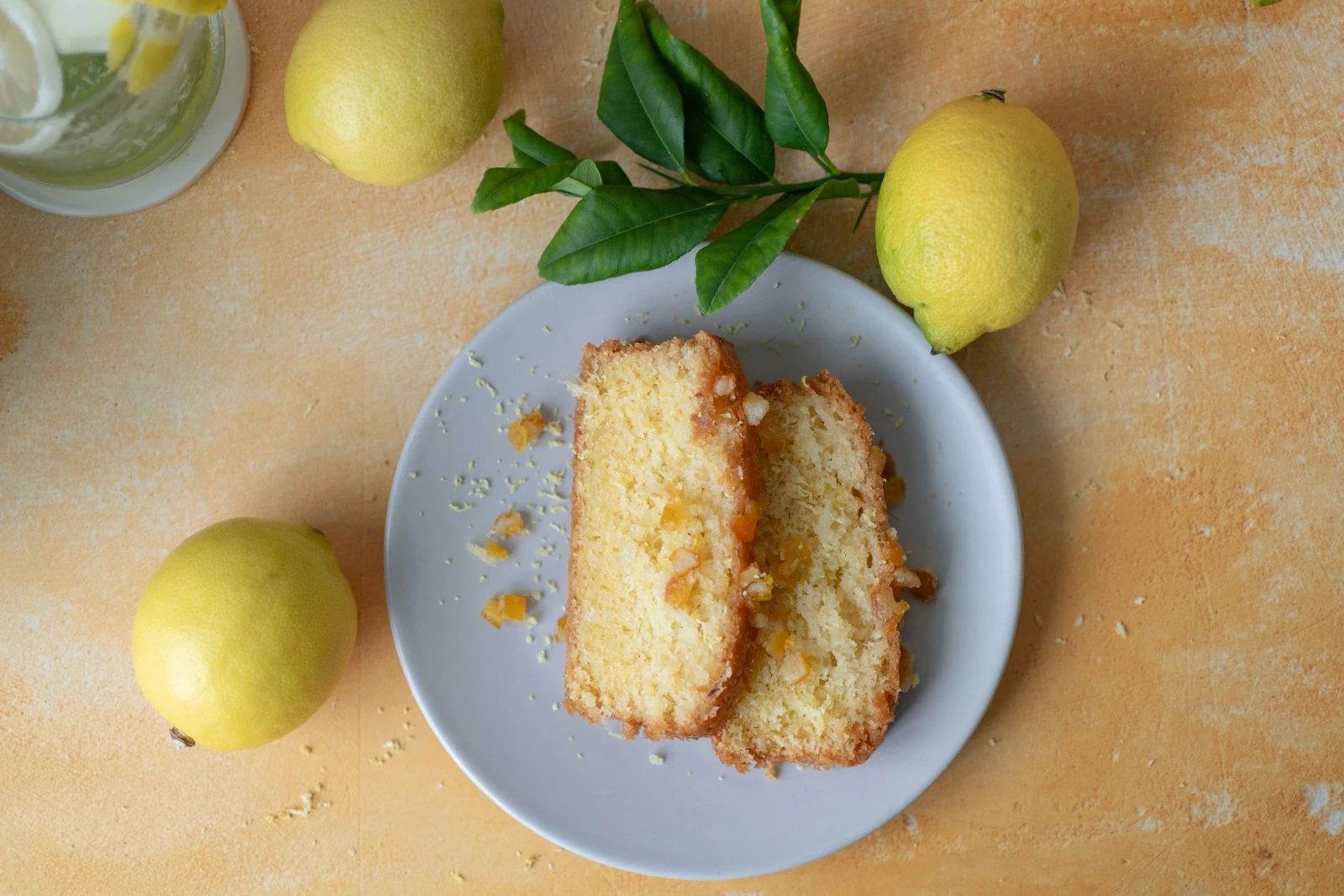
My grandmother never measured anything. She’d squeeze a lemon directly over the bowl, catch whatever juice came out, and somehow the cake was perfect every single time. It took me years to figure out why — and the answer was embarrassingly simple. She used good lemons. Real ones. The kind that smell like sunshine before you even cut them.
These 11 lemon desserts are her kind of recipes. Not fussy, not complicated. Just bright, citrusy, a little rustic, and the sort of thing that makes your kitchen smell like you live somewhere with better weather.
This post contains affiliate links. If you buy something through these links, I may earn a small commission at no extra cost to you. I only recommend things I’d actually use.
1. Lemon Olive Oil Cake
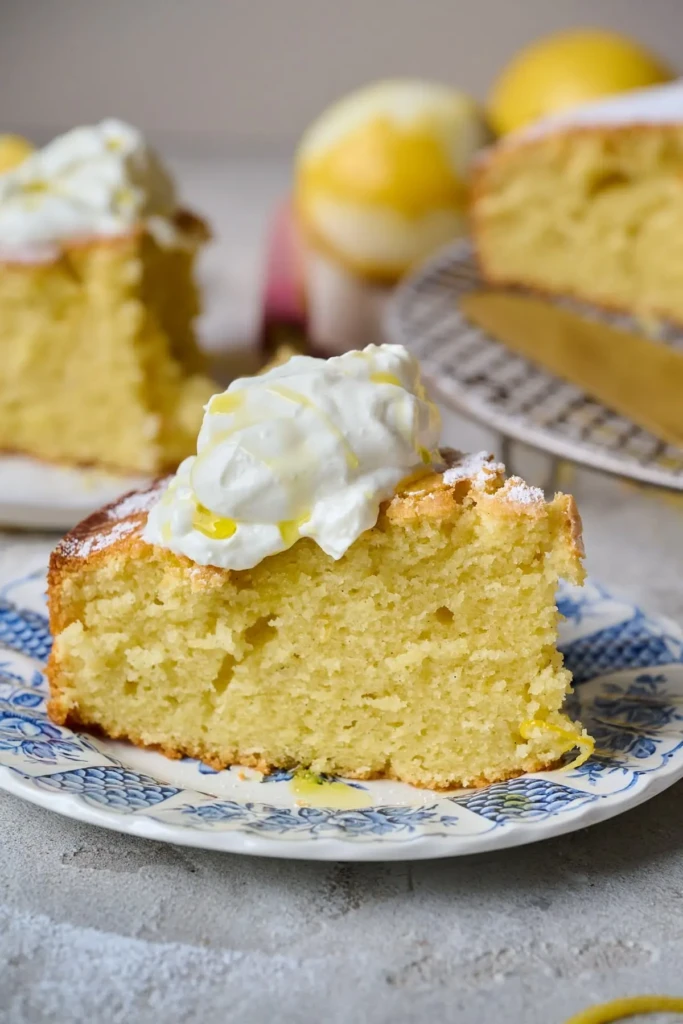
This is the one I make most often. It sounds fancy, but it’s actually simpler than a standard butter cake — you just whisk everything together in one bowl. No softening butter, no creaming, no drama.
The olive oil keeps it moist for days (seriously, it gets better on day two), and the lemon flavor is genuinely bright without being sour. Use regular olive oil if you want it subtle. Extra virgin if you want a faint, grassy depth that’s actually really good with citrus.
The recipe:
- 1 cup (240ml) olive oil
- 3 eggs
- 1 cup (200g) sugar
- Zest of 2 lemons + ½ cup (120ml) fresh lemon juice
- 1 tsp vanilla extract
- 2 cups (250g) all-purpose flour
- 1 tsp baking powder
- ½ tsp baking soda
- ½ tsp salt
- ½ cup (120ml) whole milk
Preheat oven to 350°F (175°C). Grease a 9-inch springform pan well and wrap the outside in foil — the batter is liquidy. Whisk oil, eggs, and sugar together. Add lemon zest, juice, and vanilla. Sift in the dry ingredients, alternating with the milk in two batches. Don’t overmix. Bake 45–50 minutes until a toothpick comes out clean. Dust with powdered sugar before serving.
2. Sicilian Lemon Pudding
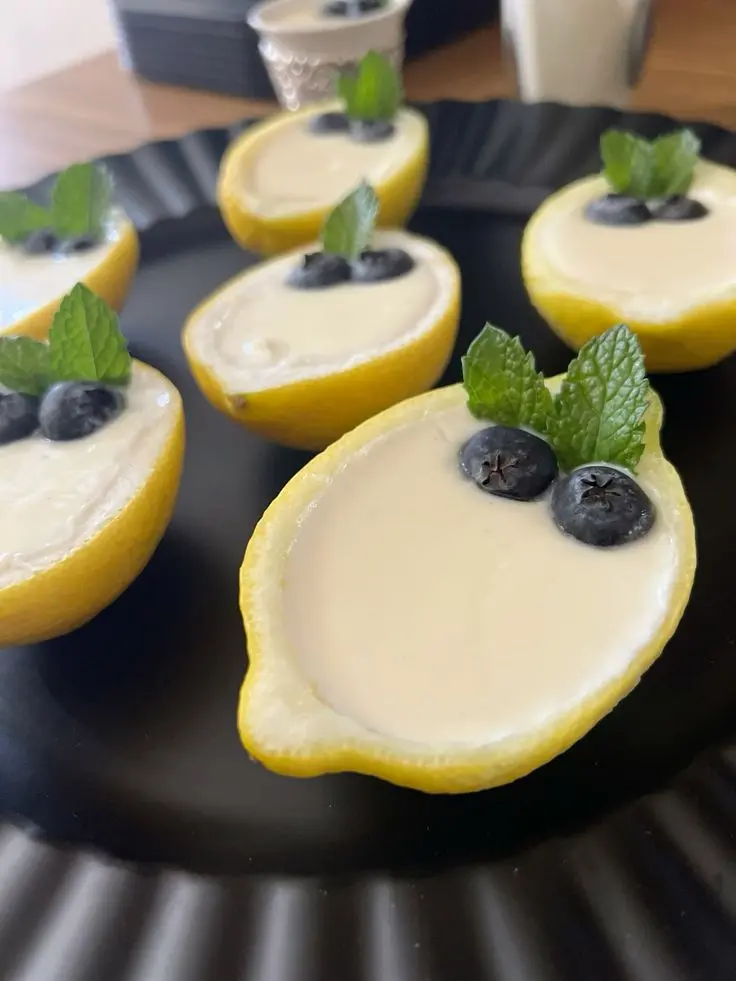
This one is dairy-free and gluten-free, which surprised me because it tastes rich. It’s set in individual cups using cornstarch and egg, and the texture lands somewhere between a panna cotta and a lemon curd — delicate but substantial enough to feel like an actual dessert.
Make it the night before. It needs several hours to firm up, and cold is the right temperature for this.
The recipe:
- ¾ cup (150g) sugar
- Pinch of salt
- Zest of 2 lemons
- 3 tbsp cornstarch
- 3 eggs
- ¾ cup (180ml) fresh lemon juice
- 1½ cups (360ml) water
Combine sugar, salt, and lemon zest in a bowl — rub the zest into the sugar with your fingers until it turns pale yellow. Stir in cornstarch. Beat in eggs with a hand mixer until pale and foamy. Pour into a saucepan, whisk in lemon juice and water. Cook over medium heat, stirring constantly, until thick enough to coat a spoon. Strain through a fine-mesh sieve. Pour into 4–6 small cups or ramekins. Refrigerate at least 4 hours. Top with fresh berries when serving.
3. Lemon Ricotta Cake
Italian bakeries sell this for breakfast and I completely understand why. It’s dense in the best way — moist, soft, almost creamy from the ricotta — and the lemon keeps it from feeling heavy. A friend visited while I was testing this one and ate three slices across two days.
The olive oil here is non-negotiable. Butter alone makes it richer but flatter. The combo is what gives it that slightly-bakery depth.
The recipe:
- ¾ cup (180ml) olive oil + 2 tbsp butter, melted
- 1½ cups (300g) ricotta (full-fat, drained if watery)
- 3 eggs
- 1 cup (200g) sugar
- Zest of 2 lemons + 3 tbsp fresh lemon juice
- 1 tsp vanilla extract
- 1½ cups (190g) all-purpose flour
- 2 tsp baking powder
- ½ tsp salt
Preheat oven to 350°F. Grease a 9-inch springform pan with butter. Beat together olive oil, butter, ricotta, eggs, sugar, lemon zest, juice, and vanilla until smooth. Fold in flour, baking powder, and salt — don’t overmix. Pour into pan. Bake 45–55 minutes until golden and a toothpick comes out clean. Cool completely before removing from pan.
4. Greek Lemon Olive Oil Cake with Yogurt
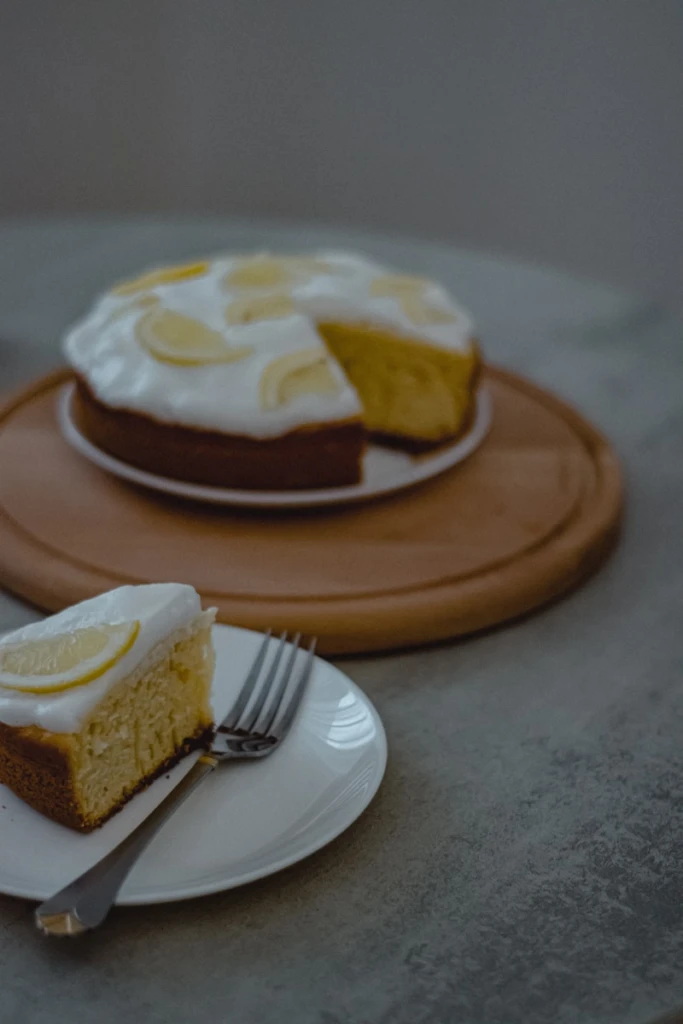
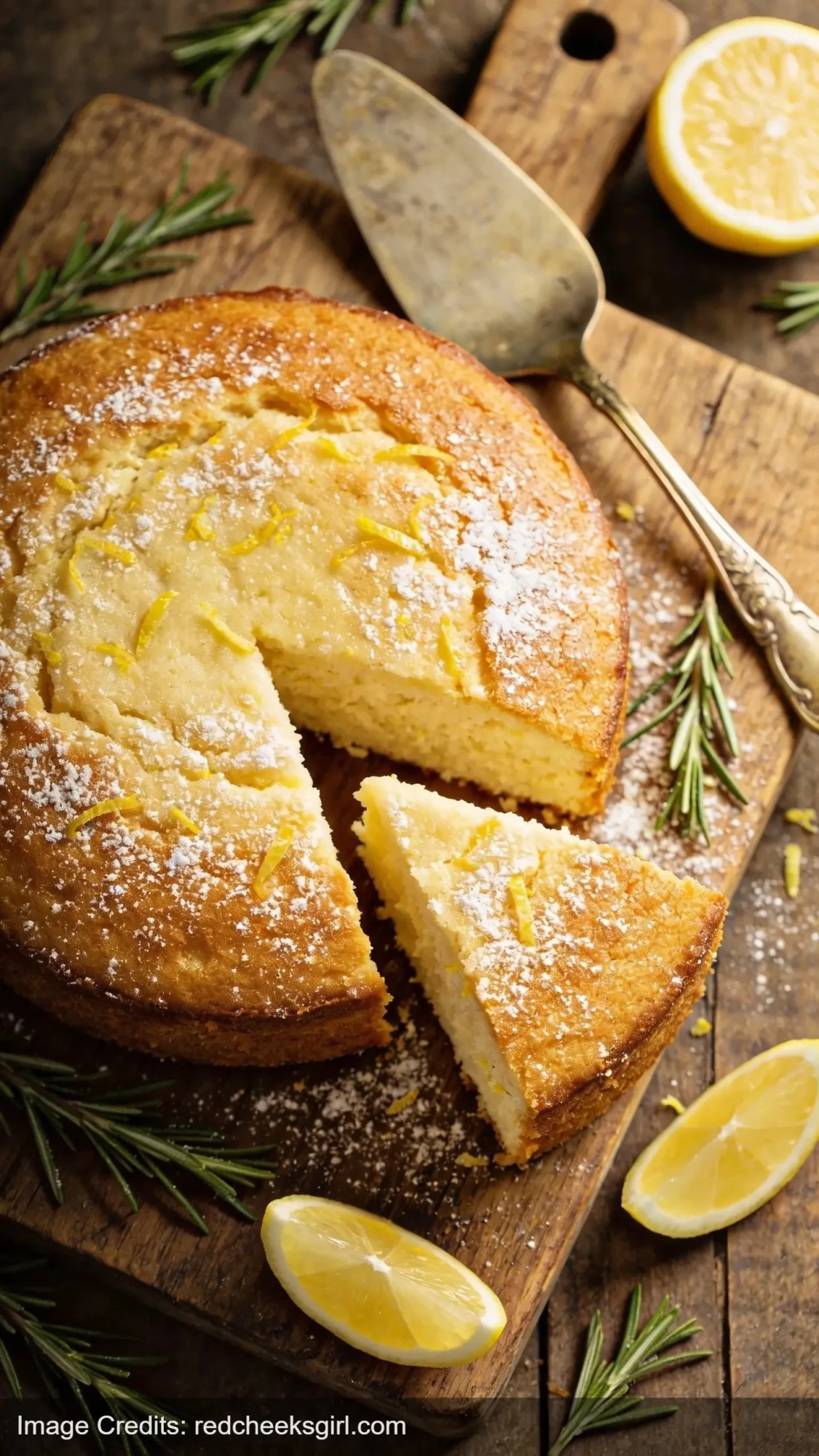
This is a slightly different version from the standard olive oil cake above — it uses Greek yogurt in the batter, which adds a gentle tang and makes the crumb almost impossibly tender. It comes from the tradition of Cretan home baking, where yogurt, olive oil, and citrus were always available. The result is a cake that tastes clean and light.
Serve with a spoonful of extra yogurt on the side and a drizzle of honey. That’s honestly the whole dessert.
The recipe:
- 1 cup (240ml) extra virgin olive oil
- 1 cup (240g) full-fat Greek yogurt
- 3 egg yolks
- 1 cup (200g) sugar
- Zest of 1 lemon
- 2 cups (250g) all-purpose flour
- 2 tsp baking powder
- Pinch of salt
Beat together olive oil, yogurt, and sugar for 3–4 minutes. Fold in egg yolks until smooth. Add lemon zest. Stir in flour, baking powder, and salt. Grease a 9×9 pan and pour in batter. Bake at 350°F for 55–60 minutes. Brush with a little melted butter while warm. Dust with powdered sugar before serving.
5. Lemon Tart with Olive Oil Crust
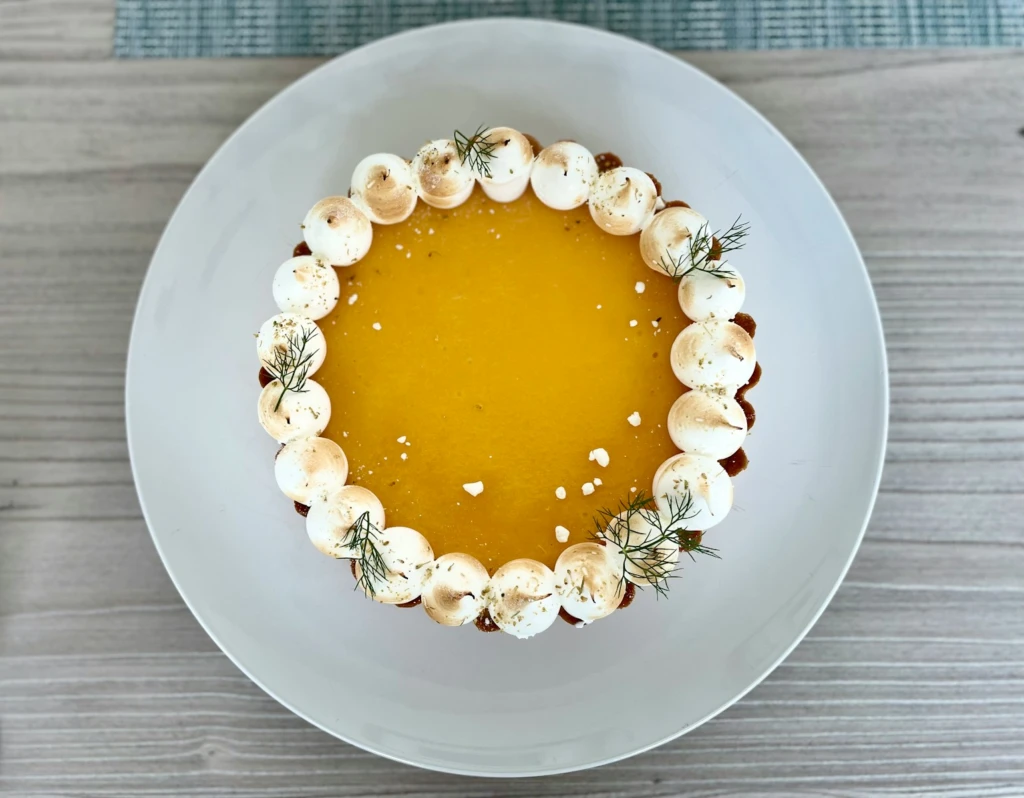
The classic French tarte au citron is loaded with butter — in the crust and the curd. This version swaps it for olive oil, and the result is surprisingly better. More interesting, anyway. There’s a faint savory-floral note that makes the lemon filling pop instead of sitting in a pool of butteriness.
The curd thickens with both eggs and cornstarch, so it sets firmly even at room temperature.
The recipe (serves 8):
For the crust:
- 1½ cups (190g) flour
- 3 tbsp sugar
- Pinch of salt
- ½ cup (120ml) olive oil
- 2–3 tbsp cold water
For the filling:
- Zest of 2 lemons + ¾ cup (180ml) fresh lemon juice
- ¾ cup (150g) sugar
- 3 eggs + 2 egg yolks
- 1½ tbsp cornstarch
- ½ cup (120ml) extra virgin olive oil
Mix crust ingredients until it just comes together. Press into a 9-inch tart pan. Prick with a fork. Bake at 350°F for 18–20 minutes until pale gold. For the filling: whisk together lemon zest, juice, sugar, eggs, yolks, and cornstarch in a saucepan. Cook over medium heat, stirring constantly, until thick. Remove from heat, whisk in olive oil. Pour into crust. Chill at least 2 hours. Dust with powdered sugar to serve.
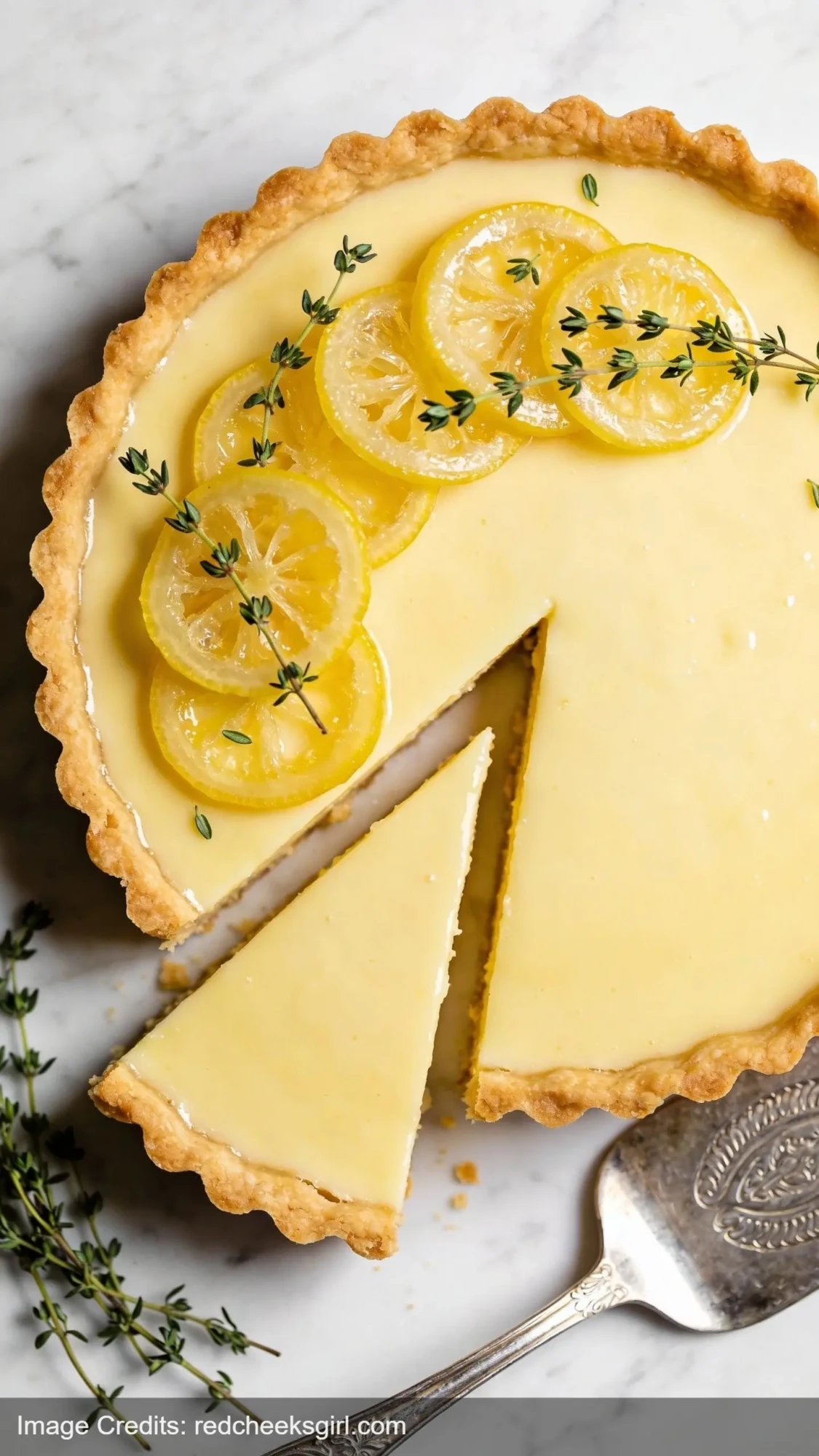
6. Lemon Polenta Cake
Polenta gives this cake a slightly sandy, golden texture that I find really satisfying — you can actually feel the grain a little when you eat it. It’s naturally gluten-free if you use certified gluten-free polenta, which is nice. The lemon syrup poured over while it’s warm is what makes it.
Don’t skip the syrup. It sounds fussy but it takes 3 minutes and it’s the whole point.
The recipe:
- ½ cup (120ml) olive oil
- ¾ cup (150g) sugar
- 3 eggs
- Zest and juice of 2 lemons
- 1 cup (120g) almond flour
- ¾ cup (120g) fine polenta/cornmeal
- 1½ tsp baking powder
- ¼ tsp salt
For the syrup:
- Juice of 1 lemon
- 3 tbsp sugar
Preheat oven to 350°F. Grease an 8-inch round pan. Beat oil and sugar, add eggs one at a time. Mix in lemon zest and juice. Fold in almond flour, polenta, baking powder, and salt. Pour into pan. Bake 35–40 minutes. While still warm, heat lemon juice and sugar in a small saucepan until dissolved. Poke the cake all over with a toothpick, pour syrup over the top. Let soak 20 minutes before slicing.
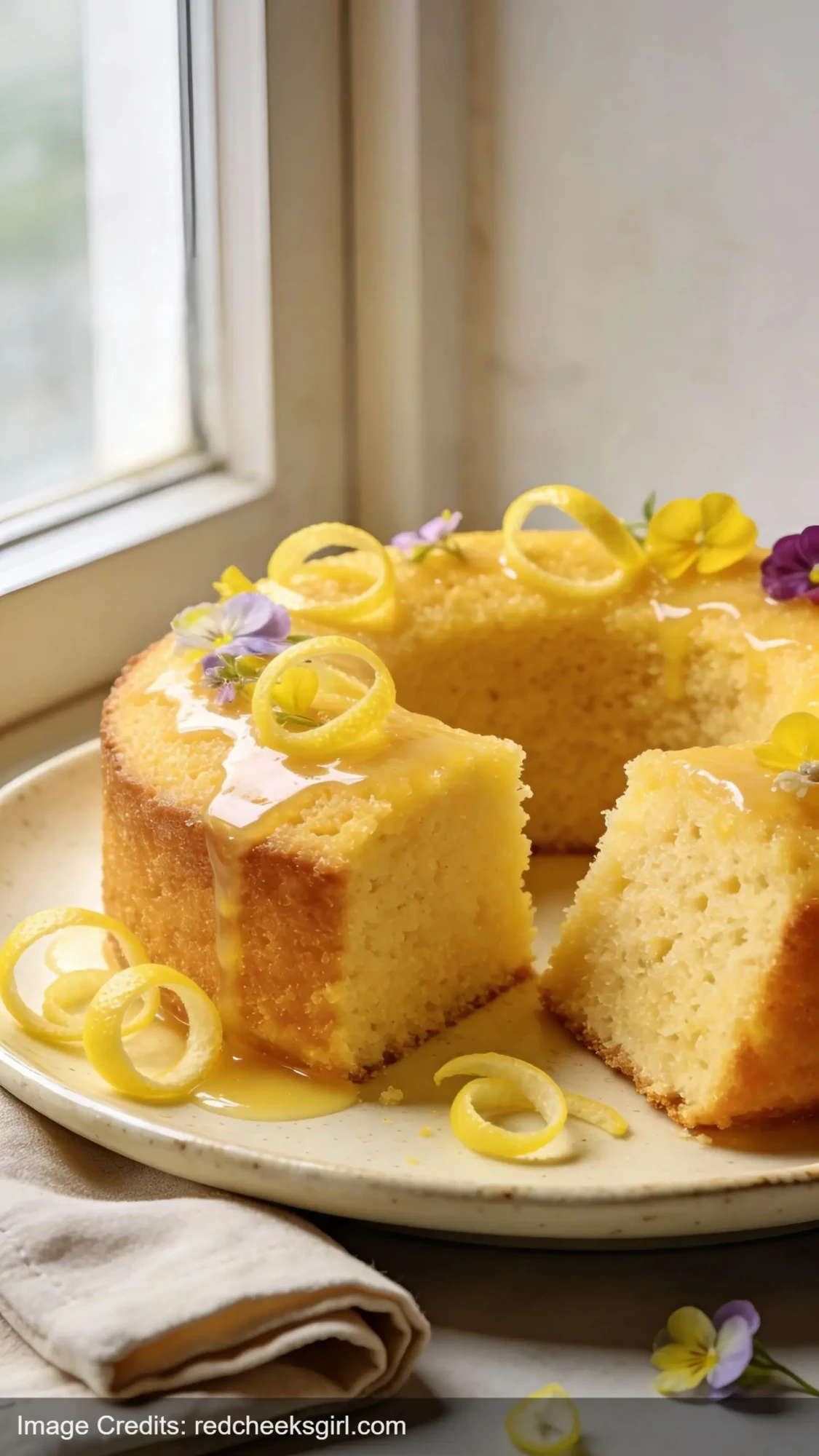
7. Lemon Posset
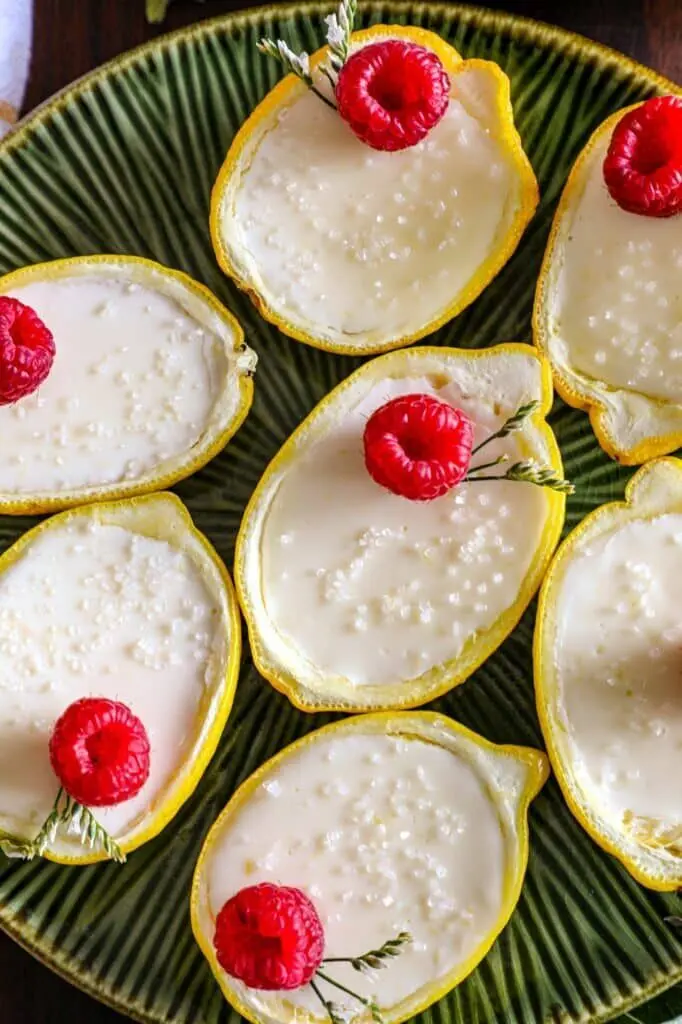
Three ingredients. That’s it. Cream, sugar, lemon juice — and the acid in the juice is what sets the cream without any gelatin or eggs. It’s genuinely strange chemistry that somehow produces the silkiest dessert you’ve ever made.
This one is for when you want to look impressive at a dinner party without doing any actual work. Set it in wine glasses the night before. Pull it out at the end of the meal. Take your compliments graciously.
The recipe (serves 4):
- 2 cups (480ml) heavy cream
- ⅔ cup (130g) sugar
- Juice of 2 large lemons (about ⅓ cup / 80ml)
Bring cream and sugar to a boil in a saucepan, stirring to dissolve. Simmer 3 minutes, stirring often — watch so it doesn’t boil over. Remove from heat. Stir in lemon juice. Let cool 10 minutes. Pour into 4 glasses or ramekins. Refrigerate at least 4 hours (overnight is best). Serve cold, topped with berries or a little lemon zest.
8. Spanish Lemon Almond Cookies (Polvorones de Limón)
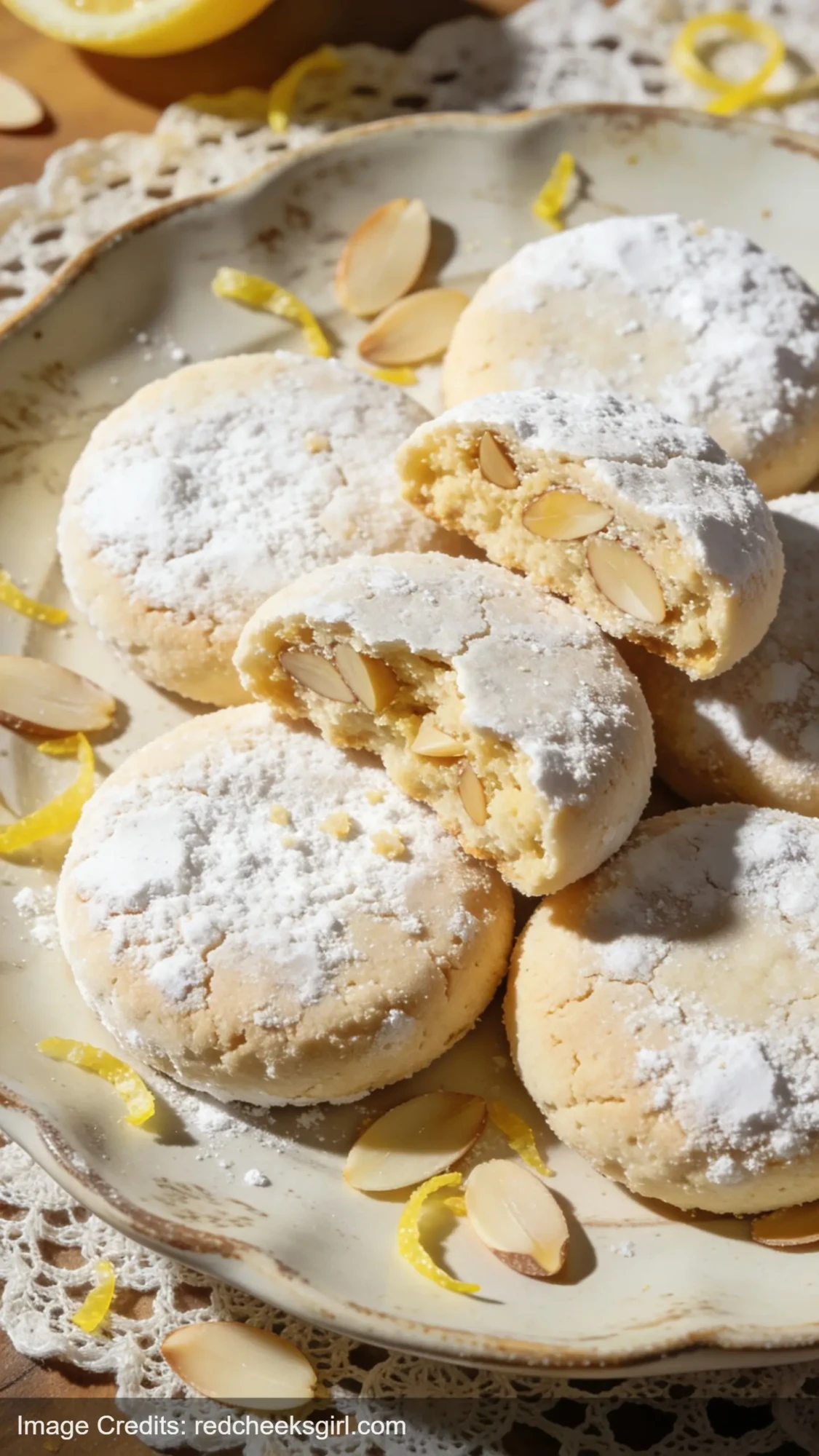
Polvorones are traditionally Christmas cookies in Spain, but the lemon version is too good to save for December. They’re crumbly, barely sweet, and dissolve a little on your tongue — the almond and lemon together smell like a pastry shop in Seville.
The dough is very soft. Don’t try to roll it thin. Thick rounds, about ¾ inch, baked until just set.
The recipe (makes about 20 cookies):
- 1 cup (100g) almond flour
- 1 cup (125g) all-purpose flour (or more almond flour for GF)
- ½ cup (100g) powdered sugar, plus more for dusting
- Zest of 1 large lemon
- 1 tsp vanilla extract
- ½ cup (115g) butter, softened
- Pinch of salt
Beat butter and powdered sugar until pale. Mix in lemon zest and vanilla. Add both flours and salt — mix until a soft dough forms. Refrigerate 30 minutes. Preheat oven to 325°F. Roll into balls and flatten slightly onto a parchment-lined baking sheet — they should be about ¾ inch thick. Bake 18–20 minutes until barely golden. Cool completely before moving — they’re fragile when warm. Dust generously with powdered sugar.
9. Lemon Honey Panna Cotta
Standard panna cotta is made with heavy cream and gelatin. This version swaps some of the cream for Greek yogurt, adds honey instead of all-white sugar, and finishes with a lemon zest-infused top layer. It’s lighter and less cloying than the classic — and it tastes like something you’d eat on a terrace in Santorini, which is a very specific compliment.
The recipe (serves 6):
- 1½ cups (360ml) heavy cream
- 1 cup (240g) Greek yogurt
- 3 tbsp honey
- 2 tbsp sugar
- 2½ tsp unflavored gelatin
- 3 tbsp cold water
- Zest of 1 lemon + 2 tbsp lemon juice
Sprinkle gelatin over cold water, let sit 5 minutes. Warm cream, honey, and sugar in a saucepan over medium heat until steaming (don’t boil). Remove from heat, add gelatin, stir until dissolved. Whisk in Greek yogurt, lemon zest, and juice. Strain through a sieve. Pour into 6 lightly oiled glasses or ramekins. Refrigerate at least 4 hours. To serve, run a thin knife around the edge and invert, or serve directly in the glass.
10. Lemon Semolina Cake (Revani)
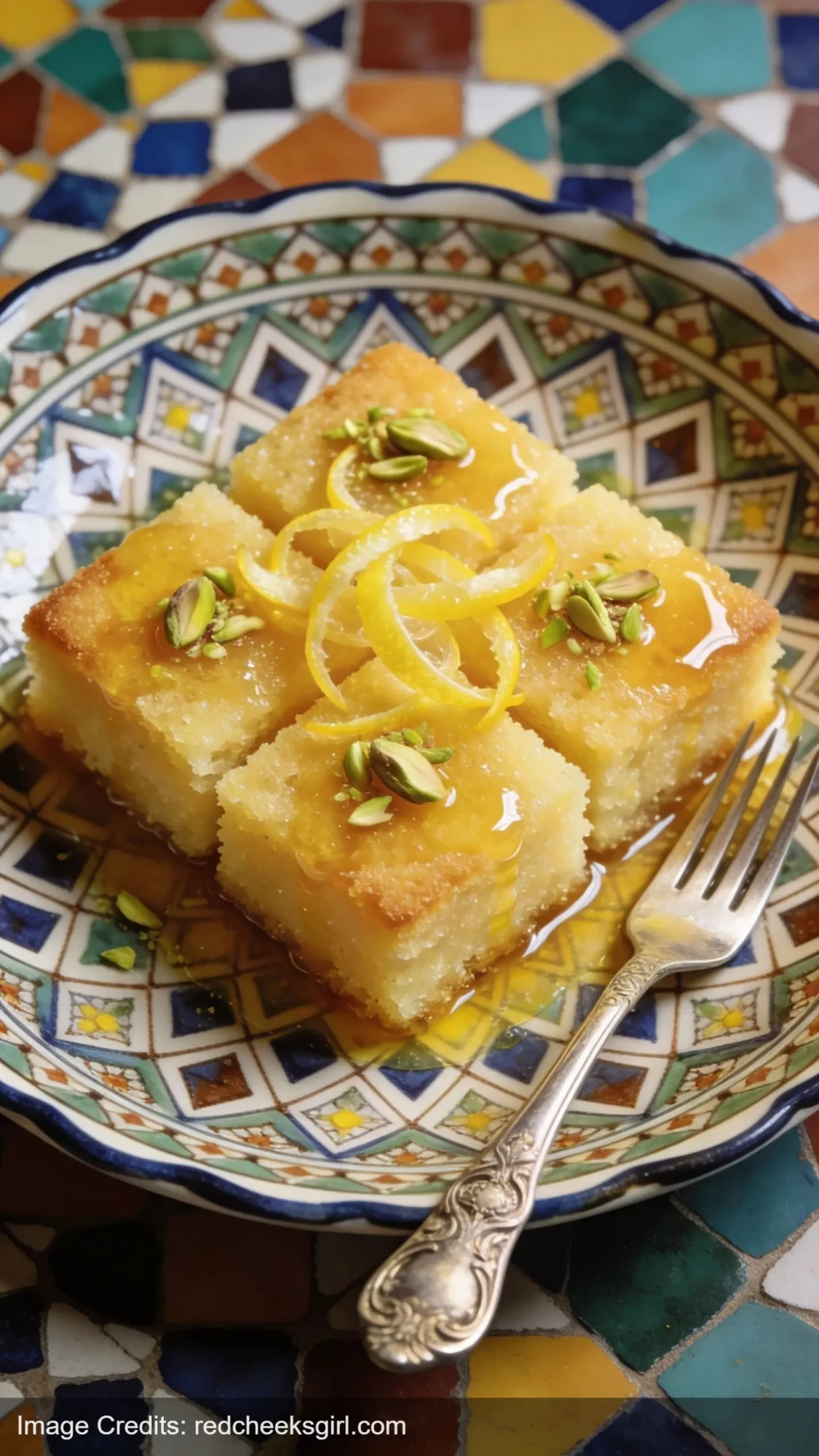
Revani is a Turkish and Greek cake soaked in citrus syrup — similar in concept to a Middle Eastern basbousa, but with a distinctly Mediterranean lemon-forward version that’s lighter and brighter. The semolina gives it texture; the syrup makes it moist to the point of almost being wet, in the best way.
This is the kind of dessert that gets better as it sits. Make it the day before if you can.
The recipe:
- 3 eggs
- ¾ cup (150g) sugar
- ½ cup (120ml) olive oil or neutral oil
- 1 cup (240g) plain yogurt
- Zest of 1 lemon
- 1 cup (160g) fine semolina
- ¾ cup (95g) flour
- 2 tsp baking powder
For the syrup:
- 1½ cups (300g) sugar
- 1½ cups (360ml) water
- Juice of 1 lemon
Preheat oven to 350°F. Beat eggs and sugar until pale. Add oil, yogurt, and zest. Fold in semolina, flour, and baking powder. Pour into a greased 9×13 pan. Bake 25–30 minutes until golden. Meanwhile, make syrup: bring sugar, water, and lemon juice to a boil, simmer 5 minutes. When cake comes out of the oven, immediately pour hot syrup slowly over the hot cake. Let absorb completely — at least 1 hour — before cutting into diamonds or squares.
11. Lemon Curd Pavlova
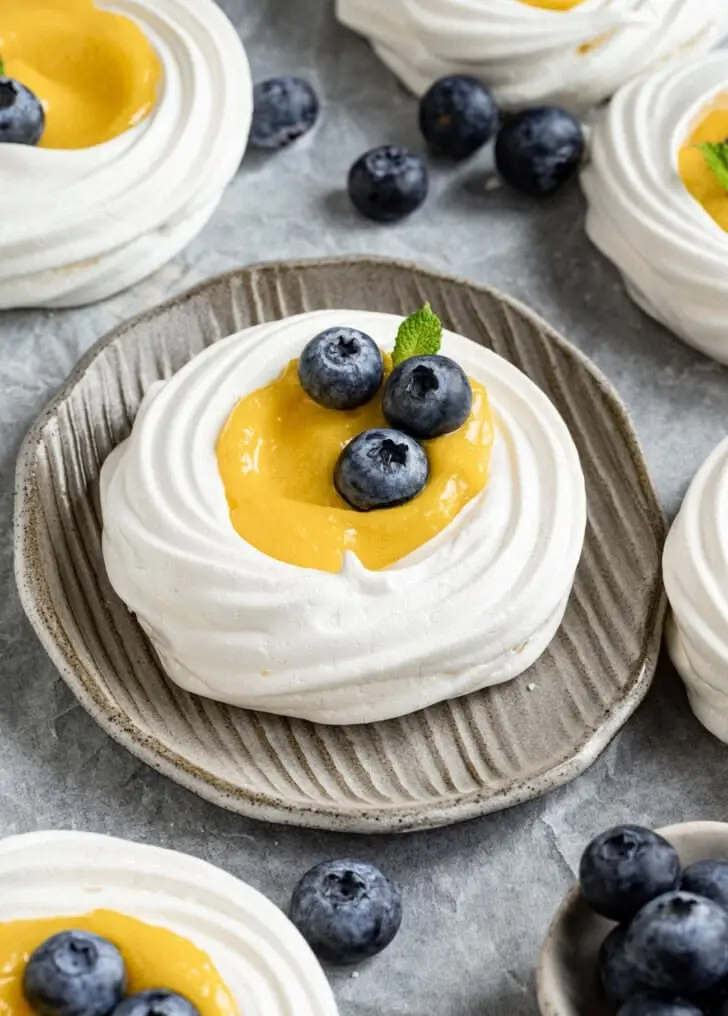
Pavlova is technically Australian but it belongs here because it’s basically an excuse to pile lemon curd and whipped cream onto something that crunches like meringue and feels very summer. The lemon curd recipe below is the important part — rich, tart, glossy, and so much better than anything from a jar that it’s almost embarrassing.
Make the meringue the day before. It keeps fine in a cool, dry spot and the timing becomes much less stressful.
The recipe:
Meringue base:
- 4 egg whites, room temperature
- 1 cup (200g) superfine sugar
- 1 tsp white vinegar
- 1 tsp cornstarch
- 1 tsp vanilla
Beat egg whites to soft peaks. Gradually add sugar, one tablespoon at a time, beating until stiff and glossy — about 10 minutes total. Fold in vinegar, cornstarch, and vanilla. Pile onto a parchment-lined baking sheet into a round, about 8 inches. Bake at 250°F for 1 hour 15 minutes. Turn oven off, leave inside 1 more hour. Do not open the door.
Lemon curd:
- 3 eggs + 2 egg yolks
- ¾ cup (150g) sugar
- Juice of 3 lemons + zest of 1
- 6 tbsp (85g) cold butter, cubed
Whisk eggs, yolks, sugar, juice, and zest in a saucepan over medium-low heat. Stir constantly until thick enough to coat a spoon — about 8–10 minutes. Remove from heat. Whisk in butter piece by piece. Strain into a jar. Refrigerate until cold.
To assemble: Top meringue with 1 cup whipped cream, then spoon lemon curd generously over the top. Serve immediately.
A Few Things That Make All of These Better
Fresh lemon juice only — the bottled stuff is flat and a little sad in baked goods. Zest before juicing, always. And when a recipe says “zest of 1 lemon,” use a fine Microplane grater and actually zest the whole lemon, not just part of it. That’s where most of the flavor lives.
For equipment, I use a citrus juicer that fits over a bowl so seeds stay out automatically, and a fine Microplane zester because cheap zesters just shred the pith with the zest and you end up with bitter bits in your batter. Both of these cost under $20 combined and get used constantly once you start making citrus desserts regularly.
And if you’re leaning into the Mediterranean baking thing — olive oil is genuinely worth buying at decent quality for desserts. It doesn’t need to be the most expensive bottle on the shelf, but a nice extra virgin olive oil adds something subtle that makes these cakes and tarts taste more like they came from an actual bakery.
FAQ
Do I have to use fresh lemon juice? For anything where lemon is the main flavor — yes. Bottled juice works fine in a pinch for something where lemon is one of ten ingredients. But in lemon olive oil cake or lemon posset? You’ll taste the difference.
Can I make these ahead? Most of them are actually better the next day. The olive oil cake, ricotta cake, semolina cake (Revani), Sicilian pudding, panna cotta, and posset all hold well in the fridge for 2–3 days. The pavlova should be assembled same-day once you have the meringue ready.
What’s the difference between these and regular lemon desserts? Mostly the fat. Mediterranean baking leans on olive oil instead of butter, and often uses yogurt or ricotta instead of heavy cream. The results are lighter, stay moist longer, and have more complex flavor. Not better or worse — just different.
Can I freeze any of these? The olive oil cake, ricotta cake, and polenta cake all freeze well. Slice first, wrap tightly, freeze up to 2 months. The custard-based ones (pudding, panna cotta, posset) don’t freeze well — texture gets grainy.
If you’re getting into making these kinds of recipes, you might also enjoy this chia seed pudding recipe for an easy no-bake option, or these cortisol-lowering breakfast ideas if you’re in a phase where you’re trying to eat better in general. And if lemon season has you wanting to refresh more than just your kitchen, these spring activities are worth a look too.

Healthy egg white breakfast casserole with spinach, peppers & feta. 18g protein, 140 calories. Light
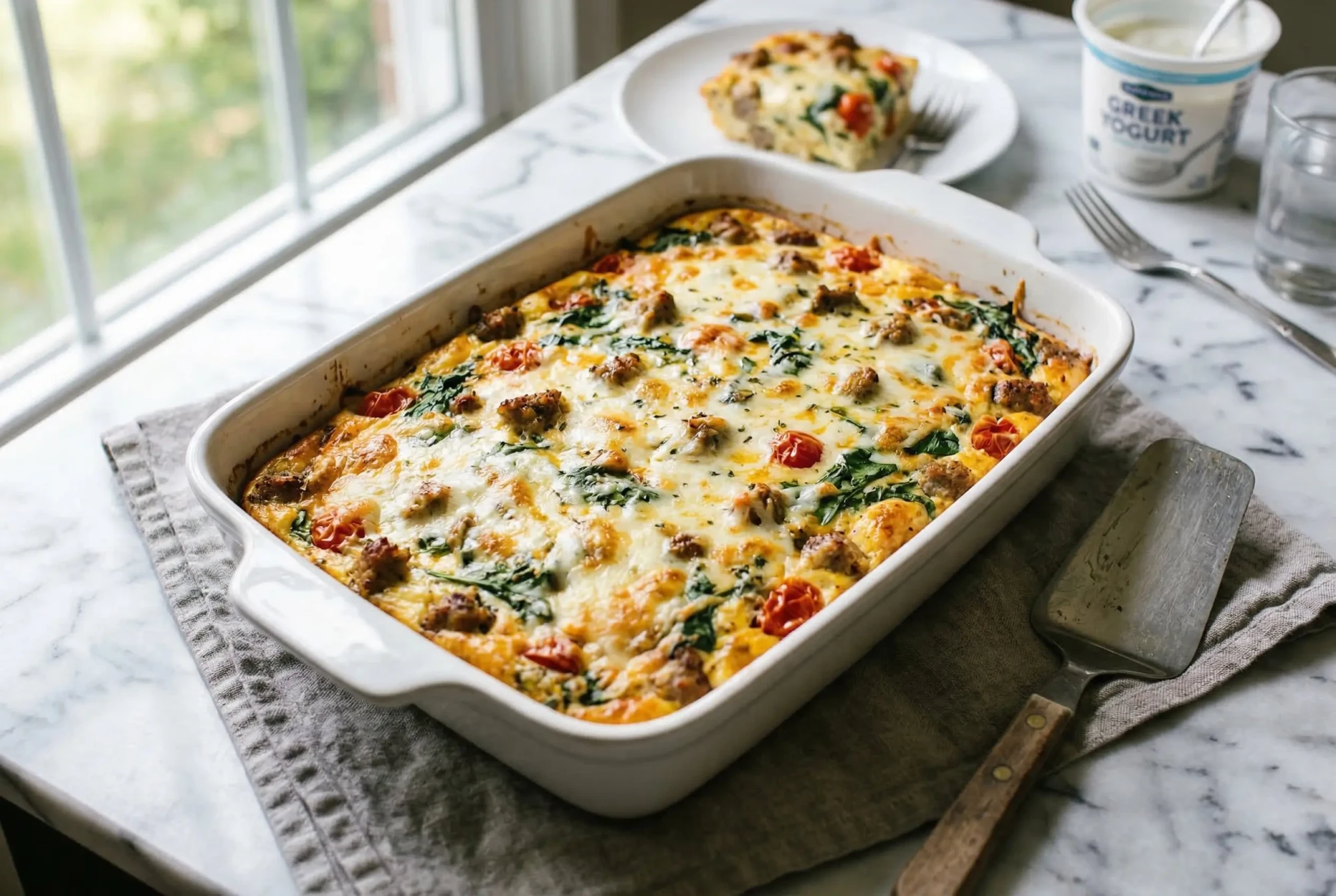
Greek yogurt protein casserole with 26g protein per serving. Eggs, yogurt, cottage cheese, turkey sa

I used to lie in bed at 11 PM with my mind racing about everything I didn’t get done that day
Leave a Reply