


What if your body already holds the key to healing both physical pain and emotional wounds? You may have noticed how stress shows up in your shoulders or how sadness feels heavy in your chest. That’s because your body and emotions are deeply connected, and yoga poses can reveal this powerful relationship. These nine specific poses don’t just stretch your muscles—they actually help release trapped emotions and activate your body’s natural healing response, creating lasting change you’ll feel immediately.
Child’s Pose (Balasana) – Finding Safety and Surrender
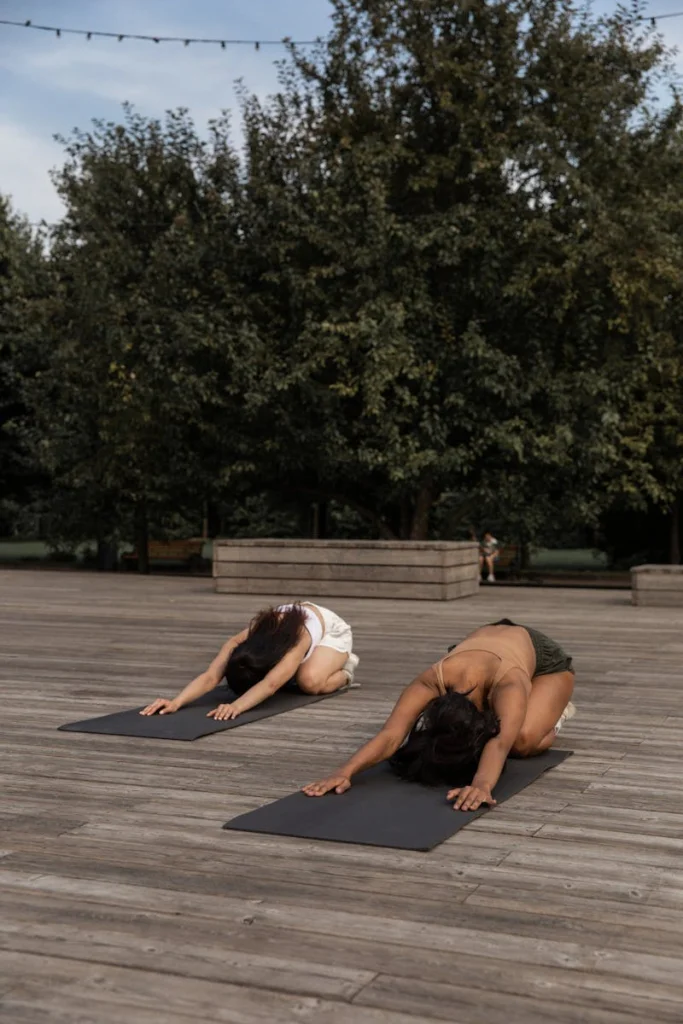
When life feels overwhelming, Child’s Pose offers you a gentle retreat into comfort and calm. This foundational pose puts you back in control when stress threatens to derail your focus. You’ll kneel on your mat, touching your big toes together while spreading your knees hip-width apart. Sit back on your heels, then fold forward with arms extended or resting alongside your body.
This position creates instant sanctuary for finding solace during challenging moments. Your nervous system shifts into recovery mode within 30-60 seconds of settling into the pose. You’re actively releasing burdens that weigh on your shoulders and mind.
Child’s Pose reminds you that taking time to regroup isn’t weakness—it’s strategic self-care that strengthens your ability to handle whatever comes next! Just as this pose supports emotional healing, nourishing your body with immune-boosting foods during autumn helps build physical resilience against seasonal stress and illness.
Cat-Cow Stretch (Marjaryasana-Bitilasana) – Releasing Tension and Emotional Blocks
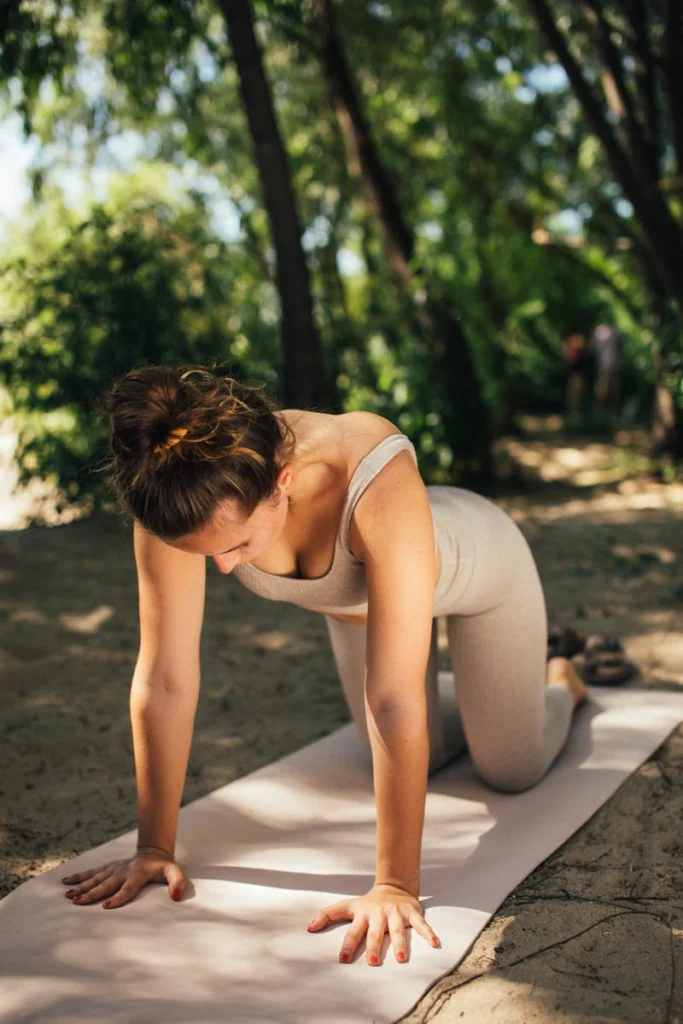
Every day, your spine carries the weight of stress, poor posture, and buried emotions that settle deep into your back muscles. The Cat-Cow stretch transforms this accumulated tension into flowing movement that commands immediate emotional release.
This powerful feline flow creates three distinct waves of healing:
- Cow pose – Your chest opens like a warrior claiming victory, drawing strength upward
- Cat pose – Your spine rounds protectively, releasing what no longer serves you
- The transition – Fluid movement between poses liberates trapped energy
You’ll feel control returning as you dictate the rhythm. Each inhale brings fresh power, each exhale pushes out stagnant emotions. This isn’t just stretching—it’s reclaiming your body’s natural authority over stress and tension.
Beyond emotional release, this gentle spinal warm-up delivers measurable benefits including improved spinal flexibility, increased core strength, and enhanced digestion that supports your body’s natural healing processes.
Downward-Facing Dog (Adho Mukha Svanasana) – Building Strength While Letting Go
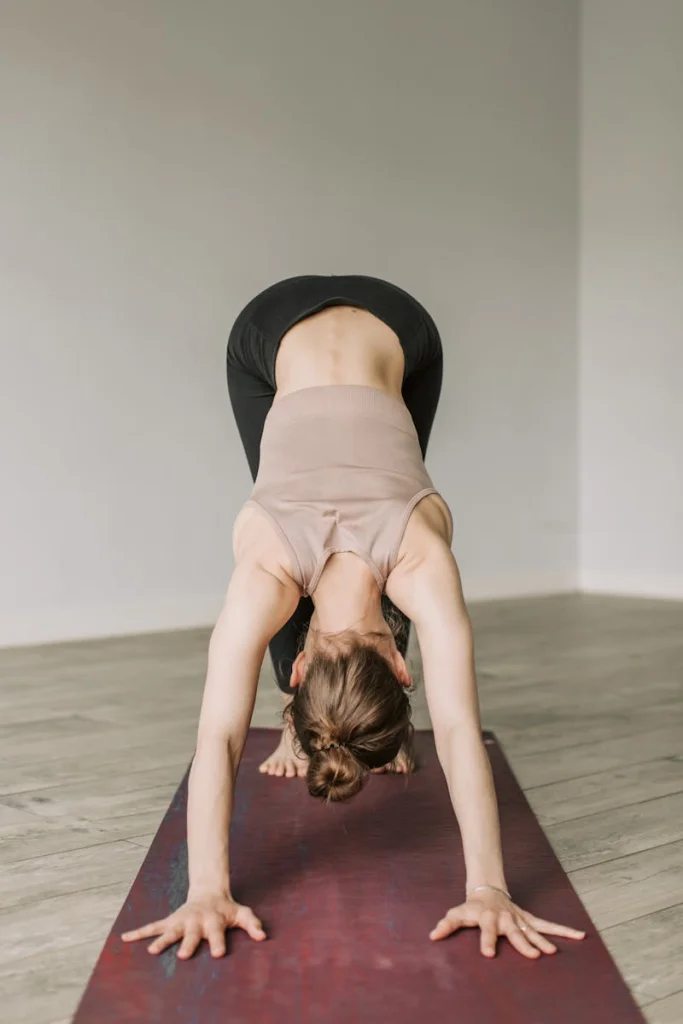
As you move from the flowing Cat-Cow movement, your body craves a pose that builds physical power while creating mental space for release. Downward-Facing Dog delivers exactly that combination you need to transform both body and mind.
Start on hands and knees, then tuck your toes under and lift your hips toward the ceiling. Your body forms an inverted V-shape that immediately activates your entire system. Focus on engaging core muscles while pressing firmly through your palms and feet.
This pose demands strength from your shoulders, arms, and legs while simultaneously encouraging you to surrender tension. Practice breath awareness as you hold the position for 30-60 seconds. Each exhale helps you release what no longer serves you, creating space for newfound power and clarity.
Like the grounding poses found in Mountain Pose and Tree Pose, Downward-Facing Dog creates stability and focus while helping you stay centered through life’s transitions.
Warrior II (Virabhadrasana II) – Cultivating Inner Courage and Stability
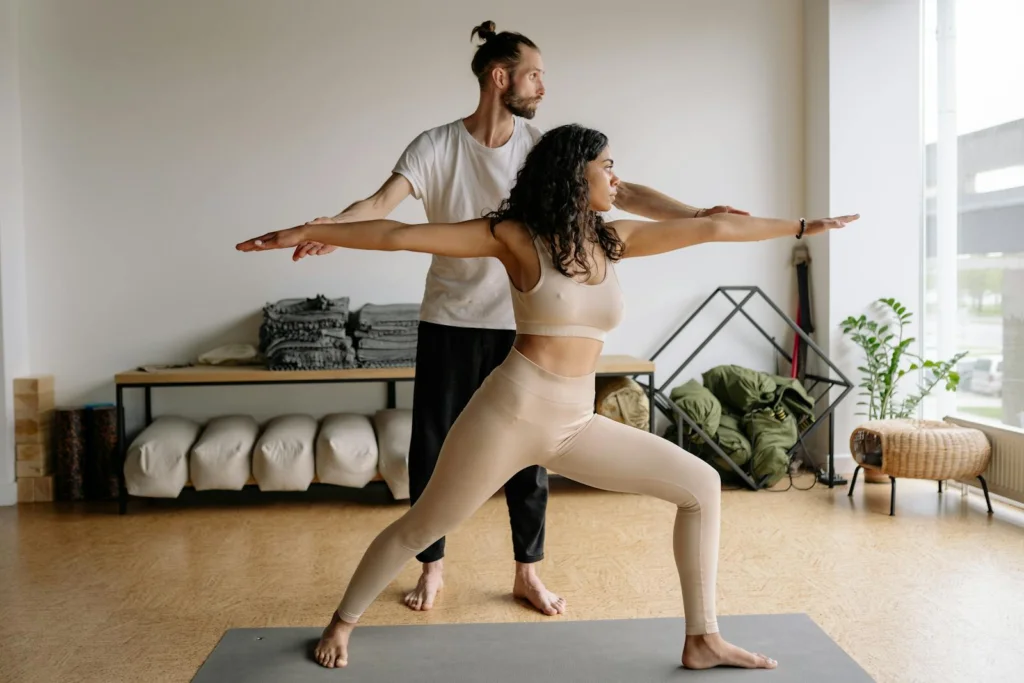
From the grounding strength of Downward Dog, you’re ready to step into a pose that builds unwavering confidence from the ground up. Warrior II transforms you into a powerful force, cultivating the inner strength needed to face life’s challenges head-on.
This pose creates emotional stability through three key elements:
- Rooted legs – Your foundation becomes unshakeable, like ancient oak trees
- Open arms – You embrace all possibilities with fearless determination
- Steady gaze – Your focus cuts through doubt and distraction
Hold this position for 30-60 seconds on each side. You’ll feel your confidence growing with every breath. Warrior II doesn’t just strengthen your body—it builds the mental fortitude you need to conquer whatever comes your way. By maintaining this steady gaze and focused attention, you’re applying the Law of Focus, where mental energy directed with intention determines what manifests in your reality. You’re becoming unstoppable.
Bridge Pose (Setu Bandhasana) – Opening the Heart to Healing
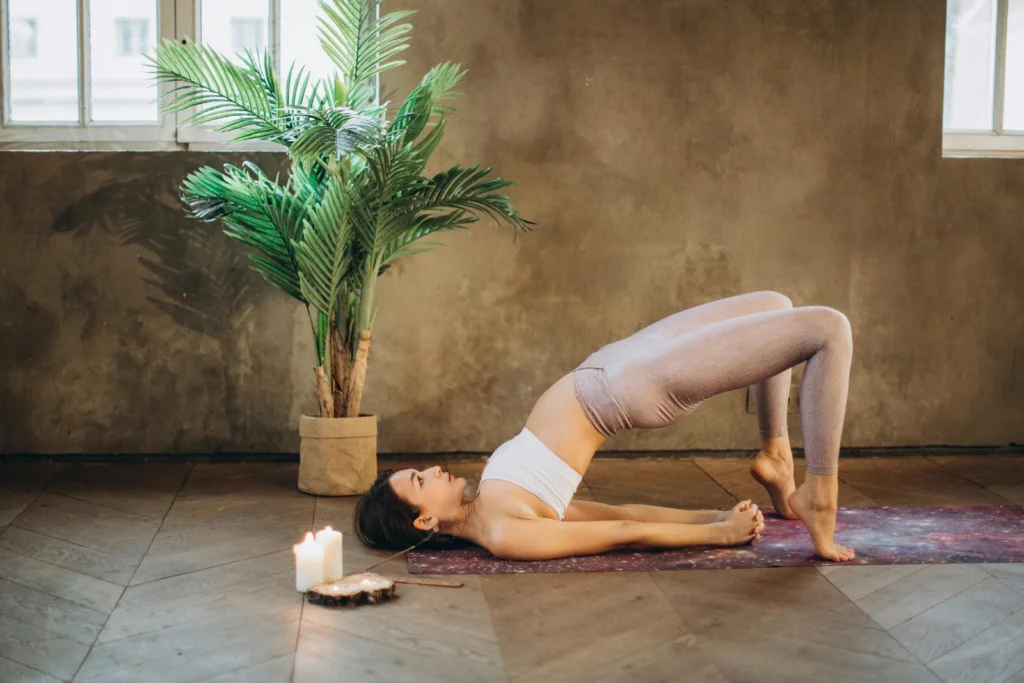
While Warrior II builds your outer strength, Bridge Pose works from within to liberate emotional healing through heart opening. You’ll discover profound backbend benefits as you lift your chest toward the sky, creating space for suppressed emotions to uncover.
| Physical Benefits | Emotional Benefits |
|---|---|
| Strengthens glutes and hamstrings | Releases stored trauma |
| Opens tight hip flexors | Builds emotional resilience |
| Improves spinal flexibility | Cultivates self-compassion |
Your heart opening experience begins when you press your feet down and lift your hips. Hold this pose for 30-60 seconds, breathing deeply into your chest. You’re not just stretching muscles—you’re revealing your capacity for healing. Bridge Pose transforms vulnerability into strength, teaching you that opening your heart doesn’t make you weak. Since your body holds onto every stress and disappointment, this physical release through backbending helps discharge the tension that accumulates in your heart space.
Seated Forward Fold (Paschimottanasana) – Turning Inward for Deep Reflection
When you need to quiet your mind and connect with your inner wisdom, Seated Forward Fold becomes your gateway to introspection. This powerful pose transforms your practice into deep meditation, allowing you to access insights that surface only in stillness.
As you fold forward, your body creates three distinct layers of healing:
- Physical release – Your hamstrings and spine lengthen, releasing stored tension from hours of sitting
- Emotional surrender – Your heart drops below your head, encouraging vulnerability and acceptance
- Mental clarity – Your gaze turns inward, blocking external distractions that fragment your focus
You’ll discover that introspection isn’t weakness—it’s your superpower. Hold this pose for 1-2 minutes, breathing deeply as you cultivate the self-awareness that drives confident decision-making and authentic leadership. This inward focus combined with gratitude meditation strengthens the connection between your prefrontal cortex and areas responsible for emotional regulation, training your brain to default to appreciation rather than worry.
Pigeon Pose (Eka Pada Rajakapotasana) – Unlocking Hip Tension and Stored Emotions
Your hips don’t just move your body—they’re actually storage centers for deep emotions and tension you’ve been carrying around for years.
When you settle into Pigeon Pose, you’re targeting those tight hip flexors that lock up from sitting too much and holding onto stress. This powerful pose helps release both the physical tightness and the emotional baggage that’s been stuck in your hips, creating space for real healing to happen!
Just like forest bathing, this deep hip opening naturally activates your parasympathetic nervous system, shifting your body from stress mode into a state of rest and repair.
Hip Flexor Release Benefits
Deep within your hip flexors lies a complex web of physical tension and emotional storage that affects your entire well-being. When you consistently practice pigeon pose, you’re directly addressing hip mobility challenges that limit your daily movement patterns. You’ll experience improved range of motion that transforms how you walk, sit, and move through life.
Unlocks trapped stress – tension melts away like ice in warm sunlight
Restores natural movement – your body flows with newfound grace and power
Releases emotional blockages – years of stored feelings finally find their exit
You’re not just stretching muscles; you’re reclaiming your body’s natural ability to move freely. This pose gives you the power to break through physical limitations that have held you back for years.
Emotional Storage in Hips
Emotions often settle into your hip flexors like sediment in still water, creating layers of tension that accumulate over months and years. Your body naturally stores unprocessed feelings in these deep muscles, making hip emotional processing an indispensable part of your healing journey.
When you hold stress, trauma, or unexpressed emotions, your hips become a warehouse for psychological tension.
This stored energy can manifest as physical tightness, restricted movement, or even chronic pain. You’ve likely experienced emotional energetic release during deep hip stretches—sudden tears, anger, or relief that seems to come from nowhere. That’s your body’s wisdom at work, literally releasing what you’ve been carrying.
Legs-Up-The-Wall Pose (Viparita Karani) – Restoring Balance and Calming the Mind
When you’re feeling overwhelmed or your energy feels scattered, Legs-Up-The-Wall Pose offers a simple yet powerful reset for both body and mind. This gentle inversion works by reversing blood flow and activating your parasympathetic nervous system, which naturally calms your entire being.
You’ll discover how this accessible pose can ease physical tension while creating the mental space you need to find clarity and peace. Similar to controlled breathing techniques, this pose helps trigger the parasympathetic nervous system and can provide a sense of calm within just a minute or two of practice.
Physical Benefits Explained
As one of yoga’s most accessible restorative poses, Legs-Up-The-Wall Pose delivers remarkable physical benefits that you’ll feel almost immediately. This powerhouse position works wonders for your body’s recovery systems, boosting muscle recovery while enhancing joint flexibility throughout your lower body.
When you elevate your legs, you’re creating these powerful physical changes:
- Improved circulation – Blood flows effortlessly back to your heart, reducing swelling in feet and ankles
- Spinal decompression – Your lower back releases tension as gravity works in your favor
- Lymphatic drainage – Toxins flush out naturally, leaving you feeling refreshed and energized
You’ll notice reduced leg fatigue within minutes, making this pose perfect after long workdays or intense workouts. Your body craves this gentle inversion that restores balance without demanding flexibility or strength.
Mental Restoration Techniques
Beyond the physical relief, Legs-Up-The-Wall Pose transforms your mental state through profound neurological shifts that calm your overactive mind. You’ll activate your parasympathetic nervous system, instantly reducing stress hormones and cortisol levels. This position triggers a natural relaxation response that powerful leaders use to reset their mental clarity.
As you hold this pose for 10-15 minutes, you’re practicing advanced mindfulness practices without effort. Your inverted position increases blood flow to your brain, sharpening focus and decision-making abilities. You’ll find breath focused meditations become effortless in this position, as your breathing naturally deepens and slows.
This isn’t just relaxation—you’re rewiring your brain for peak performance. You’ll emerge with enhanced mental resilience, clearer thinking, and the calm confidence that drives successful outcomes.
Corpse Pose (Savasana) – Complete Surrender and Integration
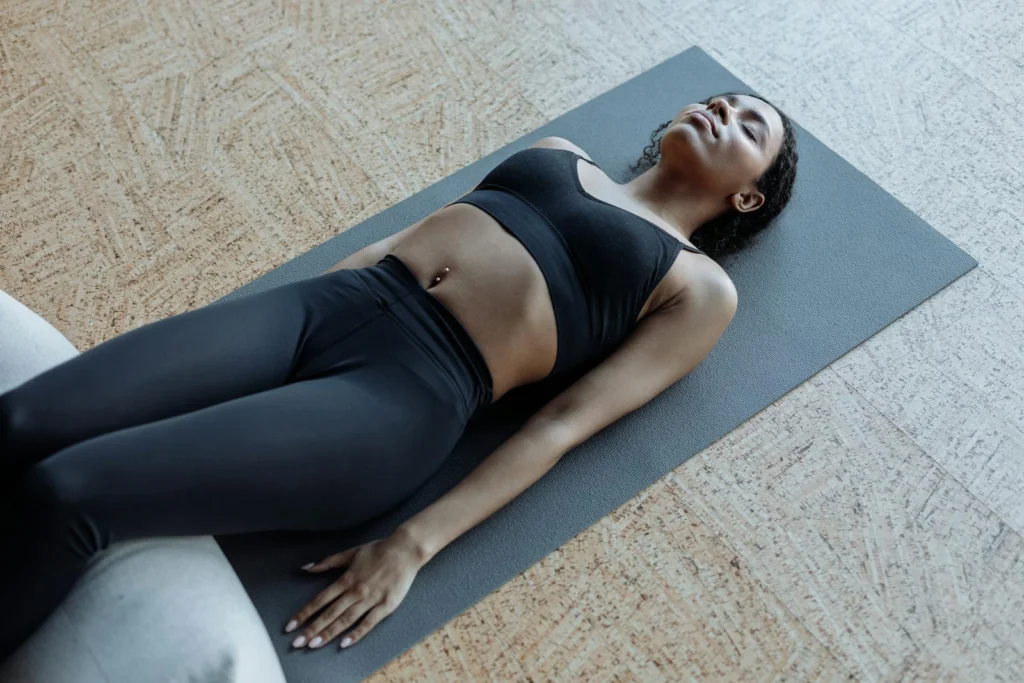
Though it might seem like the simplest pose in yoga, Corpse Pose (Savasana) is actually one of the most challenging and transformative practices you’ll encounter. You’re learning to master complete stillness while your mind seeks inner silence. This isn’t about weakness – it’s about commanding your entire being.
Mastering stillness requires more strength than any advanced pose – you’re commanding your entire being through surrender.
Picture yourself achieving total integration:
- Your breath naturally deepens as tension melts from every muscle fiber
- Your racing thoughts gradually quiet into peaceful awareness
- Your body becomes perfectly aligned with the earth beneath you
You’ll discover that true power comes from surrendering control. Savasana teaches you to release what doesn’t serve you while absorbing the benefits of your practice. Spend 5-10 minutes here, allowing healing energy to flow through your system and restore your natural vigor. This practice promotes both mental and physical relaxation as you lie with arms at your sides and palms facing up, allowing your body to completely release any remaining tension.
Lotus or Easy Pose (Padmasana/Sukhasana) – Grounding and Centering Your Energy
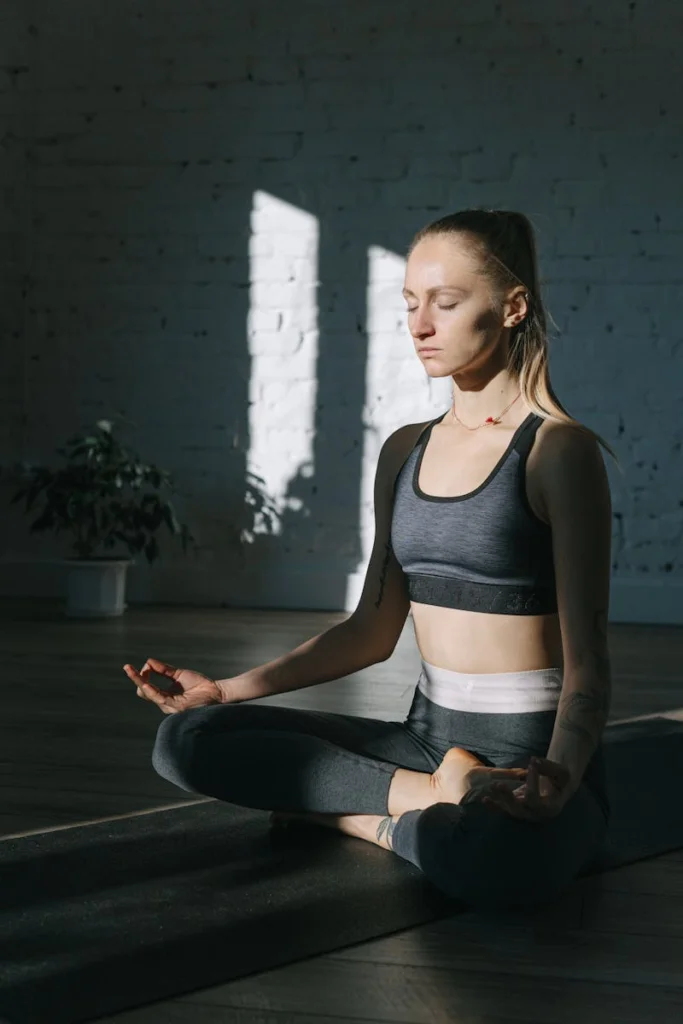
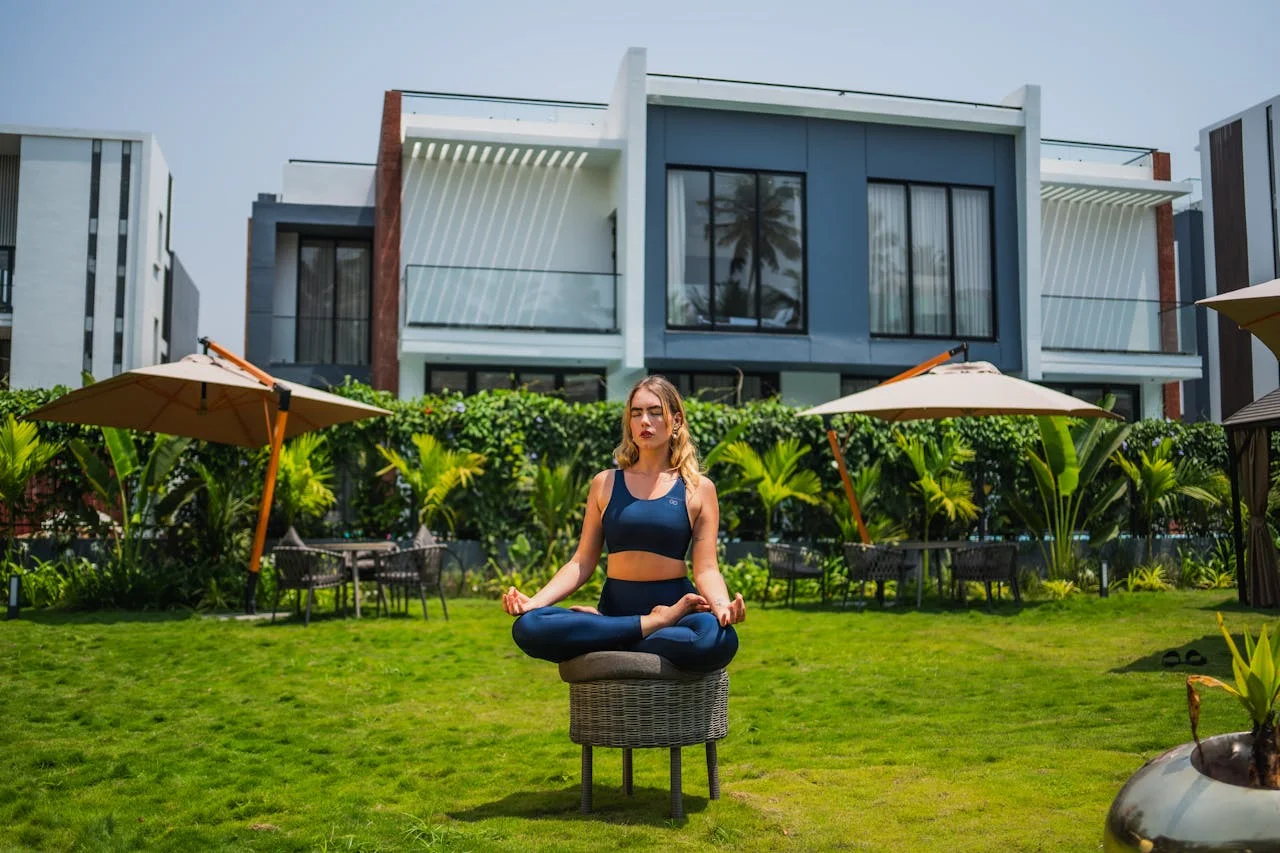
When you settle into Lotus or Easy Pose, you’re creating a powerful foundation that connects your body directly to the earth’s stabilizing energy. This seated meditation position becomes your command center for harnessing both grounding energy and centering consciousness. You’ll feel your scattered thoughts gather into focused clarity within minutes.
| Physical Benefits | Mental Benefits | Energy Benefits |
|---|---|---|
| Improved posture | Reduced anxiety | Balanced chakras |
| Hip flexibility | Enhanced focus | Steady energy flow |
| Spine alignment | Mental clarity | Emotional stability |
Start with Easy Pose if full Lotus feels challenging. Cross your legs comfortably, rest your hands on your knees, and breathe deeply. You’re building the foundation for all your healing work. This simple position transforms you into a grounded, centered leader of your own wellness journey.
Conclusion
Your healing journey unfolds like a flower opening to sunlight—one pose at a time. These nine powerful yoga positions become your toolkit for weathering life’s storms. You’ll discover strength in vulnerability through Child’s Pose, courage in Warrior II, and peace in Corpse Pose. Trust your body’s wisdom as you breathe through each movement. Start with five minutes today, and let these poses guide you toward deeper healing and self-compassion.
Passionate pursuits await women over 40 seeking meaningful hobbies that reignite creativity and pers
Are you tired of the same old weekend routine? Looking for something new and exciting to try? You&rs
Kick fear to the curb with 8 proven strategies that transform your comfort zone into a launchpad for
Leave a Reply