


Spring arrives not as interruption, but as invitation—a whisper asking what wants to bloom within you.
I used to approach spring with frantic energy, creating elaborate bucket lists filled with activities I thought I should want to do. Cherry blossom festivals. Outdoor brunches. Spring cleaning marathons. Each item felt more like obligation than opportunity, accumulating into a seasonal to-do list that exhausted me before I’d even begun.
Then something shifted. I started asking different questions. Not “What should I do this spring?” but “What does my soul actually hunger for as the world awakens?” Not “What would look beautiful on Instagram?” but “What would feel nourishing in the private moments no one witnesses?”
This guide isn’t another prescriptive list of spring activities. It’s an invitation to create a season of intentional unfolding—where each experience you choose serves your deeper longing for meaning, connection, and the particular kind of renewal that comes when outer landscape mirrors inner transformation.
Why Spring Is the Perfect Season for Intentional Living

Spring carries unique energy—the natural world demonstrating exactly what we often resist in ourselves. Seeds break open in darkness before reaching toward light. Bulbs that appeared dormant suddenly burst through frozen ground. Trees that looked dead reveal they were merely resting, gathering strength for the abundance about to emerge.
Nature models the courage of becoming. Every spring bloom requires the vulnerability of opening. Tight buds must soften, protective layers must fall away. The flower teaches us that beauty and exposure arrive together—you cannot have one without the other.
This is why spring resonates so deeply for women navigating their own unfolding. We recognize something familiar in this seasonal permission to shed what no longer serves, to stretch toward light, to trust that what looks like ending is actually beginning.
The collective energy supports personal transformation. There’s something about moving with rather than against the rhythms everyone around you feels. When the entire world is renewing itself, your own renewal feels less like isolated struggle and more like participation in something ancient and universal.
Light returns as literal and metaphorical resource. Longer days mean more time in natural sunlight, which affects everything—mood, energy, circadian rhythms, vitamin D production. But beyond physiology, there’s something psychological about emerging from winter’s darkness. We remember: yes, light always returns. Difficult seasons end. What felt permanent was actually temporary.
Spring’s impermanence teaches presence. Cherry blossoms last barely two weeks. That first perfect spring morning—the temperature ideal, the breeze gentle, the light golden—won’t repeat exactly. Spring’s beauty exists partially because we know it’s fleeting. This awareness naturally cultivates presence. We pay attention differently when we understand we’re witnessing something that won’t wait.
So your spring bucket list isn’t about cramming in activities before summer arrives. It’s about honoring this particular energy—using the season’s natural momentum to support the deeper work of becoming whoever you’re growing into.
Mindful Nature Connection (10 Ideas)

The most profound spring experiences often happen not through elaborate planning but through simple, repeated presence with the natural world as it transforms around you.
1. Witness one tree’s complete spring transformation
Choose a single tree you pass regularly—perhaps on your daily walk or visible from your window. Photograph it weekly or simply observe with intention. Notice when the first buds appear as tight fists of potential. Watch them slowly unfurl. Observe the exact moment leaves emerge, still tender and light green. Witness the gradual deepening into summer’s darker foliage.
This practice teaches patience. Trees don’t rush their blooming to meet arbitrary timelines. They unfold according to their own wisdom, responding to temperature and light and internal knowing we can’t fully comprehend. Watching one tree completely transform reminds you that meaningful change happens gradually, in increments so small they’re nearly invisible day-to-day—yet absolutely undeniable when you step back and witness the whole arc.
2. Create a sunrise ritual just once
Not every week. Not even every month. Just once this spring, set your alarm early enough to witness dawn’s complete unfolding. Bring coffee or tea. Wear something warm. Find a spot—a park, a rooftop, even your own backyard—where you can watch the sky transform from darkness through that liminal blue hour into full morning light.
Notice everything: the silence before birds begin. The gradual brightening that makes you question whether anything is actually changing until suddenly everything has. The first bird call, then the second, then the chorus. The way colors emerge—first muted, then saturated. The moment the sun finally crests the horizon and you understand why humans have worshipped this daily miracle since consciousness began.
You’re not trying to become a morning person. You’re simply bearing witness once to something that happens every single day whether you’re watching or not—choosing, just once, to be present for it.
3. Plant something with your hands in actual dirt
Not ordering plants online. Not supervising someone else’s planting. Getting your own hands into soil, feeling its texture and temperature, placing seeds or seedlings with intention, covering roots with earth, watering deeply.
It doesn’t require a garden. A single pot of herbs on a windowsill counts. What matters is the tactile experience of participating in growing something alive. The commitment to tending it—watching for that first green shoot, learning its water needs, noticing when it requires more sun or different soil.
Planting teaches hope without guarantee. You do everything right and sometimes things still don’t grow. Other times you barely pay attention and suddenly there’s abundant life. The practice is showing up anyway, tending faithfully, releasing attachment to specific outcomes while still caring deeply about the process.
4. Take a “noticing walk” with no destination
Leave your phone at home or turn it completely off. Choose a familiar neighborhood route but walk it differently—slowly, with attention freed from podcast distraction or achieving step counts. Stop whenever something catches your eye.
Notice what you’ve passed a hundred times without seeing: the particular purple of that blooming tree. The house with the unexpected garden sculpture. The way afternoon light hits this specific corner differently than anywhere else. The sound of wind moving through new leaves versus autumn’s dry rustle.
This practice recalibrates your attention. We walk the same routes on autopilot, our minds elsewhere, and then wonder why life feels repetitive. But the world is constantly offering small astonishments if we’re actually present enough to receive them.
5. Collect spring ephemera without purpose
A single perfect cherry blossom petal. An interesting seed pod. An unusually beautiful stone. A feather. Collect small natural objects simply because they’re lovely—not to create Pinterest-worthy displays, not to document for social media, just because something about them spoke to you in the moment you found them.
Place them on your desk or windowsill. Let them dry and fade and eventually get discarded. The practice isn’t about preservation—it’s about honoring the impulse to notice beauty and bring it close, even temporarily. It’s practicing the kind of appreciation that doesn’t require permanence.
6. Find your spring scent
Spring smells completely different than any other season—rain on warm pavement, blooming lilac, fresh-cut grass, wet earth. Walk until you find the scent that most captures spring’s essence for you personally.
Return to that spot—that specific lilac bush, that particular path after rain—multiple times throughout the season. Let this scent become your sensory anchor to these weeks. Years from now, catching that same fragrance will transport you instantly back to this specific spring, this particular version of yourself, these exact circumstances of your life.
Scent is the sense most powerfully linked to memory. You’re creating a time capsule you can open accidentally simply by walking past the right tree in bloom.
7. Witness something birth or emerge
Tadpoles transforming in a pond. A butterfly emerging from chrysalis. Baby birds in a nest (observed from respectful distance). Seeds you planted breaking through soil. Anything completing the vulnerable journey from one form to another.
These transformation moments remind us what courage looks like at its most essential. The caterpillar doesn’t know it will become a butterfly—it simply follows the imperative to change encoded in its being. The seed doesn’t doubt whether it should push toward light—it just grows.
We make transformation so psychological, so complex. Sometimes witnessing it in its purest form—life simply becoming what it’s meant to become—helps us remember our own unfolding is natural, not manufactured.
8. Create a spring soundscape memory
Find somewhere comfortable outside. Close your eyes for five full minutes. Don’t try to meditate or clear your mind—just listen with complete attention.
Notice every layer: nearby birds, distant traffic, wind moving through branches, voices carrying from neighboring yards, your own breathing, the sound of your clothing when you shift position. Try to distinguish individual sounds within what first seemed like general noise. Count how many different bird calls you can identify.
This practice develops what Buddhists call “beginner’s mind”—approaching familiar experience as if encountering it for the first time. You’ve heard these sounds countless times while doing other things. Hearing them as the primary activity, with full attention, transforms ordinary into extraordinary.
9. Document spring in your specific location
Not with perfect photographs for social media—with personal documentation that captures what spring means in your particular place. Maybe it’s the timing of when your neighborhood trees bloom. The date when you can first comfortably sit outside without a jacket. The week the farmers market reopens. The moment you finally open windows that have been sealed all winter.
This creates location-specific seasonal literacy. You begin to know your place intimately across time. You notice patterns: this blooms before that. The light hits this building at this angle only during these weeks. The temperature drops noticeably once the sun falls behind that ridgeline.
You’re learning to read the language of your specific landscape rather than experiencing generic “spring.”
10. Spend one full hour sitting perfectly still outside
Bring nothing except perhaps water. No book, no phone, no project. Find a comfortable spot—under a tree, on a blanket, in a quiet corner of a park—and simply be present for one full hour.
This will feel impossibly long at first. The first ten minutes, your mind will generate endless reasons you should be doing something else. The second ten minutes, you’ll notice every physical discomfort. Around the thirty-minute mark, something shifts. You settle. The constant mental chatter quiets. You begin to actually see what’s around you.
This is meditation without calling it meditation. This is presence without pressure to do it “correctly.” This is remembering that sometimes the most radical thing we can do is nothing at all—just being alive, aware, witnessing this moment exactly as it is.
Creative Expression & Self-Discovery (10 Ideas)

Spring’s energy naturally supports creative emergence—that vulnerable process of bringing something internal into external form. These practices honor the connection between seasonal renewal and artistic awakening.
11. Write letters to your past and future selves
Set aside an evening. Write a letter to yourself from exactly one year ago—what she didn’t yet know about this spring, what she was worried about that resolved, what she was hoping for that did or didn’t materialize. Write with compassion for her uncertainty.
Then write a letter to yourself one year from now. Tell her about this current spring—what bloomed, what you’re navigating, what you hope has transformed by the time she’s reading this. Seal it. Mark your calendar to open it next spring.
This practice creates continuity across time. It helps you recognize that the challenging seasons do pass, that you’ve survived every difficult day so far, that future-you will likely look back on current struggles with perspective you can’t access yet. It also captures the ephemeral quality of exactly who you are right now—which you’ll otherwise forget once you’ve grown past it.
12. Create a spring morning pages practice
Julia Cameron’s morning pages—three pages of longhand, stream-of-consciousness writing done first thing each morning—are famous for a reason. They work. But committing to daily practice forever feels overwhelming.
Instead, commit just for spring. Twelve weeks. One season. Wake up, write three pages before doing anything else. Don’t edit. Don’t reread. Don’t worry about coherence or quality. Just let whatever wants to emerge flow onto paper.
You’re not trying to become a writer. You’re clearing mental clutter the way you’d clean a room—making space for what actually matters to surface. Thoughts and feelings you didn’t know you had will appear on the page. Patterns will become visible. Clarity will emerge about situations that felt hopelessly confused.
Many women find morning pages transform their entire relationship with themselves—suddenly they know what they actually think and feel rather than what they’re supposed to think and feel.
13. Start a spring-only art practice with no skill requirement
Choose any creative medium you’re drawn to regardless of skill level: watercolors, collage, simple line drawings, photography with your phone, arranging flowers, making playlists. Commit to creating something—anything—once a week throughout spring.
The goal isn’t producing portfolio-worthy work. It’s befriending the creative impulse itself. Remembering that humans naturally create when we remove the pressure of producing something good. Reclaiming creativity as birthright rather than talent reserved for the especially gifted.
Create privately. Don’t share unless you genuinely want to. Let yourself make things that are messy, imperfect, purely for the pleasure of making. Notice what this permission does to the rest of your life—how recovering your creative self in one area often unlocks stuck energy everywhere else.
14. Document your ordinary spring days
Not the highlight reel. The actual texture of regular life during this season. What your typical Tuesday looks like. Your morning routine. The view from your window during afternoon light. The specific items on your kitchen counter. What you wear when no one’s watching.
In ten years, you won’t remember these details. You’ll remember trips and celebrations but forget the substance of regular days—yet regular days are actually what life is made of. Documenting them honors the truth that meaning exists in the mundane, not just the exceptional.
This practice also creates presence with what is rather than constant reaching toward what should be. When you document the ordinary, you begin to see its particular beauty rather than dismissing it as merely the space between more important moments.
15. Create a spring sensory journal
Instead of writing about what you did, record what you experienced through your senses. What did spring taste like this week—the first strawberries, herbs from the garden, lemonade on a warm afternoon? What did it feel like—sun on bare arms, grass under bare feet, breeze through an open window? What did it look like, smell like, sound like?
This practice trains you to experience life more fully. We often move through experiences while thinking about them rather than actually inhabiting them. Committing to sensory documentation requires presence—you have to notice what something tastes like in order to describe it later.
Over time, you build a library of fully-inhabited moments rather than a catalog of things you technically did but don’t genuinely remember experiencing.
16. Design a spring altar or intentional space
Clear one small surface—a shelf, a windowsill, a corner of your desk. Arrange it with items that represent what you’re cultivating this season. Fresh flowers you replace weekly. Stones or shells from meaningful walks. A candle you light during morning coffee. Images or words that anchor your intentions.
This isn’t about Instagram-worthy styling. It’s about creating a physical anchor for internal commitments. A visual reminder of what matters when the busy-ness of daily life pulls you away from center. A space that signals: this is sacred. Pause here.
Change it as your focus shifts. Let it be alive rather than static. The practice is tending it—refreshing flowers, rearranging as needed, dusting away accumulation. Small acts of care for a small space that represents larger care for yourself.
17. Learn one new creative skill just for pleasure
Not to become an expert. Not to monetize or share on social media. Not to achieve anything beyond the satisfaction of engaging your mind in new learning.
Maybe it’s watercolor basics from YouTube tutorials. Simple flower arrangement. Basic guitar chords. Beginning a language you’ve always been curious about. Bread baking. Hand lettering. Whatever calls to you without practical justification.
Learning something new creates beginner’s mind—that open, curious state where everything is interesting because you don’t yet know it. This state combats the jadedness that accumulates when you only do things you’re already good at. It reminds you that awkwardness and incompetence are temporary phases on the way to competence, not permanent identities.
Plus, engaging your brain in focused learning that’s purely for enjoyment rather than achievement is deeply restorative. It’s play. Adults need play.
18. Create a spring poetry collection
You don’t have to write poetry—though you can if called. Instead, collect it. When you encounter a poem that arrests you, captures something true, speaks to exactly where you are, save it. Write it in a beautiful notebook. Create a folder on your phone. Build a collection throughout spring.
Return to these poems. Reread them. Notice which lines stay with you. Observe how your relationship with certain poems changes as the season progresses and you change with it.
Poetry is concentrated language—it says in ten lines what prose takes pages to express. Having a collection of poems that resonate with your inner life gives you language for experiences that often feel too subtle or complex for regular words. It’s like having a friend who understands exactly what you mean without requiring explanation.
19. Design your ideal spring day, then live it
Not your ideal vacation or once-in-a-lifetime experience. Your ideal ordinary spring day given the actual constraints of your life. If you had one completely open day this spring with no obligations, how would you spend it?
Maybe it’s coffee in morning sun, a long walk, time for creative work, preparing a nourishing meal, reading without guilt, early bedtime. Maybe it involves specific people or deliberate solitude. Whatever it is—actually schedule it. Put it on the calendar. Protect it. Then live it exactly as designed.
This practice reveals what you actually value versus what you think you should value. It also demonstrates that your ideal life might be far more accessible than you imagine—often we’re not lacking resources, we’re lacking permission to choose differently.
20. Complete something you’ve been perpetually starting
That creative project you’ve restarted five times. The course you bought but never finished. The book you’re forever reading the first chapter of. Choose one thing—just one—and commit to completing it this spring.
Not perfectly. Just done. Finished. Complete. Even if the final result is mediocre, even if you lose interest halfway through, even if it takes longer than expected. The practice is following through rather than perpetually beginning.
Completion creates a particular kind of satisfaction that starting never provides. It also builds evidence that you can finish things, which gradually transforms your identity from someone who has ideas into someone who executes them.
Nourishing Your Body & Wellness Rituals (10 Ideas)
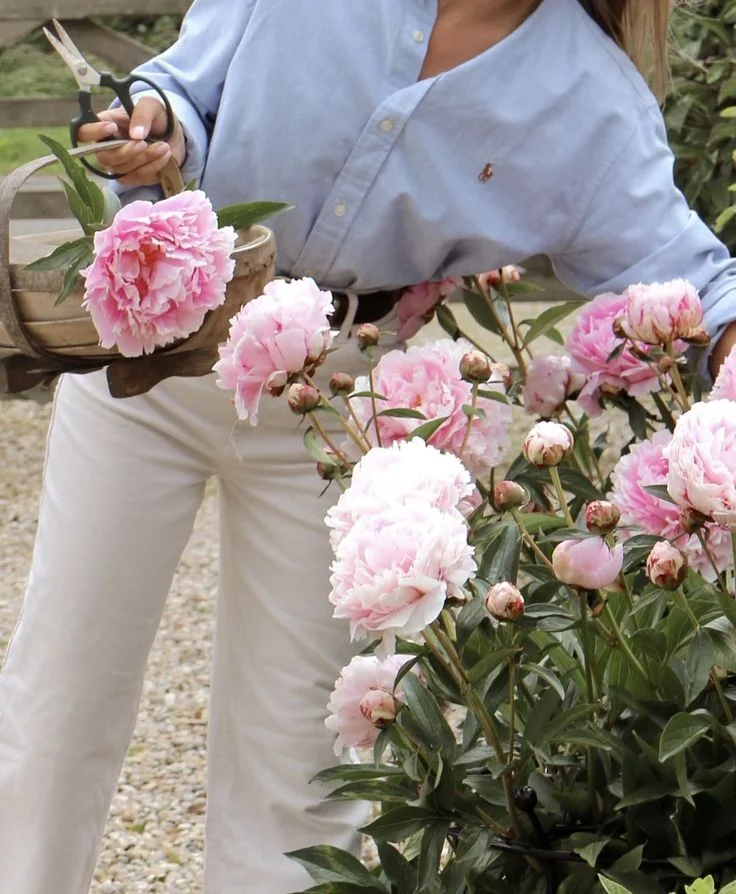
Spring wellness isn’t about aggressive transformation or punishing yourself into shape. It’s about honoring your body as it participates in seasonal renewal alongside everything else growing around you.
21. Create a morning sunlight ritual
Before checking your phone, before coffee, before anything else—step outside or sit by an open window in direct morning sunlight for ten minutes. Let your face and forearms receive unfiltered light.
This isn’t about tanning. It’s about resetting your circadian rhythm through light exposure, which affects sleep quality, mood, energy, and dozens of hormonal processes. Morning light tells your body: day has begun. Energy is appropriate. Evening will come later with its own signals.
The difference this simple practice makes in sleep quality and daytime energy often surprises people. We’ve created lives spent primarily indoors under artificial light, then wonder why we feel disconnected from natural rhythms. Ten minutes of morning sun begins reconnecting you.
22. Develop a spring movement practice you actually enjoy
Not the exercise you think you should do. Not whatever fitness trend promises rapid transformation. Movement that genuinely feels good in your specific body during this particular season.
Maybe it’s morning yoga as the sun rises. Long walks through blooming neighborhoods. Dancing unselfconsciously in your living room. Swimming in water finally warm enough to feel inviting. Gardening’s physical labor. Riding your bike to run errands instead of driving.
Spring’s energy naturally invites more movement—honor that rather than forcing yourself into routines that feel like punishment. When movement is pleasure rather than obligation, you’ll actually continue doing it. And consistency matters infinitely more than intensity.
23. Eat one meal per week outside
Pack breakfast and eat it in a park. Take lunch to a bench in the sun. Arrange dinner on a blanket in your backyard. The meal itself doesn’t have to be elaborate—even toast and fruit tastes different consumed outdoors.
This practice slows eating down. You notice flavors more fully. You’re present with the experience rather than mindlessly consuming while doing something else. The outdoor environment naturally creates the kind of awareness we try to manufacture through mindfulness techniques.
Plus, there’s something about eating outside that feels quietly celebratory—like you’re honoring both the food and the season rather than merely refueling.
24. Create a seasonal sleep sanctuary
As days lengthen and temperatures warm, your sleep environment needs adjustment. Remove heavy winter bedding. Open windows for fresh air. Consider lighter pajamas or sleeping with less covering. Maybe add room-darkening curtains if early sunrise disrupts your sleep.
But beyond practical adjustments, create evening rituals that signal to your body that rest is coming: a cool shower before bed, magnesium tea, gentle stretching, reading actual books instead of screens, aromatherapy with sleep-supporting scents like lavender or chamomile.
Quality sleep is the foundation everything else builds on—mood, energy, decision-making, immune function, metabolism. Spring is ideal for resetting sleep patterns that deteriorated during winter’s darkness and indoor-focused months.
25. Start a spring hydration practice with intention
Not just drinking more water mechanically, but creating an intentional relationship with hydration. Choose a beautiful water bottle or glass you genuinely enjoy using. Add fruit or herbs for flavor—cucumber and mint, lemon and basil, strawberry and rosemary.
Set specific anchor points: full glass first thing upon waking, water before each meal, herbal tea in the afternoon, another glass before bed. Notice how proper hydration affects everything—skin, energy, digestion, mental clarity, even mood.
This sounds basic because it is basic—which is exactly why most of us neglect it. But basic doesn’t mean unimportant. The fundamental practices that seem too simple to matter are often the ones that matter most.
26. Grow and use fresh herbs
Even if you’ve never gardened successfully, herbs are remarkably forgiving. A pot of basil on a sunny windowsill. Mint in a container on your porch. Rosemary that tolerates neglect. Cilantro, parsley, thyme—whatever you actually use in cooking.
The practice is using what you grow: tearing fresh basil over tomatoes, adding mint to water or tea, mixing herbs into scrambled eggs. Consuming something you personally grew—even on the smallest scale—creates visceral connection between your effort and your nourishment.
It also transforms cooking from task to ritual. You’re not just following a recipe—you’re using ingredients you tended, incorporating literal life you supported into the food that sustains you.
27. Design a weekly outdoor wellness hour
One hour each week completely dedicated to your wellbeing, spent entirely outdoors. What happens during this hour is up to you: gentle stretching in the sun, reading something nourishing while sitting under a tree, journaling on a park bench, walking meditation, simply sitting in deliberate idleness.
The commitment is protecting this time. Not canceling because something comes up. Not shortening it because you’re busy. Not filling it with productivity. Just one hour weekly where your only job is receiving the combined benefits of fresh air, natural light, and devoted attention to your own wellbeing.
Most women struggle to prioritize their own care. Starting with just one protected hour creates evidence that your wellbeing matters enough to defend time for it.
28. Create a spring skincare ritual
Not elaborate multi-step routines requiring expensive products—simple, intentional care that feels nourishing rather than obligatory. Maybe it’s gentle exfoliation to remove winter’s dryness. Switching to lighter moisturizers appropriate for warming weather. Using sunscreen daily as UV exposure increases. Keeping skin hydrated as you spend more time outdoors.
But beyond products, it’s the ritual itself: taking three minutes morning and evening to touch your own face with kindness. Looking at yourself in the mirror with affection rather than criticism. Treating your skin as worthy of gentle care rather than something to fix or overcome.
This practice is about relationship with your body. When you care for yourself tenderly, you remember you’re worth tender care.
29. Establish a seasonal supplement routine
As your body transitions from winter’s dormancy to spring’s activity, consider whether certain supplements might support this shift. Vitamin D if you were deficient from winter darkness. Probiotics to support digestion and immunity. Magnesium for better sleep and muscle recovery if you’re moving more. Adaptogens if you’re managing stress.
Work with a healthcare provider rather than self-prescribing. But take seriously the idea that your body’s needs shift seasonally and what supported you through winter might need adjustment as you move into longer, more active days.
30. Try one new-to-you spring vegetable or fruit weekly
Visit farmers markets. Notice what’s actually in season in your location. Choose one item you’ve never cooked with before. Research a simple preparation. Eat something at peak freshness that traveled minimal distance from ground to table.
This practice connects you to seasonal rhythms through the most essential act: eating. You begin to understand spring through its flavors—the particular sweetness of first strawberries, the tender bitterness of early greens, the crispness of spring radishes.
You’re also supporting local growers, reducing environmental impact, and eating food at its nutritional peak. But honestly, the main reason to do this is because it’s delicious. Food that’s actually in season, grown locally, consumed fresh tastes completely different than the same item shipped thousands of miles.
Heart-Centered Relationships & Community (10 Ideas)

Spring’s relational invitation is about pruning what drains while nurturing what nourishes—in friendships, family connections, romantic relationships, and the broader community that holds you.
31. Initiate three meaningful reconnections
Think of three people you genuinely care about but have drifted from—not because of conflict, just because life happened and you stopped prioritizing connection. Reach out intentionally. Not with generic “we should get together sometime” but with specific invitation: coffee next Tuesday, walk this Saturday morning, phone call this Thursday evening.
Notice how much mental energy you’ve spent thinking you should reach out versus actually doing it. Often the resistance isn’t about time—it’s about vulnerability. Reaching out requires risking that they might not respond with equal enthusiasm or that the connection might have changed.
Do it anyway. Meaningful relationships require consistent tending. Spring is perfect for revitalizing connections that matter but have gone dormant.
32. Create a spring gathering ritual
Host something simple and recurring—Sunday morning coffee on your porch, monthly potluck dinner, biweekly walk-and-talk with friends. Not elaborate events requiring extensive preparation, but easy gatherings that create regular rhythm for connection.
The commitment is consistency rather than perfection. It doesn’t have to be impressive—it just has to happen. People crave regular, low-pressure ways to connect that don’t require formal occasion or extensive planning.
You’re creating the kind of community that forms through repetition and reliability rather than occasional grand gestures. This is how belonging is actually built.
33. Schedule one-on-one time with people who matter
Group gatherings are wonderful, but they don’t create the same depth as individual connection. Choose the people who genuinely nourish you—not the friendships you’re maintaining out of obligation or history, but the ones that consistently leave you feeling seen, understood, and valued.
Reach out to each one individually. Create dedicated time—lunch, long walk, phone call while you both cook dinner, whatever fits your lives. Prioritize the relationships that actually matter rather than spreading yourself thin trying to maintain every connection equally.
This might mean some relationships naturally fade, and that’s not failure—it’s honest acknowledgment that we have limited energy and should invest it where it genuinely returns value to everyone involved.
34. Practice the art of loving boundaries
Spring cleaning isn’t just for closets—it applies to relationships too. Notice which connections consistently drain rather than nourish you. Identify where you’re giving from obligation rather than genuine desire. Recognize patterns where you regularly diminish yourself to make others comfortable.
Set boundaries with kindness. This doesn’t require dramatic confrontation—often it’s simply saying no more frequently, being less available to dynamics that don’t serve you, letting certain invitations pass without explanation, creating more space between interactions that leave you depleted.
Boundaries aren’t walls—they’re the gates that allow genuine connection by protecting your wellbeing. You cannot show up authentically in any relationship if you’re constantly overriding your own needs to accommodate others.
35. Write appreciation notes to people who’ve shaped you
Not elaborate letters—simple notes expressing specific gratitude. Tell your friend exactly what their support meant during a difficult time. Thank your mentor for particular guidance that changed your trajectory. Acknowledge your partner for specific ways they show love that you might take for granted.
This practice serves two purposes: you get to articulate appreciation that exists but rarely gets voiced, and others receive the profound gift of knowing their presence matters. Most people move through life uncertain whether they’re making positive difference. Your words might be exactly what someone needs to hear.
Plus, expressing gratitude literally changes your brain—focusing on what you appreciate naturally creates more awareness of things worth appreciating.
36. Join or create a spring women’s circle
Find or form a small group of women who meet regularly throughout spring—perhaps monthly—for intentional connection. Not book club or professional networking, but dedicated space to share what’s actually happening in your inner lives.
Create simple structure: maybe each person shares for equal time without interruption, followed by space for reflection and support. No fixing, no advice unless requested, just witnessed presence for whatever truth each woman brings.
Women need other women. Not in competitive or comparative ways, but in that particular understanding that comes from shared experience of navigating the world in female bodies. A well-tended women’s circle becomes sanctuary—space where you can be completely honest about struggles and celebrations without performance or pretense.
37. Practice digital connection boundaries
Spring invites more in-person, outdoor connection—which means it’s ideal for reassessing digital relationship habits. Notice which online interactions actually nourish versus those that create comparison, anxiety, or empty scroll-time that substitutes for genuine connection.
Maybe you set specific times for checking social media rather than constant availability. Perhaps you unfollow accounts that trigger comparison. Maybe you commit to calling friends instead of just liking their posts. Possibly you take one day weekly completely away from digital connection.
The goal isn’t elimination—it’s intention. Using digital tools to enhance rather than replace real relationship. Choosing connection that actually feeds your soul rather than simulates connection while leaving you feeling emptier.
38. Plan a spring retreat with someone you love
Not an elaborate vacation—maybe just a single overnight or even a full day completely away from regular life. Go somewhere within a few hours’ drive. Book the simplest accommodation. Spend the time actually connecting: long conversations, shared meals, walks through new places, silence that’s comfortable rather than awkward.
Remove the ordinary distractions and obligations that consume your usual time together. See what emerges when you create spaciousness and say yes to whatever wants to unfold—deep conversation, silly laughter, creative collaboration, simple shared presence.
These intentional pauses in regular life often contain the moments that relationships are actually built on, even though they require the deliberate choice to step away from everything else.
39. Become a regular somewhere
Choose one local spot and return weekly: a coffee shop, a park bench, a farmers market stall, a library corner. Not for task completion but for presence. Bring a book or journal. Buy the same drink. Sit in the same spot if available.
Over time, you become known. The barista remembers your order. The vendor saves the good tomatoes for you. Other regulars nod recognition. You build micro-community through simple, repeated presence.
This creates belonging that doesn’t require formal membership or social effort. You’re part of the fabric of this place simply by showing up consistently. In an increasingly transient world, being a regular somewhere roots you.
40. Practice radical honesty in one close relationship
Choose someone you trust deeply—friend, partner, family member. Make a commitment: for these spring months, you’ll practice complete honesty with this person. Not harsh truth-telling that wounds, but authentic sharing that risks vulnerability.
Say the things you usually keep to yourself: “I’m struggling with…” “I need…” “I’m uncertain about…” “I’m excited by…” Share the full truth of your experience rather than the edited version you think they want to hear or that makes you look good.
This requires enormous courage—we’re all conditioned to protect ourselves through partial truth. But the intimacy that emerges from being fully known and still loved transforms relationships from pleasant to profound.
Personal Growth & Spiritual Practices (10 Ideas)

Spring’s spiritual invitation is about alignment—bringing your external life into greater harmony with your internal truth, whatever that means for you personally.
41. Create a daily gratitude practice that actually works
Not generic thankfulness for abstract blessings, but specific appreciation for small, concrete moments. Not “I’m grateful for my health” but “I’m grateful for the way sun felt on my face during this morning’s walk.” Not “I’m grateful for my family” but “I’m grateful for the specific way my partner made me laugh at dinner.”
Keep it simple: three specific things each evening. Write them down or simply think them before sleep. The practice trains your attention toward what’s working rather than what’s missing, which gradually transforms your baseline experience of life.
42. Establish a meditation practice without pressure
Not forty-five minutes daily. Not perfect posture and empty mind. Just five minutes each morning—set a timer, sit comfortably, focus on breath, return attention when it wanders (which it will, constantly).
That’s the entire practice. You’re not trying to achieve anything or become someone different. You’re simply spending five minutes each day training the muscle of present-moment awareness. Some days will feel peaceful. Many days won’t. Both are fine.
Over time—weeks and months, not days—you’ll notice subtle shifts: slightly more space between stimulus and reaction, marginally better ability to notice thoughts without believing all of them, incrementally greater capacity to be with discomfort without immediately needing to fix it.
43. Design your personal spring equinox ritual
The spring equinox—when day and night are equal length—carries particular energy: balance, equilibrium, new beginning. Create personal ritual around this threshold.
Maybe you write what you’re releasing on paper and burn it safely. Perhaps you plant seeds with specific intentions. Possibly you create vision board for the coming season. Maybe you simply light a candle and sit in recognition that you’ve survived another winter and are entering a new cycle.
The specific actions matter less than the intentionality. You’re marking time as meaningful rather than letting seasons blur together unmarked. You’re honoring transition points as sacred rather than ordinary.
44. Read one book that challenges your perspective
Not self-help that reinforces what you already think. Something that genuinely pushes your worldview, introduces unfamiliar ideas, makes you uncomfortable in productive ways. Philosophy, memoir from someone whose life looks nothing like yours, poetry that requires sitting with ambiguity, spiritual teaching from tradition different than your own.
Growth requires encountering perspectives that don’t already live in your head. We tend to seek confirmation of existing beliefs rather than challenge. Deliberately choosing challenge expands capacity.
45. Practice weekly digital sabbath
Choose one day each week—or even just one full evening—completely away from screens. No phone, no computer, no TV. Read physical books. Have face-to-face conversations or extended phone calls. Write in actual notebooks. Cook without looking up recipes. Sit in boredom without immediately filling it.
Notice what emerges in the space. Notice what you reach for habitually. Notice how differently time feels when it’s not fragmented into three-minute increments between notifications. Notice whether you can actually do this without anxiety.
Our devices aren’t inherently evil—but our relationships with them often are. Regular time completely away recalibrates that relationship, reminding you that you can survive and even thrive without constant connection.
46. Explore one spiritual or philosophical practice that intrigues you
Maybe it’s learning about Buddhism. Perhaps tarot as psychological tool rather than fortune-telling. Possibly studying Stoic philosophy. Maybe exploring goddess traditions or practicing moon rituals or learning about indigenous wisdom traditions.
You’re not committing to anything permanently—you’re simply exploring with curiosity. Read books. Take an online course. Visit relevant spaces. Try practices that interest you. Notice what resonates and what doesn’t.
Many women inherit religious or spiritual frameworks that don’t actually fit their experience. Spring is ideal for exploring alternatives, assembling your own belief system from what genuinely speaks to your soul rather than accepting wholesale what you were given.
47. Create a morning intention-setting practice
Before diving into the day, spend three minutes asking: What matters most today? Not your to-do list—your intention. Maybe it’s “patience with myself.” Perhaps “genuine presence with others.” Possibly “trusting the process” or “speaking my truth” or “choosing rest without guilt.”
One intention. One anchor. One way of being you’re committing to regardless of what specific tasks fill the hours. Return to this intention throughout the day when you notice yourself drifting into reactivity or overwhelm.
This practice gradually shifts focus from doing everything to being intentional about anything—quality over quantity, presence over productivity.
48. Practice one week of complete media fast
No news, no social media, no podcasts, no opinion pieces, no endless information consumption. One week where you receive information only through direct experience and actual conversation rather than algorithmically-curated feeds.
Notice what happens. Do you feel more anxious or less? More informed or simply less overwhelmed? More connected to what’s actually happening in your own life rather than constantly consuming information about everyone else’s?
We tell ourselves we need constant information to stay engaged and informed. Often what we’re actually doing is drowning our own thoughts and feelings under perpetual distraction. One week of silence reveals what’s actually yours versus what you’ve absorbed from constant input.
49. Develop a relationship with a wisdom source
Choose something—poetry, philosophical texts, spiritual teachings, nature writing—that consistently offers perspective beyond your own limited view. Return to it regularly throughout spring. Not consuming it all at once but sipping slowly, letting ideas settle and integrate.
Maybe it’s Mary Oliver’s poetry. Perhaps Marcus Aurelius’ Meditations. Possibly Pema Chödrön’s teachings. Maybe Rachel Carson’s nature writing. Whatever consistently reminds you of something larger than your immediate concerns.
Having a wisdom source you return to repeatedly creates continuity and depth that occasional reading doesn’t provide. The same passage means something different each time you encounter it because you’ve changed in the interim.
50. End each week with honest self-reflection
Friday or Sunday evening, spend fifteen minutes reviewing your week honestly. What actually happened versus what you planned? When did you feel most alive? When most disconnected? What patterns do you notice? What do you want more or less of?
Write without judgment—you’re not grading yourself, just noticing. This practice creates awareness that naturally leads to different choices. When you see patterns clearly, you can’t unsee them. And awareness itself often catalyzes change without requiring willpower or forced effort.
Making Your Spring Bucket List Actually Happen
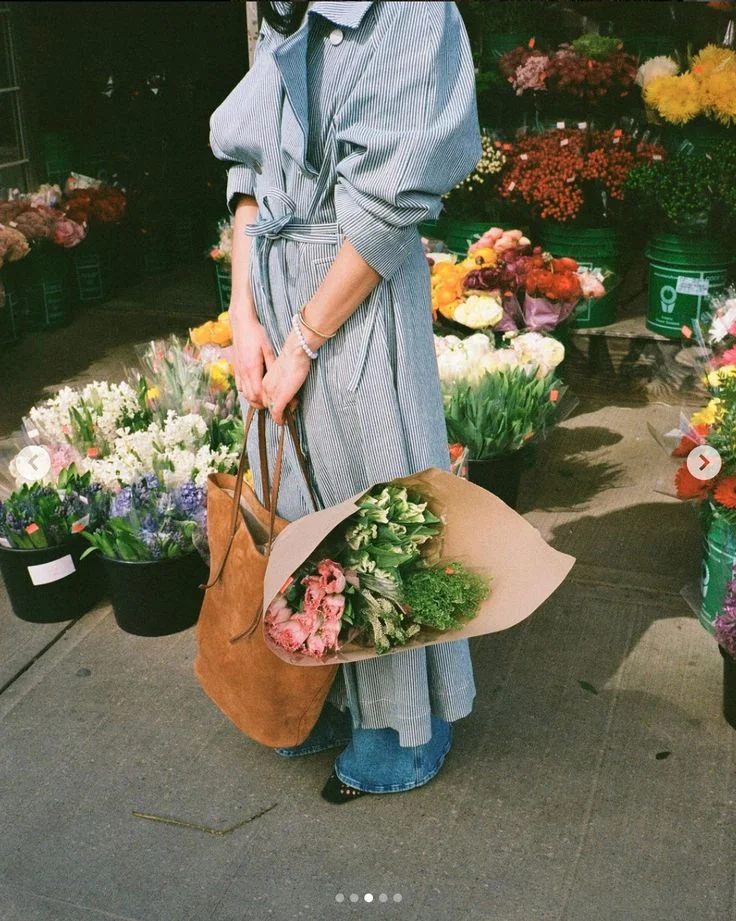
You now have fifty possibilities. Here’s the truth: you won’t do all of them. Trying to would transform this from meaningful seasonal intention into overwhelming obligation.
Choose five to seven experiences maximum. Select the ideas that created strongest response while reading—the ones that made your breath catch slightly, that felt like recognition rather than duty. Those are yours.
Schedule them. Vague intention rarely manifests. Put specific dates on your calendar. “Plant herbs” becomes “Saturday morning, April 15th, visit nursery and plant basil, mint, and rosemary.” General becomes concrete.
Release perfection. You’ll miss some dates. Some experiences won’t unfold as imagined. You’ll get busy and forget your intentions for entire weeks. This is normal. The practice isn’t flawless execution—it’s consistent return. Notice when you’ve drifted, then come back without self-criticism.
Track completion simply. Keep a list in your phone or journal. Check off experiences as you complete them. This isn’t about achievement addiction—it’s about tangible recognition that you’re actually doing what you said mattered. Progress becomes visible, which naturally motivates continuation.
Adjust as you go. If something you thought you wanted feels wrong once you start, release it without guilt. If a new practice emerges organically that wasn’t on your original list, honor it. The list serves you—you don’t serve the list.
Notice what changes. Pay attention to how these intentional experiences affect the rest of your life. Does regular morning sunlight improve your sleep? Does weekly creative time make you more patient in other areas? Does one protected outdoor hour reduce overall anxiety?
The practices that genuinely serve you will reveal themselves through their effects. Those are worth keeping beyond spring.
Consider seasonal continuation. Maybe certain spring practices become year-round anchors. Perhaps you create summer intentions that build on what you learned this season. Possibly you discover you love seasonal bucket lists as framework for intentional living.
Or maybe this is a one-time spring experiment and that’s perfectly sufficient. The value isn’t in perpetual self-improvement projects—it’s in periodically choosing intention over default autopilot.
Spring will come whether you mark it or not. The trees will bloom. The light will lengthen. The earth will warm. But your experience of this miraculous annual transformation—whether you actually participate in it or merely observe it passing—that choice is yours.
Your invitation: Choose differently this season. Not dramatically. Not perfectly. Just more intentionally than usual.
Select the handful of experiences that feel like soul food rather than should-do obligations. Schedule them. Protect them. Then show up for them with the same commitment you’d give to any other important appointment.
Because they are important appointments—with yourself, with the season, with the perpetually available opportunity to live more consciously than you did yesterday.
The blank page of spring is waiting. Not demanding. Just inviting. What will you write there?
Discover 11 transformative yoga poses that combat autumn's scattered energy and ground your restless

Never wonder which hobby suits you again—discover how your unique personality type determines whet

Master these 7 game-changing skills that separate ambitious women from the corporate crowd—your ca
Leave a Reply