

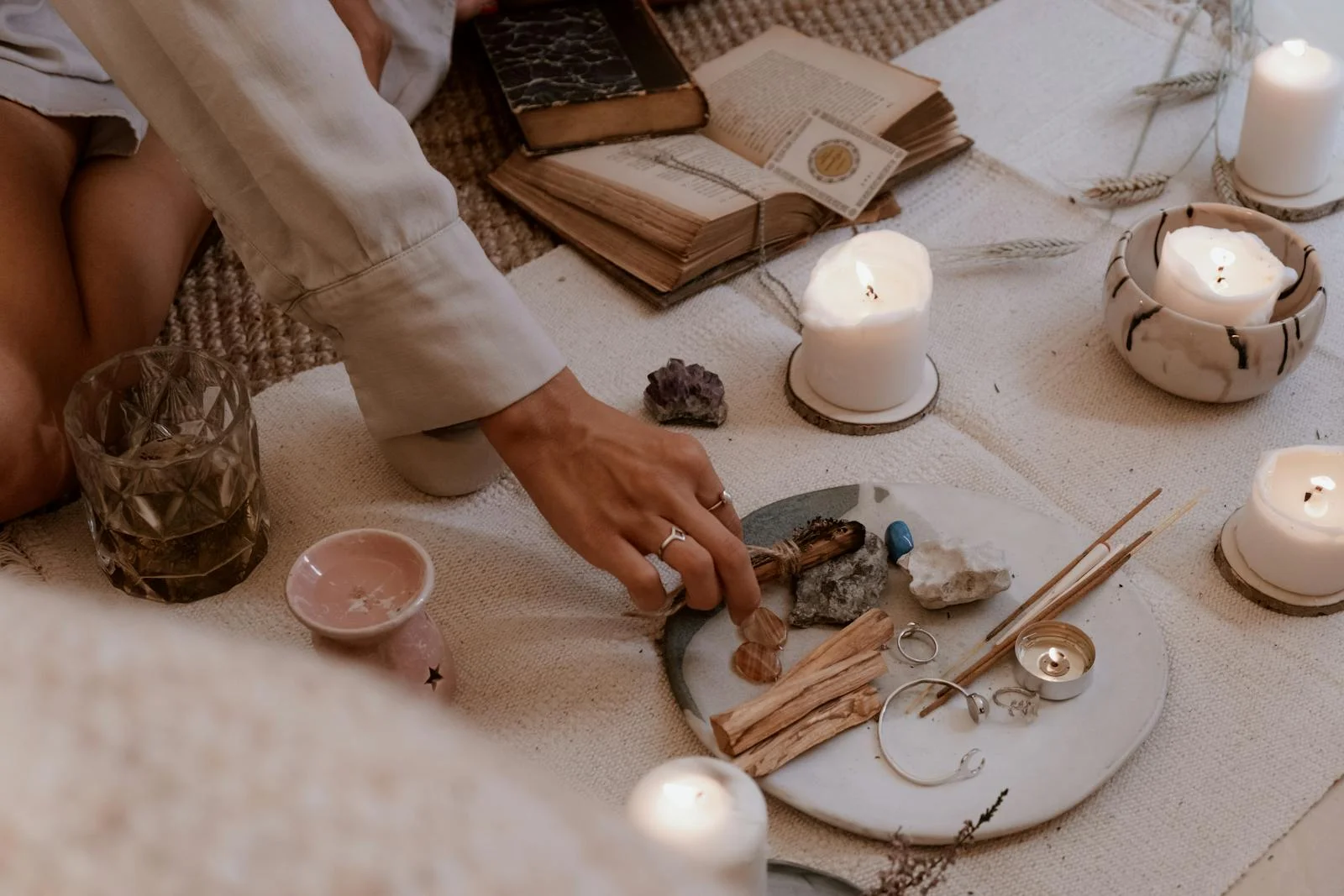
The most profound luxury isn’t found in what we purchase—it’s discovered in how we inhabit our own lives.
We’ve been conditioned to believe that self-care requires transaction. That nourishment comes with a price tag. That treating ourselves means spending on ourselves. But what if the deepest forms of restoration have nothing to do with your credit card balance?
This isn’t about deprivation or making do with less. This is about something far more radical: recognizing that luxury—true luxury—lives in the quality of attention we bring to ourselves, not the products we apply to our skin or the services we schedule.
Why Luxury Self-Care Doesn’t Require a Big Budget
The Truth About Self-Care and Money
The wellness industry has become a masterclass in manufactured need. Walk through any lifestyle store and you’ll encounter a dizzying array of products promising transformation: jade rollers for lymphatic drainage, adaptogenic powders for adrenal health, specialty pillows for sleep optimization. The message is consistent and insidious: you are incomplete as you are, but this purchase will fix you.
Here’s what they don’t tell you: your body already knows how to heal. Your nervous system understands rest. Your spirit recognizes what nourishes it. The tools are already within you—they’ve simply been buried beneath layers of marketing messages telling you otherwise.
The most restorative bath I’ve ever taken wasn’t in a five-star spa with imported mineral salts. It was in my ordinary bathtub after a difficult week, with nothing but hot water, dimmed lights, and the permission to simply be. No products. No protocols. Just presence.
This isn’t to say that beautiful products don’t have value—they do. But when we believe we can’t care for ourselves without them, we’ve surrendered our power to the marketplace. We’ve externalized something that should be deeply internal.
How to Shift Your Mindset from Spending to Being
The shift from consumer to curator of your own experience requires unlearning. It means questioning the reflexive urge to solve discomfort through purchase. It means sitting with the radical possibility that you already possess everything required for profound self-care.
Start by noticing the impulse. When stress rises and your first thought is “I need to buy something to feel better,” pause. Breathe. Ask: What am I actually hungry for? Usually, it’s not the product itself but what it represents—time, attention, permission to rest, the feeling of being cared for.
You can give yourself these things directly. The bath doesn’t heal because of the expensive salts; it heals because you’ve created a container for rest. The face mask doesn’t transform you; the act of dedicating time to your own care transforms you.
This mindset shift is subtle but seismic. You move from “I need to get something” to “I need to give myself something”—time, presence, tenderness, attention. These currencies are infinite and entirely within your control.
The Science Behind Free Self-Care Activities
Neuroscience supports what ancient wisdom traditions have always known: presence heals. When you engage in activities that bring you into the present moment—walking, breathing consciously, moving gently, connecting with nature—you activate your parasympathetic nervous system, shifting your body out of stress response and into restoration mode.
Research on mindfulness practices shows measurable changes in brain structure with consistent practice. The amygdala, your fear center, becomes less reactive. The prefrontal cortex, responsible for executive function and emotional regulation, becomes more robust. These changes don’t require expensive meditation retreats or fancy apps—they happen through simple, repeated practices of bringing awareness to the present moment.
Similarly, studies on nature exposure demonstrate significant improvements in mood, cognitive function, and stress reduction—simply from spending time outdoors. No payment required, just presence.
The body’s relaxation response, first described by Dr. Herbert Benson at Harvard, can be triggered through simple breathwork, progressive muscle relaxation, or gentle movement. These practices are free, accessible, and profoundly effective at reducing cortisol levels and promoting healing.
Science confirms what our bodies already know: we are designed to heal through simple acts of presence, not through consumption.
Creating Your Luxury Experience: The Free Foundations

Setting a Spa-Like Atmosphere with What You Already Have
Atmosphere isn’t about acquisition—it’s about curation. Look around your home right now. What do you already possess that could create a sense of sanctuary?
Perhaps it’s clearing clutter from a single surface, allowing space to breathe. Maybe it’s repositioning a lamp to create softer lighting, or opening a window to invite fresh air. The luxury hotel experience isn’t about expensive furnishings; it’s about intentional simplicity and the absence of visual noise.
Dim the overhead lights. Light candles you’ve been saving for special occasions—this moment is the special occasion. Fold towels neatly and place them where you can see them. These small acts of care for your environment become acts of care for yourself.
I once spent an hour transforming my cramped bathroom into a sanctuary. I didn’t buy anything. I simply removed everything from the counters except one beautiful object, arranged fresh towels I already owned, and placed the single candle I’d been hoarding. The space felt completely different—not because anything new entered it, but because intention had.
The Power of Intentionality in Self-Care
Intentionality is the difference between a routine and a ritual, between going through motions and creating meaning. When you wash your face with full attention—feeling the temperature of water, noticing the sensation of cleanser on skin, observing without judgment—it becomes ceremony rather than chore.
This level of presence transforms the ordinary into the sacred. Your regular shower becomes a cleansing ritual. Your morning coffee becomes a meditation. Your walk around the block becomes a moving prayer.
The key is bringing consciousness to what you’re already doing. Not adding more to your life, but extracting more meaning from what’s already present. This costs nothing but attention—and attention, it turns out, is the rarest and most valuable currency we possess.
Transforming Everyday Moments into Rituals
Begin by selecting one ordinary daily activity and elevating it through awareness. Perhaps it’s how you make your bed each morning. Instead of hurrying through it while mentally planning your day, do it slowly. Notice the texture of sheets. Feel gratitude for having a bed, for shelter, for rest. Smooth each fold with care.
This practice of bringing ritual consciousness to mundane acts gradually transforms your entire experience of life. You’re not waiting for special moments to arrive—you’re making every moment special through the quality of attention you bring to it.
The luxurious life isn’t one filled with luxurious things. It’s one lived with luxurious presence.
Morning Rituals That Cost Nothing

Making Your Bed as a Morning Meditation
There’s ancient wisdom in the military practice of making your bed first thing each morning. It’s not about order for order’s sake—it’s about completing one act before moving to the next, about creating a small accomplishment that ripples through your day.
But beyond simple task completion, bed-making can become a practice of presence. As you smooth the sheets, you’re quite literally smoothing the transition between sleep and waking. You’re honoring the rest you’ve received and preparing the sanctuary you’ll return to.
Stand at the foot of your bed. Take three deep breaths. Then begin slowly, noticing each movement. Pull the bottom sheet taut—feel the satisfaction of creating order. Arrange pillows with care—you’re creating beauty for yourself, not for anyone else’s approval. This isn’t Instagram-worthy bed styling; this is a small act of devotion to your own well-being.
Savoring Your Morning Coffee or Tea Mindfully
We’ve made coffee into fuel, tea into productivity enhancement. We stand at the counter scrolling while our beverage grows lukewarm, barely tasting it. What if instead, we made it ceremony?
Prepare your drink with full attention. Notice the sound of water heating, the aroma as coffee brews or tea steeps. Pour slowly, watching steam rise. Choose a cup you love—not the chipped mug from a forgotten conference, but something that brings aesthetic pleasure.
Then sit. Actually sit. Not at your computer, not with your phone, not while planning your day. Just sit with your warm cup and drink it. Feel the heat through the ceramic. Notice the first sip, how the taste changes as the drink cools. Watch morning light shift across your space.
Ten minutes. That’s all. Ten minutes of morning devoted entirely to the experience of drinking something warm and being present to it. This small ritual anchors your entire day in presence rather than productivity.
10-Minute Sunrise Watching Ritual
Our ancestors lived by the sun’s rhythms. We live by alarm clocks and artificial light, missing the profound natural transition between darkness and day. Witnessing sunrise—even once a week—reconnects you to something primal and grounding.
You don’t need a mountaintop vista. A window facing east works perfectly. Even if you can’t see the actual sun, you can observe the quality of light shifting, darkness gradually lifting, the day revealing itself.
Sit quietly as light changes. Notice how it affects your internal state. There’s something deeply settling about observing a process that has happened billions of times, will continue long after you’re gone, and requires nothing from you except witness.
This practice naturally cultivates perspective. Your worries, however real, become proportional when held against the daily miracle of a star revealing a planet.
Stretching or Gentle Yoga with Free YouTube Videos
Your body has been still all night. Before demanding performance from it, offer it kindness through movement. You don’t need a studio membership or expensive instruction—YouTube contains thousands of free yoga and stretching videos for every level and time commitment.
Choose something gentle for mornings: a 10-minute hip opener sequence, basic sun salutations, or simple full-body stretches. The specific practice matters less than the act of checking in with your physical self, asking what it needs, and responding with care.
Movement in the morning doesn’t need to be intense to be valuable. Gentle, mindful movement signals to your nervous system that you’re awake, present, and ready to inhabit your body fully today. It’s self-care as conversation between mind and body, facilitated through breath and motion.
Gratitude Journaling with Pen and Paper
Gratitude practice has become trendy, sometimes to the point of toxicity—”just be grateful” weaponized against legitimate suffering. But genuine gratitude practice isn’t about denying difficulty; it’s about training attention toward what remains good even amid hardship.
Each morning, write three things you’re grateful for. Not the same three things—that becomes rote. New observations daily. Perhaps you’re grateful for hot water from your tap, for a text from a friend, for your body’s ability to heal a small cut without your conscious effort.
The practice of looking for gratitude subtly rewires attention. You begin noticing more moments of grace throughout your day because you’re training yourself to recognize them. This costs only paper and pen—items you likely already possess—and five minutes of honest reflection.
Midday Free Self-Care Practices

Taking a Mindful Walk in Nature
Step outside. That’s it. That’s the instruction. But do it with intention rather than destination. This isn’t exercise—it’s exposure to something larger than your internal narrative.
If you have access to actual nature—trees, grass, water—wonderful. If you live in an urban environment, find whatever green space exists: a park, a tree-lined street, a community garden. Even concrete streets offer sensory variation that pulls you out of mental loops.
Walk slowly enough to notice. The temperature of air. The quality of light. Sounds—birds, wind, traffic, children. Don’t try to make it peaceful; simply notice what’s actually present. This practice of observation without judgment gradually quiets the constant internal commentary that exhausts us.
Midday walks serve as reset buttons, interrupting the momentum of stress and offering perspective. The world continues outside your problems. The sky doesn’t care about your deadline. The birds aren’t anxious about their performance reviews. This recognition isn’t dismissive of your concerns—it’s a reminder that you exist within a larger context that can hold your worry.
Deep Breathing Exercises at Your Desk
When stress rises, breath becomes shallow. We literally forget to breathe fully, creating a feedback loop where shallow breathing signals danger to the nervous system, which increases stress, which further restricts breath.
Breaking this cycle requires nothing but awareness. At your desk, set a reminder to pause three times daily for two minutes of conscious breathing. It sounds absurdly simple. It’s also profoundly effective.
Try box breathing: inhale for four counts, hold for four, exhale for four, hold for four. Or simply breathe deeply into your belly, placing one hand there to feel it expand. The specific technique matters less than the interruption of unconscious shallow breathing.
These two-minute interventions throughout your day create pockets of parasympathetic activation—rest response amid stress response. You’re training your nervous system to access calm even in challenging circumstances.
Listening to Your Favorite Music Intentionally
Music has become background noise—something we barely notice while doing other things. What if instead, you made listening an activity itself?
Choose a song you genuinely love. Put in headphones or turn up speakers. Close your eyes. Let the music be the only thing happening. Notice instruments individually, then how they combine. Feel emotions that arise without judging them. Let your body move if it wants to.
Five minutes of complete musical immersion can shift your entire state. It’s a vacation from cognitive overwhelm, a sensory experience that doesn’t require thinking, just feeling and receiving.
Create playlists for different needs: one for when you need energy, another for when you need soothing, a third for when you need to cry. These become emotional regulation tools available instantly and freely.
Free Online Meditation Sessions
The meditation app industrial complex wants you to believe you need premium subscriptions for peace of mind. But YouTube, Spotify, and countless meditation websites offer thousands of free guided sessions in every tradition and length.
Midday meditation doesn’t need to be long—even five minutes provides measurable benefit. Find a teacher whose voice doesn’t irritate you (this matters more than their credentials) and a style that resonates: body scan, breath awareness, loving-kindness, visualization.
The beauty of midday meditation is its reset quality. You’re not trying to start your day mindfully or end it peacefully—you’re interrupting accumulated stress before it solidifies into tension you’ll carry into evening.
Power Napping as Self-Love
Our culture treats daytime sleep as laziness. Meanwhile, research consistently shows that 10-20 minute naps improve cognitive function, mood, and performance more effectively than caffeine, with no side effects.
If your circumstances allow, claim the power nap as self-care. Find a quiet space—your car, a break room, even your desk with your head down. Set a timer for 20 minutes maximum (longer can leave you groggy). Close your eyes.
You may not actually sleep, and that’s fine. The rest itself is restorative. You’re giving your system permission to stop producing, stop performing, stop being “on.” This cessation, even briefly, is profoundly nourishing.
Afternoon Luxury Rituals Without Spending

Reading a Book You Already Own
Look at your shelves. I’m willing to bet you own books you’ve never read, or books you’ve read once and forgotten. These are free entertainment, wisdom, and perspective, already in your possession.
Choose one. Actually read it. Not while also watching TV or scrolling your phone—just reading, the way you did as a child, fully absorbed in story or ideas. Let it transport you somewhere beyond your immediate concerns.
Afternoon reading creates a sanctioned pause in productivity. You’re not being lazy; you’re engaging your imagination, expanding your perspective, or learning something new. This costs nothing but time—time you’re going to spend anyway, usually less intentionally.
Window Shopping as Inspiration (Not Temptation)
This suggestion might seem counterintuitive in a guide about free self-care, but hear me out: window shopping, done consciously, can be a form of visual pleasure and creative inspiration without any pressure to purchase.
Walk through stores or scroll through online shops (with your payment methods deliberately left at home or logged out) purely to observe beauty, design, and creativity. Notice what draws you. Pay attention to colors, textures, and arrangements that please you.
Then ask: How can I create some of this aesthetic pleasure with what I already own? Maybe you’re drawn to minimalist displays—you can clear a single shelf and arrange three beautiful objects. Perhaps you love rich textiles—you can drape a scarf you already own somewhere visible.
The key is shifting from consumer to observer. You’re gathering inspiration, not shopping. This practice can actually reduce consumption by helping you recognize that what you’re seeking isn’t the object itself but the feeling it represents—and feelings can often be cultivated through creative arrangement of what you already possess.
Cloud Watching or Stargazing
When did you last look at the sky? Actually look—not glancing up while walking to your car, but lying on your back and watching clouds move or stars emerge?
This practice requires only time and willingness to be still. Find a patch of grass, a bench, or even open your window. Let your gaze soften as you watch the sky. Notice how clouds morph, how light shifts, how the vast expanse makes your concerns feel appropriately sized.
Night sky observation connects you to something incomprehensibly large. Those stars are ancient light, traveling billions of miles to reach your eyes. You’re witnessing history. You’re connected to a universe that operates on scales that dwarf human drama.
This cosmic perspective isn’t meant to diminish your life but to contextualize it. Your problems are real and valid. They’re also small within the scope of time and space—and there’s strange comfort in that.
Dancing Alone in Your Living Room
Put on music that makes you want to move. Close your curtains if you’re self-conscious. Then dance—not for exercise, not with proper form, but with pure unselfconscious movement.
Let your body lead. Shake out stress. Move in ways that feel silly or strange. There’s no audience, no judgment, no correct way to do this. This is your body expressing itself, releasing what it’s holding, remembering its capacity for pleasure and play.
Dancing alone is one of the most liberating acts available to us. We spend so much time controlling our bodies, sitting still, being appropriate. This practice is permission to be wild and weird and completely yourself in physical form.
Five minutes of abandoned dancing can shift stuck energy more effectively than hours of talking about why you’re stressed. Sometimes the body needs to move emotion through rather than think about it.
Organizing One Small Space for Mental Clarity
External order creates internal order—not always, but often enough to make it worth experimenting with. When life feels chaotic, controlling one small area can provide surprising relief.
Choose something manageable: a single drawer, one shelf, a corner of your desk. Spend 15 minutes bringing complete order to just that space. Remove everything. Clean it. Decide what actually belongs there. Return only those items, arranged thoughtfully.
The practice isn’t about perfect organization—it’s about creating one pocket of clarity in a world that often feels overwhelming. That single drawer becomes proof that you can create order, that chaos isn’t inevitable, that small actions produce visible results.
Evening Free Spa Rituals

Taking an Extra-Long Shower as a Ceremony
Most showers are rushed, utilitarian, part of the morning routine. An evening shower, taken slowly and with intention, becomes something entirely different—a cleansing not just of body but of the day itself.
Turn the water slightly cooler or warmer than usual. Step in and stand still for a moment, letting water hit your head and run down your back. Imagine it washing away not just physical dirt but stress, accumulated tension, other people’s energy.
Lather slowly. Notice sensation—slippery soap, water temperature, the smell of your cleanser. This isn’t about getting clean; it’s about being present in your body, offering it care and attention.
Stay under the water until you genuinely feel ready to emerge. This might be 15 minutes or 30. The “luxury” is in the time itself—time dedicated entirely to sensation and release, with no other purpose.
DIY Face Masks with Kitchen Ingredients
Your kitchen likely contains everything needed for effective skincare: honey (antibacterial and moisturizing), yogurt (lactic acid for gentle exfoliation), oatmeal (soothing for irritation), avocado (deeply nourishing), cucumber (cooling and calming).
Mix honey and yogurt for a simple mask that addresses most skin concerns. Or mash avocado for dry skin. Steep chamomile tea, cool it, and use as a toner. These aren’t Pinterest-perfect concoctions—they’re functional treatments that genuinely work.
The ritual of making your own skincare connects you to a tradition of self-care that existed long before the beauty industry. You’re mixing something with your own hands, knowing exactly what’s going on your skin, creating alchemy from ordinary ingredients.
Apply your mask and lie down for 15 minutes. This forced stillness while it dries is as valuable as the treatment itself—permission to do nothing but rest while something works on your behalf.
Self-Massage with Body Oil You Already Have
You likely have some kind of oil in your house: olive oil, coconut oil, almond oil. Any of these work for self-massage—you’re not looking for specialized products, just slip and glide.
Pour a small amount into your hands, warm it, then begin with your feet. Press into the arch. Massage each toe. Work up your calves with firm strokes toward your heart. When you reach areas you can’t easily access, focus on what you can: hands, arms, neck, shoulders, face.
Self-massage isn’t just physical—it’s emotional care. You’re touching yourself with tenderness, acknowledging tension, offering relief. This practice can be profoundly healing for people who rarely experience safe, caring touch.
Take your time. This isn’t about perfect technique; it’s about sustained, caring contact with your own body.
Practicing a Full Skincare Routine You Own
Look under your bathroom sink. You probably own multiple skincare products you’ve abandoned or forgotten. Rather than buying new products, commit to actually using what you have with full intention.
Cleanse slowly, massaging your face with circular motions. Apply toner by patting gently. Smooth on serum with upward strokes. Finish with moisturizer, taking time to massage it into skin.
The products themselves matter less than the ritual of care. You’re spending focused minutes attending to your physical self, noticing your face, touching yourself gently. This practice says: I am worth this time and attention.
Candlelight Relaxation (Using Candles You Have)
Most of us own candles we’re saving—for what? For when life becomes special enough to deserve them? This moment is that moment. Tonight is special enough.
Light every candle you own. Yes, all of them. Transform your space through flickering light and released fragrance. Sit in this atmosphere you’ve created. Read by candlelight. Simply sit. Let the soft light soothe your overstimulated nervous system.
Candlelight signals to our ancient brains that it’s evening, time to wind down. It’s harder to maintain stress and anxiety in this light—something in us naturally softens.
When the candles burn down, you buy more. That’s what they’re for—to be used, enjoyed, consumed in the creation of atmosphere and peace.
Connection-Based Free Self-Care

Video Calling a Loved One
Loneliness is epidemic in our hyperconnected age. We have hundreds of online connections and few deep ones. Video calling someone you genuinely care about—not to accomplish anything, just to connect—is radical self-care.
Schedule it like an appointment if needed. Call your grandmother. Your old friend from college. Your sibling. Ask how they’re really doing. Listen without planning your response. Let the conversation meander.
Connection is as essential to wellbeing as sleep or nutrition, yet we treat it as optional, something to fit in when convenient. Making it priority, protecting time for it, is recognizing that you’re a social animal who needs genuine contact to thrive.
Writing a Heartfelt Letter or Email
When did you last write to someone purely to express appreciation or love? Not a birthday card or obligatory thank-you note, but a letter written simply because you value someone?
Choose a person who matters to you. Write to them—by hand if possible, though email works too. Tell them specifically what you appreciate about them. Share a memory. Express gratitude for their presence in your life.
The interesting thing about this practice: it’s ostensibly for the recipient, but the act of articulating gratitude and love transforms you. You remember that you’re part of a web of meaningful relationships. You’re practicing vulnerability and expression. You’re acknowledging that you’re loved and that you love—and that recognition is deeply nourishing.
Giving Someone an Unexpected Compliment
Make someone’s day. It costs nothing. Compliment the barista’s efficiency. Tell your coworker you appreciate how they handled a difficult situation. Message a friend to say you were thinking of them.
Genuine compliments are rare enough to be precious. Most people are starved for authentic recognition. When you offer it freely, you’re creating positive ripples—but you’re also practicing generosity, training yourself to notice what’s good in others.
This practice pulls you out of self-absorption (a common side effect of stress) and reconnects you to your social world. It reminds you that you have impact, that your words matter, that you can create light for others.
Quality Time with Pets
If you have a pet, you have access to some of the most reliable stress relief available. Animals live in the present. They don’t ruminate. They don’t worry about tomorrow. Their presence invites you into now.
Sit on the floor with your dog or cat. Pet them slowly, noticing the texture of fur, their weight against you, their warmth. Make eye contact. Play with complete attention. Walk your dog slowly, letting them stop and sniff as much as they want.
Research consistently shows that interacting with animals lowers blood pressure, reduces cortisol, and increases oxytocin. But beyond the biochemistry, there’s something soul-level soothing about connection with another creature that asks nothing but presence.
Asking for a Hug When You Need One
Touch deprivation is real and damaging. Many adults go days without caring physical contact. If you live with others—partners, children, roommates—and you need a hug, ask for one.
“I need a hug” is a complete sentence requiring no justification. Stand in the embrace for at least 20 seconds—research shows this is how long it takes for oxytocin release. Let yourself receive comfort.
If you live alone, this obviously doesn’t apply—but you can give yourself some benefits through self-hugging, wrapping yourself in a weighted blanket, or even just placing a hand on your heart with warmth and intention.
Creative Expression at No Cost

Doodling or Drawing for Pleasure
You don’t need to be an artist. You don’t need special materials. You need only paper and a pen, and the willingness to make marks without judgment or goal.
Doodling engages the hand-eye connection and occupies the verbal mind just enough to quiet it. It’s meditative without trying to be. Patterns emerge. Shapes repeat. There’s no success or failure—only process.
Draw how you feel. Draw what you see outside your window. Draw repeated spirals or geometric patterns. The content doesn’t matter. What matters is engaging your creative capacity without the pressure of making something “good.”
Free Adult Coloring Pages Online
The adult coloring trend happened for good reason: repetitive, focused activity soothes anxious minds. You don’t need to purchase coloring books—countless free printable pages exist online across every theme imaginable.
Print a page. Use whatever coloring implements you have—cheap markers, old colored pencils, even regular pens. Choose colors intuitively. Stay inside the lines or don’t.
The practice is the point: focused attention on a simple, pleasant task. Your mind can’t worry and color simultaneously. For the time you’re coloring, anxiety has no foothold.
Writing Poetry or Short Stories
You don’t have to share this with anyone. You don’t have to be good. You can write terrible poetry and bad stories and it doesn’t matter because you’re doing it for yourself—to process emotion, to play with language, to give voice to internal experience.
Set a timer for 15 minutes. Write without stopping, without editing, without judgment. Let words flow in whatever form they take. This is stream-of-consciousness expression, not literature.
Writing creates distance from experience—you’re observing your life enough to describe it, which means you’re not completely submerged in it. This perspective shift alone provides relief.
Making a Vision Board from Magazines You Have
Somewhere in your home, you probably have old magazines waiting for recycling. Before you toss them, harvest images and words that resonate with you. Cut out anything that sparks joy, interest, or longing.
Arrange these on paper or cardboard. Create a collage of textures, colors, and words that represent how you want to feel or what matters to you. This isn’t goal-setting—it’s visual expression of your internal landscape.
The process of seeking images, making choices, arranging elements satisfies your creative impulse and helps clarify what you’re actually drawn to beneath the noise of what you think you should want.
Creating a Personalized Playlist
Music curation is an art form. Spend an hour crafting the perfect playlist for a specific mood or need. This isn’t the algorithm selecting songs—it’s you intentionally choosing sounds that speak to a particular state.
Make a morning playlist that gently wakes you. Create a focus playlist for work. Curate a playlist for when you need to cry, another for when you need courage, a third for when you need to feel connected to something larger.
These become tools for emotional regulation. When you need a specific feeling or energy, you have a sonic pathway to access it. You’re taking active role in your emotional life rather than being buffeted by whatever arises.
Body Care Without Buying Products

Dry Brushing with a Brush You Own
Most people own a natural bristle brush somewhere. Before showering, brush your dry skin in long strokes toward your heart, starting at your feet and working upward. This stimulates lymphatic drainage, exfoliates dead skin, and increases circulation.
But beyond physical benefits, there’s something grounding about this practice. You’re attending to your entire body surface, noticing areas of tension or tenderness, touching yourself with care and intention.
The ritual takes five minutes and uses something you already possess. The transformation isn’t in acquiring something new but in using what you have with awareness.
At-Home Facial Steam with Hot Water
Boil water. Pour it into a large bowl. Drape a towel over your head and the bowl to trap steam. Close your eyes and breathe deeply for 5-10 minutes.
This opens pores, hydrates skin, clears sinuses, and forces stillness. You can’t do anything else while steaming your face—you’re captive to the practice, which is precisely why it works.
Add herbs if you have them—chamomile for soothing, rosemary for clarity, mint for invigoration. But plain water works perfectly fine. The steam itself is the treatment.
Nail Care with Basic Tools
Your nails reveal how you care for yourself. Neglected nails suggest neglected self-care. Taking time to tend them, even without polish or salon tools, is practicing attention to detail in your own care.
Trim and file them. Push back cuticles gently. Apply hand cream if you have it, or any moisturizer. Buff nails to a natural shine with a soft cloth. This takes 15 minutes and leaves you with visible evidence of care rendered.
There’s something meditative about small, precise tasks. Your mind can’t race while you’re carefully filing a nail. This is present-moment practice disguised as grooming.
Hair Mask from Pantry Ingredients
Coconut oil, olive oil, avocado, eggs, honey—any of these make effective hair treatments. Apply to damp hair, focusing on ends. Cover with a shower cap or towel. Leave for 30 minutes or longer.
While it processes, you’re freed to do nothing or to engage in other self-care practices. When you rinse it out, your hair will be noticeably softer. You’ve treated yourself to salon-level care using what you already had.
Foot Soak in Warm Water with Epsom Salt
Your feet carry you all day and receive little appreciation. Fill a basin with warm water. Add Epsom salt if you have it, or just use plain water. Soak your feet for 20 minutes.
As you soak, massage them. Press into the arches. Rotate ankles. This isn’t just physical care—it’s a practice of acknowledging your body’s service to you, offering it rest and relief.
Foot soaking has ancient roots across cultures. You’re participating in a practice humans have found soothing for thousands of years, requiring nothing but water and time.
Mental and Emotional Free Self-Care
Positive Self-Talk Practice
How you speak to yourself matters more than almost anything else in your life. Most of us maintain an internal monologue that’s harsh, critical, and relentlessly judgmental—commentary we’d never direct at another person.
Begin noticing this voice. When you make a mistake, what do you say to yourself? When you look in the mirror? When you’re struggling? Chances are, it’s unkind.
Practice replacement. When you notice harsh self-talk, pause. Take a breath. Speak to yourself as you would to a beloved friend in the same situation—with compassion, understanding, and encouragement.
This isn’t toxic positivity or denying problems. It’s recognizing that you’re doing your best with what you have, that you deserve kindness, that berating yourself has never once improved anything.
Setting Boundaries Without Guilt
Self-care isn’t always soft and soothing. Sometimes it’s saying no. Declining invitations. Ending conversations. Removing yourself from situations that drain you.
Practice the complete sentence: “No, that doesn’t work for me.” No justification. No elaborate excuse. Just a clear, kind boundary.
Guilt will likely arise—it’s been conditioned into most of us, especially women. Notice it. Name it: “I’m feeling guilty for prioritizing my needs.” Then proceed anyway, because guilt is not a reliable guide to whether something is right.
Boundaries aren’t mean; they’re honest. They tell people where you actually are instead of pretending to be where you’re not. This allows authentic relationship rather than resentment-fueled performance.
Digital Detox for a Few Hours
Declare several hours device-free. Turn off your phone. Close your laptop. Disconnect from the constant input, the algorithmic manipulation of your attention, the comparison and consumption and performance.
Notice what arises in the silence. Boredom probably. Anxiety maybe. The urge to check, to scroll, to see what you’re missing. Sit with these feelings. They’re informative—they reveal how dependent you’ve become on digital distraction.
As you move through the discomfort, something else emerges: presence. You notice your actual surroundings. You have thoughts that aren’t interrupted. You remember what it feels like to exist without audience or algorithm.
Even a few hours provides perspective on how much of your life has been colonized by screens. This recognition is the first step toward reclaiming sovereignty over your attention.
Reflecting on Personal Growth
Take stock of who you were a year ago. What have you learned? How have you changed? What have you survived that seemed impossible?
This reflection practice counters the tyranny of constant forward momentum. We’re always pushing toward the next goal, rarely acknowledging distance already traveled. This creates a sense of never enough, never there.
Write about your growth. Acknowledge difficulties you’ve navigated. Recognize wisdom you’ve gained. Appreciate yourself not for productivity or achievement but for continuing—for showing up, learning, adapting, surviving.
Forgiving Yourself for Past Mistakes
We all carry regrets. Things we wish we’d done differently, people we hurt, versions of ourselves we’re ashamed of. These accumulate weight—heavy backpacks of shame we never set down.
Choose one regret. Sit with it. Acknowledge what happened and that it wasn’t your finest moment. Then extend compassion: “I was doing the best I could with what I knew then. I’ve learned. I’m different now.”
Self-forgiveness isn’t excusing harm or bypassing accountability. It’s recognizing that continuing to punish yourself serves no one. The person you hurt isn’t benefited by your ongoing shame. Your current self deserves release from your past self’s mistakes.
This practice may need repetition. Forgiveness isn’t one decision but a practice of choosing compassion over punishment, again and again, until it becomes natural.
Nature-Based Rituals That Cost Zero
Barefoot Walking on Grass (Grounding)
Remove your shoes. Stand on grass, sand, soil—any natural surface. Feel earth beneath your feet. Walk slowly, noticing texture and temperature.
Grounding practices claim to transfer electrons from earth to body, reducing inflammation and stress. Whether or not you believe the mechanism, the practice itself is undeniably soothing. You’re literally connecting to ground, to something stable and eternal.
Modern life keeps us separated from earth—rubber soles, concrete, indoor environments. This separation isn’t neutral; it contributes to feeling unmoored. Ten minutes of barefoot contact with earth can restore a sense of being held by something larger.
Listening to Birds or Nature Sounds
Step outside and stand still. Close your eyes. Listen. Really listen. Birds. Wind through leaves. Distant traffic. Insect hum. The sound of weather moving.
Urban soundscapes differ from rural ones, but both contain layers of audio if you attend to them. This practice trains attention outward, pulling you from mental loops into sensory presence.
If you can’t go outside, open a window. Or find free nature soundscapes online—rain, forest sounds, ocean waves. Our nervous systems respond to these sounds with measurable relaxation, even when digital.
Watching the Sunset or Sunrise
There’s a reason humans have marked these transitions since the beginning of human consciousness. The shift from darkness to light or light to darkness invites reflection, marks time, reminds us of cycles larger than our individual concerns.
Make it ritual. Commit to watching one sunset or sunrise each week. Put it in your calendar. Protect the time. Go to a place with a view, or simply step outside.
As you watch, breathe consciously. Notice color shifts. Feel temperature change. Acknowledge the day ending or beginning. Let yourself be small in relation to the cosmic machinery of planets and stars.
Sitting Under a Tree
Find a tree. Sit with your back against its trunk. Close your eyes or gaze upward through branches. Breathe.
Trees have been here longer than you. They’ll be here after you. They offer shade without asking anything in return. They breathe opposite to you—taking your exhaled carbon dioxide, offering oxygen in exchange.
This practice isn’t metaphorical. Something physiological shifts when we’re near trees. Japanese researchers studying forest bathing found measurable decreases in cortisol, blood pressure, and heart rate from time among trees.
But beyond biochemistry, there’s something soul-level comforting about a tree’s solid presence. It’s not going anywhere. It’s not anxious. It simply exists, growing slowly, responding to seasons.
Collecting Natural Objects for Your Space
Walk with eyes open for beauty: an interesting stone, a fallen feather, a seedpod, a particularly beautiful leaf. Collect what calls to you.
Arrange these objects somewhere you’ll see them—a windowsill, a shelf, your desk. These become touchstones, reminders of time spent outdoors, evidence of beauty that exists freely for anyone who notices.
Nature’s offerings cost nothing and ask nothing. They’re simply there, waiting to be seen. This practice trains you to look for beauty, to notice detail, to bring elements of the natural world into your domestic spaces.
Kitchen Luxury on a Budget
Making Your Favorite Meal from Scratch
Choose a meal you genuinely love and prepare it with complete attention. Not for anyone else. Not documented for social media. Just for the pleasure of making something you’ll enjoy eating.
Cooking becomes meditation when you’re fully present to it. The rhythm of chopping. The aroma as ingredients combine. The transformation of raw materials into nourishment. This is alchemy, creation, care made tangible.
Eat what you’ve made slowly, appreciating both the meal and the effort you invested in yourself. You’ve proven that you’re worth the time and attention required to make food you genuinely want to eat.
Setting a Beautiful Table with What You Have
Even if you’re eating alone, set an actual place. Use a cloth napkin. Choose your favorite plate. Light a candle. Pour water into a nice glass instead of drinking from the bottle.
These small rituals elevate ordinary eating into dining—into an experience rather than just fuel consumption. You’re treating yourself as someone who deserves beauty and ceremony, not just efficiency.
The practice is about slowing down, about making ordinary acts special through attention and care. You’re not waiting for company or special occasions to access beauty. You’re creating it for yourself, now.
Trying a New Recipe with Existing Ingredients
Look at what you already have. Challenge yourself to create something new from existing ingredients. This creative constraint sparks ingenuity and prevents food waste.
Search online for recipes using your available ingredients. You’ll probably find something you’ve never made before. This experiment keeps cooking interesting, helps you develop skills, and uses what you already paid for.
The practice is less about the perfect result and more about engaging your creativity, about proving to yourself that you can make something from what you have rather than always needing something new.
Infusing Water with Fruit or Herbs
Plain water becomes special with cucumber slices, lemon, mint, berries—any combination you enjoy. This simple act transforms hydration into a small luxury.
Fill a pitcher. Add your chosen fruits or herbs. Refrigerate. Throughout the day, pour yourself glasses of water that taste pleasant, look beautiful, and make you feel like you’re treating yourself well.
This practice also increases water consumption—you’re more likely to drink adequate water when it’s appealing. You’re nourishing yourself while simultaneously creating a small ritual of self-care.
Slow Cooking as a Meditative Practice
Slow cooking—whether in a slow cooker or just over low heat—teaches patience. You can’t rush it. The time itself is part of the process. This forced slowness becomes meditative.
Choose something that requires hours: a stew, braised meat, caramelized onions, slow-roasted vegetables. As it cooks, your home fills with aroma. You check periodically, stir occasionally, but mostly you just wait.
This practice is about relinquishing control, about trusting process, about accepting that some good things simply require time. These are lessons that extend far beyond the kitchen.
DIY Spa Treatments from Your Pantry
Sugar and Oil Body Scrub
Mix sugar with any oil—olive, coconut, almond. That’s it. You’ve made a body scrub that rivals expensive versions. Use in the shower, massaging in circular motions, then rinse.
Your skin will be soft, exfoliated, and moisturized. You’ve provided professional-level treatment using two kitchen staples you already own.
Honey and Yogurt Face Mask
One tablespoon honey. One tablespoon plain yogurt. Mix and apply to clean skin. Leave for 15 minutes. Rinse with warm water.
Honey is antibacterial and humectant. Yogurt contains lactic acid for gentle exfoliation. Together they address most skin concerns effectively and naturally.
Avocado Hair Treatment
Mash half an avocado. Apply to damp hair, focusing on ends. Cover. Leave for 30 minutes minimum. Shampoo out.
Avocado is rich in fatty acids and vitamins that penetrate hair shaft, providing deep conditioning without silicones or synthetic ingredients.
Cucumber Slices for Puffy Eyes
The stereotype exists for good reason: it works. Cucumber’s high water content and cooling temperature reduce inflammation. Lie back, place slices on closed eyes, rest for 10 minutes.
Coffee Grounds Exfoliation
Before throwing away used coffee grounds, use them as a body scrub. The caffeine temporarily tightens skin and improves circulation. The texture exfoliates effectively. Mix with a little oil to prevent mess.
Apply in shower, scrub vigorously, rinse. Your skin will glow. You’ve repurposed what would have been waste into effective skincare.
Sleep Rituals That Require No Money
Creating a Wind-Down Routine
The hour before sleep shapes sleep quality more than almost any other factor. Create a consistent sequence that signals to your body: it’s time to rest.
Dim lights. Turn off screens. Prepare for tomorrow so you’re not lying awake thinking about it. Brush teeth. Wash face. Change into comfortable sleep clothes. Each action becomes part of a ceremony that says: the day is done.
Consistency matters more than specific actions. Your nervous system learns the sequence and begins relaxation response as soon as you start the routine.
Progressive Muscle Relaxation
Lie in bed. Starting with your toes, tense muscles for five seconds, then release. Move systematically up your body: calves, thighs, glutes, abdomen, chest, arms, face.
This practice has two effects: it releases physical tension you didn’t know you were holding, and it occupies your mind with body awareness instead of rumination. Both facilitate sleep.
Visualization Before Sleep
Instead of letting your mind race through worries, direct it intentionally. Visualize a place where you feel completely safe and peaceful. Create detailed sensory experience: what you see, hear, smell, feel.
Or visualize the next day going well—not as anxiety-fueled planning but as pleasant daydream. See yourself moving through tomorrow with ease and grace.
Directed imagination keeps your mind busy with pleasant content instead of anxious content. You’re falling asleep to beauty rather than worry.
Making Your Bedroom a Sanctuary
Your bedroom’s only purposes should be sleep and intimacy. Remove work materials, exercise equipment, laundry piles—anything that signals activity rather than rest.
Keep it cool, dark, and quiet. Make your bed each morning so it’s inviting at night. This isn’t about expensive decor; it’s about clarity of purpose. This space is for rest.
Adjusting Room Temperature for Better Sleep
Most people sleep best between 60-67°F. If you have control over your temperature, experiment within this range to find your optimal sleeping conditions.
If you can’t control temperature, adjust what you can: lighter or heavier blankets, fans, open or closed windows. The goal is creating an environment that facilitates rather than hinders rest.
Social Self-Care Without Spending
Hosting a Free Movie Night at Home
Invite friends. Stream something from a service you already subscribe to. Ask guests to bring snacks. Create an event that costs nothing but provides connection and entertainment.
The value isn’t in the movie—it’s in gathering, in shared experience, in laughter and conversation. You’re creating community without the pressure of expensive entertainment.
Starting a Book Club with Friends
Choose a book. Invite people to read it. Meet to discuss. Rotate who hosts. This costs only time and attention.
Book clubs provide structure for social connection, intellectual engagement, and accountability to read. They’re essentially free therapy—people connecting deeply through ideas and stories.
Organizing a Potluck Dinner
Everyone brings one dish. Suddenly you have a feast that no single person paid for entirely. The variety, abundance, and shared effort create an experience of luxury from collective contribution.
Potlucks also expose you to foods you wouldn’t make yourself, recipes you can learn, and the pleasure of seeing what others choose to share.
Walking and Talking Dates
Instead of meeting for expensive meals or activities, suggest walks. Moving side-by-side while talking often facilitates deeper conversation than face-to-face sitting.
You’re combining social connection with physical movement and nature exposure. Three forms of self-care in one, costing nothing.
Game Night with Board Games You Own
Pull out games you already own. Invite people over. Spend an evening playing together—laughing, competing, connecting through play.
Adult play is underrated and under-practiced. We become so serious, so productivity-focused. Games create space for silliness, for not taking yourself too seriously, for just enjoying others’ company.
Maximizing What You Already Have
Rediscovering Forgotten Products in Your Cabinet
Before buying anything new for self-care, audit what you already own. Most people have drawers full of barely-used products—gifts, impulse purchases, things that didn’t work immediately and were abandoned.
Commit to using what you have before acquiring more. You might rediscover something you love. At minimum, you’ll prevent waste and save money.
Using Samples and Trial Sizes You’ve Saved
Samples accumulate—from beauty counters, subscription boxes, promotional mailings. Use them. Don’t save them. They’re meant for using, and using them is a small luxury already paid for.
Repurposing Items for Self-Care
A nice bowl becomes a container for your face-steaming ritual. A soft cloth becomes a warm compress. A cushion becomes a meditation seat. Look at what you own through the lens of self-care possibilities.
Creating Ambiance with Household Items
Dim regular lights and turn on lamps for softer lighting. Drape a scarf over a lamp for colored light. Arrange objects you love as a focal point for meditation. Use what you have to create atmosphere.
Making the Most of Library Resources
Libraries offer more than books: audiobooks, magazines, movies, music, meditation apps, language learning software—all free. A library card is a gateway to countless self-care resources at zero cost.
Building Your Free Self-Care Routine
How to Schedule Free Rituals Throughout Your Week
Look at your actual schedule. Where can you realistically insert small practices? Perhaps five minutes of gratitude journaling with morning coffee. Maybe an evening walk after work. Sunday morning reading time.
Start with one or two practices at specific times. Once they become automatic, add more. Building incrementally ensures sustainability.
Combining Multiple Free Practices for Maximum Impact
Practices often complement each other beautifully. A morning walk combines nature exposure, movement, and meditation. Evening bath time combines solitude, sensory pleasure, and body care.
Look for natural combinations that multiply benefits without adding time or complexity.
Creating a Personal Self-Care Menu
List all the free practices that genuinely appeal to you. When you’re feeling depleted, overwhelmed, or disconnected, consult your menu. Choose what you need in that moment.
This removes decision fatigue. You’re not figuring out what would help—you’re selecting from options you’ve already identified as effective.
Tracking How Different Rituals Make You Feel
Keep simple notes about which practices shift your state most effectively. You might notice that nature walks dramatically improve mood while journaling helps process specific emotions.
This data helps you refine your approach. You learn what actually works for your particular nervous system, rather than assuming all practices are equally effective for everyone.
Staying Consistent Without Buying Anything New
Consistency comes from habit formation, not novelty. The challenge is maintaining practices when they become familiar and thus less exciting.
Remember why you started. Notice benefits even when they’re subtle. Trust that boring consistency produces more transformation than sporadic intensity.
Overcoming the “It’s Not Enough” Mindset
Why Simple Can Feel More Luxurious
Complexity often masks insecurity—if we do enough things, maybe we’ll finally feel cared for. But luxury is actually the opposite: simplicity executed with excellence, with full presence.
A simple bath taken with complete attention feels more luxurious than an elaborate spa treatment you rush through while thinking about other things. The luxury is in the presence, not the complexity.
Letting Go of Instagram-Worthy Self-Care
Social media has turned self-care into performance—something documented and shared rather than privately experienced. This fundamentally changes the nature of the practice.
Real self-care often looks boring. It’s unsexy and unphotographable. It’s crying in your bathroom. It’s saying no. It’s going to bed early. It’s not curated—it’s real.
Stop performing wellness and start actually resting. These are different activities.
The Comparison Trap and Budget Self-Care
Someone’s expensive self-care products don’t make your free practices less valid. Their weekend spa retreat doesn’t diminish your at-home bath. Comparison is the thief of joy, and it’s particularly destructive in self-care.
You’re caring for yourself with what you have. That’s not just enough—it’s everything. The expensive version isn’t more “real” than your version.
Recognizing the Value of Your Time
Free practices aren’t free—they cost time. And time is your most limited, precious resource. When you dedicate time to self-care, you’re making a profound investment.
Start seeing time spent on yourself as valuable, not indulgent. Your time has worth. Spending it on your wellbeing isn’t wasteful—it’s essential.
Redefining What “Treating Yourself” Means
We’ve been sold the idea that treating yourself means buying yourself something. What if instead, treating yourself means giving yourself permission to rest? To say no? To take up space? To exist without productivity?
The truest treat is freedom—freedom from constant doing, from others’ expectations, from the belief that you must earn the right to exist peacefully in your own skin.
When Free Self-Care Isn’t Working
Signs You Need Professional Help
If you’re consistently practicing self-care and still experiencing severe symptoms—persistent low mood, inability to function, intrusive thoughts, significant changes in sleep or appetite—you may need more support than self-care can provide.
Self-care is preventive maintenance and supplemental support. It’s not treatment for clinical conditions. There’s no shame in needing professional help—it’s actually wise self-awareness.
Community Resources for Mental Health
Many communities offer free or sliding-scale mental health services through community health centers, university counseling programs, or nonprofit organizations. Research what exists in your area.
Free Support Groups and Hotlines
Organizations like NAMI, AA, and numerous others offer free support groups. Crisis hotlines provide immediate support at no cost. These resources exist because humans need help sometimes—that’s not failure, it’s humanity.
Asking Friends and Family for Support
Sometimes the self-care you need is reaching out—admitting you’re struggling and asking for help. This is harder than any of the practices listed here, and it’s often more powerful.
Vulnerability isn’t weakness. It’s courage. It’s recognizing that we’re social creatures who need each other, especially when things are hard.
Creating a Crisis Self-Care Plan
When you’re well, make a plan for when you’re not. List warning signs that you’re declining. Identify specific practices that help. Include emergency contacts. Write it down so you have a map when you’re too foggy to navigate.
FAQs About Free Luxury Self-Care
Can self-care really feel luxurious without spending money?
Yes, absolutely. Luxury is a quality of experience, not a price point. When you take a bath with complete presence—feeling the water temperature, inhaling steam, allowing your body to release tension—it’s luxurious regardless of whether you used expensive bath salts or plain water. The luxury is in the attention, the time, the permission to rest. Some of the most luxurious moments I’ve experienced cost nothing: watching sunrise with coffee, feeling grass under bare feet, receiving a long hug from someone I love. These are rich experiences because I was fully present to them.
How do I make free self-care feel special?
Intention and ritual. The difference between a regular shower and a luxurious one isn’t the water—it’s how you approach it. Light a candle first. Choose your towel deliberately. Move slowly. Notice sensation. The ritual framing—the small ceremonies of preparation and attention—transforms ordinary acts into something special. Also, protect the time. Put it on your calendar. Turn off your phone. Treating it as important makes it important.
What if I feel guilty taking time for free self-care?
Guilt is often a sign that you’re doing something countercultural and necessary. Our culture doesn’t value rest. It values productivity. When you rest, you’re pushing against that conditioning, and guilt is the friction of that resistance. Recognize that guilt as a trained response, not truth. Ask yourself: Would I feel guilty if my child or best friend took time to rest? Probably not. Extend yourself the same compassion. Remember that you functioning well benefits everyone in your life—your self-care isn’t selfish, it’s foundational.
How long does each ritual need to be?
However long serves you. Five minutes of conscious breathing is more valuable than 30 minutes of distracted meditation. Quality of presence matters infinitely more than duration. That said, some practices require a minimum time to be effective—it takes about 20 minutes in a bath for muscles to truly relax, for example. Start with whatever time you have. Five minutes is better than zero. As practices become established, they often naturally expand.
Can I practice self-care if I have no privacy at home?
Privacy makes self-care easier, but lack of it doesn’t make it impossible. Lock the bathroom door for 10 minutes—most households can accommodate that. Take walks alone. Use headphones to create sonic privacy. Practice breath work discretely at your desk. Some practices require solitude, but many can be adapted. Even in crowded conditions, you can practice internal self-care: positive self-talk, boundary setting, mindful awareness of sensation. Your internal state is always private territory.
What if I don’t have common pantry ingredients for DIY treatments?
Then skip those specific practices and focus on ones that require nothing at all: breathing, walking, stretching, meditation, journaling. You don’t need any ingredients to practice 90% of the rituals in this guide. DIY treatments are supplemental, not essential. If you don’t have avocado for a hair mask, deep condition with water and patient finger-combing. Lack of specific ingredients doesn’t prevent self-care—it just requires creativity.
How do I resist the urge to buy self-care products?
Notice the impulse without immediately acting on it. Ask: What am I actually seeking? Usually it’s not the product itself but what it represents—time for yourself, permission to relax, feeling cared for. See if you can give yourself those things directly. Also, recognize that companies profit from your belief that you’re insufficient as you are. Their business model requires your dissatisfaction. Choosing satisfaction with what you have is both economically and psychologically powerful.
Is it okay to do the same free ritual every day?
Yes. Consistency often matters more than variety. If morning meditation works for you, do it daily. If you love evening walks, walk every evening. Rituals become powerful through repetition—they become neural pathways, automatic responses that your body and mind recognize as cues for certain states. That said, if something stops working or starts feeling obligatory rather than nourishing, permission granted to change it.
Conclusion: Embracing the Richness of Free Self-Care
The True Cost of Self-Care (It’s Your Attention, Not Your Money)
We’ve reached the end of this guide, but hopefully the beginning of something else—a different relationship with self-care, one not mediated by purchasing power but by presence and intention.
The truth we keep circling back to: self-care isn’t a product category. It’s a practice of treating yourself as worthy of care, attention, and gentleness. That practice requires no budget—only willingness.
Your attention is the currency that matters. Where you place it, how you hold it, whether you bring it fully to your own experience or scatter it across a thousand digital demands—this shapes everything. The most expensive spa treatment in the world won’t help if you’re mentally elsewhere. The simplest bath becomes profound when you’re fully present.
Starting Your Free Luxury Journey Today
Don’t wait for conditions to be perfect. Don’t wait until you have more time, energy, or space. Begin now, with something small. Choose one practice from this guide—just one—and do it today.
Maybe it’s making your bed mindfully this morning. Perhaps it’s taking three conscious breaths right now. Possibly it’s committing to watch tonight’s sunset. Whatever it is, do it with complete attention. Let that be enough.
Tomorrow, do it again. And the next day. Build slowly. Let consistency and presence create transformation that intensity and expense never could.
The invitation is simple: treat yourself as someone worth caring for. Not someday when you’ve achieved enough, not when you can afford fancy products, not when you have more time. Now. Exactly as you are. With what you have.
How Free Rituals Create Lasting Change
Expensive self-care creates dependency—you need the product, the appointment, the external input to feel cared for. Free rituals create something entirely different: self-reliance and internal resource.
When you practice free self-care consistently, you discover that you contain what you need. You can shift your own state. You can create calm, generate energy, process emotion. You’re not waiting for someone else to provide these things—you’re cultivating them yourself.
This recognition is deeply empowering. Life will always contain challenges. You’ll always face stress, difficulty, loss. But when you know you have practices that genuinely help, that are always accessible regardless of circumstances, you move through life with different confidence.
The rituals themselves matter, yes. But more valuable is what they teach you: that care doesn’t require money. That luxury lives in attention. That you deserve kindness—from yourself, most of all.
Building Self-Worth Beyond Purchases
Perhaps the deepest gift of free self-care is how it reorients your relationship to worth. Consumer culture insists that buying things makes you valuable, that possessing products proves you matter. This is exhausting and false.
When you practice self-care without spending, you’re making a radical statement: I am valuable as I am. My worth isn’t contingent on purchases. I deserve care regardless of my economic status.
This isn’t just personal transformation—it’s cultural resistance. You’re opting out of a system designed to keep you feeling insufficient. You’re choosing satisfaction. You’re proving that the good life isn’t behind a paywall.
Your worth is inherent, not earned or purchased. Self-care practices that cost nothing help you remember this truth. They’re permission slips to exist peacefully in your own skin, without needing anything beyond what you already are.
May you discover the profound luxury of being completely present to your own life. May you know your worth beyond what you produce or purchase. May you treat yourself with the tenderness you deserve. The richest life possible is already available—it’s been waiting inside you all along.

In a world that constantly demands our attention, energy, and time, weekends have become precious is
Master these 13 slow living principles to transform rushed, empty days into luxurious experiences th

Practical self-care rituals that fit your real life and budget, not someone else's perfect Instagram
Leave a Reply