

17 Birthday Gifts for the Man Who Has Everything (The Golden Era Begins)

When a man reaches the age where acquisition no longer satisfies, the most profound gifts honor not what he owns, but who he’s becoming.
There’s a threshold men cross—usually somewhere in their thirties, forties, or beyond—where the relationship with “stuff” fundamentally shifts. The gadgets lose their shine. The closet is full. The garage contains more than he uses.
But here’s what I’ve witnessed in conversations with men navigating this terrain: those who “have everything” materially are often standing at the edge of their most interesting chapter. The golden era. The years where life becomes less about proving and more about deepening. Less about collecting and more about savoring.
This birthday, let’s honor that threshold. Not with more things to maintain, but with invitations to become.
1. Private Fly Fishing Expedition at Dawn

There’s a particular quality of consciousness that emerges waist-deep in cold river water as the world wakes. Just him. The current. The ancient patience required to read water—understanding where fish hold in the seam between fast and slow.
Fly fishing isn’t about catching. That’s what civilians think. It’s about the meditation of repetitive casting. The forced presence required to notice—the subtle rise, the mayfly hatch, the way light transforms water into something alive.
For men who’ve spent decades in their heads—strategizing, solving, managing—this is enforced embodiment. One task. One focus. The kind of absorbed flow state that modern life systematically destroys.
The silence out there does something. Problems that felt urgent become appropriately sized. The nervous system downshifts from performance mode into something older. Something truer.
Where to find it: Orvis offers guided fly fishing experiences across the US with expert instruction who understand the contemplative dimensions of the practice, local fly shops provide half-day and full-day guide services (search “fly fishing guides near me”), or book through companies like Yellow Dog Flyfishing Adventures for destination experiences in Montana’s Madison River, Colorado’s Roaring Fork, or Alaska’s Bristol Bay where the fish are secondary to the transformation.
2. Blacksmithing Intensive: Fire and Form
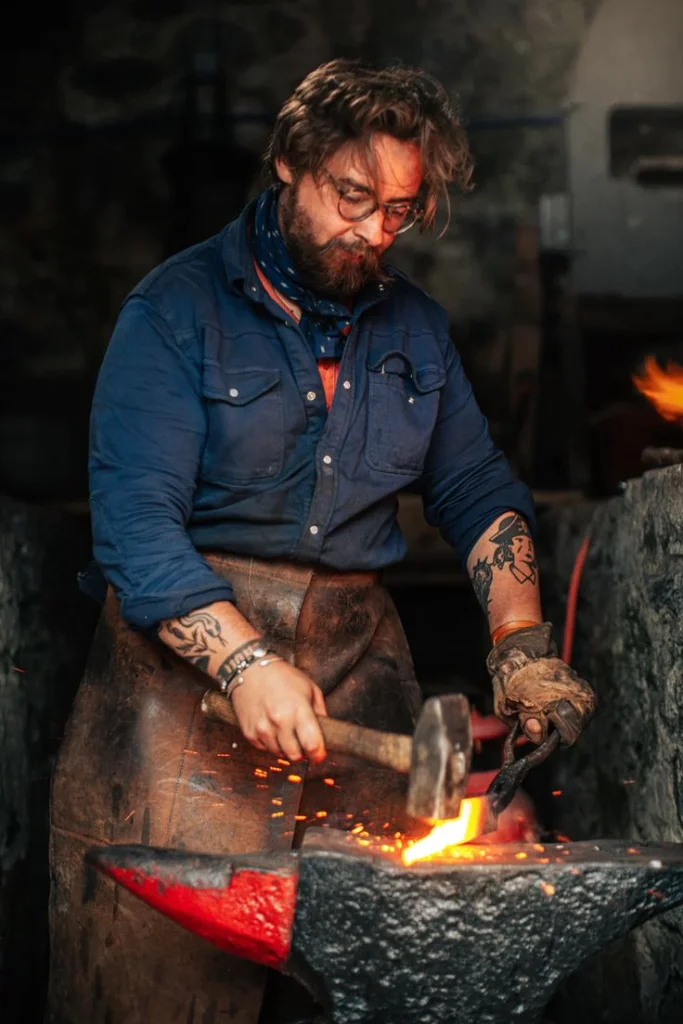
Give him fire. Metal. The ring of hammer on anvil. The primal satisfaction of shaping raw material through heat and intentional force.
A blacksmithing workshop connects him to something ancient—the kind of work that built civilizations. The color changes in heating steel that signal temperature. The slow revelation of form emerging from formlessness through repeated strikes.
There’s no multitasking at the forge. The metal demands full attention. One moment of distraction and you’ve missed the window. The iron tells you when it’s ready. You listen or you fail.
He’ll leave with something he made—a knife, a hook, a piece of functional art. But more importantly, with the visceral memory of creation. Of his hands producing something that will outlast him. Of heat and sparks and the peculiar satisfaction of bending the world to vision through craft.
Where to find it: Local blacksmithing schools and artist collectives offer weekend intensives (search “blacksmithing workshop” in your region), Urban Axes and similar maker spaces provide metalworking courses, The Crucible in Oakland hosts comprehensive bladesmithing programs, or seek out independent blacksmiths through Instagram who often teach privately in their personal forges—look for practitioners whose work carries soul, not just technical precision.
3. Sailboat Charter with Captain Instruction
There’s a particular kind of aliveness that emerges when you’re working with wind and water. A private sailing charter where he learns to read the breeze, trim the sails, feel the boat respond to his adjustments in real time.
No engine. Just elemental forces. The quiet collaboration between human intention and natural law.
Sailing teaches something modern men rarely encounter: how to work with conditions you cannot change. How to find the line between surrender and agency. The wind does what it does. You adjust. You respond. You collaborate with what is.
For men who’ve built careers on control—on forcing outcomes through sheer will—this is different wisdom. The boat heels. The sails luff. You learn to read what the water is telling you instead of imposing your agenda upon it.
The hours out there rewire something. Time becomes elastic. Measured in tacks and jibes rather than calendar notifications. The horizon stays distant no matter how long you sail toward it. A meditation on effort and acceptance happening simultaneously.
Where to find it: Local marinas offer captain-instructed charters where he learns fundamentals while actually sailing (search “sailing lessons private charter”), Club Nautique provides learn-to-sail experiences in San Francisco Bay and Southern California, Offshore Sailing School operates in Florida and the Caribbean with flexible scheduling, or book through American Sailing Association certified schools nationwide that emphasize both technical skill and the contemplative dimensions of working with wind.
4. Wilderness Photography Workshop in Sacred Landscape
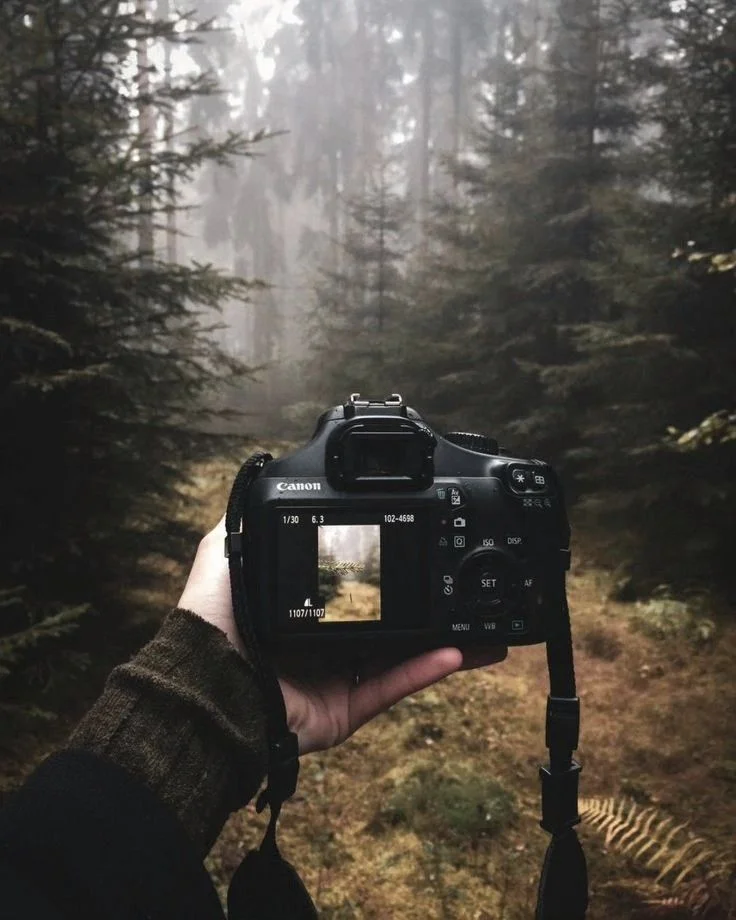
Strip away the phone snapshots. The Instagram reflex. Give him a day learning to truly see—composition, light, the decisive moment. A photography workshop in stunning landscape teaches technical skill, yes, but more importantly, it cultivates attention.
The photographer’s eye notices differently. Slows down. Waits for the moment when light transforms the ordinary into revelation. You can’t rush it. Can’t force it. You show up. You pay attention. You remain patient until the moment arrives.
This is antidote to the fractured attention that characterizes modern consciousness. Photography as presence practice. As meditation on seeing what’s actually there instead of what you expect to find.
He’ll learn exposure. Aperture. Shutter speed. But what he’s really learning: how to wait. How to notice. How to be present to beauty without immediately consuming it. The discipline of witnessing without possessing.
Where to find it: National Park photography workshops through organizations like Muench Workshops and Rocky Mountain School of Photography, local camera stores often host outdoor photography intensives led by professional photographers, check Airbnb Experiences for photographer-led excursions in destinations like Yosemite, Grand Tetons, Acadia, or Zion where the landscape itself becomes teacher—seek instructors who understand photography as contemplative practice, not just technical skill.
5. Private Archery Training at Historic Range
The ancient practice of archery demands something modern life has trained out of us: stillness. Breath control. The meditative focus required to quiet everything except the relationship between archer, bow, and target.
No distractions. No multitasking. Just the discipline of repetition, the subtle adjustments that gradually improve accuracy, the satisfaction of arrows clustering closer together through patience and presence.
Archery is feedback without judgment. The arrow either hits or it doesn’t. The target tells the truth. You adjust your stance, your grip, your breath. You try again. It’s practice in the purest sense—incremental refinement through attention rather than force.
There’s something deeply masculine about this that has nothing to do with aggression. It’s about precision. Control. The quiet mastery that comes from respecting the weapon, understanding the physics, and developing your body into instrument.
The hours dissolve. Each shot becomes meditation. Mind and body aligned toward single point. The rest of the world—the emails, the obligations, the constant noise—fades into irrelevance.
Where to find it: USA Archery maintains a directory of certified instructors and ranges organized by region, local archery clubs offer private instruction for adult beginners who want focused attention, or specialized facilities like Archery Learning Center in California and similar training centers provide comprehensive introductory experiences that honor archery’s contemplative dimensions alongside technical development.
6. Hot Air Balloon Pilot Training Experience

Most balloon rides are passive. Beautiful, yes. But passive. A pilot experience puts him in control—learning the science of heat, wind patterns, altitude management. The responsibility of holding other souls aloft.
It’s physics made poetry. The quiet authority required to command something so beautiful and potentially dangerous. Understanding how weather works. Reading wind at different altitudes. Making decisions with limited information.
There’s no autopilot in a hot air balloon. You’re constantly responding. Adjusting. Working with forces larger than yourself. It demands full presence—the kind of absorbed attention that crowds out everything else.
He’ll learn inflation procedures. Chase crew coordination. The regulations and restrictions. But what he’s really learning: how to command something that requires equal parts knowledge, intuition, and respect for elements you cannot fully control.
The moment of liftoff changes people. That first sensation of leaving earth. Of rising. Of trusting physics and skill and your own hands on the burner. It’s metaphor and experience simultaneously.
Where to find it: Some balloon companies offer “pilot assist” experiences where he participates in inflation, flight planning, and actual piloting under supervision—contact companies like Rainbow Ryders or local operators directly to inquire, or look for “hot air balloon flight training” discovery flights with certified instructors that provide introductory instruction, typically 1-3 sessions that include ground school and supervised flight time.
7. Fine Woodworking: Build Something That Lasts
There’s profound satisfaction in working with wood. The smell of freshly planed timber. The grain revealing itself under his hands. The way a sharp chisel removes material with surgical precision.
A private woodworking session where he builds something functional—a cutting board, a box with dovetail joints, a small table—teaches joinery, finishing, the patience of working with natural material that has its own agenda.
Wood tells you when you’re forcing. It splits. Tears. Refuses. But when you work with it—understanding grain direction, moisture content, the way different species respond to tools—it yields. Becomes beautiful. Becomes useful.
He’ll learn to sharpen tools properly. To read wood grain. To measure twice and cut once. But what he’s really learning: how craftsmanship requires presence. How rushing destroys quality. How the work itself becomes meditation when you stop trying to finish and start paying attention to process.
The piece he makes will carry his hands’ memory. Every time he uses it or sees it, there’s recognition: I made this. These hands created something that will outlast me.
Where to find it: Local woodworking schools like The Center for Furniture Craftsmanship (Maine) offer short courses and weekend intensives, Rockler and Woodcraft stores host hands-on workshops with expert instruction, or search for independent woodworkers and furniture makers on platforms like CourseHorse offering private instruction in their personal shops where he learns in intimate setting focused on craft, not just completion.
8. Falconry Experience in Wild Habitat

Walking through forest with a raptor returning to your gloved hand is as close to magic as reality permits. A falconry experience teaches him to work with a wild predator—understanding their intelligence, their independence, the earned trust required for partnership.
It’s profoundly humbling. These birds don’t need humans. They’re apex predators. They choose cooperation. That distinction matters.
The falconer explains the weight. The jesses. The hood. How to read the bird’s body language. When to call. When to wait. It’s relationship on the bird’s terms. You don’t command a raptor. You collaborate.
When that hawk or falcon leaves your glove, hunts, then returns—not because it must, but because it chooses to—something shifts. You understand partnership at cellular level. Respect not based on dominance but on mutual benefit. On trust earned through consistency and respect.
The hours in field rewire something about control. About allowing others their autonomy while still maintaining connection. About the difference between possession and relationship.
Where to find it: Falconry experiences available through licensed falconers nationwide (search “falconry experience” plus your state for regulated programs), companies like Master Falconer Experiences operate in Texas and surrounding regions offering hands-on encounters, or contact state falconry associations for educational programs where participants learn raptor handling, hunting behavior, and conservation efforts under expert guidance that honors both the birds and the ancient practice.
9. Vintage Motorcycle Rental and Curated Backroad Route
For the man who dreams of the open road but whose bike days feel distant, rent a classic motorcycle for a day. Not modern sportbikes with their aggressive ergonomics. Vintage cruisers with soul. Bikes that vibrate. That smell of hot oil and gasoline. That demand you actually ride them.
Provide a curated route map through backroads he’s never explored. Two-lane highways. Switchbacks through forest. Roads that follow rivers. The kind of riding that’s about sensation rather than destination.
It’s not about speed. It’s about the sensory totality. Wind against body. Engine thrum you feel in your chest. The full-body experience of moving through landscape—every curve telegraphed through handlebars, every temperature change noticed, every smell present.
Motorcycle riding is enforced presence. Inattention has consequences. You cannot ride and think about work. You cannot ride and plan tomorrow. The road demands everything. In that demand, there’s relief.
The hours disappear. Time measured in tanks of gas rather than clock increments. He returns different. Quieter. More himself.
Where to find it: EagleRider rents vintage and classic motorcycles including iconic Harleys and cafe racers with flexible duration options, local motorcycle rental companies often maintain classic fleets for enthusiasts, or platforms like Riders Share connect you with individuals renting unique vintage bikes in various cities—pair the rental with carefully researched scenic routes (avoid interstates) that prioritize beauty and curves over efficiency.
10. Private Astronomy Session Away from Light Pollution

Take him away from city glow to truly see what we’re orbiting through. A private astronomy session with knowledgeable guide who helps him find planets, nebulae, distant galaxies through serious telescope. The humbling scale. The deep time.
For men carrying the weight of earthly responsibility—mortgages, careers, aging parents, growing children—there’s strange relief in cosmic perspective. We’re small. Our problems are smaller still. And yet we get to witness this impossible beauty.
The guide explains what you’re seeing. The lifecycle of stars. The distance light travels. How some stars visible tonight actually died thousands of years ago—we’re seeing their ghosts. How we’re made of stardust. How poetic that sounds until you understand it’s literal truth.
The silence between explanations matters most. Just standing in darkness, looking up, remembering there’s something larger than the daily grind. The nervous system recalibrates. Priorities clarify.
He’ll leave with images of Saturn’s rings. Jupiter’s moons. The Andromeda Galaxy. But more importantly, with renewed perspective on scale, time, and his own brief appearance in this cosmic unfolding.
Where to find it: Local astronomy clubs often offer private observing sessions (check astronomical society websites for your region), observatories like Griffith in LA, McDonald in Texas, or Lowell in Arizona provide public and private viewing with expert guides, or hire amateur astronomers through specialized experience platforms—seek dark sky locations recognized by International Dark-Sky Association for optimal viewing away from light pollution.
11. Wilderness Survival Immersion Weekend
Let him remember what his body knows. What his instincts remember. A survival skills course strips away convenience and reconnects him to fundamental capability—making fire without matches, building shelter that actually works, reading landscape, finding direction when technology fails.
It’s not doomsday prepping. It’s remembering: I can take care of myself. I can solve problems with what’s available. I am competent beyond my job title and resume. My hands know things my mind has forgotten.
The instructors teach primitive skills. Fire by friction. Cordage from plant fibers. Water purification. Tracking animals. Reading weather. The accumulated wisdom of humans who lived closer to earth than we can imagine.
But what he’s really learning: confidence that isn’t borrowed from credentials or bank accounts. The quiet authority that comes from genuine capability. From knowing that if everything stopped working tomorrow, he’d figure it out.
The weekend rewires something about self-reliance. About resource scarcity versus resource creativity. About how much we actually need versus how much we think we need.
Where to find it: Primitive skills schools like Trackers Earth in California or Ancient Pathways in Colorado offer weekend intensives focused on ancestral skills, BOSS Outdoors provides comprehensive survival training in various challenging environments, REI Adventures wilderness skills courses combine practical instruction with backcountry experience, or check Tom Brown Jr.’s Tracker School for intensive programs that blend survival skills with tracking philosophy and deep nature connection practices.
12. Private Blues Harmonica Instruction

Music is the emotional vocabulary many men were never taught to speak. A harmonica is portable, expressive, surprisingly deep. A private lesson introduces techniques—bending notes, tongue blocking, vibrato—but more importantly, gives permission: You can make beauty. You can express what words won’t carry.
The harmonica is immediate. No years of practice before you sound decent. Within an hour, he’s making recognizable music. Within a few sessions, he’s expressing emotion through bent notes and breathing patterns that bypass language entirely.
There’s something specifically masculine about the blues harmonica that isn’t about gender stereotypes—it’s about the instrument’s history. Working men. Train stations. Loneliness and longing and resilience given voice through a small metal reed you hold in your hand.
He might surprise himself. The man who never thought of himself as musical, suddenly coaxing feeling from metal and breath. Discovering he has things to say that exist outside words. Outside explanations. Pure expression.
Where to find it: Local music schools offer private harmonica instruction with teachers who understand blues tradition, platforms like TakeLessons and Lessonface connect you with instructors offering in-home or online sessions, or check with blues clubs and live music venues for connections to professional harmonica players who teach privately—seek instructors who teach feeling and expression, not just technical exercises.
13. Guided Backcountry Trek with Wilderness Chef
Transform hiking into pilgrimage. Not rushed day hike with energy bars, but immersive overnight or multi-day trek where a guide handles navigation and a wilderness chef prepares remarkable meals over open flame. He carries minimal gear. Just walks. Notices. Exists without agenda.
The rhythm of walking for hours changes consciousness. Thoughts that loop endlessly in normal life begin to settle. The mind empties. Presence expands. The modern brain remembers it evolved for exactly this—moving through landscape, reading terrain, being animal among animals.
No phone service. No email. No constant accessibility. Just the weight of pack, the rhythm of breath, the smell of pine, the sound of boots on trail. The conversations that emerge around evening fire carry different depth than coffee shop small talk.
The meals matter. After hours of hiking, sitting around fire while someone who actually knows what they’re doing prepares real food—not freeze-dried rations, but actual cuisine made from foraged ingredients and carried provisions—becomes ceremony. Gratitude feels appropriate rather than performative.
Where to find it: Companies like Backroads and Austin Adventures offer guided hiking with gourmet camping cuisine and professionally trained backcountry chefs, local guide services often customize private expeditions with elevated food experiences, or check National Outdoor Leadership School (NOLS) for wilderness expeditions combining outdoor education with quality field cooking—prioritize trips that balance challenge with comfort, solitude with expert support.
14. Private Sound Bath in Natural Setting
For the man who exists in constant motion—physical or mental—sound healing offers enforced stillness. Lying in forest clearing or canyon while practitioner plays crystal bowls, gongs, tuning forks. Vibration moving through body. No doing. Only receiving.
The frequencies are scientifically measurable. Specific hertz patterns affect brainwave states. But what happens is harder to quantify—tension he didn’t know he was holding begins to release. The jaw unclenches. The shoulders drop. The nervous system downshifts from sympathetic (fight-or-flight) into parasympathetic (rest-and-digest) mode.
Many men have never been still like this. Haven’t laid down without purpose—not sleeping, not sunbathing, not convalescing. Just being. Receiving. Allowing sound to move through them without analyzing or controlling or improving it.
The session might bring emotions. Memories. Physical sensations that feel unrelated to sound. This is the body processing what hasn’t been processed. Completing stress cycles that modern life interrupts. He might fall asleep. Might cry. Might laugh. Whatever emerges is what needed to emerge.
Where to find it: Search sound healing practitioners through directories like Sound Healers Association or Mindbody app, many experienced practitioners offer private outdoor sessions in natural settings, or contact local yoga studios and wellness centers for referrals to certified sound therapists who work with crystal bowls, gongs, and other vibrational instruments—prioritize practitioners who understand trauma-informed facilitation and can hold appropriate space.
15. Breathwork Intensive with Skilled Facilitator
Conscious connected breathing accesses what talk therapy sometimes cannot. A private breathwork session with skilled facilitator creates safe container for whatever wants to emerge—grief, rage, joy, memories stored in tissue rather than conscious mind.
It’s not gentle. The breath work is intense. Circular breathing without pause for 30-60 minutes. The body floods with oxygen. Carbon dioxide drops. The nervous system shifts into altered state where defenses soften and suppressed material surfaces.
Many men report breakthroughs—old traumas releasing, clarity arriving about decisions they’ve been avoiding, energy that’s been stuck for years finally moving through and out. Emotions that have been managed and controlled suddenly given permission to complete their cycle.
It’s not comfortable. But comfort isn’t always what we need. Sometimes we need to feel what we’ve been avoiding feeling. To shake and sob and rage in safe container with someone who understands this is healing, not breaking.
He might resist. Gift it anyway. Some transformations require us to stop controlling and start allowing.
Where to find it: Search certified breathwork facilitators through professional directories like Transformational Breath Foundation or Global Professional Breathwork Alliance, many therapists trained in somatic experiencing and trauma resolution offer breathwork, or find practitioners through wellness centers specializing in holotropic breathing, conscious connected breathing, or clarity breathwork techniques—seek facilitators with extensive training who understand how to hold space for intense emotional releases.
16. Custom Straight Razor with Sharpening Workshop

Give him a tool that requires skill. A custom straight razor with his initials engraved, paired with a sharpening workshop where he learns to maintain the edge himself. The ritual of shaving transforms from rushed chore into daily meditation.
There’s no multitasking with a straight razor. Inattention draws blood. The blade demands full presence. Hot towel. Lather worked with brush. The angle of blade against face. The smooth scrape of sharp steel against grain.
It’s slower than cartridge razors. Much slower. That’s the point. Ten minutes of enforced presence every morning. Your face in mirror. Hot water. The smell of good soap. The discipline of maintaining something sharp enough to be dangerous.
The sharpening workshop teaches him to use leather strop and whetstone. To feel the burr forming on the edge. To test sharpness on arm hair. To take responsibility for the tool’s condition rather than disposing and replacing.
He’ll use it every day. Every day, remembering: slow down. Pay attention. Do one thing fully instead of three things poorly.
Where to find it: Custom straight razors available through artisan bladesmiths on Etsy who offer engraving and personalization, companies like Thiers Issard and Dovo produce heirloom-quality razors, or commission local knife makers who work with straight razors—pair with sharpening workshops through knife stores, culinary schools, or independent blade experts who teach proper maintenance, stropping techniques, and the meditative dimensions of blade care.
17. Week at Remote Writer’s Cabin
Gift him silence. Real silence. A week alone in remote cabin where his only task is confronting his own mind. No agenda. No productivity metrics. Just him, the landscape, a notebook, the thoughts he’s been too busy to think.
He might write. Might not. Might spend days staring at mountains or ocean. Might sleep 12 hours. Might cook elaborate meals for himself. Might realize he hasn’t been alone—truly alone—in decades.
This isn’t vacation. It’s pilgrimage to self. The retreat isn’t from the world but into the interior landscape he’s neglected while attending to everyone else’s needs. The spouse. The kids. The job. The obligations.
The first few days are uncomfortable. Withdrawal from constant stimulation feels like something’s wrong. The mind spins. He’s restless. Might even want to leave. But if he stays through that initial resistance, something shifts.
By day four or five, he’s different. Quieter. More present. Thoughts that have been circling for years suddenly clarify. Decisions that felt impossible become obvious. The constant noise—external and internal—finally settles enough to hear what’s underneath.
He returns changed. Can’t always articulate how. But different.
Where to find it: Getaway House offers minimalist cabins in nature within 2 hours of major cities designed for digital detox, Airbnb search “remote cabin” plus requirements like “no wifi” and “secluded” for truly isolated properties, or organizations like Wildness Within and similar retreat centers provide writer’s cabins and artist residencies specifically designed for solitude and creative introspection—prioritize genuine isolation over scenic amenities.
The Threshold Gift
Here’s what these experiences really offer: acknowledgment.
Acknowledgment that he’s reached a threshold. That the accumulation phase is over. That the interesting questions now are about depth, not breadth. About becoming, not acquiring. About the quality of his attention and the richness of his experience.
Men who “have everything” are often standing at the edge of their golden era—the years where life becomes less about proving and more about savoring. Less about resume and more about presence. Less about what they can get and more about who they can become.
The best gifts create conditions for that becoming. For remembering what his body knows. For reconnecting to skills and sensations that modern life has trained out of him. For the kind of absorbed presence that crowded-out thoughts and allows something truer to emerge.
Because he doesn’t need another thing.
He needs permission to stop accumulating and start deepening.
To stop performing and start being.
To remember he’s not just what he does, but how he pays attention.
This birthday, give him that spaciousness.
Give him experiences that don’t fill time but expand it.
Give him the gift of becoming who he actually is.
The golden era begins.

Discover 21 transformative birthday gifts for the woman who has everything. From creative workshops
Leave a Reply