

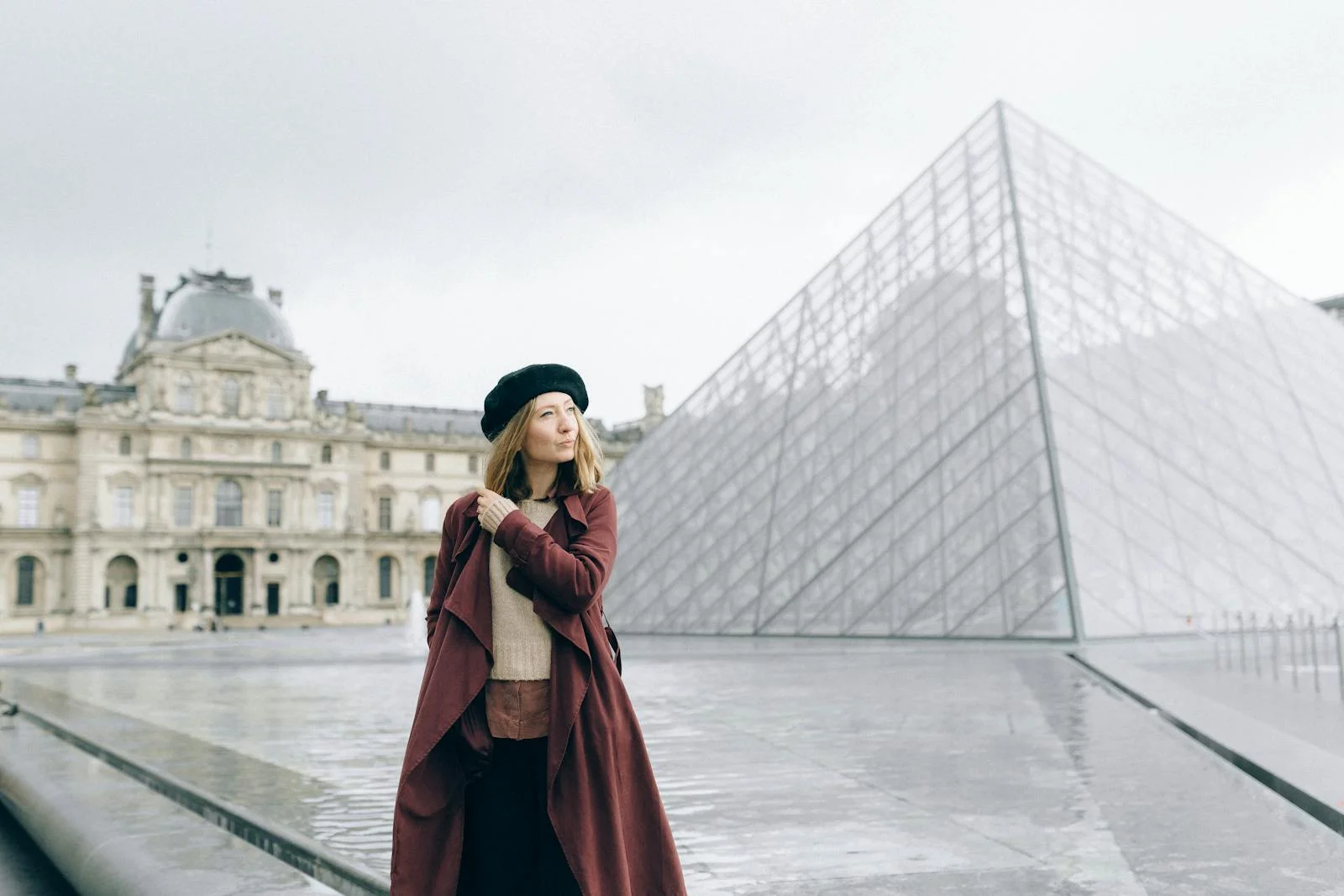
The most enviable style isn’t created—it’s cultivated through daily choices no one sees.
I spent years trying to decode it. That particular quality certain women possess—a kind of unstudied elegance that makes everything look easy. Not the obvious Instagram version with perfectly styled flats and striped shirts, but the genuine thing. The woman who walks into a room and you can’t quite articulate what makes her so magnetic, only that she seems more herself than anyone else present.
The breakthrough came when I stopped looking at what these women wore and started noticing how they moved through the world. The real secret wasn’t in their closets—it was in the accumulated effect of small, repeated choices that had nothing to do with following trends and everything to do with knowing themselves completely.
This isn’t about becoming French or adopting someone else’s aesthetic. It’s about understanding the underlying principles that create that elusive quality we call “effortless”—and then translating them into your own visual language.
What “Effortless” Actually Means (It’s Not What You Think)

Let’s address the lie embedded in the phrase itself: effortless style requires enormous effort. Just not the kind we’ve been taught to value.
Effortless doesn’t mean careless. It means the labor has been rendered invisible through repetition and refinement. A concert pianist makes Bach sound effortless because she’s practiced the same passage ten thousand times. The effort preceded the performance by years.
The same principle applies to that coveted ease of style. The women who embody it have done the invisible work: they’ve edited ruthlessly, they’ve learned what actually suits them versus what fashion insists they should want, they’ve built systems that eliminate daily decision fatigue.
It’s the opposite of trend-chasing. Nothing looks more labored than obvious striving—the person who’s clearly assembled an outfit from this season’s exact pieces, who’s followed the algorithm’s suggestions too literally. Effortless style comes from internal certainty rather than external validation.
You know what you like. You know what works on your specific body. You’re no longer seeking permission from trend forecasters or Instagram aesthetics to trust your own instincts.
The paradox: it requires knowing the rules to break them well. True ease comes from understanding proportion, color theory, fabric weight, and classic silhouettes well enough that you can deviate intentionally rather than accidentally. You can’t create interesting until you’ve mastered basic.
It’s about energy, not just appearance. Have you ever noticed how the same outfit looks completely different on someone rushed and anxious versus someone moving through their day with calm certainty? The clothes are identical. The energy transforms them.
This is why you can’t shop your way to effortless style. The quality we’re after is fundamentally about your internal state manifesting externally. The habits that follow create the foundation—but they work only when accompanied by the deeper shift from performing to being.
Habit 1: Master a Limited Color Palette

The fastest way to create visual coherence is restricting your color palette dramatically. Not occasionally—as the foundation of everything you own.
Choose three to five colors maximum. Perhaps it’s black, white, navy, camel, and olive. Maybe cream, chocolate, rust, and denim blue. Possibly charcoal, burgundy, blush, and ivory. The specific colors matter far less than the commitment to limitation.
This isn’t about boredom—it’s about sophisticated restraint. When everything in your closet exists within a narrow color range, getting dressed becomes nearly thoughtless. Any top works with any bottom. Every jacket coordinates with every dress. You’ve eliminated 90% of the decisions before you even open the closet.
Build around neutrals with one accent. Most of your palette should be quiet—the colors that recede, that create foundation. Then one color that brings personality: perhaps red, or deep green, or a particular shade of blue that makes your skin luminous.
The accent color appears in smaller doses: a scarf, lipstick, shoes, a single sweater you reach for constantly. It becomes your signature without trying—people begin to associate you with this color because you wear it with such consistency.
Consider your natural coloring. This isn’t about strict seasonal color analysis—it’s about honest observation. Which colors make you look alive versus drained? Which ones feel like returning home versus wearing a costume?
I spent years in black because fashion told me it was chic. But my coloring is warm—black makes me look tired, ill. When I shifted to chocolate brown and camel, suddenly I looked like myself. The clothes stopped fighting my natural palette and started enhancing it.
Test thoroughly before committing. Before you build an entire wardrobe around a color, live with it. Buy one piece. Wear it repeatedly. Notice whether you reach for it naturally or have to convince yourself each time. Notice whether you feel more yourself or more like you’re playing dress-up.
Your palette should feel like breathing—natural, effortless, requiring no thought because it’s so deeply aligned with who you actually are.
The freedom of limitation. Here’s the surprising gift: extreme limitation creates more creative possibility, not less. When you work within clear constraints, you begin to explore depth rather than breadth. You discover how endlessly varied navy and white can be. How many versions of yourself can exist within chocolate and cream.
Limitation isn’t restriction—it’s liberation from the tyranny of infinite choice.
Habit 2: Tailor Everything You Keep
This habit alone transforms a wardrobe from ordinary to extraordinary. And almost no one does it.
Perfect fit is the difference between expensive-looking and actually expensive. You can wear a $30 item tailored to your exact proportions and look more polished than someone in a $300 piece that’s merely close to fitting. Fit matters more than any other single factor—more than fabric quality, more than brand, more than trendiness.
Watch how truly elegant women move. Their clothes don’t shift or pull or bunch. Hemlines stay exactly where intended. Sleeves end at the precise right point on the wrist. Waistbands sit without gaping or digging. This isn’t luck or genetics—it’s tailoring.
Everything requires adjustment. Almost nothing fits perfectly off the rack, regardless of price point. Mass-produced clothing is designed for statistical averages—which means it truly fits almost no one. Accepting this reality changes everything.
The pants that are perfect except an inch too long? Hem them. The dress that’s ideal but slightly loose in the waist? Take it in. The blazer with sleeves that cover your hands? Shorten them. The shirt that gaps between buttons? Add snaps or have it taken in slightly.
These adjustments typically cost $10-30 per piece and transform clothes from “pretty good” to “looks custom-made for you.” The investment is minimal. The return is enormous.
Find a reliable tailor. This relationship matters as much as your hairstylist—perhaps more, since you interact with your clothes daily. Ask well-dressed people who they use. Try several until you find someone who understands your aesthetic and consistently delivers quality work.
Build the relationship. My tailor now knows my proportions, my preferences, my lifestyle. She can suggest adjustments I wouldn’t have considered. She’s part of my style team—maybe the most important part.
Factor tailoring into clothing budgets. Stop thinking of garment price as total cost. The real cost is purchase price plus alterations. A $50 pair of pants that fits perfectly after $20 of hemming and waist adjustment costs $70—and that’s fine, as long as you plan for it.
Often, buying less expensive basics and investing in proper tailoring yields better results than buying premium pieces that aren’t adjusted. The tailored Target trouser looks better than the baggy Theory pant.
Learn basic alterations yourself. Not everything requires professional help. Hemming simple items, shortening straps, taking in side seams—these basics are learnable through YouTube tutorials and practice. The skill becomes part of how you care for your things, extending their life and usefulness.
The transformative power of proper fit. When clothes fit your body exactly, you stop thinking about them. You’re not tugging, adjusting, feeling self-conscious about gaping or pulling. The clothes disappear, and you—your face, your energy, your presence—becomes what people notice.
That’s the real luxury: being seen rather than your clothing being seen.
Habit 3: Build a Uniform, Not a Wardrobe

The concept of a personal uniform terrifies people until they try it—then they wonder why they resisted so long.
Identify your formula. Pay attention for two weeks. Which outfits do you reach for repeatedly? Which combinations make you feel most yourself? You probably have a formula already—you’re just not conscious of it.
Maybe it’s slim pants, fitted t-shirt, structured jacket. Perhaps tunic sweater, straight jeans, boots. Possibly silk blouse, wide-leg trousers, loafers. The specific components matter less than recognizing the pattern.
Once you see your formula clearly, lean into it. Stop fighting what actually works by constantly trying to dress differently.
Own multiples of what works. If you’ve found the perfect white t-shirt, buy four. The ideal black pants? Get them in navy and gray too. The jacket that makes every outfit feel pulled together? Find the summer-weight version.
This sounds monotonous to people who haven’t tried it. In practice, it’s profoundly freeing. You’ve eliminated the bad outfit days. You’ve stopped gambling on whether something will work. You know with certainty that you’ll feel confident every single day because you’re working from a proven template.
Vary through texture and accessories, not silhouette. Your formula stays consistent—what changes is the materials and details. Same slim pants and sweater combination, but this week it’s cashmere and wool, next week cotton and linen. Same blazer and jeans uniform, but with different scarves or jewelry or shoes.
The silhouette becomes your signature. The variations keep it from being costume.
Famous examples abound. Steve Jobs: black turtleneck, jeans, New Balance. Mark Zuckerberg: gray t-shirt, hoodie, jeans. These are extreme, but the principle applies at every level. Many elegant women have uniforms they work within—you just don’t notice because the variations are more subtle.
Carolina Herrera: white shirt, full skirt. Emmanuelle Alt: skinny jeans, blazer, heels. Phoebe Philo: minimalist separates in neutral tones. They’ve each found their formula and refined it over decades rather than chasing novelty.
Decision fatigue is real. Every choice you make throughout the day depletes willpower and mental energy. By reducing clothing decisions to nearly zero, you preserve that energy for things that actually matter. You’re not standing in front of your closet overwhelmed. You’re dressed and moving forward within minutes.
The uniform evolves. This isn’t about never changing—it’s about changing very slowly and deliberately. Your uniform at 30 might differ from your uniform at 45. It should evolve as you evolve. But the evolution happens gradually, through years, not frantically through seasons.
Building the uniform requires patience. You can’t rush this. It takes time to identify what truly works, to acquire multiples, to refine the details. But once established, your uniform becomes the foundation everything else builds on—and that foundation is unshakeable.
Habit 4: Choose Natural Fabrics Over Synthetics
This habit requires retraining yourself to touch before looking at price or style. The fabric is the thing.
Natural fibers breathe, age beautifully, feel luxurious. Cotton, linen, wool, silk, cashmere—these materials developed over centuries because they work with human bodies. They regulate temperature. They allow air circulation. They absorb and release moisture. They feel pleasant against skin.
Polyester, acrylic, nylon—these were invented for industrial purposes and only later adapted for clothing. They trap heat and moisture. They pill, shine, develop static. They smell unpleasant after wearing. They look cheap regardless of actual cost.
The price-per-wear calculation changes everything. Yes, natural fibers cost more upfront. A cotton shirt costs triple a polyester version. But the natural fiber lasts five times longer, looks better the entire time, and remains pleasant to wear from first day to last.
The polyester shirt looks acceptable for six months, then begins obviously deteriorating—pilling, losing shape, developing that telltale synthetic sheen. You replace it, spending money again. The cotton shirt develops beautiful softness over years of washing and wearing. You keep it indefinitely.
When calculated per-wear, natural fiber is dramatically more economical.
Exceptions exist for specific purposes. Performance wear for athletics often requires synthetic moisture-wicking. Certain outerwear uses synthetic insulation effectively. This isn’t about dogmatic purity—it’s about choosing natural fibers as your default and deviating only with clear reason.
Touch everything. Before looking at price, style, or brand, feel the fabric. Does it feel substantial? Does it drape nicely? Does it have pleasant hand? If it feels like plastic, it is plastic—regardless of the claims on the label.
Learn to recognize quality by touch. Real silk has particular smoothness and weight. Quality linen feels crisp but not stiff. Good wool is soft rather than scratchy. Cotton should feel dense, not flimsy.
The visceral difference. There’s something about natural fibers that communicates care—to yourself and to observers. When you wear materials that feel good, you move differently. You’re more comfortable, more confident. Others can’t necessarily articulate why you look polished, but the quality of the fabric registers subconsciously.
Caring for natural fibers becomes ritual. These materials require more attention than synthetics—they can’t always be machine-washed and thrown in the dryer. But the care becomes part of the practice. Handwashing cashmere. Steaming linen. Spot-cleaning wool. These small acts of maintenance are meditative, connecting you more deeply to your possessions.
You begin to understand that effortless style is actually full of effort—the effort is simply invested differently, in care and quality rather than constant acquisition.
Habit 5: Embrace Patina Over Perfection

This might be the hardest shift for those of us conditioned to believe new equals better. It doesn’t.
Perfection is brittle; patina is resilient. The jacket worn soft at the elbows. The leather bag developing rich color variation. The jeans faded exactly where your body creates friction. These aren’t flaws—they’re evidence of life lived.
The women with truly enviable style aren’t wearing things straight from the store. They’re wearing pieces that have molded to their bodies and their lives, that carry history and stories and the particular beauty that only emerges through extended use.
New things look like you’re trying. There’s a stiffness to brand-new clothing, a kind of trying-too-hard energy. Everything matching perfectly, nothing broken in, obvious newness signaling “I just bought this whole outfit.”
Worn-in pieces look like you’ve owned them forever because you have. They look like you, not like a mannequin. The slight fade, the gentle softening, the way they’ve shaped to your body—this creates the ease we’re after.
Quality reveals itself through aging. The difference between genuine quality and impressive-when-new becomes obvious over time. Real leather develops gorgeous patina. Cheap leather cracks and peels. Good denim fades beautifully and holds its shape. Poor denim bags out and looks dingy.
By keeping things long enough to see how they age, you learn to recognize actual quality—which makes you a much better buyer going forward.
Stop replacing prematurely. We’re conditioned to discard at the first sign of wear. A small stain, a loose button, the slightest fading—and we’re ready to replace. This is manufactured dissatisfaction designed to keep us consuming.
Resist it. Keep wearing things. Let them develop character. That small repair or alteration often makes something more interesting, not less.
Vintage and secondhand embrace this principle. The best vintage pieces have already done the aging—they’re soft, faded to beautiful tones, shaped by someone else’s wear into something more interesting than new could ever be. Incorporating vintage naturally adds patina to your wardrobe.
The Japanese concept of wabi-sabi. Finding beauty in imperfection and impermanence. The cracked bowl repaired with gold is more beautiful than the perfect one. The worn textile tells stories the pristine version cannot.
Apply this aesthetic to your wardrobe. The small imperfections make things yours in a way perfection never could.
Practical care prevents degradation while allowing patina. There’s a difference between beautiful aging and neglected deterioration. The goal is allowing natural wear while preventing damage.
Storing properly. Addressing stains promptly. Making small repairs before they become large ones. This maintenance honors your things enough to let them age gracefully rather than fall apart.
The confidence of well-worn favorites. When you reach for something you’ve owned for years, that fits perfectly, that’s developed the kind of broken-in perfection that can’t be purchased—you feel different than when wearing something new. The clothes disappear. You’re just yourself, completely comfortable.
That’s what we’re after.
Habit 6: Add Only One Statement Detail
This is where most people sabotage an otherwise excellent outfit. They can’t resist adding just one more thing.
Restraint is the ultimate sophistication. If you’re wearing bold lipstick, everything else should be quiet. If your coat makes a statement, the rest should be simple. If you’ve chosen statement jewelry, skip the patterned dress.
One focal point. Everything else supporting, not competing.
Why this works psychologically. The human eye seeks a resting place. When everything demands attention equally, nothing receives focus. We experience visual overwhelm, aesthetic confusion. The outfit is exhausting to look at—and that exhaustion reads as try-hard rather than chic.
One clear point of interest allows the eye to land, to appreciate the deliberate choice. The rest of the outfit frames this focal point rather than fighting it.
Common violations. Bold earrings plus statement necklace plus patterned dress plus colorful shoes. Or: dramatic makeup plus elaborate hair plus busy print plus multiple accessories. Each element might be lovely individually—together they cancel each other out, creating noise instead of signal.
Choosing your statement. Before getting dressed, decide: what’s the interesting thing today? Perhaps it’s the vintage earrings you found last weekend. Then everything else becomes quiet—simple dress, minimal makeup, classic shoes.
Or maybe it’s the unexpected color of your coat. Then jewelry is minimal, clothes underneath are neutral, shoes are unobtrusive.
Or possibly the statement is your lipstick. Then the outfit fades to black, white, navy—clean lines, no patterns, simple everything that makes that red lip the only thing people notice.
This isn’t a rule—it’s a principle. Occasionally, breaking this works. Multiple bold elements can create interesting tension when done with sophisticated awareness. But the default should be one statement, everything else quiet.
Until you’ve mastered this restraint, more is never the answer.
The power of subtraction. Before leaving the house, look in the mirror and remove one thing. The extra bracelet. The patterned scarf that’s competing with your printed dress. The belt when your outfit doesn’t need definition.
Coco Chanel’s advice remains gold: “Before leaving the house, look in the mirror and take one thing off.”
Sometimes the statement is the absence. Occasionally, the most interesting choice is complete simplicity—no statement at all, just beautiful basics in perfect proportion. This becomes its own kind of statement: I’m confident enough not to need decoration.
The woman in the perfect white t-shirt and impeccably tailored jeans, wearing no jewelry, minimal makeup, hair pulled back—she’s making a statement through deliberate restraint.
Practice develops discernment. Initially, this feels uncomfortable. You’ll want to add. You’ll worry simple looks boring. But watch what happens when you commit to restraint: people notice you, not your accessories. They comment on how pulled-together you look, not on your things.
The restraint creates visual breathing room that allows your actual presence to come forward.
Habit 7: Move Like You Have Time

This might be the most important habit—and the one that has nothing to do with clothing.
Rushing destroys elegance instantly. You can wear the most perfect outfit ever assembled, but if you’re constantly hurried, constantly anxious, constantly radiating frantic energy—you won’t look elegant. You’ll look stressed.
Elegance requires a certain quality of unhurried movement. Not slow, necessarily—but deliberate. Present. As if you have exactly enough time for whatever you’re doing because you do.
This is about internal state, not actual schedule. You probably are genuinely busy. Most of us are. But busy and frantic aren’t the same thing. You can have a full schedule while moving through it with calm certainty rather than anxious rushing.
The shift happens internally: you decide that wherever you are, that’s where you should be. You’re not mentally three steps ahead or worried about the next thing. You’re here, now, giving full attention to this moment.
Physical practices that cultivate this quality. Yoga. Tai chi. Walking meditation. Dance. Anything that develops conscious relationship with movement and breath. These practices train your nervous system to remain calm even when circumstances are demanding.
The training transfers: if you can stay centered on your yoga mat, you can access that same centered quality walking into a stressful meeting.
Practical adjustments that create spaciousness. Build in transition time. If you need to be somewhere at 2pm, plan to arrive at 1:50pm. That ten-minute buffer means you’re never running late, never arriving flustered.
Leave earlier than necessary. Take the long route. Walk slowly. These small choices compound into a completely different energetic experience of your day.
Watch truly elegant women. Notice how they move. They’re not rushing, even when efficiently covering ground. They make eye contact. They pause before speaking. They finish one thing before starting the next. There’s a quality of complete presence that’s magnetic because it’s so rare.
The ripple effect on everything else. When you move like you have time, you make different decisions. You’re not grabbing whatever’s closest—you’re choosing thoughtfully. You’re not throwing clothes on in a panic—you’re getting dressed with intention. You’re not eating standing up—you’re sitting, even if briefly.
These micro-choices create the foundation for elegance that no amount of expensive clothing can manufacture.
This requires saying no more often. You cannot have a full schedule and move with ease. Something has to give. Usually, it’s the things you’ve been doing out of obligation rather than genuine desire—the commitments that drain rather than nourish.
As you clear your schedule of what doesn’t truly matter, you create actual spaciousness. And in that spaciousness, elegance becomes natural rather than performance.
The profound shift. This isn’t about moving slowly to look elegant. It’s about moving from a place of internal calm because you’ve done the deeper work of aligning your life with your actual values and capacity. The elegant movement is the side effect, not the goal.
But it’s the side effect everyone notices.
Habit 8: Invest in Quality Outerwear

If you only invest in quality in one area, make it coats and jackets. They’re visible longer than any other wardrobe category.
Outerwear frames everything underneath. You might be wearing something simple—jeans and a t-shirt—but if your coat is beautiful, the entire impression is elevated. Conversely, an expensive outfit under a cheap coat looks cheap.
The coat is often all anyone sees. In colder months, you might wear the same coat daily for weeks. That single piece creates your visual impression more than anything else in your wardrobe.
Quality differences are obvious in outerwear. The weight of the fabric, the precision of the tailoring, the quality of the lining, the hardware, the way it drapes—all of these elements are more visible in coats than in most other garments.
A good coat looks substantial. It has weight and structure. The collar sits properly. The buttons are securely attached. The lining doesn’t bunch. These details signal quality immediately.
The cost-per-wear calculation favors quality. A $600 wool coat worn 100 days per year for ten years costs $0.60 per wear. A $100 coat that looks tired after two seasons and 60 wears costs $1.67 per wear—and you have to replace it, buying that cheap coat five times during the lifespan of the quality version.
The expensive coat is dramatically cheaper over its lifetime—plus you look better every single day you wear it.
Classic styles endure. Trendy outerwear dates quickly and limits wearing opportunities. Classic styles—trench coat, camel coat, navy peacoat, black wool coat, simple leather jacket—remain relevant indefinitely.
Buy the best version of a classic style you can possibly afford. You’ll wear it for decades. The style won’t date. The quality won’t degrade noticeably. It becomes one of those pieces people associate with you.
Fit matters even more in outerwear. Because coats are structured and visible, fit issues are amplified. Sleeves too long look sloppy. Shoulders that don’t sit properly ruin the entire silhouette. Length that’s wrong for your proportions throws everything off.
Try on extensively. Have alterations done. The investment in perfect fit transforms a good coat into an extraordinary one.
Strategic outerwear building. You don’t need a dozen coats. You need three to five excellent ones that cover different weather and occasions:
One everyday coat for your climate’s regular weather. One elevated coat for dressier occasions. One casual jacket for transitional weather. One truly warm coat if you experience genuine winter. Possibly one raincoat if you live where rain is frequent.
Five great coats beats twenty mediocre ones every time.
Care extends longevity dramatically. Hang coats properly—never cramming them into overstuffed closets. Brush wool coats after wearing. Clean professionally once or twice yearly. Store with proper ventilation and protection from moths. Address small issues—loose buttons, minor tears—immediately.
With proper care, a quality coat outlasts you. It becomes the kind of piece you eventually pass down because it’s still beautiful after thirty years.
The transformation is immediate. The first time you wear a truly good coat, you feel different. People respond differently. You carry yourself differently. That one piece shifts your entire self-perception from “trying to look put-together” to “this is who I am.”
That’s worth the investment.
Habit 9: Keep Beauty Minimal and Natural
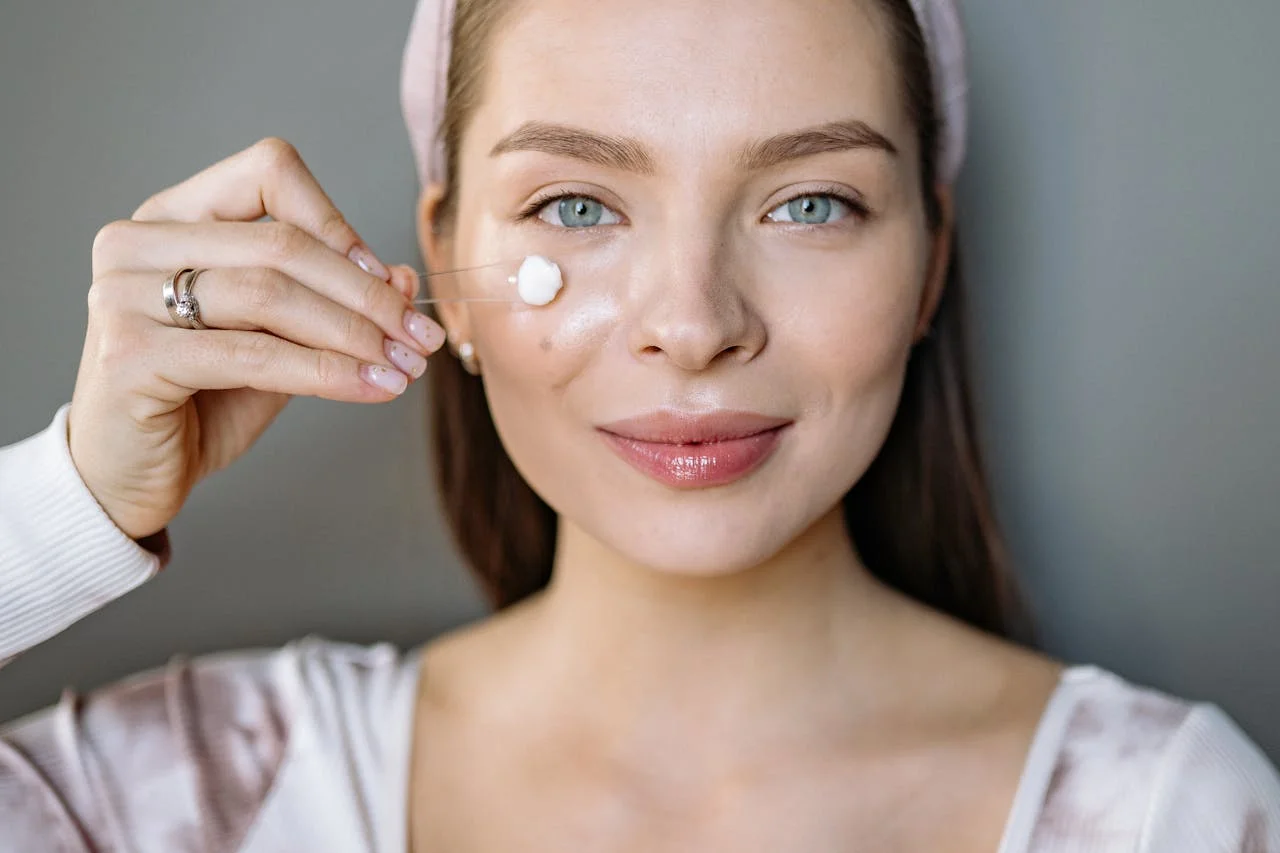
The makeup and hair that looks most expensive is the kind that makes you look like yourself—just more rested, more polished, more radiant. Not like someone else entirely.
Skin first, makeup second. The foundation of beautiful appearance is actual skin quality, not coverage. Invest in skincare: gentle cleansing, appropriate moisturizer, daily SPF, treatments that address your specific concerns.
When skin is genuinely healthy, you need far less makeup. The glow comes from within rather than being painted on top.
This means prioritizing sleep, hydration, nutrition, stress management—the unsexy basics that actually transform skin quality. No amount of expensive foundation fixes skin that’s dehydrated, stressed, and sleep-deprived.
The minimal makeup approach. Even complexion—perhaps tinted moisturizer or light foundation in problem areas only. Groomed brows. Mascara. A touch of cream blush. Lips that look like your lips but better—perhaps tinted balm or nude lipstick close to your natural color.
That’s it. The result looks like you went to bed beautiful and woke up looking the same. Not like you spent an hour applying products.
Signature element. Maybe yours is the perfect red lip with everything else bare. Perhaps it’s defined brows and lashes with nude everything else. Possibly it’s minimal makeup but beautifully groomed skin.
Identify your signature and do it consistently. People begin to associate this look with you. It becomes effortless because you’re no longer deciding daily—you’re executing your established approach.
Hair that looks undone but isn’t. The best hair looks like you didn’t try hard—but that ease requires either excellent cut or mastered technique.
Find a cut that works with your hair’s natural texture rather than fighting it. If your hair is wavy, embrace waves. If it’s straight and fine, work with that rather than forcing volume it can’t hold.
Learn one or two simple styles you can execute in under five minutes: perhaps the low ponytail, the loose bun, the tousled wave. Master these so completely that they look effortless because they are.
Embrace your natural coloring. Hair color that’s too far from your natural shade requires constant maintenance and always looks slightly off. If you color hair, stay within two shades of your natural tone. The result looks like you were born with it rather than visiting a salon every six weeks.
Gray hair, if you’re going that direction, looks better embraced fully than partially covered. The slow transition is awkward; the complete transition is striking.
Perfect grooming matters more than products. Clean, brushed hair beats elaborate styling on dirty hair. Well-groomed brows matter more than expensive eye shadow. Neat nails—even if unpolished—look better than chipped polish. Smooth skin beats full makeup on rough skin.
The basics, done consistently, create more elegance than elaborate routines done occasionally.
Quality over quantity in products. Five products that work perfectly beat forty products that are fine. Find your holy grails: the cleanser that doesn’t strip, the moisturizer that absorbs completely, the mascara that doesn’t smudge, the lipstick that feels comfortable.
Replace only when truly empty. Streamline until you use everything you own regularly.
The time investment shifts. Initially, minimal beauty takes as long as elaborate beauty—you’re learning technique, finding products, establishing routine. But once mastered, minimal beauty truly is faster. You’re not concealing and contouring. You’re enhancing selectively and leaving the rest alone.
The time saved compounds. Five minutes daily is 30 hours yearly—time you’ve liberated for literally anything else.
The confidence of natural beauty. There’s something deeply grounding about looking in the mirror and recognizing yourself. Not a painted version or an aspirational version—just you, enhanced. This creates the kind of confidence that doesn’t require constant checking and fixing.
You look like yourself everywhere: first thing in morning, after swimming, in harsh lighting, in photographs. There’s no gap between “real you” and “public you.” That integration is its own kind of elegance.
Habit 10: Maintain Quietly (Steaming, Repairs, Care)
Elegant women spend more time maintaining what they own than acquiring new things. This ratio is completely inverted from mainstream consumer culture—and that inversion is precisely what creates the ease we’re after.
Steaming transforms everything. A wrinkled beautiful garment looks worse than a mediocre garment that’s crisp. Invest in a good steamer—not the cheap travel version, but a proper standing steamer with continuous steam.
Make steaming routine: Sunday evening, steam everything for the week ahead. Before wearing anything that’s been hanging a while, quick steam. The difference is dramatic—clothes look cared for, expensive, intentional.
Steaming is faster than ironing and gentler on fabrics. It also refreshes clothes between washes, extending their wearable life.
Immediate small repairs. The moment you notice a loose button, a small tear, a hem coming undone—address it. Not eventually. Now. These tiny issues compound quickly. The loose button falls off. The small tear becomes large. The hem continues unraveling.
Keep basic supplies handy: needle, thread in your main colors, fabric glue, small scissors. Five minutes of attention saves garments and prevents the accumulation of “broken” items that clutter your closet.
Professional maintenance matters. Establish relationships with a tailor, a cobbler, a leather repair person, a dry cleaner you trust. These services extend clothing life dramatically.
Shoes especially benefit from professional care: regular cleaning, conditioning, sole protection, heel replacement. Quality shoes properly maintained last decades. Neglected, they look terrible within months.
Proper storage prevents damage. Coats and jackets on wooden hangers, never wire. Delicate items folded or hung with garment bags. Seasonal items cleaned before storage, protected from moths, kept in climate-appropriate conditions.
The goal isn’t museum-level preservation—it’s protecting your investment from preventable damage.
Regular rotation prevents wear concentration. If you wear the same jeans twice weekly, they’ll show wear within a year. If you rotate among three pairs, each pair lasts three times longer. The math is simple: spreading wear across multiple items means everything lasts longer.
This is another argument for owning multiples of what works. You’re not just reducing decision fatigue—you’re extending the life of everything you own.
The hidden cost of fast fashion. Cheaply made clothes require more maintenance than quality pieces—but they’re also not worth maintaining. You can’t tailor polyester properly. You can’t repair poorly constructed seams. You can’t steam synthetic fabrics without melting them.
This creates a cycle: you buy cheap, it doesn’t last, you replace it with more cheap items. The time and money spent on constant replacement far exceeds the investment in quality pieces maintained properly.
Maintenance as meditation. There’s something deeply satisfying about caring for your possessions. Polishing leather. Steaming wrinkles. Mending small tears. These acts are meditative, connecting you more deeply to your things.
In a culture that promotes constant consumption and immediate disposal, maintenance is radical. It’s saying: this matters enough to care for. I’m not moving through possessions—I’m living with them.
The visible difference. Well-maintained clothes look completely different than neglected ones. Same item, completely different presentation. The cared-for version looks expensive, loved, intentional. The neglected version looks cheap, despite identical origins.
People notice the woman whose clothes are consistently crisp, whose shoes are polished, whose everything looks tended. They can’t articulate what’s different—they just know she looks pulled-together.
Building the maintenance habit. Start small: commit to steaming before wearing. That single change transforms your wardrobe’s appearance immediately. Then add: addressing repairs within 24 hours. Then: seasonal professional maintenance.
Within six months, maintenance becomes automatic—something you do naturally, without thinking, because you’ve internalized that care creates the elegance you’re after.
Habit 11: Accessorize With Intention, Not Volume
Accessories should punctuate, not overwhelm. They’re the final edit, not the main event.
The classic approach: watch, simple jewelry, quality bag, classic shoes. This formula has worked for decades because it works. A good watch—doesn’t have to be expensive, just classic and well-maintained. One or two pieces of meaningful jewelry—perhaps gold hoops and a delicate chain, or a vintage ring and simple studs.
A quality leather bag in a neutral color that goes with everything. Shoes that are classic, well-maintained, appropriate.
That’s sufficient. Often, it’s more than sufficient.
Quality over quantity always. One beautiful leather bag beats ten trendy ones. A single gold necklace you never remove beats dozens of costume pieces worn occasionally. Classic leather boots you’ll wear for years beat a closet full of cheap shoes.
Buy the best you can afford in accessories—because these pieces last longest and make the biggest impact. A fake designer bag always looks fake. An excellent no-name leather bag looks expensive.
Let accessories age. That leather bag should develop patina. Your watch should show years of wear. Your boots should look lived-in. The aging is part of the appeal—it demonstrates that you invest in quality and keep things long enough to develop relationship with them.
New accessories, like new clothes, have that trying-too-hard energy. Worn-in accessories look like they’re yours—like you didn’t just buy them to complete today’s outfit.
Jewelry as signature. Many elegant women wear the same few pieces constantly: wedding rings, a particular necklace, favorite earrings, a watch. These pieces become part of their identity—people notice when they’re not wearing them.
This approach is completely opposite from the fashion advice to “switch up your accessories.” But consistency creates signature style. People associate these pieces with you. You’re not accessorizing to be interesting—you’re wearing your jewelry like you wear your skin, as part of who you are.
Bags deserve investment. You carry a bag nearly every day. It’s often the first thing people notice. It takes more abuse than almost any other item in your wardrobe. And a good bag lasts decades with proper care.
This is where to invest: one or two excellent bags in neutral colors that work with your lifestyle. Not trendy shapes that date within seasons—classic styles that remain relevant indefinitely.
Scarves add variety without volume. If you want to change your look without buying new clothes, scarves are the answer. One scarf transforms the same basic outfit in dozens of ways.
Quality matters here too: silk and cashmere, not polyester. The drape, the texture, the way light catches the fabric—real materials look completely different than synthetics.
Sunglasses as investment. Like bags, quality sunglasses look dramatically different than cheap ones. The way they sit on your face, the quality of the lenses, the construction—these details are visible.
Find a classic style that suits your face shape. Tortoiseshell, black, or nude frames. Nothing too trendy. These should last years, so choose accordingly.
Belts sparingly. Many outfits don’t need belts. When you do wear one, quality leather in classic colors: black, brown, tan. Simple buckles. Nothing too decorative or trendy.
The belt should be nearly invisible—there to serve a function or create slight definition, not to be noticed.
The art of less. Before adding any accessory, ask: does this make the outfit better, or just more complicated? If you’re not certain it improves things, leave it off.
Often, the most elegant choice is one fewer accessory than you think you need. The outfit that feels almost bare—simple clothes, minimal jewelry, classic shoes—often looks more sophisticated than the one with every accessory category represented.
Trust restraint. The urge to add more is strong. We’ve been conditioned to believe that more demonstrates effort, shows we care. But in accessories particularly, less is exponentially more.
The woman wearing one beautiful thing looks infinitely more elegant than the woman wearing many mediocre things.
Habit 12: Take Time for Daily Rituals

This final habit holds everything else together—because effortless style isn’t actually about style at all. It’s about the quality of your daily life, your relationship with yourself, your ability to create small moments of intentional beauty.
Morning ritual before phone. Before checking anything digital, create a small ceremony: make coffee in a beautiful cup, sit in morning light, move your body gently, tend your face and hair with attention, get dressed as if the process matters.
This sets the tone for your entire day. You’re not rushing into reactivity—you’re beginning from groundedness. That internal state affects everything: how you move, how you speak, how you show up in your clothes.
Meals as break from productivity. Sit down. Use actual dishes, not containers. Take time to taste your food. Look up from your plate. Let eating be eating, not multitasking.
This isn’t about elaborate cooking—it’s about treating the ordinary act of nourishing yourself as worth full attention. That attention translates into how you care for yourself in every domain, including how you present yourself.
Evening wind-down routine. Before bed: hang clothes properly, return jewelry to its place, prepare tomorrow’s outfit if helpful, create visual order in your space.
Then: skincare with attention, comfortable clothes, perhaps reading or journaling, intentional transition into sleep. You’re not collapsing exhausted—you’re consciously completing one day and preparing for the next.
Weekly wardrobe tending. Sunday evening, perhaps: steam the week’s outfits, check for needed repairs, plan key looks if you have important events, ensure everything is ready.
This hour of preparation eliminates the entire week’s clothing stress. You’re never scrambling or dissatisfied—you’ve already made considered choices about what you’ll wear and ensured it’s in perfect condition.
Seasonal wardrobe rotation. When seasons shift, dedicate time to transitioning your closet. Store what you won’t wear. Repair or discard what’s damaged. Welcome back what’s appropriate for the new season. This ritual helps you stay current with what you actually own and wear.
Connection to your space. Keep your environment ordered—not perfectly, but consciously. Make your bed. Clear counters. Create visual calm. The external order supports internal order, and internal order manifests as that quality of ease we’re after.
You can’t feel or look effortless when your environment is chaos. The two are intimately connected.
Time in nature regularly. Even if brief—a walk during lunch, coffee in morning sun, evening air—regular contact with the natural world recalibrates your nervous system.
That regulation shows in how you carry yourself, how you move, the quality of your presence. You’re not achieving this through force—you’re receiving it through consistent small practices.
Creative outlet protected. Whether it’s cooking, writing, gardening, art-making, music—maintain regular creative practice. Not for productivity, not for social media, just for the deep satisfaction of making something with your hands or mind.
This creative engagement feeds some essential part of you that, when fed, shows up as vitality, presence, aliveness. And that aliveness is what people actually respond to when they find someone “effortlessly” elegant.
Solitude honored. Regular time alone to think, to be, to simply exist without external demands. This might be morning coffee before anyone wakes. Evening bath. Saturday morning to yourself. However it’s structured, protect it.
From this solitude comes the self-knowledge that underlies genuine style. You can’t develop authentic personal aesthetic while constantly consuming others’ opinions and preferences. You need quiet to hear what you actually think.
The compounding effect. Each ritual seems small. Individually, they barely matter. But compounded over weeks, months, years—they completely transform both internal experience and external presentation.
You become the woman who moves through life with ease not because she’s wealthy or privileged or naturally gifted, but because she’s built a life of small, repeated practices that create the foundation for elegance.
The Real Secret: It’s a Philosophy, Not a Shopping List
If you’ve read this hoping for permission to shop, I’ve failed you. The truth that fashion marketing desperately doesn’t want you to understand: you probably already own everything you need.
The work is editing, not acquiring. Most closets contain excellent pieces buried under mediocrity. The transformation comes through ruthless editing: removing everything that doesn’t fit perfectly, doesn’t feel authentically you, doesn’t serve your actual life.
What remains is often already sufficient—it just needs to be seen clearly without the clutter obscuring it.
The real investment is internal. Learning to trust your instincts over trend reports. Developing the confidence to wear the same beloved pieces repeatedly instead of constantly seeking novelty. Becoming certain enough about who you are that you don’t need clothing to communicate for you.
This takes years. There’s no shortcut. But once achieved, it transforms everything—not just how you dress, but how you move through the entire world.
Style is self-knowledge made visible. The women with genuinely enviable presence aren’t following formulas, including mine. They’ve done the deeper work of knowing themselves completely—their coloring, their proportions, their lifestyle, their values, their aesthetic preferences, their authentic self separate from conditioning.
From that knowledge, style becomes inevitable. Not something you create through effort, but something that emerges naturally from being fully yourself.
The habits are scaffolding, not destination. Use them to build foundation. But don’t mistake them for the thing itself. The thing itself is the quality of attention you bring to your life, the consciousness with which you make choices, the integration between who you are privately and who you present publicly.
That integration—when internal and external align completely—is what registers as effortless. Because it is effortless. You’re not maintaining a performance. You’re simply being yourself, fully, without apology or pretense.
The invitation. Stop looking for the perfect acquisition that will finally make you feel elegant. Start noticing the moments when you already do—and what creates those moments.
Often it’s not what you’re wearing. It’s how you feel: rested, clear, present, authentic, comfortable in your skin and your life. Clothing and grooming simply give form to that internal state.
Cultivate the state. The style will follow.
Transform your chapped lips overnight with these 7 essential nighttime steps that most people skip c
Discover ten powerful glute exercises using only bodyweight and basic equipment that build serious s
Prioritize your wellbeing with 9 game-changing self-care habits designed for hectic schedules that w
Leave a Reply